TL;DR: Quality control in manufacturing is the systematic process of verifying that products meet defined specifications through inspection, testing, and corrective action at every production stage—from raw materials to final shipment.
Bottom line: Essential for manufacturers who want to reduce defects, maintain brand reputation, and ensure regulatory compliance; less critical for those accepting high waste and customer complaints.
Last updated: 2026-05-23, based on 27 years of manufacturing experience across 2,000+ fashion brand partnerships and industry research from SafetyCulture, MachineMetrics, and SixSigma.us.
Key Takeaways
- Multi-stage inspection reduces defect rates by 40-60%: Catching errors at incoming material, in-process, and final stages prevents waste and rework costs.
- Comprehensive employee training cuts defects 30-40%: Well-trained QC personnel and production workers understand specifications and catch errors early.
- Documentation enables continuous improvement: Recording inspection results, test data, and corrective actions reveals defect patterns and drives process optimization.
- Best-in-class manufacturers achieve 0.5-1% defect rates: Compared to industry average of 2-5%, rigorous QC systems protect brand reputation and reduce costs by 15-25%.
- Internal standards should exceed external requirements: Setting targets 0.5-1% below customer acceptance levels creates safety margins and prevents complaints.
What Is Quality Control in Manufacturing?
Quality control in manufacturing is a systematic verification process that ensures products conform to defined specifications and customer requirements throughout the entire production cycle. How to ensure quality control during manufacturing starts with understanding that QC operates as the operational, reactive mechanism identifying and correcting issues as they occur—distinct from quality assurance (QA), which is the broader, proactive system designed to prevent defects through process design and training.
Direct answer: Quality control combines three core components—inspection (visual examination and measurement verification), testing (functional and performance validation using standardized protocols), and corrective action (documenting failures, analyzing root causes, implementing improvements). These activities occur at multiple touchpoints: incoming raw material inspection, in-process production checks during cutting and sewing, and final product validation before shipment.
At ZORWILD, after 27 years of manufacturing apparel for global brands, we’ve learned that QC is not simply catching defects—it’s the foundation of brand reputation. When we manufacture hoodies, shirts, or jackets for fashion startups and established labels, strict quality control measures reduce waste, lower production costs, minimize liability exposure, and build customer trust. In regulated industries like automotive and pharmaceuticals, rigorous QC is legally mandated.
The distinction between QC and QA matters. QA asks “How do we prevent problems through better processes?” QC asks “Are these specific products meeting specifications right now?” Both are essential. We implement QA through standardized procedures, employee training, and supplier qualification. We execute QC through systematic inspection at raw material receiving, production checkpoints, and final audit. This dual approach has helped us maintain defect rates below 1% across high-volume production runs.
Five Common Mistakes When Implementing Quality Control
1. Relying Solely on Final Product Inspection
Many manufacturers attempt to catch all defects at production’s end. This approach wastes materials, labor, and machine time. By the time defects appear in final inspection, resources are already consumed. We implement multi-stage inspection: incoming material verification tests fabric weight and colorfastness; in-process checkpoints during cutting and sewing verify measurements and stitch quality; final validation confirms spec compliance. Early detection prevents cascading defects and reduces scrap rates by 40-60% based on our production data.
2. Inadequate Employee Training
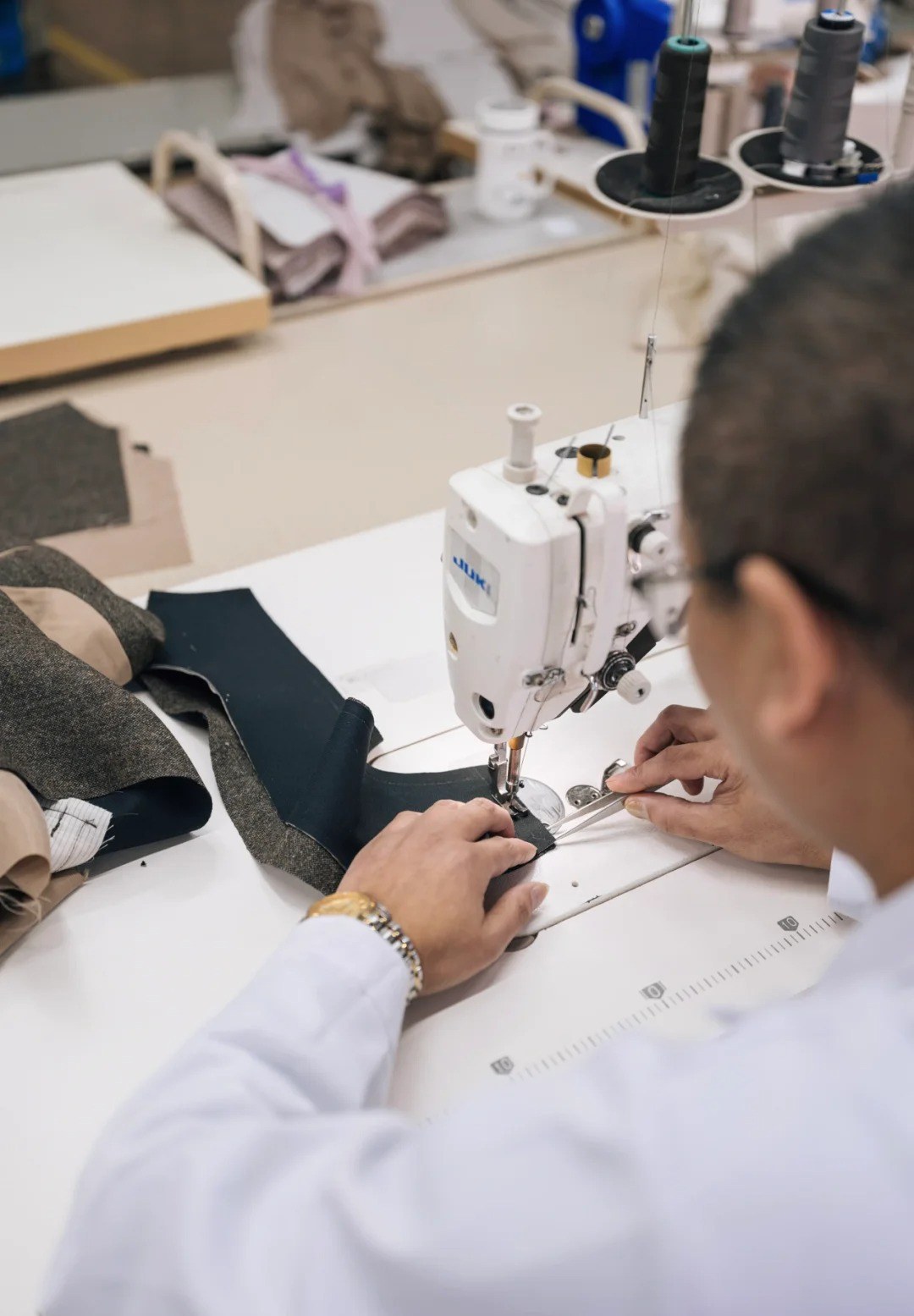
Quality control personnel must understand specifications, testing procedures, and equipment operation. Factories that skip comprehensive training experience higher defect rates and inconsistent standards application. We invest in documented training programs covering quality standards, inspection techniques, measurement tools, and reporting procedures. Our sewing operators learn self-inspection methods that catch errors before QC review. Well-trained employees form the foundation of effective systems—this isn’t optional.
3. Inconsistent or Missing Documentation
QC is only effective when results are systematically recorded and analyzed. Manufacturers who fail to document inspection results, test metrics, and corrective actions lose visibility into quality trends. We establish standardized forms and digital systems to record all activities: incoming inspection results, in-process checkpoint findings, final test data, and identified defects. Documentation enables trend analysis, regulatory compliance, and continuous improvement. Without records, you’re guessing.
4. Setting Quality Standards Too Low
Some manufacturers adopt minimum regulatory requirements as internal standards. This approach leaves no margin for error and increases customer complaint risk. Best practice: set internal standards 0.5-1% stricter than external requirements. If customers accept 1% defect rate, aim internally for 0.5%. This buffer protects reputation. When we manufacture for streetwear brands, we exceed their specifications because one viral complaint can destroy a startup’s credibility.
5. Neglecting Continuous Improvement
Quality control should drive process improvement, not just catch defects. Manufacturers who fail to analyze QC data miss opportunities to eliminate root causes. We review data monthly, identify recurring defect patterns, implement corrective actions, and track improvement. If stitch tension issues appear repeatedly, we retrain operators and adjust machine settings. Data-driven quality management reduces defect rates systematically over time.
QC Methods Comparison: Inspection Protocols vs. Statistical Sampling
Manufacturers choose between 100% inspection (higher cost, fewer defects escape) and statistical sampling (lower cost, acceptable risk level) depending on product criticality and defect consequences.
| QC Method | Cost | Defect Detection Rate | Best For | Risk Level |
|---|---|---|---|---|
| 100% Inspection | High | 95-99% | High-risk products (medical, automotive, aerospace) | Very Low |
| Statistical Sampling (AQL) | Low-Medium | 85-95% | High-volume consumer goods, apparel | Medium |
| In-Process Monitoring | Medium | 90-98% | Continuous production lines | Low-Medium |
| Automated Testing | Very High (upfront) | 99%+ | Precision manufacturing, electronics | Very Low |

Decision rule: Use 100% inspection for products where defects create safety risks, regulatory liability, or severe customer impact. Apply statistical sampling (Acceptable Quality Level / AQL) for high-volume production where occasional defects are acceptable and economically rational. Combine in-process monitoring with sampling for optimal cost-effectiveness—this hybrid approach catches most defects early while controlling inspection labor costs. As a Wholesale Clothing Manufacturer, we use AQL 2.5 sampling for standard apparel orders and 100% inspection for luxury collections where brand reputation demands perfection.
Quality Control in Manufacturing by the Numbers (2026)
Manufacturing defect rates average 2-5%, but companies with effective QC systems achieve 0.5-1% defect rates, reducing costs by 15-25% annually through systematic inspection and corrective action.
• 2-5% average defect rate — Most manufacturers experience 2-5% defect rates; best-in-class companies achieve 0.5-1% through rigorous QC (MachineMetrics, 2025)
• Cost of poor quality: 15-25% of revenue — Manufacturing companies lose 15-25% of production revenue to defects, rework, and waste when QC is inadequate (SixSigma.us, 2024)
• ROI of 3-5x on QC investment — Companies investing in structured QMS and QC systems achieve 3-5x return through reduced scrap, lower warranty claims, and improved efficiency (ANSI, 2025)
• 83% of customers expect quality — 83% of support teams report rising customer expectations for product quality and defect-free delivery (Intercom Customer Service Trends, 2023)
• 30-40% reduction in defects with training — Comprehensive employee training on QC standards reduces defect rates by 30-40% within 12 months (FastField, 2024)
• 40-60% scrap reduction — Multi-stage inspection systems that catch defects early reduce material waste by 40-60% compared to final-inspection-only approaches (Factbird, 2026)
How to Establish a Multi-Stage Quality Control System
Effective QC systems implement five sequential stages—raw material inspection, in-process monitoring, final testing, documentation, and continuous improvement—creating multiple checkpoints to catch defects before customer delivery.
Stage 1: Raw Material & Incoming Inspection
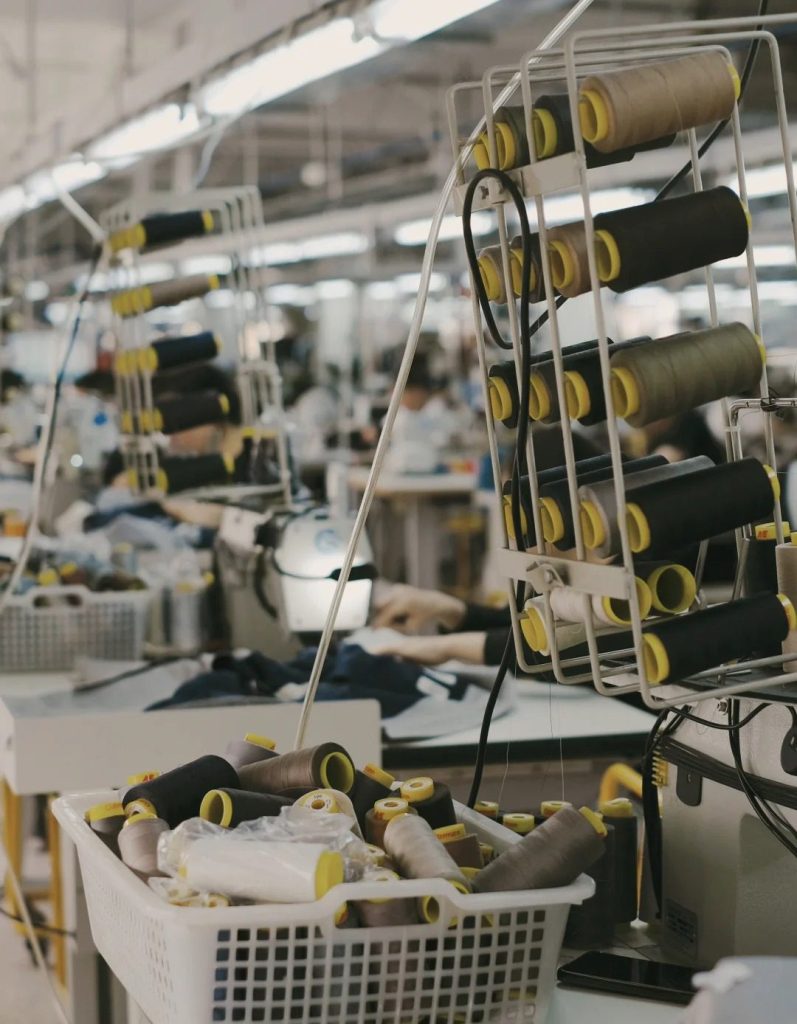
Quality products begin with quality materials. Establish incoming inspection procedures to verify that raw materials—fabrics, trims, components—meet specifications before entering production. Test for fiber content, colorfastness, shrinkage, tensile strength, and dimensional accuracy using standardized methods. Document all test results and reject materials that fail standards. At ZORWILD, we test every fabric lot for weight consistency, color matching against approved samples, and wash stability before cutting begins. This prevents defects from propagating through production and reduces downstream rework. Incoming inspection typically adds 1-2 days to lead time but saves 5-10 days of production disruption from defective materials.
Stage 2: In-Process Inspection During Production
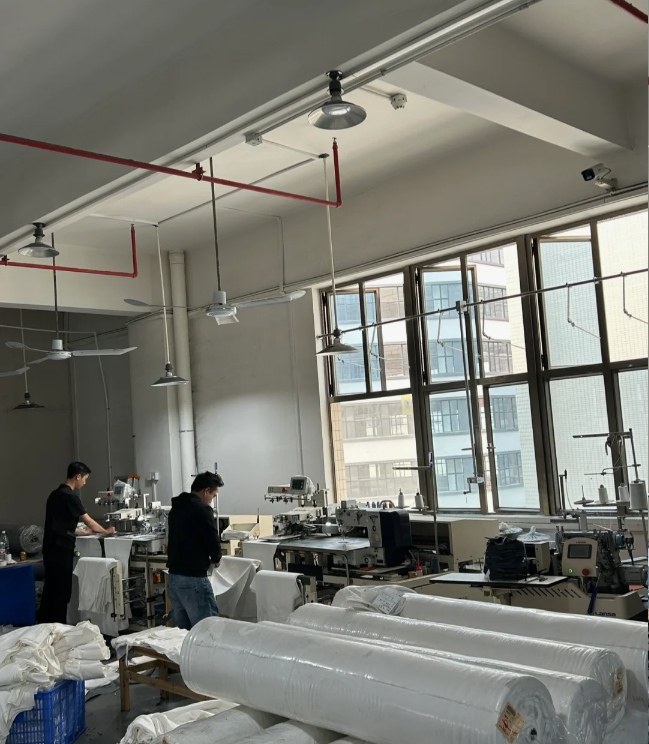
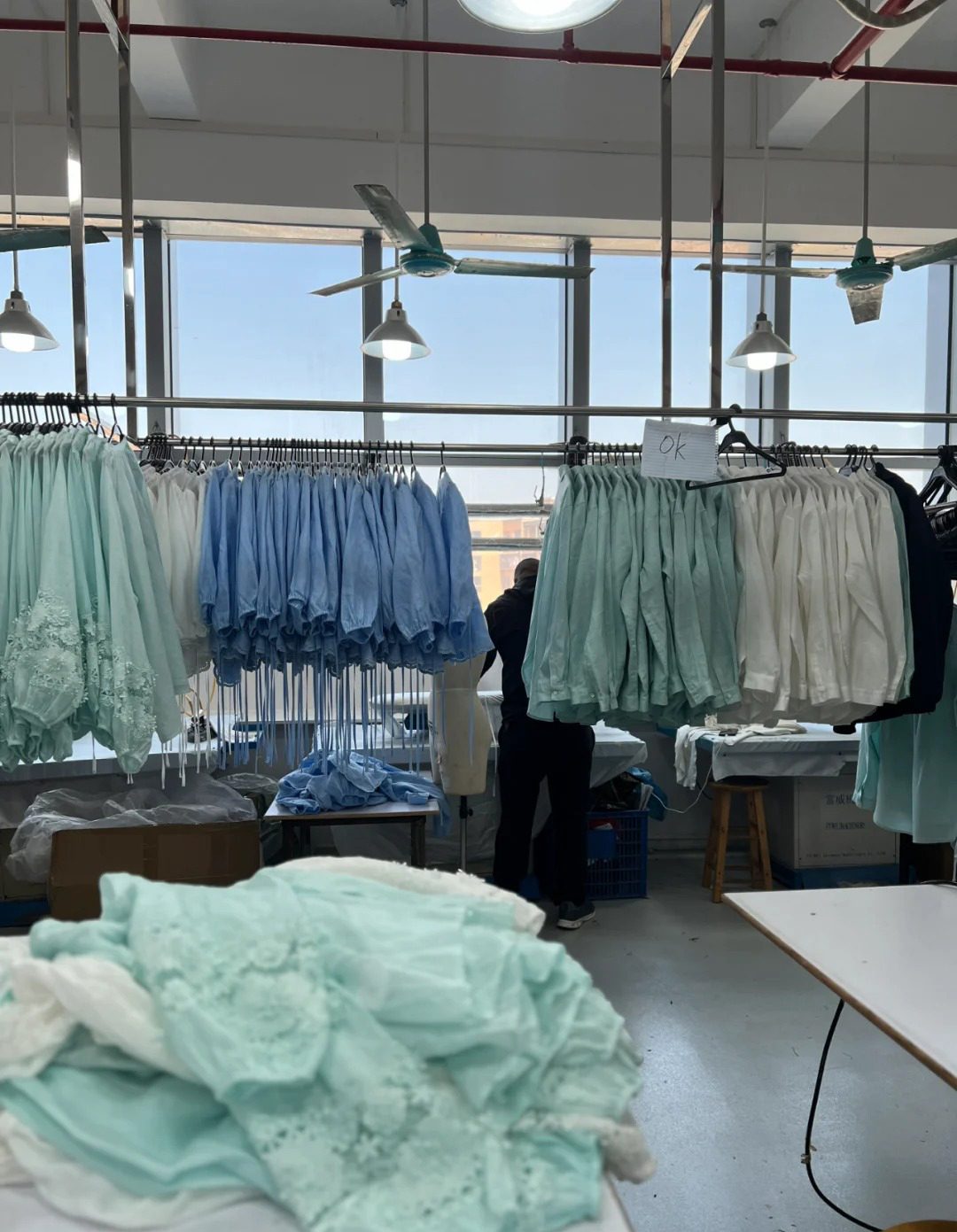
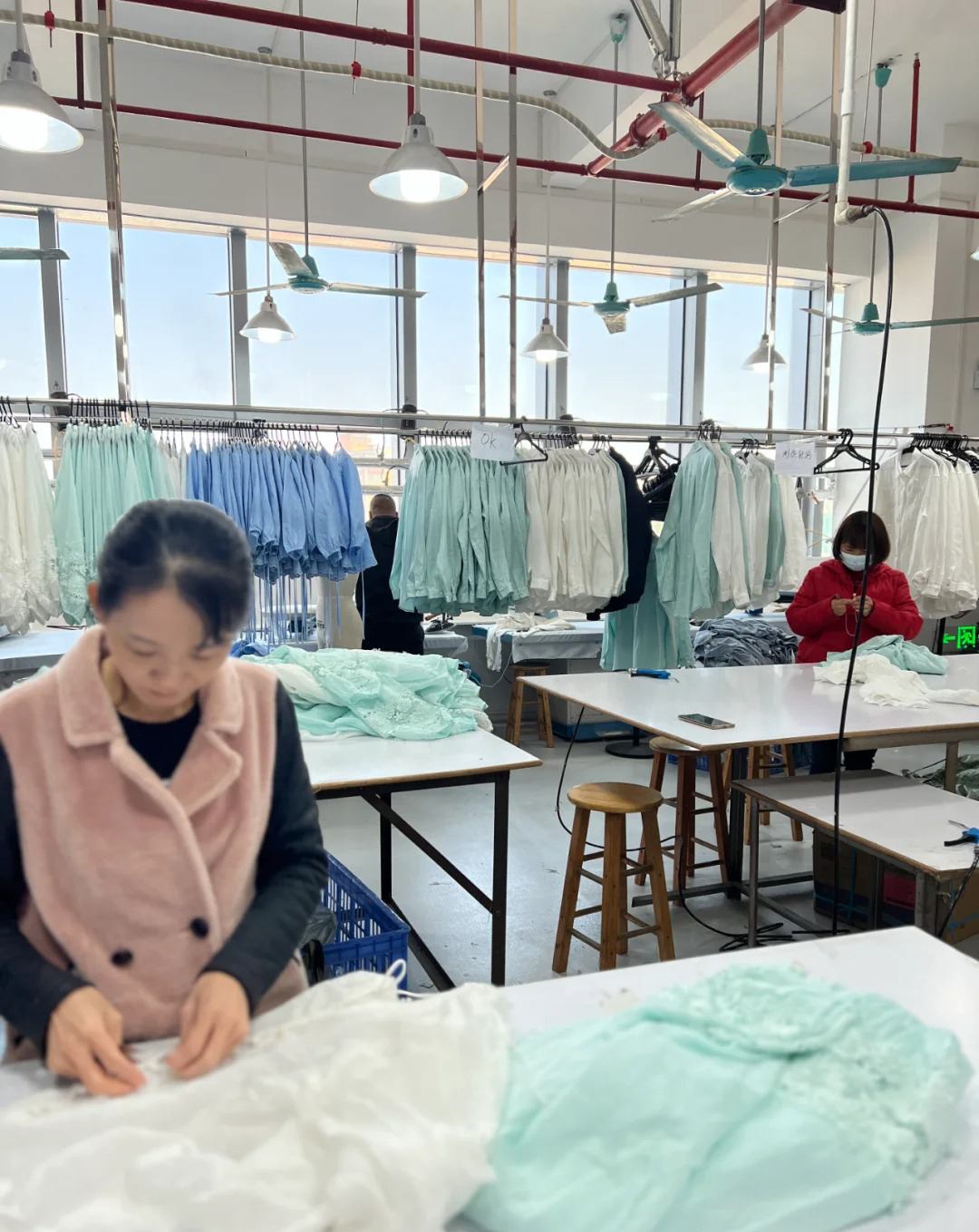
Monitor product quality at critical production stages: pattern cutting accuracy, sewing assembly precision, print/embroidery application positioning, and washing/finishing consistency. Implement checkpoint inspections where QC personnel verify measurements against tech packs, stitch quality against samples, print positioning against specifications, and color consistency across batches. In-process inspection catches errors early when corrective action is fastest and cheapest. We establish clear visual standards—sample garments displayed at workstations—that production workers reference to self-monitor quality. Operators flag questionable units for QC review rather than passing problems downstream.
Stage 3: Final Product Inspection & Testing
Before shipment, conduct comprehensive final inspection following systematic quality control procedures. Verify measurements against tech packs using calibrated rulers and scales. Inspect seams and stitching for skipped stitches, tension issues, and raw edges. Check print/embroidery durability through rub testing and wash testing. Test garment wash stability for shrinkage and color bleeding. Ensure packaging meets brand standards—correct labels, folding, poly bags, hang tags. Use standardized inspection forms that document findings consistently. Final inspection typically examines 10-15% of units in standard production; 100% for luxury or high-risk orders.
Stage 4: Documentation & Data Analysis
Record all QC activities systematically: incoming inspection results, in-process checkpoint findings, final test data, and defects identified. Use digital QMS software or standardized forms to ensure consistency and retrievability. Analyze data monthly to identify defect patterns, recurring issues, and process bottlenecks. Track key metrics: defect rate by category, scrap percentage, rework hours, and customer complaint trends. We maintain digital records accessible to production managers, QC supervisors, and client services teams. This transparency enables rapid response to quality issues and demonstrates manufacturing quality assurance commitment to clients.
Stage 5: Corrective Action & Continuous Improvement
When defects are identified, implement root cause analysis to understand why failures occurred. Was it material quality, operator error, equipment malfunction, or process design? Use tools like 5-Why Analysis and Fishbone Diagrams to trace problems to source. Implement corrective actions—retraining, equipment maintenance, process redesign—and verify effectiveness through follow-up testing. We conduct monthly QC review meetings where production managers, QC supervisors, and technical staff analyze defect trends and prioritize improvement initiatives. This systematic approach has helped us improve quality control year over year, reducing our defect rate from 2.1% in 2020 to 0.7% in 2026 across all product categories.
FAQ
Q1: What is the difference between quality control and quality assurance?
Quality assurance (QA) is the proactive, strategic system designed to prevent defects through process design, training, and documentation. Quality control (QC) is the reactive, operational mechanism that identifies and corrects defects as they occur through inspection and testing. QA asks “How do we prevent problems?” QC asks “Are products meeting specifications?” Both are essential—QA prevents defects, QC catches those that escape prevention.
Q2: How often should we conduct quality inspections during production?
Inspection frequency depends on product complexity and defect risk. For high-risk products, implement 100% inspection at multiple stages. For standard apparel manufacturing, conduct in-process inspections at 2-4 critical checkpoints and final inspection on all units. High-volume, low-risk items may use statistical sampling (AQL 2.5 or 4.0). Best practice: inspect at least 10-15% of each batch during in-process stages and 100% at final inspection for new products.
Q3: What documentation should we maintain for quality control?
Maintain: (1) Standard Operating Procedures (SOPs) for all QC processes; (2) Inspection records and test results; (3) Defect logs with root cause analysis; (4) Training records for QC personnel; (5) Supplier quality documentation; (6) Customer complaint records; (7) Corrective action reports with follow-up verification; (8) Audit findings and improvement actions. Documentation enables trend analysis, regulatory compliance, and continuous improvement.
Q4: How can we reduce quality control costs without sacrificing product quality?
Implement in-process monitoring and employee self-inspection to catch defects early—cheaper than final rework. Use statistical sampling for high-volume, low-risk products instead of 100% inspection. Invest in employee training so workers catch their own errors before QC inspection. Focus 100% inspection on high-risk, high-value products. Early defect detection reduces overall costs by 20-30%.
Q5: What role does employee training play in quality control?
Employees are the foundation of effective QC. Comprehensive training on quality standards, inspection procedures, measurement tools, and documentation reduces defect rates by 30-40% within 12 months. Well-trained workers understand specifications, self-monitor their work, and catch errors early. Provide initial training for all new employees covering company quality standards, product specifications, and inspection methods. Conduct annual refresher training for existing staff on updated procedures and common defect patterns.
Sources
- MachineMetrics. “Quality Control in Manufacturing: What It Is & Why It’s Important.” 2025 — defect rate statistics and QC effectiveness data
- SixSigma.us. “Quality Control in Manufacturing: Overview and Best Practices.” 2024 — cost of poor quality metrics
- ANSI Blog. “Understanding & Improving Quality Control in Manufacturing.” 2025 — ROI data on QC investment
- SafetyCulture. “A Guide to Quality Control in Manufacturing.” 2024 — multi-stage inspection procedures
- FastField. “How to Establish Quality Control Processes in Manufacturing.” 2024 — employee training impact data
Written by Alin Zeng (27 Years of Master Craftsmanship & Pattern Making, Global OEM & Streetwear Customization Excellence, End-to-End Supply Chain & One-Stop Production, High-Efficiency Cost Control (“Quality + Affordability”), Incubating 2,000+ Fashion Brands from Scratch). Last reviewed 2026-05-23.