
Custom Jeans Garment Manufacturers — 50-Piece MOQ, 7-Day Samples
Professional jeans garment manufacturers with 27 years of denim expertise, 100,000+ monthly production capacity, and 6-stage quality control. Test your collection with low MOQ production from 50 pieces and fast sampling turnaround.
Jeans u0026 Denim Collections Showcase
Why Startup Brands Choose ZORWILD Jeans Garment Manufacturers
27 Years Manufacturing Heritage
Professional jeans garment manufacturers since 1998 in Humen, Dongguan, serving over 2,000 brands with proven expertise in denim production.
50-Piece Minimum Order Quantity
Launch your jeans collection without massive inventory risk. Perfect for startup brands, influencers, and testing new denim styles in market.
6-Stage Quality Control System
Every pair inspected from fabric arrival through final packaging. Raw material checks, in-line monitoring, and final product inspection guarantee consistency.
95%+ Decoration Techniques In-House
Distressing, acid wash, embroidery, rhinestones, laser cutting, and all finishing done internally for faster turnaround and tighter quality control.
100,000+ Units Monthly Capacity
Scale from 50-piece test runs to full production volumes seamlessly. Our infrastructure grows with your brand without switching manufacturers.
Humen Dongguan Factory Location
Based in one of the world’s top garment hubs with direct access to premium denim mills, hardware suppliers, and skilled labor.
Jeans Production From 50 Pieces
Full-scale denim manufacturing with vintage washes, distressing, embroidery, and custom fits—backed by 27 years of garment expertise.
Skinny Jeans
Precision-cut skinny fit jeans with stretch construction and consistent leg taper. We handle heavyweight denim, stretch blends, contrast stitching, custom washes, and quality control for accurate inseam measurements. MOQ starts at 50 pieces with fast sampling turnaround for emerging brands.
Get a Quote
Straight Fit Jeans
Classic straight fit jeans engineered for timeless silhouettes and reliable fit consistency. Our Humen facility produces straight leg denim with stone wash, enzyme wash, vintage fading, distressed details, embroidery applications, and custom hardware. Ideal for wholesalers requiring stable production at scale.
Get a Quote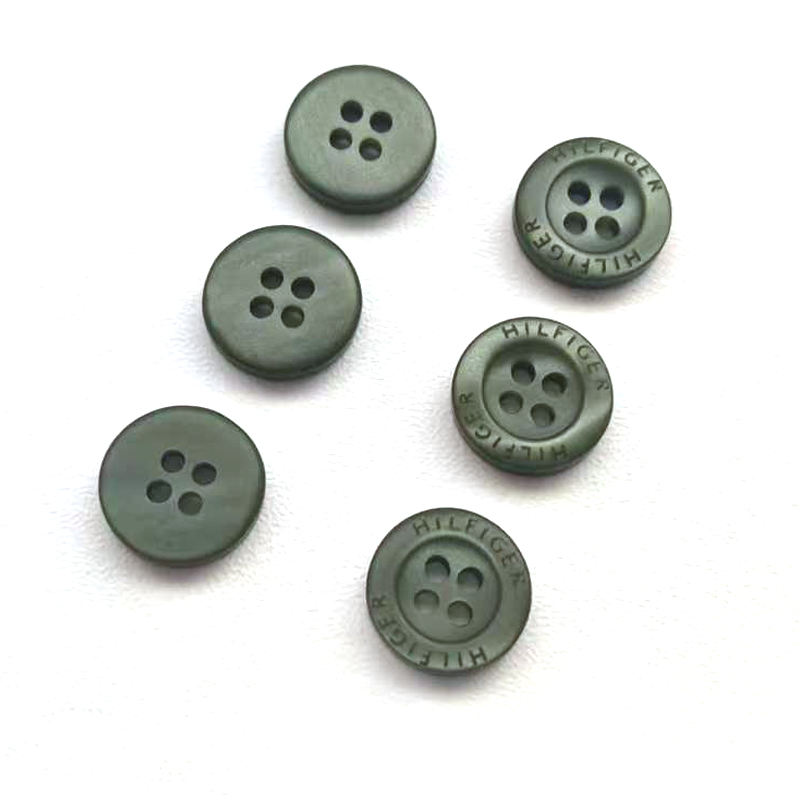
Bootcut Jeans
Bootcut jeans manufactured with authentic leg flare and balanced proportions from hip to hem. We support multiple denim weights, garment dye processes, contrast stitching, custom labels, and branded hardware. Production capacity handles both 50-piece test runs and monthly orders exceeding 5,000 units.
Get a Quote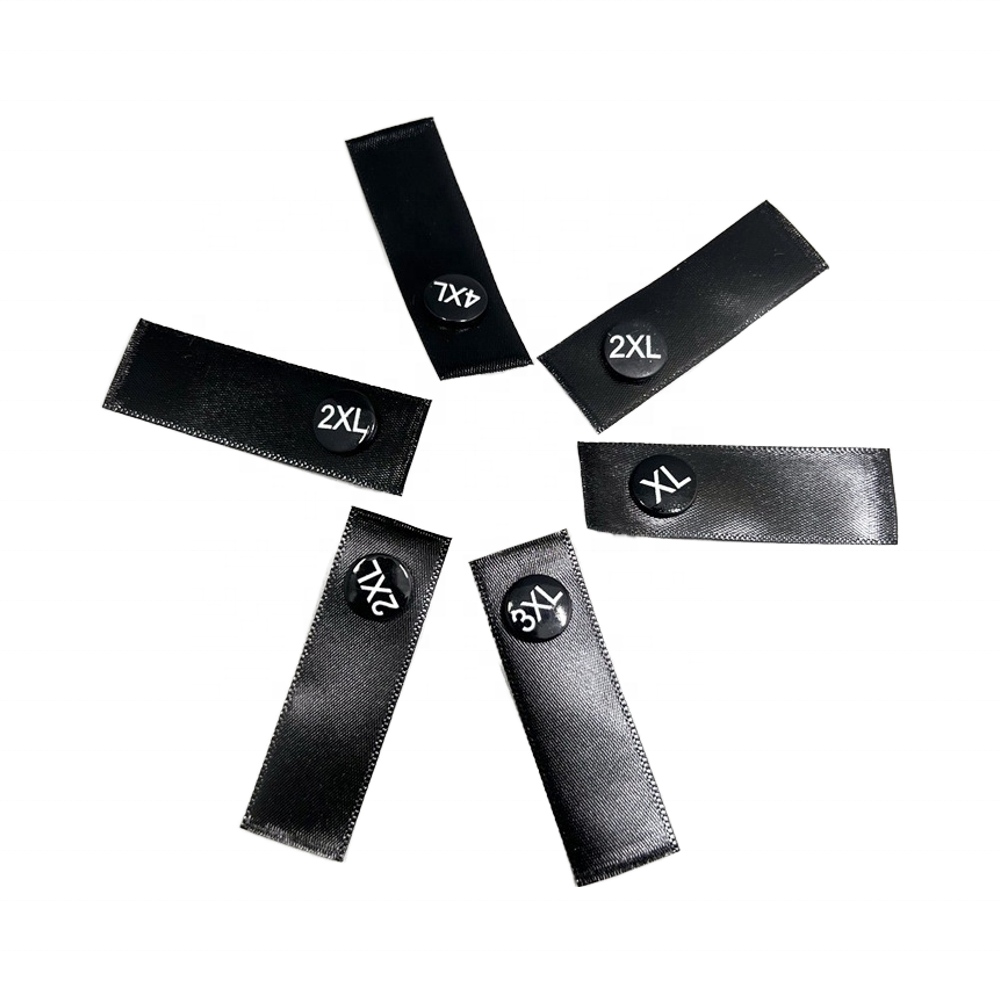
Wide Leg Jeans
Wide leg jeans crafted with modern oversized silhouettes and trend-forward proportions. Our team delivers heavyweight denim construction, vintage wash effects, distressed finishes, custom pocket designs, and embroidered branding. Fast 14-day sampling with in-house pattern development and fit adjustments for DTC brands.
Get a Quote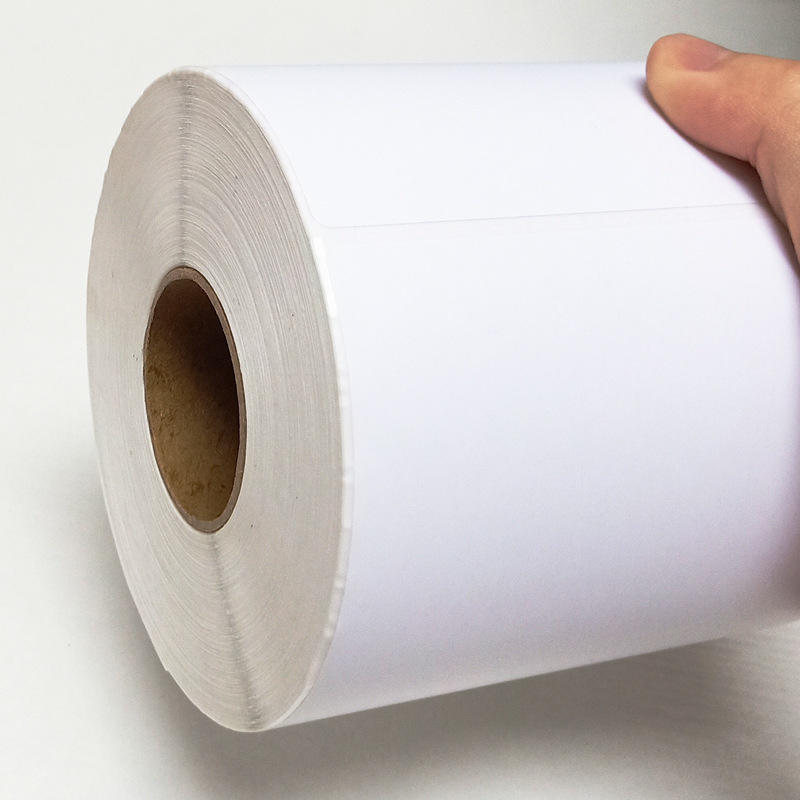
Distressed Jeans
Distressed jeans featuring controlled rips, frayed edges, and authentic worn-in aesthetics. We apply stone wash, acid wash, enzyme treatments, laser distressing, hand sanding, and whiskering techniques with strict quality control. Perfect for streetwear labels needing trend-ready denim with 50-piece minimums and rapid turnaround.
Get a Quote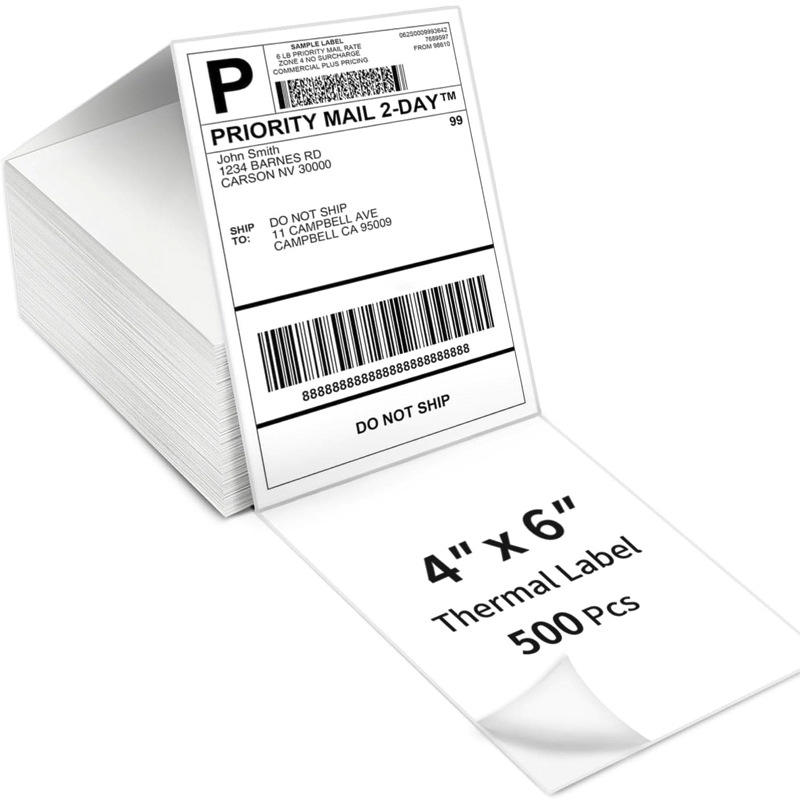
High Waisted Jeans
High waisted jeans designed with elevated rise and flattering fit engineering. Our facility produces high-rise denim with stretch comfort, vintage washes, button fly or zipper closures, custom embroidery, and branded labels. Full tech pack development and sampling support for influencer brands launching capsule collections.
Get a Quote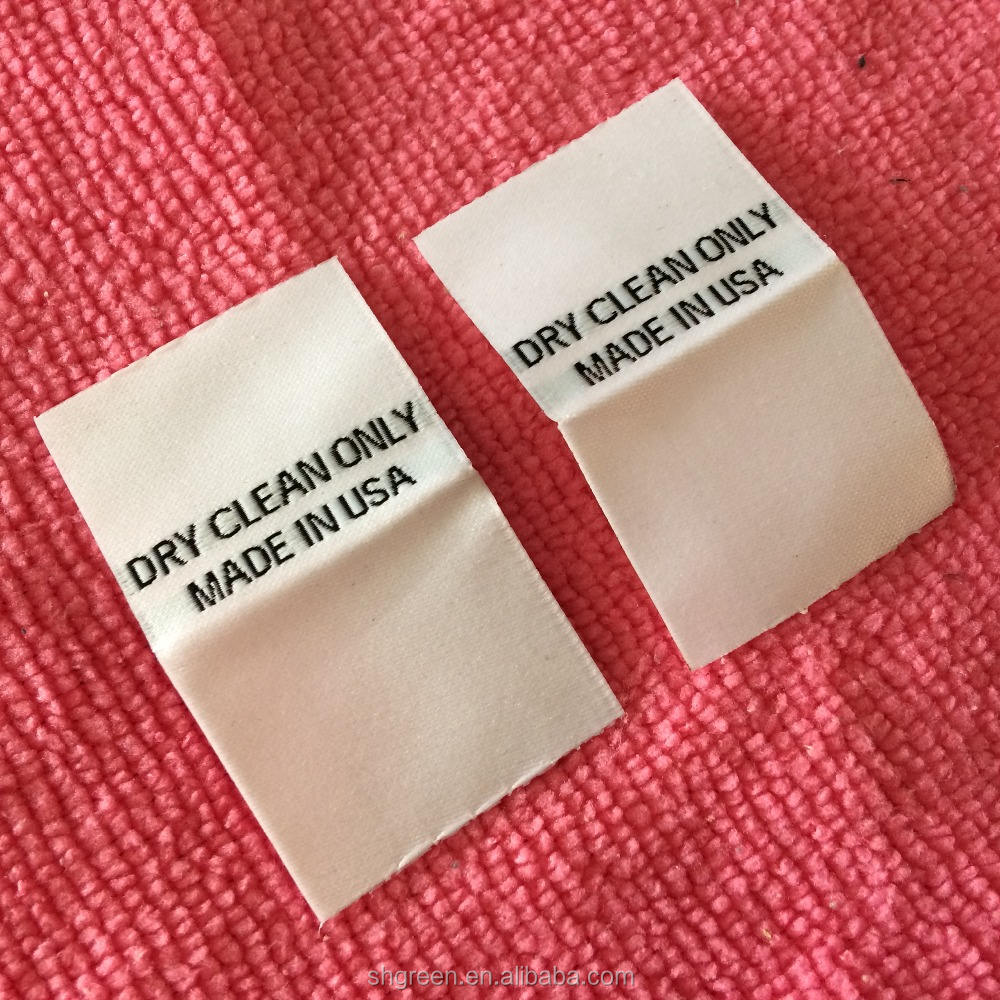
Stretch Denim Jeans
Stretch denim jeans combining cotton durability with spandex flexibility for all-day comfort. We source quality stretch fabrics, apply garment washes, manage shrinkage control, and ensure recovery performance. Our 6-stage quality system guarantees consistent stretch retention across production runs from 50 to 10,000 pieces.
Get a Quote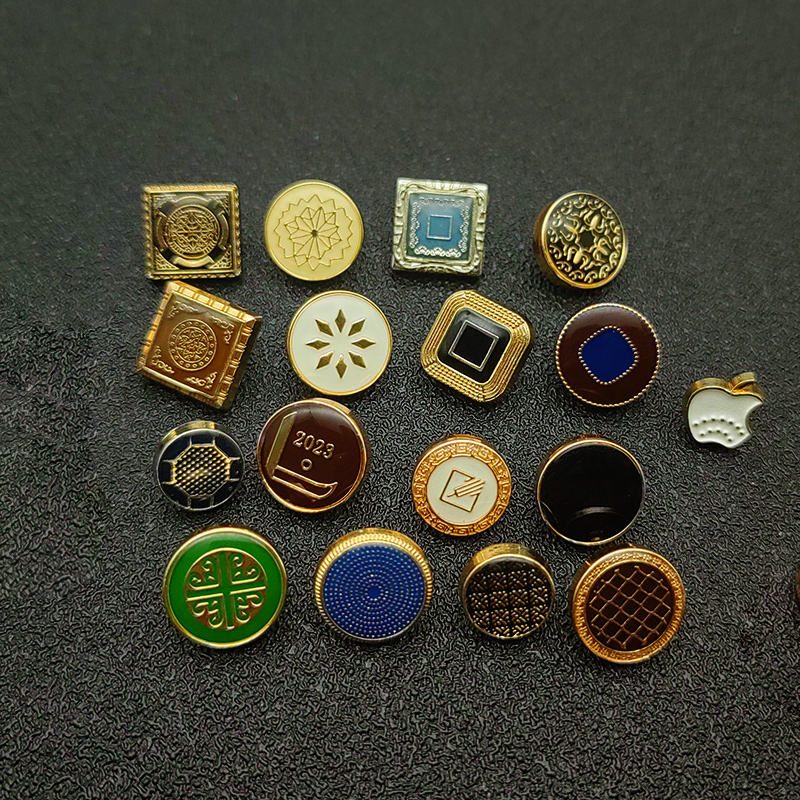
Raw Denim Jeans
Raw denim jeans manufactured with unwashed, untreated fabrics for authentic selvedge aesthetics. We work with premium raw denim suppliers, construct reinforced stitching, install custom hardware, apply leather patches, and maintain rigid quality standards. Ideal for premium brands requiring craftsmanship-focused production with low MOQs.
Get a Quote
Custom Embroidered Jeans
Custom embroidered jeans featuring flat embroidery, chenille patches, applique details, and logo placements. Our in-house decoration covers 95% of techniques including metallic threads, sequin embroidery, contrast stitching, and custom pocket embroidery. Design support and sampling available for brands needing unique denim storytelling at accessible minimums.
Get a QuoteDenim u0026 Fabric Materials From Trusted Jeans Garment Manufacturers
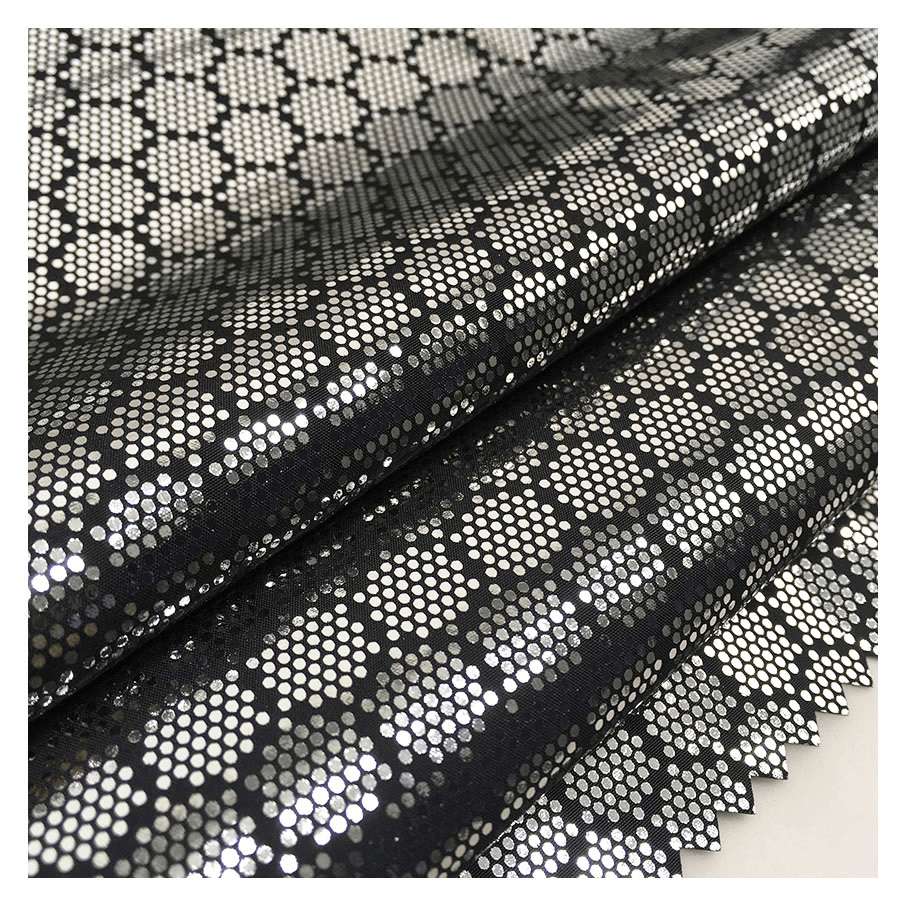
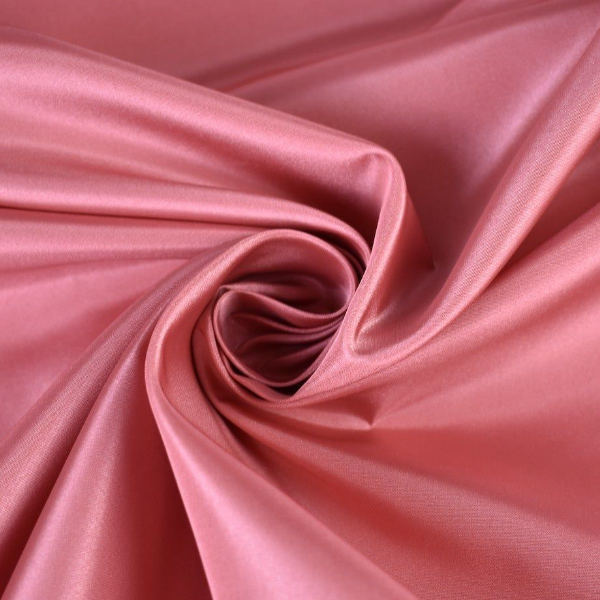
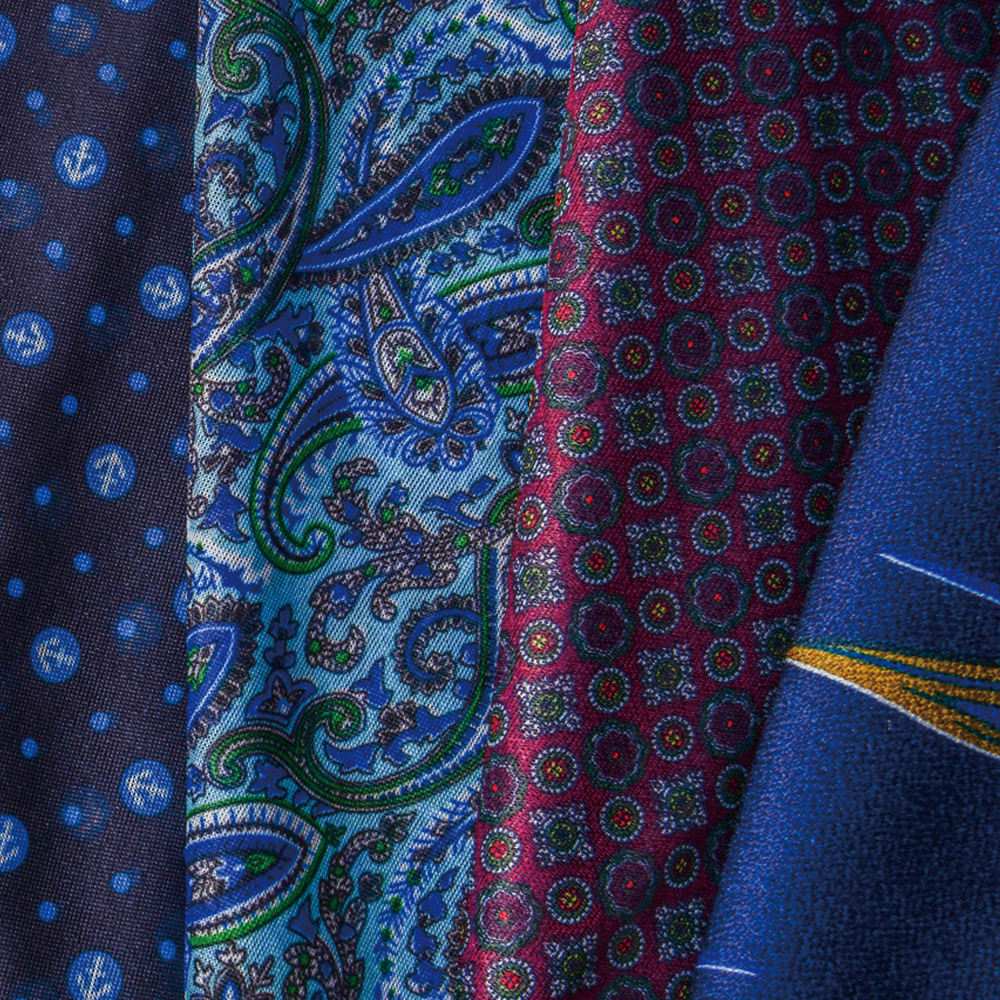
Garment Finishing u0026 Wash Techniques for Jeans Garment Manufacturers
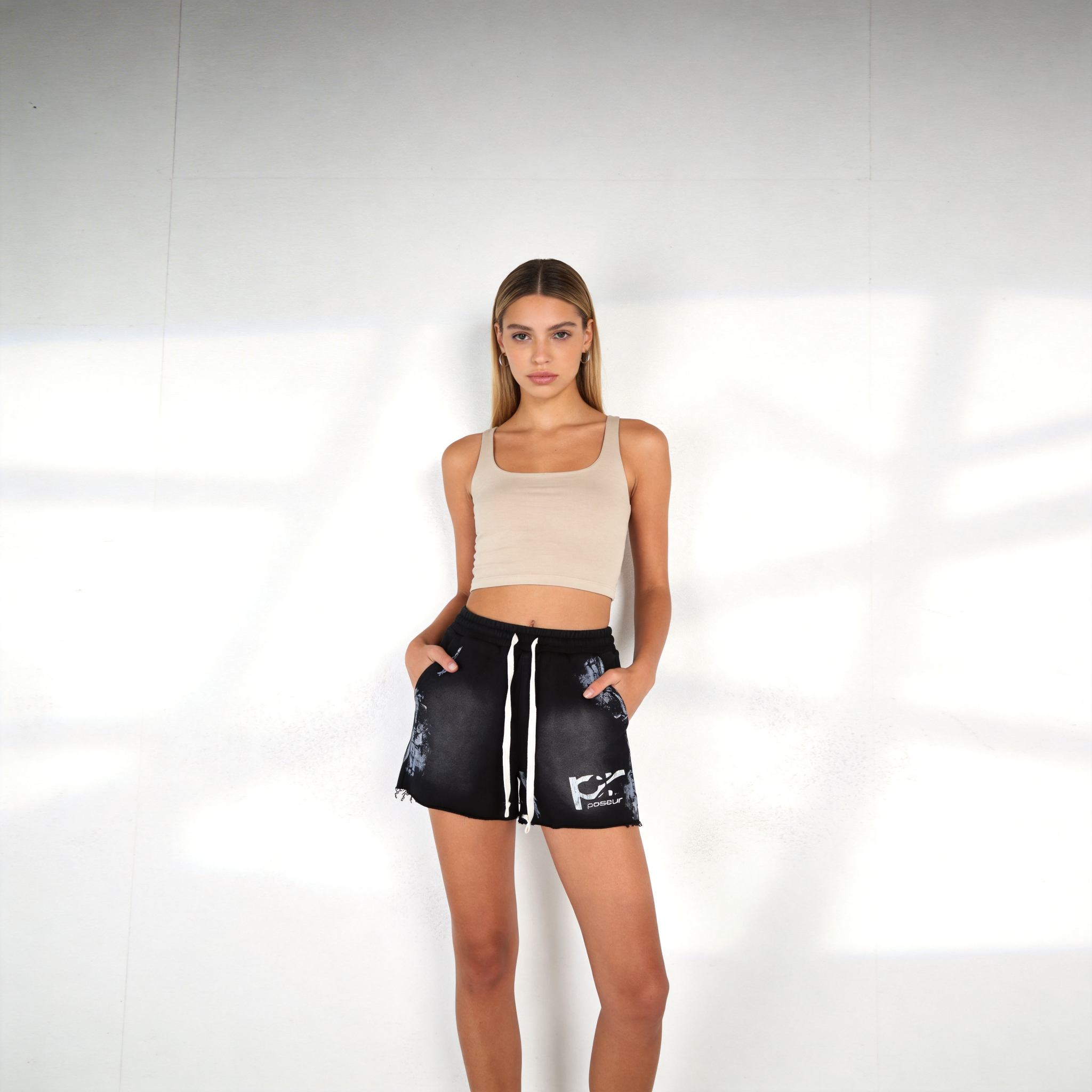
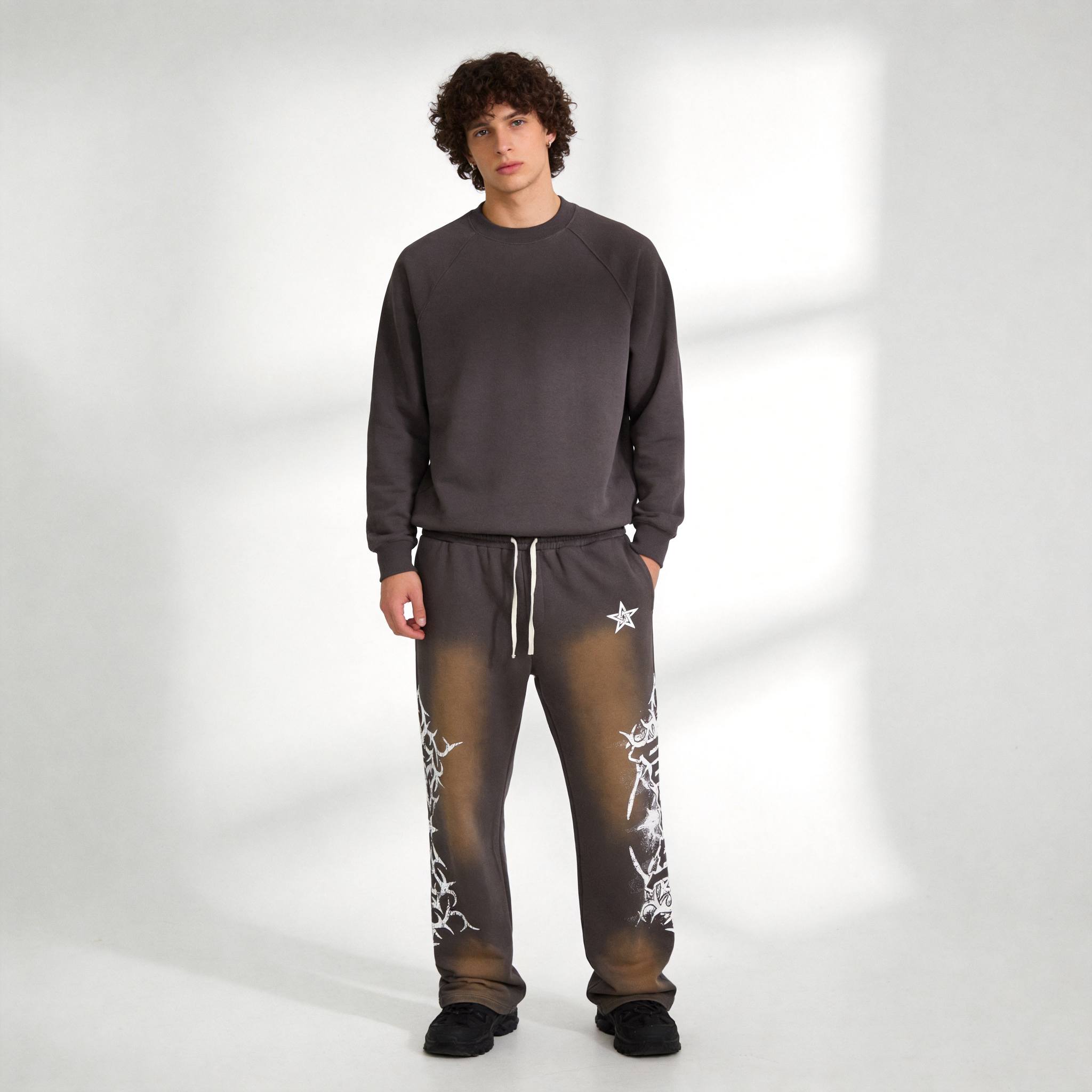
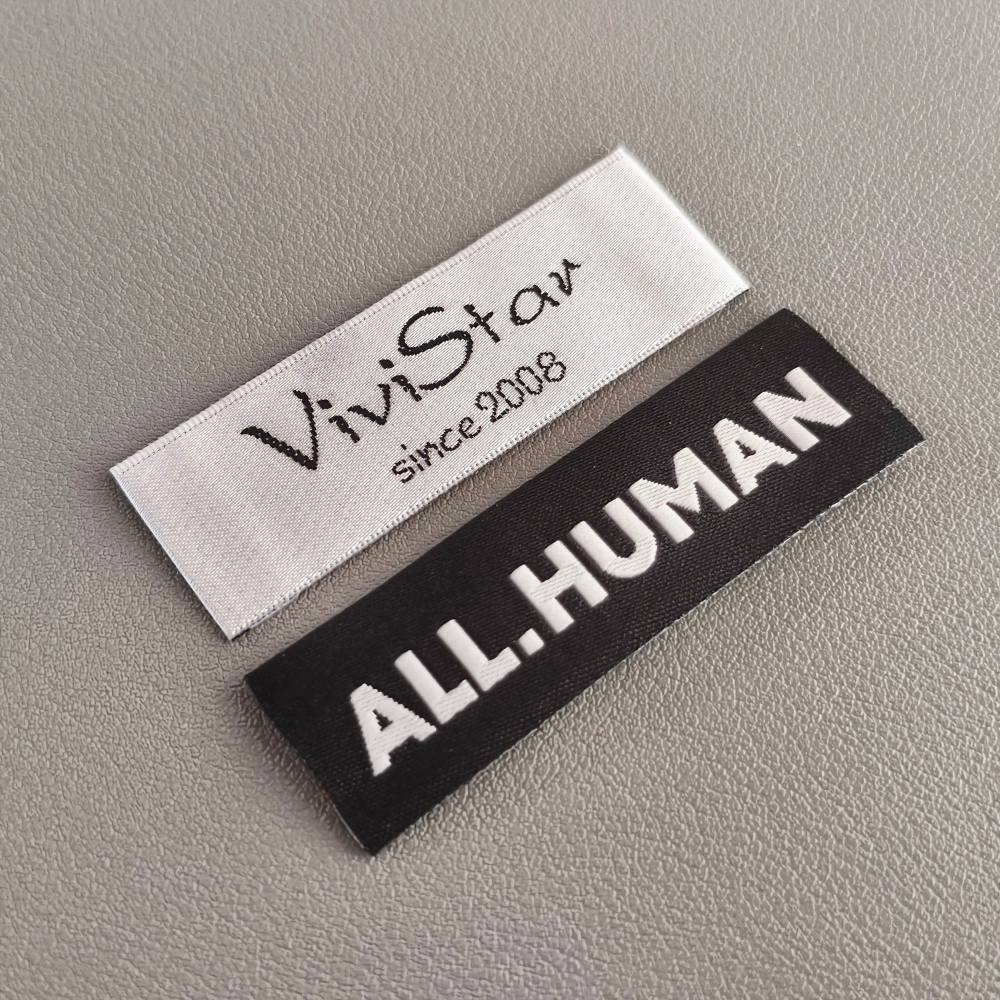
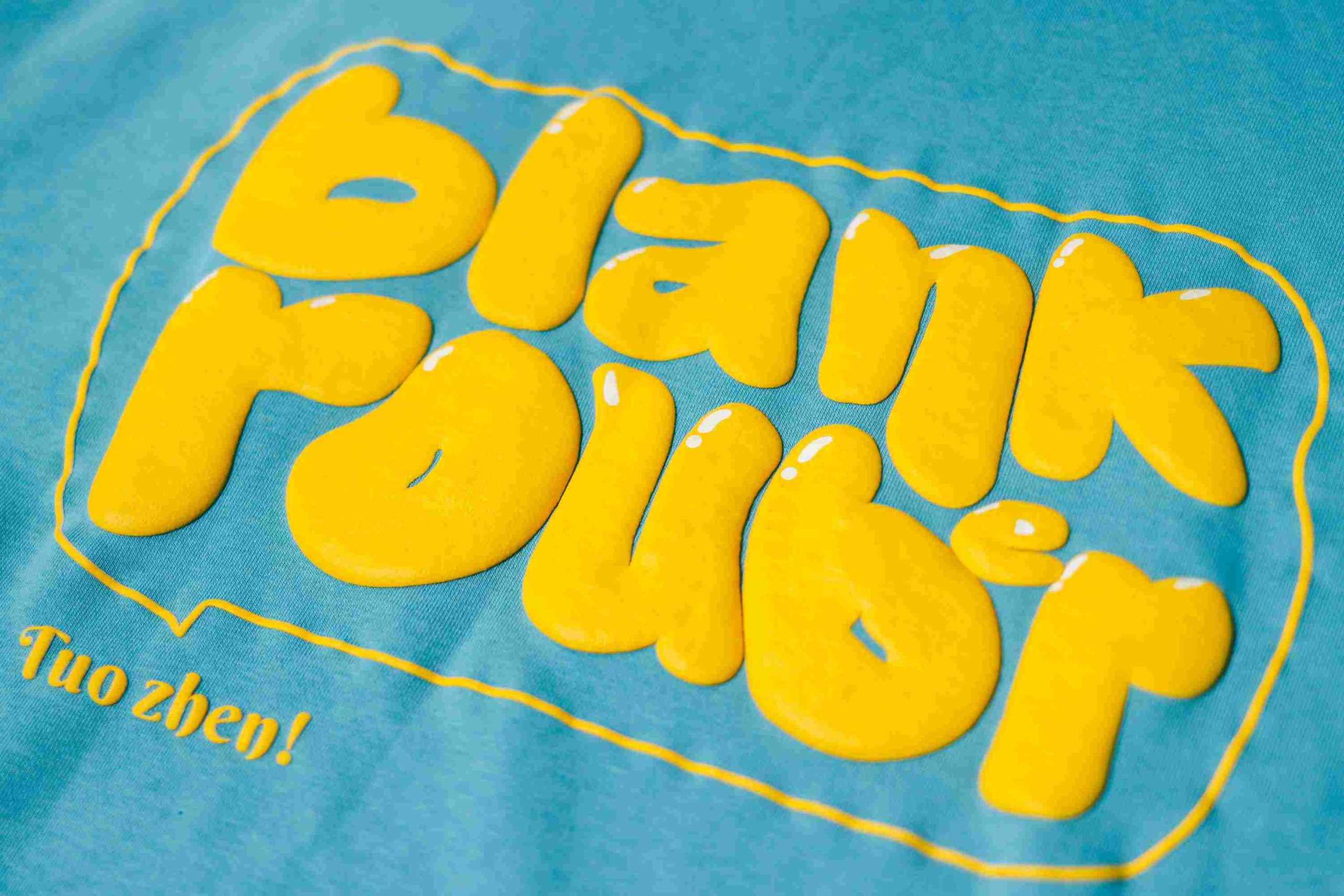
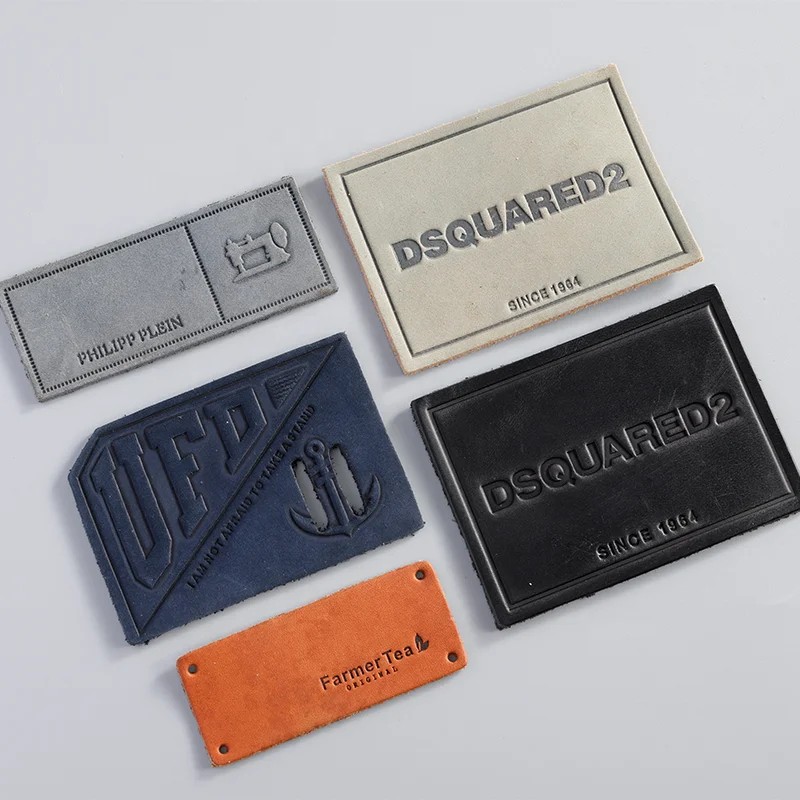
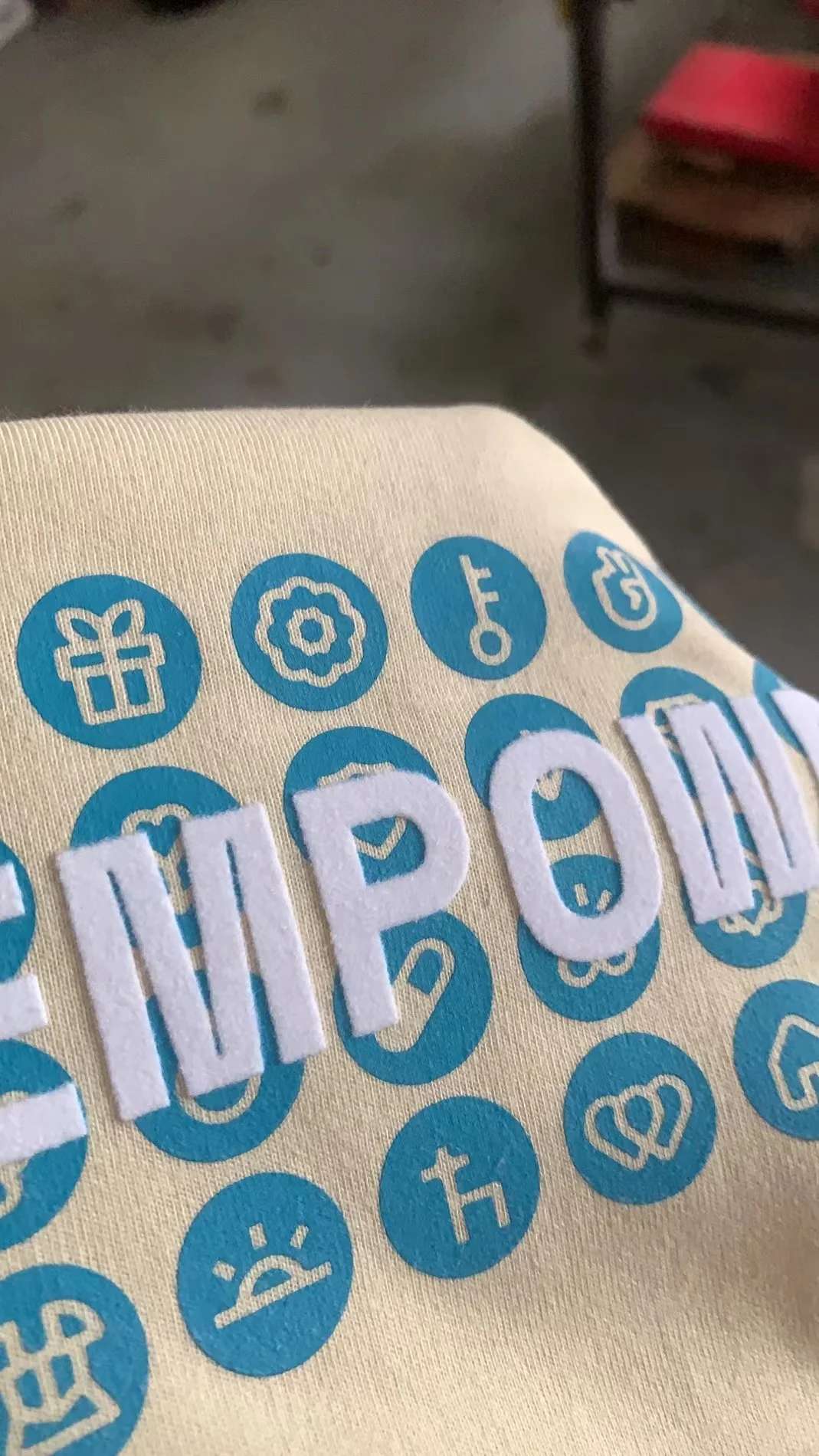
Distressed Finishing
Hand-crafted or machine-applied wear patterns including rips, fraying, whiskering, and abrasions. Creates authentic lived-in appearance for fashion-forward collections, with customizable distress levels and placement to match your brand’s unique design vision.
Denim Hardware u0026 Trims for Jeans Garment Manufacturers
Trusted Jeans Garment Manufacturers Since 1998
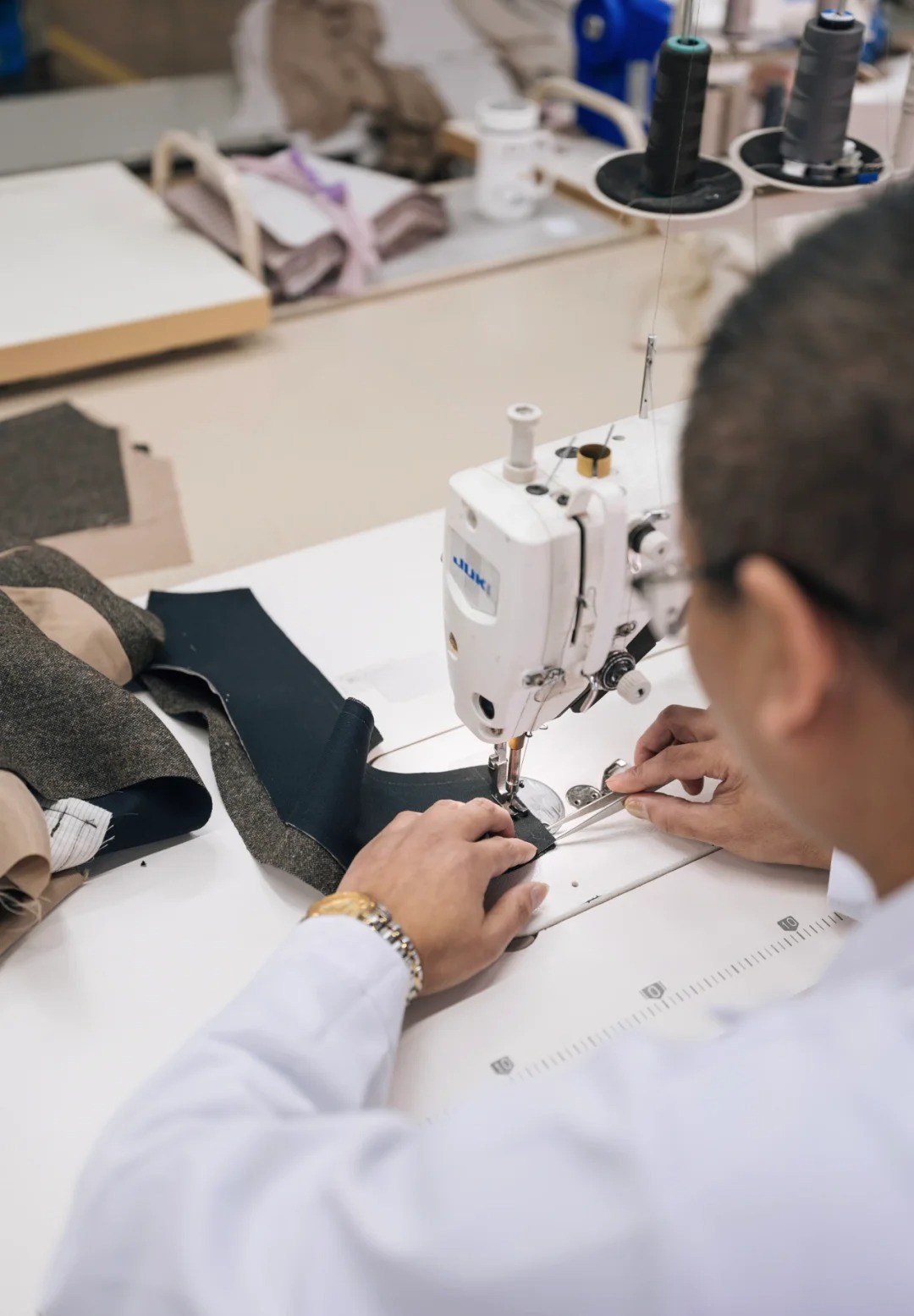
Founded in 1998 in Humen, Dongguan—one of the world’s most influential garment manufacturing hubs—ZORWILD began as a small family-operated workshop. Today, we are a full-service jeans garment manufacturer with over 200 skilled workers, serving more than 2,000 fashion brands across the United States, Canada, Europe, Australia, and beyond with specialized denim production expertise.
Our founder grew up in the apparel business, learning every stage of garment manufacturing from cutting and sewing to quality control and finishing. This hands-on foundation drives our commitment to precision, craftsmanship, and reliability in every pair of jeans we produce, whether you need 50 pieces or 10,000 units per month.
ZORWILD bridges the gap between creative design and scalable production for startup brands, influencers, wholesalers, and established labels. With 50-piece MOQ flexibility, advanced denim wash techniques, in-house decoration capabilities covering 95%+ of modern finishing processes, and a rigorous 6-stage quality control system, we help you launch premium jeans collections without compromise.
Our Core Jeans Manufacturing Capabilities
Low-MOQ Sampling and Design Support
ZORWILD empowers startup brands with 50-piece minimum orders and comprehensive design assistance. Our experienced team transforms sketches, tech packs, or reference samples into production-ready jeans, helping you test styles and reduce inventory risk without large commitments.
- 50-piece minimum order quantity for jeans styles
- Tech pack development from sketches or inspiration photos
- Fabric and wash recommendations based on brand positioning
- 7-day sampling turnaround for rapid product validation
Advanced Wash and Distressing Techniques
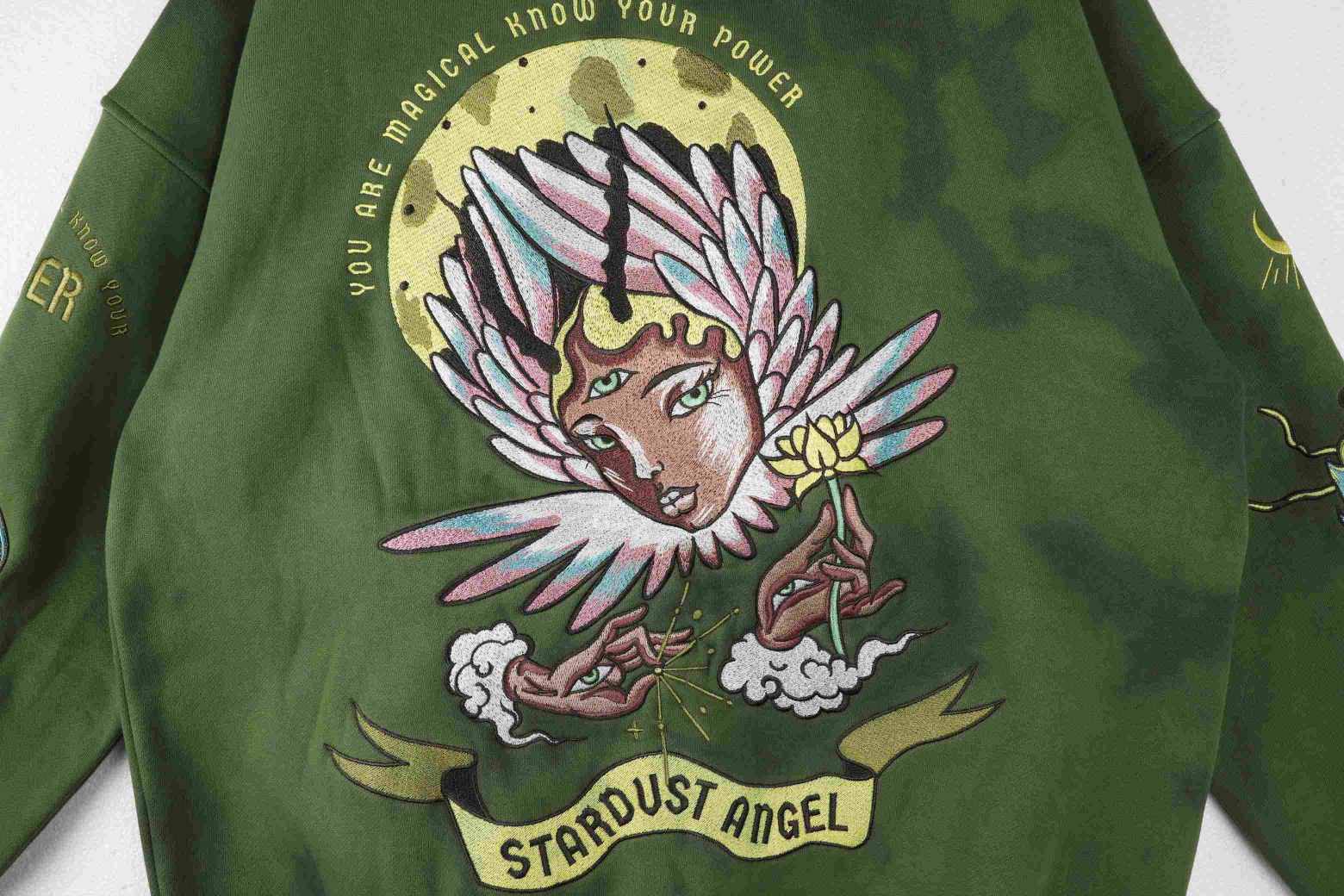
Our jeans garment manufacturers master over 95% of modern denim finishing techniques in-house. From vintage acid wash to enzyme treatments and hand-distressed details, we deliver authentic streetwear aesthetics and premium texture that differentiate your brand in competitive markets.
- Acid wash, stone wash, enzyme wash, and vintage wash effects
- Hand distressing, frayed edges, and crack printing finishes
- Garment dye and pigment dye for unique color variations
- Consistent wash quality across production batches
6-Stage Quality Control System
Every pair of jeans passes through our rigorous 6-stage inspection process covering raw materials, in-line production, measurements, decoration quality, final product, and packaging. This systematic approach ensures consistent fit, durability, and professional finishing across every production run.
- Raw material inspection for denim fabric and trims
- In-line production checks during cutting and sewing stages
- Measurement verification against approved tech packs
- Final product and packaging inspection before shipment
Global Logistics and Export Support
Based in Humen, Dongguan—a world-class manufacturing hub—ZORWILD provides complete export documentation, customs support, and flexible shipping solutions. We handle air freight, sea freight, and door-to-door delivery to help brands worldwide reduce delays and streamline international orders.
- Air freight and sea freight options for flexible timelines
- Door-to-door shipping with tracking and customs clearance
- Complete export documentation and compliance support
- Serving brands across North America, Europe, Middle East, and Asia
ZORWILD vs. Typical Jeans Garment Manufacturers
Evidence-based comparison of production capabilities, timelines, and flexibility for startup brands and professional teams.
← 左右滑动查看 →
Jeans Garment Manufacturers Production Timeline — Design to Delivery
ZORWILD’s proven 6-phase production system ensures every jeans order meets strict quality standards, from initial tech pack approval through final shipment. With 27 years of denim manufacturing experience, we deliver consistent results at every stage.
Tech Pack u0026 Design Approval
Submit your tech pack, sketches, or reference samples. Our development team reviews specifications, measurements, and construction details to ensure production readiness before moving forward.
Fabric Sourcing u0026 Sampling
We source premium denim fabrics from trusted suppliers based on your weight, stretch, and finish requirements. Sample garments are produced for fit, wash, and quality approval.
Cutting, Sewing u0026 Washing
Precision pattern cutting, professional sewing by skilled operators, and advanced wash techniques including vintage wash, stone wash, distressed effects, and garment dye are applied.
Quality Control Inspection
Our 6-stage quality control system inspects fabric integrity, stitch quality, measurements, wash consistency, hardware function, and overall construction to meet international standards.
Finishing u0026 Packaging
Garments are professionally ironed, folded, and packaged with custom labels, hang tags, polybags, and branded packaging to create premium unboxing experiences for your customers.
Global Shipping u0026 Logistics
We coordinate air freight, sea freight, or express delivery with full export documentation and customs support to ensure your jeans arrive on time anywhere worldwide.
How to Partner With ZORWILD Jeans Garment Manufacturers
From design concept to finished denim in five transparent steps — built for startup brands, wholesalers, and established labels seeking reliable jeans garment manufacturers with 27 years of production expertise.
Submit Your Tech Pack or Design
Share your tech pack, sketches, reference samples, or design ideas. Our development team will review your specifications and denim requirements within 24 hours.
Receive Quote and Sampling Proposal
Get a detailed quotation covering fabric sourcing, wash techniques, hardware, trims, and production timeline. We recommend fabric options that match your budget and brand positioning.
Order Samples with 7-Day Turnaround
Approve the sampling proposal and we produce your jeans prototypes in seven days. Evaluate fit, denim quality, wash effects, stitching, and hardware before committing to bulk.
Approve Fit and Finish Details
Review measurements, construction quality, wash consistency, and decoration accuracy. Request revisions if needed — we refine until your sample meets brand standards and production readiness.
Launch Bulk Production
Confirm your order from 50 pieces to 100,000+ units monthly. Our six-stage quality control system ensures every pair matches your approved sample throughout production and finishing.
Certified Jeans Garment Manufacturers You Can Trust

Real Results From Jeans Garment Manufacturers You Can Trust
ZORWILD helped us launch our first 50-piece denim collection in just 3 weeks. The vintage wash quality exceeded our expectations and our influencer audience loved the fit. We’ve since reordered 4 times.
We scaled from 100 to 4,500 units per month without any drop in quality. Their distressed denim techniques and consistent sizing kept our wholesale clients coming back. Communication was professional throughout every order.
As a small brand, the 50-piece MOQ was a game changer. ZORWILD’s team guided us through fabric selection, wash effects, and custom hardware. Our jeans now retail at premium prices with 68% margins.
FAQ — Jeans Manufacturing for Startups u0026 Wholesalers
What is the minimum order quantity for jeans garment manufacturers at ZORWILD?
How long does it take to receive jeans samples and complete bulk production?
Do jeans garment manufacturers like ZORWILD charge for samples?
What payment terms do jeans garment manufacturers require?
How do jeans garment manufacturers protect my designs and intellectual property?
What shipping and logistics support do you provide for international jeans orders?
What customization options are available for jeans production?
What quality guarantees do jeans garment manufacturers provide?
Can ZORWILD manufacture different jeans styles in one order?
The Complete Buyer’s Guide to Jeans Garment Manufacturers
1. What Are Jeans Garment Manufacturers?
Jeans garment manufacturers are specialized factories that handle the complete production cycle of denim apparel, from initial pattern development through cutting, sewing, washing, finishing, and quality inspection. Unlike general apparel factories, these manufacturers maintain dedicated equipment for heavy-weight denim construction, industrial garment washing systems, and finishing lines calibrated for distressed effects, vintage washes, and stone treatments that define modern denim aesthetics.nnThree primary models dominate the industry: full-package manufacturers manage fabric sourcing, trim procurement, sampling, bulk production, quality control, and export logistics under one roof; CMT (cut-make-trim) operations focus solely on cutting fabric and sewing garments from client-supplied materials; and vertically integrated mills control every stage from yarn spinning and denim weaving through garment assembly and finishing. Full-package partners like ZORWILD offer the greatest convenience for brands without established supply chains, handling material sourcing across cotton, stretch denim, organic denim, and technical blends while coordinating trims, labels, and packaging.nnBuyers should expect comprehensive services including tech pack development, pre-production sampling to evaluate fit and wash quality, bulk production with MOQs ranging from 50 pieces for startups to 10,000+ units for established brands, inline and final quality inspections, and coordinated shipping with export documentation. Denim specialization matters because jeans require unique expertise in heavy-duty lockstitch sewing, bar tacking for stress points, rivet application, multi-stage washing protocols, and laser distressing technology that general garment factories rarely master.
2. Evolution of Jeans Manufacturing: From Gold Rush to Global Supply Chains
In 1873, Levi Strauss and Jacob Davis patented the first riveted denim work pants in San Francisco, creating the blueprint for modern jeans. By the 1920s, shuttle looms dominated denim production in the United States, weaving selvage denim at speeds of 150–200 picks per minute, while manual indigo dyeing and hand-operated sewing machines defined the craft.nnThe mid-20th century brought mass production: projectile looms replaced shuttle looms in the 1950s, doubling weaving speeds to 400+ picks per minute and enabling wider, non-selvage denim rolls. Stone washing and acid washing emerged in the 1980s, followed by enzyme washing in the 1990s, allowing jeans garment manufacturers to create distressed, vintage, and faded finishes at scale.nnManufacturing migration accelerated after 1994 when NAFTA shifted U.S. production to Mexico, and China’s WTO accession in 2001 redirected European orders to Asia. By 2010, China, Bangladesh, Turkey, Pakistan, and Vietnam accounted for over 60% of global denim output, driven by lower labor costs, established textile supply chains, and large-scale infrastructure. Dongguan’s Humen district became a key hub, with factories like ZORWILD offering 27 years of experience, 50-piece MOQs, and full-category capabilities.nnToday, laser finishing systems replace manual sanding, reducing water use by up to 90%, while ozone washing and digital printing enable sustainable, precise customization. Leading jeans garment manufacturers now integrate OEKO-TEX certified fabrics, recycled cotton blends, and closed-loop dyeing systems to meet brand sustainability goals.
3. Types of Jeans Garment Manufacturers
Jeans garment manufacturers operate under distinct service models that determine cost structure, control, and minimum order requirements. Understanding these categories helps brands align production strategy with growth stage and capital availability.
Full-Package Manufacturers
Full-package jeans garment manufacturers handle design development, fabric sourcing, trim procurement, sampling, production, quality control, and export logistics. ZORWILD operates this model with 50-piece MOQs, making it ideal for startups testing designs without fabric inventory risk.nnLead times typically span 30–45 days from approval to shipment. Pricing includes a 15–25% markup over CMT for sourcing and coordination services, but eliminates the need for separate fabric vendors and logistics partners.
CMT (Cut-Make-Trim) Manufacturers
CMT jeans garment manufacturers require clients to supply denim fabric, zippers, buttons, and labels. This model suits established brands with existing fabric relationships or specific mill contracts. MOQs often start at 500–1,000 pieces per style due to efficiency requirements.nnLead times run 20–30 days since fabric inspection is faster. Per-unit costs are 15–20% lower than full-package, but brands must manage fabric logistics, customs clearance, and supplier coordination independently.
OEM and ODM Manufacturers
OEM jeans garment manufacturers produce to client specifications and tech packs, while ODM providers offer pre-developed designs that brands can customize with logos and washes. ODM reduces sampling time by 50% and suits influencers launching quick capsules.nnZORWILD supports both models with 27 years of pattern libraries and wash recipes. OEM MOQs start at 100 pieces; ODM can begin at 50 pieces with faster 21–28 day lead times since patterns and grading are finalized.
Vertically Integrated Manufacturers
Vertically integrated jeans garment manufacturers own denim mills and finishing facilities, controlling fabric weaving, dyeing, garment assembly, and wash houses. This model offers the tightest quality control and shortest lead times—often 25–35 days—but typically requires 3,000–5,000 piece MOQs.nnPricing is competitive at scale due to eliminated middleman margins. Best suited for large brands prioritizing consistency and proprietary fabric development over flexibility.
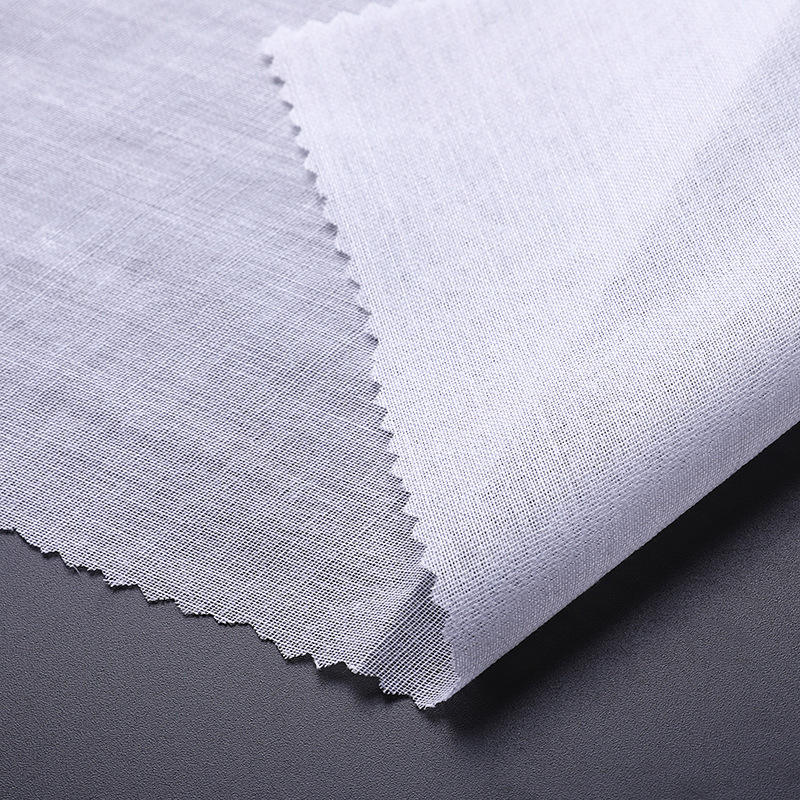
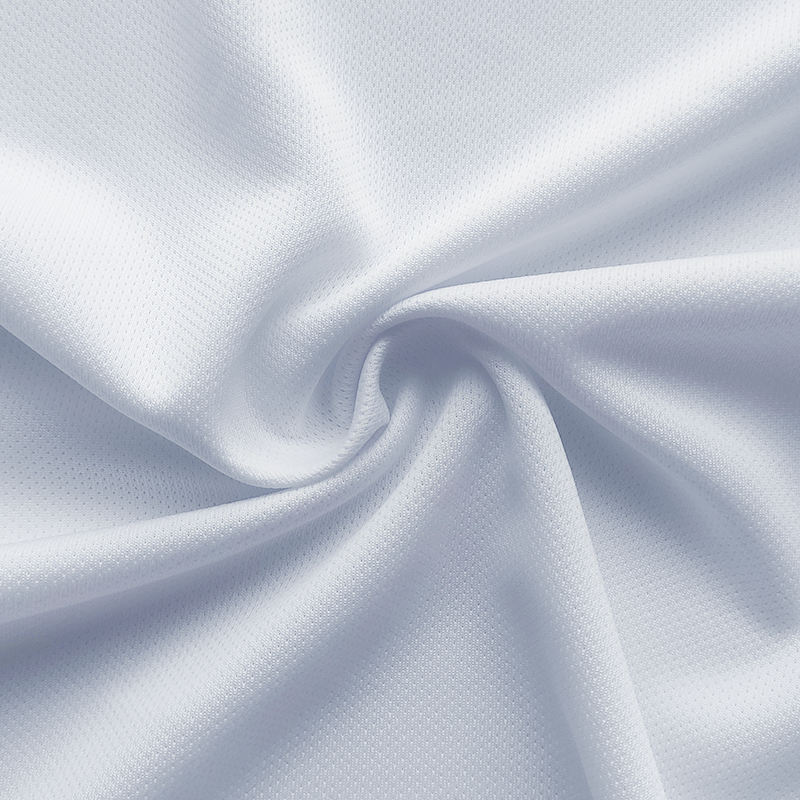
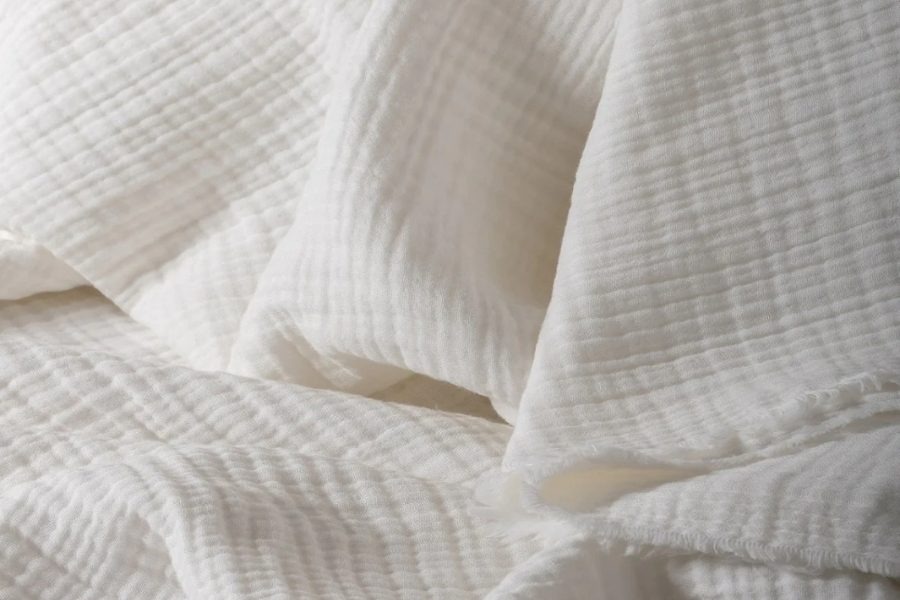
4. Denim Fabrics and Materials Used by Jeans Garment Manufacturers
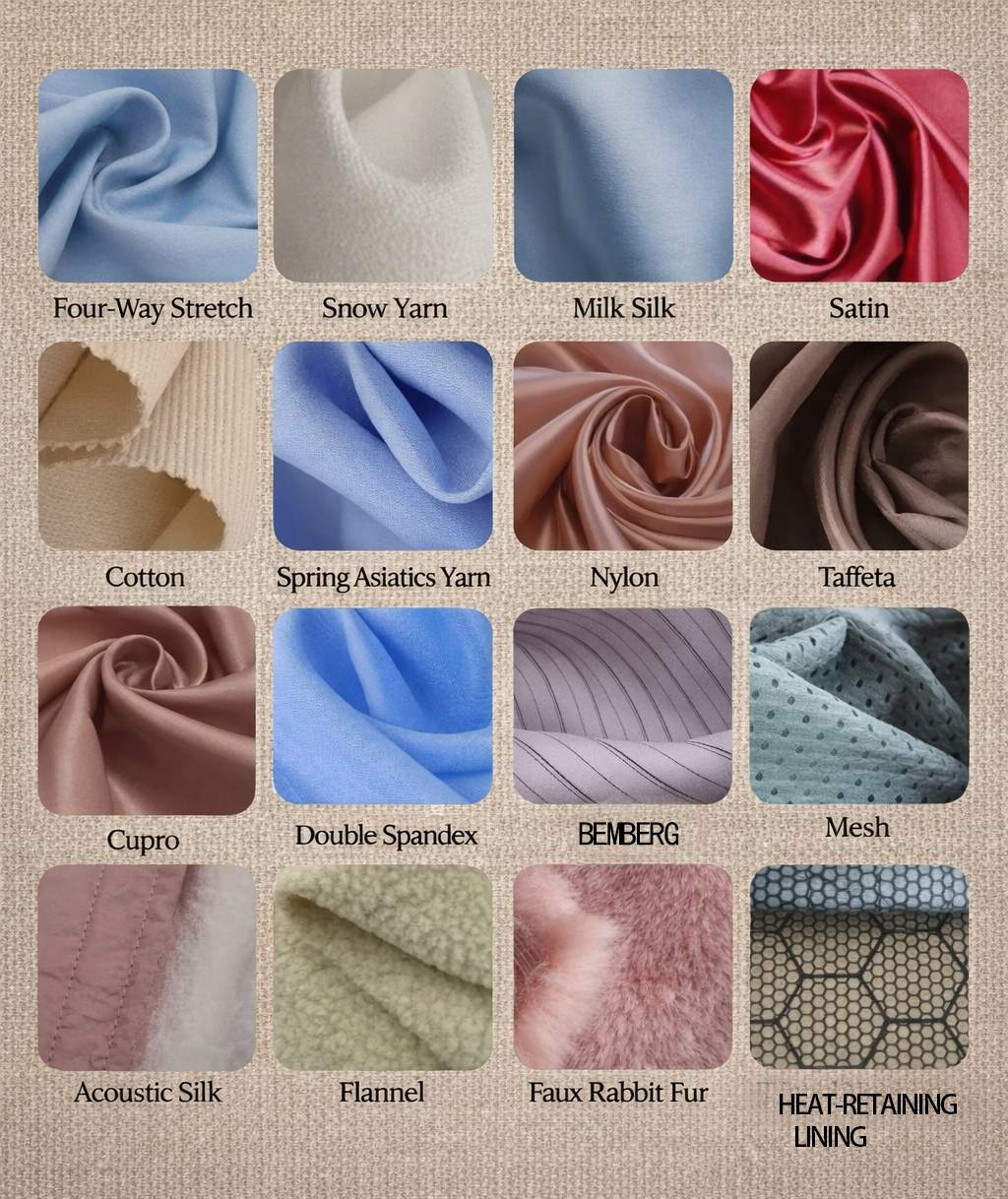
Fabric selection defines every aspect of jeans performance, from wash results and durability to comfort and price. Professional jeans garment manufacturers source denim by yarn construction, weight, stretch content, and fiber composition to match brand positioning and end-use requirements.
| Fabric Type | Weight Range | Stretch % | Typical Use Case | Price Tier |
|---|---|---|---|---|
| Lightweight denim | Under 10 oz | 0–3% | Summer jeans, shirts, dresses | Low–Mid |
| Midweight denim | 10–13 oz | 0–2% | Year-round jeans, jackets | Mid |
| Heavyweight denim | 14+ oz | 0–1% | Workwear, raw denim, heritage styles | Mid–High |
| Stretch denim | 9–12 oz | 1–3% | Skinny fits, athleisure, comfort jeans | Mid |
| Selvage denim | 12–16 oz | 0% | Premium heritage collections | High |
| Sustainable blends | 9–13 oz | 0–2% | Eco-conscious brands, certifications | Mid–High |
Ring-Spun vs. Open-End Denim Construction
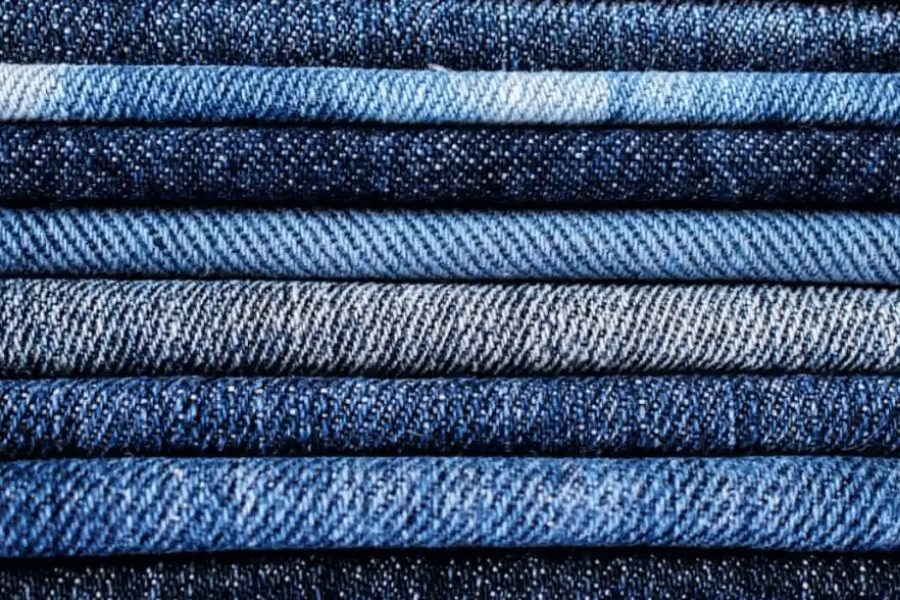
Ring-spun denim uses longer, twisted fibers that produce smoother, stronger fabric with superior wash aging and color depth. Open-end denim relies on shorter fibers spun faster, yielding lower cost but less durability and softer hand feel.nnJeans garment manufacturers typically reserve ring-spun for premium collections where vintage wash effects and long-term wear matter. Open-end works well for fast-fashion price points and garments with shorter lifecycle expectations.
Selvage vs. Non-Selvage Edge Finishing
Selvage denim is woven on narrow shuttle looms with self-finished edges, prized by heritage brands for authenticity and reduced fraying. Non-selvage denim comes from modern projectile looms at higher speed and lower cost, suitable for most commercial jeans production.nnMost jeans garment manufacturers stock non-selvage for scalability; selvage requires specialized mills and commands 30–50% price premiums for small-batch or artisan collections.
Stretch Denim: Elastane Blends and Comfort
Stretch denim blends 1–3% elastane (spandex) with cotton for flexibility and shape retention. Jeans garment manufacturers offer light stretch (1%), moderate stretch (2%), and high stretch (3%+) to suit skinny fits, athleisure styles, and comfort-focused designs.nnStretch content affects wash stability; higher elastane requires careful enzyme and stone wash control to prevent fiber damage and loss of recovery.
Sustainable Denim Options
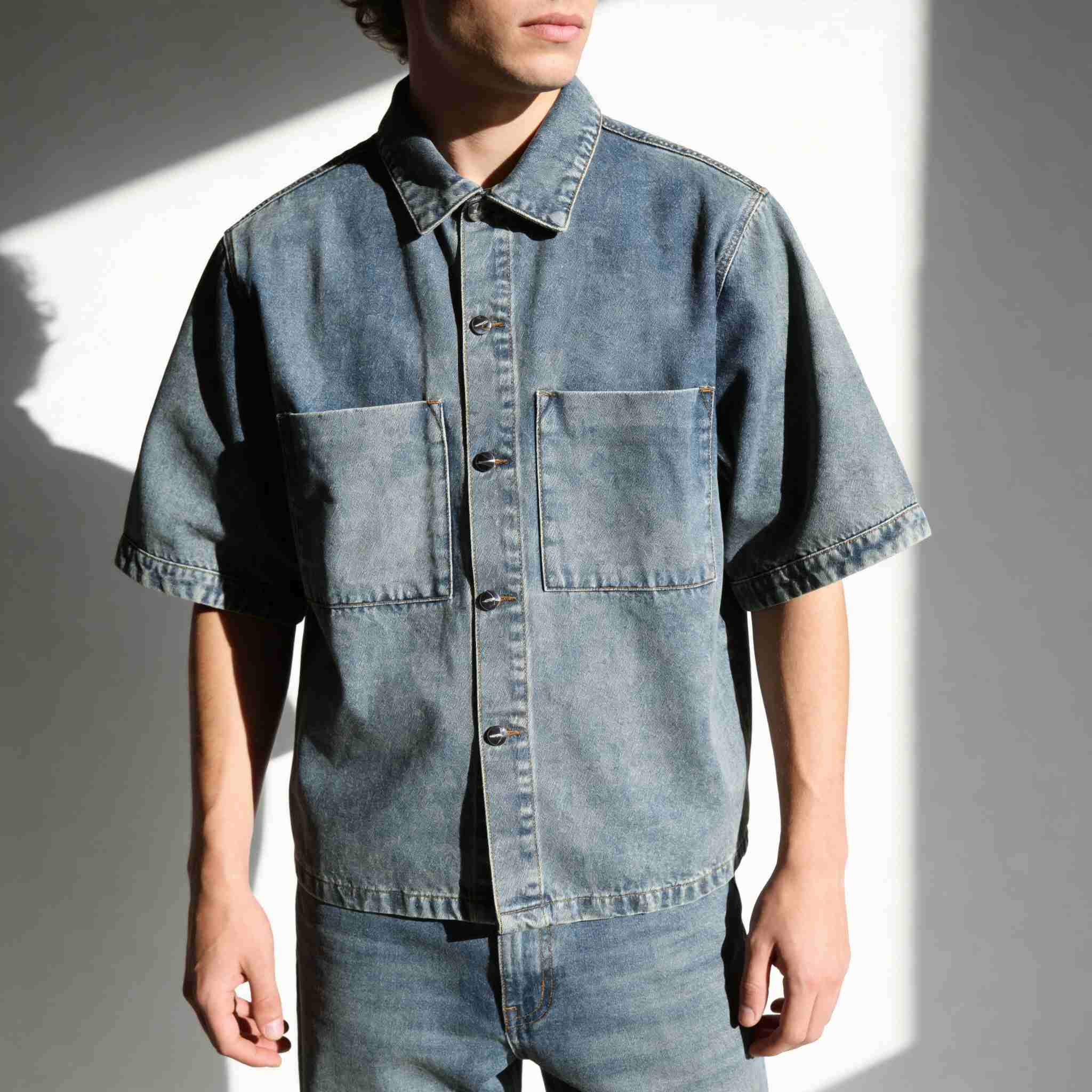
Organic cotton, recycled polyester, and Tencel (lyocell) blends meet growing demand for eco-conscious jeans. Jeans garment manufacturers partner with certified mills to source GOTS organic cotton, GRS recycled fibers, and FSC Tencel for brands targeting sustainability credentials.nnSustainable fabrics typically add 15–25% to material cost but support premium positioning and align with consumer values in North America and Europe.
5. Customization and Finishing Options from Jeans Garment Manufacturers
Customization and finishing capabilities separate basic contract sewers from true jeans garment manufacturers. Evaluating these options ensures your denim brand delivers the fit, aesthetic, and market differentiation your customers expect.
| Finishing Method | Environmental Impact | Cost Level | Lead Time Addition |
|---|---|---|---|
| Stone Wash | High water use | Low | +3–5 days |
| Enzyme Wash | Moderate water use | Medium | +4–6 days |
| Laser Distressing | Minimal water/chemicals | Medium-High | +2–4 days |
| Ozone / E-Flow | 90% water reduction | Medium-High | +3–5 days |
| Hand-Sanding | Low environmental impact | High (labor) | +5–7 days |
Fit and Silhouette Customization
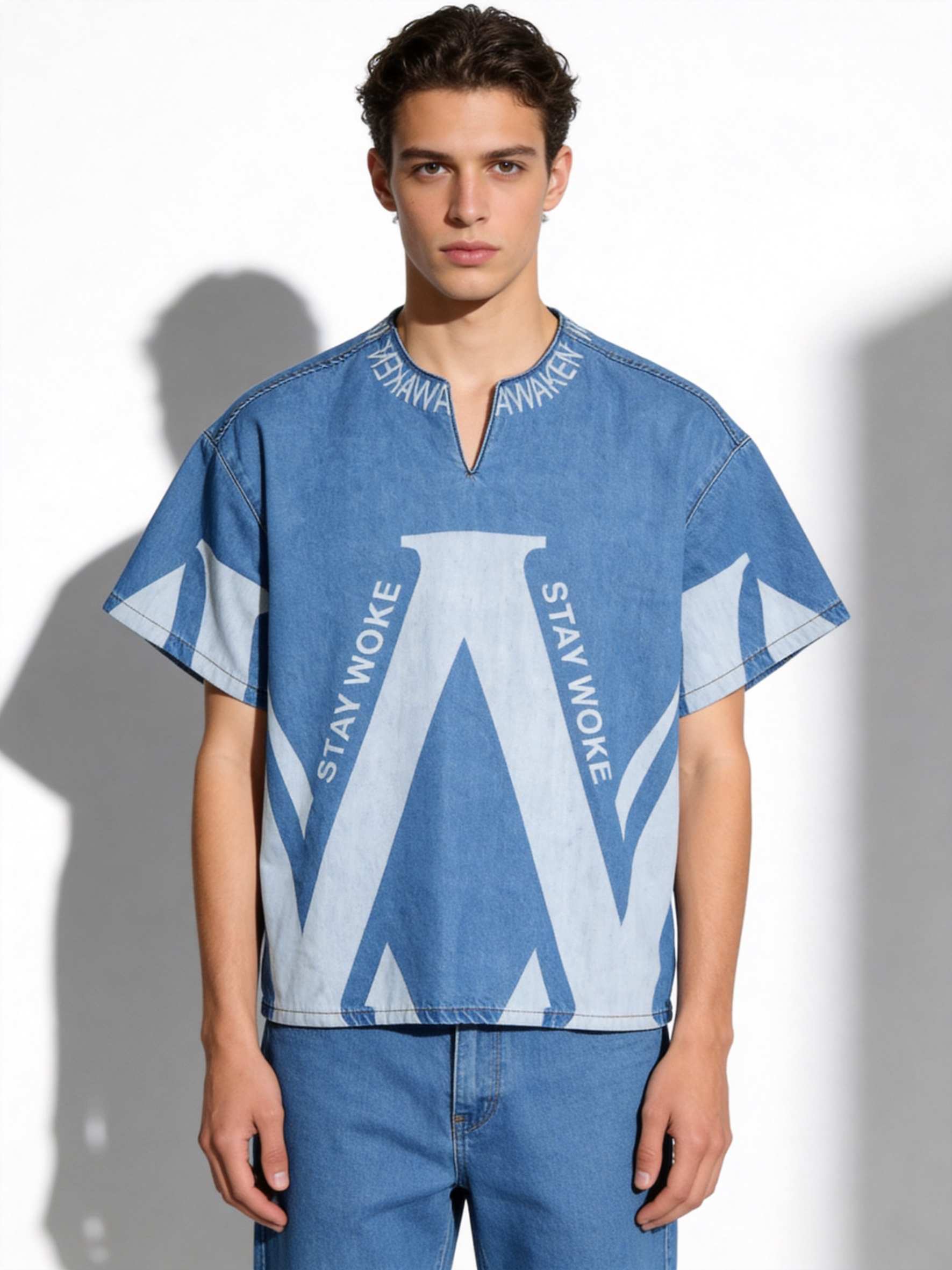
Modern jeans garment manufacturers offer fit libraries spanning skinny, slim, straight, bootcut, wide-leg, flare, and relaxed silhouettes with custom rise options from low to ultra-high. ZORWILD supports full pattern grading across size ranges and custom measurements for private label collections.nnPocket styles—five-pocket classic, coin pockets, patch pockets, welt pockets, and cargo variants—define both function and brand identity. Experienced manufacturers adjust pocket placement, depth, and topstitching to match your design vision.
Hardware and Construction Details
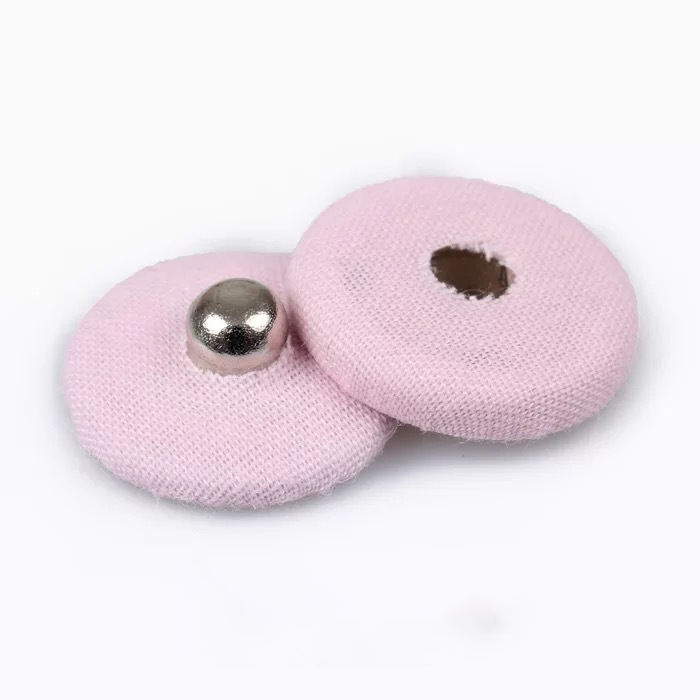
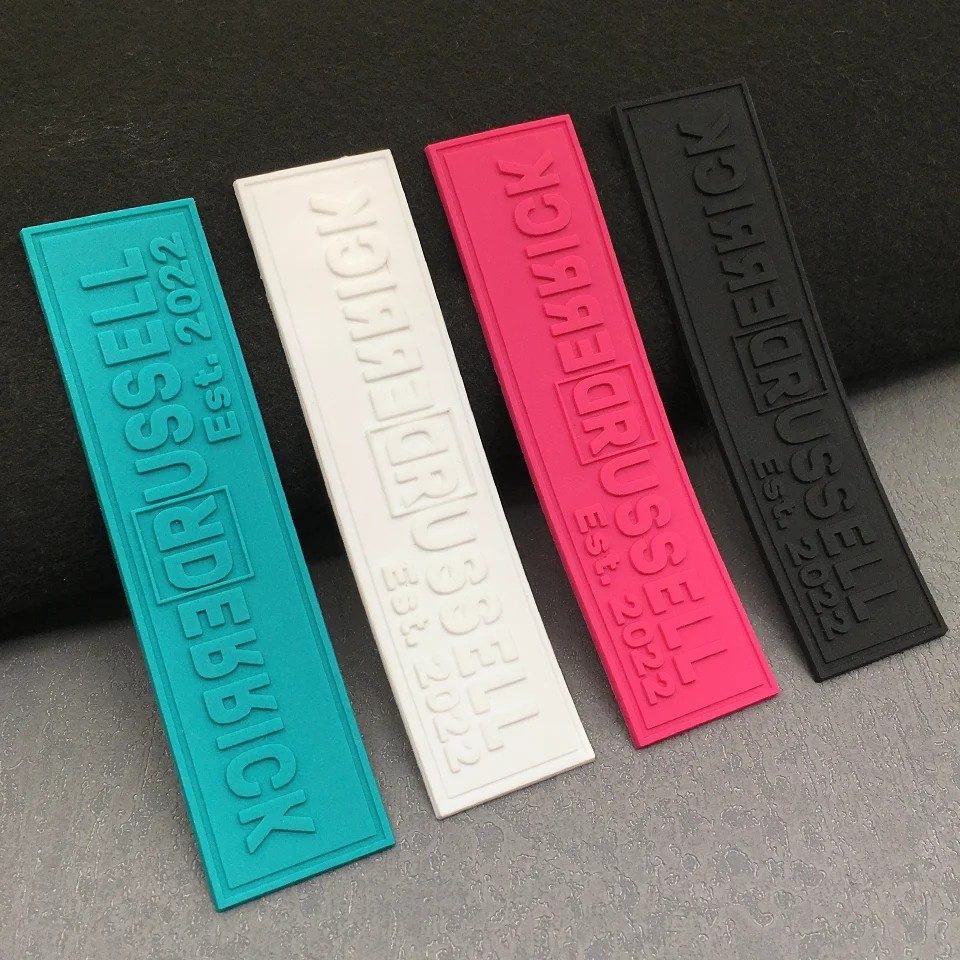
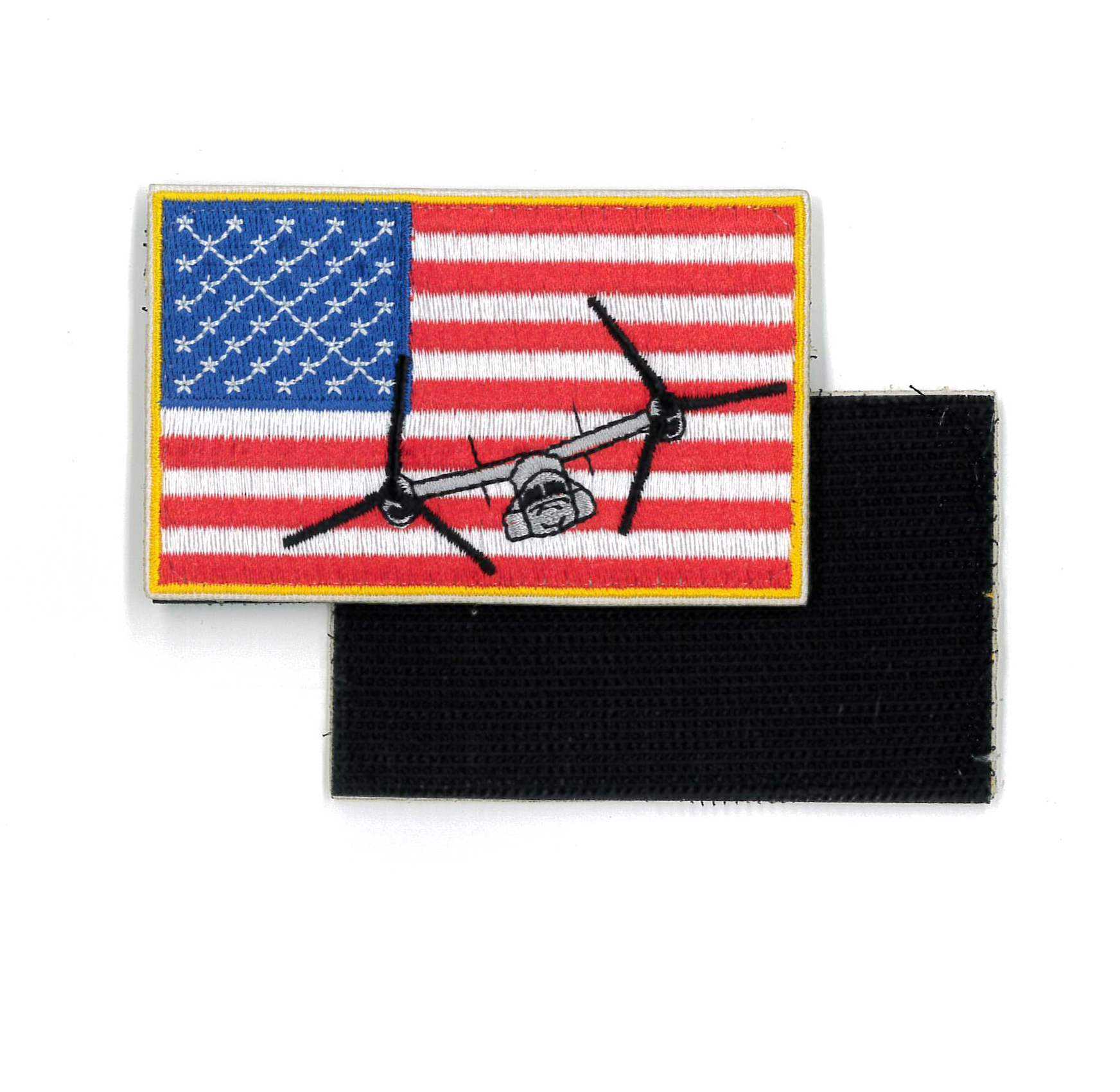
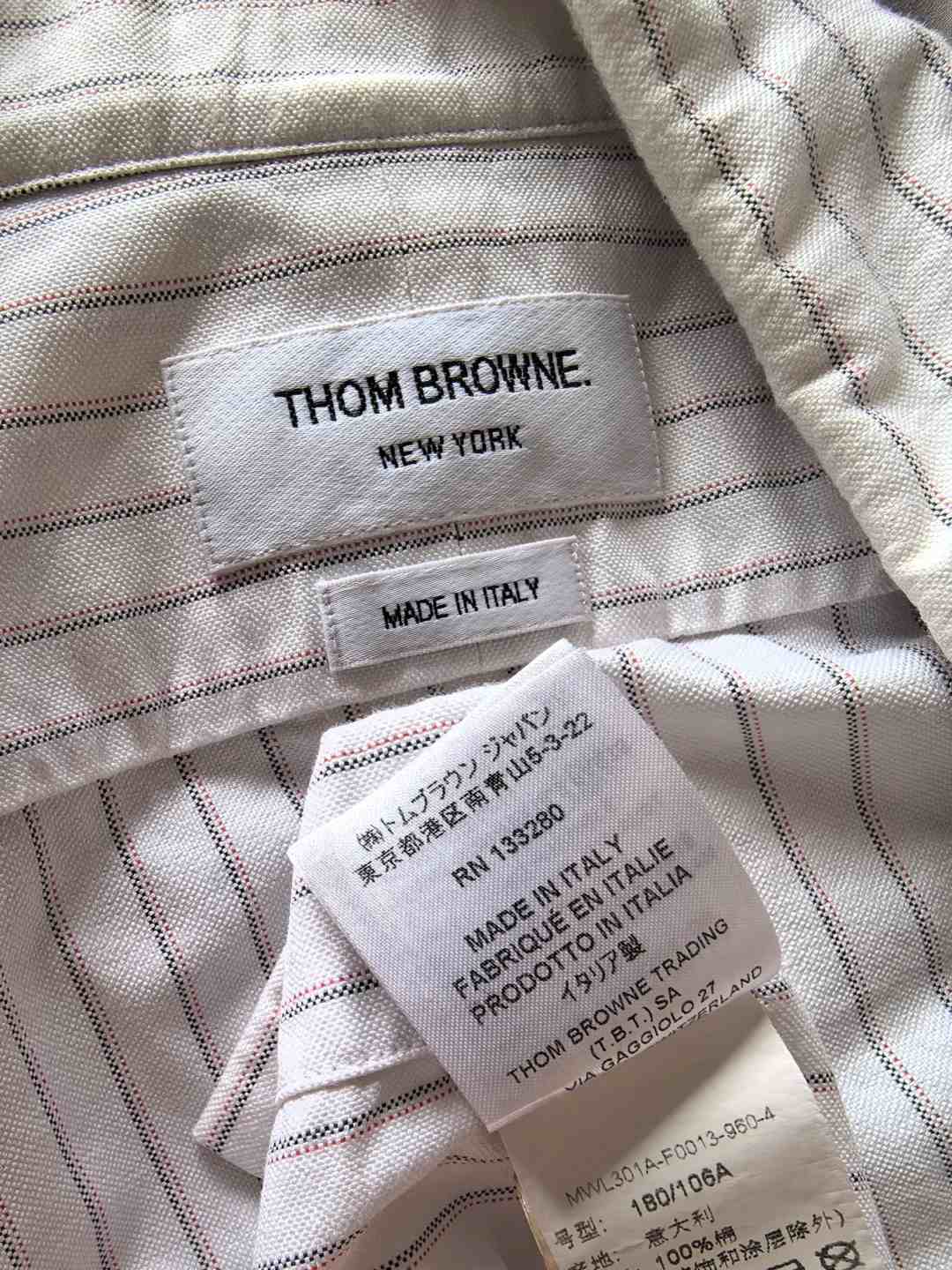
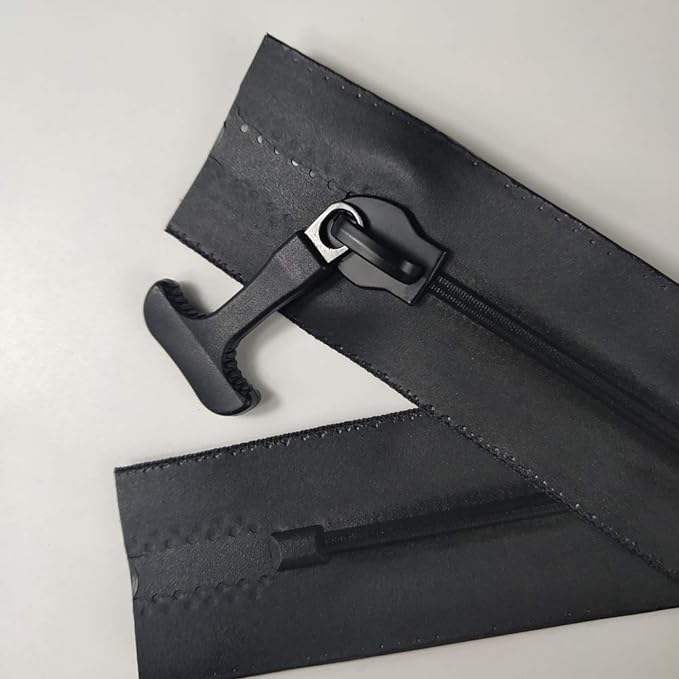
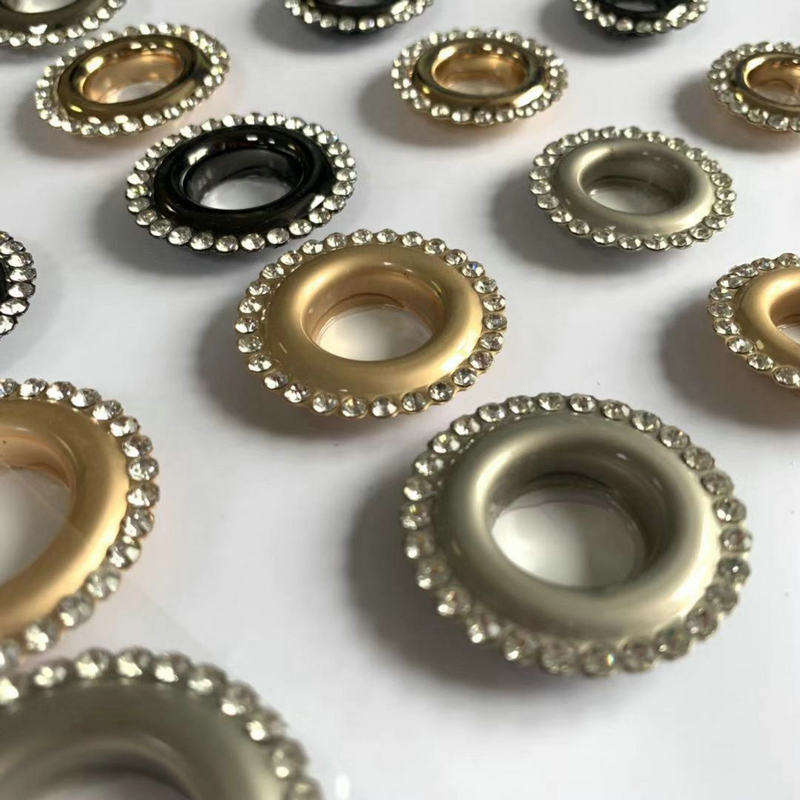
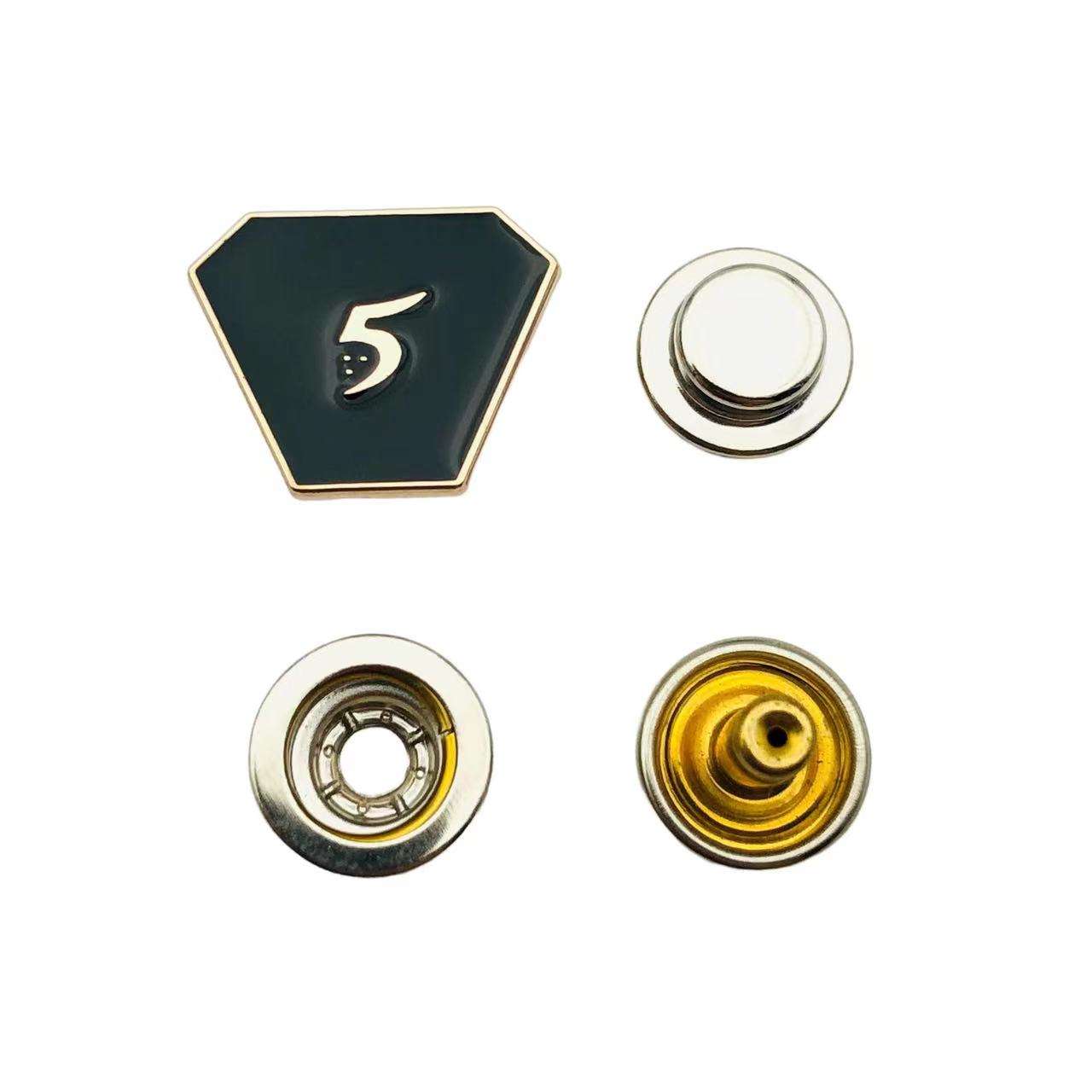
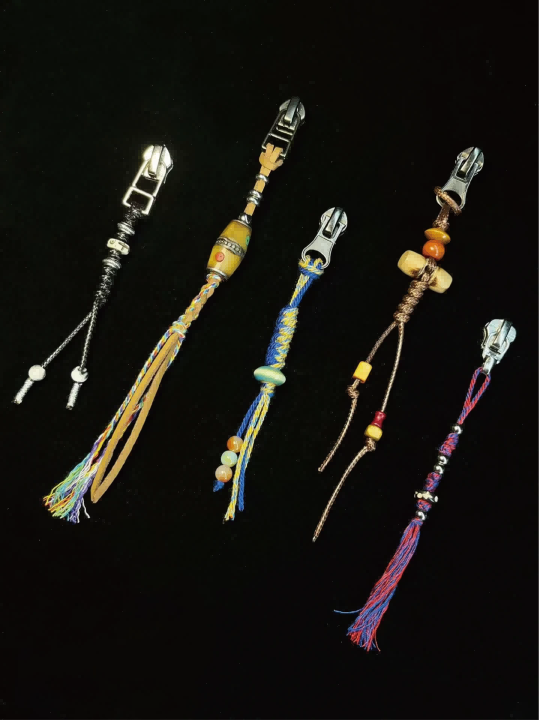
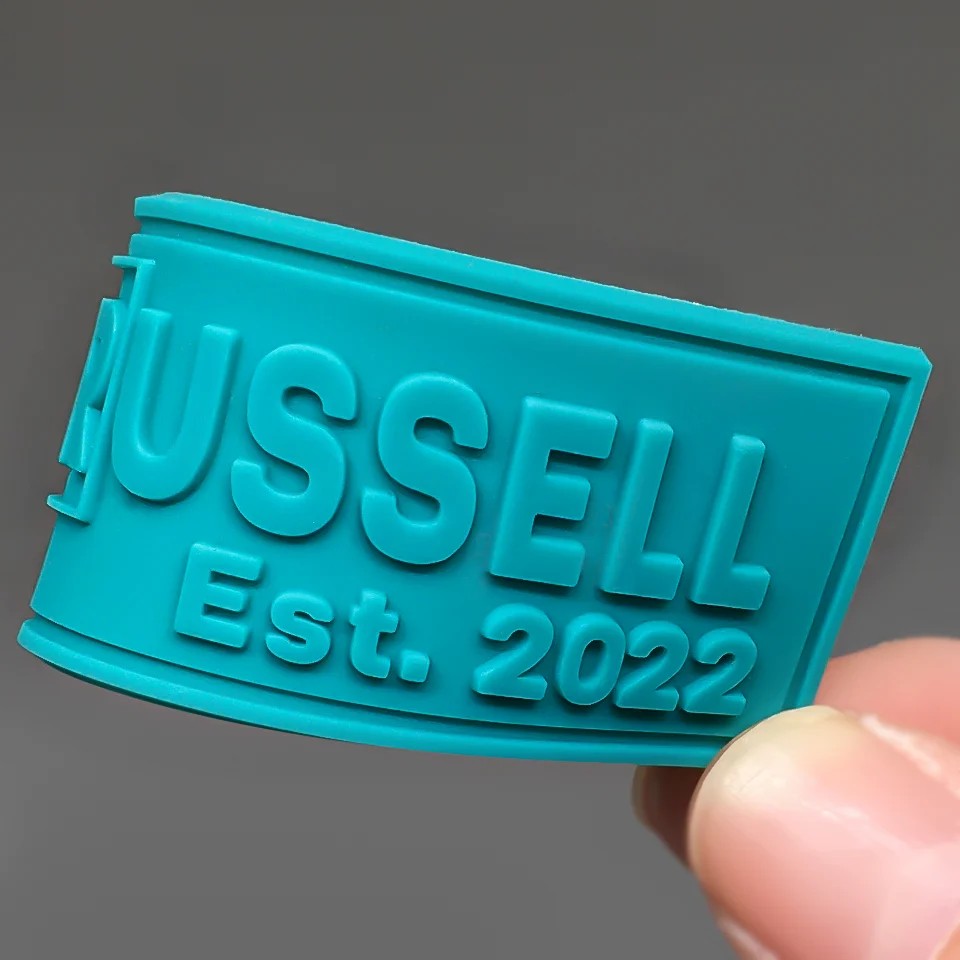
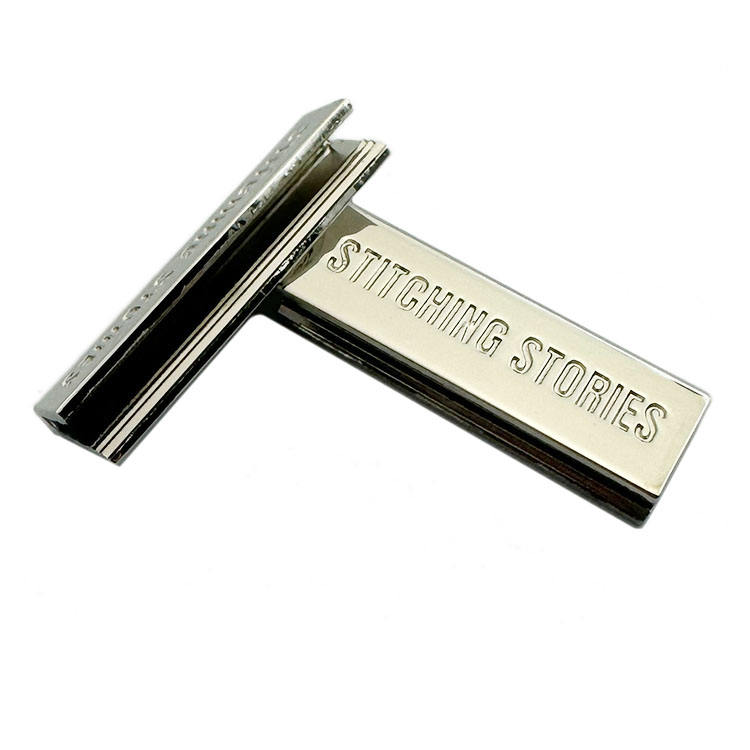
Hardware selection includes YKK or custom-branded zippers, metal or resin buttons, copper or gunmetal rivets, and branded tack buttons. Stitching color—contrast or tonal—and thread weight (typically 20/3 or 30/3 polyester core-spun) impact visual appeal and durability.nnLabeling options range from woven jacron leather patches and printed neck labels to metal logo plates and embossed buttons. ZORWILD provides full branding customization including custom hang tags, woven labels, and packaging to elevate brand perception.
Finishing Techniques and Environmental Impact

Stone wash, enzyme wash, and acid wash remain popular for vintage aesthetics, but modern jeans garment manufacturers increasingly adopt laser distressing, hand-sanding, and eco-friendly ozone and e-flow technologies that reduce water consumption by up to 90% and eliminate hazardous chemicals.nnZORWILD applies garment dye, vintage wash, snow wash, enzyme wash, distressed wash, and pigment dye techniques with strict quality control to ensure consistent color and texture across production runs.
6. Quality Benchmarks: What to Inspect in Jeans Garment Manufacturers
Professional jeans garment manufacturers distinguish themselves through rigorous quality control systems that cover every production stage. ZORWILD applies strict inspection protocols across raw material intake, in-line production, and final product checks to ensure consistent denim quality for brands worldwide.
Seam Strength and Construction Standards
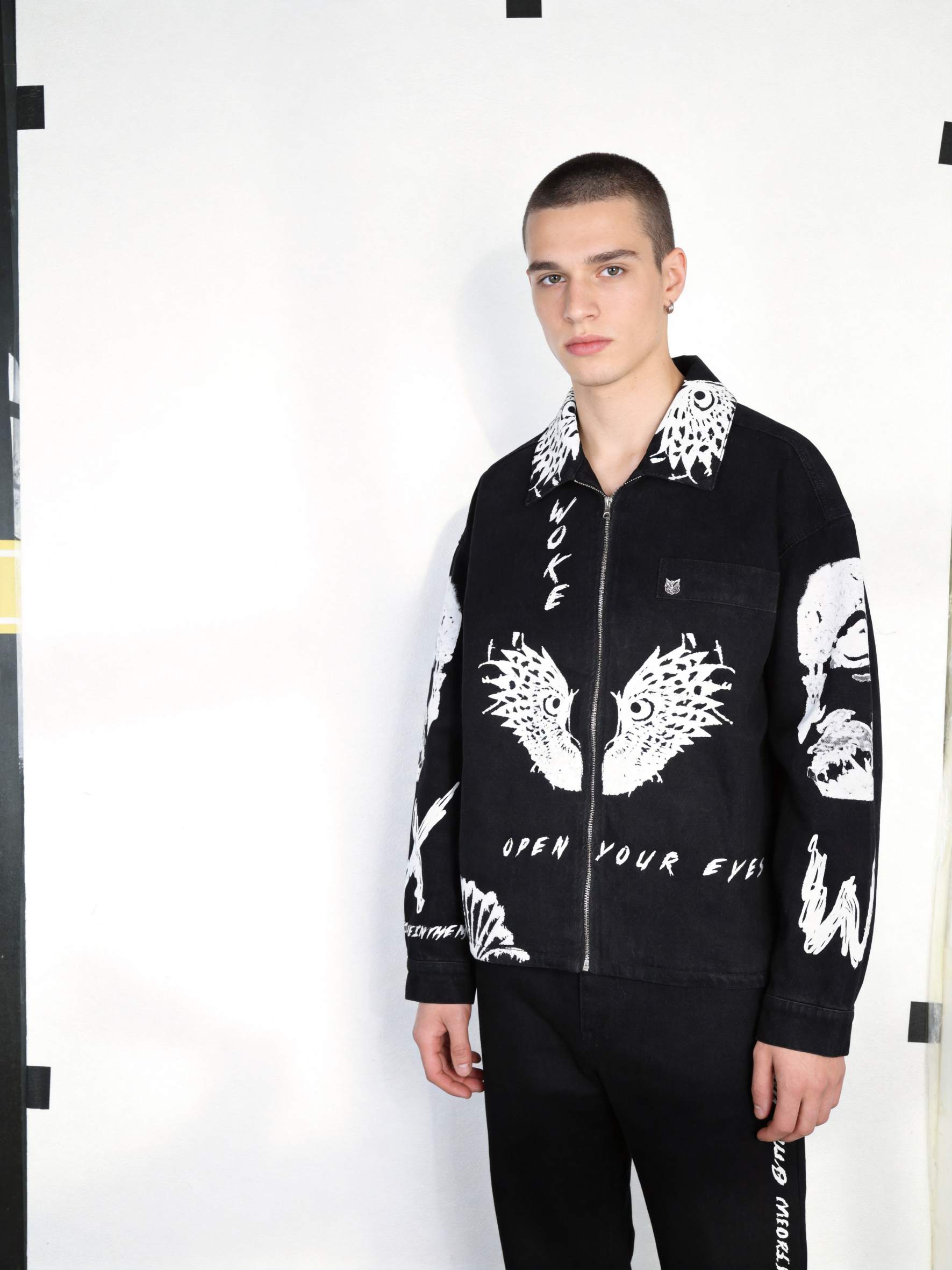
Double-needle felled seams are the industry standard for denim outseams, providing strength and clean finish. Bar tacks must reinforce stress points at pocket corners, belt loops, and fly openings with minimum 25-stitch density.nnZORWILD applies heavyweight thread (Tex 70 or higher) and consistent stitch count (10–12 stitches per inch) across all jeans production. Chain-stitch hemming and flatlock construction ensure durability through repeated washing and wear.
Hardware and Trim Durability
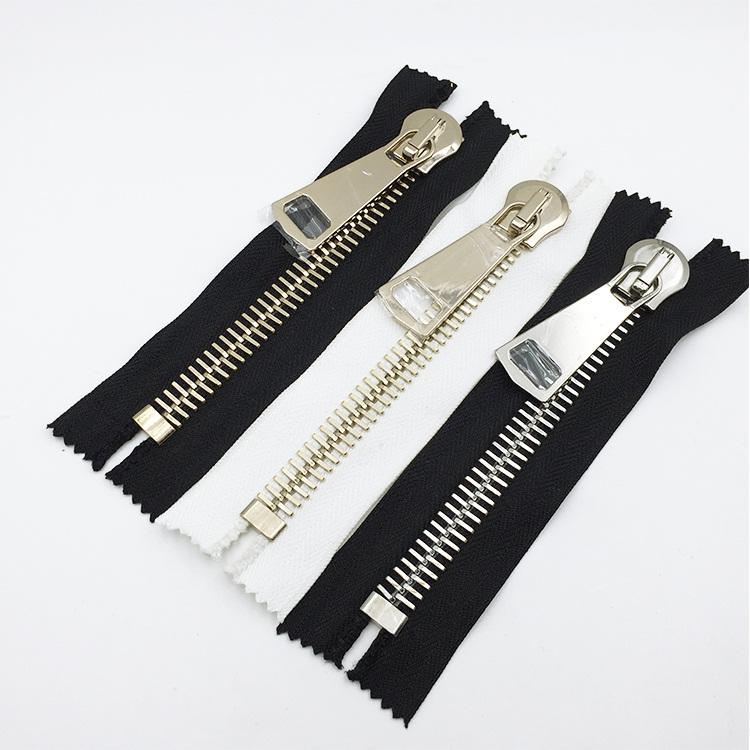
Rust-resistant rivets, YKK or equivalent zippers, and nickel-free metal buttons are non-negotiable for premium denim. Hardware must pass salt spray tests (minimum 24 hours) and withstand industrial wash cycles without tarnishing.nnZORWILD sources metal trims from certified suppliers and conducts pre-production hardware testing. Custom metal logos, snap buttons, and branded rivets undergo the same durability standards to maintain brand consistency.
Dye Lot Consistency and Wash Quality
Consistent dye lots across production batches require strict fabric inspection and controlled wash parameters. Color variance must stay within Delta E ≤ 1.5 between batches, verified through spectrophotometer testing.nnZORWILD’s garment wash facilities maintain precise enzyme ratios, water temperature, and cycle timing to replicate vintage wash, acid wash, and distressed finishes batch after batch. Pre-production wash samples establish the benchmark for all subsequent runs.
Size Grading Accuracy and Fit Consistency
Accurate grading across size runs (typically XS to 3XL or 28–44 waist) ensures consistent fit and reduces return rates. Pattern grading must maintain proportional rise, inseam, and leg opening ratios across all sizes.nnZORWILD conducts measurement inspection at multiple production stages, comparing finished garments against approved spec sheets. Tolerances are held to ±0.5 cm for critical measurements including waist, hip, and inseam to ensure fit integrity.
AQL Standards and Final Inspection Protocols
Acceptable Quality Limit (AQL) standards define defect thresholds: AQL 2.5 is standard for fashion denim, while premium brands often require AQL 1.5 or lower. Inspection covers stitching defects, fabric flaws, wash inconsistencies, and trim placement.nnZORWILD applies 100% final inspection for orders under 500 units and statistical sampling (AQL 2.5) for larger runs. Third-party inspection services can be integrated at client request, with reports issued before shipment to ensure transparency and accountability.
7. How to Choose the Right Jeans Garment Manufacturers for Your Brand
Selecting the right jeans garment manufacturers requires a methodical evaluation framework that balances production capability, quality assurance, and operational transparency. Misalignment on MOQ, certifications, or communication standards can derail product launches and erode brand credibility.
Assess MOQ Compatibility with Your Brand Stage
Startup brands and influencers typically require 50–500 pieces per style to test market demand and manage cash flow, while established retailers and wholesalers order 2,000–10,000 pieces for inventory depth. ZORWILD’s 50-piece MOQ supports emerging brands, whereas traditional denim mills often enforce 1,000–5,000 piece minimums.nnMismatch between your order volume and factory minimums leads to inflated unit costs, delayed timelines, or outright rejection. Confirm MOQ thresholds during initial inquiry and verify whether the factory prioritizes small-batch or large-scale production.
Verify Certifications and Compliance Standards
WRAP, BSCI, OEKO-TEX Standard 100, and GOTS certifications validate ethical labor practices, chemical safety, and organic material traceability. Brands targeting EU or North American markets face increasing regulatory scrutiny and consumer demand for certified supply chains.nnRequest current certificate copies with expiration dates and scope details. Factories without third-party audits present higher risk for quality inconsistencies, labor violations, and customs delays.
Review Portfolio, Client References, and Communication
Examine production samples, client case studies, and reference contacts to assess style range, finish quality, and repeat-customer rates. Responsive communication—replies within 24 hours, clear pricing breakdowns, and proactive updates—signals professional operations.nnCompare lead times: sampling typically requires 2–4 weeks, bulk production 6–10 weeks depending on order size and wash complexity. Negotiate payment terms such as 30–50% deposit and balance on shipment, using secure methods like PayPal, Alibaba Trade Assurance, or L/C for large orders.
Red Flags and Due Diligence Essentials
Avoid manufacturers that refuse sample orders, provide vague or inconsistent pricing, lack clear contact details, or demonstrate poor English communication. Factory visits or virtual video tours reveal equipment condition, workforce scale, and quality control systems firsthand.nnRequest fabric swatch approvals, pre-production samples, and inline inspection photos during bulk runs. Transparency in every stage—from tech pack review to final shipment—protects your brand from costly production errors and delivery failures.
8. Common Mistakes When Sourcing Jeans Garment Manufacturers
Sourcing jeans garment manufacturers without a clear checklist leads to costly delays, quality failures, and budget overruns. Seven recurring pitfalls account for most startup denim brand failures, yet each has a straightforward fix.
Choosing Solely on Lowest Price
Selecting a manufacturer based only on the cheapest quote often results in substandard stitching, poor denim quality, and non-compliance with labor or environmental standards. Brands face chargebacks, returns, and reputational damage when garments fail after the first wash.nnFix: Request fabric specifications (weight, composition, shrinkage rate), photos of previous production runs, and third-party audit certificates (WRAP, BSCI, OEKO-TEX) before committing. Compare total landed cost — including sampling, revisions, and shipping — rather than unit price alone.
Underestimating Lead Times for Sampling
First-time buyers expect samples in seven days but realistic timelines span 10–15 days for initial samples plus 7–10 days per revision round. Rushed sampling skips fabric pre-shrinking and wash testing, causing fit disasters in bulk production.nnFix: Build a 30-day sampling window into your launch calendar. ZORWILD’s 27-year experience allows 10-day first samples with detailed wash and measurement reports, reducing revision cycles.
Skipping Pre-Production Samples
Approving bulk production from a development sample without a pre-production sample (PP sample) using actual bulk fabric and trims leads to color mismatches, incorrect hardware, and wash inconsistencies at scale.nnFix: Always request a PP sample sewn from the exact bulk denim lot, hardware batch, and thread spools. Approve measurements, wash shade, and all branding elements in writing before authorizing cutting.
Failing to Specify Wash Standards in Writing
Verbal descriptions like ‘vintage blue’ or ‘slightly distressed’ yield wildly different results. Without written wash codes, Pantone references, or photo standards, jeans garment manufacturers interpret finishes inconsistently.nnFix: Attach reference images, Pantone TPX codes, and wash intensity scales (light / medium / heavy distress) to your tech pack. Request lab dips and wash swatches before sampling.
Neglecting IP Protection
Sharing proprietary wash formulas, pattern adjustments, or unique denim blends without a non-disclosure agreement (NDA) exposes your designs to duplication and competitor leaks.nnFix: Sign a mutual NDA before sending tech packs or original samples. Reputable manufacturers like ZORWILD routinely sign NDAs to protect client intellectual property and maintain confidentiality across 2,000+ brand relationships.
Ignoring Minimum Order Requirements
Committing to 1,000-piece MOQs when your cash flow supports only 200 units forces excess inventory, markdowns, and potential stockouts of winning styles. High MOQs strain startup budgets and limit agility.nnFix: Partner with low-MOQ specialists offering 50–100 piece minimums per style. ZORWILD’s 50-piece MOQ system lets influencers and small brands test colorways, validate demand, and scale winning SKUs without inventory risk.
Poor Communication Leading to Misaligned Expectations
Ambiguous emails, inconsistent contact persons, and unclear revision requests create production errors, missed deadlines, and finger-pointing. Language barriers and time-zone gaps compound misunderstandings.nnFix: Establish a single point of contact, use numbered revision logs, and confirm every change in writing with timestamped replies. ZORWILD assigns dedicated account managers fluent in English with WhatsApp (+86 137 1325 2727) and email support ([email protected]) for real-time clarification.
9. Step-by-Step: Launching Your Denim Brand with Jeans Garment Manufacturers
Launching a denim brand with jeans garment manufacturers requires careful planning across 8 critical steps spanning 12–16 weeks for first orders. Each phase builds on the previous milestone to ensure fit, quality, and brand alignment before bulk production begins.
Define Brand Positioning and Target Customer
Identify your target demographic, price tier, and aesthetic direction before contacting jeans garment manufacturers. A vintage streetwear brand targeting Gen Z will specify different denim weights, washes, and fits than a premium minimalist label serving professionals.nnDocument your ideal customer profile, preferred retail price range, and core design themes. ZORWILD’s development team uses these positioning details to recommend appropriate denim fabrics, wash techniques, and trim packages that align with brand goals and margin requirements.
Create Tech Packs with Specifications
Prepare detailed tech packs including front and back sketches, measurement charts for all sizes, denim fabric weight (10–14 oz typical), wash codes (vintage, acid, enzyme), hardware specs (YKK zippers, metal rivets), and trim details (woven labels, leather patches, custom buttons).nnJeans garment manufacturers rely on tech packs to quote accurately and produce samples that match your vision. Include stitch type callouts, topstitching thread color, pocket construction, and any distressing or embroidery placements to eliminate revision cycles.
Request Quotes from Multiple Manufacturers
Contact 3–5 jeans garment manufacturers with identical tech packs to compare pricing, MOQ requirements, sampling fees, lead times, and production capacity. ZORWILD offers 50-piece MOQ for denim bottoms, making it accessible for startup brands testing market fit.nnEvaluate not only unit cost but also sampling turnaround, communication responsiveness, and flexibility on customization. Request fabric swatch books and previous denim samples to assess wash quality and construction standards before committing to sampling fees.
Order and Approve Fit Samples
Order fit samples in 1–2 sizes to verify measurements, silhouette, and fabric hand feel. Fit sample lead time typically runs 7–10 days with jeans garment manufacturers. Test samples on body models matching your target customer build and document any adjustments to rise, inseam, leg opening, or waistband fit.nnProvide written feedback with revised measurement specs if adjustments are needed. ZORWILD’s pattern team incorporates fit corrections and produces revised samples until all sizing, proportion, and comfort requirements are met before advancing to pre-production.
Approve Pre-Production Samples
Pre-production samples replicate final bulk production in every detail: correct denim fabric, exact wash effect, all trims, labels, and packaging. Inspect wash consistency, hardware durability, stitch quality, and label placement. This is your last checkpoint before committing to bulk quantities.nnApprove or request final corrections within 48 hours to maintain production timelines. Once approved, pre-production samples become the golden standard against which jeans garment manufacturers conduct in-line and final inspections during bulk runs.
Place Bulk Order with Deposit
Confirm order quantity by size and color, agree on delivery timeline (typically 4–6 weeks for denim production), and submit 30–50% deposit to secure production slot. ZORWILD schedules fabric procurement, cutting, and sewing based on deposit receipt and confirmed production calendar.nnProvide shipping address, preferred freight method (air or sea), and any special packaging or labeling instructions. Clear purchase orders with SKU breakdowns, delivery terms (FOB or DDP), and payment milestones prevent disputes and ensure smooth bulk production.
Conduct In-Line and Final Inspections
Schedule in-line inspections at 30–50% production completion to catch issues early, and final inspections before shipping. Check denim wash consistency across batches, measurement accuracy, hardware function, and label placement on random samples from each size run.nnJeans garment manufacturers like ZORWILD conduct internal QC at raw material, sewing, washing, and packing stages, but third-party or brand-side inspections add accountability. Document defects with photos and agree on acceptable quality limits (typically 2.5–4.0 AQL) before final payment and shipment release.
Arrange Shipping and Customs Clearance
Coordinate with your freight forwarder or the manufacturer’s logistics partner to book air or sea freight based on urgency and budget. Sea freight from China typically takes 20–35 days to North America or Europe; air freight delivers in 5–7 days but costs 4–6× more.nnPrepare commercial invoices, packing lists, and country-specific import documents. ZORWILD provides export documentation and can arrange door-to-door shipping with customs brokerage support, reducing delays and ensuring your denim inventory arrives ready for fulfillment or retail distribution.
10. Pricing and Cost Structures for Jeans Garment Manufacturers
Fabric typically accounts for 35–45% of the FOB cost when working with jeans garment manufacturers, with premium selvedge denim and stretch blends pushing the upper end. Labor represents 20–30%, trims and hardware (zippers, rivets, buttons, labels) consume 10–15%, and washing or finishing processes—acid wash, enzyme wash, distressing—add another 10–20%. Factory margin and overhead round out the balance, meaning a $15 FOB jean may allocate $6 to fabric, $4 to labor, $2 to trims, and $2 to wash effects.nnOrder quantity drives unit economics more than any other variable. A 50-piece startup run from a Chinese jeans garment manufacturer may cost $18–22 per unit due to setup amortization, while a 5,000-piece order drops to $8–12 for comparable construction. Lead times compress at scale: small batches require 25–35 days, large orders 35–45 days including washing and QC.nnRegional pricing diverges significantly. China-based manufacturers like ZORWILD offer mid-range FOB ($8–18) with advanced wash capabilities and low MOQ flexibility. Bangladesh factories quote $6–12 FOB for basic five-pocket styles but often enforce 1,000-piece minimums. Turkish producers command $12–20 FOB, reflecting European labor standards and premium denim mills, yet deliver faster sampling cycles for brands targeting EU markets.nnWash complexity multiplies cost: a standard stone wash adds $0.80–1.50 per unit, while multi-stage acid wash with hand-sanding can add $3–5. Payment terms typically split 30% deposit and 70% before shipment, though established buyers may negotiate net-30 terms after the first three orders.
| Quantity Tier | FOB Price per Unit (USD) | Lead Time (Days) | Payment Terms |
|---|---|---|---|
| 50–200 pcs | $18–22 | 25–35 | 30% deposit / 70% before shipment |
| 500–1,000 pcs | $12–16 | 30–40 | 30% deposit / 70% before shipment |
| 2,000–5,000 pcs | $9–13 | 35–45 | 30% deposit / 70% on B/L or net-30 |
| 10,000+ pcs | $8–12 | 40–50 | Negotiable net-30 or L/C |
Partner With Trusted Jeans Garment Manufacturers Today
Launch your custom denim collection with 50-piece MOQ, 27 years of expertise, and full-service production from tech pack to delivery.