
Cut and Sew Apparel Manufacturing for DTC Brands u0026 Wholesalers
Professional cut and sew apparel manufacturing with 50-piece MOQ, 100,000+ units monthly capacity, and full-stack production from tech pack to finished garment.
Our Cut and Sew Product Gallery
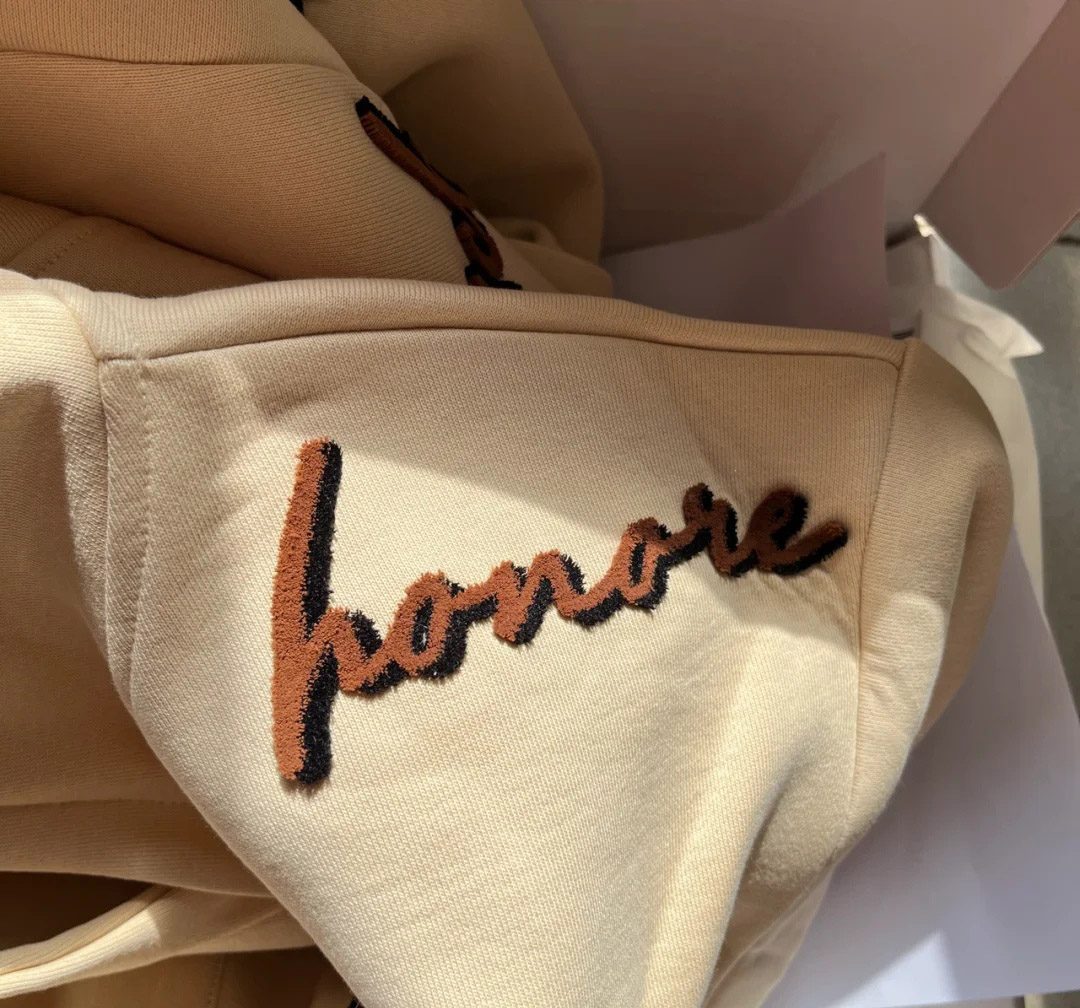
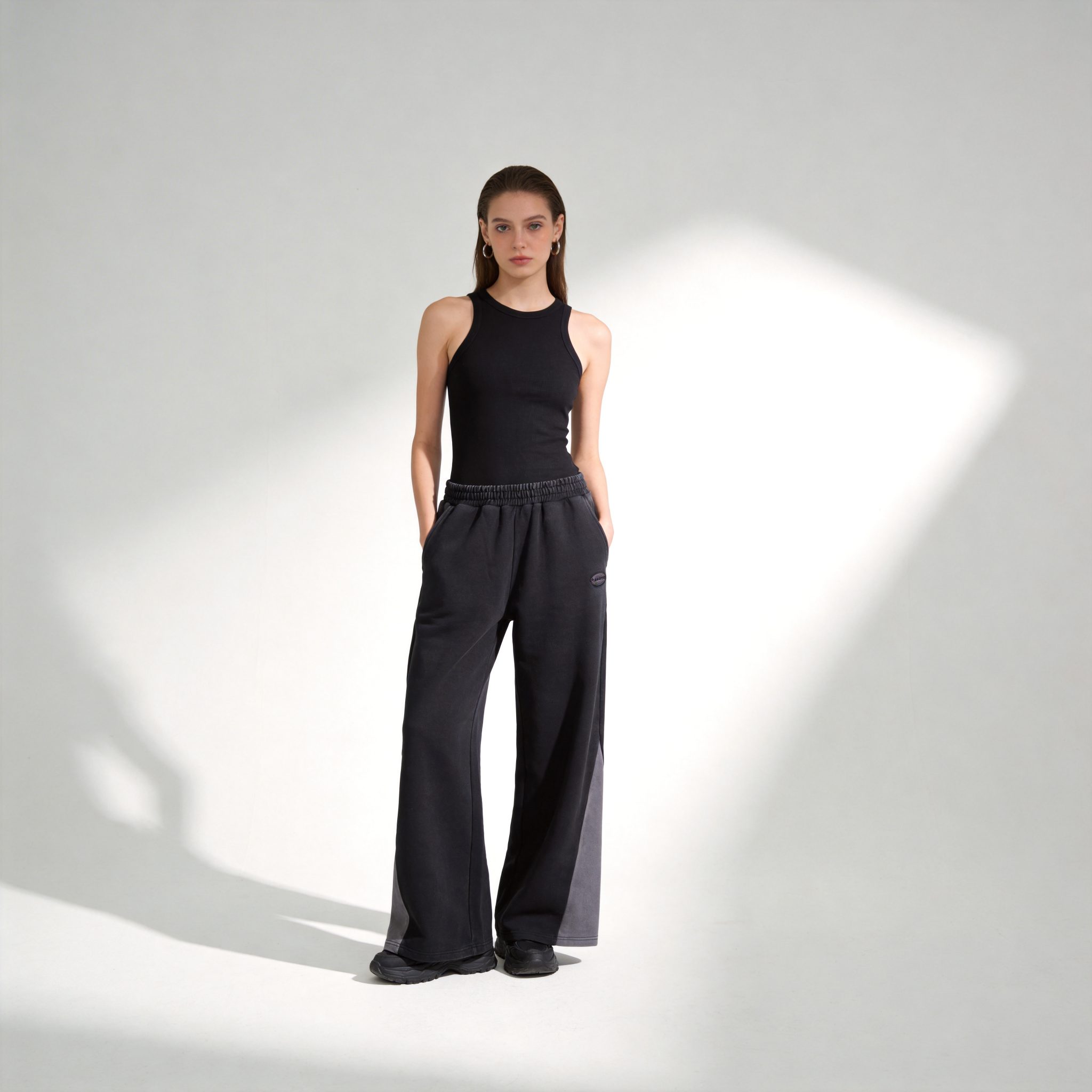
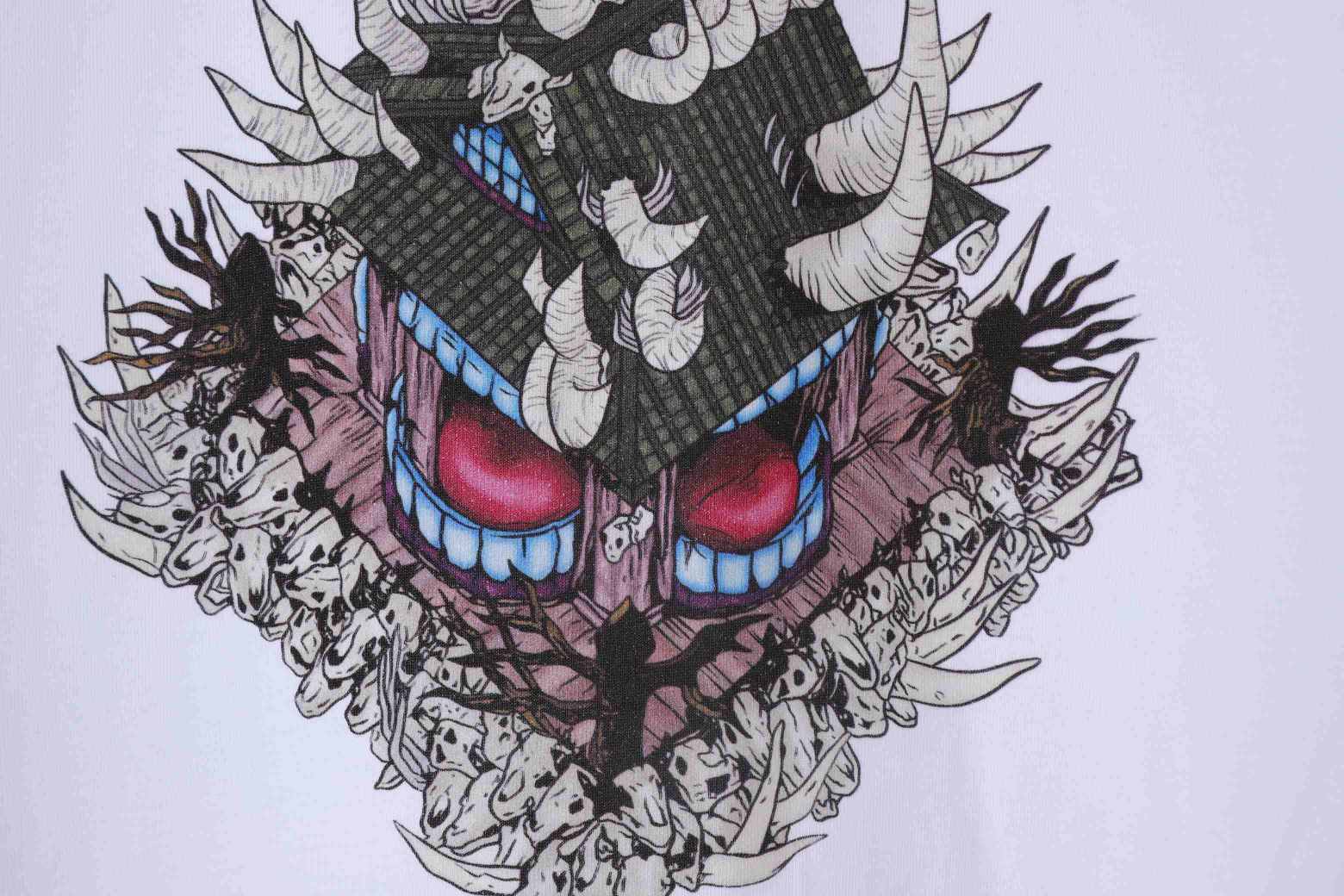
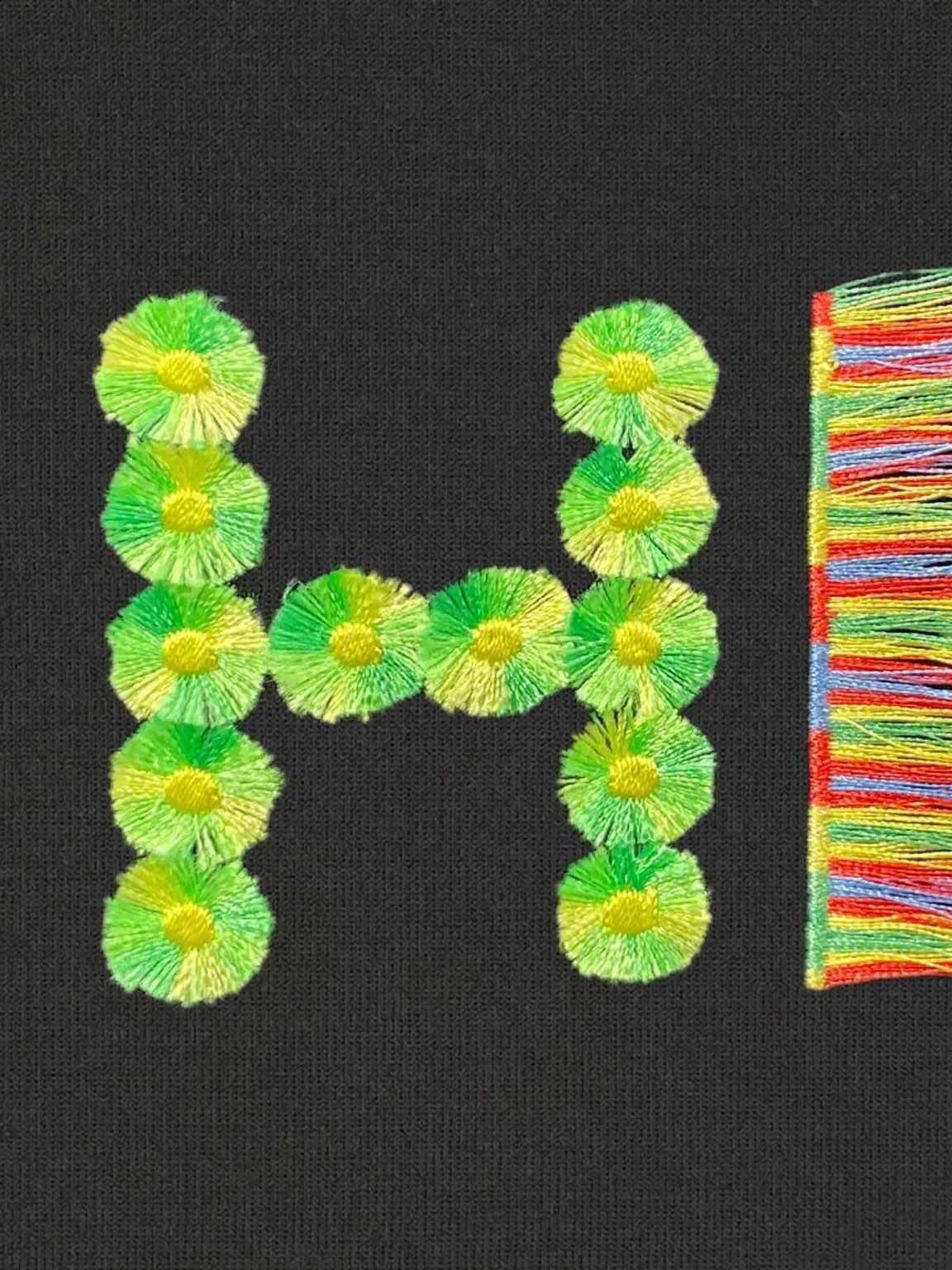
Why ZORWILD Stands Out in Cut and Sew Apparel Manufacturing
Proven expertise, flexible minimums, and end-to-end capabilities that help your brand scale from first sample to full production runs.
27 Years Manufacturing Heritage
Founded in 1998 in Humen, Dongguan—one of the world’s most influential garment manufacturing hubs with deep industry expertise.
50-Piece MOQ Flexibility
Launch capsule collections, test new designs, and reduce inventory risk with low minimum order quantities perfect for startups and established brands.
100,000+ Units Monthly Capacity
Scale confidently from small batches to large production runs with consistent quality, reliable timelines, and professional project management throughout.
95%+ Decoration Techniques In-House
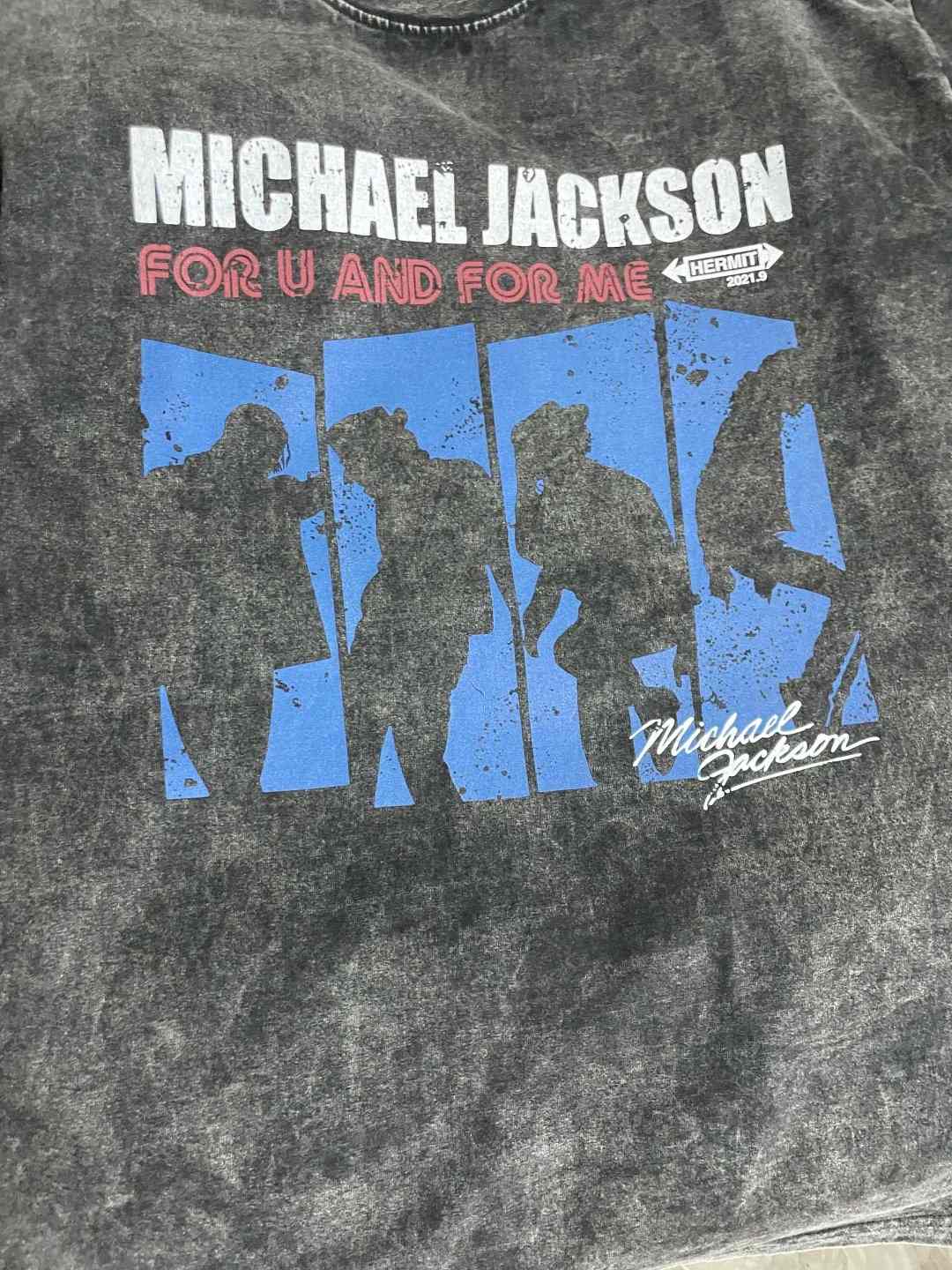
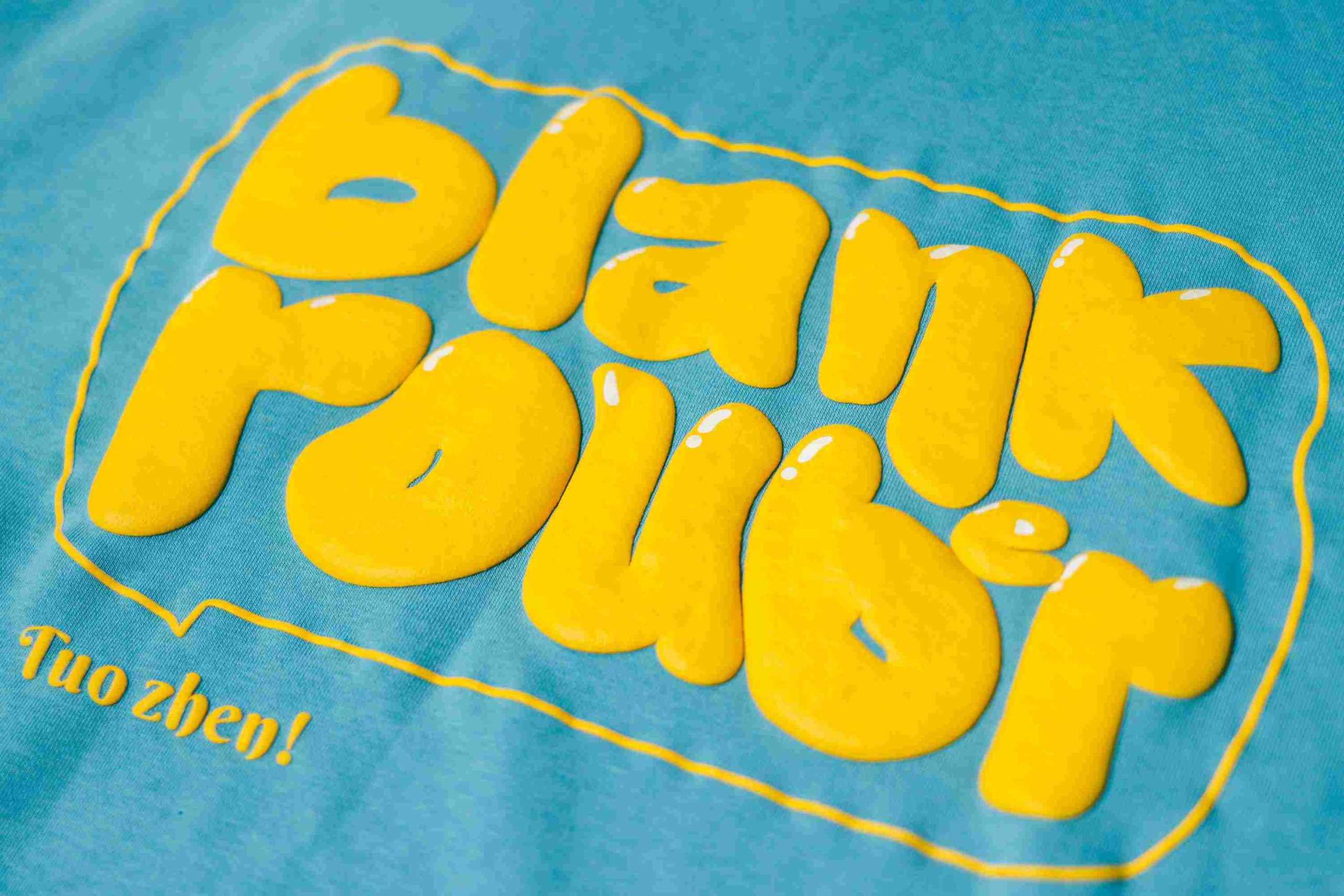
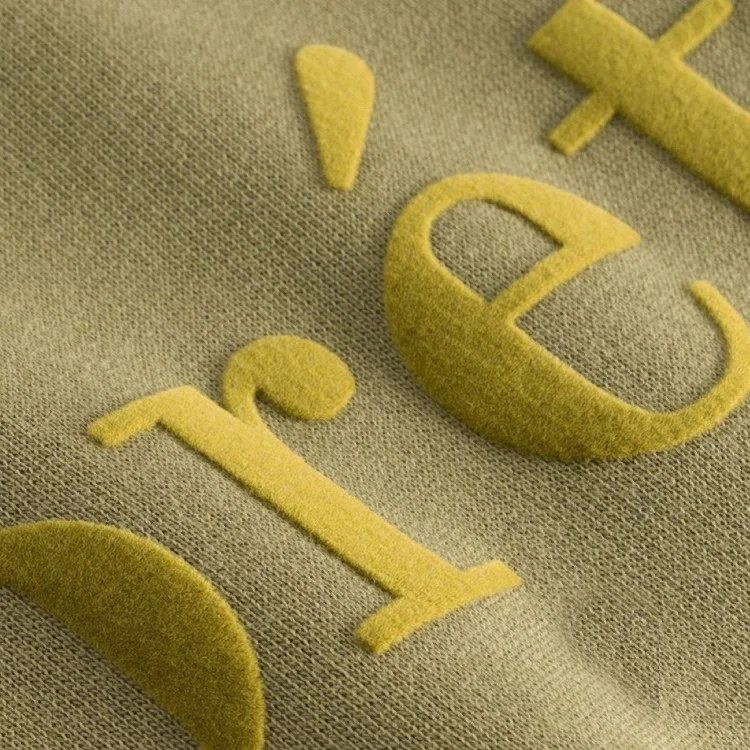
Screen printing, embroidery, puff print, chenille, acid wash, rhinestones, and nearly every modern garment finishing technique under one roof.
6-Stage Quality Control System
From fabric inspection to final packaging, every garment passes through rigorous checkpoints ensuring consistent sizing, decoration quality, and construction standards. Our 6-stage quality management system reduces defects by 40-60% across production.
Humen Dongguan Factory Location
Direct access to China’s largest fabric markets, skilled labor pool, and logistics infrastructure for faster sourcing and competitive pricing.
Apparel Categories We Manufacture
Custom T-Shirts
From oversized boxy fits to vintage wash effects, we manufacture custom t-shirts and custom tee shirts in heavyweight jersey, organic cotton, and tri-blend fabrics. Our facility supports garment dye, puff printing, DTG graphics, and distressed finishes with MOQs starting at 50 pieces for wholesale tshirts, enabling startup brands to test custom tshirt designs without inventory risk.
Request T-Shirt Quote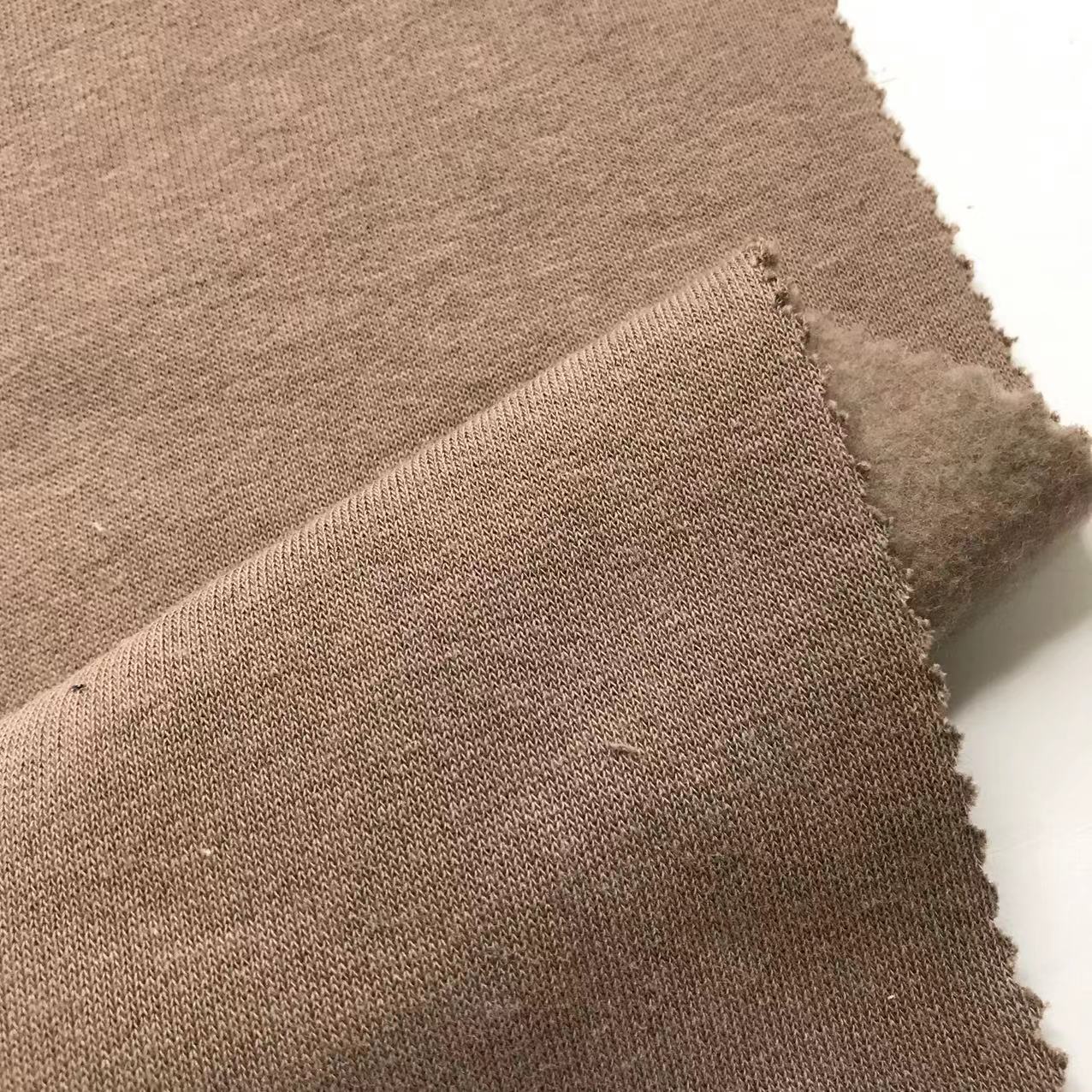
Hoodies u0026 Sweatshirts
Premium custom hoodies and custom sweatshirts with advanced decoration capabilities including chenille embroidery, acid wash effects, and puff printing. We specialize in heavyweight fleece construction, custom hoodie maker services, oversized silhouettes, vintage fading, and luxury finishing details like YKK zippers and custom drawstrings for wholesale hoodies and high-quality custom hoodies demanding superior quality and consistent fit.
Request Hoodie Quote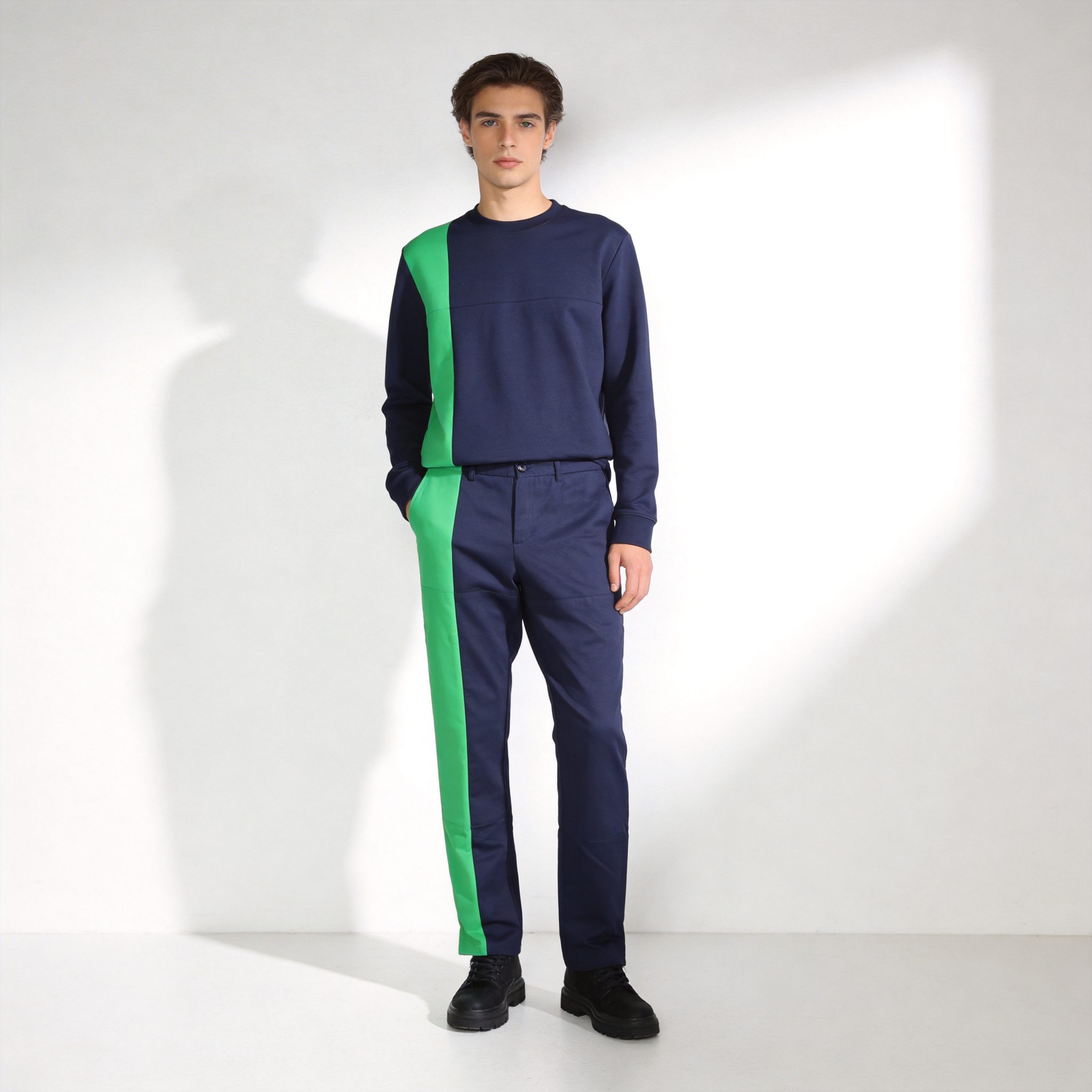
Activewear u0026 Sportswear
Technical custom activewear and custom sportswear featuring moisture-wicking fabrics, four-way stretch, and compression support. Our activewear manufacturer facility produces yoga sets, sports bras, performance leggings, custom yoga leggings, and athleisure collections with seamless knitting, breathable mesh panels, and quick-dry functionality tailored for fitness and lifestyle brands seeking scalable sportswear manufacturing solutions.
Request Activewear Quote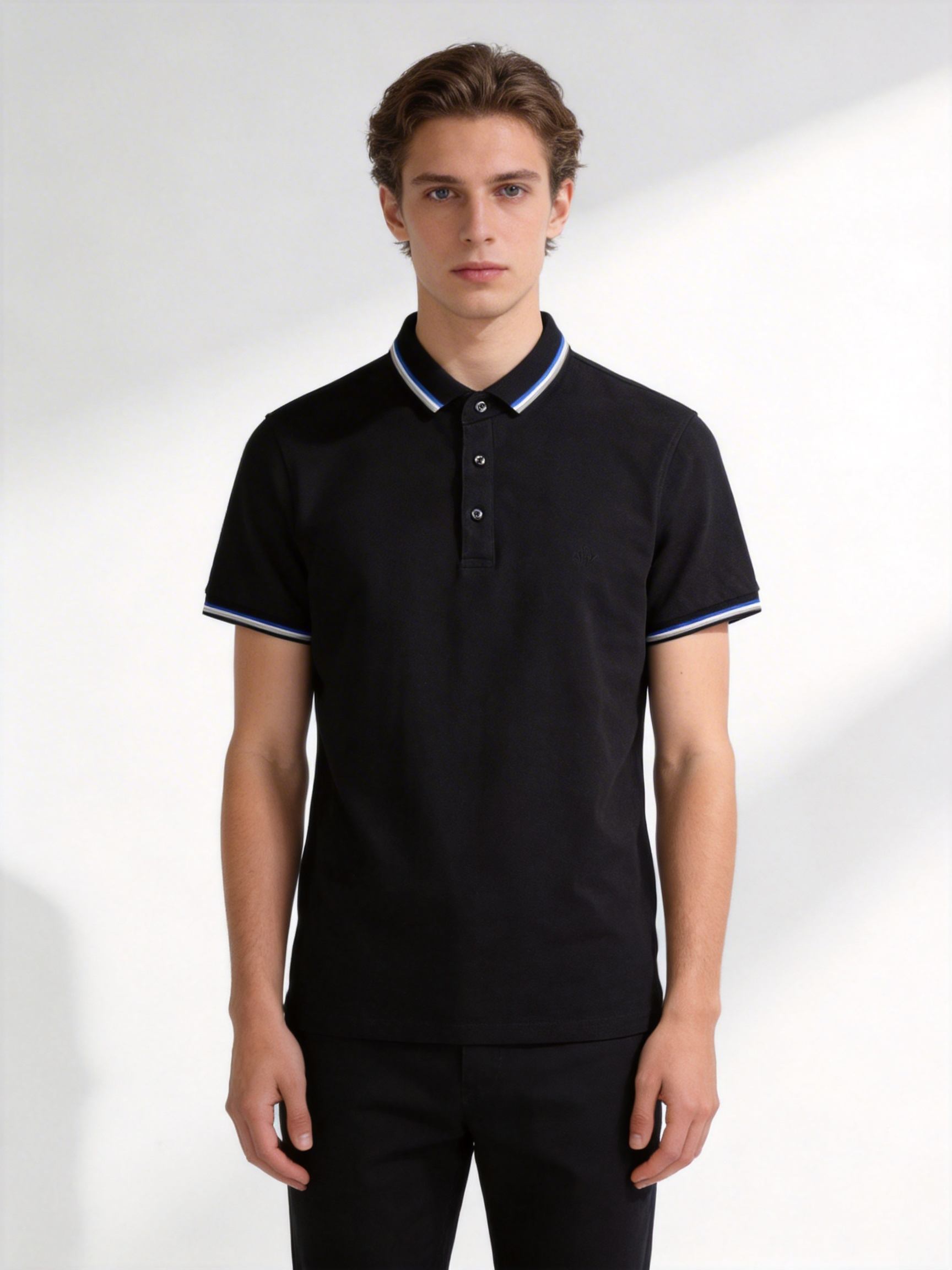
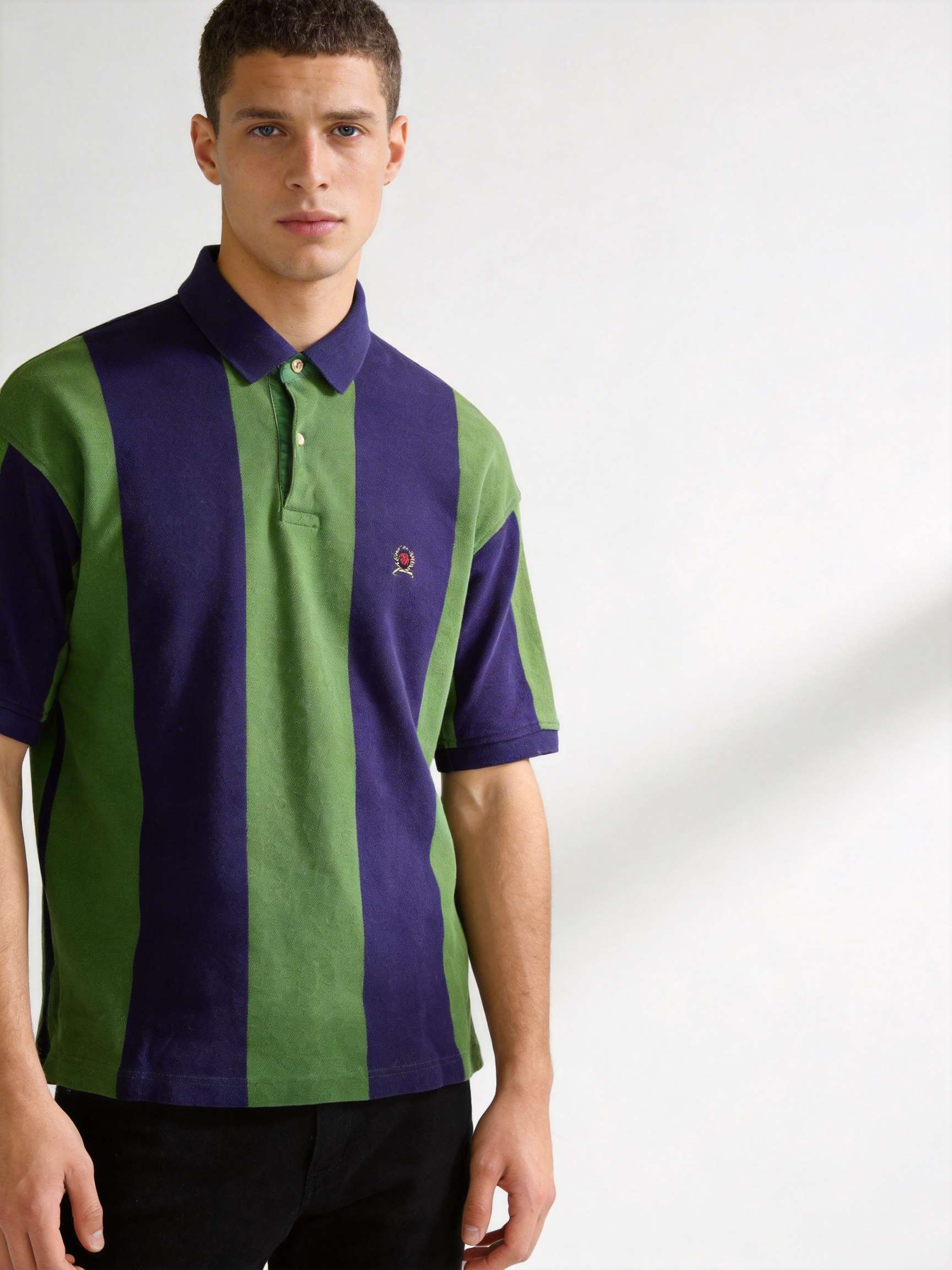
Polo Shirts
Custom polo shirts for brands, retailers, and uniform programs manufactured in cotton pique, performance blends, and technical fabrics. We provide custom collar construction, custom logo polo shirts, embroidered logos, contrast tipping, button customization, and branded labels with strict quality control ensuring consistent sizing and professional finishing across wholesale polo shirts production runs.
Get a Quote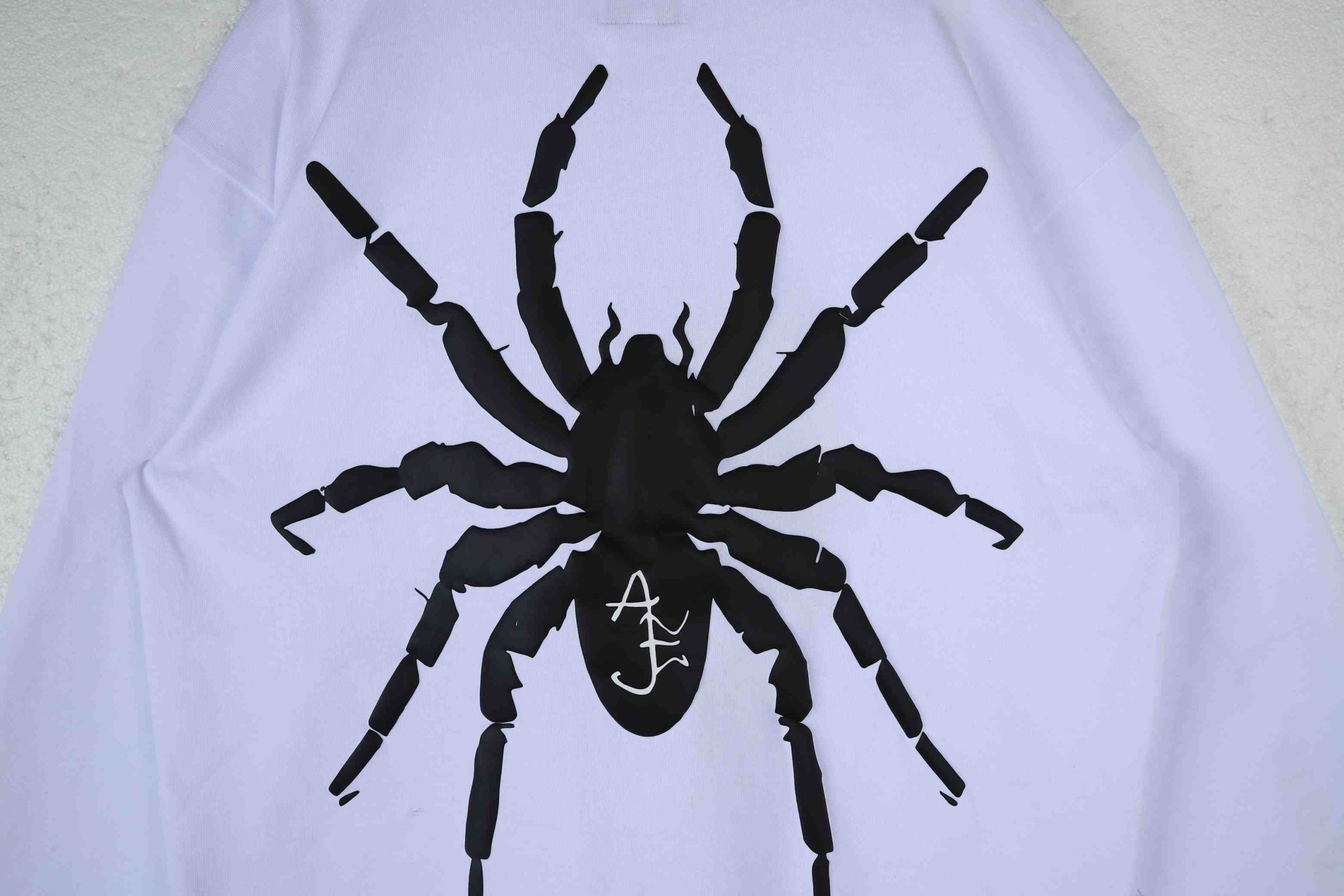
Jackets u0026 Outerwear
Custom varsity jackets, custom bomber jackets, custom puffer jackets, and technical outerwear with quilting, waterproof coating, and multi-layer construction. Our Humen facility handles complex processes including custom letterman jacket production, embroidery application, ribbed cuff attachment, functional pocket systems, and heat-sealed seams, solving design challenges for brands requiring specialized custom jackets expertise and reliable lead times.
Get a Quote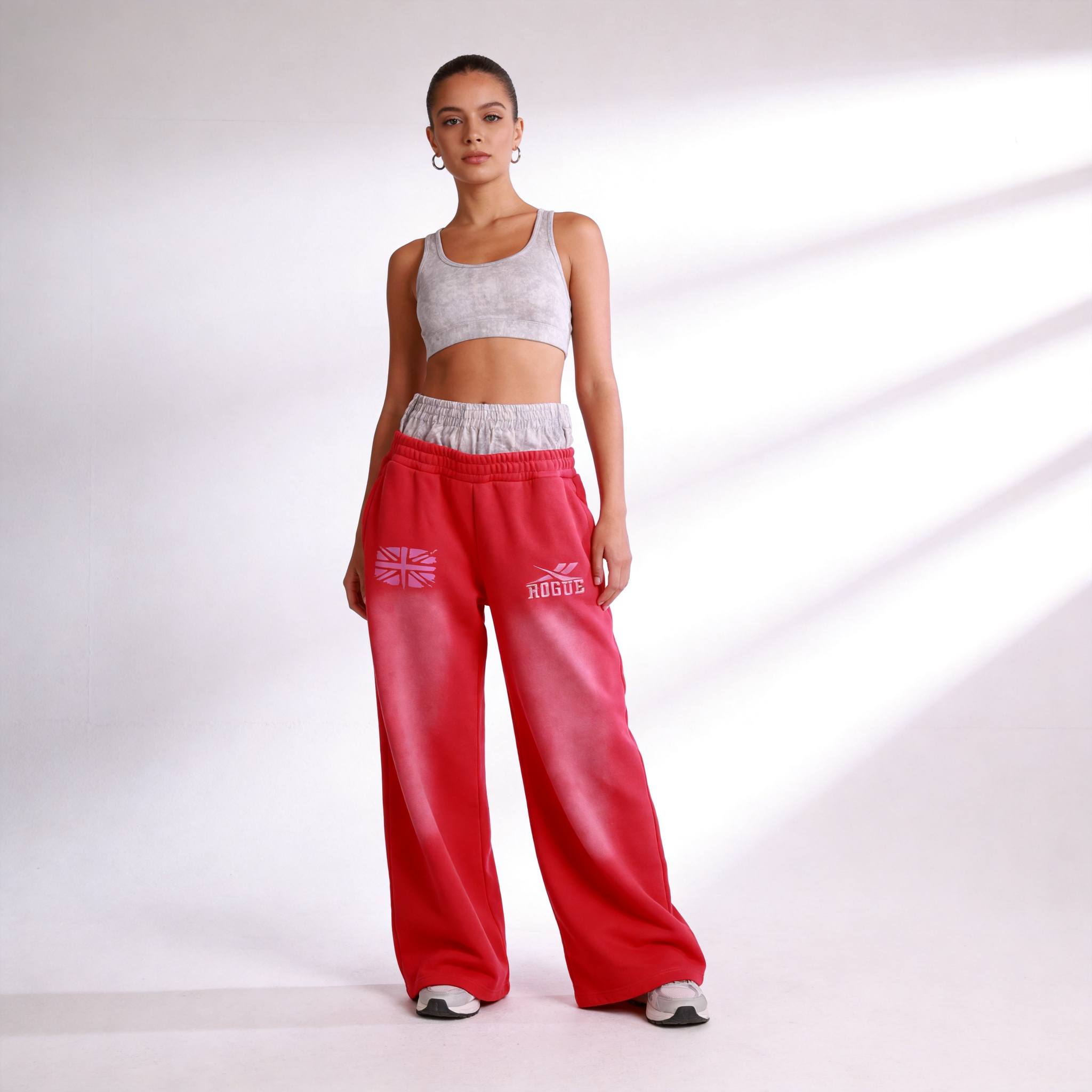
Pants u0026 Shorts
Custom pants, cargo pants, joggers, custom sweatpants, custom jeans, denim shorts, and utility bottoms with distressed washes, stretch construction, and functional pocket systems. We manufacture wide-leg silhouettes, custom made jeans, vintage denim treatments, contrast stitching, and heavyweight twill construction for custom shorts and wholesale jeans, supporting brands from capsule collections to large-scale production with our 100,000+ monthly unit capacity.
Get a Quote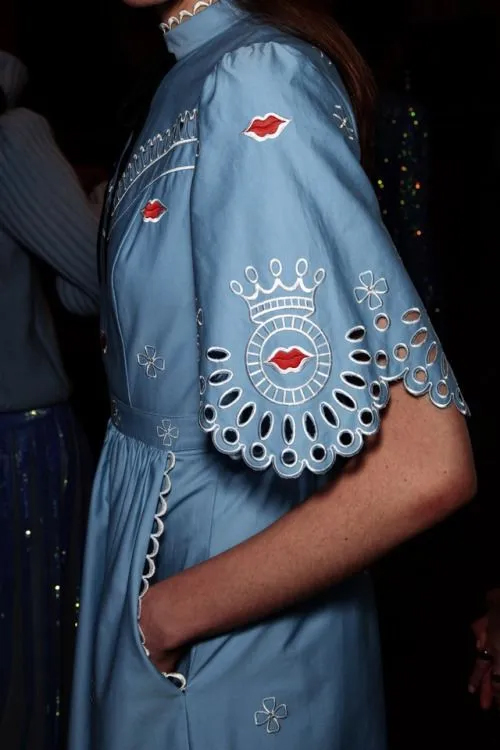
Dresses u0026 Skirts
Custom dresses and skirts including casual dresses, custom prom dresses, custom wedding dress designs, evening wear, resort collections, and street fashion styles. Our capabilities include lace application, corset structures, satin draping, multi-layer construction, and beading with precise pattern cutting and finishing. Low MOQ options help emerging designers launch custom made dresses collections while maintaining premium craftsmanship standards.
Get a Quote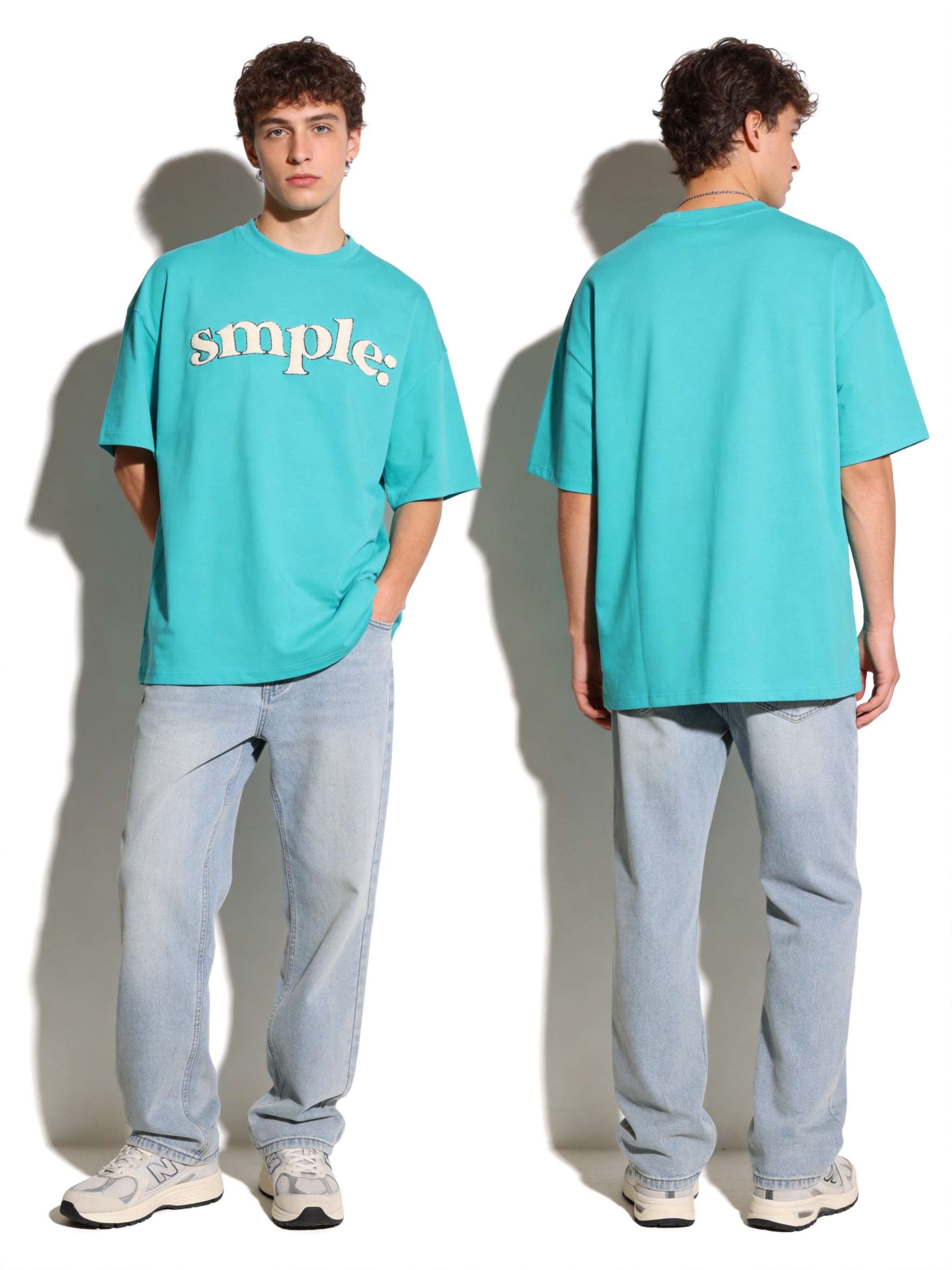
Workwear u0026 Uniforms
Custom work shirts, workwear jackets, custom dress shirts, uniform shirts, industrial pants, and professional apparel with durable construction and functional design. We manufacture custom business shirts and custom button up shirts meeting workplace requirements including reinforced stitching, utility pockets, branded embroidery, and consistent sizing across bulk orders, serving corporate clients, hospitality brands, and professional uniform distributors with reliable quality systems.
Get a Quote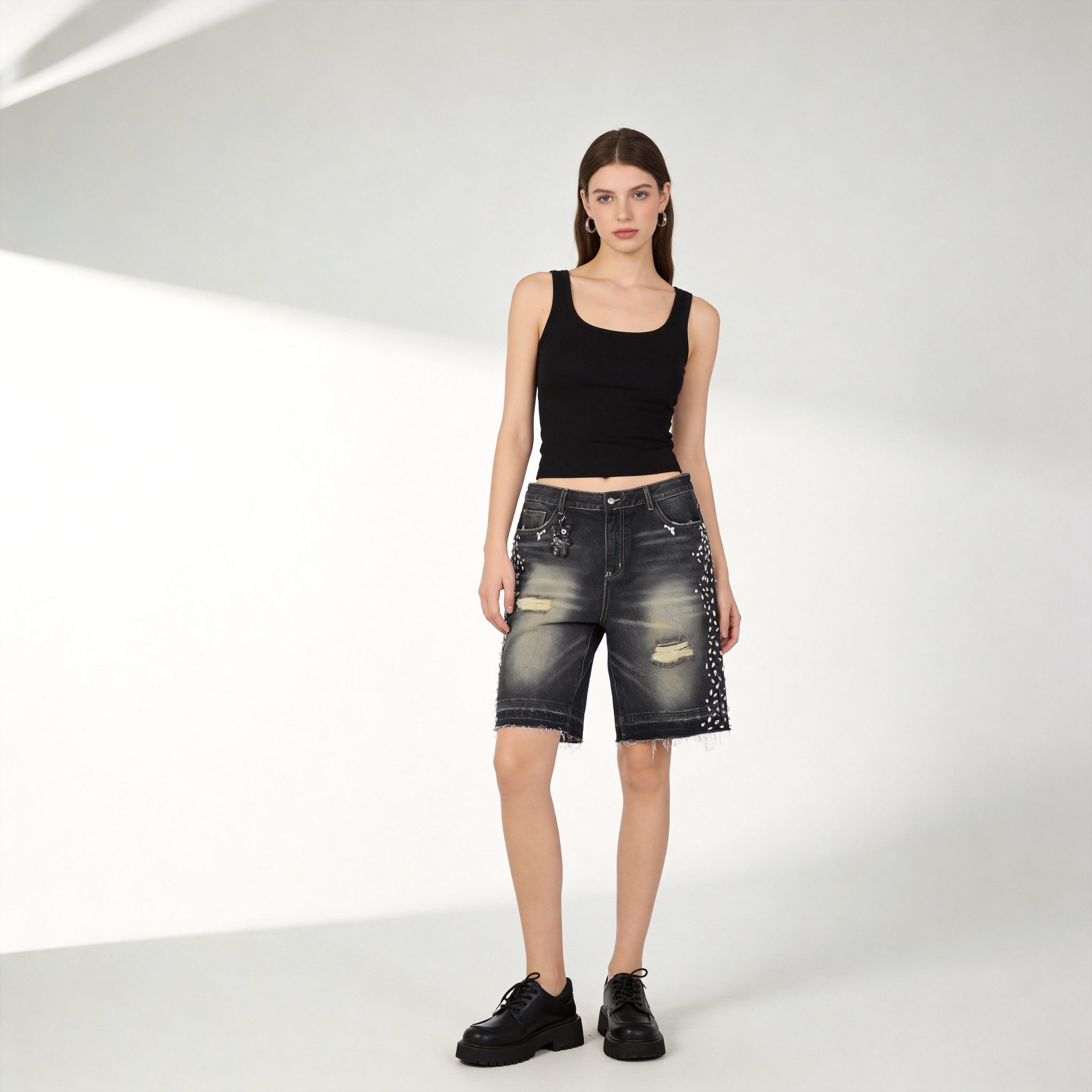
Streetwear Collections
Complete streetwear collections combining hoodies, graphic tees, cargo pants, and outerwear with trend-focused design execution. Our 27 years of manufacturing experience supports complex decoration techniques including reflective printing, chenille patches, acid wash effects, and distressed details, enabling fashion brands to launch cohesive collections with consistent aesthetic and production timelines.
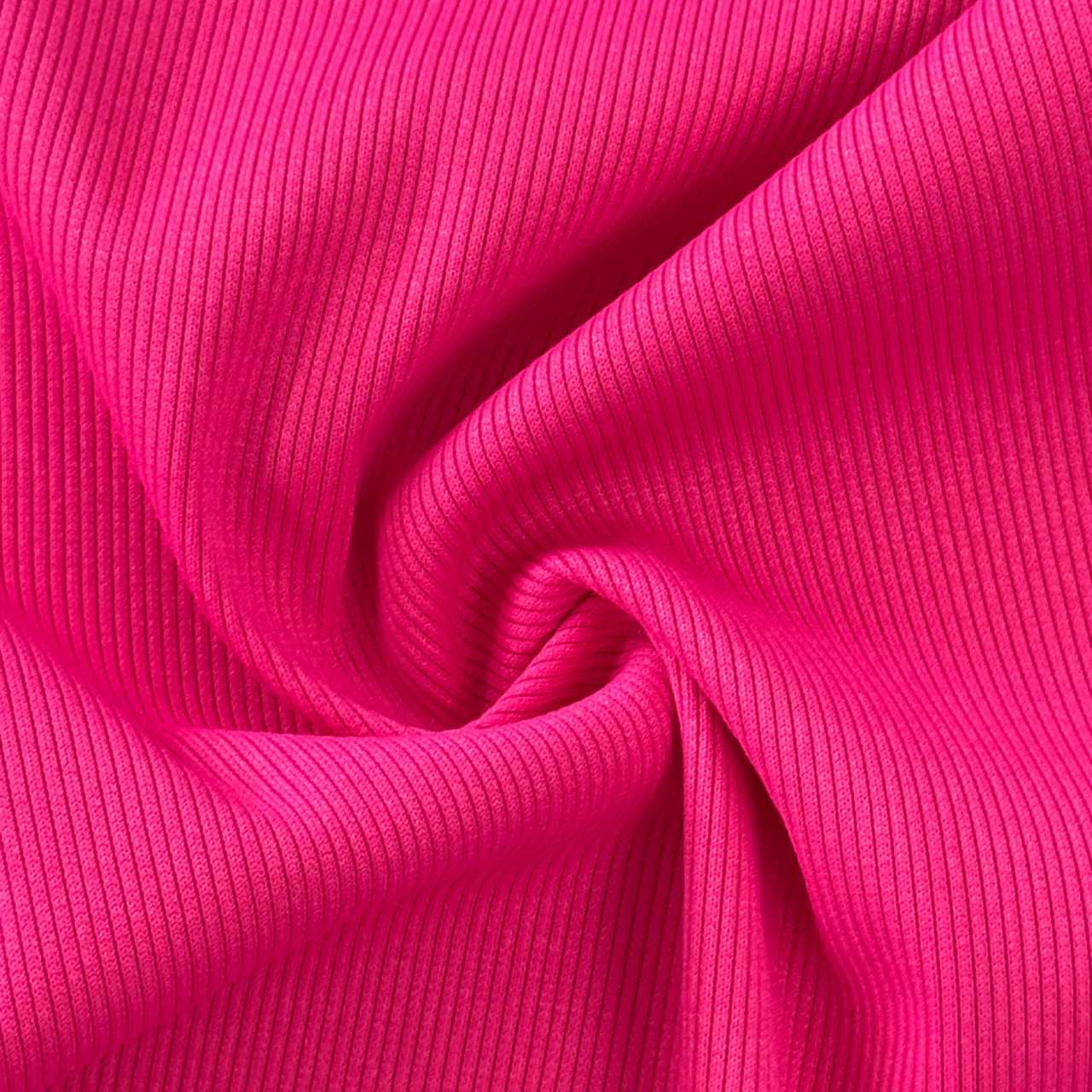
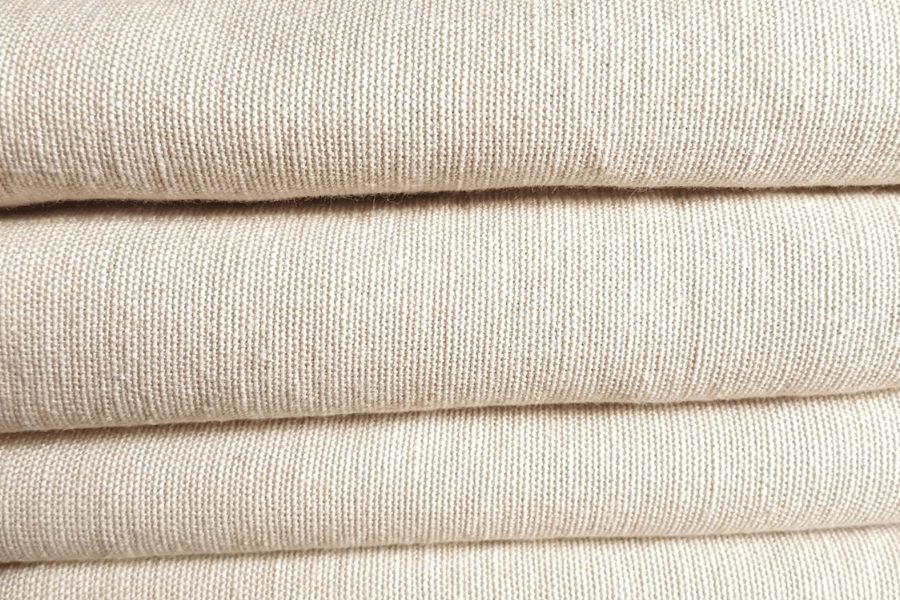
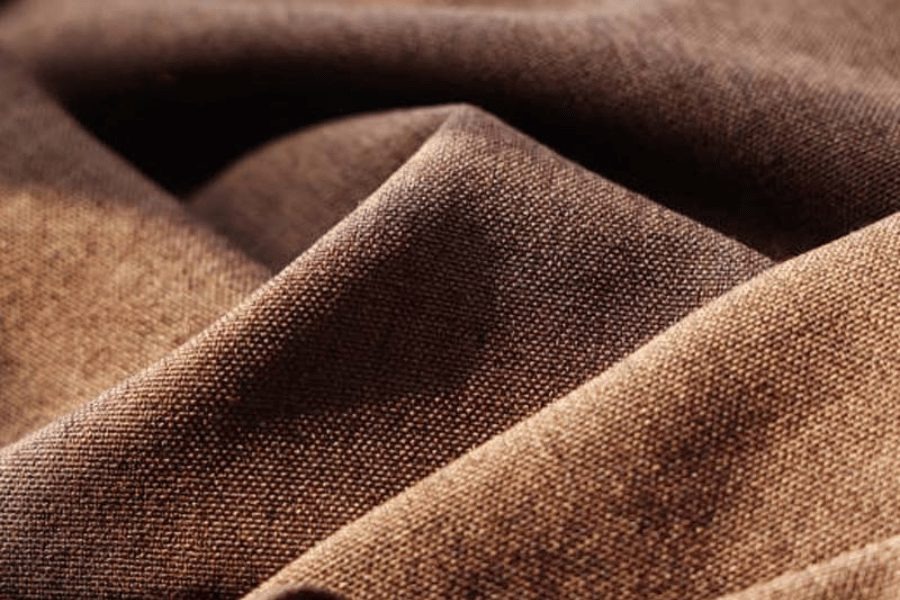
Get a QuotePremium Fabrics for Every Cut and Sew Apparel Manufacturing Project
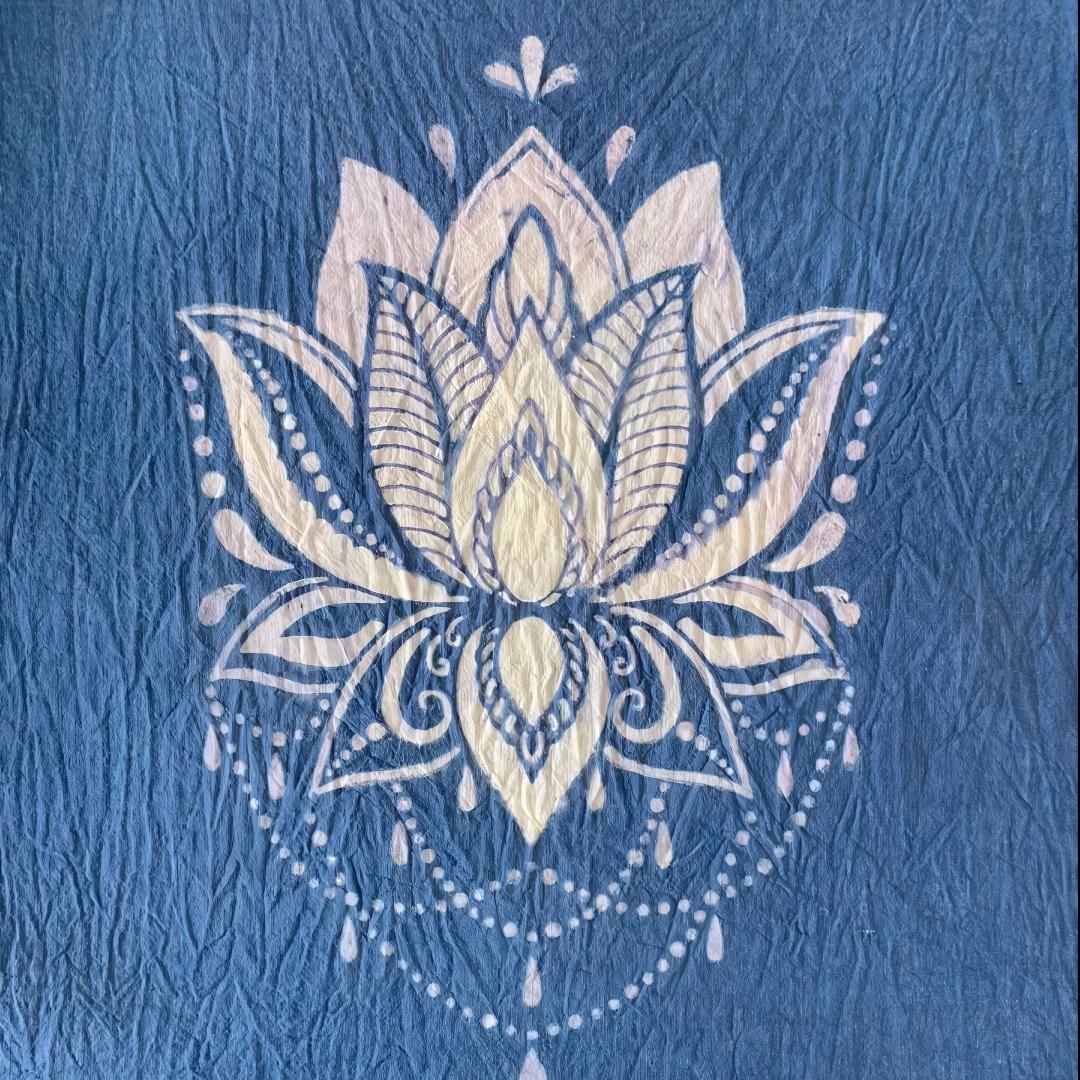
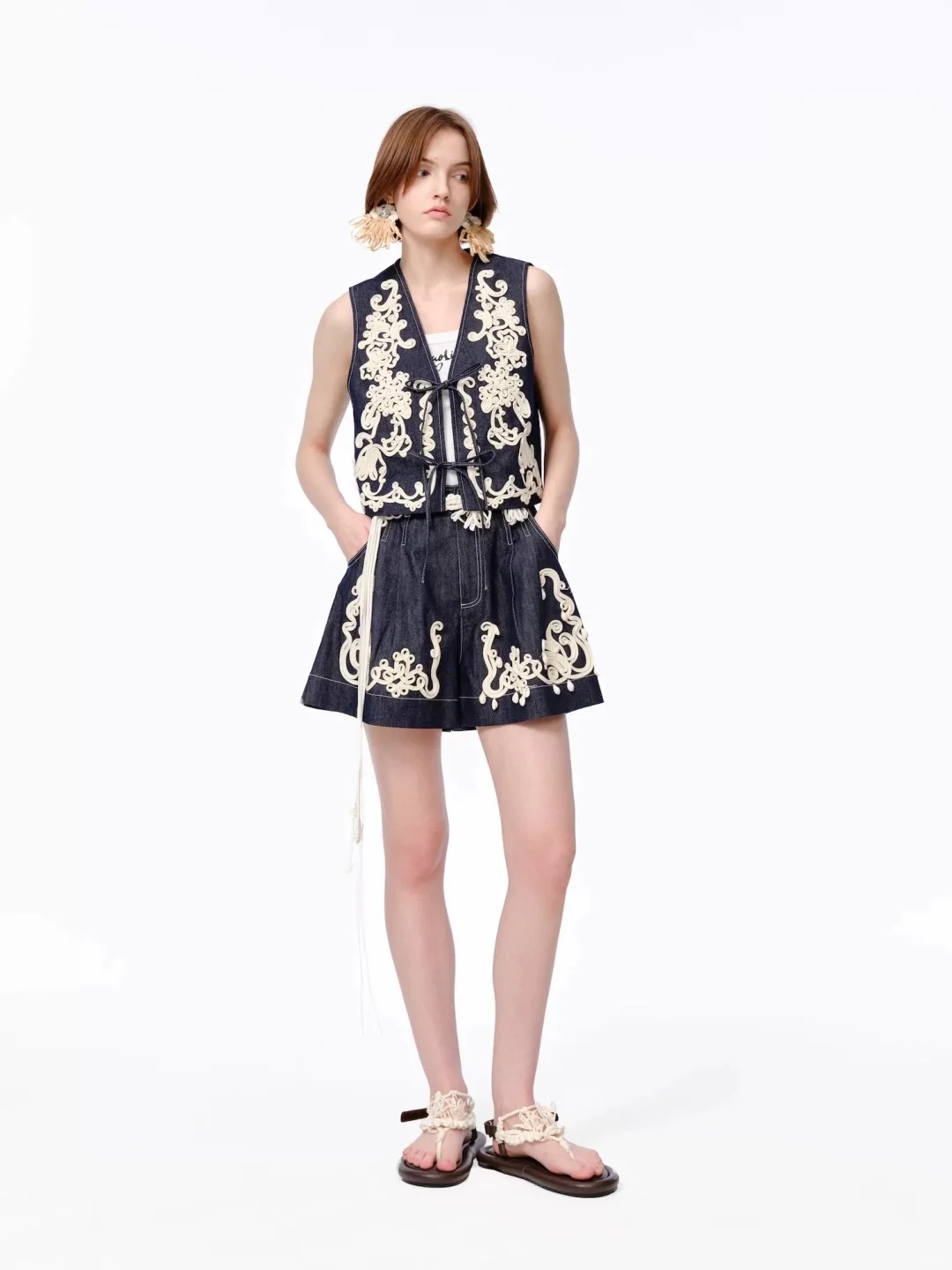
Advanced Decoration u0026 Finishing Processes for Cut and Sew Apparel Manufacturing
Custom Accessories u0026 Trims for Cut and Sew Apparel Manufacturing
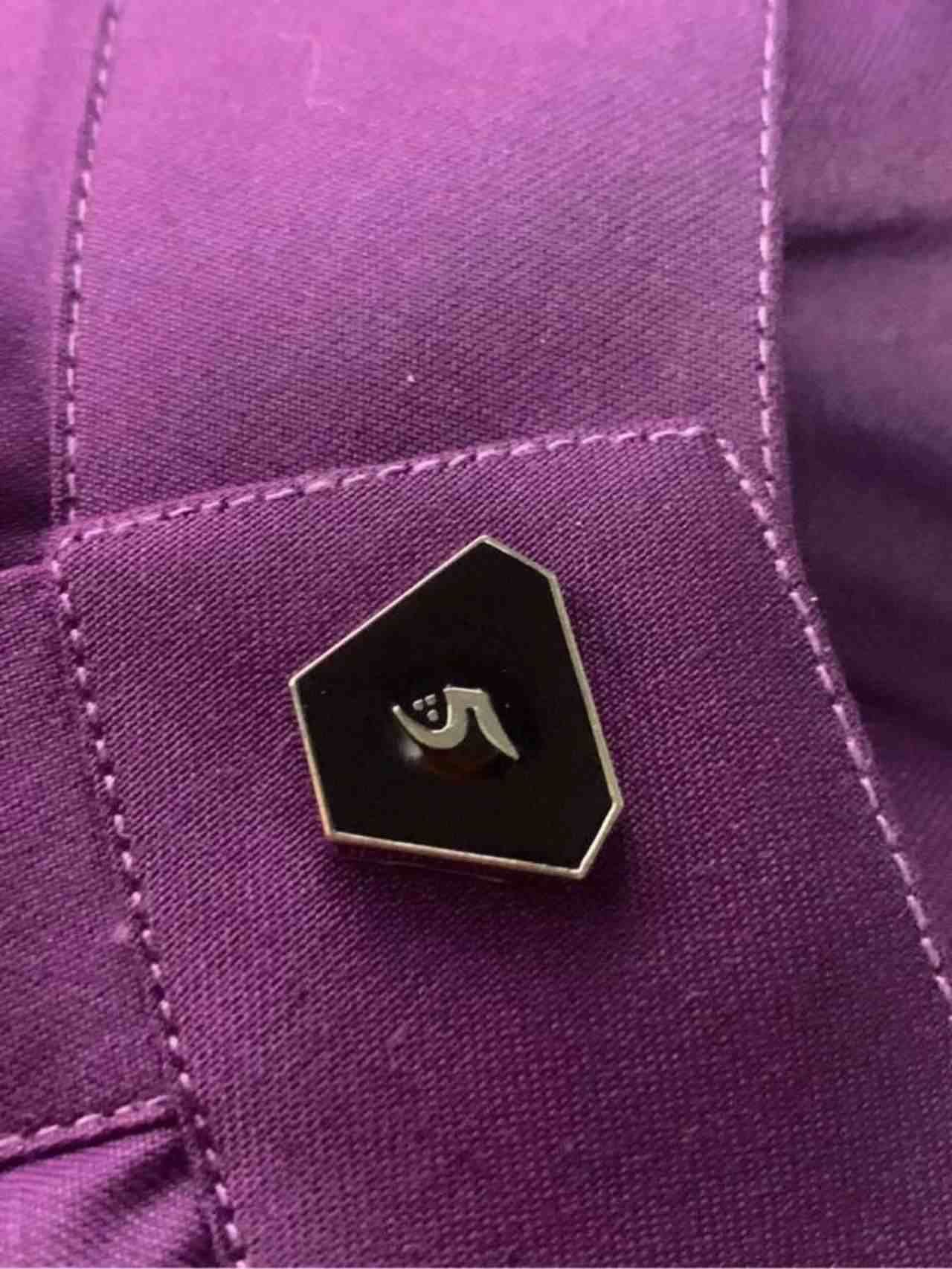
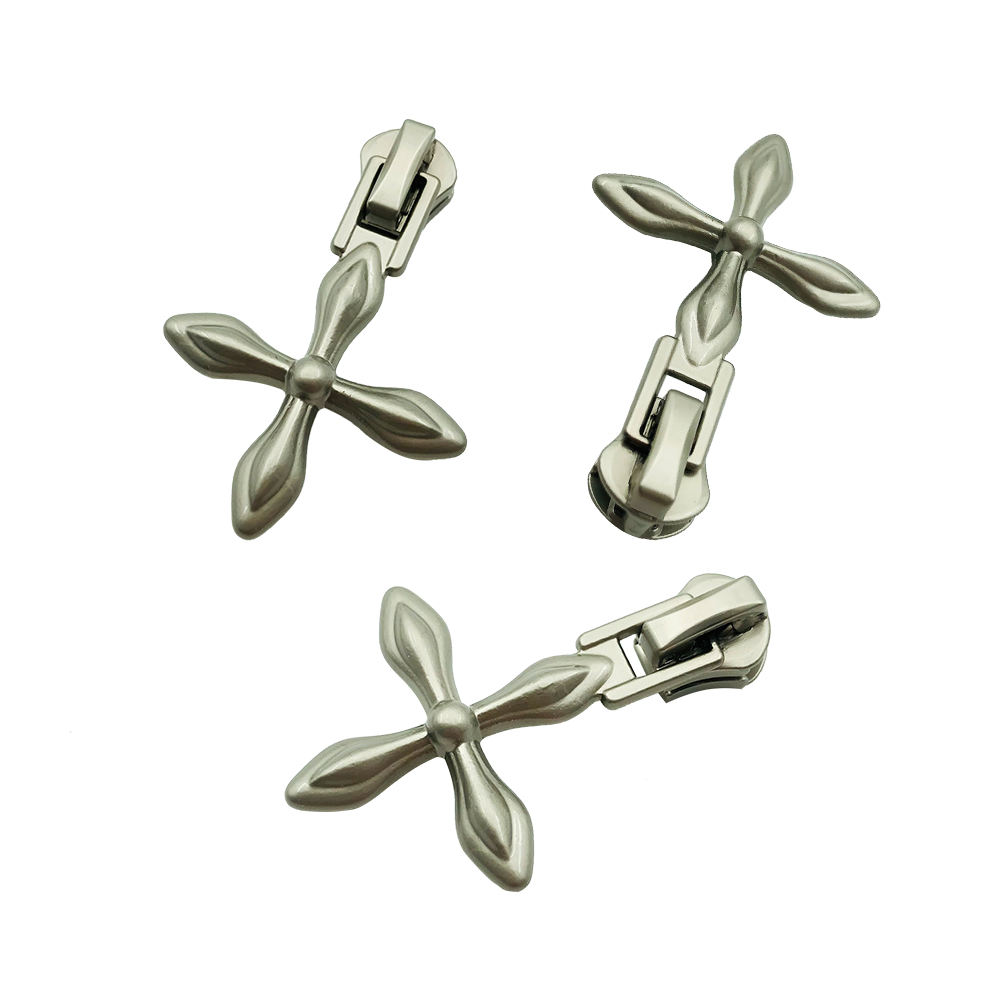
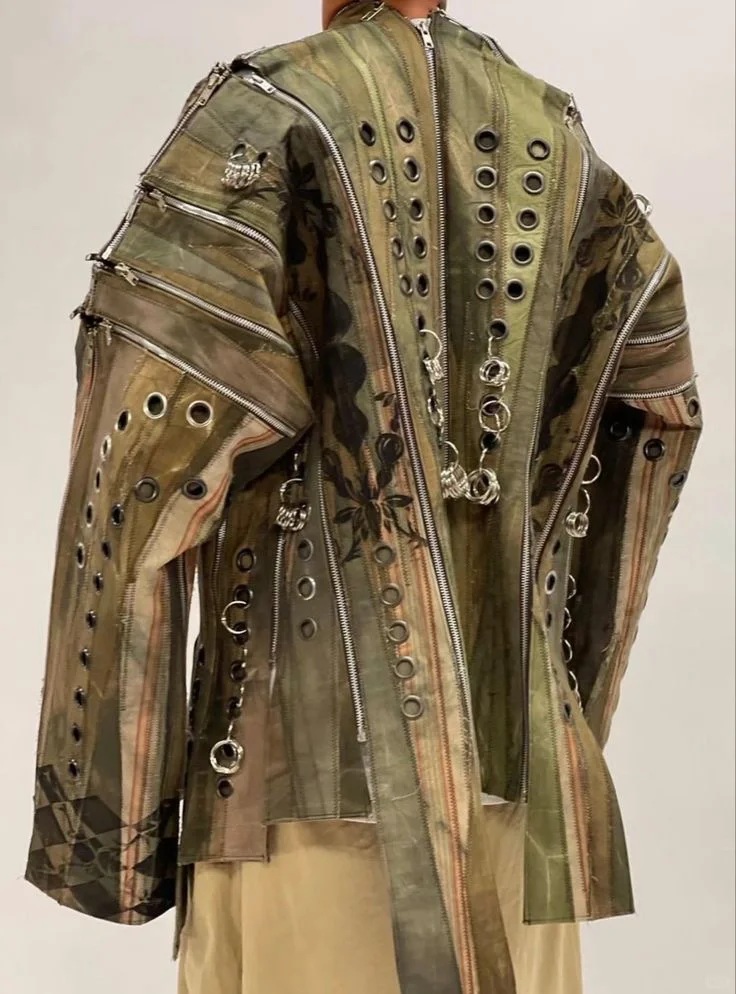
Cut and Sew Apparel Manufacturing Since 1998
Founded in 1998 as a family-operated garment workshop in Humen, Dongguan, ZORWILD was built on a foundation of precision and craftsmanship. Our founder grew up in the apparel business, learning every stage of cut and sew apparel manufacturing from cutting rooms to quality control. Today, we operate a modern full-category facility serving over 2,000 fashion brands across six continents.
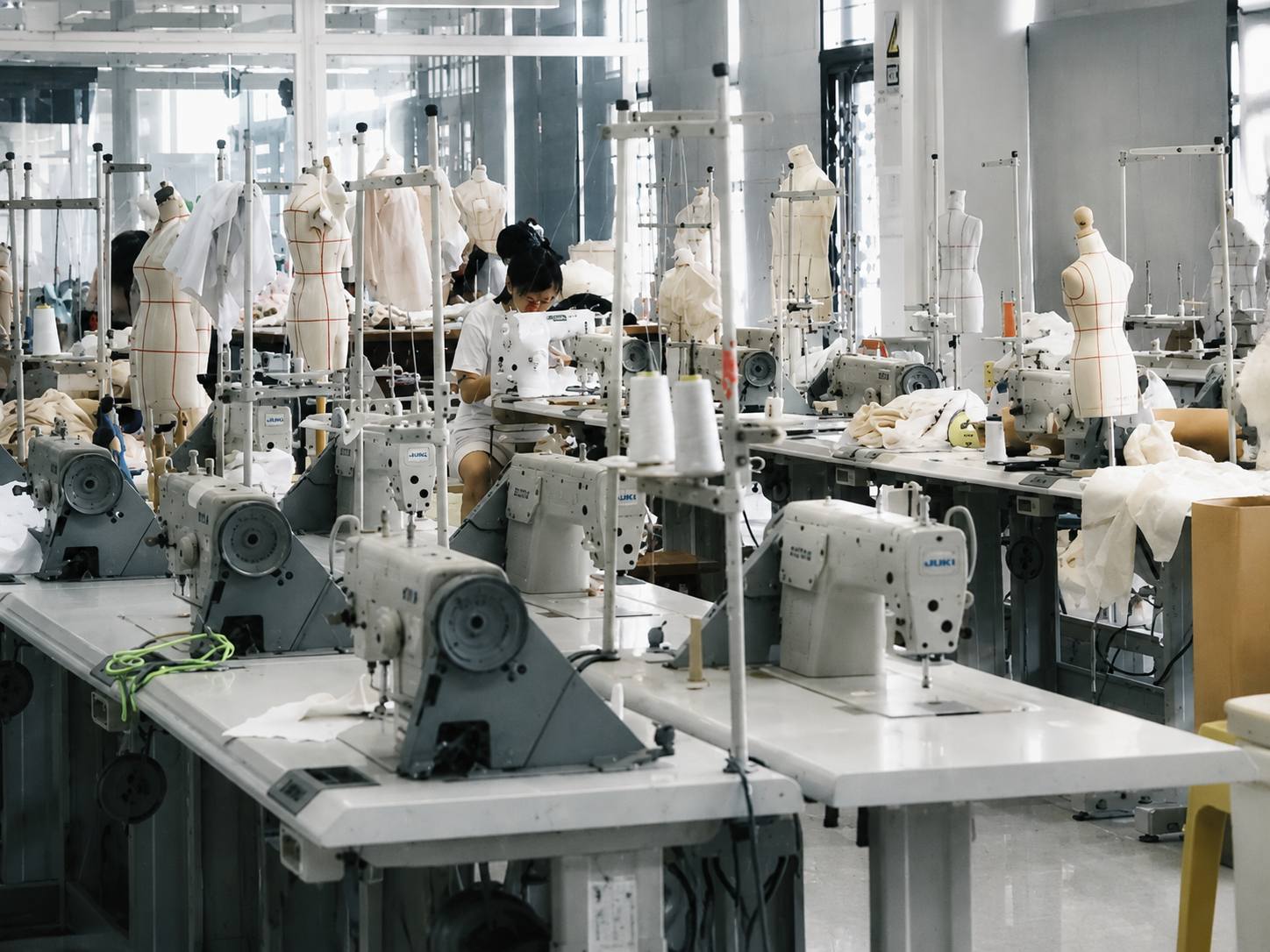
With more than 200 skilled workers and a monthly production capacity exceeding 100,000 units, ZORWILD bridges the gap between creative design and scalable production. We specialize in OEM, ODM, and private label manufacturing with flexible MOQs starting at just 50 pieces, making professional cut and sew apparel manufacturing accessible to startups and established brands alike.
What sets us apart is our comprehensive in-house capabilities. From fabric sourcing and sampling to advanced decoration techniques and six-stage quality control, we manage every step of the production process in our Dongguan facility. Our 27 years of experience and commitment to craftsmanship ensure your vision becomes a finished garment that exceeds expectations.
Our Core Capabilities in Cut and Sew Apparel Manufacturing
Design u0026 Tech Pack Development
Transform your vision into production-ready garments. Our experienced development team converts sketches, inspiration photos, or reference samples into precise tech packs with detailed construction specifications for flawless cut and sew manufacturing.
- Tech pack creation from sketches, photos, or physical samples
- Pattern grading and fit optimization across all size ranges
- Material recommendations based on design intent and budget
- Construction method guidance for durability and aesthetics
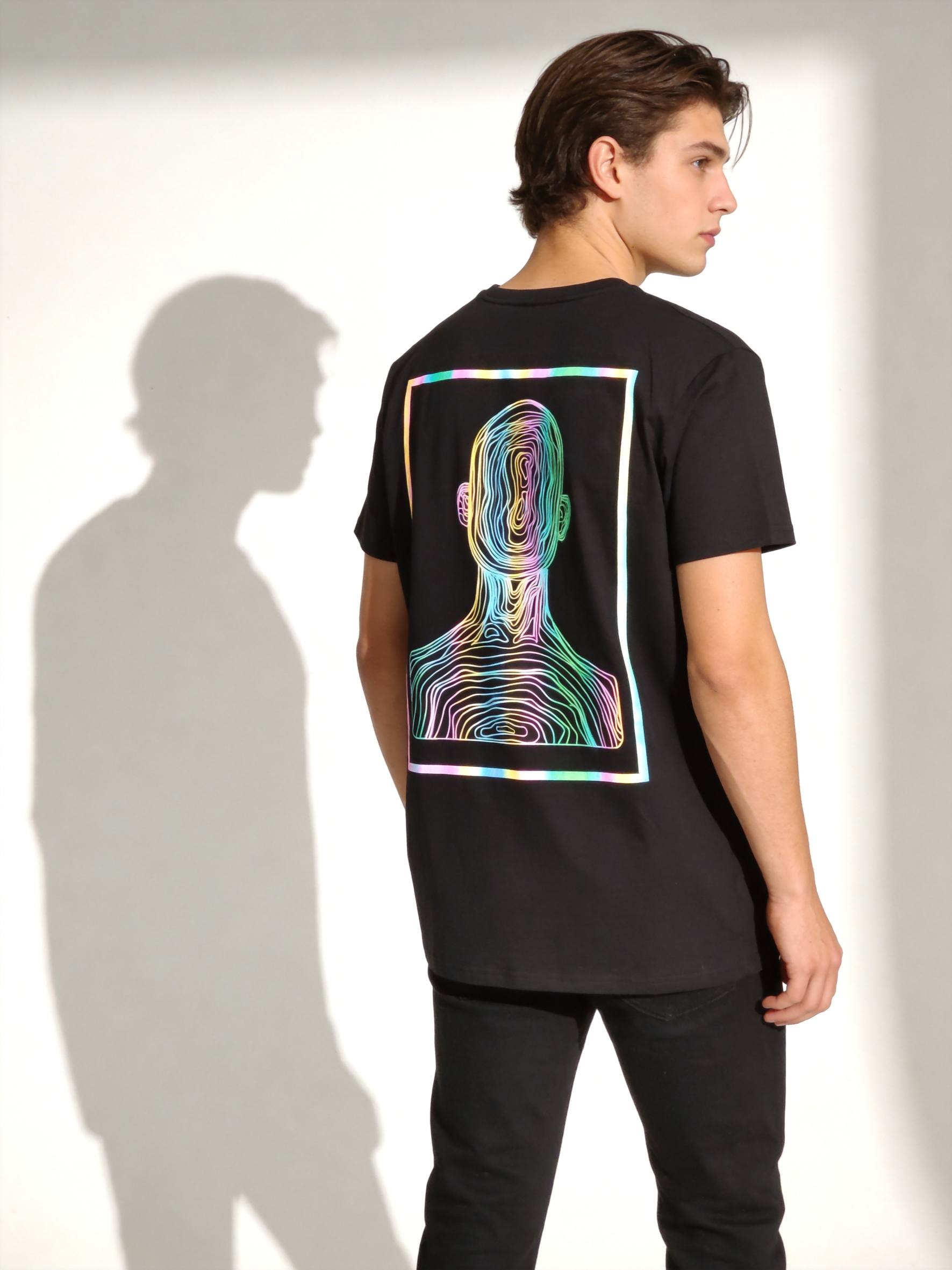
Strategic Fabric u0026 Material Sourcing
Access China’s most trusted fabric suppliers through our 27-year network. We source premium cotton, organic materials, technical fabrics, and specialty textiles that match your brand positioning, performance needs, and sustainability goals.
- Direct relationships with vetted fabric mills across China
- Quality inspection of all raw materials before production
- Sustainable and organic fabric options for eco-conscious brands
- Competitive pricing through volume purchasing power
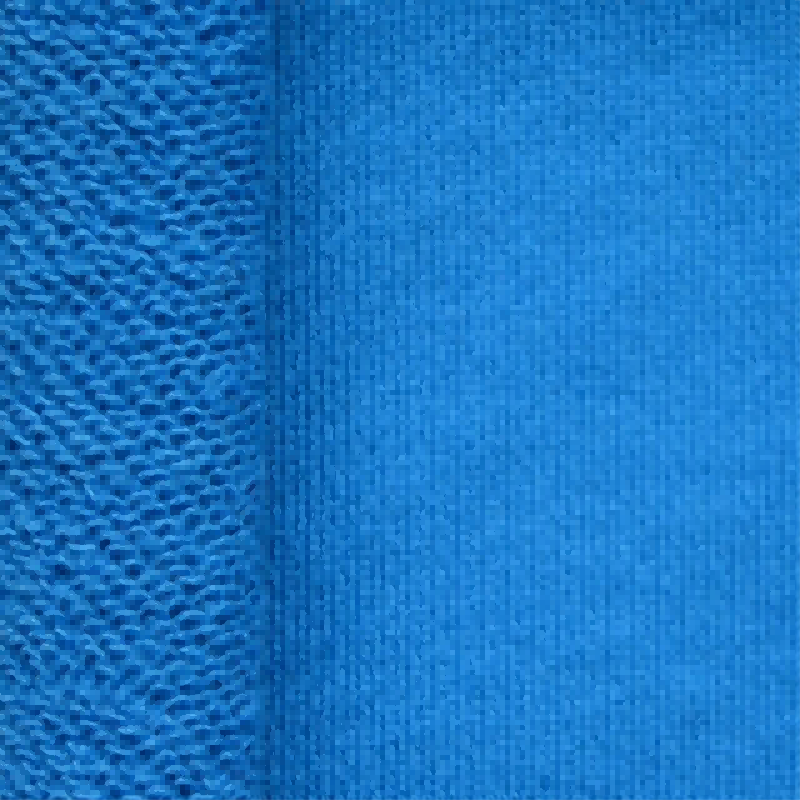
Precision Sampling u0026 Product Validation
Evaluate every detail before committing to bulk production. Our sampling process ensures perfect fit, measurements, fabric quality, decoration application, and construction integrity so your cut and sew garments meet exact specifications.
- First samples ready within 7-10 days for most product types
- Unlimited revisions until fit and quality meet your standards
- Detailed quality reports covering measurements and construction
- Low-cost sampling to minimize risk for startup brands
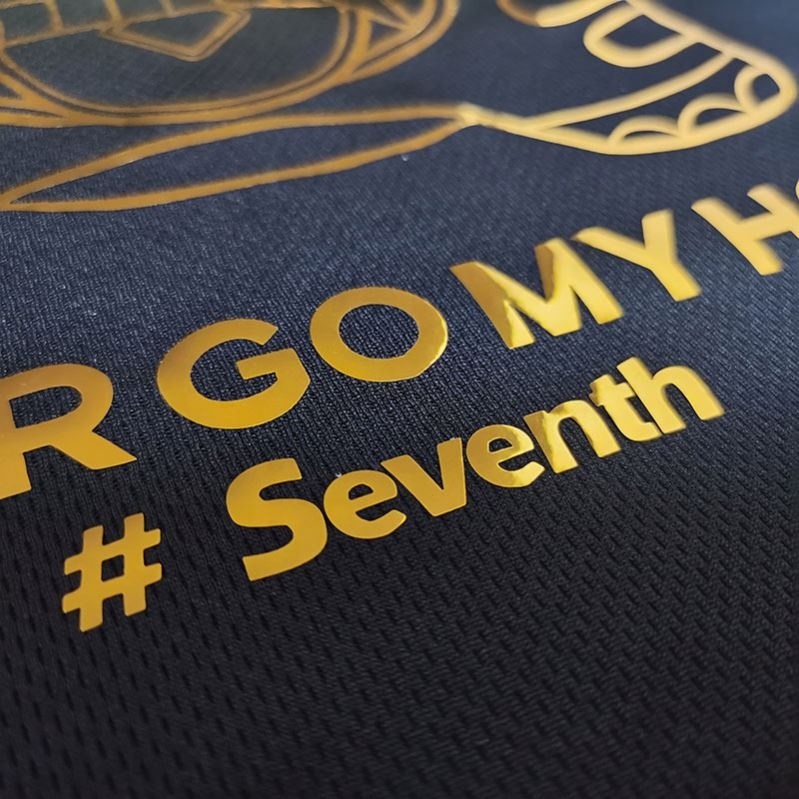
Scalable Production With 6-Stage Quality Control
From 50-piece startup runs to 100,000+ monthly capacity, our cut and sew apparel manufacturing scales with your brand. Every garment passes through six rigorous quality checkpoints covering fabric inspection, sewing precision, decoration quality, and final packaging.
- MOQ starts at just 50 pieces for most product categories
- In-line inspection at every production stage, not just final QC
- 95%+ decoration techniques handled in-house for consistency
- Real-time production updates and photo documentation
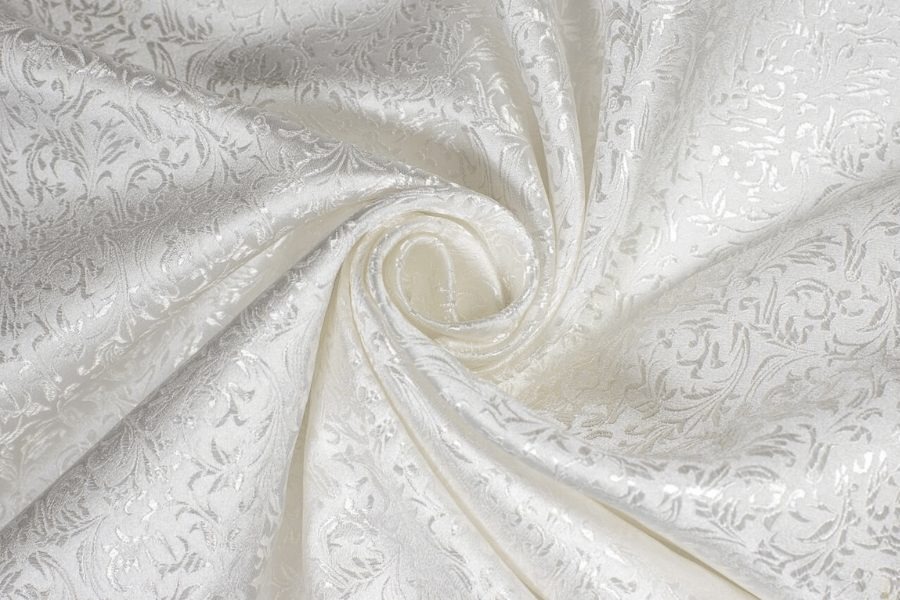
ZORWILD vs. Standard Cut and Sew Apparel Manufacturing Suppliers
We’ve built our reputation on delivering what typical cut and sew manufacturers can’t: low minimums, fast turnarounds, and uncompromising quality control backed by 27 years of expertise.
← 左右滑动查看 →
Our Cut and Sew Apparel Manufacturing Process
From tech pack to finished garment, every phase is managed with precision by our 27-year experienced team in Dongguan to ensure quality, speed, and complete transparency for your brand.
Tech Pack Review
Our development team reviews your tech pack, sketches, or reference samples to confirm measurements, fabric specs, decoration details, and production feasibility before moving forward.
Fabric Sourcing u0026 Sampling
We source premium fabrics from trusted suppliers across China and produce initial samples so you can evaluate fit, quality, wash effects, and construction before bulk production.
Pattern Cutting u0026 Sewing
Precision pattern cutting and expert sewing by our 200+ skilled workers ensure consistent sizing, clean seams, and durable construction across every garment in your order.
Decoration u0026 Wash Finishing
We apply your chosen decoration techniques—screen printing, embroidery, puff print, or chenille—and execute garment wash processes like vintage wash, acid wash, or enzyme wash in-house.
Quality Control u0026 Finishing
Every garment passes through our 6-stage quality control system including measurement checks, print inspection, and final product review before ironing, folding, and finishing preparation.
Packing u0026 Global Shipping
We handle custom packaging with your branded labels, hang tags, and polybags, then coordinate air freight, sea freight, or express delivery with full export documentation support.
How to Partner With ZORWILD for Cut and Sew Apparel Manufacturing
From initial design to finished garments, our streamlined 5-step process ensures quality, transparency, and on-time delivery for every order—whether you’re starting with 50 pieces or scaling to 100,000+ units per month.
Submit Your Design or Tech Pack
Share your tech pack, sketches, reference photos, or garment samples. Our team reviews your requirements and provides fabric recommendations and production guidance within 24 hours.
Receive Quote and Sample Timeline
We provide a detailed quotation covering materials, decoration, MOQ options, and lead times. Sample development typically takes 7–10 days depending on complexity and customization requirements.
Approve Sample and Finalize Details
Review your pre-production sample for fit, fabric quality, print accuracy, and construction. Request revisions if needed, then approve for bulk production with full confidence.
Begin Bulk Production with QC
Your order enters our 6-stage quality control system. We inspect materials, monitor in-line sewing, verify measurements, and perform final inspections before packaging and shipment preparation.
Receive Shipment and Launch Products
We arrange air freight, sea freight, or express delivery with full export documentation and customs support. Track your order until it reaches your door, ready for sale.
Certifications u0026 Industry Standards in Cut and Sew Apparel Manufacturing

Cut and Sew Apparel Manufacturing Success Stories
ZORWILD helped us launch our first 500-unit streetwear collection in just 6 weeks. Their cut and sew capabilities handled complex patchwork and embroidery perfectly. Quality exceeded our expectations and our customers love the finish.
We scaled from 100-piece test runs to 8,000 units per order without any quality drop. ZORWILD’s cut and sew team nailed our custom fit specifications every time. Their low MOQ let us validate designs before committing to bulk.
Switching to ZORWILD reduced our per-unit cost by 28% while improving garment construction quality. Their in-house decoration processes eliminated the need for multiple vendors. We now produce 12 different cut and sew styles seamlessly under one roof.
Frequently Asked Questions About Cut and Sew Apparel Manufacturing
What is the minimum order quantity for cut and sew apparel manufacturing at ZORWILD?
How long does the cut and sew manufacturing process take from design to delivery?
Do you charge for samples in cut and sew apparel manufacturing projects?
What payment terms does ZORWILD offer for cut and sew manufacturing orders?
How does ZORWILD protect my designs and intellectual property during manufacturing?
What customization options are available for cut and sew apparel manufacturing?
What quality control measures are in place during cut and sew production?
What shipping and logistics options does ZORWILD provide for international orders?
Can ZORWILD handle both small startup orders and large-scale production?
The Complete Buyer’s Guide to Cut and Sew Apparel Manufacturing
1. What Is Cut and Sew Apparel Manufacturing?
Cut and sew apparel manufacturing is a production method in which fabric is sourced in rolls, cut into pattern pieces according to technical specifications, and sewn into finished garments from scratch. Unlike print-on-demand services that decorate pre-made blank garments or wholesale blank inventory that offers limited sizing and styling, cut and sew manufacturing builds every garment to your exact specifications, allowing full control over fabric selection, fit, construction details, and branding elements.nnMore than 2,000 fashion brands worldwide have chosen cut and sew manufacturing to achieve proprietary fits, unique silhouettes, and custom design features that cannot be replicated with standard blanks. This method enables brands to define every measurement, select specific fabric weights and blends, incorporate contrast panels, adjust sleeve lengths, modify necklines, add functional pockets, and create signature construction details that differentiate their products in competitive markets. Brands working with experienced manufacturers like ZORWILD can start production runs from as low as 50 pieces per style, making this approach accessible to startup brands, influencers, and independent designers who previously relied on limited blank inventory options.nnCut and sew apparel manufacturing is the right choice for brands prioritizing originality, fit consistency, and long-term product differentiation. If your brand strategy depends on unique design identity, proprietary sizing systems, or premium construction quality that cannot be achieved through decoration alone, this production method delivers the creative control and manufacturing precision required to build a recognizable, scalable fashion brand.
2. The Evolution of Cut and Sew Apparel Manufacturing
In 1846, Elias Howe patented the first practical sewing machine, accelerating garment production from hand-stitched pieces to mechanized assembly. By the early 1900s, assembly-line production transformed cut and sew apparel manufacturing into a factory-scale industry, with pattern cutting, sewing, and finishing divided across specialized stations to maximize throughput and reduce labor costs.nnThe 1980s and 1990s saw a massive offshore manufacturing boom as brands moved production to China, Southeast Asia, and Latin America, driven by lower labor costs and economies of scale. Traditional MOQs climbed to 1,000–5,000 pieces per style per color, locking out small brands and independent designers from professional manufacturing partnerships.nnSince 2010, digital pattern-making software, computer-controlled cutting tables, and modular production lines have enabled flexible small-batch manufacturing. Factories like ZORWILD now offer MOQs starting at 50 pieces, allowing startup brands, influencers, and independent designers to access the same cut and sew apparel manufacturing quality previously reserved for large orders.nnToday’s manufacturing landscape blends offshore efficiency with technology-driven flexibility. Automated fabric spreaders, digital printing, and real-time production tracking reduce waste and setup time, making low-MOQ production economically viable while maintaining professional finishing standards, strict quality control, and competitive pricing for emerging fashion brands worldwide.
3. Types of Cut and Sew Apparel Manufacturing Services
Cut and sew apparel manufacturing encompasses four distinct service models, each suited to different buyer capabilities and project stages. Understanding which model matches your supply chain readiness ensures faster timelines, lower risk, and better cost control.
Full-Package Manufacturing
The manufacturer handles design development, fabric sourcing, trim procurement, sampling, production, quality control, and export logistics. Buyers provide tech packs, sketches, or reference garments; the factory manages all material sourcing and production coordination.nnIdeal for startup brands, influencers, and small retailers without fabric supply chains or production experience. ZORWILD’s full-package service starts at 50 pieces per style, covering hoodies, T-shirts, jackets, dresses, and sweatpants with complete material and decoration sourcing.
CMT (Cut-Make-Trim)
Buyers supply all fabrics, trims, labels, and accessories; the manufacturer provides cutting, sewing, finishing, and quality inspection. This model suits established brands with existing fabric suppliers or specific material requirements.nnTypical MOQs range from 200 to 500 pieces per style due to lower per-unit margins. CMT works best when buyers have reliable fabric quality, accurate yardage calculations, and experience managing material logistics and customs clearance.
Sampling and Product Development
Manufacturers produce pre-production samples to validate fit, construction, fabric performance, and decoration quality before committing to bulk orders. Sampling typically requires 1 to 5 pieces per colorway with lead times of 7 to 15 days.nnCritical for testing new designs, verifying wash effects, evaluating print quality, and confirming measurements. ZORWILD supports iterative sampling with fabric swatches, fit adjustments, and decoration trials to refine products before full production.
Private Label with Customization
Factories offer ready-to-customize base styles with options for custom labels, hang tags, embroidery, printing, and packaging. Buyers skip design and pattern development, focusing on branding and decoration.nnMOQs start as low as 50 to 100 pieces per style, with faster lead times of 15 to 25 days. Ideal for merch collections, influencer capsules, and rapid product launches requiring speed and minimal design investment.
4. Materials and Fabrics in Cut and Sew Manufacturing
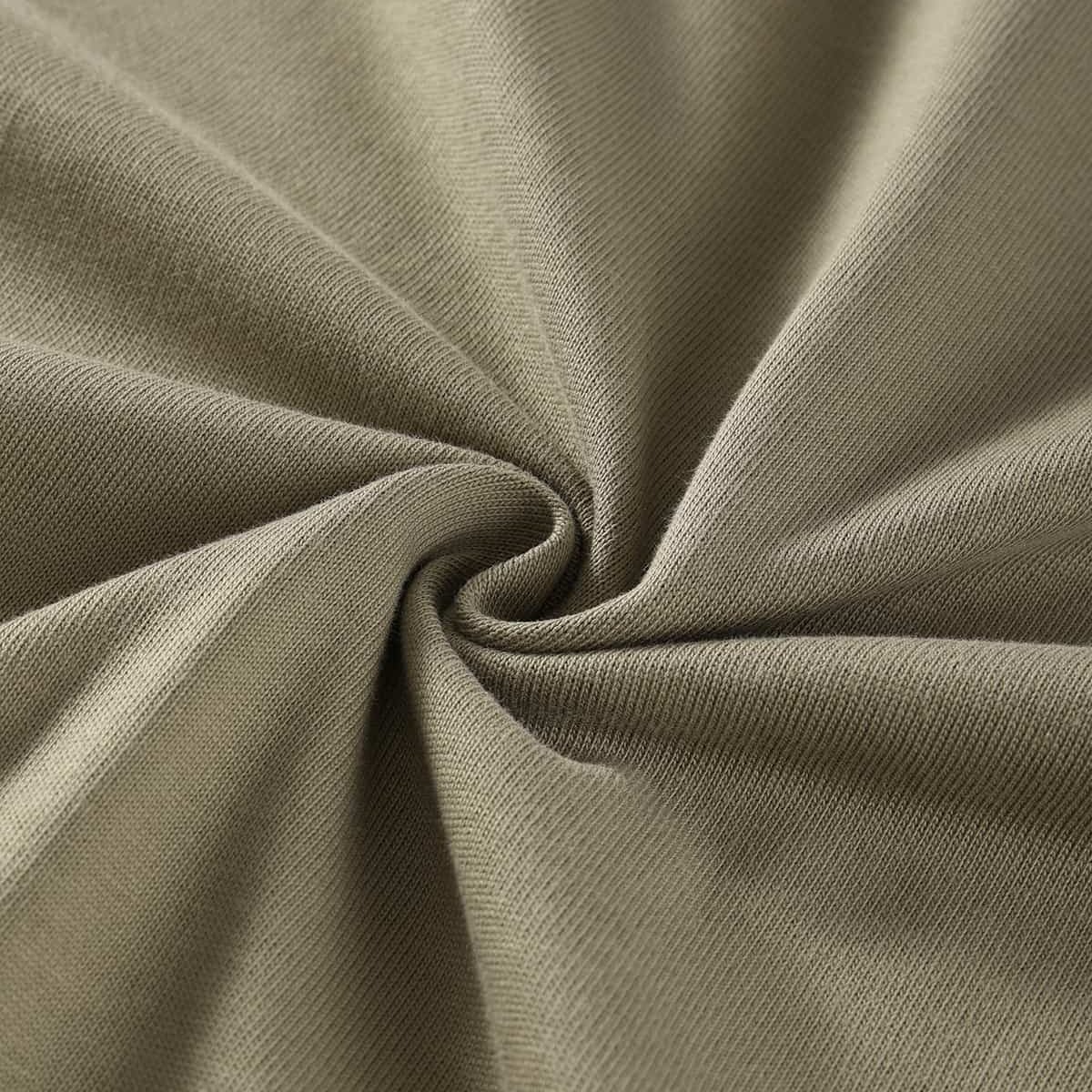
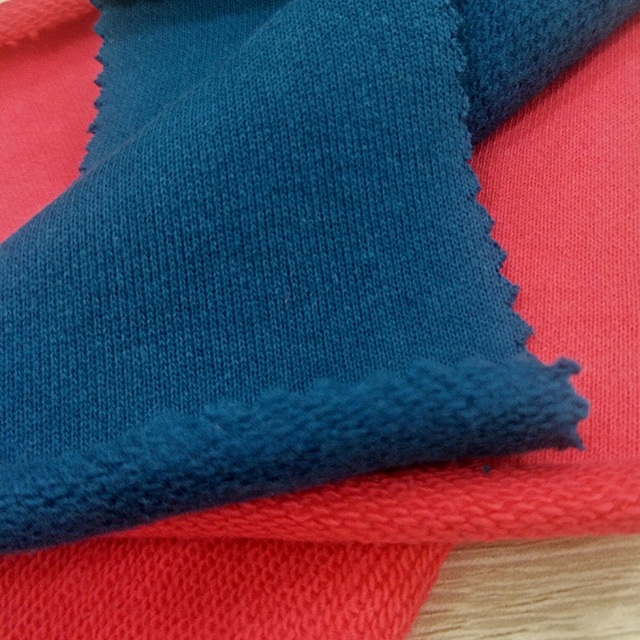
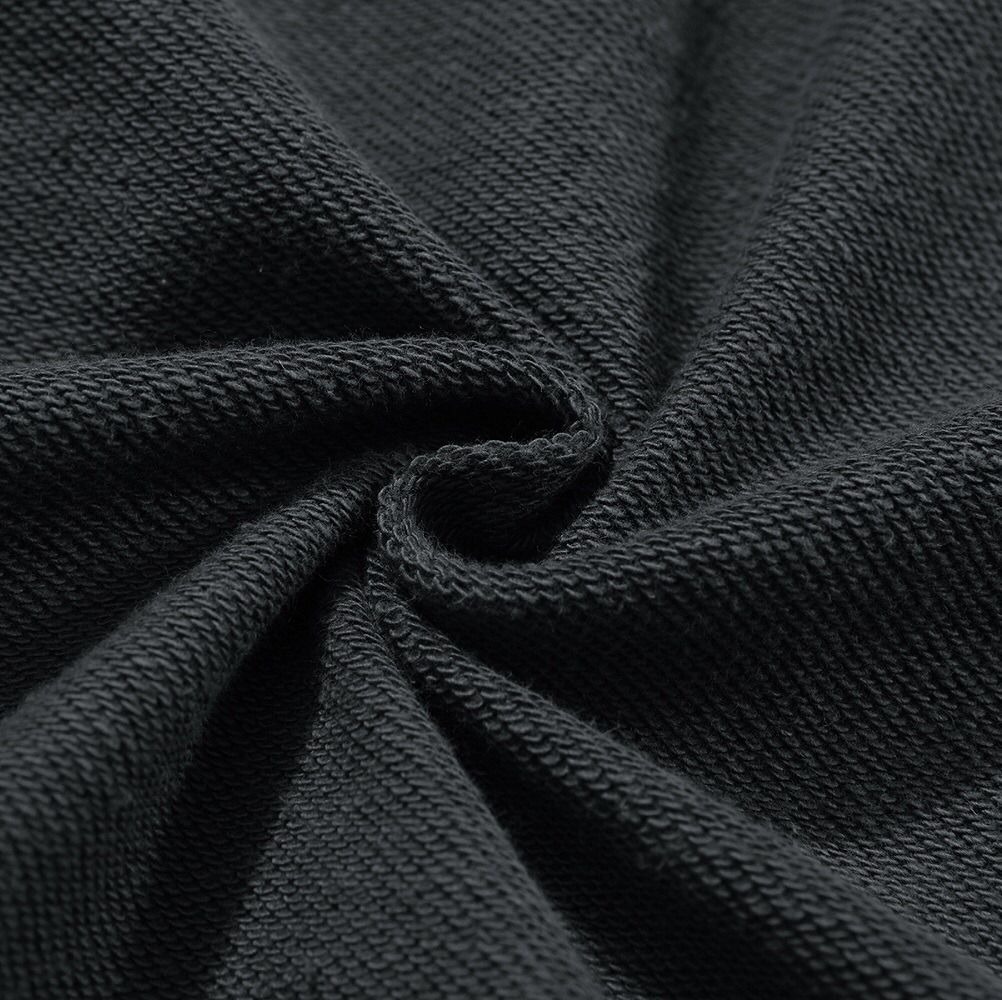
Fabric selection is the foundation of cut and sew apparel manufacturing, directly influencing garment performance, production cost, and minimum order quantities. Understanding the differences between knit and woven constructions, natural and synthetic fibers, and GSM weight ranges enables brands to make informed sourcing decisions that align with budget, aesthetics, and functional requirements.
| Fabric Type | Typical GSM Range | Best Use Cases | Cost Tier |
|---|---|---|---|
| Single Jersey (Knit) | 140–200 | T-shirts, lightweight tops | Low |
| French Terry (Knit) | 240–320 | Hoodies, sweatshirts | Medium |
| Poplin (Woven) | 100–140 | Casual shirts, resort shirts | Low–Medium |
| Twill (Woven) | 200–280 | Chinos, workwear, jackets | Medium |
| Denim (Woven) | 280–400 | Jeans, denim jackets | Medium–High |
Knit Fabrics Versus Woven Fabrics
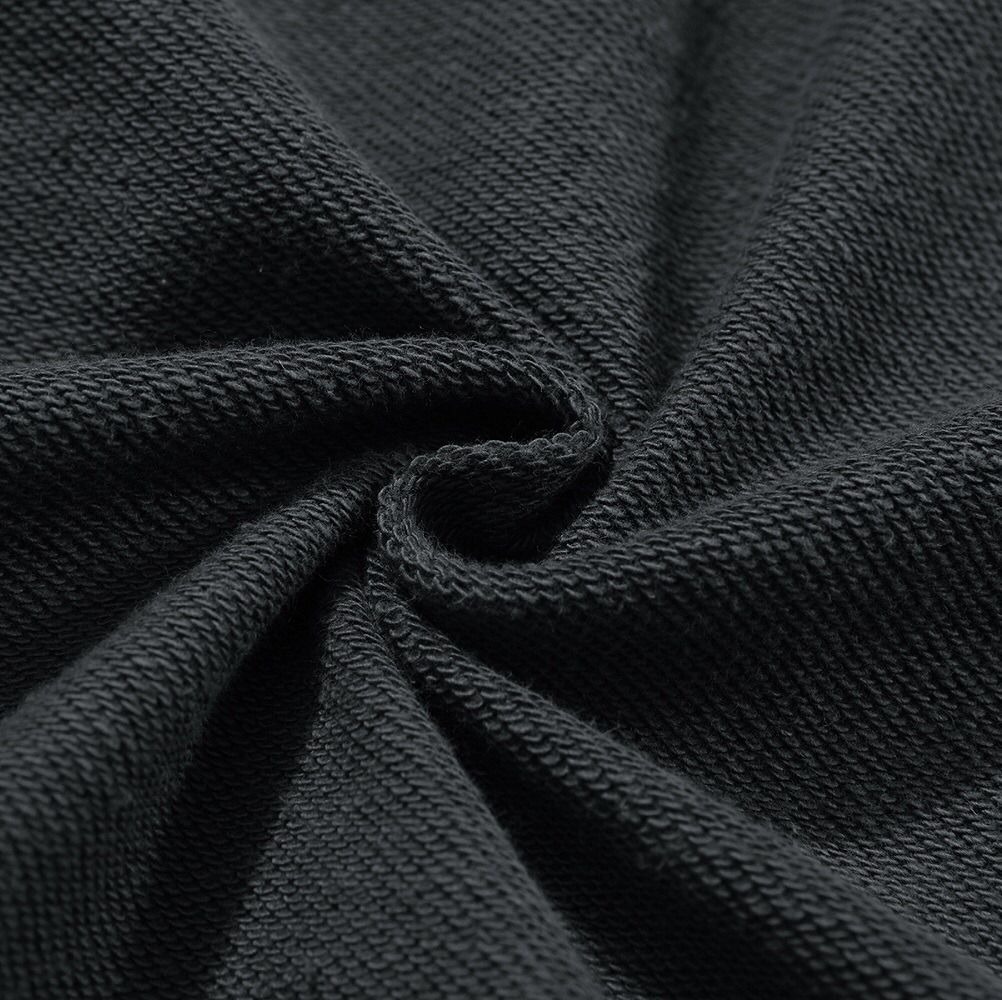
Knit fabrics are constructed by interlocking loops of yarn, offering natural stretch, comfort, and breathability. Common knit types include single jersey (lightweight T-shirts, 140–200 GSM), French terry (hoodies and sweatshirts, 240–320 GSM), and rib knit (cuffs, collars, and fitted garments, 200–280 GSM).nnWoven fabrics are created by interlacing warp and weft threads at right angles, resulting in stable, structured garments with minimal stretch unless blended with spandex. Poplin (shirts, 100–140 GSM), twill (chinos and workwear, 200–280 GSM), and denim (jeans and jackets, 280–400 GSM) are the most common woven constructions in cut and sew apparel manufacturing.
Natural Fibers Versus Synthetic Fibers
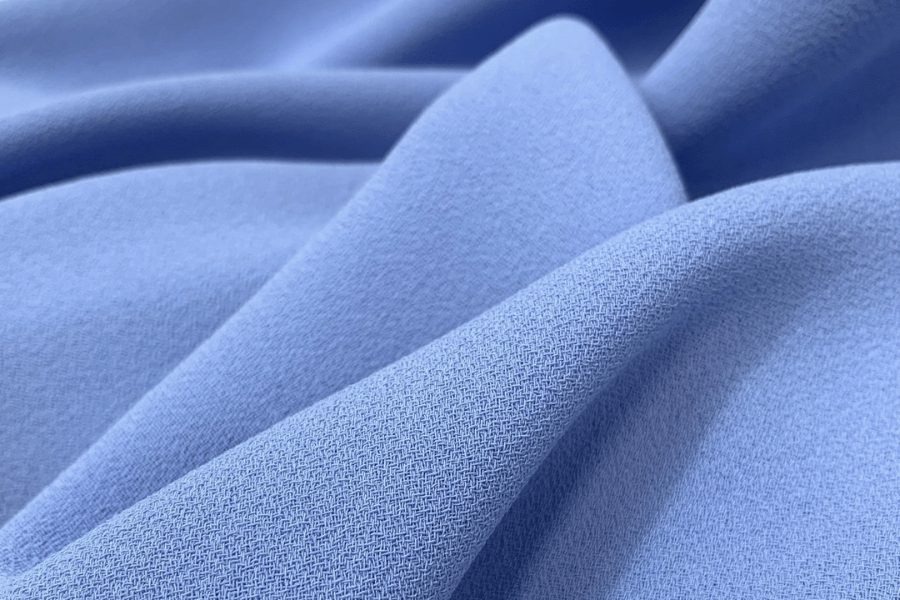
Natural fibers include cotton (breathable, soft, absorbent), linen (lightweight, moisture-wicking, premium feel), and wool (insulating, moisture-regulating, high-end). Cotton dominates affordable casualwear, while organic cotton and linen appeal to sustainable brands.nnSynthetic fibers such as polyester (durable, quick-dry, wrinkle-resistant), nylon (strong, lightweight, water-resistant), and spandex blends (stretch, recovery, athletic performance) offer technical advantages and lower cost per kilogram. Blending natural and synthetic fibers balances comfort, performance, and price, making polyester-cotton and cotton-spandex blends popular in cut and sew apparel manufacturing.
5. Customization and Decoration Options for Cut and Sew Apparel
Cut and sew apparel manufacturing supports more than 95% of modern decoration techniques, each offering distinct cost structures, durability profiles, and design constraints. Understanding when to apply decoration—during assembly versus post-production—directly impacts unit economics and quality outcomes.
| Technique | Setup Cost | Per-Unit Cost | Durability (Washes) | Minimum Quantity |
|---|---|---|---|---|
| Screen Printing | $15–50/screen | $0.50–2.00 | 60–100+ | 50–100 |
| DTG Printing | $0 | $3–8 | 40–60 | 1–50 |
| Flat Embroidery | $10–30 digitizing | $0.50–3.00 | 100+ | 12–50 |
| Heat Transfer | $0 | $1–4 | 25–40 | 1–25 |
| Sublimation | $0–20 | $4–10 | Permanent | 25–100 |
| Custom Labels | $50–150 tooling | $0.10–0.80 | 100+ | 100–500 |
Screen Printing and Digital Printing
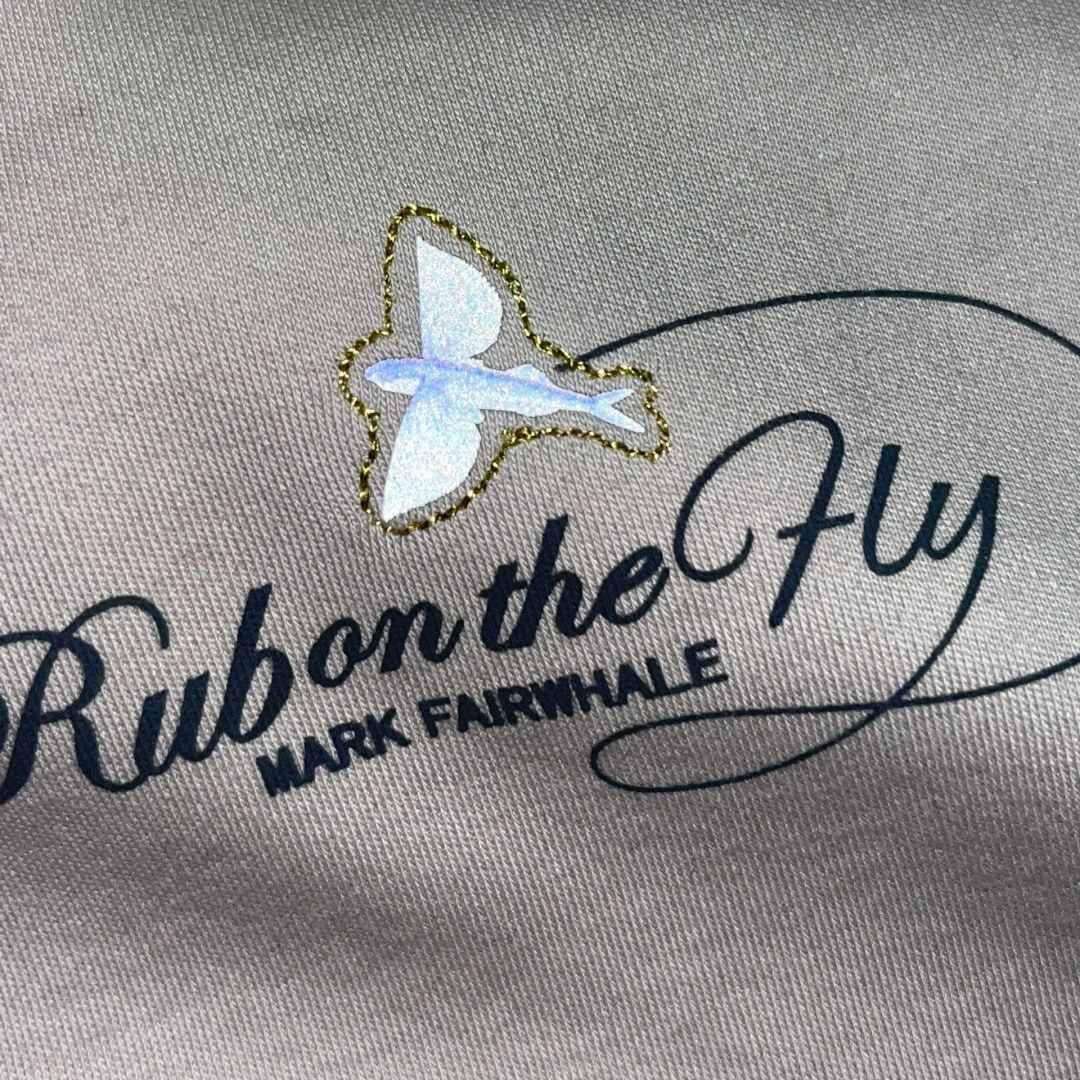
Screen printing delivers high durability and excellent color opacity with setup costs of $15–50 per screen, making it economical above 50–100 units. Per-unit costs drop to $0.50–2.00 at volume, but each color requires a separate screen, limiting complex gradients.nnDTG (direct-to-garment) printing eliminates setup costs and handles photographic detail with no color limits, ideal for orders under 50 units. Per-unit costs range $3–8, and print durability reaches 40–60 washes when properly cured on 100% cotton or cotton-blend substrates.
Embroidery and Appliqué
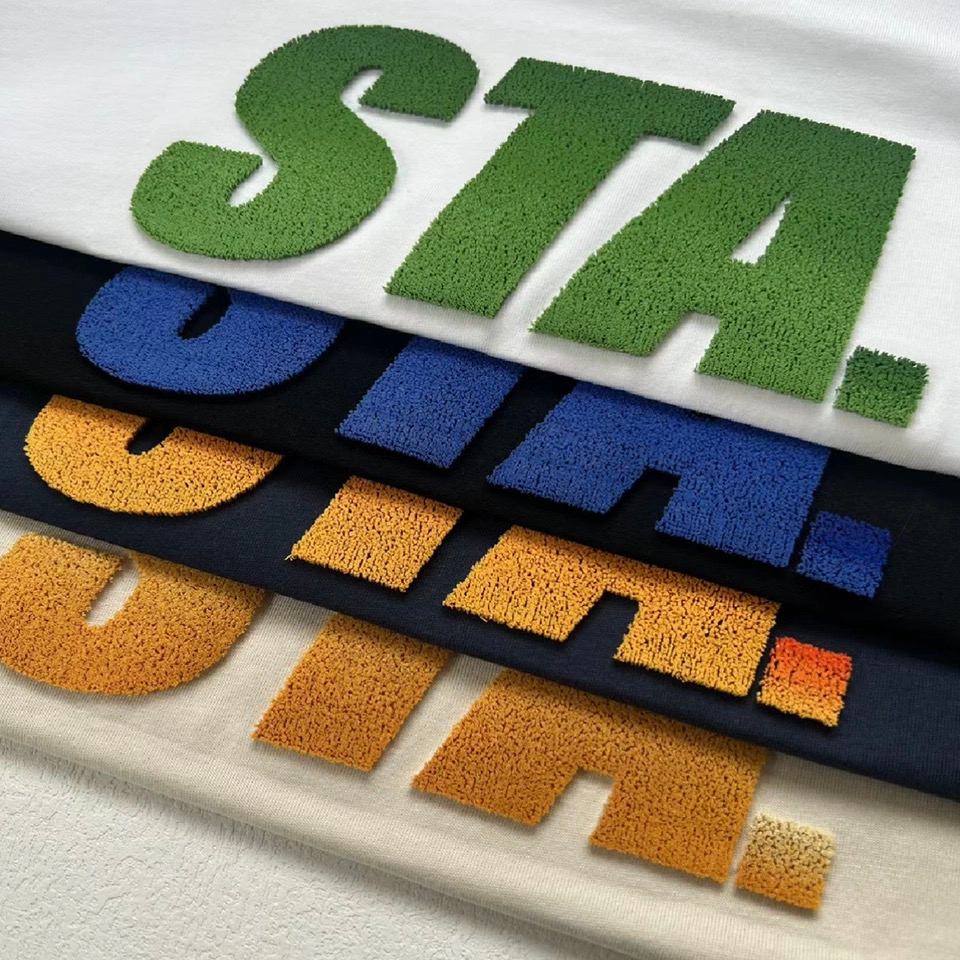
Flat embroidery costs $0.05–0.15 per 1,000 stitches with digitizing fees of $10–30 per design; typical logos require 5,000–15,000 stitches. Chenille and 3D puff embroidery add texture but increase per-unit costs to $2–6 and demand careful tension control to prevent fabric puckering.nnAppliqué embroidery combines fabric patches with embroidered borders, reducing stitch counts by 30–50% for large designs and creating premium visual depth on varsity jackets and streetwear hoodies.
Heat Transfer, Sublimation, and Custom Labels
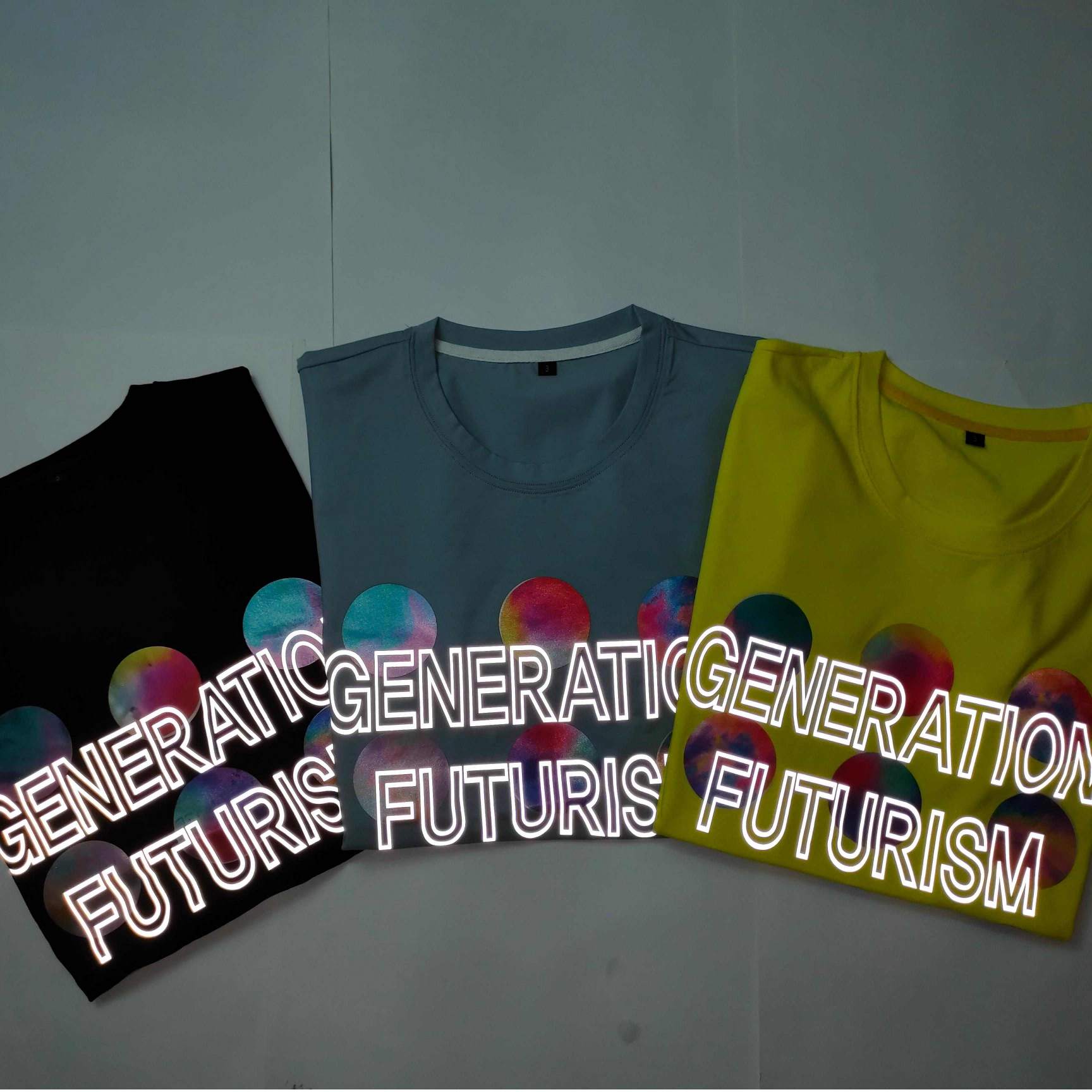
Heat transfer printing costs $1–4 per unit with no setup fees, supporting metallic foils and reflective films for technical streetwear. Durability reaches 25–40 washes; avoid transfers on garments requiring industrial laundering.nnSublimation printing bonds dye into polyester fibers for permanent, wash-proof all-over prints, requiring 100% polyester fabrics and costing $4–10 per garment. Custom woven labels, hang tags, and silicone patches range $0.10–0.80 per piece and are typically applied during final assembly or post-production finishing.
6. Key Quality Elements in Cut and Sew Apparel Manufacturing
Quality in cut and sew apparel manufacturing determines brand reputation and customer retention. Construction details, stitch specifications, and inspection protocols separate premium garments from budget alternatives.
Seam Construction and Stitch Density
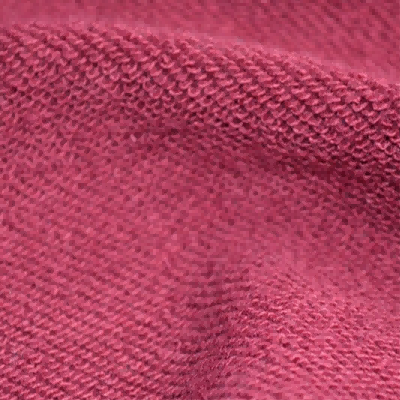
Seam type directly affects garment durability and comfort. Flatlock seams lie flat against skin for activewear, overlock seams (3-thread or 4-thread) prevent fabric fraying, and coverstitch seams provide stretch and professional hems on knitwear.nnStitch density measured in stitches per inch (SPI) ranges from 10-12 SPI for standard garments to 14-16 SPI for premium collections. Higher SPI improves seam strength but requires precise tension control to avoid fabric puckering.
Pattern Grading and Fit Consistency
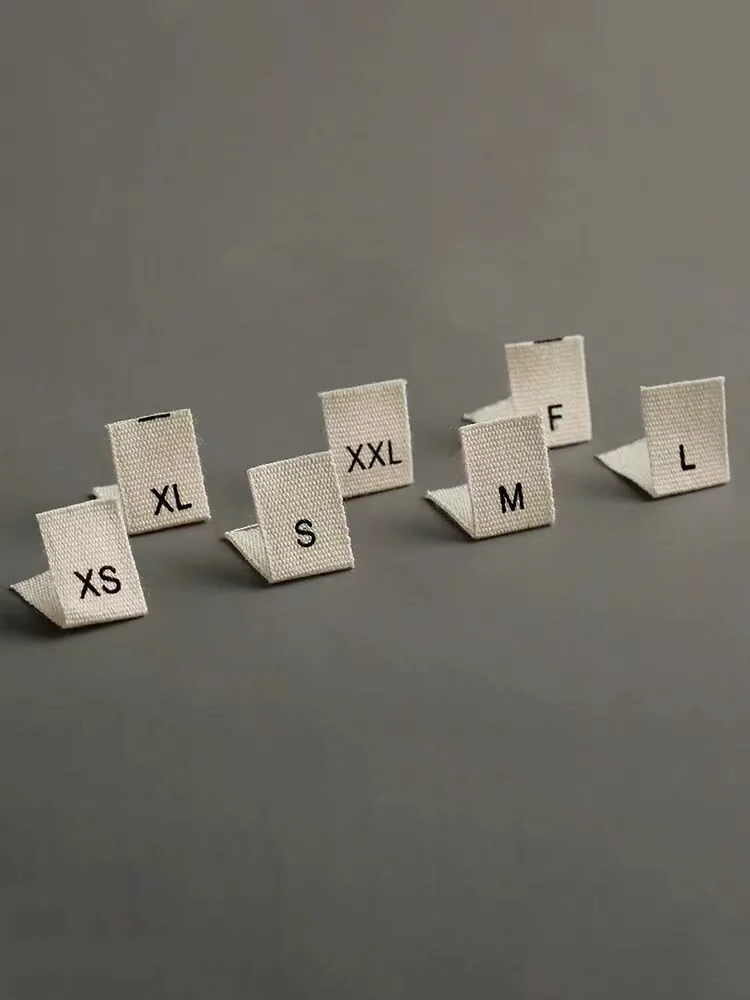
Pattern grading accuracy ensures size consistency across XS to XXL ranges. Professional manufacturers use digital grading systems that maintain proportional relationships between sizes, adjusting length, width, and curve ratios systematically.nnFabric pre-shrinking before cutting prevents post-wash size variations. ZORWILD inspects fabric stability and applies pre-shrinking treatments when necessary to guarantee fit consistency across production runs.
Multi-Stage Quality Control Checkpoints
Inline inspection during production catches defects early. Quality teams check fabric alignment, stitch quality, and decoration placement at sewing stations before garments proceed to finishing.nnFinal audit before packaging includes measurement verification, print quality assessment, wash effect evaluation, and accessory attachment inspection. ZORWILD applies raw material inspection, in-line production checks, and final product audits with strict standards to maintain consistent quality across orders.
7. How to Choose the Right Cut and Sew Apparel Manufacturing Partner
Selecting the right cut and sew apparel manufacturing partner determines product quality, delivery reliability, and long-term scalability. A structured vetting process covering certifications, sampling, communication, and capacity helps buyers build a shortlist of qualified factories.
Factory Certifications and Compliance
WRAP, BSCI, ISO 9001, and OEKO-TEX certifications verify ethical labor practices, quality management systems, and fabric safety standards. Factories in Dongguan, China—one of the world’s largest garment hubs—often hold multiple certifications to serve international brands.nnRequest copies of current certificates and audit reports before committing to production. Certified factories demonstrate consistent quality control, worker safety protocols, and environmental compliance, reducing supply chain risk for brands entering regulated markets.
Sample Quality and Turnaround
Sample evaluation reveals fabric hand feel, stitching precision, print durability, and fit accuracy. Request samples in your target fabric weight and wash treatment to assess final garment performance.nnTurnaround time for first samples typically ranges from 7 to 14 days for standard cut and sew apparel. Factories offering revisions within 3 to 5 days demonstrate responsive development teams and efficient sampling workflows.
MOQ Flexibility and Scalability
Minimum order quantities vary from 50 pieces for startup-friendly manufacturers to 500+ pieces for high-volume facilities. Low MOQ production allows brands to test products, reduce inventory risk, and launch capsule collections without large capital commitments.nnVerify monthly production capacity—factories producing 100,000+ units monthly can scale with growing brands while maintaining consistent lead times. Ask about per-style MOQ, color minimums, and size-run requirements to match your collection structure.
Communication and Lead Times
Response time within 24 hours and fluent English communication reduce misunderstandings and project delays. Evaluate factories on tech pack interpretation, proactive updates, and willingness to provide production photos.nnStandard bulk production lead times range from 25 to 45 days after sample approval for cut and sew apparel. Factories in established hubs like Humen, Dongguan benefit from proximity to fabric suppliers, trims vendors, and logistics networks, shortening material sourcing and shipping timelines.
8. Common Mistakes Buyers Make in Cut and Sew Manufacturing
Even experienced buyers encounter costly pitfalls in cut and sew apparel manufacturing. Understanding these common mistakes and their corrective actions protects your investment, timeline, and brand reputation.
Skipping Sample Rounds and Rushing to Production
Many buyers approve one sample and immediately place bulk orders, only to discover fit inconsistencies, fabric performance issues, or decoration flaws at scale. ZORWILD recommends at least two sample rounds—one for fit and construction validation, another for wash testing and final approval.nnRushing past sampling to meet launch deadlines often results in costly rework, rejected inventory, or damaged brand credibility. Always budget 2–3 weeks per sample cycle and test garments through full wash cycles before approving production.
Underestimating Lead Times and Inventory Planning
Startup brands frequently miscalculate production timelines, expecting 2-week turnarounds on complex cut and sew garments. Standard lead times range from 25–45 days after sample approval, depending on decoration complexity, fabric availability, and order volume.nnPoor inventory planning leads to stockouts during peak selling seasons or excess inventory that ties up capital. Work backward from your launch date, adding buffer time for shipping delays, customs clearance, and quality inspection.
Choosing Manufacturers Solely on Price
Selecting a factory based only on the lowest quote often results in substandard fabric quality, inconsistent sizing, poor stitching, or missed deadlines. A $2 per unit savings becomes expensive when 30% of your inventory requires rework or customer returns spike.nnVet manufacturers on quality systems, communication responsiveness, sampling accuracy, and client references. ZORWILD’s 27 years of experience and service to over 2,000 brands demonstrates the value of proven reliability over rock-bottom pricing.
Ignoring Fabric Shrinkage and Wash Testing
Buyers frequently approve samples without conducting wash tests, then discover 3–5% shrinkage in cotton garments after the first customer wash cycle. This oversight leads to fit complaints, size chart inaccuracies, and return rates above 15%.nnAlways request pre-washed samples or conduct independent wash testing at 40°C and tumble dry cycles. Specify pre-shrunk fabrics or sanforized cotton in your tech pack to minimize dimensional changes post-purchase.
Failing to Secure IP and Design Ownership Terms
Many buyers assume their custom designs are protected, only to find similar styles sold to competitors or appearing on wholesale platforms. Without clear contractual terms, your proprietary patterns, prints, and embroidery designs remain vulnerable.nnInclude non-disclosure agreements, design exclusivity clauses, and intellectual property ownership terms in your manufacturing contract. ZORWILD respects client confidentiality and signs NDAs to protect your original designs and brand identity throughout production.
9. Steps to Launch Your Brand with Cut and Sew Apparel Manufacturing
Launching a brand with cut and sew apparel manufacturing follows a structured eight-phase process from concept to delivery. Understanding each step’s timeline, deliverables, and buyer responsibilities reduces risk and accelerates market entry for startup brands and established labels alike.
Concept and Design Development
Prepare tech packs, sketches, reference garments, or inspiration photos that communicate your vision. ZORWILD’s development team translates these materials into production-ready specifications.nnBuyers provide target price points, brand positioning, and performance requirements. Timeline: 1–3 days for initial consultation and feasibility review.
Fabric Sourcing and Sampling
Manufacturers source materials based on budget, category, and sustainability goals. ZORWILD works with trusted Chinese suppliers for cotton, French terry, fleece, denim, technical fabrics, and sustainable options.nnBuyers approve fabric swatches for weight, texture, and color. Timeline: 3–7 days for fabric selection and sample yardage procurement.
Prototype Iteration and Pre-Production Approval
First samples evaluate fit, measurements, construction, wash effects, and decoration quality. Buyers request revisions for sizing, stitching, or finishing details.nnPre-production samples receive final sign-off before bulk orders. Timeline: 7–14 days per sample round; most brands complete approval in two iterations.
Bulk Production and Quality Inspection
Mass production includes fabric inspection, pattern cutting, sewing, decoration, washing, and finishing. ZORWILD applies in-line inspection, measurement checks, and final product audits.nnBuyers receive progress updates and pre-shipment inspection reports. Timeline: 15–30 days depending on order volume, decoration complexity, and seasonal demand. Logistics coordination includes air freight, sea freight, or express delivery with full export documentation support.
10. Pricing and Cost Factors in Cut and Sew Apparel Manufacturing
Fabric selection drives 35–50% of total garment cost in cut and sew apparel manufacturing, with heavyweight French terry (280–320 GSM) costing 40–60% more than standard jersey knits and technical waterproof fabrics adding another 30–80% premium. Labor complexity scales with panel count and seam operations: a basic two-panel T-shirt requires 8–12 sewing operations, while a multi-panel hoodie with kangaroo pocket, ribbed cuffs, and hood lining demands 25–35 operations, increasing labor cost by 150–200%.nnDecoration and trim customization adds $1.50–$8.00 per unit depending on technique complexity. Single-location screen printing costs $1.50–$2.50 per unit at 100-piece runs, while chenille embroidery, puff printing, and rhinestone applications range from $4.00–$8.00 per garment. YKK zippers, woven labels, custom hang tags, and branded packaging contribute an additional $0.80–$3.00 per unit depending on accessory grade and quantity.nnMOQ tier economics create dramatic per-unit savings through fabric roll minimums, setup amortization, and production efficiency. ZORWILD’s 50-piece low MOQ program enables startup brands to test collections with manageable investment, while scaling to 500 or 1,000 units reduces unit cost by 25–40% through bulk fabric purchasing and streamlined cutting layouts. Sampling fees typically range from $50–$150 per style depending on garment complexity, with costs often credited back upon bulk order confirmation.
| Quantity Tier | Unit Cost Range | Setup Fee | Lead Time |
|---|---|---|---|
| 50–99 units | $12–$28 | $150–$300 | 18–25 days |
| 100–299 units | $10–$22 | $100–$200 | 20–28 days |
| 300–499 units | $8–$18 | $80–$150 | 25–35 days |
| 500–999 units | $7–$15 | $50–$100 | 30–40 days |
| 1,000+ units | $6–$12 | $0–$50 | 35–50 days |
Start Your Cut and Sew Apparel Manufacturing Project Today
From 50-piece startups to 100,000+ unit runs, ZORWILD delivers expert cut and sew manufacturing with 27 years of proven experience.