
Custom Puff Print — Raised 3D Designs That Stand Out
ZORWILD delivers custom puff print with dimensional texture and bold visual impact. As a trusted custom apparel manufacturer, we offer 50-piece MOQ, 7-day sampling, and 27 years of screen-printing expertise for your brand.
Custom Puff Print Samples u0026 Finished Pieces
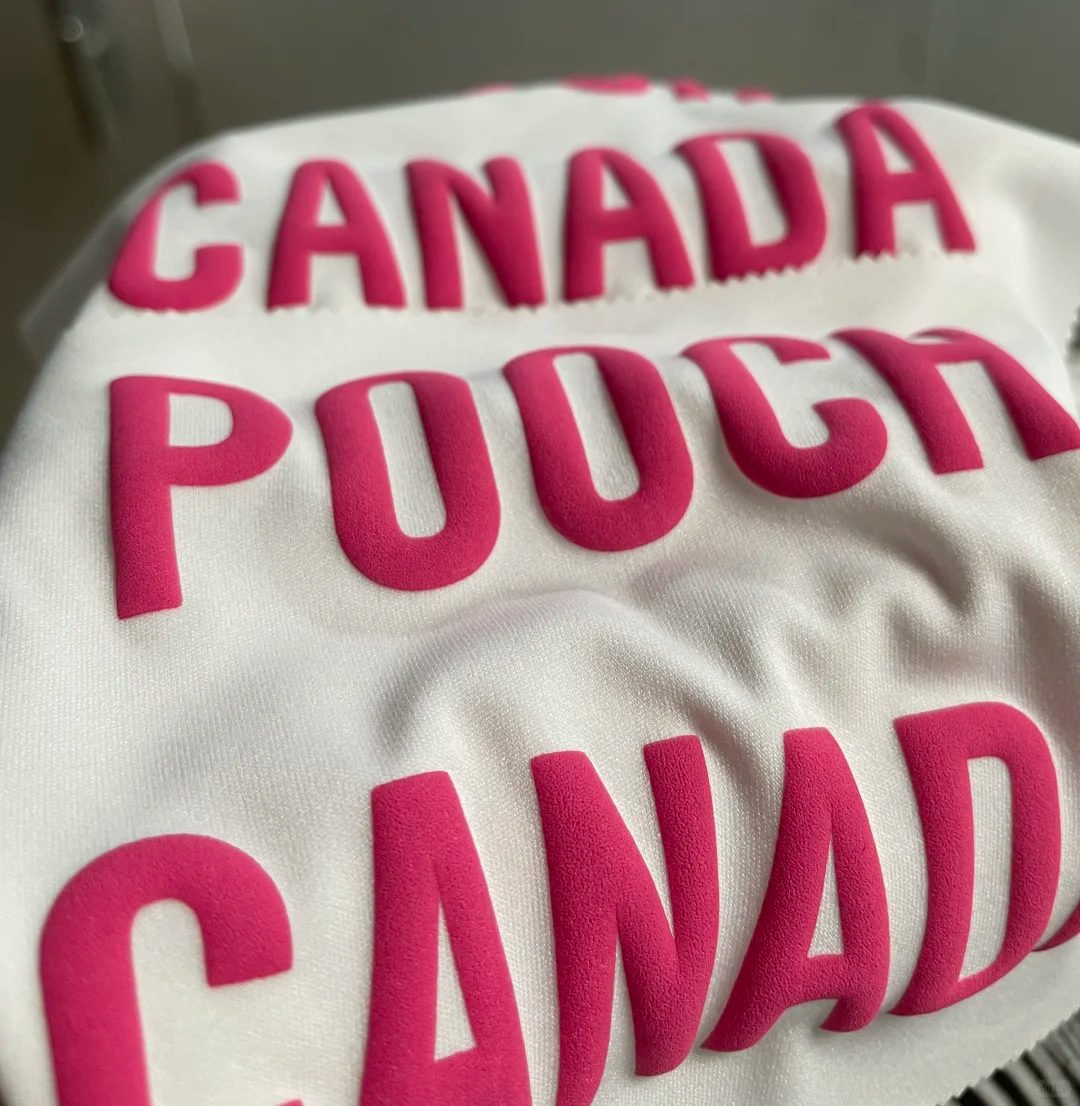
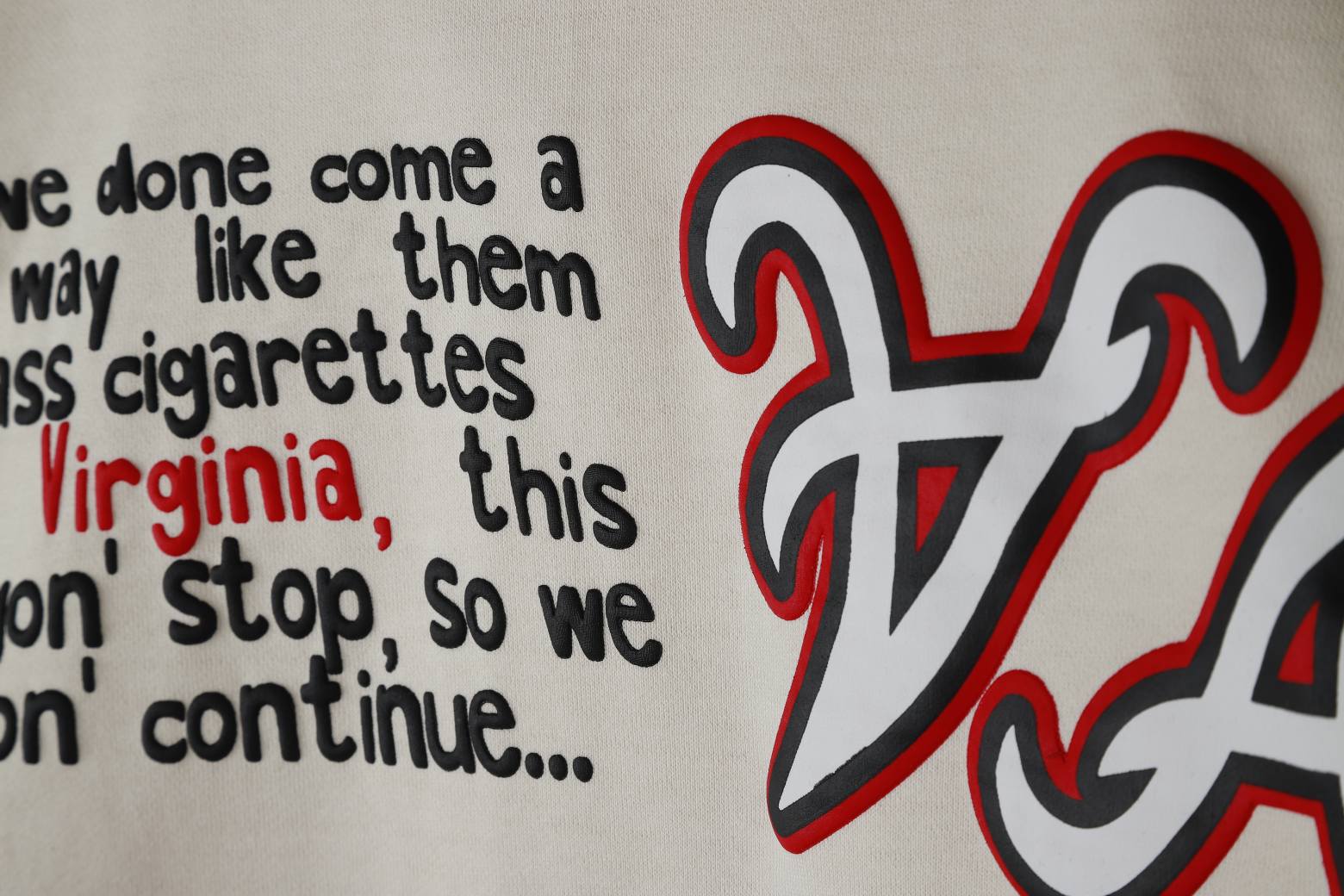
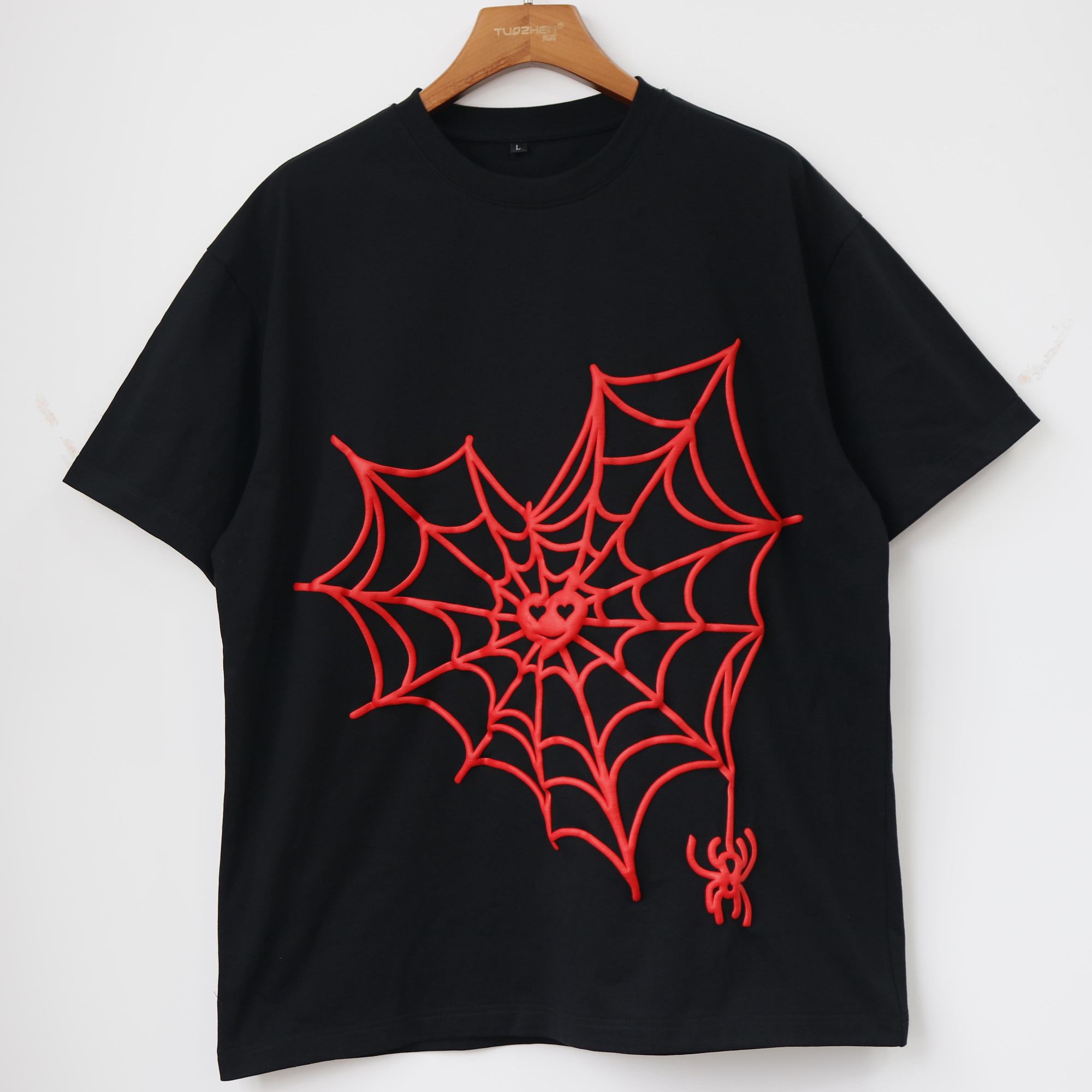
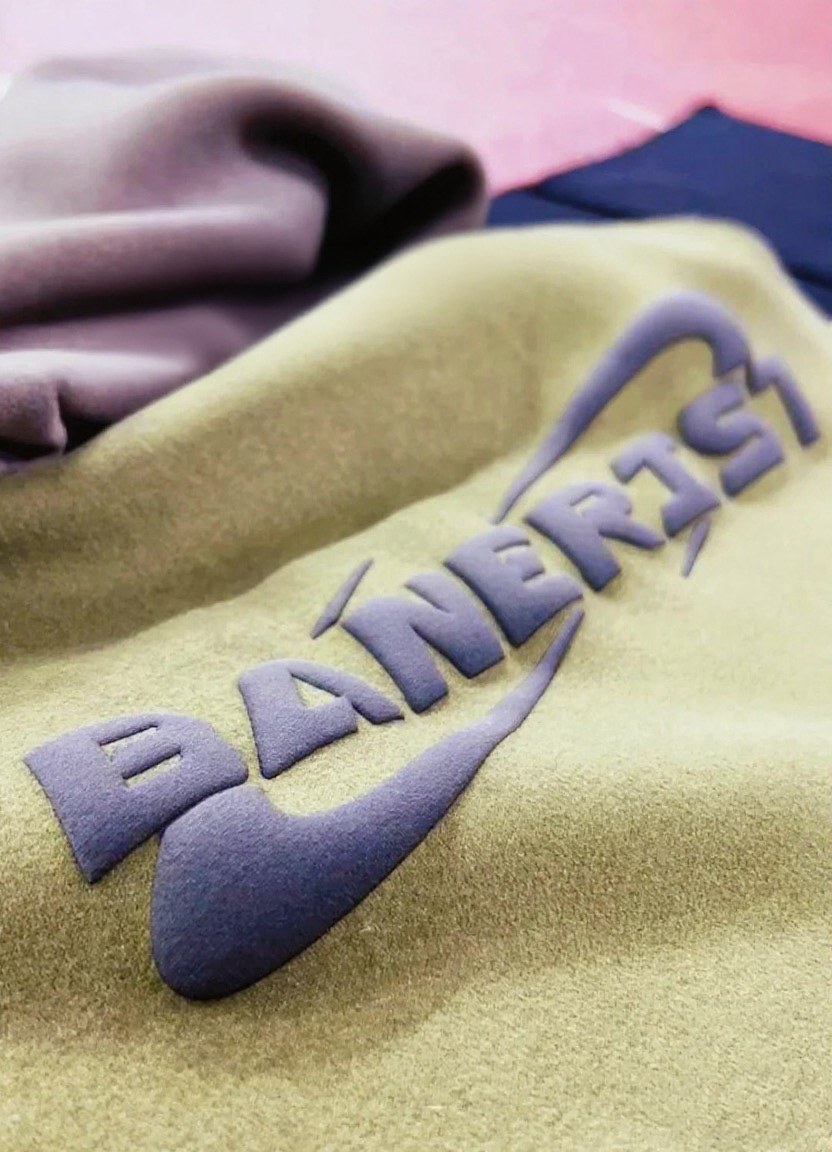
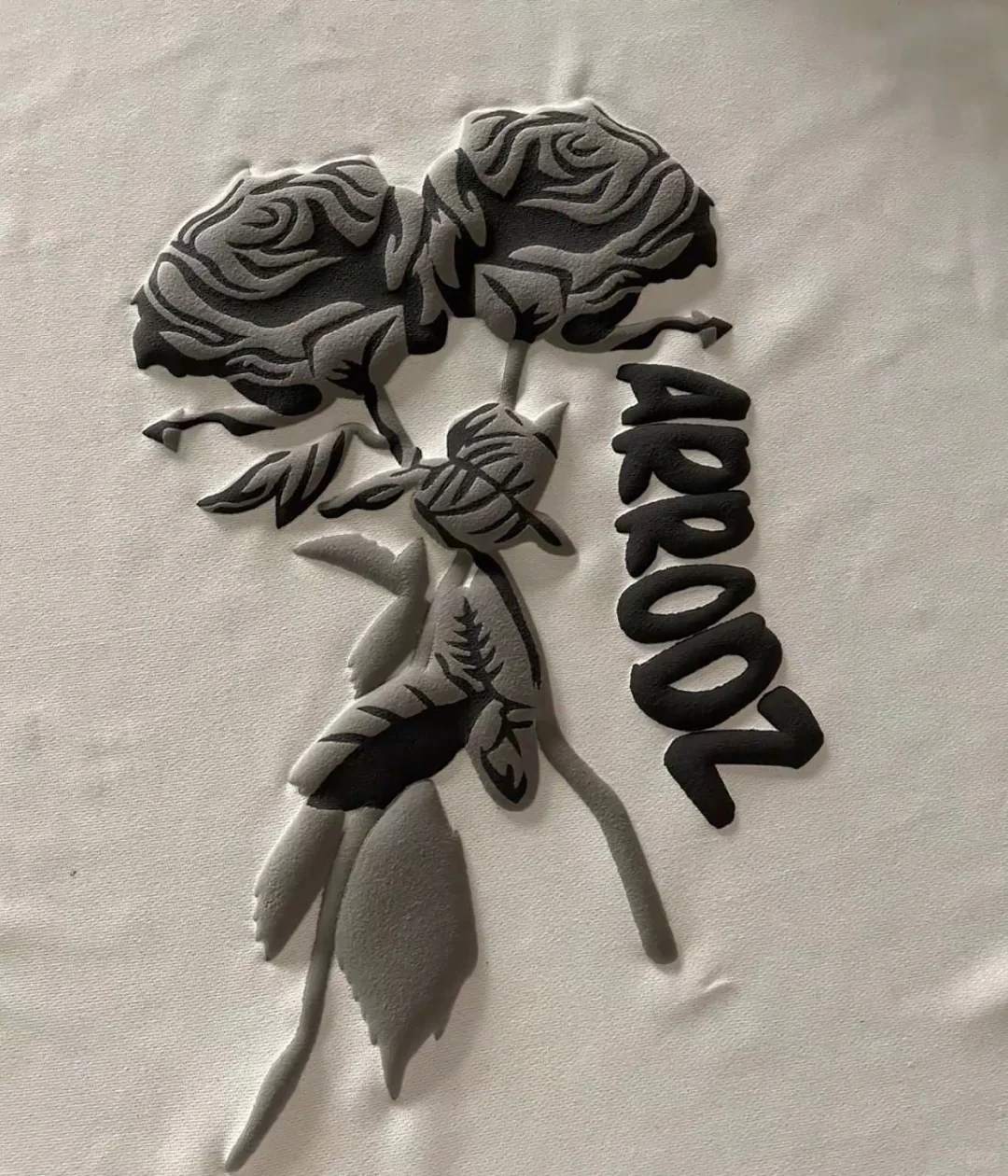
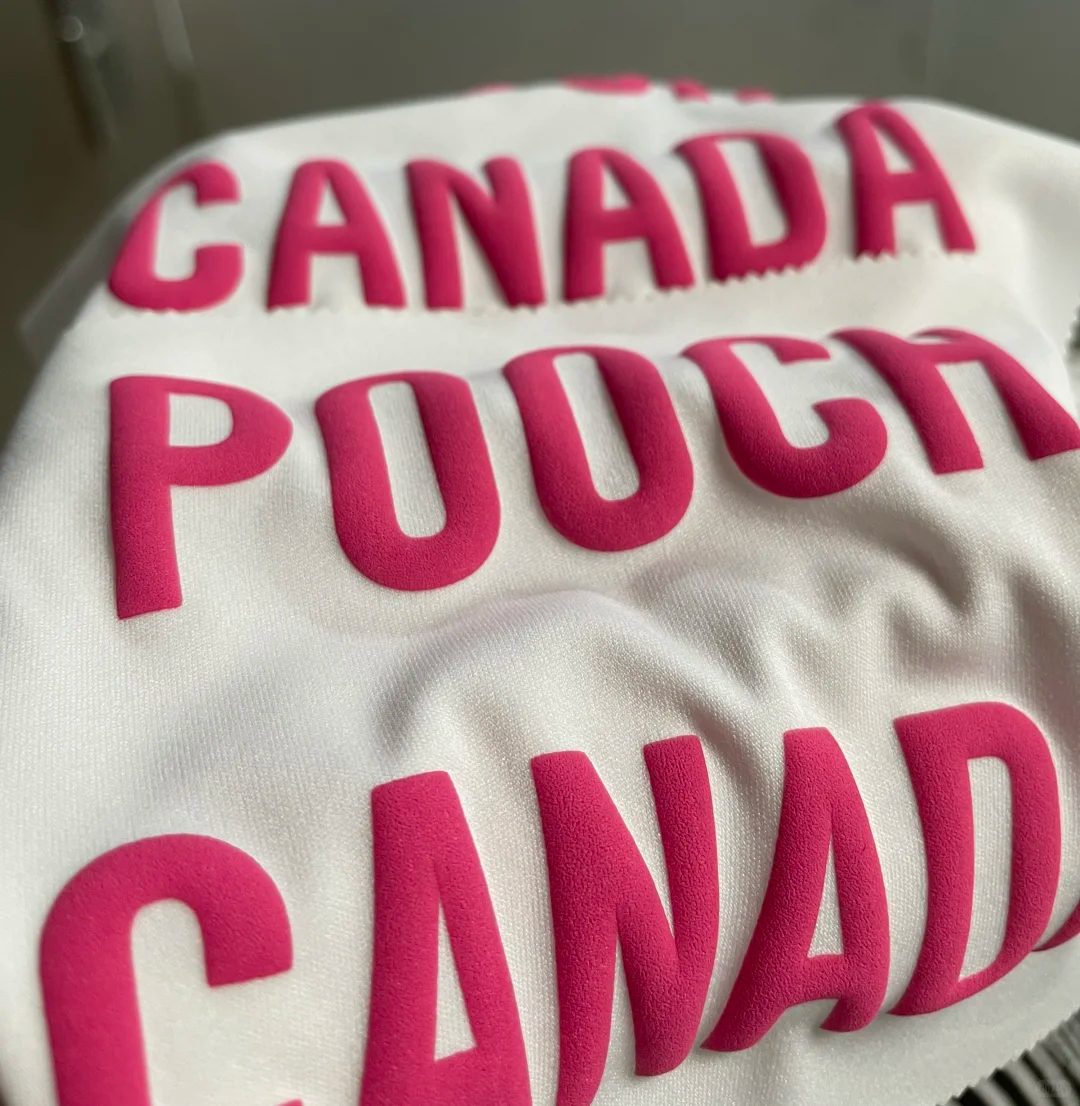
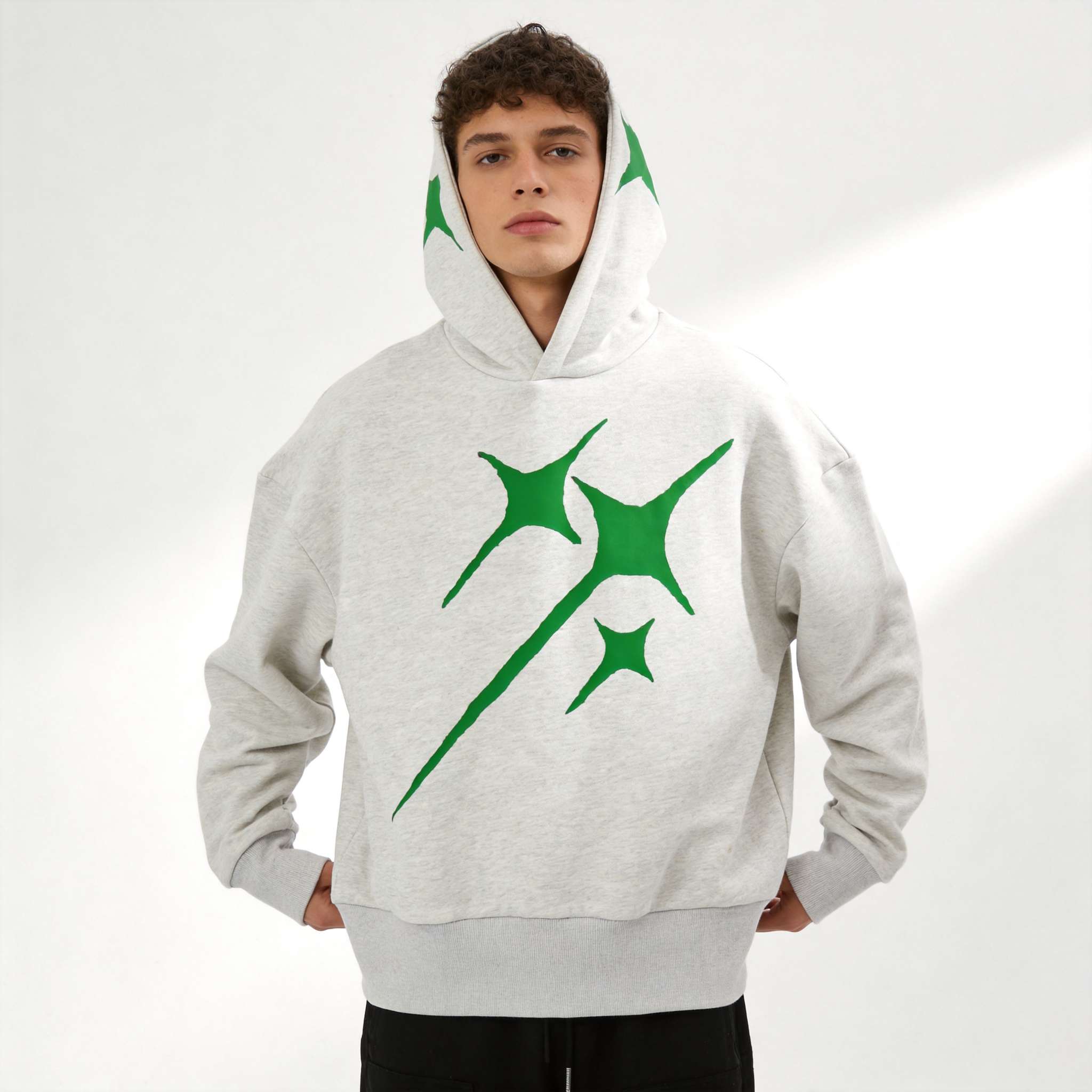
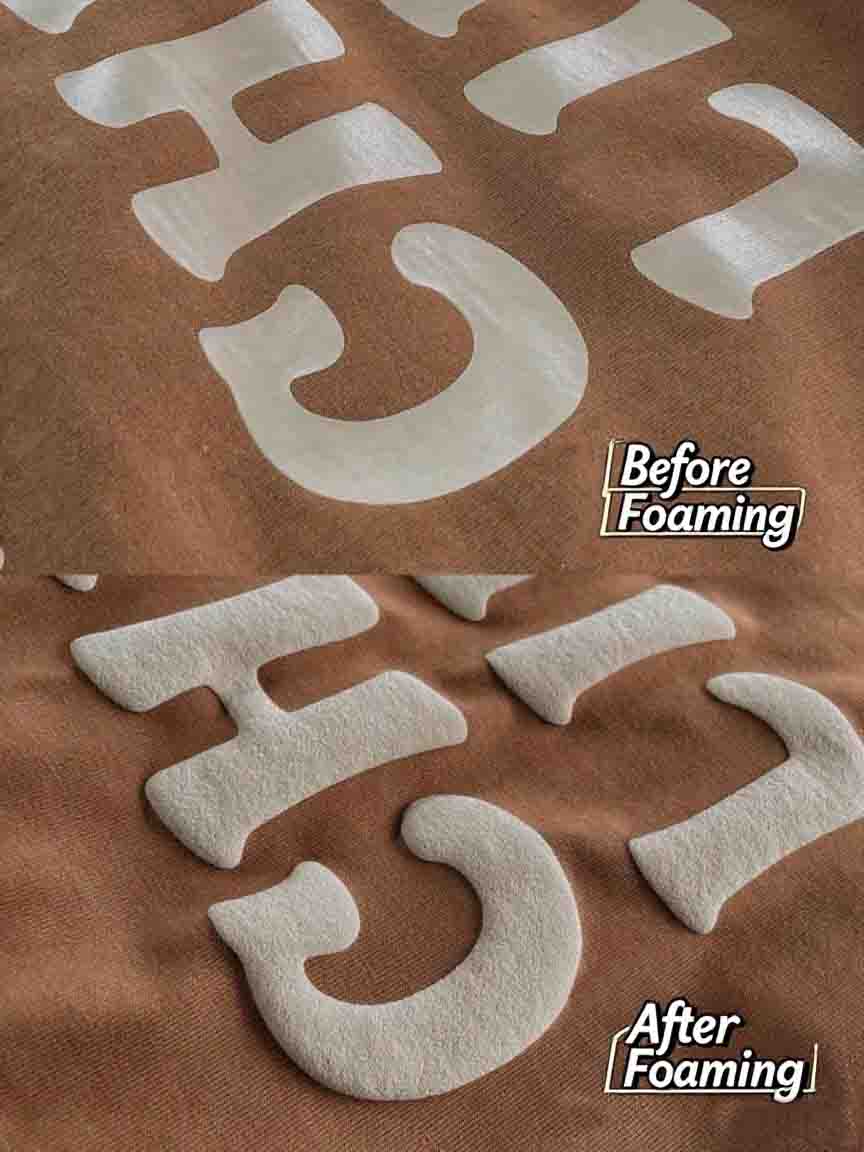
What Makes Custom Puff Print Distinctive
Raised 3D Texture
Custom puff print creates tactile, dimensional graphics that stand out from the garment surface, delivering premium streetwear aesthetics flat printing cannot achieve.
Bold Opacity on Dark
Puff ink delivers vibrant, opaque color coverage on black and dark fabrics without bleeding or fading, ensuring designs pop with maximum contrast.
Wash Cycle Durability
Our custom puff print withstands 50+ industrial wash cycles while maintaining texture, color vibrancy, and structural integrity for long-lasting garment performance.
Rich Color Vibrancy
Specialized puff inks retain vivid, saturated color through curing and washing, creating bold graphics that maintain visual impact over the garment’s lifetime.
Design Complexity Guidelines
Best suited for bold logos, text, and simplified graphics. Fine lines under 1mm and intricate details may not expand uniformly during the puffing process.
Soft Raised Hand Feel
Unlike rubber or vinyl, custom puff print offers a lightweight, flexible raised surface that moves with fabric and maintains wearer comfort throughout daily use.
Screen-Printing Techniques u0026 Custom Manufacturing
Custom Screen Printing
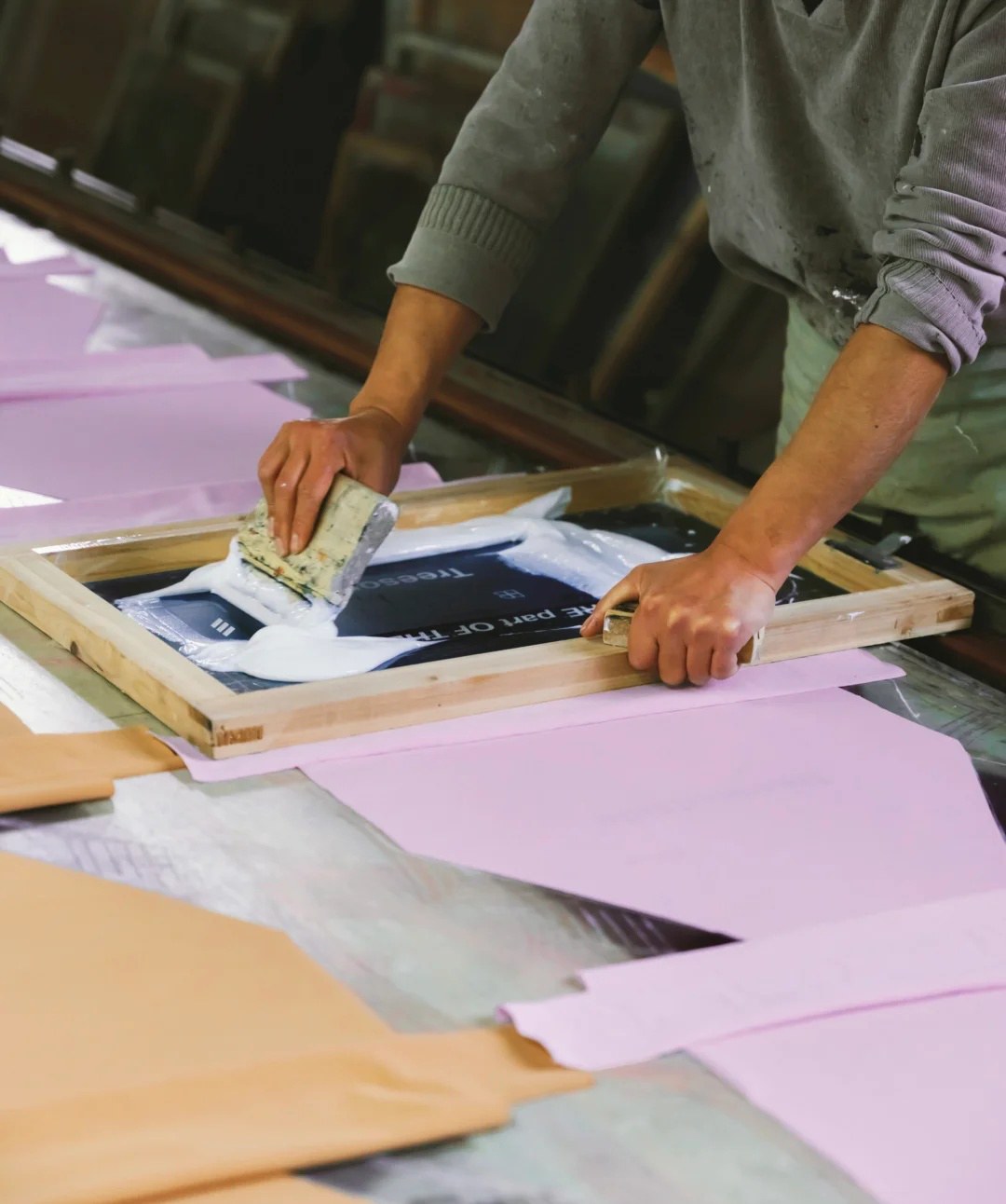
Multi-color screen printing for apparel with precise registration, durable ink systems, and excellent wash fastness. Ideal for bulk orders requiring consistent color matching across hoodies, t-shirts, and sweatshirts. Supports up to 12 colors with spot color accuracy and Pantone matching for brand-critical graphics.
Get a Quote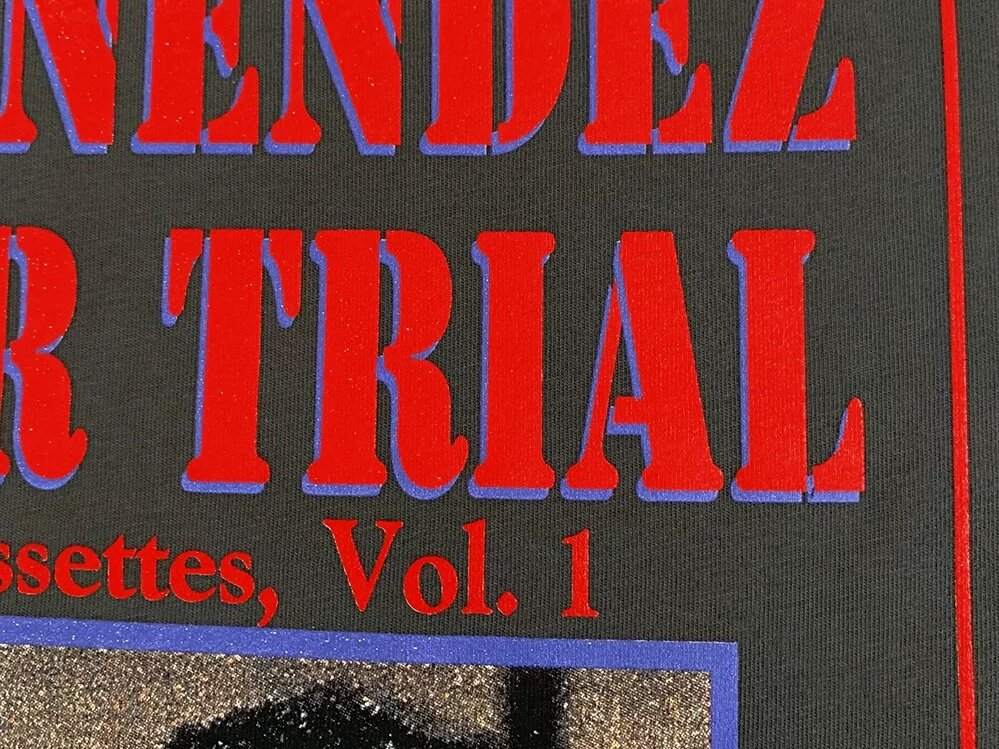
Plastisol Printing
Traditional plastisol ink screen printing delivering vibrant, opaque graphics with superior durability and color intensity. Best for cotton and cotton-blend garments requiring bold artwork, thick ink coverage, and long-lasting print performance. Standard choice for streetwear brands and promotional apparel with high wash cycle demands.
Get a Quote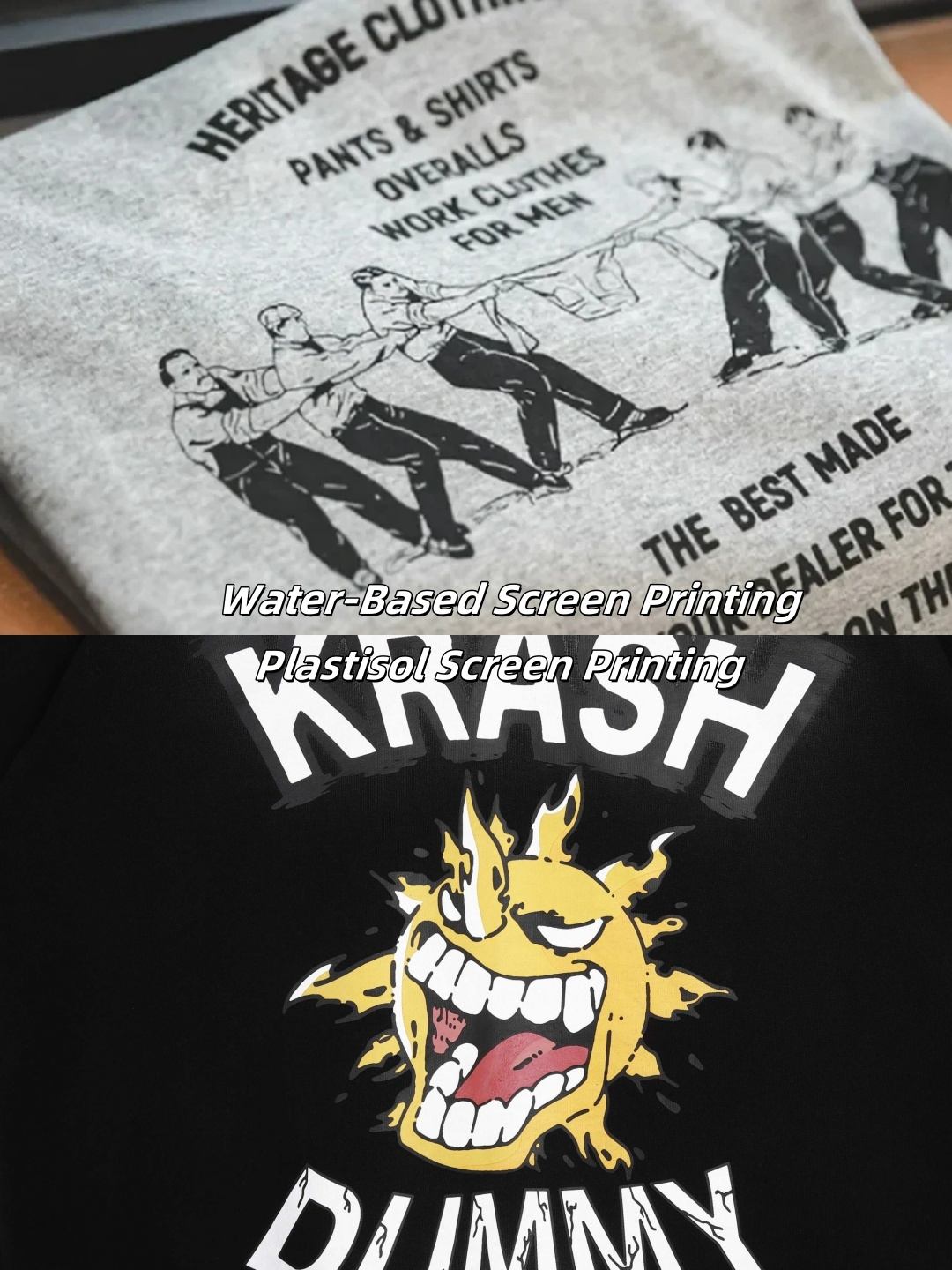
Water-Based Printing
Eco-friendly water-based screen printing that bonds directly into fabric fibers for ultra-soft hand feel and breathable finish. Preferred for premium fashion brands, organic cotton collections, and vintage-style graphics. Produces no heavy surface layer, maintaining natural fabric drape and comfort on t-shirts and lightweight garments.
Get a Quote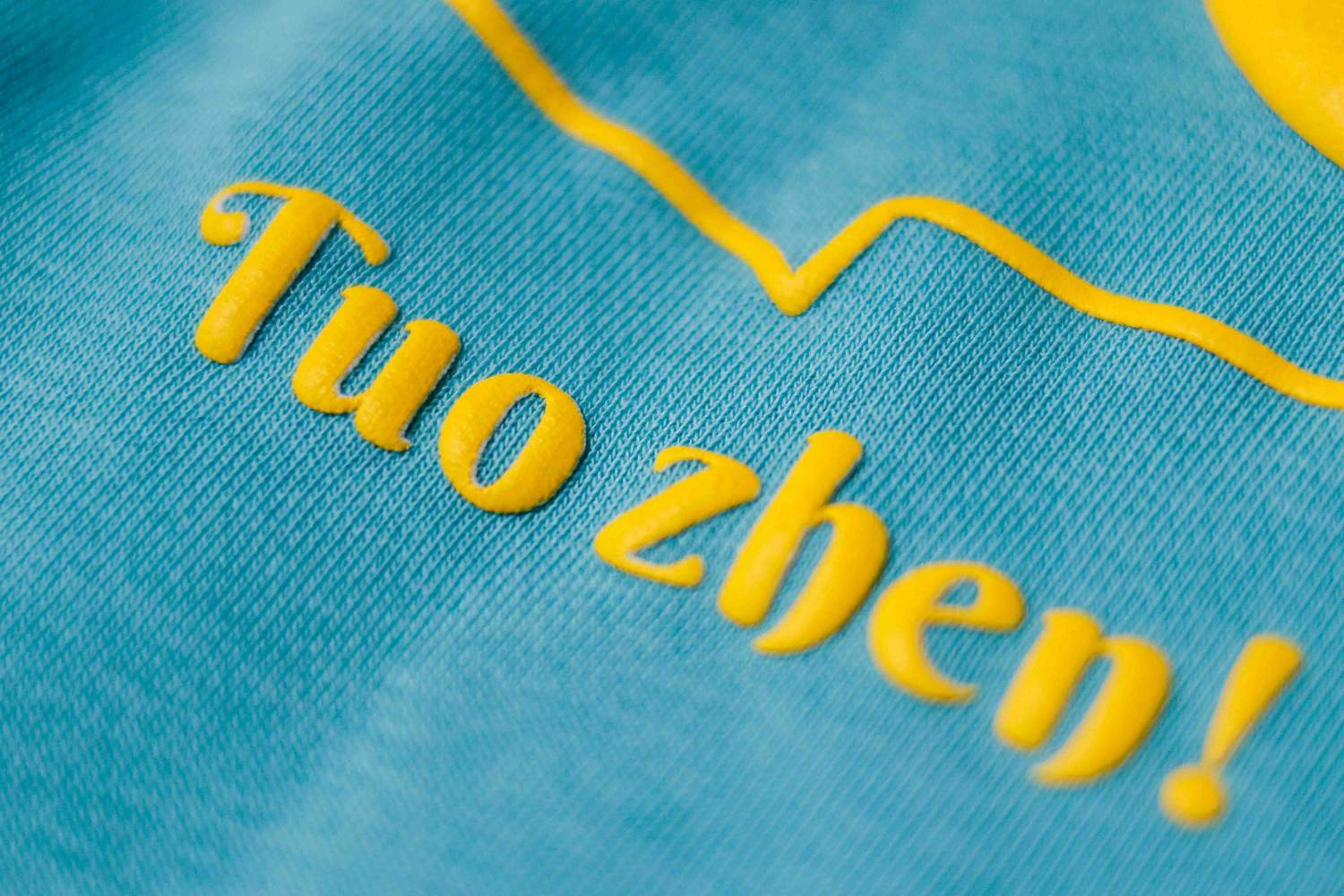
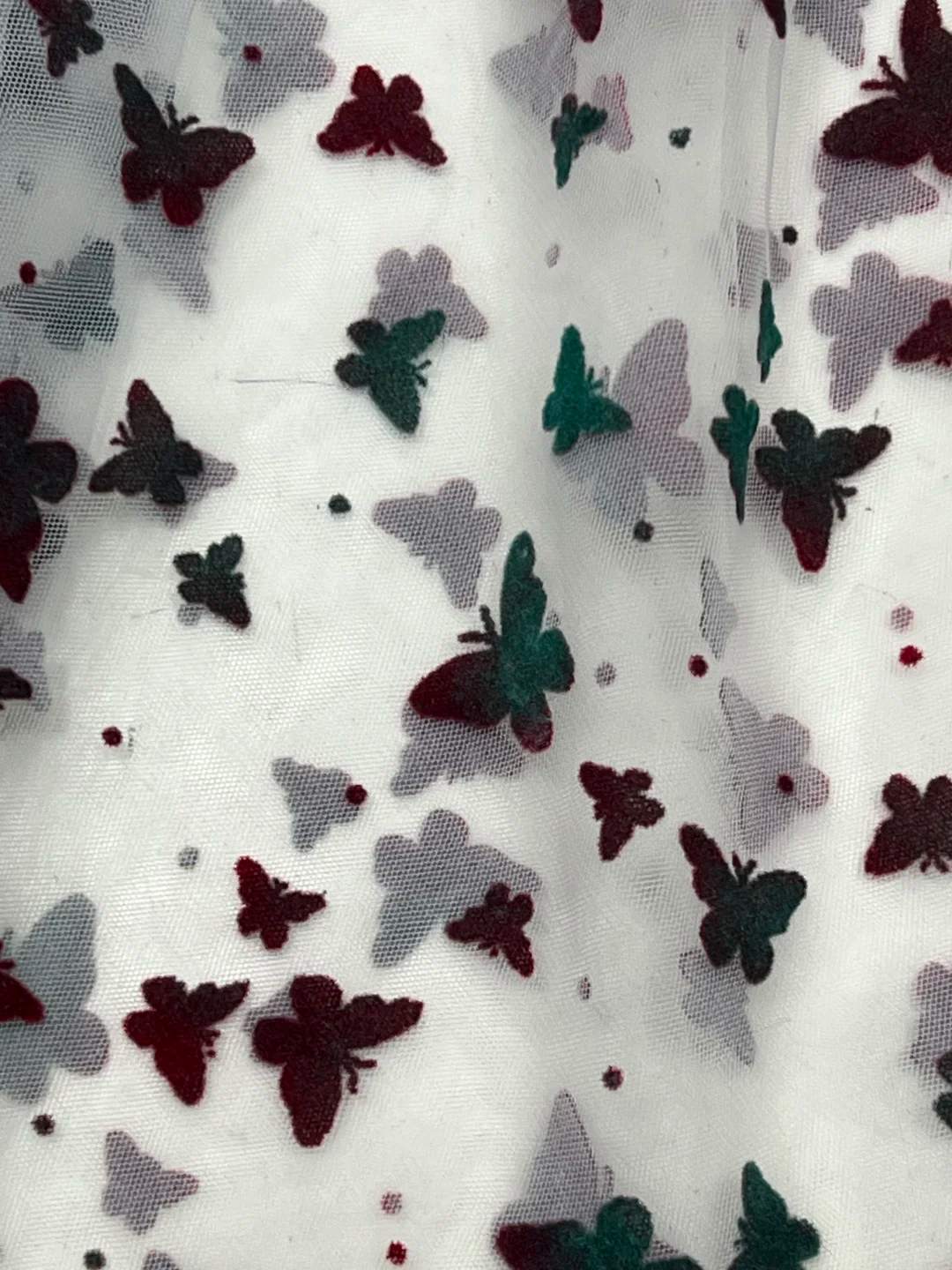
Flocking Printing
Raised velvet-texture flocking printing that applies short fiber particles to adhesive base for luxurious tactile surface. Creates premium dimensional effects on logos, lettering, and decorative elements. Popular for fashion-forward hoodies, varsity jackets, and high-end streetwear requiring unique texture differentiation and visual depth.
Get a Quote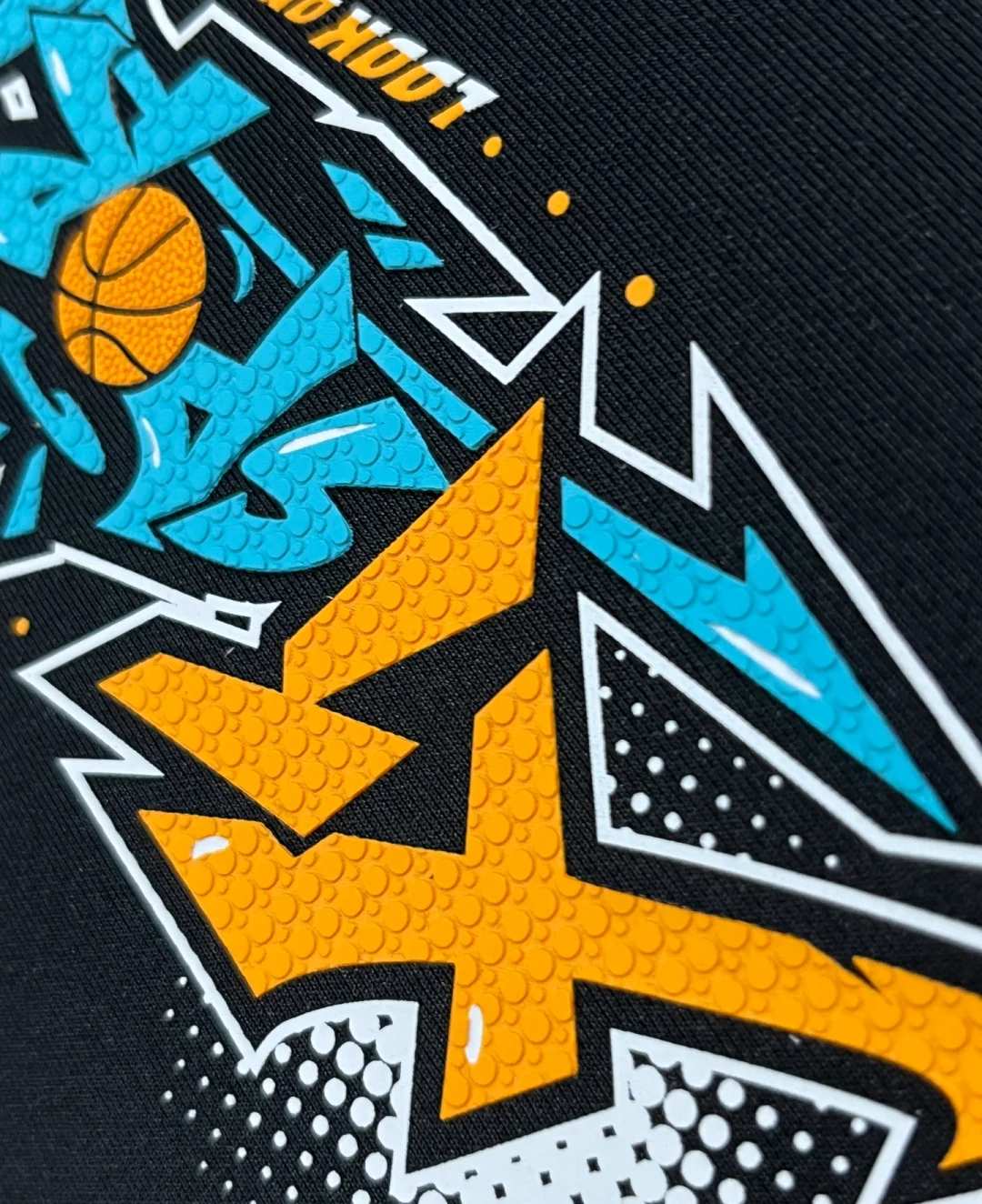
Silicone Printing
Flexible silicone screen printing producing smooth, raised rubber-like graphics with excellent stretch recovery and durability. Ideal for activewear, sportswear, and technical garments requiring elasticity and repeated washing. Delivers premium tactile quality with matte or glossy finish options for modern athletic branding and performance apparel.
Get a Quote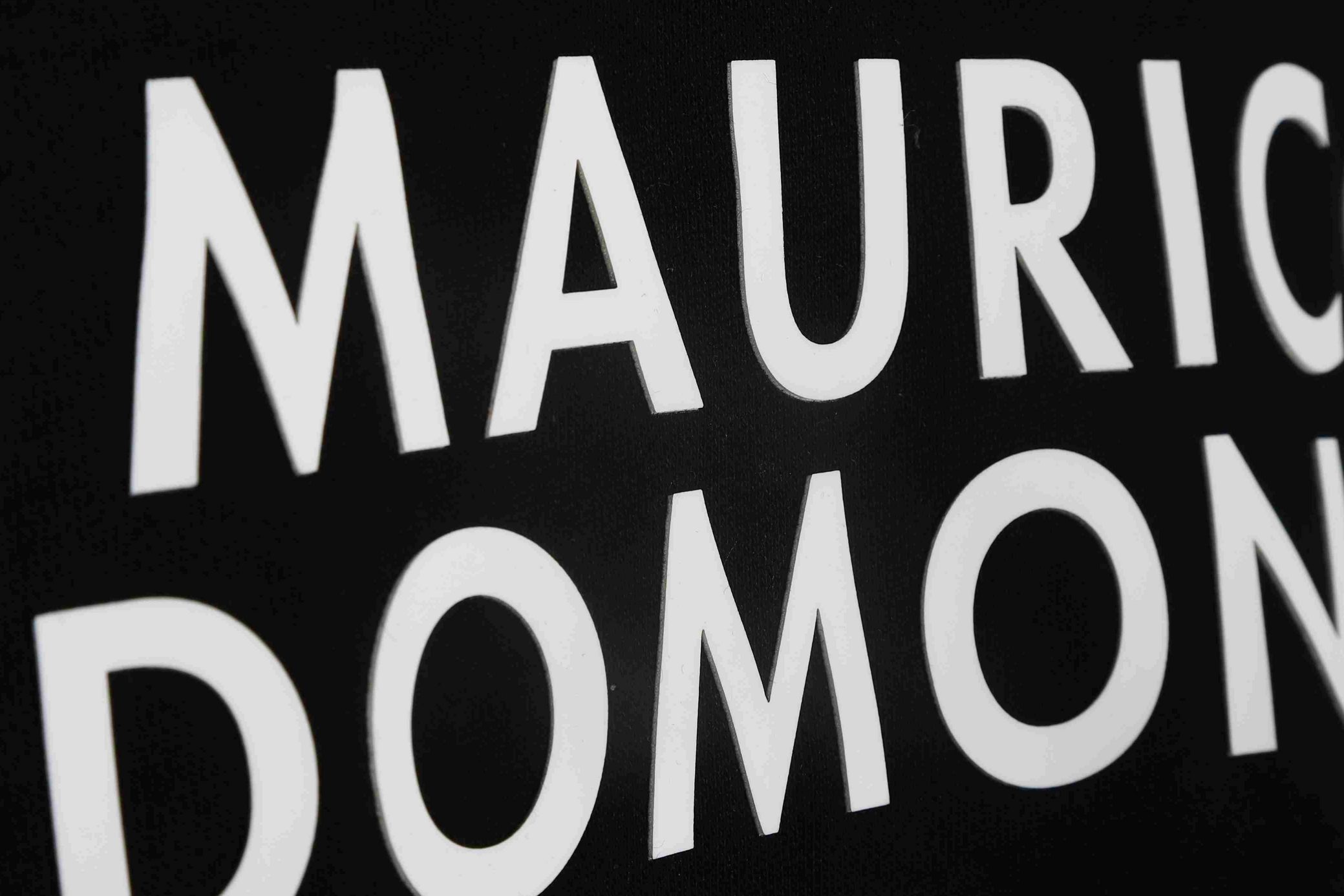
High-Density Printing
High-density screen printing using thick ink layers to create pronounced 3D raised graphics and dimensional logos. Achieves similar visual effect to puff printing with controlled, permanent elevation. Suited for heavyweight hoodies, varsity jackets, and premium streetwear requiring bold branding, tactile interest, and professional embroidered appearance without stitching.
Get a Quote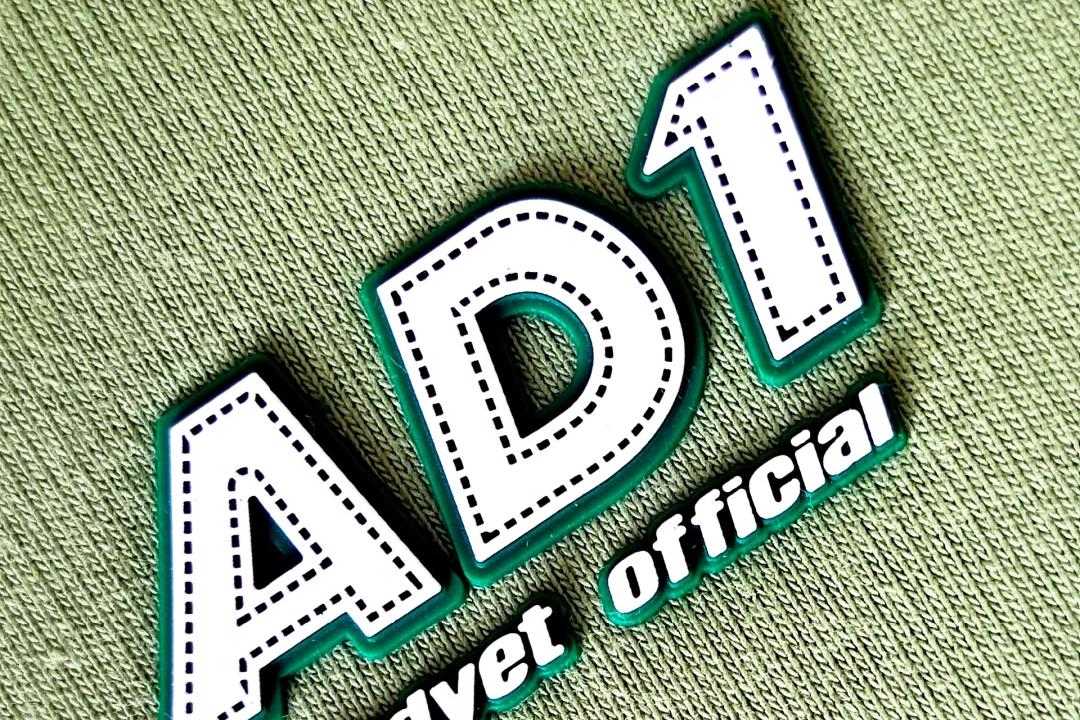
Foil Printing
Metallic foil screen printing applying heat-activated foil sheets over adhesive base for brilliant reflective finish. Creates eye-catching gold, silver, holographic, or colored metallic effects on fashion garments. Perfect for luxury streetwear, special edition collections, and evening wear requiring high-impact visual shimmer and premium brand positioning.
Get a Quote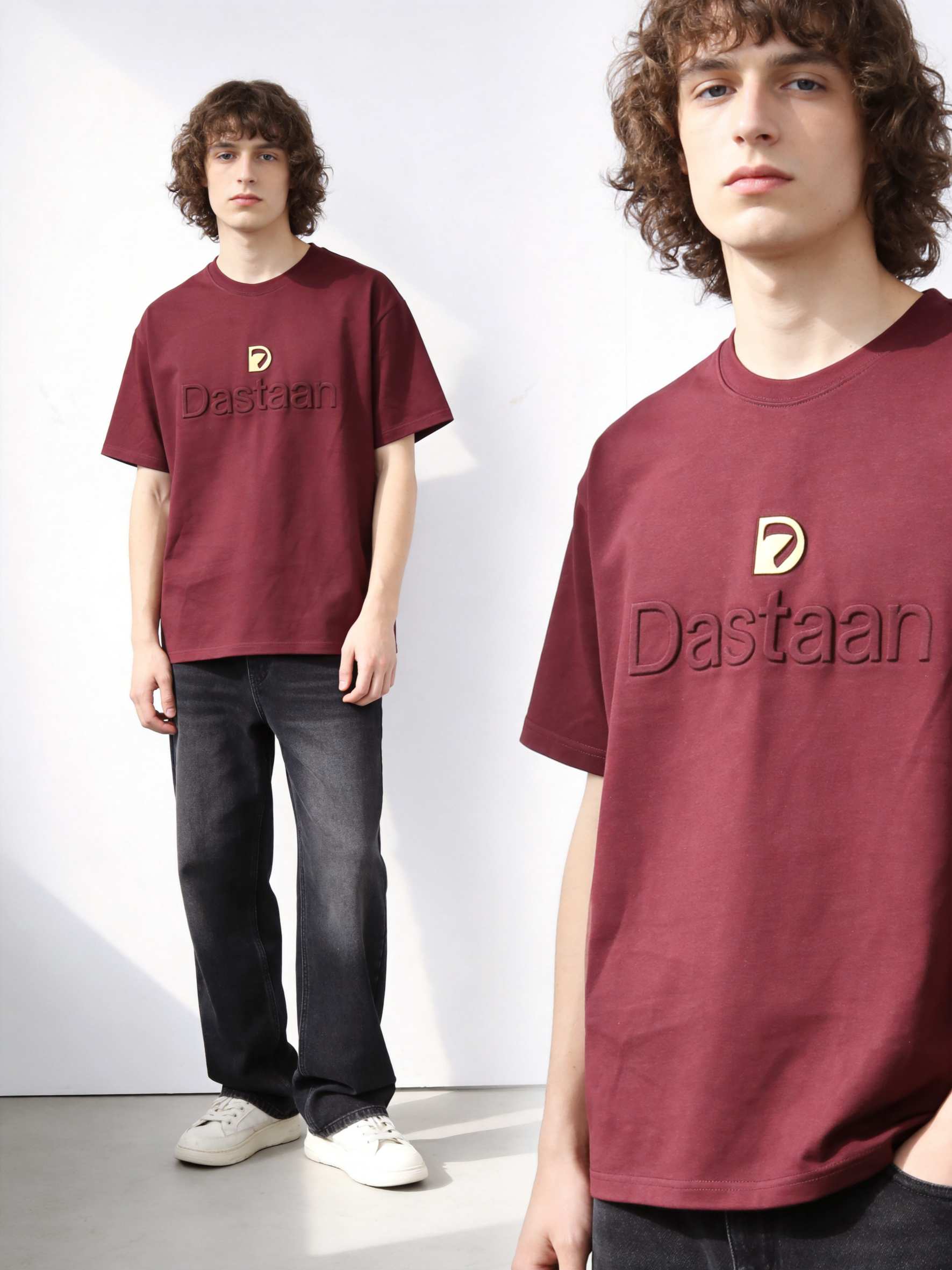
Discharge Printing
Discharge screen printing that removes garment dye to create soft, breathable prints with no surface layer on dark fabrics. Produces vintage, lived-in aesthetic with superior comfort and natural hand feel. Best for 100% cotton garments in black, navy, or deep colors where ultra-soft printing and premium quality are essential brand differentiators.
Get a Quote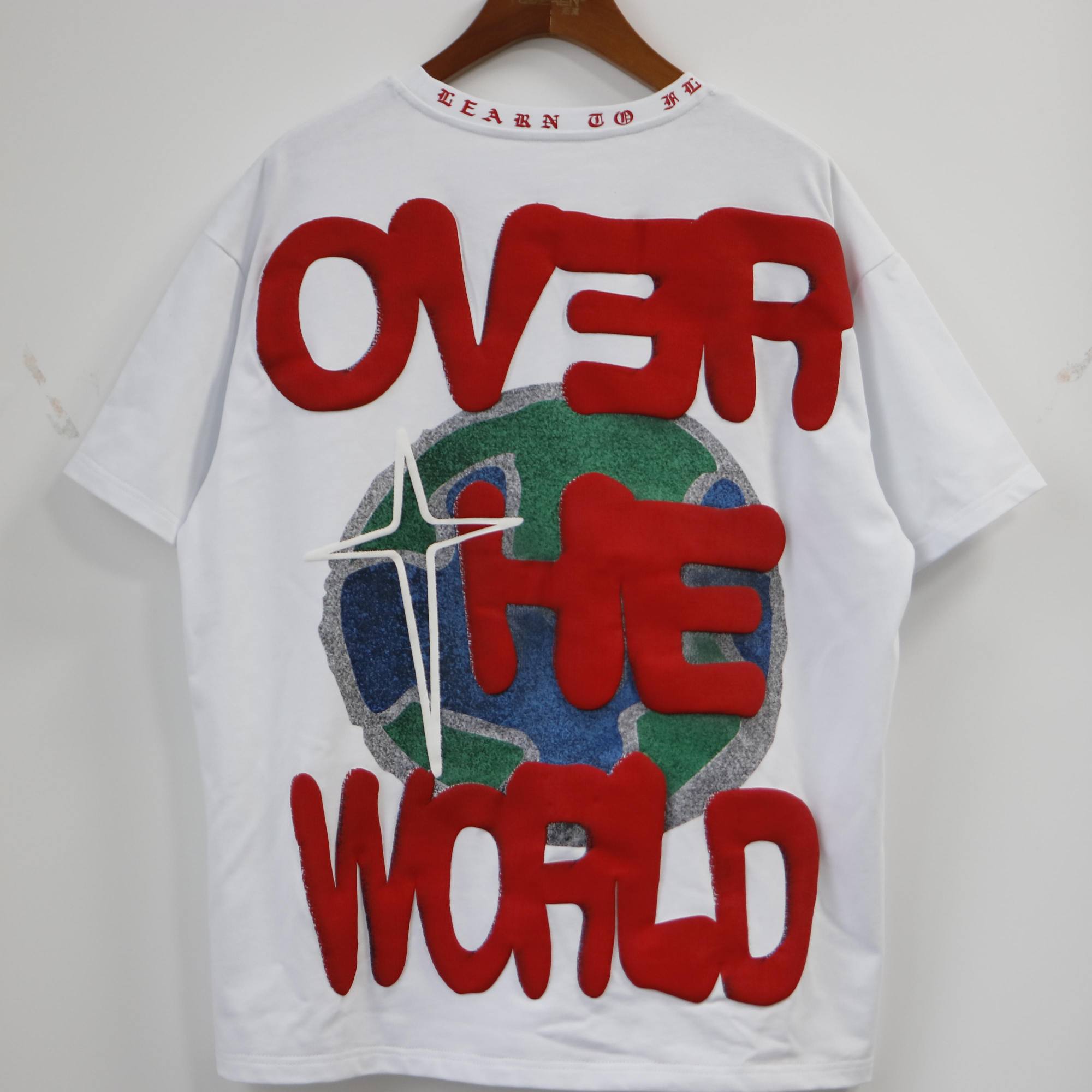
Custom Shirts
Full-service custom shirt manufacturing from 50-piece MOQ covering casual shirts, Hawaiian shirts, bowling shirts, resort shirts, and fashion cut-and-sew styles. Supports custom sizing, fabric selection including cotton poplin, rayon, linen, and viscose, plus complete decoration with screen printing, embroidery, custom labels, and branded packaging for DTC and wholesale brands.
Get a Quote27 Years of Custom Puff Print Expertise
ZORWILD is a professional custom apparel manufacturer founded in 1998 in Humen, Dongguan, where our founder learned garment manufacturing from the ground up. Over 27 years, we evolved from a family workshop into a full-scale hoodie manufacturer and custom clothing producer specializing in advanced decoration techniques. Custom puff print became one of our signature capabilities, refined through thousands of production runs for streetwear brands, influencer collections, and professional teams worldwide.
Today, our Humen, Dongguan facility houses dedicated puff print stations equipped with precision screen setups, specialized plastisol inks, and controlled curing ovens. As a leading custom apparel manufacturer and hoodie manufacturer, we produce custom puff print designs on hoodies, T-shirts, sweatshirts, and outerwear with exacting consistency. Every piece passes through our six-stage quality control system to ensure dimensional accuracy, ink adhesion, wash durability, and visual impact that meets professional brand standards.
With monthly production capacity exceeding 100,000 units and MOQ starting at just 50 pieces, ZORWILD bridges the gap between artisan-level custom puff print craftsmanship and scalable manufacturing. We serve startup brands testing their first graphic collections and established labels requiring repeatable, high-volume results with the same precision our founder’s father instilled decades ago.
Custom Puff Print Quality Dimensions: Ink Chemistry, Curing u0026 Durability
Ink Formulation and Expansion Rate
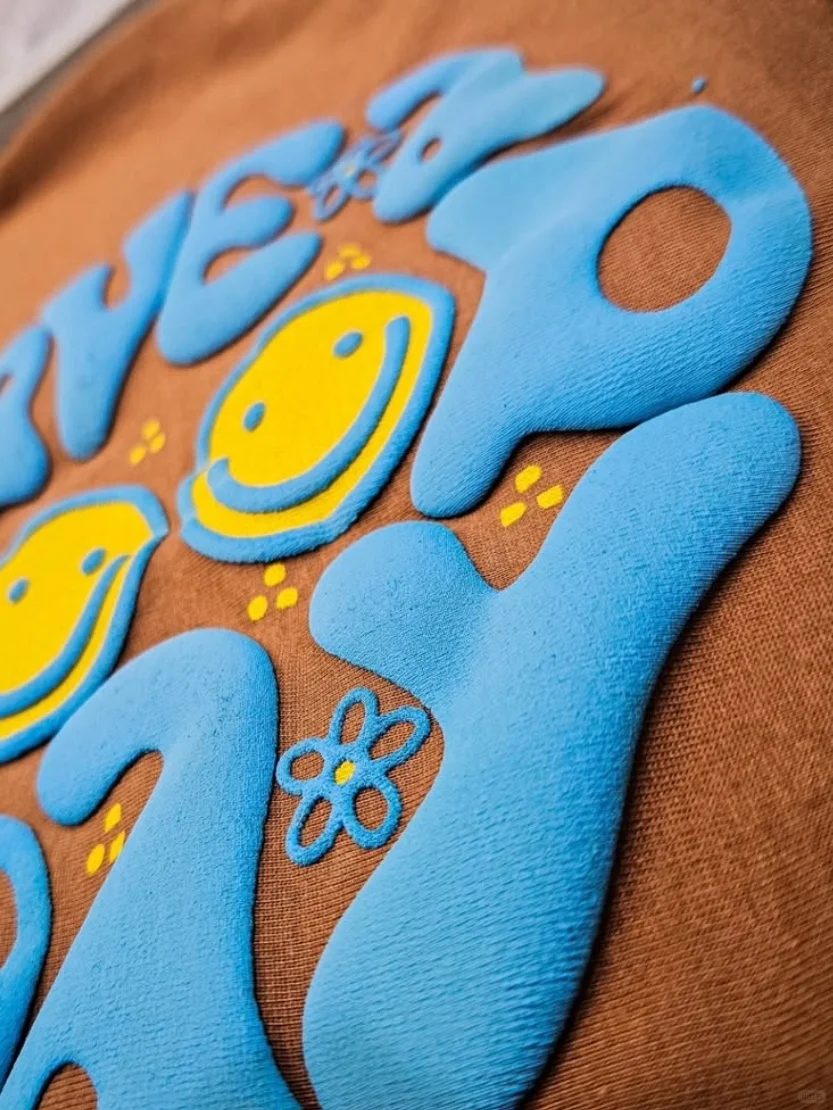
ZORWILD uses premium thermoplastic puff additives that expand uniformly under controlled heat, delivering consistent 2–4 mm height across every custom puff print design. Precise ink viscosity and expansion chemistry prevent uneven texture or collapsed edges.
- High-grade thermoplastic resin for uniform expansion
- Controlled viscosity for sharp edge definition
- Consistent 2–4 mm raised height across all prints
- Compatible with water-based and plastisol base inks
Curing Temperature and Dwell Time
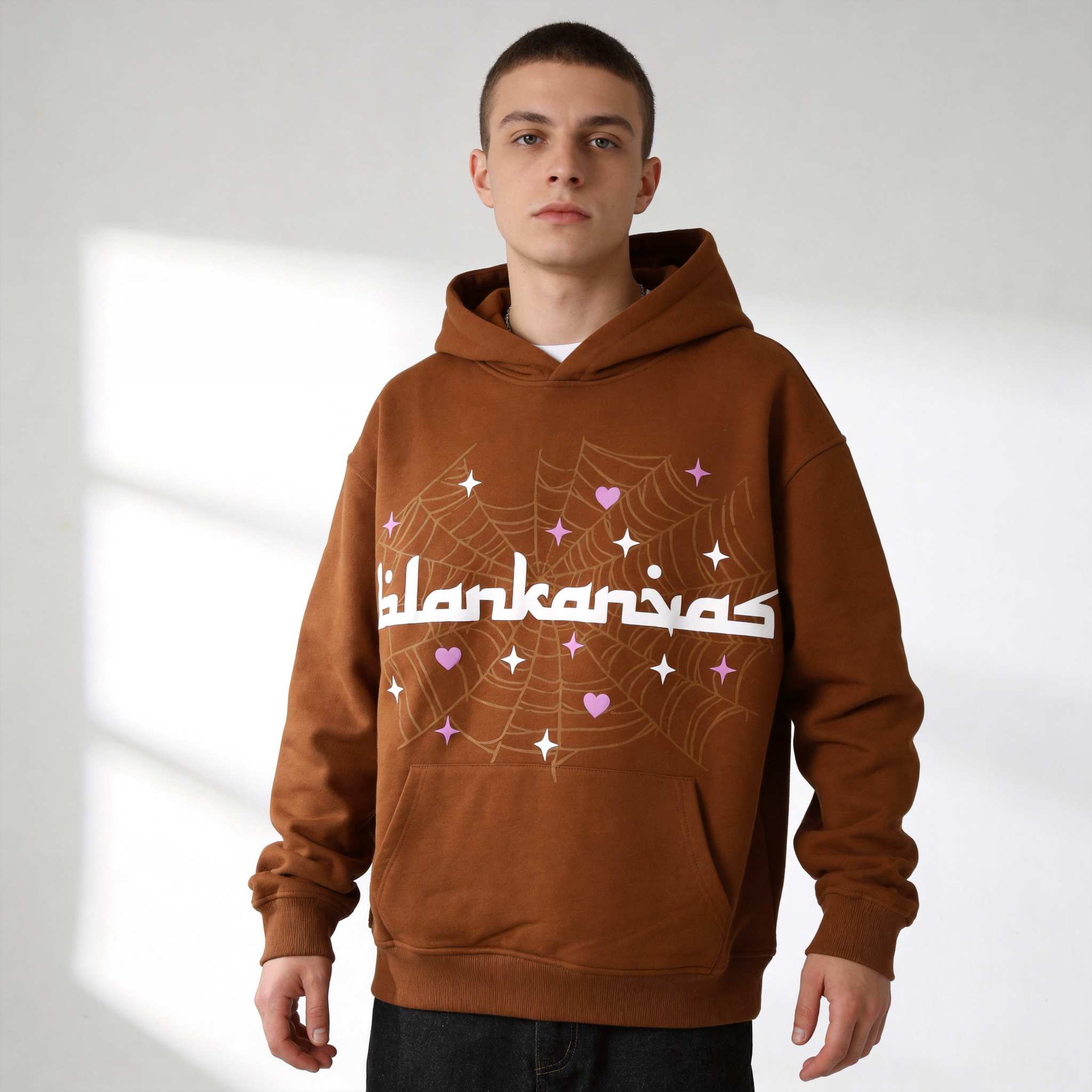
Our factory-calibrated conveyor dryers maintain 160–180°C curing zones with precise dwell timing, ensuring complete puff activation without scorching fabric or flattening texture. Every custom puff print batch undergoes temperature logging for quality assurance.
- Factory-calibrated 160–180°C curing zones
- Optimized dwell time prevents over-curing or under-expansion
- Real-time temperature monitoring and logging
- Protects fabric integrity while maximizing puff height
Wash Durability and Fade Resistance
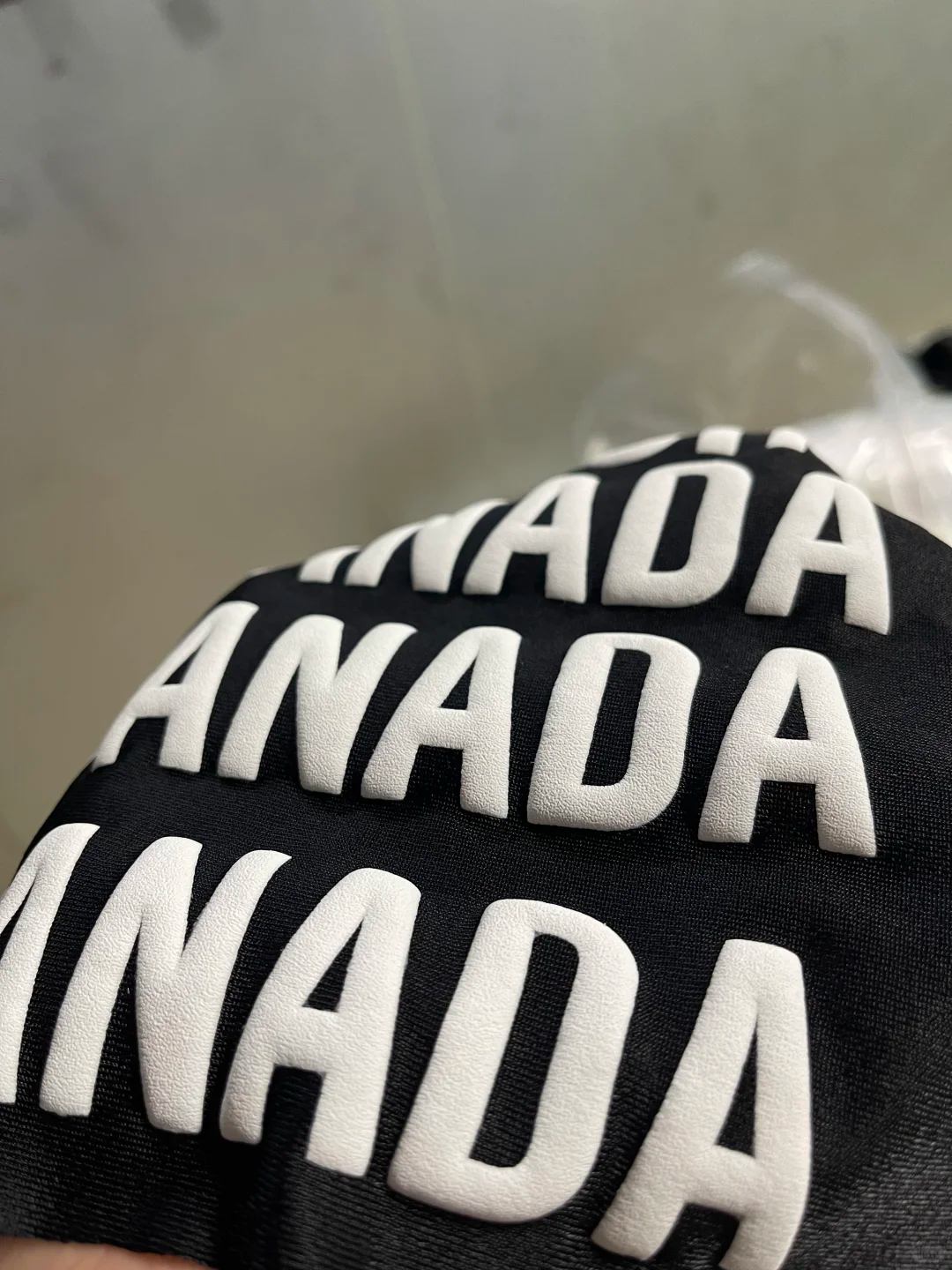
ZORWILD custom puff print withstands 50+ industrial wash cycles without cracking, peeling, or significant height loss. UV-stable pigments and flexible binder systems preserve color vibrancy and tactile dimension through repeated laundering and wear.
- 50+ wash cycles with minimal texture degradation
- UV-stable pigments resist fading and discoloration
- Flexible binder prevents cracking or peeling
- Tested under commercial laundry conditions
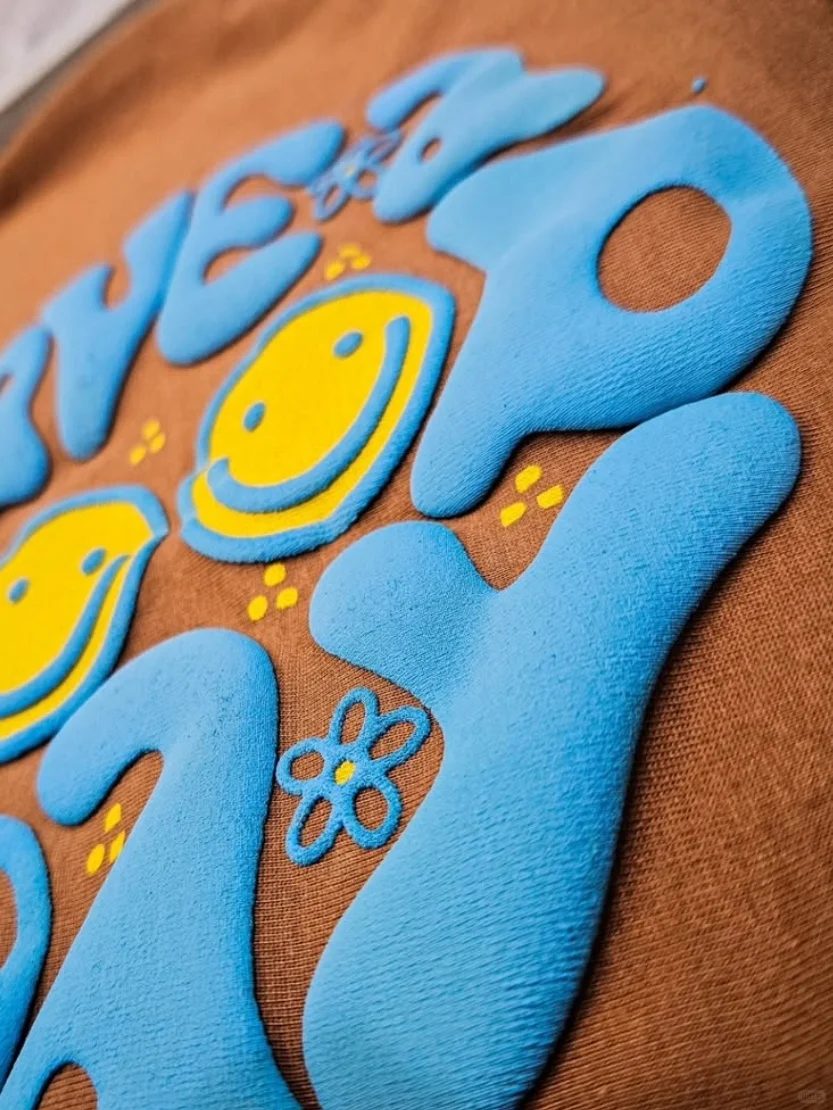
Hand Feel and Surface Texture
Each custom puff print delivers a soft, cushioned tactile experience with smooth surface finish and zero tackiness. Our post-cure conditioning process eliminates residual stickiness, ensuring premium hand feel that enhances brand perception and customer satisfaction.
- Soft, cushioned texture with no tackiness
- Smooth surface finish for premium appearance
- Post-cure conditioning eliminates residual stickiness
- Comfortable against skin with no irritation
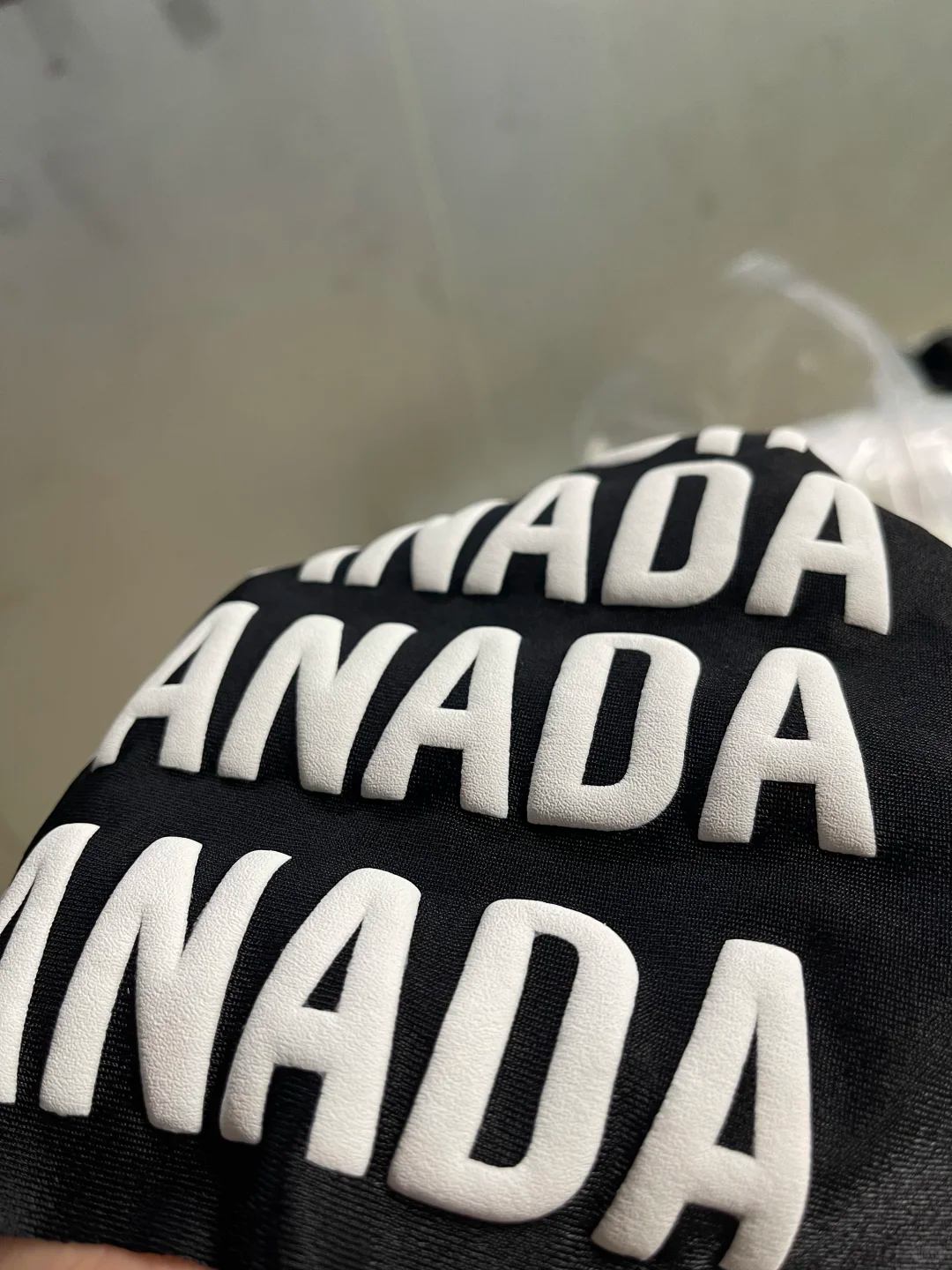
Custom Puff Print vs. DTG, Screen Print u0026 Heat Transfer
Understanding the strengths and limitations of each decoration technique helps you select the right process for your brand’s design vision, fabric choices, and durability requirements.
← 左右滑动查看 →
Custom Puff Print Production Flow
Every custom puff print order follows a precise 7-phase production system with technique-specific control points to ensure consistent raised texture, accurate registration, and long-lasting durability across all 50 to 100,000+ units.
Art Prep u0026 Color Separation
Design artwork is converted into print-ready format with color separation for each puff ink layer, ensuring clean edges and proper layering for dimensional effects.
Screen Creation u0026 Mesh Selection
Screens are burned with precise mesh counts optimized for puff ink viscosity, allowing proper ink deposit thickness required for maximum expansion and texture.
Ink Mixing u0026 Viscosity Check
Custom puff print ink is mixed to exact color specifications and viscosity is tested to ensure consistent flow, deposit weight, and optimal expansion performance.
Registration Alignment u0026 Test Print
Screens are aligned with micro-registration accuracy and test prints verify color match, ink deposit, and expansion height before production run begins.
Production Print u0026 Flash Cure
Each garment is printed with controlled squeegee pressure and stroke speed, then flash-cured at precise temperature to set ink before additional layers.
Expansion Cure u0026 Dwell Time
Printed garments pass through conveyor dryer at controlled temperature and dwell time, activating expansion agents to achieve signature raised 3D texture.
Quality Inspection u0026 Finishing
Every piece undergoes visual inspection for expansion consistency, color accuracy, edge definition, and adhesion strength before packaging and shipment to clients.
How to Order Custom Puff Print from ZORWILD
From artwork submission to finished garments, our streamlined custom puff print process ensures precision, speed, and quality at every stage.
Submit Your Artwork
Send vector files with separated colors, Pantone references, design dimensions, and fabric specifications. Our team reviews technical requirements including color count and placement.
Request a Free Sample
Receive a physical custom puff print sample within 7 days. Evaluate raised texture, color accuracy, design clarity, and overall finish quality before production.
Approve and Finalize
Review sample measurements, puff height, ink adhesion, and wash durability. Request adjustments or approve specifications to lock in your production-ready design.
Place Your Bulk Order
Start production with a 50-piece minimum order quantity. ZORWILD handles fabric sourcing, printing, curing, quality inspection, and finishing with our 6-stage quality control system.
Receive Finished Goods
Your custom puff print garments ship via air freight, sea freight, or express delivery with full export documentation and customs support for global delivery.
Customer Success Stories: Custom Puff Print Results
Our custom puff print hoodies sold out in 72 hours. The 4mm raised texture was perfect, colors matched our Pantone specs exactly, and every piece passed our QC. ZORWILD delivered 500 units on time for our launch.
We needed custom puff print on heavyweight tees for a festival merch drop. After 15 washes, zero cracking or fading. The dimensional lift held up beautifully and our reorder turnaround was only 18 days.
ZORWILD’s custom puff print on our u003ca href=u0022/custom-varsity-jackets/u0022u003evarsity jacketsu003c/au003e elevated our brand perception instantly. The 3D logo effect added $12 to our average order value, and their 50-piece MOQ let us test before scaling to 800 units.
Custom Puff Print FAQs
What fabrics work best for custom puff print?
What is the minimum order quantity for custom puff print?
How many colors can I use in a custom puff print design?
Can I combine custom puff print with embroidery or patches?
What is the maximum design size for custom puff print?
How durable is custom puff print after washing?
What file format and resolution do you need for custom puff print artwork?
What is the lead time for custom puff print samples and bulk orders?
Is there a sampling fee for custom puff print, and is it refundable?
The Complete Buyer’s Guide to Custom Puff Print for Your Brand
1. What Is Custom Puff Print?
Custom puff print is a specialized screen printing technique that uses heat-activated additive ink to create a raised, three-dimensional surface on fabric. When cured at temperatures between 300°F and 330°F, the ink expands to approximately 2 to 4 millimeters above the garment surface, delivering a tactile, textured finish that standard screen printing cannot replicate. This dimensional effect is achieved by blending a puff additive—typically a thermally reactive polymer powder—into plastisol ink, which expands during the heat-curing process.nnThe key difference between custom puff print and standard screen printing lies in the physical structure and hand feel. Standard screen printing deposits a thin, flat layer of ink that sits flush with the fabric surface, while puff print creates a soft, foam-like raised texture that invites touch and adds visual depth. This tactile quality makes puff print ideal for logo emphasis, typography, and graphic details on premium streetwear, athletic apparel, and promotional merchandise where brand differentiation is critical.nnZORWILD, a professional custom apparel manufacturer based in Humen, Dongguan, supports custom puff print across custom hoodies, custom t-shirts, sweatshirts, jackets, and athletic wear with production starting from 50 pieces and sampling available within 7 days. Brands choose puff print to elevate perceived value, enhance brand recognition through texture, and create premium product lines that stand out in crowded retail and e-commerce environments.
2. The Evolution and History of Puff Print Technology
Puff print first emerged in the early 1980s when sportswear and streetwear brands sought three-dimensional graphic effects that traditional screen printing could not deliver. Chemical ink formulations incorporated thermally activated expanding agents—typically microspheres containing hydrocarbon compounds—that expanded under heat curing between 300°F and 330°F to create raised surfaces up to 3 mm high. By the mid-1980s, major athletic apparel manufacturers adopted puff printing for team logos, jersey numbers, and bold graphic statements that defined the era’s visual identity.nnHeat-activation technology improved significantly through the 1990s as ink manufacturers refined microsphere size distribution, binder chemistry, and plastisol base formulations to achieve more consistent expansion ratios and better wash durability. These advances enabled finer detail work, smoother surface finishes, and multi-layer puff applications that expanded design possibilities beyond simple block letters. Professional screen printing equipment evolved to accommodate puff inks with specialized mesh counts—typically 60 to 86 threads per inch—and thicker emulsion stencils to deposit adequate ink volume for optimal expansion.nnThe technique experienced a major resurgence starting in 2015 when streetwear labels and high-fashion houses rediscovered puff print’s tactile appeal and nostalgic aesthetic. Contemporary custom puff print now combines vintage 1980s bold graphics with modern design sensibilities, premium garment bases, and advanced quality control systems. Today’s manufacturers like ZORWILD support complex multi-color puff designs, gradient effects, hybrid decoration combining puff with embroidery or foil, and low-MOQ production starting at 50 pieces to serve startup streetwear brands and influencer collections.
3. Types of Custom Puff Print Techniques
Custom puff print variants differ in rise height, texture intensity, and production complexity. Understanding each type ensures your brand selects the technique that matches aesthetic goals, budget constraints, and target market expectations.
Standard Puff Print
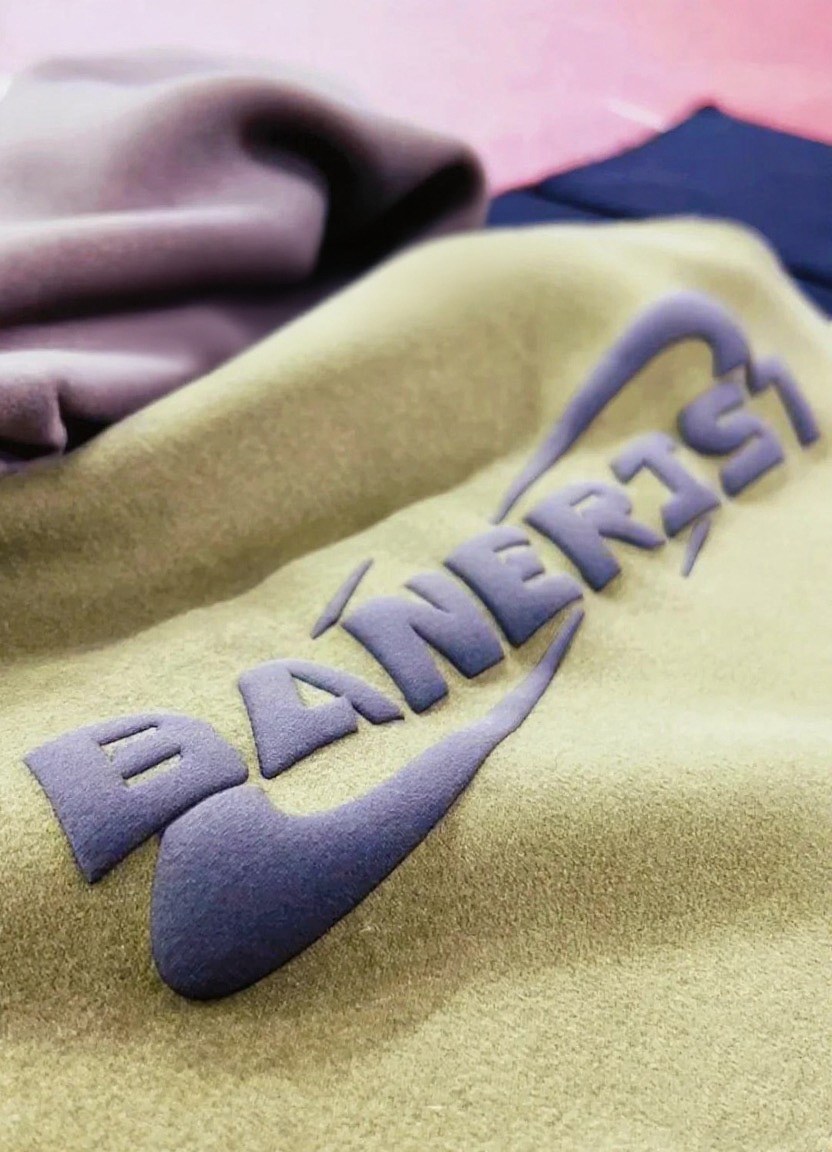
Standard puff achieves 1–3 mm rise height, delivering visible dimension without excessive weight. This technique suits streetwear hoodies, graphic tees, and casual apparel where moderate texture enhances logo recognition.nnDurability reaches 50+ washes when properly cured, and cost remains 15–25% above flat screen printing. ZORWILD applies standard puff across cotton, polyester blends, and French terry with consistent expansion control.
High-Density Puff Print
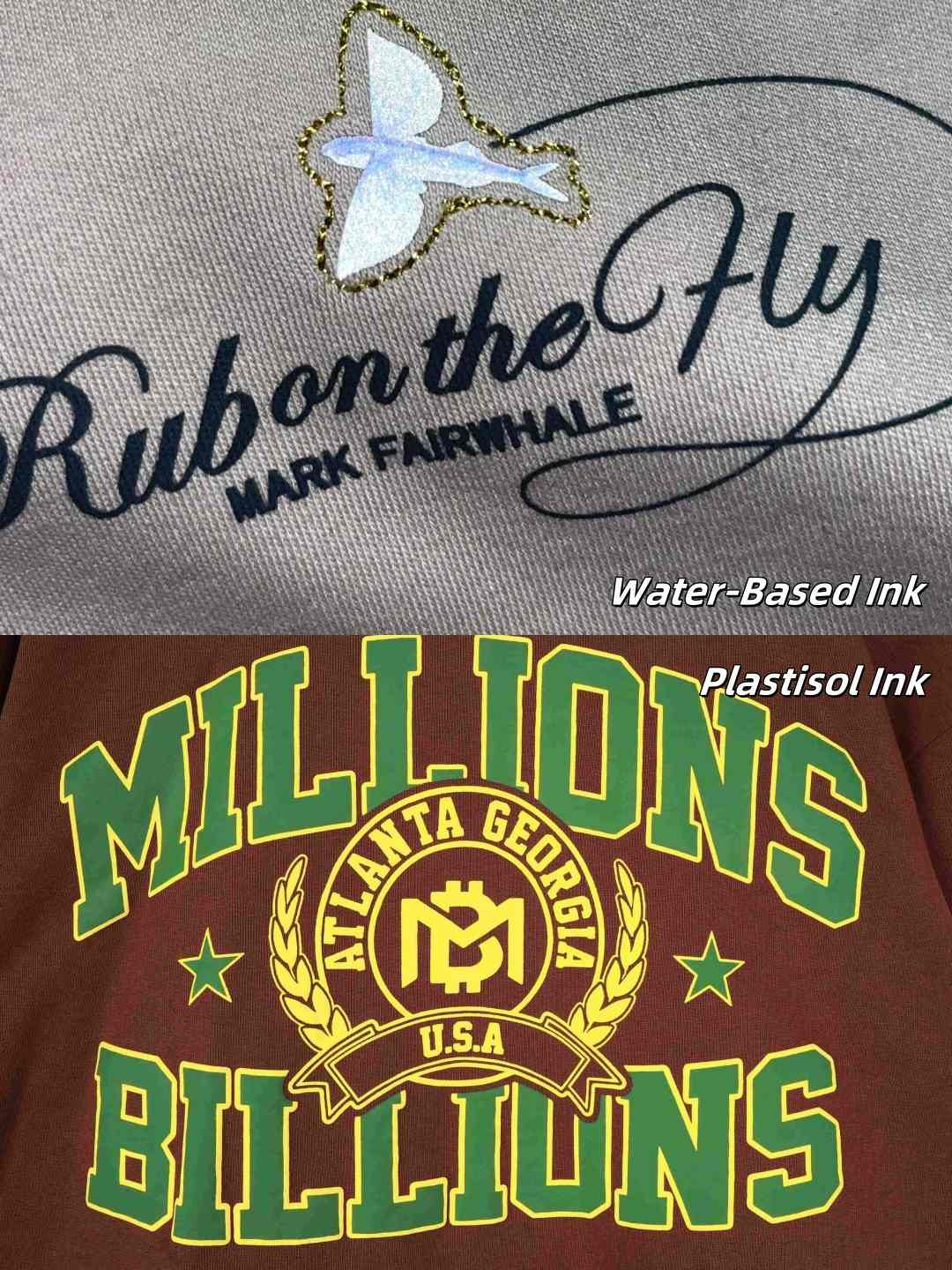
High-density puff reaches 4–6 mm rise, creating bold three-dimensional effects ideal for premium streetwear and luxury casualwear. Ink formulation requires higher additive concentration and precise temperature profiles to prevent cracking.nnApplications include oversized hoodies, statement jackets, and influencer merch collections. Cost increases 30–50% over standard puff due to specialized inks and extended curing cycles.
Micro-Puff Print
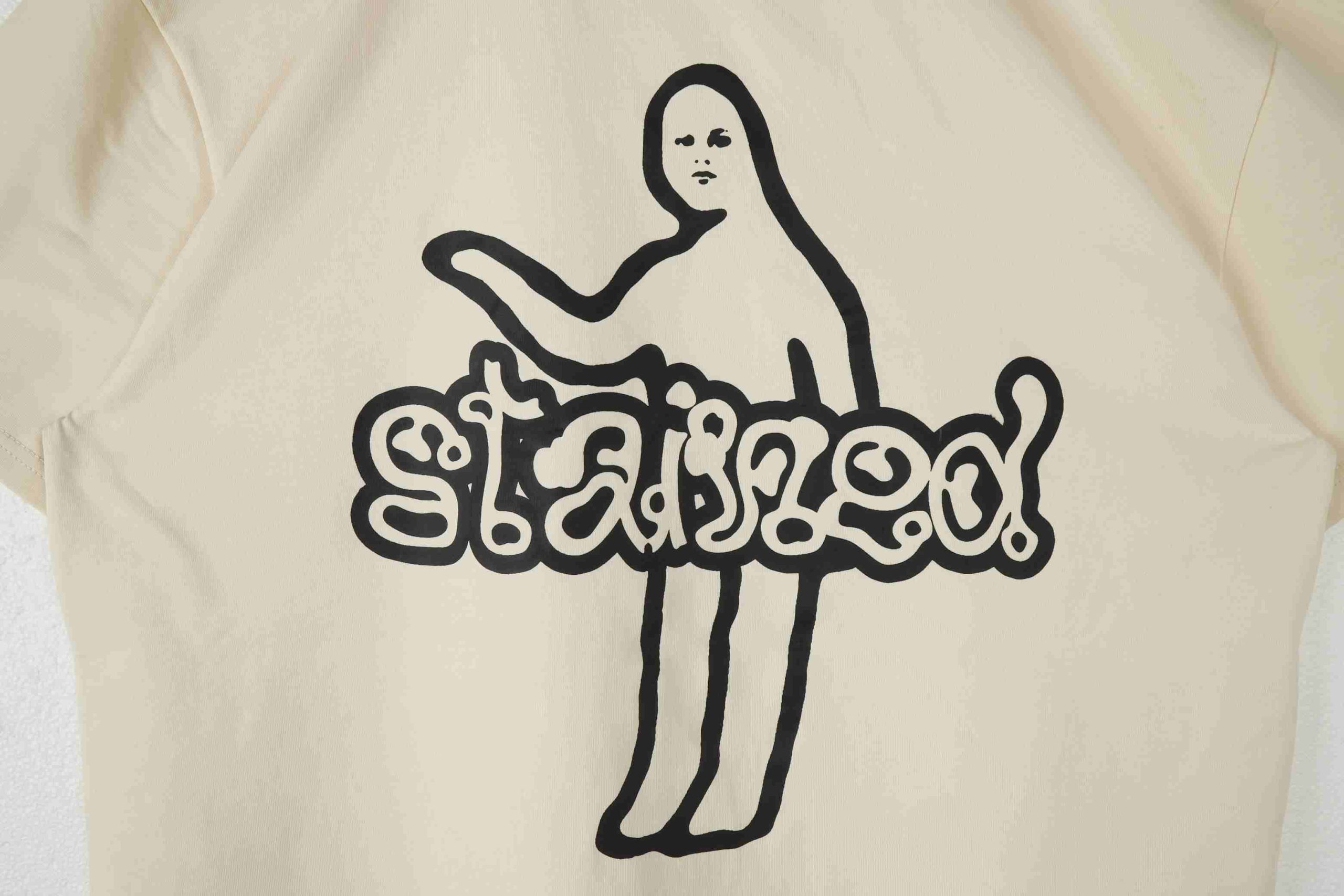
Micro-puff delivers 0.5–1 mm rise, adding subtle texture without heavy visual impact. This technique suits minimalist brands, resort shirts, and fashion-forward designs requiring understated detail.nnDurability matches standard puff while cost remains only 10–15% above flat printing. ZORWILD recommends micro-puff for fine-line artwork and delicate patterns where full puff would overpower design intent.
Combination Techniques
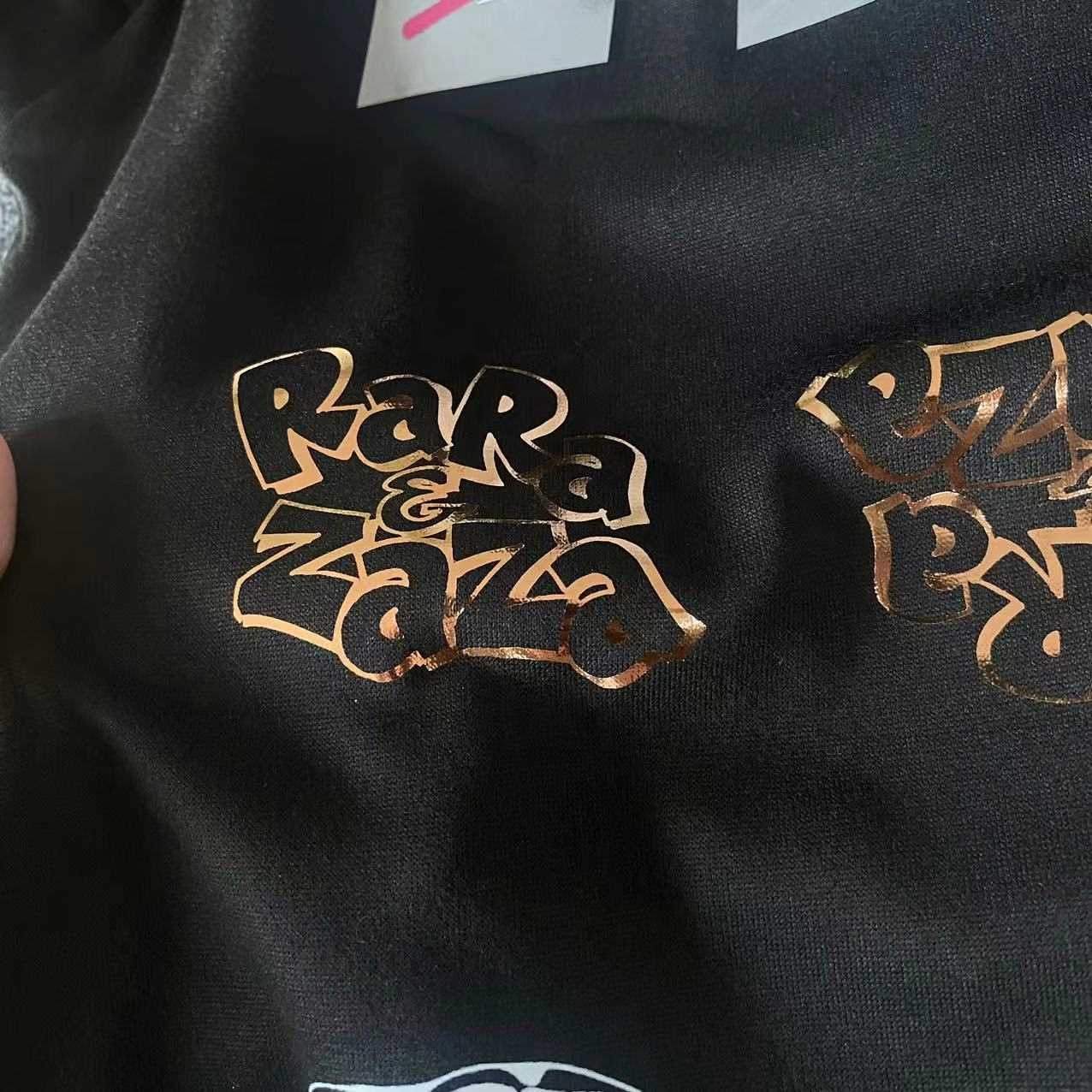
Puff combined with foil, discharge, or reflective inks creates hybrid effects for high-end collections. Puff + foil pairs dimensional texture with metallic shine, while puff + discharge removes base color for vintage contrast.nnProduction requires multi-stage application and careful registration alignment. Cost increases 50–80% over standard puff, but differentiation appeals to premium streetwear brands and limited-edition capsules seeking unique visual signatures.
4. Materials and Fabrics for Custom Puff Print
Custom puff print adhesion and dimensional rise depend heavily on base fabric composition, weight, and surface texture. ZORWILD’s 27 years of manufacturing experience across cotton, blends, fleece, and technical synthetics ensures optimal puff ink performance on every substrate.
| Fabric Type | Recommended GSM | Puff Compatibility | Typical Use Cases |
|---|---|---|---|
| 100% Cotton | 180–220 | Excellent adhesion, clean edges | T-shirts, lightweight hoodies |
| Cotton-Poly Blend | 200–240 | High durability, fast dry | Hoodies, sweatshirts, casual tees |
| Fleece / French Terry | 240–350 | Superior rise, crack-resistant | Heavyweight hoodies, sweatpants |
| Polyester / Synthetics | 160–200 | Stretch-compatible, low-temp cure | Activewear, caps, performance tops |
100% Cotton and Cotton-Poly Blends
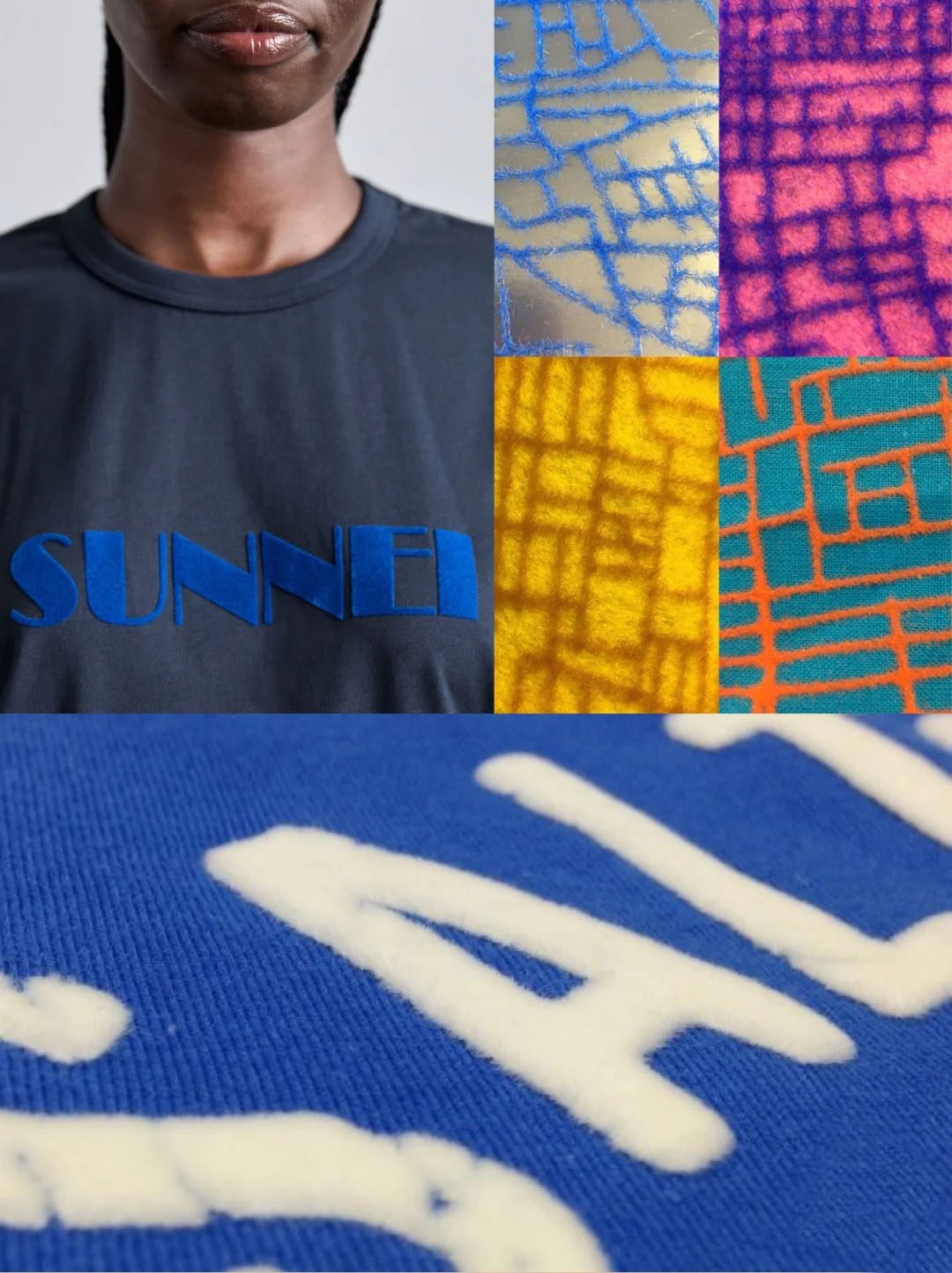
Ring-spun 100% cotton at 180–220 GSM delivers superior puff adhesion and clean edge definition for T-shirts and lightweight hoodies. Cotton-poly blends (50/50 or 65/35) at 200–240 GSM offer improved wash durability and faster drying while maintaining excellent puff rise.nnDarker colors—black, navy, charcoal—provide stronger visual contrast for white or colored puff prints. Lighter fabrics require opaque underbase layers to prevent bleed-through and maintain puff height integrity.
Fleece and French Terry
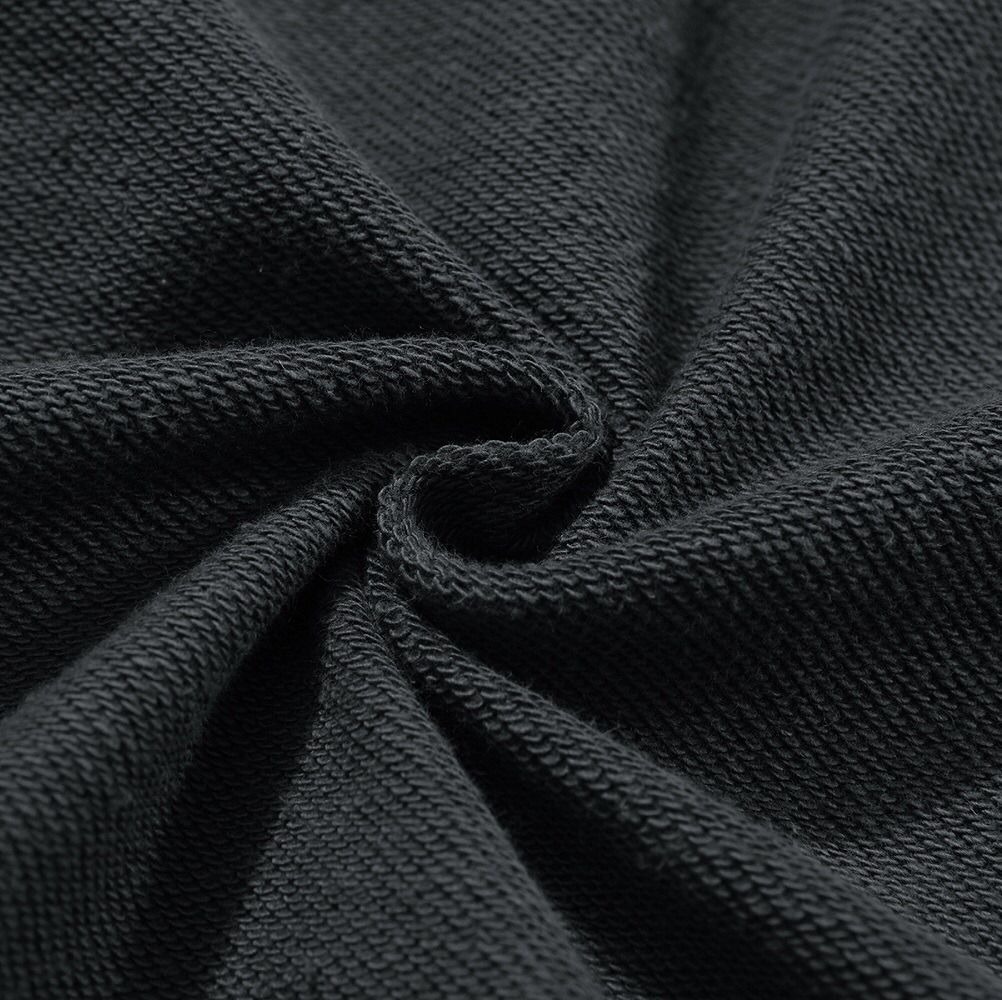
Heavyweight fleece (280–350 GSM) and French terry (240–280 GSM) are ideal for hoodies and sweatshirts with custom puff print. The dense knit structure supports higher puff expansion without cracking, and the brushed interior does not interfere with exterior print adhesion.nnZORWILD recommends acid wash, vintage wash, or garment-dye finishes applied before puff printing to avoid post-print shrinkage that can stress raised ink layers.
Performance Synthetics and Technical Fabrics
Polyester blends, moisture-wicking jerseys, and nylon-spandex blends (160–200 GSM) require low-temperature curing to prevent fabric distortion. Puff inks formulated for synthetics maintain elasticity during stretch, critical for activewear and fitted caps.nnSmooth-surface polyester supports finer puff detail than textured athletic mesh. ZORWILD tests every synthetic substrate for heat tolerance and ink compatibility before bulk production to ensure wash durability exceeds 30 cycles without puff flattening.
5. Customization and Decoration Options for Custom Puff Print
Custom puff print offers extensive design flexibility when you understand technical constraints and preparation requirements. Pantone matching, multi-layer effects, and hybrid decoration techniques allow brands to maximize visual impact while controlling cost and lead time.
Color Matching and Multi-Layer Puff Effects
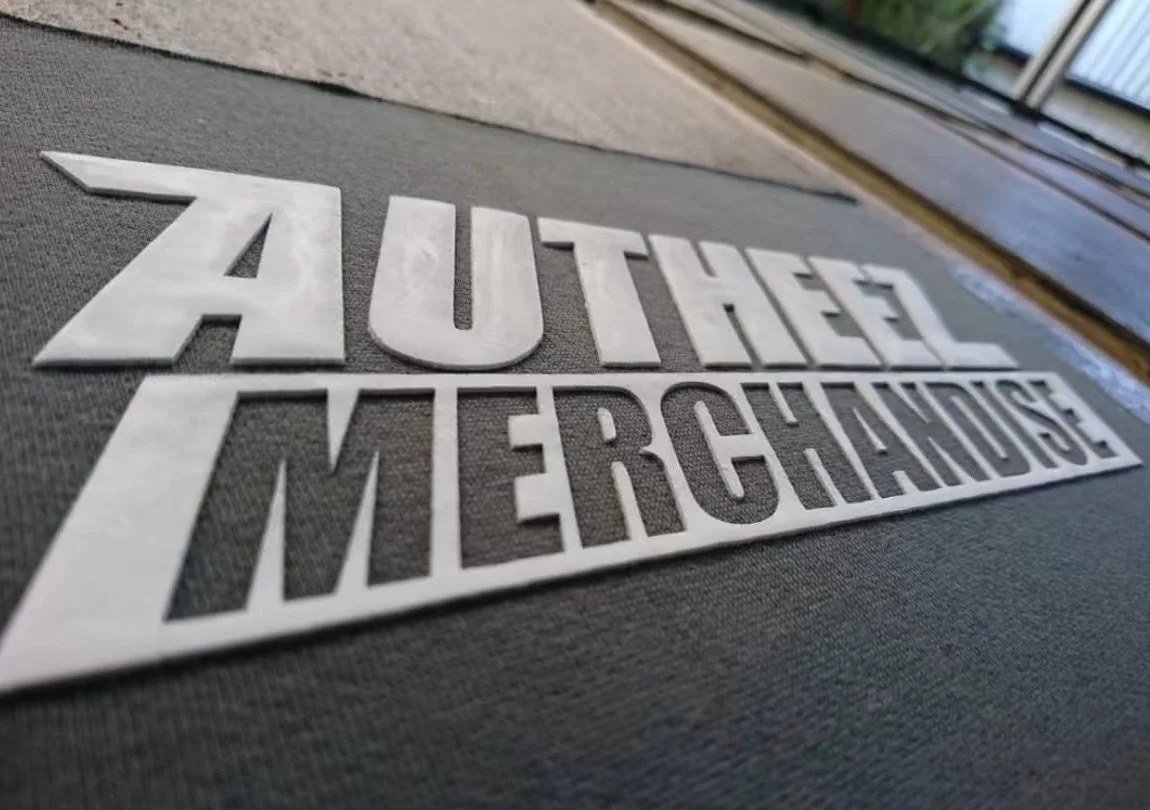
Pantone color matching for puff ink enables precise brand color replication across production runs, critical for logo consistency and seasonal collections. Most manufacturers support 1–4 puff colors per design, with each additional color adding 1–2 days to lead time and $0.30–$0.80 per garment.nnMulti-layer puff techniques stack colors or heights to create depth and shadow effects, though registration tolerances of ±1 mm require simplified artwork and thicker line weights to avoid misalignment.
Hybrid Decoration: Combining Puff with Other Techniques
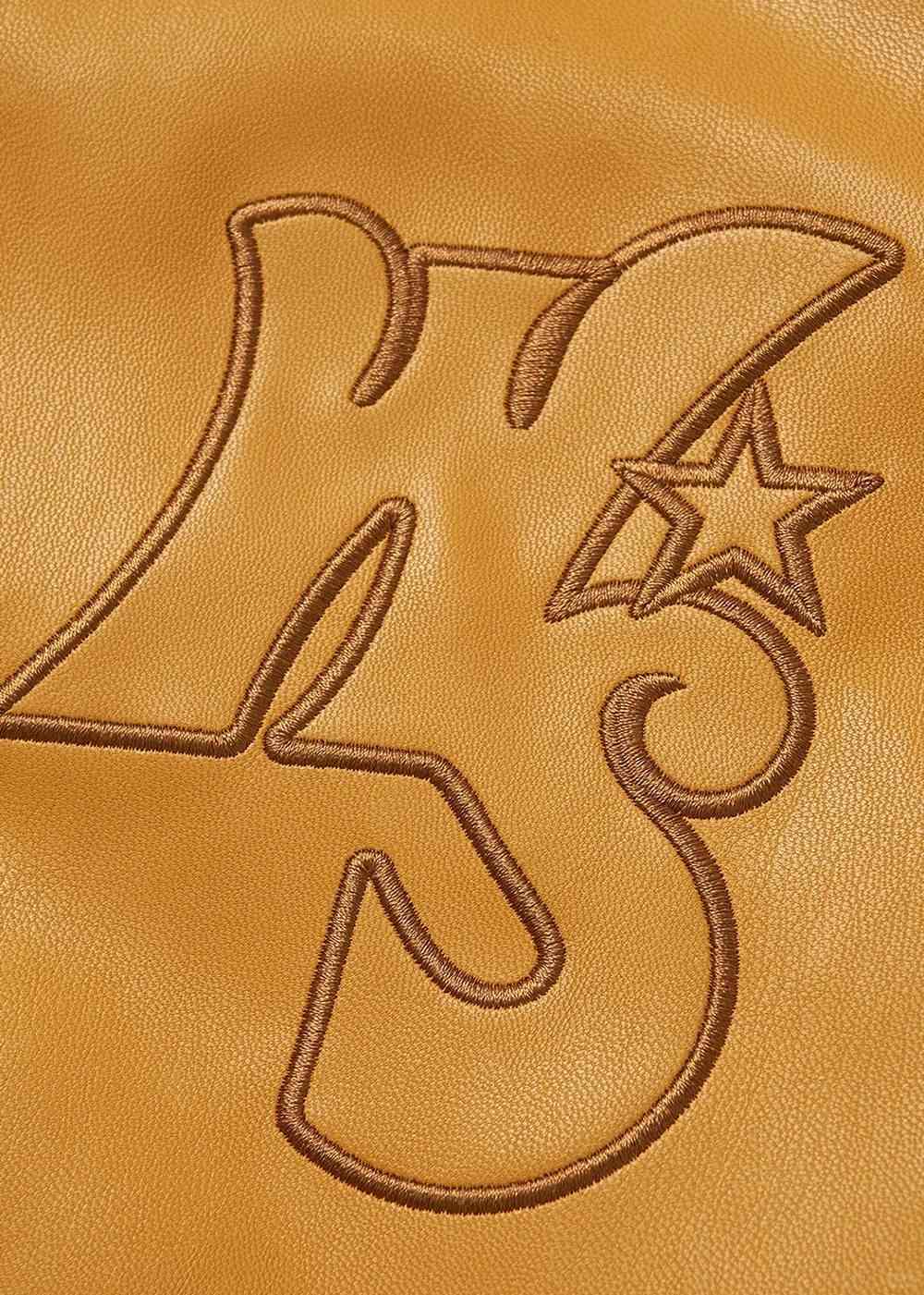
Combining custom puff print with flat plastisol, embroidery, or foil creates premium streetwear aesthetics. Common hybrid approaches include puff outlines with flat fill colors, puff logos over embroidered backgrounds, and puff accents on rhinestone designs.nnEach additional decoration method adds 2–3 days to production timelines and requires separate setup fees, typically $25–$75 per technique, making hybrid decoration cost-effective above 100-piece orders.
Placement Zones and Size Constraints
Standard placement zones include left chest (3–4 inch), full chest (10–12 inch), sleeve (2–3 inch), and full back (12–14 inch), with puff height limitations of 3–5 mm dictating maximum detail density. Oversized back prints and sleeve graphics deliver strongest visual impact for streetwear and influencer collections.nnArtwork must be supplied as vector files (AI, EPS, or PDF) with minimum line weights of 1.5–2 mm and stroke widths of 2 mm to ensure clean puff expansion and avoid cracking or incomplete rise during curing.
6. Key Quality Elements in Custom Puff Print Production
Professional custom puff print quality depends on precise control of ink chemistry, screen parameters, and cure cycles. Buyers who understand these technical benchmarks can audit samples effectively and set enforceable QC standards with manufacturers before bulk production.
Consistent Ink Rise and Surface Texture
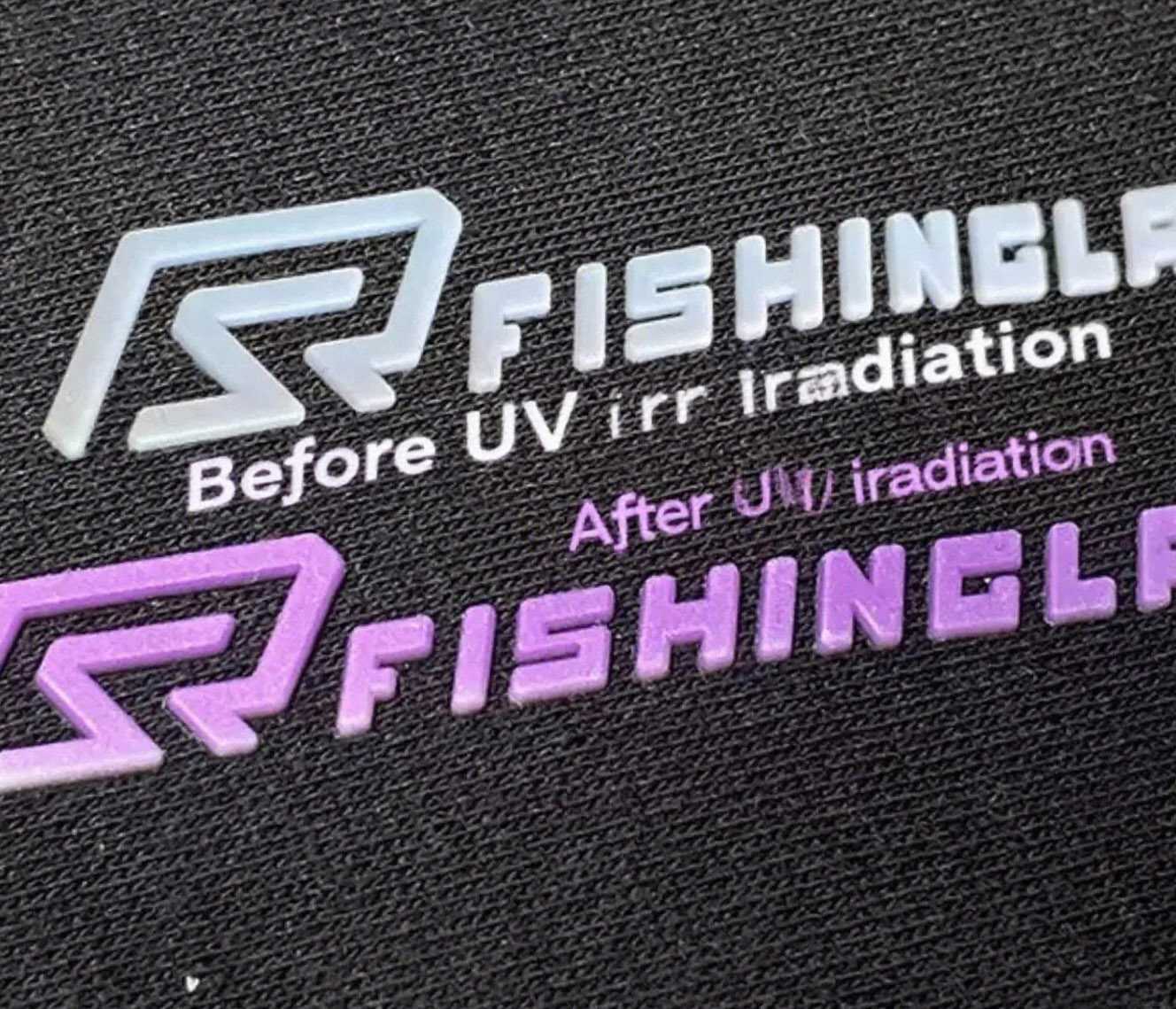
Premium puff print achieves uniform expansion height of 2–4 mm across the entire design with no flat spots or collapsed areas. Inconsistent rise indicates incorrect ink viscosity, inadequate heat exposure, or expired foaming agents.nnZORWILD applies strict in-line inspection during heat curing to verify uniform expansion before garments proceed to finishing. Buyers should examine samples under raking light to detect any unevenness in texture or height variation across repeated motifs.
Edge Definition and Registration Accuracy
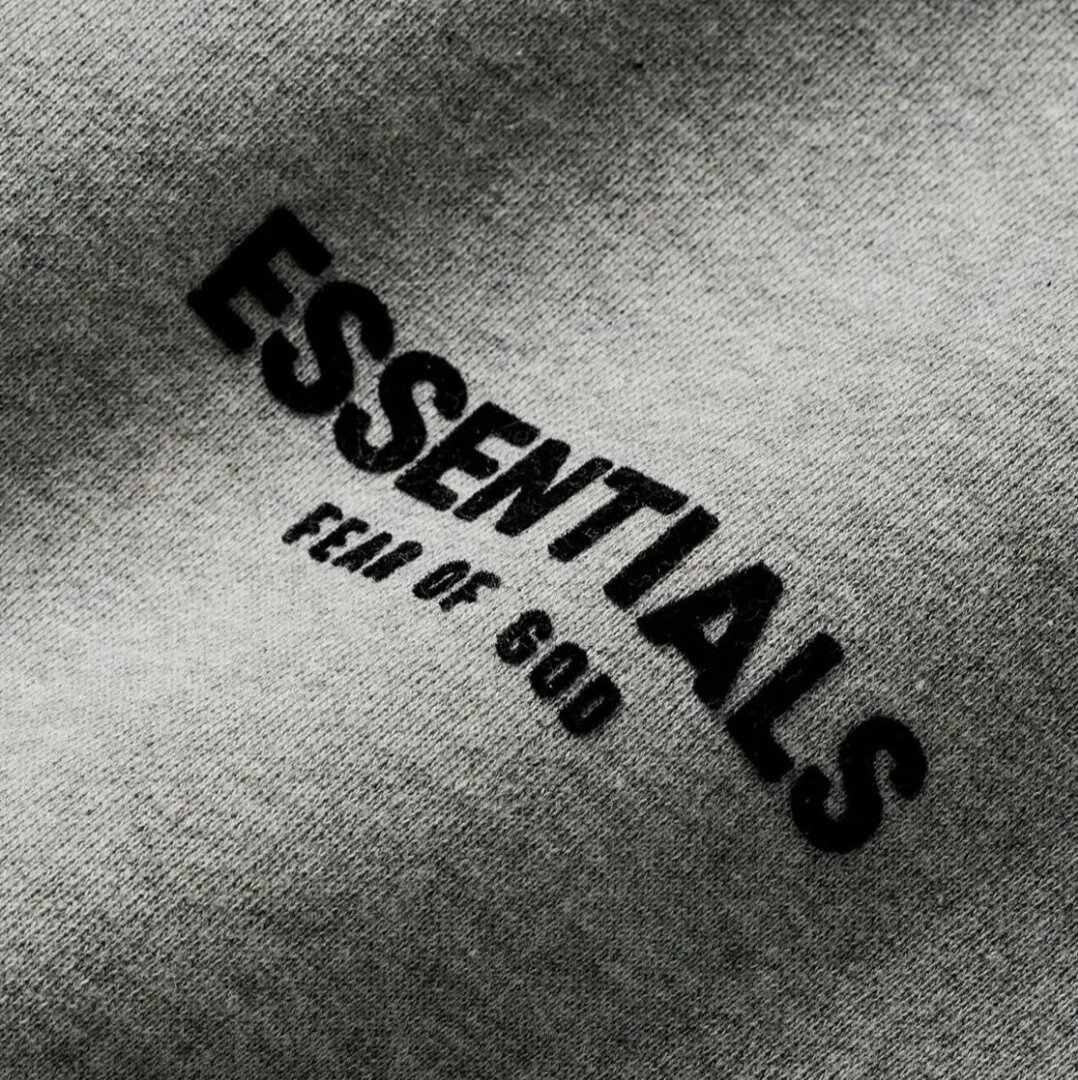
Sharp, clean edges with no ink bleed or fuzzy borders require 60–86 mesh count screens and proper off-contact distance during printing. Poor registration causes misaligned layers in multi-color puff designs.nnZORWILD uses precision screen tensioning and automated registration systems to maintain ±0.5 mm tolerance on complex multi-layer puff graphics, ensuring crisp outlines and professional appearance even after garment washing.
Colorfastness and Wash Durability
Quality puff ink retains color intensity and structural integrity through 30+ industrial wash cycles at 60°C without cracking, peeling, or fading. Substandard formulations lose elasticity and develop surface cracks after 10–15 washes.nnZORWILD conducts accelerated wash testing on pre-production samples and uses premium plastisol-based puff inks with UV-stable pigments to ensure long-term colorfastness and flexibility, meeting international garment care standards for retail-ready apparel.
Cure Temperature and Post-Production Inspection
Proper curing at 160–180°C for 45–60 seconds activates foaming agents fully and bonds ink permanently to fabric. Under-cured prints feel tacky and fail adhesion tests; over-cured prints become brittle and crack.nnZORWILD employs infrared temperature monitoring and conveyor dryer calibration to maintain consistent cure profiles. Final inspection includes stretch tests, adhesion tape tests, and visual checks for surface defects before garments are approved for packaging and shipment.
7. How to Choose a Custom Puff Print Manufacturer
Selecting the right custom puff print manufacturer directly impacts product quality, lead times, and brand scalability. A structured evaluation framework helps buyers avoid costly mistakes and ensures alignment with business goals from the first order onward.
MOQ Flexibility and Production Scale
Minimum order quantities separate startup-friendly manufacturers from bulk-only factories. ZORWILD supports 50-piece MOQs for most puff print products, enabling influencers and small brands to test designs without excess inventory risk. Traditional factories often require 500–1,000 pieces, which increases upfront capital and obsolescence exposure.nnAsk whether MOQ applies per design, per colorway, or per SKU. Clarify whether sample quantities count toward the minimum and if repeat orders enjoy lower thresholds.
Sample Turnaround and Pre-Production Validation
Seven-day sample turnaround is the industry benchmark for responsive manufacturers. Faster cycles allow brands to refine artwork, test wash durability, and validate puff height before committing to bulk production. Delays beyond 10 days often signal capacity constraints or outsourced decoration.nnRequest physical samples showing actual puff texture, ink adhesion, and garment hand feel. Digital mockups cannot reveal cracking, peeling, or dimensional inconsistency that only wash testing exposes.
In-House Capabilities vs. Outsourced Decoration
Manufacturers with in-house screen printing and puff ink application maintain tighter quality control and faster communication loops. Outsourced decoration adds 3–5 days per production cycle and introduces coordination risks between sewing and printing facilities.nnVerify whether the factory owns puff ink inventory, screen exposure equipment, and curing ovens. Ask for facility photos or video walkthroughs showing the decoration floor and quality inspection stations.
Certifications and Ink Safety Standards
OEKO-TEX Standard 100 certification for puff inks ensures no harmful chemicals remain after curing. GOTS-certified water-based puff inks meet organic textile standards, critical for brands targeting eco-conscious consumers. Factories without third-party certifications may use low-cost inks that fail safety audits or cause skin irritation.nnRequest test reports for phthalate content, heavy metals, and formaldehyde levels. Confirm whether the manufacturer maintains batch traceability for all decoration materials.
Red Flags and Critical Questions
Avoid manufacturers unwilling to provide physical samples, detailed wash-test documentation, or itemized pricing breakdowns. Vague responses about lead times, unclear MOQ policies, or reluctance to share client references indicate operational instability.nnAsk: ‘What is your sample approval process?’ ‘How many wash cycles do you test puff prints?’ ‘Can you provide references from brands in my category?’ ‘What is your defect rate and quality guarantee policy?’ Clear, data-backed answers separate professional partners from high-risk suppliers.
8. Common Mistakes Buyers Make with Custom Puff Print
Even experienced buyers encounter pitfalls with custom puff print that lead to costly re-runs, quality disputes, and missed launch dates. Understanding these mistakes and their corrective actions protects your budget and timeline from preventable setbacks.
Choosing Incompatible Fabrics
High-stretch fabrics (above 5% spandex) and heavily textured surfaces like waffle knit or thick fleece cause puff ink to crack or lose adhesion during wear. Buyers often select fashion-forward fabrics without consulting manufacturers on puff compatibility.nnCorrect approach: specify French terry (280–320 GSM), 100% cotton jersey, or cotton-polyester blends (up to 20% poly) before sampling. ZORWILD’s fabric team pre-screens materials for puff adhesion and stretch tolerance. Switching fabrics after sampling adds 5–7 days and $50–150 in re-sampling costs.
Submitting Low-Resolution Artwork
Files below 300 DPI or saved as low-quality JPEGs produce blurry puff edges and inconsistent expansion. Re-creating artwork from pixelated files delays production 3–5 days and may require $80–200 in design fees.nnProvide vector files (AI, EPS, PDF) or high-res PNGs at actual print size. ZORWILD’s pre-production team flags resolution issues during tech pack review, preventing screen-making errors and ensuring clean puff detail.
Ignoring Wash-Care Instructions
Bulk orders without wash-care labels or incorrect instructions (hot tumble dry, chlorine bleach) cause puff cracking and customer returns. Buyers assume standard care applies to all decoration methods.nnInclude printed or woven care labels specifying cold wash, low heat, inside-out drying. ZORWILD integrates care labels during production and tests wash durability for 10+ cycles before bulk release.
Underestimating Multi-Color Puff Lead Times
Multi-color puff designs require separate screens, precise registration, and sequential curing—adding 2–4 days versus single-color jobs. Buyers often expect identical timelines regardless of complexity.nnAllow 12–16 days for multi-color puff orders versus 8–10 for single-color. Communicate launch deadlines early so manufacturers can allocate press time and avoid rush fees of 15–25%.
Skipping Pre-Production Samples
Approving production without physical samples risks discovering puff height, color mismatch, or placement errors in bulk—triggering full re-runs costing $500–2,000 and 10–14 day delays.nnOrder pre-production samples for every new design. ZORWILD ships samples within 7 days, allowing fit, puff texture, and wash testing before committing to bulk production.
9. Steps to Launch Your Brand with Custom Puff Print
Launching a custom puff print collection requires coordinated planning across design, sampling, production, and marketing. A realistic 60–90 day timeline balances quality iteration with speed to market, allowing brands to position puff print as a tactile premium feature that commands higher margins.
Concept and Design Preparation
Begin with mood boards that highlight texture, dimension, and brand aesthetic. Adapt logos and graphics for puff print by simplifying fine details, avoiding gradients, and ensuring minimum 3 mm line widths for clean expansion.nnProvide reference images of desired puff height (typically 2–4 mm for streetwear) and color Pantone codes. Brands that supply clear tech packs with artwork placement, sizing, and fabric specs reduce revision cycles by 40–50 percent.
Sample Ordering and Iteration
Order initial samples within 7–10 days to evaluate puff height, color accuracy, and fabric compatibility. ZORWILD’s 7-day sample service allows rapid iteration before committing to bulk orders.nnTest wash durability by laundering samples three times at 40°C. Check for cracking, peeling, or flattening. Adjust ink formulation or curing time if texture degrades, ensuring final samples meet retail quality standards before production approval.
Costing, Bulk Order, and Quality Inspection
Calculate unit cost including fabric, puff print setup, decoration, and packaging. Typical puff print adds $1.50–$3.00 per garment; position this as a premium feature to justify 2.5–3× retail markup.nnPlace bulk orders starting at 50 pieces per design with ZORWILD’s low MOQ system. Schedule in-line and final inspections to verify print registration, color consistency, and puff uniformity across all units before shipment.
10. Pricing and Cost Breakdown for Custom Puff Print
Custom puff print pricing follows a tiered structure where per-unit costs decrease significantly as order volume increases, with setup fees ranging from $50 to $150 per screen depending on design complexity and color count. Single-color puff prints typically require one screen and carry lower setup costs, while multi-color designs demand separate screens for each layer, increasing both setup and labor expenses.u005cnu005cnGarment base costs vary by product category and fabric weight: standard cotton T-shirts start around $3.50 per unit at 500-piece orders, while heavyweight hoodies range from $12 to $18 per unit depending on fabric quality and construction. The puff print decoration itself adds $1.50 to $4.00 per unit based on print size, color count, and puff height specifications.u005cnu005cnLead times at ZORWILD span 7 days for initial samples, 18 to 25 days for bulk production runs of 500 to 1,000 units, and 12 to 15 days for expedited orders with a 20% to 30% premium applied to standard pricing. Brands ordering 1,000+ units benefit from economies of scale, with per-unit decoration costs dropping by 25% to 40% compared to 50-piece startup orders, making volume planning a critical budget consideration for wholesalers and established labels.
| Quantity Tier | Setup Fee (per screen) | Puff Print Cost per Unit | Typical Lead Time |
|---|---|---|---|
| 50–99 units | $100–$150 | $3.50–$4.00 | 12–15 days |
| 100–499 units | $80–$120 | $2.50–$3.50 | 15–20 days |
| 500–999 units | $60–$100 | $1.80–$2.50 | 18–25 days |
| 1,000+ units | $50–$80 | $1.50–$2.00 | 20–28 days |
| Expedited (any tier) | +20–30% premium | +$0.50–$1.00 | 7–12 days |
Request Your Custom Puff Print Sample Today
7-day sample turnaround, 50-piece MOQ, and 27 years of precision craftsmanship. Test your design risk-free before scaling production.
- Custom Dresses
- Custom Sweatshirts
- Custom Jackets
- Custom Polo Shirts
- Custom Shorts
- Custom Dress Shirts
- Contact