
Flat Embroidery for Custom Branded Apparel
Achieve crisp, professional flat embroidery on custom hoodies, custom t-shirts, custom jackets, and wholesale apparel with precision thread detail and durable finishes. Starting from just 50 pieces for brands of all sizes.
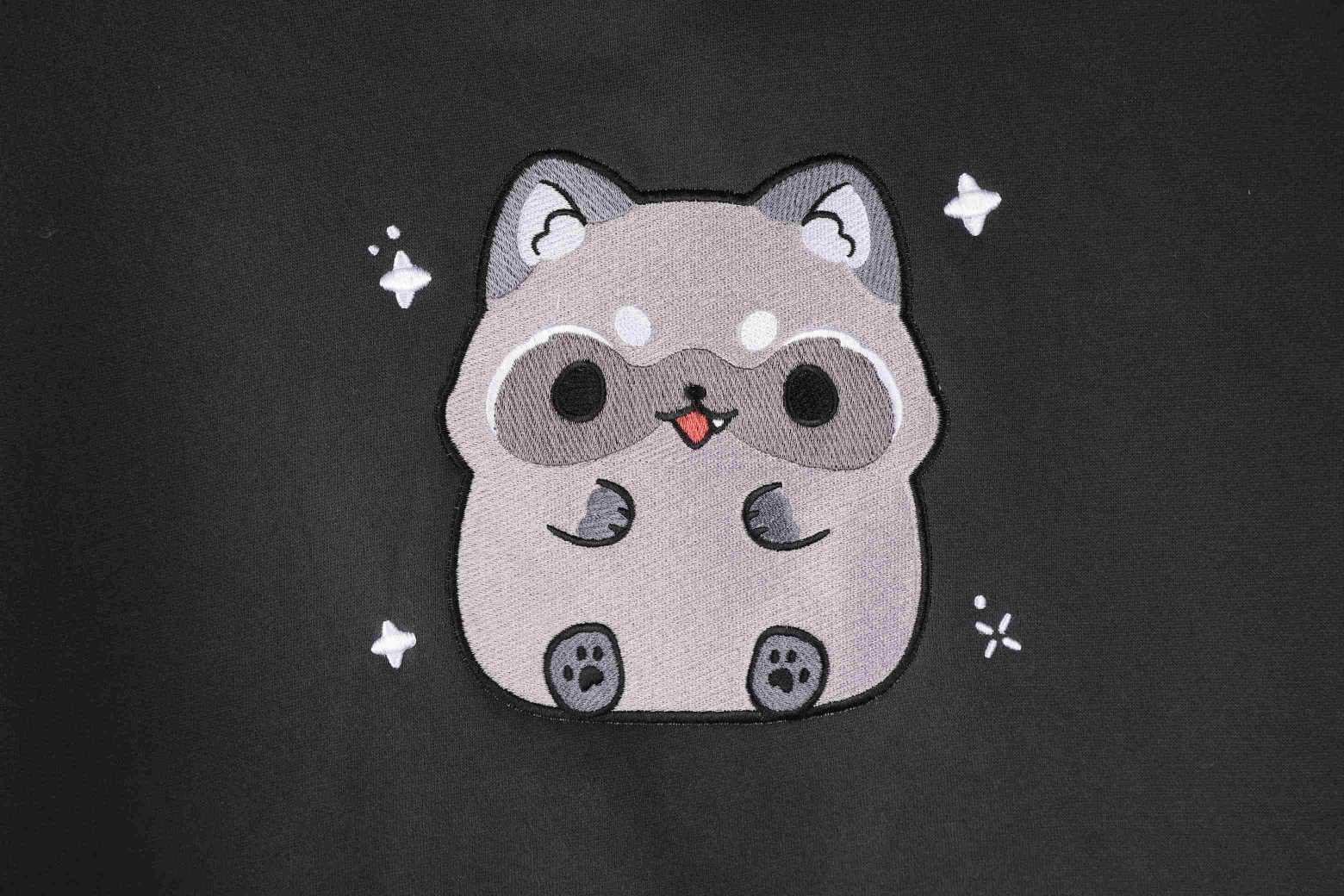
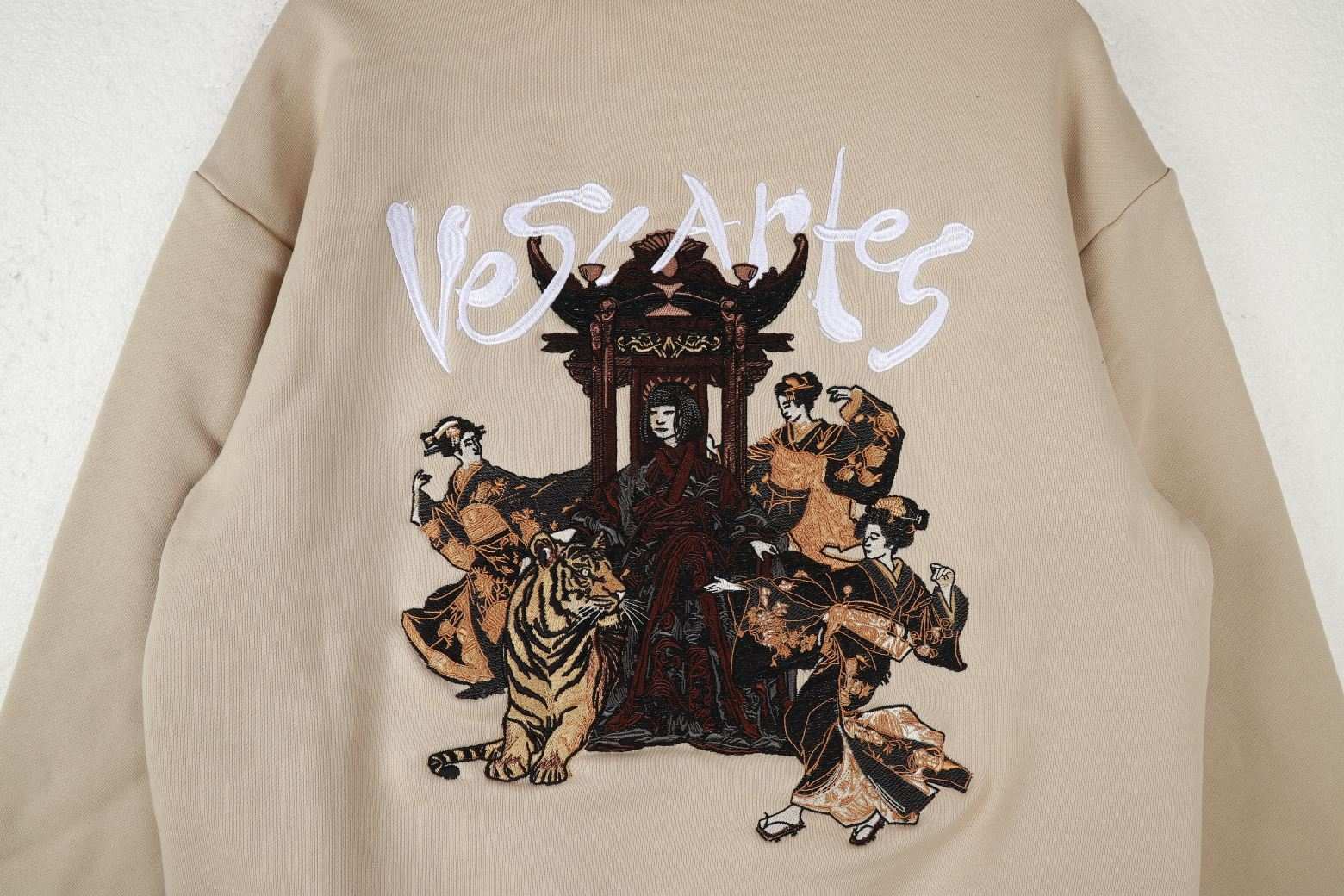
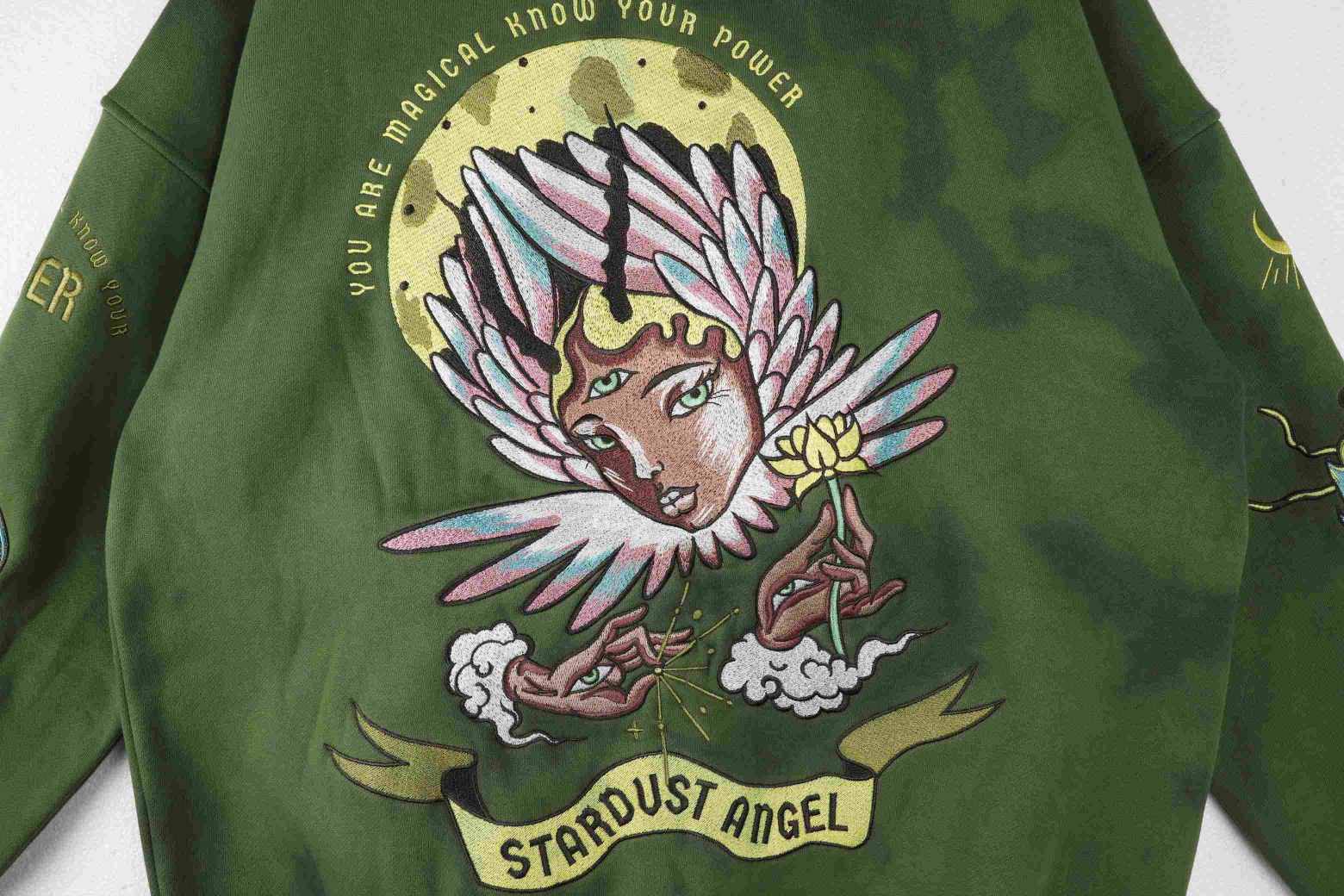
Flat Embroidery Sample Gallery
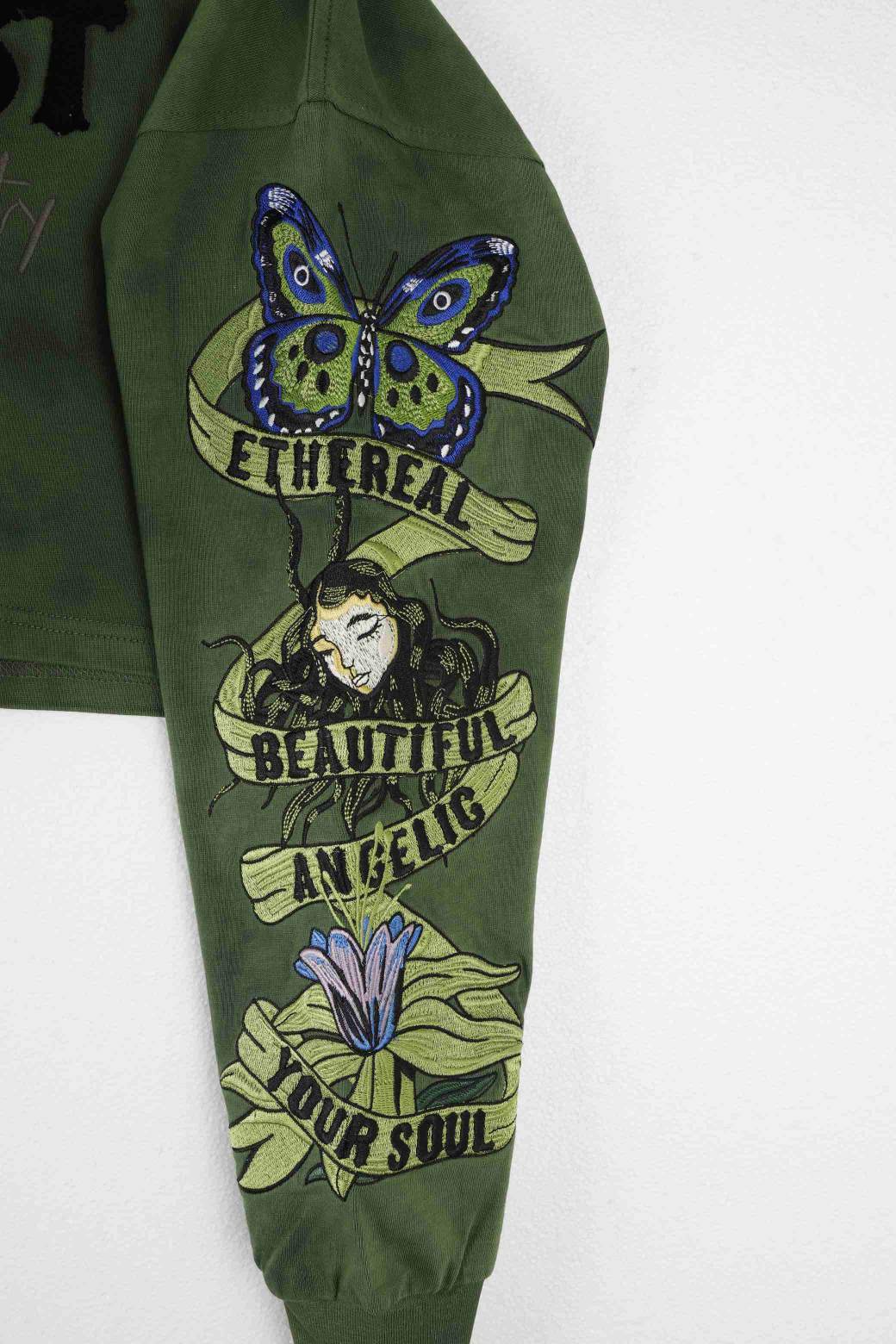
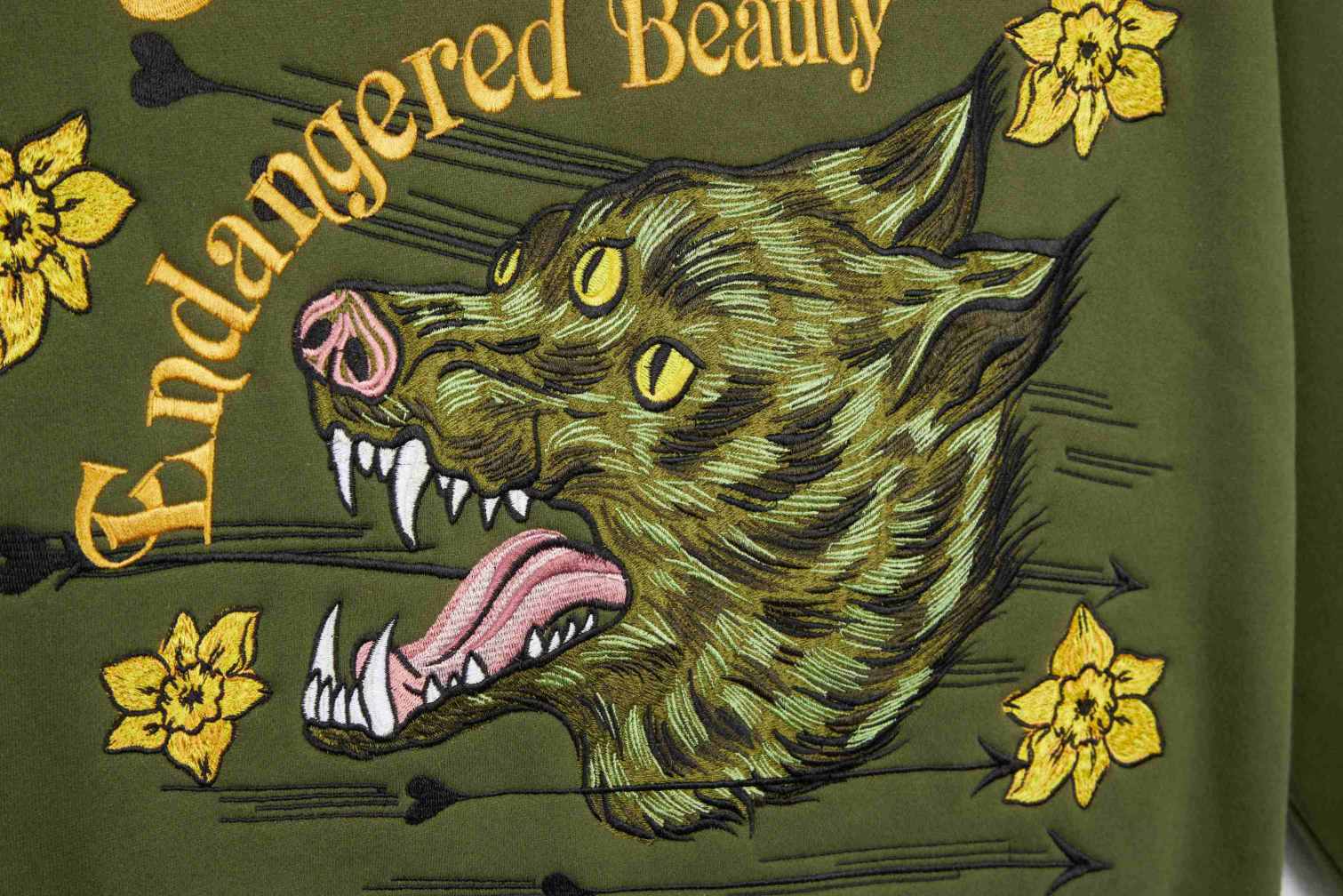
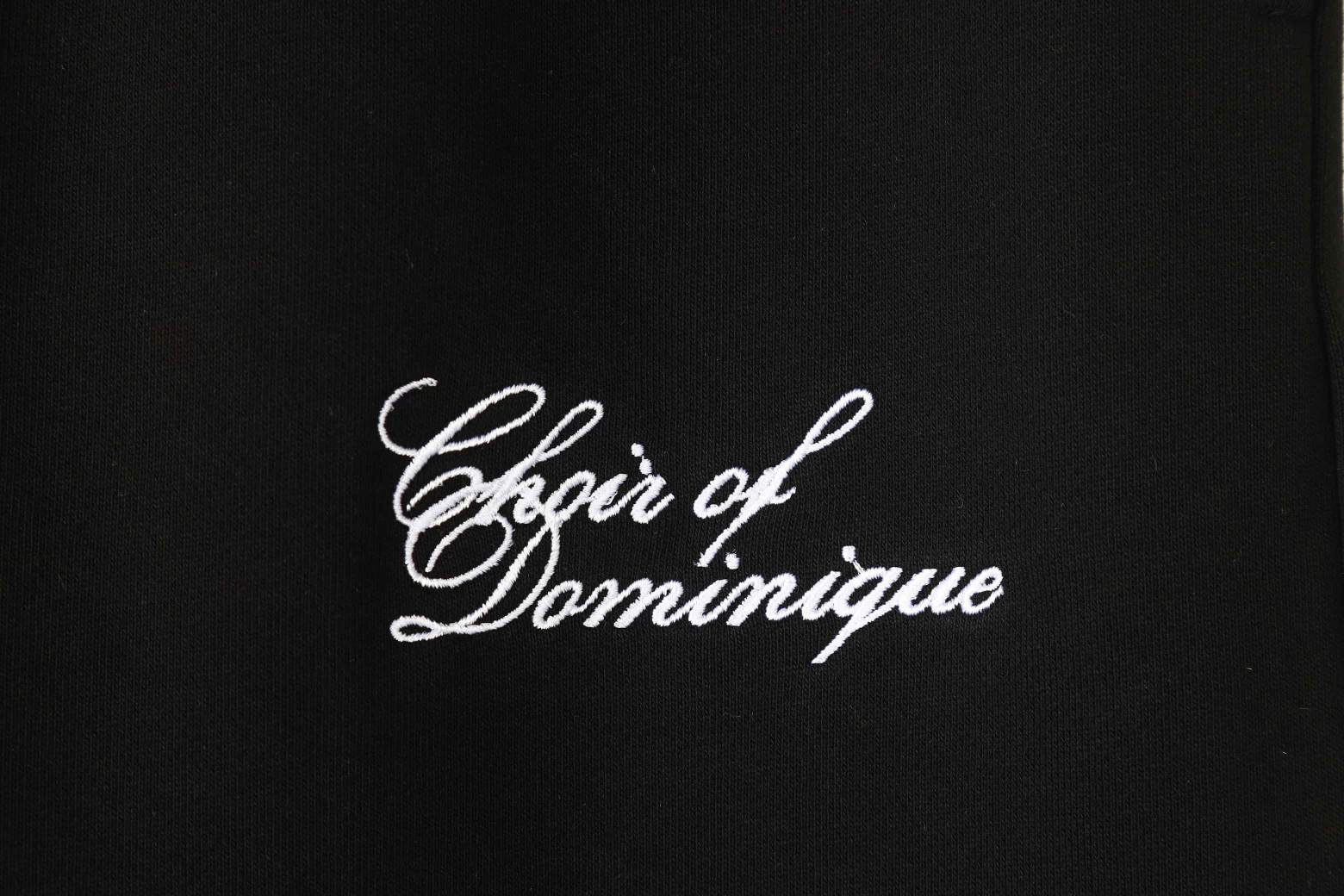
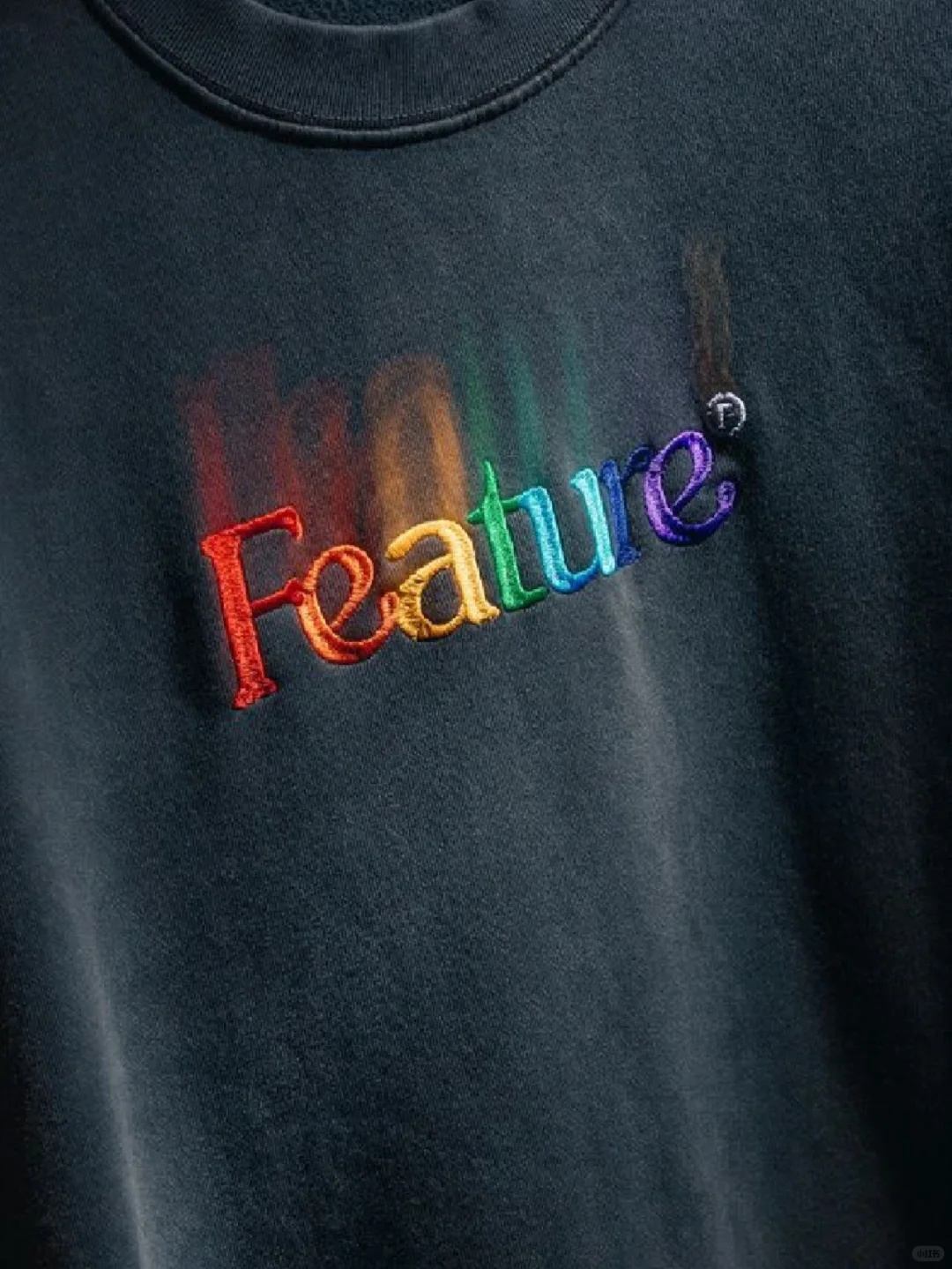
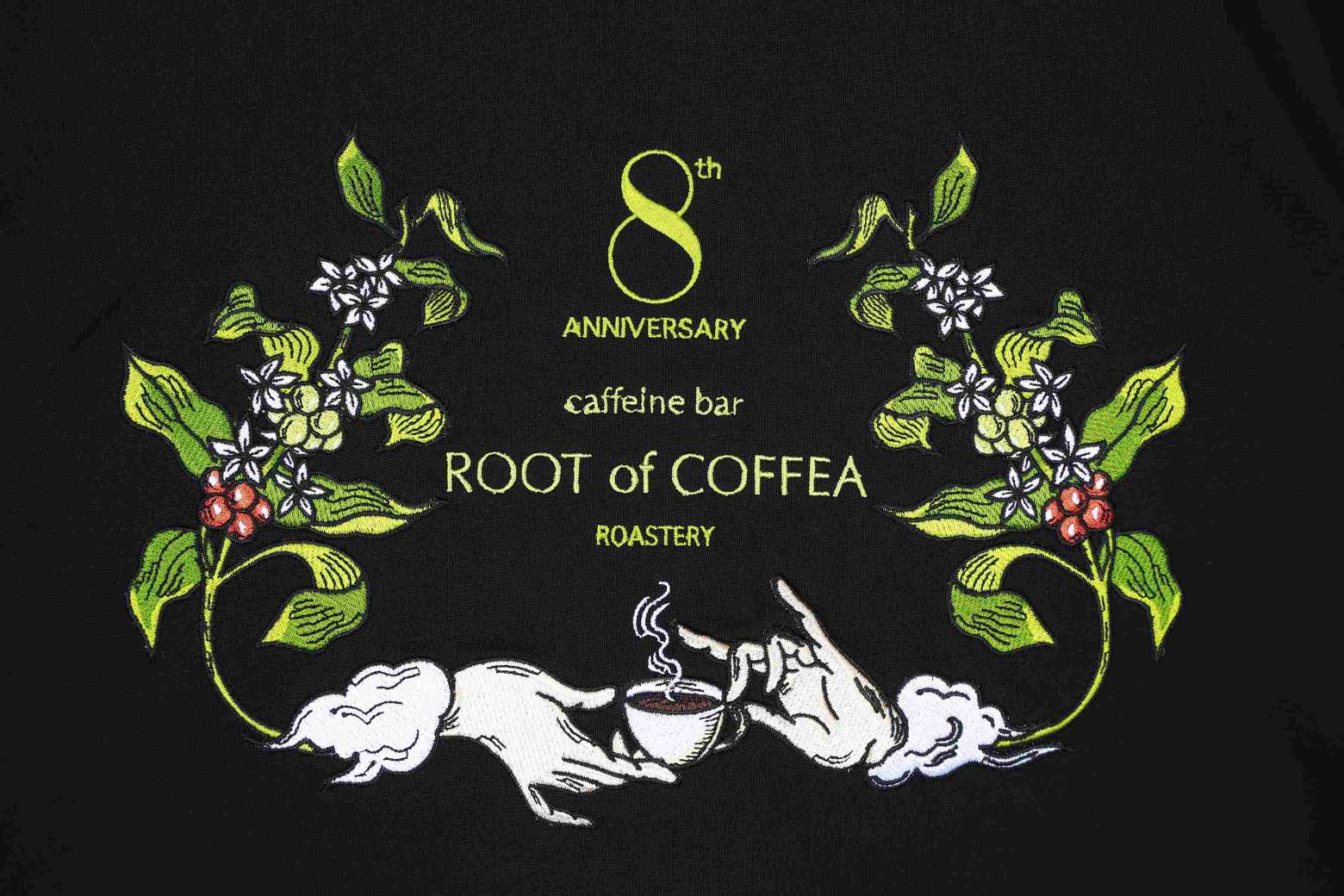
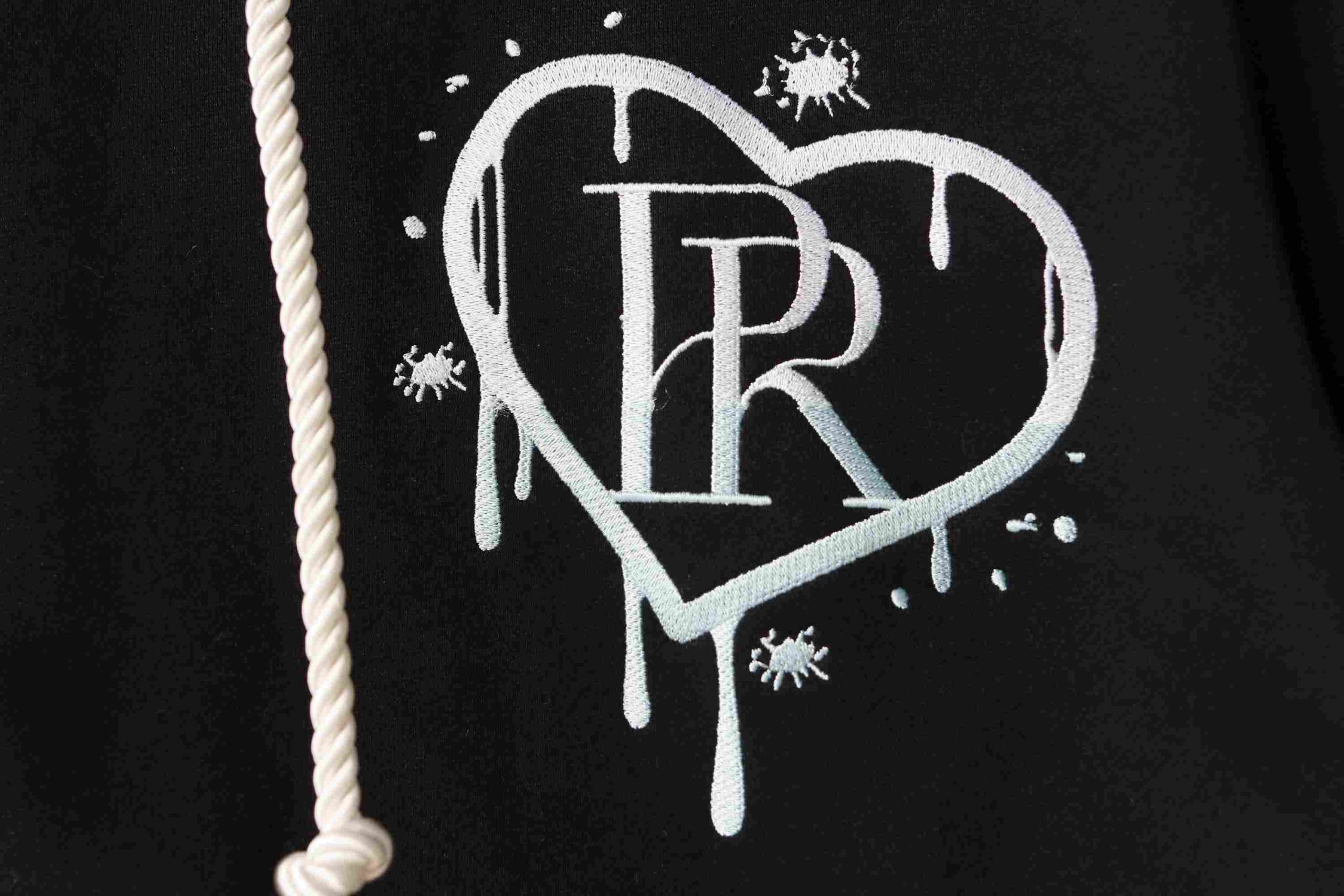
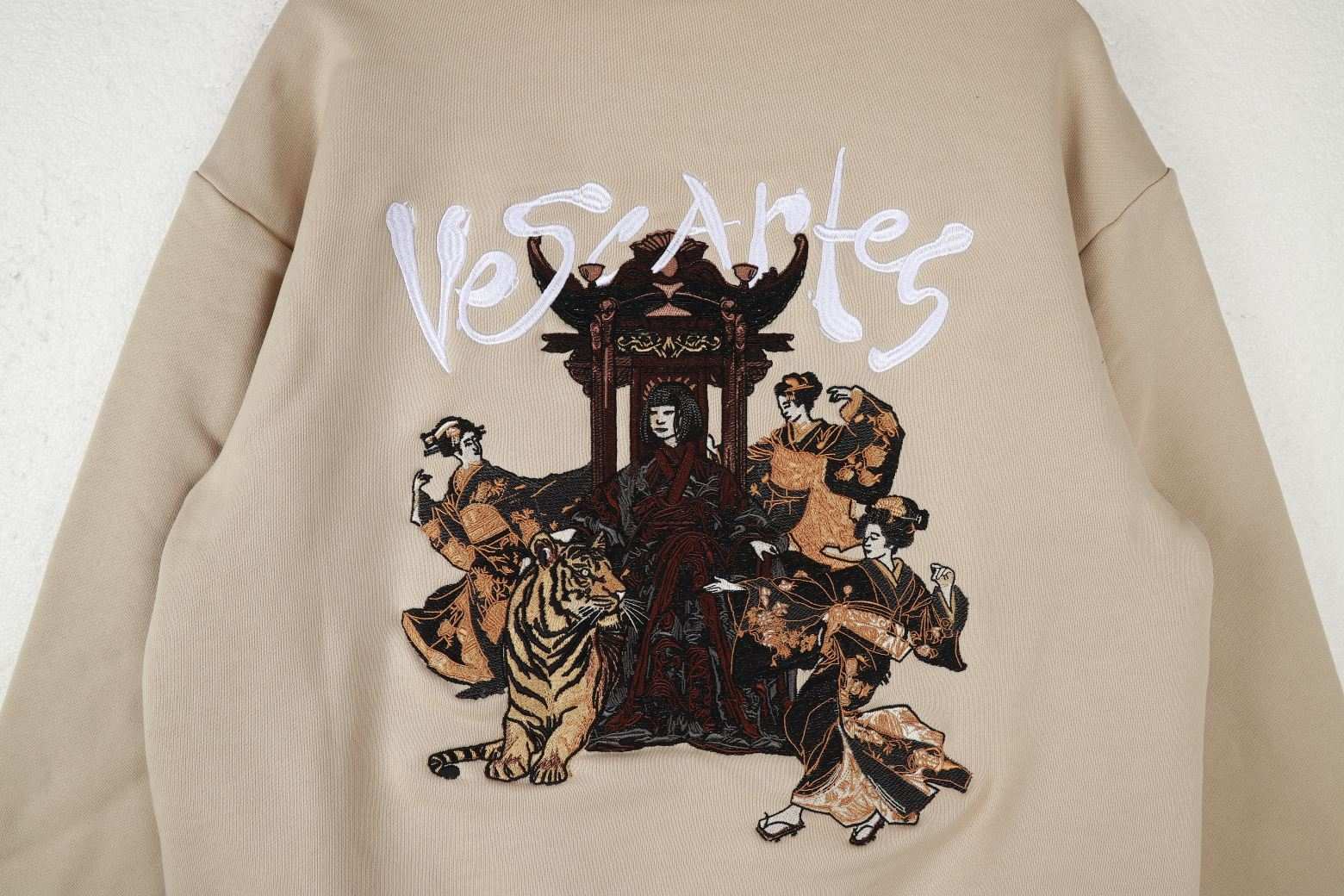
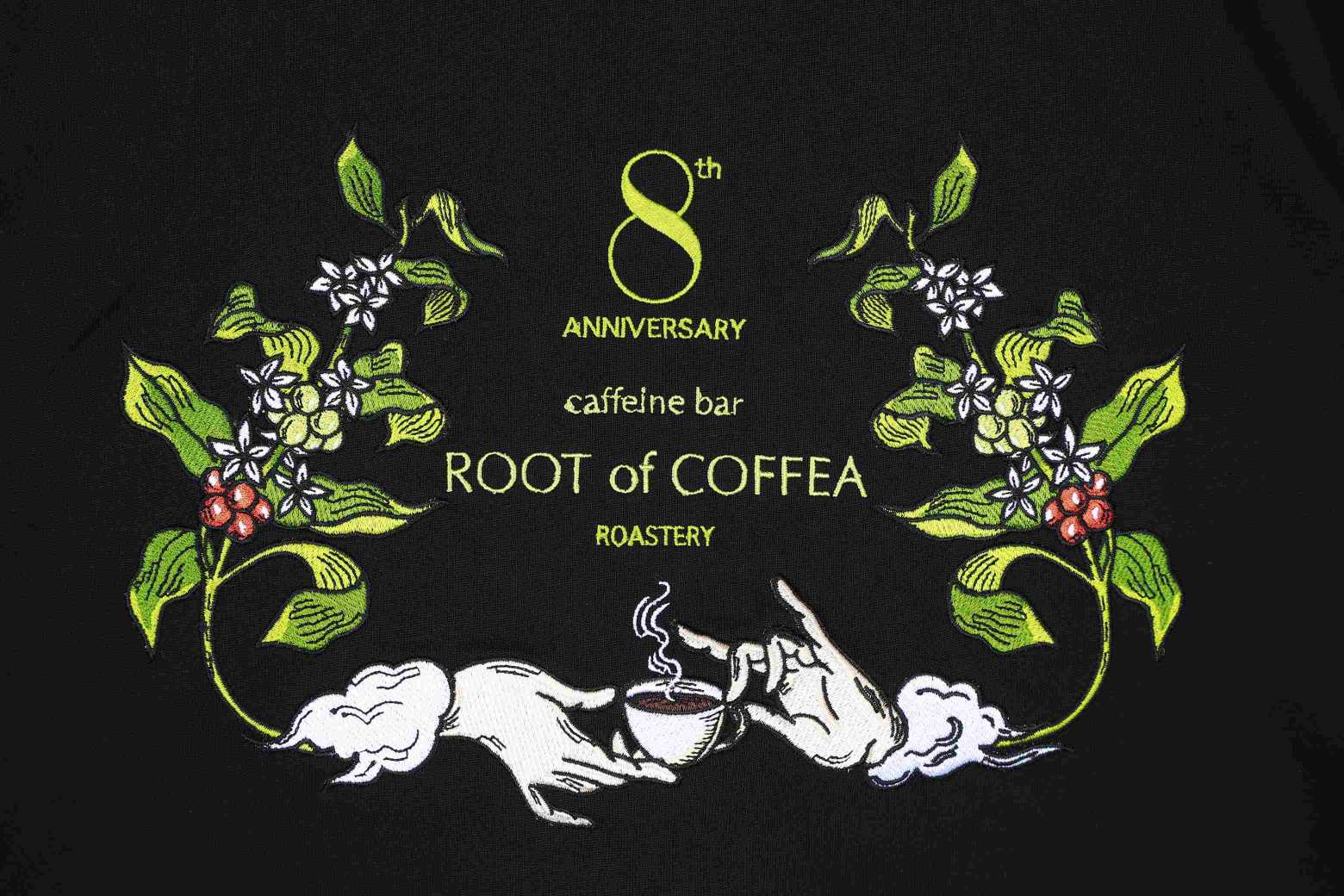
What Makes Flat Embroidery Stand Out
Crisp Thread Definition
Flat embroidery delivers sharp, clean lines and precise detail perfect for intricate logos, text, and fine artwork on any garment.
Exceptional Wash Durability
High-quality thread and secure stitching ensure flat embroidery maintains color vibrancy and structural integrity through hundreds of wash cycles.
Works Across All Fabrics
From lightweight custom t-shirts to heavyweight custom hoodies and technical outerwear, flat embroidery adapts seamlessly to every fabric type for custom apparel manufacturers.
True Color Accuracy
Advanced thread selection and stitch density control ensure your brand colors are reproduced with precision and consistency across every production run.
Premium Professional Appearance
Flat embroidery elevates brand perception with a refined, high-end look that outperforms printing for corporate wear and luxury streetwear.
Ideal for Detailed Logos
Complex brand marks, small text, and multi-color designs are rendered flawlessly with controlled stitch patterns and expert digitization.
Explore Embroidery Techniques for Your Collection
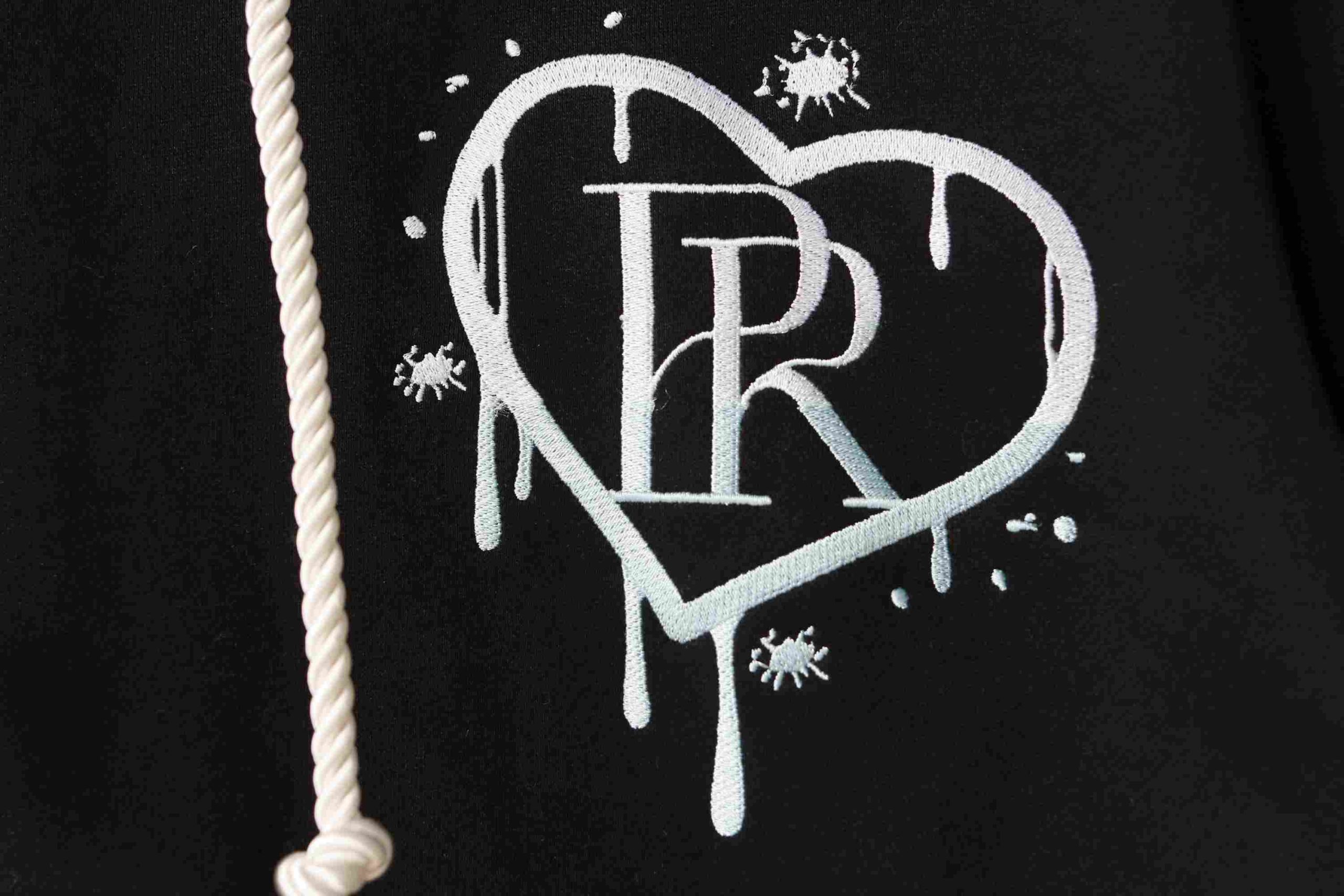
Custom Embroidery
Full-spectrum custom embroidery services spanning flat, 3D, chenille, applique, patch, towel, metallic, and sequin techniques. ZORWILD’s in-house embroidery capabilities support logo placement, custom artwork, brand patches, and decorative detailing across custom hoodies, custom jackets, custom shirts, wholesale t-shirts, and sportswear with strict stitch density and color consistency control throughout production.
Get a Quote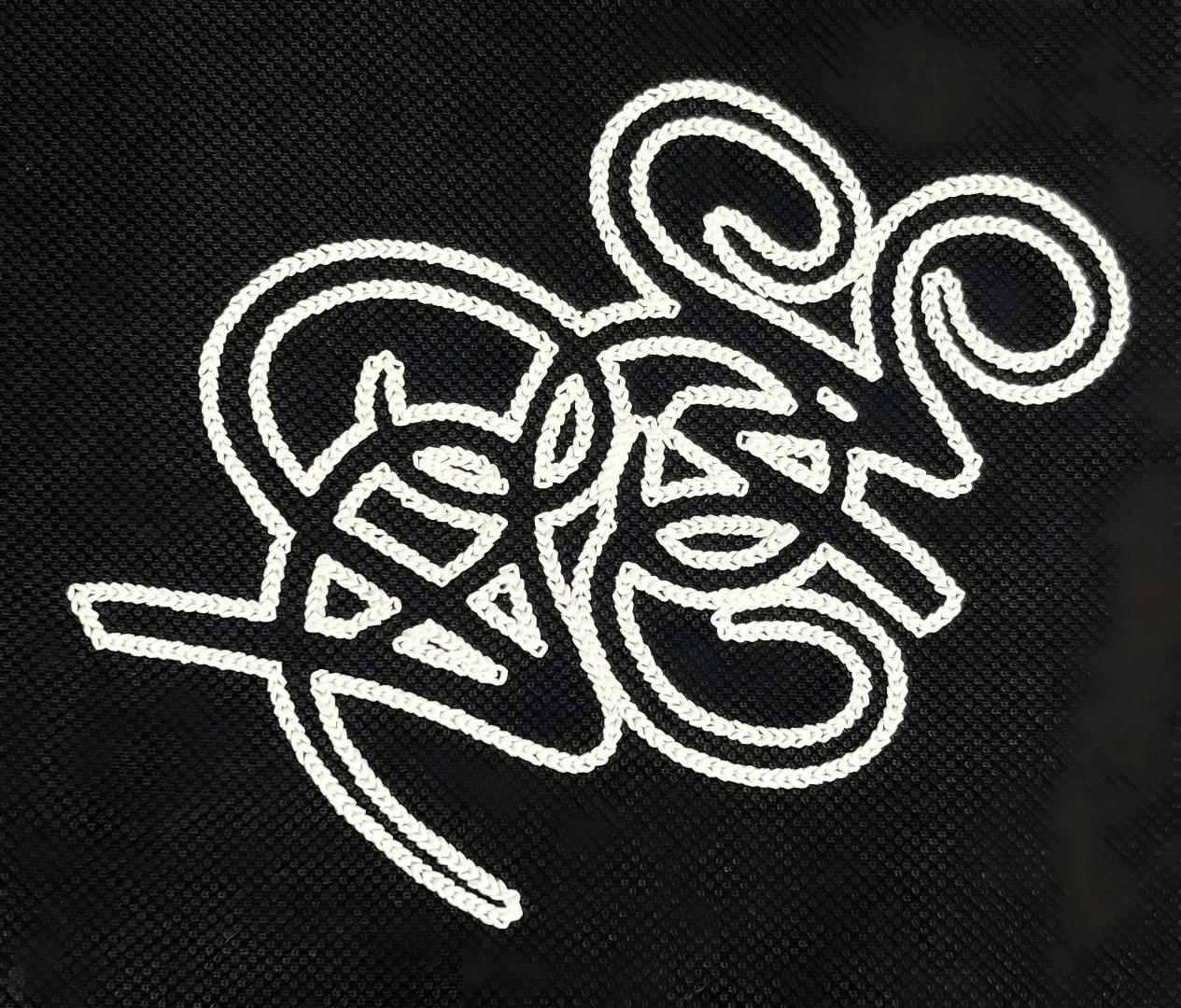
Chain Stitch Embroidery
Traditional chain stitch embroidery creates a continuous looped stitch pattern ideal for vintage-inspired branding, retro sportswear, and decorative borders. Commonly applied to varsity jackets, bowling shirts, and heritage-style garments, this technique delivers authentic craftsmanship with visible texture and dimensional character that enhances streetwear and casualwear collections.
Get a Quote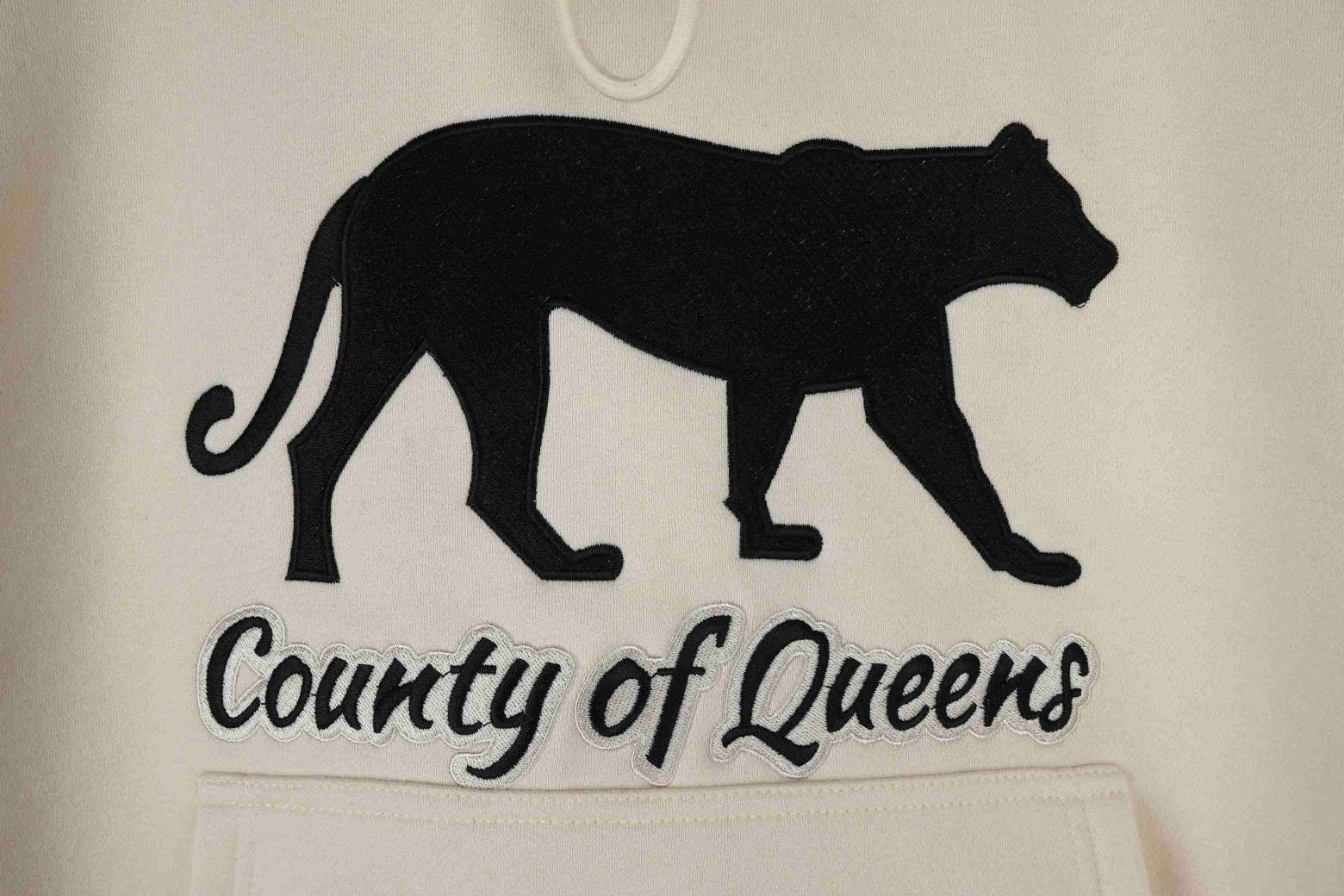
3D / Puff Embroidery
Raised puff embroidery adds three-dimensional height to logos and graphics using foam underlay beneath thread stitching. Popular for streetwear hoodies, snapback caps, and bold branding applications, this technique creates tactile visual impact with elevated lettering and graphic elements. ZORWILD controls foam density, stitch tension, and thread coverage for durable dimensional results.
Get a Quote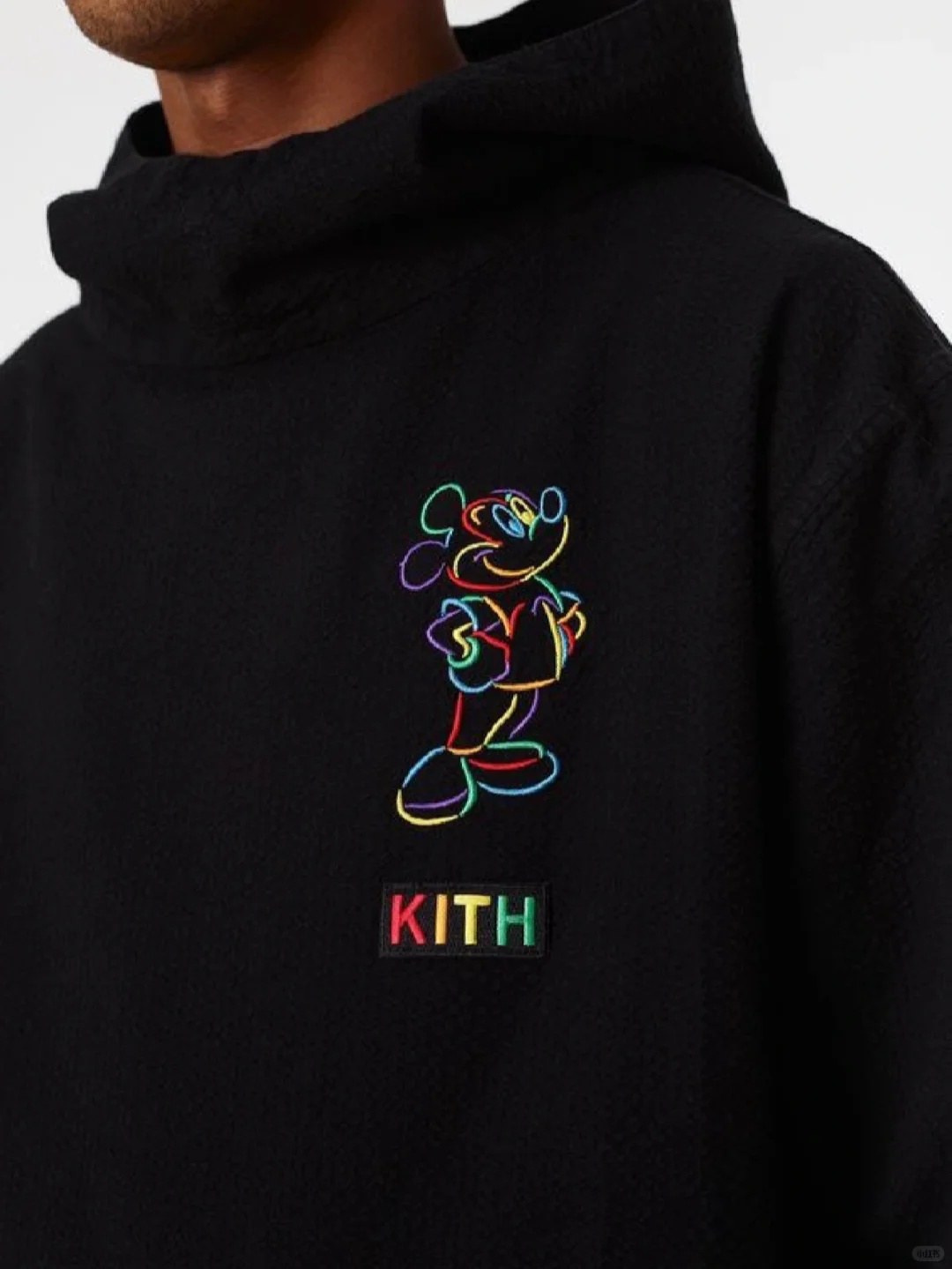
Towel Embroidery
Towel embroidery produces a soft, plush textured surface using looped thread construction that mimics terry cloth appearance. Ideal for vintage athletic branding, retro varsity jackets, and premium streetwear collections requiring unique tactile appeal. This specialty technique adds depth and softness to logos, lettering, and decorative patches with careful loop height control.
Get a Quote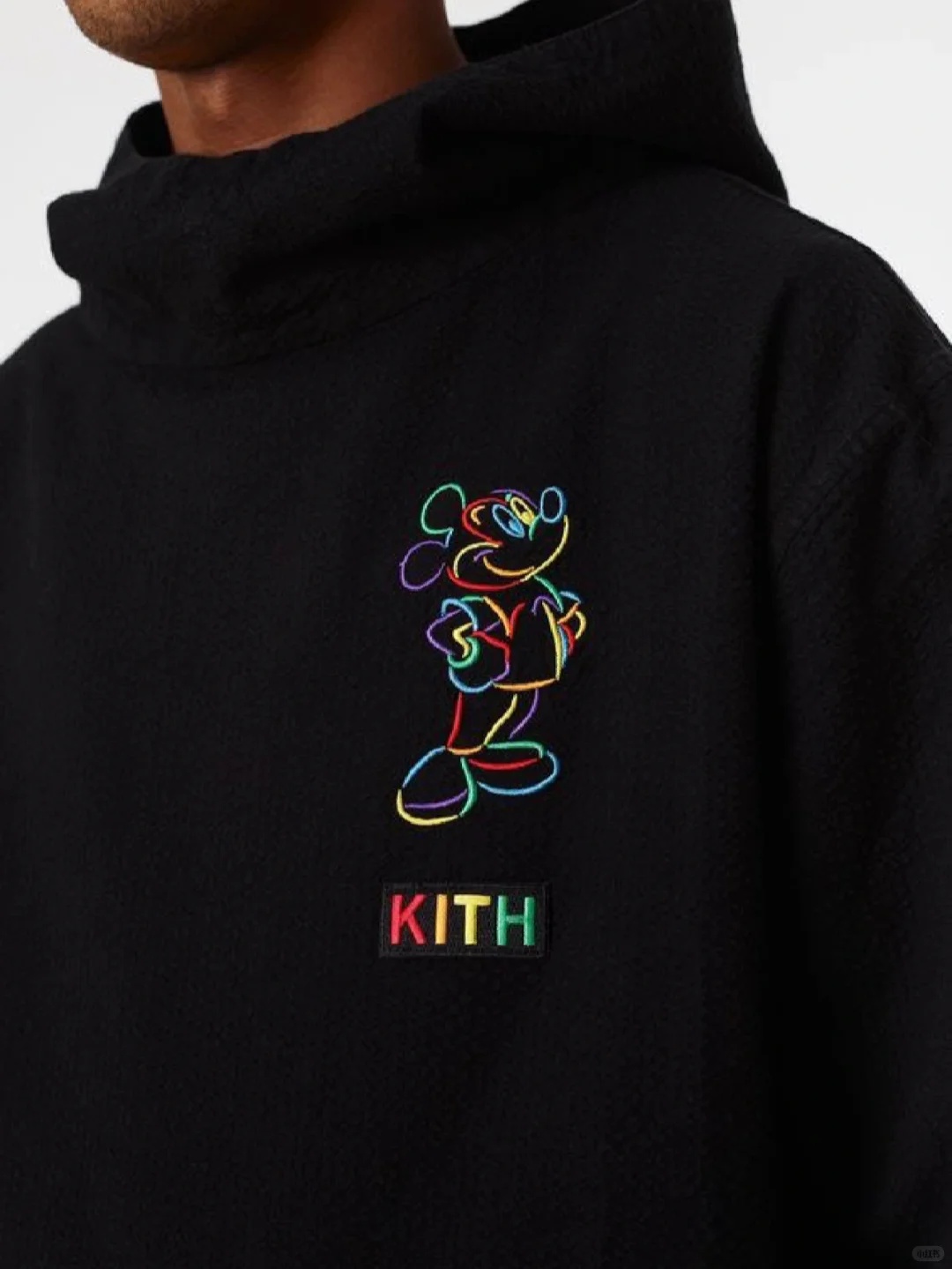
Ribbon Embroidery
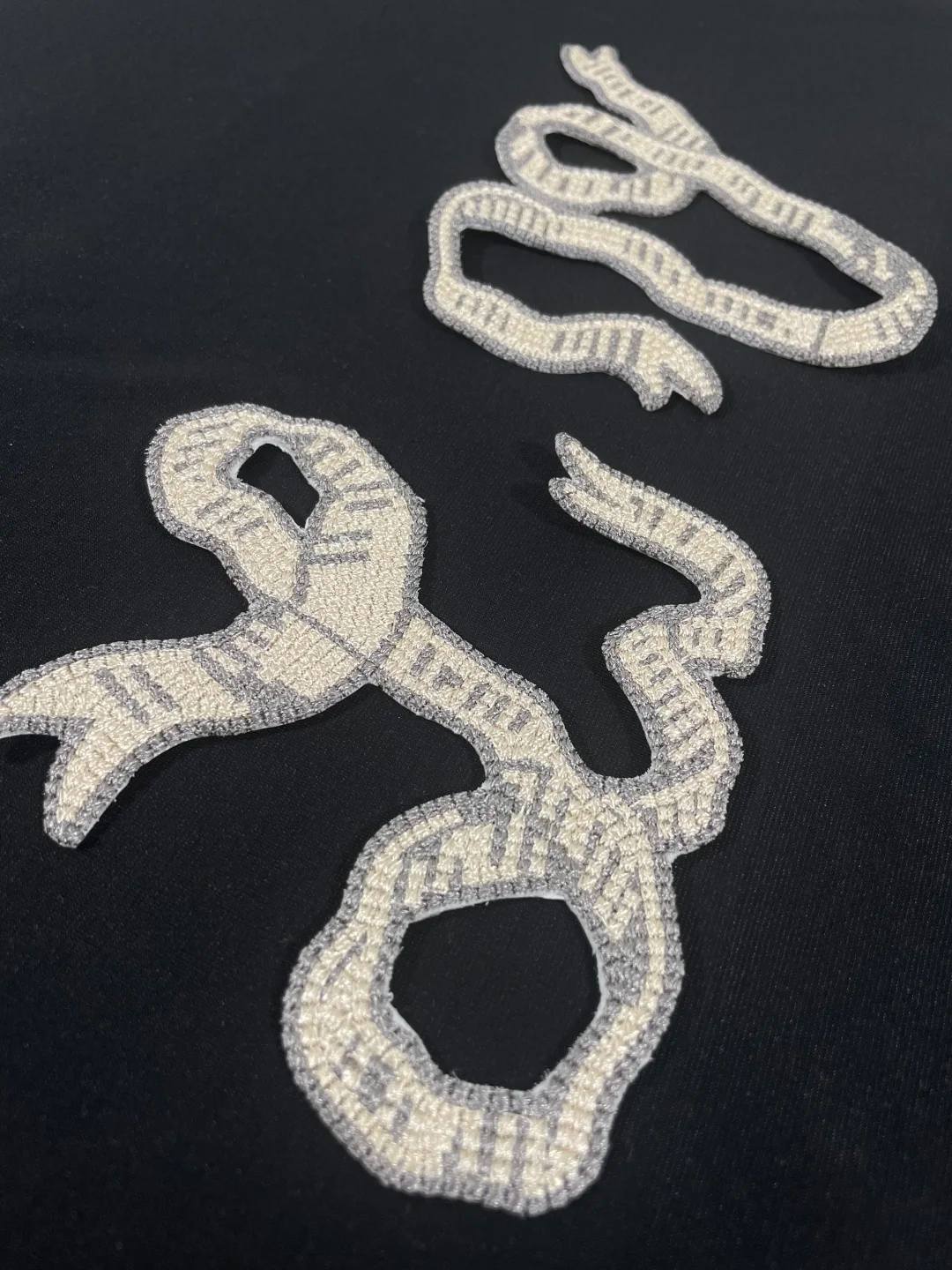
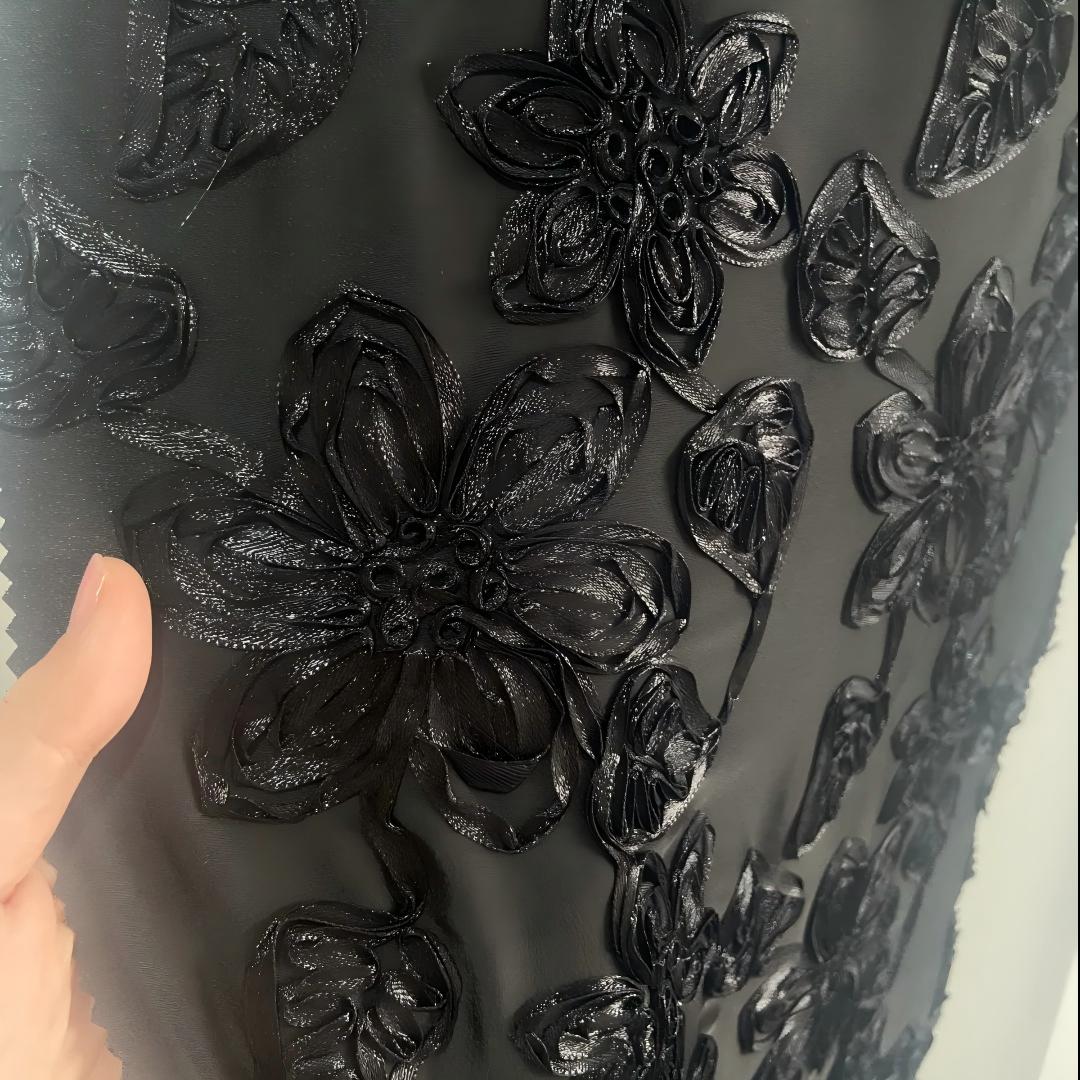
Ribbon embroidery incorporates narrow fabric ribbons stitched onto garments to create textured floral motifs, decorative accents, and dimensional embellishments. Commonly used for elevated casualwear, resort collections, and fashion-forward dresses, this artisan technique adds luxury detail and visual interest. ZORWILD secures ribbon placement with precision stitching for wash durability and shape retention.
Get a Quote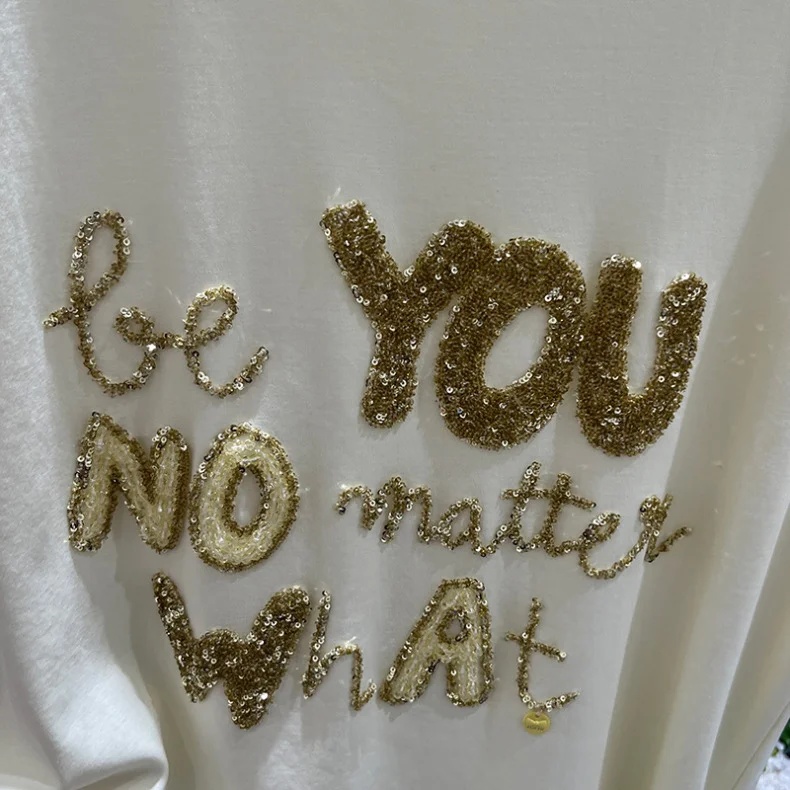
Sequin Embroidery
Sequin embroidery combines traditional embroidery stitching with sequin application to create sparkling decorative effects for evening dresses, prom dresses, performance wear, and fashion statement pieces. Our production team controls sequin density, color placement, and secure attachment to ensure garments withstand washing and wear while maintaining reflective visual appeal throughout the product lifecycle.
Get a Quote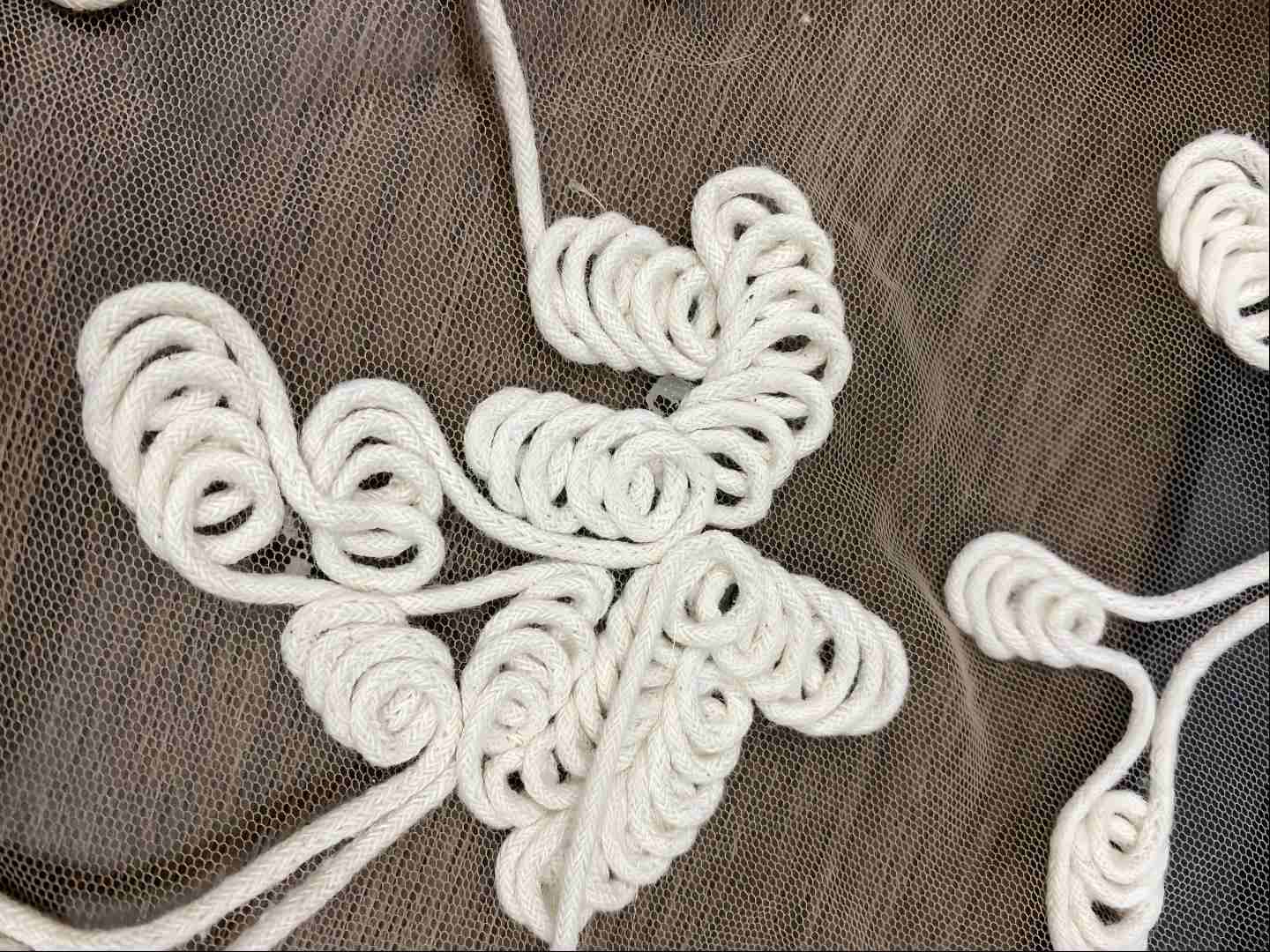
Rope Embroidery
Rope embroidery uses thick cord or rope-like thread to create bold, raised designs with strong visual impact and textured dimension. Ideal for varsity jackets, workwear branding, nautical-themed apparel, and statement outerwear, this technique delivers robust decorative detailing. ZORWILD applies rope embroidery with reinforced stitching for durability and consistent tension across complex patterns.
Get a Quote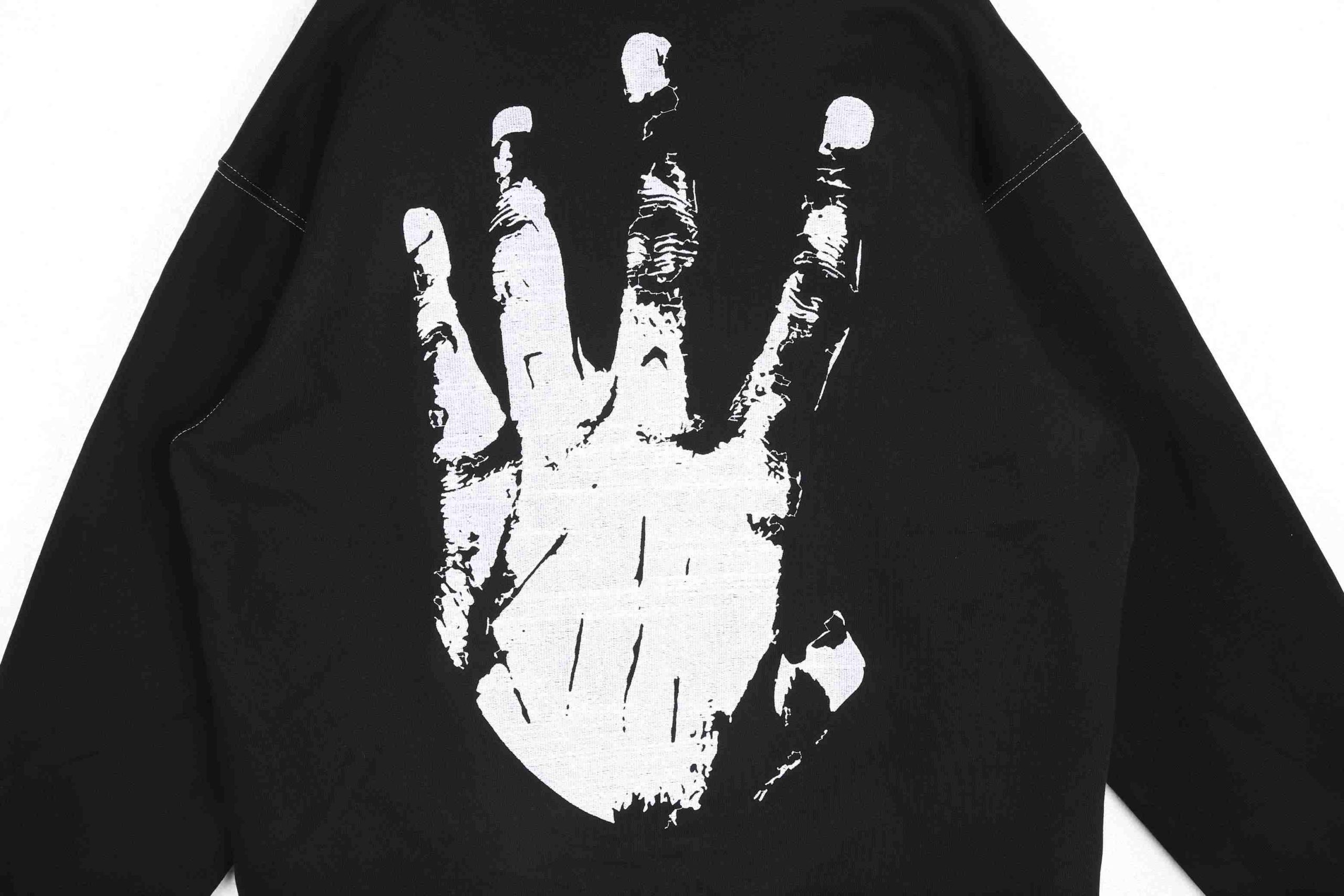
Toothbrush Embroidery
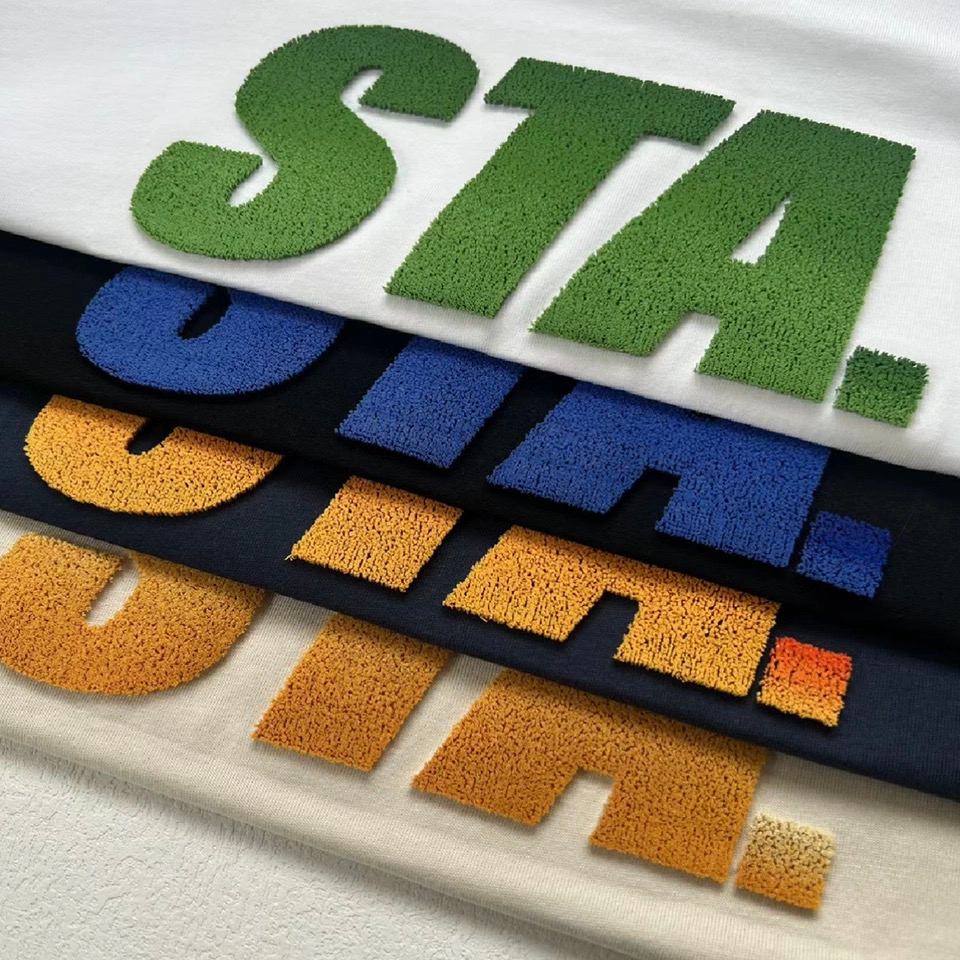
Toothbrush embroidery creates a dense, bristle-like texture using specialized looped stitching that stands perpendicular to the fabric surface. This distinctive technique adds unique tactile dimension to logos, lettering, and decorative elements on hoodies, sweatshirts, and streetwear collections. Our embroidery team controls loop density and height for uniform appearance and long-term shape retention.
Get a Quote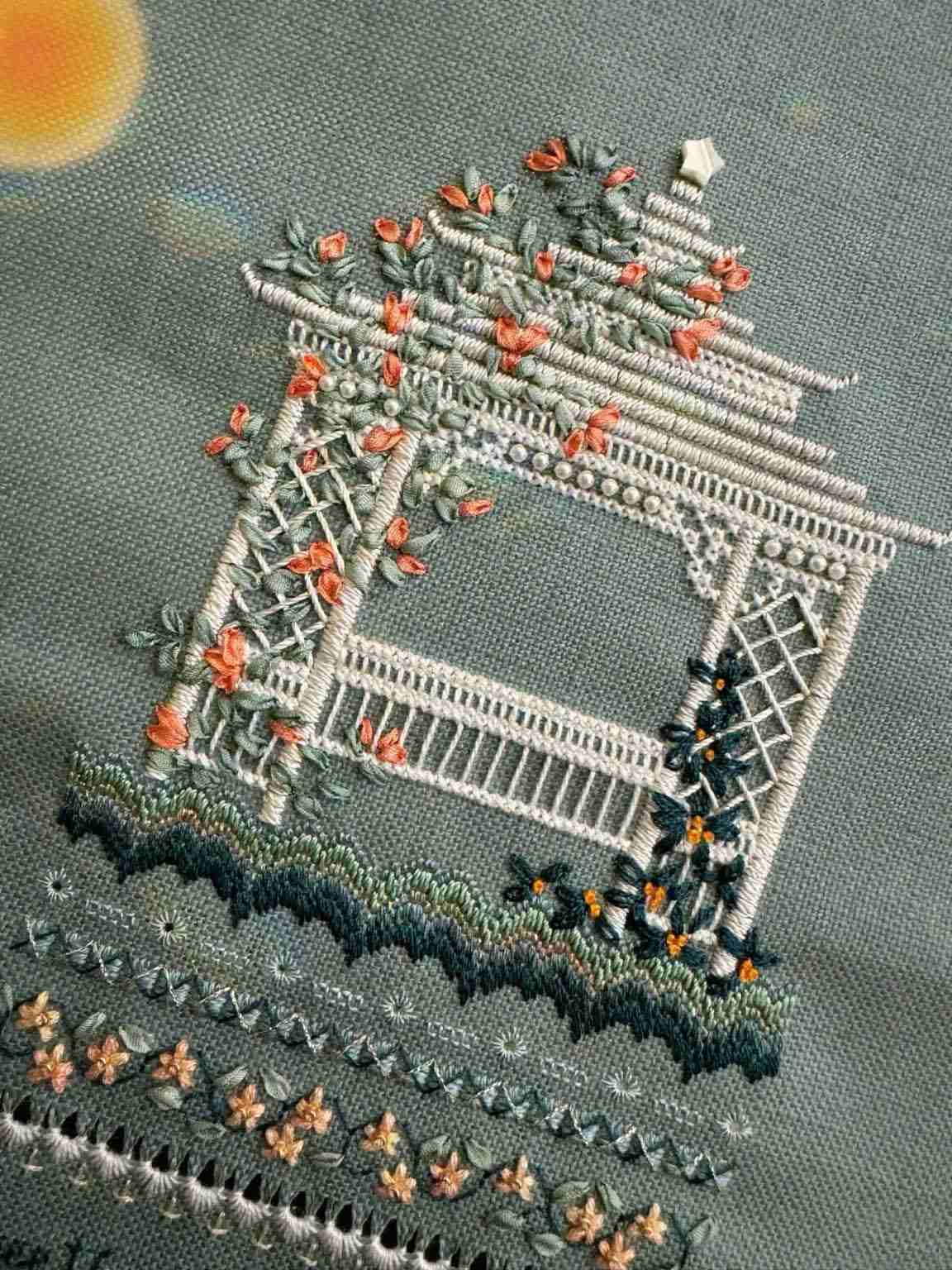
Cross Stitch Embroidery
Cross stitch embroidery replicates traditional hand-stitched X-pattern techniques through machine precision for vintage aesthetic, folk-inspired designs, and decorative borders. Suitable for casual shirts, dresses, resort wear, and heritage collections requiring artisan detailing. ZORWILD executes cross stitch patterns with consistent stitch size, thread tension, and color accuracy for authentic handcrafted appearance.
Get a QuoteZORWILD's Flat Embroidery Expertise
Founded in 1998 in Humen, Dongguan—one of the world’s premier garment manufacturing hubs—ZORWILD has spent 27 years perfecting flat embroidery techniques for fashion brands worldwide. Our founder learned precision stitching from his father, a master craftsman, and built a company rooted in quality, responsibility, and professional embroidery finishing.
Today, our team of 200+ skilled workers operates advanced embroidery equipment with strict quality controls at every stage. As a leading custom apparel manufacturer, we’ve delivered flat embroidery solutions for custom hoodies, custom shirts, custom jackets, and wholesale clothing to over 2,000 brands across the United States, Canada, Europe, Australia, and Asia, producing more than 100,000 units monthly with consistent stitch density, thread quality, and positioning accuracy.
ZORWILD bridges creative design and scalable production through specialized flat embroidery services starting at just 50 pieces. Whether you need custom made hoodies, custom t-shirts, wholesale sweatshirts, or custom dresses, our 6-stage quality control system ensures every logo, monogram, and custom design meets professional standards—whether you’re launching a startup collection or scaling an established brand.
Flat Embroidery Quality Dimensions
Thread Quality and Color Consistency
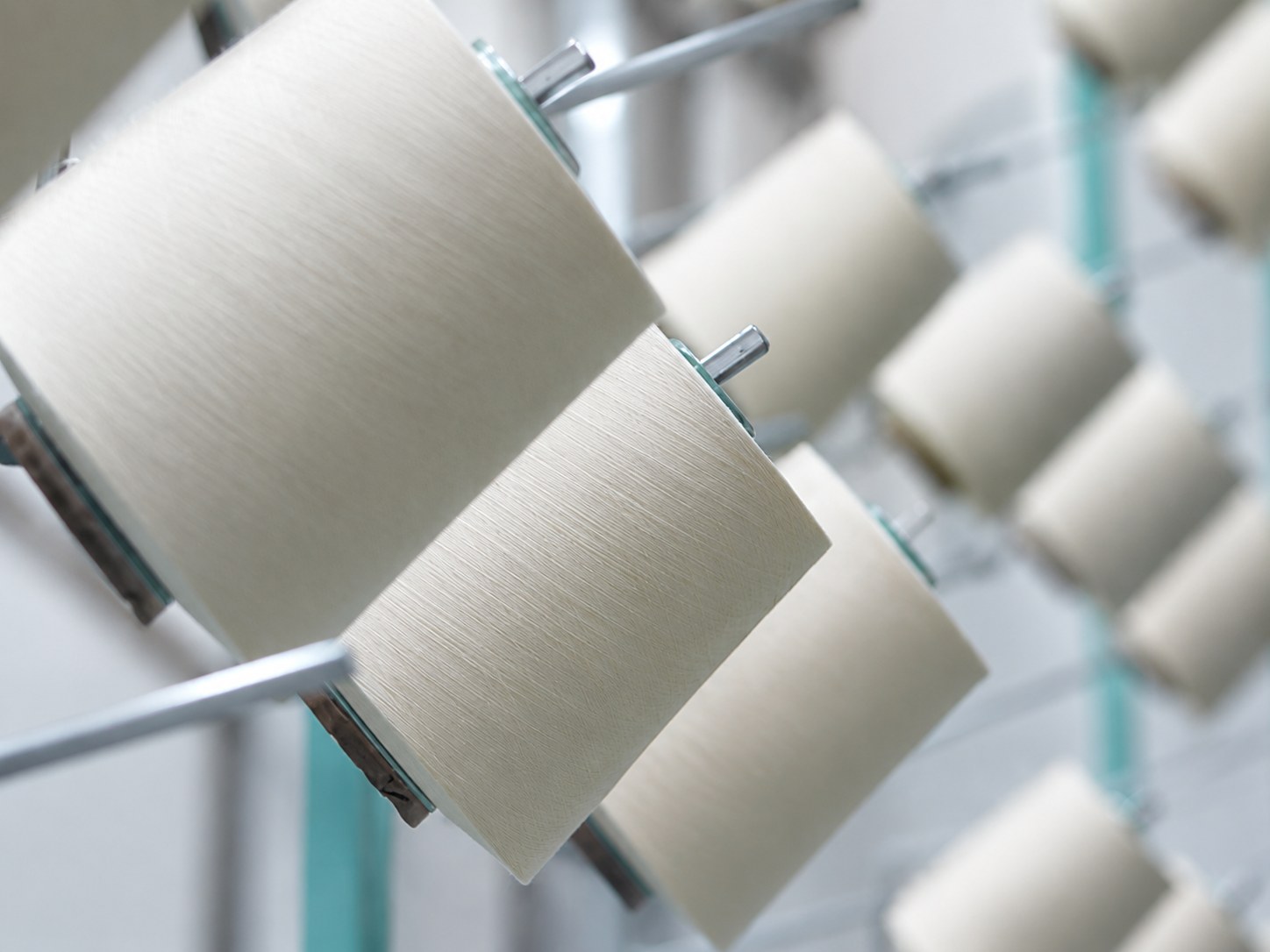
ZORWILD sources premium polyester and rayon embroidery threads from certified suppliers to ensure every flat embroidery design on custom hoodies, custom t-shirts, wholesale apparel, and custom jackets maintains vibrant color accuracy and durability across production runs of 50 to 100,000+ units monthly.
- Color-matched thread libraries with over 400 standard shades for precise brand color reproduction
- High-tenacity polyester threads for wash durability and colorfastness in streetwear and sportswear
- Batch consistency protocols that guarantee identical thread color across repeat orders and large production runs
- Rayon thread options for premium sheen and luxury fashion applications requiring elevated visual impact
Stitch Density and Design Clarity
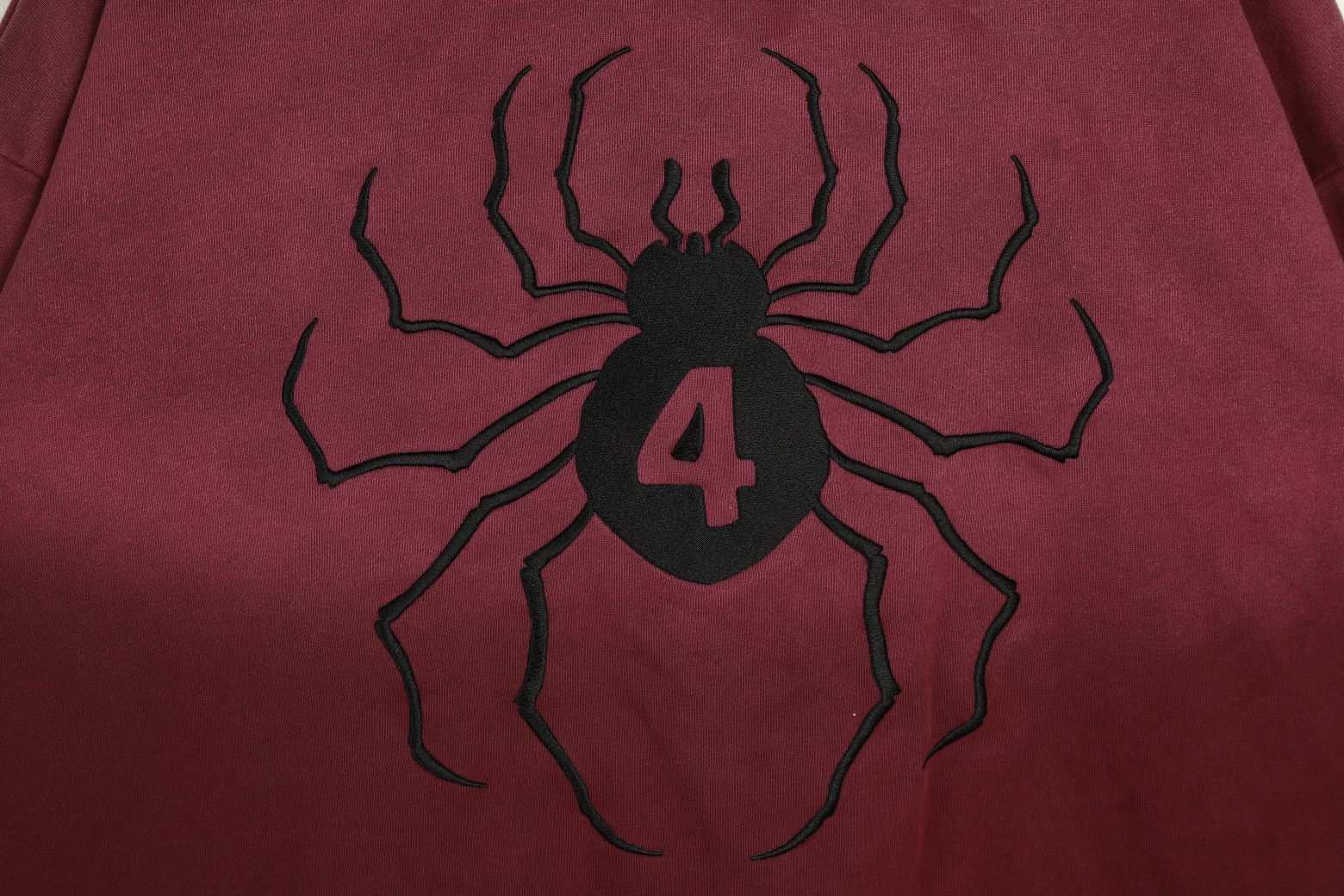
Our 27 years of apparel manufacturing experience enables precise stitch density calibration for flat embroidery, balancing coverage and fabric integrity to deliver sharp logos and graphics without puckering or distortion on any garment weight.
- Optimized stitch density between 0.4mm and 0.6mm for professional flat embroidery clarity and durability
- Pre-production digitizing review to ensure design details translate cleanly to embroidered execution
- Underlay stitching techniques that stabilize fabric and prevent design shift during production
- Fine-tuned stitch direction control for smooth fills, crisp lettering, and clean edge definition
Garment Tension Control During Embroidery
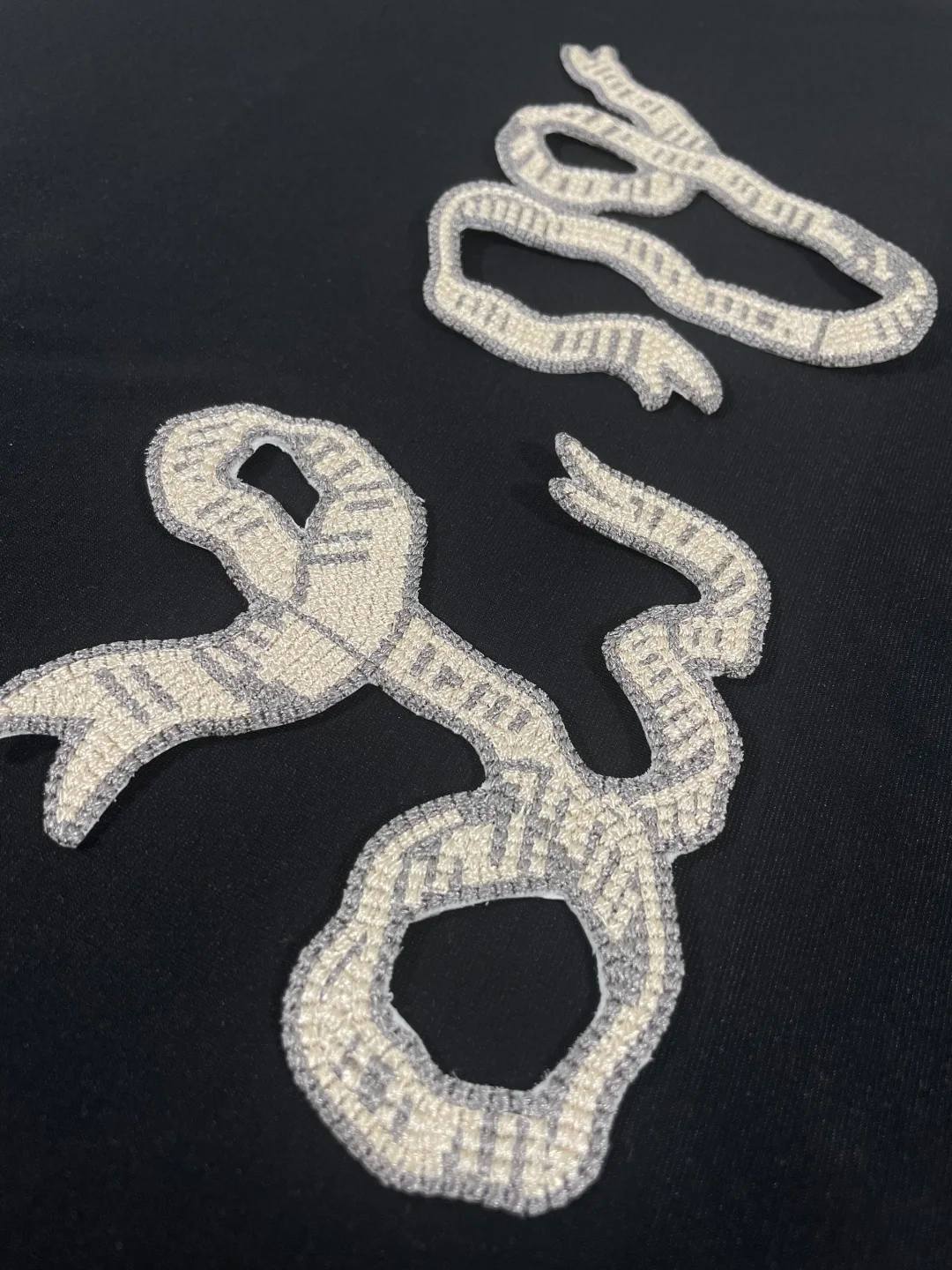
ZORWILD’s in-house flat embroidery workshop employs advanced hooping and tensioning systems that prevent fabric distortion, ensuring every piece—from lightweight tees to heavyweight hoodies—maintains structural integrity and professional finish quality.
- Multi-head embroidery machines with programmable tension settings tailored to fabric type and weight
- Stabilizer selection protocols matching backing material to garment construction for optimal support
- Real-time tension monitoring during production to catch and correct issues before defects occur
- Specialized hooping techniques for stretch fabrics, knitwear, and technical materials that prevent warping
Positioning Accuracy and Placement Precision
Every flat embroidery placement is verified through our 6-stage quality control system, ensuring logos, graphics, and branding elements align perfectly with your tech pack specifications across all garment sizes and production batches.
- Laser-guided positioning systems that achieve ±1mm placement accuracy on chest logos and sleeve graphics
- Size-graded placement templates ensuring proportional embroidery positioning from XS to 3XL and beyond
- Pre-production sample approval process confirming exact placement before bulk manufacturing begins
- In-line inspection checkpoints at every 50-unit interval to maintain consistent positioning throughout production
Flat Embroidery vs. 3D Embroidery: Which Technique Is Right for Your Brand?
Understanding the differences between flat embroidery and other embroidery techniques helps you select the best decoration method for your custom apparel project. Compare fabric compatibility, design flexibility, durability, and production requirements to make an informed decision.
← 左右滑动查看 →
Flat Embroidery Production Process
Every flat embroidery order at ZORWILD follows a rigorous multi-stage workflow designed to deliver consistent thread tension, precise stitch placement, and professional results from digitization through final inspection.
Design Digitization u0026 Programming
Your logo or artwork is converted into a production-ready embroidery file with optimized stitch paths, density settings, and underlay structures for flat embroidery.
Thread Selection u0026 Matching
Color-matched embroidery threads are selected from premium polyester or rayon options, ensuring colorfastness, sheen consistency, and durability across your entire production run.
Machine Setup u0026 Calibration
Embroidery machines are calibrated for thread tension, needle type, hoop positioning, and garment stabilization to prevent puckering and ensure smooth flat embroidery execution.
Stitching u0026 Density Monitoring
Flat embroidery is applied with real-time monitoring of stitch density, thread breakage, and alignment to maintain uniform appearance and prevent fabric distortion throughout production.
Garment Finishing u0026 Trimming
Excess backing material is removed, loose threads are trimmed, and garments are steamed or pressed to restore fabric integrity and ensure a polished final appearance.
Quality Inspection u0026 Control
Every piece undergoes detailed inspection for stitch consistency, color accuracy, placement precision, thread tension, and overall flat embroidery quality against approved samples.
Packaging u0026 Export Preparation
Finished garments are folded, bagged, labeled with custom branding, and prepared for global shipment with full export documentation and logistics coordination from our Dongguan facility.
How to Order Custom Flat Embroidery
ZORWILD makes commissioning flat embroidery simple and scalable, from 50-piece startup orders to large production runs, with fast sampling and 6-stage quality control at every step.
Submit Your Design Files
Send vector artwork, reference images, or sketches of your flat embroidery design. Our team reviews placement, thread colors, and stitch density to ensure production-ready specifications.
Finalize Tech Pack and Colors
Approve thread color selections, embroidery placement, garment specifications, and tech pack details. We recommend thread types and stitch settings based on your fabric and design.
Approve Your Sample
Receive a physical sample showcasing flat embroidery quality, stitch precision, and garment fit. Fast sampling turnaround ensures you can evaluate before committing to bulk production.
Begin Bulk Production
Once approved, production begins with MOQ as low as 50 pieces. Our 6-stage quality control system monitors embroidery accuracy, thread tension, and garment finishing throughout manufacturing.
Receive and Inspect Delivery
Final products undergo comprehensive inspection before global shipping. We support air freight, sea freight, and door-to-door delivery with full export documentation and customs support.
Customer Success Stories with Flat Embroidery
ZORWILD’s flat embroidery delivered perfect color matching across our 500-piece hoodie run. After 20+ washes, the logo still looks crisp with no thread fraying. Their attention to stitch density made all the difference for our brand.
We needed flat embroidery on 300 custom jackets with a tight 3-week deadline. ZORWILD hit every milestone and the embroidery quality exceeded our wholesale clients’ expectations. The professional finish elevated our entire collection.
As an influencer launching my first merch line, I started with just 50 pieces. ZORWILD’s flat embroidery on my logo tees came out flawless—clean lines, vibrant threads, and production was completed 2 days early. My followers loved the premium look.
Flat Embroidery FAQs
What fabrics work best with flat embroidery?
What is the maximum design size for flat embroidery?
How many colors can I use in a flat embroidery design?
Can flat embroidery be combined with screen printing or other decoration methods?
What is the minimum order quantity for flat embroidery apparel?
How durable is flat embroidery after washing?
What file format do I need for flat embroidery artwork?
What is the lead time for custom flat embroidery production?
Is there a setup fee or sampling cost for flat embroidery?
The Complete Buyer’s Guide to Flat Embroidery for Custom Apparel
1. What Is Flat Embroidery?
Flat embroidery is a stitching technique where thread is sewn directly onto fabric in a single plane, creating a smooth, flush surface without raised texture or dimensional effects. Unlike 3D puff embroidery—which uses foam underlay to lift the design—or appliqué embroidery that layers fabric patches, flat embroidery produces clean, professional branding that lies flat against the garment. This method uses satin stitches, fill stitches, and running stitches to form logos, text, and simple graphics with thread counts typically ranging from 5,000 to 15,000 stitches per design.nnMore than 80% of corporate uniforms, promotional apparel, and fashion brand logos rely on flat embroidery because it delivers durability, wash resistance, and color consistency across production runs. The technique works on cotton, polyester, fleece, denim, and technical fabrics without distorting the base material or adding bulk. ZORWILD’s embroidery capabilities support up to 15 thread colors per design with precise stitch density control to ensure logos remain crisp through 50-plus wash cycles.nnFlat embroidery is ideal for text-heavy designs, small logos under 4 inches, chest branding on u003ca href=u0022/custom-polo-shirts/u0022u003ecustom polo shirtsu003c/au003e, custom hoodies, and wholesale t-shirts, and any application requiring a professional, low-profile finish. It is not suitable for highly detailed photographic images or designs requiring dimensional texture. Brands launching with 50-piece minimums benefit from flat embroidery’s lower setup costs compared to chenille or appliqué methods, making it the most cost-effective choice for startup collections, custom apparel manufacturers, and wholesale apparel programs.
2. Evolution and History of Flat Embroidery
Flat embroidery traces its roots to hand-stitched decorative work dating back thousands of years, when artisans in China, India, and the Middle East created intricate patterns stitch by stitch using silk and metallic threads. By the 1800s, mechanical looms in Europe began automating simple embroidery patterns, reducing labor hours but still requiring skilled operators to change threads and reposition fabric. The first industrial embroidery machines emerged in the early 1900s, enabling factories to produce consistent flat embroidery on uniforms, linens, and workwear at scale.nnComputerized embroidery systems revolutionized the industry in the 1980s with digitization software that converted artwork into stitch files, eliminating manual pattern punching and reducing setup time from hours to minutes. Multi-head embroidery machines introduced in the 1990s allowed manufacturers to run 6, 12, or even 15 heads simultaneously, dramatically increasing throughput and making low MOQ production economically viable. Today, a single operator can manage a multi-head machine producing hundreds of embroidered garments per day, compared to a few dozen pieces per week in the hand-embroidery era.nnModern flat embroidery technology has lowered MOQs from 500–1,000 pieces in the 1990s to as few as 50 pieces today, enabling startup brands and influencers to launch collections without heavy inventory risk. Despite automation advances, legacy techniques still inform best practices: thread tension control, stitch density management, and fabric stabilization principles developed over centuries remain critical to achieving professional flat embroidery quality that withstands washing, stretching, and daily wear.
3. Types of Flat Embroidery Techniques
Flat embroidery encompasses multiple stitch techniques, each optimized for specific design elements, fabric weights, and visual effects. Professional manufacturers select stitch type based on logo complexity, thread count, and garment substrate to ensure durability and clarity.
Satin Stitch
Satin stitch creates smooth, glossy surfaces by laying parallel threads close together, typically at 1,200–1,800 stitches per square inch. This technique works best for fine text, thin lines, and small logos under 1 inch wide.nnThread direction follows the shape contour to maximize sheen and prevent puckering. ZORWILD uses satin stitch for brand names, monograms, and detailed lettering on polo shirts, caps, and lightweight cotton garments where precision and readability are critical.
Tatami Fill
Tatami fill uses rows of running stitches staggered at 45- or 90-degree angles to cover large areas efficiently, with densities between 400–800 stitches per square inch. This technique delivers consistent coverage for logos larger than 2 inches and background fills.nnStitch direction alternates to reduce fabric distortion and thread buildup. ZORWILD applies tatami fill on heavyweight hoodies, jackets, and sweatshirts where durability and coverage outweigh fine detail requirements.
Running Stitch
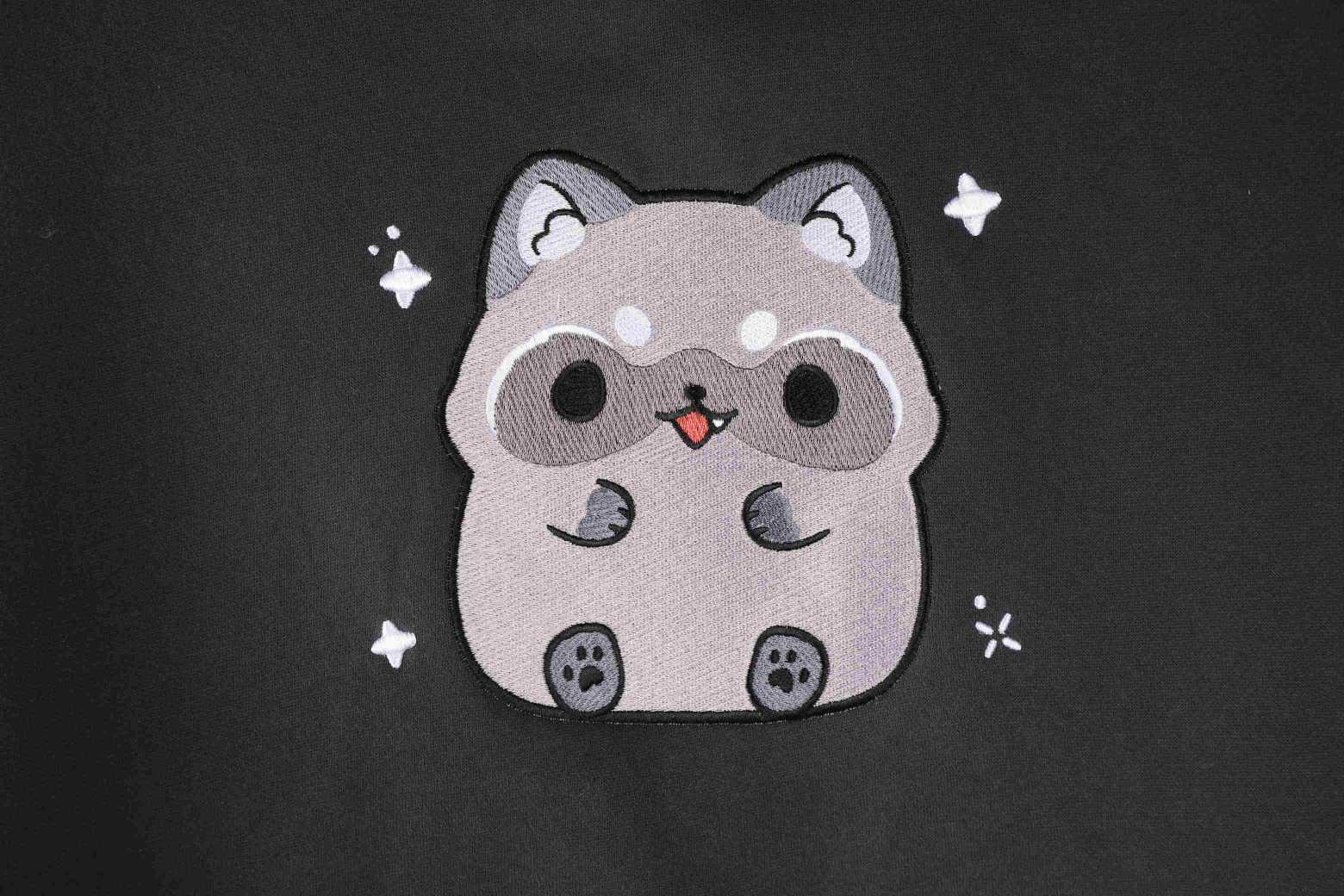
Running stitch forms single-line outlines and underlay structures with minimal thread density, typically 200–400 stitches per square inch. This technique defines borders, creates sketch-style graphics, and stabilizes fabric before dense fills.nnRunning stitch is often combined with satin or tatami layers in complex designs to prevent shifting and maintain registration. ZORWILD uses running stitch for outline details, decorative accents, and technical underlays on multi-layer embroidery projects.
Bean Stitch
Bean stitch repeats three overlapping stitches in each position to create bold, textured lines ideal for small text and fine details on stretch fabrics. Stitch density reaches 2,000–3,000 per square inch, delivering exceptional durability and visibility.nnThis technique prevents thread breakage on knit fabrics and maintains legibility at sizes below 0.25 inches. ZORWILD applies bean stitch for athletic wear logos, performance apparel branding, and technical garments requiring flexibility and wash resistance.
4. Materials and Fabrics for Flat Embroidery
Successful flat embroidery depends on matching the correct base fabric, thread type, and stabilizer to achieve professional stitch quality and durability. ZORWILD’s 27 years of manufacturing experience across hoodies, T-shirts, jackets, and uniforms ensures optimal material pairing for every product category.
| Fabric Type | GSM Range | Thread Recommendation | Typical Applications |
|---|---|---|---|
| Cotton Twill | 180–280 | Polyester or Rayon | Caps, polos, workwear, uniforms |
| Polyester | 120–200 | Polyester | Sportswear, performance apparel, activewear |
| Denim | 300–450 (10–14 oz) | Polyester | Jackets, jeans, casual shirts |
| Fleece | 280–400 | Polyester | Hoodies, sweatshirts, outerwear |
| Performance Knits | 150–220 | Polyester | Yoga wear, gym tops, athleisure |
Base Fabrics Compatible with Flat Embroidery
Cotton twill (180–280 GSM) remains the gold standard for caps, polos, and workwear due to its tight weave and dimensional stability. Polyester fabrics (120–200 GSM) excel in sportswear and performance apparel, resisting pilling and maintaining embroidery tension through repeated washing.nnDenim (10–14 oz) and heavyweight fleece (280–400 GSM) support dense stitch counts for oversized hoodies and jackets without fabric distortion. Performance knits with spandex blends (150–220 GSM) require careful tension control but deliver stretch compatibility for activewear and athleisure collections.
Thread Types and Their Performance Characteristics
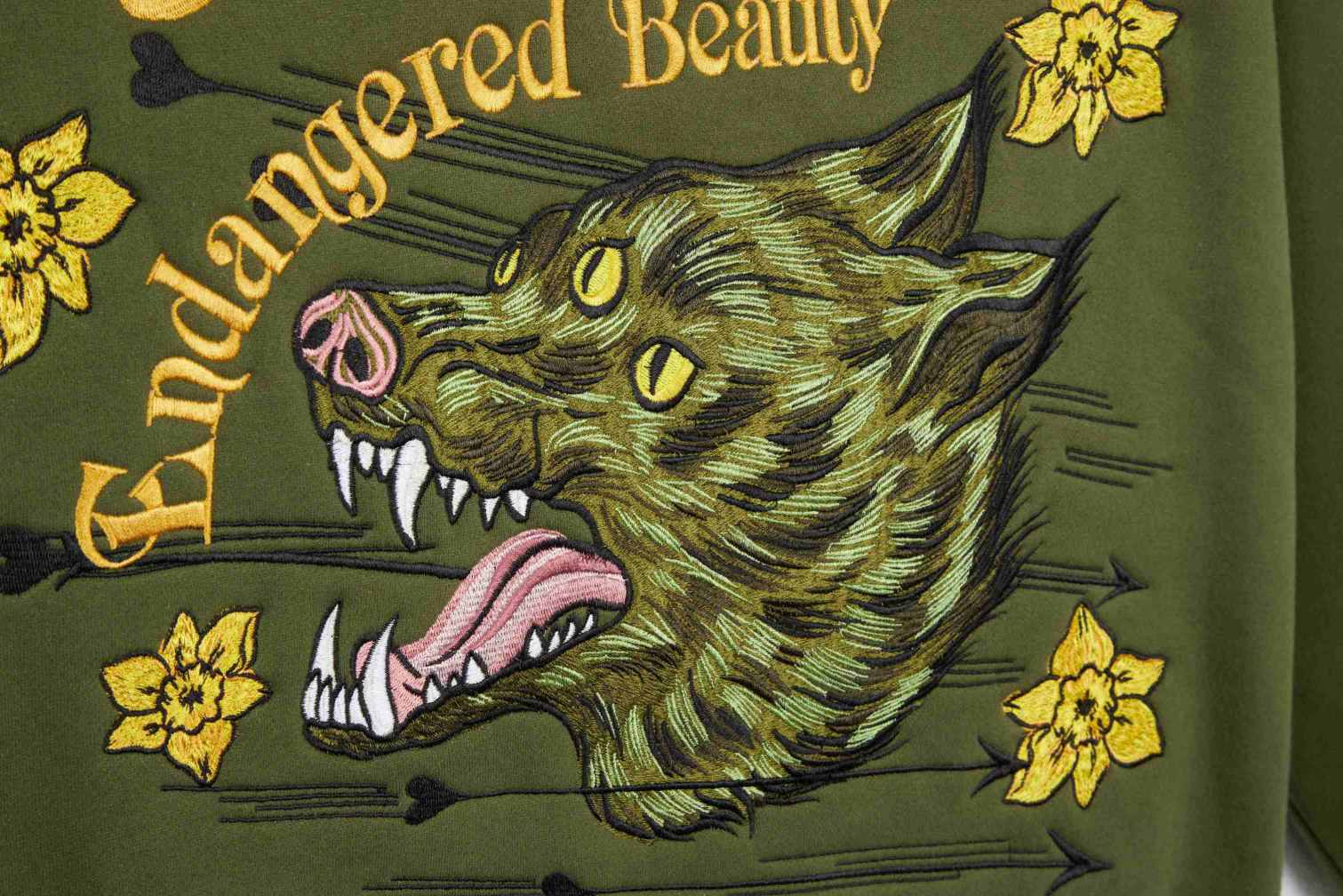
Rayon thread delivers high sheen and vibrant color saturation, ideal for fashion streetwear and luxury branding, but offers lower wash durability than polyester. Polyester thread provides superior tensile strength and colorfastness, making it the industry standard for uniforms, outerwear, and high-volume production.nnMetallic threads add premium visual impact for evening dresses and promotional apparel but require slower machine speeds and specialized needles to prevent breakage. ZORWILD’s embroidery teams select thread types based on garment category, wash frequency, and brand positioning.
Backing Stabilizers and Stitch Quality
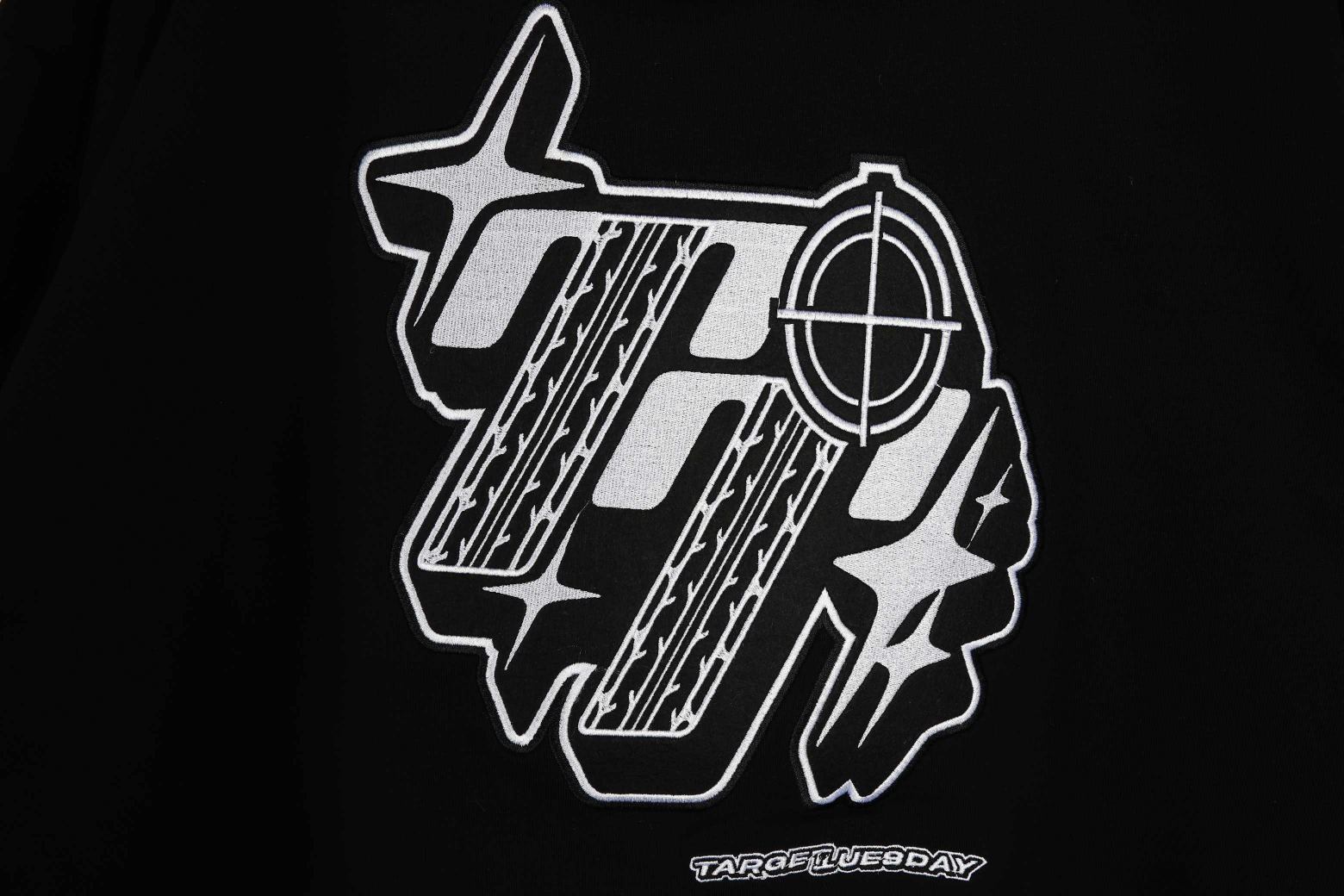
Cutaway stabilizers remain permanently bonded to the garment, providing maximum support for heavyweight designs on knit fabrics, fleece, and stretch materials. Tearaway stabilizers remove cleanly after embroidery, suited for woven fabrics like cotton poplin and twill where bulk must be minimized.nnStabilizer weight (1.5–3.0 oz) must match stitch density: designs exceeding 8,000 stitches per square inch require heavier cutaway backing to prevent puckering and thread pull. ZORWILD’s quality control inspects stabilizer application during in-line production to ensure consistent embroidery registration and durability.
5. Customization Options in Flat Embroidery
Flat embroidery offers brand owners precise control over design execution through thread selection, digitizing parameters, and placement decisions. Understanding these variables ensures logos meet quality standards while staying within budget and timeline constraints.
| Customization Feature | Cost Impact | Lead-Time Effect |
|---|---|---|
| Pantone thread matching | +$0.10–0.30/garment | +1–2 days |
| High stitch density (5+ stitches/mm) | +15–25% thread cost | Minimal |
| Custom digitizing | $15–50 one-time | +2–3 days first order |
| Multi-decoration combo | +$1–3/garment | +3–5 days |
| Large embroidery area (u003e150 mm) | +$0.50–1.50/garment | +1 day |
Thread Color Matching and Pantone Standards
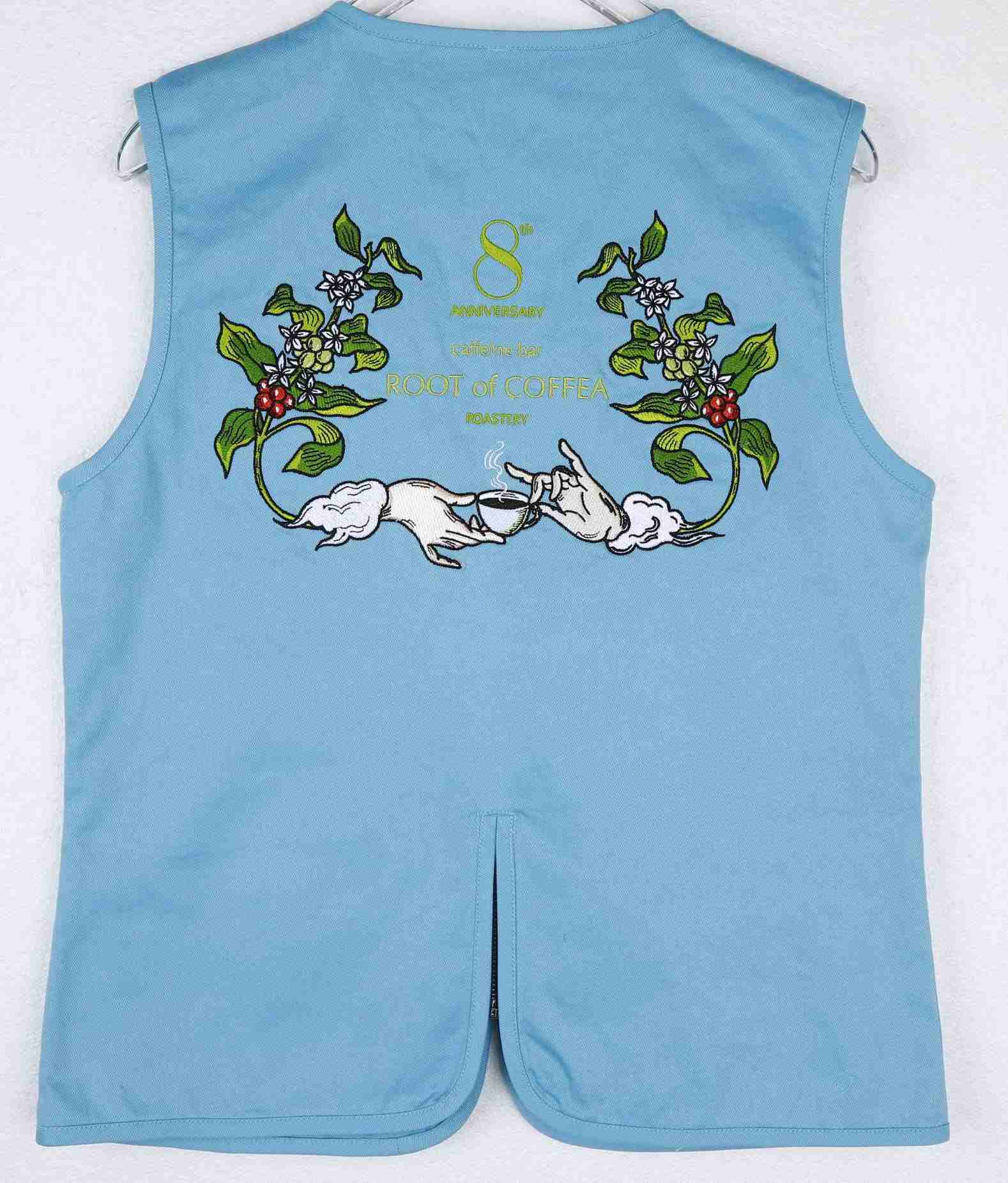
Professional manufacturers use Pantone thread color systems to match brand guidelines with accuracy. Most embroidery thread suppliers offer 300–400 standard colors, with custom dye-lot matching available for unique brand palettes at additional cost.nnZORWILD coordinates with clients to select thread colors that align with approved brand standards, ensuring consistent color reproduction across production runs and product categories.
Stitch Density and Underlay Choices
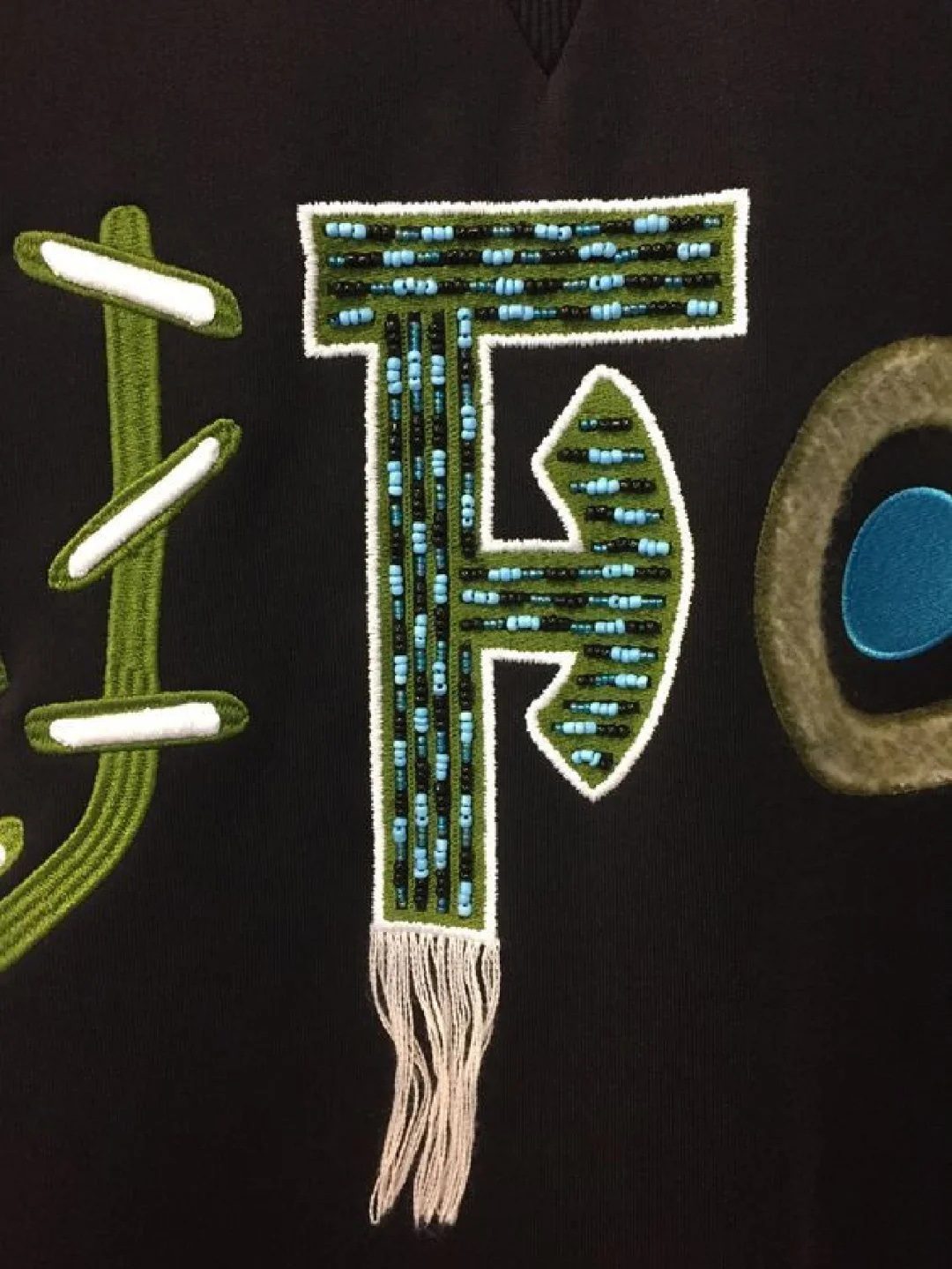
Stitch density typically ranges from 3.5 to 5.5 stitches per millimeter; higher density increases thread consumption and production time but delivers sharper detail and better coverage. Underlay stitches stabilize fabric before top stitching, preventing distortion and puckering on knit fabrics like French terry and jersey.nnManufacturers adjust density and underlay based on fabric weight, stretch properties, and design complexity to balance visual quality with garment durability.
Size Constraints and Minimum Letter Height
Minimum letter height for legible flat embroidery is 5–6 mm for standard fonts; smaller text risks thread overlap and poor readability. Maximum embroidery area depends on machine hoop size, typically 100 × 100 mm for caps and up to 400 × 500 mm for jacket backs.nnZORWILD’s digitizing team reviews artwork to confirm sizing feasibility and recommends adjustments when designs fall outside production-safe parameters.
Digitizing Requirements and File Formats
Digitizing converts vector artwork into machine-readable stitch files; manufacturers accept AI, EPS, PDF, or high-resolution PNG files for conversion. Professional digitizing costs $15–$50 per design depending on complexity, with reusable files stored for repeat orders.nnZORWILD provides digitizing services and delivers DST or Tajima embroidery files to clients who require backup copies for future production with other vendors.
Combining Flat Embroidery with Other Decorations
Flat embroidery pairs effectively with screen printing for large graphics, puff printing for dimensional contrast, and woven patches for premium branding. Combining techniques adds visual depth and perceived value without significant lead-time increases.nnZORWILD coordinates multi-decoration workflows to sequence processes correctly—garment dyeing before embroidery, screen printing before heat-sensitive applications—ensuring quality and preventing rework.
6. Key Quality Elements in Flat Embroidery Production
Flat embroidery quality depends on precise machine calibration, correct hooping tension, and strict inspection protocols. Professional manufacturers control stitch density, thread tension, and registration accuracy to eliminate puckering, thread breaks, and fabric show-through that compromise brand perception.
Registration Accuracy and Color Alignment
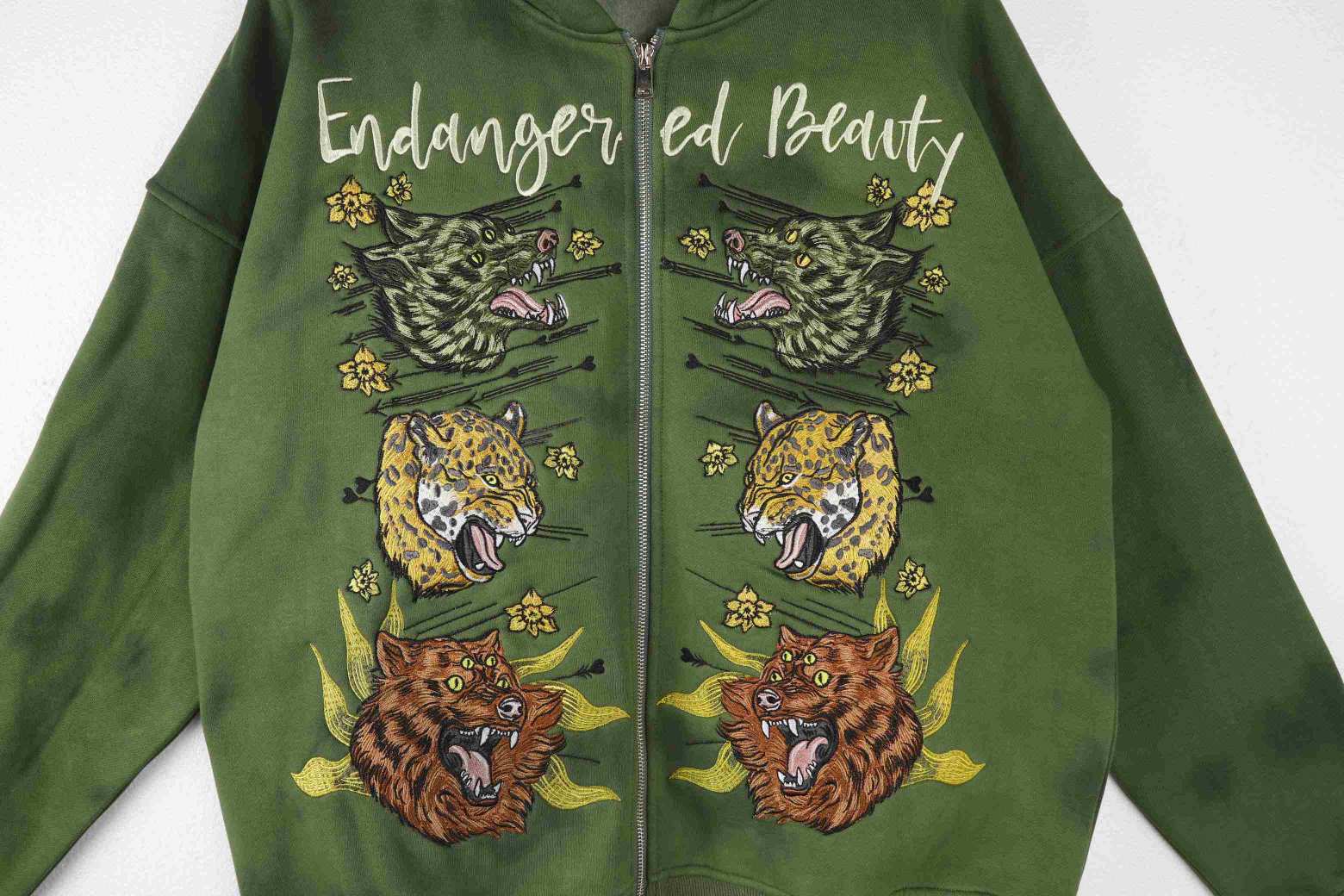
Multi-color flat embroidery requires registration accuracy within ±0.5 mm to prevent visible gaps or overlaps between color sections. Misaligned sections signal poor machine calibration or incorrect digitization. Pre-production samples must show clean color transitions with no white fabric visible between adjacent thread areas.nnDemand test stitchouts on your actual fabric before approving bulk production. Registration errors multiply across hundreds of garments and cannot be corrected after sewing.
Thread Tension and Stitch Consistency
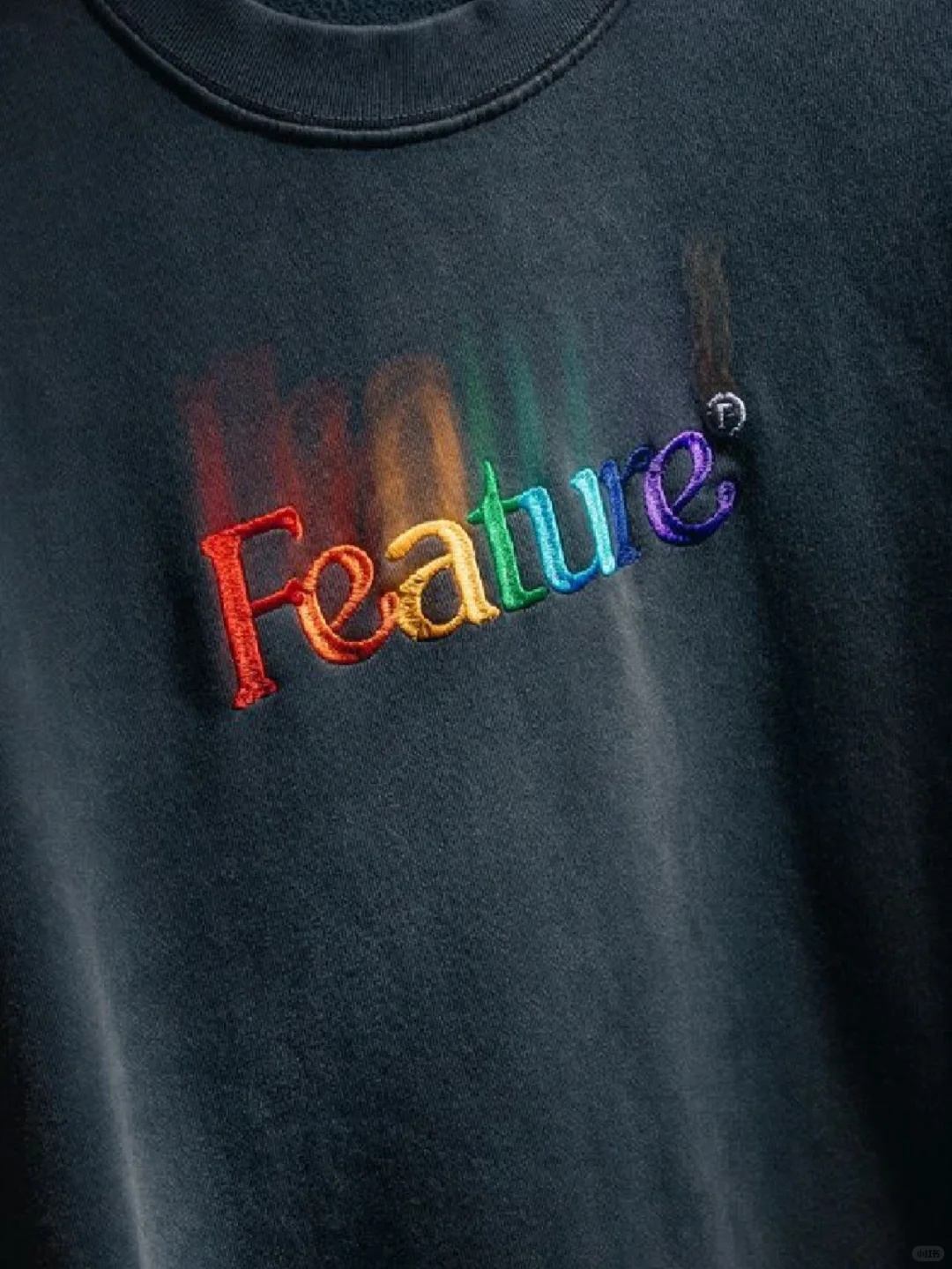
Consistent thread tension prevents loose loops on the garment underside and tight puckering on the face. Professional embroidery machines maintain tension within 5% variance across production runs. Inspect samples for uniform stitch height and no visible bobbin thread on the front surface.nnSkipped stitches and thread breaks indicate worn needles, incorrect tension settings, or poor-quality thread. ZORWILD replaces needles every 8 hours of production and uses high-tenacity polyester thread to eliminate mid-run failures.
Hooping Technique and Fabric Stabilization
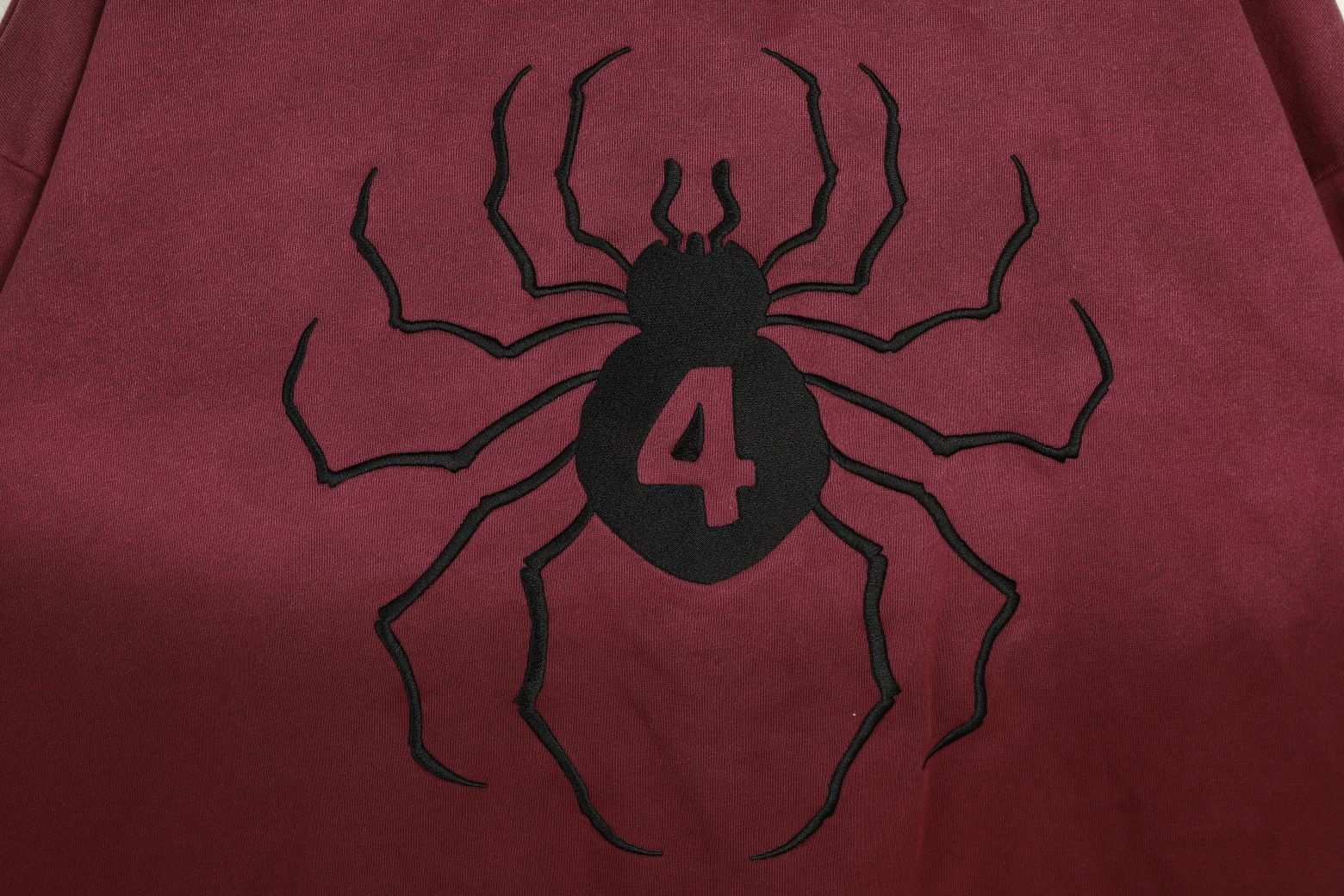
Proper hooping applies even tension across the embroidery area without stretching or distorting the fabric. Incorrect hooping causes puckering, hoop burn marks, and misaligned designs. Manufacturers must match stabilizer weight to fabric type — lightweight knits require tear-away or water-soluble stabilizers, while heavyweight fleece needs cut-away backing.nnCheck pre-production samples for flat, smooth embroidery with no fabric distortion after removing the hoop. Demand hooping photos during first-article inspection to verify correct stabilizer placement.
Trim Work and Finishing Quality
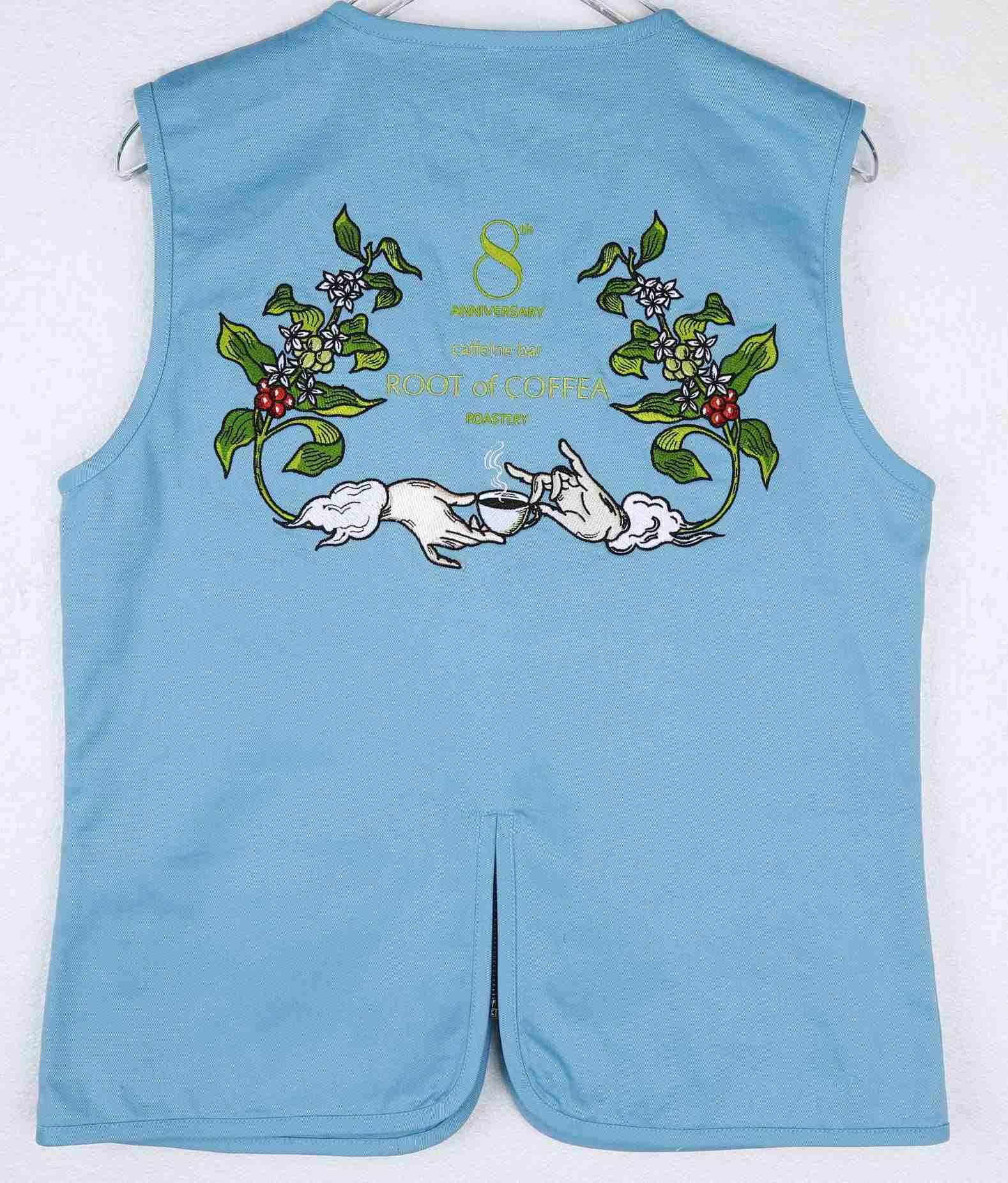
Clean trim work removes jump stitches and thread tails without cutting into the design or leaving visible stubs. Manual trimming by trained operators delivers superior results compared to automatic cutters on complex logos. Inspect samples under bright light for any protruding threads or incomplete cuts.nnPoor trim work signals rushed production or untrained staff. Demand close-up photos of finished embroidery before shipment approval to catch trim defects early.
7. How to Choose a Flat Embroidery Manufacturer
Selecting a flat embroidery manufacturer requires a systematic evaluation of production capacity, technical capabilities, and service flexibility. The right partner balances machine infrastructure, digitizing expertise, MOQ policies, and quality assurance to match your brand’s scale and timeline.
Production Capacity and Equipment
Ask manufacturers to disclose machine count and heads-per-machine—commercial multi-head embroidery machines typically run 6 to 15 heads simultaneously, directly impacting throughput and per-unit cost. Factories with 10+ multi-head machines can handle orders exceeding 5,000 pieces per week, while smaller operations suit brands needing 50 to 500 units.nnZORWILD operates advanced multi-head embroidery equipment within a 200-employee facility in Humen, Dongguan, supporting both startup collections and monthly production volumes above 100,000 units across custom hoodies, custom t-shirts, custom jackets, wholesale sweatshirts, and all apparel categories.
Digitizing and Design Support
Confirm whether digitizing is performed in-house or outsourced—in-house teams deliver faster revisions, tighter stitch-density control, and better alignment with production workflows. Outsourced digitizing often adds 2 to 5 days and introduces communication gaps.nnZORWILD provides in-house digitizing as part of its one-stop service, ensuring flat embroidery designs are optimized for fabric type, stitch count, and brand positioning before sampling begins.
MOQ Flexibility and Lead Times
Standard embroidery MOQs range from 500 to 1,000 pieces per design at most factories, limiting startup brands and influencer collections. Manufacturers offering 50 to 100-piece MOQs enable capsule launches, market testing, and reduced inventory risk.nnZORWILD’s 50-piece MOQ policy supports startup brands, influencers, and small wholesalers launching custom flat embroidery collections without overcommitting capital. Typical lead times span 15 to 25 days from sample approval to shipment, depending on order complexity and decoration count.
Certifications and Communication
Request fabric certifications (OEKO-TEX, GOTS) and thread quality documentation to ensure colorfastness and skin safety. Clarify the sample approval process—professional manufacturers provide pre-production samples, revision policies, and measurement inspection reports before bulk production.nnZORWILD’s quality control system includes raw material inspection, in-line production checks, and final product inspection, supported by trusted fabric suppliers across China and comprehensive export documentation for global logistics.
8. Common Mistakes Buyers Make with Flat Embroidery
Even experienced buyers face avoidable pitfalls when ordering flat embroidery for the first time. Understanding these common mistakes and their consequences helps prevent production delays, quality issues, and unexpected re-order costs.
Choosing Overly Complex Artwork for Small Sizes
Brands often submit intricate logos with fine details, gradients, or small text for embroidery on chest-left positions measuring 3–4 inches. Flat embroidery cannot reproduce detail below 1.5 mm line width; the result is distorted lettering, merged shapes, and unprofessional appearance.nnAlways simplify artwork before digitizing. Remove gradients, increase text to minimum 5 mm height, and consolidate thin lines into bolder strokes to ensure clean stitch execution.
Ignoring Fabric-Thread Compatibility
Buyers frequently specify heavyweight polyester thread on lightweight jersey or delicate rayon fabric. Mismatched tension causes fabric puckering, thread breakage, and garment distortion that cannot be corrected after production.nnWork with your manufacturer to match thread weight and backing stabilizer to fabric GSM. ZORWILD’s development team tests fabric-thread combinations during sampling to prevent these structural failures.
Skipping Sample Approval
Rushing into bulk production without approving a physical embroidery sample leads to costly re-orders when stitch density, color match, or placement differs from expectations. Re-production adds 15–20 days and doubles unit costs.nnAlways request and approve a sample on the actual production fabric before authorizing bulk orders, especially for first-time designs or new fabric bases.
Underestimating Digitizing Time
Brands assume digitizing is instant and request production start within 48 hours of artwork submission. Professional digitizing requires 2–5 business days depending on design complexity, and rushed digitizing sacrifices stitch quality.nnAllow 3–7 days for digitizing and sample production in your project timeline to ensure proper stitch mapping and density optimization.
Neglecting Wash-Test Requirements
Buyers skip wash testing and discover after delivery that embroidery threads fade, fray, or cause fabric shrinkage after customer laundering. This results in returns, brand reputation damage, and inventory loss.nnRequest wash-test reports or conduct your own sample wash cycles before bulk approval to verify thread colorfastness and structural integrity through multiple laundry cycles.
9. Steps to Launch Your Brand with Flat Embroidery
Launching a custom apparel line with flat embroidery requires a structured workflow that balances speed, quality, and cost control. ZORWILD’s 27-year manufacturing experience supports brands through every phase, from digitization to full-scale production.
Prepare Vector Logo and Select Garments
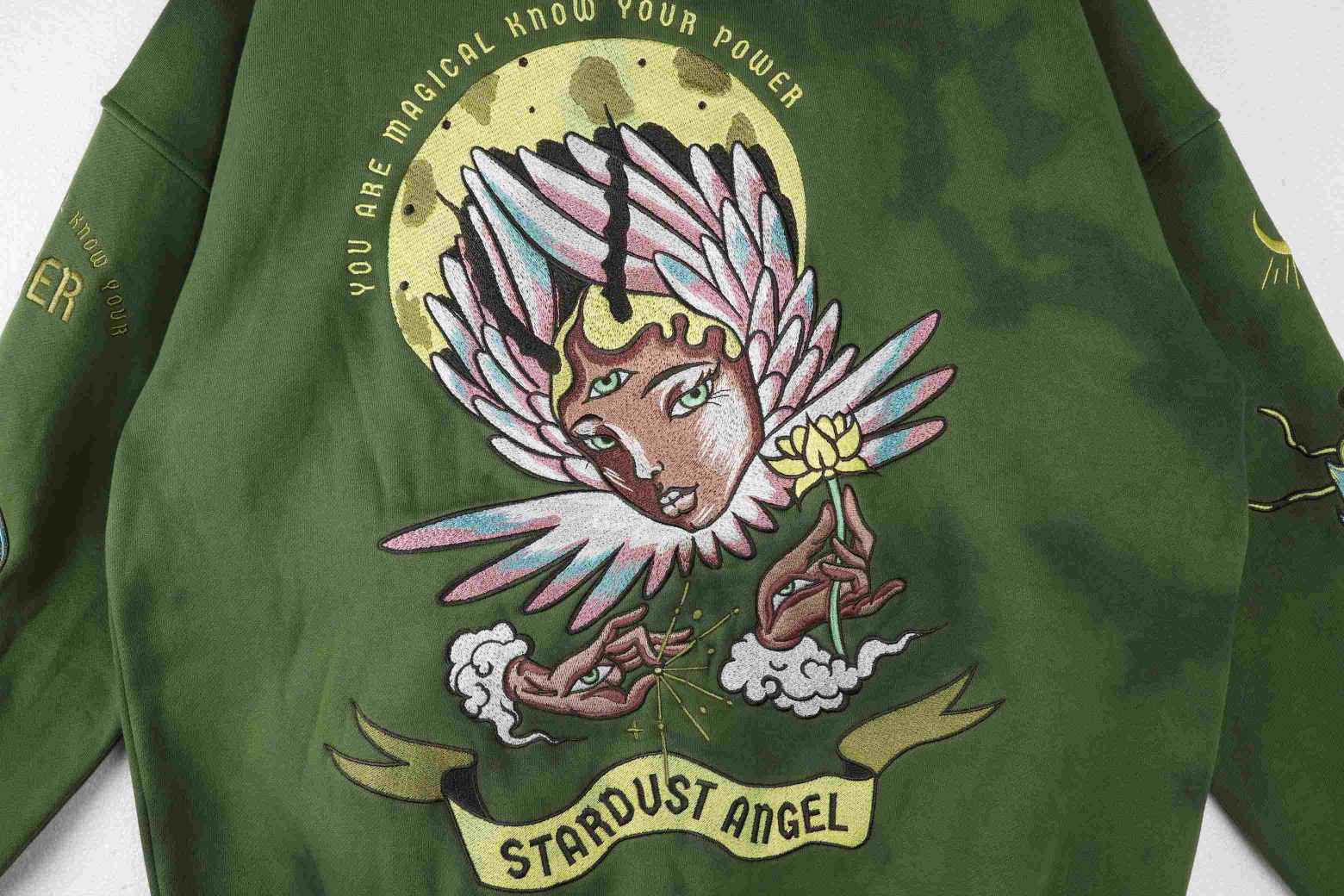
Finalize your brand logo in vector format (AI, EPS, or high-resolution PDF) to ensure clean digitization. Select base garment styles — hoodies, T-shirts, jackets, or shirts — and confirm fabric weights (280–350 GSM for hoodies, 180–220 GSM for tees).nnZORWILD recommends cotton or cotton-blend fabrics for optimal stitch stability and thread tension. This phase typically takes 1–2 days and sets the foundation for accurate embroidery placement and thread color matching.
Request Digitized Mock-Up and Strike-Off Sample
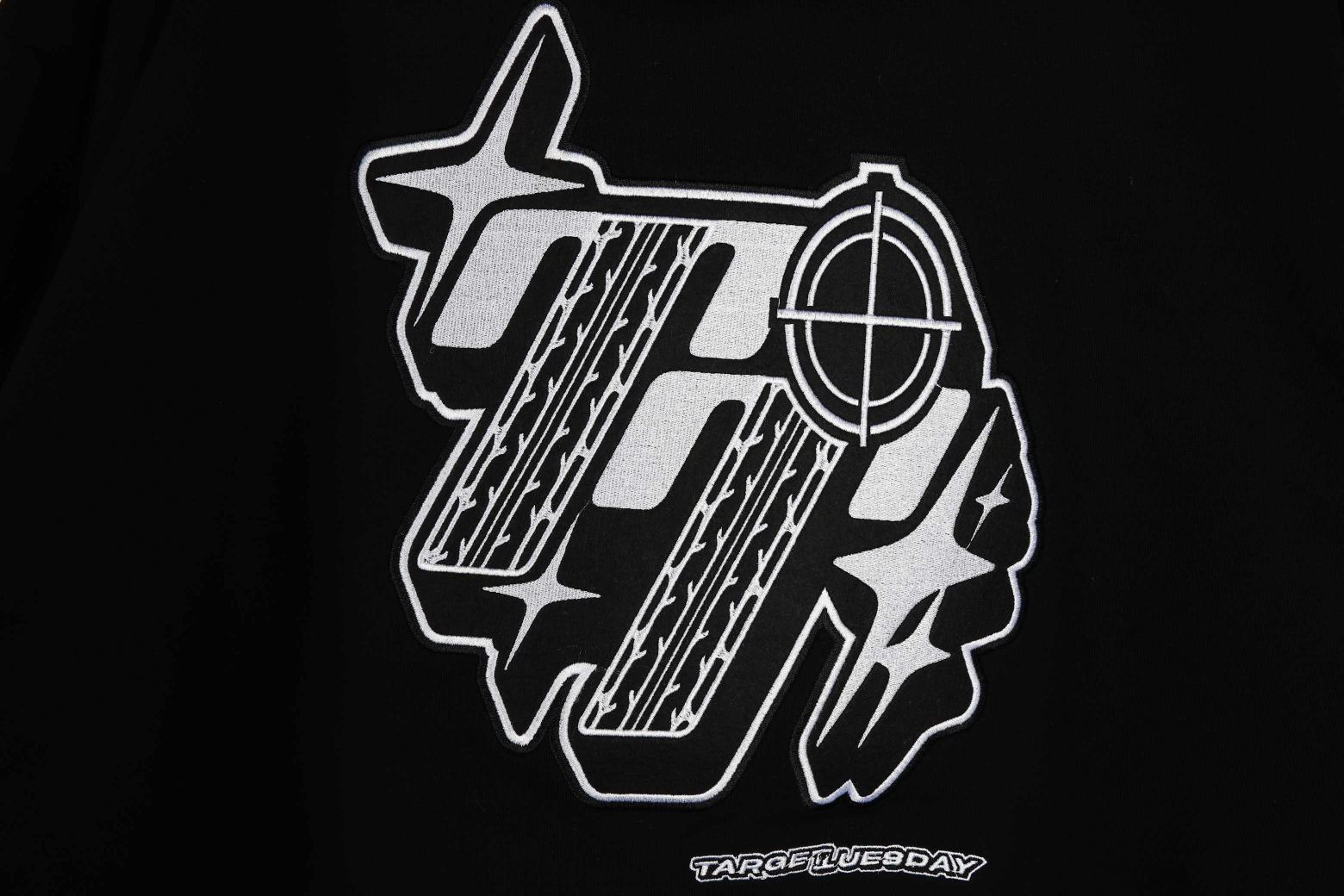
The manufacturer digitizes your logo into machine-readable stitch files, specifying stitch count, density, and thread colors. Review the digital mock-up for placement, size, and color accuracy before approving the strike-off sample — a physical embroidered proof on your chosen fabric.nnDigitization takes 1–3 days; strike-off sample production adds 3–5 days. Approve or request adjustments to thread tension, underlay stitching, or color matching at this stage to avoid costly rework.
Place Pilot Order and Conduct Testing
Order 50–100 pieces to test market response, fit consistency, and embroidery durability. Conduct 5–10 wash cycles to verify thread colorfastness, stitch integrity, and fabric shrinkage.nnPilot production typically requires 10–15 days, including cutting, sewing, embroidery, and finishing. ZORWILD’s low MOQ system allows influencers and startup brands to validate designs before committing to larger inventory, reducing financial risk and improving cash flow.
10. Flat Embroidery Pricing and Cost Breakdown
Flat embroidery pricing follows a tiered structure based on order quantity, stitch count, and production complexity. ZORWILD’s 50-piece minimum order quantity enables startup brands and influencers to test designs without heavy upfront investment, while larger orders benefit from per-unit cost reductions that improve margin performance across wholesale and retail channels.nnDigitizing setup fees range from $15 to $50 per design depending on stitch count and complexity, applied once per artwork file. High stitch-count logos exceeding 10,000 stitches, metallic or specialty thread applications, and multi-position placements (left chest plus sleeve, for example) increase per-unit costs by 20 to 40 percent. Rush production orders with lead times under 10 days typically add 15 to 25 percent to base pricing.nnTotal landed cost calculation requires adding per-unit embroidery cost, garment blank cost, digitizing setup fee amortized across order quantity, packaging and labeling expenses, and international shipping. A 100-piece hoodie order with left-chest flat embroidery, custom woven labels, and polybag packaging typically lands at $18 to $24 per unit FOB, while 500-piece orders reduce per-unit costs to $14 to $18 range, enabling competitive retail pricing and healthy brand margins.
| Order Quantity | Per-Unit Embroidery Cost | Digitizing Setup Fee | Lead Time (Days) |
|---|---|---|---|
| 50 pieces | $3.50 – $5.00 | $15 – $50 (one-time) | 12 – 15 |
| 100 pieces | $2.80 – $4.20 | $15 – $50 (one-time) | 10 – 14 |
| 500 pieces | $2.20 – $3.50 | $15 – $50 (one-time) | 14 – 18 |
| 1,000+ pieces | $1.80 – $3.00 | $15 – $50 (one-time) | 18 – 22 |
Ready to Add Flat Embroidery to Your Collection?
Start with just 50 pieces on custom hoodies, custom t-shirts, or wholesale apparel. Send your logo artwork today for a free flat embroidery sample backed by 27 years of precision craftsmanship from our Humen, Dongguan factory.
- Custom Shirts
- Custom Dresses
- Custom Sweatshirts
- Custom Varsity Jackets
- Custom Shorts
- Custom Dress Shirts
- Contact