
High Density Screen Printing: Create Bold, Raised 3D Designs
Achieve tactile, dimensional graphics with high density screen printing on custom apparel. From 50-piece startups to 100,000+ unit runs, ZORWILD delivers premium raised effects with factory-direct quality.
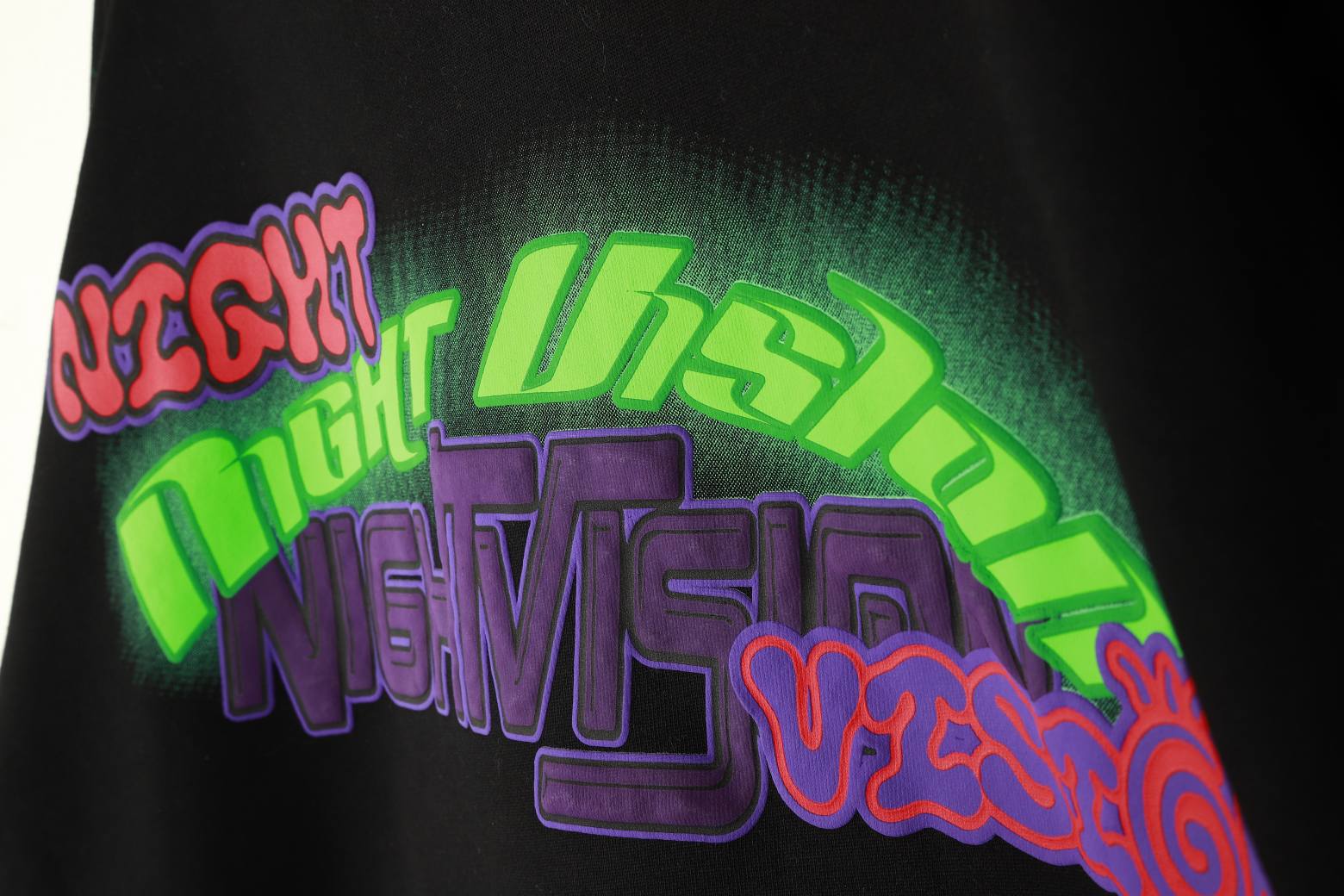
High Density Screen Printing Samples
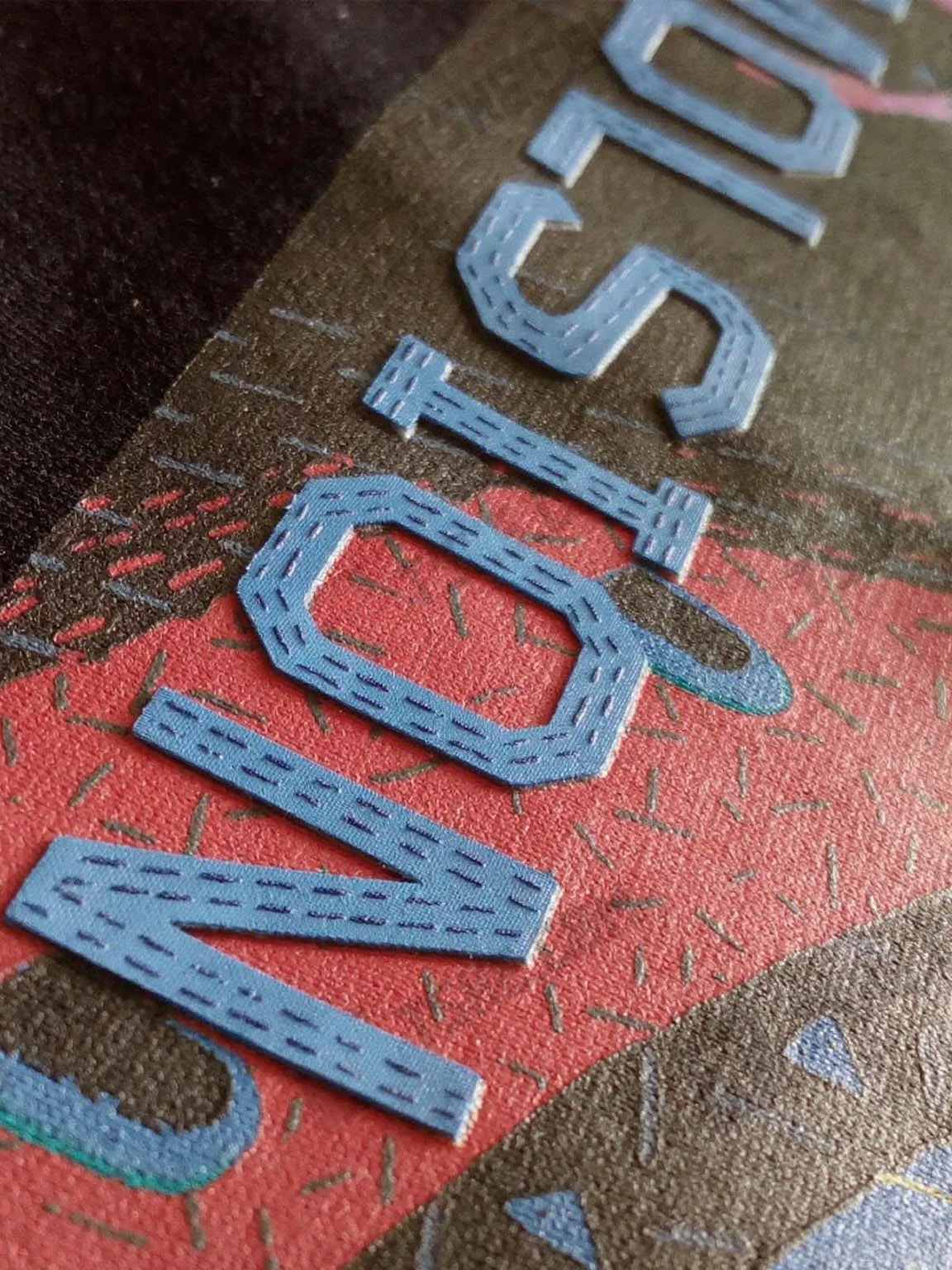
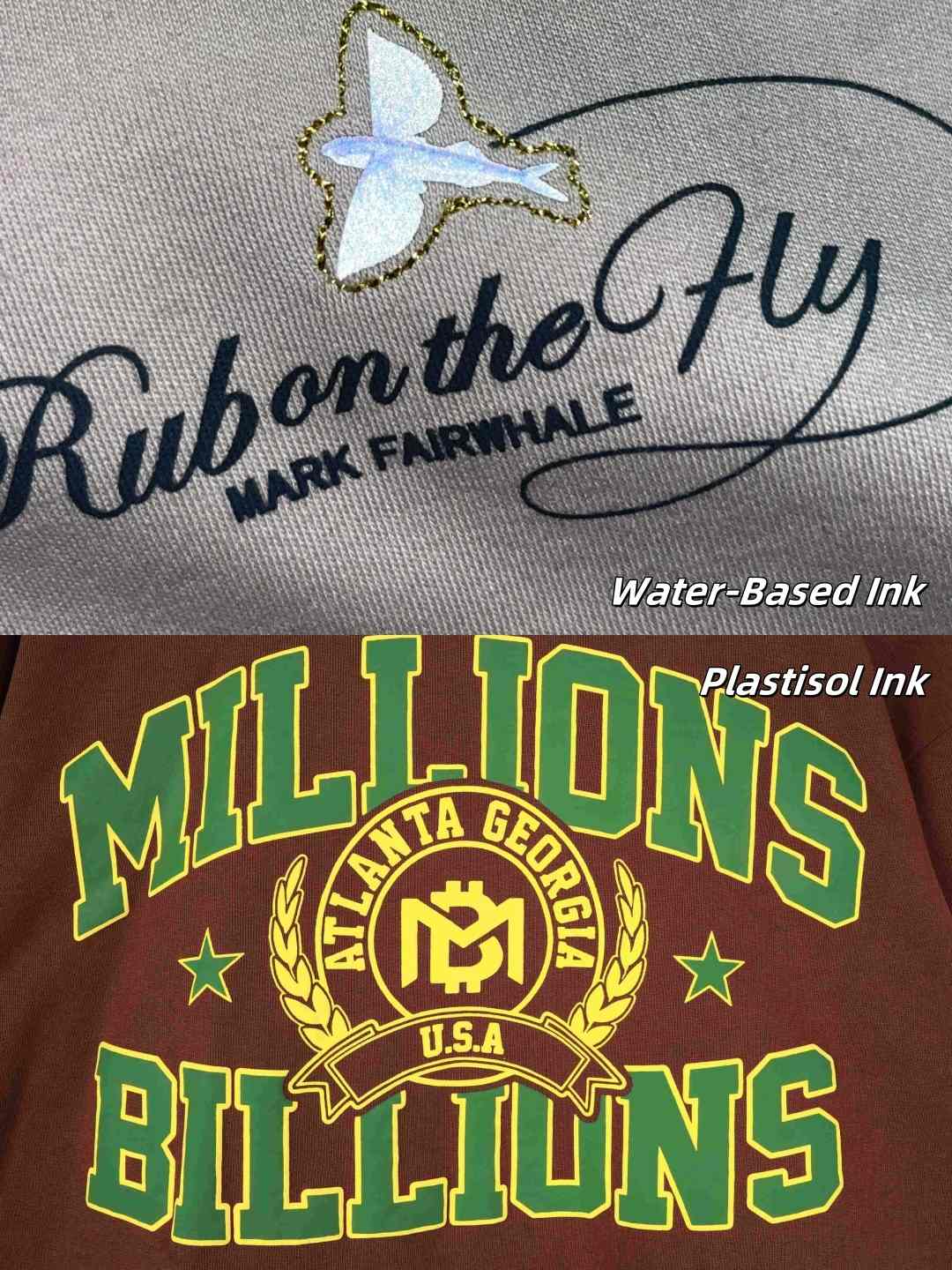
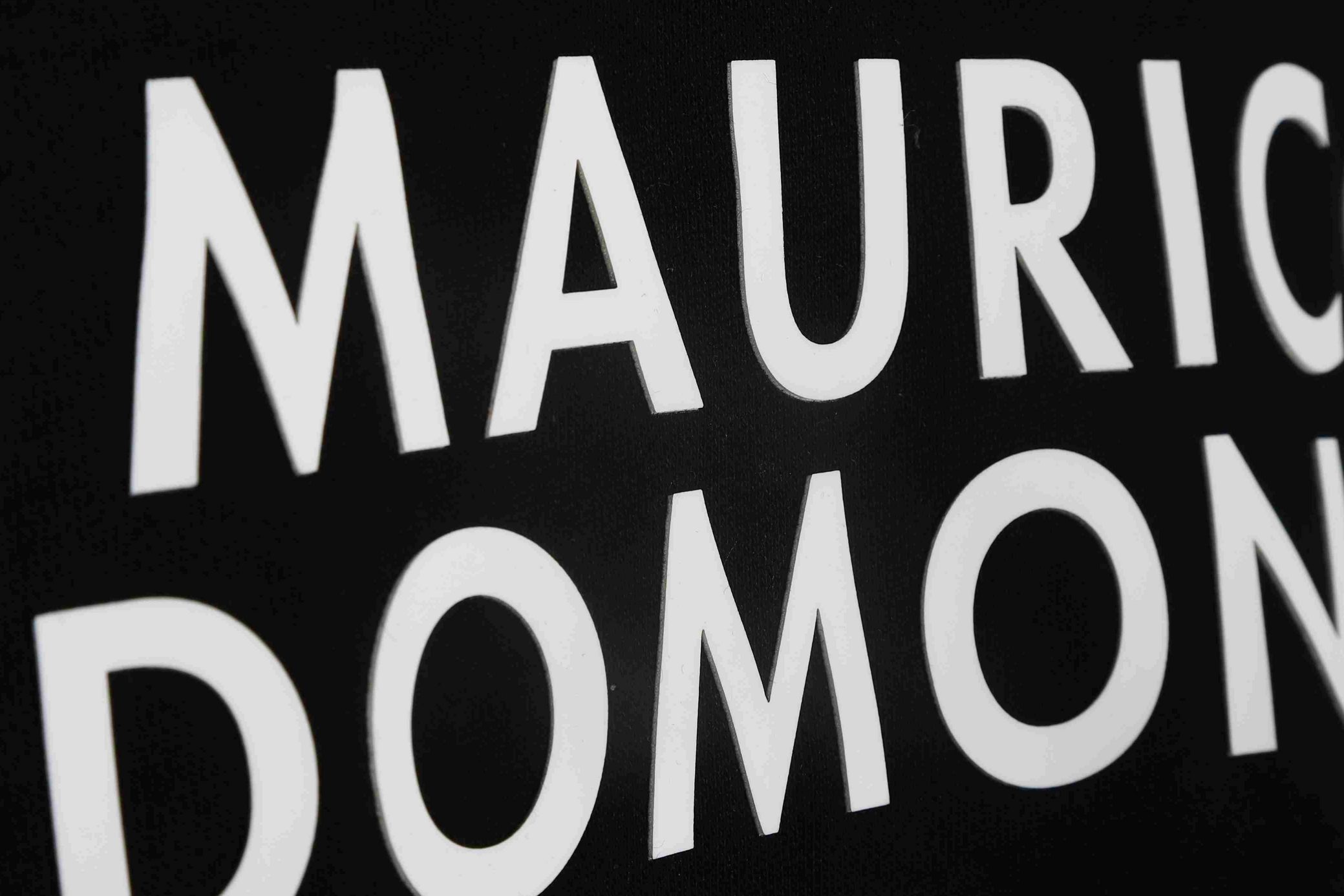
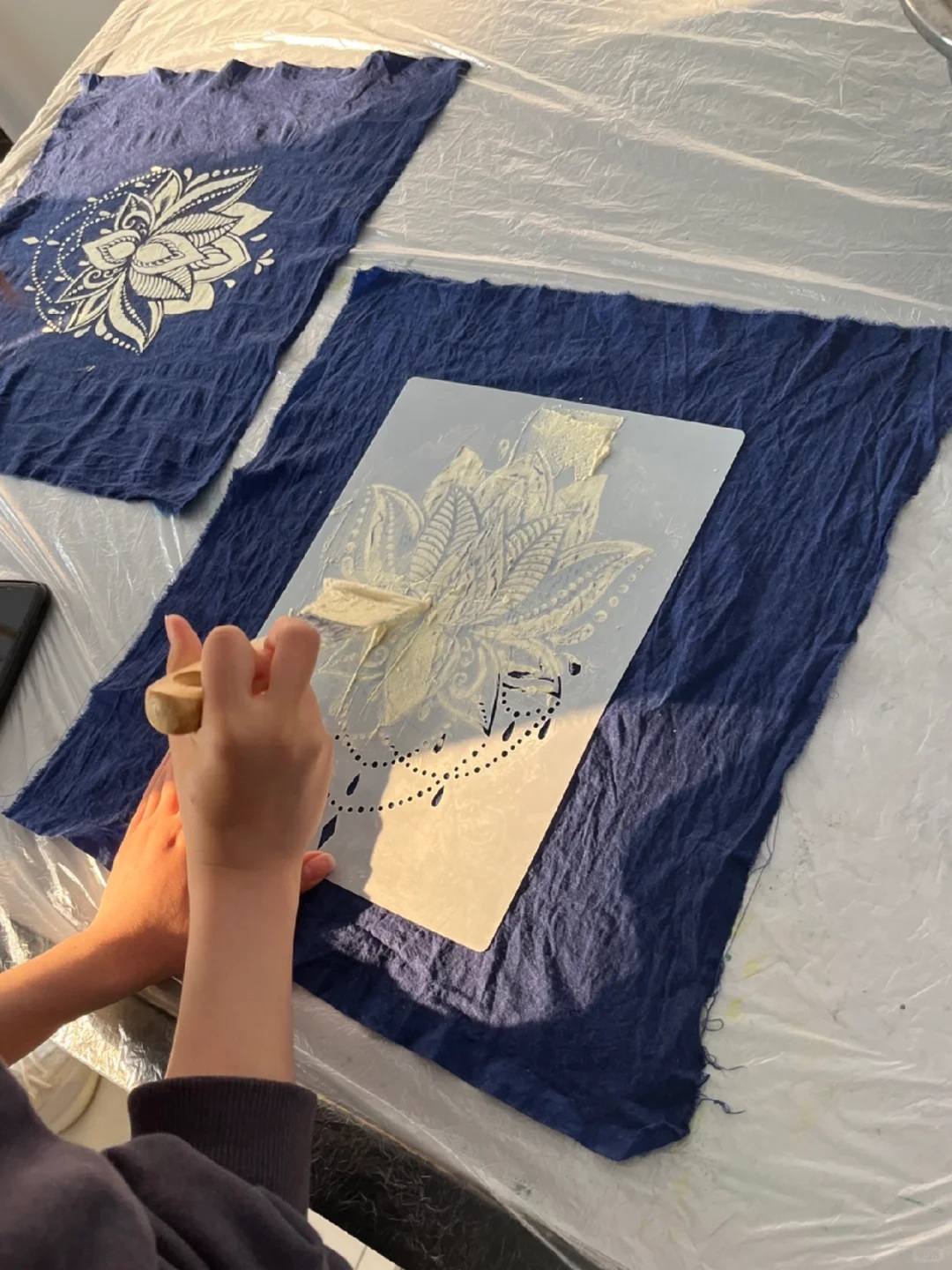
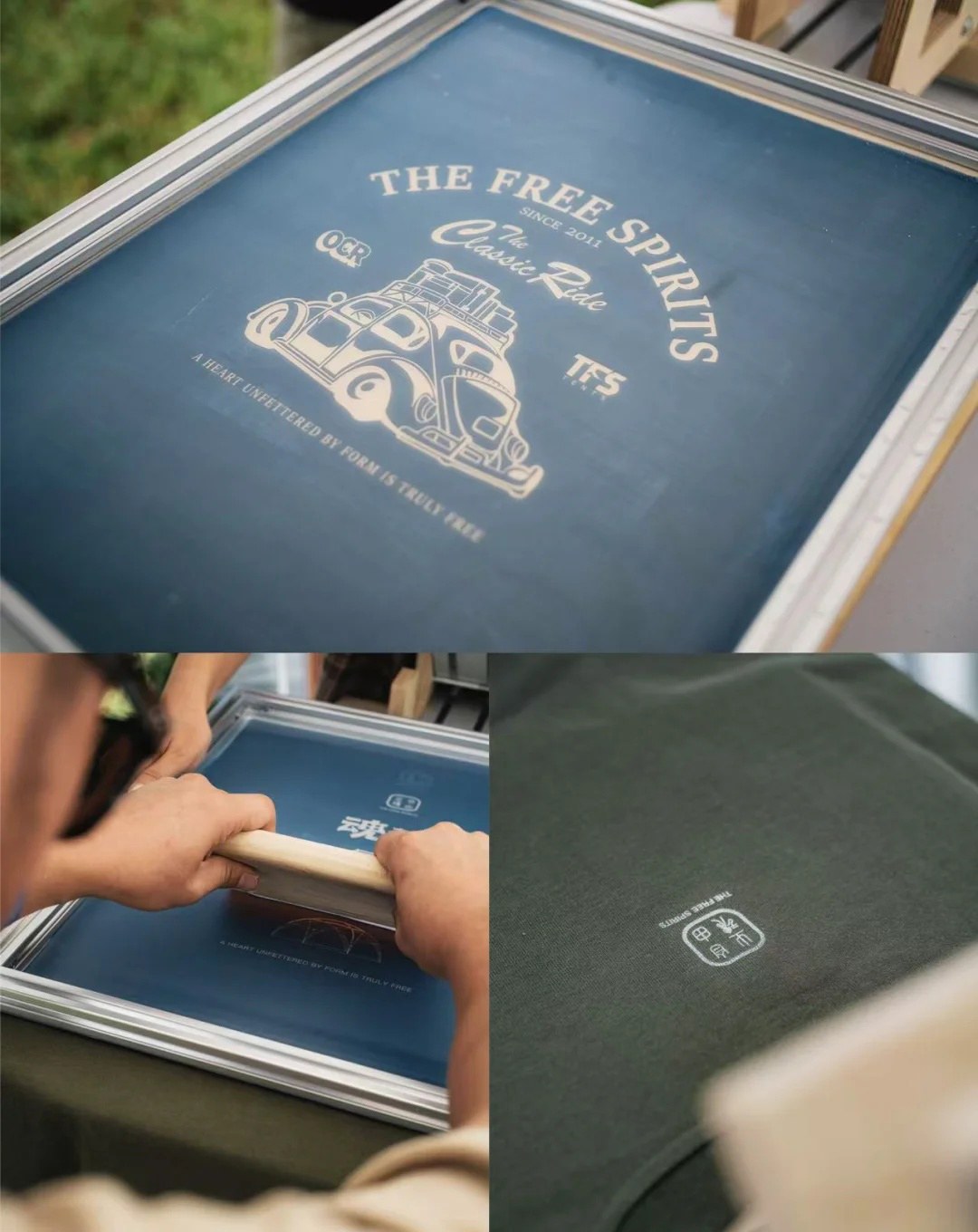
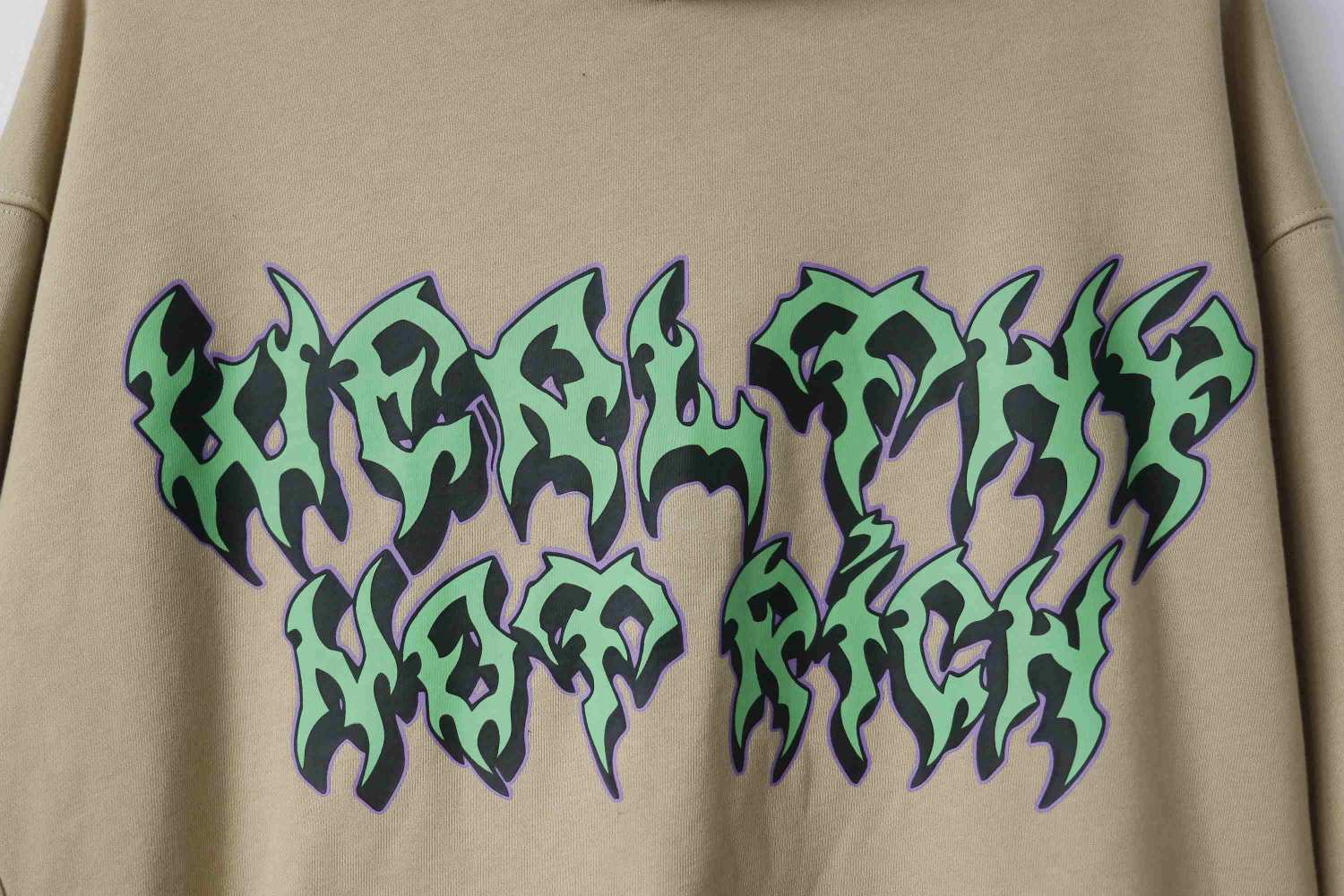
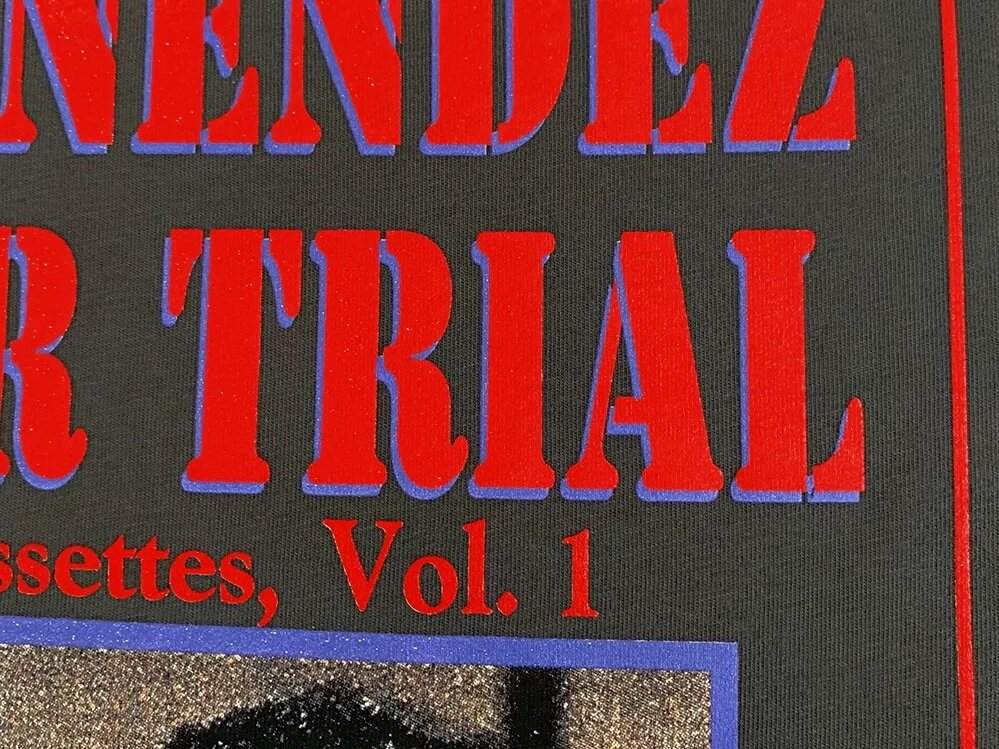
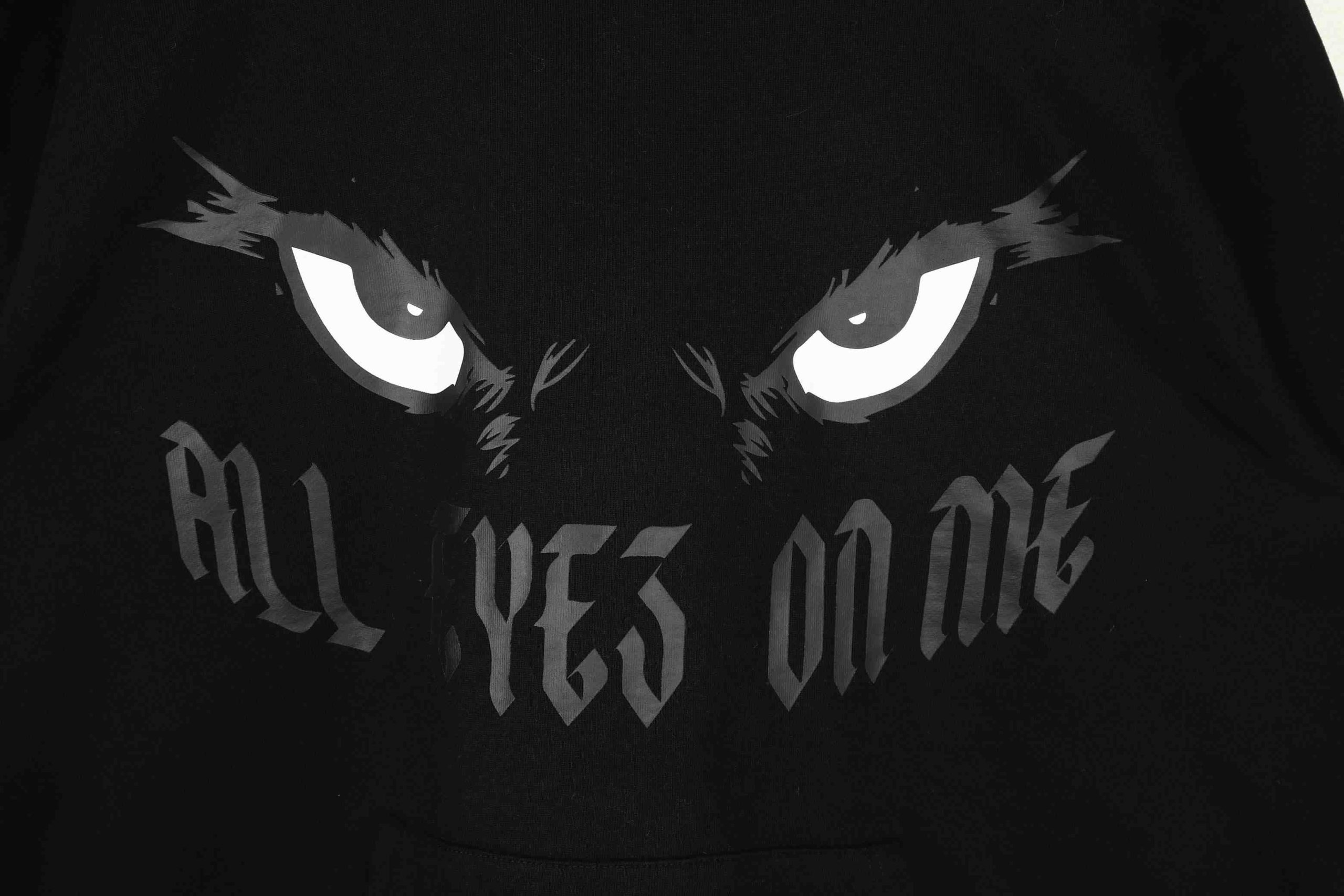
What Makes High Density Screen Printing Distinctive
High density screen printing delivers tactile, raised graphics that standard printing cannot achieve. Understand the technical advantages that make this decoration method the premium choice for bold, dimensional apparel designs.
Exceptional Ink Thickness
High density screen printing builds ink layers up to 3mm thick, creating dramatic raised texture and three-dimensional effects impossible with standard screen printing techniques.
Tactile Raised Surface
Each design element stands visibly above the fabric surface, delivering premium tactile quality that customers notice immediately when handling the garment.
Superior Wash Durability
Specialized plastisol formulations resist cracking and fading through 50+ industrial wash cycles, maintaining dimensional integrity and vibrant color performance throughout garment lifespan.
Bold Color Opacity
Dense pigment concentration delivers opaque, vivid colors on dark and light fabrics alike, ensuring your brand graphics achieve maximum visual impact.
Sharp Edge Definition
Precision screen preparation and controlled ink viscosity produce crisp borders and fine detail retention, even on complex logo elements and intricate typography.
Versatile Application Range
Compatible with hoodies, T-shirts, sweatshirts, jackets, and athletic wear across cotton, polyester blends, and fleece substrates for diverse product collections.
Related Techniques u0026 Apparel Solutions
Custom Screen Printing
Custom screen printing delivers high durability and excellent color performance across all garment categories. ZORWILD supports multi-color separations, Pantone matching, large-scale production runs, and precise registration for professional streetwear, athletic wear, and branded apparel requiring vibrant, long-lasting graphics with superior wash resistance.
Get a Quote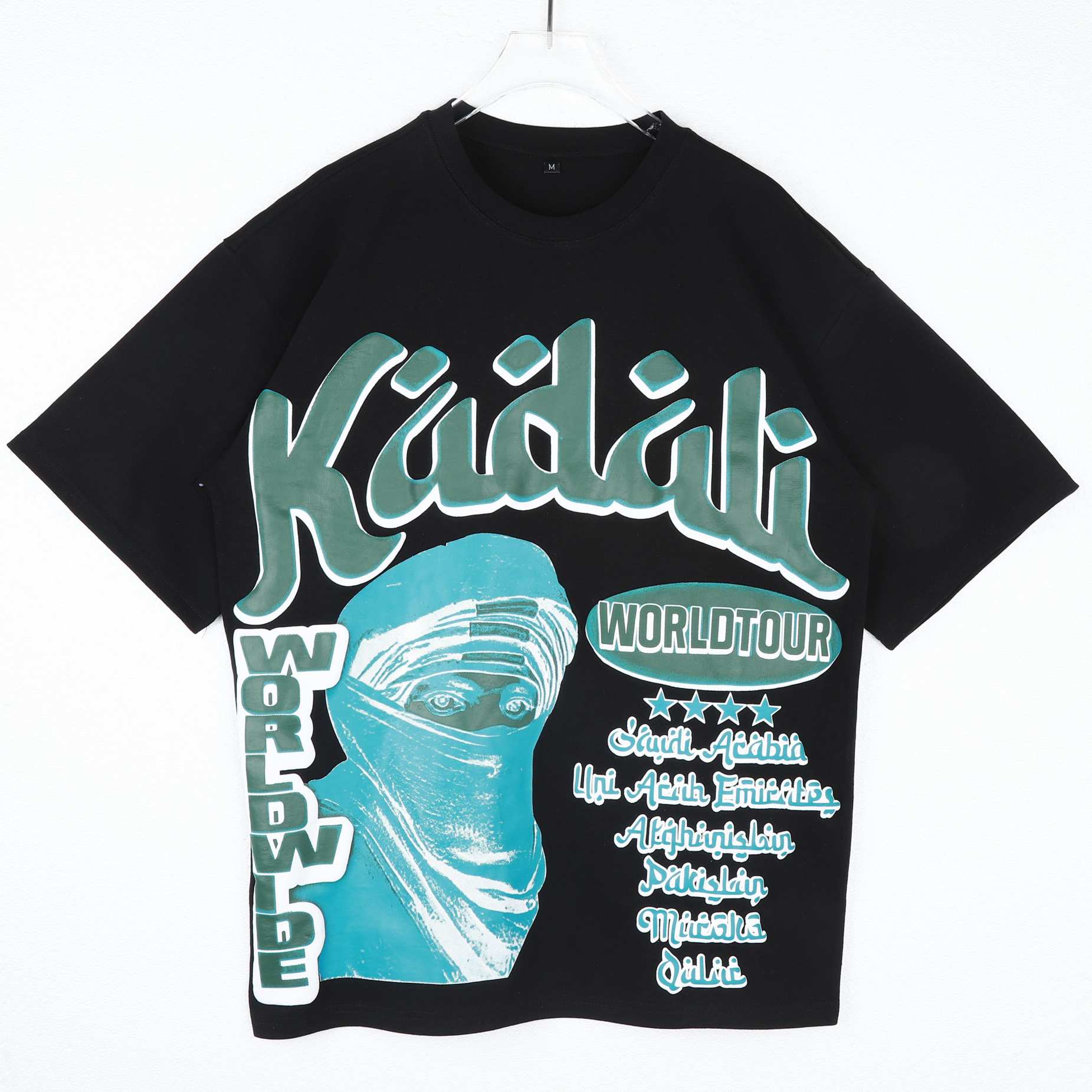
Puff Printing
Puff printing creates raised, dimensional graphics with tactile texture ideal for streetwear hoodies, varsity jackets, and fashion T-shirts. Our factory controls foam expansion, ink viscosity, and heat settings to achieve consistent 3D effects that add premium visual interest and brand differentiation to bold logos and statement designs.
Get a Quote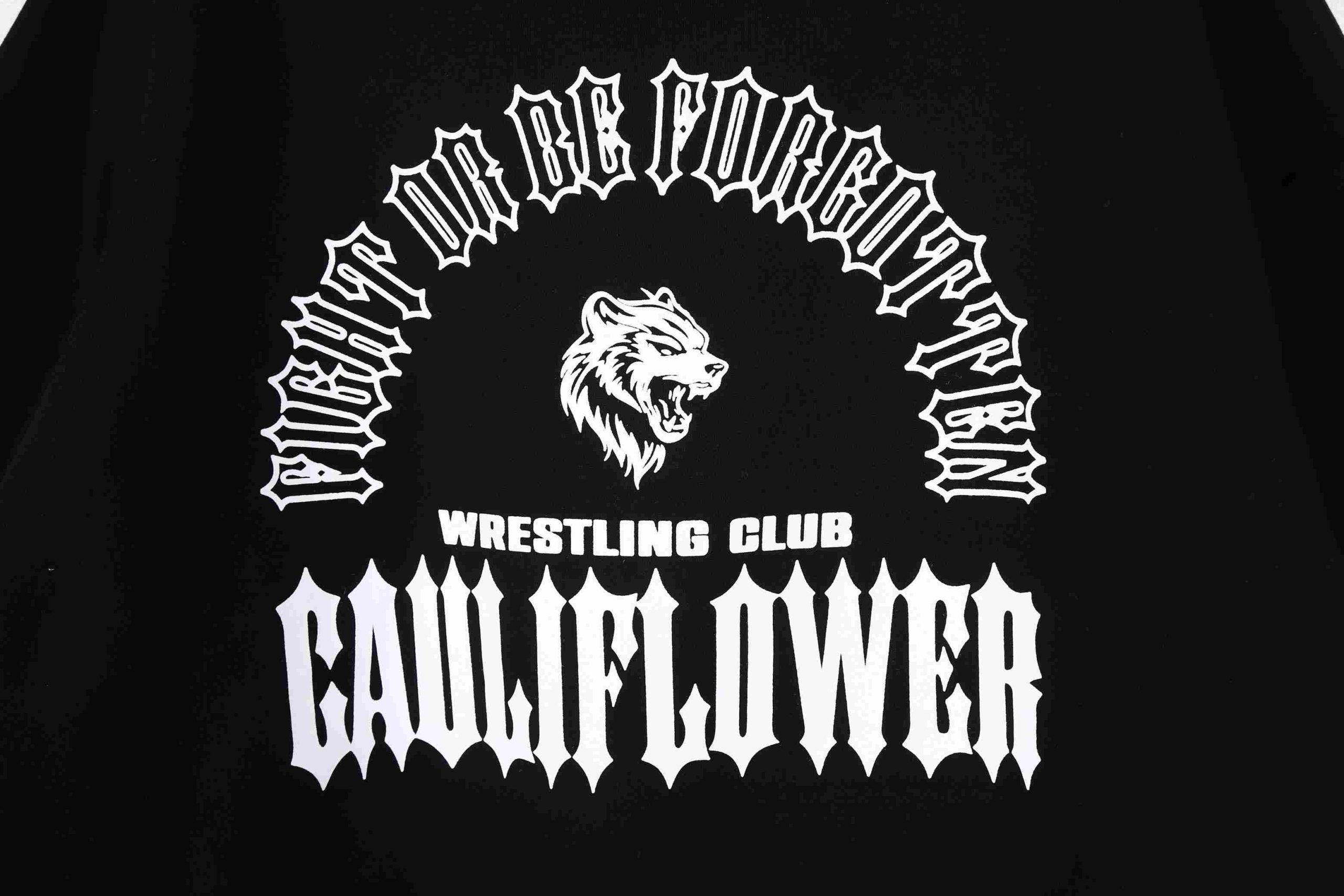
Plastisol Printing
Plastisol screen printing offers opaque, vibrant ink coverage with excellent color saturation on dark and light fabrics. This traditional method provides cost efficiency for medium to large production runs, sharp edge definition, and reliable durability across hoodies, sweatshirts, T-shirts, and casual apparel requiring classic screen-printed aesthetics.
Get a Quote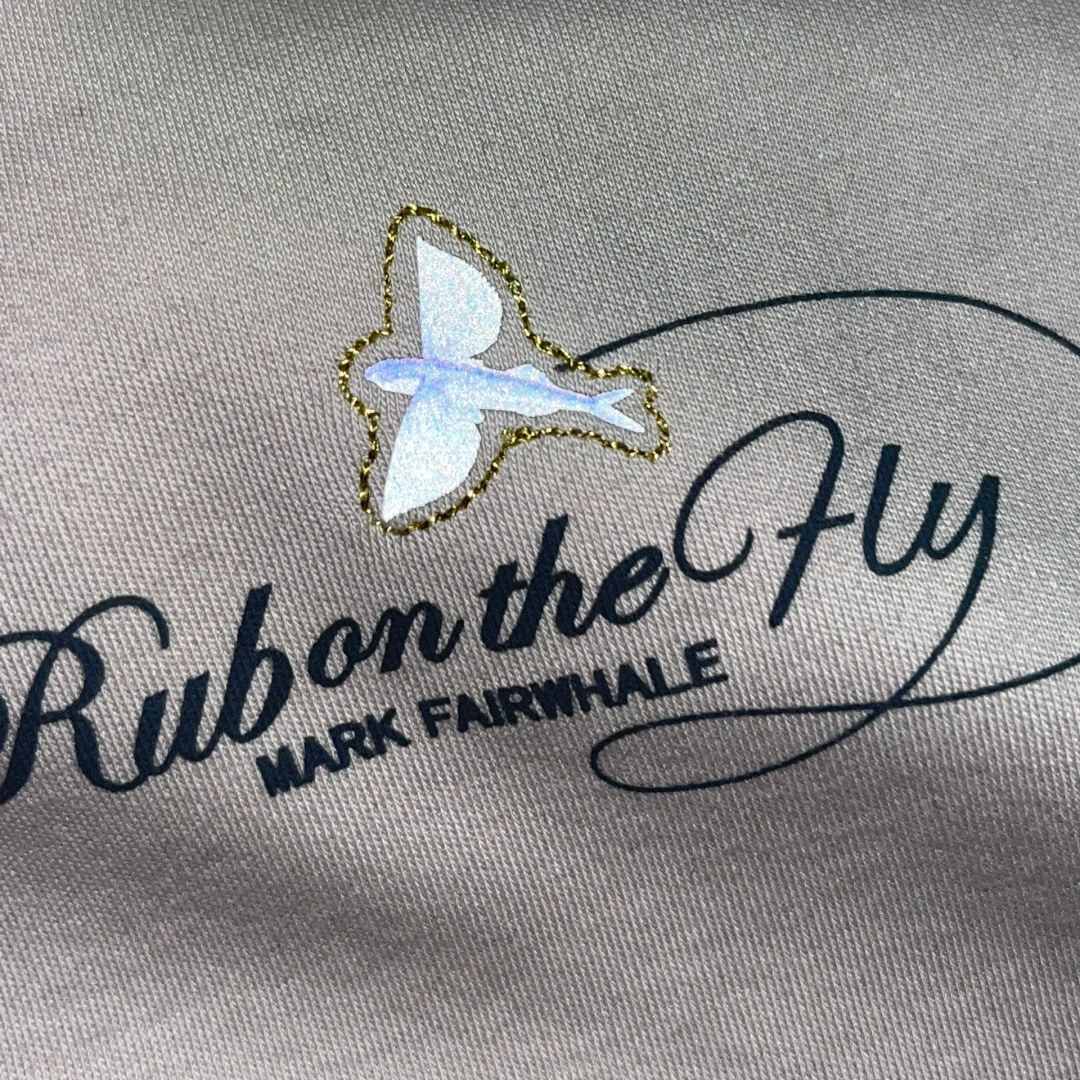
Water-Based Printing
Water-based screen printing penetrates fabric fibers for softer hand feel and breathable, eco-friendly results. Ideal for premium T-shirts, lightweight hoodies, and resort wear, this technique delivers vintage aesthetics, subtle texture, and comfortable wear without the heavy plastic feel of traditional inks, perfect for fashion-forward collections.
Get a Quote
Flocking Printing
Flock printing applies fine fiber particles to create soft, velvety, suede-like texture on garments. ZORWILD uses electrostatic flock application for raised tactile graphics on hoodies, sweatshirts, varsity jackets, and streetwear, offering unique visual depth, premium hand feel, and differentiated branding that stands out in competitive fashion markets.
Get a Quote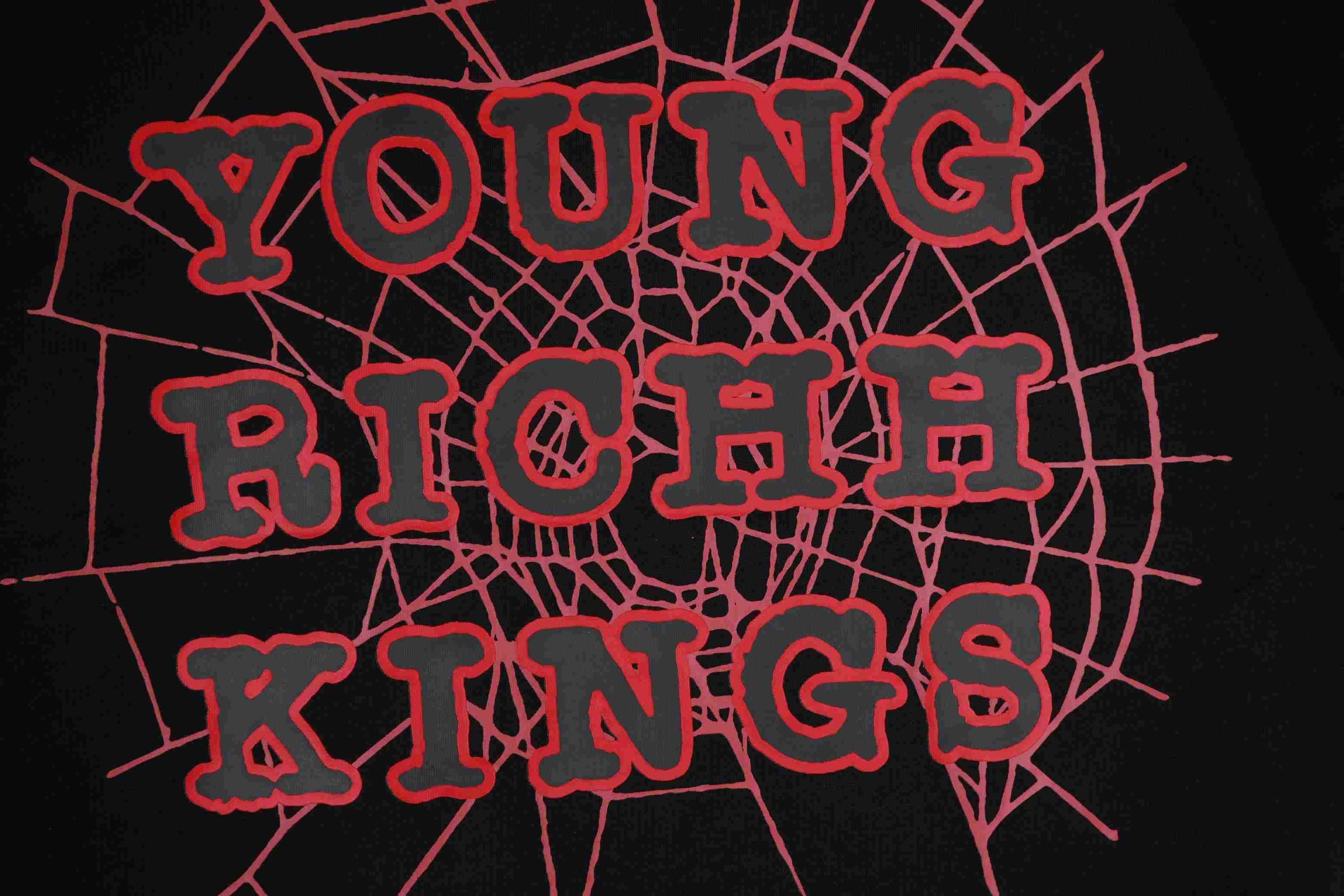
Silicone Printing
Silicone screen printing creates durable, flexible, raised graphics with smooth rubber-like texture and excellent wash resistance. This technique works across hoodies, activewear, outerwear, and technical garments, providing waterproof graphic elements, 3D branding effects, and premium tactile quality for performance-driven and streetwear collections requiring bold visual statements.
Get a Quote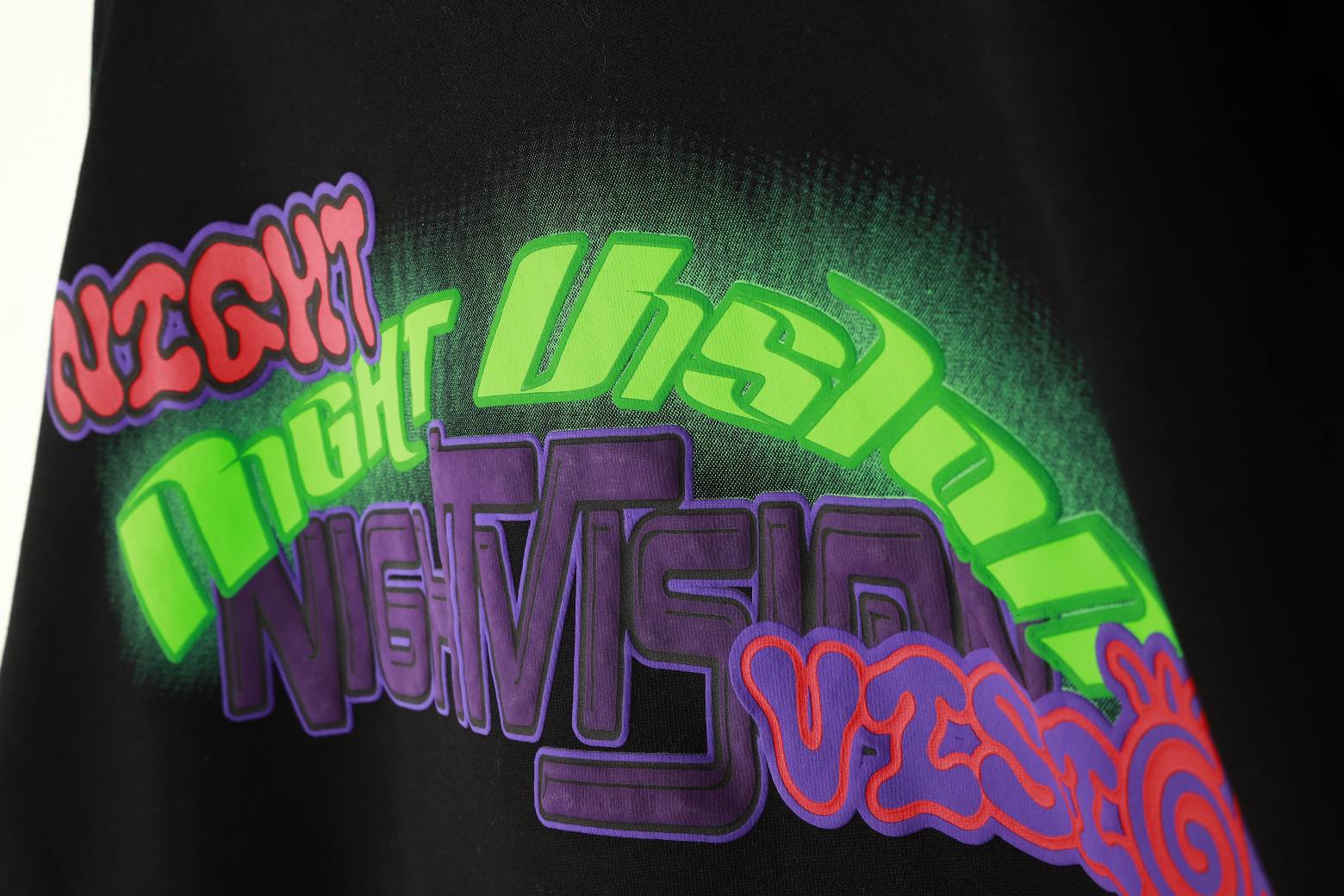
Foil Printing
Foil printing applies metallic or holographic film for eye-catching shine and luxury visual effects. Our heat-transfer foil process supports gold, silver, holographic, and custom color foils on T-shirts, hoodies, dresses, and fashion apparel, creating premium branding, reflective accents, and high-end aesthetics for trend-focused and special edition collections.
Get a Quote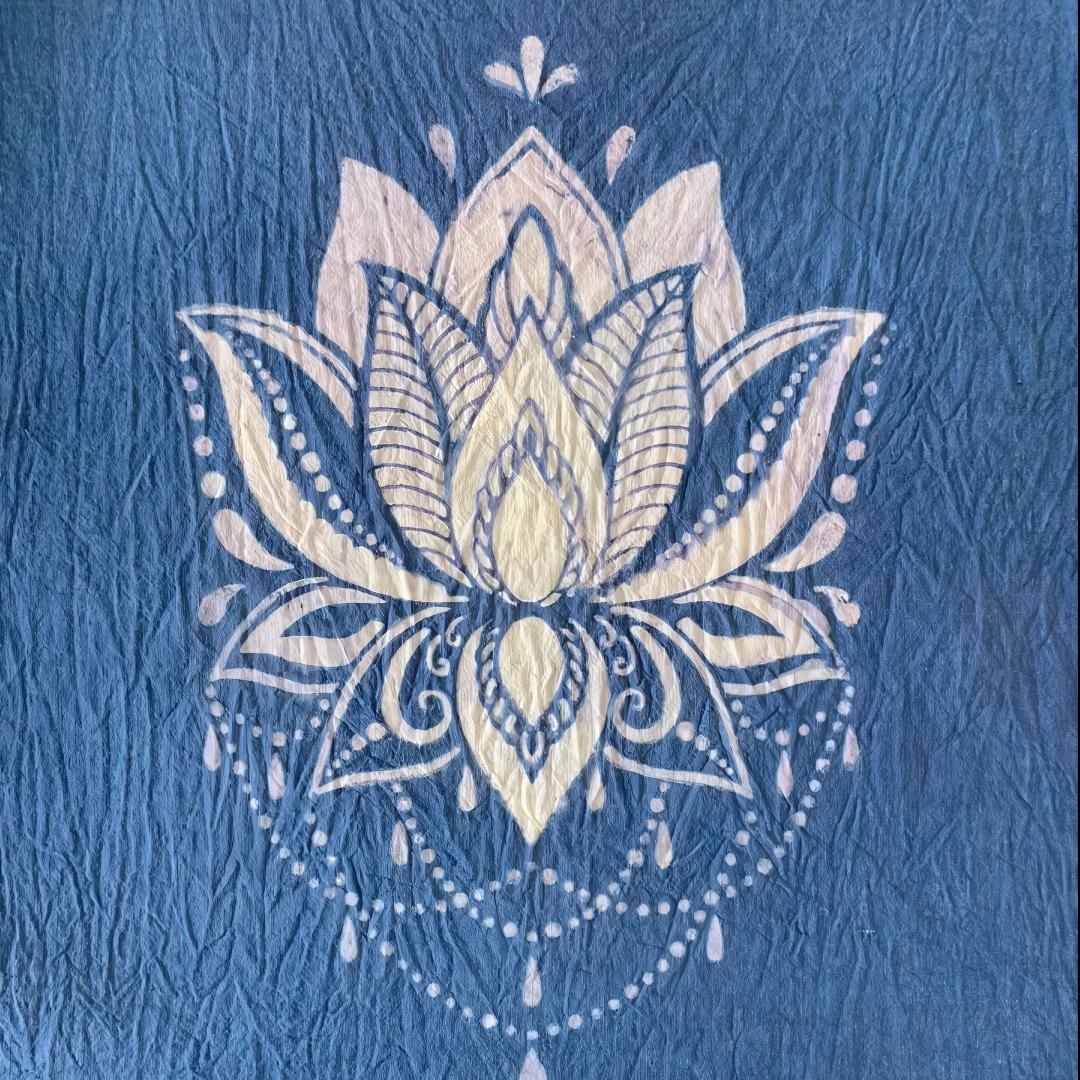
Discharge Printing
Discharge printing removes garment dye to create soft, breathable graphics with no added ink layer. Best suited for 100% cotton garments in dark colors, this eco-friendly technique delivers vintage, worn-in aesthetics with superior comfort, ideal for premium T-shirts, hoodies, and streetwear brands prioritizing soft hand feel and sustainable production methods.
Get a Quote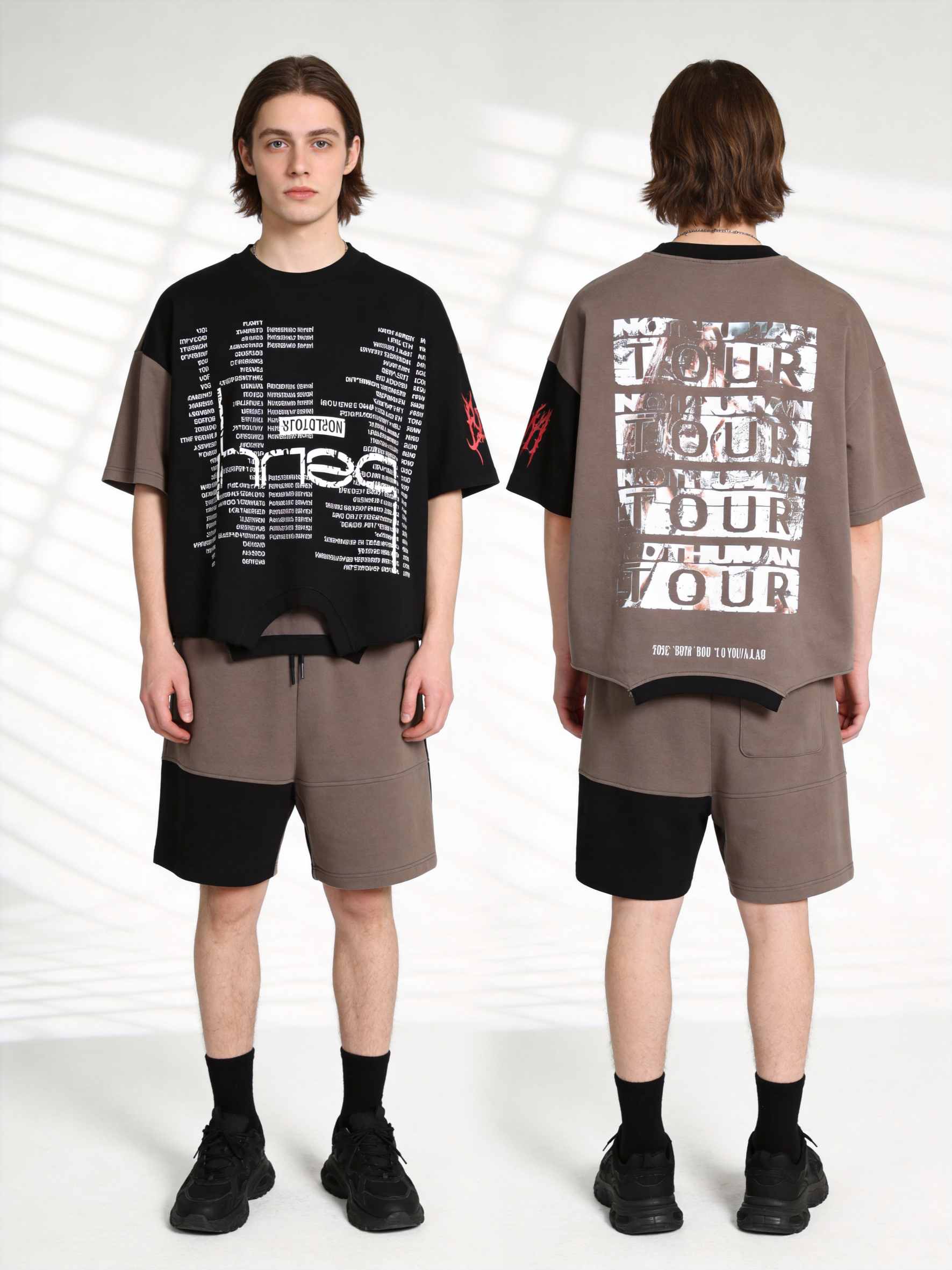
Custom Shirts
Custom shirts span casual shirts, Hawaiian shirts, resort shirts, bowling shirts, and fashion cut-and-sew styles manufactured with cotton poplin, rayon, linen blends, and performance fabrics. ZORWILD supports full pattern printing, embroidery logos, contrast panels, custom buttons, and low MOQ production from 50 pieces for startup brands and established labels.
Get a QuoteZORWILD's High Density Screen Printing Experience
Founded in 1998 in Humen, Dongguan, ZORWILD has spent 27 years mastering apparel manufacturing and advanced decoration techniques. Our high density screen printing expertise combines specialized ink chemistry, precision equipment, and rigorous quality control to deliver raised 3D effects that elevate streetwear, athletic apparel, and branded collections for over 2,000 fashion brands worldwide.
With a monthly production capacity exceeding 100,000 units and MOQ starting at just 50 pieces, we scale high density screen printing from startup capsules to large wholesale runs. Our 200-person team and 6-stage quality control system ensure every raised graphic meets exact thickness, durability, and color standards your brand demands.
ZORWILD’s high density screen printing capabilities integrate seamlessly with embroidery, garment wash, and other decoration techniques across hoodies, T-shirts, sweatshirts, and outerwear. We deliver professional results backed by decades of ink formulation knowledge, equipment investment, and proven shipping reliability to the U.S., Canada, Europe, and beyond.
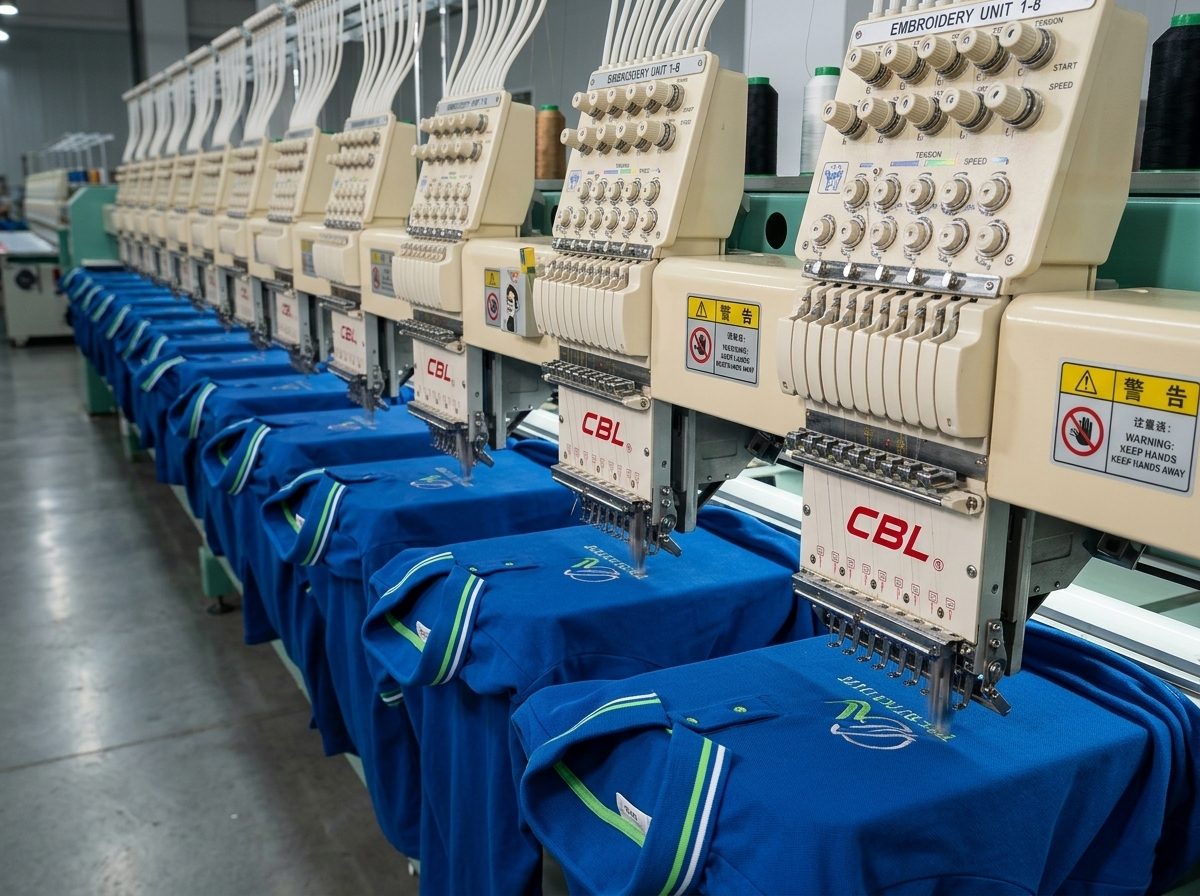
Technical Excellence in High Density Printing
Plastisol Ink Formulation u0026 Additive Control
Premium high density screen printing begins with precisely engineered plastisol ink formulations. ZORWILD uses specialized additives and thickening agents to achieve optimal viscosity, ensuring raised textures maintain shape through washing cycles without cracking or peeling over time.
- Custom additive ratios calibrated for target height and flexibility balance
- Viscosity testing ensures consistent ink flow and dimensional stability
- UV-resistant pigments prevent color fading in outdoor and athletic wear
- Phthalate-free formulations meet international safety and export standards
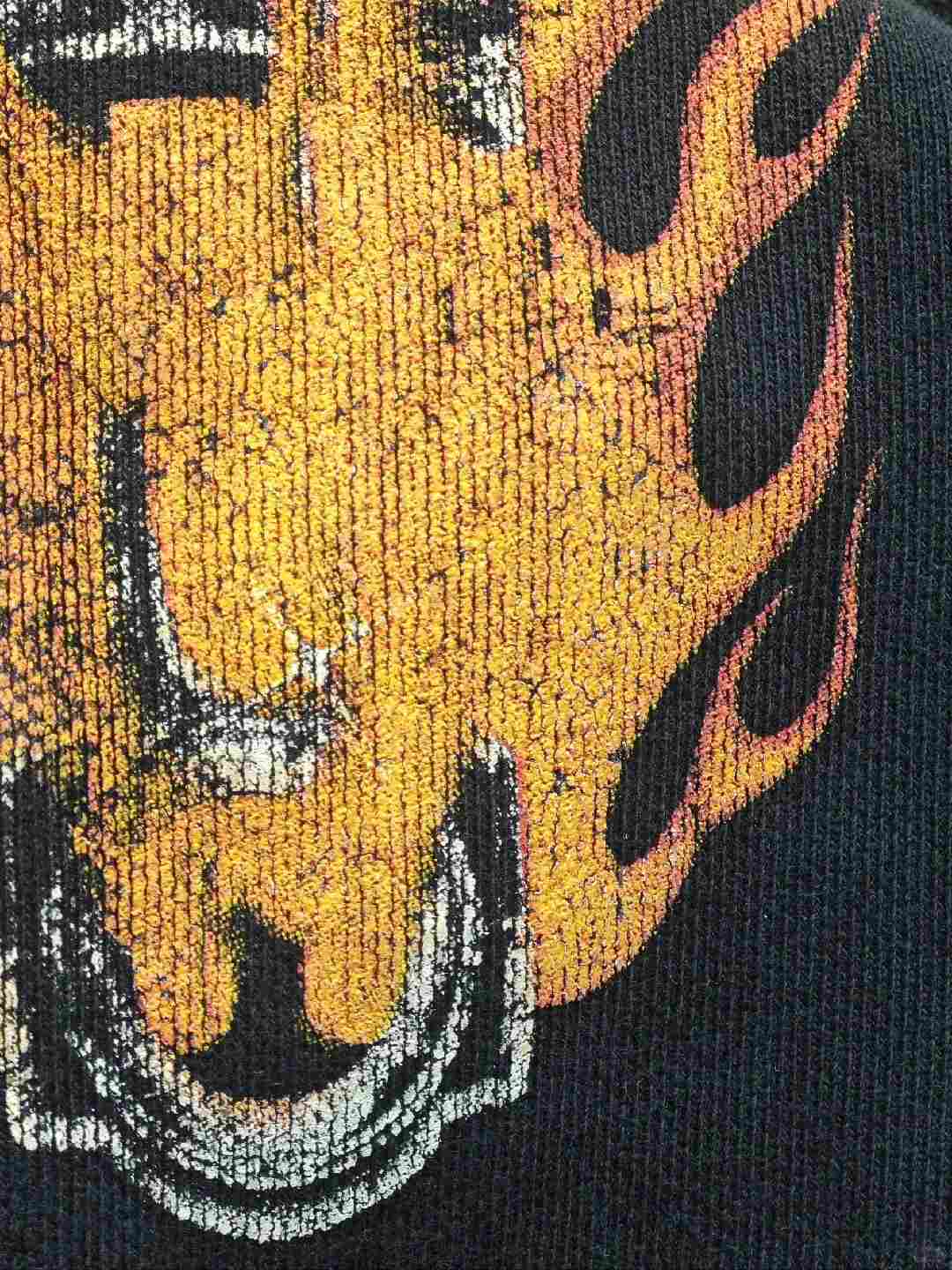
Screen Mesh Selection and Stencil Engineering
Mesh count directly impacts ink deposit thickness in high density screen printing. Our technical team selects lower mesh counts—typically 40 to 60 threads per inch—to allow maximum ink laydown while maintaining edge definition and registration accuracy across multi-color designs.
- 40-60 mesh screens enable thick ink deposits for pronounced 3D relief
- Reinforced stencil emulsions withstand repeated squeegee pressure cycles
- Precision tensioning maintains registration tolerance within ±0.5mm across colors
- Custom screen preparation protocols optimized for each garment substrate type
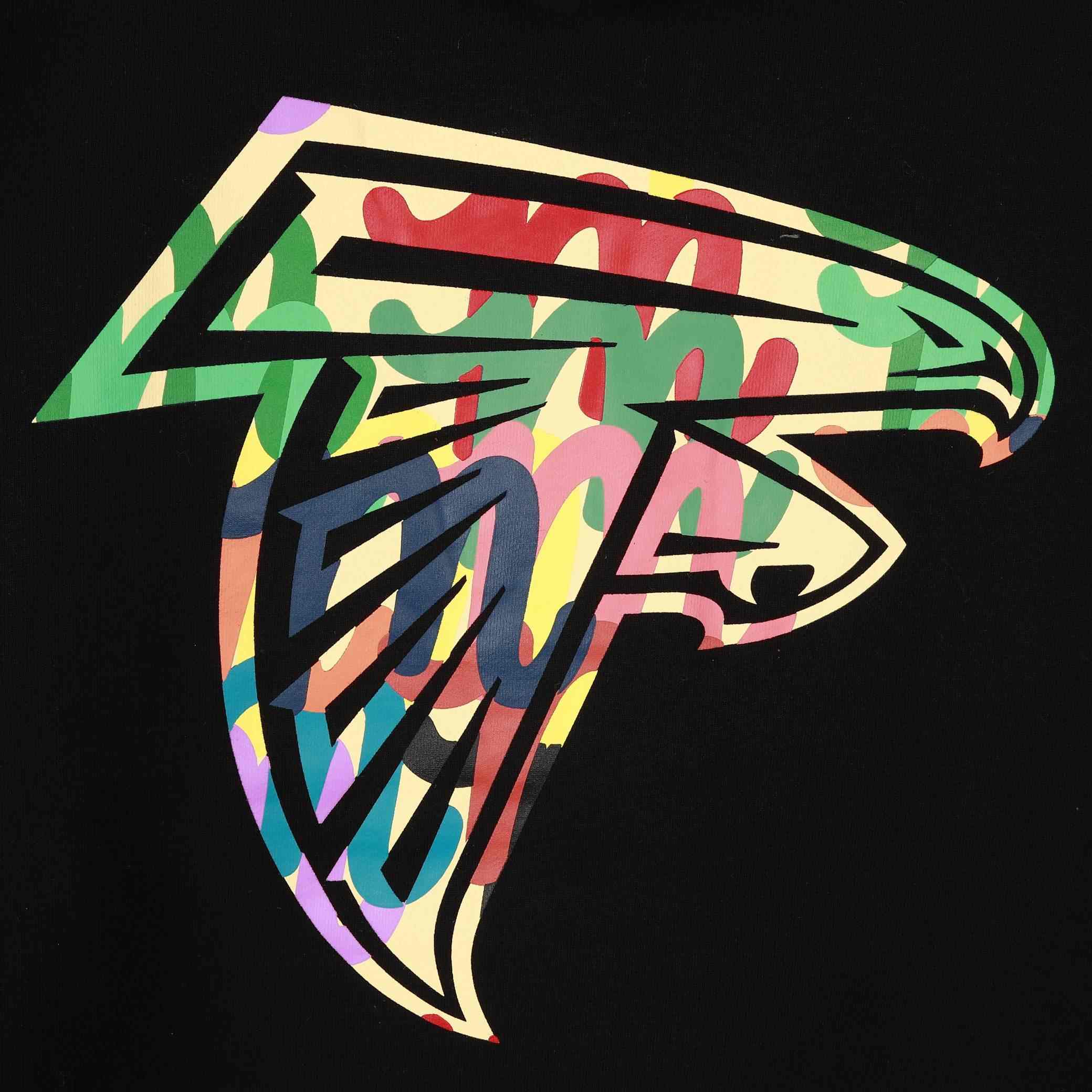
Squeegee Pressure and Print Stroke Technique
Achieving uniform raised texture in high density screen printing requires expert control of squeegee angle, pressure, and stroke speed. ZORWILD’s experienced print operators calibrate each variable to deposit consistent ink layers, preventing uneven surfaces or incomplete coverage that compromise visual impact.
- Operator training ensures consistent 45-degree squeegee angle and controlled pressure
- Multi-pass printing builds ink height gradually for maximum dimensional effect
- Flood stroke techniques prevent screen clogging during extended production runs
- Real-time adjustments maintain quality across 100,000+ unit monthly capacity
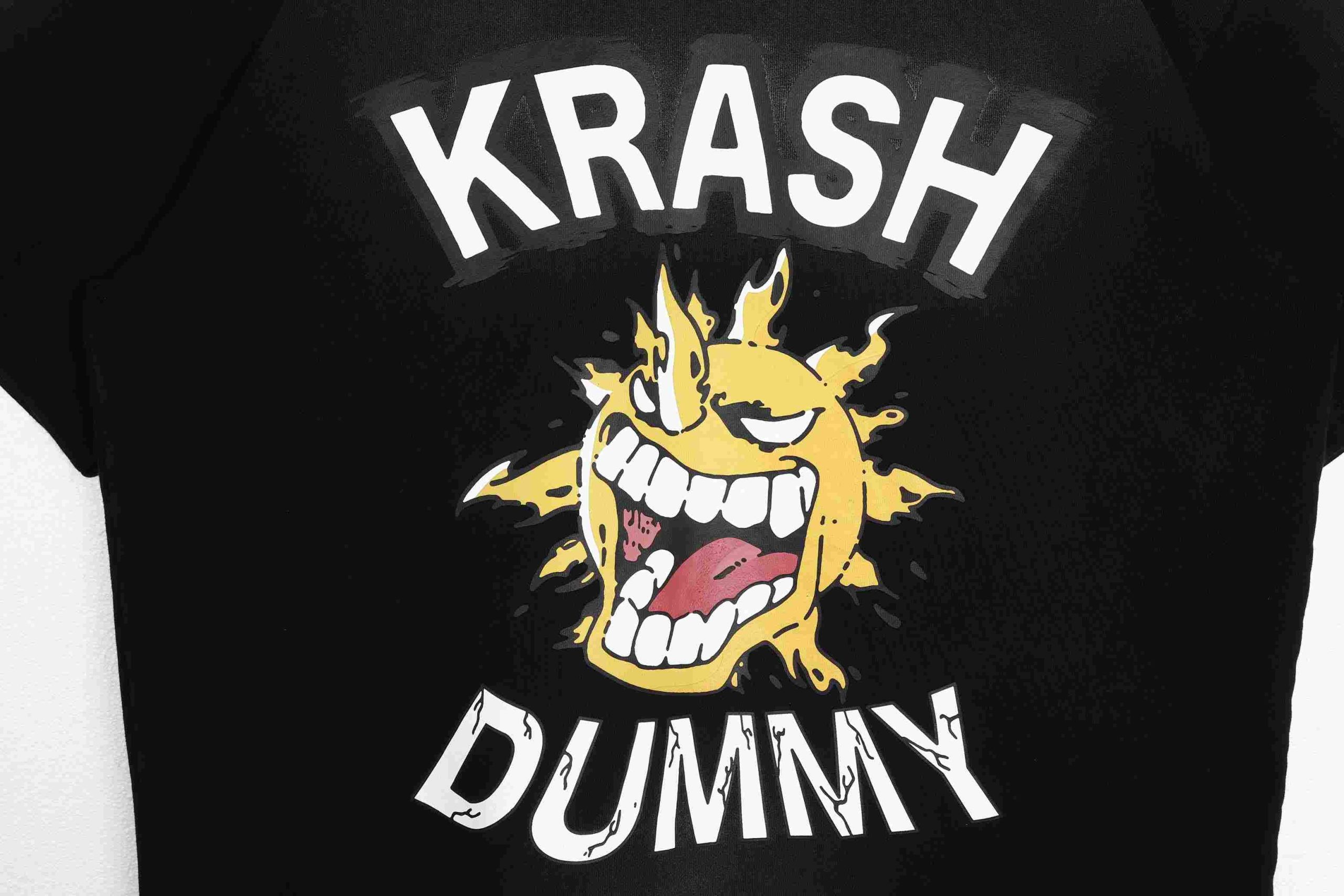
Curing Temperature and Quality Validation
Proper curing transforms plastisol ink from liquid to durable, wash-resistant finish. Our six-stage quality control system monitors cure temperature profiles between 320-330°F, validates ink adhesion through stretch testing, and inspects dimensional consistency to guarantee long-lasting high density screen printing results.
- Conveyor dryer temperature zones calibrated to fabric weight and ink thickness
- Stretch and wash testing confirms ink flexibility and adhesion durability
- Dimensional inspection verifies uniform raised height across entire print area
- Final quality checks include color accuracy, edge definition, and texture consistency
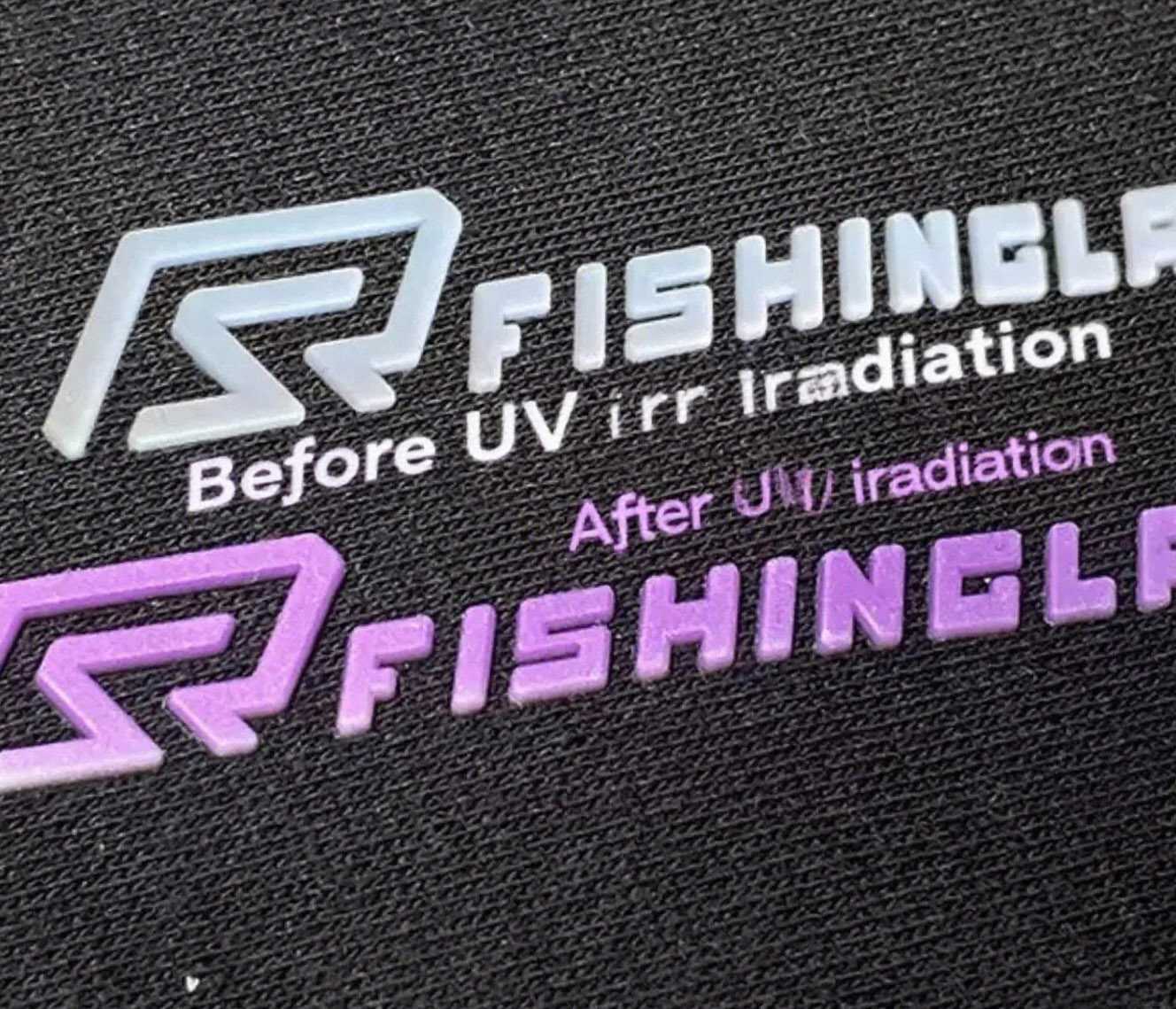
High Density Screen Printing vs. Puff Print
Both techniques create raised effects, but high density printing delivers sharper detail, superior durability, and greater design flexibility for professional streetwear and branded apparel.
← 左右滑动查看 →
High Density Screen Printing Production Flow
Every high density screen printing order follows a controlled six-phase process that ensures precise ink viscosity, optimal curing temperatures, and consistent raised effects across all garments—from 50-piece startup runs to large-scale production.
Art File Preparation
Design artwork is separated into color layers, screen mesh counts are selected, and high-viscosity ink formulations are specified to achieve the desired raised texture height and durability.
Screen Creation u0026 Setup
Emulsion-coated screens are exposed with artwork, then mounted on press. Registration marks ensure perfect alignment and ink deposit thickness is calibrated for three-dimensional relief.
High Density Ink Application
Specialized high-build plastisol inks are applied through coarse mesh screens with controlled squeegee pressure and dwell time, creating uniform raised layers that define the 3D effect.
Flash Curing u0026 Layering
Each ink layer is flash-cured at monitored temperatures to gel the surface, allowing additional passes or colors to be applied without mixing, building height progressively.
Final Curing u0026 Cooling
Garments pass through a conveyor dryer at precise temperatures to fully cure the high-density ink, ensuring wash durability and dimensional stability before cooling and inspection.
Quality Inspection u0026 Finishing
Every piece is inspected for ink height consistency, edge definition, color accuracy, adhesion strength, and print placement before folding, labeling, and packaging for shipment.
How to Order High Density Screen Printing from ZORWILD
Our streamlined process takes you from design concept to finished garments with raised 3D effects, starting at just 50 pieces with full technical support.
Submit Your Design Files
Send vector artwork with color separations and Pantone specifications. Our team reviews your files for high density screen printing compatibility and provides technical recommendations within 24 hours.
Approve Your Sample Garment
We produce a physical sample showing exact ink thickness, raised texture, and dimensional effect. Review print quality, placement accuracy, and fabric integration before production begins.
Confirm Order Details and MOQ
Finalize quantities starting from 50 pieces, select garment styles, sizes, and colors. Receive transparent pricing, production timeline, and quality assurance protocols for your high density order.
Track Production Through Completion
Your order moves through our 6-stage quality control system with in-line inspections. We provide production updates and conduct final print durability checks before secure packaging and shipment.
Customer Success Stories: High Density Screen Printing Results
ZORWILD’s high density screen printing elevated our streetwear drop. The raised 3D logo survived 40+ washes without cracking, and our customers loved the premium tactile feel. Sales increased 34% compared to our previous collection.
We ordered 500 hoodies with high density screen printing for our wholesale line. Color accuracy was perfect across every unit, delivery was two days early, and the raised texture gave us a clear edge over competitors at trade shows.
Starting with just 50 pieces, ZORWILD’s high density screen printing brought our influencer merch vision to life. The bold 3D effect photographed beautifully for social media, and we sold out in 72 hours. Already planning our next order.
Frequently Asked Questions About High Density Screen Printing
What fabrics work best with high density screen printing?
What is the minimum order quantity for high density screen printing at ZORWILD?
How many colors can I use in a high density screen printing design?
Can I combine high density screen printing with embroidery or patches on the same garment?
What is the maximum design size for high density screen printing?
How durable is high density screen printing after washing?
What file format and resolution do I need for high density screen printing artwork?
What is the typical lead time for high density screen printing orders?
How does the cost of high density screen printing compare to puff printing or embroidery?
The Complete Buyer’s Guide to High Density Screen Printing for Your Brand
1. What Is High Density Screen Printing?
High density screen printing is a specialty ink application technique that deposits multiple layers of plastisol ink through mesh screens to create raised, three-dimensional graphics on fabric. Unlike standard flat screen printing, which typically applies ink in a single thin layer (around 0.1–0.3 mm), high density screen printing builds ink thickness up to 3–5 mm, producing a bold, tactile surface that stands out visually and physically. The process requires coarser mesh screens (typically 30–60 thread count) and thicker plastisol inks formulated to hold their shape without spreading or collapsing during curing.nnThe raised texture delivers a premium, eye-catching effect that has made high density screen printing the preferred decoration method for athletic team logos, streetwear branding, bold lettering, and graphic-heavy designs. Streetwear brands and sportswear labels use this technique to add dimension to chest logos, sleeve graphics, and back prints, creating a luxurious hand feel that flat printing cannot replicate. The technique works best on heavyweight cotton, fleece, and performance fabrics where the garment structure can support the added ink weight without distortion.nnZORWILD’s screen printing capabilities include high density applications for brands seeking raised logo effects, dimensional lettering, and textured graphics on hoodies, T-shirts, sweatshirts, and athletic apparel. With over 27 years of garment manufacturing experience and a 50-piece minimum order quantity, the company supports startup brands, influencers, and established labels requiring professional 3D print effects with strict quality control and reliable production timelines.
2. Evolution and History of High Density Screen Printing
High density screen printing emerged in the early 1990s when streetwear and action-sports brands—skate, surf, and motocross labels—demanded dimensional logos that stood out from flat screen prints. Traditional plastisol inks could only be layered to about 0.3 mm before cracking during wear and washing. Between 1995 and 2000, advances in plastisol chemistry introduced high-viscosity formulations that allowed ink deposits of 1.5–3 mm, creating raised tactile graphics that survived repeated flex and laundering without losing integrity.nnBy the mid-2000s, premium athletic brands and fashion labels adopted high density screen printing to differentiate performance collections and luxury streetwear lines. The technique became synonymous with premium branding, offering a middle ground between flat prints and the higher cost of chenille embroidery. Manufacturers refined mesh counts—typically 30–60 threads per inch—and developed specialized squeegee techniques to control ink height and edge definition across complex artwork.nnToday’s trends center on sustainability and hybrid decoration. Water-based and phthalate-free plastisol alternatives now deliver comparable raised effects with reduced environmental impact, meeting OEKO-TEX and GOTS standards. Hybrid techniques combine high density screen printing with flat embroidery, puff print, or foil accents to create multi-dimensional designs in a single production run. Luxury streetwear collaborations have driven renewed demand, with brands layering high-density logos over vintage washes, acid treatments, and heavyweight jersey to achieve the tactile, premium aesthetic that resonates across influencer-driven markets and established fashion houses alike.
3. Types of High Density Screen Printing Techniques
High density screen printing divides into four core techniques, each offering distinct visual effects, durability profiles, and cost structures. Understanding these variants helps buyers match technique to brand positioning, from streetwear logos to luxury fashion embellishments.
Standard High-Density Plastisol
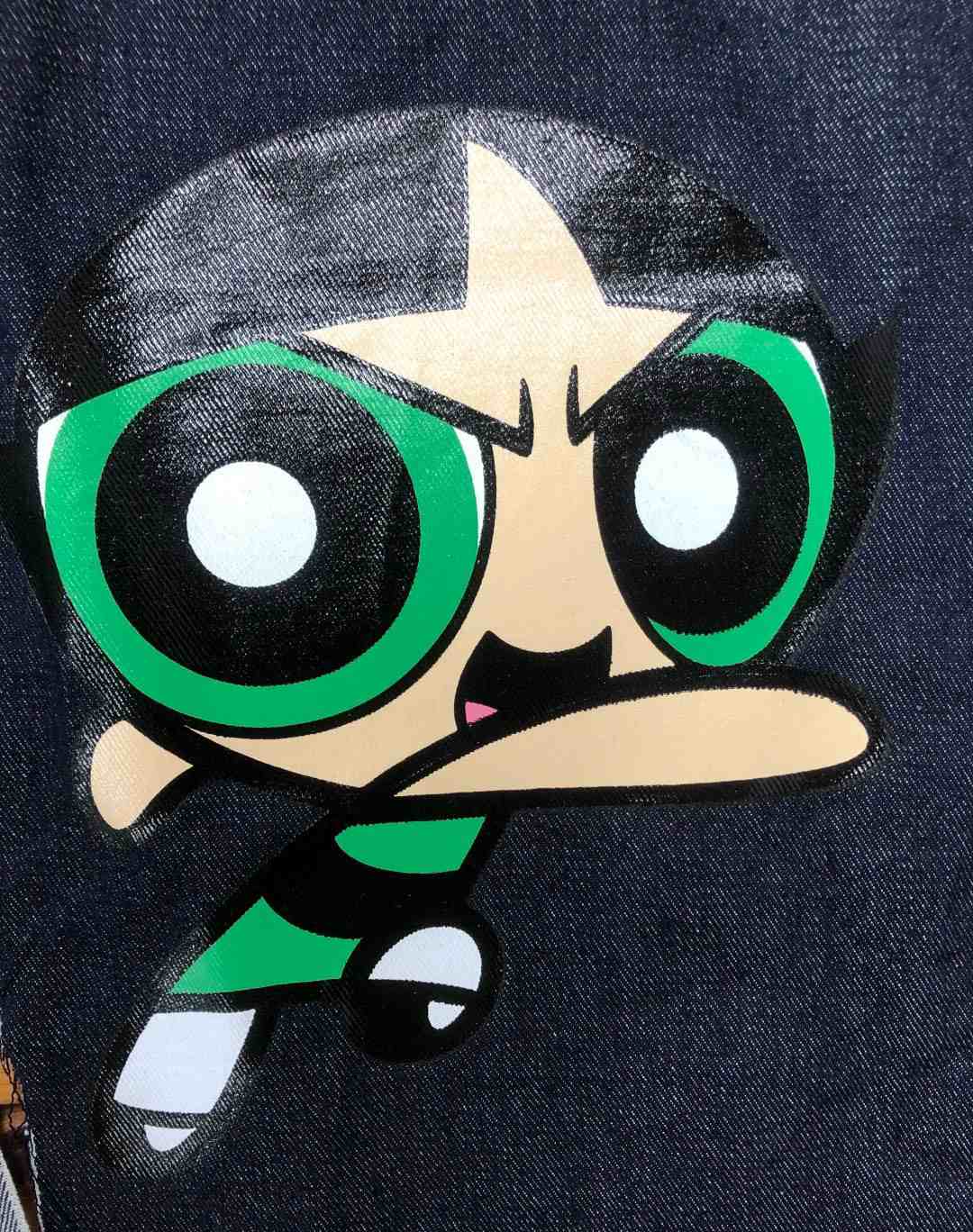
Standard high-density plastisol builds ink layers 2–4 mm thick in a single color, creating bold raised graphics with sharp edges. This technique suits streetwear logos, athletic numbers, and brand wordmarks where high contrast and tactile impact matter most.nnDurability reaches 50+ industrial washes without cracking when properly cured. Cost remains the most economical high-density option, typically adding $0.80–$1.50 per garment for simple designs. ZORWILD applies this technique across hoodies, T-shirts, and sweatshirts for brands requiring strong visual presence at competitive pricing.
Multi-Layer Gradient High-Density
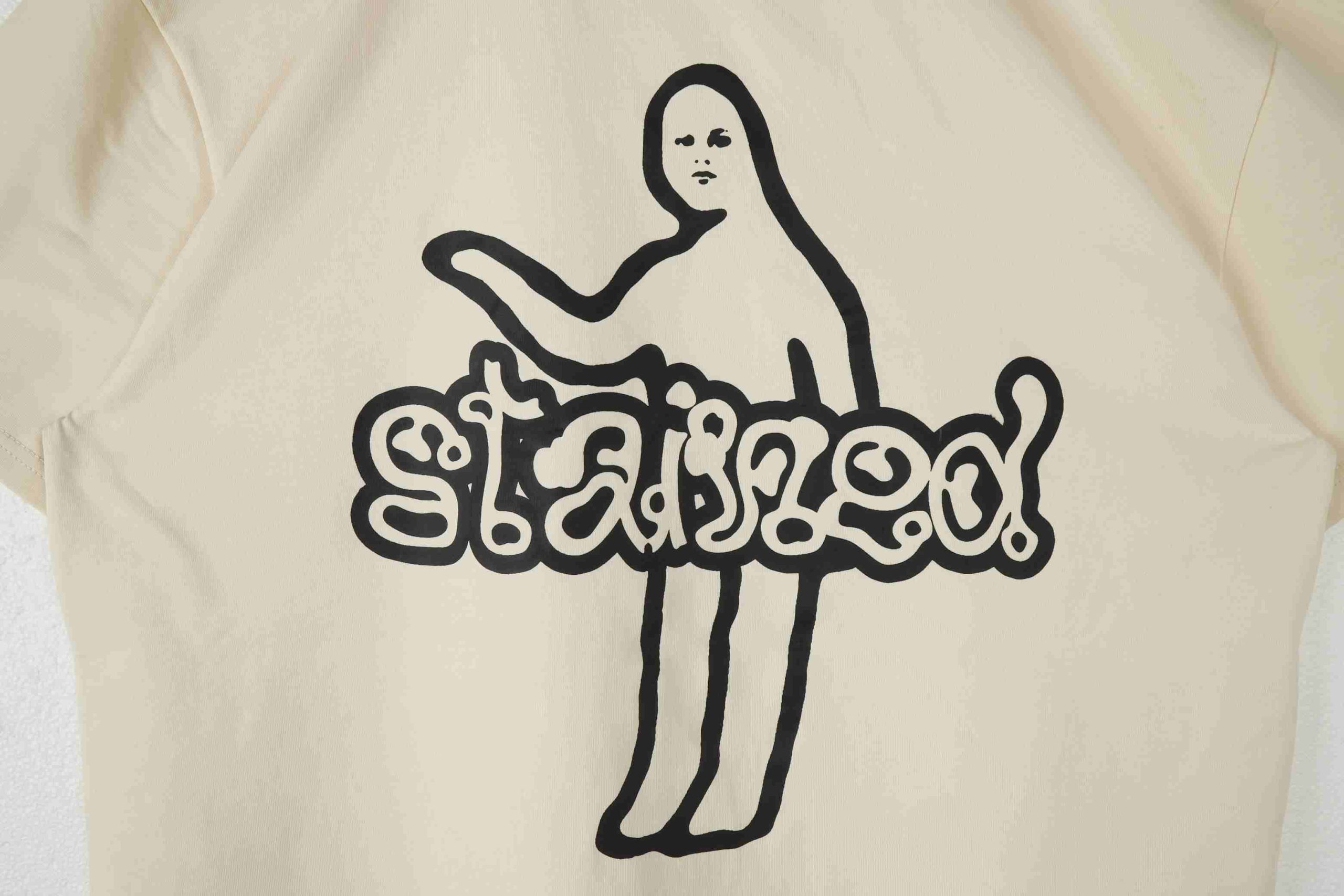
Multi-layer gradient high-density stacks 3–5 ink layers with controlled mesh counts to achieve color transitions within raised areas. Each layer requires separate screen setup, curing, and registration alignment, making this the most labor-intensive variant.nnLuxury streetwear and fashion brands favor this technique for ombré logos and dimensional artwork. Cost increases to $2.50–$4.00 per placement due to multiple screen passes and extended curing cycles. Durability matches standard plastisol when layer adhesion is managed correctly.
Puff Plus High-Density Hybrid
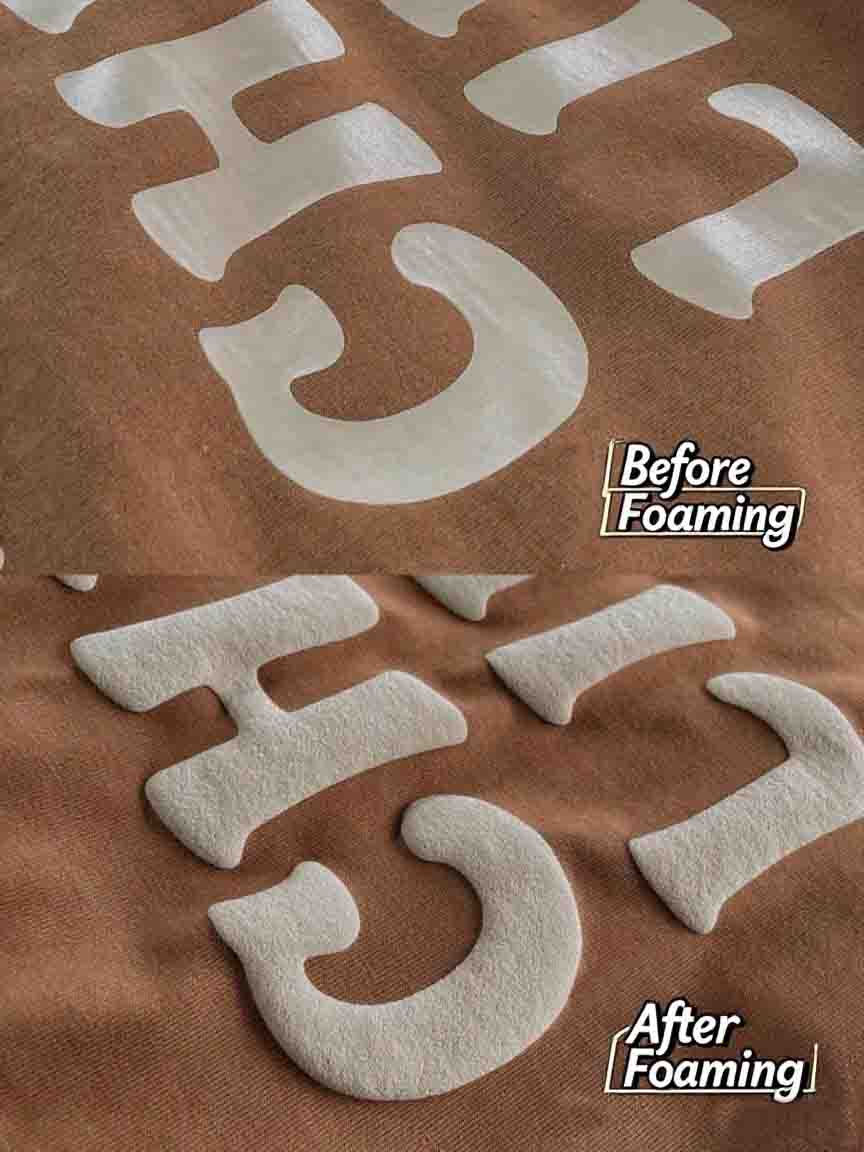
Puff plus high-density hybrid combines expansion ink bases with dense plastisol caps, delivering extreme 5–6 mm height with controlled shape retention. The puff layer expands under heat, while the top plastisol layer prevents over-expansion and adds color definition.nnThis technique dominates athletic branding, resort wear, and statement streetwear graphics. Cost ranges $1.80–$3.00 per print depending on puff volume and cap complexity. ZORWILD recommends this for oversized hoodies and vintage wash T-shirts where maximum tactile impact enhances brand storytelling.
Specialty High-Density Finishes
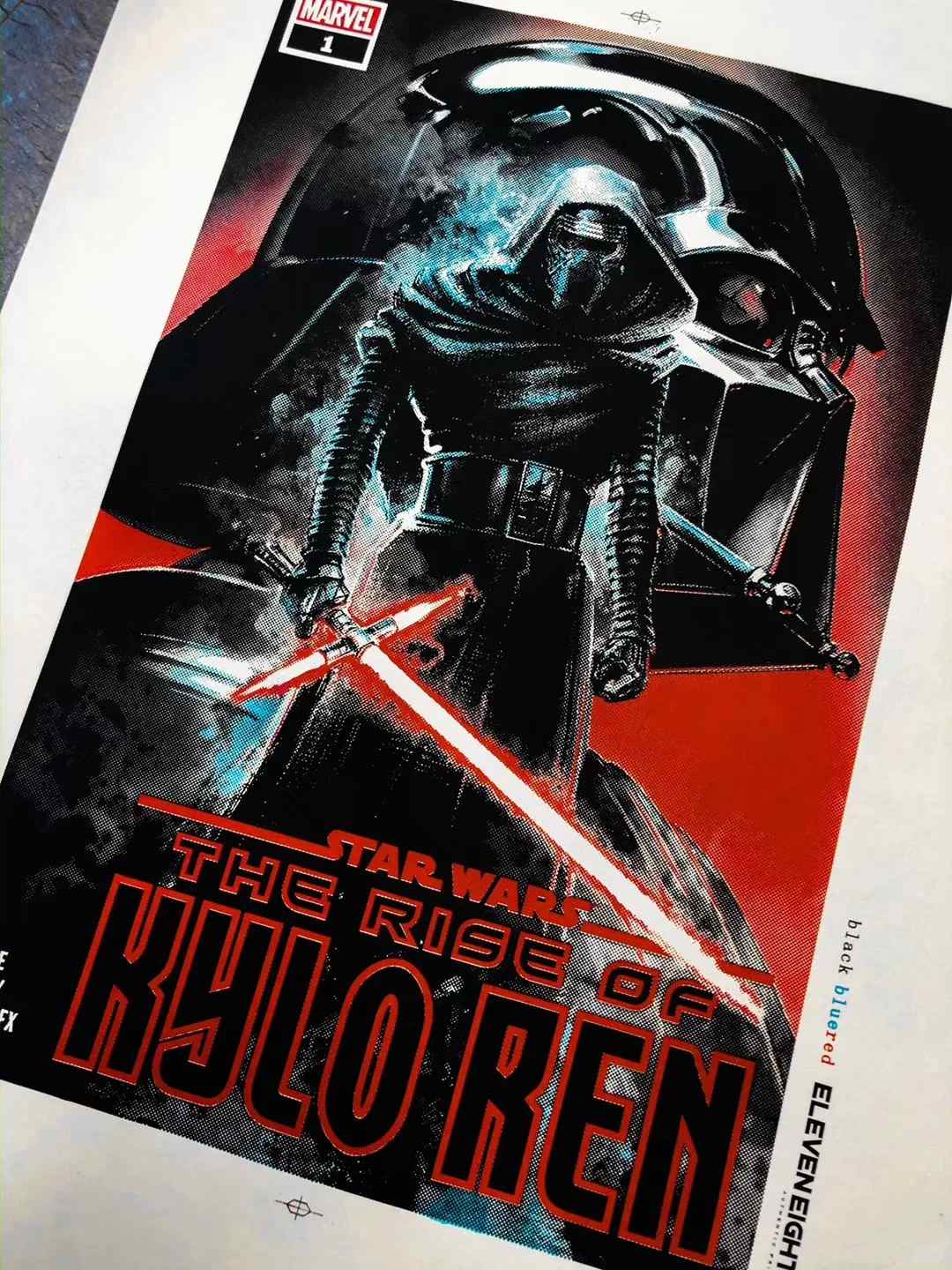
Specialty finishes integrate metallic particles, glow-in-the-dark pigments, or textured additives into high-density bases. Metallic high-density suits luxury activewear and premium streetwear, while glow variants target festival fashion and youth brands.nnCost climbs to $3.00–$5.50 per placement due to specialty ink pricing and extended curing requirements. Durability varies: metallic finishes maintain 40+ washes, glow effects fade after 25–30 cycles. ZORWILD sources specialty inks from trusted suppliers to ensure color consistency and regulatory compliance for international markets.
4. Materials and Fabrics for High Density Screen Printing
Fabric selection determines high density screen printing durability and dimensional stability. Substrate weight, weave density, and fiber composition directly impact ink adhesion, wash performance, and the raised effect integrity across production runs.
| Fabric Type | GSM / Weight Range | High-Density Compatibility | Typical Use Cases |
|---|---|---|---|
| Heavyweight Cotton | 200–340 GSM (6–10 oz) | Excellent—stable base, minimal pucker | Premium T-shirts, streetwear tees, fashion tops |
| Cotton-Poly Blend | 180–280 GSM (5.3–8.3 oz) | Very Good—balanced durability and stretch | Hoodies, crewnecks, casual sweatshirts |
| Fleece / French Terry | 280–400 GSM | Excellent—dense knit anchors thick ink | Oversized hoodies, pullover sweatshirts, joggers |
| Technical Polyester | 140–200 GSM | Good with pre-treatment—requires adhesion prep | Sports jerseys, activewear, performance tops |
Heavyweight Cotton and Cotton-Poly Blends
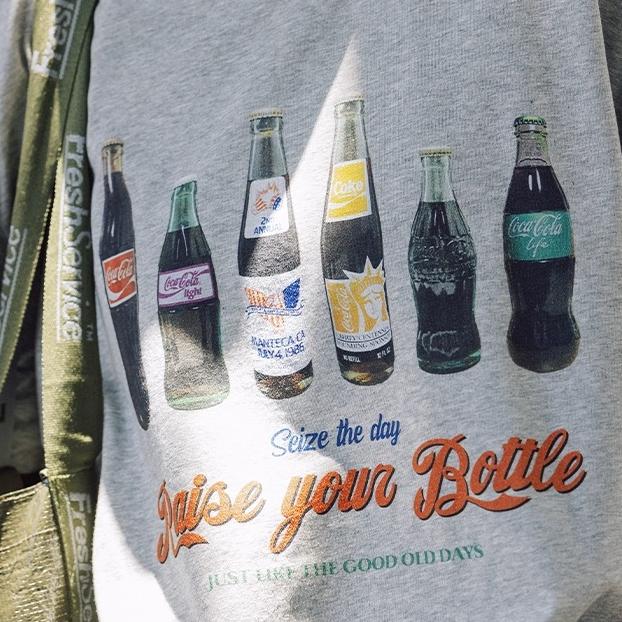
Heavyweight cotton fabrics ranging from 6 oz to 10 oz per square yard (200–340 GSM) provide the structural stability required for thick plastisol layers without puckering or distortion. Ring-spun cotton delivers superior ink adhesion compared to open-end yarns due to tighter fiber alignment and smoother surface tension.nnCotton-polyester blends in 50/50 or 60/40 ratios combine cotton’s natural absorbency with polyester’s shape retention and wrinkle resistance. Blended fabrics require careful curing temperature control—plastisol must reach 320°F (160°C) to bond fully without scorching cotton fibers or melting polyester content.
Fleece and French Terry Substrates
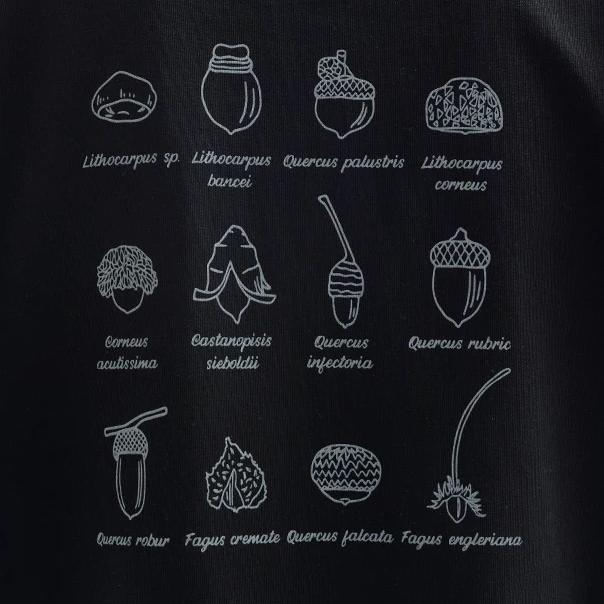
Fleece fabrics from 280 GSM to 400 GSM offer excellent dimensional stability for oversized hoodies and sweatshirts where high-density prints anchor securely into the dense knit structure. French terry’s looped interior and smooth face allow precise registration and minimal ink bleed, making it ideal for chest logos and sleeve graphics that require sharp edges and consistent height.
Technical Performance Fabrics and Pre-Treatment
Polyester jerseys, moisture-wicking blends, and nylon technical fabrics present adhesion challenges due to low surface energy and hydrophobic fiber chemistry. Pre-treatment with plasma treatment or adhesion promoters increases surface tension from 30–35 dynes/cm to 45+ dynes/cm, enabling plastisol inks to bond without peeling after repeated washing.nnPerformance fabrics rated for athletic use require specialized low-bleed inks to prevent dye migration—sublimation dyes in polyester can bleed into white plastisol at temperatures above 300°F, causing discoloration and reduced graphic contrast over 20+ wash cycles.
5. Customization and Decoration Options with High Density Screen Printing
High density screen printing offers extensive customization beyond standard raised effects. Buyers can specify PMS color matching, layer multiple passes for deeper relief, blend metallic or reflective pigments, and combine techniques like embroidery or standard screen print on the same garment to create premium brand identities.
| Method | Cost per Piece | Durability (Washes) | Visual Impact |
|---|---|---|---|
| High Density Screen Print | $1.50–$3.50 | 50–80 | Bold 3D raised texture |
| Embroidery | $2.00–$5.00 | 100+ | Premium tactile detail |
| DTG Printing | $1.00–$2.50 | 30–50 | Photographic full color |
Ink Color Matching and Specialty Pigments
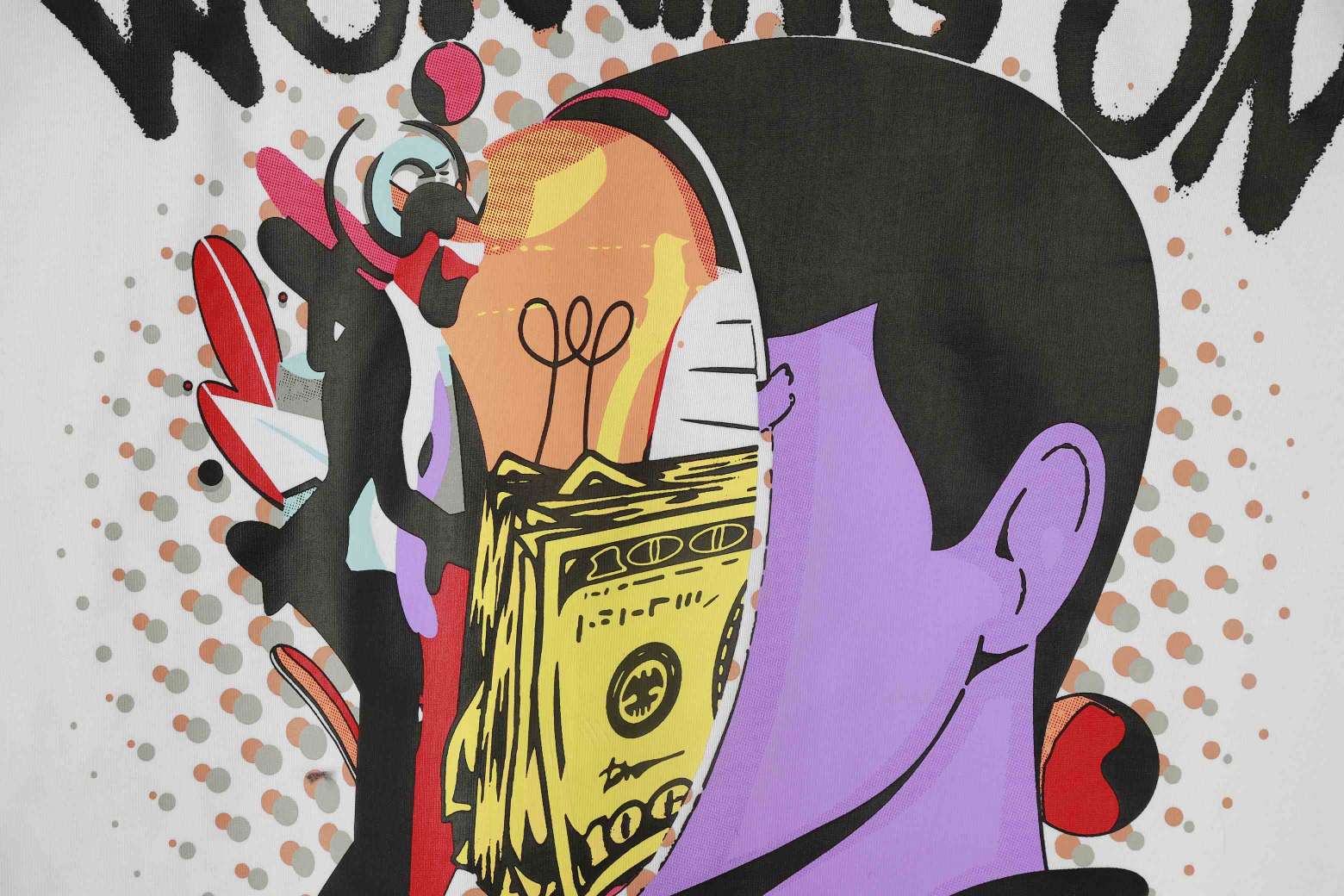
PMS (Pantone Matching System) color matching ensures brand consistency across production runs and product categories. High density inks accept metallic flakes, reflective pigments, and glitter additives for technical fashion and streetwear collections.nnMinimum order quantities for custom PMS formulations typically start at 200–500 pieces, while standard colors support runs as low as 50 pieces. Reflective and metallic pigments add 15–25% to ink costs but deliver premium visual impact under varied lighting conditions.
Layering Sequences and Multi-Technique Combinations
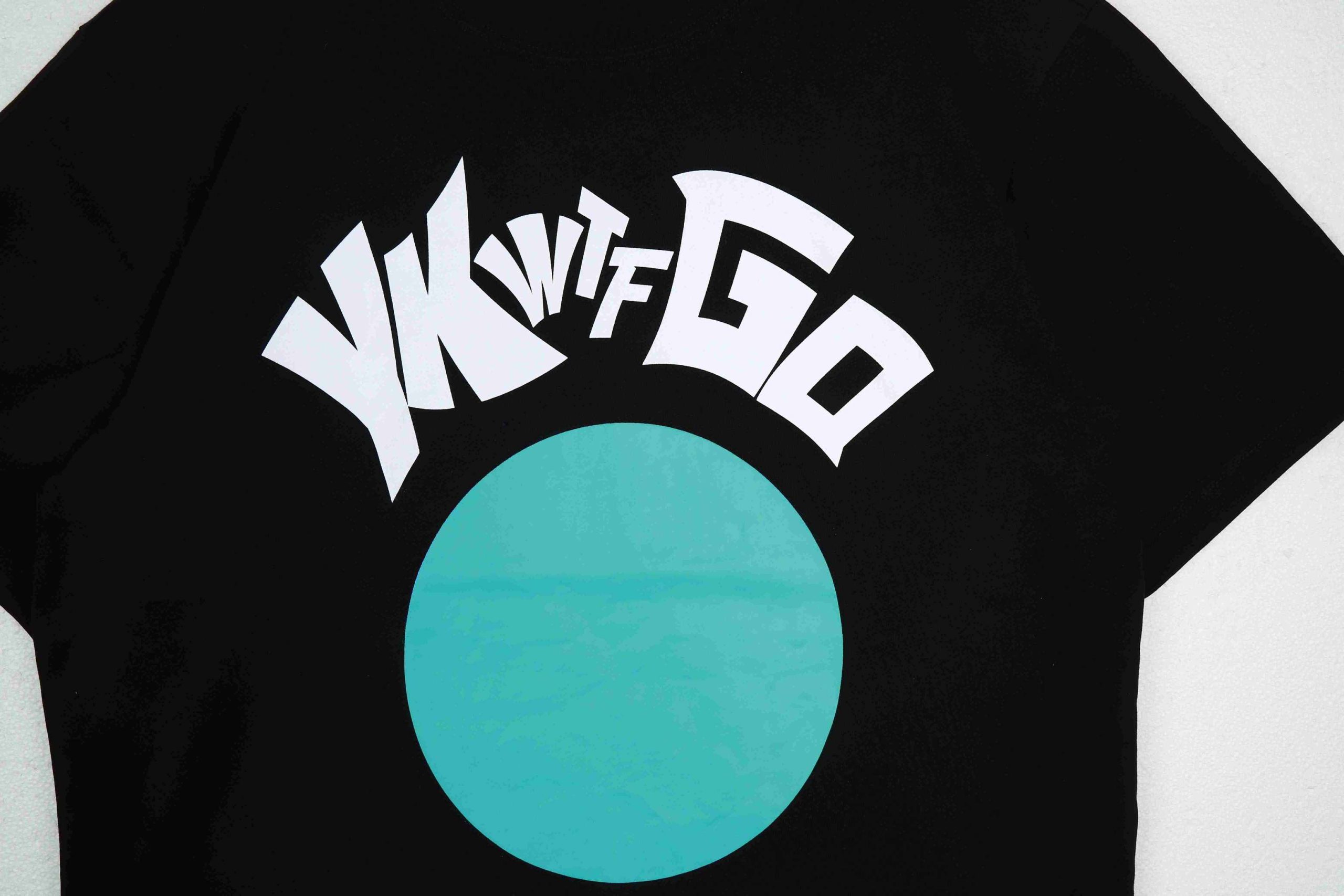
Layering two to four high density passes builds relief heights from 2 mm to 5 mm, creating bold dimensional logos and textures. Each additional layer requires flash curing between passes to prevent ink collapse.nnCombining high density screen printing with flat screen print, puff print, or embroidery on different garment locations maximizes design flexibility. Co-branding opportunities include chest logos in high density, sleeve patches in embroidery, and back graphics in standard screen print, all within a single production run.
Artwork Preparation Requirements
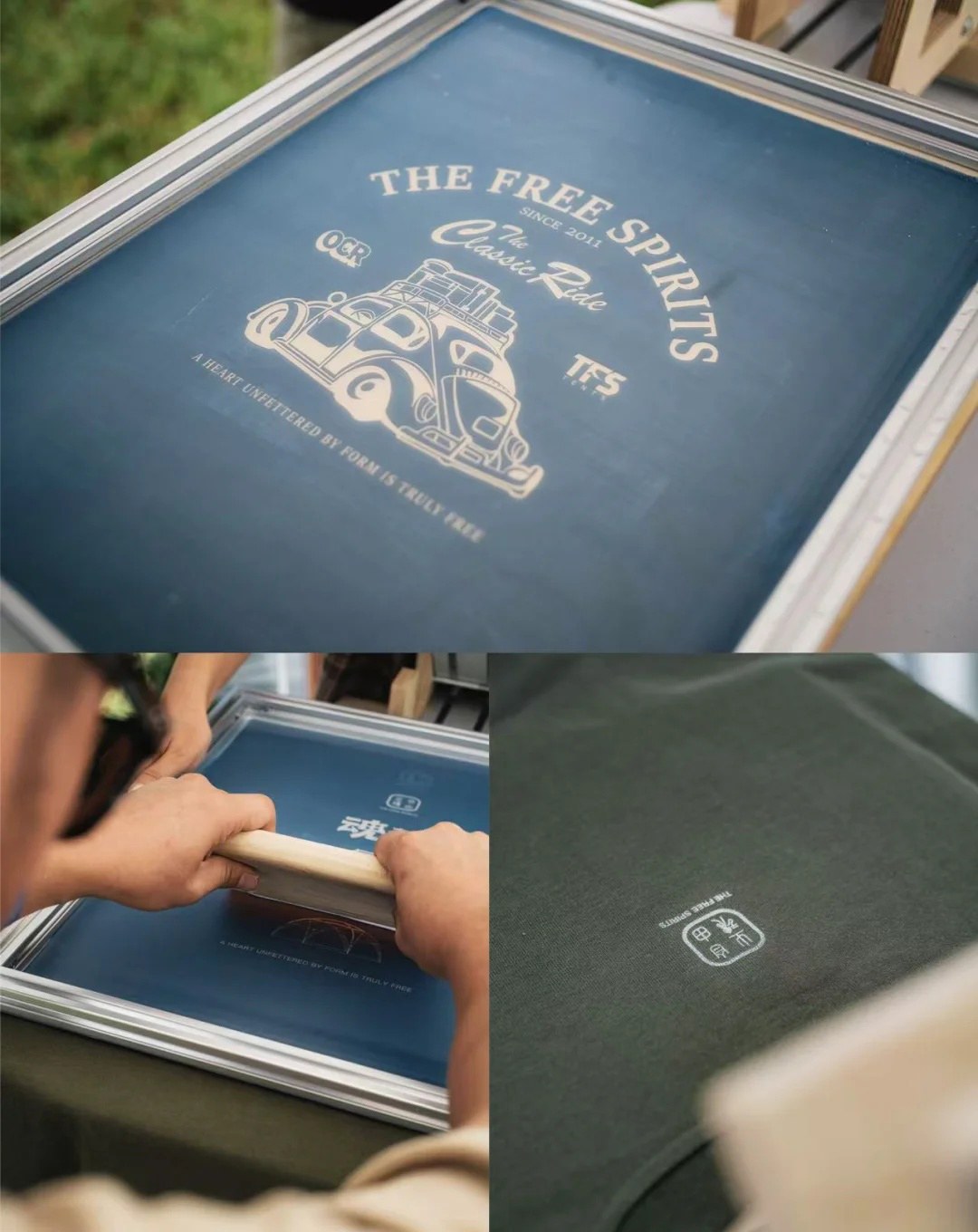
Vector files in AI or EPS format with minimum 0.5 mm line weights ensure clean high density prints without edge bleed or detail loss. Artwork with fine serifs, gradients, or intricate patterns requires conversion to simplified shapes.nnUnderbase white layers are essential when printing high density designs on dark fabrics to prevent color shift and ensure opacity. ZORWILD’s design team reviews all artwork for production feasibility and recommends adjustments for optimal raised-texture results before sampling.
6. Key Quality Elements in High Density Screen Printing
Professional buyers verify five critical benchmarks before approving any high density screen printing order. Ink thickness should measure 1.5–3.0 mm above the fabric surface for true raised effects, while edge definition and adhesion strength determine long-term durability. Colorfastness after 50+ commercial washes and freedom from cracking separate premium manufacturers from budget suppliers.
Ink Thickness and Edge Definition
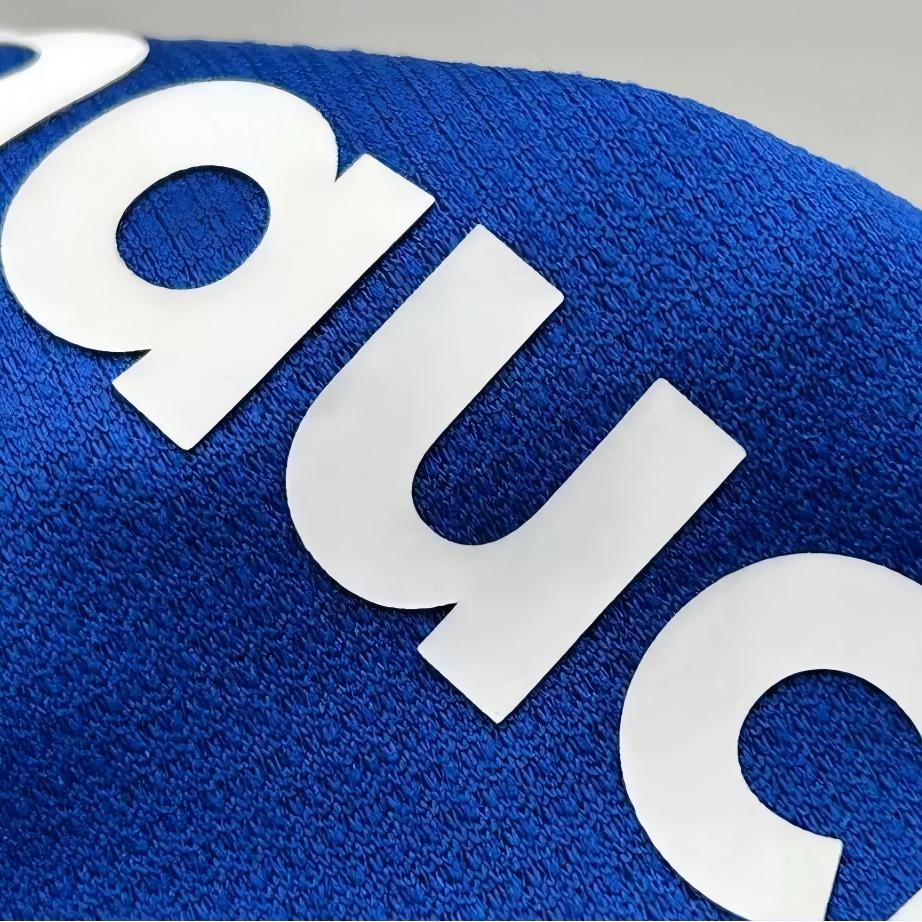
Measure ink height with a digital caliper at multiple points across each print; consistent 2.0–2.5 mm thickness indicates proper screen setup and squeegee control. Sharp, clean edges without feathering or bleeding confirm correct mesh count selection — typically 60–86 threads per inch for high density work.nnUneven height or soft edges signal incorrect squeegee durometer (should be 70–80 Shore A) or excessive print speed. Request cross-section photos of sample prints to verify uniform ink distribution and proper underbase coverage on dark fabrics.
Adhesion and Wash Durability
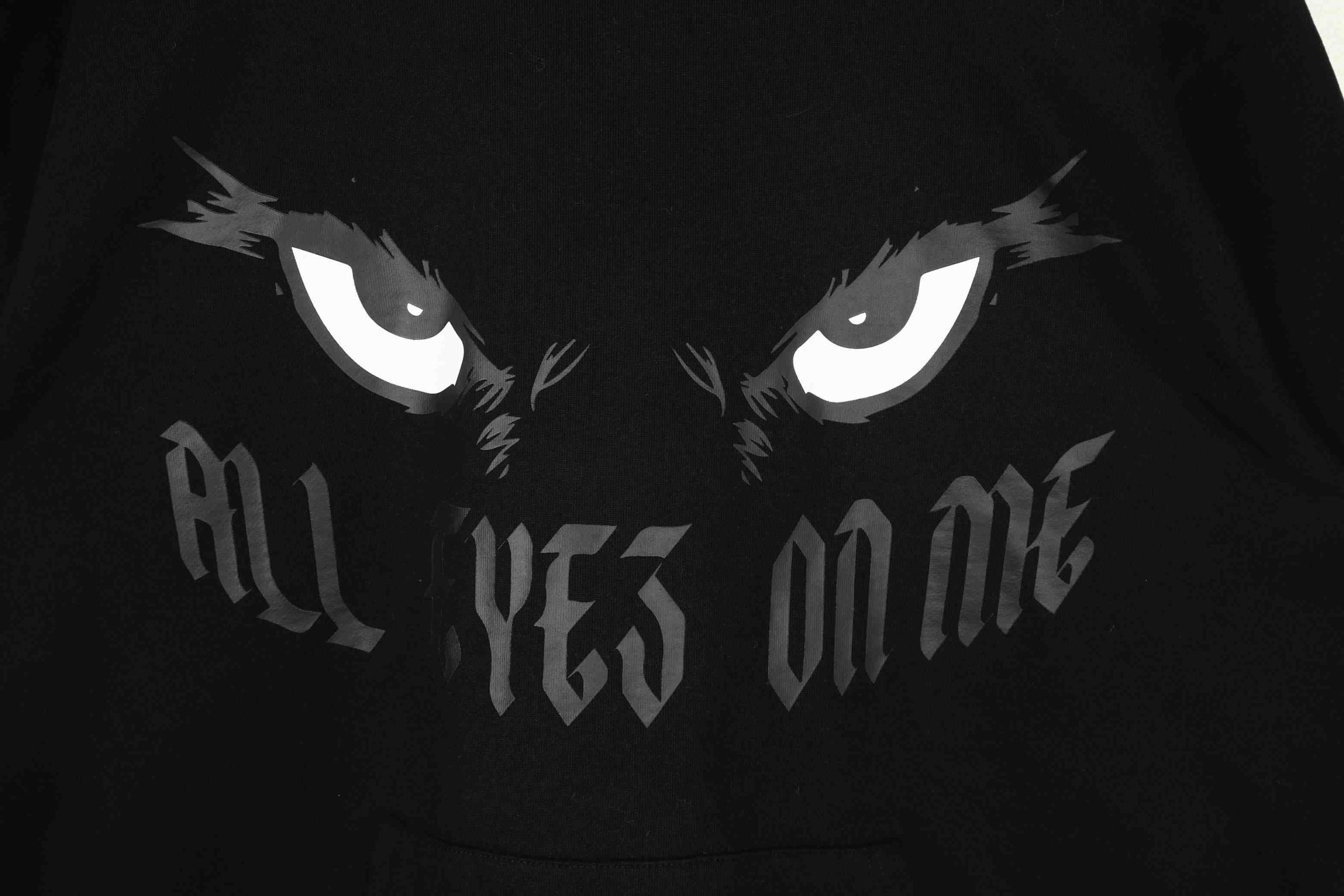
Conduct 180-degree peel tests on cured samples; the print should resist separation without stretching or lifting from the fabric. Colorfastness testing requires 50+ industrial wash cycles at 40°C with tumble drying to simulate two years of consumer use.nnCracking, flaking, or color shift after 25 washes indicates under-curing or low-grade plastisol ink. ZORWILD applies strict curing protocols at 160–170°C for 90–120 seconds to ensure prints survive 100+ washes without degradation.
Curing Temperature Balance
Under-curing below 150°C leaves uncrosslinked polymers that crack within 10–15 washes, while over-curing above 180°C creates stiff, board-like hand feel and can scorch lightweight fabrics. Infrared thermometers should confirm consistent 165°C across the entire print area.nnInspect cured samples for smooth, matte surfaces without gloss spots (under-cured) or brittle texture (over-cured). Proper curing produces a soft hand feel with firm structure — the print should flex with the fabric without surface cracking.
7. How to Choose a High Density Screen Printing Manufacturer
Selecting a manufacturer for high density screen printing requires careful evaluation of technical capabilities, production flexibility, and quality assurance systems. The right partner balances low MOQ access with proven craftsmanship and transparent communication.
Verify Production Capacity and MOQ Flexibility
Confirm the factory can handle your order size — startup brands typically need 50–200 pieces per design, while established labels may require 1,000–10,000 units monthly. ZORWILD supports MOQs starting at 50 pieces across hoodies, T-shirts, and sweatshirts, enabling capsule launches and market testing.nnAsk about monthly production capacity; factories producing over 100,000 garments monthly can scale with your brand growth without compromising lead times or quality consistency.
Request Physical Samples with Wash-Test Reports
Demand pre-production samples showing actual ink height (typically 2–4 mm for high density), edge definition, and color accuracy. Reputable manufacturers provide wash-test reports documenting ink adhesion, crack resistance, and color fastness after 20–50 industrial wash cycles.nnZORWILD’s sampling process includes fabric evaluation, print quality inspection, and measurement verification before bulk production approval, reducing costly revisions and production delays.
Assess Color-Matching and Pantone Accuracy
Professional manufacturers maintain Pantone reference libraries and calibrated mixing systems to achieve ±5% Delta-E color tolerance. Request color-match samples on your chosen fabric, as substrate color and texture affect final appearance.nnConfirm the factory can handle multi-color high density prints with precise registration — misalignment of 2 mm or more creates unprofessional results in layered designs.
Check Certifications and Post-Production QC
Verify OEKO-TEX Standard 100 certification for inks and GOTS certification if using organic fabrics with eco-friendly inks. Certified manufacturers follow strict chemical safety and environmental standards.nnInspect the quality control process: inline inspection during production, final measurement checks, print durability testing, and packaging inspection ensure consistent results across every unit in your order.
8. Common Mistakes Buyers Make with High Density Screen Printing
Even experienced buyers encounter avoidable pitfalls when ordering high density screen printing, resulting in cracked prints, production delays, or poor adhesion. Understanding these common mistakes and their corrective actions protects your investment and ensures consistent quality across production runs.
Choosing Too-Light Fabrics
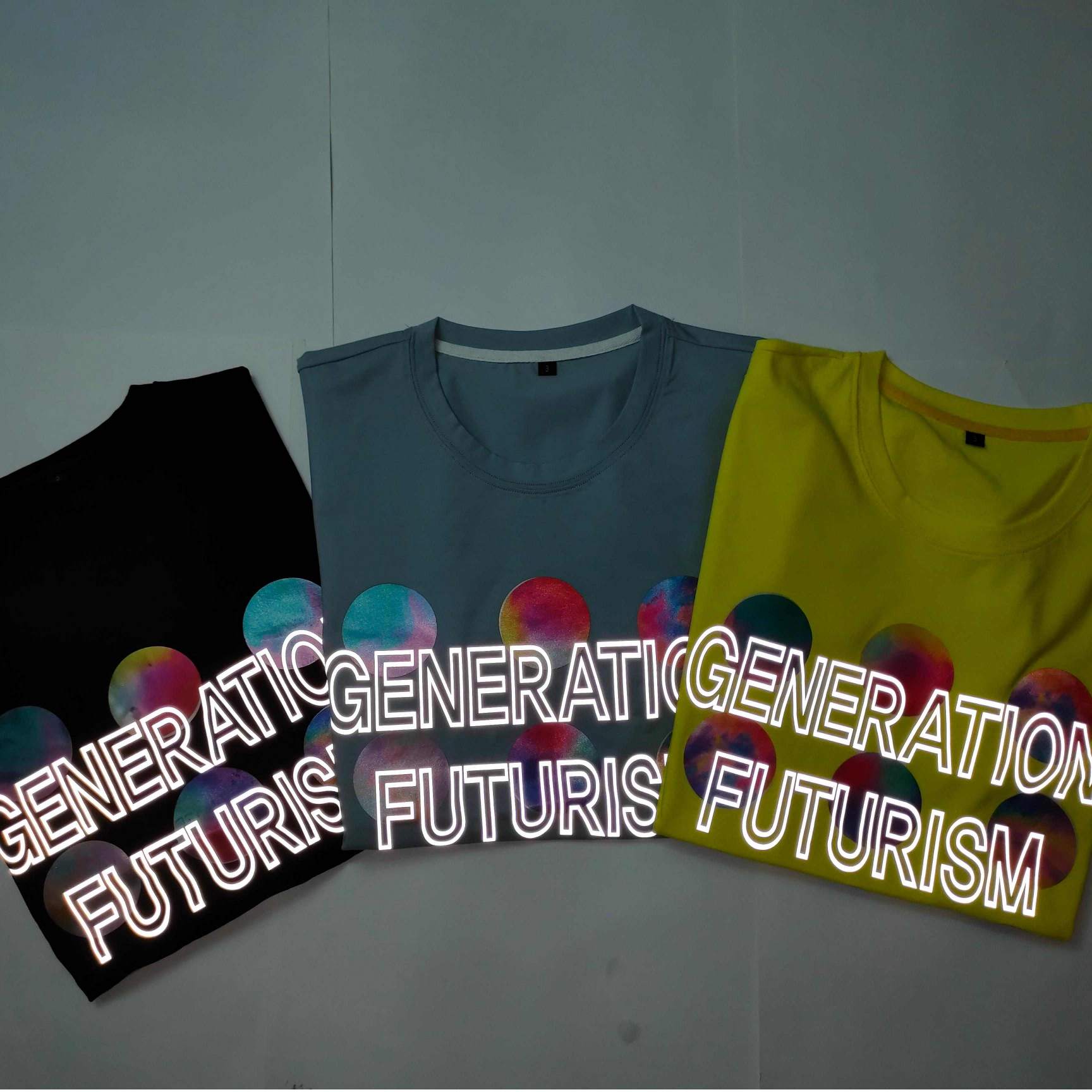
Lightweight fabrics under 160 GSM often distort or pucker under the weight of high-density plastisol ink, which can exceed 1–2 mm in thickness. The ink weight pulls the fabric, causing uneven surfaces and poor drape.nnSpecify fabrics of at least 180–220 GSM for hoodies, sweatshirts, and T-shirts receiving high-density prints. ZORWILD’s development team recommends French terry, heavyweight jersey, or fleece constructions that provide stable support for raised ink layers without fabric distortion.
Submitting Low-Resolution Artwork
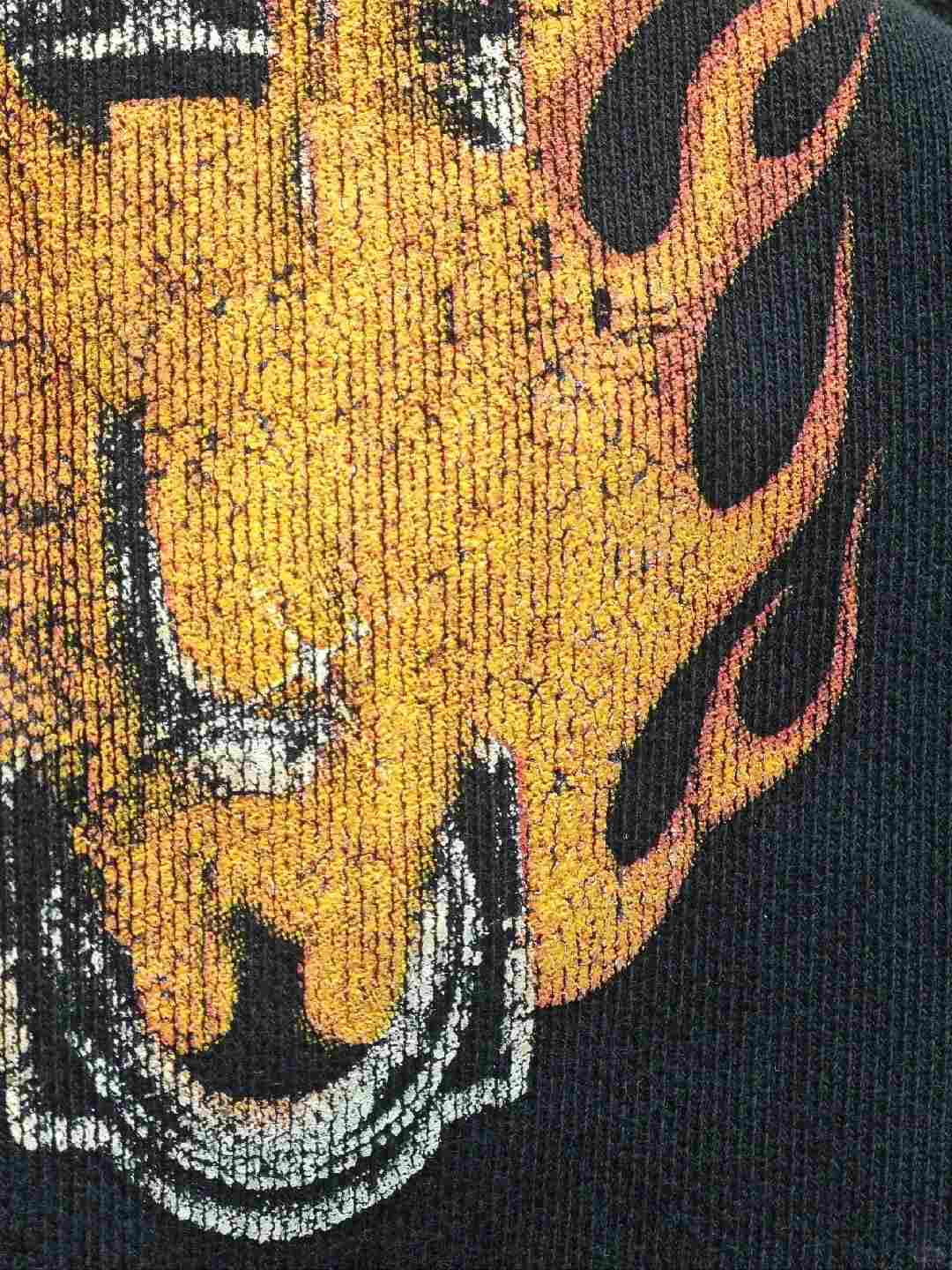
Raster artwork below 300 DPI produces jagged edges and pixelated details in high-density prints, where every contour is magnified by the raised ink profile. Vector files ensure clean, scalable edges at any size.nnAlways provide vector artwork in AI, EPS, or PDF format with outlined fonts. If only raster files are available, supply images at 300 DPI minimum and confirm artwork quality during the sampling phase to avoid costly re-screens.
Skipping Pre-Production Wash Tests
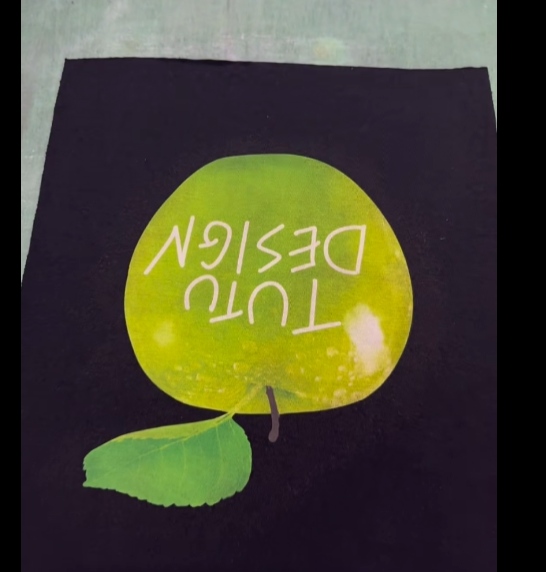
Failing to wash-test samples before bulk orders hides adhesion failures, cracking, or color bleeding that only appear after laundering. High-density ink requires proper curing temperatures (320–330°F for plastisol) to achieve durable bonds.nnRequest wash-tested samples and specify curing standards in your tech pack. ZORWILD performs quality inspection including wash testing to confirm print durability, adhesion, and color fastness before mass production begins.
Ignoring Underbase on Dark Garments
Omitting white underbase layers on dark fabrics causes high-density colors to appear dull or transparent, reducing visual impact and brand recognition. Multi-color builds require precise registration and additional curing time.nnSpecify white underbase for all high-density prints on dark or colored garments. Expect lead times of 18–25 days for multi-color high-density orders to accommodate layering, flash curing, and final quality control steps.
9. Steps to Launch Your Brand with High Density Screen Printing
Launching a brand with high density screen printing requires a clear roadmap from concept to market. A structured six-step process minimizes risk, validates demand, and ensures your raised graphics deliver the brand differentiation premium streetwear customers expect.
Define Brand Aesthetic and Target Market
Identify whether your brand serves streetwear enthusiasts, athleisure buyers, or luxury casual segments. High density screen printing appeals strongest to audiences valuing tactile quality, bold graphics, and premium construction.nnMap your signature visual language—oversized logos, vintage typography, or geometric patterns—to raised ink capabilities. Brands targeting Gen Z and millennial streetwear buyers see highest engagement with 2–4 mm raised prints on heavyweight 280–320 GSM hoodies and oversized tees.
Design Graphics Optimized for Raised Effects
Submit vector artwork in AI or EPS format with clean outlines and no fine detail below 3 mm width. High density screen printing performs best on bold shapes, thick letterforms, and simplified icons rather than photographic gradients.nnRequest strike-off samples to evaluate ink height, edge definition, and color accuracy under production conditions. Approve Pantone standards and specify 1.5–3 mm raise for durability without cracking during the first wash cycle.
Source Fabric and Place Pilot Orders
Work with a full-package manufacturer offering 50-piece MOQ to test fabric weight, print adhesion, and garment fit before committing to bulk. ZORWILD supports pilot runs on French terry, fleece, and heavyweight jersey with integrated sampling, printing, and finishing.nnPlace initial orders of 50–200 units across 2–3 colorways to validate market response. Gather customer feedback on print durability after 5–10 washes, then scale production to 500–1,000 units per style as demand confirms.
Launch Through Multi-Channel Distribution
Deploy high density screen printing as a hero feature in e-commerce product photography, showing close-up texture shots and lifestyle imagery. Pop-up events allow customers to feel raised ink quality in person, driving conversion rates 20–35% higher than flat graphics.nnWholesale buyers prioritize unique decoration techniques for retail differentiation. Position high density prints as premium SKUs with 2.5–3× markup over basic screen printing, supported by durability guarantees and brand storytelling around craftsmanship.
10. Pricing and Cost Breakdown for High Density Screen Printing
High density screen printing costs 15–40% more per unit than standard screen printing due to specialized plastisol ink formulations, multiple print passes, and extended curing cycles. Single-color high-density prints typically require 2–3 passes to build the raised effect, while multi-color designs demand individual screens and separate curing stages for each layer, increasing both setup fees and per-unit labor time.u005cnu005cnSetup costs include screen preparation (one screen per color), artwork separation, and test prints, typically ranging from $25–$75 per screen depending on design complexity. Ink volume consumption is 2–3 times higher than standard prints because high-density plastisol must be layered to achieve the tactile 3D relief. Artwork with fine detail or gradients increases reject rates and adds 10–20% to production time, directly impacting per-unit costs at lower quantities.u005cnu005cnSampling and revision budgets should account for $50–$150 per sample garment, including decoration, plus international shipping via express courier (3–5 days, $30–$60). Pre-production samples allow buyers to verify ink height, edge definition, color matching, and wash durability before committing to bulk orders. ZORWILD’s 50-piece MOQ enables startup brands and influencers to test high density screen printing designs with manageable cash outlay, reducing inventory risk while maintaining professional streetwear aesthetics and premium tactile branding.
| Quantity Tier | Single-Color Cost per Unit | Multi-Color Cost per Unit | Setup Fee | Lead Time |
|---|---|---|---|---|
| 50 units | $8.50–$12.00 | $11.00–$16.00 | $50–$100 | 12–15 days |
| 100 units | $7.00–$9.50 | $9.00–$13.00 | $50–$100 | 10–14 days |
| 500 units | $5.50–$7.50 | $7.00–$10.00 | $50–$100 | 14–18 days |
| 1,000+ units | $4.50–$6.50 | $6.00–$8.50 | $50–$100 | 18–22 days |
Ready to Launch Your High Density Screen Printing Project?
Submit your artwork today and receive professional samples within days. Start with just 50 pieces and scale to 100,000+ units monthly.
- Custom Hoodies
- Custom T Shirts
- Custom Dresses
- Custom Sweatshirts
- Custom Jackets
- Custom Varsity Jackets
- Custom Polo Shirts
- Custom Shorts
- Custom Dress Shirts
- Contact