
Cross Stitch Embroidery for Premium Apparel Brands
Precision counted-stitch cross stitch embroidery with 50-piece low MOQ for custom hoodies, custom t-shirts, custom shirts, and apparel collections. ZORWILD delivers intricate X-shaped stitching for fashion brands seeking distinctive, handcrafted-style decoration.
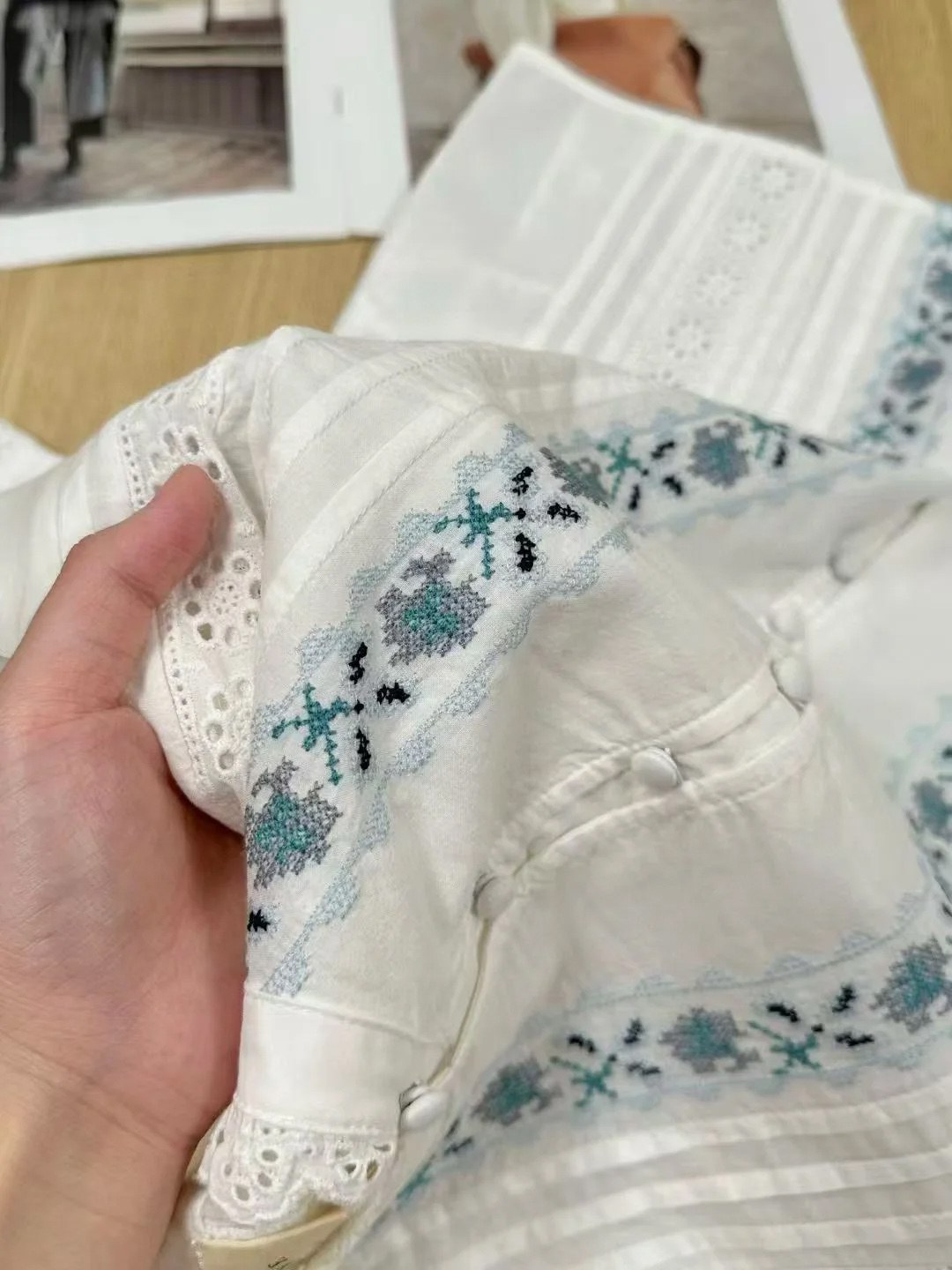
Cross Stitch Embroidery Samples
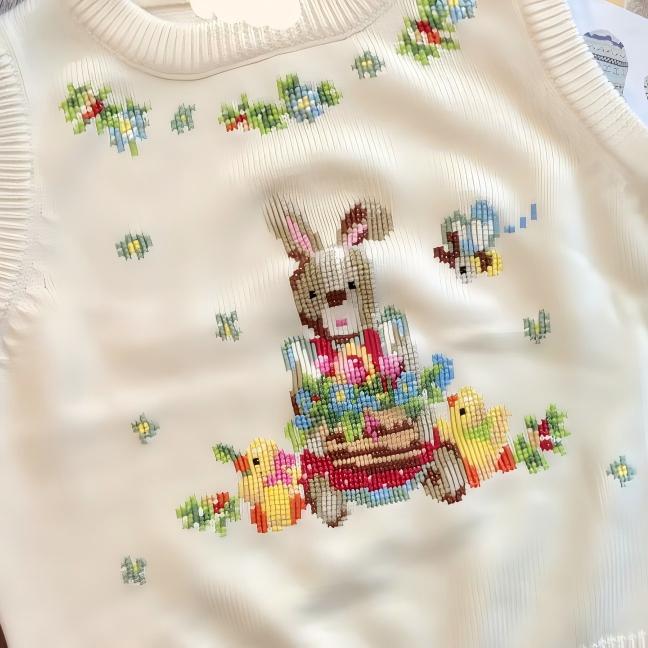
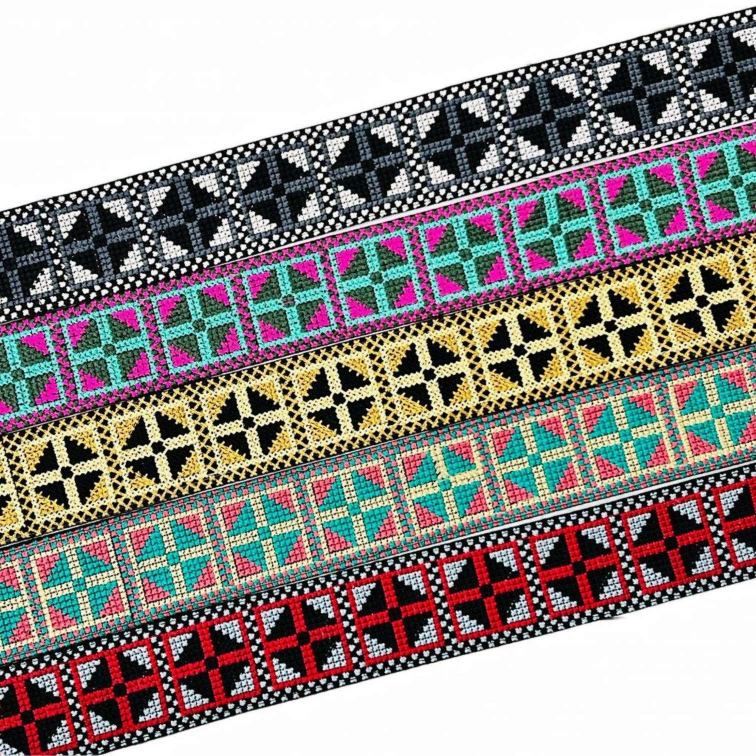
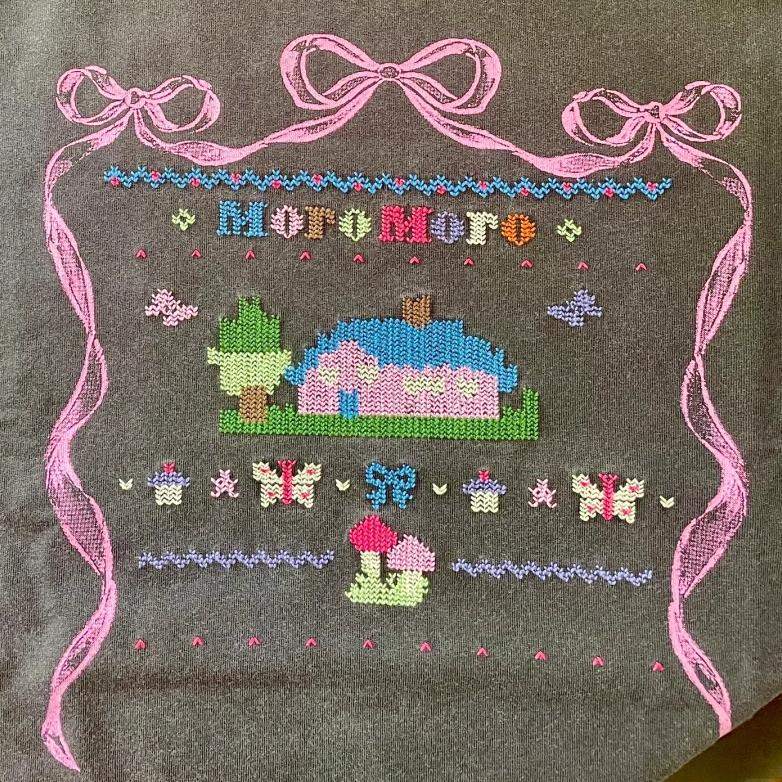
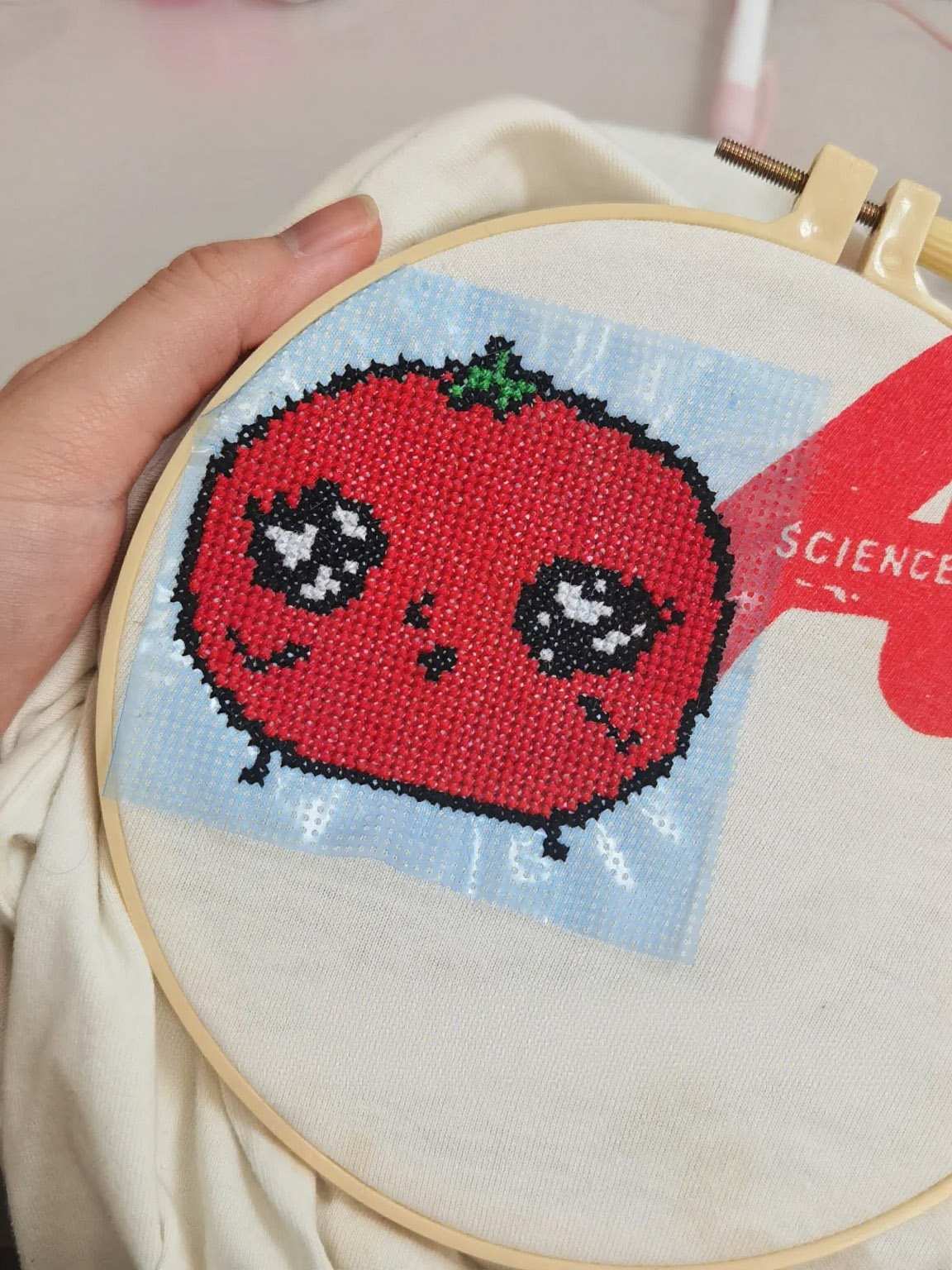
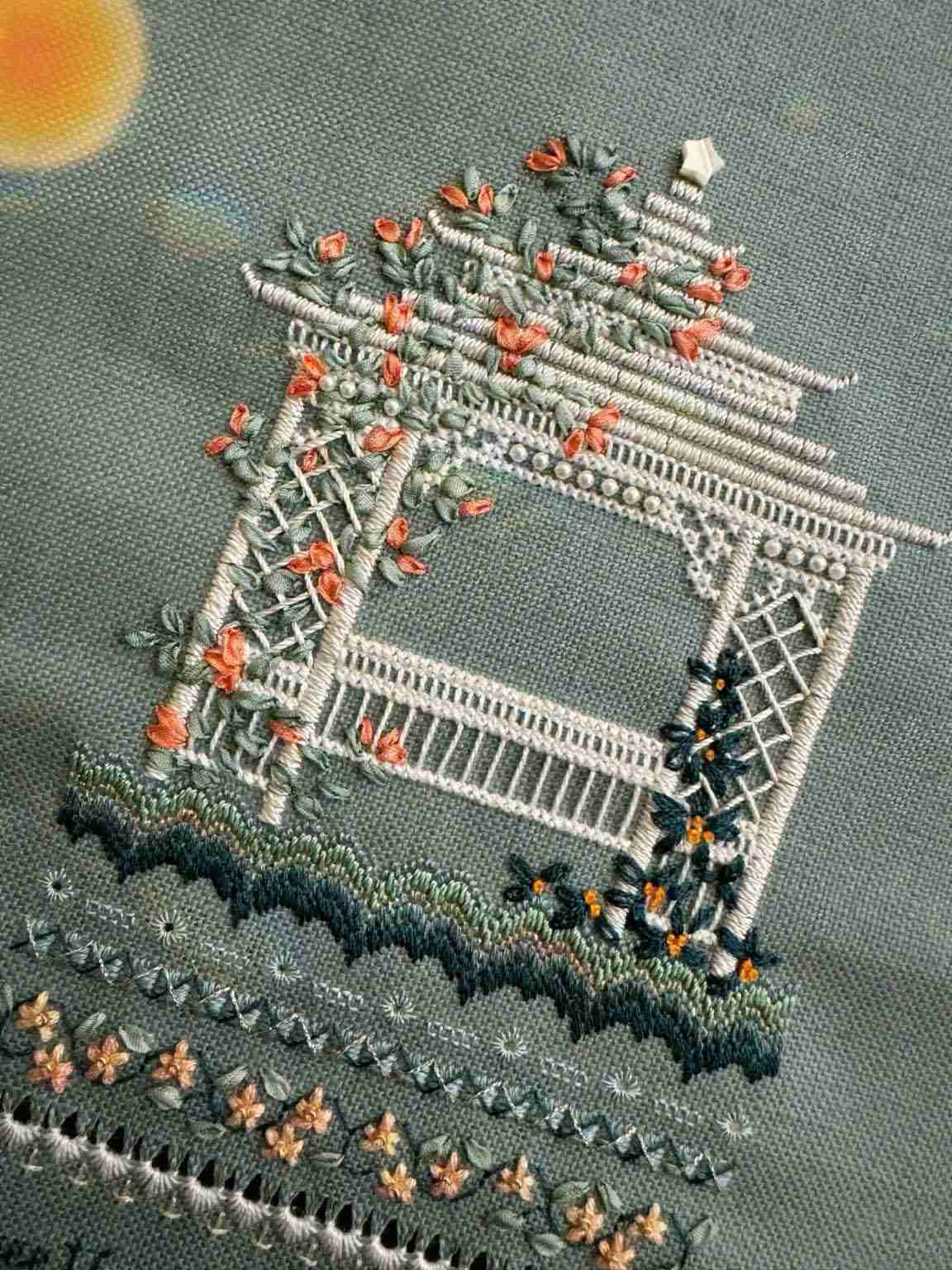
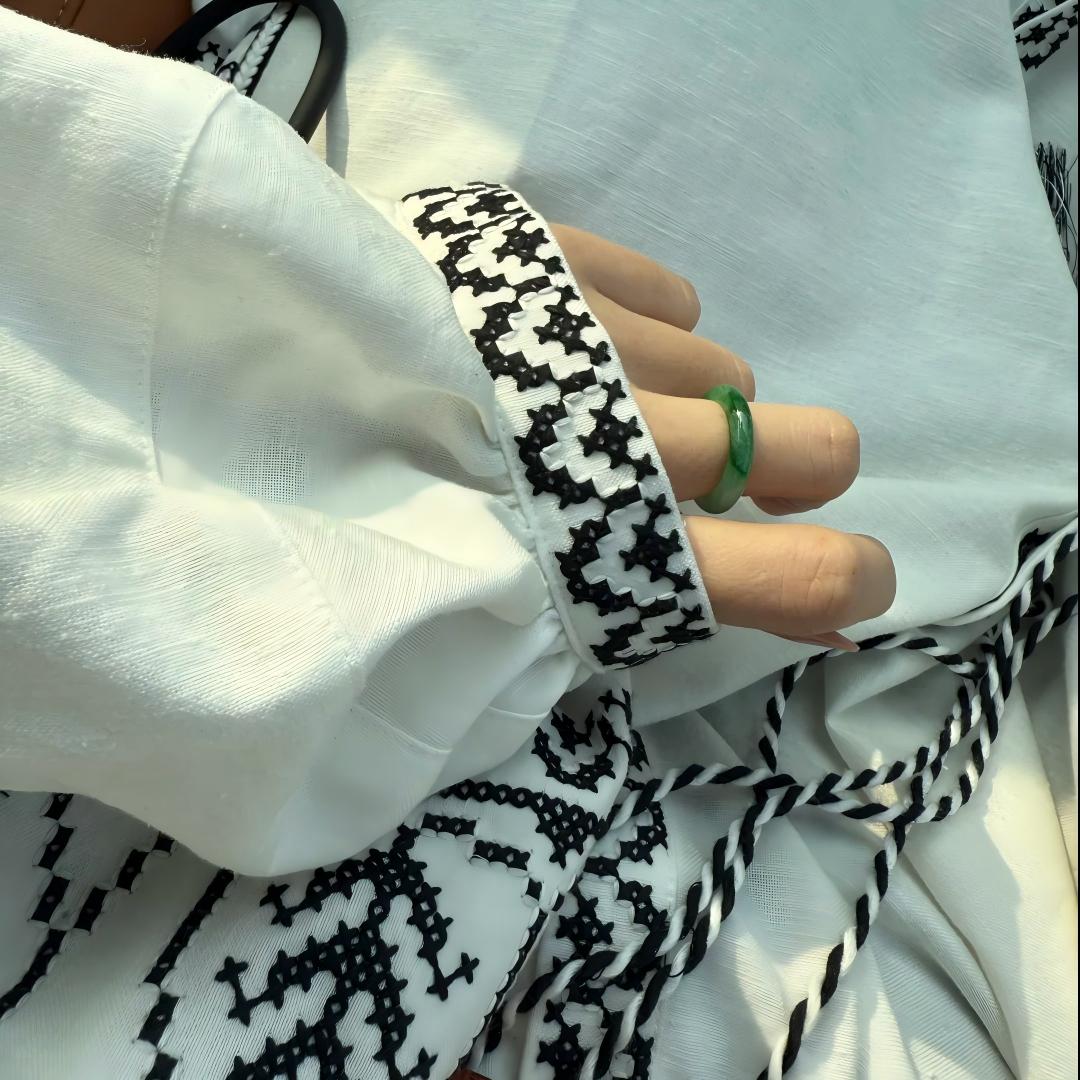
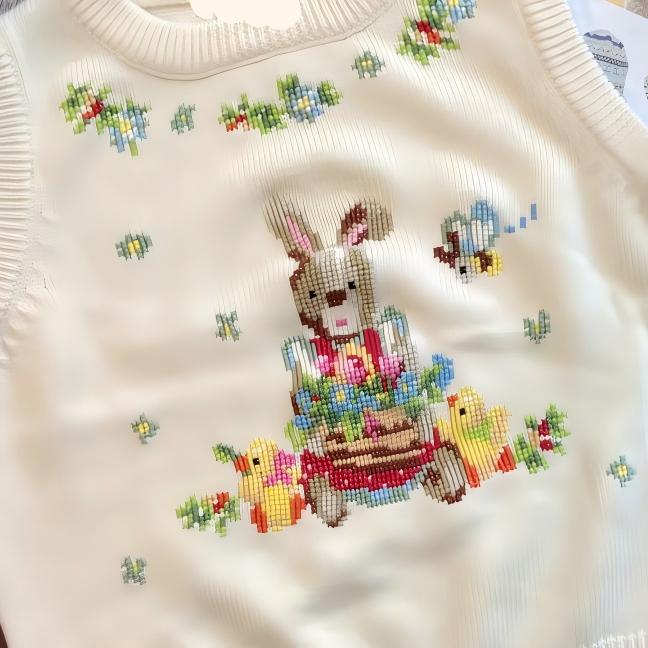
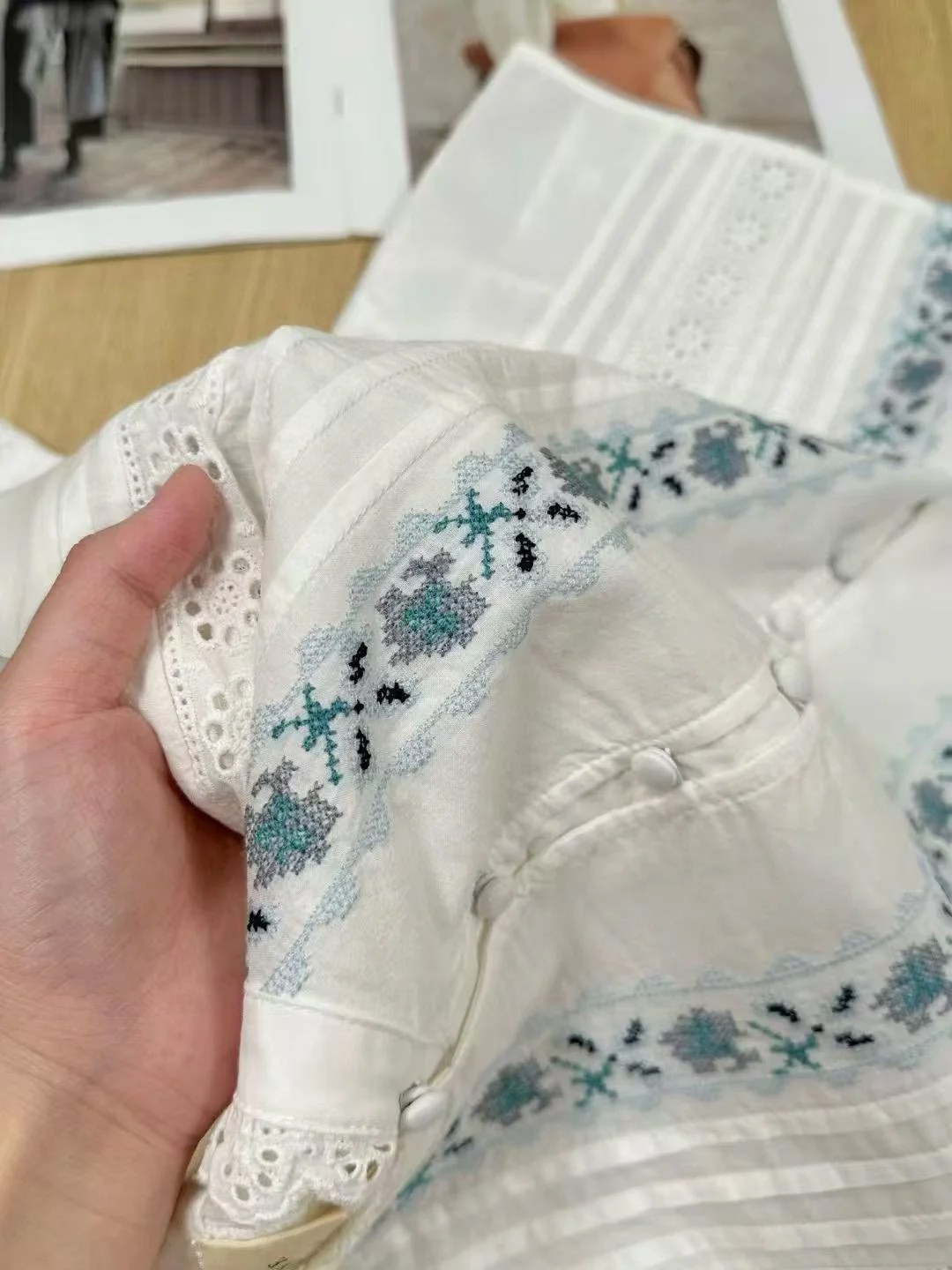
What Makes Cross Stitch Embroidery Distinctive
ZORWILD’s cross stitch embroidery combines traditional counted-stitch precision with modern production capabilities across custom hoodies, custom shirts, custom dresses, and wholesale apparel collections, delivering authentic hand-crafted texture at scale for fashion brands worldwide.
Iconic X-Shaped Stitch Texture
Each cross stitch creates a raised, dimensional X pattern that delivers authentic handmade aesthetic appeal across garments, differentiating your brand with tactile visual impact.
Counted-Stitch Design Precision
Cross stitch embroidery uses precise thread placement on fabric grid, enabling intricate geometric patterns, lettering, and complex artwork with exact stitch-by-stitch control.
Exceptional Wash Durability
Double-threaded cross structure resists fraying and maintains color vibrancy through repeated wash cycles, ensuring long-lasting brand presentation and customer satisfaction.
Multi-Fabric Compatibility
Works beautifully on cotton, linen, denim, canvas, and blended fabrics, giving brands flexibility across product categories from casual shirts to premium outerwear.
Complex Pattern Support
Supports gradient shading, multi-color blending, detailed logos, and photorealistic imagery through counted-stitch density variation, enabling sophisticated brand storytelling through textile art.
Hand-Embroidered Aesthetic at Scale
Replicates the charm and artisanal quality of traditional hand embroidery while maintaining production efficiency, perfect for heritage brands and premium fashion collections.
Related Embroidery Techniques u0026 Applications
Custom Embroidery
Navigate here to explore ZORWILD’s full custom embroidery services including technique comparisons, MOQ requirements starting at 50 pieces, thread options, digitizing support, and how our 27-year craftsmanship expertise ensures thread tension, stitch density, and color consistency across custom hoodies, custom jackets, custom shirts, wholesale t-shirts, and custom apparel collections.
Get a Quote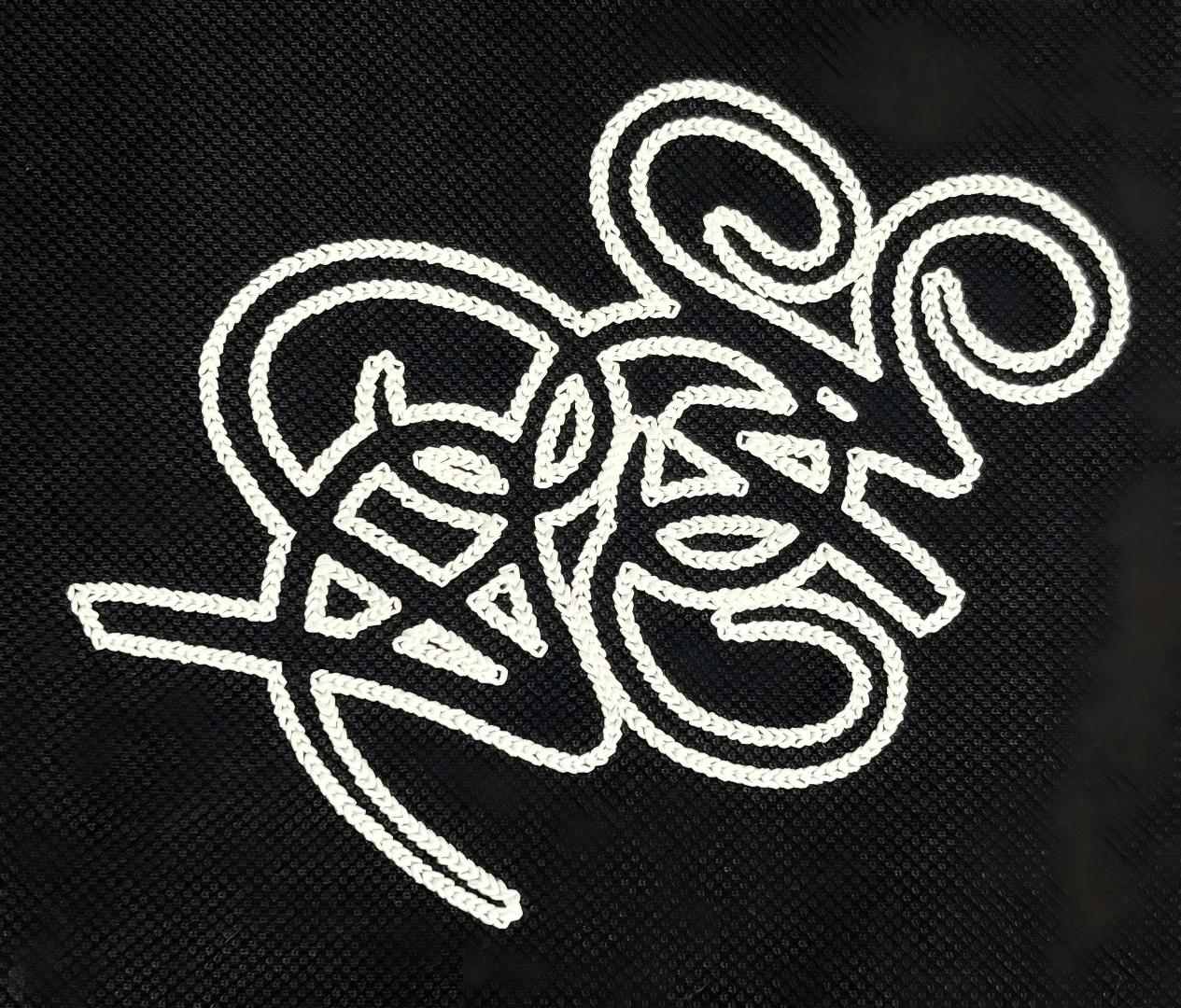
Chain Stitch Embroidery
Choose chain stitch embroidery when you need vintage-inspired linear decoration with visible looped texture on the back. Ideal for retro sportswear, workwear-style branding, outline lettering on varsity jackets, and heritage fashion collections requiring authentic hand-stitched aesthetic with modern production efficiency and durability.
Get a Quote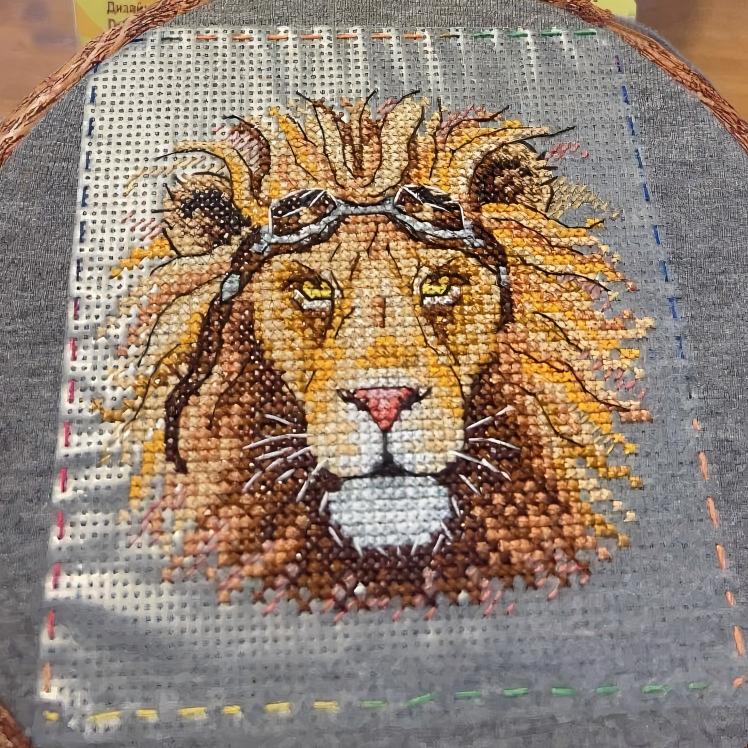
3D / Puff Embroidery
Select 3D puff embroidery for raised, dimensional logos and text that stand off the garment surface. Perfect for streetwear hoodies, caps, varsity jackets, and bold brand statements where tactile texture and premium visual impact differentiate your collection from flat decoration techniques.
Get a Quote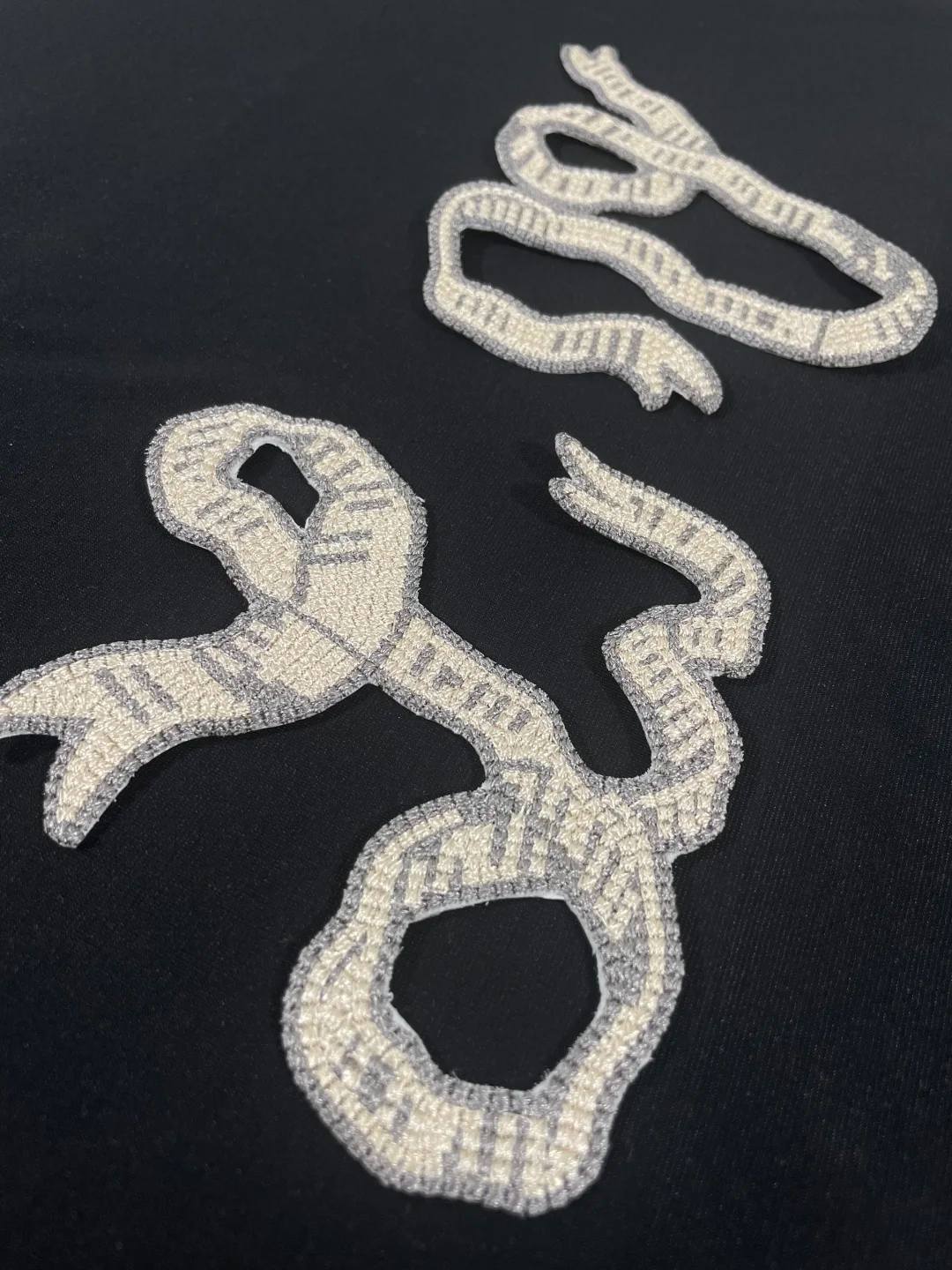
Flat Embroidery
Explore flat embroidery for clean, professional branding with smooth surface finish and excellent durability. Best suited for corporate uniforms, polo shirts, dress shirts, subtle logo placement, detailed artwork, and any application requiring refined appearance without dimensional texture or streetwear boldness.
Get a Quote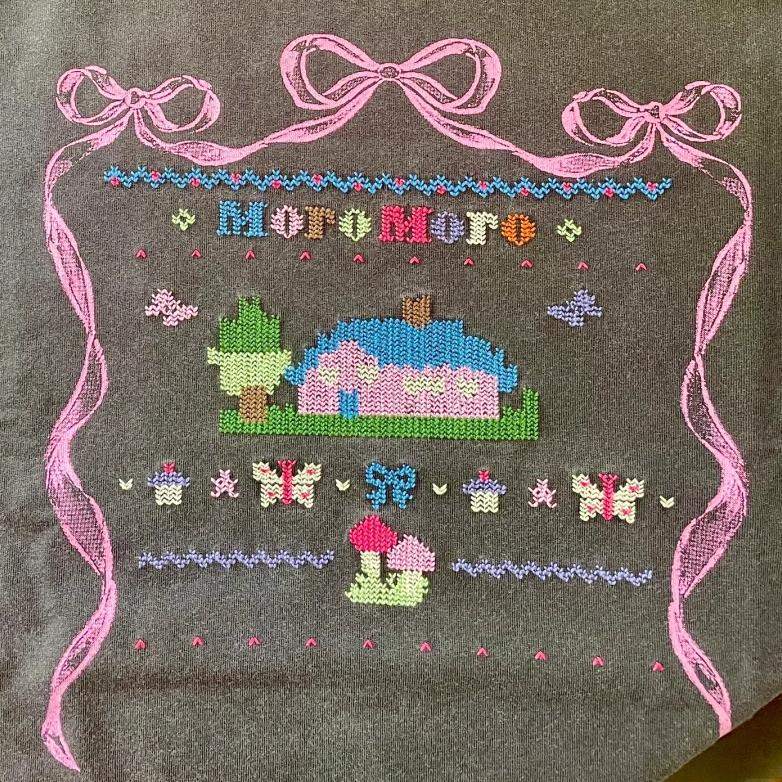
Towel Embroidery
Consider towel embroidery for plush, textured lettering with high-loop thread creating soft, absorbent surface effects. Commonly applied to resort wear, beach apparel, luxury loungewear, spa robes, and premium casualwear where tactile comfort and distinctive vintage athletic aesthetic enhance brand positioning.
Get a Quote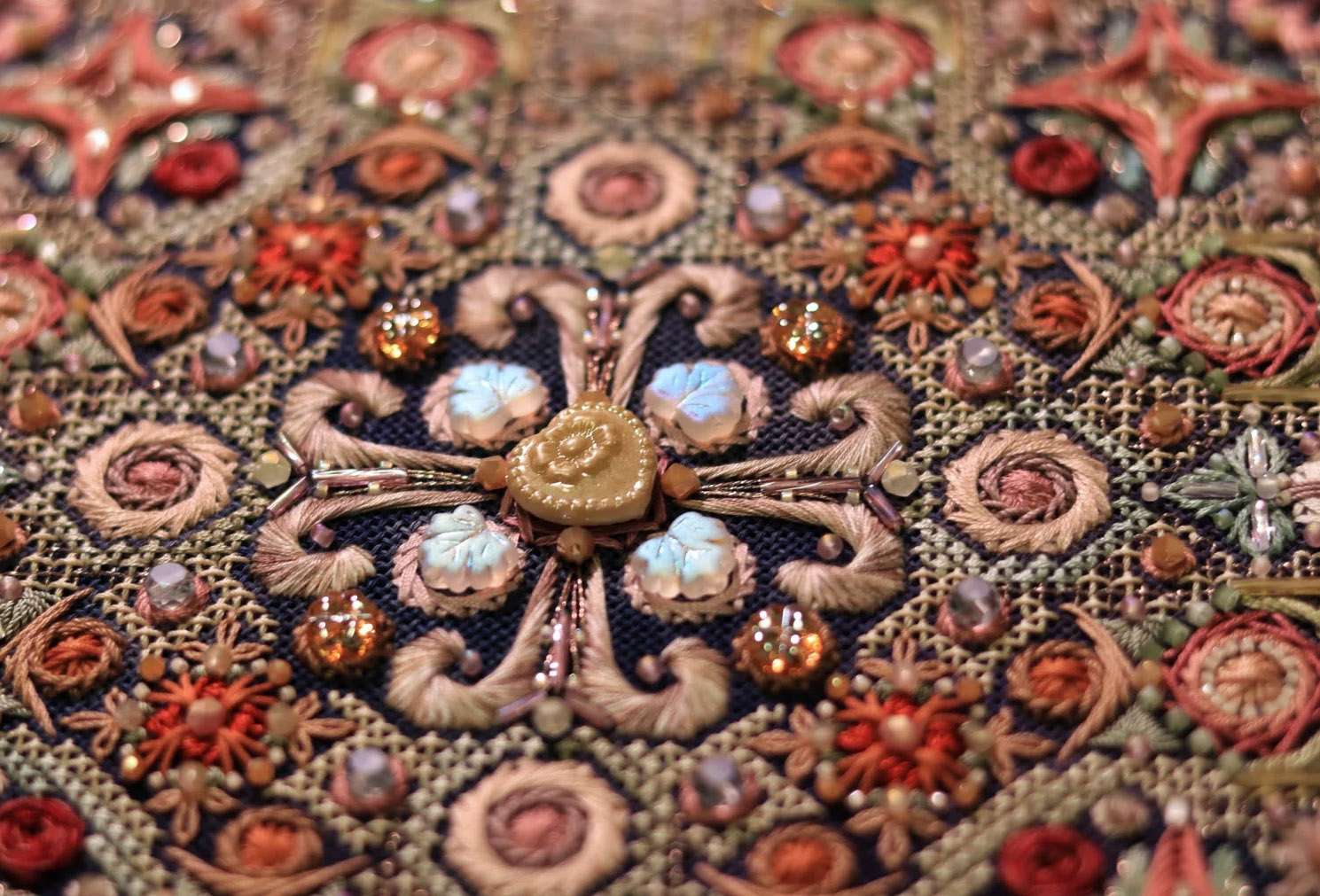
Ribbon Embroidery
Use ribbon embroidery when your design requires fabric ribbon woven through the garment surface for dimensional floral motifs, decorative accents, or couture detailing. Ideal for elevated fashion collections, evening wear, bridal apparel, and luxury garments where artisanal craftsmanship justifies higher decoration investment.
Get a Quote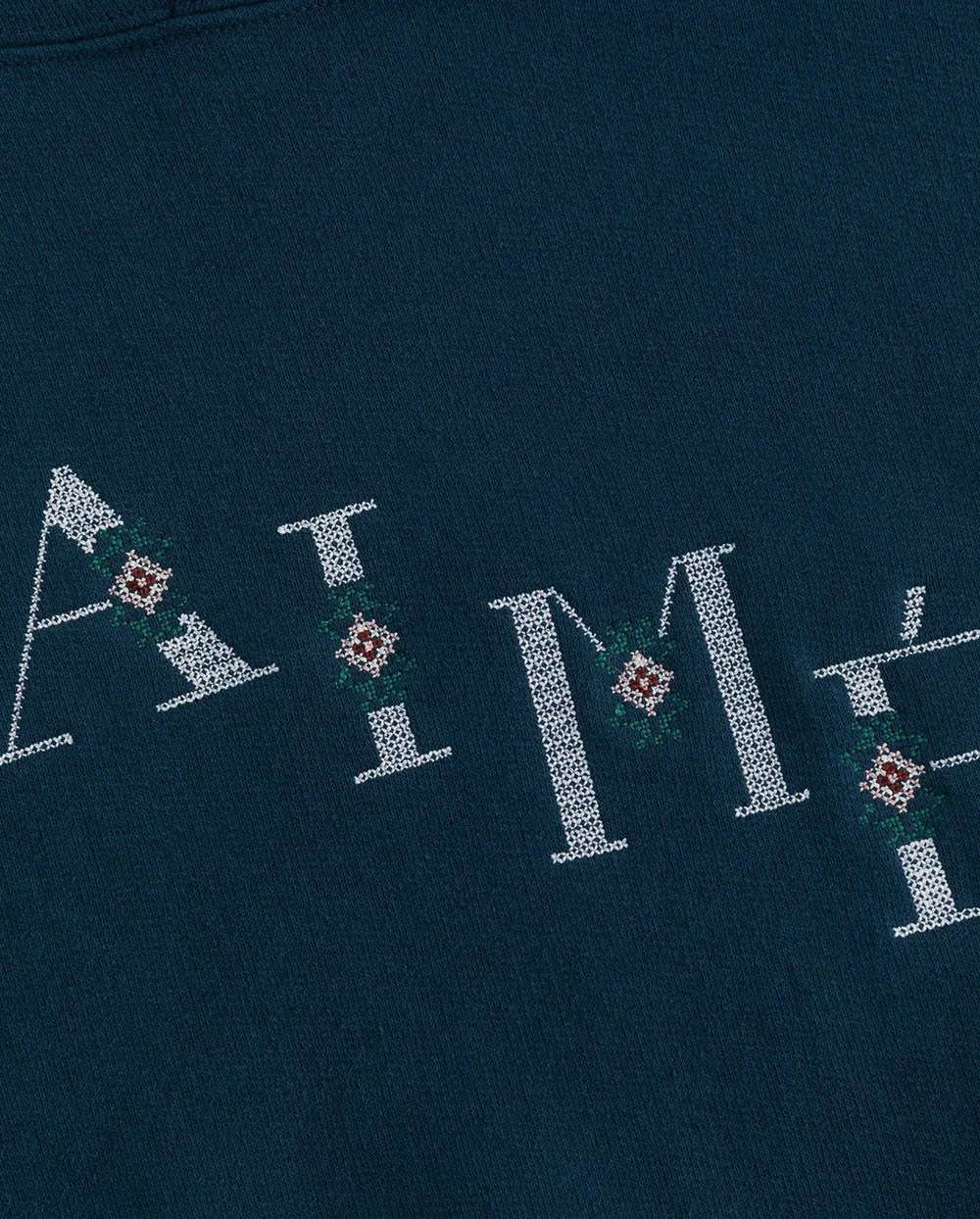
Sequin Embroidery
Navigate to sequin embroidery for high-shine, reflective decoration combining embroidered stitching with sequin application. Perfect for evening dresses, performance wear, festival fashion, luxury streetwear, and any collection where metallic sparkle, light reflection, and glamorous visual impact are essential design elements.
Get a Quote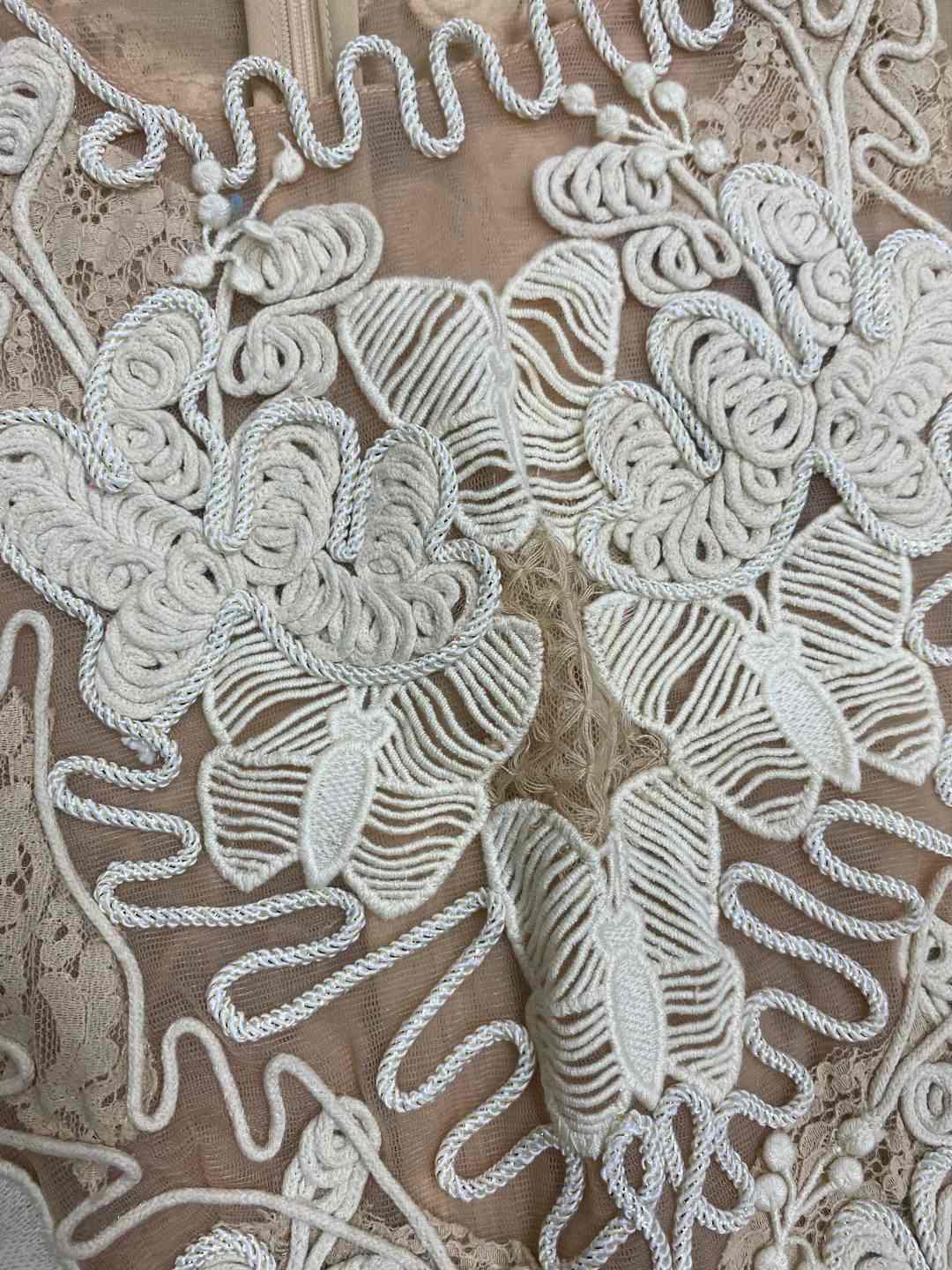
Rope Embroidery
Select rope embroidery for bold, three-dimensional decoration using thick cord or rope material stitched onto garments. Best for nautical themes, workwear-inspired collections, varsity jackets, military-style outerwear, and designs requiring substantial texture, heritage craftsmanship aesthetic, and maximum visual prominence.
Get a Quote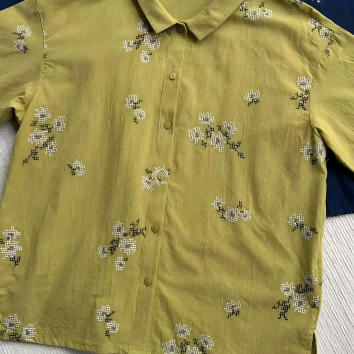
Toothbrush Embroidery
Explore toothbrush embroidery for dense, brush-like texture created with specialized looped stitching that mimics chenille softness. Ideal for retro varsity patches, collegiate branding, vintage sportswear, and premium streetwear where plush tactile quality and nostalgic American athletic aesthetic define your brand identity.
Get a QuoteZORWILD's Cross Stitch Embroidery Expertise
Founded in 1998 in Humen, Dongguan, ZORWILD has spent 27 years mastering garment decoration techniques including cross stitch embroidery. Our counted-stitch capabilities combine traditional craftsmanship with precision digitization, programmable multi-head equipment, and strict thread quality standards to deliver intricate, heirloom-quality embroidery for fashion brands worldwide.
With a monthly production capacity exceeding 100,000 units, a 6-stage quality control system, and 95%+ decoration techniques in-house at our Humen, Dongguan facility, we serve over 2,000 clothing brands across the United States, Europe, Australia, and Asia. Our cross stitch embroidery services support low MOQ production starting at just 50 pieces, making premium counted-stitch customization accessible to startup brands, influencers, and established labels alike.
Every cross stitch embroidery project benefits from our in-house expertise in thread tensioning, fabric stabilization, stitch density calibration, and color matching. Whether you need folk-inspired motifs, geometric patterns, or brand monograms, ZORWILD’s embroidery team ensures every piece meets professional standards for durability, visual clarity, and wash performance.
Cross Stitch Embroidery Precision Standards
Stitch Density and Thread Control
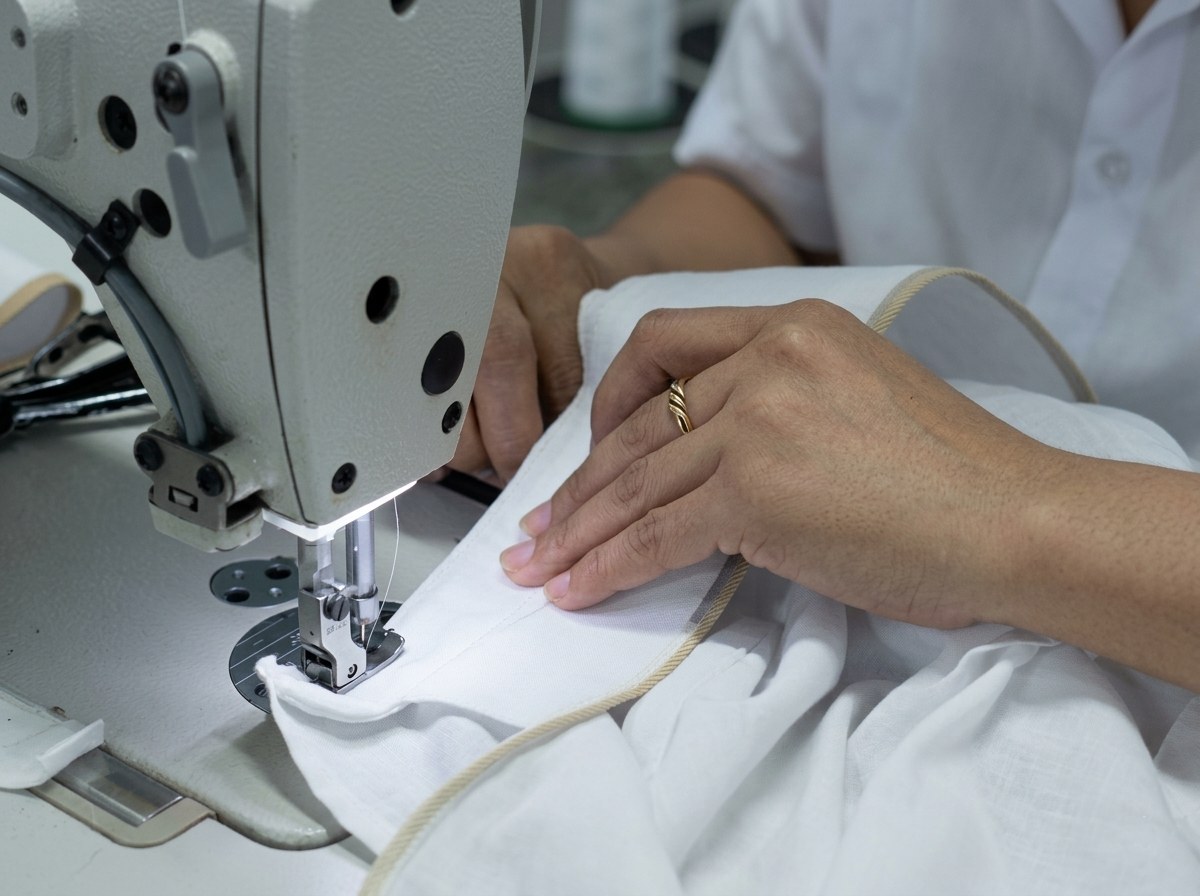
ZORWILD’s 27-year manufacturing expertise ensures precise stitch density calibration for cross stitch embroidery, maintaining consistent thread tension across every counted stitch. Our production team monitors thread weight, stitch spacing, and fabric penetration to prevent puckering and ensure dimensional stability through repeated wash cycles.
- Calibrated stitch density for fabric weight compatibility
- Thread tension monitoring across multi-color designs
- Anti-puckering controls for lightweight and heavyweight fabrics
- Dimensional stability tested through industrial wash cycles
Thread Color Consistency Across Production
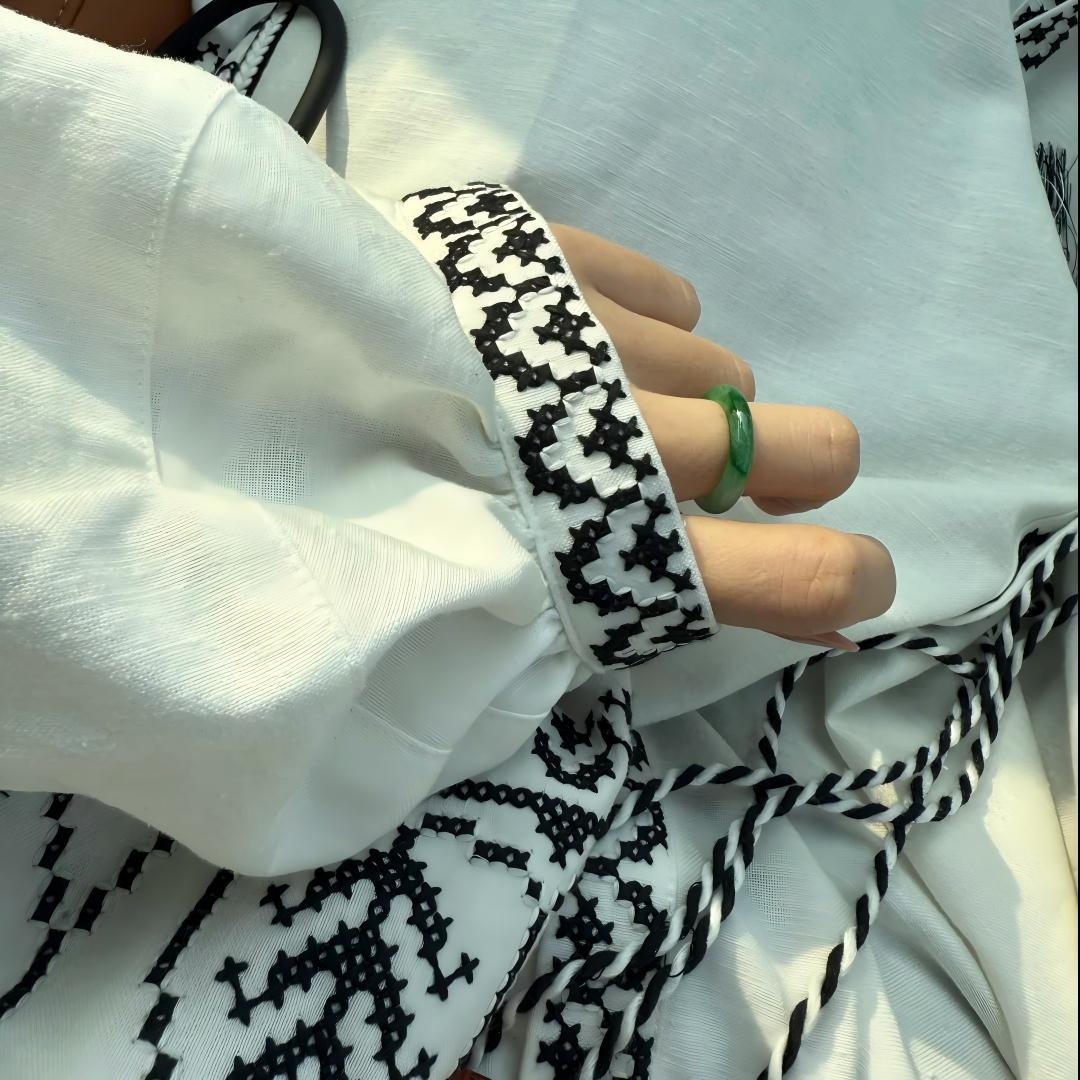
Our quality control system guarantees thread color matching within strict tolerances across production runs from 50 pieces to 100,000+ units monthly. ZORWILD sources premium embroidery threads from verified suppliers and implements batch tracking to eliminate color variation between garments, ensuring brand consistency for every cross stitch embroidery order.
- Color matching within industry-leading tolerances
- Batch tracking for thread lot consistency
- Premium thread suppliers with colorfast guarantees
- Multi-stage color inspection at Humen Dongguan facility
Fabric Tension Management Systems
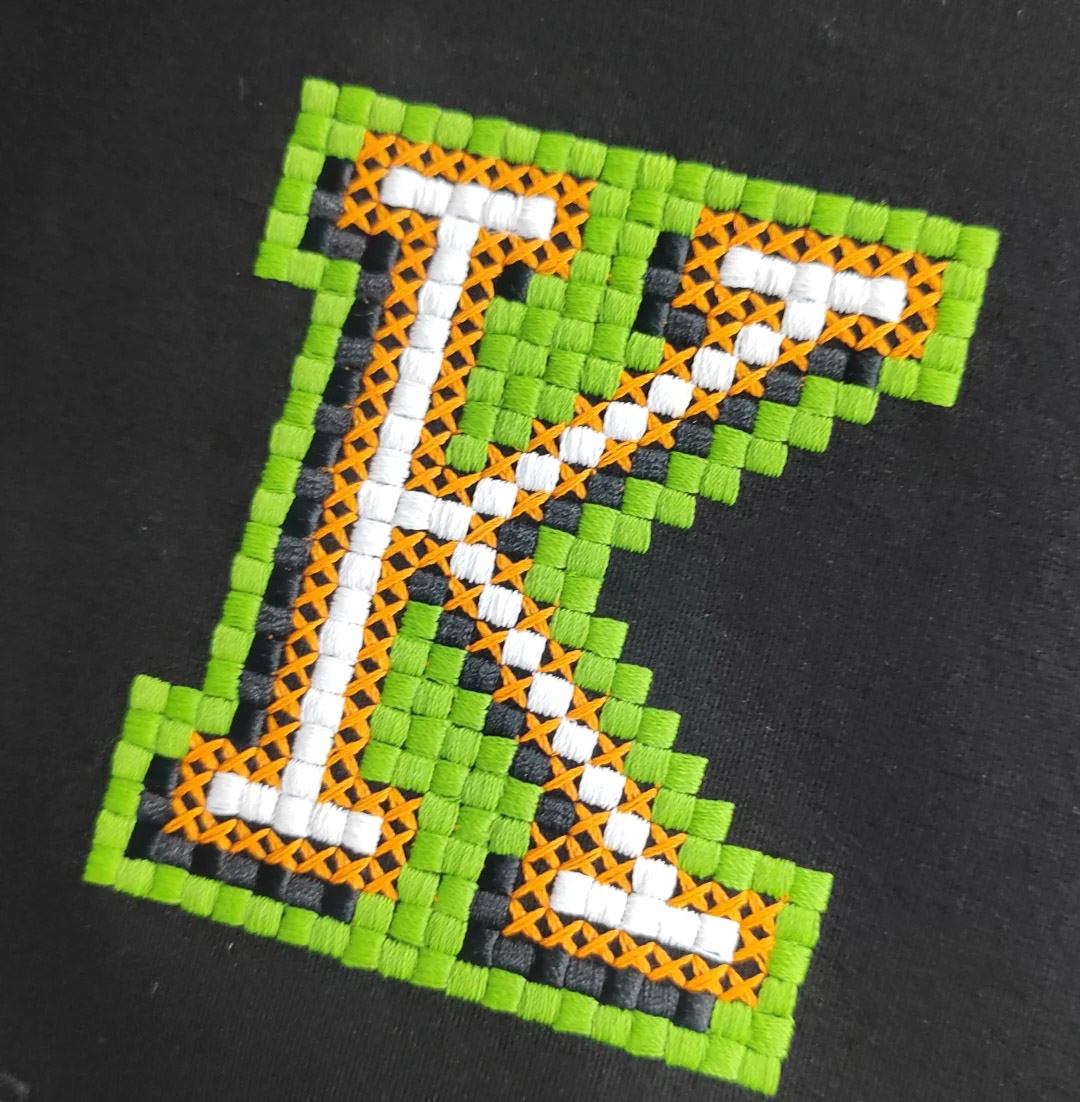
Cross stitch embroidery demands precise fabric tension to maintain stitch integrity and prevent distortion. Our production team applies specialized hooping techniques, backing material selection, and tension calibration based on fabric type—from cotton poplin to stretch jersey—ensuring clean stitch formation and preventing fabric warping during and after embroidery application.
- Fabric-specific hooping techniques for 95%+ material types
- Backing material selection matched to garment weight
- Real-time tension calibration during production
- Post-embroidery inspection for distortion and alignment
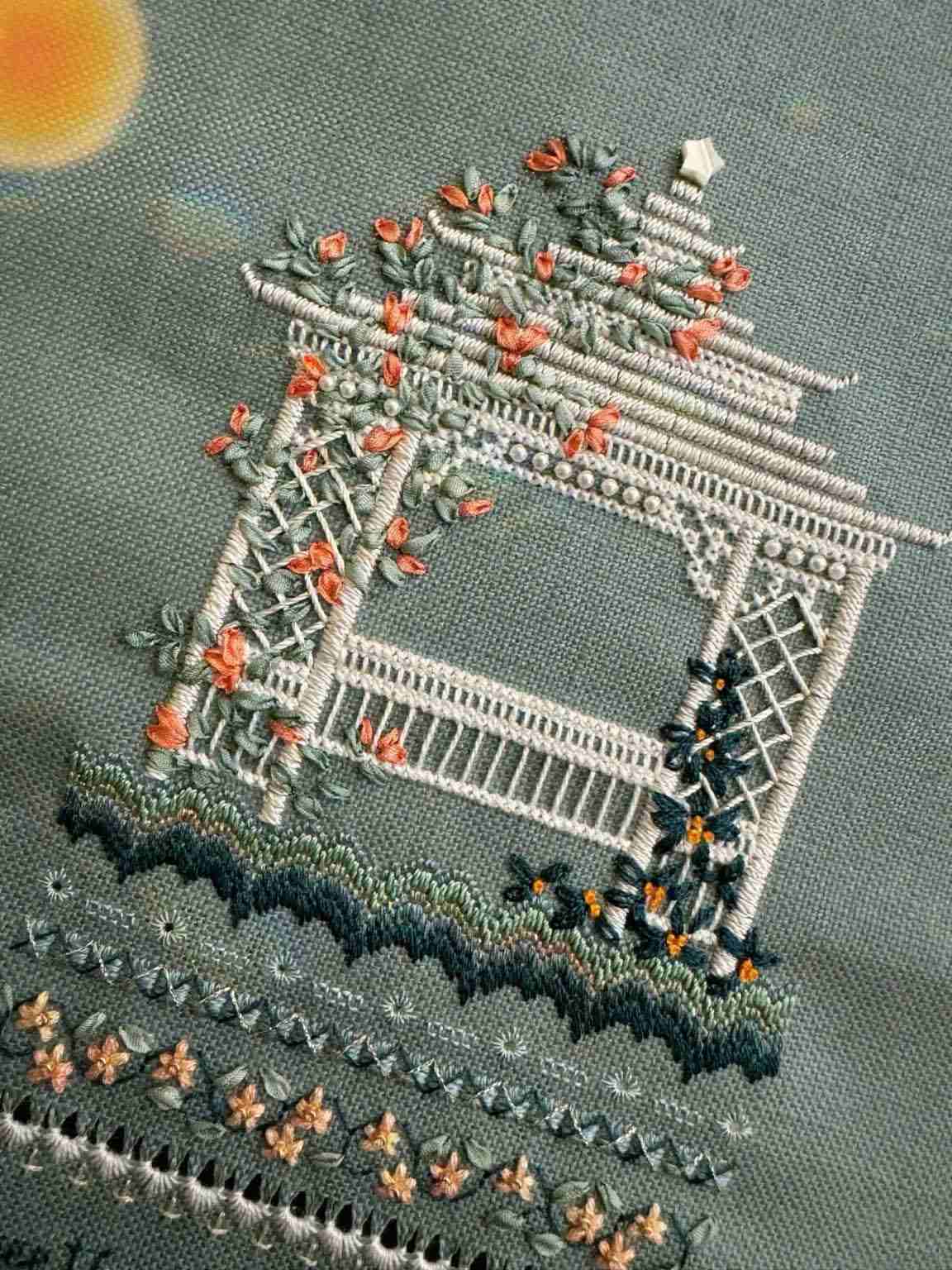
Design-to-Production Accuracy and Washability
ZORWILD’s 6-stage quality control system validates every cross stitch embroidery design from digitization through final inspection. We test stitch placement accuracy, color registration, and washability standards to ensure your designs survive commercial laundering, maintain thread integrity, and deliver the premium finish your brand demands across every production batch.
- Digitization accuracy verified against original artwork
- Placement tolerance within 1-2mm across garment batches
- Commercial wash testing for thread retention and colorfastness
- Final inspection covering stitch quality and design fidelity
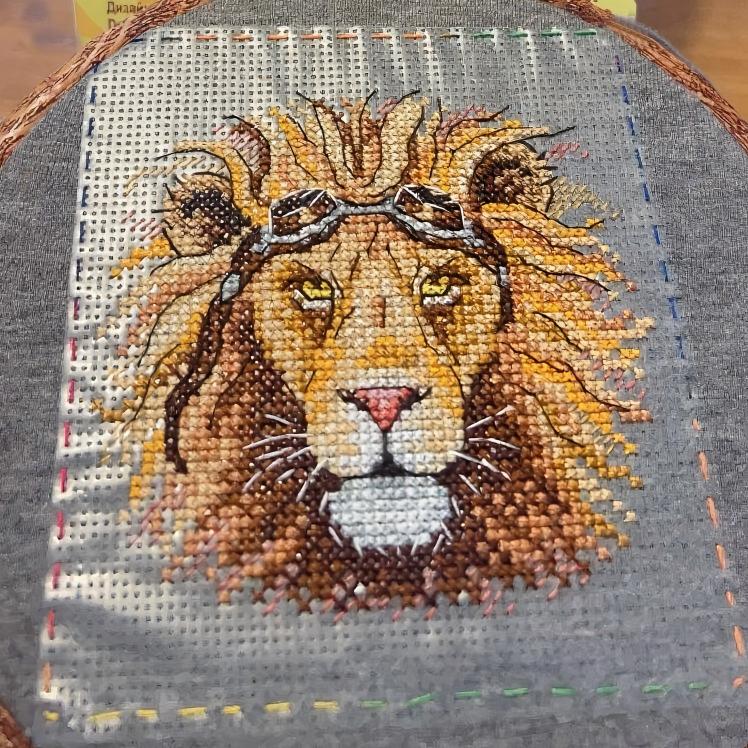
Cross Stitch Embroidery vs. Flat Embroidery
Understanding which embroidery technique best fits your design, fabric, and brand positioning ensures optimal results and production efficiency.
← 左右滑动查看 →
Cross Stitch Embroidery Production Process
ZORWILD’s systematic approach ensures every cross stitch embroidery project meets exacting standards for precision, durability, and visual consistency across your entire production run.
Design Digitization u0026 Pattern Setup
Your artwork is converted into a counted-stitch embroidery file with precise grid mapping, stitch density calibration, color sequencing, and thread palette selection to ensure accurate cross stitch reproduction on fabric.
Fabric Preparation u0026 Stabilization
Base fabric is inspected, pre-treated if needed, and backed with appropriate stabilizers to maintain fabric tension, prevent puckering, and support the dense cross stitch structure throughout production.
Hoop Setup u0026 Registration
Garments or fabric panels are hooped with controlled tension and precise placement registration to ensure consistent positioning, prevent fabric distortion, and maintain alignment across all production pieces.
Cross Stitch Execution
Automated embroidery machines execute the counted cross stitch pattern with calibrated needle penetration, thread tension control, and stitch sequencing to build the characteristic X-shaped texture layer by layer.
Tension u0026 Density Control
Real-time monitoring ensures uniform stitch tension, consistent thread coverage, proper stitch density, and balanced fabric pull to prevent gaps, thread breaks, or distortion in the cross stitch design.
Finishing u0026 Trimming
Completed embroidery is removed from hoops, excess stabilizer is trimmed or dissolved, loose threads are clipped, and garments are pressed to restore shape and enhance the cross stitch texture.
Quality Inspection u0026 Packaging
Each piece undergoes detailed inspection for stitch accuracy, thread integrity, color consistency, fabric condition, and design alignment before final pressing, folding, and packaging for shipment to your brand.
How to Order Cross Stitch Embroidery from ZORWILD
Our streamlined process ensures your cross stitch embroidery meets exact specifications from pattern digitization through final delivery, backed by 27 years of manufacturing expertise.
Submit Your Design Files
Send your artwork, pattern files, or reference images along with Pantone thread color codes, stitch density requirements, and placement specifications for accurate cross stitch embroidery digitization.
Approve Pattern and Sampling
Review digitized cross stitch embroidery patterns with thread count details. We produce physical samples on your chosen garment for fit, stitch quality, and color approval.
Confirm Production Specs and MOQ
Finalize garment quantities starting from 50 pieces, fabric selection, thread specifications, and delivery timelines. Receive transparent pricing and production schedule confirmation before bulk manufacturing begins.
Track Production and Quality Control
Your cross stitch embroidery order moves through our 6-stage quality control system including stitch density inspection, thread tension checks, pattern alignment verification, and final garment finishing.
Receive Global Shipment
Finished garments with cross stitch embroidery are packaged with custom labels and hang tags, then shipped via your preferred method with full export documentation and tracking support.
Customer Success Stories — Cross Stitch Embroidery
ZORWILD’s cross stitch embroidery delivered the vintage aesthetic we needed for our heritage collection. The design precision was flawless, and every piece maintained perfect stitch alignment across our 500-unit run.
We tested durability after 30 industrial washes and the cross stitch embroidery held up perfectly with zero thread degradation. ZORWILD’s quality control gave us confidence to scale from 100 to 2,000 pieces.
The MOQ flexibility at 50 pieces allowed us to test cross stitch embroidery on our influencer capsule collection. Delivery was on time in 28 days, and the artisan-style finish elevated our brand perception immediately.
Frequently Asked Questions — Cross Stitch Embroidery
What is the minimum order quantity for cross stitch embroidery?
What fabrics work best with cross stitch embroidery?
What is the maximum design size and color count for cross stitch embroidery?
How durable is cross stitch embroidery after washing?
Can I combine cross stitch embroidery with other decoration techniques?
What are the art file requirements for cross stitch embroidery?
What is the lead time for cross stitch embroidery production?
How much does a cross stitch embroidery sample cost?
Are there design complexity limits for cross stitch embroidery?
The Complete Buyer’s Guide to Cross Stitch Embroidery for Brands and Wholesalers
1. What Is Cross Stitch Embroidery?
Cross stitch embroidery is a decorative needlework technique that creates patterns using X-shaped stitches on even-weave fabric, typically linen, Aida cloth, or cotton grid-weave textiles. Each stitch crosses diagonally in two directions, forming a uniform grid that allows precise pattern replication and scalable design complexity. Unlike surface embroidery, which uses freeform stitches like satin or chain stitch, cross stitch embroidery relies on counted thread work where each X occupies a fixed square on the fabric grid, making it ideal for geometric patterns, text, logos, and pixel-style graphics on custom hoodies, custom t-shirts, custom shirts, and wholesale apparel.nnMachine embroidery and hand cross stitch embroidery differ fundamentally in production speed, texture, and cost structure. Machine embroidery uses computerized multi-head systems capable of 1,000 to 1,500 stitches per minute with flat, satin, or 3D puff techniques, while hand cross stitch embroidery produces raised, textured surfaces with visible thread crossings that deliver artisanal authenticity. ZORWILD supports both hand-applied cross stitch embroidery for premium fashion collections and machine-based embroidery for scalable production runs exceeding 10,000 units per month.nnFashion brands choose cross stitch embroidery for custom shirts, custom dresses, custom hoodies, custom sweatshirts, and resort wear to add vintage charm, texture contrast, and handcrafted aesthetics that differentiate products in crowded markets. Home décor applications include cushion covers, table linens, and decorative panels, while craft brands use cross stitch embroidery for DIY kits, personalized gifts, and limited-edition capsule collections that appeal to influencer audiences and small wholesalers seeking low MOQ production starting from 50 pieces.
2. Evolution and History of Cross Stitch Embroidery
Cross stitch embroidery traces its origins to ancient Egypt and China, where artisans used counted-thread techniques on linen and silk as early as the 6th century. By the medieval period, European needleworkers refined cross stitch into a formal craft, with young women creating samplers to demonstrate skill and document patterns for future reference. These samplers became both educational tools and status symbols, linking the technique to prestige and meticulous craftsmanship.nnThe 19th century brought industrialization and the mass publication of cross stitch patterns, transforming a household skill into a commercial product category. Printed pattern books enabled standardized designs, while mechanized textile production made even-weave fabrics widely accessible. By the mid-20th century, digitization allowed manufacturers to program embroidery machines for precise, repeatable cross stitch effects at scale, reducing labor costs and lead times from weeks to days.nnToday, cross stitch embroidery serves fashion brands seeking heritage storytelling and artisanal aesthetics. Modern production combines digital pattern programming with traditional stitch structures, enabling low MOQ runs starting at 50 pieces and monthly capacities exceeding 100,000 units. Brands leverage the technique’s historical prestige to differentiate products in crowded markets, positioning collections as handcrafted or vintage-inspired while benefiting from scalable, quality-controlled manufacturing processes developed over nearly three decades of apparel production experience.
3. Types of Cross Stitch Embroidery Techniques
Cross stitch embroidery encompasses multiple technique variants, each offering distinct visual effects, complexity levels, and production requirements. Understanding these methods helps buyers align decoration style with brand positioning, product category, and manufacturing scale.
Full Cross Stitch
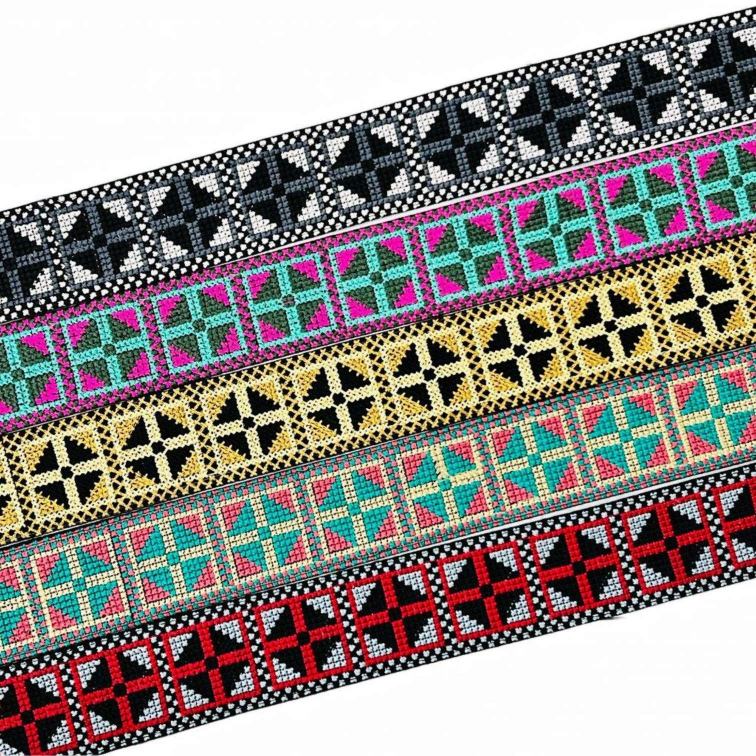
Full cross stitch forms an X-shaped stitch by crossing two diagonal threads over a fabric square, creating dense, opaque coverage ideal for logos, monograms, and detailed graphics. This technique delivers maximum color saturation and durability, making it suitable for hoodies, sweatshirts, tote bags, and premium casualwear where long-lasting decoration is required.nnProduction complexity is moderate, with stitch counts ranging from 5,000 to 25,000 per design depending on size and detail. Full cross stitch works well for startup brands and established labels seeking classic, heritage-inspired aesthetics on mid-weight to heavyweight fabrics.
Half Stitch and Quarter Stitch
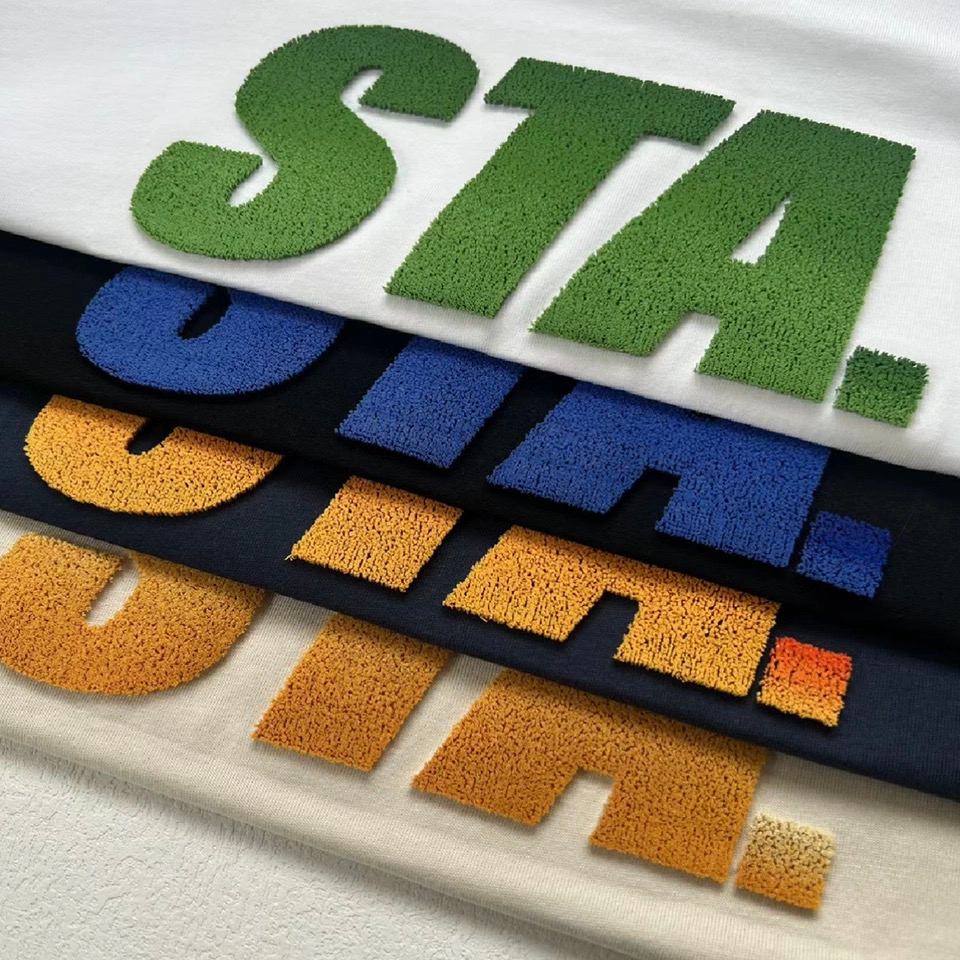
Half stitch uses a single diagonal thread to create lighter, more delicate shading effects, reducing thread consumption by approximately 50% compared to full cross stitch. Quarter stitch divides the fabric square further, enabling fine detail work and smooth color transitions in complex artwork, portraits, or gradient designs.nnThese fractional techniques suit lightweight garments such as linen shirts, dresses, and resort wear where subtle decoration enhances rather than dominates the fabric. Production requires higher skill levels and longer setup times, making them better suited for small-batch collections or premium product lines.
Counted Versus Stamped Cross Stitch
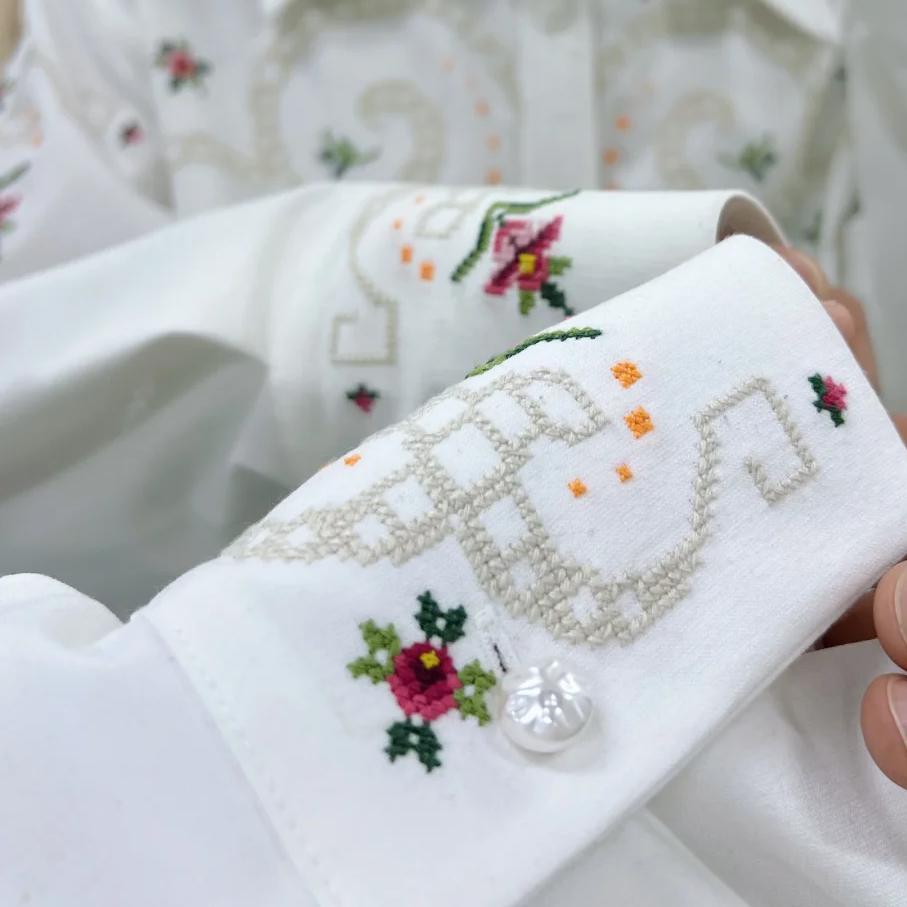
Counted cross stitch relies on precise stitch placement according to a chart or digital file, offering maximum design flexibility and consistent reproduction across production runs. Stamped cross stitch pre-prints the pattern directly onto fabric, simplifying execution but limiting customization and requiring compatible fabric types.nnCounted methods dominate commercial apparel manufacturing due to scalability, quality control, and compatibility with modern embroidery machines. ZORWILD’s production systems support both approaches, with counted cross stitch recommended for brands requiring repeatable designs, multi-color logos, and integration with other decoration techniques across product categories.
4. Materials and Fabrics for Cross Stitch Embroidery
Material selection drives durability, washability, and retail positioning for cross stitch embroidery products. ZORWILD sources fabrics and threads from trusted Chinese suppliers to support low MOQ production starting at 50 pieces, enabling brands to test materials before scaling.
| Fabric Type | Thread Count | Typical Applications | Price Tier |
|---|---|---|---|
| Aida 11-count | 11 holes/inch | Beginner kits, bold graphics, children’s apparel | Budget |
| Aida 14-count | 14 holes/inch | Retail apparel, standard embroidery, wholesale volume | Standard |
| Aida 16–18-count | 16–18 holes/inch | Detailed artwork, premium fashion, luxury streetwear | Premium |
| Linen / Evenweave | 28–32 threads/inch | High-end collections, formal wear, heritage branding | Luxury |
| Waste Canvas | Varies (10–14) | Garment decoration, custom hoodies, denim jackets | Standard |
Fabric Substrates for Cross Stitch Embroidery
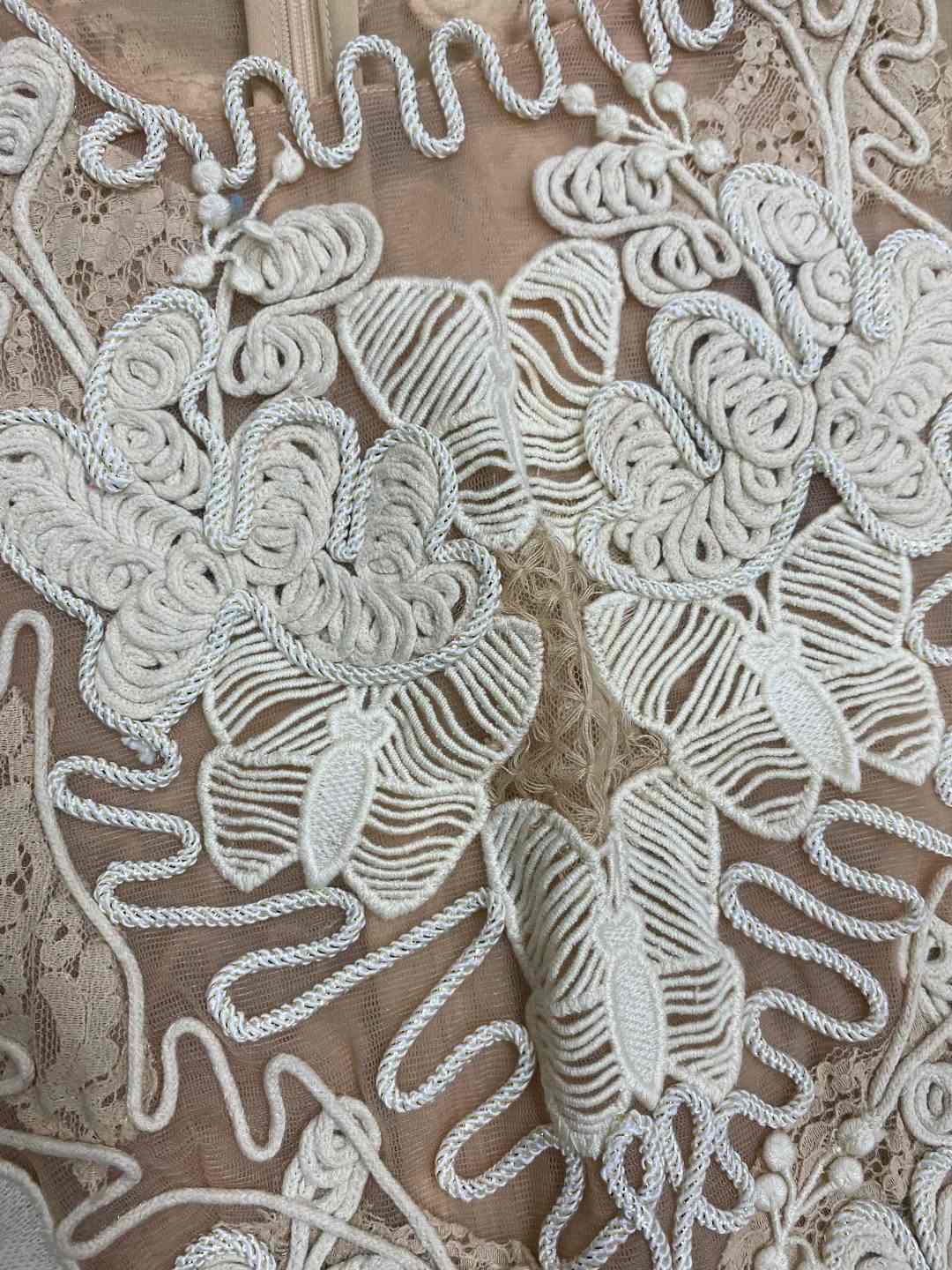
Aida cloth remains the most common substrate, available in 11-count (beginner-friendly, bold designs), 14-count (standard retail), 16-count (detailed work), and 18-count (fine detail, premium positioning). Linen and evenweave fabrics offer softer hand feel and higher perceived quality but require more skill and increase labor costs by 15–25 percent.nnWaste canvas allows cross stitch embroidery on finished garments like hoodies, T-shirts, and denim jackets. The canvas is basted onto fabric, stitched through, then removed thread-by-thread after completion, ideal for custom logo placement and small-batch branding.
Thread Types and Performance
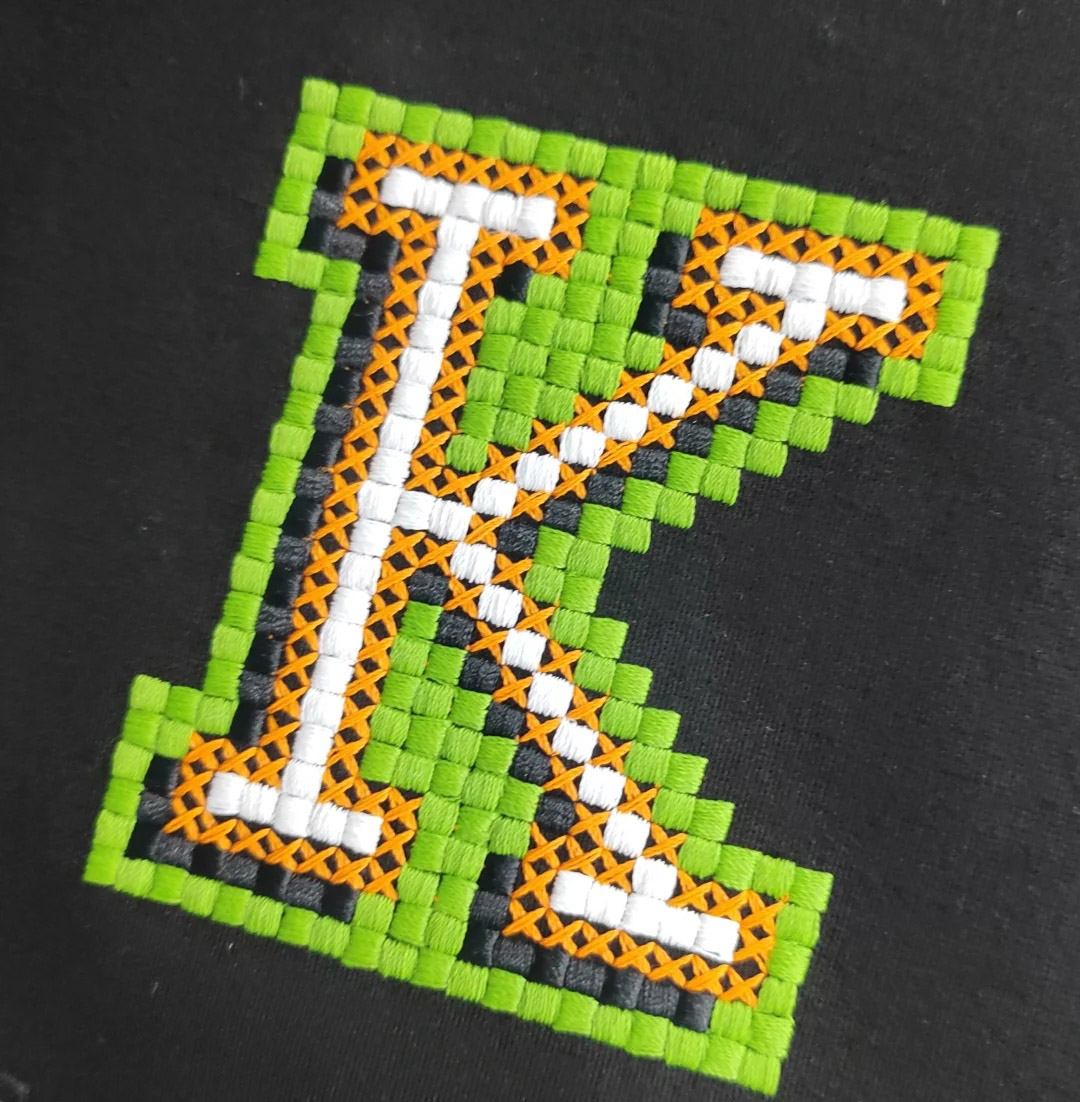
Cotton floss from DMC and Anchor dominates commercial production, offering 400-plus color options, consistent dye lots, and machine-wash durability up to 60°C. Silk thread delivers luxury sheen and softness but costs 3–5 times more and requires gentle wash cycles.nnMetallic and variegated threads add visual interest for streetwear and fashion collections but increase breakage risk during stitching, raising labor time by 10–20 percent. ZORWILD recommends cotton floss for wholesale volume and silk or metallic accents for premium capsule lines.
5. Customization and Decoration Options in Cross Stitch Embroidery
Cross stitch embroidery customization begins with digitizing artwork into stitch patterns, a process that translates logos, graphics, and brand elements into machine-readable embroidery files. ZORWILD’s 27-year manufacturing experience supports Pantone-to-thread color matching, ensuring brand consistency across every production run. Mixed-media applications combining cross stitch with beads, sequins, appliqué, and other embroidery techniques create premium, multi-dimensional designs.
| Customization Type | Setup Cost (USD) | Lead Time Impact | MOQ (pcs) |
|---|---|---|---|
| Standard Logo Digitizing | $30–$80 | +2–4 days | 50 |
| Complex Multi-Color Pattern | $80–$150 | +4–6 days | 100 |
| Custom Thread Dyeing | $200–$500 | +10–14 days | 5,000 |
| Mixed-Media (Sequins/Beads) | $50–$120 | +3–5 days | 100 |
| Appliqué + Embroidery | $40–$100 | +3–5 days | 50 |
Digitizing and Pattern Development
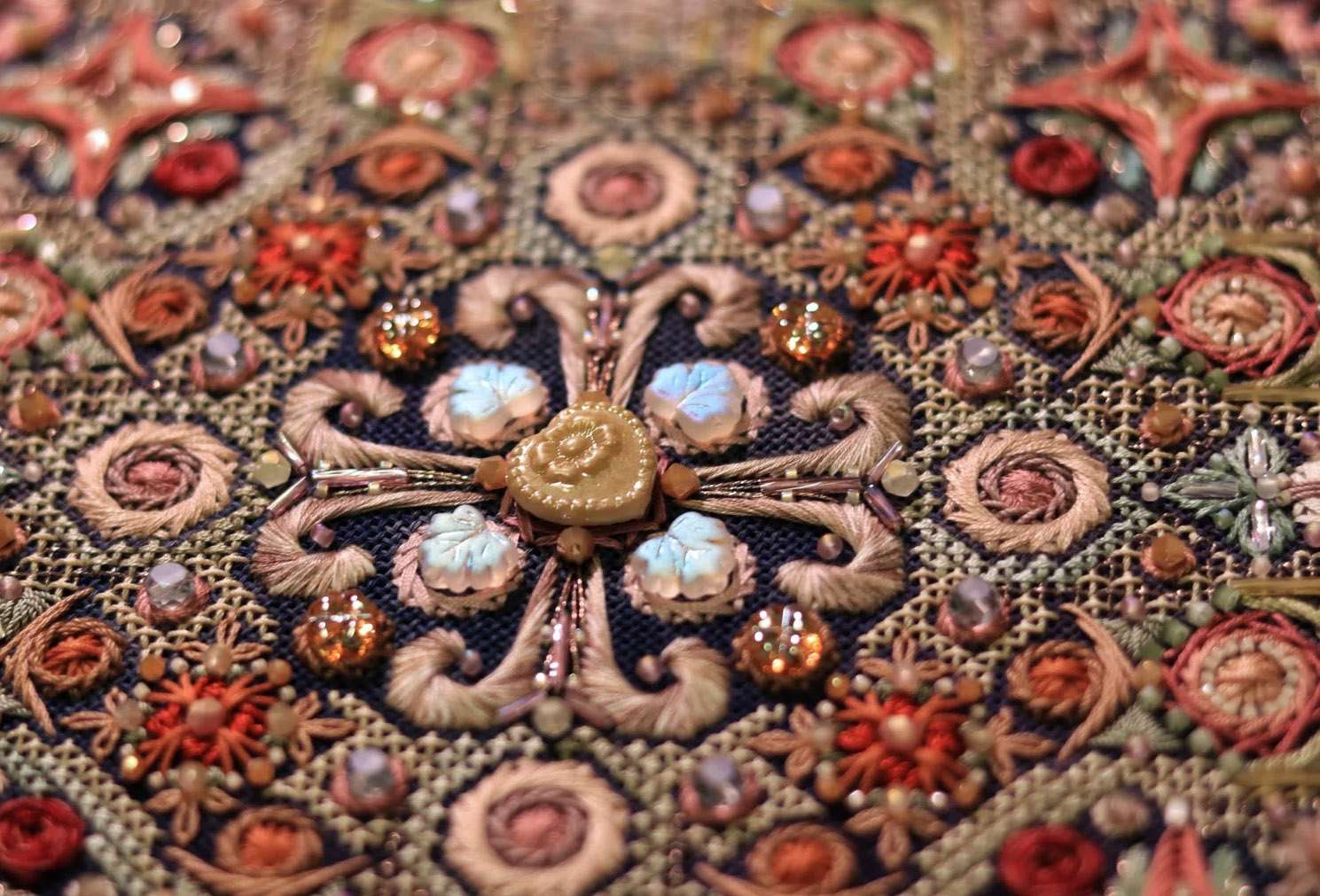
Digitizing converts vector or raster artwork into embroidery stitch files, typically requiring 2–4 business days for complex logos. Thread density, stitch direction, and underlay settings determine final appearance and durability. ZORWILD’s digitizing team adjusts patterns for fabric weight, garment stretch, and stitch count to prevent puckering and distortion.nnCustom pattern development incurs one-time setup fees ranging from $30 to $150 per design, depending on complexity and stitch count. Brands retain digital files for future orders, reducing repeat costs. MOQ for custom patterns typically starts at 50 pieces per colorway, allowing startup brands to test designs without large inventory commitments.
Color Matching and Thread Selection
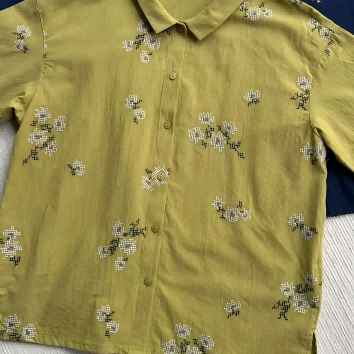
Pantone color systems bridge brand guidelines and embroidery thread libraries, with most manufacturers maintaining 200–400 thread colors in stock. ZORWILD matches client Pantone codes to polyester or rayon thread swatches, providing physical samples before bulk production. Custom thread dyeing is available for orders exceeding 5,000 units, with lead times extending 10–14 days.nnThread type affects appearance: polyester offers durability and colorfastness, while rayon delivers higher sheen for luxury branding. Metallic and glow-in-the-dark threads add specialty effects but require slower stitch speeds and higher setup costs.
Mixed-Media and Multi-Technique Combinations
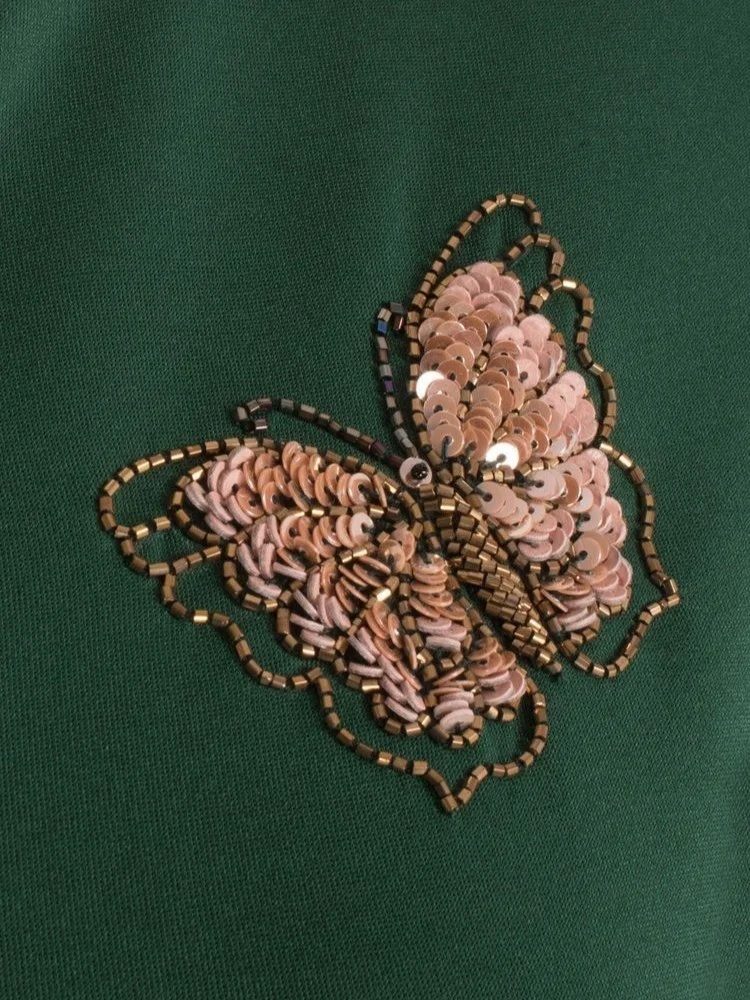
Combining cross stitch embroidery with sequins, beads, appliqué patches, and chenille creates layered, high-value decoration. ZORWILD integrates multiple embroidery techniques in single production runs, applying flat embroidery, 3D puff, and appliqué within one design. Mixed-media setups add $20–$80 per design and extend sampling timelines by 3–5 days.nnSequin and bead application requires specialized hooping and slower machine speeds, increasing per-unit decoration costs by 15–30%. Appliqué fabric pieces reduce stitch counts for large filled areas, lowering thread costs while adding textural contrast.
MOQ and Sample Approval Workflows
Custom cross stitch embroidery MOQs at ZORWILD start at 50 pieces per design, with color or placement variations treated as separate SKUs. Sampling includes one strike-off garment for $25–$60, produced within 5–7 days after digitizing approval. Clients review stitch density, color accuracy, placement, and fabric compatibility before authorizing bulk production.nnIP protection includes non-disclosure agreements and secure file storage, ensuring proprietary designs remain confidential. ZORWILD retains digital files for 24 months, enabling fast reorders without re-digitizing fees. Sample approval workflows require written sign-off, preventing disputes over stitch quality or placement during final inspection.
6. Key Quality Indicators for Cross Stitch Embroidery Products
Quality evaluation for cross stitch embroidery requires measurable benchmarks at every production stage. Professional manufacturers apply standardized inspection protocols to ensure stitch consistency, thread durability, and dimensional stability across orders of 50 to 100,000 units.
Stitch Tension and Thread Coverage
Consistent stitch tension prevents thread breakage, puckering, and uneven surface texture. Inspect samples under natural light to verify uniform stitch density across all design areas, with no visible fabric show-through between stitches.nnThread coverage must remain consistent even after garment washing and ironing. Specify minimum stitch density in your purchase order, typically 4–6 stitches per centimeter for standard cross stitch embroidery, and require pre-production samples to validate tension settings before bulk production begins.
Color Fastness and ISO Standards
ISO 105 color fastness testing measures thread resistance to washing, light exposure, and perspiration. Request ISO 105-C06 wash fastness results (Grade 4 or higher) and ISO 105-B02 light fastness data (Grade 4 minimum) from your manufacturer.nnProfessional suppliers provide third-party test reports for thread batches. ZORWILD coordinates color fastness testing with fabric and thread suppliers to ensure embroidery withstands 30–50 industrial wash cycles without noticeable fading or bleeding.
Backing Finish and Dimensional Stability
Backing material must be trimmed cleanly with no loose threads or adhesive residue that irritates skin. Inspect backing edges for fraying and verify that stabilizer removal leaves no stiffness or distortion in the garment.nnDimensional stability after washing is critical: embroidery should not shrink, stretch, or distort garment fit. Specify wash testing in purchase orders using your target care instructions, and require manufacturers to document shrinkage rates below 3% for cotton and 2% for polyester blends.
AQL Sampling and Inspection Checkpoints
Acceptable Quality Limit (AQL) sampling defines defect tolerance levels for production runs. Standard AQL 2.5 allows 2.5% major defects; stricter AQL 1.5 or 1.0 is recommended for premium cross stitch embroidery collections with complex multi-color designs.nnInspection checkpoints include raw material verification, in-line production checks during embroidery application, and final garment audits covering stitch integrity, color matching, positioning accuracy, and backing finish. ZORWILD applies multi-stage quality control with measurement inspection and final AQL sampling before packaging and export.
7. How to Choose a Cross Stitch Embroidery Manufacturer
Selecting the right cross stitch embroidery manufacturer requires evaluating certifications, production capabilities, and service transparency. A reliable partner balances capacity with flexibility while offering clear communication and quality guarantees.
Certifications and Compliance Standards
Look for manufacturers holding OEKO-TEX Standard 100 for textile safety, ISO 9001 for quality management systems, and WRAP or BSCI for ethical production. These certifications ensure materials meet international safety standards and production follows audited processes.nnExport compliance documentation—including commercial invoices, packing lists, certificates of origin, and customs declarations—should be handled professionally to avoid shipping delays and regulatory issues.
Production Capacity Versus MOQ Flexibility
Manufacturers with monthly capacity exceeding 100,000 units can handle large orders, but startups need partners offering MOQs from 50 to 200 pieces per design. ZORWILD supports both startup brands testing new products and established labels scaling production.nnAsk whether the factory runs dedicated lines for small batches or mixes orders, as dedicated runs reduce color contamination and thread tension inconsistencies common in shared production.
Sampling, Digitizing, and Design Support
In-house digitizing teams convert artwork into stitch files faster and iterate revisions within 24 to 48 hours, while outsourced services add 3 to 5 days per round. Confirm whether the manufacturer provides free sampling or charges per prototype, and whether sampling fees offset against bulk orders.nnDesign support should include stitch density recommendations, thread color matching to Pantone references, and fabric compatibility advice to prevent puckering or distortion.
Red Flags and Green Flags
Red flags include refusal to provide samples before payment, vague lead times without production schedules, lack of portfolio photos, and inconsistent communication. Green flags are transparent per-piece pricing, diverse portfolio showing multiple embroidery styles, clear payment terms such as 30% deposit and 70% before shipment, and written quality guarantees covering stitch defects and color accuracy.
8. Common Mistakes Buyers Make When Sourcing Cross Stitch Embroidery
Even experienced buyers encounter costly pitfalls when sourcing cross stitch embroidery for apparel collections. Understanding these common errors helps brands avoid production delays, quality issues, and budget overruns that can derail product launches.
Underestimating Pattern Complexity and Cost
Many buyers submit intricate cross stitch designs without understanding that stitch count directly drives production cost and time. A simple 2-color logo may cost $1.50 per piece, while a detailed 8-color pattern can exceed $6.00 due to thread changes and machine setup.nnAlways request a digitized stitch-count estimate before finalizing artwork. ZORWILD’s development team provides detailed costing breakdowns during the sampling phase, helping brands adjust designs to meet budget targets without sacrificing visual impact.
Ignoring Fabric Shrinkage in Specifications
Buyers often finalize embroidery placement on unwashed samples, then discover logos shift or distort after the first wash cycle. Cotton and cotton-blend fabrics can shrink 3–5% in length, moving a chest design upward or causing neckline crowding.nnSpecify embroidery placement after accounting for fabric shrinkage, or request pre-shrunk fabric for sampling. ZORWILD applies garment wash to strike-off samples so placement accuracy is verified before bulk production begins.
Skipping Wash Testing for Durability
Accepting samples based solely on visual appearance without wash testing leads to thread fraying, puckering, or color bleeding in customer hands. Professional manufacturers test embroidery through 5–10 wash cycles to confirm thread lock, backing stability, and colorfastness.nnAlways request wash-tested samples and inspect thread integrity, fabric recovery, and color retention. ZORWILD includes wash testing in all embroidery development to ensure designs withstand repeated laundering without quality loss.
Accepting Generic Samples Instead of Strike-Offs
Generic embroidery samples on different fabrics or garment styles rarely predict final production quality. Thread tension, backing type, and fabric weight all affect stitch appearance and durability, making strike-offs on actual production garments essential.nnInsist on strike-off samples using your exact fabric, garment style, and thread colors. ZORWILD produces strike-offs on production-ready blanks so buyers approve precise stitch density, placement, and finish before bulk orders commence.
Neglecting Intellectual Property Agreements
Buyers sharing proprietary artwork without signed IP agreements risk design leaks or unauthorized reproduction. Clear contracts protect brand assets and establish ownership, especially when working with overseas manufacturers handling multiple clients.nnRequire signed non-disclosure and IP ownership agreements before sharing designs. ZORWILD provides standard IP protection contracts and maintains strict confidentiality protocols, ensuring custom artwork remains exclusive to each brand throughout production and beyond.
9. Steps to Launch Your Cross Stitch Embroidery Product Line
Launching a cross stitch embroidery product line requires a structured, phased approach that balances creative vision with production realities. ZORWILD’s 27 years of manufacturing experience across 2,000+ brands reveal that successful launches follow a clear roadmap with realistic timelines and iterative refinement at every stage.
Market Research and Trend Analysis
Allocate 1–2 weeks to analyze competitor offerings, Instagram hashtags, Pinterest boards, and retail data to identify gaps in cross stitch embroidery applications. Focus on fabric categories (hoodies, shirts, dresses), popular motifs (florals, geometric, vintage), and price positioning.nnDocument target customer demographics, preferred color palettes, and seasonal demand patterns. ZORWILD recommends examining both fast-fashion trends and heritage craft revivals to balance novelty with timeless appeal.
Design Concept and Pattern Development
Spend 2–3 weeks developing tech packs that specify stitch type (counted cross, stamped, or freehand), thread count (14-count Aida equivalent for garment application), color codes (Pantone or DMC thread references), and placement coordinates. Clear specifications reduce sample revisions by 40–60%.nnProvide reference images, dimension callouts, and garment base styles. ZORWILD’s design team can translate sketches or inspiration photos into production-ready patterns with precise stitch maps and thread requirements.
Material Selection and Manufacturer Vetting
Identify base fabrics (cotton poplin, linen blends, French terry) and embroidery threads (cotton, rayon, metallic) within 1 week, then request quotes from 3–5 manufacturers. Compare MOQ thresholds (ZORWILD starts at 50 pieces), lead times (sampling 7–10 days, bulk 25–35 days), and decoration capabilities.nnVerify that the manufacturer supports cross stitch embroidery through portfolio reviews, facility certifications (WRAP, BSCI), and sample quality. Request fabric swatches and thread color cards before committing to sampling.
Sample Approval and Pilot Production
Order initial samples (3–5 units per design) and allow 7–10 days for production. Inspect stitch density, thread tension, color accuracy, fabric puckering, and pattern alignment under natural light. Iterate 1–2 times if needed, adding 1 week per revision cycle.nnOnce approved, proceed with a pilot run of 50–200 units to validate bulk production consistency, packaging fit, and shipping logistics. ZORWILD’s low MOQ system enables cost-effective testing before scaling to monthly capacities exceeding 100,000 units.
Quality Assurance and Launch Preparation
Implement inline and final inspections covering stitch integrity, colorfastness (ISO 105 standards), measurement tolerances (±1–2 cm), and label accuracy. Allocate 2–3 days for QA and 1 week for packaging, including hang tags, poly bags, and branded inserts.nnPlan a soft launch with limited inventory, gather customer feedback on fit and embroidery durability, then refine specifications before full-scale production. This iterative loop reduces returns by 30–50% and builds long-term brand credibility.
10. Pricing and Cost Structure for Cross Stitch Embroidery
Cross stitch embroidery pricing varies by order volume, pattern complexity, and fabric substrate. At ZORWILD, setup fees for digitizing and sampling typically range from $50 to $150 per design, depending on stitch count and color changes, while per-unit costs drop significantly as quantity increases. A 100-piece run of custom hoodies or custom t-shirts may cost $8–$12 per garment for a medium-complexity cross stitch pattern on mid-weight cotton, whereas 5,000 units can bring the per-piece cost down to $3.50–$5.50.nnFabric grade is the largest cost driver after labor. Premium linen blends or organic cotton add $1.50–$3.00 per unit compared to standard cotton poplin or poly-cotton. Thread count and color changes directly impact embroidery time: a simple two-color cross stitch motif requires 8–12 minutes of machine time, while a six-color gradient pattern may take 20–30 minutes, raising labor costs by 40–60%. Pattern density and finished size also scale pricing—designs over 15 cm² or with stitch densities above 8,000 stitches per 10 cm² incur surcharges of $0.80–$2.00 per unit.nnFinishing services such as hemming, backing fabric application, and custom packaging add $0.50–$2.00 per piece depending on complexity. Buyers ordering 500+ units of wholesale hoodies, wholesale t-shirts, or custom apparel typically negotiate 15–25% discounts, and those committing to 1,000+ pieces gain access to priority lead times of 18–25 days instead of the standard 30–35 days for smaller runs.
| Quantity Tier | Price per Unit (USD) | Setup Fee | Lead Time |
|---|---|---|---|
| 100 units | $8.00 – $12.00 | $100 – $150 | 30–35 days |
| 500 units | $5.50 – $8.00 | $80 – $120 | 25–30 days |
| 1,000 units | $4.50 – $6.50 | $60 – $100 | 22–28 days |
| 5,000 units | $3.50 – $5.50 | $50 – $80 | 18–25 days |
Ready to Add Cross Stitch Embroidery to Your Apparel Line?
Send your artwork for a free sample quote on custom hoodies, custom t-shirts, custom shirts, or wholesale apparel with cross stitch embroidery. 27-year expertise, 50-piece MOQ, and fast turnaround for startup brands and wholesalers.
- Custom Varsity Jackets
- Custom Polo Shirts
- Custom Shorts
- Custom Dress Shirts
- Contact