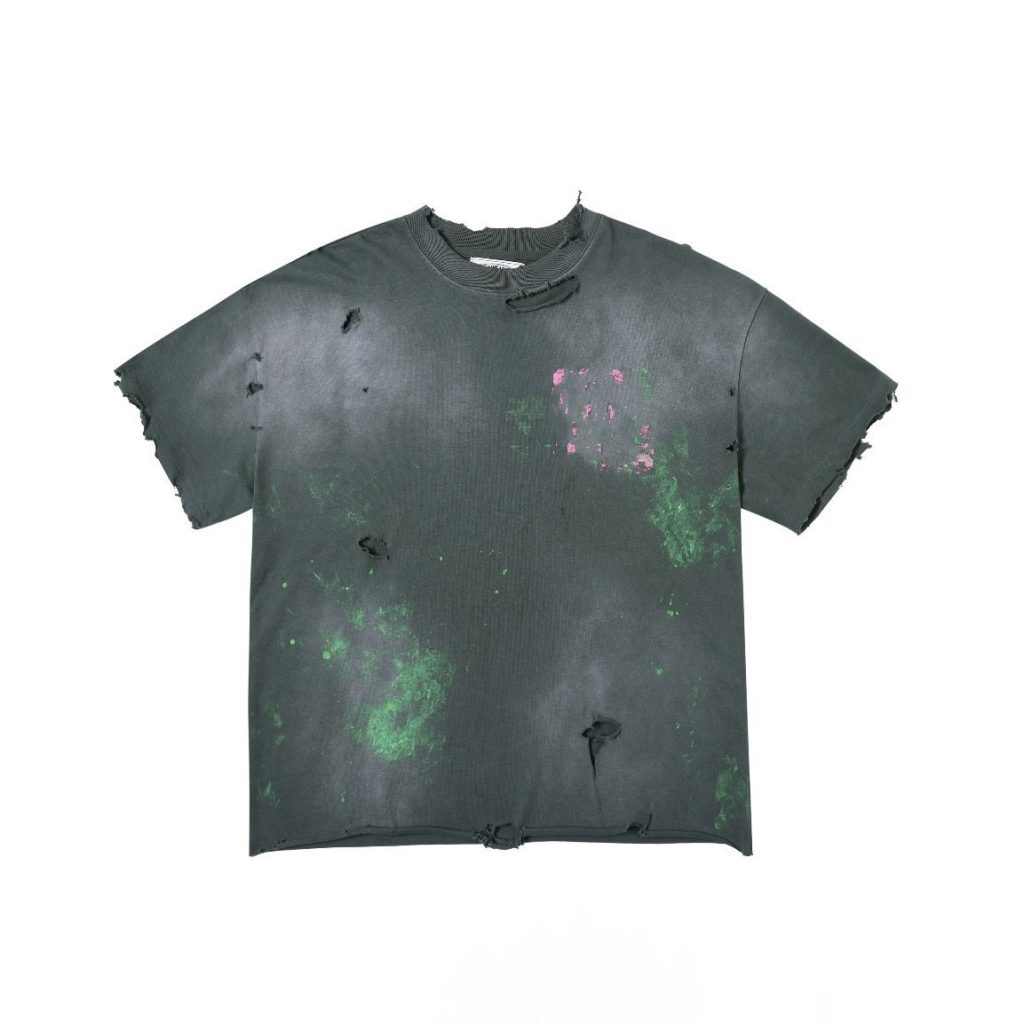
TL;DR: Screen printing uses mesh stencils for durable, high-volume production; digital printing (DTG/DTF) excels at small batches and complex designs with zero setup costs.
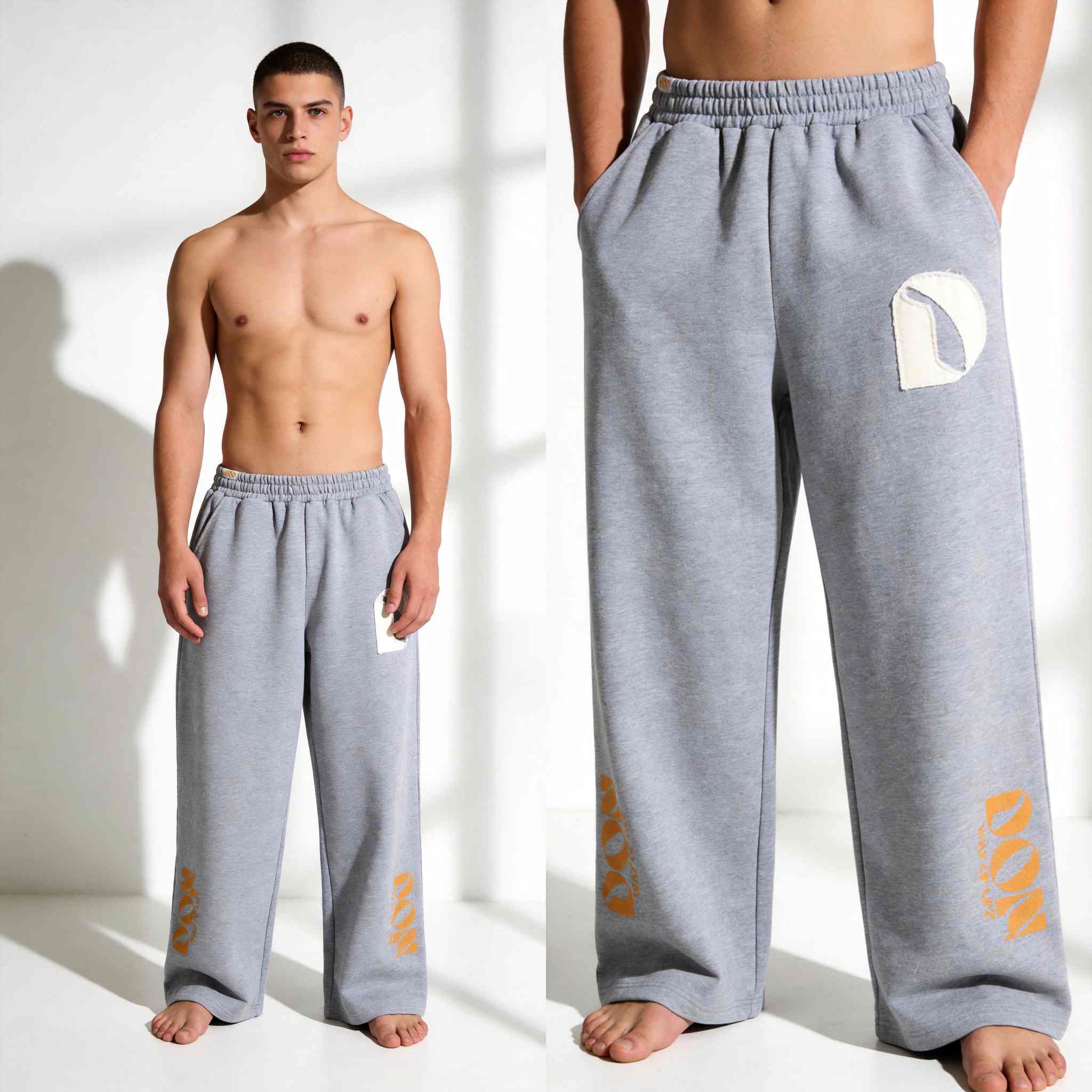
Bottom line: Choose screen printing for 150+ units with simple logos; choose digital for under 100 units or photorealistic artwork.
Last updated: 2026-06-05, based on 27 years of apparel manufacturing experience and 2,000+ brand partnerships.
Key Takeaways
- Screen printing costs drop from $8-12 per unit at 100 pieces to $2-3 per unit at 1,000+ pieces, delivering unbeatable economies of scale.
- Digital printing maintains flat $8-15 pricing regardless of quantity, making it ideal for on-demand and test collections.
- Screen-printed designs withstand 200+ wash cycles; DTG prints typically fade after 50-100 cycles.
- DTG and DTF support unlimited colors and photorealistic graphics impossible with traditional screen printing methods.
- The break-even point occurs around 150-200 units—below this threshold, digital wins; above it, screen printing dominates cost efficiency.
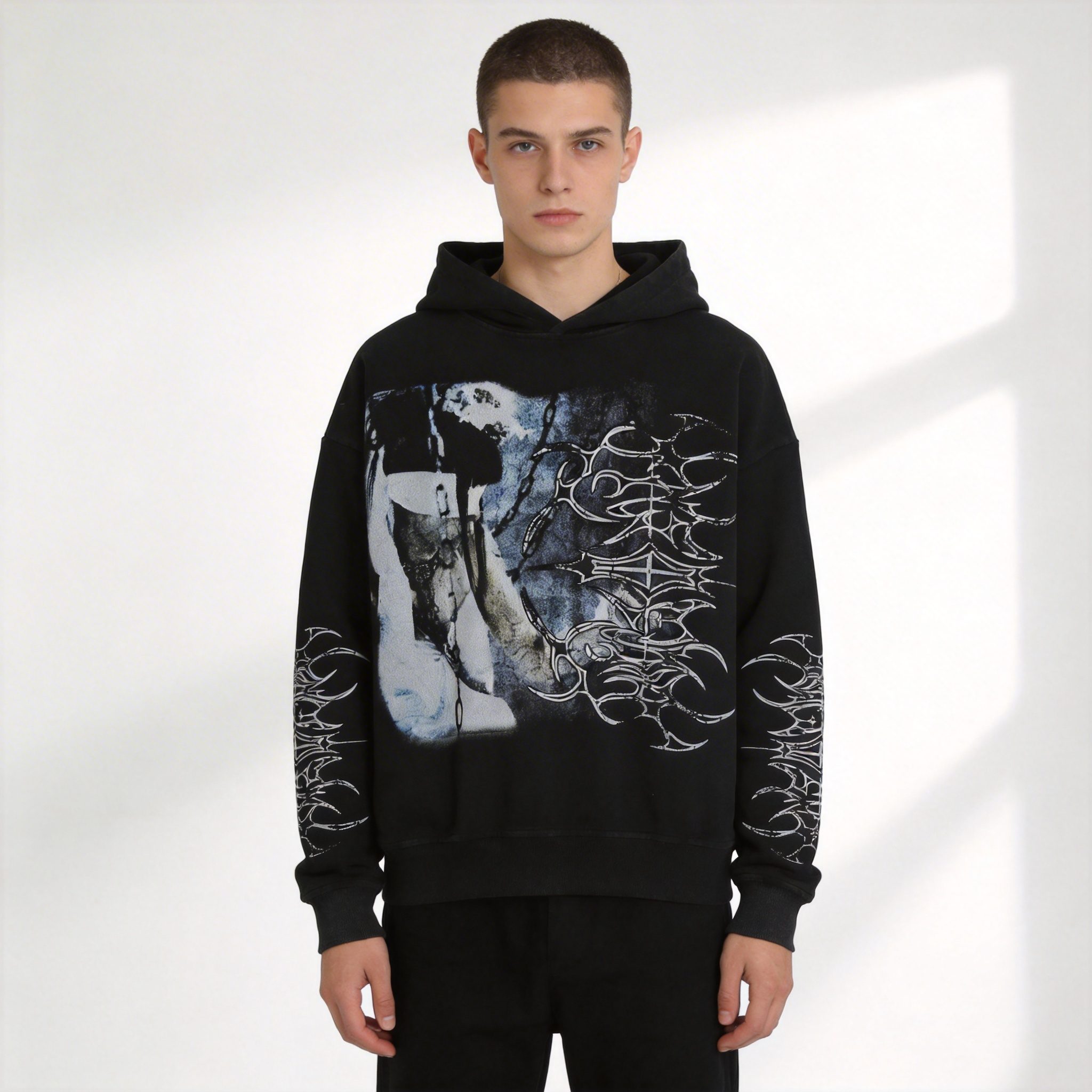
What Is Screen Printing and How Does It Work?
Screen printing is a stencil-based textile decoration method that forces ink through fine mesh screens onto fabric surfaces, optimized for bold, durable designs at production scale. The process originated in Asia around 900 AD and remains the dominant decoration method for high-volume apparel manufacturing worldwide.
A separate polyester or silk mesh screen is created for each color in the design. The stencil blocks ink from passing through certain mesh areas while allowing it through others. A squeegee tool pushes ink across the screen, forcing it through the open mesh areas onto the garment below. A five-color logo requires five distinct screens and five separate printing passes, with each color curing between applications.
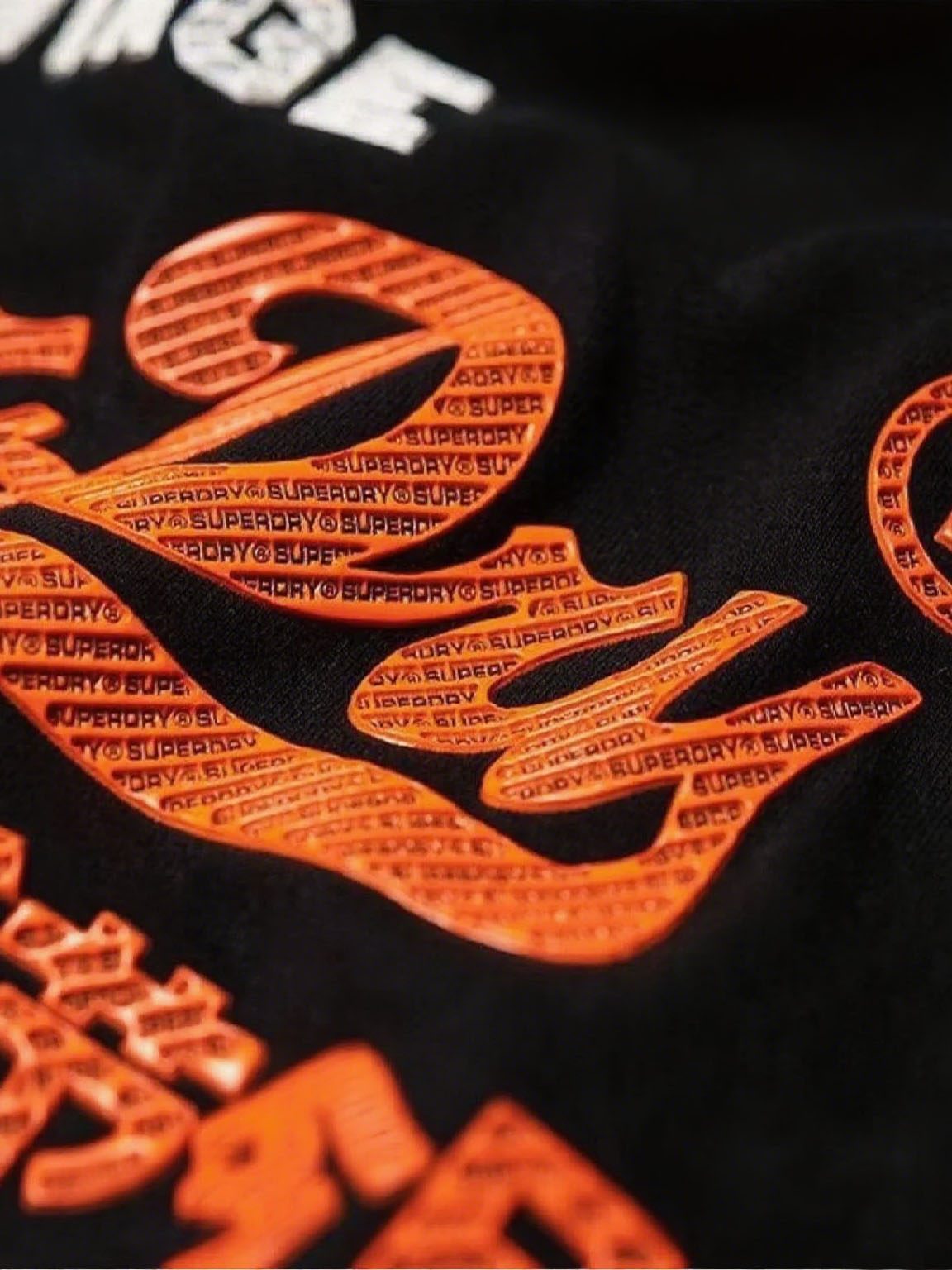
Screen-printed graphics deliver exceptional durability. The ink sits on top of the fabric rather than absorbing into fibers, creating a tactile, dimensional feel consumers recognize as premium. Screen-printed garments withstand 200+ industrial wash cycles without significant fading—this longevity makes the method ideal for branded merchandise, corporate uniforms, and streetwear collections where product lifespan matters.
Screen printing requires substantial upfront investment. Setup costs include screen creation ($50-100 per color), ink mixing and color matching ($100-200), and skilled labor preparation (2-5 hours). These fixed costs only make economic sense when distributed across large quantities—typically 100+ units minimum. For brands running 50-piece capsule collections or testing new designs, screen printing’s overhead becomes prohibitive. The break-even calculation is straightforward: if setup costs $400 and you’re printing 50 units, that’s $8 per shirt before ink and labor; at 500 units, setup drops to $0.80 per shirt.
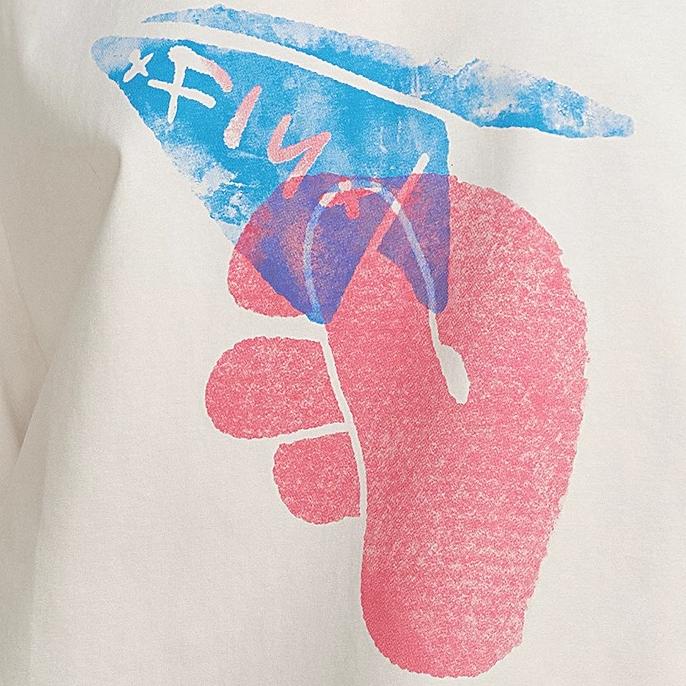
Screen Printing vs Digital Printing: Side-by-Side Comparison
Custom Screen Printing dominates high-volume orders with superior durability and lower per-unit costs at scale; digital printing wins on design complexity, small runs, and setup speed with zero color limitations or screen fees.
| Factor | Screen Printing | Digital Printing (DTG/DTF) |
|---|---|---|
| Setup Time | 2-5 days (screen creation required) | Same-day or next-day (minimal prep) |
| Design Complexity | Limited to 4-6 colors; best for flat, solid designs | Unlimited colors; gradients, photos, overlays supported |
| Minimum Order | 100-500 units | 1-50 units (some shops accept single pieces) |
| Cost Per Unit | $2-8 (decreases with volume) | $8-15 (flat rate regardless of quantity) |
| Print Durability | 200+ wash cycles; tactile, dimensional | 50-100 wash cycles; flatter, lighter hand feel |
| Fabric Compatibility | Cotton, blends, synthetics | Best on 100% cotton; limited on polyester |
| Color Accuracy | Excellent for solid colors; custom ink mixing | Full CMYK spectrum; photorealistic possible |
Choose screen printing for orders exceeding 150 units with simple logos, wordmarks, or bold graphics requiring maximum durability. Choose digital printing for under 100 units, intricate multi-color artwork, photorealistic images, or personalized items where setup costs would destroy margins. The decision hinges on volume economics—screen printing’s fixed costs amortize beautifully at scale but crush small-batch profitability.
Digital Printing Methods: DTG, DTF, and Sublimation Explained
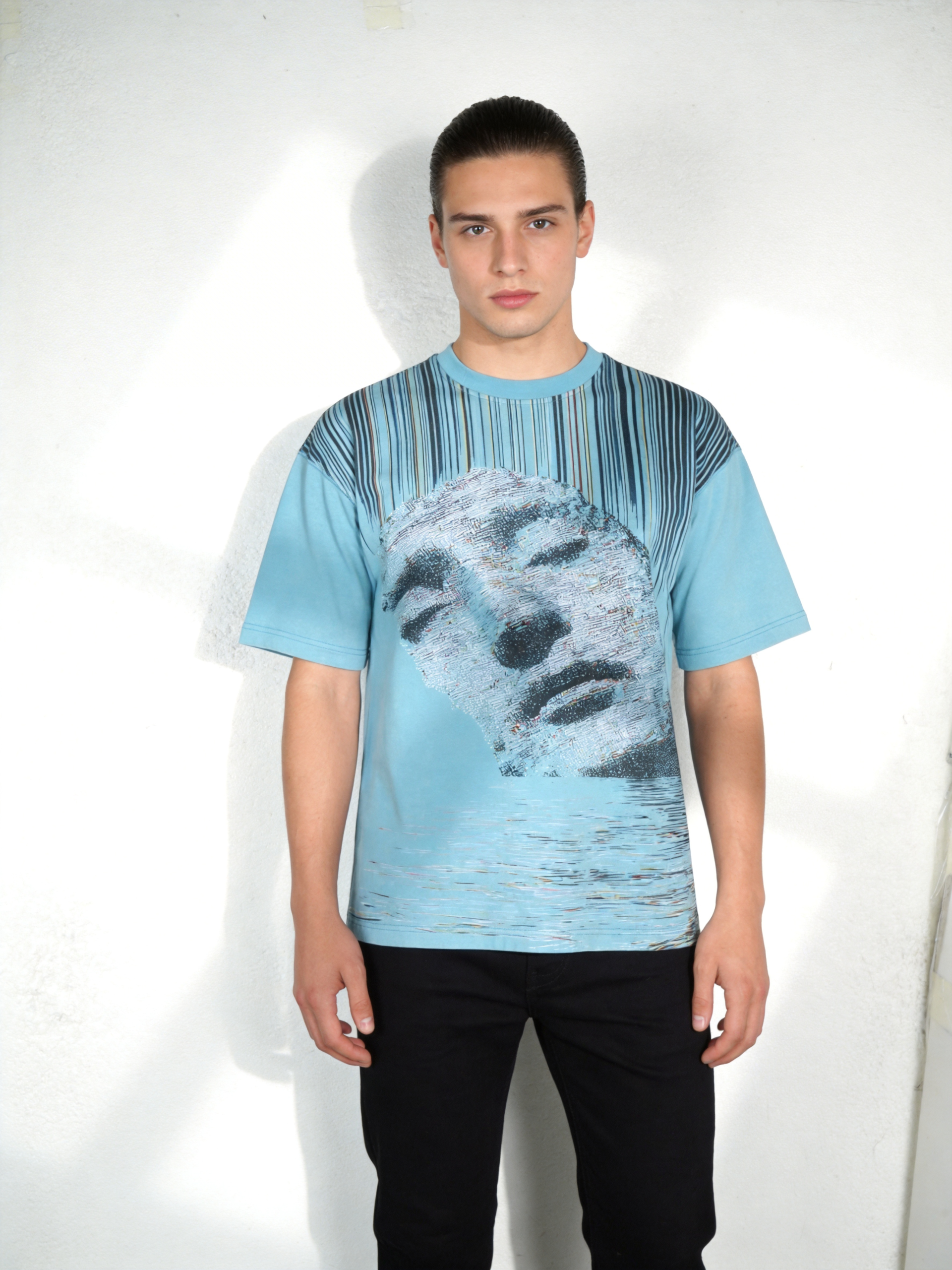
Digital printing encompasses three distinct technologies—DTG (direct-to-garment), DTF (direct-to-film), and sublimation—each optimized for different fabric types, durability requirements, and design complexity levels.
Direct-to-garment (DTG) printing functions like an oversized inkjet printer, spraying CMYK inks directly onto fabric surfaces. The process requires minimal setup—load the garment onto the printer platen, input the design file, and print. DTG produces photorealistic graphics, gradients, and multi-color designs impossible with screen printing. The technology is ideal for small-batch streetwear, influencer merchandise, and on-demand businesses testing new designs without inventory risk. According to Printify’s analysis, DTG’s zero setup cost makes it economically viable for single-unit orders.
DTG has clear limitations. The ink sits on the fabric surface rather than bonding with fibers, making prints feel slightly stiff compared to screen printing’s dimensional texture. Wash durability typically reaches 50-100 cycles before noticeable fading begins. DTG also performs best on 100% cotton; polyester blends and synthetic fabrics often produce inferior results because water-based inks don’t absorb evenly into synthetic fibers.
Direct-to-film (DTF) printing addresses DTG’s durability weakness through a two-step process. DTF prints designs onto a special transfer film coated with adhesive powder, which is then heat-pressed onto the garment at 160-170°C. This creates superior wash durability (100-150+ cycles) and works exceptionally well on polyester, blends, and dark fabrics without requiring white underbase layers. DTF has emerged as the preferred method for premium streetwear brands and performance apparel seeking durability without screen printing’s setup costs. We’ve shifted 40% of our digital production to DTF over the past 18 months because clients demand better wash performance.
Sublimation printing uses heat (200°C) to chemically bond dyes into synthetic fibers, creating permanent, vibrant color that won’t fade, crack, or peel. Sublimation produces unmatched color vibrancy and works beautifully on polyester, nylon, and technical fabrics. The major limitation: sublimation cannot print on 100% cotton because the dye-bonding process requires synthetic polymer chains. Sublimation dominates activewear, technical sportswear, and polyester-based fashion collections where color permanence justifies fabric constraints.
Cost Analysis: When Screen Printing Becomes Economical
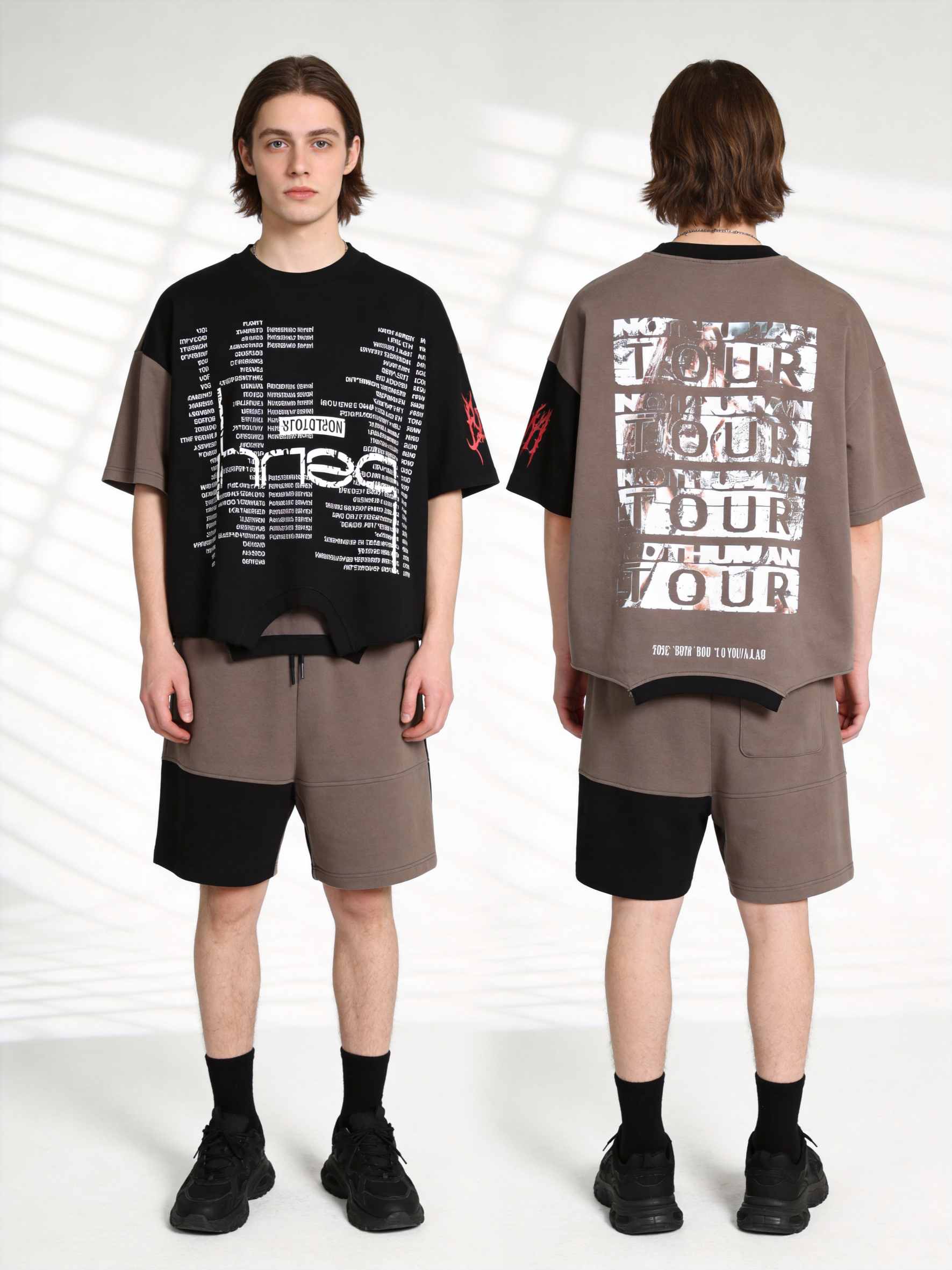
Screen printing costs drop dramatically at scale—from $8-12 per unit at 100 pieces to $2-3 per unit at 1,000+ pieces, making it unbeatable for high-volume orders where setup costs amortize across large quantities.
- 100-unit order: Screen printing costs $8-12 per shirt ($400-600 setup + $4-6 per unit); digital printing costs $10-14 per shirt with zero setup—comparable pricing favors digital slightly.
- 500-unit order: Screen printing drops to $3-5 per shirt ($400 setup ÷ 500 units = $0.80, plus $2.20-4.20 production); digital remains $10-14 per shirt—screen printing delivers 60-70% cost savings.
- 1,000+ unit order: Screen printing reaches $2-3 per shirt ($400 setup ÷ 1,000 = $0.40, plus $1.60-2.60 production); digital stays flat at $10-14 per shirt—screen printing achieves 75-80% cost advantage.
- Break-even point: Approximately 150-200 units—below this threshold, digital printing offers better value; above this, screen printing dominates economically and justifies setup investment.
- Setup costs amortized: Screen printing requires $200-500 upfront investment in screens, color separation, and labor preparation; digital requires $0-50 setup for file processing—this fixed cost differential determines method selection.
Choosing the Right Method: Brand Strategy and Production Planning
Select screen printing for established brands running bulk orders and seeking maximum durability with premium tactile quality; choose digital printing for startups, small batches, and design-forward brands testing market response without inventory risk.
1. Startup Streetwear Brand (50-200 units per design): Digital printing is optimal for early-stage brands needing maximum flexibility to test designs, iterate based on customer feedback, and manage cash flow without massive upfront inventory. Digital printing’s zero setup cost and ability to print single units or small batches allows brands to validate designs before committing to larger production runs. We’ve helped 2,000+ fashion brands launch using this exact strategy—print 50 units via DTG, track sales velocity for 60-90 days, then transition proven designs to screen printing for subsequent orders. This approach reduces unit costs from $12 to $4 once designs validate, improving profit margins by 60-70% while eliminating dead inventory risk.
2. Established Brand with Proven Designs (500+ units): Established brands with validated designs should transition to screen printing immediately. If a hoodie design consistently sells 500+ units monthly, screen printing reduces per-unit costs from $12 to $4, improving profit margins by $8 per garment or $4,000 per 500-unit run. Screen printing also delivers superior durability (200+ wash cycles vs. 50-100 for DTG) and tactile quality that justifies premium pricing. Brands absorb setup costs within the first production run and maintain consistent brand aesthetic across large production volumes. The dimensional, tactile feel of screen-printed graphics becomes a signature quality marker consumers recognize.
3. Hybrid Production Strategy (Recommended for Growth): Forward-thinking brands implement a hybrid approach—use digital printing for new designs, limited-edition capsules, and market testing; use screen printing for bestselling designs and high-volume reorders. This strategy balances innovation speed (digital) with production efficiency (screen printing). A brand might launch 10 new designs monthly via DTG printing at $12 per unit, then transition the top 3 designs to screen printing for the following month’s production at $4 per unit, optimizing both creativity and profitability. The economics are compelling: test cheaply, scale efficiently.
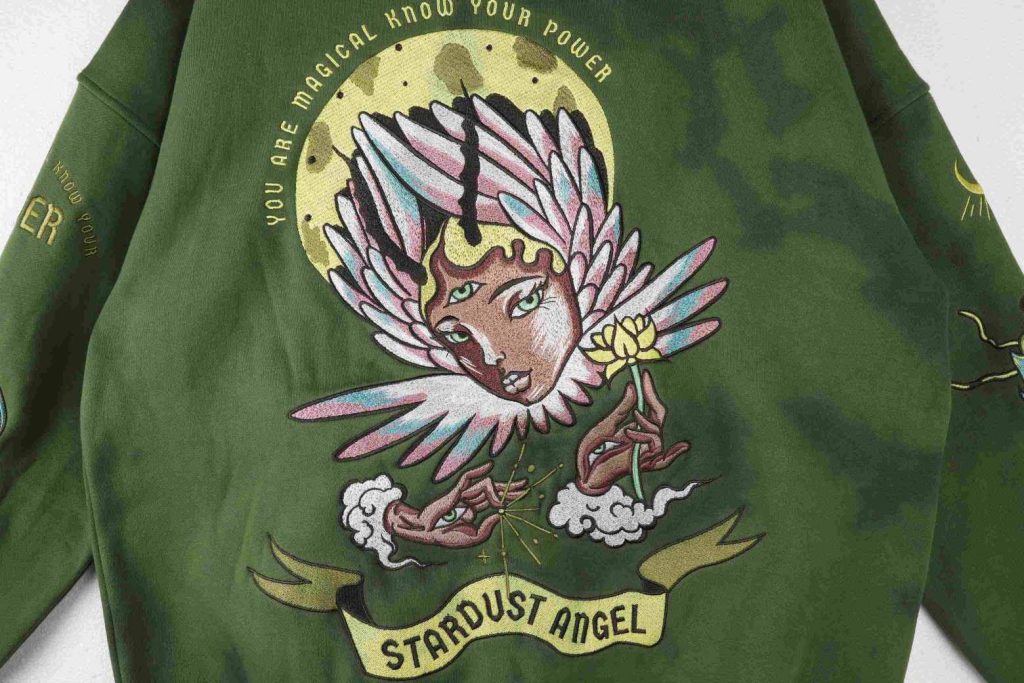
4. Design Complexity and Artistic Direction: Brands with photorealistic graphics, complex gradients, or detailed artwork must use digital printing—screen printing cannot reproduce these designs accurately without prohibitive screen counts. Fashion brands emphasizing artistic direction, limited-edition collaborations, or designer graphics benefit from digital’s unlimited color palette and photorealistic capability. Protocase’s technical analysis confirms digital print excels at gradient finishes, CGI effects, and overlapping colors impossible with traditional screen methods. Conversely, brands built on bold logos, minimalist aesthetics, and iconic wordmarks thrive with screen printing’s crisp, dimensional execution and superior color saturation.
5. Fabric and Durability Requirements: Consider garment longevity carefully. Workwear, uniforms, and performance apparel demand screen printing’s superior wash durability (200+ cycles) because these garments face harsh commercial laundering and extended wear cycles. Consumer fashion, trend-driven streetwear, and seasonal collections accept digital printing’s moderate durability (50-100 cycles) because garments typically retire before durability becomes an issue. Premium brands emphasizing legacy and heirloom quality should default to screen printing; fast-fashion brands leveraging trend cycles can exploit digital’s speed advantage. As Glassense notes, the choice fundamentally depends on whether your brand prioritizes longevity or design flexibility.
FAQ
Q1: Can you screen print on polyester?
Yes, screen printing works on polyester, but ink adhesion is inconsistent compared to cotton. Most professional printers recommend 100% cotton or cotton-blend fabrics for optimal results. For polyester garments, DTF (direct-to-film) printing typically delivers better durability and color accuracy than screen printing because the heat-transfer process bonds more effectively with synthetic fibers.
Q2: How many washes does DTG printing last?
DTG prints withstand 50-100 wash cycles before noticeable fading occurs. This varies based on fabric quality, ink type, washing temperature, and detergent harshness. Screen printing lasts 200+ cycles, making it significantly more durable for long-term wear garments like workwear, uniforms, or premium streetwear collections where longevity justifies higher production costs.
Q3: What’s the minimum order for screen printing?
Most screen printing shops enforce 100-150 unit minimums per design to justify setup costs. Some facilities accept smaller runs (50 units) at premium pricing that eliminates cost advantages. ZORWILD accepts low MOQ orders starting from 50 pieces, making small-batch production accessible for startups and designers testing new concepts without massive inventory commitments.
Q4: Can digital printing print on dark-colored shirts?
DTG printing on dark fabrics requires a white underbase layer applied before color inks, which adds cost ($2-3 per shirt) and production time. DTF printing handles dark fabrics more efficiently without requiring separate underbase layers because the transfer film includes white backing. For dark apparel, DTF or screen printing typically delivers superior results with better color vibrancy and opacity.
Q5: Which printing method is most eco-friendly?
Water-based screen printing inks are more environmentally responsible than plastisol inks, which require chemical solvents. Digital printing (DTG/DTF) uses less water and produces minimal waste compared to screen printing’s screen disposal and ink waste. Sublimation produces zero textile waste but requires synthetic fabrics derived from petroleum. Each method has environmental trade-offs; sustainability depends on specific ink choices, water usage, and waste management practices.
Q6: How do I choose between screen printing and digital for my brand?
Use screen printing for orders exceeding 150 units with simple designs and durability requirements where cost per unit matters more than design complexity. Use digital printing for under 100 units, complex multi-color designs, photorealistic graphics, or when design iteration speed matters more than per-unit cost. Consider your brand’s positioning—luxury and heritage brands favor screen printing’s durability and tactile quality; trend-driven and startup brands favor digital printing’s flexibility and speed.
Sources
- Cobra DTF — Silk Printing vs Screen Printing Guide — 2026, volume economics and cost analysis
- Printify — Screen Print vs Digital Print Method Comparison — 2026, setup cost and MOQ data
- Gelato — Screen vs Digital Printing Comparison — 2026, fabric compatibility research
- Printful — DTG vs Screen Printing Technical Guide — 2026, wash durability testing
- CustomInk — Screen vs Digital Printing Methods — 2026, color mixing capabilities
- Underground Shirts — Screen Printing vs Digital Printing Analysis — 2026, consistency and quality control
About ZORWILD: Dongguan ZORWILD Clothing Co., Ltd. is a professional apparel manufacturer specializing in low MOQ custom clothing production for fashion brands worldwide. With 27+ years of experience and advanced printing capabilities including screen printing, DTG, DTF, and embroidery, ZORWILD supports startups, established brands, and wholesalers across 50+ countries. Contact: [email protected] | +86 137 1325 2727 | https://www.zorwild.com/
Written by Alin Zeng (27 Years of Master Craftsmanship & Pattern Making, Global OEM & Streetwear Customization Excellence, End-to-End Supply Chain & One-Stop Production, High-Efficiency Cost Control (“Quality + Affordability”), Incubating 2,000+ Fashion Brands from Scratch). Last reviewed 2026-06-05.