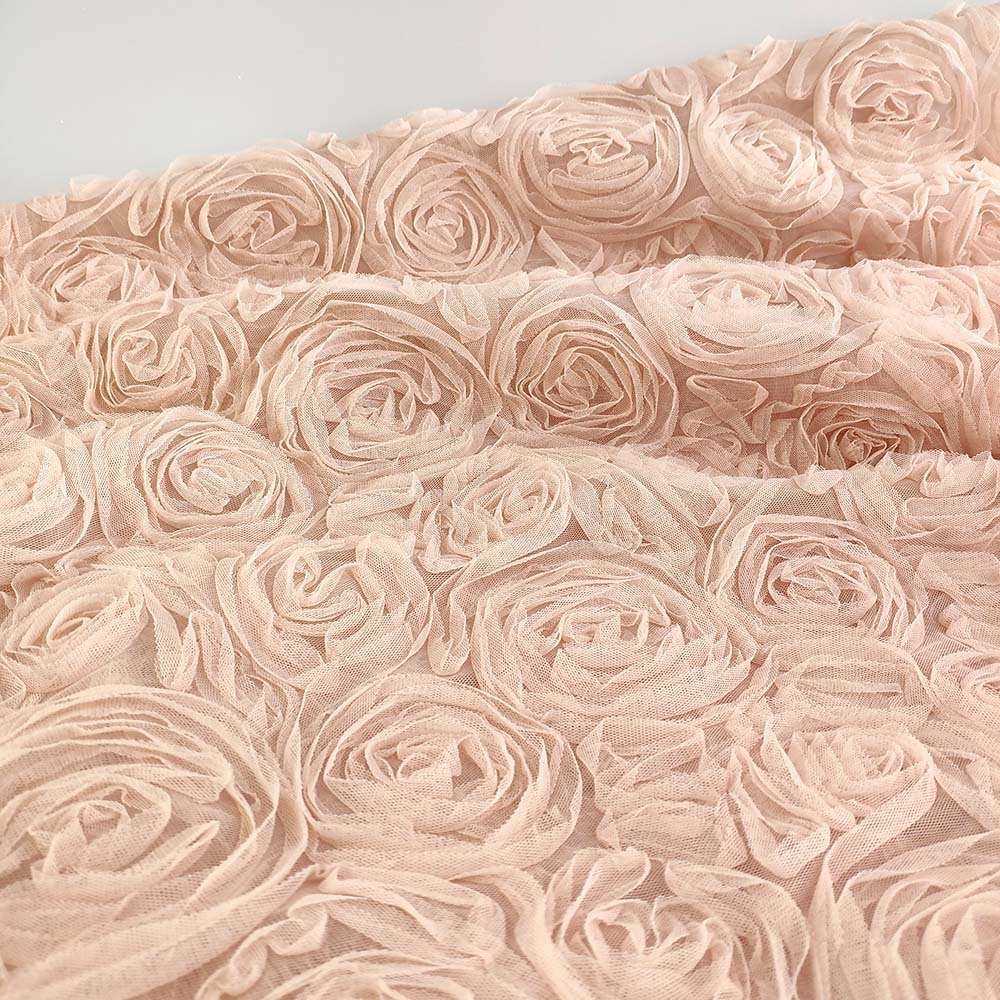
TL;DR: Menswear manufacturing transforms design concepts into finished garments through six coordinated stages: tech pack development, fabric sourcing, sampling, bulk production (cutting and sewing), decoration and quality control, then global logistics.
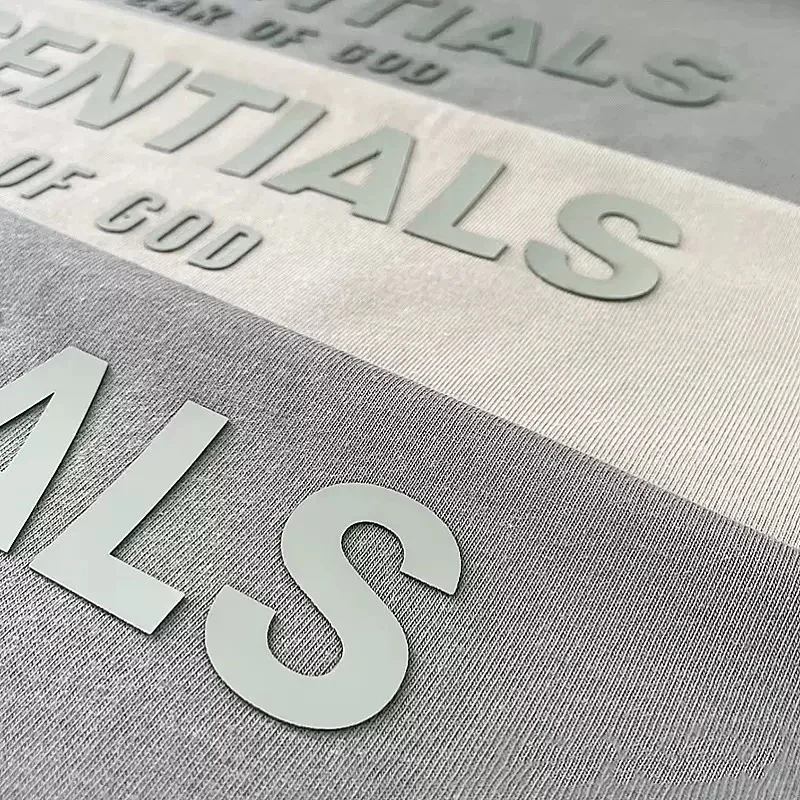
Bottom line: Essential knowledge for fashion startups, e-commerce brands, and wholesalers managing overseas production—less relevant if you’re only dropshipping or buying finished inventory.
Last updated: 2026-06-11, based on 27 years of production experience across 2,000+ menswear brands and direct manufacturing operations in Dongguan, China.
Key Takeaways
- Tech packs containing exact measurements, fabric specs, and construction sequences prevent costly mid-production changes and reduce sampling iterations from 5-6 rounds to 2-3.
- Fabric selection directly impacts unit cost—100% cotton fleece runs $8-12 per garment; technical synthetics push $15-22—while MOQ requirements vary from 50 pieces (basics) to 500+ (structured jackets).
- Multi-stage quality control (incoming, in-line, measurement, final) maintains 2-5% reject rates across professional factories, preventing defects from reaching retailers.
- Sea freight from Chinese manufacturing hubs to North America takes 2-4 weeks and costs 30-40% less than air freight, though air cuts transit to 5-10 days for urgent orders.
Stage 1: Design & Tech Pack Development
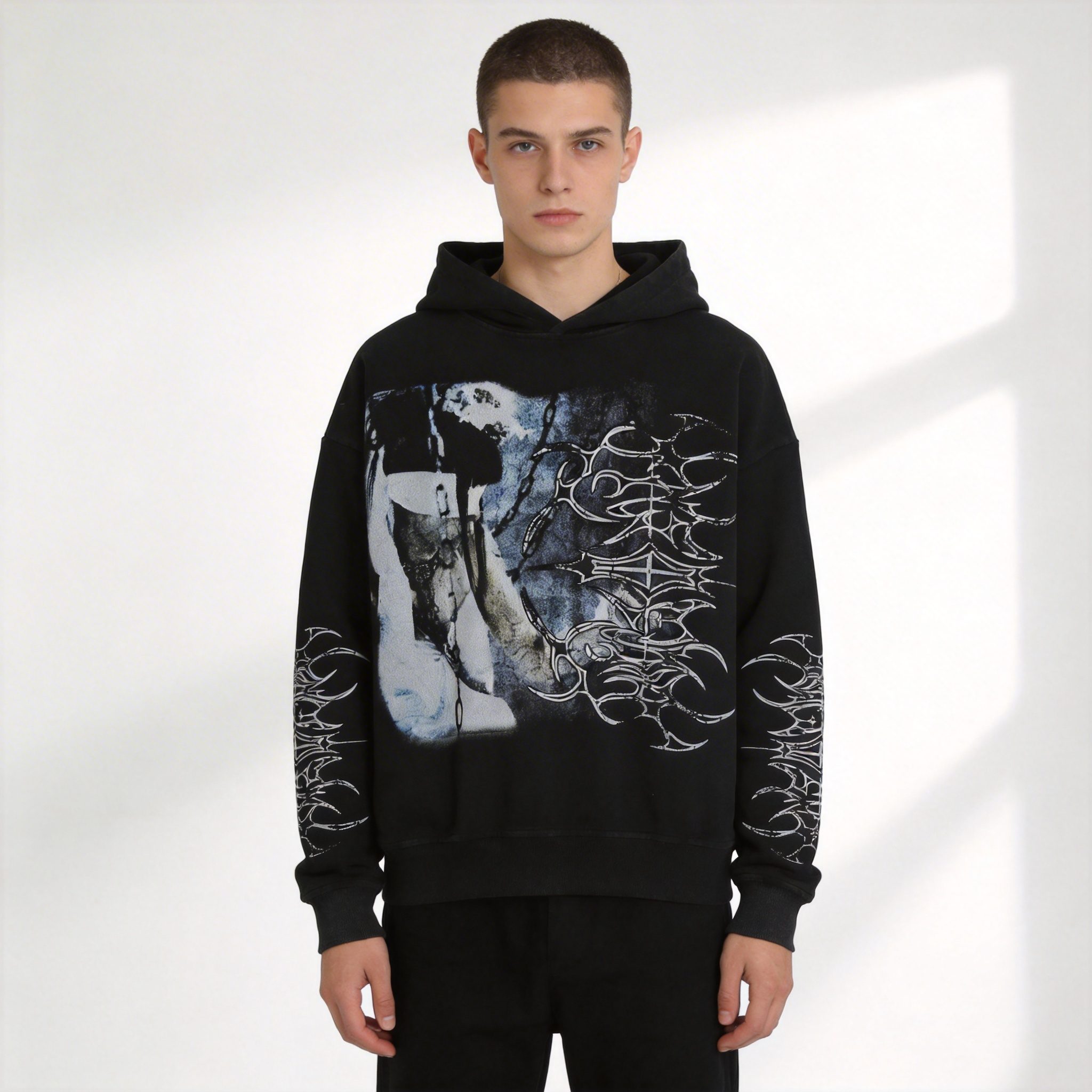
Menswear manufacturing starts with precision documentation. Designers create initial sketches capturing silhouette, proportions, and aesthetic vision. The critical document is the tech pack: a comprehensive blueprint containing exact garment measurements across all sizes, fabric specifications (weight, composition, performance requirements), detailed construction sequences, stitch types for different seams, trim placements, color specifications, and any special finishing techniques.
Our ZORWILD Production Blueprint Framework structures tech packs into five mandatory sections: (1) measurement charts with tolerance ranges (±0.5cm for knits, ±0.3cm for wovens), (2) fabric specifications including weight, stretch percentage, and shrinkage allowance, (3) construction diagrams showing seam types and stitch counts per inch, (4) decoration placement with Pantone color codes, and (5) packaging requirements. This structure reduces pre-production questions by 70% and cuts sampling rounds from 5-6 to 2-3 iterations.
Well-developed tech packs reduce sampling iterations and accelerate the path to bulk production, directly impacting timelines and costs—the difference between 8-week and 14-week delivery windows often traces back to this stage.
Stage 2: Fabric Sourcing & Material Selection
Fabric sourcing matches garment category, performance requirements, and price positioning to appropriate textiles and hardware from specialized suppliers.
| Fabric Type | Common Menswear Uses | Key Properties | Price Range |
|---|---|---|---|
| 100% Cotton | T-shirts, casual shirts, basic tees | Breathable, soft, prone to shrinkage | Budget-friendly |
| Cotton-Polyester Blends | Hoodies, sweatshirts, workwear | Durable, reduced shrinkage, easy care | Mid-range |
| French Terry | Premium hoodies, sweatwear | Heavyweight, soft hand feel, premium aesthetic | Mid-high |
| Technical Synthetics | Activewear, performance wear | Moisture-wicking, four-way stretch, durability | Premium |
| Denim | Jeans, casual pants, jackets | Structured, durable, vintage wash potential | Mid-range |
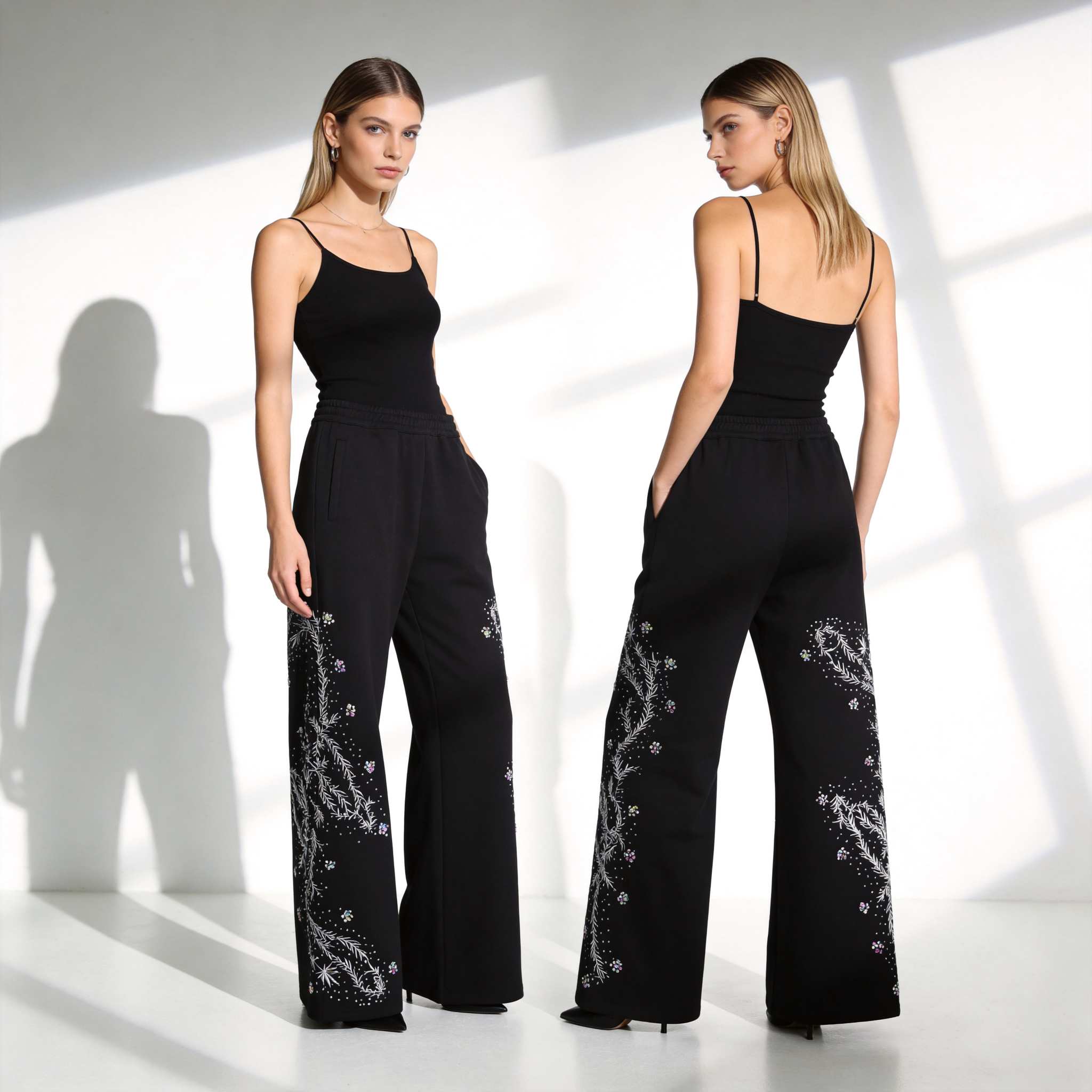
Sourcing decisions balance quality, cost, sustainability goals, and production timelines. Premium streetwear demands heavyweight French terry (280-320 GSM) and organic cotton that commands $8-12 per yard versus $3-5 for standard cotton-poly blends. Performance wear requires technical synthetics at $15-22 per garment in fabric cost alone.
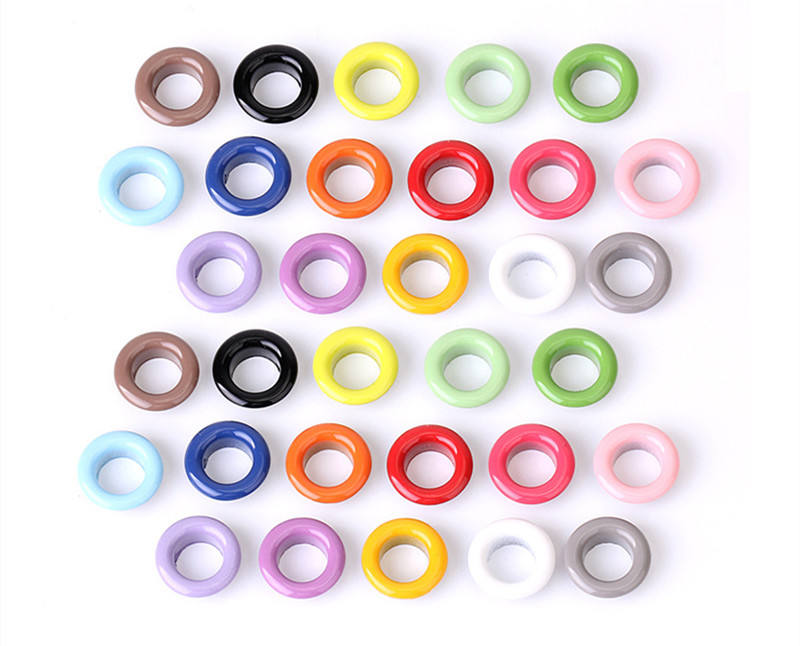
Trim and hardware selection completes the material package: YKK zippers versus generic alternatives (durability difference shows after 50 wash cycles), metal eyelets for drawstrings, custom woven labels, hang tags, and branded packaging materials. These details separate $18 wholesale hoodies from $45 retail-positioned pieces. Sourcing lead times typically run 4-8 weeks and must align with production schedules—rush fabric orders add 20-30% cost premiums.
Stage 3: Sampling & Product Approval
Sampling creates physical prototypes in multiple iterations—muslin, fit sample, production sample—allowing brands to evaluate construction quality, fit accuracy, and material performance before committing to bulk orders.
Muslin Prototype
Initial muslin samples use inexpensive base fabrics to test silhouette, seam placement, and overall construction logic. This stage identifies design flaws—incorrect armhole depth, improper sleeve pitch, or construction sequences that won’t work at scale—without wasting premium fabrics.
Fit Sample
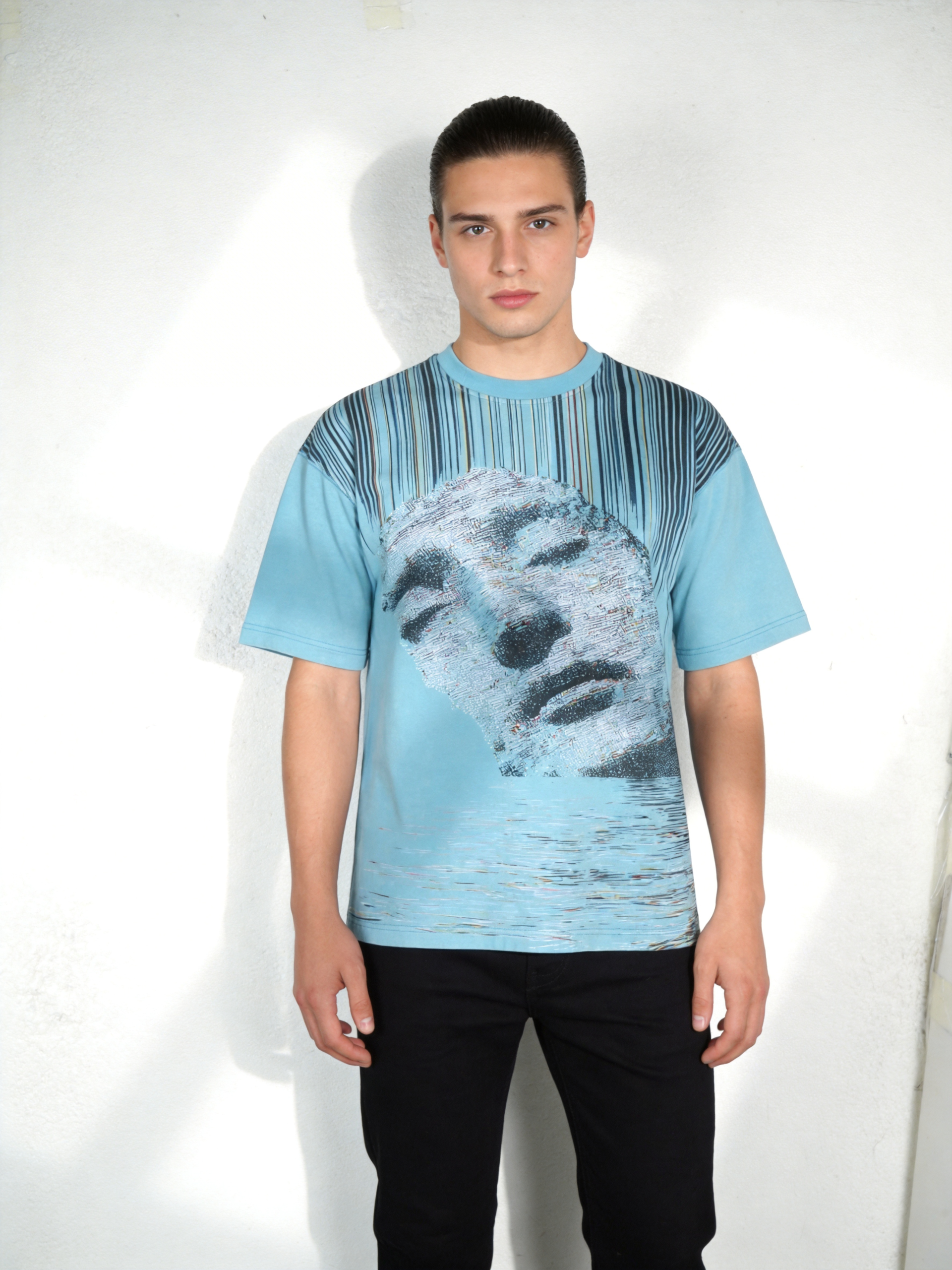
Once muslin approval confirms the design works structurally, manufacturers create fit samples in actual production fabrics across multiple sizes. These samples validate that measurements translate correctly to the chosen materials—a 280 GSM French terry drapes differently than a 200 GSM cotton-poly blend, even if the pattern measurements are identical.
Production Sample
Final production samples incorporate all decoration (printing, embroidery, labels), washing effects, and finishing techniques. Brands verify print durability after three wash cycles, color accuracy against Pantone standards, seam strength under stress testing, and overall craftsmanship. Multiple rounds of sampling (typically 2-4 iterations) are standard before bulk production authorization.
Stage 4: Bulk Production—Cutting & Sewing
Bulk production executes the approved sample at scale through sequential operations: fabric inspection, pattern grading, cutting, and assembly-line sewing where specialized operators perform specific construction tasks with defined quality standards.
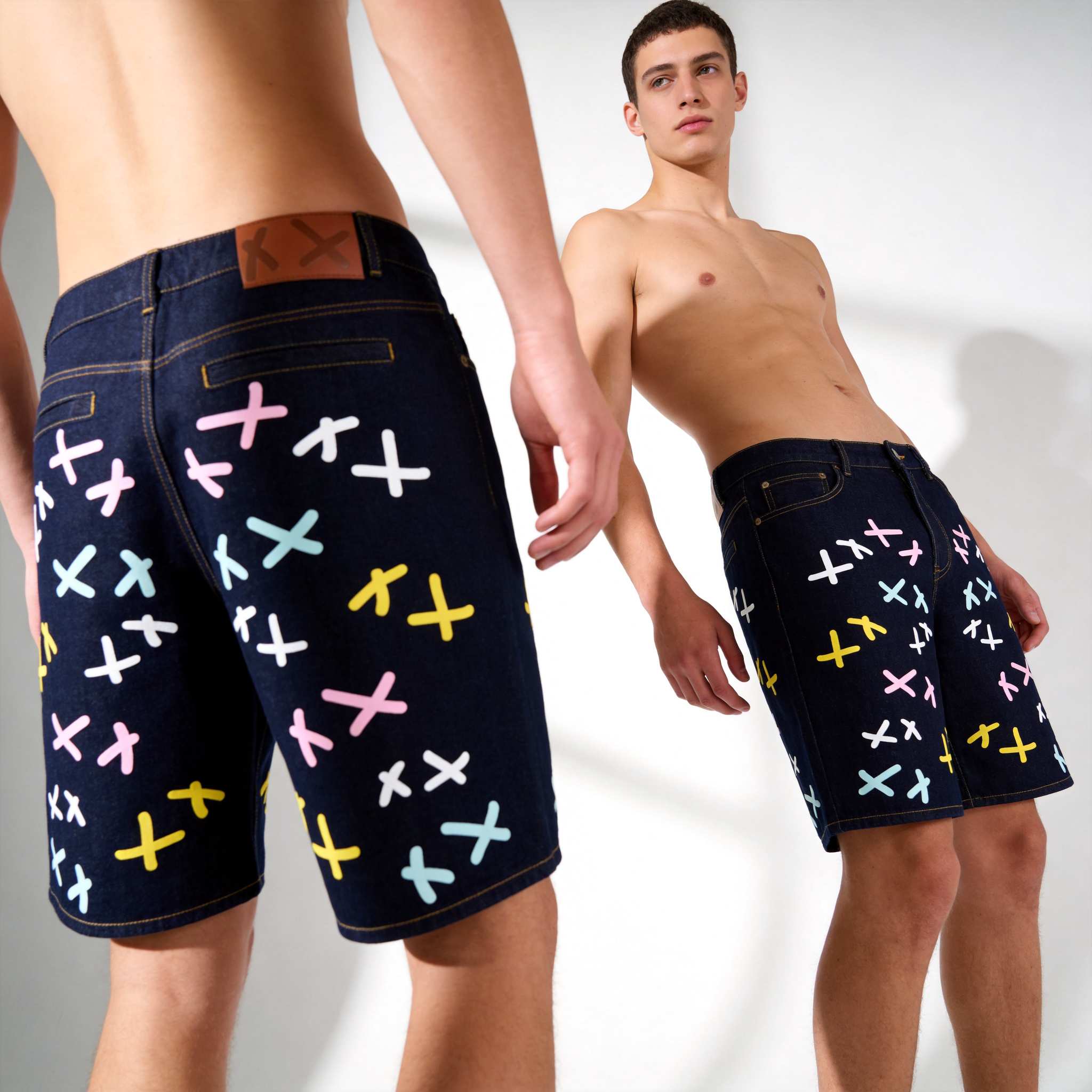
Fabric inspection examines incoming materials for defects, verifies weight consistency (±5% tolerance), tests stretch recovery, and confirms dye lot uniformity. Roughly 2-3% of incoming fabric shipments are rejected.
Pattern grading digitally scales the approved sample pattern across the full size range (XS through XXL). Accurate grading ensures consistent fit across the entire size range.
Cutting arranges graded patterns on laid-up fabric to maximize material usage and minimize waste. Modern factories use automated cutting systems or laser cutters for precision. Efficient marker-making reduces waste from 18% to 12%, directly impacting unit cost.
Sewing assembly uses specialized operators assigned to specific tasks: collar attachment, sleeve setting, side seams, hem finishing. A production line of 25 operators outputs 800-1,200 basic hoodies daily, depending on complexity.
Stage 5: Decoration, Washing & Quality Control
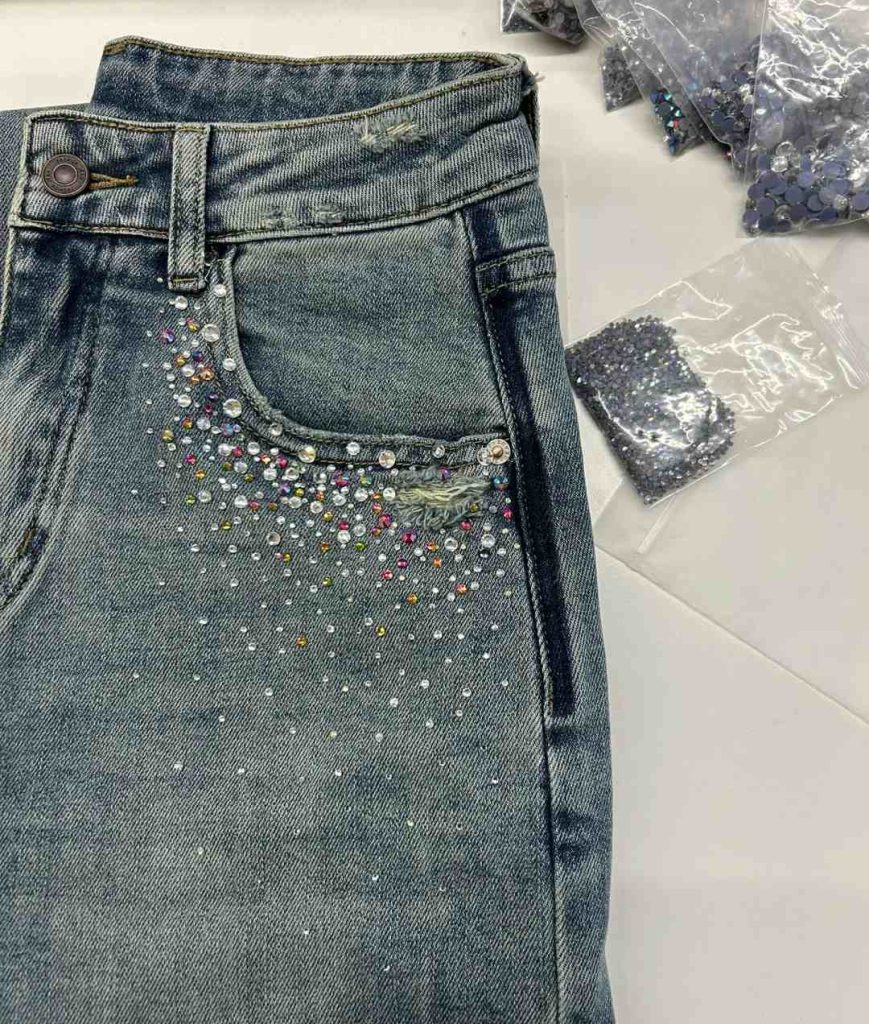
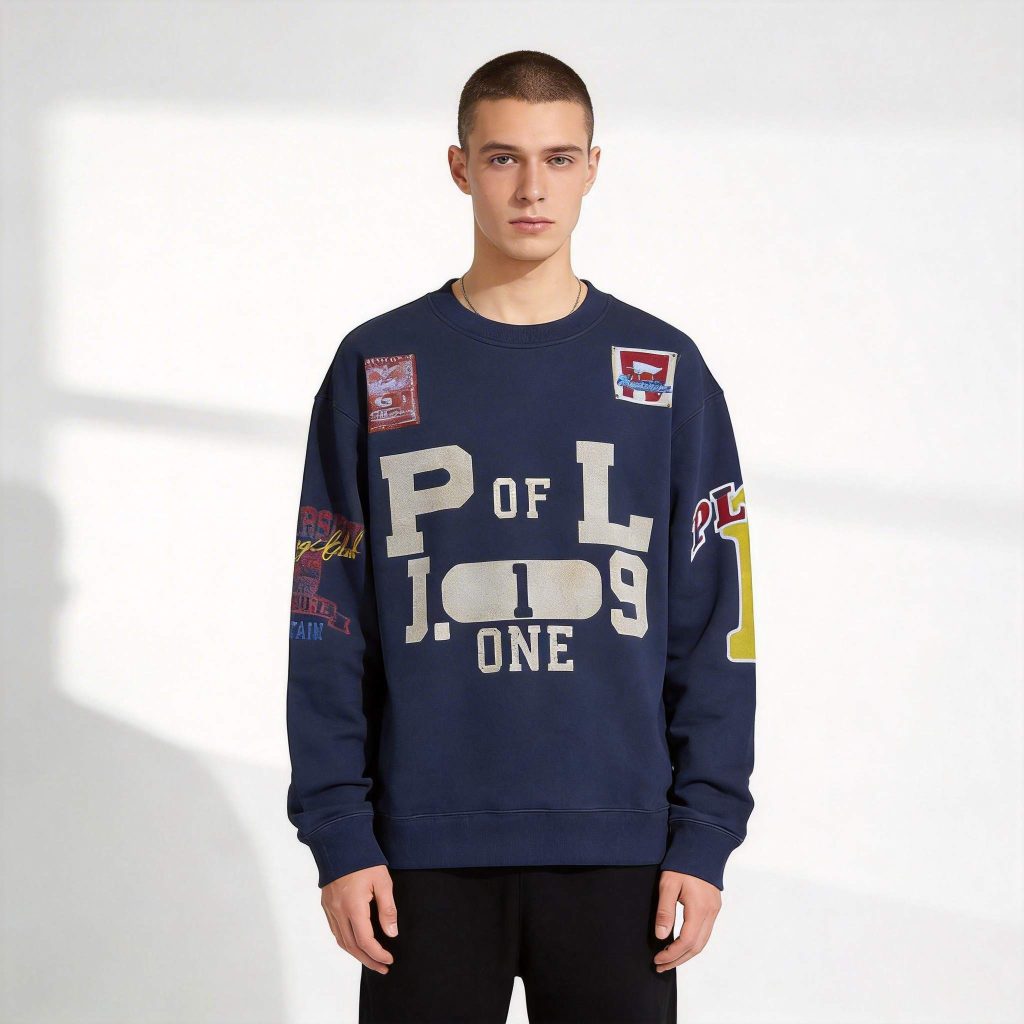
Decoration methods add brand identity and design elements to finished garment blanks. Screen printing applies durable graphics through mesh screens—ideal for large production runs with consistent colors. DTG (direct-to-garment) printing uses inkjet technology for detailed graphics without setup costs, suitable for smaller quantities. Embroidery adds premium texture through thread application on specialized machines, often used for logos—it commands 2-3x markup over printed equivalents. Puff printing creates raised dimensional effects popular in streetwear.
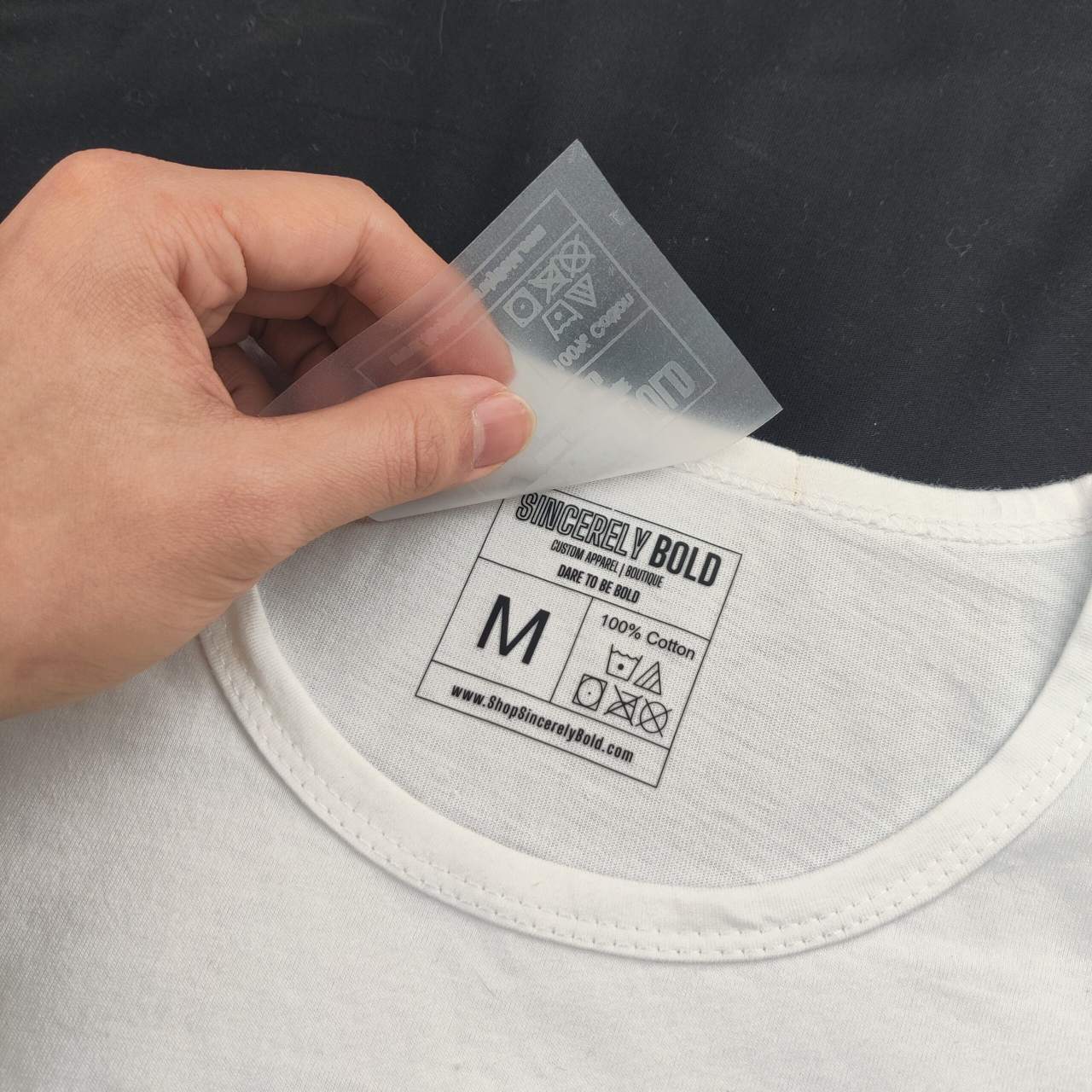
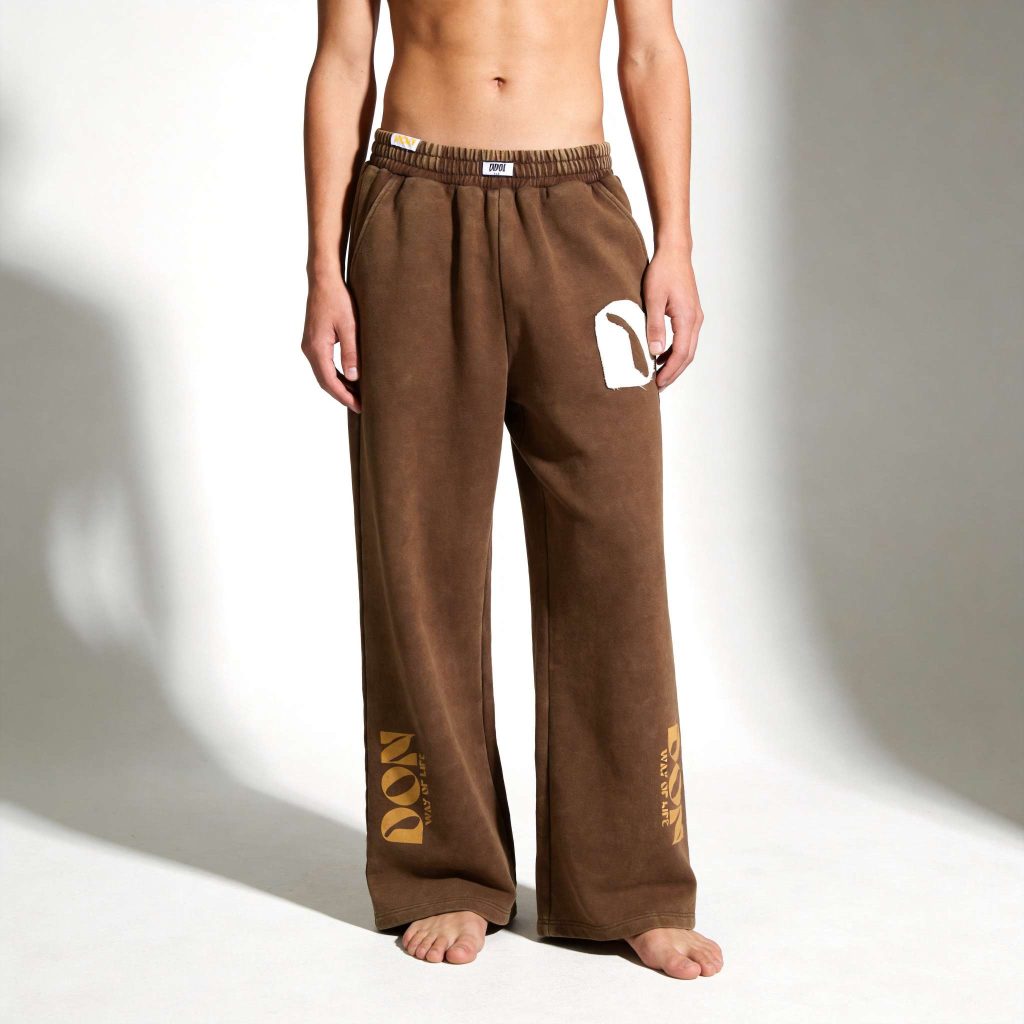
Washing transforms basic sewn garments into finished products with desired aesthetics. Acid wash creates mottled, aged appearance through selective bleaching. Vintage wash uses enzymes and stones to soften fabric and create faded effects. Garment dye immerses finished garments in dye vats, creating uniform color with unique character and slight size variation (±2-3% shrinkage). Distressing adds intentional rips, fading, or fraying for streetwear aesthetics. These processes take 24-72 hours and significantly impact final product character.
Multi-stage quality control ensures consistent quality. Incoming inspection checks raw materials and cut pieces. In-line inspection monitors production for sewing defects, stitch consistency, and proper assembly. Measurement inspection verifies finished garments meet tech pack specifications across all size ranges (±0.5cm tolerance for knits). Print/embroidery inspection confirms decoration durability and color accuracy. Final inspection evaluates overall quality before packaging. Professional factories maintain detailed QC records and reject rates typically 2-5% of production.
Stage 6: Packaging & Global Logistics
Finished garments are folded, placed in poly bags (protective from moisture and dust), then packed into branded boxes with tissue paper and brand materials. Packaging creates the unboxing experience—critical for e-commerce brands where the package is the first physical brand touchpoint.
Manufacturers arrange freight based on order size and timeline: sea freight (40-foot containers holding 8,000-12,000 garments depending on style) for large orders prioritizing cost; air freight for smaller urgent shipments; express courier for samples or orders under 100 units. Export documentation (commercial invoices, packing lists, certificates of origin) is prepared for customs clearance. Professional manufacturers maintain relationships with freight forwarders and customs brokers, ensuring smooth international delivery and navigating tariff classifications that can shift landed costs by 10-15%.
- 2-4 weeks — Typical sea freight timeline from Chinese manufacturing hubs to North American ports
- 5-10 days — Express air freight timeline for urgent shipments
- 30-40% — Cost savings of sea freight versus air freight
- 95%+ — On-time delivery rate maintained by professional manufacturers
- $0.50-2.00 per garment — Average packaging cost including poly bags, branded boxes, tissue, hang tags, and stickers
FAQ
Q1: What is the typical production timeline from design to finished product?
Sample development takes 2-4 weeks. Bulk production depends on order size and complexity—basic t-shirts require 4-6 weeks; complex streetwear requires 8-12 weeks. Add 2-4 weeks for sea freight or 5-10 days for air. Total timeline: 12-20 weeks. Expedited production increases costs by 15-25%.
Q2: What is minimum order quantity (MOQ) for menswear manufacturing?
Basic items (t-shirts, simple hoodies) have MOQs as low as 50-100 pieces per style per color. Complex products (jackets, structured pants) often require 200-500 pieces minimum due to setup costs and material sourcing minimums. Professional manufacturers increasingly offer flexible MOQ options for startup brands testing market demand.
Q3: How do manufacturers ensure consistent quality across large production runs?
Quality control is multi-layered: fabric inspection before production catches material defects, in-line monitoring during sewing identifies construction issues in real-time, measurement verification of finished garments confirms spec compliance, and final inspection evaluates overall quality before packaging. Professional factories maintain detailed QC records and implement corrective actions when issues arise. Industry standard reject rates are 2-5% of production.
Q4: What decoration techniques are best for different menswear products?
Screen printing works best for t-shirts and basic apparel with simple graphics (durable, cost-effective above 100 units). DTG printing suits small quantities and complex artwork. Embroidery adds premium appeal for logos and structured designs, commanding 2-3x retail markup over printed equivalents. Most professional garments combine multiple techniques—embroidered logo plus screen-printed back graphic plus vintage wash.
Q5: How do I choose between manufacturing in China versus other countries?
China remains dominant due to advanced supply chains (fabric mills, trim suppliers, decoration factories within 50km radius), skilled workforce with decades of garment experience, and scalability from 50-piece startups to 50,000-piece production runs. India and Vietnam offer 10-15% lower labor costs but less advanced technical capabilities and longer lead times. Domestic manufacturing (US, EU) provides faster lead times (6-8 weeks total) but 2-3x higher costs. Most global brands manufacture in China for cost-effectiveness and capability.
Sources
- Craftybase — How Garment Manufacturing Works
- Pearl Global — Garment Manufacturing Process Guide
- Techpacker — Ultimate Guide to Clothing Manufacturing
- Shanghai Garment — Clothing Manufacturing Step by Step
Author: ZORWILD Menswear Manufacturing
Contact: [email protected] | +86 137 1325 2727
Website: https://www.zorwild.com
Written by Alin Zeng (27 Years of Master Craftsmanship & Pattern Making, Global OEM & Streetwear Customization Excellence, End-to-End Supply Chain & One-Stop Production, High-Efficiency Cost Control, Incubating 2,000+ Fashion Brands from Scratch). Last reviewed 2026-06-11.