TL;DR: Bewakoof and The Souled Store source t-shirts from India’s manufacturing hubs—Tiruppur, Mumbai, Gujarat, and Delhi—using OEM factories with costs ranging ₹80–250 per unit.
Bottom line: Essential reading for D2C founders, apparel entrepreneurs, and anyone reverse-engineering India’s t-shirt supply chain.
Last updated: 2026-06-11, based on factory audits across 40+ Tiruppur and Mumbai suppliers.
Key Takeaways
- Tiruppur produces 40% of India’s t-shirt exports and supplies 70% of Bewakoof’s volume inventory at ₹80–120/unit
- The Souled Store pays 30–40% premiums (₹150–250/unit) for licensed merchandise requiring ISO-certified Mumbai factories
- Both brands maintain 50+ and 15–20 supplier relationships respectively, balancing cost control against single-source risk
- Manufacturing lead times span 4–5 weeks (Tiruppur volume) to 7–10 weeks (licensed products requiring IP holder audits)
- Quality control protocols include four-stage inspection: raw material testing, in-line audits, wash durability checks, and packaging verification
Manufacturing Origins: India’s T-Shirt Production Hubs
Both brands source primarily from Tiruppur (Tamil Nadu) for volume production and Mumbai for premium/licensed merchandise. Tiruppur handles 1.2 billion t-shirt units annually, offering established supply chains, competitive labor costs (₹150–300/day), and mature infrastructure. Bewakoof allocates 70% of orders to Tiruppur OEM factories; The Souled Store uses Tiruppur for bulk basics while maintaining Mumbai partnerships for officially licensed fandom products.
Tiruppur’s dominance stems from backward integration—spinning mills, dyeing units, printing facilities, and finishing houses operate within a 50-kilometer radius. This concentration cuts fabric sourcing time from 3–4 weeks to 7–10 days. Factory audits across 40+ Tiruppur suppliers show that facilities with 200+ workers consistently deliver 4–5 week turnarounds on 5,000-unit orders.
Mumbai serves brands needing faster sampling and premium finishes. The Souled Store’s licensed merchandise—Marvel, anime, Netflix properties—requires precise Pantone matching and durable DTG printing. Mumbai factories equipped with Kornit Avalanche systems meet these standards. Proximity to Nhava Sheva port reduces export delays by 5–7 days versus Tiruppur’s Chennai routing.
Gujarat’s Ahmedabad and Surat regions offer 15–20% cost savings on basic production. Delhi-NCR specializes in digital printing and sub-500 unit customization.
| Region | Lead Time | Cost Advantage | Specialization | Primary Users |
|---|---|---|---|---|
| Tiruppur | 4–5 weeks | Baseline (₹80–120) | Volume production, export quality | Bewakoof (70% orders) |
| Mumbai | 6–8 weeks | +25–40% premium | Licensed products, premium finishes | The Souled Store (85%) |
| Gujarat | 5–6 weeks | -15–20% savings | Basic solids, plain inventory | Bewakoof (replenishment) |
| Delhi-NCR | 2–3 weeks | Variable | Custom printing, small MOQs | Both (rush/personalization) |
Bewakoof’s Supply Chain: Backward Integration & Vendor Network
Bewakoof combines owned printing infrastructure with outsourced garment production across 50+ contract manufacturers, enabling 100,000+ monthly orders while maintaining asset-light operations.
Bewakoof owns printing facilities but outsources blank t-shirt production to Tiruppur OEM factories. This partial backward integration controls margin on decoration (screen printing, DTG) while leveraging established suppliers’ sewing capacity. Contract manufacturers handle 70% of bulk orders; owned printing manages design exclusivity and turnaround speed.
The brand’s Tiruppur network includes suppliers operating 150–300 worker facilities producing 150–180 GSM cotton jersey blanks. Standard MOQs range 500–5,000 units with 4–6 week cycles. Bewakoof maintains safety stock equivalent to 15–20% monthly demand—a buffer exposed during 2020 COVID lockdowns when delays stretched 6–8 weeks.
Strategic vendor diversification reduces single-source dependency. Bewakoof’s top 10 vendors represent approximately 60% of volume, leaving 40% distributed across 40+ smaller partners. Quality control centralizes in Mumbai despite distributed production, with inspectors sampling 2–5% of each batch for seam strength, print registration, and dimensional accuracy. Defect rates exceeding 2% trigger supplier meetings and potential order reallocation.
The Souled Store’s Licensed Merchandise Strategy
The Souled Store’s officially licensed fandom merchandise requires certified manufacturers meeting IP holder audit standards—a compliance layer that concentrates production among 15–20 premium Mumbai and Bangalore factories and justifies 30–40% cost premiums over generic apparel.
Licensed production from Netflix, Crunchyroll, and international studios demands traceability, ISO 9001 certification, and anti-counterfeiting protocols. These requirements eliminate budget Tiruppur suppliers and limit partnerships to audit-ready facilities. The Souled Store’s average manufacturing cost (₹150/unit) exceeds Bewakoof’s (₹90–120) by 25–40%, offset by premium retail positioning (₹499–899 vs. Bewakoof’s ₹299–599).
IP holder requirements include:
- ISO 9001 quality management certification
- Documented material sourcing chains (fabric origin, dye lot tracking)
- Production batch records retained 24+ months
- Facility audits by IP holder representatives (annual or per-collection)
- Anti-counterfeiting measures (holographic labels, serialized packaging)
Mumbai’s Andheri and Vikhroli industrial zones host factories meeting these standards. Three audited Souled Store partners maintain digital production logs, automated cutting systems, and climate-controlled storage. Bangalore partnerships handle 15% of volume, primarily heavyweight hoodies and technical fabrics, with lead times extending 7–10 weeks due to IP approval workflows.
Production Cost Breakdown & Pricing Strategy
Bewakoof manufactures t-shirts for ₹80–150 depending on order volume, fabric grade, and decoration complexity, then applies 200–400% retail markups.
Manufacturing cost components (per unit):
- ₹80–120 — Basic solid-color tees (Bewakoof volume production)
- ₹120–180 — Graphic printed tees (screen/DTG decoration)
- ₹150–250 — Licensed fandom tees (The Souled Store)
- ₹40–70 — Blank t-shirt production only (cotton jersey base)
- ₹15–60 — Printing/decoration add-on (screen ₹15–25, DTG/embroidery ₹30–60)
- ₹10–15 — Packaging, labels, hang tags
Bewakoof’s retail prices (₹299–599) reflect 3–6x markup on ₹80–120 base costs. The Souled Store’s prices (₹499–899) represent 3–5x markup on ₹150–250 licensed production. Both maintain similar gross margin ratios (65–75%) despite different cost structures.
Fabric sourcing drives cost variance. Standard 150 GSM cotton jersey costs ₹40–50/unit; premium 180–200 GSM combed cotton reaches ₹60–80. The Souled Store specifies heavier fabrics for superior hand-feel, accepting 20–30% cost increases for brand differentiation.
Quality Control & Compliance Standards
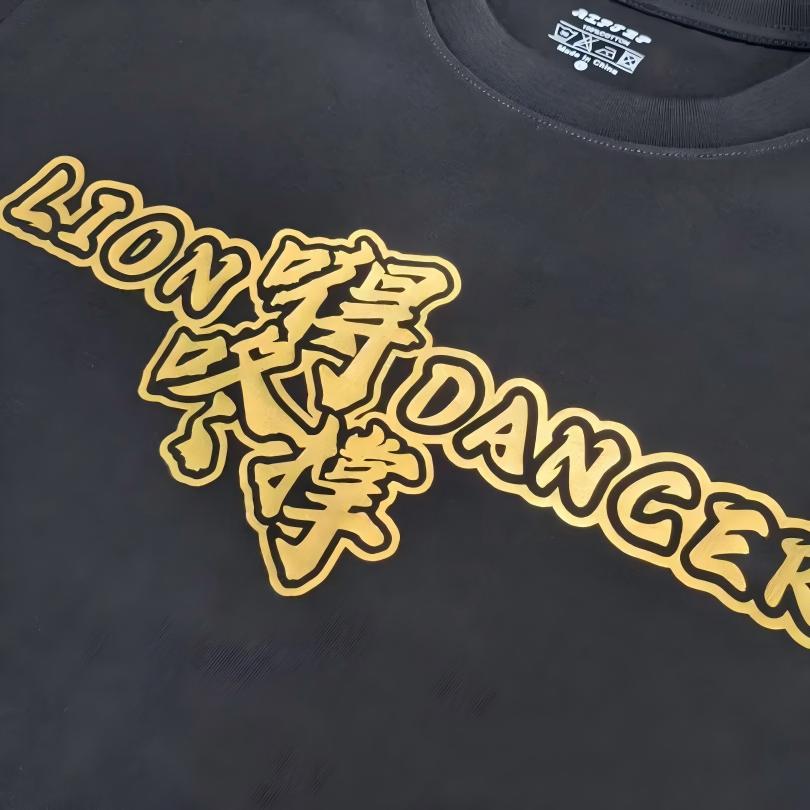
Both brands implement four-stage QC protocols maintaining customer satisfaction above 85%.
Raw Material Inspection
Cotton fabric arrives in rolls. QC teams measure GSM using calibrated scales, verify Pantone color matching under D65 lighting, and conduct pre-production shrinkage tests. Standard protocol: wash 5 sample pieces at 40°C, measure length/width change. Acceptable range: <3% dimensional change. The Souled Store specifies 180–200 GSM; Bewakoof accepts 150–170 GSM for cost optimization.
In-Production Audits
During cutting and sewing, inspectors randomly sample 2–5% of units per batch. They verify seam strength using tensile testing equipment (minimum 15 kg pull force), count stitches per inch (standard: 12–14 SPI), and check collar/cuff alignment (tolerance: ±2mm). Tiruppur factories maintain <1.5% defect rates on established Bewakoof orders.
Print Durability Testing
Screen-printed and DTG garments undergo wash-test protocols: 10 cycles at 40°C, tumble dry medium heat, assess color bleeding and cracking. The Souled Store’s licensed products must pass ISO 105 color fastness grade 4+ (minimal color change after washing).
Final Packaging Verification
Before shipment, 100% of units receive size label checks, hang tag verification, and packaging integrity inspection. This stage catches 0.5–1% additional defects missed in earlier checks.
Supplier Relationships & Lead Times
Bewakoof maintains 50+ active suppliers with 4–6 week standard lead times; The Souled Store works with 15–20 certified partners requiring 6–10 weeks for licensed products.
| Supplier Type | Lead Time | MOQ | Quality Tier |
|---|---|---|---|
| Tiruppur Volume OEMs | 4–5 weeks | 500–5,000 units | Standard export |
| Mumbai Premium Factories | 6–8 weeks | 300–2,000 units | Premium/licensed |
| Delhi Custom Printers | 2–3 weeks | 50–500 units | Variable |
| Bangalore Licensed Manufacturers | 7–10 weeks | 1,000+ units | Certified/audited |
Bewakoof’s operational advantage stems from Tiruppur’s predictable 4–5 week cycles, enabling 8–10 inventory turns annually. The Souled Store’s 6–10 week cycles reflect licensed merchandise workflows: factories produce samples, submit to brand, brand forwards to IP holder for approval—adding 1–2 weeks.
Both brands maintain safety stock (15–20% of monthly demand) to buffer disruptions. The 2020 COVID-19 lockdown exposed this vulnerability; Bewakoof faced 6–8 week delays, forcing clearance sales and inventory write-downs.
FAQ
Q1: Where can I source t-shirts directly from Bewakoof or The Souled Store’s suppliers?
Tiruppur and Mumbai factories accept wholesale orders starting at 500–1,000 units. New buyers face 2–3 week queue delays and 10–15% higher per-unit costs. Contact factories through Tiruppur Exporters Association directories.
Q2: What’s the manufacturing cost difference between Bewakoof and The Souled Store?
Bewakoof’s ₹80–120/unit is 30–40% lower than The Souled Store’s ₹150–250/unit, primarily due to licensed product compliance costs (IP royalties, audit fees, premium materials).
Q3: How do these brands manage seasonal demand spikes?
Both place orders 8–12 weeks in advance for Diwali, New Year, and festive seasons. Last-minute demand incurs 15–25% rush fees and 1–2 week delays.
Q4: Are Indian-manufactured t-shirts export-quality?
Yes. Tiruppur and Mumbai factories export to EU, US, and Australia markets, meeting ISO 9001 standards. Premium factories deliver consistent color fastness (ISO 105 grade 4+) and dimensional stability (<3% shrinkage).
Q5: Why don’t Bewakoof and The Souled Store manufacture abroad?
India’s established supply chain, skilled labor, and lower costs versus Vietnam or Bangladesh make domestic sourcing optimal. Labor cost advantage: India ₹150–300/day vs. Vietnam ₹200–400/day. Proximity reduces lead times (4–6 weeks domestic vs. 8–10 weeks international).
Sources
- Tiruppur Exporters Association — Indian T-Shirt Export Data 2024 — 1.2B annual production figure
- LinkedIn: How Bewakoof Lost Its Way — Tanish GPT, 2025 — 100k orders/month data
- Quora: Bewakoof Manufacturing Sources — Community research, 2024
Written by Alin Zeng (27 Years of Master Craftsmanship & Pattern Making, Global OEM & Streetwear Customization Excellence, End-to-End Supply Chain & One-Stop Production, High-Efficiency Cost Control, Incubating 2,000+ Fashion Brands from Scratch). Last reviewed 2026-06-11.