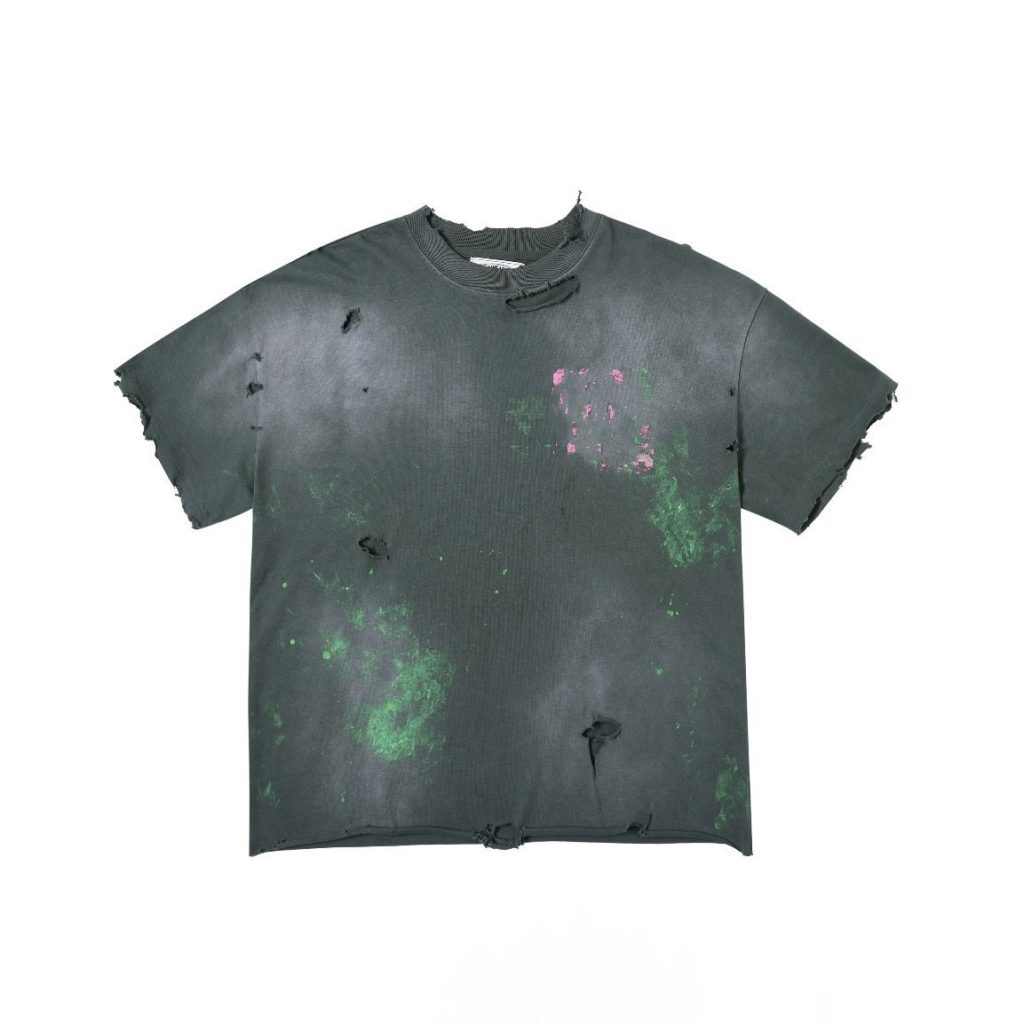
TL;DR: Screen printing applies ink onto fabric for vibrant, detailed designs at $3–$12 per piece; embroidery stitches thread into garments for textured, premium branding at $5–$18 per piece.
Bottom line: Choose screen printing for high-volume orders (50+ units) with complex graphics; choose embroidery for corporate wear, small batches, and premium positioning.
Last updated: 2026-06-21, based on 27 years of apparel manufacturing experience and analysis of 2,000+ brand projects.
Key Takeaways
- Screen printing dominates orders exceeding 50 units with per-unit costs dropping to $3–$5, while embroidery wins small batches under 30 pieces despite higher setup fees.
- Embroidery survives 200+ wash cycles with minimal degradation; screen printing begins fading after 50–100 washes depending on ink quality and curing.
- Structured garments (polos, hats, jackets) showcase embroidery’s 3D texture; flat surfaces (t-shirts, hoodies) maximize screen printing’s photographic detail capability.
- Design complexity determines method feasibility—gradients and fine details require screen printing; bold logos and text work with either but embroidery signals premium.
Screen Printing vs Embroidery: Side-by-Side Comparison
| Factor | Screen Printing | Embroidery |
|---|---|---|
| Cost per unit | $3–$12 (bulk orders) | $5–$18 (setup costs amortized) |
| Design detail | Excellent (photographic, gradients, fine lines) | Good (bold logos, text, simple graphics) |
| Color variety | Unlimited (layer inks) | Limited (thread colors) |
| Durability | 50–100+ washes (ink can crack) | 200+ washes (thread embedded) |
| Texture | Flat, smooth surface | Raised, 3D, tactile |
| Setup time | 1–3 days (screens created) | 2–5 days (digitization) |
| Minimum order | 12–50 pieces | 6–24 pieces |
| Best garments | T-shirts, hoodies, tote bags | Polos, hats, jackets, workwear |
| Best for | Promotional items, streetwear, events | Corporate branding, premium positioning |
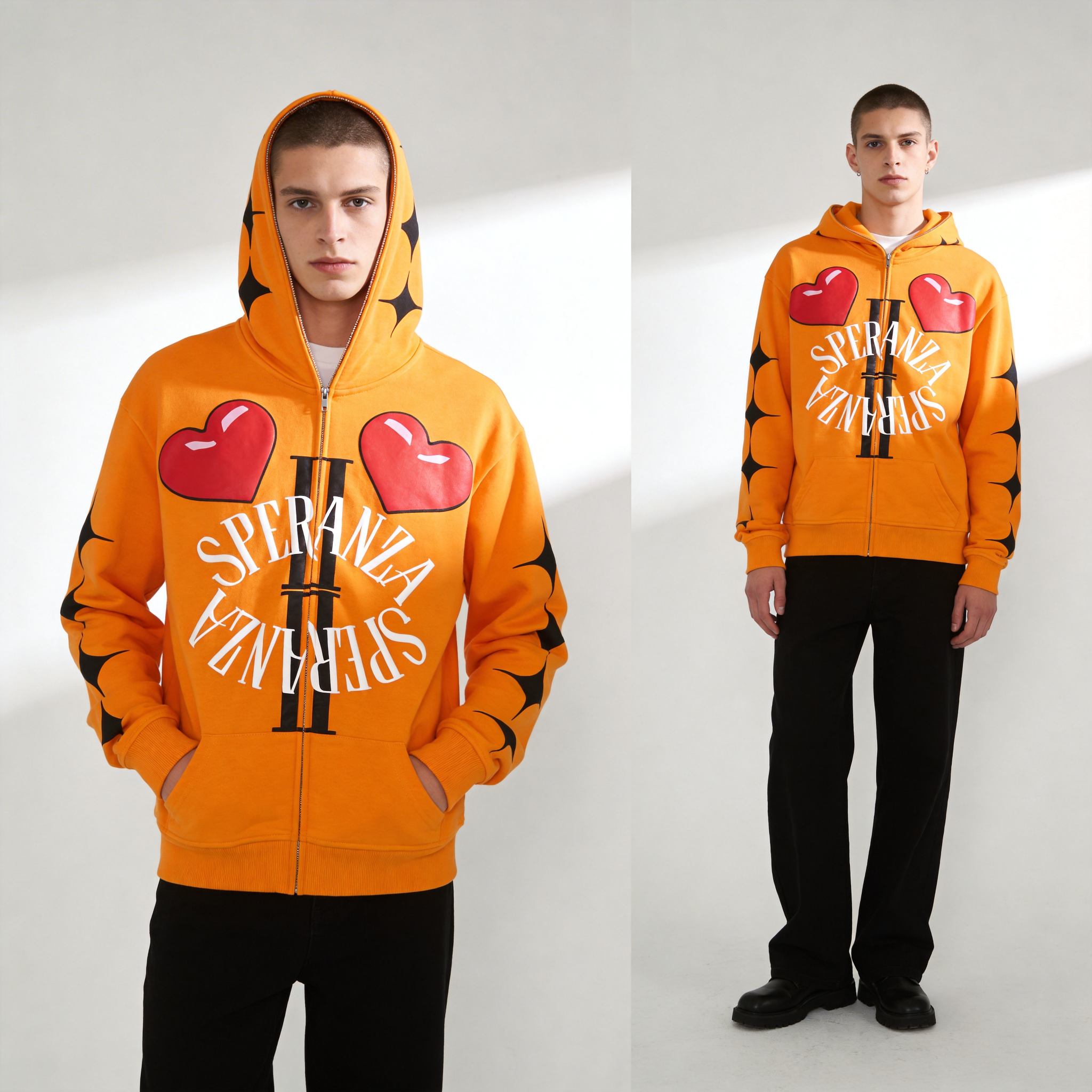
Choose screen printing for orders exceeding 50 units with complex artwork. Choose embroidery for premium branding, durability demands, or structured garments under 100 units. Corporate uniforms requiring 200+ wash cycles demand embroidery. Streetwear drops with intricate graphics require screen printing to deliver the detail necessary for modern aesthetics.
Design Complexity: Which Method Handles Your Artwork
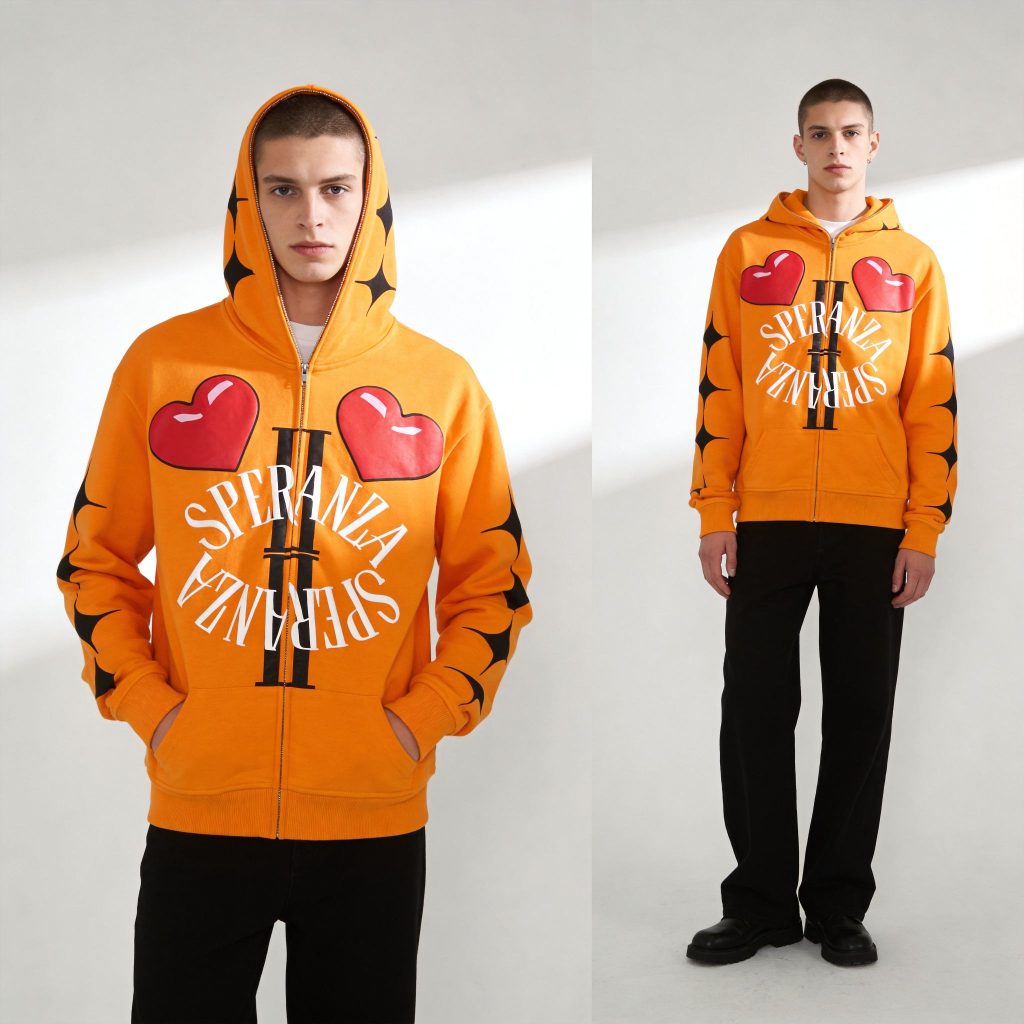
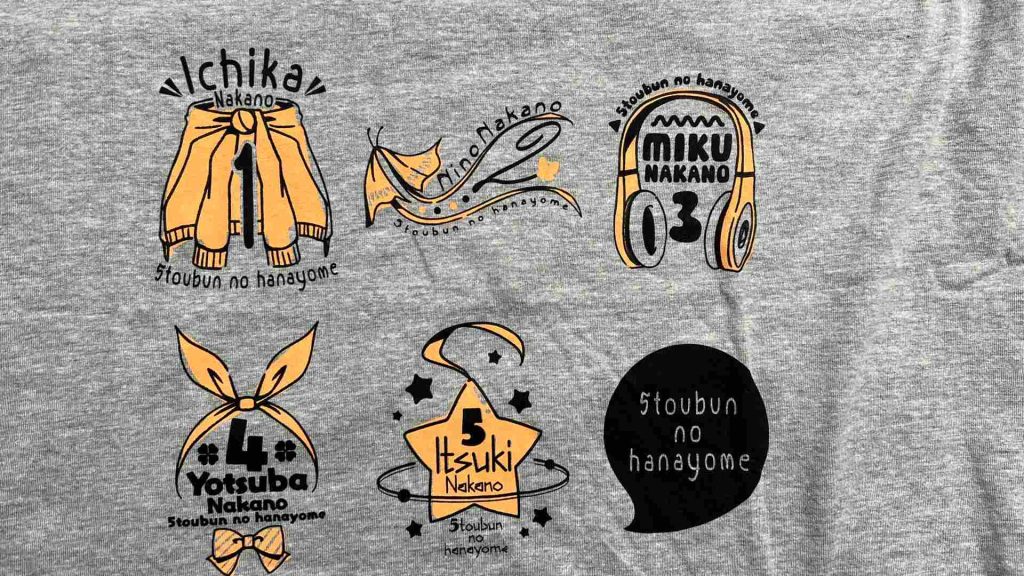
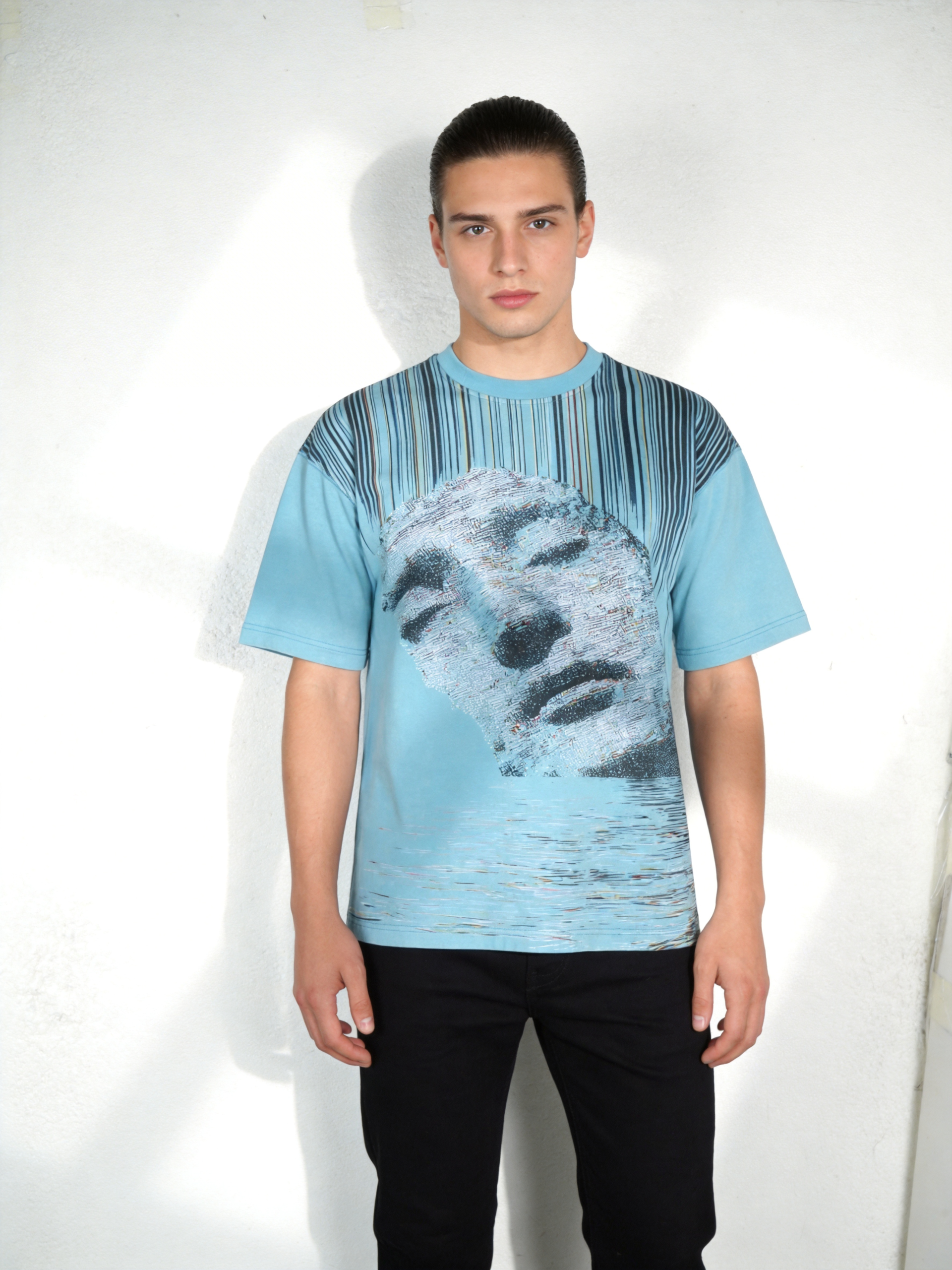
Screen printing handles virtually any design complexity: photographic images, gradients, color transitions, fine line work, and intricate details. The process layers colored inks directly onto fabric, allowing designers to reproduce artwork with near-photographic fidelity. Complex streetwear graphics, event merchandise with detailed illustrations, and promotional items with intricate branding all benefit from screen printing’s versatility.
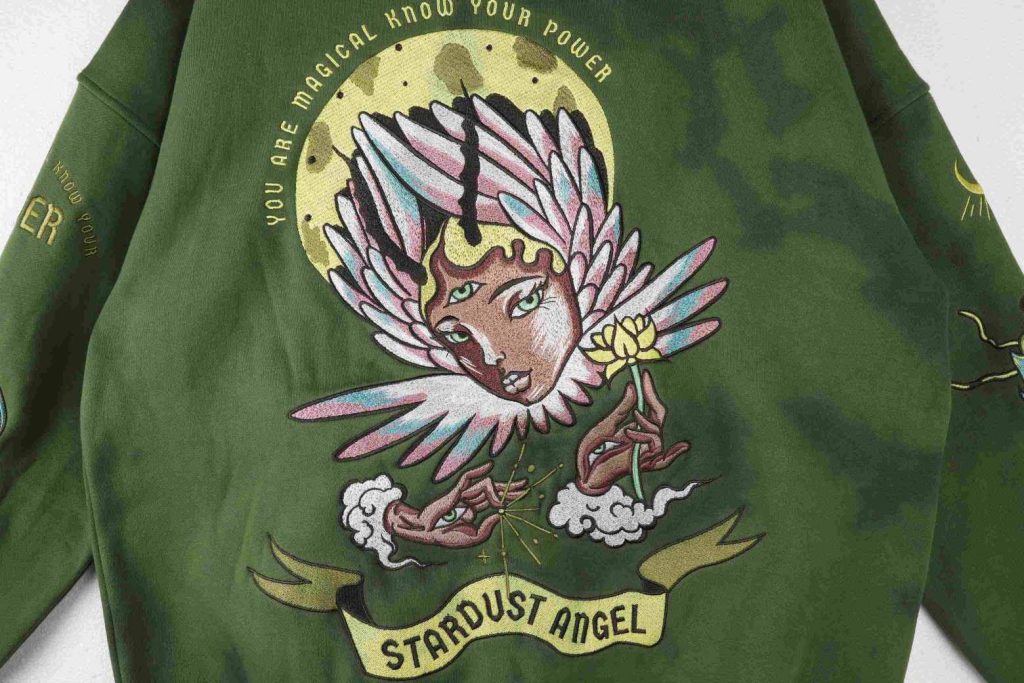
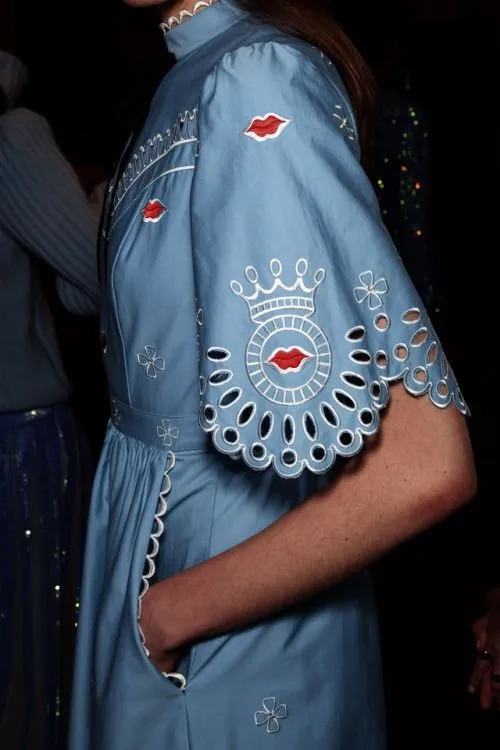
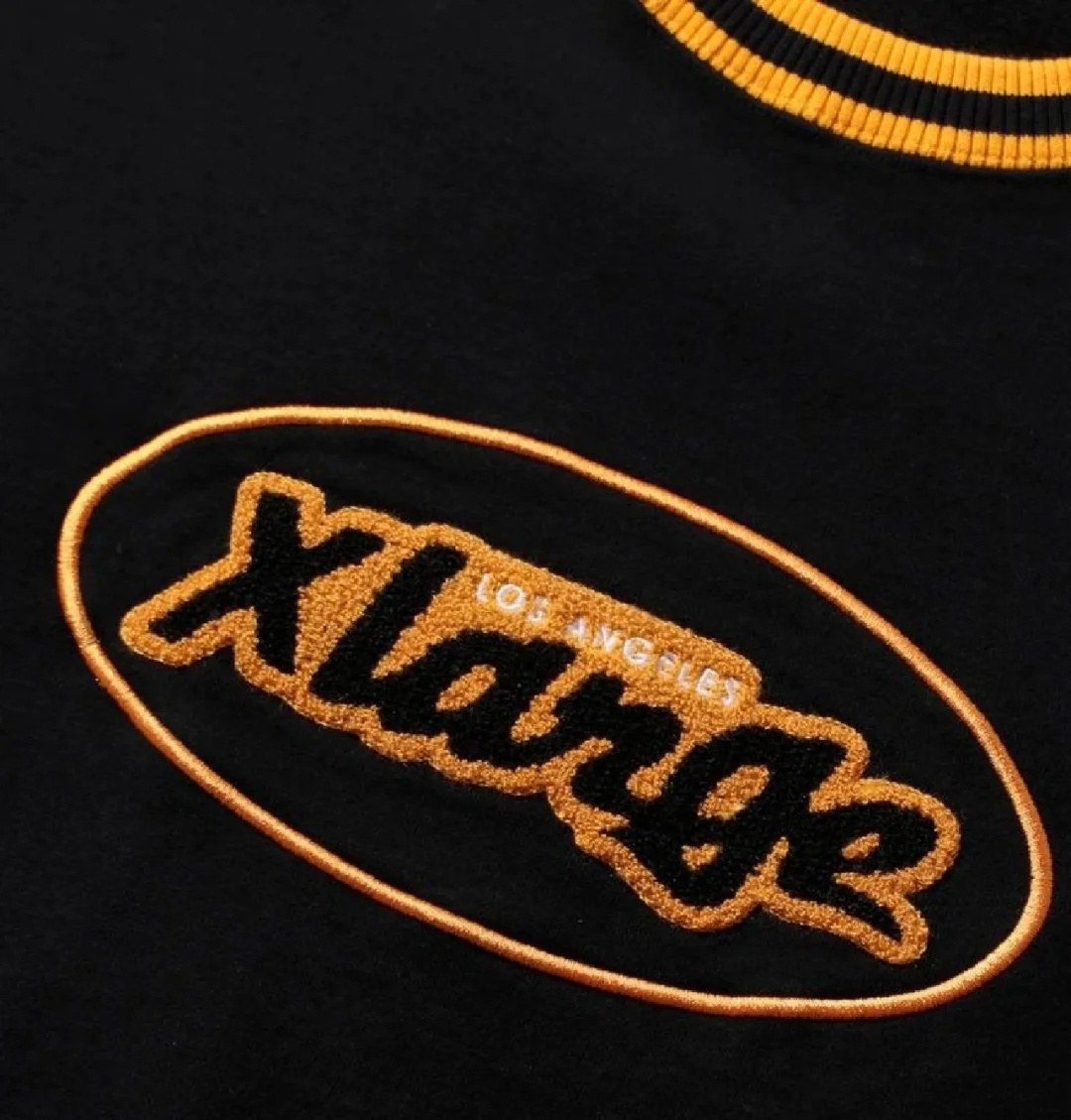
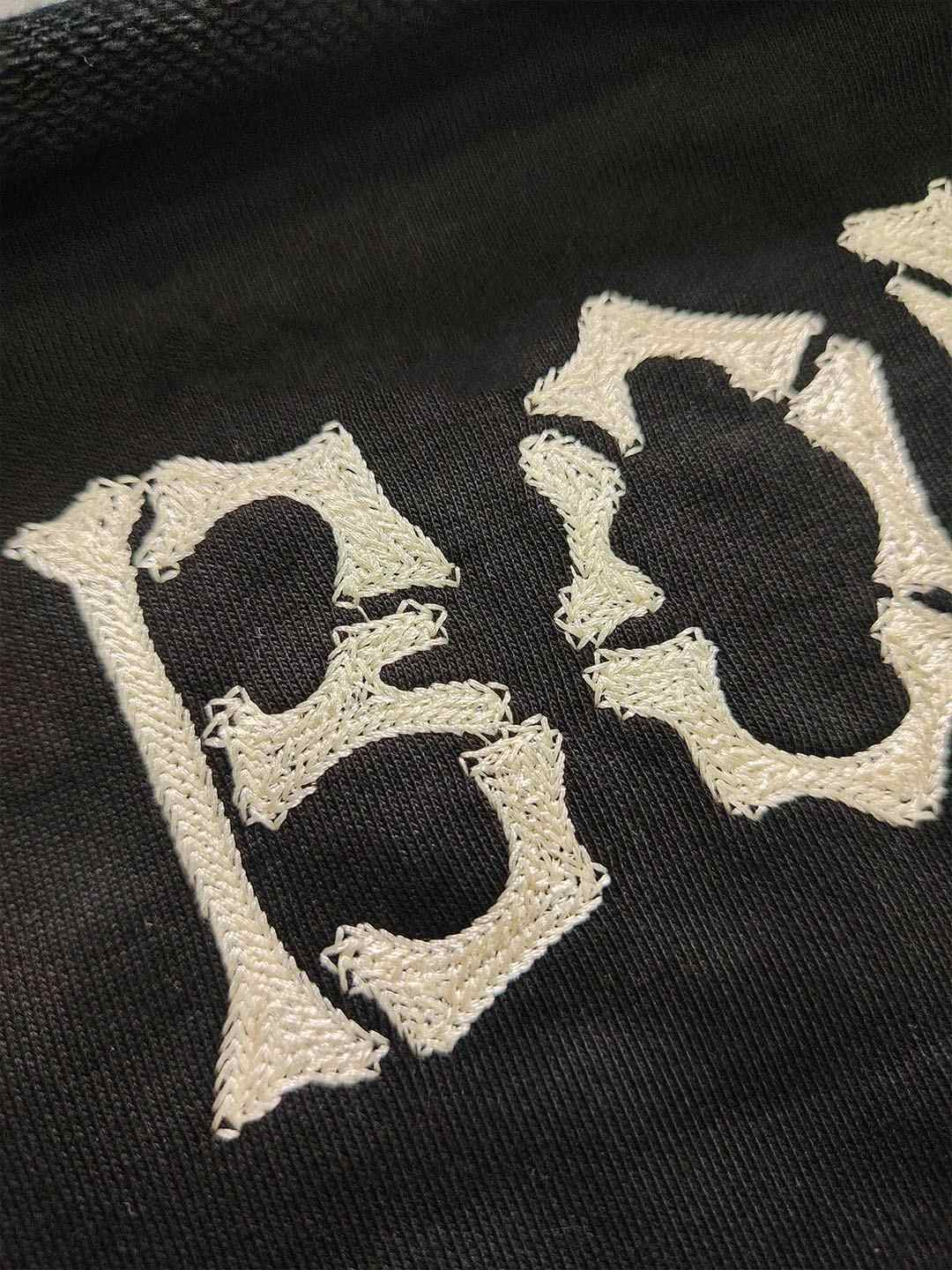
Embroidery works best with simplified designs: bold logos, text-based branding, solid color fields, and geometric shapes. Thread stitches into fabric stitch-by-stitch, making extremely fine details impractical. A design with thin lines, small text, or gradual color shifts loses definition when embroidered. However, embroidery excels at creating recognizable, professional representations of logos—especially when placed on structured garments like baseball caps or polo shirts.
If your design contains gradients, photographic elements, or fine detail, screen printing is the clear choice. If your design is a simple logo or text, embroidery delivers superior premium perception. According to Arklavo’s 2025 comparison guide, screen printing produces vibrant, flat graphics ideal for large-run event apparel, while embroidery creates textured, premium looks for corporate applications.
Cost Analysis: Per-Unit Pricing and Order Volume Thresholds
Screen printing achieves cost leadership above 50-unit orders; embroidery dominates small batches despite higher per-unit pricing.
• Screen printing setup cost: $50–$200 per color/design (screens created once, reusable)
• Screen printing per-unit cost (bulk): $3–$5 at 100+ units; $6–$12 at 12–50 units
• Embroidery setup cost: $30–$100 per design (digitization fee)
• Embroidery per-unit cost: $5–$8 at 24+ units; $12–$18 at 6–12 units
• Break-even threshold: 40–60 units (screen printing becomes cheaper than embroidery)
• Small-batch advantage: Embroidery typically wins for orders under 30 pieces due to lower per-unit amortization — Monday Morning Merch analysis
Durability and Longevity: Which Decoration Survives Repeated Wear
Embroidery Durability Through High Wash Cycles
Thread stitched directly into fabric creates mechanical durability. Quality embroidery survives 200+ wash cycles with minimal visible degradation. Corporate uniforms, workwear, and premium branded items routinely outlast screen printing. Thread color remains vibrant because dyes are embedded in the fiber itself.
Screen Printing Fade and Cracking Patterns
Screen-printed ink sits on the fabric surface. After 50–100 washes, ink begins cracking, fading, or peeling—especially with low-quality ink or improper curing. Water temperature, detergent type, and fabric stretching accelerate degradation. Screen printing works well for single-wear or occasional-wear items: event merchandise, promotional t-shirts, limited-edition streetwear.
Fabric Material Impact on Longevity
Embroidery performs best on structured, tightly-woven fabrics (cotton twill, heavy denim, polo piqué). Screen printing adapts to any fabric but performs better on pre-shrunk, high-quality cotton. Stretchy fabrics (spandex blends, athletic wear) can cause embroidery thread breakage; screen printing ink may crack with excessive fabric movement.
Garment Type Matching: Screen Printing vs Embroidery by Application
T-Shirts and Hoodies: Screen Printing Dominates
T-shirts and hoodies offer large, flat front/back surfaces ideal for screen printing. Complex graphics, bold colors, and detailed artwork translate beautifully. Screen printing is cost-effective for bulk orders and aligns with streetwear, event merchandise, and promotional campaigns.
Polos, Dress Shirts, and Corporate Wear: Embroidery Preferred
Structured fabrics (piqué, oxford cloth) and professional contexts favor embroidery. A small embroidered logo on a polo chest conveys premium branding, durability, and corporate polish. Embroidery withstands repeated professional washing and maintains appearance through 200+ wear cycles.
Hats and Caps: Embroidery Excels
Curved, structured hat surfaces are difficult to screen print evenly. Embroidery stitches into structured hat materials (cotton twill, canvas) without distortion. Embroidered logos on baseball caps, beanies, and trucker hats create premium appearance and durability.
Jackets and Outerwear: Embroidery Recommended
Jackets require durable branding that survives outdoor wear, repeated washing, and movement. Embroidery on jacket sleeves, chest, or back creates professional, high-end appearance. Screen printing on jackets cracks with fabric movement and weathering.
Making Your Final Decision: A Framework for Brand Positioning
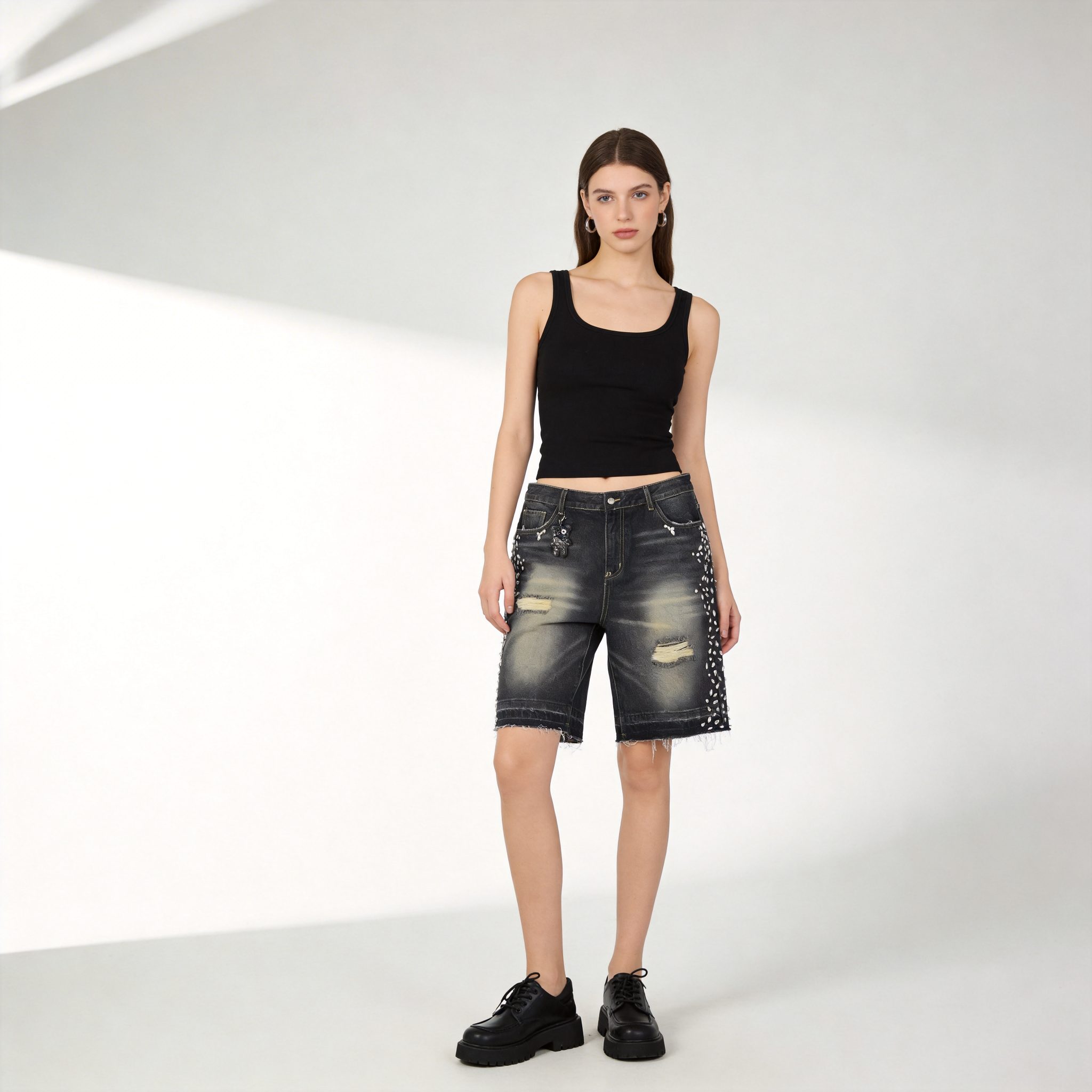
The decoration method you choose communicates brand identity. Screen printing signals modern, bold, high-volume, and casual positioning. Embroidery signals premium, professional, durable, and classic positioning.
1. Assess order volume. Orders under 30 units typically favor embroidery. Orders exceeding 50 units favor screen printing. Orders between 30–50 require cost comparison with your specific vendor.
2. Evaluate design complexity. Photographic artwork, gradients, fine detail, or complex multi-color designs demand screen printing. Simple logos, text, or bold shapes work with either method—but embroidery creates premium perception.
3. Define garment type. Structured items (polos, hats, jackets) favor embroidery. Flat items (t-shirts, hoodies, tote bags) favor screen printing.
4. Consider durability expectations. Items requiring 200+ wash cycles (corporate uniforms, athletic wear, workwear) demand embroidery. Single-wear or occasional-wear items (event merchandise, limited drops, promotional goods) work with screen printing.
5. Align with brand positioning. Premium, established brands often use embroidery. Emerging streetwear, event merchandise, and promotional brands often use screen printing.
A startup streetwear brand launching 100-unit hoodies with complex graphic art should choose screen printing. A corporate uniform company outfitting 50 employees in branded polos should choose embroidery. An influencer launching a 20-piece capsule collection of premium merch should choose embroidery. Veetrends’ analysis confirms that screen printing is quicker but embroidery offers greater customization and premium perception.
FAQ
Q1: Can I use both screen printing and embroidery on the same garment?
Yes. Many premium brands combine both methods—embroidered logo on chest, screen-printed graphic on back. This creates distinctive, high-end products with separate setup costs and production steps.
Q2: What’s the typical turnaround time for each method?
Screen printing: 3–7 business days after design approval. Embroidery: 4–10 business days (design digitization, embroidery production). Rush options available at premium pricing.
Q3: Which method is more environmentally friendly?
Screen printing uses water-based or plastisol inks; embroidery uses thread. Water-based inks are more eco-friendly than plastisol. Embroidery produces minimal waste. Supplier practices matter more than method choice.
Q4: Can embroidery work on stretchy fabrics like athletic wear?
Embroidery on high-stretch fabrics risks thread breakage and design distortion. Screen printing adapts better to athletic wear. Use stabilization techniques and lower stitch density if embroidery is desired on athletic garments.
Q5: What file formats do I need for each method?
Screen printing: high-resolution vector files (AI, PDF) or raster images (300 DPI minimum). Embroidery: vector files converted to embroidery-specific formats (.pes, .dst, .exp).
Sources
- Arklavo — Screen Print vs Embroidery: 2025 Comparison Guide — 2025, cost per unit data
- Monday Morning Merch — Choosing Between Screen Printing and Embroidery — 2025, small-batch analysis
- Veetrends — Screen Printing vs Embroidery: The Right Choice — 2025, process comparison
- Underground Shirts — Screen Printing vs Embroidery for Company Polos — 2026, corporate wear guidance
- Printify — Embroidery vs Screen Printing: What You Need to Know — 2026, bulk order analysis
Written by Alin Zeng (27 Years of Master Craftsmanship & Pattern Making, Global OEM & Streetwear Customization Excellence, End-to-End Supply Chain & One-Stop Production, High-Efficiency Cost Control (“Quality + Affordability”), Incubating 2,000+ Fashion Brands from Scratch). Last reviewed 2026-06-21.