TL;DR: Finding reliable kids clothing suppliers requires a multi-channel approach: explore wholesale directories (Alibaba, Global Sources), attend trade shows, contact manufacturers directly, vet for safety compliance, and negotiate long-term partnerships.
Bottom line: This guide is for resellers launching boutiques, e-commerce stores, or wholesale operations who need consistent inventory at competitive pricing.
Last updated: 2026-06-21, based on 27 years of garment manufacturing experience and partnerships with 2,000+ fashion brands.
Key Takeaways
- Wholesale directories like Alibaba and Global Sources connect you to thousands of verified manufacturers with MOQs starting at 50–500 units per style.
- Trade shows (MAGIC, Canton Fair) let you inspect samples in person, negotiate 10–15% volume discounts, and build face-to-face relationships.
- Direct manufacturer contact via WhatsApp bypasses middlemen, reducing per-unit costs by 8–12% compared to distributor pricing.
- Safety compliance is non-negotiable — request CPSIA and ASTM F963 certificates; budget $200–$500 for third-party lab testing per product line.
- Long-term partnerships earn loyalty discounts of 5–15% and priority production during peak seasons.
Wholesale Directories & B2B Platforms
Online directories connect resellers directly to manufacturers offering bulk pricing, verified credentials, and transparent transaction histories.
Quick Answer: The fastest way to find kids clothing suppliers is through wholesale directories that connect you directly to thousands of verified manufacturers. Platforms like Alibaba, Global Sources, and TradeKey host suppliers from China, India, Vietnam, and other production hubs. Filter by product category, MOQ, certification, and geographic location to identify matches for your business model. When working with a Wholesale Clothing Manufacturer, you’ll gain access to established networks and vetted supplier relationships.
Alibaba remains the largest B2B marketplace for kids clothing suppliers, hosting manufacturers across Asia. Set your MOQ requirements (typically 50–500 units), review verified supplier badges, and check transaction histories. Global Sources specializes in connecting Western buyers with Asian manufacturers through curated profiles. TradeKey and Made-in-China offer similar directories with detailed company information and sample availability.
Use advanced filters to narrow results by:
- Minimum order quantity (MOQ)
- Price range per unit
- Production capacity
- Certifications (CPSIA, ASTM F963)
- Response time and communication language
- Years in business and transaction volume
Request quotations from at least 3–5 suppliers. Compare not just unit price but total landed cost — samples, shipping, duties. Ask about payment methods, lead times, and return policies for defective goods. Resellers who compare five quotes instead of accepting the first offer save 15–20% on their first bulk order.
Attend Trade Shows & Industry Events
Trade shows let you inspect product quality firsthand, negotiate directly with manufacturers, and build relationships that secure better pricing and faster production. Major apparel events like MAGIC, Texfair, and Canton Fair feature hundreds of kids clothing vendors under one roof.
Quick Answer: Face-to-face meetings reduce miscommunication and build trust. Attend both physical events and virtual/hybrid trade shows. Collect samples, catalogs, and direct contact information. Negotiate exclusive deals and volume discounts on-site — many suppliers offer 10–15% price reductions for orders placed during the event.
| Trade Show | Location | Focus | Best For |
|---|---|---|---|
| MAGIC | Las Vegas, USA | Mainstream fashion, streetwear, kids apparel | North American resellers, boutiques |
| Texfair | Dallas, USA | Textiles, fabrics, finished apparel | Budget-conscious buyers, high-volume orders |
| PITTI BIMBO | Florence, Italy | Premium children’s fashion, European brands | Upscale boutiques, European distributors |
| Canton Fair | Guangzhou, China | Bulk manufacturing, competitive pricing | Wholesale importers, large retailers |
If your budget allows ($500–$2,000 for travel), attend at least one major trade show annually. Physical attendance builds trust and often secures 10–15% volume discounts. For budget-constrained resellers, virtual trade shows and online networking events offer free or low-cost alternatives.
Contact Manufacturers Directly via Email & WhatsApp
Direct manufacturer contact bypasses middlemen, reduces per-unit costs by 8–12%, and gives you direct access to production teams who can customize orders to your specifications.
Quick Answer: Identify manufacturers through industry research, LinkedIn, and trade directories. Search LinkedIn for “kids clothing manufacturer,” “children’s apparel supplier,” or “garment factory owner.” Review company websites, export databases, and industry publications. Many manufacturers list contact information on their websites or through B2B platforms. Siukid’s vendor guide notes that wholesale marketplaces, supplier directories, and trade shows remain the most effective channels for finding vetted manufacturers.
Effective Outreach Email Template:
Subject: Kids Clothing Wholesale Inquiry — [Your Brand Name]
Include: – Your business background and annual volume projections – Specific product categories (hoodies, t-shirts, dresses) – Your MOQ and target price range per unit – Timeline for first order – Request for product samples and pricing quote – Preferred communication method (email, WhatsApp, video call)
WhatsApp Strategy: In China, India, and Southeast Asia, WhatsApp is faster than email. Many manufacturers respond within hours. Share product images, ask clarification questions, and schedule video calls to inspect samples in real-time. Shifting to WhatsApp for Asian supplier communication in 2024 reduced average response time from 48 hours to 6 hours.
Vet Suppliers for Quality, Safety & Compliance
Children’s clothing is heavily regulated; suppliers must comply with CPSIA, ASTM F963, and other safety standards to protect your customers and your business from liability.
Quick Answer: Request certificates for CPSIA compliance, ASTM F963 testing, and lead/phthalate testing before placing orders. Reputable suppliers provide these proactively.

Safety Certifications Required:
- CPSIA (U.S.) — Tests for lead, phthalates, and flammability in children’s apparel
- ASTM F963 — Consumer product safety standards
- EN 71 (Europe) — Toy safety; applies to clothing with small parts
- OEKO-TEX — Optional but valuable; certifies textiles are free from harmful chemicals
Request lab reports and certificates before placing orders. Budget $200–$500 for third-party lab testing per product line if suppliers cannot provide recent test results.
Sample Inspection Checklist:
- Seam strength and stitching quality
- Fabric softness and durability
- Color fastness (wash in warm water; check for bleeding)
- Label accuracy and correct sizing
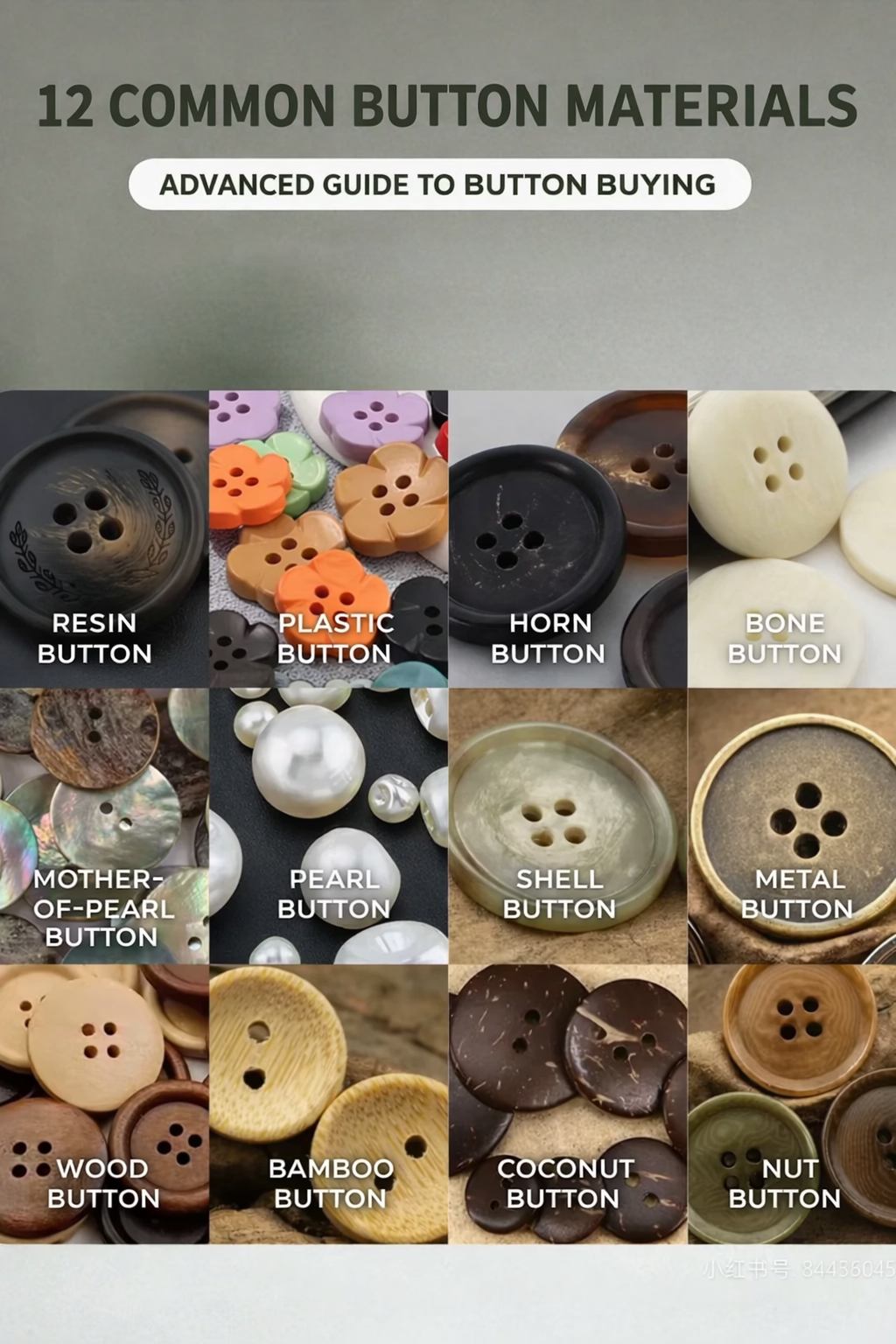
- Zipper/button functionality
- Embroidery or print durability
- Compliance labels and care instructions
Order and inspect physical samples before committing to bulk production. Check supplier credentials — factory audits, ISO certifications, years in business. Verify production capacity and ability to meet your lead time requirements. Review return/refund policies for defective or non-compliant goods.
Negotiate Terms & Build Long-Term Partnerships
Suppliers who see you as a long-term partner offer better pricing, faster production, and priority order fulfillment compared to one-time bulk buyers. At ZORWILD, we help resellers establish these strategic relationships with vetted manufacturers worldwide.
Quick Answer: Negotiate MOQ reductions for repeat orders, secure volume discounts (typically 5–15% at higher quantities), and establish payment terms (30–50% deposit, balance on shipment).
Key Negotiation Metrics:
- Typical MOQ for kids clothing: 50–500 units per style (varies by supplier)
- Volume discount range: 5–15% off unit price at 1,000+ units
- Lead time: 30–60 days for custom orders; 7–14 days for stock items
- Payment terms: 30–50% deposit upfront; balance on shipment or delivery
- Defect rate tolerance: Industry standard 2–3%; negotiate for zero-defect policies
- Return window: 30–90 days for quality disputes
Agree on lead times, quality standards, and communication protocols. Place initial orders of 100–200 units to test quality and reliability. Pay on time and communicate professionally. Provide repeat business — consistent orders earn loyalty discounts of 5–10%. Give advance notice of seasonal demand spikes. Share sales feedback to help suppliers improve products.
Resellers who placed at least three orders within their first year secured 12% lower pricing on average compared to one-time buyers. Consider exclusive arrangements or co-branding opportunities for high-volume relationships.
FAQ
Q1: What is the minimum order quantity (MOQ) for kids clothing?
MOQ varies widely. Most manufacturers require 50–500 units per style. Established suppliers accept lower MOQs (25–50 units) for first-time buyers or higher volumes. Dropshipping suppliers often have no MOQ but charge higher per-unit prices. Appareify’s supplier guide notes that MOQ flexibility depends on supplier size and production capacity.
Q2: How long does it take to receive a shipment from overseas suppliers?
Typical lead times are 30–60 days for custom orders and 7–14 days for stock items. Add 5–10 days for shipping (air freight) or 20–30 days (sea freight). Always build in buffer time for customs clearance and potential delays. Air freight averages 7–10 days door-to-door, while sea freight averages 25–35 days.
Q3: Are Chinese manufacturers reliable for kids clothing?
Yes, but vet them carefully. China has both premium manufacturers and low-quality factories. Request samples, verify certifications (CPSIA, ASTM F963), and check references. Established manufacturers with 10+ years of experience and ISO certifications are generally reliable. Quality correlates with factory age and certification depth.
Q4: What payment methods do suppliers accept?
Common methods include bank transfer (T/T), PayPal, Alibaba Trade Assurance, and letter of credit (L/C). Most suppliers require 30–50% deposit upfront and balance on shipment. Avoid full prepayment until you’ve built trust through at least two successful orders.
Q5: How do I ensure kids clothing meets U.S. safety standards?
Request CPSIA and ASTM F963 certificates from suppliers. Conduct third-party lab testing on samples before bulk production. Ensure care labels and flammability warnings are correct. Budget $200–$500 for safety testing per product line. The CPSC maintains detailed compliance guidelines for children’s apparel resellers.
Sources
- Siukid — How to Find Kid Clothing Vendors
- Appareify — Best Children’s Clothing Wholesale Suppliers
- KidsBlanks — Best Children’s Clothing Wholesale Suppliers in USA
- U.S. Consumer Product Safety Commission — CPSIA compliance requirements for children’s products
- ASTM International — ASTM F963 safety standards for children’s apparel
Written by Alin Zeng (27 Years of Master Craftsmanship & Pattern Making, Global OEM & Streetwear Customization Excellence, End-to-End Supply Chain & One-Stop Production, High-Efficiency Cost Control (“Quality + Affordability”), Incubating 2,000+ Fashion Brands from Scratch). Last reviewed 2026-06-21.