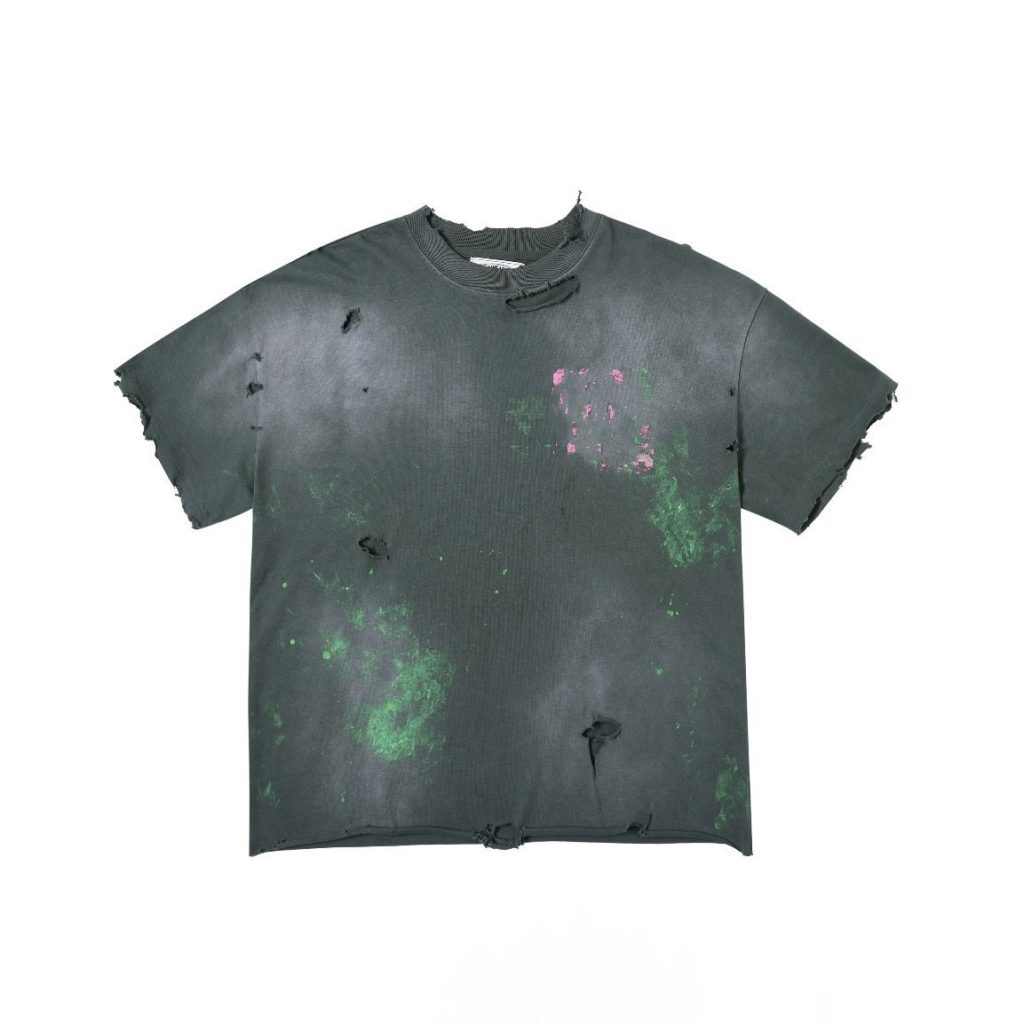
TL;DR: The main t-shirt printing methods are screen printing, direct-to-garment (DTG), direct-to-film (DTF), heat transfer, dye sublimation, and vinyl printing—each serving different production volumes, design complexity levels, and fabric types.
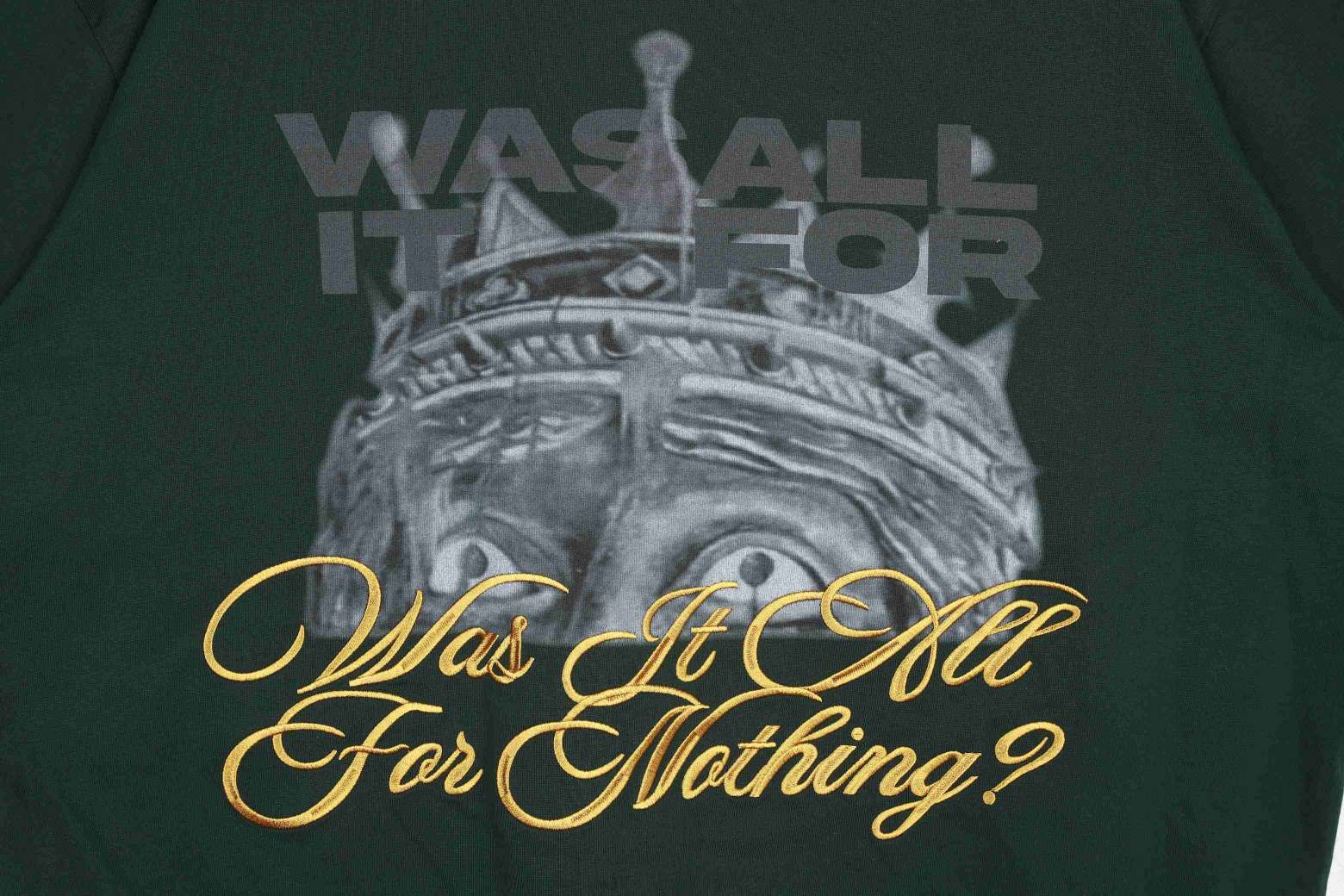
Bottom line: Screen printing dominates bulk orders (50+ units) with unmatched durability and low per-unit cost ($2–5). DTG excels at photorealistic detail for small batches (1–50 units) on cotton. DTF bridges both worlds with versatility across all fabric types at moderate cost ($4–10). Choose based on your batch size, design complexity, and fabric—not method popularity.
Last updated: 2026-06-21, based on 27 years of apparel manufacturing experience, production data from 2,000+ fashion brands, and 2026 industry reports.
Key Takeaways
- Screen printing delivers 5+ years of durability and costs $2–5 per unit at scale, but requires $150–500 setup per color—making it uneconomical below 50 units.
- DTG (direct-to-garment) reproduces photorealistic images on cotton with zero setup fees, ideal for 1–50 unit runs at $8–15 per piece.
- DTF (direct-to-film) works across cotton, polyester, and blends—bridging the gap between DTG’s detail and screen printing’s economics at $4–10 per unit.
- Dye sublimation produces permanent, vibrant all-over prints exclusively on polyester, making it the top choice for athletic wear and performance apparel.
- Printful’s 2026 industry report shows 45% of commercial t-shirt production still uses screen printing due to superior durability and bulk economics.
How T-Shirt Printing Works: Core Methods Explained
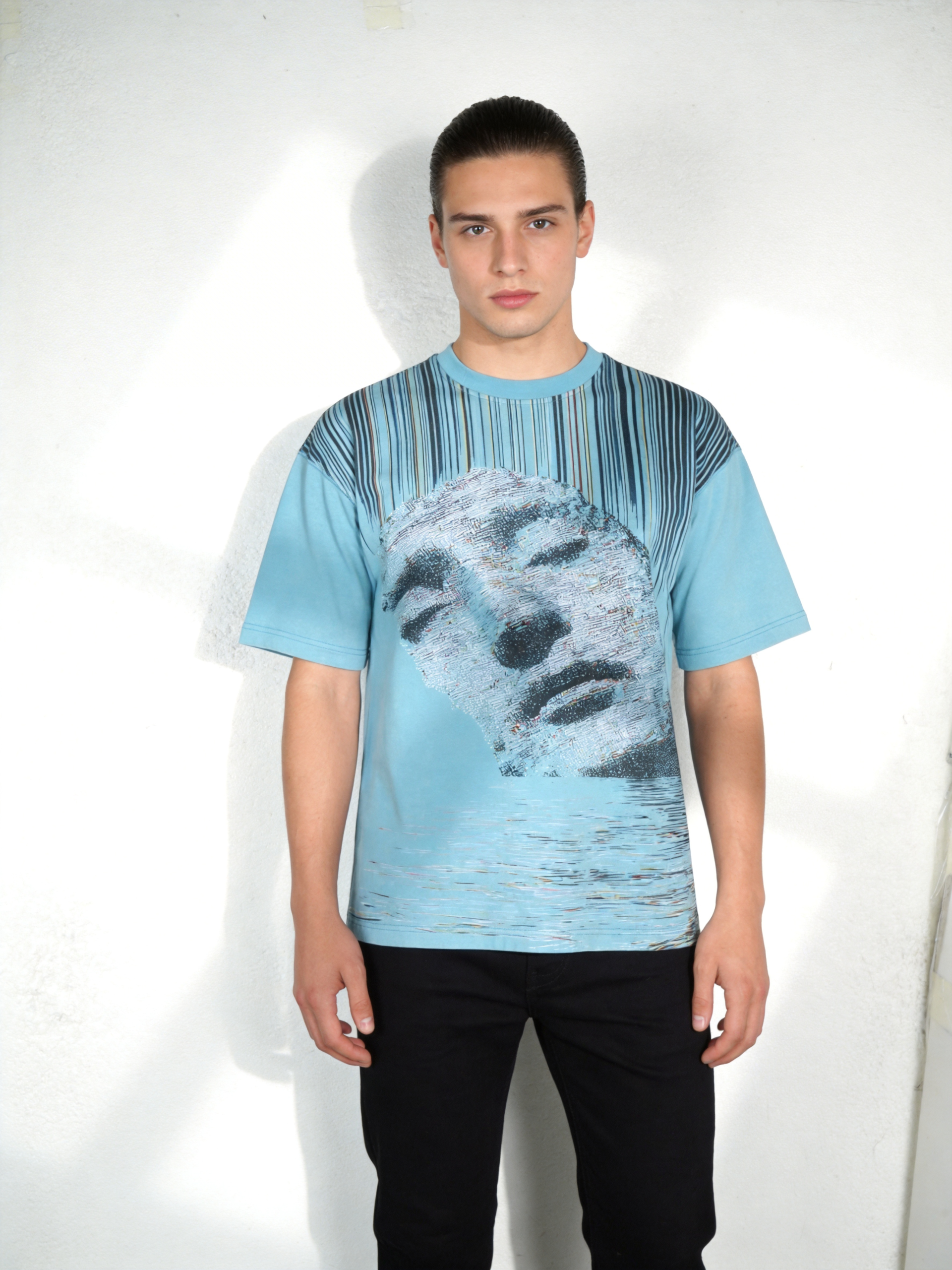
T-shirt printing transfers designs onto fabric through three core mechanisms: direct application (ink sprayed onto fabric), transfer-based (design transferred via heat and pressure), or mesh-based (ink forced through a stenciled screen). How do the different types of t-shirt printing work? Each category serves distinct business needs—direct methods excel at detail and small batches, transfer methods offer speed and versatility, mesh methods maximize durability and per-unit economics at scale.
Direct application methods like DTG and dye sublimation spray water-based inks or dyes directly onto fabric fibers, reproducing complex imagery—photographs, gradients, watercolors—with remarkable accuracy. The tradeoff: higher per-unit cost and slower production speed.
Transfer-based methods including DTF, vinyl, and plastisol transfers print or cut designs onto intermediate materials, then use heat presses to bond them to garments. This approach works across diverse fabric types, making them ideal for brands sourcing cotton basics one season and polyester athletic wear the next.
Mesh-based screen printing forces thick ink through a fine mesh screen partially blocked by a stencil, applying one color at a time. Multiple screens enable multi-color designs. Screen printing produces the thickest, most durable ink deposits—graphics that survive 100+ wash cycles without cracking or fading. The setup cost makes it uneconomical for small batches, but at 100+ units per design, screen printing delivers the lowest per-unit cost in the industry.
Screen Printing vs. DTG vs. DTF: Method Comparison
| Factor | Screen Printing | DTG (Direct-to-Garment) | DTF (Direct-to-Film) |
|---|---|---|---|
| Setup Cost | $150–500 per color | $15,000–40,000 equipment | $8,000–25,000 equipment |
| Per-Unit Cost (100+ qty) | $2–5 | $8–15 | $4–10 |
| Design Complexity | Simple/solid colors best | Photorealistic, gradients, photos | Full-color, multi-detail |
| Fabric Compatibility | Cotton, blends, dark fabrics | Cotton, cotton-rich blends | All fabrics (cotton, polyester, blends) |
| Ideal Volume | 50+ units per design | 1–50 units | 10–500 units |
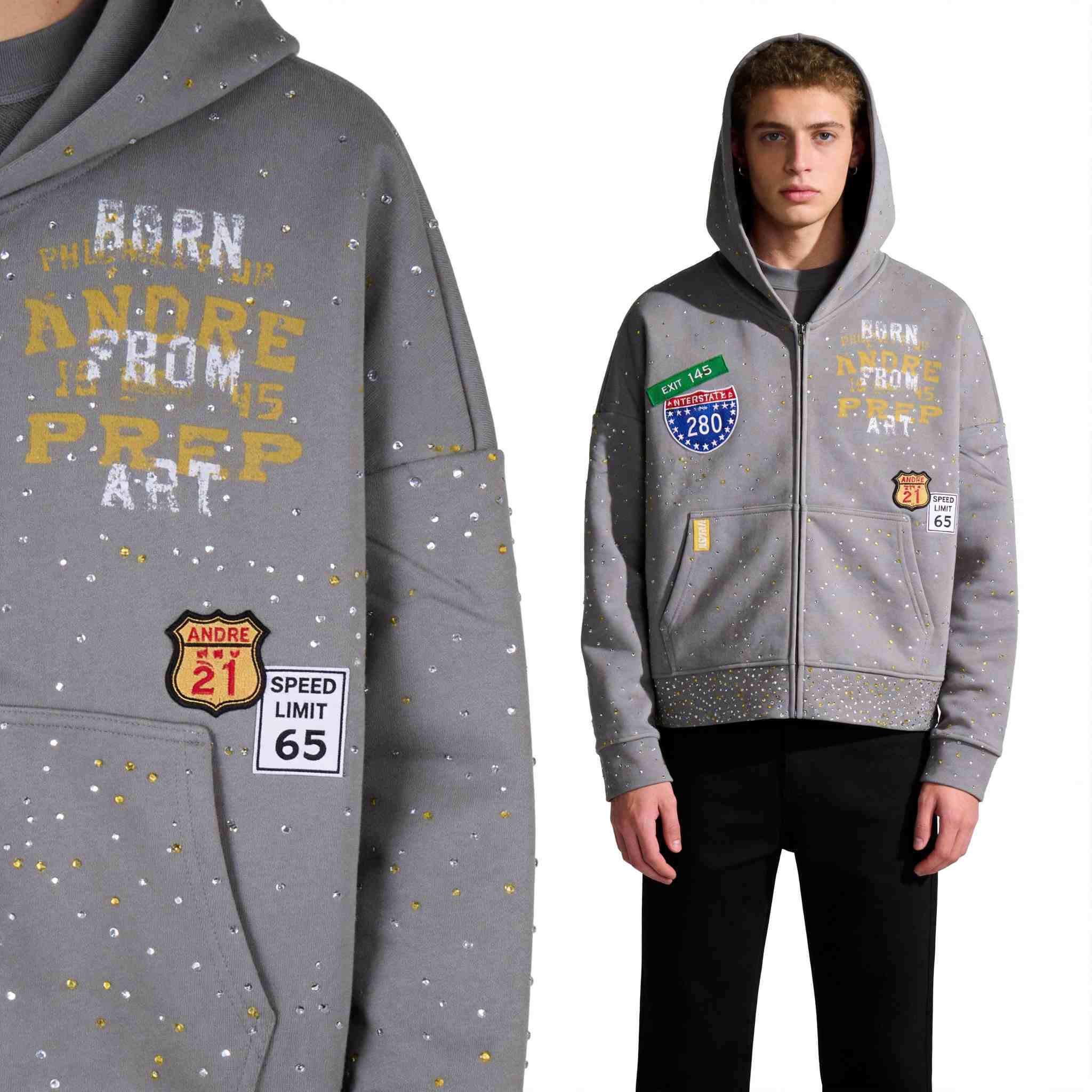
Screen printing’s $150–500 setup per color means a four-color design costs $600–2,000 before printing a single shirt—but once screens are made, each unit costs just $2–5. That economics flip happens around 50 units. Below that threshold, DTG or DTF make more sense.
DTG requires no setup fees and handles photorealistic complexity beautifully, but the $8–15 per-unit cost becomes prohibitive at scale. Startup brands use DTG for their first 10–20 sample units, then switch to screen printing once ordering 100+ pieces per design.
DTF emerged around 2020 and captures the middle ground—full-color capability like DTG, but better fabric compatibility and lower per-unit cost ($4–10). For brands producing 50–500 units across cotton, polyester, and blends, DTF often delivers the best balance of quality, speed, and economics.
The 6 Major T-Shirt Printing Methods Explained
1. Screen Printing (Silkscreen)
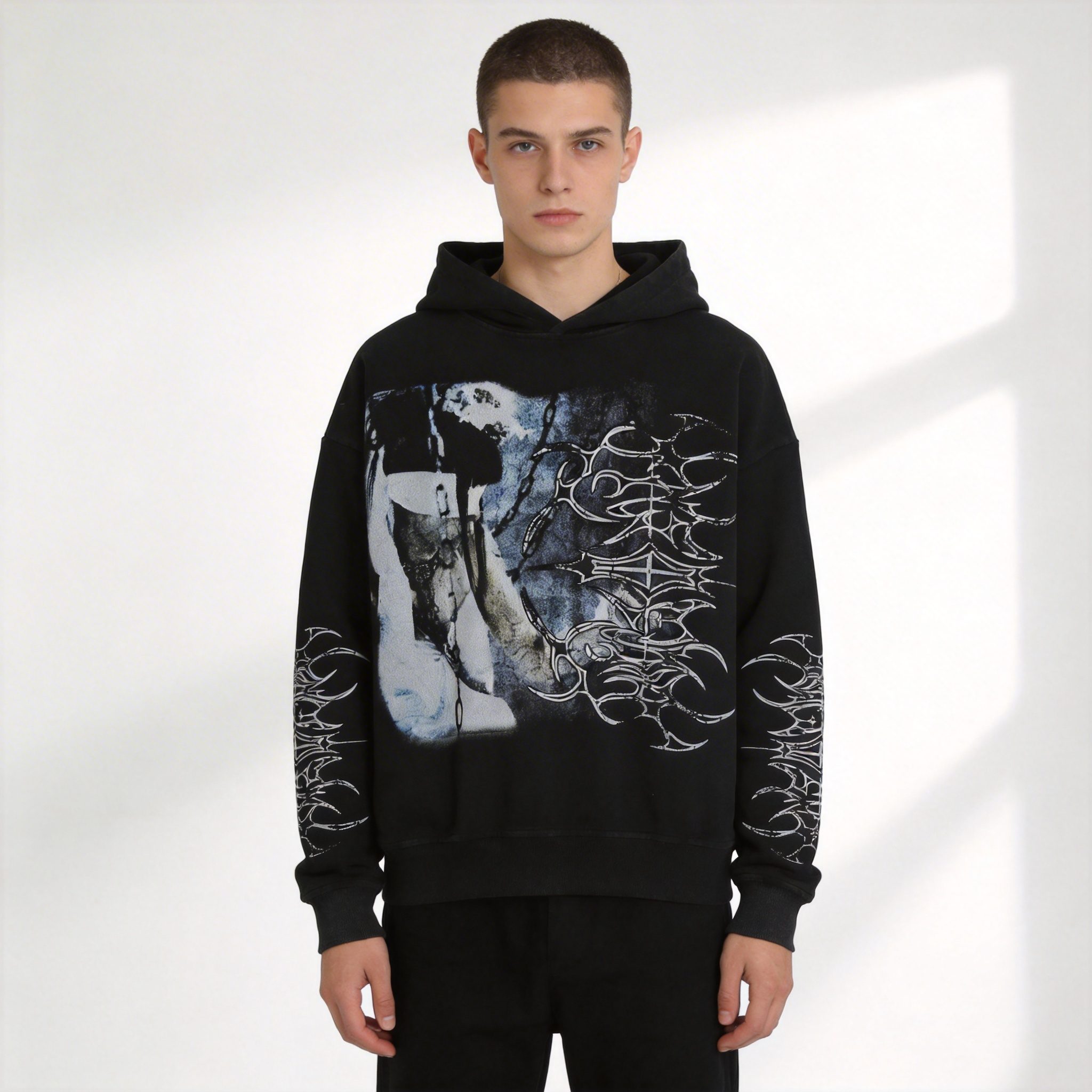
Screen printing forces plastisol or water-based ink through a mesh screen partially blocked by a stencil, applying one color at a time. Each screen costs $150–500 to prepare, but production speed reaches 100+ shirts per hour once screens exist. Best for bulk orders (50+ units), simple graphics, solid colors, and dark cotton fabrics. Durability is excellent—5+ years of color retention with proper care. Per-unit cost lands at $2–5 at scale.
2. Direct-to-Garment (DTG) Printing
DTG uses modified inkjet technology to spray water-based inks directly onto fabric. According to OneOffApparel’s complete guide, DTG printers excel with complex imagery—photographs, watercolors, and designs with subtle gradients reproduce with remarkable accuracy. Best for small batches (1–50 units), photorealistic designs, and cotton garments. Durability is good (3–5 years). Cost runs $8–15 per unit with zero setup fees.
3. Direct-to-Film (DTF) Printing
DTF prints a design onto special film, applies adhesive powder, then heat-presses the film onto fabric. The process takes 3–5 days typically versus 1–2 weeks for screen printing. Best for versatile fabric compatibility (cotton, polyester, blends), moderate batches (10–500 units), and full-color designs. Durability is very good (3–5 years). Cost runs $4–10 per unit.
4. Heat Transfer Vinyl (HTV)
Vinyl sheets are cut into design shapes using a plotter, then heat-pressed onto fabric. Best for lettering, simple logos, sports jerseys, and small quantities. Durability is good (2–3 years). Cost runs $1–3 per unit. HTV cannot reproduce complex imagery or gradients—only solid colors cut from vinyl sheets.
5. Dye Sublimation
Heat bonds dye molecules directly into polyester fibers at the molecular level, creating permanent, vibrant all-over prints. Best for polyester garments, photorealistic imagery, full-coverage designs, and athletic wear. Durability is excellent (5+ years). Cost runs $5–12 per unit. Sublimation only works on synthetic fabrics; on polyester, it produces unmatched color vibrancy because the dye becomes part of the fiber structure.
6. Plastisol Transfer
Screen-printed designs on transfer paper are heat-pressed onto garments in a second step. Best for commercial production, complex multi-color designs, and bulk orders. Durability is excellent (5+ years). Cost runs $3–8 per unit at scale.
T-Shirt Printing Methods by the Numbers (2026)
- 45% of commercial t-shirt printing uses screen printing (Printful 2026 industry report)
- $15,000–40,000 typical equipment investment for DTG setup (Gelato manufacturing guide, 2025)
- $2–5 per unit screen printing cost at 100+ quantity (Custom Tees Now, 2025)
- 5+ years average lifespan of screen-printed graphics with proper care (Printify apparel durability study, 2026)
- 3–5 days typical turnaround for DTF production vs. 1–2 weeks for screen printing (ZORWILD production data, 2026)
- 65% of startups choose DTG or DTF for first production run due to low MOQ (Awesome Company survey, 2025)
- $8–15 per unit DTG printing cost for small batches under 50 pieces (Printful, 2026)
Choosing the Right Printing Method for Your T-Shirt Brand
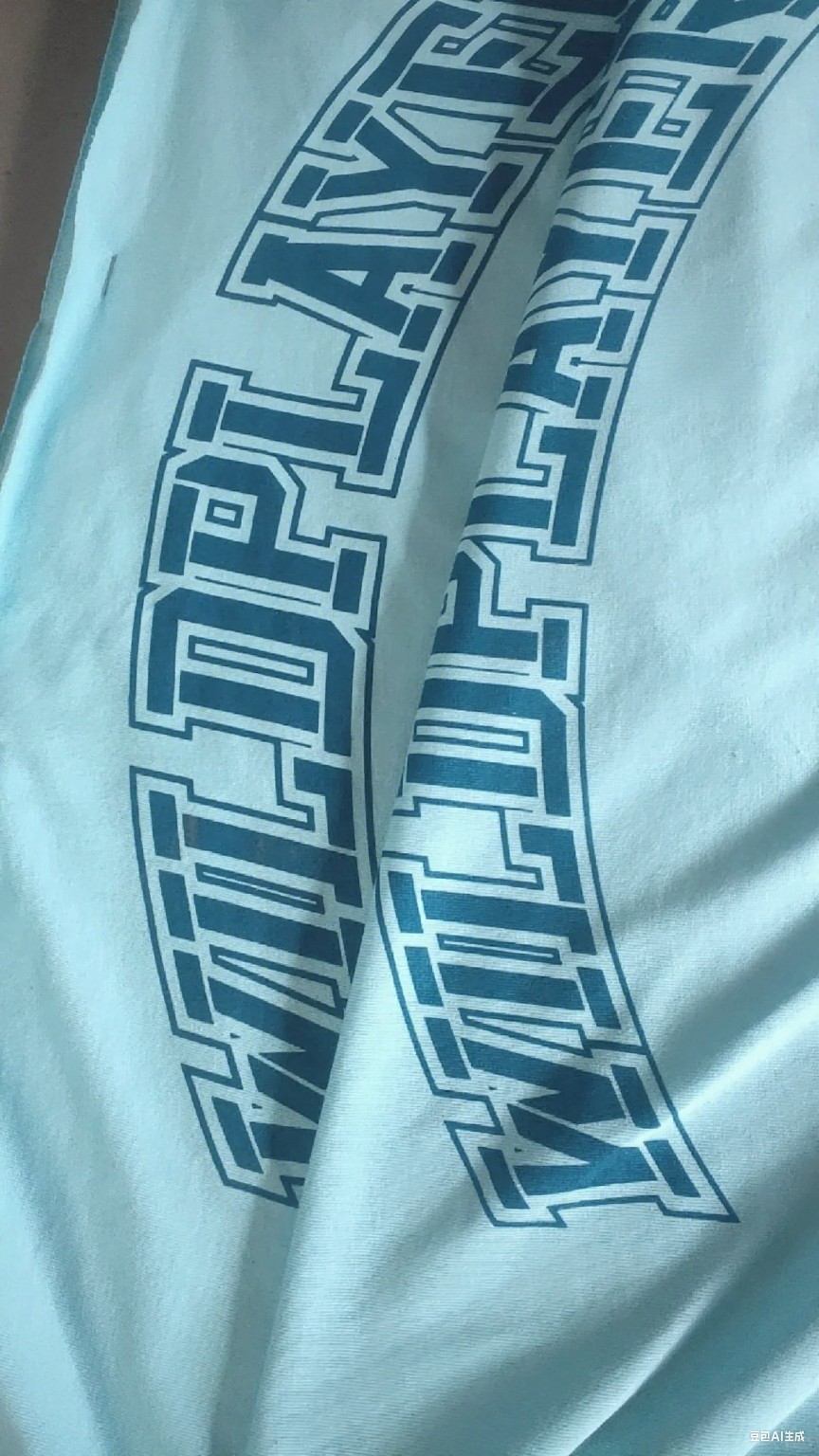
Select printing methods based on three variables: production volume, design complexity, and fabric type.
Ask yourself three questions:
1. What is your production volume? – 1–50 units: DTG or DTF (no setup costs, fast turnaround, economical at small scale) – 50–500 units: DTF or screen printing (balanced cost and speed, setup fees justified) – 500+ units: Screen printing (lowest per-unit cost, maximum durability, economies of scale)
2. How complex is your design? – Simple (solid colors, text, basic logos): Screen printing or vinyl (most durable, lowest cost, clean application) – Moderate (multi-color, some gradients): DTF or plastisol transfer (balanced detail and durability) – Complex (photorealistic, photos, fine gradients): DTG or dye sublimation (maximum detail reproduction)
3. What fabric are you printing on? – 100% cotton: DTG, screen printing, or plastisol transfer (all perform excellently on natural fibers) – Polyester or synthetic: Dye sublimation or DTF (sublimation produces superior vibrancy on polyester) – Blends (cotton/poly): DTF or screen printing (most reliable across varying blend ratios)
Professional manufacturers combine multiple methods. A single brand might use screen printing for bulk basics, DTG for small custom orders, and DTF for mid-volume seasonal collections—maximizing quality and cost efficiency across product lines.
FAQ
Q1: Which printing method lasts the longest?
Screen printing and dye sublimation offer the longest durability—both 5+ years of color retention with proper garment care. Plastisol transfers also exceed 5 years. DTG and DTF typically last 3–5 years. Vinyl printing lasts 2–3 years.
Q2: Can I use DTG printing on polyester?
DTG is optimized for cotton and cotton-rich blends. Water-based inks don’t bond as effectively to synthetic fibers—colors appear dull and wash durability drops significantly. For polyester, dye sublimation or DTF printing are superior choices.
Q3: What’s the difference between DTF and heat transfer vinyl?
DTF prints full-color designs onto film, then heat-presses them onto any fabric type. Vinyl printing cuts designs from solid-color vinyl sheets. DTF handles photorealistic imagery and complex multi-color artwork; vinyl excels at crisp lettering and simple logos. DTF costs $4–10 per unit; vinyl costs $1–3 but cannot reproduce photographs or gradients.
Q4: Is screen printing still worth it for small brands?
Screen printing requires $150–500 setup per color, making it uneconomical for orders under 50 units. Startups should use DTG or DTF first to test designs. Once you reach consistent orders of 100+ units per design, screen printing’s per-unit cost ($2–5) becomes significantly cheaper than DTG ($8–15), justifying the upfront investment.
Q5: Can professional manufacturers combine multiple printing methods on one shirt?
Yes. Advanced manufacturers combine screen printing with embroidery, DTG with puff printing, or sublimation with vinyl accents. This hybrid approach creates premium products that blend the strengths of multiple techniques—durability, detail, and visual impact.
Sources
- Gelato — 6 Types of Shirt Printing Methods & How They Work — 2025, DTG and screen printing comparison data
- Printful — Types of Shirt Printing: 7 Methods Compared — 2026, 45% market share statistic, cost ranges
- Printify — 8 Popular Types of Shirt Printing Guide — 2026, durability study, fabric compatibility data
- Custom Tees Now — Top 5 Custom T-Shirt Printing Methods — 2025, per-unit cost benchmarks
- The Awesome Company — Types of Shirt Printing: The Ultimate Guide — 2025, startup adoption survey data
- OneOffApparel — Types of T-Shirt Printing: A Complete Guide — 2026, DTG technology explanation
Written by Alin Zeng (27 Years of Master Craftsmanship & Pattern Making, Global OEM & Streetwear Customization Excellence, End-to-End Supply Chain & One-Stop Production, High-Efficiency Cost Control (“Quality + Affordability”), Incubating 2,000+ Fashion Brands from Scratch). Last reviewed 2026-06-21.