TL;DR: Custom clothing prices range from $20–$40 for printed basics to $3,000–$5,000+ for tailored pieces, determined by materials + labor + overhead costs, market segment positioning, and customization complexity.
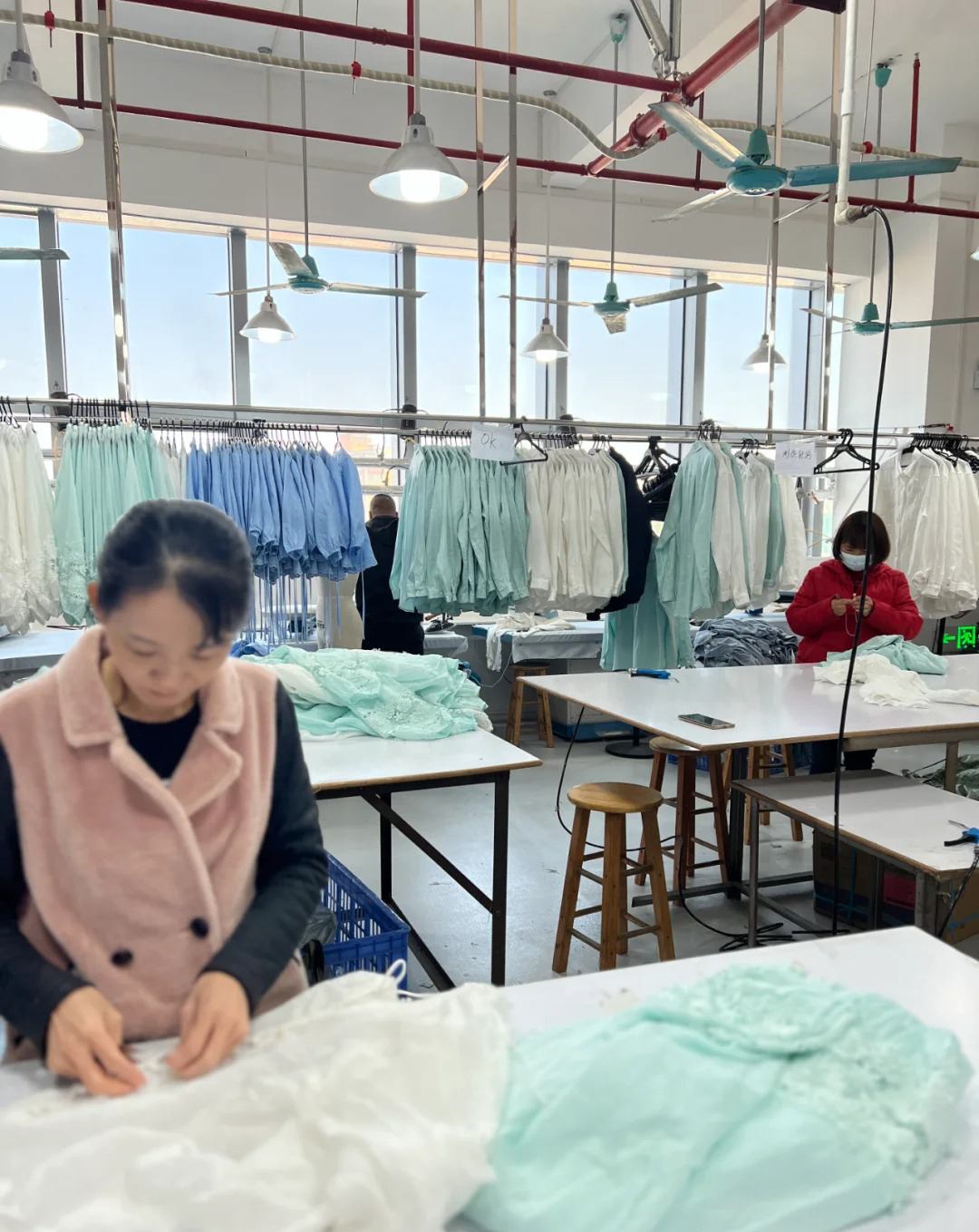
Bottom line: Use cost-plus formula with 50–100% markup minimum; don’t compete on price alone—compete on craftsmanship, fit, and brand story.
Last updated: 2026-06-22, based on 27 years manufacturing experience and 2,000+ brand partnerships.
Key Takeaways
• Apply the cost-plus formula: (Materials + Labor + Overhead) × Markup % = Retail Price • Labor rates should start at $15–$25/hour for basic sewing; professional seamstresses command $25–$60+/hour • Tailored suits average $3,000–$5,000 in the U.S.; custom dress shirts run $250–$300 for quality handwork • Screen-printed tees wholesale at $7–$12; retail pricing sits at $20–$55 depending on blank quality and decoration complexity • Test your pricing against 5–10 direct competitors in your exact niche; stay within 10–20% unless you have defensible brand advantages
The Cost-Plus Pricing Formula: Your Foundation
The most reliable way to price custom clothing starts with calculating total cost, then applying a markup that reflects your market positioning. Guessing at prices leaves money on the table or prices you out of your segment entirely.
Materials form your starting point. A premium Bella+Canvas blank costs $3–$6 wholesale; organic cotton runs $4–$8. Add trim—labels, zippers, buttons—at $0.50–$2 per garment. For tailored pieces, fabric sourcing ranges $15–$50+ depending on fiber quality and yardage requirements.
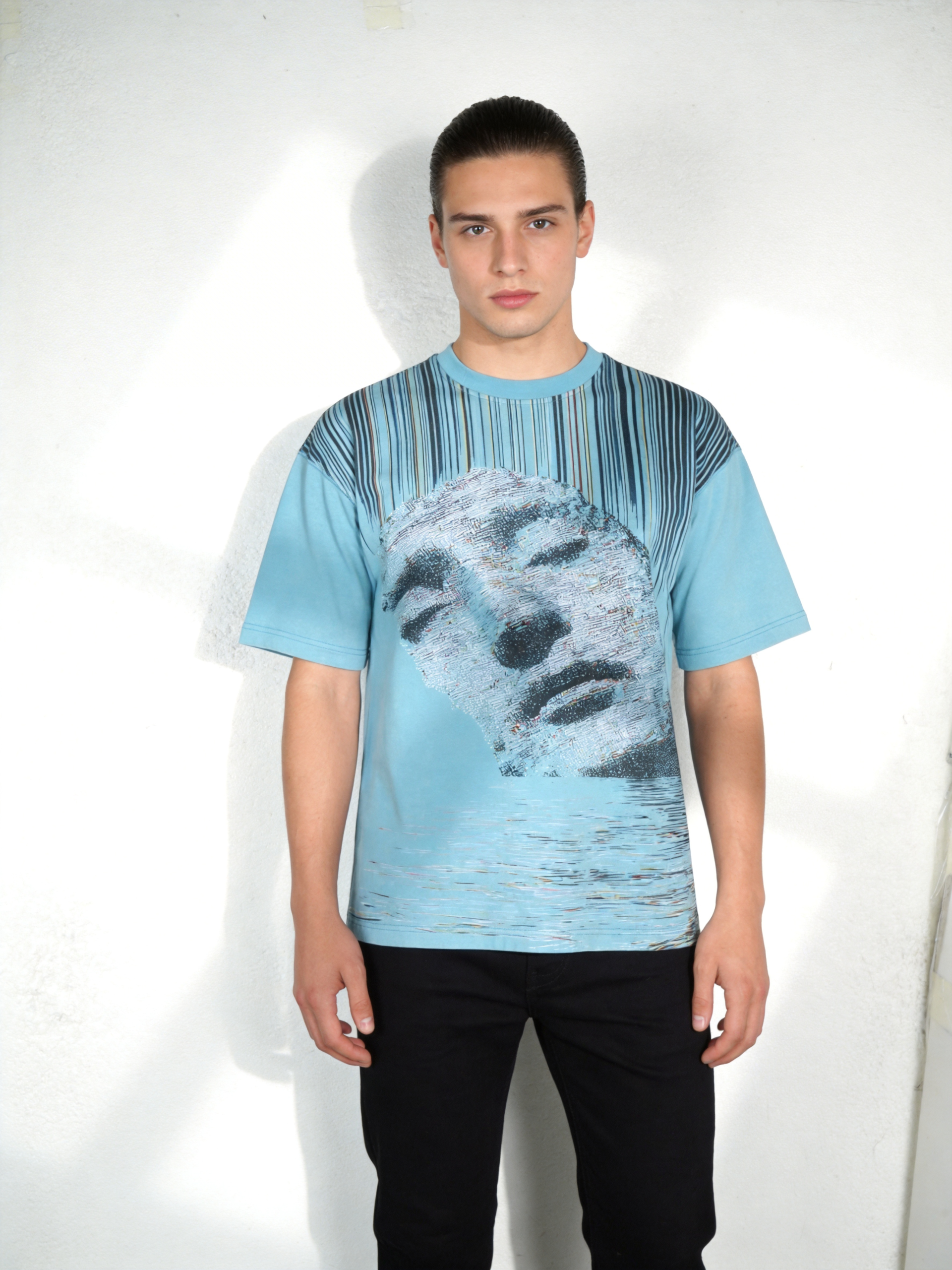
Labor is where most new makers underprice catastrophically. Professional seamstresses charge $15–$50+ per hour in 2026. A custom shirt takes 2–4 hours; a tailored suit requires 20–40 hours of skilled handwork. Calculate: (Hours × Hourly Rate) ÷ Units Per Batch = Labor Cost Per Piece. Quality handwork is methodical, not rushed.
Overhead includes rent, utilities, equipment depreciation, packaging materials, insurance, software subscriptions, and administrative time. If your monthly overhead is $2,000 and you produce 100 pieces, allocate $20 per garment as overhead cost.
Formula in action: (Materials $6 + Labor $12 + Overhead $4) × 2.0 markup = $44 retail price. This 100% markup ensures profitability without undervaluing your work.
Custom Clothing Pricing by Garment Type (2026 Benchmarks)
Different garment categories command different price ranges based on complexity, materials, and market expectations. A printed tee and a tailored suit occupy different universes in pricing psychology and production requirements.
| Garment Type | Budget Tier | Mid-Market | Premium/Tailored | Key Cost Driver |
|---|---|---|---|---|
| Custom T-Shirt | $20–$25 | $30–$45 | $60–$150+ | Blank quality + print method |
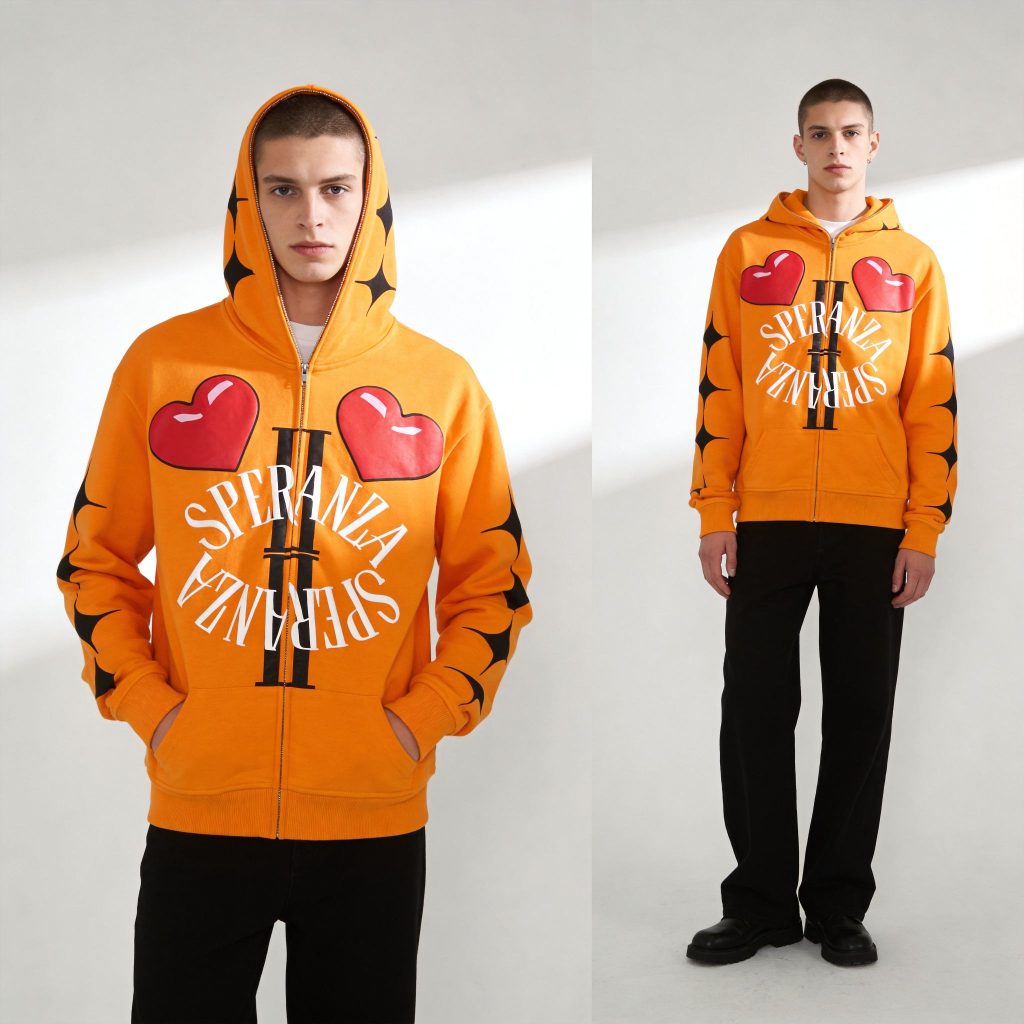
| Hoodie | $30–$40 | $50–$80 | $120–$300+ | Fabric weight + embroidery |
| Custom Dress Shirt | $40–$60 | $100–$200 | $250–$400+ | Fabric + tailoring hours |
| Tailored Trousers | $50–$80 | $120–$200 | $300–$600+ | Fit customization + fabric |
| Tailored Suit | $800–$1,500 | $2,000–$3,500 | $5,000–$15,000+ | Handwork + premium cloth |
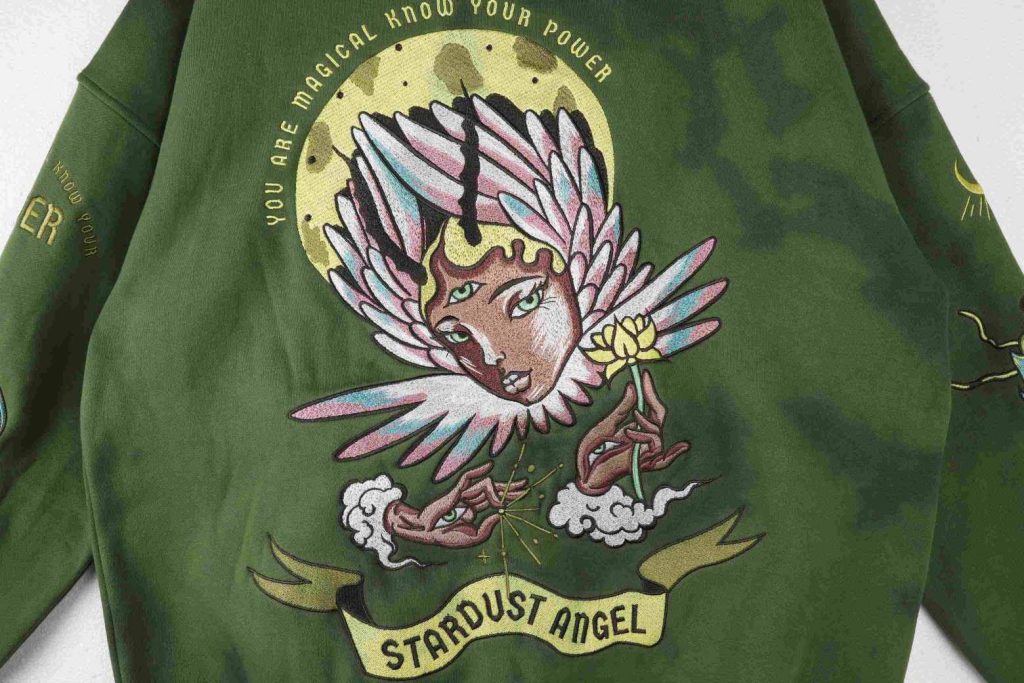
| Embroidered Jacket | $60–$100 | $150–$300 | $400–$800+ | Embroidery density + base |
Find 5–10 direct competitors in your exact category and price tier. If they’re selling custom tees at $35 and you’re at $25, either you’re underpricing or your positioning differs—faster turnaround, niche audience, or different blank quality. Price within 10–20% of comparable products unless you have a defensible brand advantage that justifies premium positioning.
Labor Costing: Never Undervalue Your Time
Underpricing labor destroys profitability faster than any other mistake in custom clothing. Your skill, experience, and time deserve professional compensation, not retail-wage rates.
Mistake 1: Charging flat “per-piece” rates without tracking hours. Many makers quote “$5 per shirt” without measuring actual time. If a shirt takes 3 hours but you charge $5, you’re earning $1.67/hour. Time your first 10 pieces. Average the hours, multiply by your target hourly rate ($20–$50+), then recalculate quarterly as your speed improves.
Mistake 2: Using retail wages as your baseline. Retail workers earn $15/hour. You’re a skilled craftsperson. Professional seamstresses charge $25–$60+/hour in 2026. If you’re designing, fitting, and hand-finishing, justify $30–$50 minimum. Luxury tailors charge $75–$150+/hour for specialized handwork.
Mistake 3: Forgetting admin time. Cutting, sewing, and finishing are visible. Email correspondence, client fittings, design revisions, and invoicing aren’t—but they consume time. Add 20–30% overhead to sewing time. A 2-hour sewing job + 30-minute admin block = 2.5 billable hours.
Mistake 4: Not charging for complexity. A basic tee and a fitted dress shirt both require sewing—but the shirt demands collar construction, placket precision, and buttonhole accuracy. Charge 30–50% more for complex fits, hidden seams, or technical details that require advanced skill.
Market Positioning: Competing on Value, Not Price
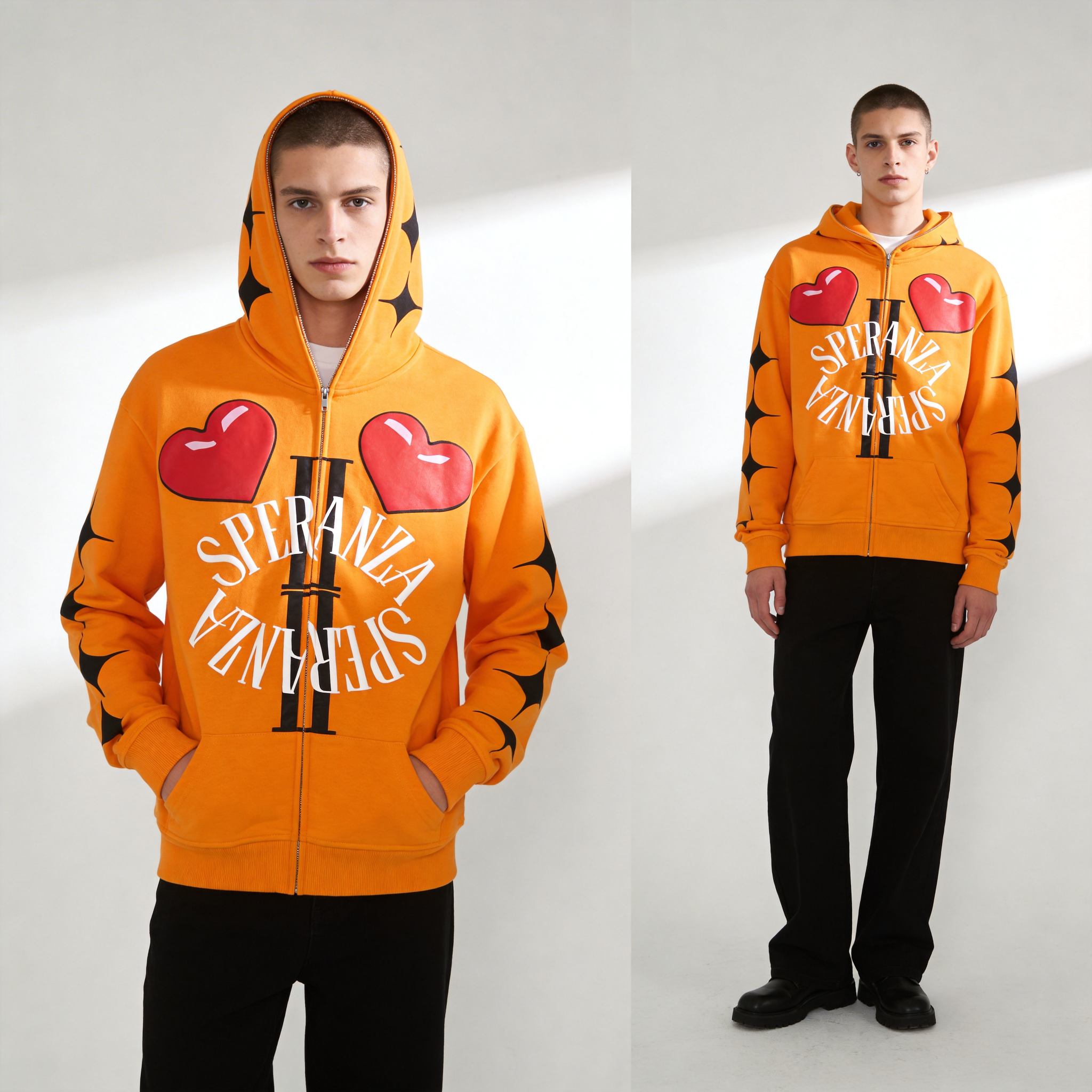
Your price communicates your brand position. Competing on price alone destroys margins and trains customers to view your work as a commodity rather than craftsmanship.
Budget tier ($20–$40 retail) targets price-conscious buyers seeking trend-responsive basics. Compete on speed, convenience, and accessible pricing. Minimize handwork; use print-on-demand or batch production. Margin: 50–75%. This tier moves volume but requires operational efficiency to remain profitable.
Mid-market tier ($50–$150) targets quality-conscious buyers seeking durability, fit, and personalization. Emphasize fabric quality, construction detail, and customization options. Margin: 60–100%. This is where most independent makers build sustainable businesses—high enough margin to cover handwork, low enough to remain accessible.
Luxury/tailored tier ($250–$5,000+) targets buyers seeking exclusivity, heritage craftsmanship, and perfect fit. Compete on materials, handwork hours, and brand story—never price. Margin: 100–300%+. Price communicates value in this segment. Underpricing signals low quality; proper pricing attracts the right clientele.
If you’re selling “sustainable streetwear hoodies,” you’re mid-market, not budget. Price accordingly at $60–$100. If you’re selling “tailored suits,” price at $3,000+ minimum regardless of production cost. Price is a positioning signal, not just a cost recovery mechanism.
Markup Strategy: From Cost to Profit
Industry markup ranges from 50% to 300%+ depending on market tier, customization level, and brand positioning. Understanding these benchmarks helps you price competitively while maintaining profitability.
• 50–75% markup — Budget basics (printed tees, simple hoodies); covers costs plus modest profit. Common for DTG print-on-demand operations. — Printify, 2026
• 75–100% markup — Mid-market custom apparel (quality blanks, embroidery, small batches). Industry standard for independent makers balancing quality and accessibility.
• 100–150% markup — Premium custom pieces (tailored shirts, fitted dresses, technical sportswear). Reflects higher material investment and skilled labor hours.
• 150–300%+ markup — Tailored and luxury (handmade suits, couture dresses, heritage brands). Production cost equals roughly 33% of retail; remainder covers overhead, brand equity, and exclusivity positioning.
• 3–4× multiplier — Luxury tailored work. Savile Row suits average £4,800 retail with production costs around £1,565—a 3× multiplier that premium positioning justifies over percentage-based markup.
• $250–$300 per shirt — Custom dress shirts with tailored fit, premium fabrics, and hand-finishing. Labor-intensive construction justifies 4–5× material cost markup.
Avoiding Pricing Pitfalls: 5 Critical Mistakes
Five pricing mistakes destroy custom clothing profitability before businesses gain traction. Here’s how to avoid each one based on patterns observed across 2,000+ brand partnerships.
Mistake 1: Underpricing because you’re “just starting.” New makers often charge 30–40% below market to “build clientele.” This trains customers to expect low prices permanently. When you raise rates, they leave. Price correctly from day one. Your first customer deserves the same rate as your 100th. Growth comes from referrals and reputation, not undercutting competitors.
Mistake 2: Forgetting hidden costs—packaging, shipping, returns. Material plus labor looks profitable until you factor in branded packaging ($1–$3), shipping labels, boxes, tissue, and the occasional return. These add 10–20% to true cost. Include packaging and shipping contingency in your overhead allocation from the start.
Mistake 3: Using retail markup on wholesale. If you’re selling to retailers at wholesale, your margin shrinks dramatically. A $40 retail tee wholesales at $18–$22. Don’t apply the same 100% markup. Calculate wholesale cost separately. Aim for 40–50% margin at wholesale; let retailers apply their 100%+ markup to reach retail price.
Mistake 4: Not charging for customization complexity. A simple logo print and a full-back embroidered design both get quoted at the same price. Wrong. Charge by complexity: basic print +0%, embroidery +$15–$30, custom fit +$25–$50, multiple revisions +$10–$15 each. Your pricing reflects the actual work required.
Mistake 5: Ignoring competitor pricing in your exact niche. You price custom hoodies at $90; competitors at $75. Without understanding why—better fabric? faster turnaround? brand recognition?—you’ll either lose sales or leave money on the table. Audit 10 competitors quarterly. Note their materials, positioning, and price points. Adjust if you’re an outlier without justification.
Scaling Your Custom Clothing Business
As your custom clothing business grows, you’ll face a critical decision: continue hand-producing everything, or partner with a Wholesale Clothing Manufacturer to scale production while maintaining quality control. Many successful custom brands start with 100% handmade work, then transition to hybrid models—handling design, fit, and finishing in-house while outsourcing base production to trusted manufacturers. This approach lets you scale revenue without sacrificing the craftsmanship that built your brand. ZORWILD connects makers with vetted manufacturers who understand custom production requirements and can handle small-batch orders that larger factories reject.
FAQ
Q1: Should I offer discounts for bulk orders?
Yes, but strategically. A 10% discount for 5+ units is reasonable; deeper discounts (30%+) erode margins dangerously. Use bulk pricing to move inventory or reward loyal customers, not to compete on price.
Example: Single hoodie $65; 5+ at $59 each. This incentivizes larger orders without destroying profitability on smaller runs.
Q2: How do I price if the customer provides materials?
Charge labor plus overhead plus a small material handling fee (10–15%). If they provide $50 fabric, don’t reduce your labor rate—your skill and time are worth the same regardless of material source. Charge: (2 hours × $25/hour) + ($50 × 0.15) + overhead = $60–$75 labor cost, then apply your standard markup.
Q3: What’s a fair price for a tailored suit?
In the U.S., tailored suits start at $3,000–$5,000 for quality handwork; luxury brands charge $8,000–$15,000+. Price reflects 20–40 hours of labor, premium cloth ($50–$100/yard), multiple fittings, and brand reputation. If you’re new to tailored work, price at $2,500–$3,500; raise rates as your reputation grows and demand increases.
Q4: How often should I raise prices?
Annually, or when costs increase significantly. Raise 5–10% yearly to match inflation and skill improvement. Communicate increases to existing clients 30 days in advance; they’ll usually accept modest increases if you’ve consistently delivered quality. Don’t apologize for fair pricing adjustments.
Q5: Can I use the same price for wholesale and retail?
No. Wholesale prices are 40–50% of retail to allow retailers their margin. If retail is $50, wholesale is $25. Confusing the two means either losing money on wholesale orders or pricing yourself out of retail markets. Calculate each channel separately based on its economics.
Sources
• Printify — How to Price Custom T-Shirts 2026 — Industry markup benchmarks, 50–75% for budget tier
• R. Hanauer Bow Ties — Tailored Clothing Cost — Tailored suits $3,000–$5,000 average pricing
• Underground Shirts — Custom Apparel Pricing for Resale — 50–100% markup standards, bulk discount strategies
• XZ Apparel — Custom Clothing Price Factors 2025 — Material and labor cost breakdowns
• Lowland Kids — Handmade Clothing Pricing 2025 — $15/hour minimum labor rate recommendations
Written by Alin Zeng (27 Years of Master Craftsmanship & Pattern Making, Global OEM & Streetwear Customization Excellence, End-to-End Supply Chain & One-Stop Production, High-Efficiency Cost Control (“Quality + Affordability”), Incubating 2,000+ Fashion Brands from Scratch). Last reviewed 2026-06-22.