TL;DR: Starting clothing manufacturing requires choosing your production model (cut-and-sew, full-package, or outsourced), selecting reliable manufacturing partners, and implementing systematic quality control—most startup brands launch successfully with $5,000–$15,000 using low-MOQ manufacturers.
Key Takeaways
- Manufacturing models split into three paths: cut-and-sew ($8–$25/unit, you supply materials), full-package ($3–$10/unit, factory handles everything), and print-on-demand ($500–$1,000 startup cost for testing).
- Minimum order quantities dropped significantly—professional manufacturers now accept 50–100 pieces per style, enabling startups to launch diverse collections without $50,000+ inventory commitments.
- Overseas manufacturers in China offer 60–70% lower per-unit costs compared to domestic production while providing extensive customization capabilities (embroidery, acid wash, vintage effects).
- Tech packs prevent 80% of production errors—detailed specifications covering measurements, fabric weight, seam construction, and decoration placement ensure manufacturers deliver your exact vision consistently.
- Three-stage quality control systems reduce defect rates by 60–80% compared to final-only inspection, protecting brand reputation through raw material checks, in-line production monitoring, and pre-shipment audits.
Define Your Manufacturing Model & Production Needs
How do you start clothing manufacturing? The answer begins with choosing between full-package production, cut-and-sew services, or outsourced manufacturing partnerships based on your capital, design control requirements, and growth timeline.
Cut-and-sew manufacturing means you provide fabrics and trims; the factory handles only sewing and assembly. Full-package manufacturing involves the factory sourcing fabrics, handling design development, sampling, and production. Outsourced manufacturing through established partners lets you stay lean while accessing professional production capabilities.
Print-on-demand models require minimal investment ($500–$1,000), suitable for testing designs before committing to bulk production. Private-label manufacturing with low MOQs starting as low as 50 pieces requires $5,000–$15,000 initial investment, enabling diverse collections without massive inventory risk. According to Printful’s 2026 cost analysis, mid-size fashion brands using custom manufacturing typically invest $15,000–$50,000 to launch with sufficient inventory depth across multiple styles and sizes.
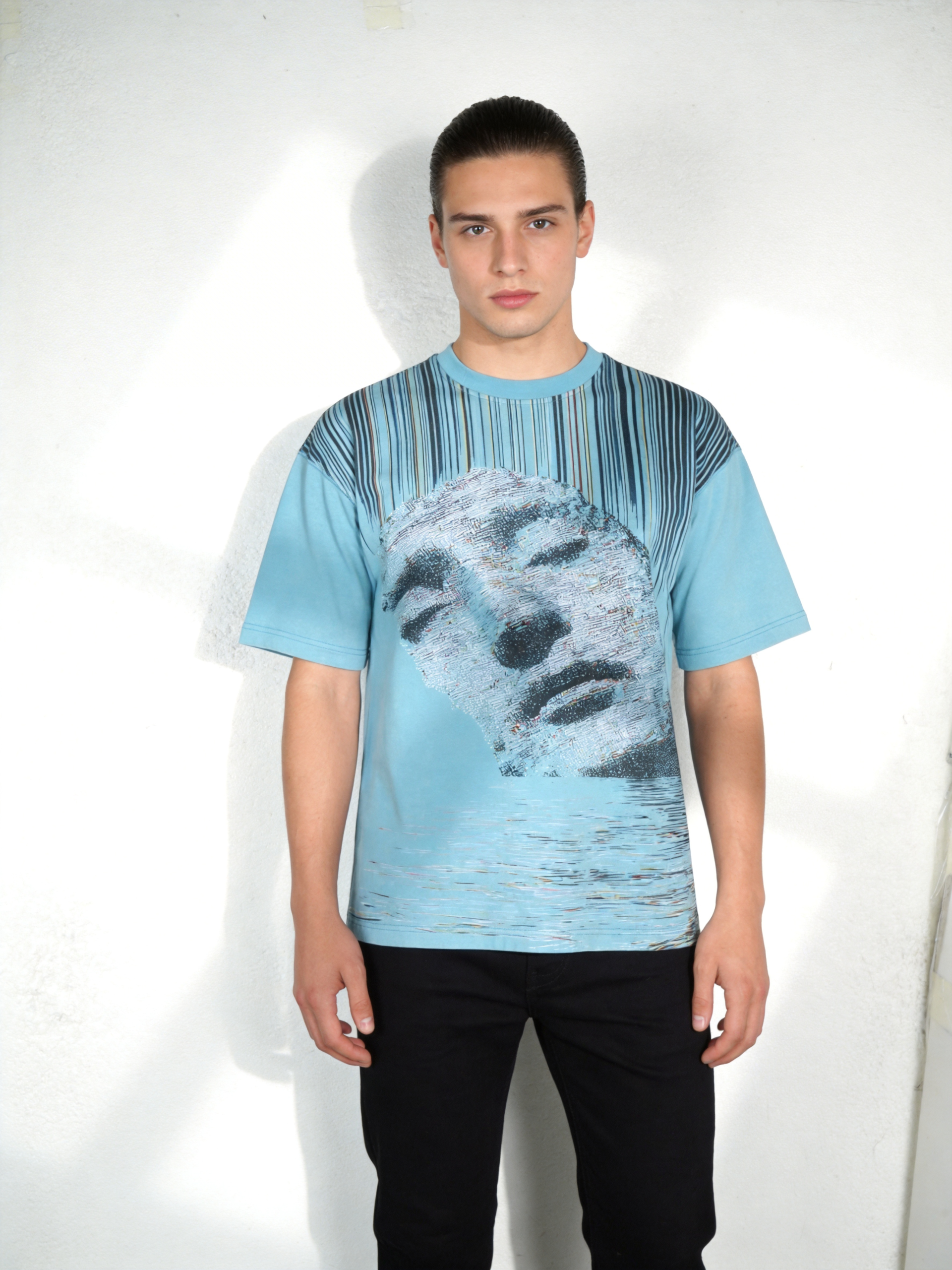
Assess your design complexity—simple graphic tees work well with cut-and-sew, while multi-fabric garments with special washing effects demand full-package support. Evaluate your fabric knowledge—brands unfamiliar with textile sourcing benefit from full-package partners who handle material selection and procurement. Calculate your true available capital covering sampling iterations ($500–$2,000 per style), marketing, and working capital for reorders.
Research & Choose Your Manufacturing Partner
Selecting the right manufacturing partner is the single most important decision for brand success—comparing local, overseas, and hybrid manufacturing options reveals significant trade-offs in cost, speed, and quality control that directly impact your profit margins and customer satisfaction.
| Factor | Domestic Manufacturers | Overseas Manufacturers (China/Asia) | Hybrid/Local Cut-and-Sew |
|---|---|---|---|
| Cost Per Unit | $8–$25+ | $3–$10 | $5–$15 |
| MOQ Flexibility | Moderate (100–500 pcs) | Low (50–200 pcs) | Very Low (50–100 pcs) |
| Lead Time | 2–4 weeks | 4–8 weeks | 1–2 weeks |
| Communication | Direct/Same timezone | Email-based/Slower | Direct access |
| Quality Control | Easier oversight | Requires strict QC systems | High control |
| Customization | Limited options | Extensive capabilities | Moderate options |
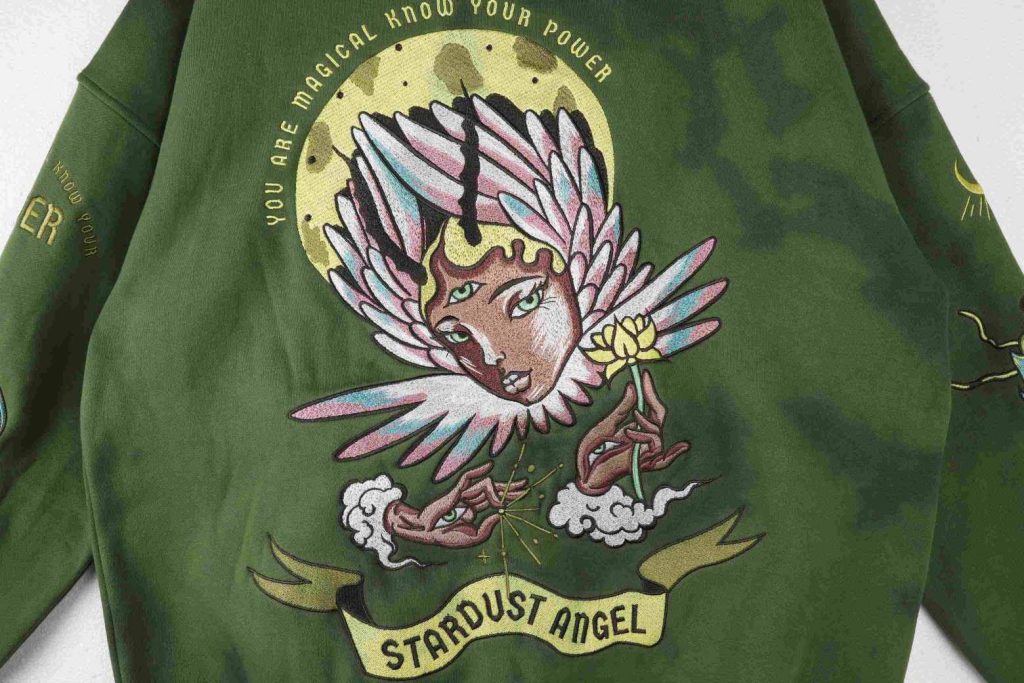
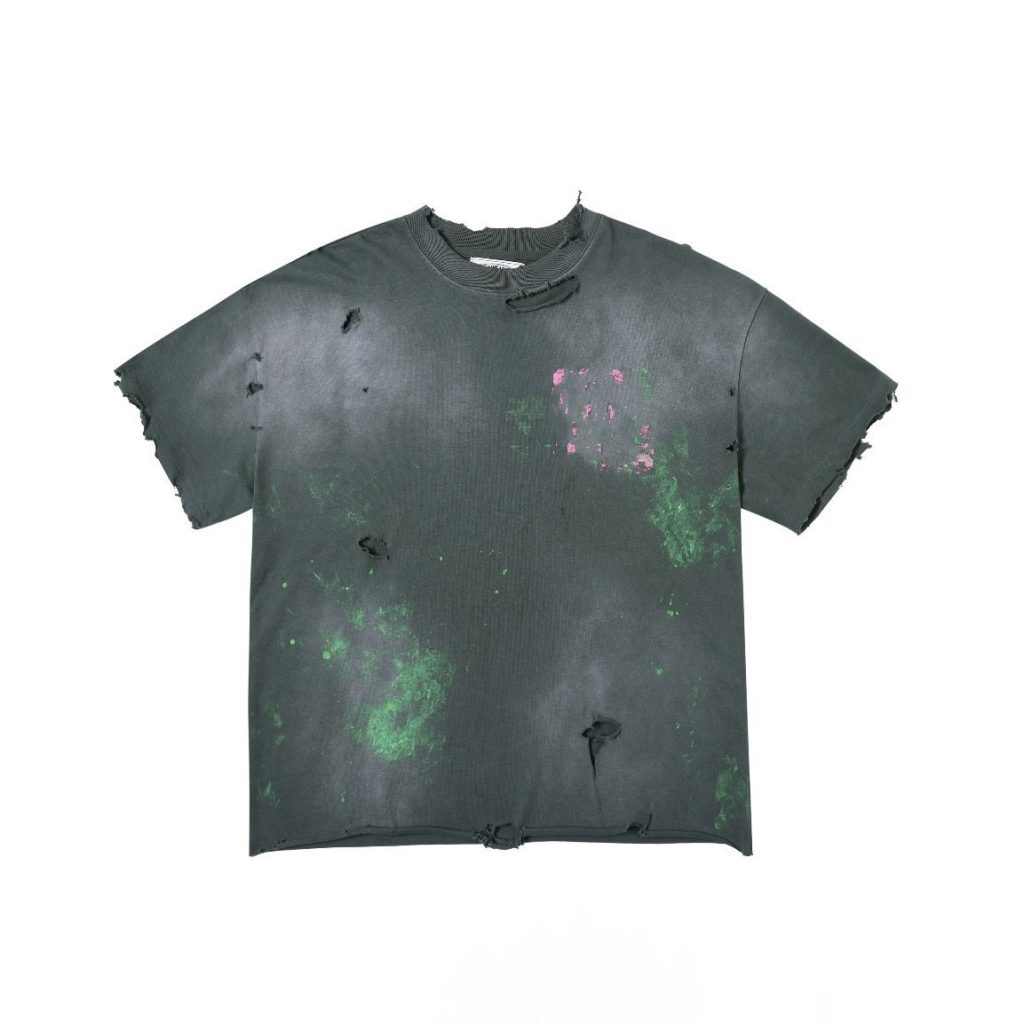
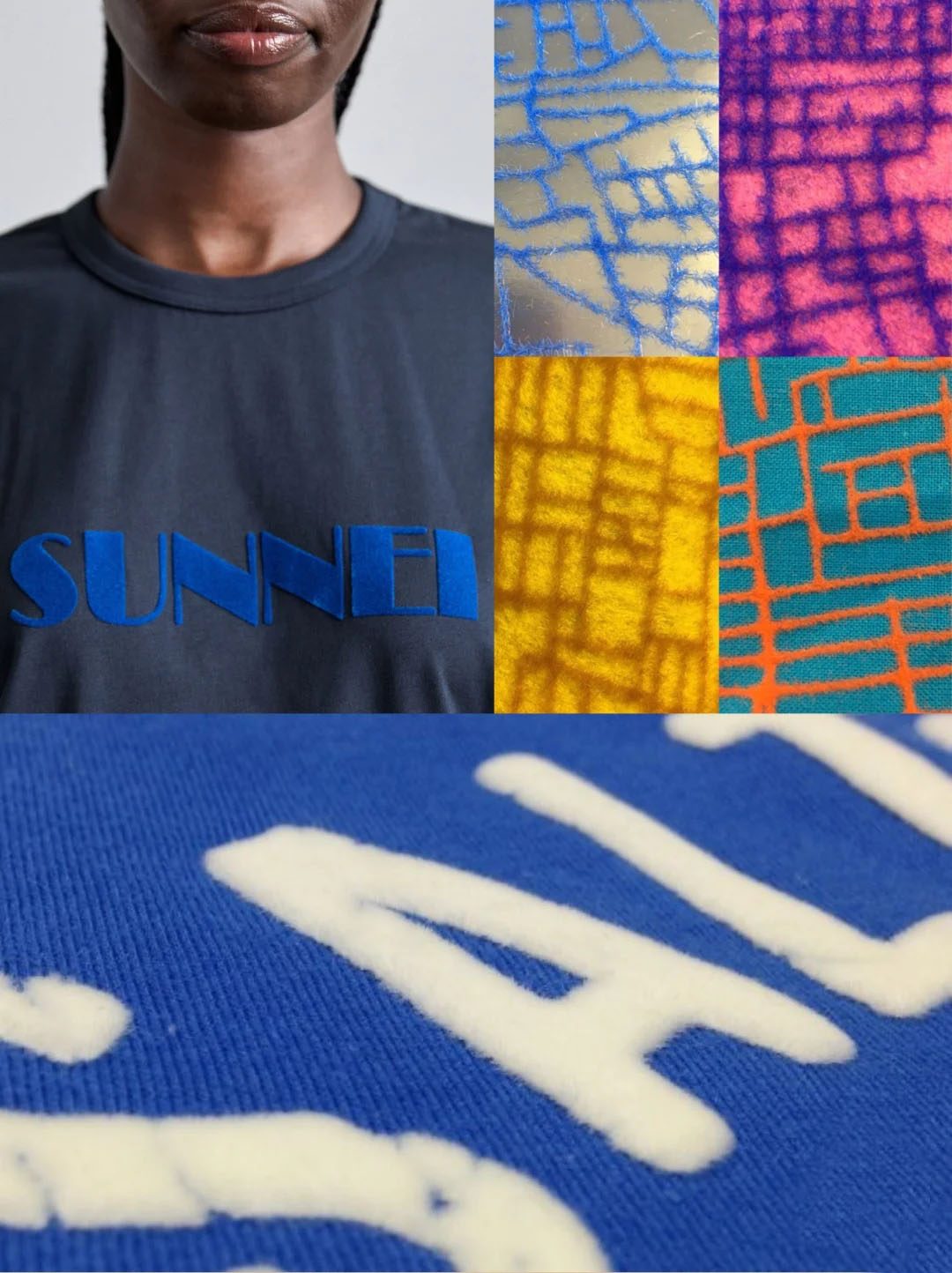
Choose domestic manufacturers if you prioritize speed, direct communication, and premium positioning while accepting higher per-unit costs. Domestic production works for luxury streetwear brands charging $80–$150 per garment where the 2–4 week turnaround enables rapid trend response. Select overseas manufacturers—particularly established factories in China’s Dongguan and Guangzhou manufacturing hubs—if you need low MOQs, extensive customization capabilities (puff printing, chenille embroidery, acid wash effects), and plan to scale significantly.
When evaluating potential partners, request references from brands at similar production volumes. Verify certifications like ISO 9001 for quality management systems and WRAP for ethical production standards. Start with paid sample orders ($150–$300) testing one style before committing to bulk production; this reveals communication responsiveness, technical capability, and whether they understand your design vision.
Create a Detailed Business Plan & Budget
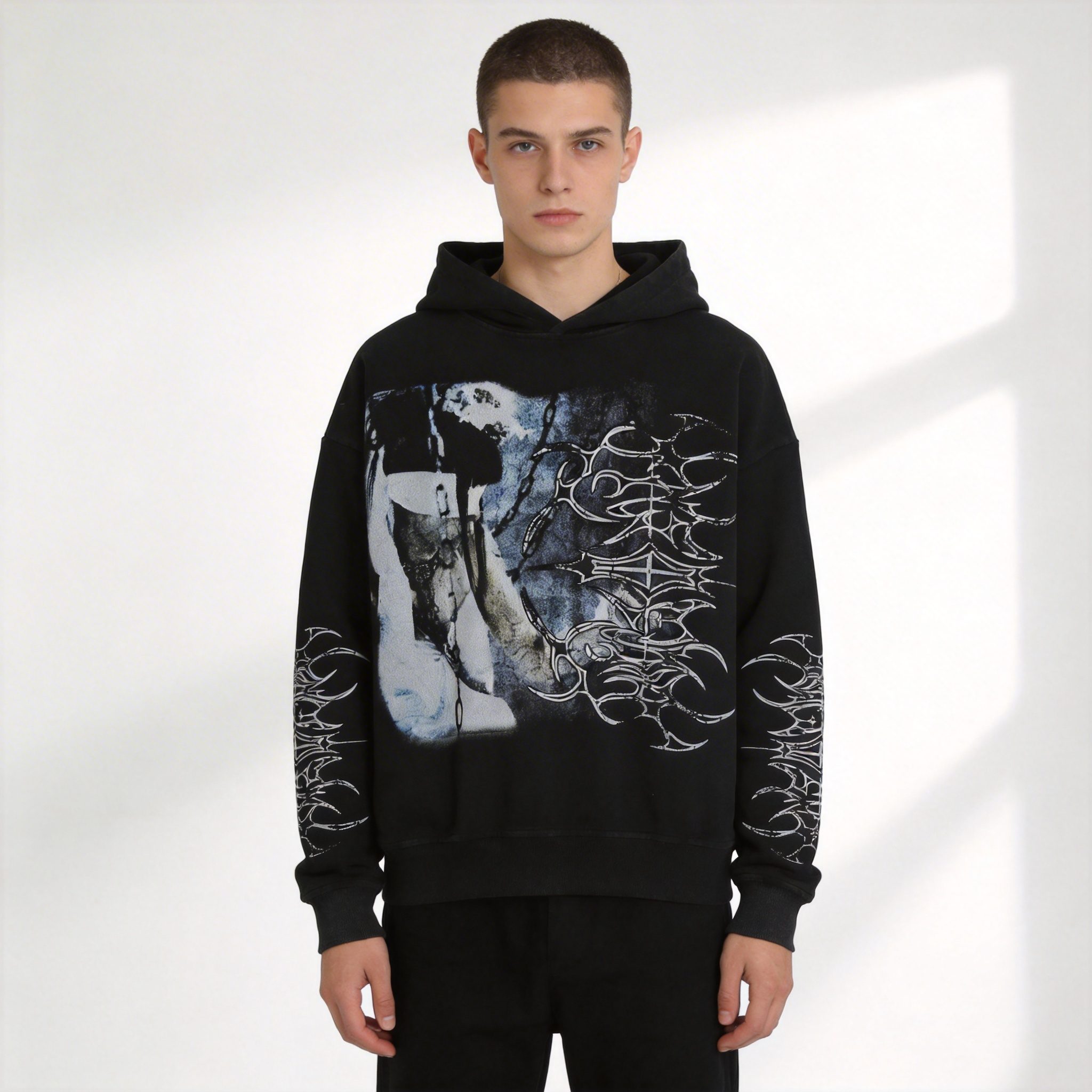
Your business plan starts with clear market research defining the specific gap your brand fills. Analyze your target audience demographics—age range, income level, shopping behaviors, and style preferences. Study competitor offerings identifying whether you’re positioning as affordable streetwear ($25–$45 retail), contemporary fashion ($60–$120), or luxury casual ($150+).
Financial planning requires honest cost assessment across the entire value chain. Budget for initial sampling covering 2–3 design iterations per style ($500–$2,000 total), tooling fees for custom labels and packaging ($100–$500), first production run ($2,000–$8,000 for 100–200 pieces across 3–4 styles), packaging materials and branded labels ($0.50–$2 per unit), and marketing budget ($1,000–$5,000 minimum). According to Prizzi Sewing’s startup guide, successful apparel startups maintain cash reserves covering at least two production cycles.
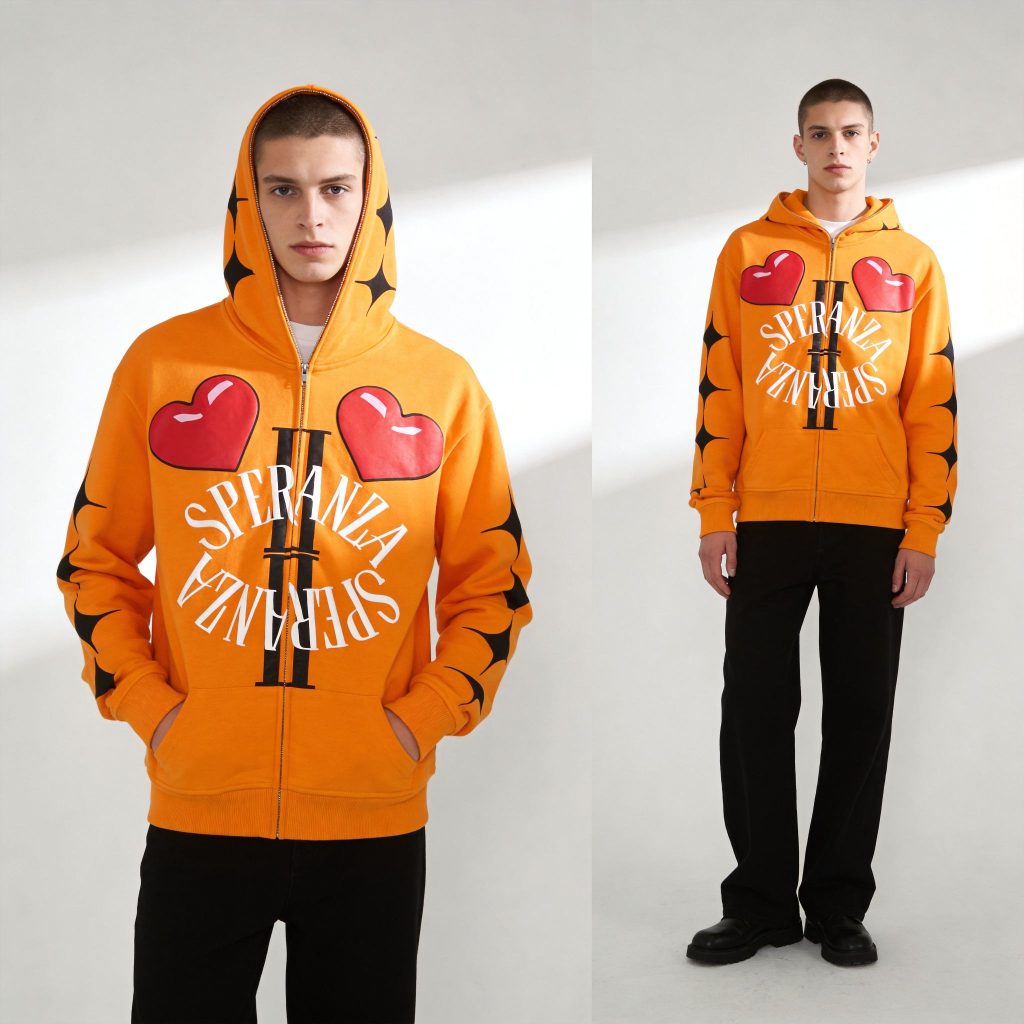
Establish realistic pricing covering all costs while remaining competitive. Production costs should represent 40–50% of your retail price maximum. A hoodie costing $12 to manufacture should retail for $60–$80 after accounting for overhead, marketing, and profit margins. Target 2.5–3x markup on production costs for direct-to-consumer brands; wholesale accounts require different math since retailers expect 50% margins.
Develop Products & Create Tech Packs
A detailed tech pack—including measurements, fabric specifications, construction details, and decoration instructions—is the universal manufacturing language that prevents costly production errors and ensures consistent quality across orders.
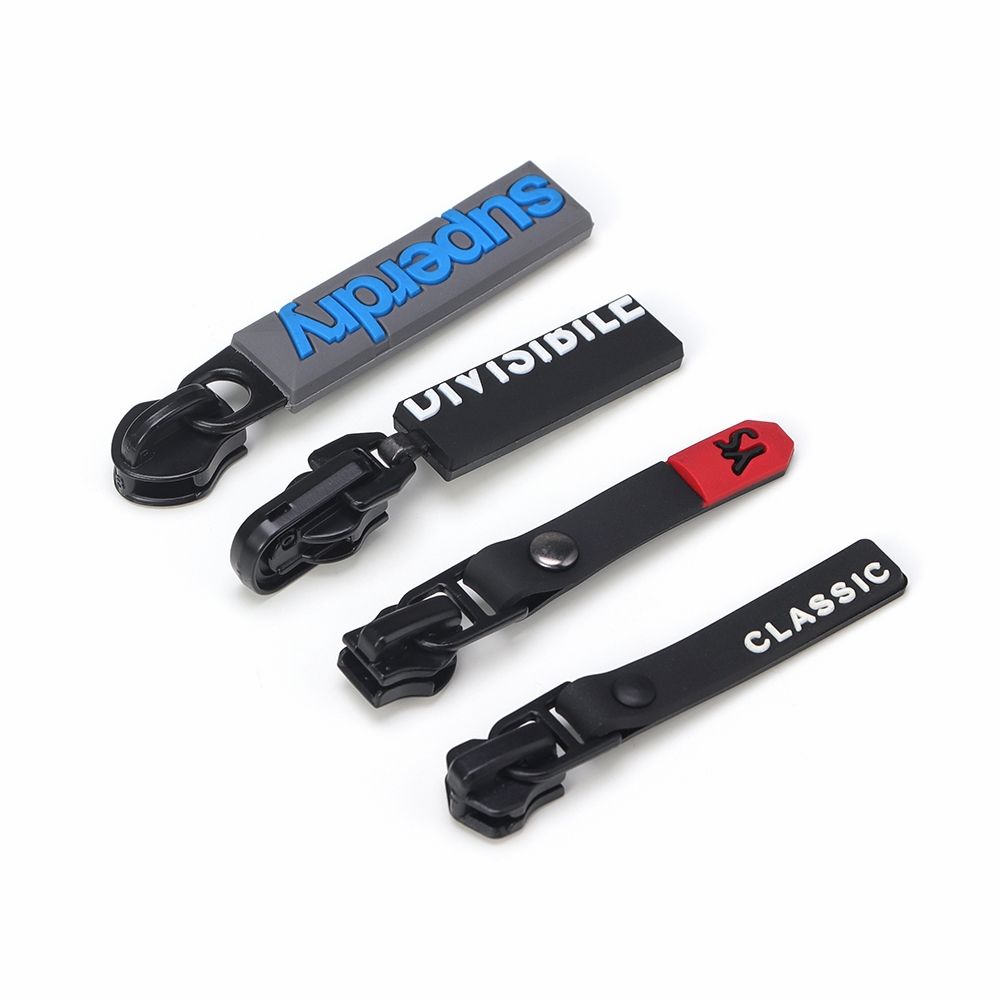
A tech pack contains everything a factory needs to produce your garments consistently. Essential components include detailed measurements for every size (chest width, body length, sleeve length, shoulder width, hem opening), fabric specifications listing exact fiber content percentages and weight in GSM, and any special finishes (enzyme wash, garment dye). Construction details specify seam types (flat-lock, overlock, cover-stitch) and stitch count per inch. Trim specifications list zipper brands and lengths, button types and placement, and label positioning with exact measurements. Decoration instructions provide print placement coordinates, Pantone color references, embroidery thread colors, and washing effect intensity levels.
Without precise tech packs, manufacturers make assumptions that result in products missing your brand vision. A $200 investment in professional tech pack development prevents $2,000 in rejected samples and production delays.
Start with fabric selection aligned to your brand positioning and budget. Premium streetwear typically uses heavyweight cotton (14–16 oz) for substantial hand-feel and durability that commands $80–$120 retail pricing, while contemporary fashion favors lighter blends (4–8 oz) for drape and comfort at $40–$70 price points. Request fabric swatches from multiple suppliers before committing; fabric is 40–50% of your total garment cost. Work with your manufacturer to create initial samples (1–3 prototypes) testing fit, quality, and finish, budgeting for revision rounds before approving bulk production.
Execute Production & Implement Quality Control
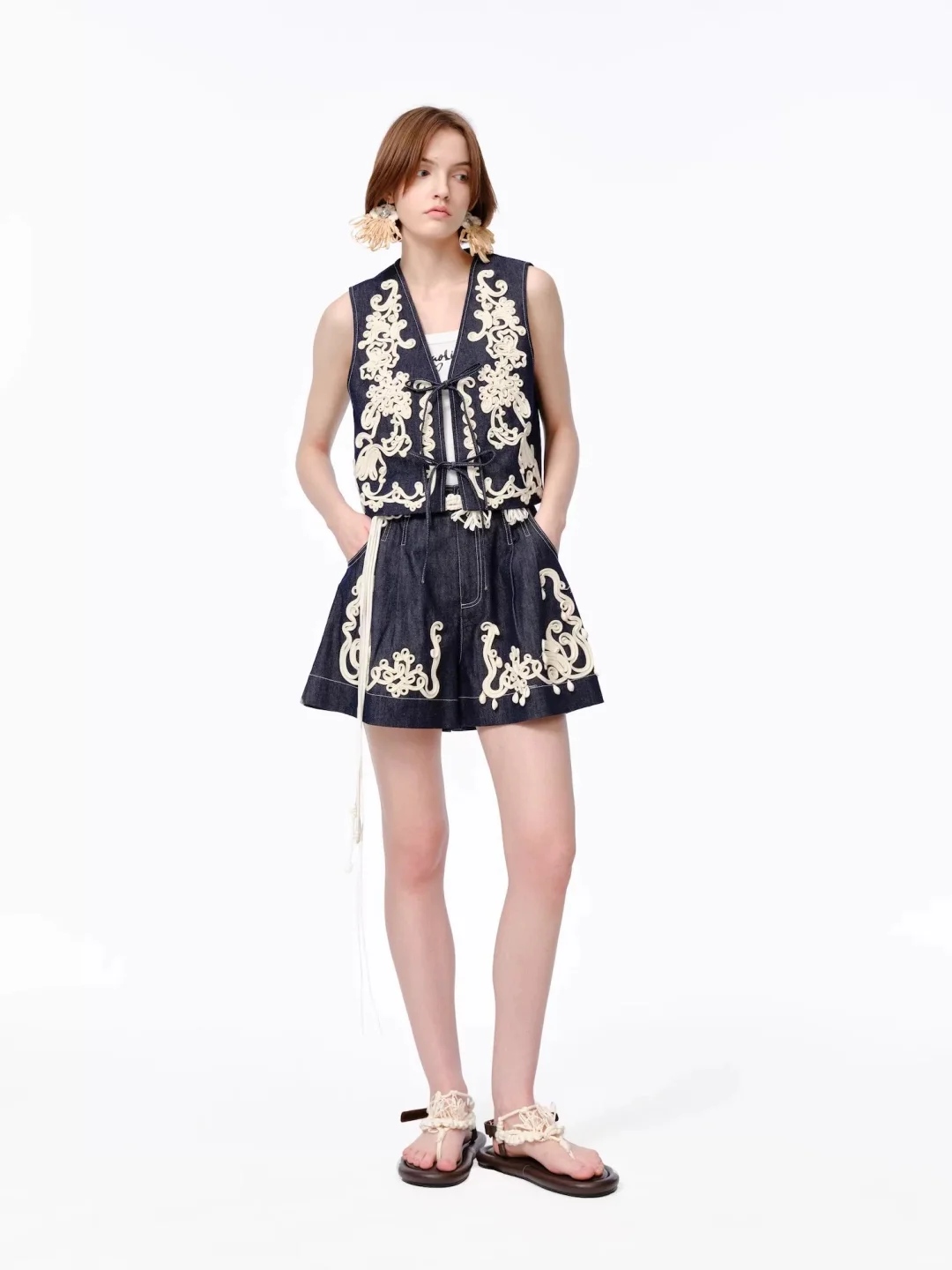
Professional quality control systems separating inspection at raw materials, mid-production, and final packaging stages reduce defect rates by 60–80% compared to end-only inspection, protecting brand reputation and customer satisfaction.
Implement a three-stage QC system: (1) Raw material inspection verifying fabric quality against approved swatches and confirming trim specifications before cutting begins; (2) In-line inspection during production checking seam quality, measuring print/embroidery accuracy, and verifying measurement consistency on 10–20% of units mid-production; (3) Final inspection examining finished garments for loose threads, stain marks, measurement accuracy, proper packaging, and labeling accuracy before shipment.
Key Production Metrics:
- 50–100 pieces — Standard low-MOQ production, typical lead time 4–6 weeks from sample approval to shipment
- 500–2,000 pieces — Mid-volume production, lead time 6–8 weeks, unit costs drop 15–25%
- 5,000+ pieces — Large-scale production, lead time 8–12 weeks, maximum per-unit savings reaching 30–40%
- 98%+ quality pass rate — Achievable with professional manufacturers using systematic three-stage inspection
- 2–4 week sampling cycle — Standard revision time from initial sample submission to approved production prototype
- $0.50–$3 per unit QC cost — Typical inspection expense preventing defects that cost 10x more in returns
Maintain regular communication with your manufacturer throughout production cycles. Request mid-production photos (typically week 2–3 of a 6-week production run) showing cutting accuracy, early sewing quality, and decoration application. Establish clear communication protocols—weekly email updates, WhatsApp progress photos, or project management platforms—to catch issues early when corrections cost $50 rather than $5,000.
FAQ
Q1: What’s the minimum investment to start clothing manufacturing?
Print-on-demand models start at $500–$1,000. Private-label manufacturing with low MOQs typically requires $5,000–$15,000 to launch 3–5 styles across multiple sizes. Owning manufacturing facilities requires $50,000–$500,000+—most new brands should partner with established manufacturers.
Q2: How do I find reliable clothing manufacturers?
Research through MakersRow, request references from existing clients at similar production volumes, verify certifications (ISO 9001, WRAP, BSCI), request samples of previous work, and start with small paid sample orders ($150–$300) before committing to bulk production.
Q3: What’s a reasonable MOQ for startup brands?
Many modern manufacturers accept MOQs as low as 50–100 pieces per style, allowing startups to test products without massive inventory investment. This enables faster iteration and market validation before scaling to 500–2,000 piece production runs where per-unit costs drop significantly.
Q4: How long does clothing manufacturing take?
Sampling typically takes 2–4 weeks including shipping and 1–2 revision rounds. Bulk production lead times range from 4–8 weeks for overseas manufacturers and 1–2 weeks for domestic cut-and-sew services. Always add 1–2 weeks buffer for unexpected delays.
Q5: Should I manufacture locally or overseas?
Local manufacturing offers faster turnaround (1–2 weeks) and easier quality control—but costs 2–3x more per unit. Overseas manufacturing, particularly through established Chinese factories in Dongguan and Guangzhou, provides lower per-unit costs ($3–$10 vs. $8–$25), extensive customization capabilities, and scalability supporting growth from 50-piece test runs to 5,000-piece production.
Sources
- Printful — How Much Does It Cost to Start a Clothing Brand in 2026
- Prizzi Sewing — How to Start a Garment Manufacturing Business
- FabricLore — How to Start Clothing Manufacturing Without Owning a Factory
- TechPacker — Ultimate Guide to Clothing Manufacturing
- MakersRow — Step-by-Step Guide to Clothing Manufacturers for Startups
Written by Alin Zeng (27 Years of Master Craftsmanship & Pattern Making, Global OEM & Streetwear Customization Excellence, End-to-End Supply Chain & One-Stop Production, High-Efficiency Cost Control (“Quality + Affordability”), Incubating 2,000+ Fashion Brands from Scratch). Last reviewed 2026-06-26.