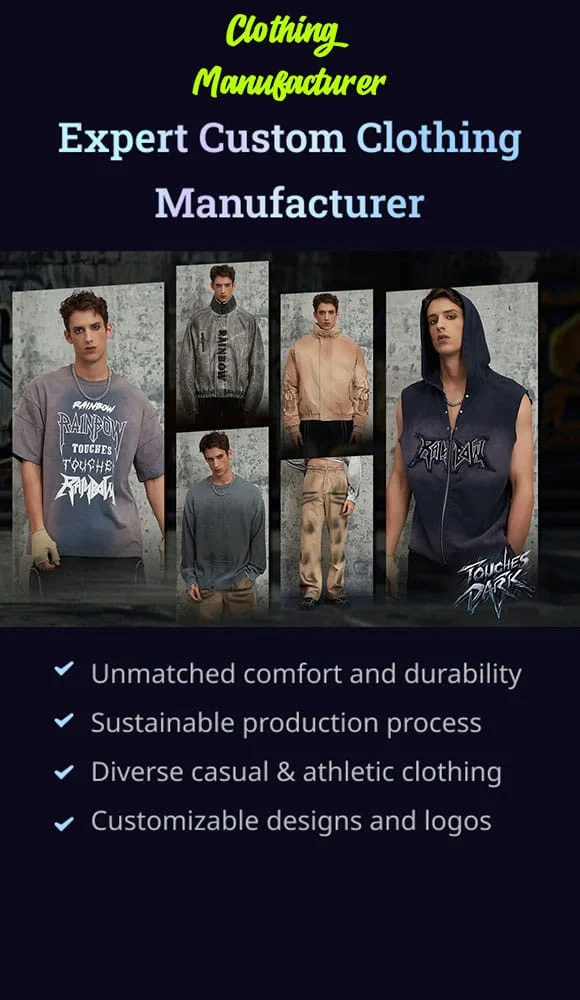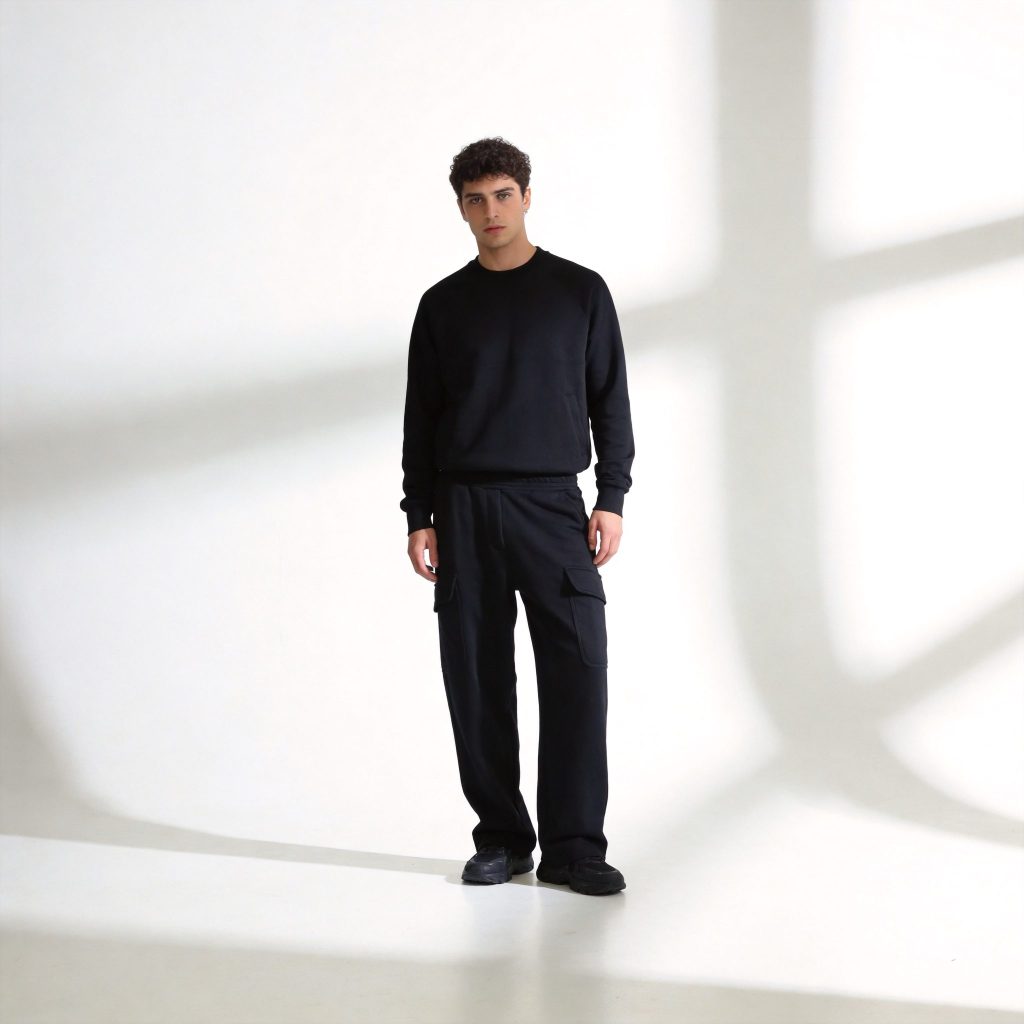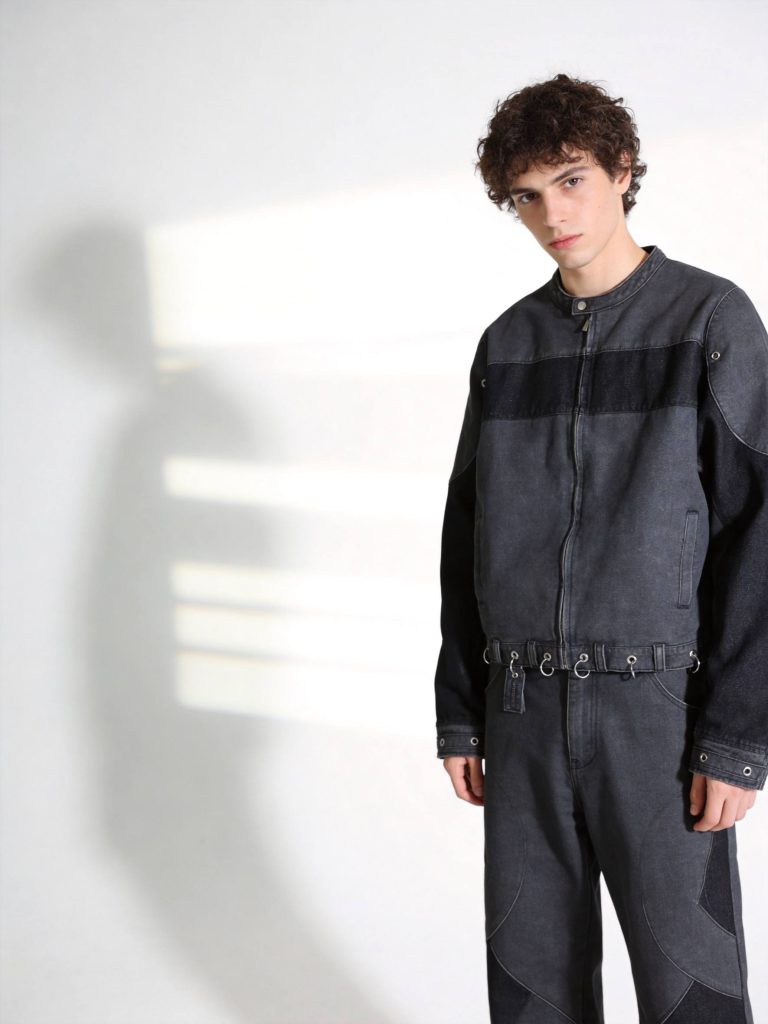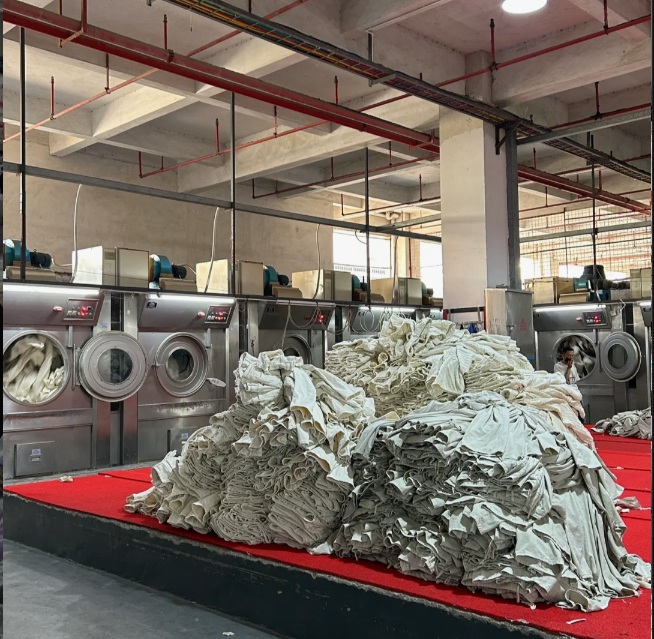
TL;DR: Small fashion brands need manufacturers offering low MOQ (50-300 units), transparent pricing, design support, and reliable communication—not just production capacity.
Bottom line: Ideal for startups testing collections and indie brands scaling to 10,000+ units annually; not for brands needing instant 50,000-piece runs.
Last updated: 2026-06-06, based on 2,000+ brand partnerships and 27 years of OEM manufacturing experience across US, China, and Southeast Asia markets.
Key Takeaways
- Low MOQ manufacturers now serve 60% of startup brands, with minimums dropping from 1,000 to 50-300 pieces per style since 2024.
- US-based production costs $18-35 per unit with 3-6 week lead times; overseas factories deliver $4-12 per unit in 6-10 weeks.
- Full-service ODM partners handle design, sampling, fabric sourcing, and quality control—critical for brands without in-house production teams.
- Quality inspection systems reduce defect rates from industry average 8% to under 2% when manufacturers use AQL 2.5 standards.
- Hybrid production models (US sampling + overseas bulk) cut development time 40% while maintaining cost efficiency for scaling brands.
What Makes a Good Clothing Manufacturer for Startups?
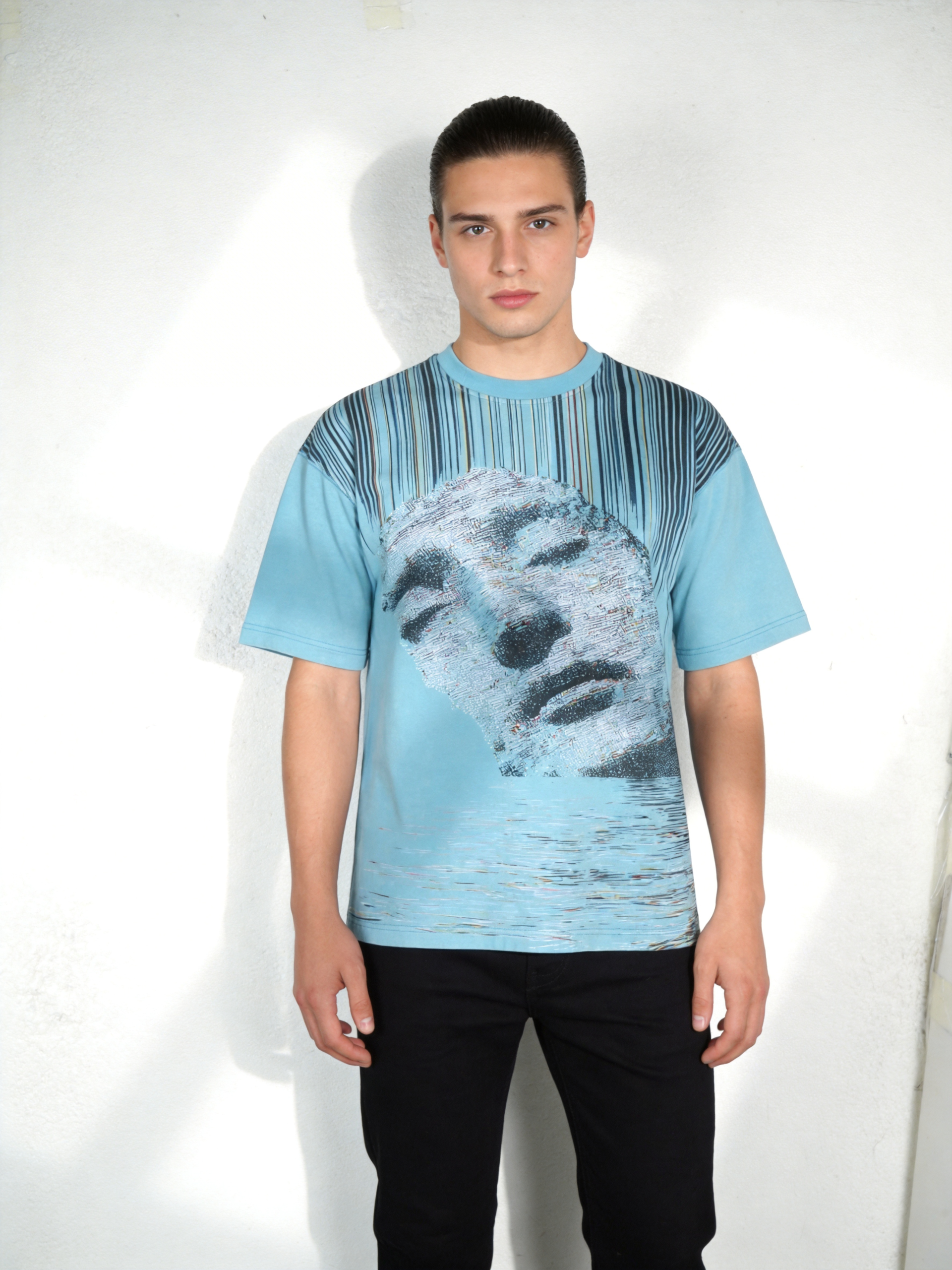
Startup-friendly manufacturers accept 50-500 piece minimums, provide design consultation and tech pack development, maintain AQL 2.5 quality standards, offer 4-8 week sampling timelines, and communicate clearly throughout production.
Traditional factories reject small orders because setup costs make runs under 1,000 pieces unprofitable. Modern manufacturers serving small businesses restructure operations around batch flexibility.
Evaluate manufacturers across five criteria: Quality control depth (incoming fabric inspection, in-line checks, final AQL audits), communication systems (response times under 24 hours via WhatsApp/email), customization capability (embroidery, screen printing, garment dyeing), lead time reliability (90%+ on-time delivery), and design support (tech pack refinement, fabric alternatives, sample creation).
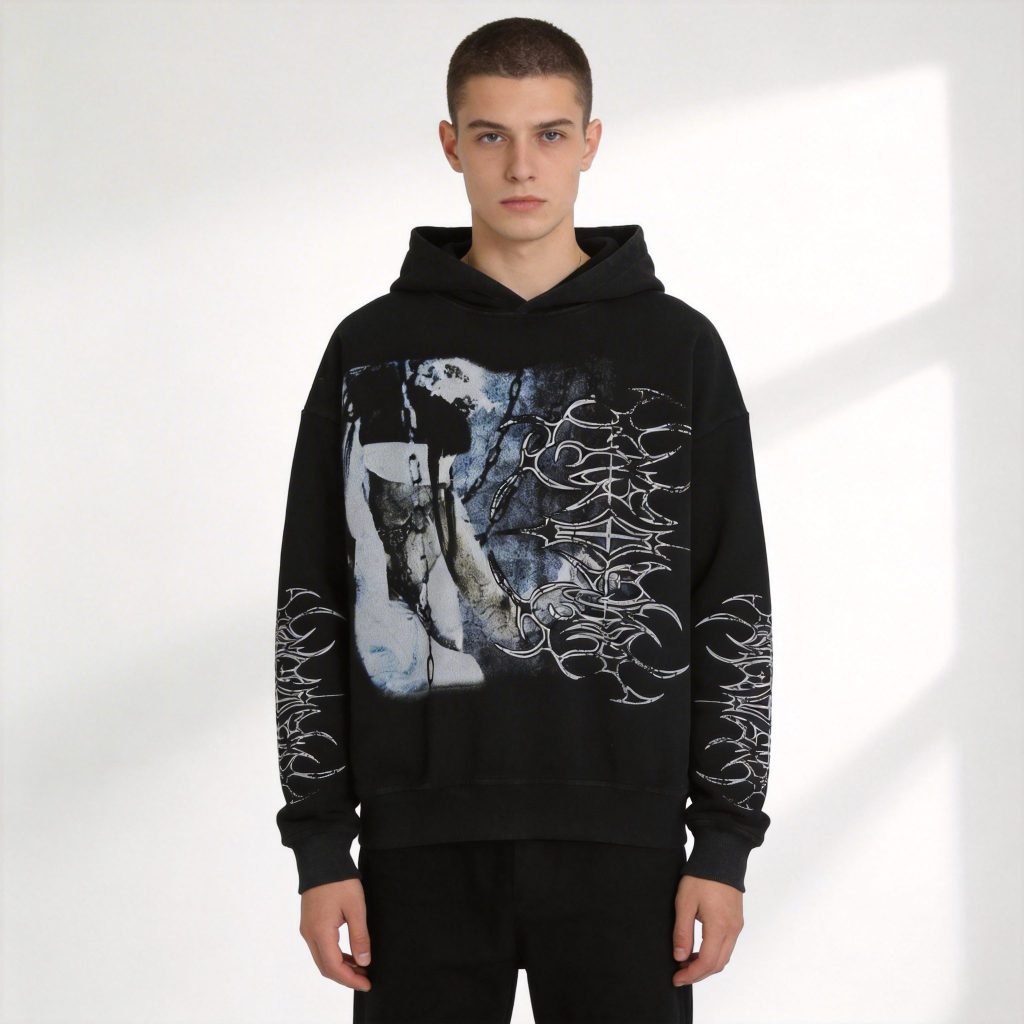
One streetwear client received 800 hoodies with misaligned screen prints from a factory charging $8 per unit but skipping sample approval—$12,000 in dead inventory. We rebuilt the order at $11 per unit with three sample rounds and AQL 2.5 inspection. The client now runs 2,000-piece drops quarterly.
Top US Clothing Manufacturers vs. Overseas Options
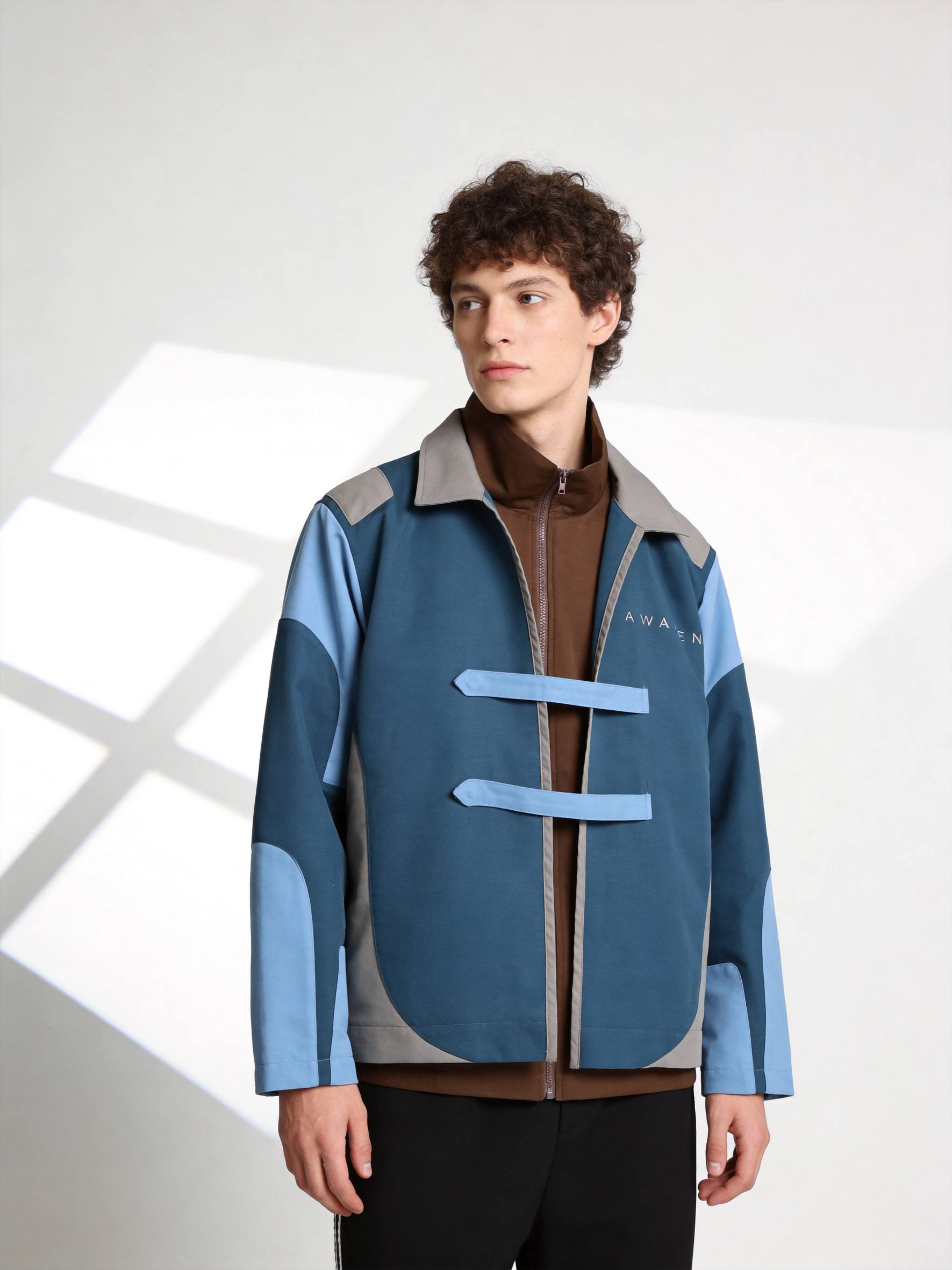
US manufacturers offer faster turnaround (3-6 weeks) and transparent communication; overseas factories provide lower costs ($4-12 per unit vs. $18-35) and higher production capacity.
| Factor | US Manufacturers | China/Asia Manufacturers |
|---|---|---|
| MOQ | 100-300 pieces | 50-500 pieces |
| Lead Time | 3-6 weeks | 6-10 weeks |
| Cost Per Unit | $18-35 | $4-12 |
| Sampling Speed | 7-14 days | 14-21 days |
| Communication | Real-time, same time zone | Email/WhatsApp, 12-hour delay |
| Customization Depth | Moderate (limited fabric access) | High (full supply chain access) |
Scenario one: Pre-launch brands testing 3-5 styles should use US manufacturers for first 100-unit runs, gather customer feedback, then move proven styles overseas for 40% cost savings. Scenario two: Brands doing $50,000-$200,000 annually benefit from hybrid models—sample in the US, bulk produce in China. Scenario three: Brands exceeding $200,000 revenue with established demand should produce entirely overseas.
A Los Angeles activewear brand develops samples at a California factory in 10 days, then sends tech packs to our Dongguan facility for bulk production at $9 per legging versus $24 domestic. They maintain 6-week total timelines while cutting unit costs 62%.
5 Critical Mistakes When Selecting a Clothing Manufacturer
Mistake 1: Prioritizing Price Over Quality Control Systems
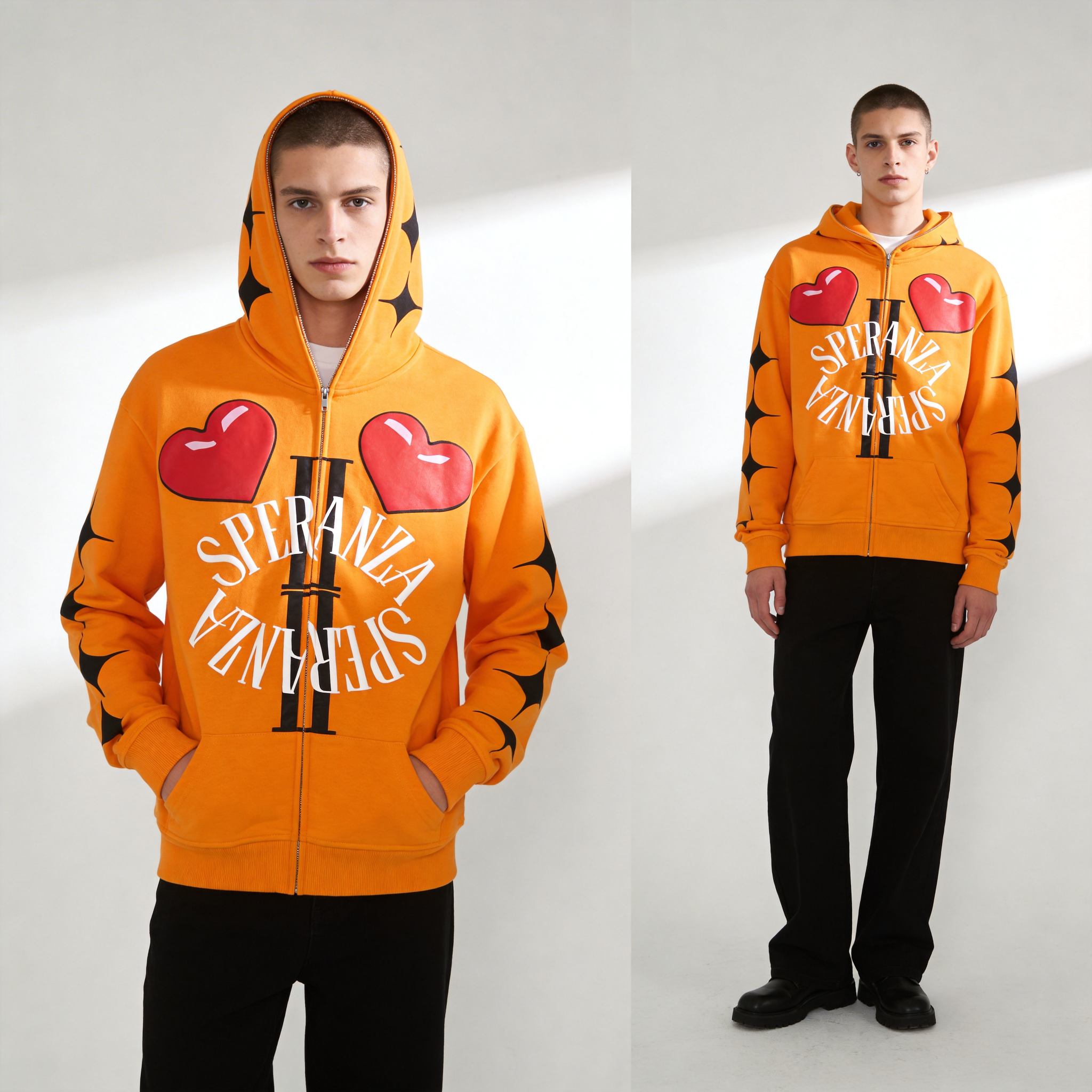
Manufacturers quoting $6 per hoodie when market rate is $9-11 cut corners—usually fabric weight, stitching density, or inspection rigor. We’ve seen brands lose entire collections to shrinkage issues because factories used 220gsm fleece instead of specified 320gsm. The $3 per unit savings cost $8,000 in returns and destroyed customer trust. Evaluate quality by requesting fabric specs, stitch-per-inch standards, and AQL inspection reports before discussing price.
Mistake 2: Ignoring MOQ Fine Print and Hidden Minimums
Factories advertise “100-piece MOQ” but bury requirements like 100 pieces per color per size—turning a simple 2-color, 4-size style into an 800-piece commitment. Before committing, ask: “What’s the absolute minimum total units I can order for one style in two colors across four sizes?” Get the answer in writing.
Mistake 3: Skipping Sample Approval and Fit Testing
Brands rushing to market skip pre-production samples, then discover fit issues in bulk shipments. A New York streetwear brand ordered 500 oversized tees without sampling—the finished garments had 2-inch shorter body length than specified. The entire run became unsellable. Proper sampling costs $50-150 per style but prevents $5,000-$15,000 bulk production disasters.
Mistake 4: Poor Communication Systems and Language Barriers
Manufacturers responding in 3-5 days create production chaos. Test communication before committing—send a detailed question about customization and measure response time and clarity. Strong manufacturers answer within 24 hours with specific solutions.
Mistake 5: No Quality Inspection Process Before Shipment
Brands trusting factories to self-inspect receive shipments with crooked prints, loose stitching, and fabric defects. Without third-party inspection, defect rates run 6-8%. Manufacturers using AQL 2.5 inspection protocols achieve under 2% defect rates. Require factories to conduct and document final inspections, or hire third-party QC services.
Clothing Manufacturers by the Numbers (2026)
The global apparel manufacturing market exceeds $420B annually; low-MOQ manufacturers now serve 60% of startup brands, with average lead times dropping from 90 to 45 days.
- $420B — Global apparel manufacturing market value, 2026
- $47B — Small-batch and custom manufacturing segment, growing 18% annually
- 340% growth — Low-MOQ manufacturing capacity expansion 2022-2026 as factories adapted to DTC demand
- 150-300 pieces — Average MOQ for startup-focused manufacturers in 2026, down from 1,000+ in 2020
- 50-piece minimums — Now offered by 40% of OEM manufacturers serving fashion startups
- 62% of brands — Launch with under 500 total units across all SKUs in first production run
- 4-6 weeks — US domestic production average, sampling to delivery
- 6-10 weeks — China/Asia production including sampling, down from 12-16 weeks in 2023
- 2-3% defect rate — Manufacturers using AQL 2.5 inspection standards
- 7-8% defect rate — Industry average for factories without formal QC systems
Leading Clothing Manufacturers: Capabilities & Specializations
| Manufacturer Type | MOQ Range | Lead Time | Product Strength | Best For |
|---|---|---|---|---|
| US Full-Service | 100-300 | 4-6 weeks | Basics, streetwear, cut-and-sew | Brands needing speed, local visits |
| China OEM | 50-500 | 6-10 weeks | All categories, streetwear, technical | Cost efficiency, complex processes |
| Sustainable Manufacturers | 150-400 | 6-10 weeks | Organic, recycled materials | Eco-conscious brands |
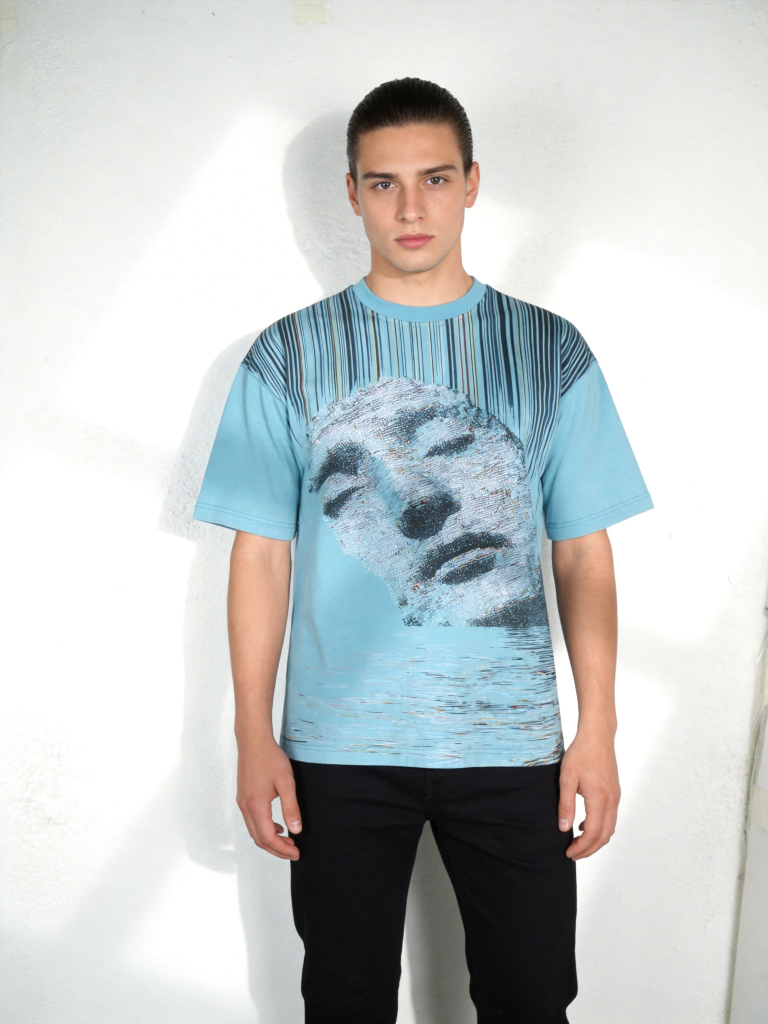
Streetwear specialists understand oversized silhouettes, heavyweight 320-400gsm fleece, acid washes, puff printing, and chenille embroidery. Activewear experts manage moisture-wicking polyester blends, four-way stretch fabrics, flatlock seaming, and compression construction.
Full-service ODM partners provide design consultation, tech pack creation, fabric sourcing, sampling, bulk production, quality control, finishing, packaging, and logistics coordination—ideal for brands lacking in-house production expertise. The tradeoff is slightly higher costs ($2-4 per unit premium) but dramatically reduced complexity.
Selection criteria shift by brand stage. Pre-launch brands should prioritize low MOQ and sampling speed over cost. Growth-phase brands doing $50,000-$150,000 annually need reliable quality and moderate pricing. Scaling brands exceeding $200,000 revenue should optimize for cost efficiency and capacity.
FAQ
Q1: What MOQ should I expect as a startup brand?
Expect 50-300 pieces per style depending on manufacturer and product category. Streetwear and basics often start at 50-100 pieces; complex items like jackets typically require 200-300 pieces. Always clarify whether MOQ is per style total or per color/size combination.
Q2: How long does sampling take before bulk production?
Sampling takes 10-21 days depending on manufacturer location and product complexity. US-based manufacturers deliver samples in 7-14 days; overseas factories need 14-21 days including shipping. Plan for 2-3 sample rounds to perfect fit and construction. Total development averages 4-6 weeks.
Q3: What’s included in full-service manufacturing?
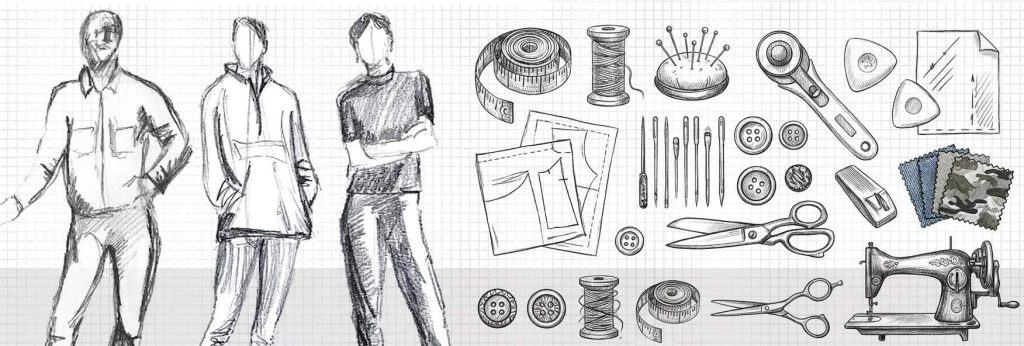
Full-service manufacturing includes design consultation, tech pack development, fabric sourcing, trim procurement, sampling, bulk production, quality control, finishing, packaging, and logistics coordination. These manufacturers transform sketches into finished products without requiring brands to manage individual vendors.
Q4: How do I avoid quality issues with overseas manufacturers?
Require physical sample approval before bulk production, specify AQL 2.5 inspection standards in contracts, request fabric specifications and stitch density details, conduct in-line inspections during production, and hire third-party QC services for final audits. Quality-focused manufacturers prevent failures through three-stage inspection—incoming fabric check, in-line production monitoring, and final AQL audit before shipment—reducing defect rates to under 2%.
Q5: What payment terms are standard for small orders?
Standard payment terms for small orders are 30-50% deposit before production starts, with 50-70% balance due before shipment. First-time orders typically require 50% upfront; established relationships often shift to 30% deposit terms. Avoid factories demanding 100% payment before production.
Sources
- Appareify — Best Custom Clothing Manufacturers for Startups — 2026 manufacturer comparison, MOQ data
- Billoomi Fashion — Small Business Manufacturing — Low MOQ capabilities, startup support
- TRUiC — 17 Best Clothing Manufacturers for Startups — US manufacturer directory, pricing benchmarks 2026
- Manufacturer.clothing — 12 Best Clothing Factories 2026 — Production capacity, specialization breakdown
Written by Alin Zeng (27 Years of Master Craftsmanship & Pattern Making, Global OEM & Streetwear Customization Excellence, End-to-End Supply Chain & One-Stop Production, High-Efficiency Cost Control (“Quality + Affordability”), Incubating 2,000+ Fashion Brands from Scratch). Last reviewed 2026-06-06.