TL;DR: Very few clothing brands manufacture in-house—about 5% globally—while 95% outsource to contract factories in Asia, Europe, and Central America.
Bottom line: Luxury heritage houses (Hermès, Gucci, Canali) and ethical American brands (American Giant, Imogene + Willie) own factories; fast-fashion giants and startups rely on contract manufacturers.
Last updated: 2026-06-05, based on industry reports from FashionUnited, World Bank textile data, and analysis of 2,000+ brand production models.
Key Takeaways
- 95% of global clothing brands outsource manufacturing to external factories rather than owning production facilities (FashionUnited 2024).
- Luxury brands like Hermès, Gucci, and Kiton operate owned Italian and French factories to control craftsmanship and justify premium pricing.
- American-made brands including American Giant and Los Angeles Apparel manufacture domestically in North Carolina and California facilities, emphasizing ethical labor and quality.
- Fast-fashion leaders Zara and H&M coordinate 700+ contracted suppliers across Asia, Africa, and Europe to achieve 2-3 week production cycles.
- Private label manufacturers enable startups to launch with 50-piece minimums through ODM/OEM partnerships, democratizing fashion entrepreneurship without factory ownership.
The In-House Manufacturing Reality
In-house manufacturing is a production model where a clothing brand owns and operates its own facilities, controlling every stage from raw materials to finished garments—this differs fundamentally from outsourcing, where brands contract external factories to manufacture their designs.
Quick Answer: Most clothing brands do not make their own clothes. Approximately 95% of global fashion brands outsource at least some production to contract manufacturers located primarily in Bangladesh, Vietnam, China, and Eastern Europe. Only luxury heritage houses and select ethical brands maintain fully owned production facilities.
The fashion industry shifted dramatically toward outsourcing beginning in the 1960s, with the practice becoming standard by the 1990s. This model allows brands to reduce capital expenditure (factories cost $5-50M+), access specialized manufacturing expertise, and scale production flexibly across multiple suppliers. However, outsourcing introduces supply chain complexity, quality control challenges, and reduced direct oversight of labor practices.
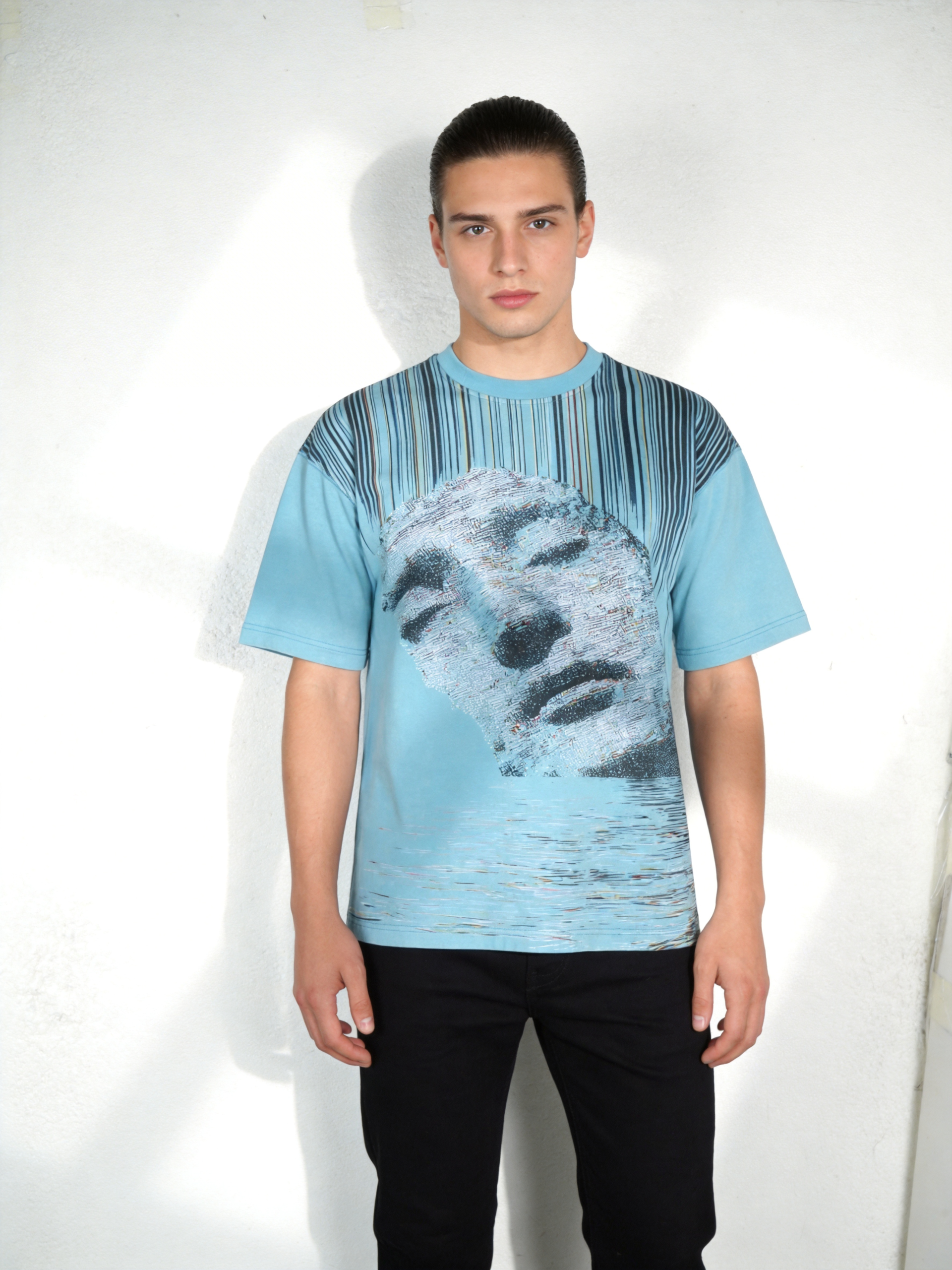
In-house manufacturing remains rare but prestigious. Brands that own factories—particularly luxury houses like Gucci, Hermès, and Canali—emphasize vertical integration as a quality and exclusivity marker. These manufacturers control fabric selection, stitching precision, finishing techniques, and brand standards directly. For consumers, in-house production signals premium craftsmanship, ethical labor practices, and authentic heritage. Brands investing in owned facilities typically operate at $10M+ annual revenue to justify capital costs.
The ZORWILD Production Framework
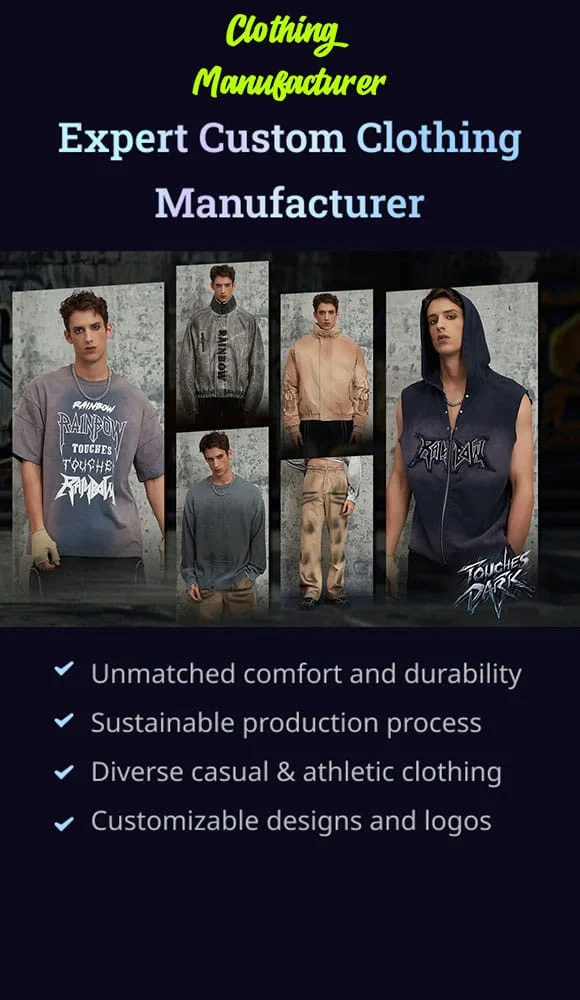
ZORWILD operates a hybrid approach after manufacturing for 2,000+ brands: Design Ownership + Manufacturing Partnership. Brands retain creative control and IP while accessing 200+ skilled workers, advanced equipment, and 27 years of technical expertise. This model delivers in-house quality standards without the capital burden of factory ownership—clients achieve premium craftsmanship at contract manufacturing efficiency.
Luxury Brands That Own Their Factories
Luxury fashion houses like Gucci, Hermès, and Kiton operate their own production facilities as a cornerstone of brand identity, using vertical integration to justify premium pricing and protect proprietary techniques.
Quick Answer: Italian and French luxury brands—including Gucci, Hermès, Canali, Kiton, Brioni, Corneliani, and Ermenegildo Zegna—maintain owned facilities in Europe. These houses control leather goods, tailored menswear, and accessories production directly, emphasizing multi-generational craftsmanship traditions and artisan-level quality standards.
| Brand | Country | Product Focus | Manufacturing Model |
|---|---|---|---|
| Gucci | Italy | Leather goods, apparel, accessories | Owned facilities in Italy & Europe |
| Hermès | France | Luxury leather, scarves, ready-to-wear | In-house artisan workshops |
| Canali | Italy | Tailored menswear, suits | Family-owned Italian factories |
| Kiton | Italy | Premium menswear, knitwear | Vertically integrated Naples production |
| Brioni | Italy | Bespoke tailoring, luxury suits | In-house Italian workshops |
| Corneliani | Italy | High-end menswear | Family-owned Italian manufacturing |
| Ermenegildo Zegna | Italy | Luxury menswear, fabrics | Integrated Italian production |
Luxury brands use in-house manufacturing as a competitive advantage. Owning production facilities enables precise quality control, protection of proprietary techniques, and direct management of labor standards. Italian luxury houses—particularly in menswear and leather goods—maintain family ownership and multi-generational craftsmanship traditions. This vertical integration justifies premium pricing ($2,000-8,000 suits for Brioni; $5,000+ leather bags for Hermès) and reinforces brand heritage narratives. Conversely, designers like Tom Ford and Ralph Lauren contract manufacturing to specialized factories while maintaining design control, demonstrating that brand prestige doesn’t require ownership of production facilities. According to industry analysis, even luxury conglomerates outsource certain product categories to access specialized expertise.
American-Made & Ethical Brands Manufacturing In-House
American-made brands like American Giant and Imogene + Willie prove that domestic in-house production remains viable and valued by conscious consumers willing to pay premium prices for ethical labor and quality craftsmanship.
Quick Answer: US-based brands including American Giant, Imogene + Willie, Elizabeth Suzann, Black Halo, and Los Angeles Apparel operate owned or dedicated domestic factories in North Carolina, Tennessee, and California. These brands emphasize fair wages, environmental responsibility, and transparent supply chains—justifying 2-3x pricing versus imported alternatives.
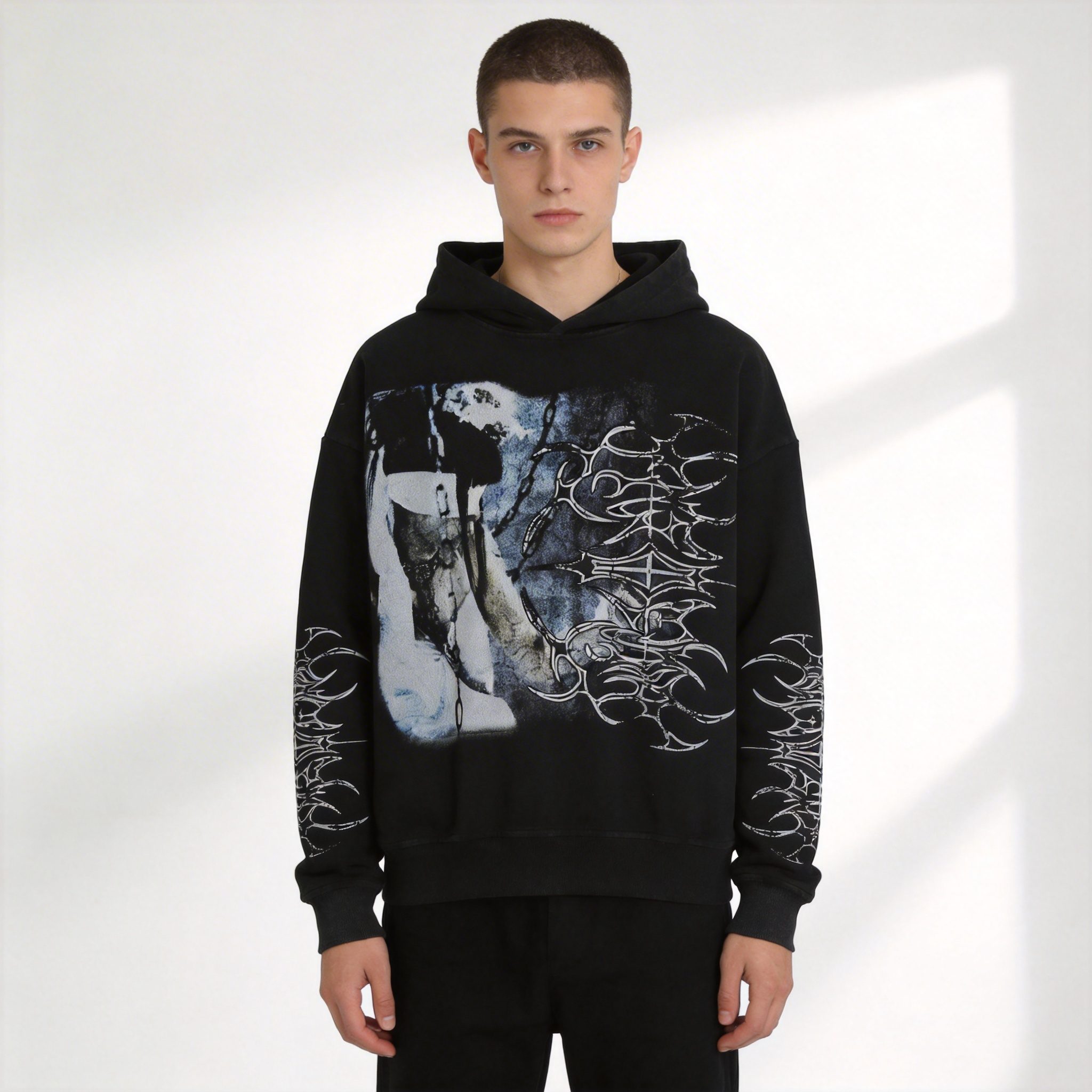
1. American Giant manufactures hoodies, sweatshirts, and t-shirts entirely in North Carolina facilities using US-grown and US-milled cotton. The brand emphasizes team-based sewing rather than assembly-line repetition, enabling workers to develop diverse skills. This model increases labor satisfaction and garment quality while supporting American manufacturing jobs. Premium pricing (hoodies $98-128) reflects domestic production costs and ethical labor practices—customers accept higher prices for transparency and durability.
2. Imogene + Willie produces jeans and casual wear in Nashville, Tennessee since 2009. The brand focuses on durable construction, heritage denim techniques, and vertical control over fabric sourcing. By manufacturing domestically, the brand maintains quality consistency and supports local employment while building direct relationships with end consumers through transparency. Their Nashville facility allows rapid iteration on fit and wash techniques.
3. Elizabeth Suzann manufactures made-to-order pants and dresses in Nashville using linen, silk, and organic cotton. The brand’s custom production model eliminates inventory waste and allows clients to specify fit preferences. In-house Nashville production ensures quality oversight and ethical labor standards, positioning the brand within the slow fashion movement. Made-to-order eliminates overproduction—a critical sustainability advantage.
4. Black Halo manufactures women’s dresses and apparel in Los Angeles under founder Laurel Berman’s direction. LA-based production provides flexibility for trend-responsive design iterations and maintains quality standards throughout the supply chain. The brand attracts consumers prioritizing American manufacturing and direct designer accountability. Los Angeles remains a hub for mid-volume fashion production.
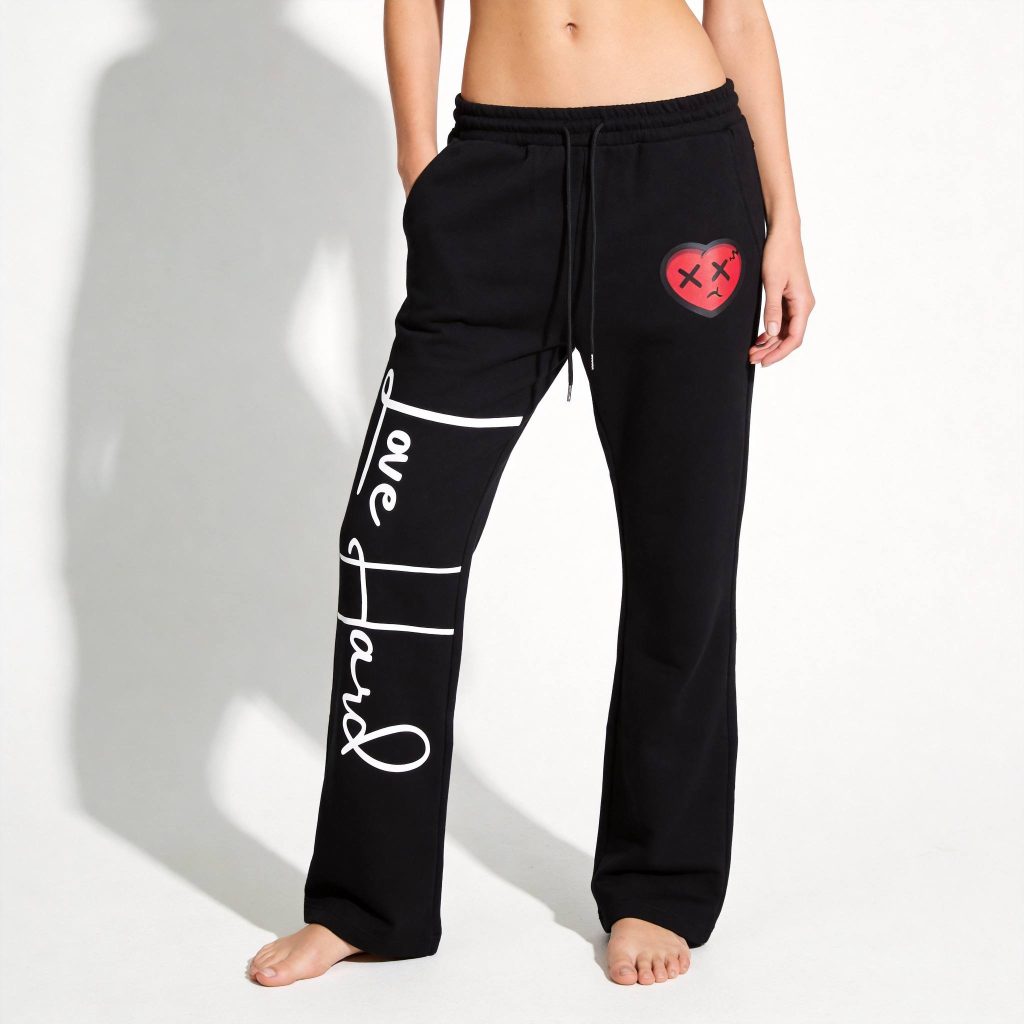
5. Los Angeles Apparel operates manufacturing facilities in LA, producing basic apparel including hoodies, t-shirts, and sweatpants. The brand emphasizes domestic production, fair labor practices, and environmental responsibility. By controlling manufacturing in-house, the brand reduces transportation emissions and ensures wage transparency throughout production. According to ethical manufacturing research, brands owning factories typically pay living wages 30-50% above regional minimums.
Outsourcing Giants: Why Major Brands Contract Manufacturing
Fast-fashion leaders like Zara, H&M, and Gap outsource manufacturing to achieve rapid production cycles, competitive pricing, and geographic flexibility—sacrificing direct control for scalability and capital efficiency.
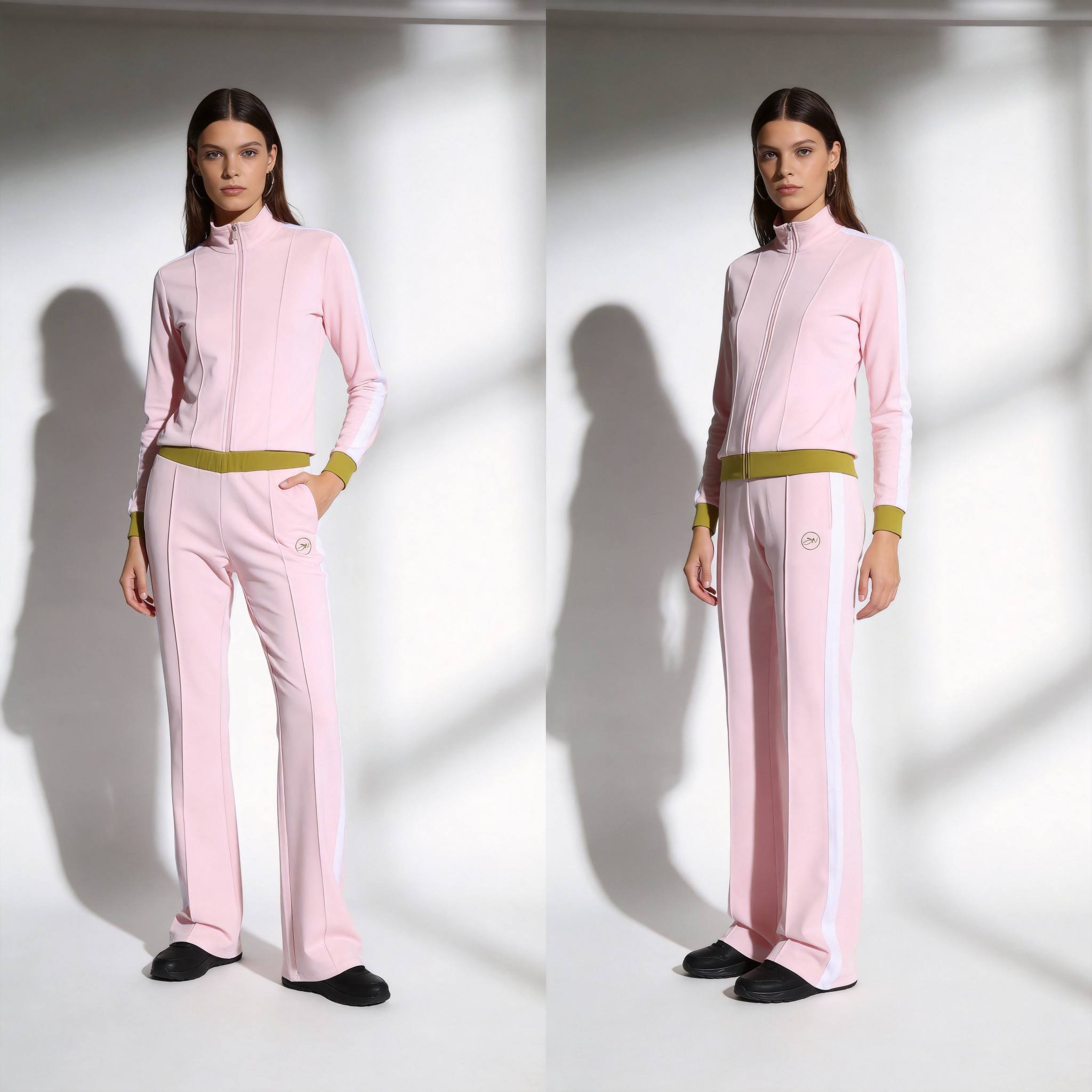
Quick Answer: Global fashion giants including Zara, H&M, Gap, and Forever 21 coordinate hundreds of contracted suppliers across Asia, Africa, and Europe. This distributed manufacturing network enables 2-3 week production cycles, minimal capital expenditure, and flexible capacity scaling—explaining why outsourcing dominates despite quality control challenges.
• 95% of global clothing brands outsource at least some production — FashionUnited 2024. Only luxury heritage houses and niche ethical brands maintain fully in-house manufacturing. The remaining 5% includes Italian luxury houses and select American-made labels.
• Zara produces collections in 2-3 weeks through coordinated outsourcing networks — Industry analysis 2025. Vertical integration with contracted factories enables rapid trend response across 2,000+ stores globally. Zara’s model combines design control with flexible manufacturing partnerships.
• H&M partners with 700+ suppliers across Asia, Europe, and Africa — H&M Sustainability Report 2024. This distributed manufacturing network provides flexibility, cost optimization, and geographic risk mitigation. Multiple suppliers prevent single-point-of-failure production delays.
• Gap’s outsourcing model supports $16B annual revenue with minimal capital expenditure — Gap Inc. Financial Reports 2024. Contracting manufacturing allows design-focused businesses to avoid factory ownership costs. Gap invests capital in retail and marketing instead of production facilities.
• Bangladesh, Vietnam, and China manufacture 85% of global apparel — World Bank Textile Report 2024. Outsourcing concentrates production in regions with established supply chains, skilled labor, and infrastructure. These countries offer ecosystem advantages: fabric mills, trim suppliers, and logistics networks within 50km of factories.
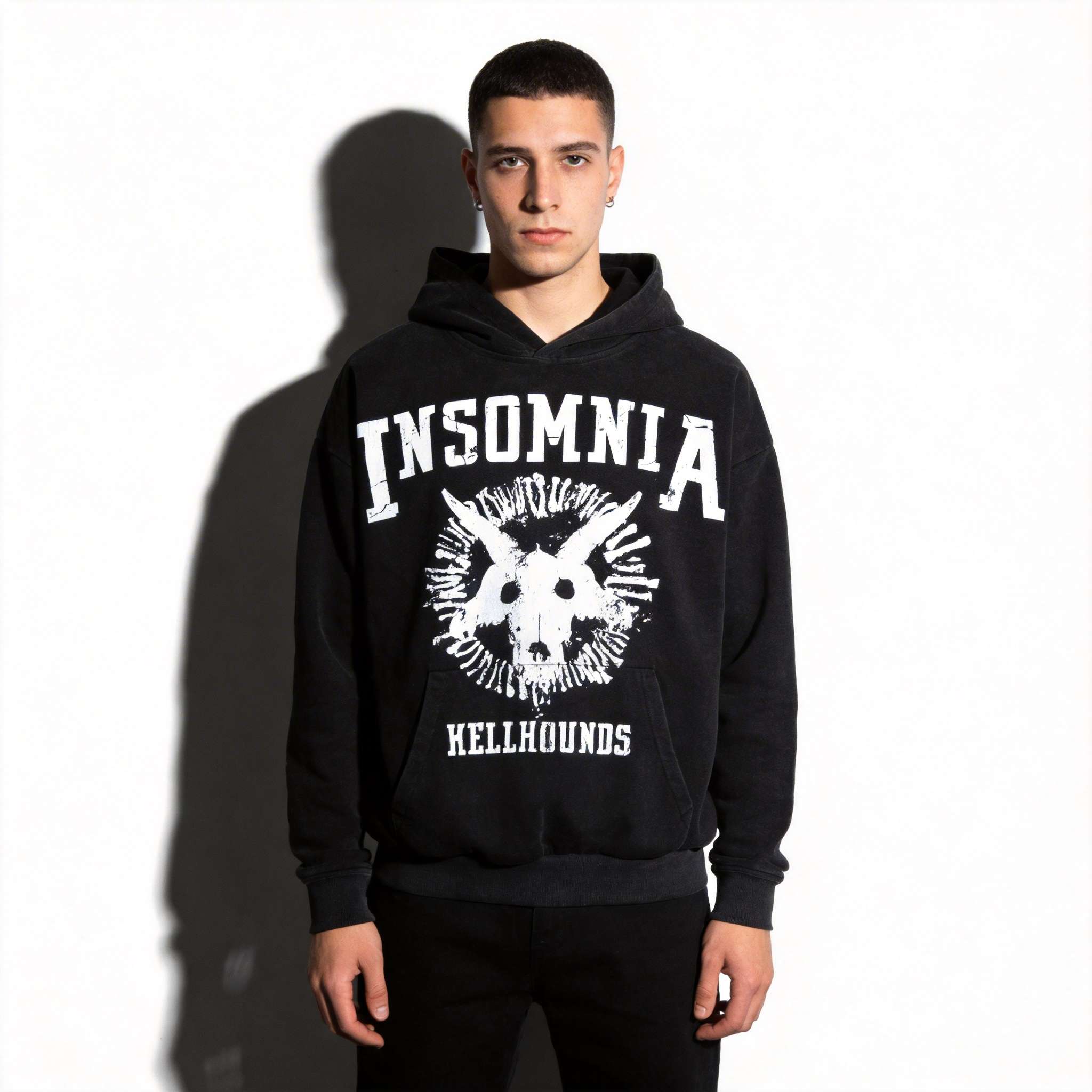
As detailed in Shanghai Garment’s analysis, most retailers source through a Wholesale Clothing Manufacturer, contract manufacturers, or private-label factories to minimize inventory risk and capital requirements.
Private Label & Contract Manufacturing: The Hidden Production Network
Private label manufacturing represents the dominant production model in contemporary fashion, enabling brands to launch collections without owning factories through partnerships with specialized contract manufacturers offering design, sampling, and production services.
Quick Answer: Private label and ODM/OEM partnerships allow startups to launch with 50-500 piece minimums through manufacturers like Bella+Canvas, Iconic Apparel House, and ZORWILD. These factories provide design development, fabric sourcing, sampling, quality control, and logistics—functioning as innovation partners rather than simple production vendors.
Private label manufacturing democratizes fashion entrepreneurship. Brands like Bella+Canvas and Iconic Apparel House provide blank garments and customization services, enabling retailers and emerging brands to launch collections without owning factories. This model allows startups to test market demand with 50-piece orders, validate product-market fit, and scale production gradually as revenue grows. Risk remains manageable—brands avoid $5-50M factory investments while accessing professional manufacturing infrastructure.
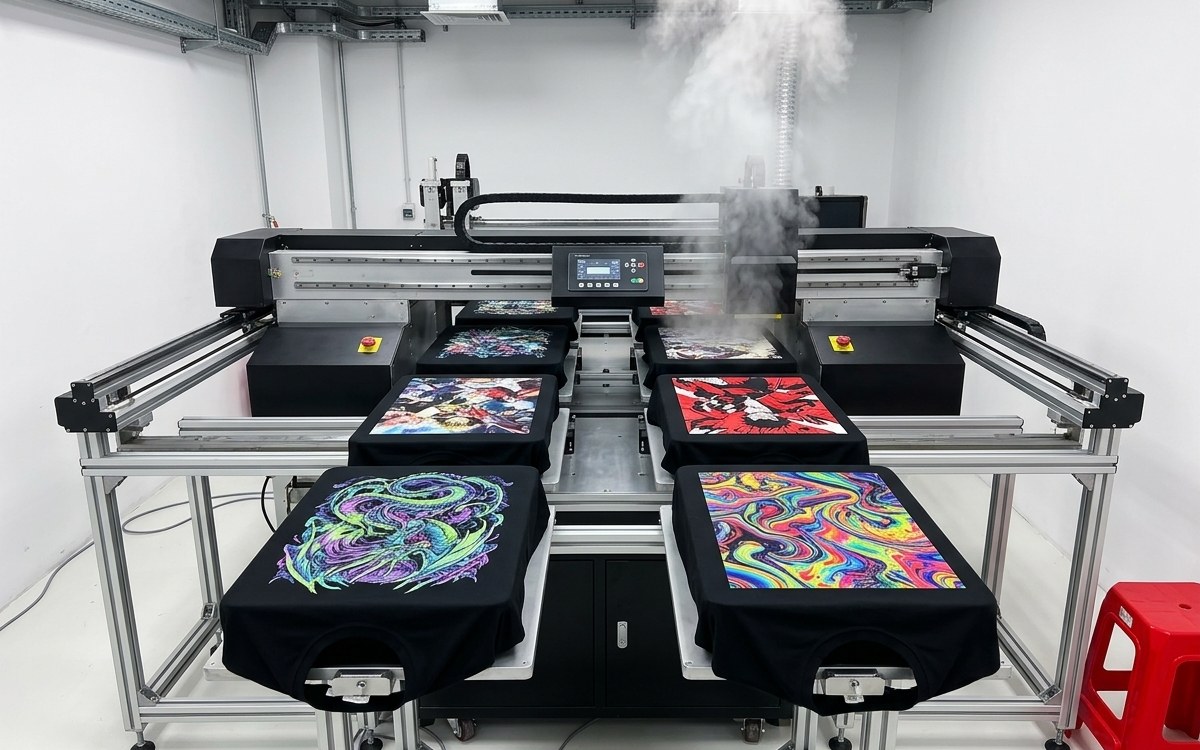
Contract manufacturers have evolved into sophisticated innovation partners. Advanced factories now offer design development, fabric sourcing, sampling, quality control, and logistics coordination. Chinese manufacturers like ZORWILD operate as full-service partners, supporting 2,000+ brands with capabilities spanning streetwear, activewear, dresses, and technical apparel. These factories invest in advanced equipment (computerized cutting tables, automated embroidery systems), employ skilled pattern makers with 10-20 years experience, and maintain quality standards competitive with in-house operations. ZORWILD manufactures everything from 50-piece capsule collections for influencer brands to 50,000-unit runs for established labels.
ODM (Original Design Manufacturer) and OEM (Original Equipment Manufacturer) partnerships represent the outsourcing spectrum. OEM factories produce according to brand specifications—clients provide tech packs, and factories execute. ODM partners contribute design expertise and innovation—factories propose fabric combinations, construction techniques, and trend-responsive details. Many successful brands—from fast-fashion giants to emerging streetwear labels—use ODM capabilities to accelerate product development while maintaining brand identity. This hybrid model combines flexibility with quality control, explaining why outsourcing dominates despite in-house manufacturing’s prestige. According to Printful’s custom clothing guide, modern contract manufacturers offer materials from cotton to recycled polyester, with full transparency on fabric composition.
FAQ
Q1: Do luxury brands like Gucci and Louis Vuitton make all their clothes in-house?
Gucci and Hermès operate owned facilities in Italy and France for core collections, particularly leather goods and heritage pieces. However, even luxury conglomerates outsource some production—Louis Vuitton contracts specialized manufacturers for certain product categories. Ownership of key production stages remains a luxury positioning strategy rather than 100% in-house manufacturing. Most luxury brands maintain 60-80% in-house production for signature items.
Q2: Why don’t more brands manufacture their own clothes?
In-house manufacturing requires massive capital investment (factories cost $5-50M+), specialized expertise, real estate, equipment maintenance, and direct labor management. Outsourcing allows brands to invest capital in design, marketing, and retail instead. Most brands find contract manufacturing more efficient, flexible, and cost-effective than vertical integration. Startups typically need $10M+ annual revenue to justify factory ownership.
Q3: Are American-made clothes better quality than outsourced garments?
Quality depends on manufacturing standards, not geography. American-made brands often emphasize premium materials and labor practices, but advanced Asian factories also produce exceptional quality. The distinction is that American-made brands typically charge premium prices reflecting higher labor costs ($15-25/hour vs. $2-8/hour overseas), while outsourced production optimizes cost efficiency. Both models deliver premium quality when standards are enforced.
Q4: How can I identify brands that manufacture their own clothes?
Look for: (1) “Made in [Country]” labels matching brand headquarters, (2) brand transparency about factory ownership on websites, (3) heritage/luxury positioning emphasizing craftsmanship, (4) premium pricing reflecting vertical integration costs. Brands like American Giant, Hermès, and Canali explicitly market in-house production as a quality differentiator. Check “About” pages for mentions of owned facilities or family manufacturing heritage.
Q5: Can small brands afford in-house manufacturing?
Rarely. Most startups use private label manufacturers with low MOQs (50-500 pieces). As brands scale to $1M+ annual revenue, some invest in dedicated contract factories or semi-owned production partnerships. True in-house manufacturing typically requires $10M+ annual revenue to justify capital costs. The investment includes factory lease/purchase, equipment ($500K-2M), skilled labor hiring, and working capital for materials.
Q6: What’s the difference between “made in” and “owned by”?
“Made in [Country]” indicates production location but not ownership. A brand can manufacture in Italy through contracted factories without owning facilities. True in-house production means the brand owns and operates the manufacturing facility directly, controlling all production decisions and employment. Many “Made in Italy” labels use contracted Italian factories rather than owned workshops.
Sources
- FashionUnited — Who Makes Our Clothes? Fashion Production Explained — 2024, 95% outsourcing statistic
- Ecocult — Ethical Brands Manufacturing in Factories They Own — American Giant, Imogene + Willie, Los Angeles Apparel case studies
- Argus Apparel — In-House vs. Outsourced Production — Gap, Zara, H&M outsourcing models
- Shanghai Garment — Which Clothing Brands Make Their Own Clothes? — Wholesale, contract, and private-label supply chain breakdown
- Jinfeng Apparel — Which Clothing Brands Make Their Own Clothes? — Luxury brand in-house manufacturing analysis
- World Bank — Textile Manufacturing and Global Supply Chains — 2024, Bangladesh/Vietnam/China 85% production statistic
Written by Alin Zeng (27 Years of Master Craftsmanship & Pattern Making, Global OEM & Streetwear Customization Excellence, End-to-End Supply Chain & One-Stop Production, High-Efficiency Cost Control (“Quality + Affordability”), Incubating 2,000+ Fashion Brands from Scratch). Last reviewed 2026-06-05.