TL;DR: The three primary t-shirt printing methods are screen printing (bulk production with vibrant durability), direct-to-garment/DTG (small batches with full-color detail), and dye sublimation (permanent color infusion into polyester).
Bottom line: Screen printing suits established brands producing 500+ cotton units. DTG fits startups needing design flexibility on cotton. Sublimation serves athletic brands prioritizing print permanence on polyester.
Last updated: 2026-06-06, based on 27 years of apparel manufacturing experience and 2,000+ brand production projects.
Key Takeaways
- Screen printing delivers the lowest per-unit cost ($2-5) for bulk orders of 500+ units but requires $200-500 setup investment per color separation.
- DTG printing enables economical small batches (1-100 units) with unlimited colors and photorealistic detail on cotton, at $8-15 per unit.
- Sublimation creates permanent, crack-proof prints by embedding dye into polyester fibers—ideal for athletic wear surviving 500+ washes.
- Fabric type constrains your options immediately: screen printing and DTG work on cotton; sublimation requires 100% polyester or polyester-dominant blends.
- Production volume determines economic efficiency—startups choose DTG for flexibility, wholesalers choose screen printing for scale, athletic brands choose sublimation for permanence.
Screen Printing: The Industry Standard for Bulk Production
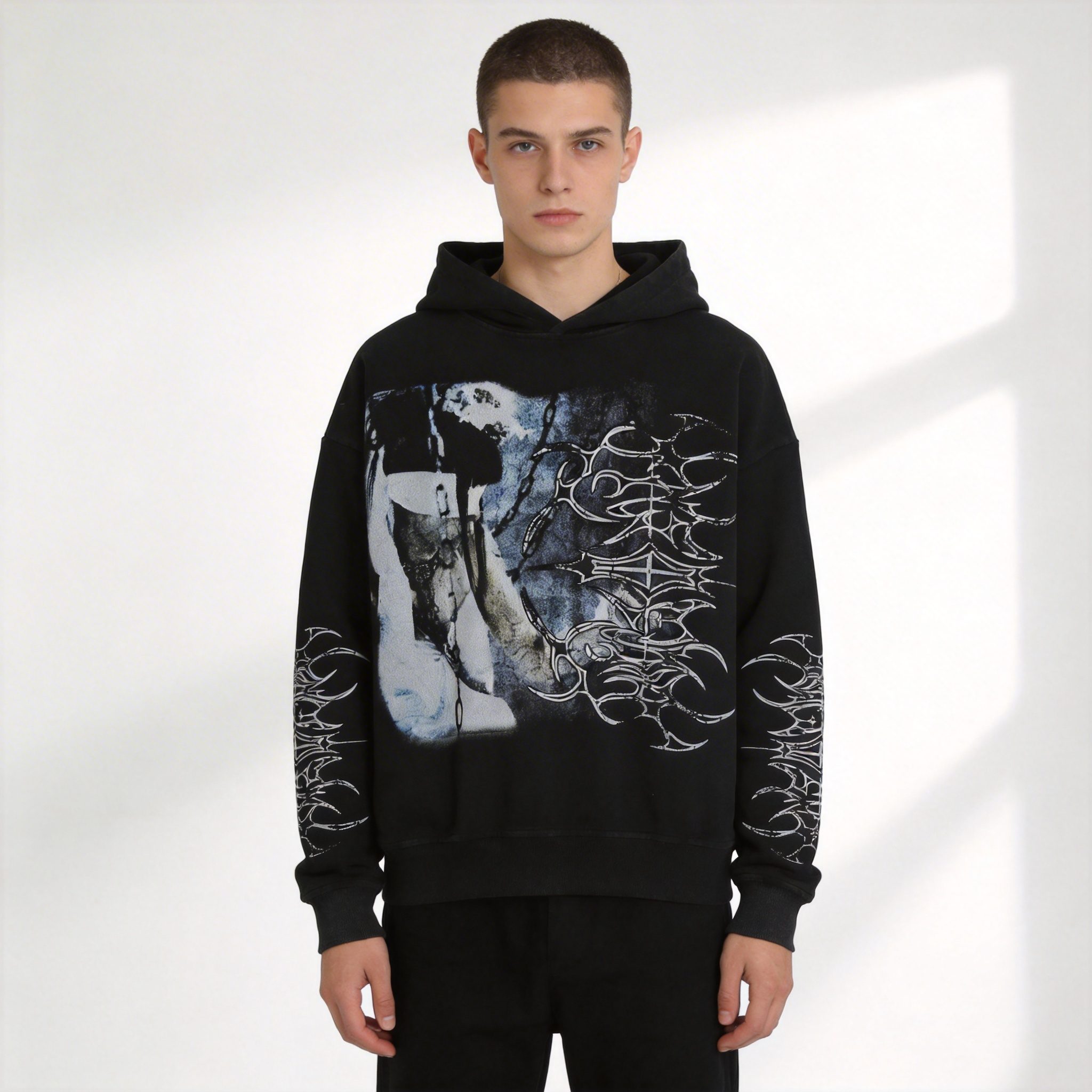
Screen printing uses mesh stencils and squeegees to push ink through fabric layers, creating vibrant, durable prints ideal for bulk cotton production.
The process involves creating a stencil from mesh fabric for each color in the design, then using a squeegee to push plastisol or water-based ink through the screen onto the garment. Each color requires a separate screen, which is why setup costs distribute most economically across large quantities. At our facility, we’ve processed screen-printing orders ranging from 1,000-unit wholesale batches to 50,000-unit retail collections—the per-unit cost drops dramatically as volume increases.
Screen-printed designs withstand 300-500 washes without cracking, fading, or peeling when properly cured. This longevity makes screen printing the preferred choice for established brands, merchandise companies, and wholesalers producing large quantities.
Setup costs present the primary barrier. Creating screens and separating colors requires $200-500 in upfront investment before the first garment prints. For a 50-unit order, this overhead eliminates profitability. The method also works best with simple to moderate design complexity—logos with 1-6 colors perform beautifully, but photorealistic images or designs requiring 8+ colors become impractical and expensive.
Our ZORWILD Screen Printing Framework
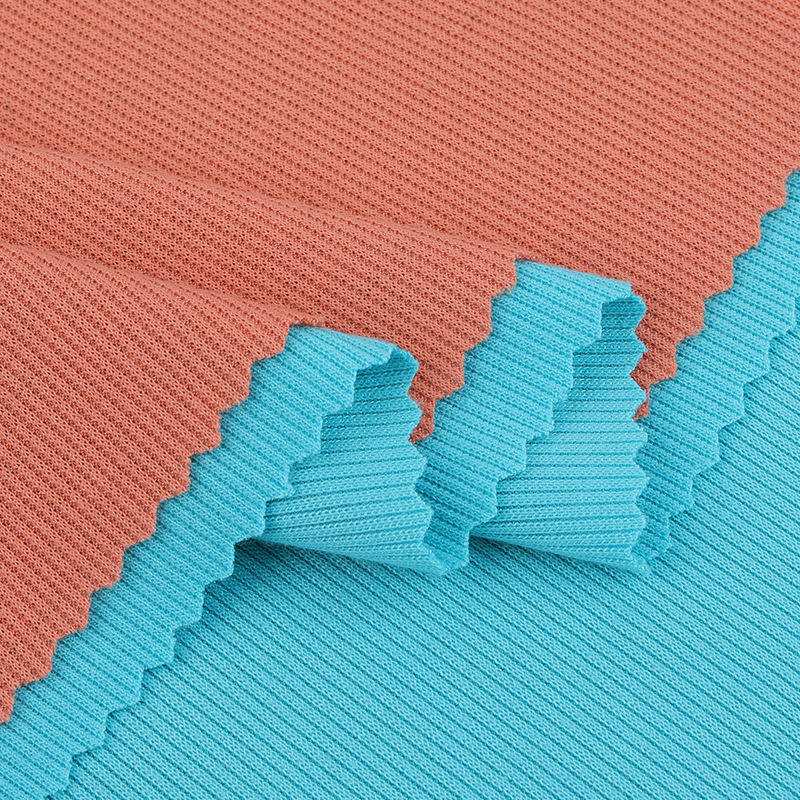
We apply a three-tier decision model when recommending screen printing to brand partners. Volume threshold: Orders below 500 units rarely justify setup costs unless the design will reprint frequently across multiple production runs. Color economy: Designs with 1-3 spot colors deliver the best cost-to-quality ratio; each additional color adds $75-150 in screen fees. Fabric compatibility: 100% cotton and cotton-poly blends (up to 50% polyester) accept screen ink beautifully; higher synthetic content requires alternative methods. This framework has guided production decisions for over 1,800 streetwear and wholesale clients since we formalized it in 2019.
Direct-to-Garment (DTG) Printing: Perfect for Detailed, Full-Color Designs
Direct-to-garment printing sprays water-based or pigment inks directly onto cotton fabric, enabling economical small-batch production with unlimited color options and photorealistic detail.
Specialized DTG machines spray inks directly onto the t-shirt fabric using industrial-grade inkjet technology—essentially a massive, garment-specific printer. The process requires minimal setup: designers load the digital file, position the garment in the machine’s platen, and print. This eliminates the expensive screen creation and color separation steps required by screen printing.
DTG’s primary advantage is design flexibility. Brands print unlimited colors, photorealistic images, gradients, and complex artwork without additional costs—a 12-color gradient costs the same as a single-color logo. This makes DTG economical for small orders, one-off custom pieces, and frequent design changes. We run DTG production for influencer merchandise drops, online store test designs, and startup collections where brands need 20-50 units to validate market demand before committing to bulk inventory.
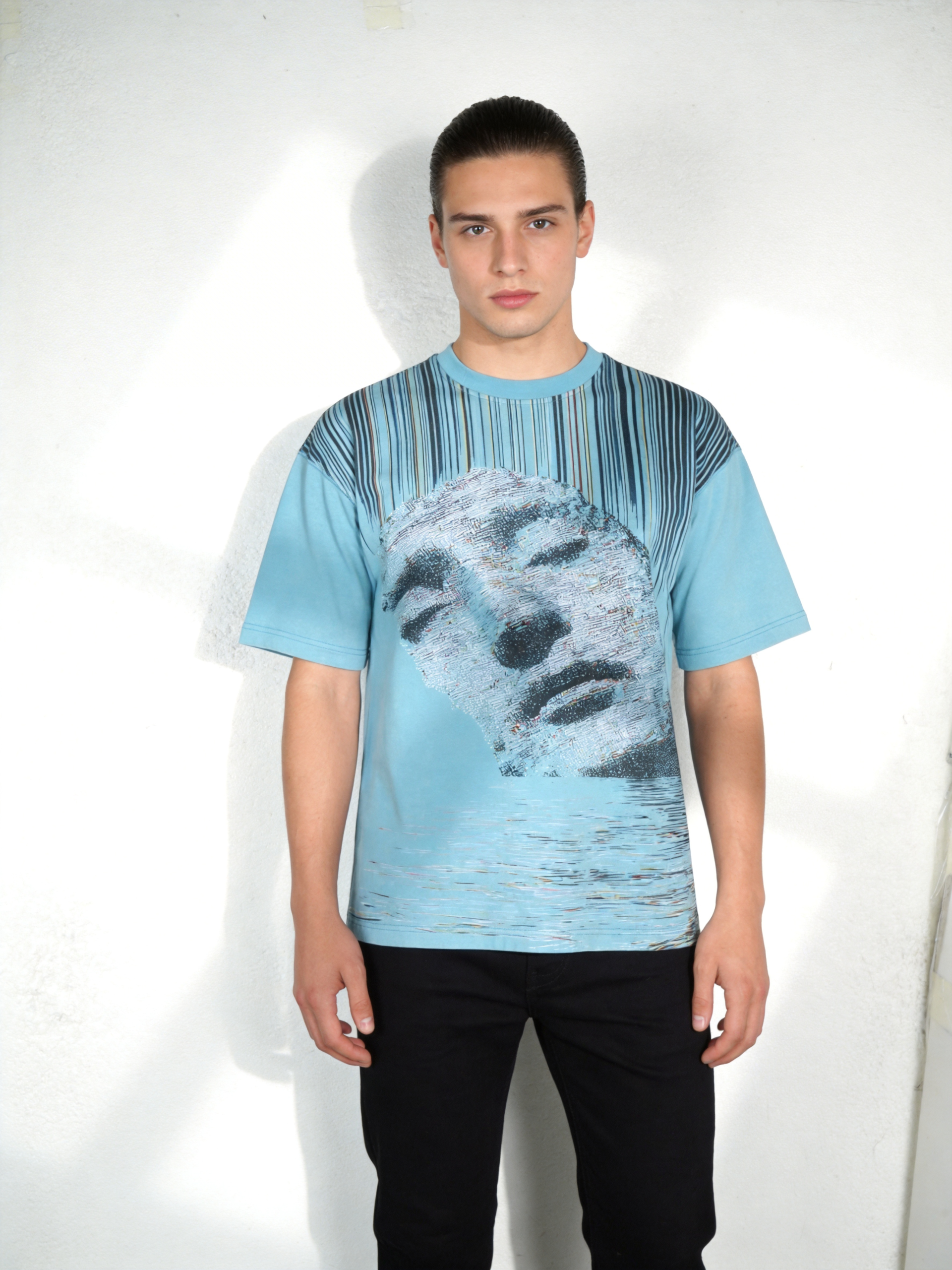
The trade-off is durability and fabric compatibility. DTG prints on cotton and cotton-blend fabrics but struggles with 100% polyester—the ink doesn’t bond properly to synthetic fibers. The prints fade or crack after 100-200 washes if not properly cured, compared to screen printing’s 300-500 wash lifespan. For high-volume orders exceeding 200 units, DTG becomes less cost-effective than screen printing—the per-unit labor and ink costs don’t decrease with volume the way screen printing’s setup-cost amortization does.
Dye Sublimation Printing: Permanent Color Infusion for Synthetic Fabrics
Dye sublimation transforms solid dye into gas, permanently infusing color into polyester fiber structure at the molecular level for crack-proof, fade-resistant prints.
The sublimation process represents a fundamentally different approach to garment decoration. Instead of applying ink to fabric surface (screen printing, DTG), sublimation embeds color directly into polyester fiber structure through a heat-transfer process. The solid dye transforms into gas under high temperature (typically 375-400°F), then bonds with the polyester polymer at the molecular level. We’ve shipped athletic collections that survived 500+ commercial wash cycles with zero print degradation, something impossible with surface-applied inks.
This molecular bonding creates prints of unmatched permanence. Since the dye becomes part of the fabric rather than sitting on top, sublimation prints cannot crack, peel, or fade through normal wear and washing. They survive hundreds of washes in excellent condition, maintaining color vibrancy that surface-printed methods lose over time.
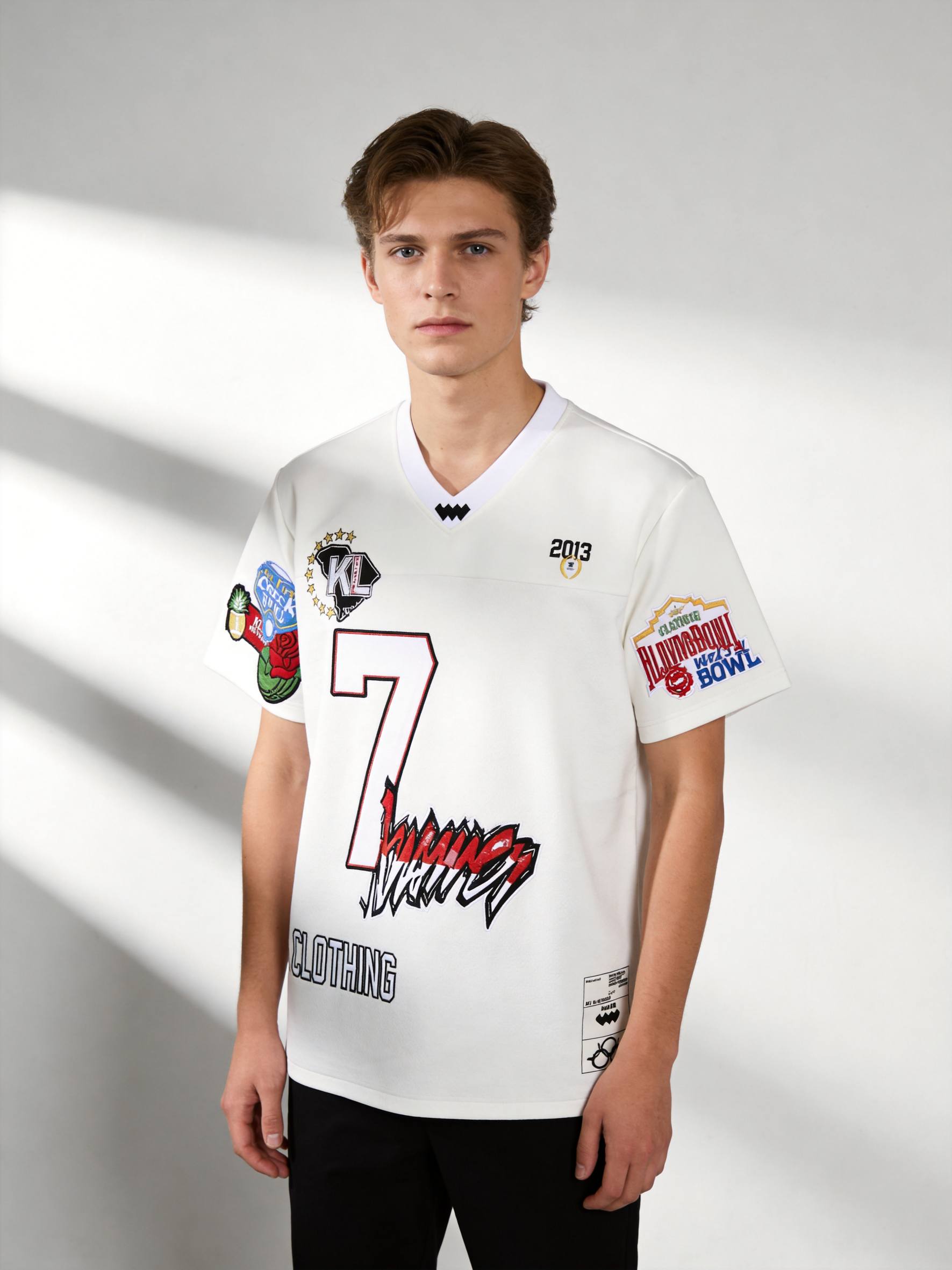
Sublimation also enables unlimited color options and all-over print designs impossible with screen printing’s color-separation constraints. The prints feel soft and breathable because there’s no ink layer—the dye is literally part of the fabric. However, sublimation only works effectively on 100% polyester or polyester-dominant blends (minimum 65% polyester). It doesn’t work on cotton or natural fibers because the dye cannot bond with non-synthetic polymers.
Comparison: Screen Printing vs. DTG vs. Sublimation
| Factor | Screen Printing | DTG Printing | Sublimation |
|---|---|---|---|
| Best Order Size | 500+ units (bulk) | 1-100 units (small batch) | 50-500 units (medium) |
| Setup Cost | High ($200-500 per color) | Low ($0-50) | Medium ($100-300) |
| Cost Per Unit | $2-5 (bulk) | $8-15 (small) | $5-12 (medium) |
| Fabric Compatibility | Cotton, cotton blends | Cotton, blends | 100% polyester |
| Color Options | Limited (1-6 colors typical) | Unlimited (full-color) | Unlimited (full-color) |
| Design Complexity | Simple to moderate | Complex, photorealistic | Complex, photorealistic |
| Print Durability | Excellent (300-500 washes) | Good (100-200 washes) | Excellent (500+ washes) |
| Production Speed | Fast (bulk) | Slower (per-unit) | Medium (batch) |
Choose screen printing for established brands producing 500+ cotton units with simple designs and budget priorities. Choose DTG for startups, influencers, and online stores needing design flexibility and small batch capability on cotton. Choose sublimation for athletic brands, premium casual wear, and any brand prioritizing print permanence on polyester.
Choosing the Right Method for Your T-Shirt Brand
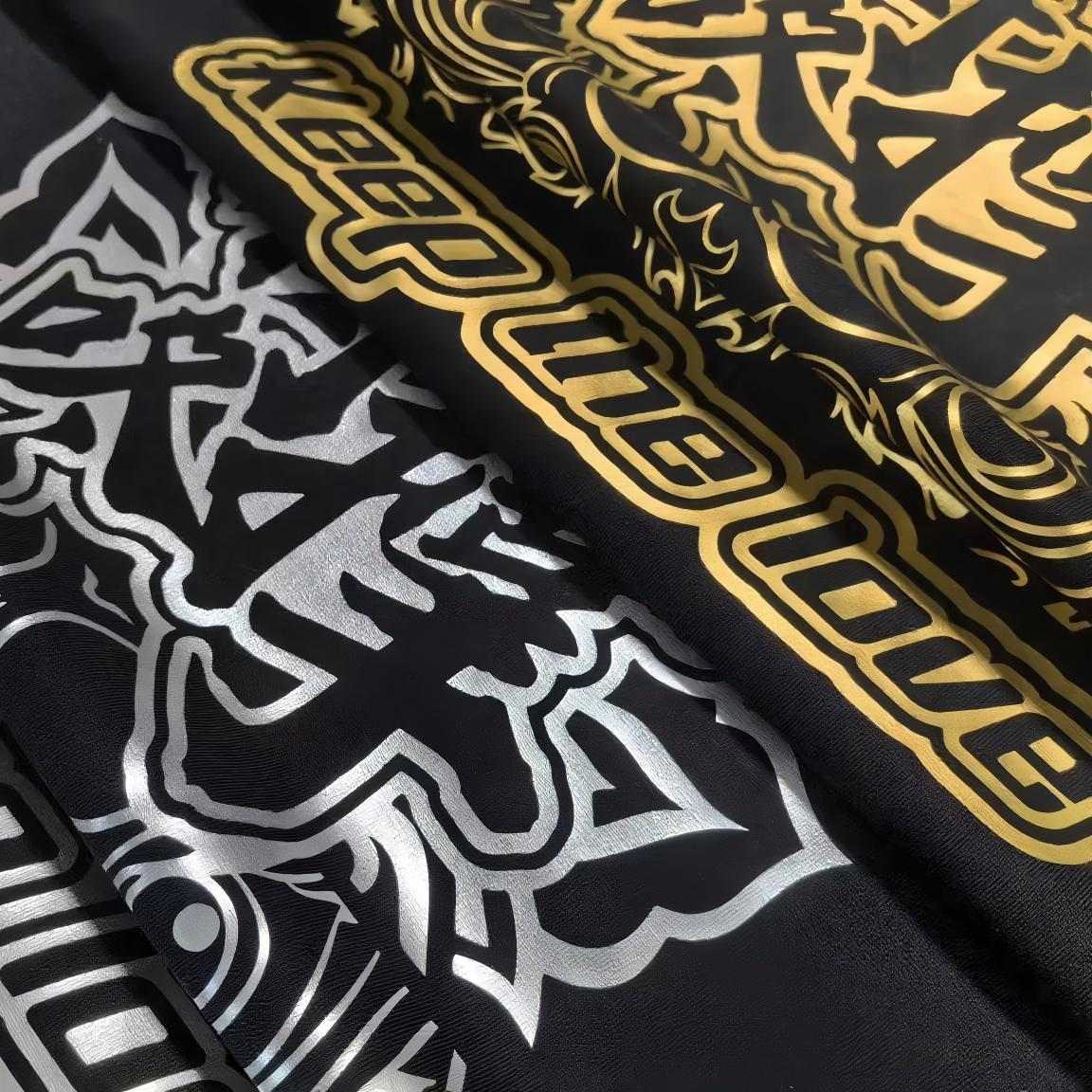
1. Production volume determines economic efficiency. Screen printing becomes economical only at high volumes (500+ units) because setup costs distribute across many garments. DTG thrives at low volumes (1-100 units) because each unit costs the same regardless of quantity. Sublimation works efficiently at medium volumes (50-500 units).
2. Fabric type constrains your options. Screen printing works best on natural fabrics (100% cotton and cotton-dominant blends up to 50% polyester). DTG works on cotton and blends but struggles with 100% polyester. Sublimation only works on polyester (minimum 65% polyester content, ideally 100%).
3. Design complexity affects both cost and quality. Simple logos (1-3 colors) favor screen printing’s durability and cost-efficiency. Detailed, photorealistic, or gradient-heavy designs favor DTG or sublimation’s unlimited color capability. Complex designs are where DTG and sublimation demonstrate clear advantages over screen printing’s color limitations.
4. Budget constraints shape long-term viability. Screen printing has high upfront costs ($200-500 setup) but lowest per-unit costs at scale ($2-5). DTG has minimal setup costs ($0-50) but higher per-unit costs ($8-15). Startups with limited capital should choose DTG. Established brands should choose screen printing as volume grows and designs stabilize.
5. Brand positioning influences perceived quality. Screen printing signals established, professional brands—consumers recognize the thick, vibrant ink layer and associate it with premium products. DTG signals modern, design-focused, online-native brands. Sublimation signals premium athletic and performance brands.
FAQ
Q1: Which t-shirt printing method lasts the longest?
Screen printing and sublimation offer the highest durability. Screen prints resist cracking and fading after 300-500 washes. Sublimation infuses dye directly into polyester fibers at the molecular level, making prints virtually permanent—we’ve tested sublimated athletic wear through 500+ commercial wash cycles with zero degradation. DTG prints typically last 100-200 washes.
Q2: What is the best printing method for full-color images?
DTG and sublimation printing are ideal for full-color images. DTG handles photo-quality prints on cotton with unlimited color options and gradient support. Sublimation excels at full-color, all-over prints on polyester with exceptional permanence. Screen printing cannot efficiently produce full-color photorealistic images due to color separation limitations.
Q3: Can I use screen printing for small orders?
Screen printing is economically inefficient for small orders under 100 units because setup costs remain constant regardless of quantity. For orders under 100 units, DTG printing is far more economical since it has minimal setup costs. We recommend screen printing only when order size exceeds 200 units or when the same design will reprint across multiple production runs.
Q4: Does sublimation work on cotton t-shirts?
No, sublimation only works effectively on 100% polyester or polyester-dominant blends (minimum 65% polyester). The dye sublimation process requires synthetic fibers to bond at the molecular level. Cotton and natural fibers cannot accept sublimated dye because they lack the synthetic polymer chains necessary for bonding. For cotton t-shirts, use screen printing or DTG instead.
Q5: Which method is best for merchandise and event t-shirts?
Screen printing is the industry standard for merchandise and event t-shirts. It offers superior durability, vibrant colors, and cost-efficiency for bulk orders (typically 500+ units for events, 1,000+ for ongoing merchandise). For smaller merchandise runs under 200 units or frequent design changes, DTG printing offers a modern alternative with design flexibility.
Sources
- Printful — Types of shirt printing: 7 Methods compared (2026) — 2026, screen printing vs. sublimation durability comparison
- Printify — 8 Popular types of shirt printing: Guide for custom t-shirts — 2025, six main t-shirt printing methods overview
- One Off Apparel — Types of T-Shirt Printing: A Complete Guide — 2024, comprehensive printing technique evaluation
- VistaPrint — Types of Printing on T-shirts — 2025, fabric compatibility and order size recommendations
- Gelato — 6 Types of Shirt Printing Methods & How They Work — 2024, common t-shirt printing methods comparison
Written by Alin Zeng (27 Years of Master Craftsmanship & Pattern Making, Global OEM & Streetwear Customization Excellence, End-to-End Supply Chain & One-Stop Production, High-Efficiency Cost Control (“Quality + Affordability”), Incubating 2,000+ Fashion Brands from Scratch). Last reviewed 2026-06-06.