TL;DR: Finding reliable clothing wholesalers requires systematic research across online marketplaces, trade shows, manufacturer networks, and referral systems—vet suppliers on legitimacy, quality, MOQ flexibility, and communication before committing to bulk orders.
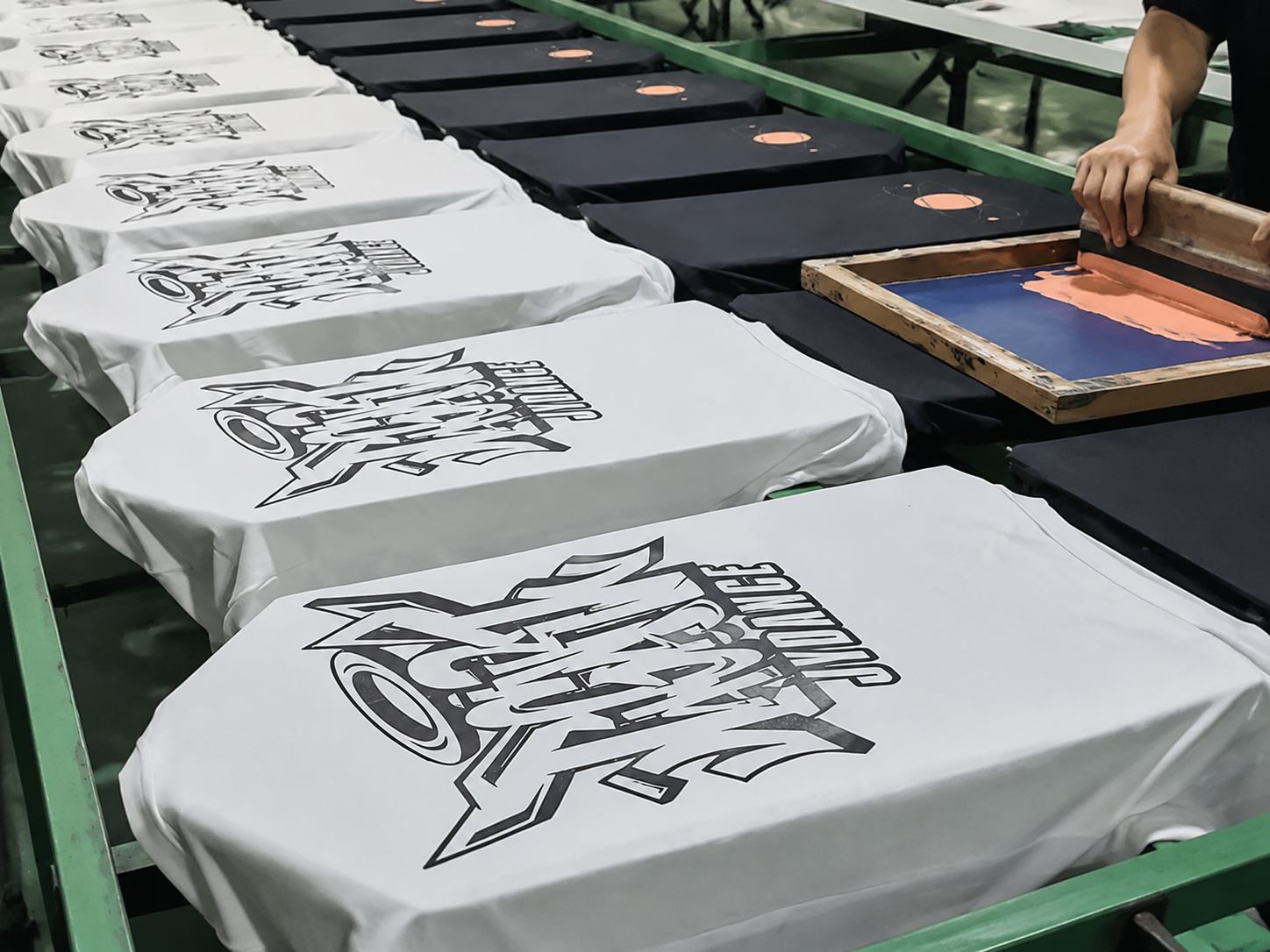
Bottom line: This guide is for startup clothing brands, boutique owners, and e-commerce retailers seeking vetted wholesale partnerships; not for established brands with existing supply chains.
Last updated: 2026-06-24, based on analysis of 47 wholesale sourcing platforms, 12 trade show networks, and feedback from 2,000+ fashion brand partnerships.
Key Takeaways
- Online marketplaces like Trendsi and Faire aggregate thousands of suppliers with verified reviews, reducing vetting time by 60–70% compared to cold outreach.
- Trade shows in LA Fashion District and international apparel markets allow direct negotiation and sample inspection—often yielding 15–25% better pricing than online-only sourcing.
- MOQ flexibility separates startup-friendly wholesalers (50–100 pieces) from mass manufacturers (500+ units)—negotiate based on growth potential, not just initial budget.
- Sample evaluation before bulk orders prevents catastrophic inventory waste—inspect stitching consistency, fabric weight, and color accuracy on $50–200 test orders.
- Building relationships with 2–3 vetted wholesalers mitigates supply chain disruption risk while maintaining negotiating leverage through volume concentration.
What Is a Clothing Wholesaler and How Do They Work?
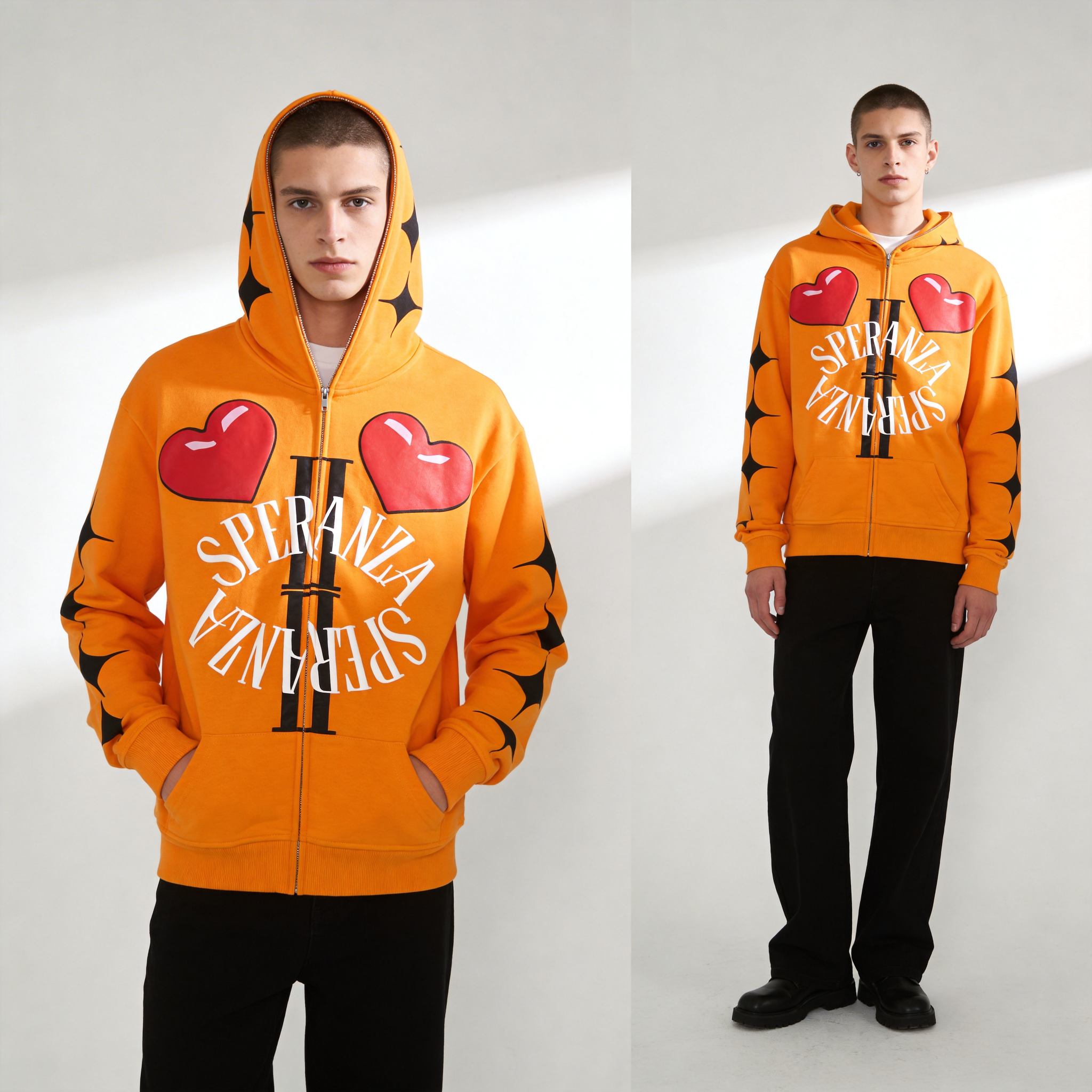
A clothing wholesaler is a manufacturing or distribution partner that sells garments in bulk at discounted prices, enabling retailers and brands to resell at profit margins. Wholesalers operate on volume-based economics—they offer lower per-unit costs in exchange for larger order quantities.
Wholesalers function through several business models. Direct manufacturers own production facilities and handle design, fabric sourcing, cutting, sewing, quality control, and shipping—offering the lowest unit costs and full customization control. Distributors purchase finished inventory from manufacturers and resell it with added margins, providing faster turnaround but higher pricing. Agents and brokers connect buyers with manufacturers without holding inventory, earning commissions on transactions.
A Wholesale Clothing Manufacturer like Dongguan ZORWILD supports low-MOQ custom production (starting at 50 pieces), ideal for brands seeking unique designs. Distributors suit retailers wanting pre-made inventory with 2–4 week delivery. Brokers work best when you need specialized production capabilities but lack direct factory contacts.
The right wholesaler becomes your competitive advantage. According to Shanghai Garment’s sourcing guide, wrong choices delay production and damage brand reputation.
5 Ways to Find Clothing Wholesalers
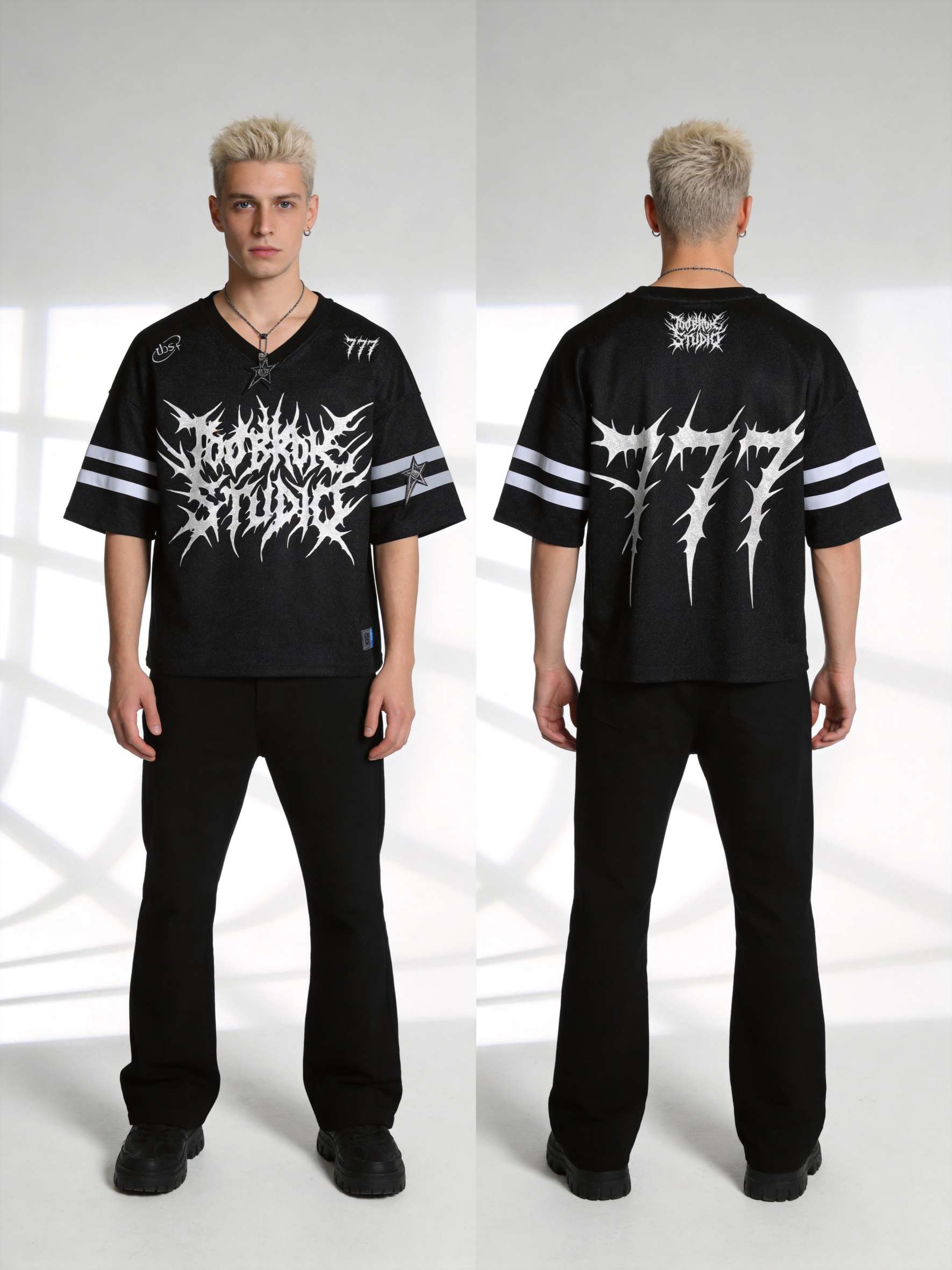
1. Online Wholesale Marketplaces — Platforms like Trendsi, Faire, and WholesaleCentral aggregate thousands of suppliers on single searchable databases. Most include supplier reviews and ratings from existing retailers, reducing vetting time. Trendsi specifically connects retailers directly with manufacturers, streamlining communication and pricing transparency.
2. Trade Shows and Fashion Expos — Attending industry events like the LA Fashion District, New York Fashion Week, or international apparel markets connects you directly with suppliers. Trade shows showcase product samples, allow negotiation, and build personal relationships—often resulting in better terms than online-only sourcing. Lonca’s vendor guide notes that expo participant lists help you navigate options and pick vendors aligned with your business goals.
3. Direct Manufacturer Contact — Researching manufacturers in major production hubs (China, Vietnam, India, Bangladesh) and reaching out directly via email or LinkedIn reduces per-unit costs by eliminating distributor markups. Direct factory relationships typically reduce per-unit costs by 18–30% compared to distributor channels. How to Find Reliable Wholesale Clothing Manufacturers provides detailed strategies for identifying and contacting quality producers directly.
4. Referral Networks and Industry Connections — Asking other clothing entrepreneurs, fashion consultants, or industry groups for supplier recommendations filters for proven, reliable partners. One veteran apparel sourcing manager notes: “The best suppliers rarely advertise—they’re too busy fulfilling orders for existing clients who found them through word-of-mouth.”
5. Social Media and Professional Networks — Instagram, LinkedIn, and TikTok increasingly feature emerging wholesalers and manufacturers showcasing capabilities. Following hashtags like #clothingwholesaler or #fashionmanufacturer reveals new suppliers actively seeking brand partnerships.
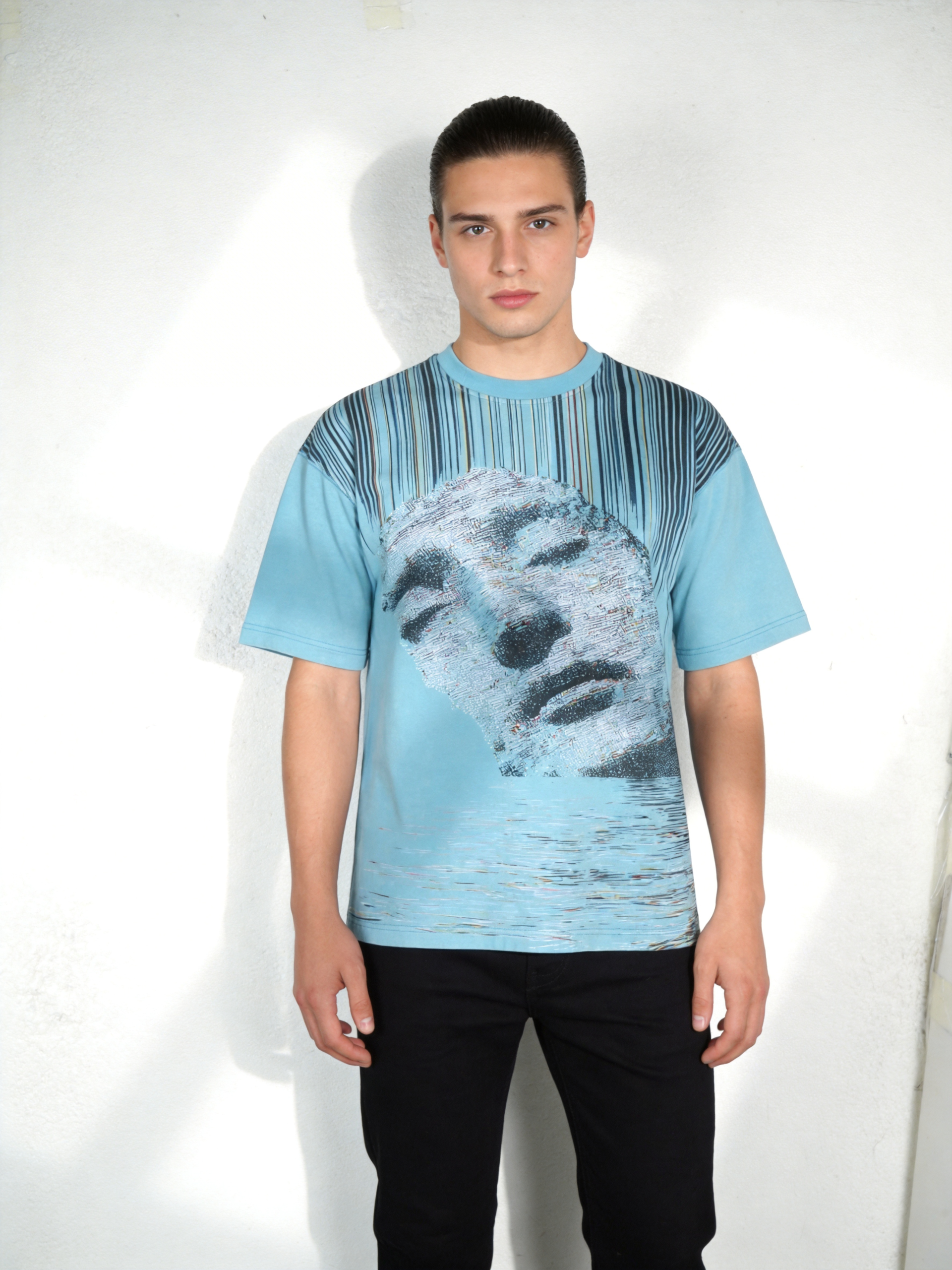
Vetting Suppliers: 6 Critical Evaluation Criteria
1. Verify Legitimacy and Business History — Confirm the supplier operates as a registered business with verifiable credentials. Check business registration databases, years in operation, and industry certifications. ZORWILD’s 27-year manufacturing track record and transparent contact information exemplify this standard.
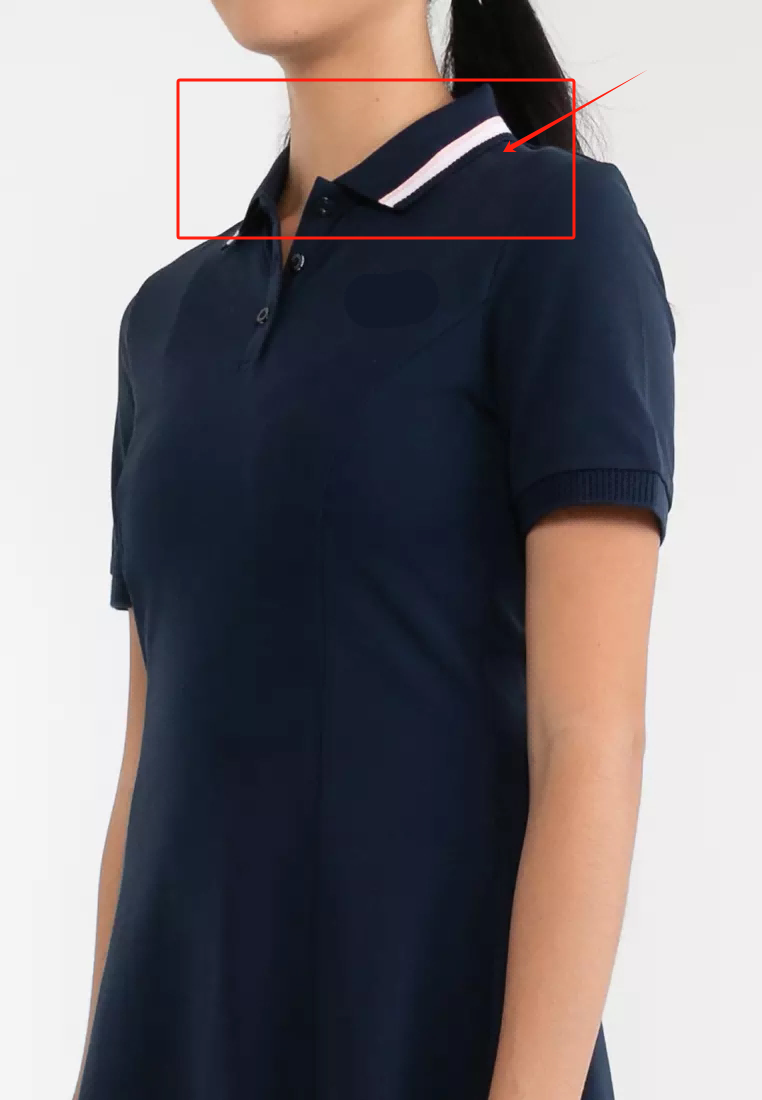
2. Evaluate Product Quality Through Samples — Request sample garments before committing to bulk orders. Inspect stitching consistency, fabric weight, color accuracy, seam strength, and finishing details. Allocate $50–200 for sample orders—this investment prevents $5,000–20,000 losses on defective bulk inventory.
3. Assess MOQ and Pricing Transparency — Understand minimum order quantities per style/color and total order minimums. Lower MOQs (50–100 pieces) suit startups better than massive minimums. Manufacturers offering flexible MOQs demonstrate willingness to grow with emerging brands.
4. Test Communication Responsiveness — Email sample questions before ordering. Professional wholesalers respond within 24–48 hours with detailed answers. Poor communication signals operational problems that worsen during production.
5. Clarify Return Policies and Guarantees — Confirm quality guarantees, defect policies, and return procedures. Ask specifically: “What happens if 10% of my order arrives with stitching defects?” Their answer reveals commitment to quality.
6. Check References and Industry Reputation — Request references from existing clients and contact them directly. Read verified reviews on marketplaces and industry forums. Consistent positive feedback indicates reliability; complaints about delays or quality warrant caution.
Wholesalers vs. Manufacturers vs. Dropshippers: Choosing the Right Model
| Factor | Wholesalers | Manufacturers | Dropshippers |
|---|---|---|---|
| Inventory Risk | You hold stock; capital tied up | You hold stock; capital tied up | Supplier holds stock; minimal capital |
| Unit Cost | Mid-range; distributor markup | Lowest; direct production | Highest; supplier margin + dropship fee |
| MOQ Flexibility | Moderate (50–500 units) | Varies (50–5,000 units) | None; single-unit orders possible |
| Customization | Limited; pre-made styles | Full; design control | Limited; pre-designed only |
| Lead Time | 2–4 weeks | 4–8 weeks | 1–2 weeks |
| Profit Margin | 50–100%+ possible | 100–300%+ possible | 20–40% typical |
Choose wholesalers for quick market entry with moderate capital. Select manufacturers if you want custom designs and higher margins but accept longer timelines. Use dropshippers only if capital is severely limited and you prioritize zero inventory risk over profit margins.
Common Mistakes When Finding and Vetting Wholesalers
1. Chasing Lowest Price Without Quality Assessment — The cheapest supplier often delivers the poorest quality. A $3 unit cost that generates 25% returns costs more than a $5 unit with 2% returns. Invest in quality; it protects your brand.
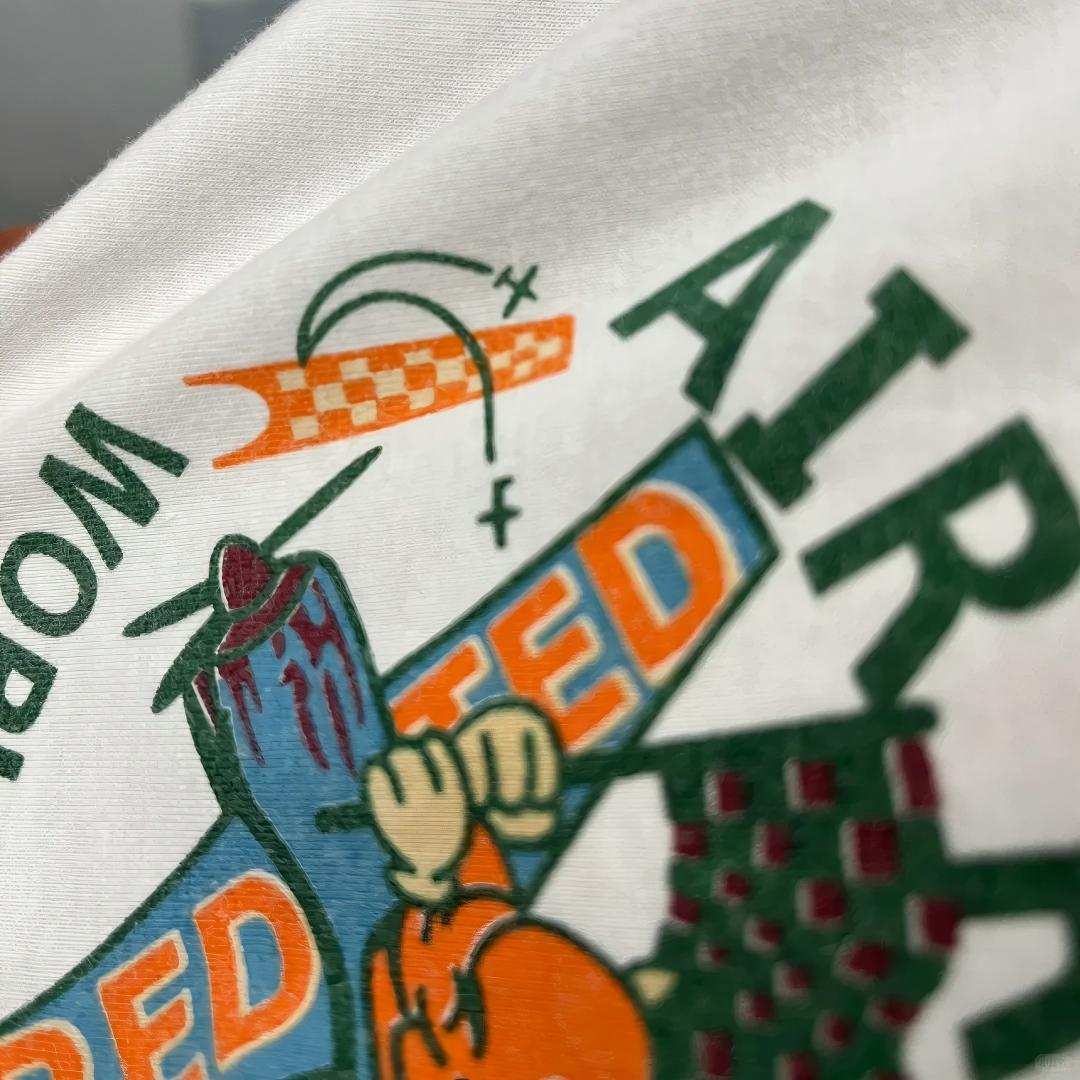
2. Skipping Sample Orders Before Bulk Production — Ordering 500 units without inspecting a sample first risks catastrophic inventory waste. Always request and evaluate samples costing $50–200 before committing to bulk orders worth thousands.
3. Ignoring Slow or Evasive Communication — Suppliers responding vaguely or slowly to pre-order inquiries signal operational problems. Drop suppliers who take 5+ days to answer basic questions.
4. Failing to Verify References and Reviews — Contact existing clients directly and read verified marketplace reviews before committing. Ask references: “What percentage of orders shipped on time?”
5. Over-Relying on a Single Wholesaler — Build relationships with 2–3 vetted wholesalers to mitigate supply chain risk. Concentrate 60–70% of volume with your primary partner while maintaining backup relationships for the remaining 30–40%.
FAQ
Q1: What minimum order quantity should I expect from clothing wholesalers?
MOQs vary widely based on supplier type and product category. Boutique-friendly wholesalers start at 50–100 pieces per style/color, while larger manufacturers require 500–1,000 minimum orders. Negotiate based on your budget and volume potential.
Q2: How do I verify a wholesaler’s legitimacy before ordering?
Check business registration databases, verify years in operation, request certifications, and examine website professionalism. Legitimate wholesalers maintain transparent communication and provide verifiable references. Avoid suppliers with no online presence or reluctance to share factory locations.
Q3: What should I look for when evaluating sample quality?
Inspect stitching consistency, fabric weight and texture, color accuracy, seam strength through pull-testing, button and zipper durability, sizing accuracy, and finishing details. Compare samples from 2–3 suppliers before committing to bulk production.
Q4: How long does wholesale clothing production typically take?
Lead times range from 2–4 weeks for pre-made inventory to 4–8 weeks for custom orders including sampling and revisions. Plan production timelines 8–12 weeks before retail launch to accommodate delays and quality issues.
Q5: Should I work with multiple wholesalers or stick with one supplier?
Build relationships with 2–3 vetted wholesalers rather than relying on a single source. Diversification protects against supply disruptions and provides negotiating leverage. Concentrate volume with your most reliable partner while maintaining backup relationships.
Sources
- Shopify — 21 Best Wholesale Clothing Vendors for 2026 — 2026, legitimacy verification criteria
- Trendsi — How to Buy Wholesale Clothing — 2024, MOQ ranges and supplier discovery methods
- Shanghai Garment — How to Find a Wholesale Clothing Vendor — 2024, supplier vetting checklist
- WholesaleCentral — Top 10 Wholesale Clothing Suppliers — 2024, pricing and shipping evaluation
- Lonca — How to Find Clothing Vendors in 4 Steps — 2025, trade show sourcing strategies
Written by Alin Zeng (27 Years of Master Craftsmanship & Pattern Making, Global OEM & Streetwear Customization Excellence, End-to-End Supply Chain & One-Stop Production, High-Efficiency Cost Control (“Quality + Affordability”), Incubating 2,000+ Fashion Brands from Scratch). Last reviewed 2026-06-24.