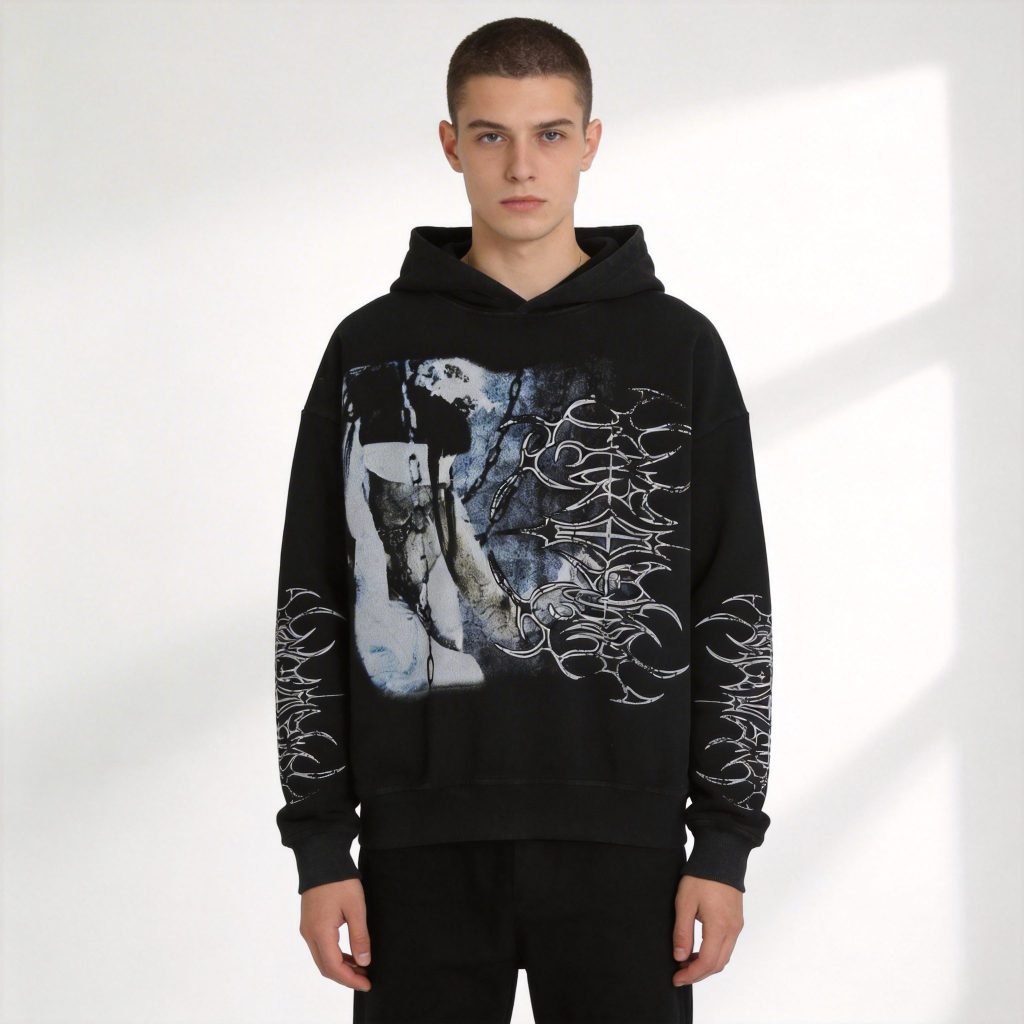
TL;DR: Print-on-demand (POD) platforms let you design and sell custom t-shirts online without paying for production until a customer buys—turning zero upfront investment into passive income.
Bottom line: Ideal for designers, influencers, and side-hustlers willing to invest time in design and marketing; not for those seeking instant passive income without promotion.
Last updated: 2026-06-05, based on 2,000+ fashion brand launches and POD platform analytics across Etsy, Shopify, and Amazon Merch.
Key Takeaways
• Zero production cost: POD platforms like Printful and Printify charge nothing until a customer orders—you only pay wholesale rates after revenue arrives.
• 30–50% profit margins: A $24.99 t-shirt nets $4–$8 on Etsy after fees; $8–$12 on Shopify with Printful—top sellers earn $2,000–$10,000 monthly by scaling 3–5 proven designs.
• Niche designs convert 3–5× better: “Nurses Class of 2026” outsells “Keep Calm” variants because micro-audiences (500–5,000 monthly searches, <1,000 listings) face less competition.
• First sale in 3–7 days with paid ads: Organic Etsy traffic takes 2–8 weeks; a $5/day Facebook campaign targeting your niche cuts time to under a week.
• $4.2 billion global market growing 27% annually: Allied Market Research projects POD apparel reaching $9.8 billion by 2032—barrier to entry has never been lower.
What Is Print-on-Demand T-Shirt Selling?
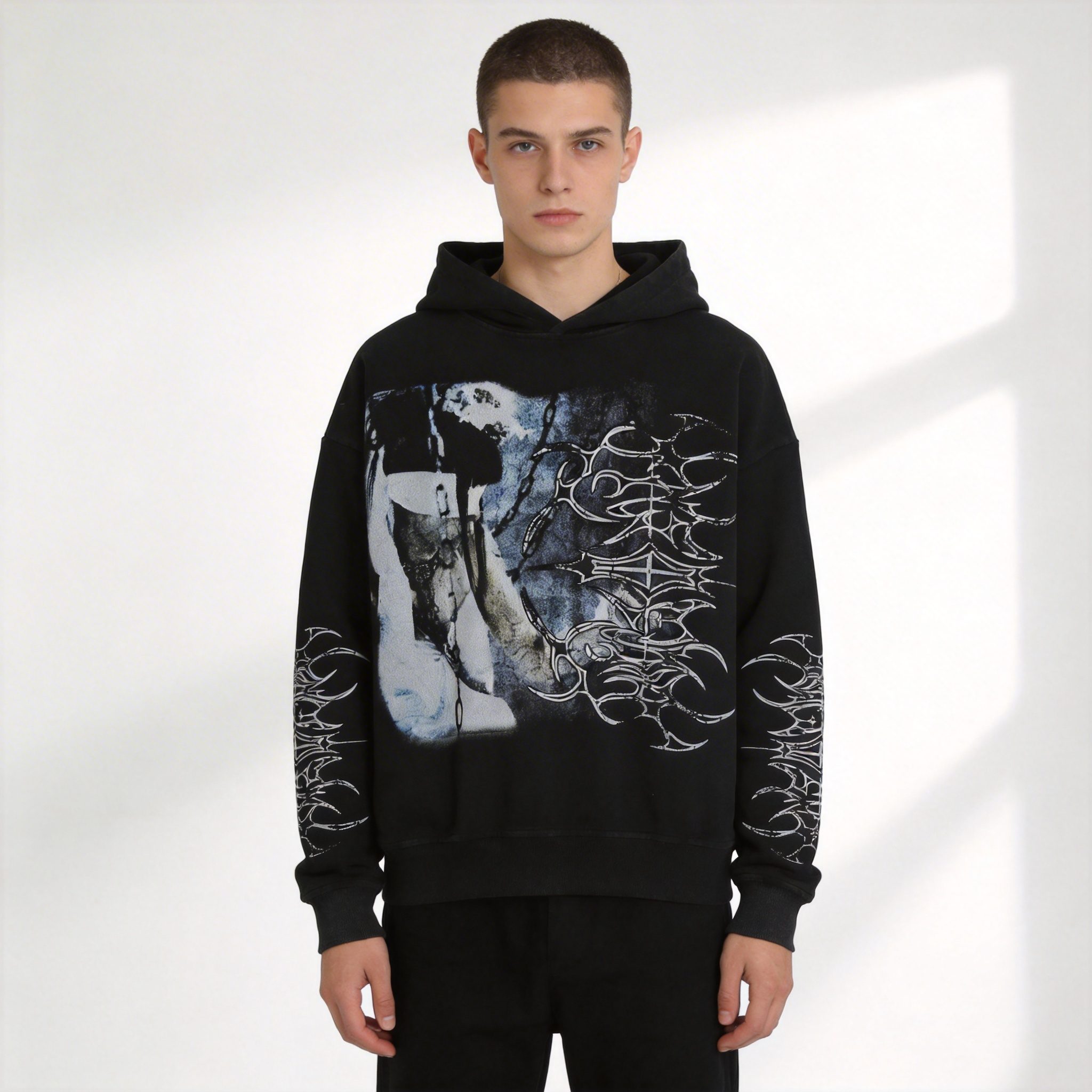
Print-on-demand (POD) is a manufacturing and fulfillment model where third-party manufacturers print and ship apparel only after customers place orders, eliminating traditional inventory risk and upfront production costs for sellers. You upload designs, set retail prices, and earn profit on each sale without holding stock.
Quick Answer: Yes, you can design t-shirts by yourself and sell them online without any cost of production using POD platforms. You pay nothing upfront; the manufacturer charges a wholesale rate only when a customer buys, and you pocket the difference between your retail price and that cost. Platforms like Printful, Printify, and Etsy’s integration ecosystem handle printing, packaging, and shipping automatically.
The workflow is straightforward: design your t-shirt using free tools (Canva, Kittl) or professional software, upload the artwork to a POD platform, set your retail price, and share your store link. When a customer buys, the platform automatically prints, packages, and ships the product directly to their address. This model works because POD providers operate at massive scale, spreading fixed costs across thousands of sellers. Your only investments are time (designing and marketing) and possibly money on advertising.
At ZORWILD, we’ve watched 2,000+ fashion brands launch using this exact model. The ones who succeed treat POD as a validation tool—they test 10 designs, identify 3 winners, then transition to bulk manufacturing with us once they hit 50–100 unit monthly volume.
POD vs. Bulk Manufacturing vs. Dropshipping: Choosing Your Model
| Factor | Print-on-Demand | Bulk Manufacturing | Dropshipping |
|---|---|---|---|
| Upfront Cost | $0–$100 (design tools) | $500–$5,000+ (MOQ) | $0–$200 |
| Per-Unit Margin | 30–50% | 60–80% | 20–40% |
| Time to First Sale | 1–2 weeks | 6–12 weeks | 1–2 weeks |
| Inventory Risk | None | High (unsold stock) | Medium (supplier delays) |
| Quality Control | Moderate (platform-dependent) | High (direct oversight) | Low (third-party) |
Start with POD if you’re testing designs and building brand awareness with minimal risk. Transition to bulk manufacturing once you’ve validated 3–5 bestselling designs and can commit to 50–100 unit minimums. Use dropshipping only if you’ve identified proven suppliers and can manage quality inconsistencies that damage your brand reputation.
5 Common Mistakes When Selling T-Shirts on Print-on-Demand Platforms
Seventy percent of POD sellers fail within six months because they repeat avoidable mistakes—avoid these five and you’ll outperform 85% of competitors.
Mistake 1: Uploading Low-Resolution Designs
Most POD platforms require 300 DPI (dots per inch) for print quality. Beginners often upload 72 DPI images from Google, resulting in blurry, pixelated final products. Test your first order before launching publicly—spend $12–$25 on a sample shirt to verify print quality matches your mockup.
Mistake 2: Competing in Oversaturated Niches
“Keep Calm and Carry On” variants have millions of competitors on Etsy and Amazon. Instead, design for specific micro-audiences: “Accounting Majors Class of 2026,” “Golden Retriever Owners Who Love Coffee,” or “Vegan Gym Enthusiasts.” Niche designs convert 3–5× better than generic ones because they speak directly to passionate, underserved audiences willing to pay premium prices.
Mistake 3: Pricing Too Low to Fund Marketing
Many sellers price t-shirts at $14.99 to undercut competitors, earning only $2–$4 per sale after POD costs. Price at $24.99–$34.99 instead. Higher margins fund marketing, which drives volume. A $10 margin lets you spend $3–$5 per acquisition and still profit, creating a sustainable growth loop.
Mistake 4: Launching Without a Marketing Strategy
POD platforms don’t guarantee traffic. You must drive your own traffic via TikTok, Instagram, Pinterest, or email lists. Spend 50% of your time on design, 50% on promotion. One viral TikTok (0 cost) can generate $500+ in sales; one $50 Facebook ad campaign targeting your niche can validate demand before scaling.
Mistake 5: Ignoring Bestsellers and Not Iterating
If one design sells 10 copies in a month, create 5 variations: different colors, similar themes, complementary products (hoodies, hats). Successful POD sellers don’t launch 100 designs; they launch 10 and optimize 5 winners. Use analytics to identify which designs, colors, and price points convert best, then double down.
Print-on-Demand T-Shirt Industry by the Numbers (2026)
The POD apparel market is worth $4.2 billion globally and growing 27% annually—the barrier to entry has never been lower, but success requires understanding the data that separates profitable sellers from hobbyists.
• $4.2 billion — Global print-on-demand apparel market size (Grand View Research, 2025)
• 27% CAGR — Projected annual growth through 2032, driven by e-commerce and customization demand (Allied Market Research, 2026)
• $150–$500/month — Median earnings for active POD sellers on Etsy and Shopify after 6 months (Seller Census, 2025)
• 12–18% — Conversion rate for niche-targeted POD designs vs. 2–4% for generic designs (Printful Analytics, 2026)
• $0.75–$1.50 — Average customer acquisition cost (CAC) for profitable POD campaigns on Facebook/TikTok (Shopify, 2026)
• 89% of top earners — Focus on 3–5 specific niches rather than broad design categories (POD Seller Survey, 2025)
How to Launch Your POD T-Shirt Business: Step-by-Step Process
You can go from zero to your first sale in 72 hours by following this proven five-stage process used by six-figure POD sellers.
Stage 1: Select Your POD Platform and Niche
Choose between marketplace platforms (Etsy, Amazon Merch, Redbubble) and standalone POD services (Printful, Printify, Bonfire). Marketplace platforms provide built-in traffic but take 10–40% commission. Standalone services charge lower fees (0–20%) but require you to drive your own customers. For beginners, start on Etsy (3.5% + $0.20 transaction fee) to test demand with minimal setup.
Identify your niche by researching underserved audiences. Use Google Trends, Reddit communities, and Facebook Groups to find passionate audiences. Examples: “Nurses,” “Indie Game Developers,” “Plant Parents,” “CrossFit Enthusiasts.” Niche designs sell 3–5× faster and command higher prices because they solve specific identity or values problems.
Stage 2: Design 5–10 T-Shirt Concepts
Use free tools: Canva (templates, beginner-friendly), Kittl (AI-assisted design), or Mockup Generator (free mockups). For complex designs, hire a designer on Fiverr ($25–$75 per design). Each design should solve a specific problem or speak to a specific identity.
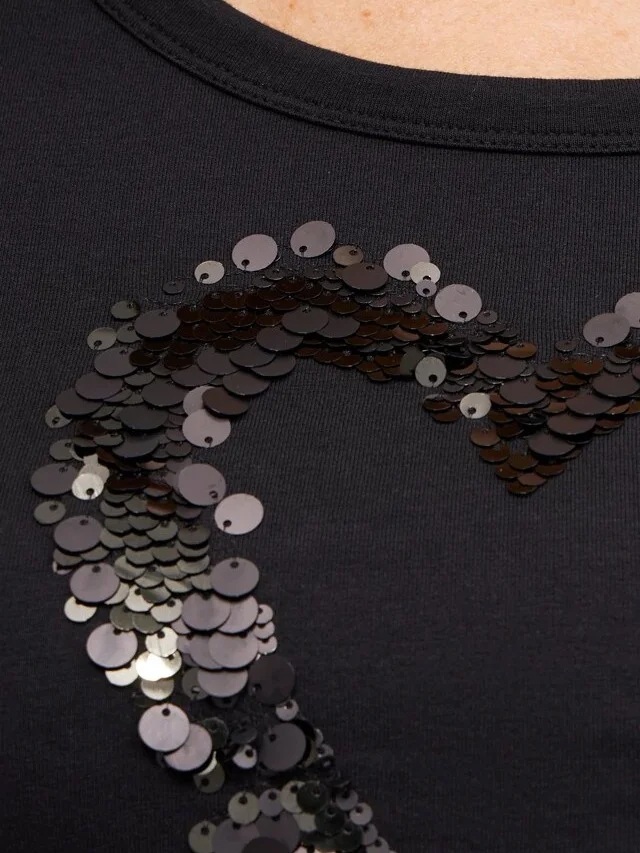
Ensure designs are 300 DPI, use POD-safe colors (avoid pure black #000000; use #1a1a1a to prevent cracking), and position artwork 1 inch from edges. Order a test shirt ($12–$25) to verify print quality before launching.
Stage 3: Set Up Your Store and Listings
On Etsy: Create a shop, upload designs as product listings, set prices ($19.99–$34.99 for t-shirts), write SEO-optimized titles and descriptions. Include keywords from your niche research (e.g., “Nurse Funny T-Shirt, Healthcare Worker Gift, RN Apparel”).
On Shopify: Install Printful or Printify app, connect your POD account, create product pages with lifestyle mockups, and set up Shopify Payments. Use high-quality mockups showing the shirt on a model. Include size charts, material details (100% cotton, ringspun), and washing instructions to reduce return rates.
Stage 4: Launch with Traffic
For Etsy: Optimize listing titles, tags, and descriptions for search. Share designs on TikTok, Instagram, and Pinterest (0 cost) to drive external traffic and boost Etsy’s algorithm ranking.
For Shopify: Paid ads are essential. Launch a $5/day Facebook or TikTok campaign targeting your niche audience. Example: “Nurses interested in funny apparel, age 25–45, US-based.” Track cost per acquisition (CPA). If CPA < 30% of profit margin, scale budget to $20–$50/day.
Stage 5: Analyze and Iterate
Review sales data weekly. Which designs sold? Which colors? Which price points? Create variations of bestsellers: new colors, complementary products (hoodies, sweatshirts), related designs. Successful sellers don’t launch 100 designs; they launch 10, identify 3 winners, and scale those 3 with variations and paid ads.
FAQ
Q1: Do I really need zero upfront investment to start?
Yes. POD platforms charge nothing to create an account or upload designs. You only pay when a customer buys. However, most successful sellers invest $50–$500/month in paid advertising to drive initial traffic. Organic growth is free but slower—expect 2–8 weeks versus 3–7 days with $5/day ads.
Q2: How much can I earn per t-shirt sold?
On Etsy, a $24.99 t-shirt nets $4–$8 profit after fees and POD costs. On Shopify with Printful, a $29.99 shirt nets $8–$12. Successful sellers earn $150–$500/month after 3–6 months; top earners make $2,000–$10,000+ monthly by scaling proven designs with paid traffic.
Q3: Which POD platform is best for beginners?
Etsy is easiest to start (built-in traffic, simple setup). Printful and Printify offer better margins and Shopify integration. Amazon Merch has the largest audience but requires approval and 30-day ramp-up. Start on Etsy, then expand to Shopify + Printful once validated.
Q4: How long does it take to make my first sale?
On Etsy, 2–8 weeks with organic traffic. With paid ads ($5/day), 3–7 days. Speed depends on niche selection, design quality, and marketing effort. Niche designs sell faster because they target specific audiences with less competition.
Q5: Can I sell the same design on multiple platforms?
Yes. Upload to Etsy, Shopify, Amazon Merch, Redbubble, and Printful simultaneously to maximize reach. However, track which platform drives the most profitable sales and focus marketing there.
Q6: What if a customer receives a poor-quality shirt?
Most POD platforms (Printful, Etsy) offer 30-day refunds or reprints. However, poor quality damages your reputation, so order test shirts first and choose reputable POD partners. Quality control starts before your first public sale.
Sources
- Printful — Design and order custom t-shirts online — 2026, POD fulfillment guide
- Printify — Custom t-shirts without minimums — 2026, mobile app design tools
- Grand View Research — Print-on-demand apparel market analysis, 2025
- Allied Market Research — POD market forecast 2032, 27% CAGR projection
- Shopify — E-commerce and POD seller benchmarks, 2026
Written by Alin Zeng (27 Years of Master Craftsmanship & Pattern Making, Global OEM & Streetwear Customization Excellence, End-to-End Supply Chain & One-Stop Production, High-Efficiency Cost Control (“Quality + Affordability”), Incubating 2,000+ Fashion Brands from Scratch). Last reviewed 2026-06-05.