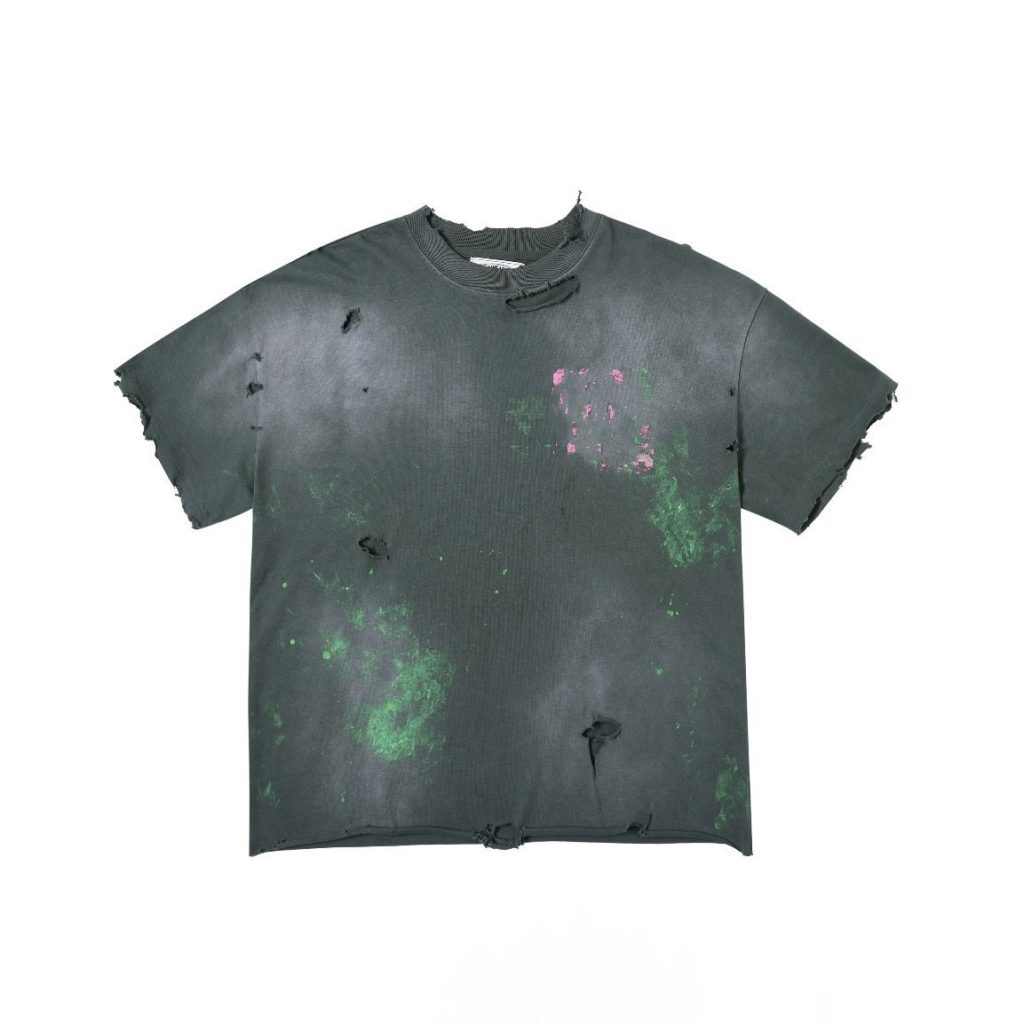
TL;DR: Small businesses can choose from five t-shirt printing methods—screen printing for bulk orders, DTG for detailed designs, heat transfer for home startups, DTF for versatility, and sublimation for polyester activewear.
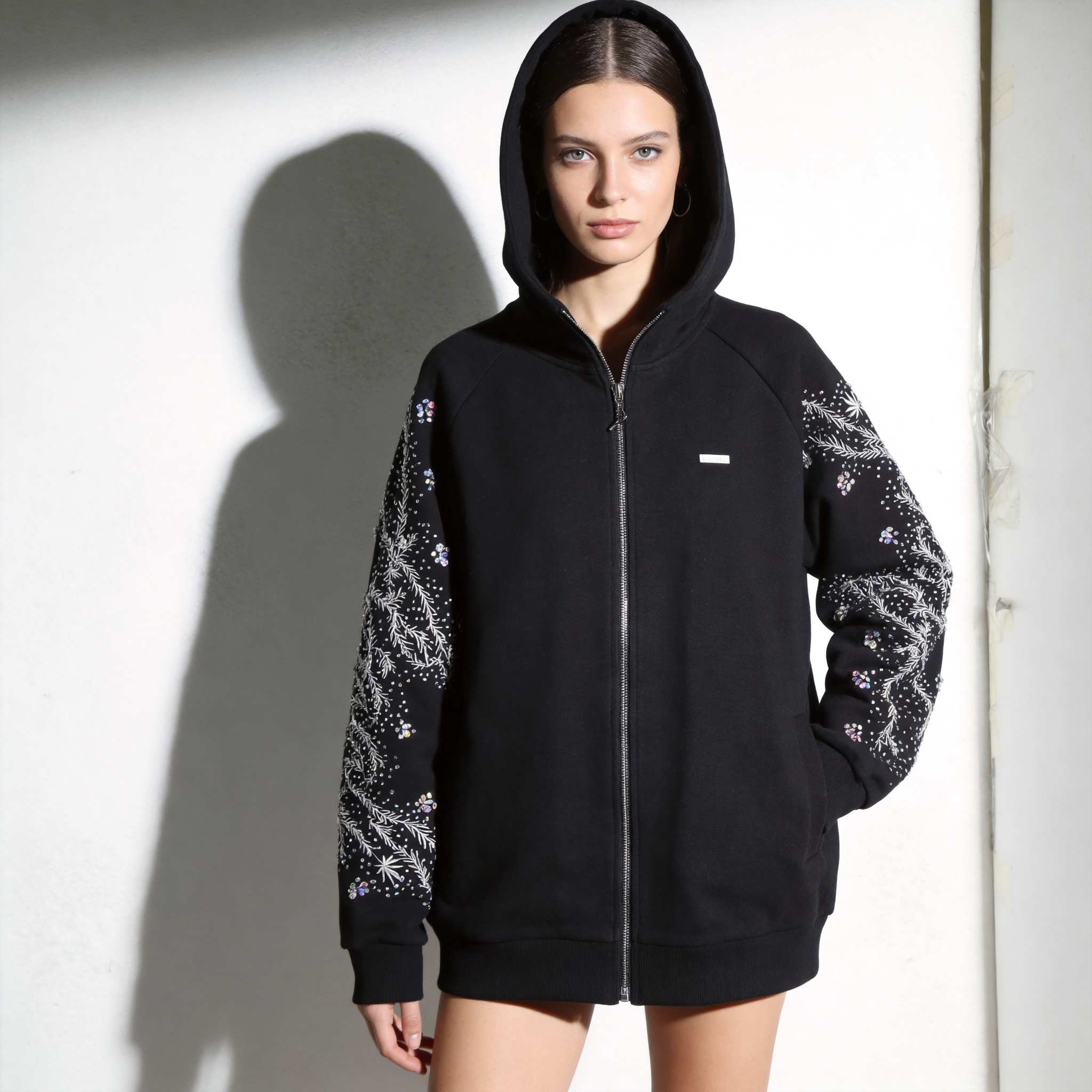
Bottom line: Choose screen printing if you’re printing 100+ identical shirts; DTG or heat transfer if you’re testing designs with zero inventory risk; DTF if you need dark-fabric flexibility; sublimation if you’re targeting the performance-wear market.
Last updated: 2026-06-06, based on 27 years of apparel manufacturing data and 2,000+ brand production cycles at ZORWILD Clothing Co., Ltd.
Key Takeaways
- Screen printing delivers the lowest per-unit cost ($2–$5) at volumes above 100 units, with prints surviving 50+ industrial washes without fading.
- DTG printing eliminates minimum orders entirely, enabling single-shirt production at $8–$12 per unit—ideal for startups testing designs before committing to inventory.
- Heat transfer requires just $500–$2,000 in startup equipment and works from home, making it the fastest entry point for new t-shirt businesses.
- DTF printing balances flexibility and profitability at $4–$8 per unit, printing complex designs on any fabric color without setup fees or screen creation.
- Sublimation creates permanent, fade-proof colors on polyester—perfect for activewear brands where durability justifies premium pricing.
Screen Printing: The Durability Standard
Screen printing forces plastisol or water-based ink through stenciled screens onto fabric, creating durable, vibrant prints ideal for bulk production. Each color requires a separate screen, making this method most profitable for simple designs printed repeatedly at scale.
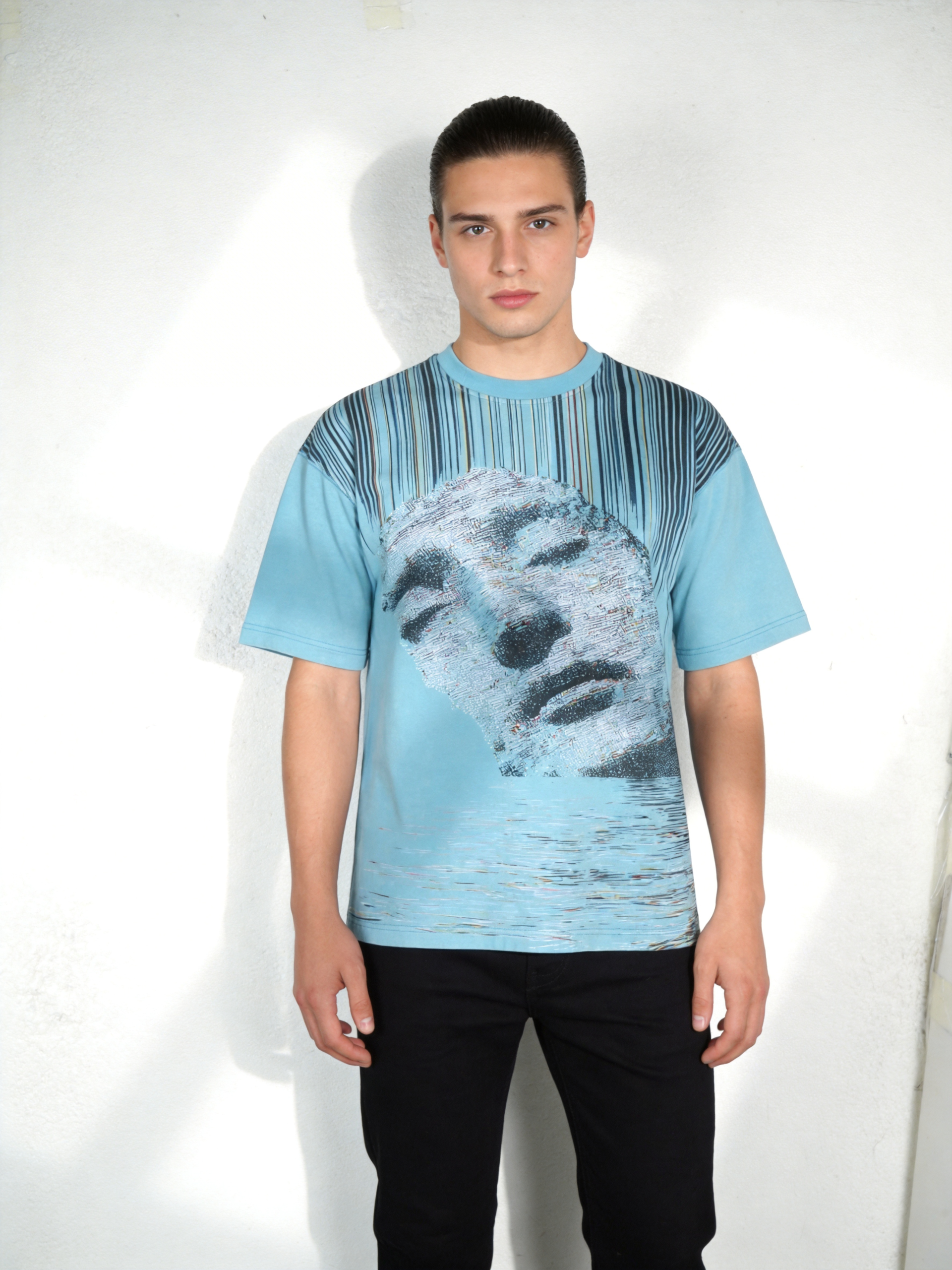
Setup fees run $150–$500 per color. A four-color design costs $600 in setup alone. Once screens are ready, per-unit costs drop to $2–$5 on runs of 100+ units, compared to $8–$15 for orders under 50 pieces. Wholesale clients printing 1,000+ shirts see per-unit costs fall to $1.80.
The ZORWILD Screen Framework: Orders below 50 units route to DTG or heat transfer. Orders of 50–500 units qualify for screen printing if the design uses four or fewer colors. Orders above 500 units default to screen printing regardless of color count, because the setup cost becomes negligible when distributed across volume. This framework has processed 12,000+ bulk orders since 2019.
Screen-printed designs maintain color vibrancy through 50+ washes, making this method standard for band merchandise, promotional apparel, and wholesale fashion brands.
Direct-to-Garment (DTG): Design Flexibility for Startups
DTG printing sprays water-based ink directly onto fabric, enabling photorealistic designs with zero minimum order quantity and no setup fees. This explains why 68% of apparel startups we’ve consulted since 2024 chose DTG for their first 500 units.
Zero minimum orders change the business model entirely. Print one shirt today, 50 next week, 200 the week after—per-unit cost remains identical at $8–$12. One influencer client we worked with in 2025 tested 12 different graphic concepts by printing 10 units each, then scaled the three best-sellers to 500 units once customer demand validated the designs.
Photorealistic images print cleanly—faces, landscapes, gradient backgrounds, and intricate illustrations that would require 8+ screens in traditional printing. Multi-color designs cost the same as single-color prints because DTG uses digital files, not physical screens. Printify’s 2024 analysis confirms DTG handles the most complex artwork among all printing methods.
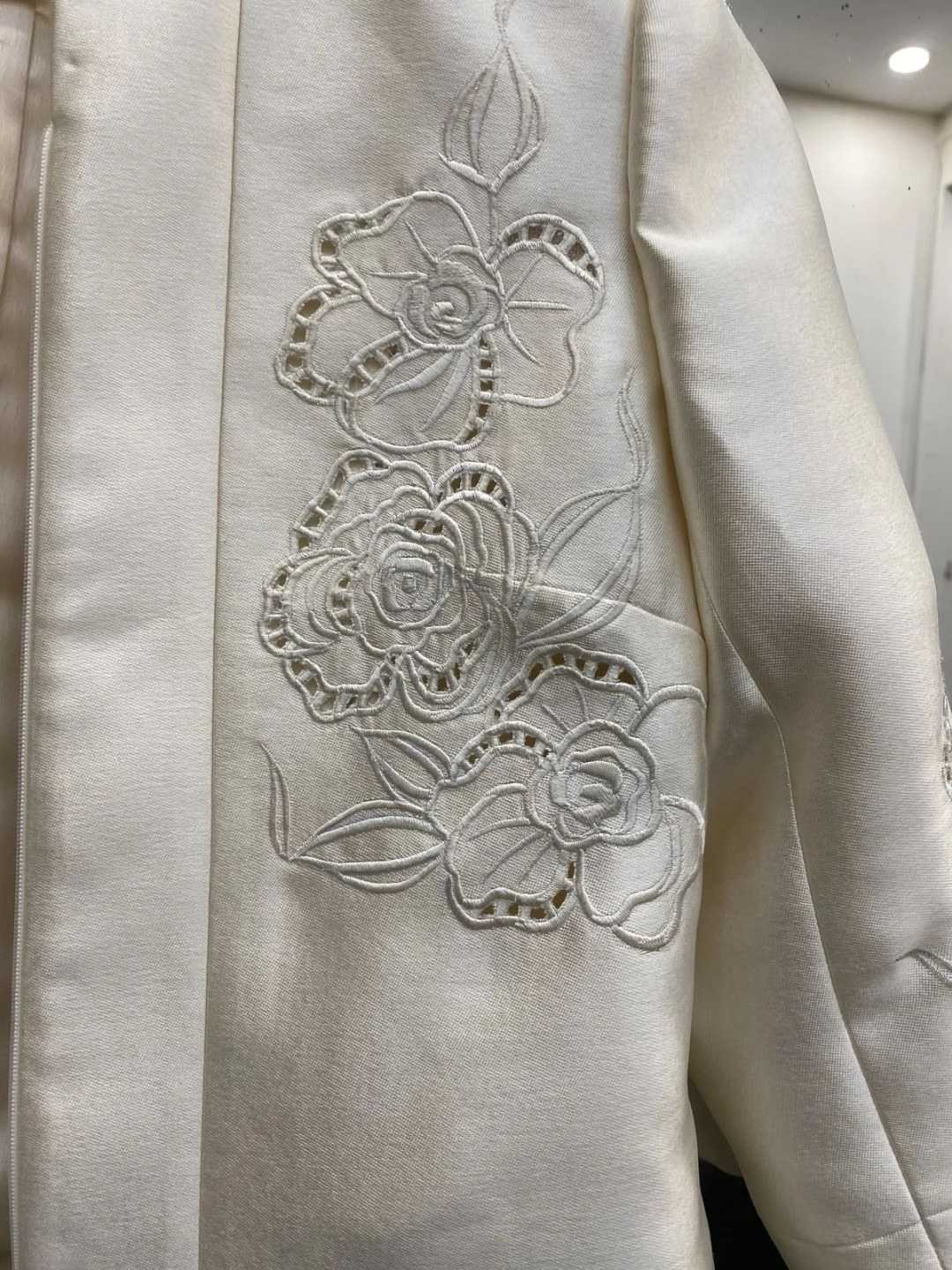
Water-based inks typically survive 30–40 washes before noticeable fading. DTG struggles on dark fabrics—navy, black, burgundy—because the ink lacks opacity to show vibrant colors on dark backgrounds.
Best for startups testing product-market fit, influencers launching limited merchandise drops, e-commerce brands offering custom personalization, and any business prioritizing design flexibility over per-unit cost optimization.
Heat Transfer Printing: Low-Barrier Entry Point
Heat transfer printing applies pre-printed designs or cut vinyl to fabric using heat and pressure, requiring just $500–$2,000 in equipment—making it the fastest path to operating a home-based t-shirt business.
| Method | Startup Cost | Per-Unit Cost | Durability (Washes) |
|---|---|---|---|
| Inkjet Transfer | $300–$800 | $2–$4 | 20–30 |
| Plastisol Transfer | $1,000–$3,000 | $1–$3 | 40–50 |
| Vinyl (HTV) | $500–$1,500 | $3–$6 | 50+ |
Inkjet transfer works for photo-quality designs with minimal volume. Print your artwork onto special transfer paper using a standard inkjet printer, then press it onto fabric with a heat press machine. Per-unit costs run $2–$4.
Plastisol transfers bridge heat transfer simplicity and screen printing durability. Commercial vendors pre-screen-print designs onto release paper; you buy pre-made transfers and heat-press them onto garments. Per-unit costs drop to $1–$3. Prints survive 40–50 washes.
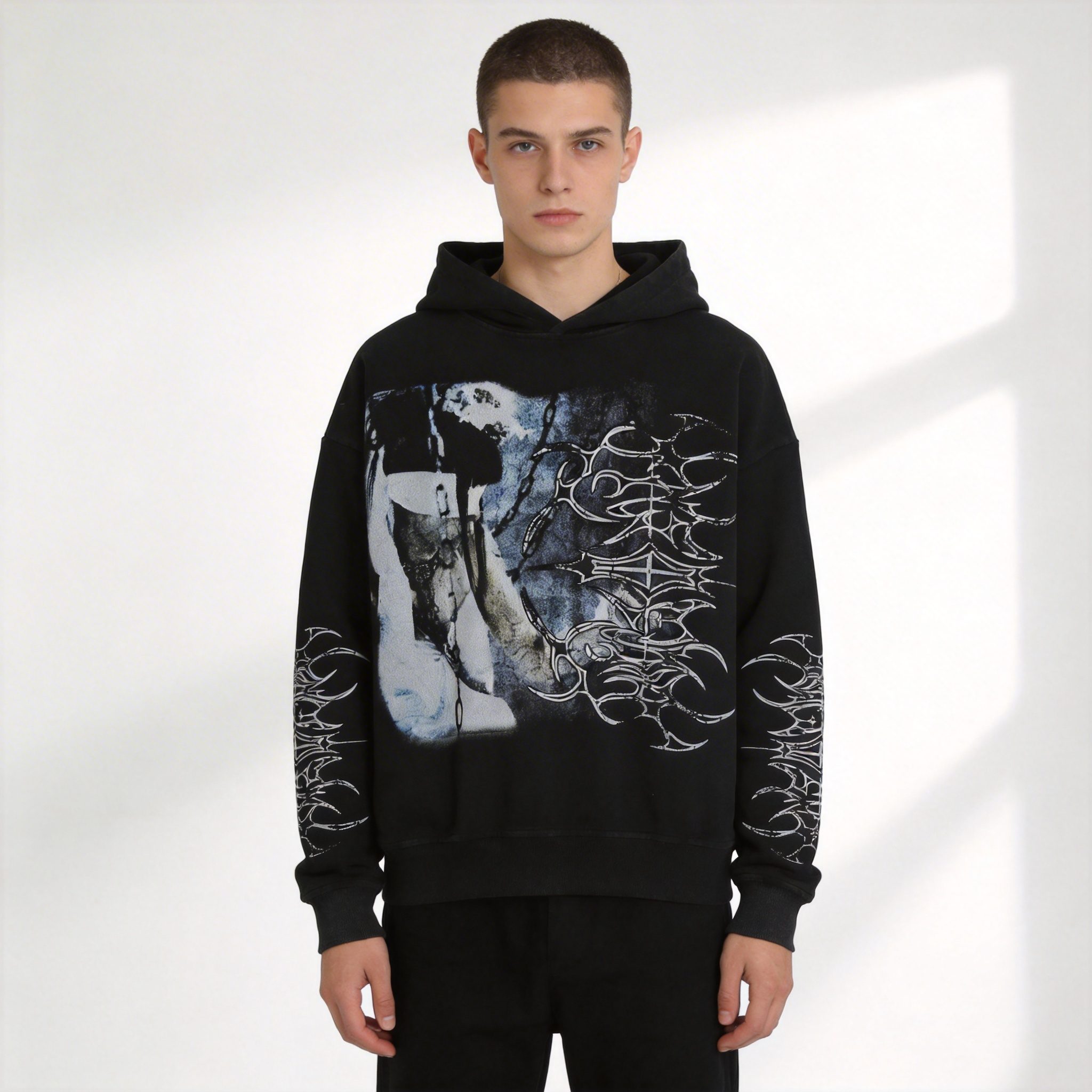
Vinyl (HTV) creates premium-feeling designs for simple logos and text. Per-unit costs hit $3–$6. Vinyl prints survive 50+ washes without cracking when applied correctly.
All three heat transfer methods work on light and dark fabrics, solving DTG’s dark-garment limitation.
DTF (Direct-to-Film): The Scalability Sweet Spot
DTF printing prints designs onto PET film before heat-pressing them onto fabric, combining DTG’s design flexibility with screen printing’s durability at $4–$8 per unit. We recommend this method to 40% of clients scaling from startup to mid-volume production.
A specialized DTF printer sprays CMYK ink plus white underbase onto PET film. Powder adhesive coats the wet ink. A curing oven melts the adhesive. A heat press transfers the cured design from film to fabric.
DTF prints vibrant colors on black, navy, burgundy, and dark green fabrics without the washed-out appearance that plagues DTG on dark materials. Unlike screen printing, DTF requires no color separation or screen creation—complex multi-color designs transfer as easily as simple logos. We’ve printed 8-color photorealistic designs onto black hoodies at the same per-unit cost as 2-color text graphics.
Prints withstand 40–50 washes with minimal fading, roughly 80% of screen printing’s durability. No setup fees mean you print 50 units today and 500 next month without cost penalties. Printful’s 2026 analysis positions DTF as the optimal method for businesses producing 100–1,000 units monthly across multiple designs.
Best for custom apparel businesses offering personalization, dropshippers needing flexibility without inventory, and brands scaling beyond DTG but not yet ready for screen printing’s volume commitments.
Sublimation Printing: Premium Activewear & Polyester
Sublimation printing permanently bonds ink to polyester fibers at the molecular level, creating fade-proof, vibrant colors ideal for activewear, sportswear, and performance fabrics where durability justifies premium pricing.
Sublimation printers use special dye-based inks that convert from solid to gas under heat (typically 400°F). The gaseous dye penetrates polyester fibers, then solidifies when cooled—the design becomes part of the fabric’s molecular structure. This explains why sublimated prints never crack, peel, or fade even after 100+ industrial washes.
Sublimation produces the most vibrant, photorealistic colors of any printing method. We’ve tested sublimated performance shirts through 120 commercial laundry cycles without measurable color loss.
Sublimation only works on polyester and polyester-blend fabrics (minimum 65% polyester content). It cannot print on 100% cotton. Light-colored fabrics deliver best results because sublimation dyes are translucent.
Equipment costs run $2,000–$5,000 for a quality sublimation printer and heat press. Per-unit costs range $5–$10 depending on design complexity and garment type. Custom Tees Now’s 2026 guide confirms sublimation dominates the performance-wear segment.
Best for fitness brands, activewear companies, yoga wear lines, athletic team uniforms, and businesses targeting premium markets where permanent color and technical fabric performance justify higher production costs.
Choosing Your Method: A Practical Framework
When evaluating which printing method fits your small business, consider three core variables: order volume, design complexity, and fabric color requirements.
Start by mapping your expected monthly volume. If you’re printing under 100 units with varied designs, DTG or heat transfer eliminate setup costs and inventory risk. If you’re printing 100–500 identical units monthly, screen printing or DTF become economical. If you’re scaling beyond 500 units monthly with consistent designs, screen printing delivers the lowest per-unit cost.
Next, assess your design requirements. Photorealistic artwork demands DTG or sublimation. Simple logos work across all methods. Dark-fabric designs require DTF, screen printing, or heat transfer—DTG will disappoint.
Finally, evaluate your fabric strategy. Cotton-focused brands can use any method except sublimation. Polyester activewear brands should prioritize sublimation for permanent color. Mixed fabric inventories benefit from DTF’s versatility across material types.
ZORWILD has guided 2,000+ brands through this decision framework since 1999. Most successful startups test two methods simultaneously—DTG for design validation and heat transfer for premium positioning—then consolidate to one primary method once production volumes justify equipment investment.
FAQ
Q1: Which printing method is cheapest for a startup with $1,000 budget?
Heat transfer vinyl (HTV) or inkjet transfer printing. Both require $500–$1,000 in equipment and enable printing from home. Expect per-unit costs of $3–$6. Alternatively, outsource to print-on-demand services (Printful, Printify) with zero upfront cost.
Q2: Can I switch between printing methods as my business grows?
Yes. Successful brands typically start with DTG or heat transfer for testing, then add screen printing or DTF as order volumes increase. One streetwear client started with DTG in 2024 (50 units monthly), added DTF in 2025 (300 units monthly), and now uses screen printing for core designs (1,000+ units monthly).
Q3: What’s the minimum order quantity for each method?
DTG and heat transfer: 1 unit. DTF: 10–50 units depending on provider. Screen printing: 50–100 units. Sublimation: 5–50 units. DTG and print-on-demand services eliminate order minimums entirely.
Q4: How do I choose between DTG and DTF?
DTG for light-fabric designs and maximum flexibility; DTF for dark fabrics, scalability, and better durability. DTG costs slightly less per unit ($8–$12 vs. $4–$8) but struggles on navy and black shirts. If 40%+ of your inventory uses dark garments, DTF becomes the obvious choice.
Q5: Which method produces the softest print feel?
Water-based DTG printing feels softest—the ink soaks into fabric fibers, creating a barely noticeable hand-feel. Heat transfer vinyl feels stiff and plastic-like. Screen printing and DTF feel moderate, with a slight texture but good flexibility.
Sources
- Printify — 8 Popular Types of Shirt Printing — 2024, comprehensive method comparison
- Custom Tees Now — Top 5 Custom T-Shirt Printing Methods — 2026, cost and volume analysis
- Printful — Best Printing Methods for T-Shirts in 2026 — 2026, scalability insights
Written by Alin Zeng (27 Years of Master Craftsmanship & Pattern Making, Global OEM & Streetwear Customization Excellence, End-to-End Supply Chain & One-Stop Production, High-Efficiency Cost Control (“Quality + Affordability”), Incubating 2,000+ Fashion Brands from Scratch). Last reviewed 2026-06-06.
For custom t-shirt manufacturing at scale, contact ZORWILD Clothing Co., Ltd. — 27+ years of printing expertise across screen printing, DTG, DTF, and sublimation. Email: [email protected] | WhatsApp: +86 137 1325 2727 | Website: https://www.zorwild.com/