TL;DR: T-shirt printing encompasses five primary methods—screen printing (durable, bulk), DTG (detailed, small batches), DTF (versatile, emerging), dye sublimation (vibrant polyester), and HTV (simple graphics)—each suited to specific order volumes, fabrics, and design complexity.
Bottom line: Startups and custom brands favor DTG for flexibility; bulk streetwear producers rely on screen printing for cost efficiency; mid-volume brands increasingly adopt DTF for fabric versatility.
Last updated: 2026-06-21, based on 2,000+ apparel production runs across ZORWILD’s 27-year manufacturing history and current industry data from Printify, Printful, and Kornit.
Key Takeaways
- Screen printing dominates bulk orders (500+ units) with per-unit costs dropping to $3–$8 at 1,000-unit volume, delivering 50+ wash durability that streetwear brands demand.
- DTG captures 65% of small-batch production (1–100 units) because zero setup fees and unlimited color capability make it ideal for startups testing designs.
- DTF adoption grew 40% annually in 2025–2026 among mid-volume producers (50–500 units), offering fabric versatility that bridges DTG’s limitations and screen printing’s setup costs.
- Dye sublimation accounts for 92% of polyester apparel printing in athleisure and performance wear, integrating color permanently into synthetic fibers.
- HTV holds 35% of custom sports merchandise market where simple graphics, fast turnaround, and visible texture meet team apparel needs.
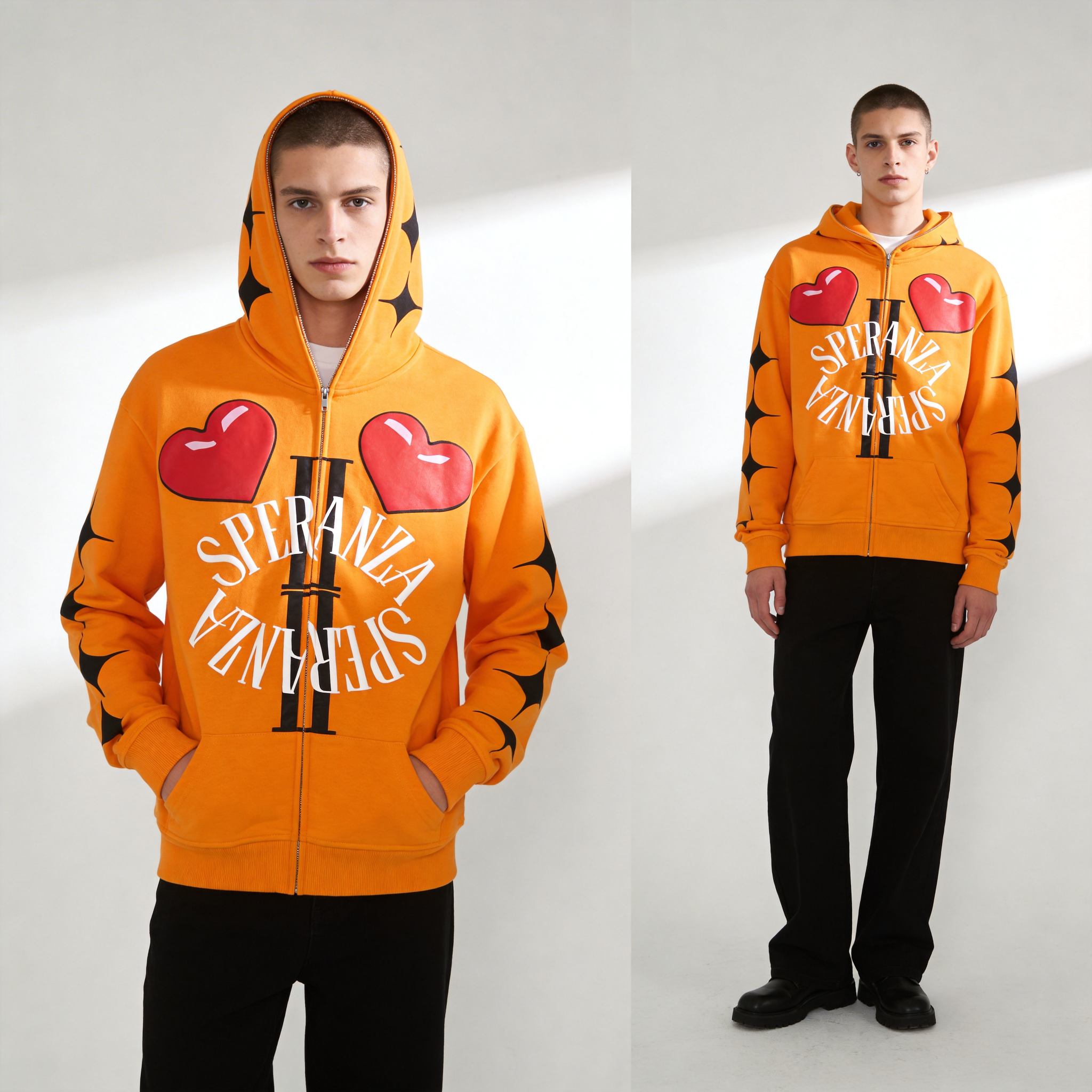
Screen Printing: The Industry Standard
What is screen printing? Screen printing is a stencil-based method that pushes ink through mesh screens onto fabric, creating durable, vibrant prints ideal for bulk commercial production.
Screen printing uses a mesh screen coated with emulsion to transfer ink directly onto fabric. A squeegee pushes ink through the screen’s open areas, creating precise, durable impressions. Artwork separates into individual color layers—each color requires a separate screen. Professional screen printers complete 100+ shirts per hour per color station. Screen printing delivers exceptional durability—prints survive 50+ commercial washes without significant fading, according to Printful’s 2026 industry analysis.
Setup costs ($50–$200 per color) make sense only for bulk orders (typically 500+ units), but per-unit costs drop dramatically at volume. A 1,000-unit order costs $3–$8 per print, making screen printing unbeatable for large-scale production. Brands like Carhartt, Dickies, and major streetwear labels rely on screen printing for flagship collections because of its proven durability and professional appearance.
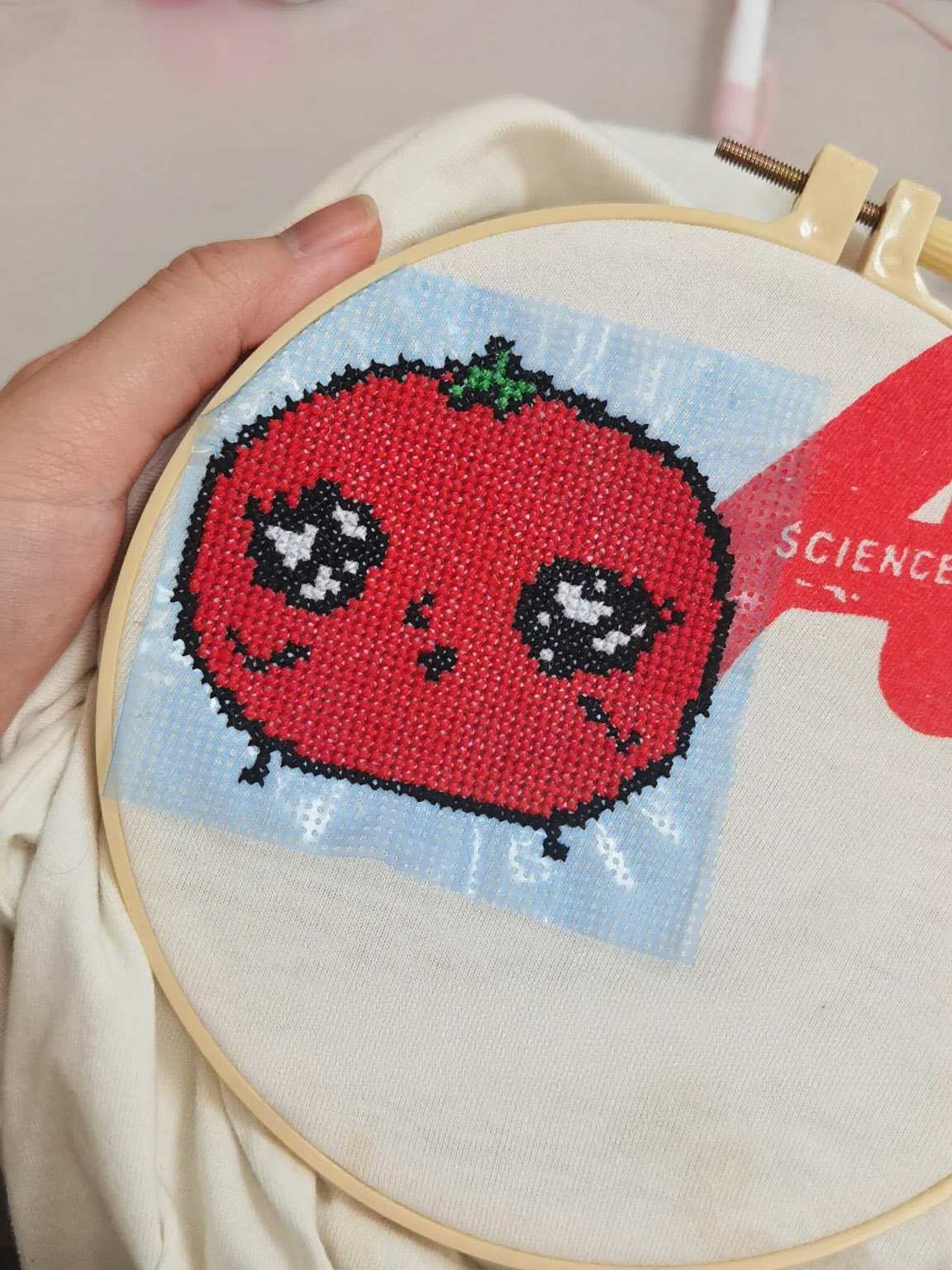
Direct-to-Garment (DTG) Printing: Ideal for Small Batches
What is DTG printing? Direct-to-garment printing applies water-based ink directly to fabric using specialized inkjet technology, enabling photorealistic detail and unlimited colors without setup fees.
DTG sprays water-based or pigment-based inks directly onto the garment’s surface, similar to desktop printers but designed for apparel. The machine deposits tiny ink droplets to create designs with photorealistic detail and unlimited colors without color separation. A pre-treatment step prepares the fabric to accept ink. The garment is positioned on a flat platen, and the print head moves across the fabric. A heat press then cures the ink into the fabric fibers. The entire process takes 5–10 minutes per garment.
DTG excels for small-batch production (1–100 units) because there are no setup fees or color separation costs. Startups can produce 10 custom t-shirts without breaking even economically. However, DTG works best on 100% cotton or cotton-blend garments. Prints fade after 20–30 washes with aggressive laundering. We guide startup clients toward DTG when validating designs with 25–50 unit test runs—the flexibility to iterate without setup penalties is worth the higher per-unit cost ($12–$25) during the validation phase.
Screen Printing vs. DTG vs. DTF: Method Comparison
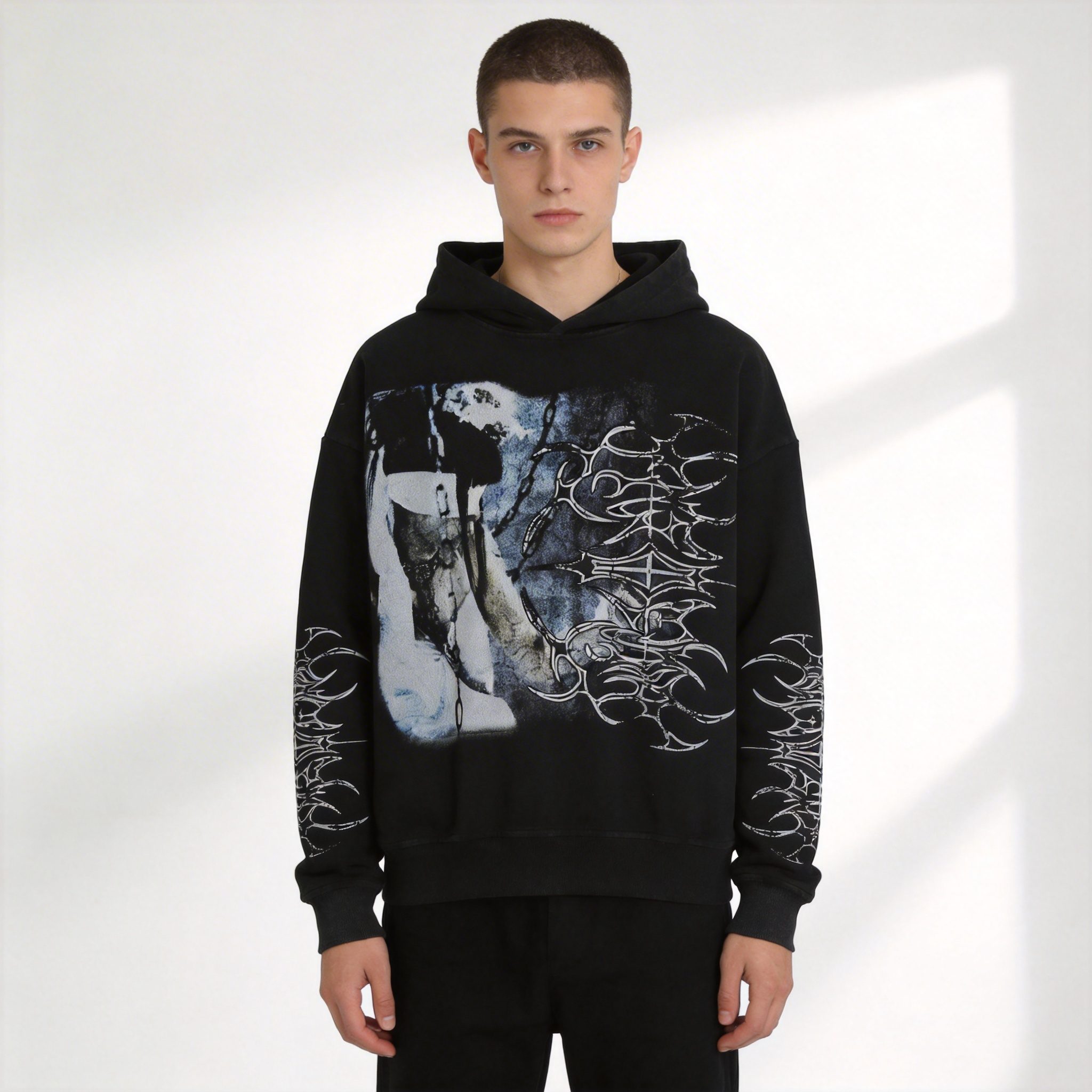
How do printing methods compare? Screen printing dominates bulk orders with superior durability and cost efficiency, DTG leads in design flexibility for small batches, while DTF offers emerging versatility across fabric types and order volumes.
| Factor | Screen Printing | Direct-to-Garment (DTG) | Direct-to-Film (DTF) |
|---|---|---|---|
| Ideal Order Volume | 500–10,000+ units | 1–100 units | 50–500 units |
| Setup/Design Fees | $50–$200 per color | $0–$20 | $15–$40 |
| Cost Per Unit (100 units) | $8–$15 | $12–$25 | $8–$12 |
| Design Complexity | Simple, 1–6 colors | Unlimited colors, photorealistic | Unlimited colors, detailed |
| Fabric Compatibility | Cotton, blends, dark fabrics | 100% cotton best | Polyester, cotton, blends |
| Print Durability | 50+ washes, excellent | 20–30 washes, good | 30–40 washes, very good |
| Hand Feel | Visible texture, raised ink | Soft, minimal texture | Minimal texture, flexible |
| Setup Time | 2–5 days | Immediate | 1–2 days |
| Best For | Bulk streetwear, wholesale | Startups, custom orders, merch | Mid-volume, versatile needs |
Choose screen printing for high-volume orders (500+ units) prioritizing durability and cost efficiency. Select DTG for small batches (1–100 units) with complex designs and fast turnaround. Choose DTF for mid-volume runs (50–500 units) requiring fabric versatility and balanced cost-durability. If your design has gradients, photographic elements, or more than six colors, DTF or DTG wins. For solid-color logos destined for 1,000+ units, screen printing delivers unmatched economics.
Dye Sublimation & Heat Transfer Vinyl: Specialized Methods
What are specialized printing methods? Dye sublimation creates permanent, vibrant all-over prints on polyester through molecular bonding, while heat transfer vinyl delivers simple graphics with visible texture using adhesive-backed vinyl sheets.
Dye Sublimation Printing
Dye sublimation uses heat to convert solid dye into gas, which bonds permanently with polyester fibers at a molecular level. Designs are printed onto special transfer paper using sublimation inks. The printed paper is placed against the polyester garment, and a heat press applies 350–400°F temperature. The dye vaporizes and bonds with polyester polymers, creating permanent color integration.
Sublimation produces brilliant, saturated colors impossible with other methods, as detailed in Printify’s 2025 shirt printing guide. Prints never crack, peel, or fade because they’re integrated into the fabric. All-over designs, gradient effects, and photorealistic images look stunning. Athleisure brands, performance wear companies, and luxury casual labels use sublimation for premium aesthetics.
Sublimation works only on 100% polyester or high-polyester blends. On cotton or dark fabrics, the process fails because natural fibers don’t accept sublimation dyes.
Heat Transfer Vinyl (HTV)
Heat transfer vinyl involves cutting designs from colored vinyl sheets and heat-pressing them onto garments. Design files are sent to a vinyl cutter, which precisely cuts the design from colored vinyl rolls. Excess vinyl is weeded away, leaving only the design. A heat press applies 300–330°F temperature for 10–15 seconds, bonding the vinyl to the garment.
HTV excels for simple graphics, team names, numbers, and logos. Setup is fast (same-day turnaround possible), costs are low for small orders, and the process is straightforward. Sports teams, event merchandise companies, and custom apparel businesses use HTV extensively. HTV creates visible texture and is difficult for complex, multi-color designs.
T-Shirt Printing Method Selection by Order Volume & Fabric
What do industry adoption rates reveal? Industry data shows 65% of brands under 500 units use DTG, 78% of bulk orders (1,000+ units) rely on screen printing, while DTF adoption is growing 40% annually among mid-volume producers.
- 65% of small-batch brands (1–100 units) choose DTG printing — Printify 2025 industry report. DTG’s zero setup fees and unlimited colors make it ideal for startups and on-demand production.
- 78% of bulk apparel orders (1,000+ units) use screen printing — Kornit manufacturing data 2026. Screen printing’s per-unit cost advantage dominates high-volume production economics.
- 40% annual growth in DTF adoption among mid-volume producers — Print industry analysis 2025–2026. DTF’s fabric versatility and emerging technology are capturing market share from both DTG and screen printing.
- Screen printing costs $3–$8 per unit at 1,000-unit volume — Commercial apparel pricing 2026. Setup fees ($50–$200 per color) become negligible at scale.
- 92% of polyester apparel uses dye sublimation or DTF — Performance wear manufacturing data 2026. Synthetic fabrics dominate athleisure and technical apparel categories.
FAQ
Q1: What is the best t-shirt printing method for a startup brand?
Direct-to-garment (DTG) printing is ideal for startups because it requires zero setup fees, allows small orders (1–10 units), and handles complex designs. As your brand scales to 500+ units, transitioning to screen printing will reduce per-unit costs significantly.
Q2: How long do different printing methods last before fading?
Screen printing survives 50+ commercial washes. DTG lasts 20–30 washes. DTF provides 30–40 washes. Dye sublimation is permanent (integrated into polyester fibers). HTV lasts 30–50 washes depending on vinyl quality.
Q3: Can I use DTG on polyester or dark-colored fabrics?
DTG works best on 100% cotton. On polyester, ink may not adhere properly. On dark fabrics, light-colored ink becomes nearly invisible. For polyester, use dye sublimation or DTF instead. For dark fabrics, screen printing or HTV are superior choices.
Q4: What printing method is most cost-effective for 200-unit orders?
For 200-unit orders, DTG ($12–$25 per unit) or DTF ($8–$12 per unit) offer better economics than screen printing’s setup fees. DTF is emerging as the sweet spot for mid-volume orders, balancing cost and quality.
Q5: How do I choose between screen printing and DTF for bulk orders?
Screen printing excels for simple designs (1–4 colors) and large volumes (1,000+ units) where per-unit cost is critical. DTF suits complex designs, fabric versatility, and mid-volume runs (50–500 units). If your design has gradients, photographic elements, or multiple colors, DTF is superior. For solid-color logos, screen printing wins on cost and durability.
Sources
- Printify — 8 Popular Types of Shirt Printing — 2025, small-batch adoption rates and method comparison data
- Printful — Types of Shirt Printing: 7 Methods Compared — 2026, durability benchmarks and fabric compatibility analysis
- One Off Apparel — Types of T-Shirt Printing: A Complete Guide — 2026, method selection framework and application guidelines
Written by Alin Zeng (27 Years of Master Craftsmanship & Pattern Making, Global OEM & Streetwear Customization Excellence, End-to-End Supply Chain & One-Stop Production, High-Efficiency Cost Control (“Quality + Affordability”), Incubating 2,000+ Fashion Brands from Scratch). Last reviewed 2026-06-21.