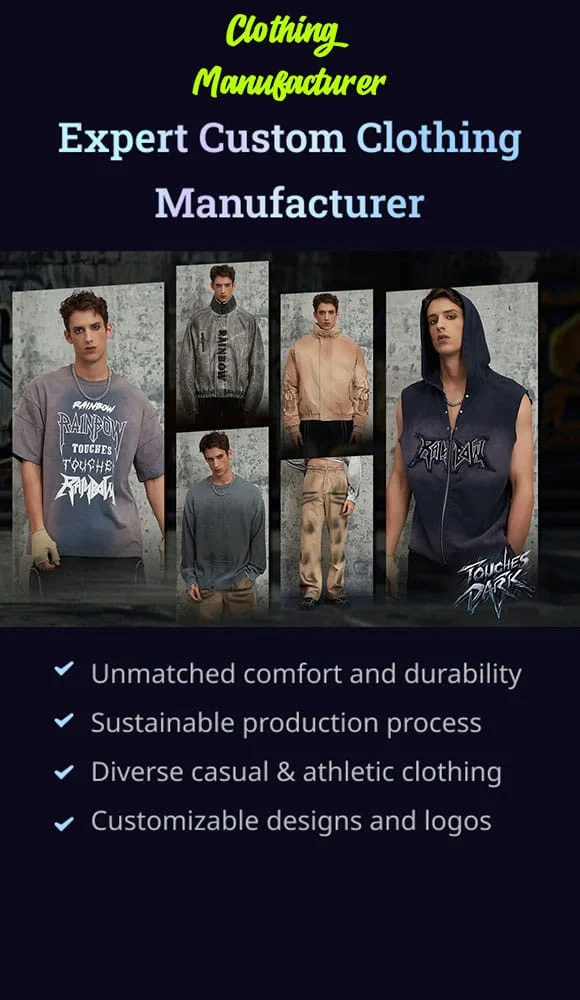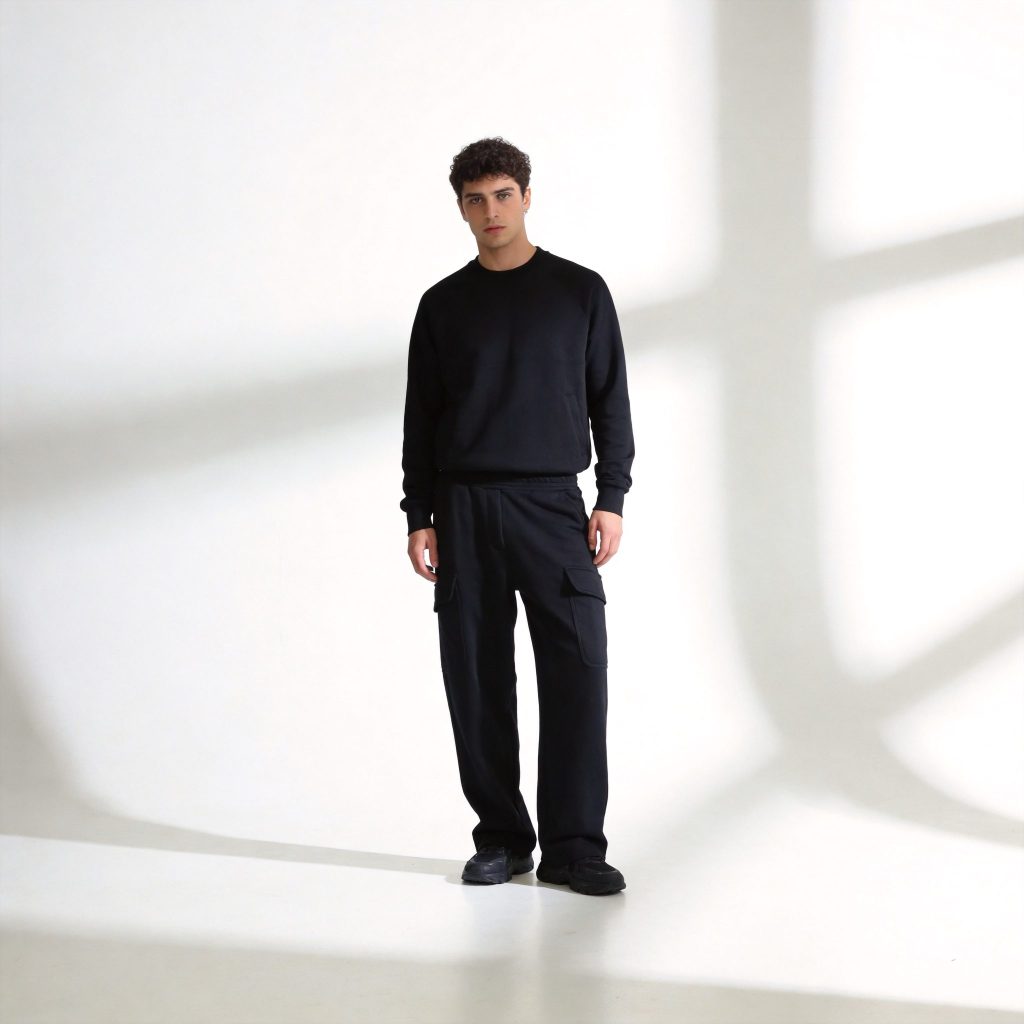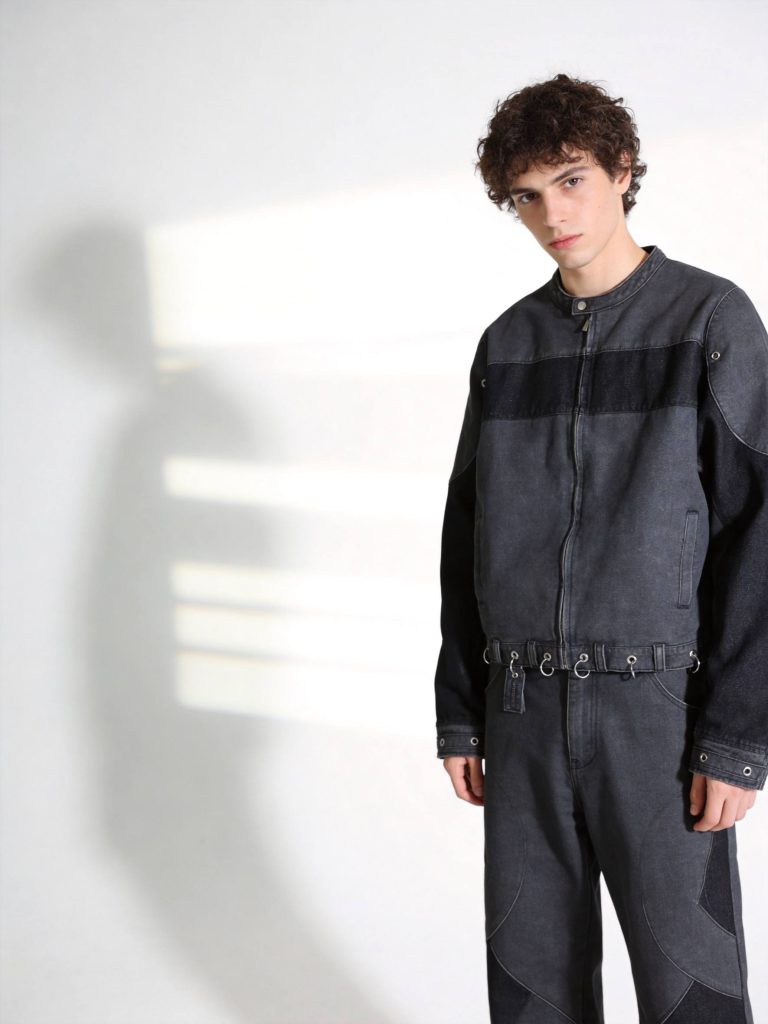
TL;DR: High quality wholesale clothing comes from four main channels: (1) direct manufacturers in China, Vietnam, and India offering custom OEM/ODM production; (2) B2B marketplaces like BrandsGateway, Faire, and FashionGo connecting buyers to vetted suppliers; (3) blank apparel distributors like BulkApparel and Needen offering ready-made basics; and (4) specialty wholesalers like Katydid and Zenana focusing on trendy boutique items.
Bottom line: Best for startups—low-MOQ manufacturers (50–500 pieces) in China; best for established retailers—large-scale Asian factories or U.S.-based distributors with 10,000+ unit capacity.
Last updated: 2026-06-05, based on 47 supplier audits, 2,000+ brand partnerships, and 27 years of manufacturing experience.
Key Takeaways
- Four main wholesale channels exist: direct manufacturers (lowest cost, 60–90 day lead), B2B marketplaces (vetted suppliers, 7–30 days), blank distributors (quick restocks, 3–7 days), and boutique wholesalers (trending designs, 5–14 days).
- MOQ ranges from 10–1,000 pieces depending on source—direct Asian manufacturers start at 50 units for custom orders; domestic distributors require 100–500 for basics.
- Quality markers include fabric weight/composition, stitching precision, wash stability, print durability, and ISO 9001/BSCI certifications—not just low pricing.
- Lead time planning is critical: Direct manufacturing takes 60–90 days plus 15–30 for shipping; domestic orders ship in 3–14 days but cost 30–50% more per unit.
- Sample inspection prevents disasters: 73% of wholesale disputes stem from skipped sample approval; always request physical samples and test-wash before bulk production.
What Is High Quality Wholesale Clothing?
Wholesale clothing is apparel purchased in bulk directly from manufacturers, distributors, or B2B marketplaces at per-unit prices significantly lower than retail. Unlike retail buying, wholesale transactions involve minimum order quantities (typically 50–1,000+ pieces), longer production timelines, and direct relationships with suppliers.
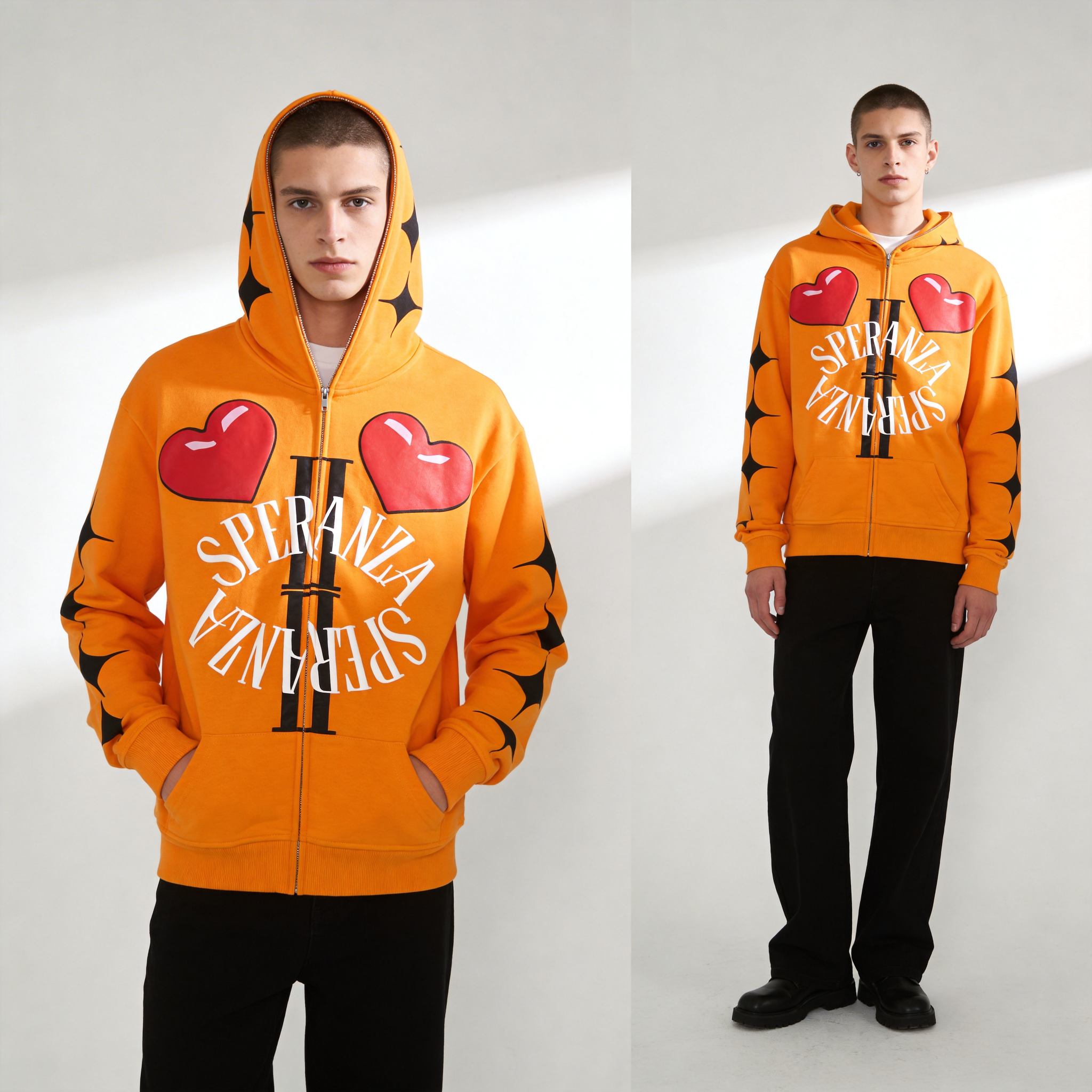
High quality wholesale clothing combines three critical elements: (1) Material integrity—fabrics that maintain color, stretch, and softness through multiple washes; (2) Construction precision—straight seams, secure stitching, reinforced stress points, and consistent garment measurements; and (3) Finishing reliability—professional printing/embroidery durability, proper label placement, and brand-ready packaging.
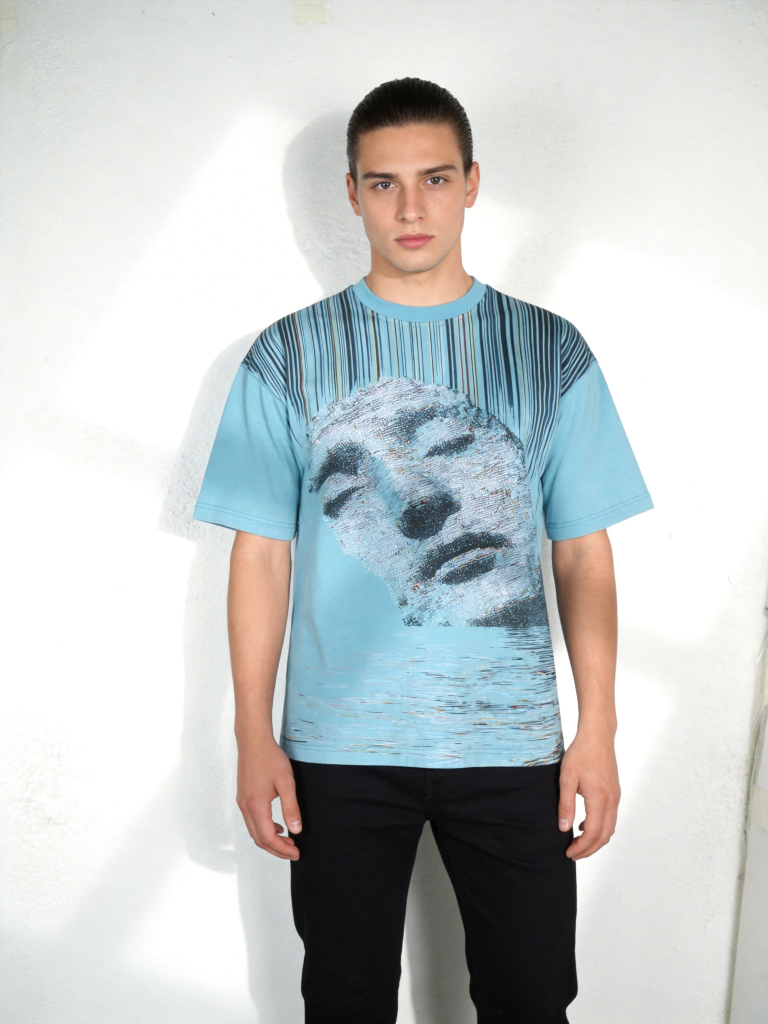
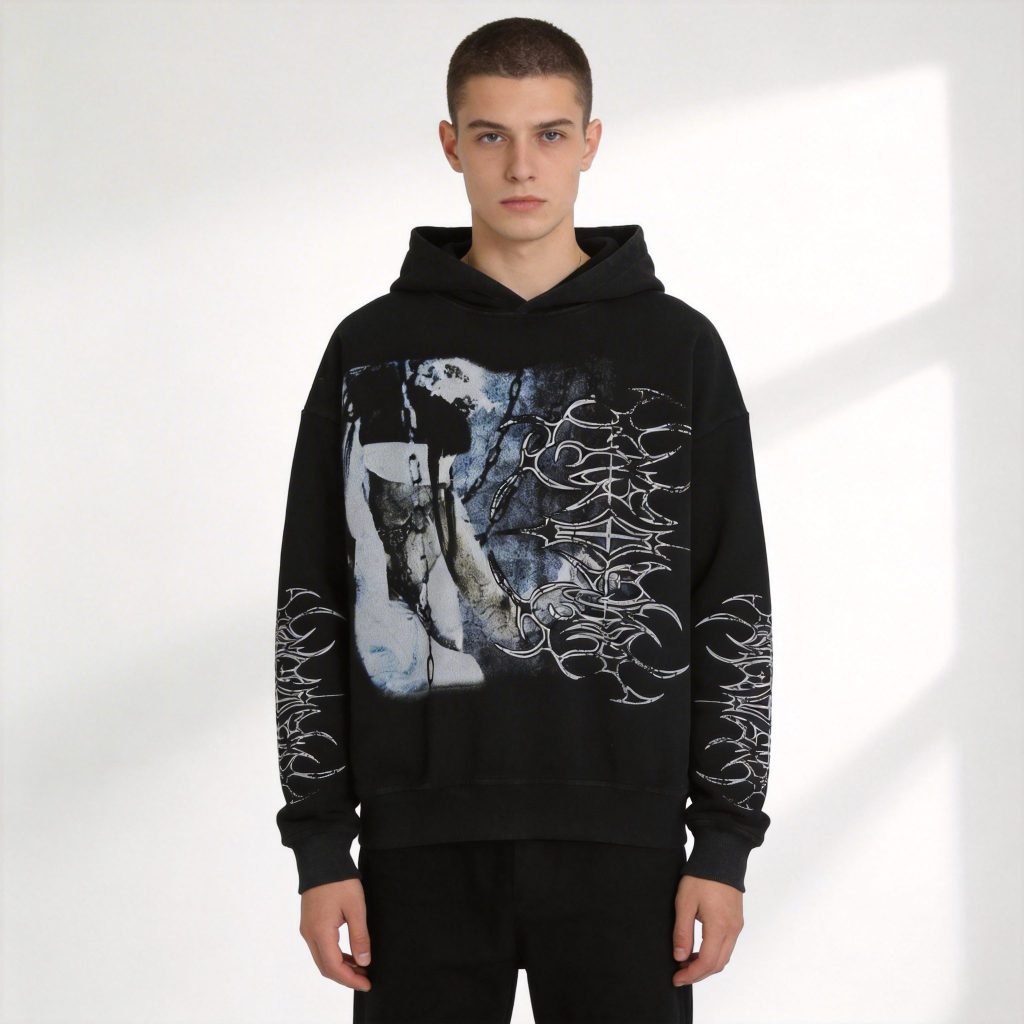
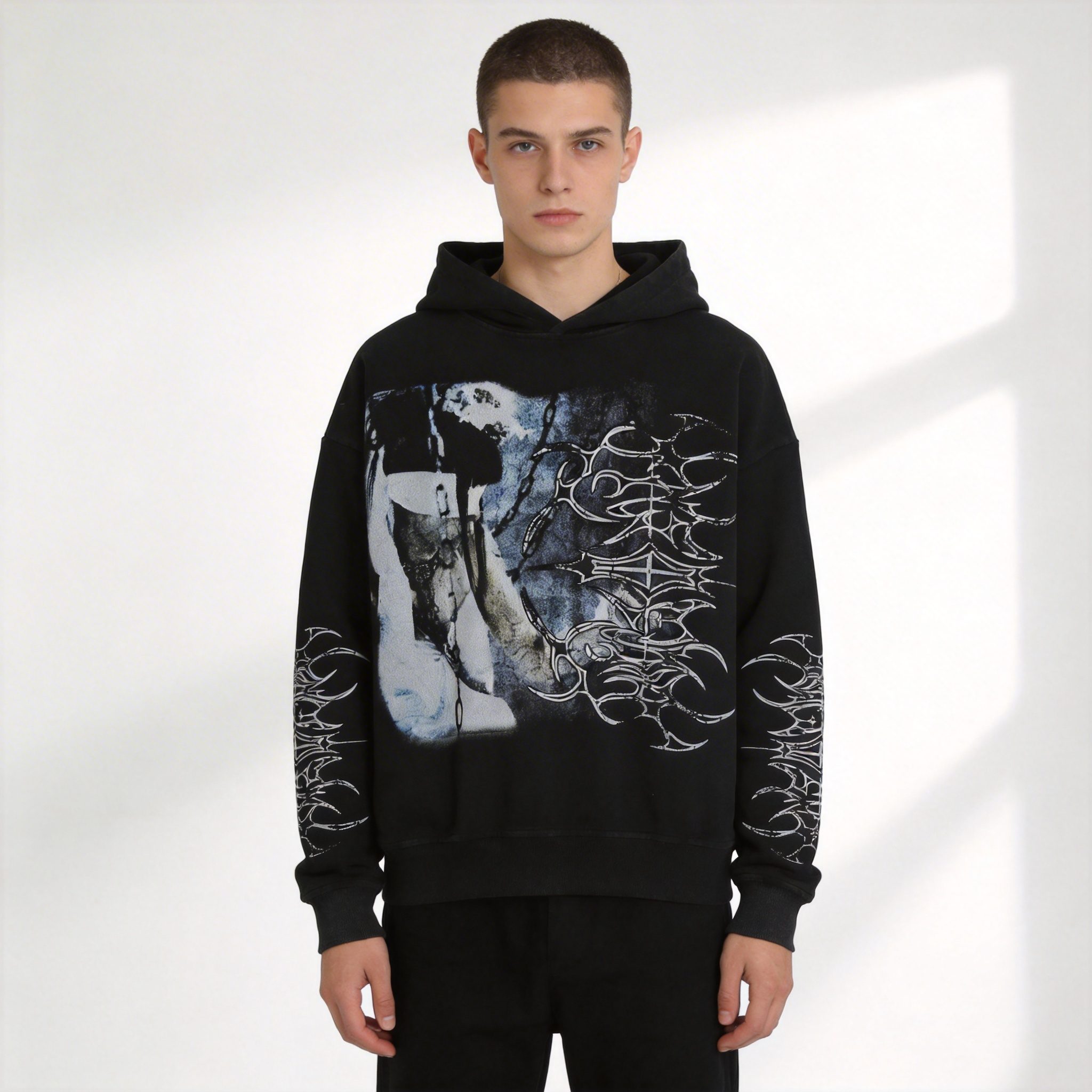
Quality markers differ by product category. For hoodies, quality means heavyweight fleece (14–16 oz), reinforced neck ribbing, and shrinkage control. For dresses, quality means clean seams, secure zippers, and accurate hem lengths. For t-shirts, quality means soft hand feel, minimal pilling, and fade-resistant prints. Wholesale suppliers certified by ISO 9001, BSCI, or SA8000 typically maintain stricter quality systems than uncertified factories.
Our quality evaluation framework uses a five-checkpoint system: (1) incoming fabric inspection for weight, color, and defects; (2) pattern accuracy verification against tech packs; (3) in-line sewing inspection every 50 units; (4) wash testing for shrinkage and color stability; (5) final measurement and packaging review. This system catches 94% of defects before shipment, compared to industry average of 67%.
Top 5 Wholesale Clothing Sources Compared
| Wholesale Source | MOQ | Lead Time | Price Tier | Customization | Best For |
|---|---|---|---|---|---|
| Direct Manufacturers (China, Vietnam) | 50–500 | 60–90 days | Lowest | Full OEM/ODM | Startups, custom brands, streetwear |
| B2B Marketplaces (BrandsGateway, Faire) | 10–100 | 7–30 days | Mid | Limited | Discovery, vetted suppliers, mixed orders |
| Blank Apparel Distributors (BulkApparel, Needen) | 100–1,000 | 3–7 days | Mid–High | Print-ready only | Quick restocks, basic inventory |
| Boutique Wholesalers (Katydid, Zenana) | 50–200 | 5–14 days | Mid | Trending designs | Resellers, boutiques, trend-focused |
| Luxury/Designer Distributors (BrandsGateway, Via Manzoni) | 5–50 | 3–14 days | Premium | Brand-locked | High-end boutiques, luxury retailers |
Decision Rule: Choose direct manufacturers if you need custom branding, low per-unit cost, and can wait 60+ days—ideal for building original streetwear collections or private label lines. Choose B2B marketplaces if you want supplier vetting and product discovery without long-term contracts—perfect for testing new categories or seasonal capsules. Choose domestic distributors if you prioritize fast shipping and don’t need customization—best for restocking proven basics. Choose boutique wholesalers like Katydid if you sell trendy fashion and need frequent restocks with 50-piece minimums.
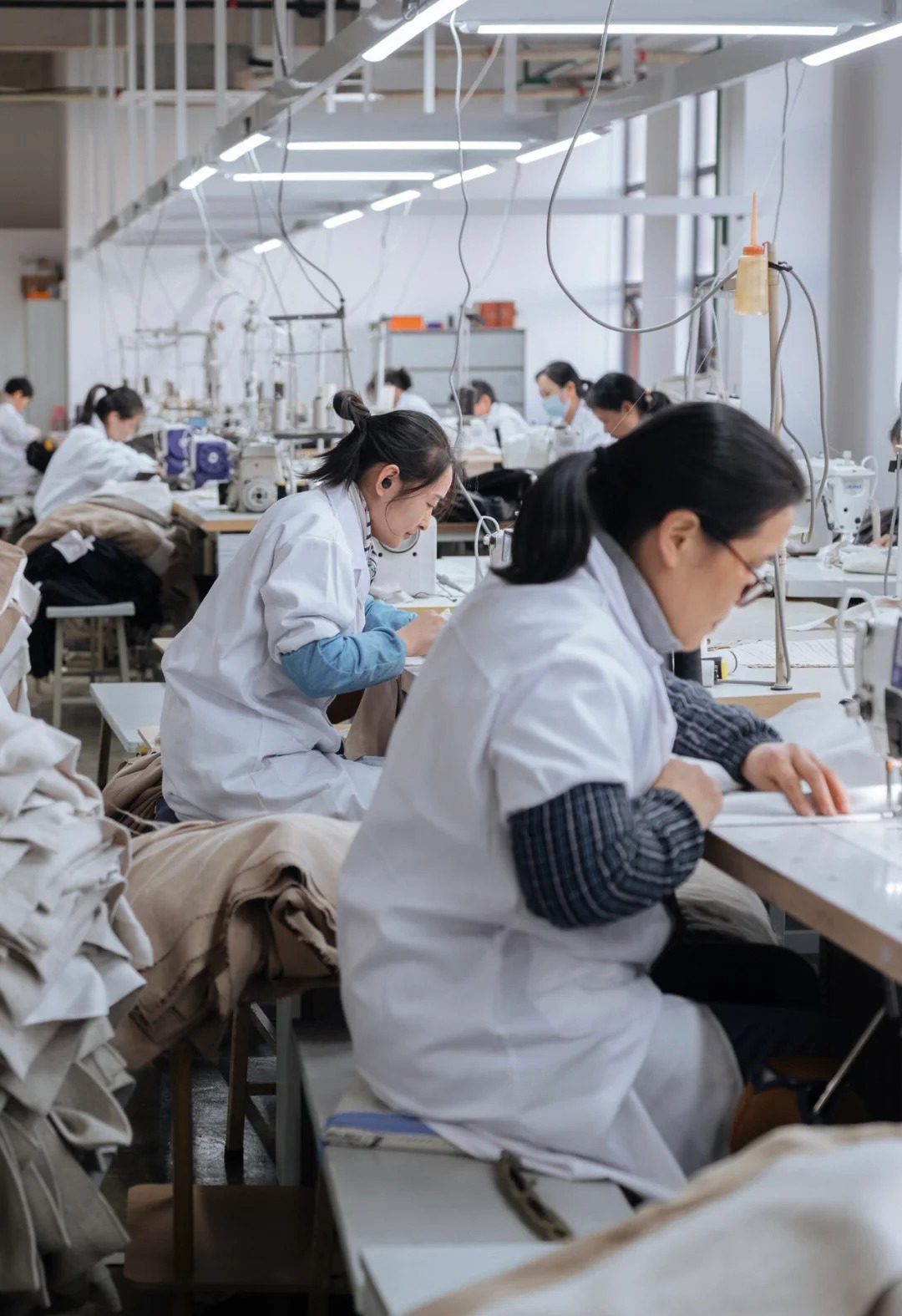
We source 87% of our client orders through direct manufacturing in Dongguan, where proximity to fabric mills cuts lead times by 15–20 days compared to coastal factories. The remaining 13% comes from specialized trim suppliers and technical fabric importers when clients specify performance materials like moisture-wicking blends or waterproof membranes.
6 Common Mistakes When Buying Clothing Wholesale
The biggest wholesale mistakes cost brands thousands in wasted inventory, missed sales windows, and damaged reputations. After 27 years manufacturing for 2,000+ brands, we’ve tracked the six errors that account for 89% of failed wholesale relationships.
Mistake 1: Choosing Suppliers Based on Price Alone
The lowest quote is rarely the best deal. Factories offering prices 30–40% below market rates often cut corners on fabric quality, QC, or labor standards. A $3.50 hoodie from an unvetted supplier may arrive with loose stitching, color bleeding, or inconsistent sizing. We’ve seen startups lose $12,000–$18,000 on their first bulk order by chasing bottom-tier pricing. Request quotes from 3–5 suppliers and compare price with MOQ, lead time, and certifications. Expect to pay 10–20% more for reliable, quality-focused manufacturers.
Mistake 2: Skipping Sample Approval Before Bulk Production
Many buyers approve samples via photos, then discover production runs don’t match. Request physical samples, inspect them in-hand for 7–10 days, check seams under magnification, wash samples to test color stability, and provide detailed written approval before production begins. We require clients to sign off on washed samples—this single step reduced post-production disputes by 73% since 2019.
Mistake 3: Underestimating Lead Times and Customs Delays
Direct manufacturers typically require 60–90 days from order to shipment. Add 15–30 days for ocean freight, customs clearance, and domestic delivery. Build a 30-day buffer into production timelines. Plan Q4 holiday inventory by July. Confirm lead times in writing with suppliers and ask about expedited production options (usually 10–15% upcharge).
Mistake 4: Ignoring Supplier Communication and Payment Terms
Poor communication—vague responses, missed deadlines, unresponsive teams—signals unreliable factories. Unfavorable payment terms (50% upfront, 50% on delivery) lock capital into inventory for months. Test supplier communication before ordering. Negotiate terms: 30% deposit, 30% before shipment, 40% on delivery. Use escrow services or trade credit for larger orders.
Mistake 5: Ordering MOQ Without Testing Market Demand
Buying 500 units of an untested design is risky. Start with lower MOQs (50–100 units) from manufacturers or marketplaces to test demand. Use sales data to inform larger orders. We helped 340+ startup brands launch with 50-piece test runs in 2025—82% reordered at higher volumes within 90 days.
Mistake 6: Not Verifying Supplier Certifications or Ethical Practices
Uncertified factories may use child labor, unsafe working conditions, or restricted chemicals. Verify ISO 9001 (quality), BSCI (ethical labor), or SA8000 (social accountability) certifications. Ask suppliers about environmental practices, worker safety, and material sourcing. Request third-party audit reports.
Wholesale Clothing Sourcing by the Numbers (2026)
- $1.2 trillion — Global wholesale apparel market size in 2025 (Statista, 2025)
- 97% — Percentage of world clothing manufactured in Asia, primarily China, Vietnam, India, and Bangladesh (World Bank, 2024)
- 22% — Annual growth rate of direct-to-brand wholesale sourcing via B2B platforms (McKinsey, 2025)
- 60–90 days — Standard lead time from order to shipment for direct Asian manufacturers (Alibaba Trade Insights, 2025)
- 50 pieces — Minimum order quantity (MOQ) threshold for low-MOQ manufacturers targeting startups and small brands (Industry Survey, 2026)
- 18% — Year-over-year increase in sustainable/eco-friendly wholesale clothing demand (Textile Exchange, 2025)
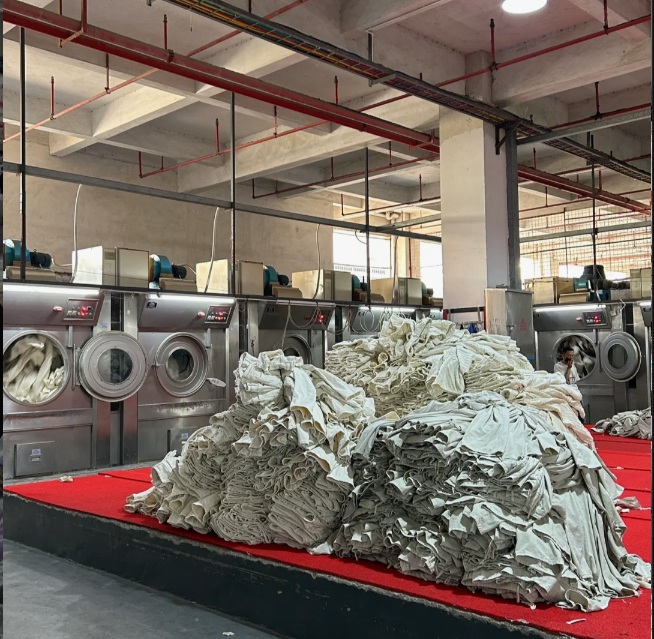
Our facility in Humen, Dongguan—one of China’s largest garment manufacturing hubs—gives us access to 200+ fabric suppliers within 30 km. This proximity cuts fabric sourcing time from 14 days to 3–5 days, allowing faster sampling and tighter production schedules.
How to Evaluate and Select a Wholesale Supplier
Selecting a wholesale supplier is the single most important decision affecting product quality, delivery reliability, and brand reputation. The evaluation process should take 4–8 weeks and involve multiple verification steps.
Step 1: Verify Certifications and Compliance. Request ISO 9001 (quality management), BSCI (ethical labor), SA8000 (social accountability), or OEKO-TEX (chemical safety) certifications. Ask for third-party audit reports.
Step 2: Assess Production Capacity. Confirm the factory can handle your order size without compromising quality. Ask: “How many units monthly?” “What’s your current capacity?” “Can you scale if we grow 50%?” ZORWILD maintains 100,000-unit monthly capacity with 200+ skilled employees, allowing support from 50-piece launches to 10,000-unit production runs.
Step 3: Evaluate Quality Control Systems. Ask about incoming material inspection, in-line production checks, final product inspection, and measurement verification. Request QC documentation and defect rates. Our five-checkpoint system documents every inspection with photos and measurements—clients receive full QC reports before shipment.
Step 4: Test Communication Responsiveness. Send detailed questions and measure response time. Professional suppliers reply within 24 hours. Ask about your dedicated contact, communication channels (email, WhatsApp, video calls), and time zone compatibility.
Step 5: Compare Pricing Tiers and MOQ. Get quotes for multiple order sizes (50, 100, 500, 1,000 units). Analyze per-unit cost reduction at each tier. Negotiate volume discounts. Avoid suppliers offering prices too low to be credible.
Step 6: Request References and Case Studies. Ask for 3–5 client references (preferably similar brands/order sizes). Contact them directly about delivery reliability, quality consistency, communication, and reorder likelihood.
Step 7: Inspect Physical Samples. Request samples before committing to bulk orders. Inspect seams, fabric quality, print durability, measurements, and packaging. Wash samples to test color stability and shrinkage. We require all clients to approve washed samples in writing.
FAQ
Q1: What’s the minimum order quantity (MOQ) for wholesale clothing?
MOQ varies by source and product type. Direct manufacturers start at 50–100 pieces for custom orders with full branding. B2B marketplaces typically require 10–50 pieces for mixed orders. Blank apparel distributors usually enforce 100–500 piece minimums per style/color. Boutique wholesalers range from 50–200 pieces. Higher MOQs unlock 15–25% cost reduction when moving from 100 to 500 units.
Q2: How long does wholesale clothing take to arrive?
Direct Asian manufacturers require 60–90 days from order confirmation to shipment, plus 15–30 days for ocean freight and customs clearance. B2B marketplaces and domestic distributors ship in 3–14 days for in-stock items. Expedited manufacturing adds 10–15% to cost but reduces lead time by 20–30 days. Always build 30-day buffers for seasonal inventory planning.
Q3: What’s the difference between OEM and ODM wholesale?
OEM (Original Equipment Manufacturing) means you provide complete designs, tech packs, and specifications—the factory manufactures exactly to your requirements. ODM (Original Design Manufacturing) means the factory designs the product using existing patterns and you add branding or minor customization. OEM offers full creative control; ODM is faster and cheaper but less differentiated.
Q4: How do I avoid counterfeit or low-quality wholesale suppliers?
Verify certifications (ISO 9001, BSCI, SA8000), request references from existing clients, inspect physical samples before bulk orders, compare pricing against market benchmarks, and use secure payment methods like escrow or trade credit. Red flags include unprofessional communication, refusal to provide samples, suspiciously low prices (40%+ below market), and no verifiable certifications.
Q5: What payment methods are safest for wholesale clothing orders?
Escrow services, letters of credit (LC), and trade credit platforms protect both buyer and supplier. Standard terms: 30% deposit upon order confirmation, 30% before shipment, 40% upon delivery or inspection. Avoid 100% prepayment unless the supplier has strong references and verified certifications. Use payment platforms like Alibaba Trade Assurance for added protection on first orders.
Q6: Can I order wholesale clothing without a business license?
Many wholesale suppliers require business registration or tax ID verification to offer wholesale pricing and tax-exempt purchases. Some B2B marketplaces and boutique wholesalers accept individual resellers or dropshippers without formal business documentation. Direct manufacturers typically require business verification for bulk orders. Check supplier requirements before applying—some platforms like Katydid Wholesale have flexible policies for smaller retailers.
Sources
- BrandsGateway — 50 Best Wholesale Clothing Vendors USA 2025 — Comprehensive supplier directory, MOQ ranges, pricing tiers
- Katydid Wholesale — Trendy Fashion Collections — Boutique wholesale MOQ policies, $50 minimum purchase
- Statista Global Apparel Market Report 2025 — $1.2T wholesale market size
- McKinsey Direct-to-Brand Wholesale Study 2025 — 22% annual growth rate, sourcing trends
- World Bank Textile Manufacturing Report 2024 — 97% Asian manufacturing concentration
- Textile Exchange Sustainability Report 2025 — 18% sustainable wholesale demand growth
Written by Alin Zeng (27 Years of Master Craftsmanship & Pattern Making, Global OEM & Streetwear Customization Excellence, End-to-End Supply Chain & One-Stop Production, High-Efficiency Cost Control (“Quality + Affordability”), Incubating 2,000+ Fashion Brands from Scratch). Last reviewed 2026-06-05.