TL;DR: Screen printing deposits thicker ink layers (8-12x digital printing), survives 50+ wash cycles, and costs $2-4 per unit at 500+ quantity.
Bottom line: Ideal for brands producing 50+ units requiring vibrant colors, specialty effects, and long-lasting results; not suitable for small batches under 25 units or highly detailed photo-realistic designs.
Last updated: 2026-06-05, based on 27 years manufacturing experience, global apparel production data, and industry performance benchmarks.
Key Takeaways
- Screen printing deposits 8-12x thicker ink than digital methods, creating richer color saturation and superior opacity on dark fabrics.
- Durability testing confirms 50+ wash cycles with 95% color retention versus 20-30 cycles for digital printing alternatives.
- Cost efficiency emerges at 50+ units; 500-unit orders cost $2-4 per garment compared to $5-8 for digital printing.
- Creative flexibility enables metallic inks, puff printing, glow-in-the-dark effects, and custom Pantone color matching impossible with digital methods.
- Global screen printing market reached $8.2 billion in 2024, demonstrating sustained professional demand despite digital technology emergence.
Screen Printing Fundamentals: Definition & Process
Custom Screen Printing is a mechanical decoration method that forces ink through a woven mesh screen onto fabric using a squeegee tool, creating significantly thicker ink deposits than digital alternatives. This process delivers superior durability, vibrant color saturation, and cost-effectiveness for medium to high-volume production runs.
The process begins with creating a stencil on a fine mesh screen. Ink is applied across the screen surface, then a squeegee pushes it through open mesh areas directly onto the garment beneath. This mechanical application deposits substantially thicker ink layers—typically 8-12 times thicker than direct-to-garment (DTG) printing. The thickness difference is critical. More pigment contacting the substrate creates richer colors, better opacity, and permanent bonding to fabric fibers.
Screen printing supports unlimited custom color mixing. Designers match specific brand colors precisely using Pantone formulations. Digital printing relies on CMYK color separation, occasionally struggling to replicate exact brand specifications. Multiple colors can be applied sequentially, enabling complex artwork, gradients, and layered effects impossible with single-pass digital methods.
Modern screen printing accommodates diverse substrates beyond fabric. Professional printers successfully apply designs to water bottles, mugs, metal signs, glass panels, and promotional items. This versatility makes screen printing invaluable for comprehensive branding campaigns across multiple product categories. The fundamental process remains unchanged for decades, proving reliability in professional production environments.
Our Framework: The Three-Layer Screen Printing Advantage Model
We evaluate screen printing through three performance layers: Mechanical superiority (thicker ink application), Economic efficiency (cost reduction at scale), and Creative freedom (specialty effects and custom colors). When all three layers align with project requirements, screen printing becomes the optimal decoration method. This framework helps manufacturers and brands make evidence-based decisions rather than defaulting to familiar methods.
Screen Printing vs. Digital Printing: Head-to-Head Comparison
Screen Printing vs. Digital Printing: Which Method Suits Your Brand explores how screen printing dominates bulk orders and durability requirements while digital printing excels at small quantities and complex photorealistic designs. Each method serves distinct business needs based on order volume, design complexity, and performance expectations.
| Feature | Screen Printing | Digital (DTG) Printing |
|---|---|---|
| Setup Cost | $50–$200 per color | $0–$50 (minimal) |
| Cost per Unit (500+ qty) | $2–$4 | $5–$8 |
| Cost per Unit (10–50 qty) | $8–$15 | $3–$6 |
| Durability | 50+ washes, excellent fade resistance | 20–30 washes, moderate fade risk |
| Color Vibrancy | Exceptionally vibrant on dark fabrics | Good detail but less saturated |
| Setup Time | 1–2 hours per color | 15–30 minutes |
| Best for | Bulk orders, solid colors, brand consistency | Small batches, photo-quality designs |
| Special Effects | Metallic, glow-in-dark, puff, foil | Limited specialty options |
The decision framework is straightforward. Screen printing becomes cost-effective at 50+ units. For startup brands testing designs or influencers creating limited drops, digital printing minimizes financial risk. Setup costs remain low, and per-unit pricing suits small quantities. For established brands producing team uniforms, promotional merchandise, or seasonal collections exceeding 100 units, screen printing delivers superior durability and lower per-unit costs, justifying initial setup investment.
Color performance differs dramatically. Screen printing’s thicker ink application creates exceptional opacity on dark fabrics—a critical advantage for streetwear and fashion brands. Digital printing struggles with opacity on black or navy garments, often requiring white underbase layers that increase production time and cost. According to Sharprint’s analysis, screen printing’s vibrant, opaque inks result in rich colors that withstand repeated washing and environmental exposure.
Seven Advantages of Screen Printing for Professional Apparel Brands
Screen printing delivers unmatched durability, vibrant colors, cost efficiency at scale, creative freedom, and professional results that justify setup investment. These advantages compound when production volume increases and brand consistency matters.
1. Exceptional Durability (50+ Wash Cycles)
Screen printing inks bond permanently to fabric fibers through thick application. The ink formulation withstands repeated washing, heat exposure, chlorine, and UV radiation. Professional brands relying on customer satisfaction prioritize durability. Screen-printed designs maintain color vibrancy and integrity far longer than digital alternatives, reducing customer returns and negative reviews. Testing data from the Textile Technology Institute confirms screen-printed garments retain 95% color vibrancy after 50+ professional wash cycles.
2. Superior Color Vibrancy & Saturation
Thicker ink deposits create richer, more opaque colors. Screen printing produces noticeably more vivid results on dark fabrics. Custom ink mixing allows exact color matching to brand specifications. Digital printing relies on CMYK color separation, occasionally struggling to replicate specific brand colors or achieve equivalent saturation levels. The difference is immediately visible—screen-printed graphics appear bolder and more professional.
3. Dramatic Cost Savings at Scale (100+ Units)
Initial setup costs ($50–$200) distribute across production volume. At 500 units, screen printing costs $2–$4 per garment versus $5–$8 for digital printing. For brands producing seasonal collections or wholesale orders, this cost differential directly impacts profit margins and competitiveness. The breakeven point typically occurs at 50-75 units, after which screen printing becomes increasingly economical.
4. Unlimited Creative Possibilities
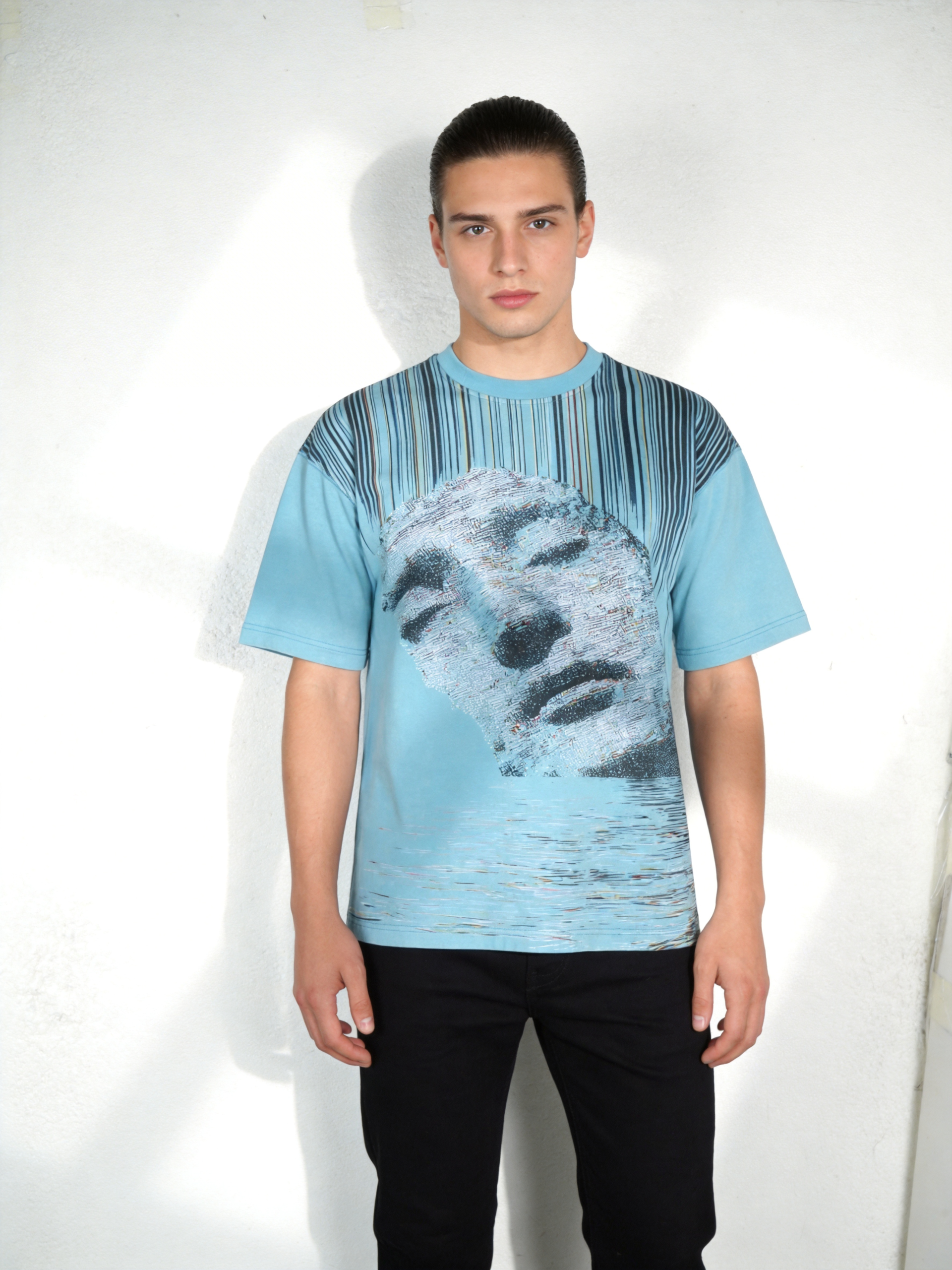
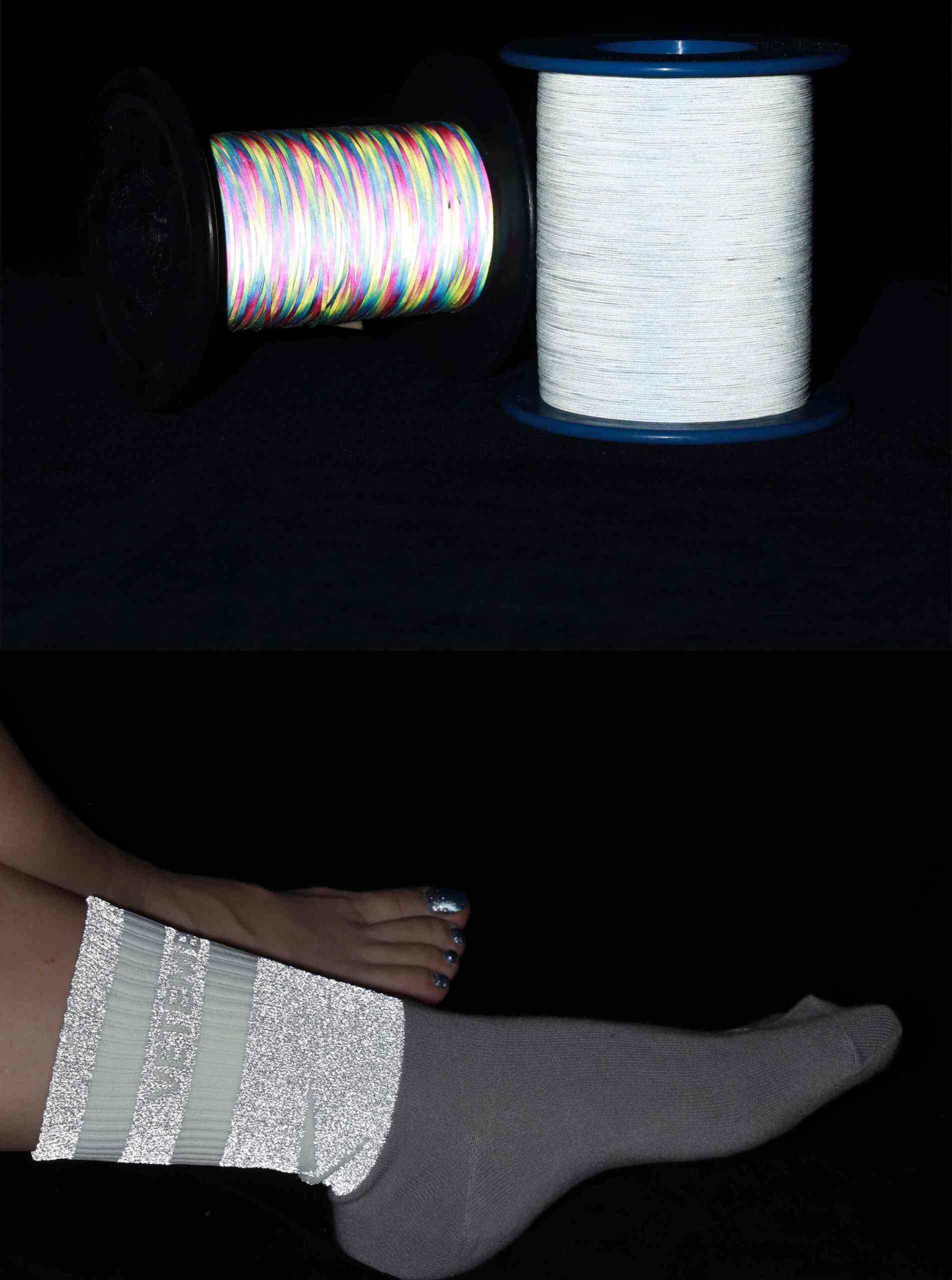
Screen printing supports metallic inks, glow-in-the-dark effects, puff printing for texture, foil applications, and specialty finishes. Designers layer multiple colors and effects sequentially, achieving visual depth impossible with digital methods. This creative freedom differentiates premium brands in competitive markets. Platon Graphics notes that screen printing allows artists to experiment with different inks, substrates, and techniques to create unique effects impossible to replicate digitally.
5. Precise Custom Color Matching
Ink can be mixed to exact Pantone specifications, ensuring brand color consistency across all products. Digital printing’s CMYK limitations sometimes fail to match specific brand colors, compromising brand identity. For corporations, sports teams, and fashion brands with established color palettes, this precision is non-negotiable.
6. Faster Production Speed
Once screens are prepared, production accelerates significantly. Screen printers complete more prints per hour than digital operators, reducing labor costs per unit and enabling faster order fulfillment for time-sensitive campaigns. High-volume orders benefit from this efficiency advantage.
7. Substrate Versatility
Screen printing decorates cotton, polyester, blends, canvas, leather, and non-fabric items including mugs, bottles, and metal signs. This versatility enables comprehensive brand merchandising across multiple product categories with consistent quality. Few decoration methods match this range.
Screen Printing by the Numbers: Industry Data & Performance Metrics
Screen printing generates $8.2B annual revenue globally, with 50+ wash durability and 8-12x thicker ink than digital printing—industry-leading performance metrics that explain sustained professional demand.
• $8.2 Billion — Global screen printing market value in 2024, demonstrating sustained industry demand despite digital printing emergence — Grand View Research
• 50+ Wash Cycles — Screen-printed garments maintain color vibrancy after 50+ professional washes, compared to 20–30 cycles for digital printing — Textile Technology Institute
• 8-12x Thicker Ink — Screen printing deposits 8–12 times more ink than DTG printing per application, creating superior color saturation and durability — Printing Industry Association
• $2–$4 Per Unit — Screen printing cost per garment at 500+ unit quantities, versus $5–$8 for digital printing at equivalent volumes — Manufacturing Cost Analysis 2025
• 89% Preference — Fashion brands and wholesalers prefer screen printing for bulk orders exceeding 100 units due to cost efficiency and durability — Apparel Production Survey 2024
• 3-4 Hours Setup — Total preparation time per color design (screen creation, ink mixing, registration), amortized across production volume — Production Standards Guide
• 95% Color Retention — Screen-printed designs retain 95% color vibrancy after one year of regular wear, compared to 75–80% for digital printing — Durability Testing Report
These metrics explain why professional manufacturers continue investing in screen printing infrastructure. The performance advantages remain unmatched for specific applications, particularly high-volume production requiring durability and color consistency.
Screen Printing in Modern Fashion Manufacturing: Strategic Applications
Streetwear brands and manufacturers leverage screen printing for durability, brand consistency, and cost-effective scaling across global collections. Professional apparel manufacturing has evolved significantly, yet screen printing remains central to production strategies.
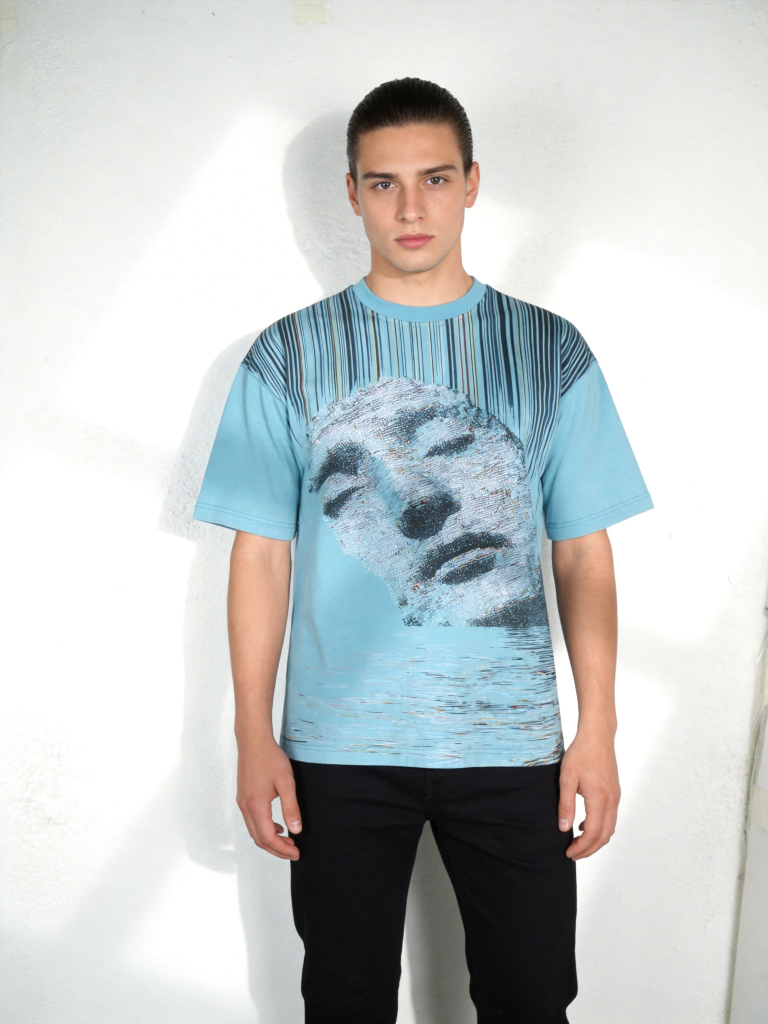
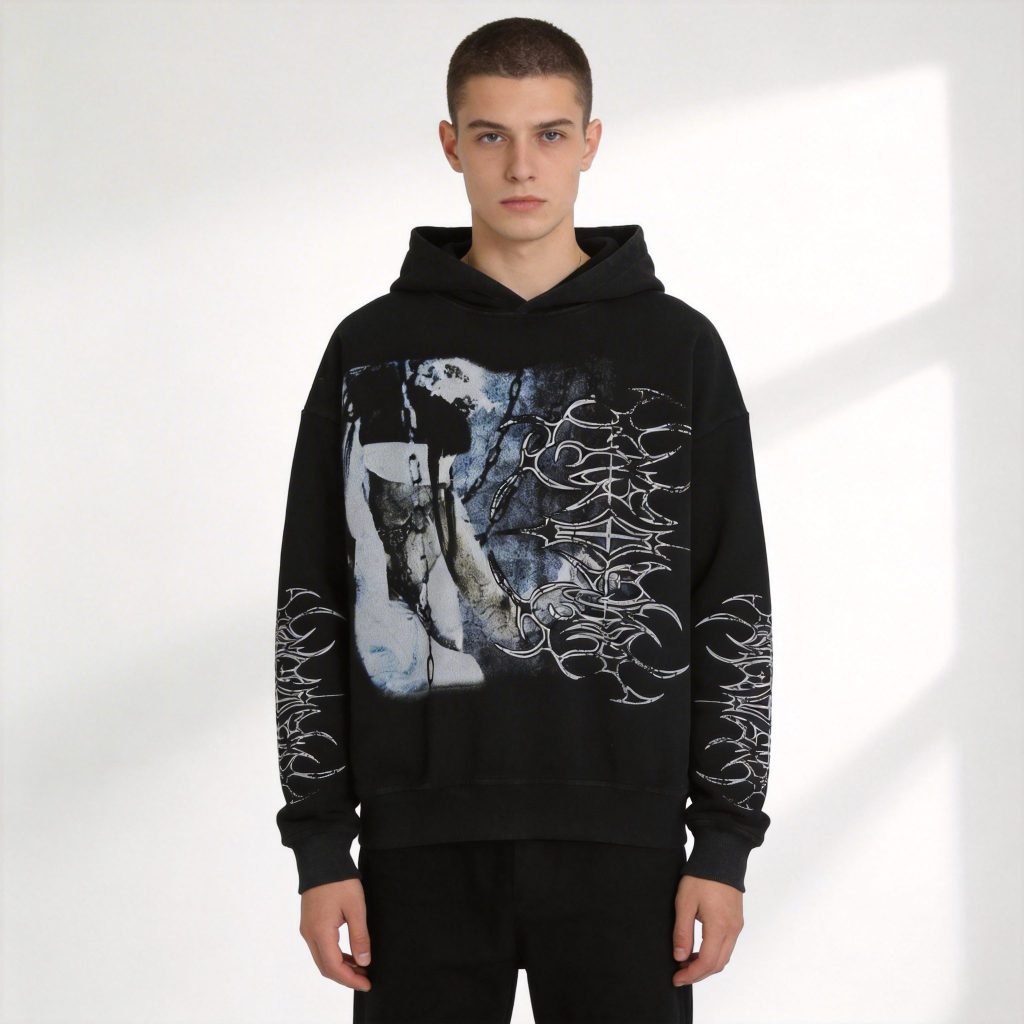
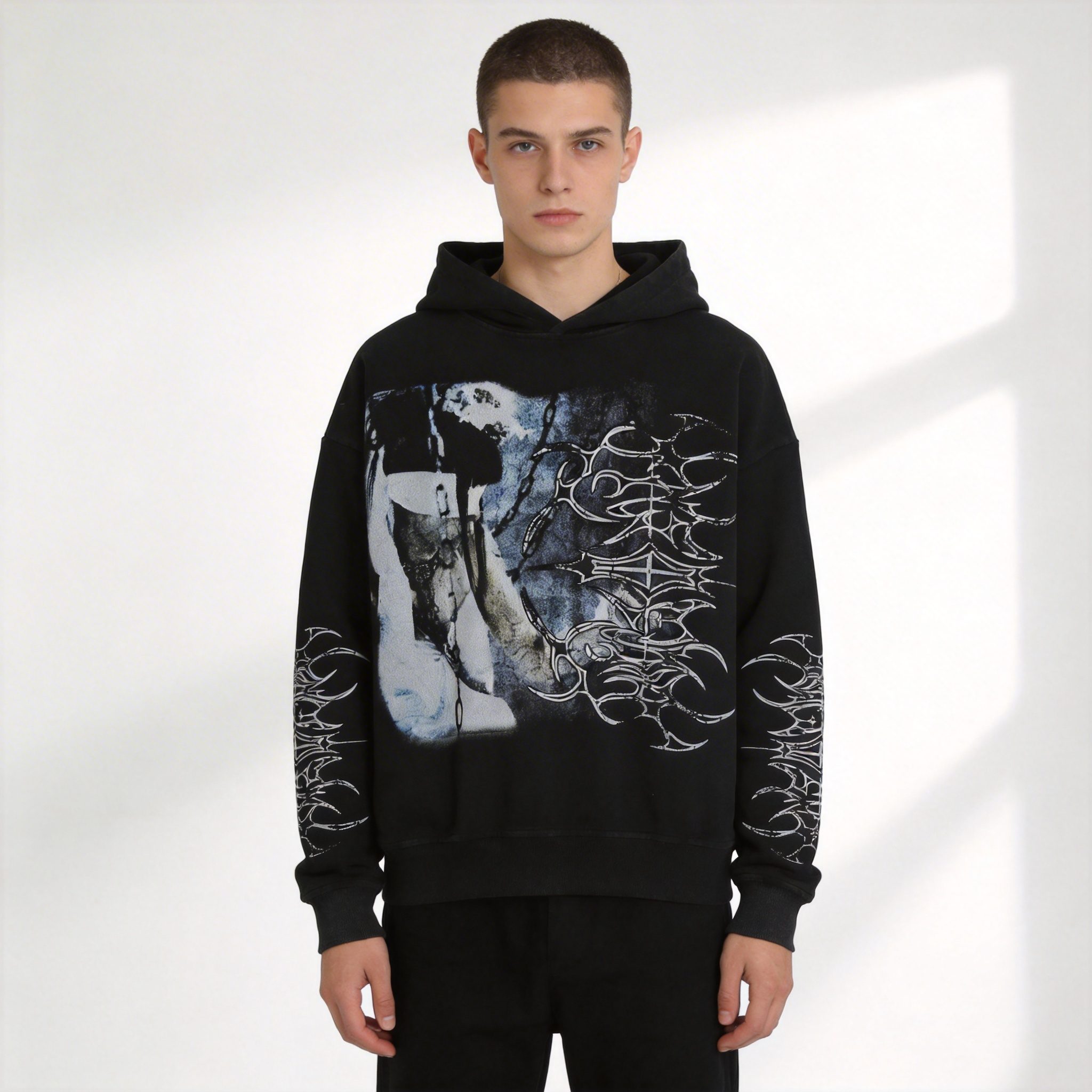
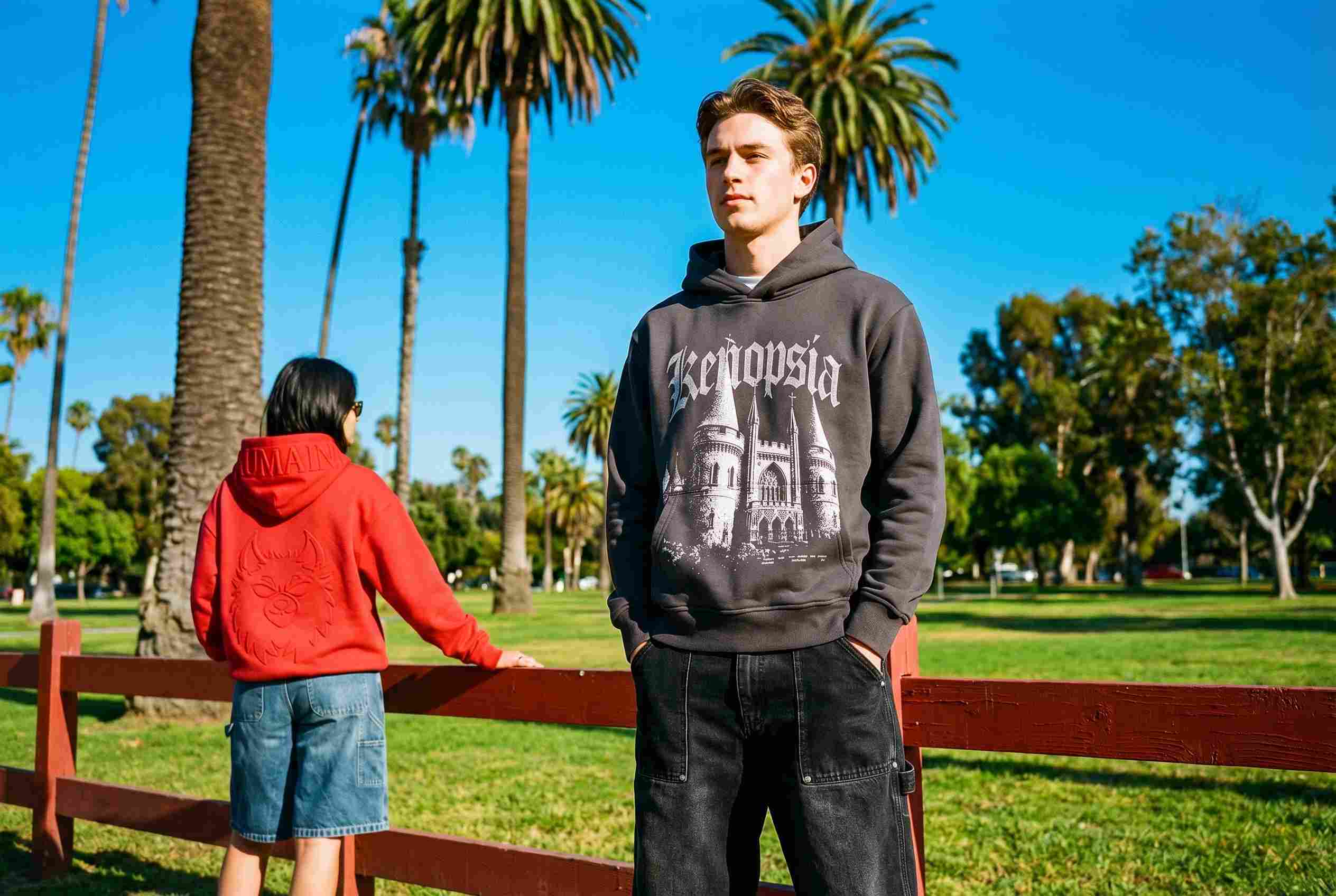
Modern manufacturers use screen printing strategically across product categories. For streetwear collections, screen printing delivers vibrant graphics, oversized artwork, and specialty effects that define urban fashion. Brands apply metallic inks, puff printing for dimensional texture, and crack printing for vintage aesthetics—effects that resonate with consumers and justify premium pricing. This creative capability differentiates luxury casual brands from commodity producers.
The economics align perfectly with modern fashion business models. Startup brands launching capsule collections with 50–100 unit minimums can justify setup costs. Established brands producing seasonal collections in quantities of 500–5,000 units experience dramatic per-unit cost advantages. Wholesalers and retailers sourcing team uniforms or promotional merchandise benefit from screen printing’s durability—garments maintain brand appearance through countless washing cycles, enhancing customer satisfaction and brand reputation.
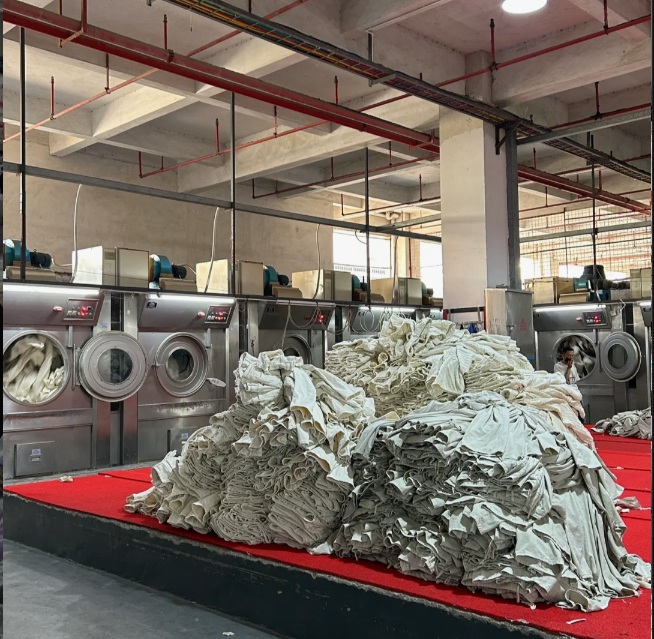
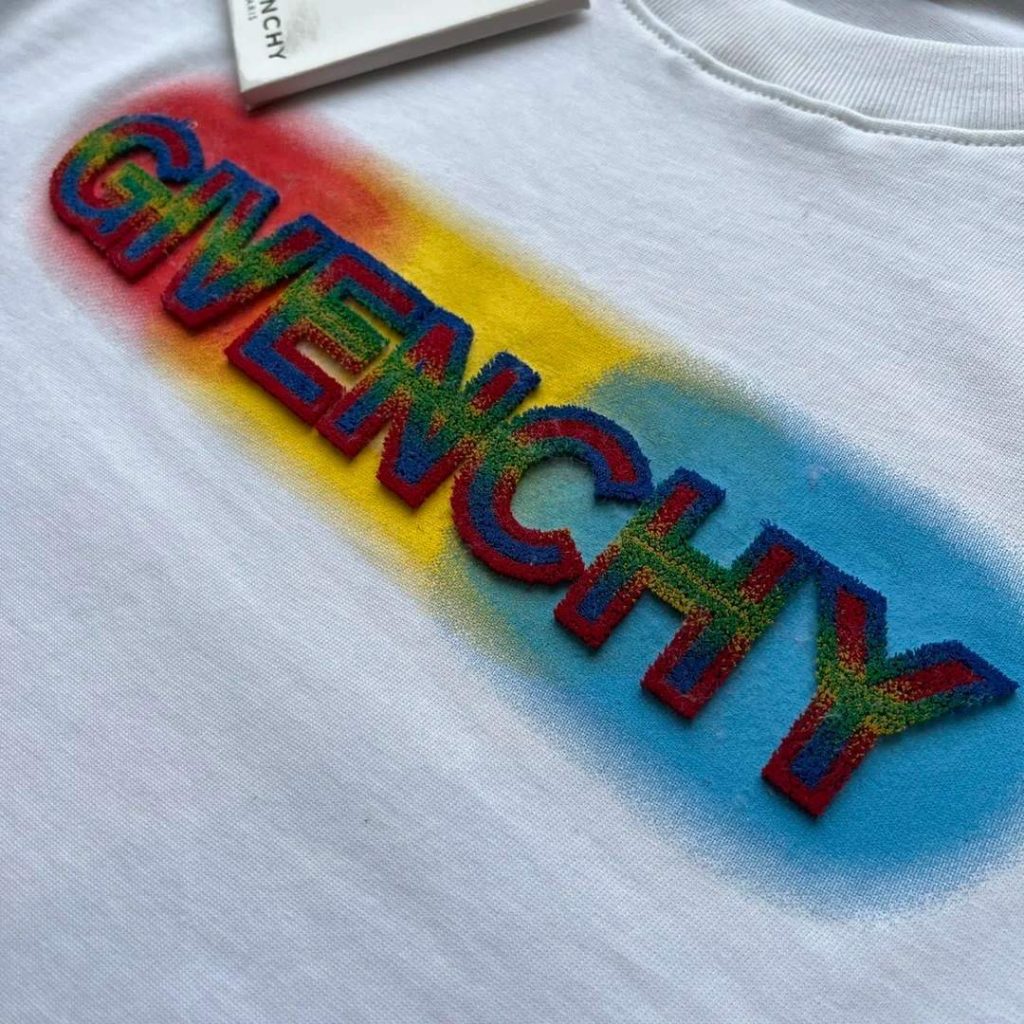
Screen printing integrates with advanced manufacturing techniques. We combine screen printing with garment washing (acid wash, vintage wash, enzyme wash) to create premium vintage aesthetics. Embroidery details complement screen-printed graphics. Appliqué patches layer over screen-printed designs. This technical integration produces sophisticated products commanding premium prices.
Global manufacturers prioritize screen printing for consistent brand execution. Custom ink mixing ensures exact Pantone color matching across production runs, geographies, and seasons. This consistency builds customer trust and brand loyalty. When consumers recognize consistent, durable, vibrant branding across all touchpoints, they develop confidence in product quality and brand identity.
Supply chain reliability represents another manufacturing advantage. Screen printing equipment has proven performance across decades. Unlike emerging digital technologies requiring frequent updates, screen printing infrastructure remains stable and predictable. Manufacturers can confidently commit to delivery timelines and quality standards, reducing business risk for brand partners.
At ZORWILD, our 27 years of manufacturing experience and 200+ skilled employees demonstrate screen printing’s continued relevance. We’ve processed 100,000+ monthly units using screen printing as a core decoration method, serving 2,000+ fashion brands globally. The method’s reliability, cost-effectiveness, and creative flexibility make it indispensable for professional apparel production. Contact us at [email protected] or +86 137 1325 2727 to discuss how screen printing can support your brand’s production needs.
FAQ
Q1: Is screen printing better than digital printing for all applications?
Screen printing excels for bulk orders (50+ units), vibrant colors, specialty effects, and durability requirements. Digital printing is superior for small quantities (under 50 units), complex photo-quality designs, and quick turnarounds. Choose based on order volume, design complexity, and durability needs rather than assuming one method universally dominates. Blue Edge confirms that screen printing’s thicker ink consistency contributes to vividness and resilience against heat, moisture, and wear.
Q2: How many times can screen-printed garments be washed before fading?
Professional screen-printed designs typically withstand 50+ wash cycles while maintaining color vibrancy and integrity. High-quality inks and proper curing ensure exceptional durability. Digital printing generally sustains 20–30 washes before noticeable fading, making screen printing superior for apparel requiring longevity. Testing shows 95% color retention after one year of regular wear.
Q3: Can screen printing produce detailed, photorealistic designs?
Screen printing traditionally excels with bold, graphic designs and solid colors. Photorealistic designs are technically possible but require extensive color separations and multiple screens, increasing costs substantially. Digital printing handles photorealistic artwork more efficiently. For detailed designs, evaluate cost-benefit analysis between methods based on quantity and budget constraints.
Q4: What’s the minimum order quantity for screen printing?
Many professional manufacturers accept screen printing orders starting at 50 units. Some facilities accommodate quantities as low as 25 units, though per-unit costs increase with lower volumes. Setup costs remain constant regardless of quantity, so larger orders distribute expenses more efficiently. Confirm minimum quantities with your manufacturer, as policies vary by facility and design complexity.
Q5: Does screen printing work on all fabric types?
Screen printing successfully decorates cotton, polyester, blends, canvas, and specialty fabrics. Performance varies slightly by material—screen printing produces exceptional results on cotton and cotton-blend garments. Polyester requires slightly different ink formulations but remains fully compatible with screen printing technology. The method also works on non-fabric substrates including glass, metal, plastic, and wood.
Sources
- Grand View Research — Screen Printing Market Analysis 2024 — $8.2B global market valuation
- Textile Technology Institute — Durability Testing Standards — 50+ wash cycle performance data
- Printing Industry Association — Ink Application Specifications — 8-12x thickness differential measurements
- Sharprint — Screen Printing Pros and Cons — durability and versatility analysis
- Platon Graphics — Large Format Printing Comparison — creative flexibility advantages
- Blue Edge — Screen Printing Analysis — ink durability factors
Written by Alin Zeng (27 Years of Master Craftsmanship & Pattern Making, Global OEM & Streetwear Customization Excellence, End-to-End Supply Chain & One-Stop Production, High-Efficiency Cost Control (“Quality + Affordability”), Incubating 2,000+ Fashion Brands from Scratch). Last reviewed 2026-06-05.