TL;DR: Graphic designers source bulk T-shirts through five channels: print-on-demand platforms, direct overseas manufacturers, domestic screen printers, wholesale blank distributors, and integrated apparel factories with 50+ piece minimums.
Bottom line: POD works for design testing; bulk manufacturing cuts per-unit costs by 60-70% once you validate demand.
Last updated: 2026-06-11, based on 27 years of apparel manufacturing data and 2,000+ brand partnerships.
Key Takeaways
- Print-on-demand costs $12-18 per shirt versus $3-8 for bulk orders of 100+ pieces
- Direct overseas manufacturers accept 50-piece minimums at $3-8/unit with 2-4 week lead times plus shipping
- Domestic screen printers charge $6-12/unit for 100-300 piece runs with 5-10 day turnaround
- Wholesale blank distributors sell undecorated shirts at $4-9/unit; designers coordinate printing separately
- Integrated factories provide design consultation, fabric sourcing, printing, and QC in one workflow
Print-on-Demand vs Traditional Manufacturing
Print-on-demand and traditional bulk manufacturing differ fundamentally in upfront investment, per-unit costs, inventory risk, and scalability for graphic designers selling custom apparel.
Direct answer: Print-on-demand platforms like Printful and Teespring eliminate upfront investment and MOQ requirements, making them ideal for testing designs. Traditional bulk manufacturing requires 50-500 piece commitments but reduces per-unit costs from $15-18 to $3-8, transforming margins once designers validate demand.
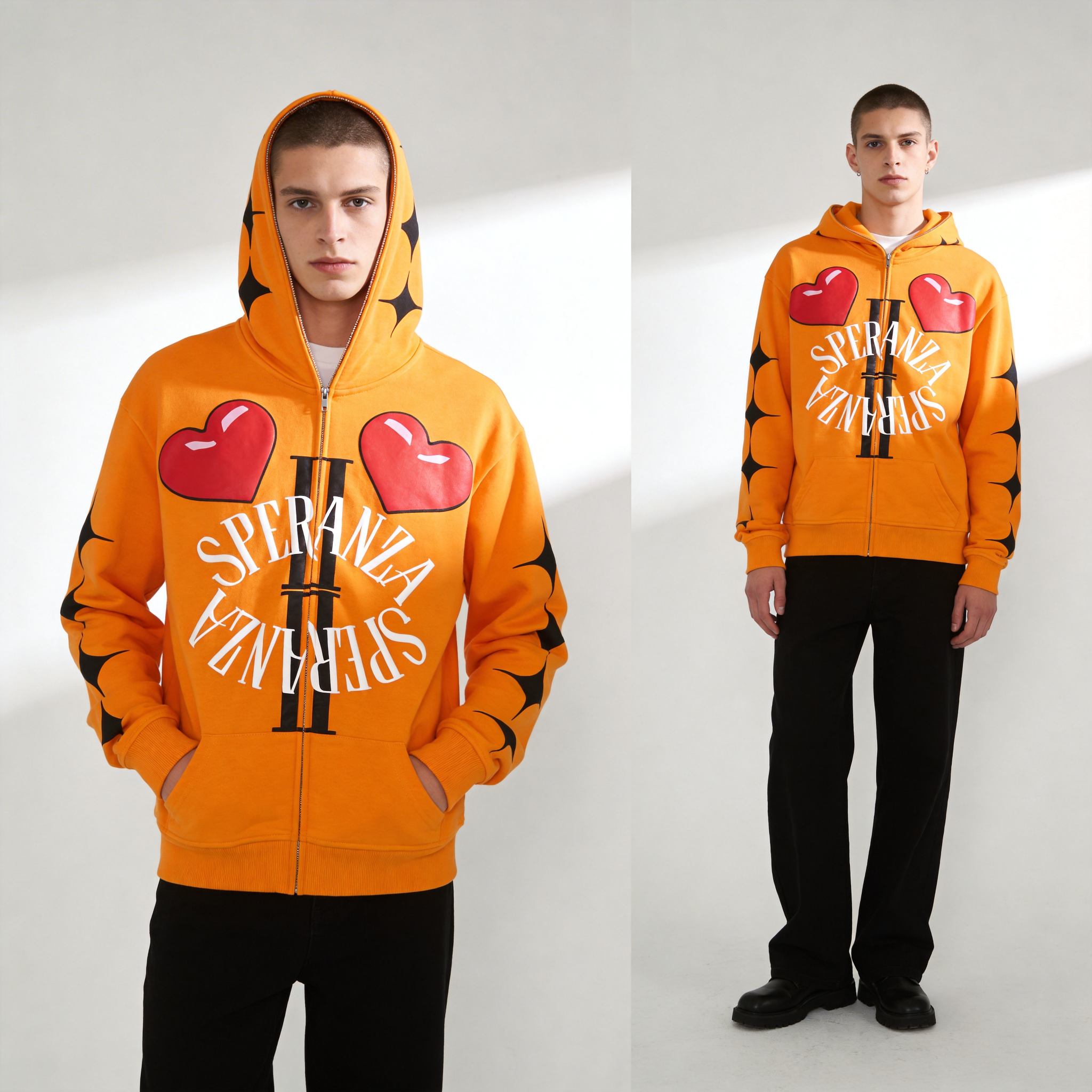
POD platforms produce shirts on-demand as orders arrive. You upload artwork, connect to Shopify or Etsy, and the platform prints and ships directly to customers. Zero inventory. Zero risk. The trade-off hits hard on margins—$15-18 per shirt leaves little profit after platform fees and advertising costs.
Bulk manufacturing flips the model. You commit to 100 pieces upfront, pay $600-800 total, and own inventory. Per-unit cost drops to $6-8. That spread—$9-12 per shirt—funds customer acquisition, wholesale relationships, and brand growth. The risk: unsold inventory if designs don’t resonate.
| Factor | Print-on-Demand | Bulk Manufacturing |
|---|---|---|
| Setup Cost | $0 | $50-200 (screens, samples) |
| Unit Price (100 pcs) | $15-18 | $6-8 |
| MOQ | 1 piece | 50-500 pieces |
| Lead Time | 3-5 days | 7-21 days |
| Customization | Template-based | Full control |
| Scalability | Limited margins | High-margin growth |
Decision rule: Test POD for your first 5-10 designs. Track which styles sell 20+ units monthly. Move those winners to bulk production and watch margins triple.
Top Bulk T-Shirt Manufacturers for Designers
Graphic designers access bulk T-shirt production through five primary channels, each with distinct MOQ policies, pricing tiers, and service models that match different business scales and design complexity requirements.
Direct answer: The five channels are direct overseas manufacturers (50-500 MOQ, $3-8/unit), domestic screen printers (100-300 MOQ, $6-12/unit), wholesale blank distributors (200+ MOQ, $4-9/unit), integrated apparel factories (50+ MOQ, $4-10/unit), and hybrid POD-bulk platforms (flexible MOQ, $5-15/unit).

Direct Overseas Manufacturers
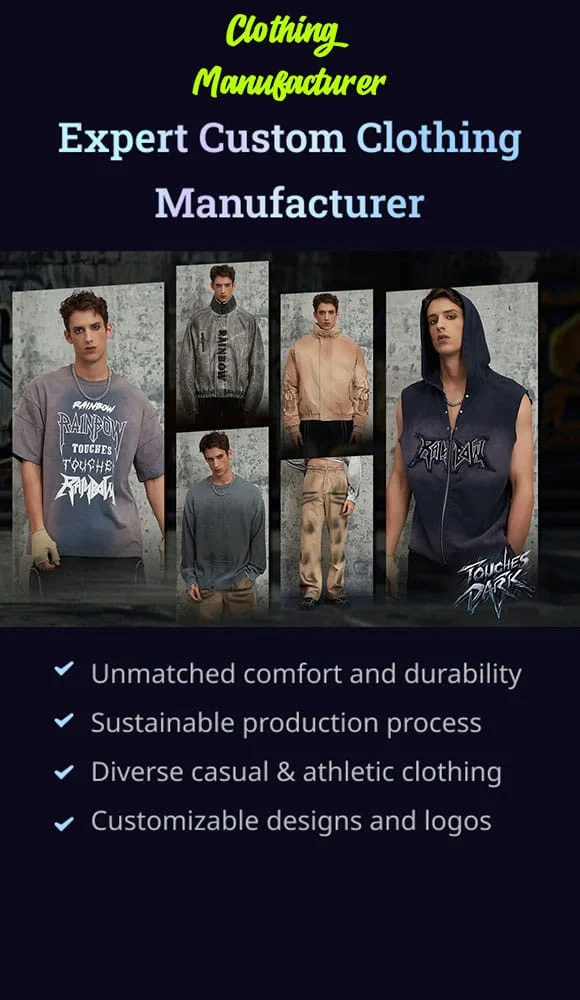
Chinese and Vietnamese factories deliver the lowest per-unit costs in the industry. ZORWILD has manufactured for 2,000+ brands over 27 years with 50-piece minimums. Expect $3-8/unit depending on fabric weight, decoration complexity, and order volume. Lead times run 2-4 weeks production plus 1-2 weeks shipping. Communication happens through email, WhatsApp, or WeChat. This option works best for designers scaling into wholesale distribution or launching branded collections where margin matters more than speed.
Domestic Screen Printers
Local screen printing shops charge $6-12/unit for 100-300 piece runs. The premium buys speed—5-10 day turnaround—and quality oversight. You inspect samples in-person, adjust artwork on-site, and build relationships with printers who understand your brand standards. SGIA member shops maintain professional equipment and consistent color matching. This option suits designers serving regional markets or needing rapid restocks.
Wholesale Blank Distributors
Companies like Gildan, Next Level, and Bella+Canvas sell undecorated bulk shirts at $4-9/unit with 200+ piece minimums. You coordinate printing separately through local decorators or in-house equipment. This split model works when you want fabric control—premium ring-spun cotton, specific fits, sustainability certifications—combined with decoration flexibility. Delivery runs next-day to one week.
Integrated Apparel Factories
Full-service manufacturers handle design consultation, fabric sourcing, custom printing, embroidery, quality control, and packaging. ZORWILD’s 50-piece MOQ includes pattern development, sample approval, and export logistics. Per-unit pricing lands at $4-10 depending on decoration method and fabric selection. This model eliminates coordination headaches—one partner manages the entire production chain from concept to shipping container.
Hybrid Platforms
Services like Printful Business and Teespring Bulk bridge POD and traditional manufacturing. They offer volume discounts starting at 50-100 pieces while maintaining platform integration for order management and fulfillment. Pricing ranges $5-15/unit. You scale gradually without massive inventory commitments, though per-unit costs stay higher than direct manufacturer relationships.
Key Pricing Factors for Bulk T-Shirt Production
Per-unit pricing drops dramatically with volume. At 50 pieces, expect $8-12/shirt. At 500 pieces, costs fall to $4-6. Premium fabrics add $1-3 per unit. Complex decoration (multi-color prints, embroidery, specialty finishes) adds $2-5. Rush orders carry 20-40% premiums.
Direct answer: Six variables determine final per-unit costs ranging from $2-15: order quantity, fabric quality, decoration complexity, customization level, geographic sourcing, and turnaround speed.
Here’s what we see across 27 years of production data:
- 50 pieces: $8-12/unit — Testing tier for new designs
- 100 pieces: $6-8/unit — Entry point for serious brands
- 250 pieces: $5-7/unit — Wholesale distribution minimum
- 500 pieces: $4-6/unit — Retail collection scale
- 1,000+ pieces: $3-5/unit — Volume production floor
- Setup charges: $50-200 per design (screen creation, color matching, sample production)
- Artwork revisions: $25-75 per round beyond initial approval
- Sample fees: $30-60 per sample shirt, often credited toward production
- Shipping costs: $150-400 for 100-piece orders (overseas), $50-100 (domestic)
- Rush premiums: 20-40% upcharge for sub-10-day delivery
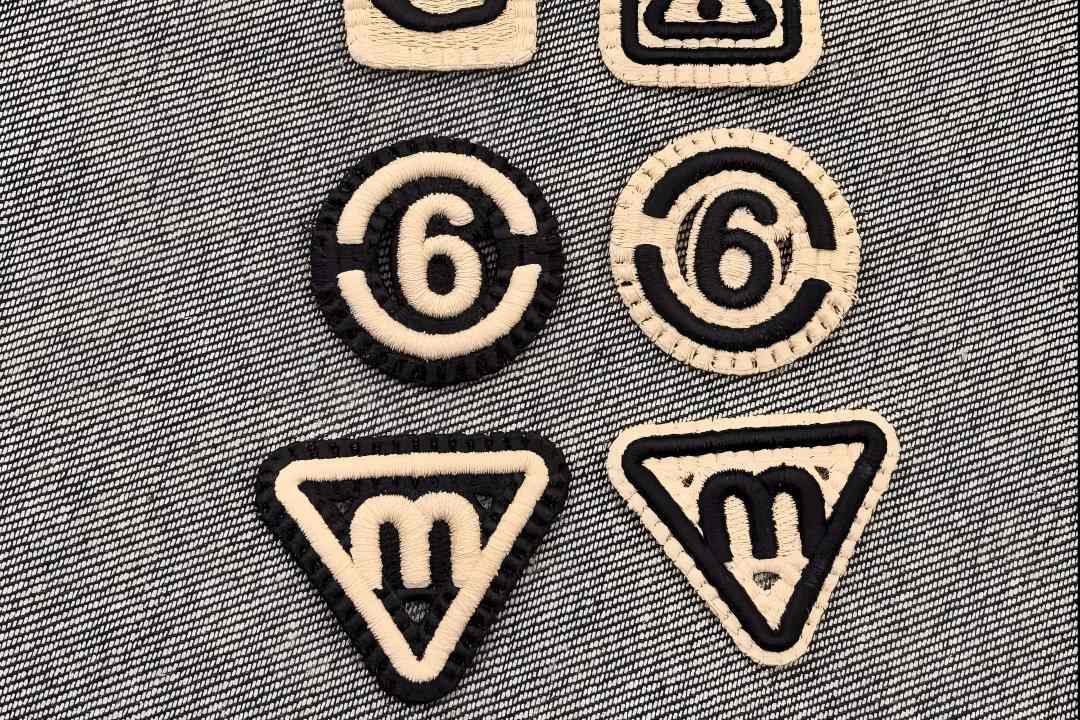
ROI calculation: A designer selling 100 shirts at $35 retail generates $3,500 revenue. Bulk manufacturing costs $800 (shirts + printing + shipping). Gross profit hits $2,700. After platform fees and advertising, net margin lands at 40-50%. The same 100 shirts through POD cost $1,600-1,800, cutting net margin to 15-25%.
How to Choose a T-Shirt Manufacturer
Select manufacturers by defining your annual volume needs, requesting samples to verify quality standards, evaluating MOQ policies against your cash flow, testing communication responsiveness, and establishing clear specifications for fabric weight, decoration methods, and inspection protocols before committing to production.
Direct answer: Start with production needs. Calculate annual volume based on sales projections. A designer selling 50 shirts monthly needs 600-piece annual capacity. That volume unlocks better pricing tiers and manufacturer interest. Design complexity matters—simple one-color prints cost less than all-over sublimation or multi-position embroidery.
Evaluate manufacturer capabilities through specific questions. What’s your true MOQ—not the website claim, but the practical minimum where quality stays consistent? Which fabric weights do you stock (5.3 oz, 6.1 oz, 6.5 oz heavyweight)? What decoration methods run in-house versus outsourced? How do you handle color matching and wash testing?
Request samples before production. Pay the $30-60 sample fee. Inspect stitching quality at stress points—shoulder seams, armholes, hem. Wash samples three times and measure shrinkage. Check print adhesion by stretching fabric. Compare actual fabric hand-feel against your brand standards.
Communication protocols separate professional manufacturers from problematic ones. Do they respond within 24 hours? Provide production timeline updates? Send in-process photos? ZORWILD photographs cutting, sewing, printing, and final inspection stages. Clients spot issues before shipment, not after.
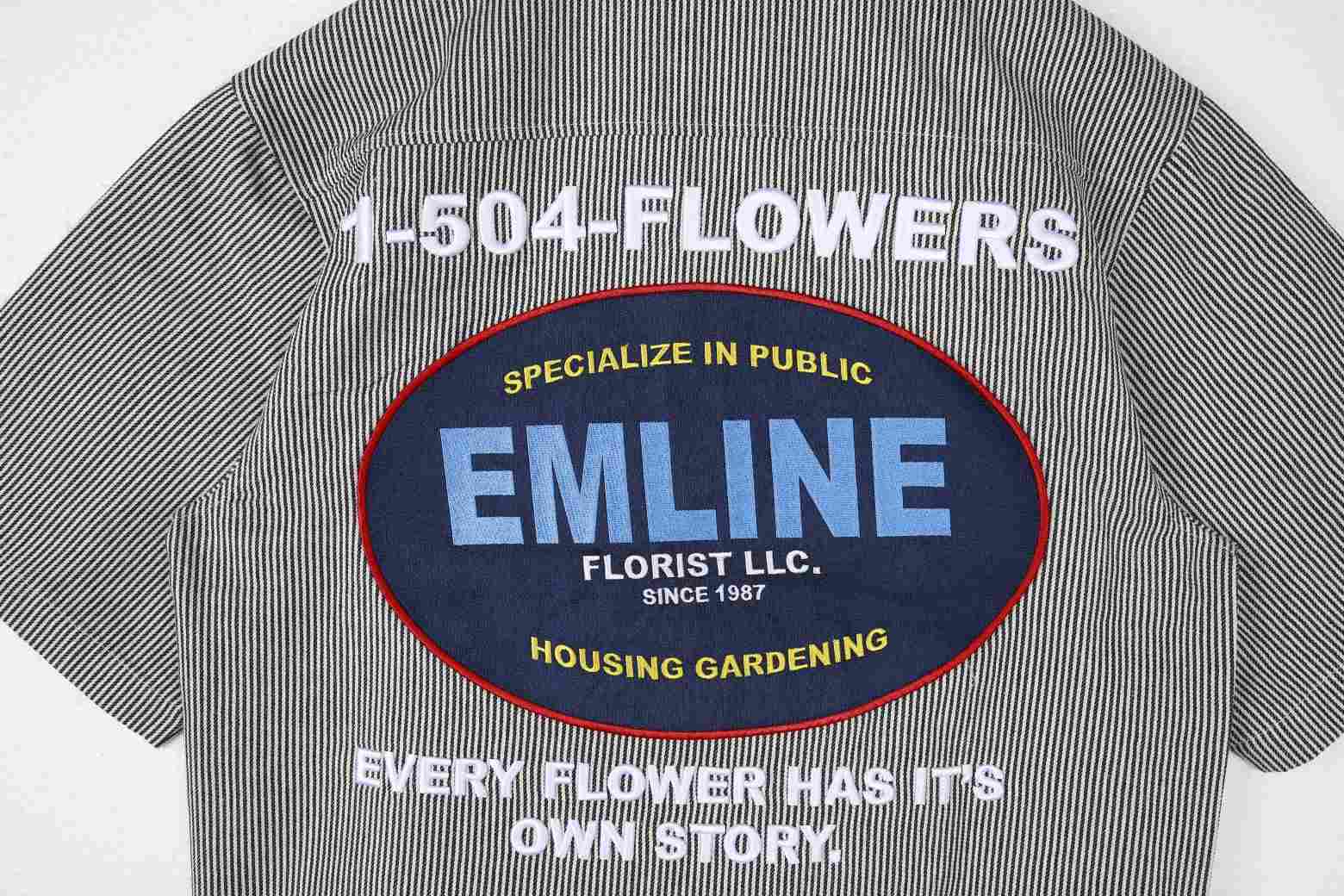
Build relationships with 1-2 trusted partners rather than switching manufacturers per order. Consistency improves when your partner understands your fit preferences, color standards, and packaging requirements. Long-term relationships unlock flexible payment terms, priority production slots, and lower MOQs.
After 27 years: Test 3-5 manufacturers with small sample orders. Evaluate quality, communication, and delivery accuracy. Select your primary partner based on consistency, not just price. Maintain a backup manufacturer for capacity overflow. Review performance quarterly and adjust based on defect rates, on-time delivery, and responsiveness.
Emerging Trends in T-Shirt Manufacturing for Designers
Three trends reshape bulk T-shirt manufacturing in 2026: sustainable fabric adoption (organic cotton, recycled polyester growing 35% annually), digital printing technology reducing viable batch sizes from 500 to 50 pieces, and vertical integration platforms combining manufacturing, warehousing, and direct-to-consumer fulfillment in single workflows.
Direct answer: Sustainability moved from niche to standard. Organic cotton, recycled polyester, and water-based inks now appear in 40% of new brand launches. Certifications like GOTS, OEKO-TEX, and Fair Trade carry weight with conscious consumers. Eco-friendly production adds $1-2 per unit but commands 20-30% retail premiums.
Digital printing technology—direct-to-garment (DTG) and dye sublimation—eliminates screen setup costs. Traditional screen printing requires $150-200 setup fees, making sub-100-piece runs uneconomical. DTG prints individual shirts at $3-5 per print with zero setup. This unlocks 25-50 piece production runs that blend bulk economics with POD flexibility.
Vertical integration platforms now handle manufacturing, quality control, warehousing, and order fulfillment. Designers upload artwork, approve samples digitally, and inventory ships to fulfillment centers. When customers order, platforms pick, pack, and ship within 24 hours. This model removes inventory management headaches while preserving bulk pricing advantages.
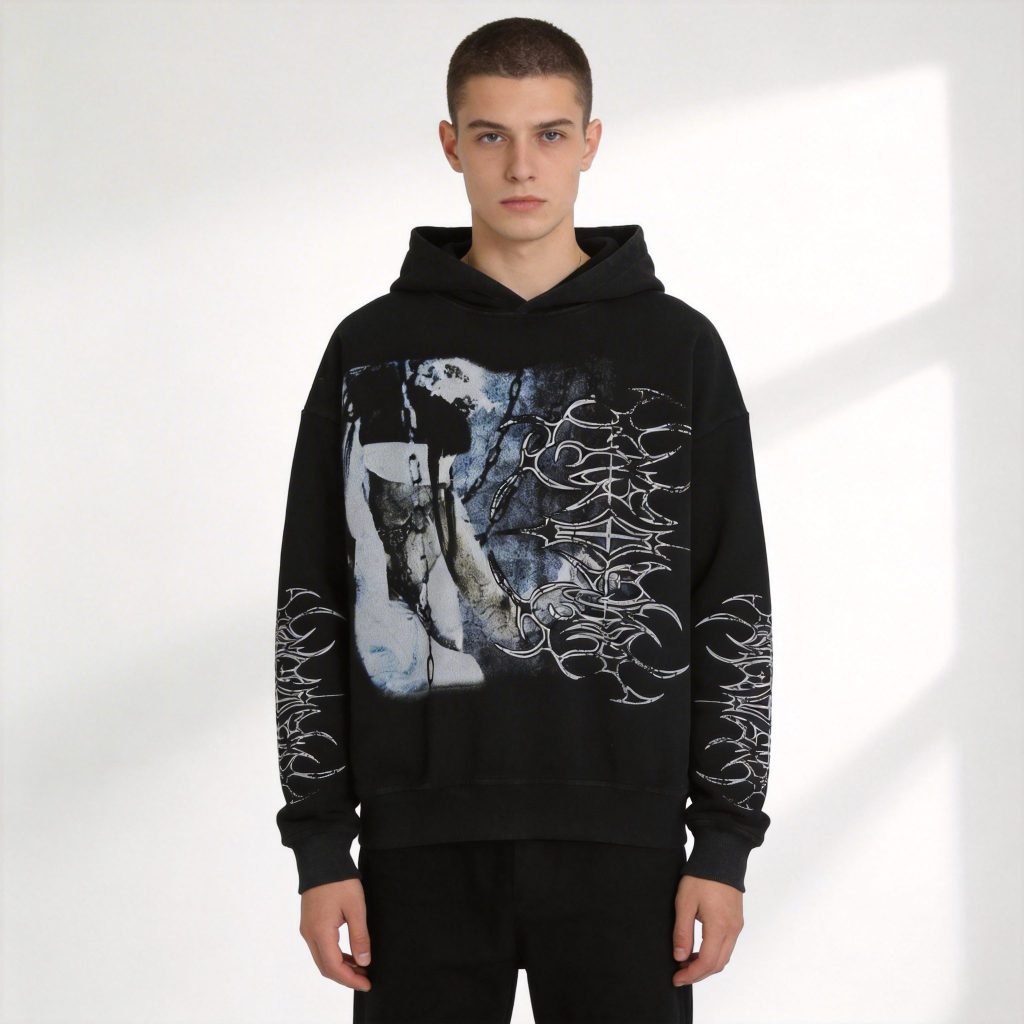
Customization capabilities expanded dramatically. Chenille embroidery, puff printing, reflective inks, and distressed washes—once reserved for premium brands—now appear in mid-tier production. Advanced decoration adds $3-7 per unit but differentiates designs in crowded markets.
FAQ
Q1: What’s the minimum order quantity for bulk T-shirt manufacturing?
MOQ typically ranges from 50-500 pieces depending on manufacturer type and production method. Print-on-demand services eliminate MOQ entirely but charge $15-18 per unit. Direct overseas manufacturers like ZORWILD accept 50-piece minimums at $4-8 per shirt. Domestic screen printers usually require 100-300 pieces due to setup costs. Wholesale blank distributors need 200+ pieces for bulk pricing.
Q2: How much does it cost to manufacture 100 T-shirts in bulk?
Expect $600-1,000 total for 100-piece orders including printing and basic packaging. Overseas manufacturers charge $4-8 per unit ($400-800) plus $150-250 shipping. Domestic printers cost $6-12 per unit ($600-1,200) with faster delivery. Setup fees add $50-200 for screen creation. Premium fabrics, complex decoration, or rush timelines increase costs 20-40%.
Q3: What’s the typical lead time for bulk T-shirt orders?
Overseas manufacturers require 2-4 weeks production plus 1-2 weeks ocean freight (3-6 weeks total). Air freight cuts shipping to 5-7 days but doubles costs. Domestic screen printers deliver in 5-10 business days after artwork approval. Print-on-demand ships within 3-5 days but charges premium per-unit pricing. Rush production adds 20-40% fees.
Q4: Should I use print-on-demand or bulk manufacturing?
Use POD for testing your first 5-10 designs and validating customer demand. Switch to bulk manufacturing once designs sell 20+ units monthly consistently. Bulk reduces per-unit costs from $15-18 to $4-8, improving margins by 60-70%. The transition requires upfront capital for inventory but unlocks wholesale opportunities and sustainable growth economics.
Q5: How do I ensure quality when manufacturing overseas?
Request pre-production samples and approve before bulk manufacturing starts. Establish written specifications covering fabric weight, stitching standards, and decoration quality. Use escrow payment systems releasing funds after inspection approval. Require in-process photos at cutting, sewing, printing, and packing stages. Build relationships with manufacturers who provide transparent communication and documented quality control protocols.
Sources
- Underground Shirts — Bulk Custom T-Shirts — Bulk printing services and cost benefits, 2026
- Wordans Blog — Tips for Buying Bulk T-Shirts — Fabric brands and sizing recommendations
- A Plus Images — Custom Apparel FAQs — Screen printing economics for bulk orders
- ZORWILD Clothing — OEM/ODM apparel manufacturer, 27+ years experience, 50-piece MOQ capability
- Printify Blog — Finding T-Shirt Designers — Designer sourcing and freelance recommendations
Written by Alin Zeng (27 Years of Master Craftsmanship & Pattern Making, Global OEM & Streetwear Customization Excellence, End-to-End Supply Chain & One-Stop Production, High-Efficiency Cost Control (“Quality + Affordability”), Incubating 2,000+ Fashion Brands from Scratch). Last reviewed 2026-06-11.