TL;DR: Sourcing failures rarely stem from obvious problems—quality gaps between samples and production, supplier communication breakdowns, hidden costs, design flaws discovered mid-run, material shortages, geopolitical disruptions, and relationship failures catch brands off-guard and derail timelines.

Bottom line: For startups testing product-market fit and established brands scaling production alike—understanding these seven hidden sourcing problems protects margins, timelines, and brand reputation.
Last updated: 2026-06-05, based on 27 years manufacturing experience across 2,000+ fashion brand partnerships and recent supply chain disruption data.
Key Takeaways
- Quality inconsistency between approved samples and bulk production remains the #1 unexpected sourcing problem—61% of manufacturers cite raw material variations as top disruption drivers
- Communication breakdowns cause 40% of preventable sourcing failures through specification misunderstandings, timeline confusion, and undocumented change orders
- Hidden costs inflate budgets 15-38% through fabric price increases, customization complexity, quality control labor, packaging upgrades, and logistics surcharges
- Design-to-production misalignment delays 61% of manufacturing projects when complex seams, incompatible fabrics, or unfeasible construction methods emerge mid-run
- Geopolitical disruptions like Suez Canal closures add 2-4 weeks to shipping timelines unexpectedly—80% of organizations faced supply chain disruptions in recent studies
Quality Control Failures: When Samples Don’t Match Production

What unexpected problems have you run into when sourcing? Quality inconsistency between approved samples and bulk production remains the #1 unexpected sourcing problem manufacturers face. A sample hoodie may use premium fleece with careful stitching, while production batches use slightly different fabric suppliers, looser tolerances, and faster sewing speeds. Wash effects applied carefully to samples appear inconsistent across 5,000 units. Print positioning drifts on thousands of pieces.
The root cause isn’t malice—it’s the fundamental difference between sample production and industrial manufacturing. Samples demonstrate capability. Production demonstrates speed and efficiency. These often conflict.
ZORWILD’s Three-Stage Quality Framework:
- Incoming Material Inspection — Fabric weight verification (±5g tolerance), shrinkage testing (pre-wash samples), color matching against Pantone standards, and defect screening before cutting authorization
- In-Line Production Monitoring — Statistical sampling every 50 units for measurement accuracy, stitch density verification (12-14 stitches/inch for premium construction), decoration placement checks, and construction quality audits
- Final Product Validation — 100% visual inspection, random measurement audits (10% of batch), wash durability testing, packaging verification, and tech pack compliance confirmation
This prevents the devastating scenario where thousands of garments arrive at your warehouse with quality problems requiring costly rework or disposal. According to recent supply chain research, quality control issues rank among the top three sourcing barriers organizations face globally.
Supplier Communication Breakdowns: Lost in Translation
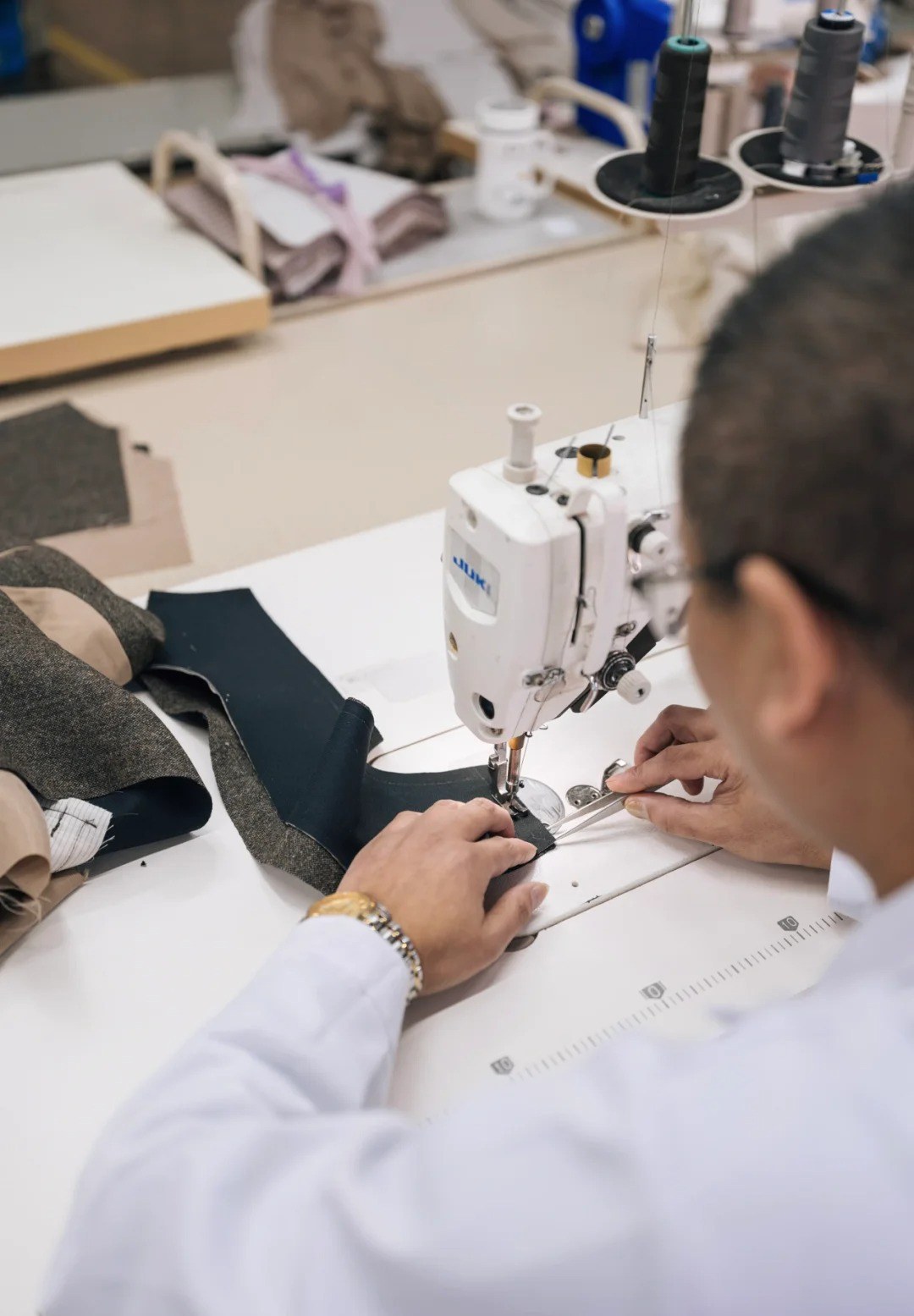
Communication failures cause 40% of unexpected sourcing problems—most preventable through structured systems. These breakdowns manifest in three critical areas that cascade into production disasters.
Specification Misunderstandings: You send a tech pack. The supplier interprets it differently. You want a 20mm ribbed neckline. They produce 25mm. You specify “heavyweight fleece.” They source standard fleece. Professional manufacturers prevent this through detailed tech packs with measurements, fabric specifications, color references, and sample attachments. Written confirmation of every specification creates accountability.
Timeline and Deadline Confusion: “Ready next week” means different things across cultures and time zones. Professional sourcing requires written timelines with specific dates, milestone checkpoints, and escalation procedures when delays occur.
Change Order Miscommunication: Mid-production, you request a color change or size adjustment. Without documented change orders and confirmation systems, modifications disappear into communication voids. Structured change order processes—with written requests, supplier acknowledgment, cost impact analysis, and timeline adjustments—prevent these disasters.
We implement structured communication protocols: tech pack confirmation forms, weekly production status updates with photographic evidence, written change order systems requiring dual approval, and milestone-based progress tracking.
Hidden Costs That Appear Mid-Production

38% of sourcing projects exceed budgets due to unexpected costs discovered after production begins. Initial quotes often exclude quality control labor, underestimate material waste during cutting, ignore packaging complexity, or don’t account for currency fluctuation risks.
| Cost Category | Initial Quote | Hidden Reality | Why It Happens |
|---|---|---|---|
| Fabric Sourcing | $4.50/unit | $5.20/unit | Supplier increases prices mid-order; fabric shortages force premium sourcing |
| Customization | $1.00/unit | $1.75/unit | Complex artwork requires additional setup; color matching costs extra |
| Quality Control | Included | $0.30/unit | Incoming inspection, in-line QC, final inspection require dedicated labor |
| Packaging & Labeling | $0.50/unit | $0.85/unit | Custom boxes, hang tags, tissue paper add up; branding materials cost more |
| Logistics & Shipping | $2.00/unit | $3.50/unit | Fuel surcharges, port congestion fees, customs clearance costs accumulate |
Professional sourcing requires detailed cost breakdowns, written specifications of what’s included, and transparent communication about potential variables. Request itemized quotes that separate fabric costs, labor, customization, QC, packaging, and logistics. Build contingency budgets (5-10%) for unexpected costs. Lock in currency rates through forward contracts when possible.
Design-to-Production Misalignment: When Samples Fail Reality
61% of manufacturing delays stem from design flaws discovered during production instead of during development. You design a hoodie with an intricate appliqué pattern requiring hand-stitching. Production quotes triple. You specify a fabric that shrinks 8% during washing, requiring adjusted patterns. These aren’t quality problems—they’re design problems that manufacturing can’t solve.
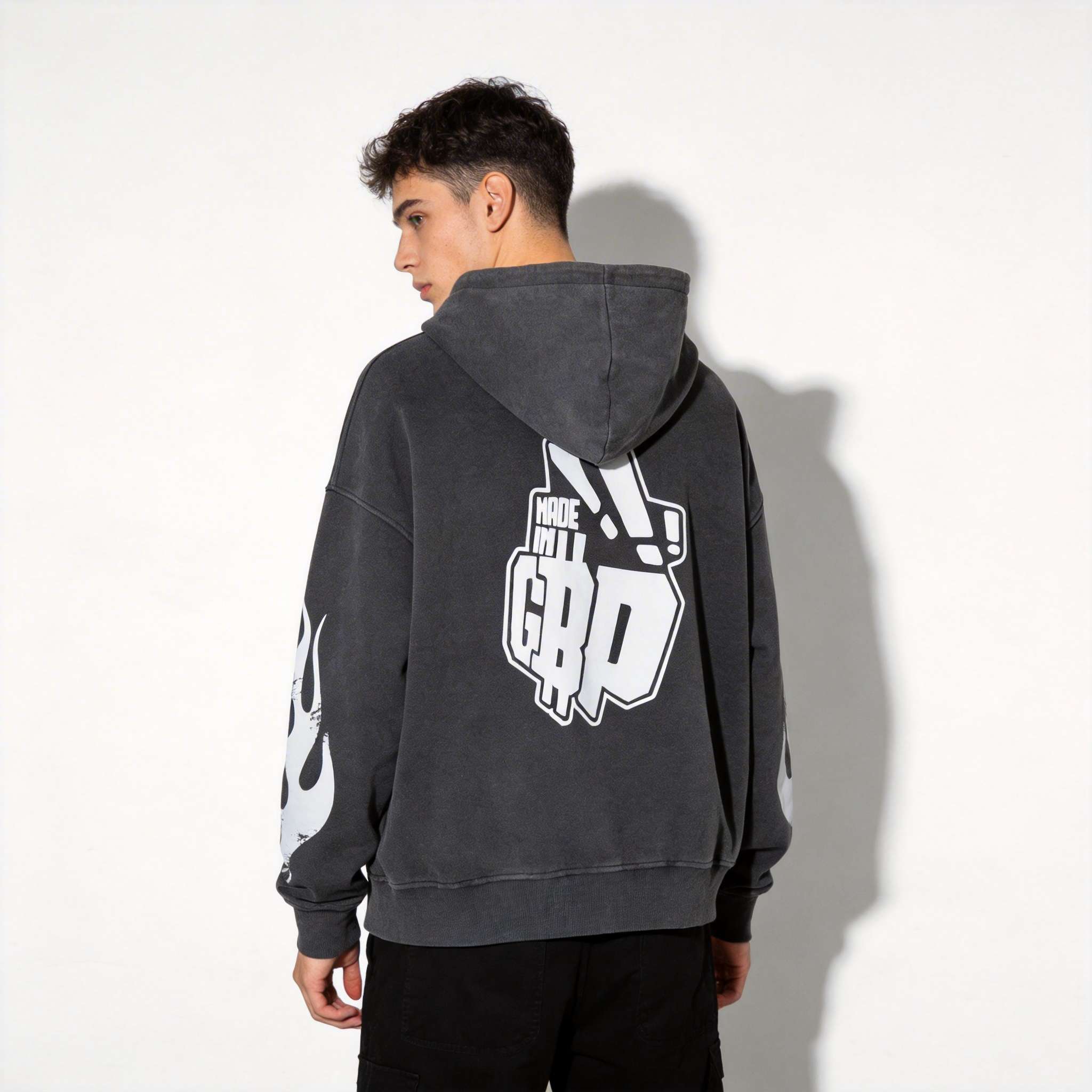
Professional manufacturers prevent this through Design-for-Manufacturing (DFM) reviews before production begins. During DFM, manufacturers analyze designs for seam placement efficiency, fabric compatibility, construction feasibility, equipment requirements, and cost implications. A designer might want a complex pocket structure. DFM identifies that standard pocket construction works equally well and costs 40% less.
These early interventions catch problems before cutting begins, preventing costly rework and delays. Recent manufacturing insights confirm that embedding DFM checks directly into product-development workflows reduces back-and-forth between design and production teams while minimizing scrapped material and keeping lead times on track.
Raw Material Shortages and Supplier Disruptions
Raw material shortages disrupted manufacturing operations significantly in recent years—and disruptions are accelerating in 2026. Supply chain volatility has become the new normal rather than the exception.
61% — Percentage of manufacturers citing raw material shortages as their top supply chain challenge (Hubs Supply Chain Resilience Report, 2023)
80% — Percentage of organizations experiencing at least one supply chain disruption recently, with most facing between 1-10 disruptions (Jabil Supply Chain Study)
38% — Percentage of SMBs holding excess inventory due to overstocking fears and supply uncertainty (ZenAdmin IT Procurement Report, 2024)
Raw material shortages stem from geopolitical disruptions (Suez Canal closures forcing longer shipping routes), climate events (extreme temperatures in Southeast Asia disrupting textile production), and supplier consolidation (fewer suppliers means less flexibility). Professional manufacturers address this through diversified supplier networks, safety stock agreements, and forward purchasing during stable periods. We maintain relationships with multiple fabric suppliers across different regions, reducing dependency on any single source and providing flexibility when disruptions occur.
Geopolitical and Logistics Disruptions: The Unexpected Delays
Geopolitical events create unexpected logistics problems that no sourcing professional can completely prevent, but professional manufacturers can prepare for. Ships avoiding the Suez Canal due to Middle East tensions route around Africa instead, adding 2-4 weeks to delivery times and increasing fuel costs. Hurricane seasons in Southeast Asia disrupt port operations and textile production simultaneously. Tariff changes announced suddenly increase landed costs by 15-25%.
The impact cascades. Delayed raw materials push production timelines back. Increased shipping costs inflate landed prices. Port congestion delays shipment departures. Your launch date slips. Revenue gets pushed to the next quarter.
Professional manufacturers address this through proactive contingency planning. Develop “what-if” scenarios for major disruption types: port closures, tariff increases, shipping delays, supplier failures. Maintain strategic safety stock for critical materials. Build schedule buffers into production timelines. Use multiple shipping routes and carriers rather than single-source logistics. We maintain relationships with multiple logistics providers and ports, allowing rapid rerouting if primary channels face disruptions.
FAQ
Q1: How can I prevent quality problems between samples and production?
Request detailed incoming inspections, in-line QC during production, and final inspections before shipment. Require your manufacturer to provide QC documentation showing that production matches approved samples. Establish clear quality standards in your tech pack with specific measurements, fabric specifications, and acceptable tolerance ranges.
Q2: What should I include in a tech pack to prevent communication problems?
Include detailed measurements (chest width, sleeve length, inseam), fabric specifications (fiber content, weight, shrinkage rate), color references (Pantone numbers, physical samples), construction details (seam types, stitch density), and decoration specifications (print placement, embroidery stitch count). Add photos of approved samples. Request written confirmation that the supplier understands every specification before production begins.
Q3: How do I identify hidden costs before production starts?
Request itemized quotes separating fabric costs, labor, customization, quality control, packaging, and logistics. Ask suppliers to clarify what’s included in their base price and what costs extra. Build a 5-10% contingency budget for unexpected costs. Lock in critical costs through written agreements before production.
Q4: What is Design-for-Manufacturing and why does it matter?
DFM is a review process where manufacturers analyze your design for manufacturability before production begins. They identify potential problems—complex seams that slow production, fabric incompatibilities, equipment limitations—and recommend solutions. DFM catches problems early when they’re cheap to fix, preventing costly rework and delays during production.
Q5: How can I protect against supply chain disruptions?
Diversify suppliers across different regions rather than single-sourcing. Maintain safety stock of critical materials. Build schedule buffers into production timelines (add 10-15% to quoted lead times). Use multiple shipping routes and carriers. Negotiate flexible contracts allowing adjustments if external disruptions occur. Choose manufacturers with established relationships across multiple suppliers and logistics providers.
Sources
- Extensiv Supply Chain Challenges 2025 — Geopolitical disruption data, Suez Canal impact analysis, 2026 logistics trends
- GEP Sourcing Challenges & Strategies — Quality control issues, supplier relationship management, price negotiation challenges
- Precoro Common Procurement Challenges — PO/invoice mismatch data, inventory management problems, cost control strategies
- Hubs Supply Chain Resilience Report (2023) — 61% raw material shortage statistic
- Jabil Supply Chain Study (2024) — 80% organization disruption frequency data
- ZenAdmin IT Procurement Report (2024) — SMB and enterprise overstocking rates
- MakerVerse Global Supply Chain Insights — Design-for-Manufacturing methodology, production delay prevention strategies
About ZORWILD: Dongguan ZORWILD Clothing Co., Ltd. is a professional apparel manufacturer based in Humen, Dongguan, with 27+ years of experience serving 2,000+ fashion brands globally. ZORWILD specializes in OEM, ODM, and private label production with advanced quality control systems, design development support, and global logistics capabilities. Contact: [email protected] | Phone/WhatsApp: +86 137 1325 2727 | Website: https://www.zorwild.com/
Written by Alin Zeng (27 Years of Master Craftsmanship & Pattern Making, Global OEM & Streetwear Customization Excellence, End-to-End Supply Chain & One-Stop Production, High-Efficiency Cost Control (“Quality + Affordability”), Incubating 2,000+ Fashion Brands from Scratch). Last reviewed 2026-06-05.