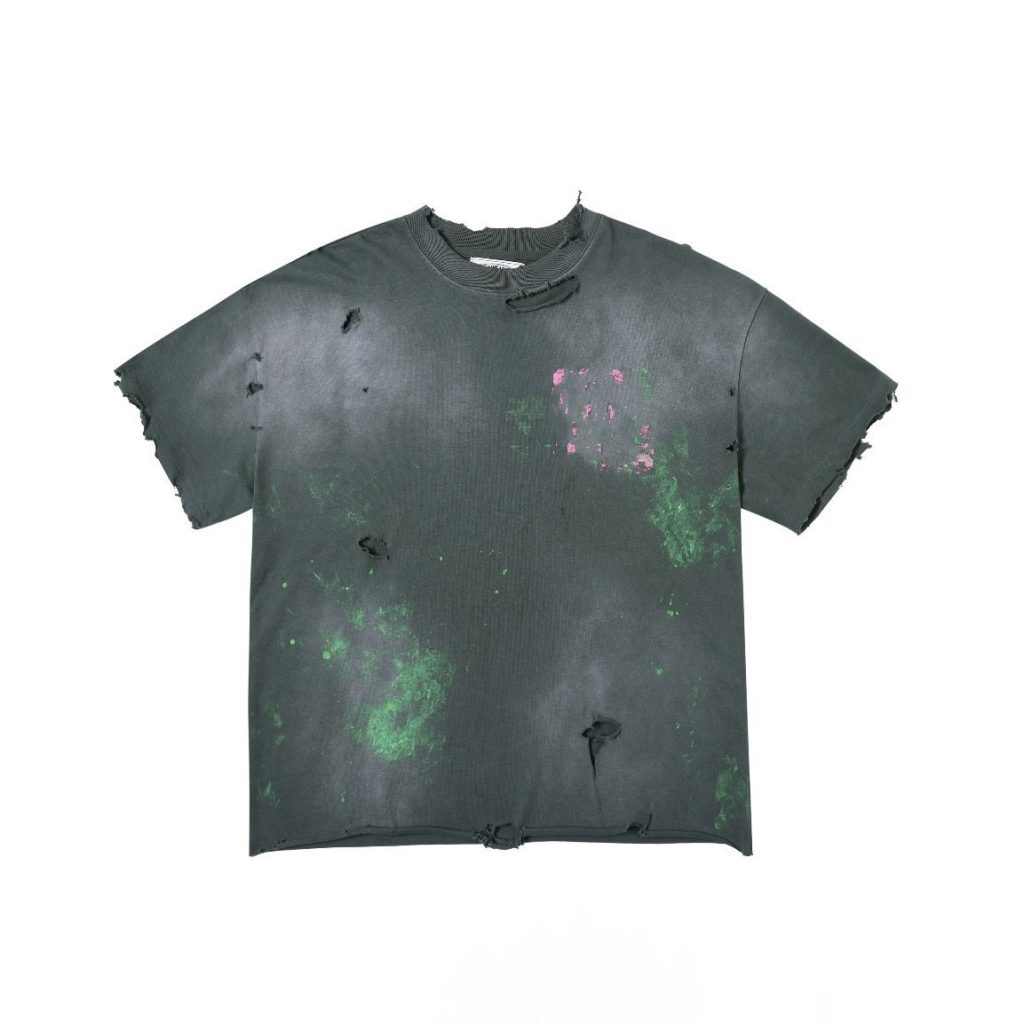
TL;DR: Creating your own products delivers 40-60% margins and lasting brand equity but demands $5,000-50,000 upfront capital; dropshipping launches in days with $500-2,000 and zero inventory risk but caps margins at 10-30% in commodity competition.
Bottom line: Choose product creation if you have capital, want premium margins, and plan 3+ year brand building. Choose dropshipping if you’re bootstrapping, testing markets, or need fast entry with minimal operational overhead.
Last updated: 2026-06-05, based on 2,000+ brand partnerships, Shopify/BigCommerce e-commerce benchmarks, and 27 years of apparel manufacturing data.
Key Takeaways
- Product creation yields 40-60% gross margins versus dropshipping’s 10-30%, compounding to 3-4x higher lifetime revenue per customer over 24-36 months.
- Startup capital differs dramatically: $5,000-50,000 for product creation (MOQ, tooling, samples) versus $500-2,000 for dropshipping (website, ads).
- Time-to-launch spans 8-16 weeks for manufacturing versus 7-10 days for dropshipping supplier integration.
- Brand differentiation separates winners: Product creators build proprietary items competitors can’t replicate; dropshippers face commodity pricing wars within 6-12 months.
- Inventory risk is the trade-off: Product creation carries dead-stock exposure; dropshipping eliminates it entirely but surrenders supply-chain control.
Product Creation vs Dropshipping: Side-by-Side Comparison
Would you prefer creating your own products or dropshipping? The answer hinges on capital, timeline, and brand ambitions. Product creation means manufacturing or sourcing unique items under your brand—full quality control, premium margins, significant upfront investment. Dropshipping lets you sell without inventory by partnering with suppliers who ship directly—minimal startup costs, operational simplicity, thin margins.
| Factor | Creating Your Own Products | Dropshipping |
|---|---|---|
| Startup Cost | $5,000–$50,000+ (MOQ, tooling, samples) | $500–$2,000 (website, ads) |
| Profit Margin | 40–60% (wholesale to retail) | 10–30% (thin competition) |
| Inventory Risk | High (dead stock, overstock) | Zero (supplier holds inventory) |
| Quality Control | 100% yours; direct oversight | Limited; reliant on supplier |
| Brand Differentiation | Unique products; competitive moat | Generic; easily replicated |
| Time to Launch | 8–16 weeks (sampling, production) | 1–2 weeks (supplier integration) |
| Scalability | Requires manufacturing capacity expansion | Unlimited (no inventory constraint) |
| Customer Loyalty | High (proprietary products build trust) | Low (customers see same product elsewhere) |
| Supply Chain Control | Full control; can customize, iterate | Dependent on third-party reliability |
| Long-Term ROI | 200–400% annually (mature brands) | 50–100% annually (high-volume needed) |
Over 1,000 units annually, a streetwear brand manufacturing hoodies at $8-12 per unit and selling at $35-60 nets $22,000-48,000 profit. Dropshippers buying pre-made hoodies wholesale at $15-20 and selling at $25-35 net $2,500-5,000. According to Printful’s dropshipping versus private label analysis, private label allows pricing freedom and lower competition because your product is one-of-a-kind, while dropshipping faces constant commoditization.
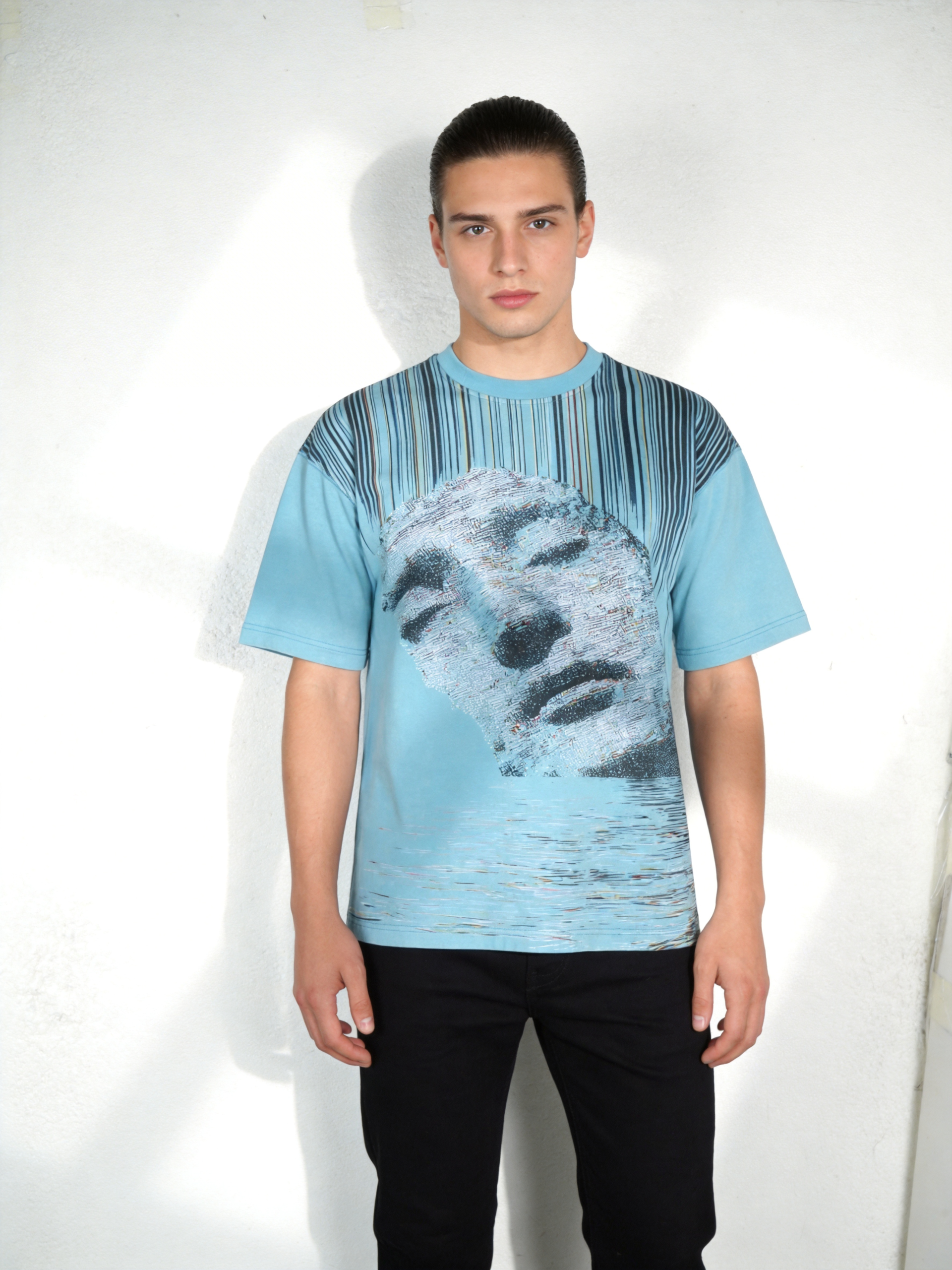
5 Critical Advantages of Creating Your Own Products
1. Dramatically Higher Profit Margins (40–60% vs 10–30%)
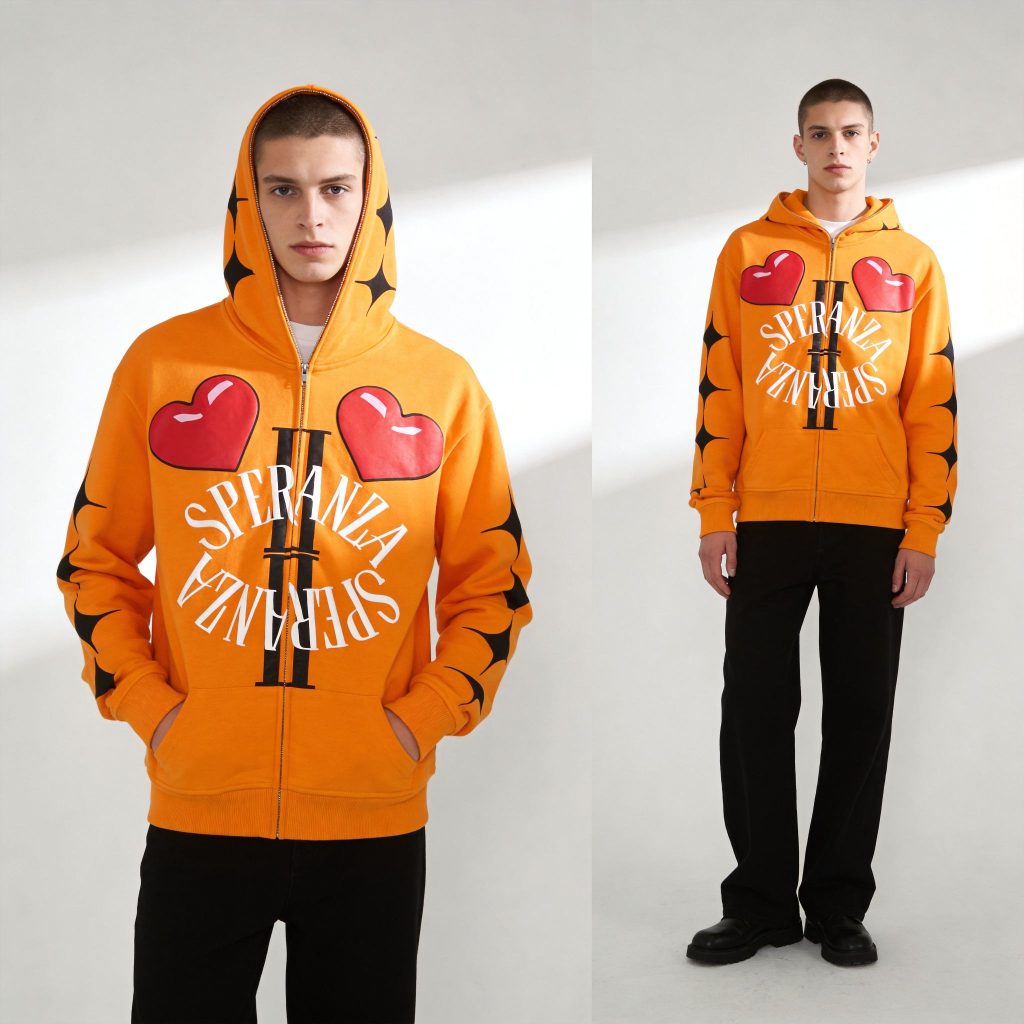
When you create your own products, you control the entire value chain. A streetwear brand manufacturing custom hoodies at $8-12 per unit can sell them for $35-60 retail, capturing 70-80% gross margin before marketing. Dropshippers buying pre-made hoodies wholesale at $15-20 and selling at $25-35 achieve only 15-25% margin. Margin compounding means product creators reinvest in better materials, faster fulfillment, and brand building—creating a self-reinforcing competitive advantage.
2. Proprietary Brand Identity & Customer Loyalty
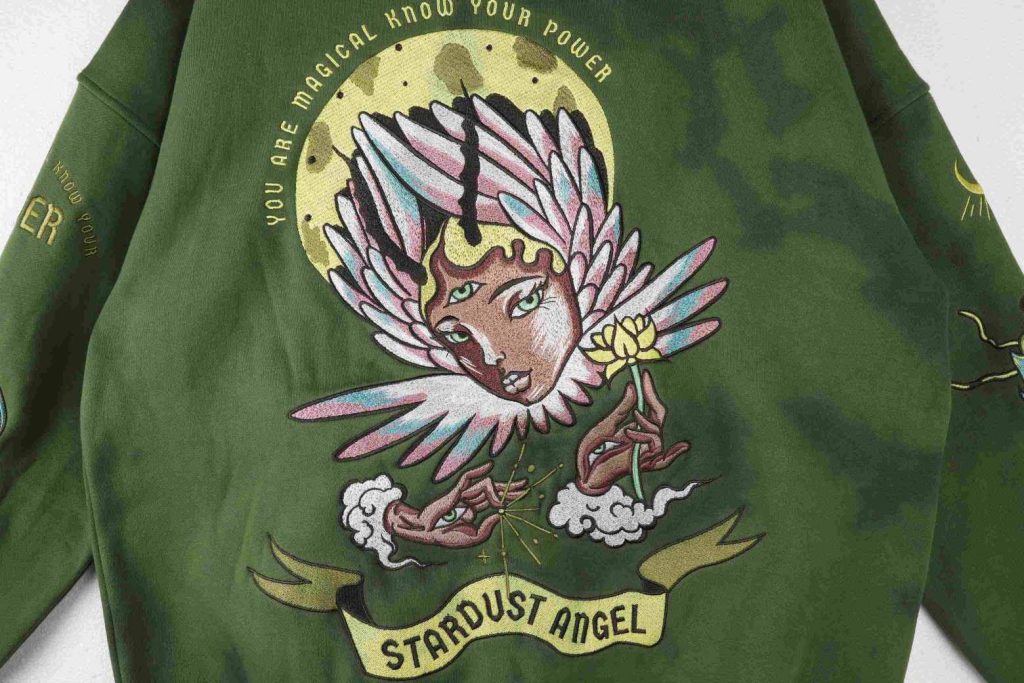
Custom products become your intellectual property. A brand selling unique cut-and-sew hoodies with proprietary wash techniques can’t be undercut by competitors selling identical items. Over 2-3 years, product creators build recognizable brand equity—“that brand’s oversized hoodies”—while dropshippers remain interchangeable resellers. This loyalty translates to repeat purchases: 40-60% repeat rate for strong brands versus 5-15% for dropshippers, per Recharge and Klaviyo retention studies.
3. Wholesale, Licensing & Multi-Channel Revenue
Brands with proprietary products open wholesale relationships with retailers, boutiques, and department stores. A successful private-label apparel brand can license its designs to other manufacturers, sell wholesale at 50% of retail, and maintain retail channels simultaneously—generating 3-4x revenue streams. We’ve helped 2,000+ brands scale from direct-to-consumer into wholesale partnerships once their proprietary designs proved market traction.
4. Complete Quality Control & Customer Experience
You directly manage manufacturing standards, materials, stitching, finishing, and packaging. Dropshippers depend on supplier reliability; delayed shipments, damaged products, or quality mismatches damage your reputation while you have no control. Brands controlling production achieve 4.5-4.8/5 customer satisfaction ratings; dropshippers average 3.5-4.0 due to supply chain friction, according to OWD’s print-on-demand versus dropshipping analysis.
5. Scalability Without Commodity Pressure
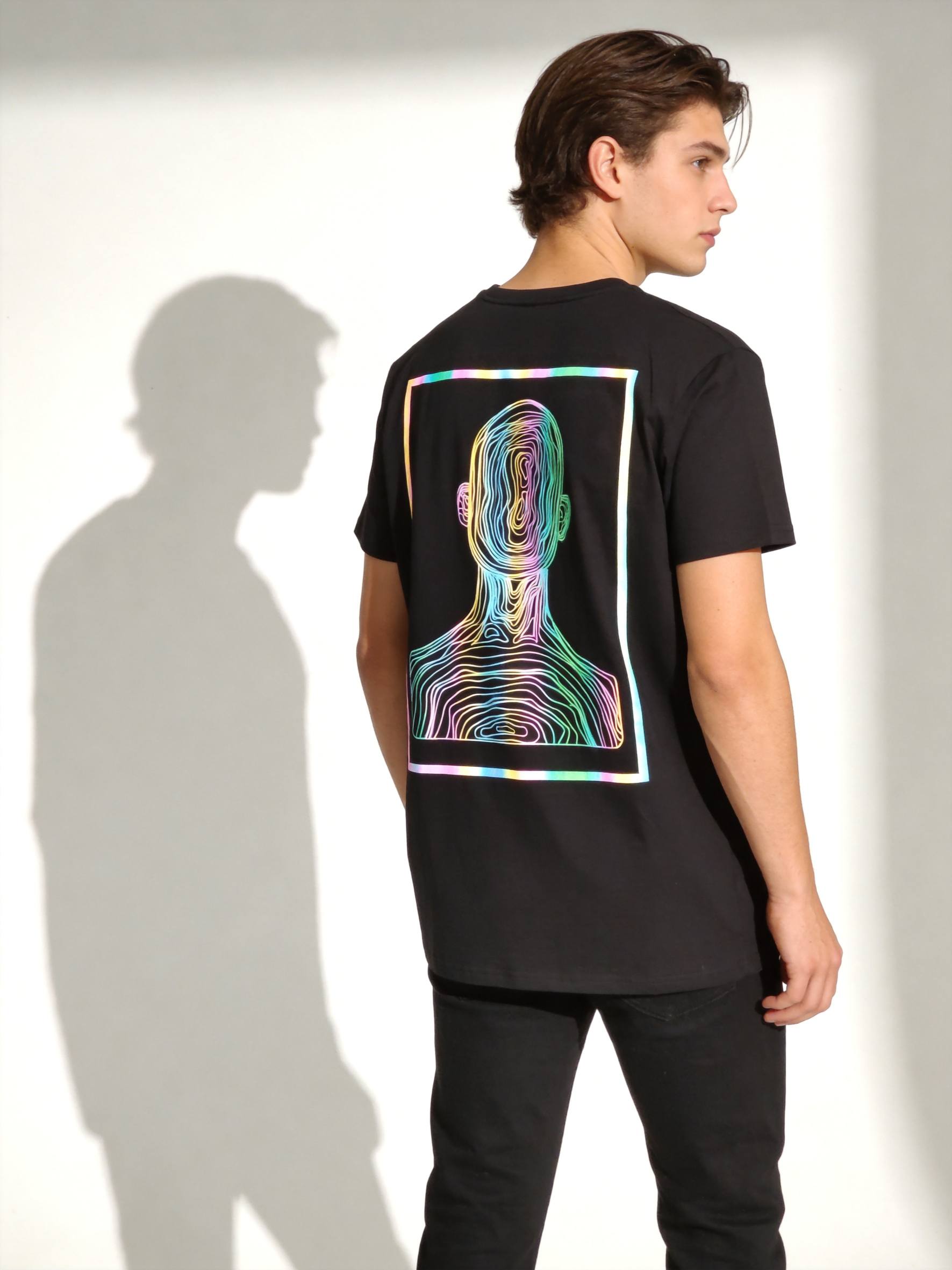
As your product brand grows, you increase production capacity while maintaining differentiation. A custom apparel manufacturer with 50,000-unit annual capacity can scale to 500,000 units without losing brand identity. Dropshippers scaling face intensifying price wars: as volume grows, competitors enter the same niche, driving margins down 20-40%.
5 Critical Advantages of Dropshipping
1. Minimal Startup Capital ($500–$2,000)
Dropshipping requires only website hosting ($20-50/month), payment processing setup ($0-100), and initial ad budget ($500-1,500). No inventory purchase, no manufacturing MOQ, no tooling costs. For bootstrapped entrepreneurs or those validating business ideas, dropshipping’s low barrier to entry is decisive. You can launch a dropshipping store in 7-10 days; product creation requires 8-16 weeks minimum.
2. Zero Inventory Risk & Operational Overhead
Dropshippers never hold stock. If a product doesn’t sell, you lose only ad spend—not $5,000 in dead inventory. Product creators holding 500 unsold units face storage costs ($50-200/month), markdowns (20-40% losses), and opportunity cost.
3. Unlimited Scalability Without Capacity Constraints
Dropshippers can sell 10 units or 10,000 units monthly without operational changes—suppliers handle fulfillment. A dropshipper can scale from $5,000/month revenue to $50,000/month in weeks; a product creator requires 2-3 months of supply chain expansion.
4. Fast Market Testing & Trend Responsiveness
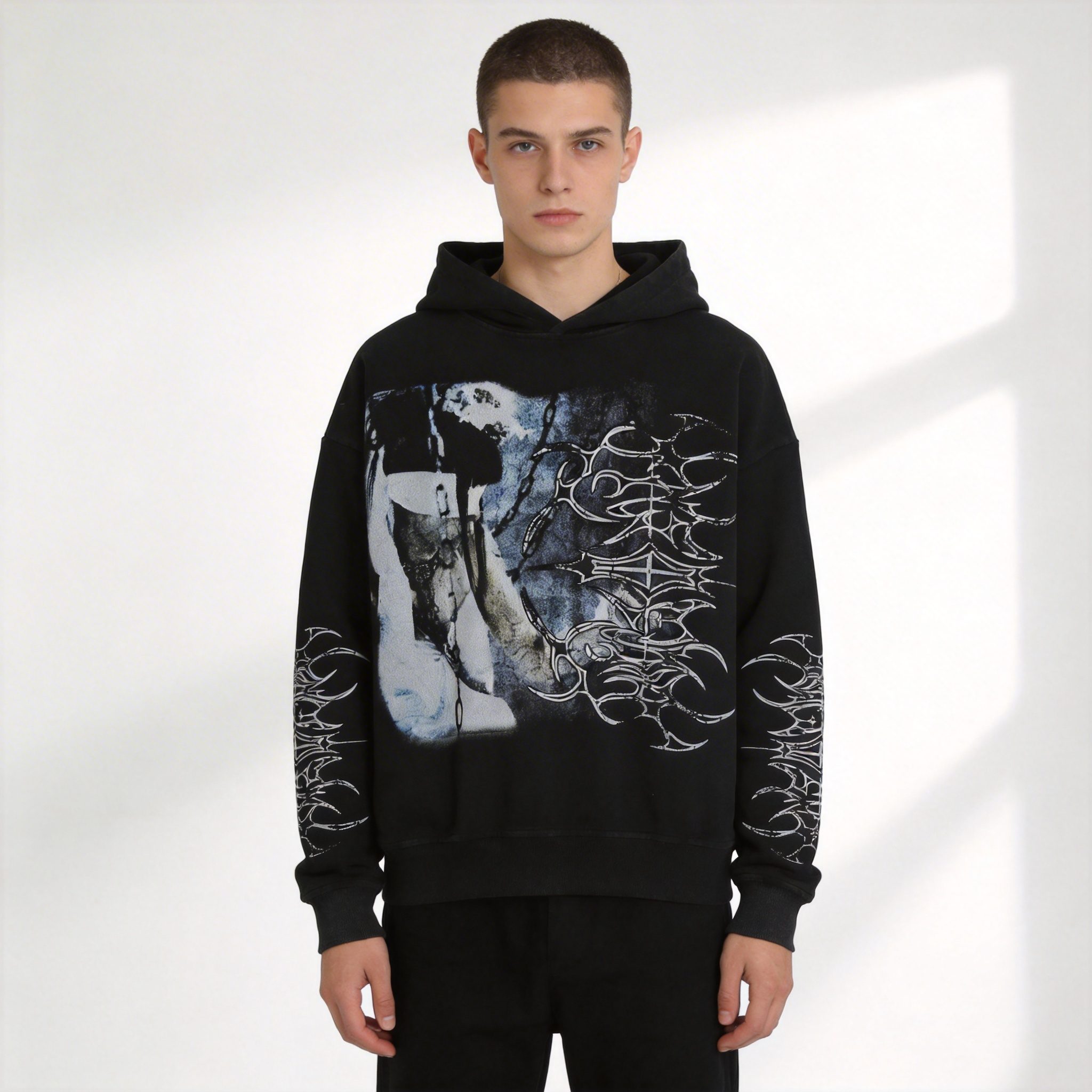
Launch new products in days, test market demand with minimal risk, and pivot quickly if products underperform. Product creators require 8-12 weeks per new product iteration. In fast-moving categories—streetwear, seasonal fashion, trending items—dropshipping’s agility is competitive advantage.
5. Geographic & Niche Arbitrage Opportunities
Dropshippers source products from manufacturers in low-cost regions and sell in high-income markets, capturing geographic price differentials. A product costing $5 in China can sell for $20-35 in North America, yielding 75-85% gross margin without manufacturing overhead.
Key Metrics: Product Creation vs Dropshipping by the Numbers
• 40–60% gross margin for product creators vs 10–30% for dropshippers — Shopify/BigCommerce e-commerce benchmarks (2025)
• $5,000–$50,000 startup capital for product creation vs $500–$2,000 for dropshipping — industry standard MOQ and website costs
• 8–16 weeks time-to-launch for product creation vs 7–10 days for dropshipping — manufacturing lead times vs supplier integration
• 40–60% repeat customer rate for branded product creators vs 5–15% for dropshippers — Recharge/Klaviyo retention data (2024)
• $50–$200+ lifetime customer value for product brands vs $15–$40 for dropshippers — Littledata/Baremetrics SaaS analytics (2025)
• 2–3 year ROI timeline for product creators vs 6–12 months for dropshippers — capital recovery and profitability thresholds
• 3–4 revenue streams (retail, wholesale, licensing, B2B) for mature product brands vs 1 stream (direct-to-consumer) for dropshippers — Shopify Plus case studies (2024)
How to Choose: 7 Questions to Ask Before Deciding
Question 1: Do you have $5,000–$50,000 in startup capital?
If yes: Product creation becomes viable; you can absorb MOQ commitments and sampling costs. If no: Dropshipping is the only realistic entry point.
Question 2: Can you wait 8–16 weeks to launch?
If yes: Product creation allows proper sampling and manufacturing optimization. If no: Dropshipping launches in days.
Question 3: Do you want to build a recognizable brand, or test markets quickly?
If brand-building is primary: Product creation creates defensible differentiation and customer loyalty. If rapid testing is primary: Dropshipping lets you validate demand across multiple product categories before committing capital.
Question 4: Can you tolerate inventory risk and dead stock?
If yes: Product creation’s inventory risk is manageable. If no: Dropshipping’s zero-inventory model eliminates this burden.
Question 5: Are you comfortable managing supply chains and manufacturing relationships?
If yes: Product creation gives you direct control and competitive advantage. If no: Dropshipping outsources all supply chain complexity.
Question 6: Do you want 40–60% margins or 10–30% margins?
If higher margins are essential: Product creation’s superior unit economics compound over time. If lower margins are acceptable: Dropshipping works if you achieve 100+ sales/month.
Question 7: What’s your 3-year business goal?
If build a $500K–$1M+ brand with wholesale/licensing: Product creation is the only path. If generate $50K–$150K side income or test markets: Dropshipping achieves this faster.
If you answered “product creation” to 4+ questions, commit to manufacturing. If 4+ answers point to dropshipping, start there—but plan a transition to product creation within 12-18 months as you validate market demand and accumulate capital. Many successful brands use dropshipping to generate $10,000-30,000 in capital over 6-12 months, then approach a manufacturer with real sales data to negotiate lower MOQs (50-500 units) and launch private-label versions.
FAQ
Q1: Can I start with dropshipping and transition to creating my own products?
Yes—this is the optimal path for bootstrapped entrepreneurs. Use dropshipping to validate product-market fit, build customer base, and accumulate capital ($10,000-30,000) over 6-12 months. Once you’ve proven demand, approach manufacturers with real sales data, negotiate lower MOQs (50-500 units), and launch private-label versions.
Q2: What’s the realistic profit for a beginner dropshipper in year one?
Most beginner dropshippers earn $500-$3,000 monthly ($6,000-$36,000 annually) after 6-12 months of optimization. Success requires disciplined ad spending (5-15% of revenue), conversion rate optimization (2-4% target), and customer acquisition cost management ($15-40 per customer).
Q3: Which model is better for building a sustainable business?
Product creation builds long-term sustainability through brand equity, customer loyalty, and margin stability. Dropshipping plateaus at $5,000-$15,000/month because margins compress as competition intensifies. Product brands compound: year-one revenue $50,000 often grows to $500,000+ by year three.
Q4: Can I combine both models?
Yes. Many successful brands dropship 3-4 test products monthly while manufacturing 2-3 core products. This hybrid approach validates demand (dropshipping) while building brand equity (product creation). As dropshipped products prove profitable, transition them to private-label manufacturing.
Q5: How do I find reliable manufacturers for product creation?
Use Alibaba, Global Sources, or industry directories to identify 5-10 manufacturers. Request samples, verify certifications, and check references from existing brands. For apparel, manufacturers like ZORWILD offer low-MOQ production starting at 50 pieces.
Q6: What’s the biggest mistake beginners make choosing between these models?
Underestimating the operational complexity of product creation or overestimating dropshipping profitability. Many assume dropshipping is passive income—it requires constant marketing optimization. Others assume product creation is too complex—it’s not when you partner with experienced manufacturers.
Sources
- Printful — Dropshipping vs. Private Label — 2024, pricing freedom and competition analysis
- OWD — Print on Demand vs Dropshipping — 2025, operational model comparison
- Shopify E-Commerce Benchmarks (2024-2025) — profit margin data, customer lifetime value, repeat purchase rates
- BigCommerce Industry Reports — dropshipping vs private-label margin analysis, startup cost comparisons
- Recharge & Klaviyo Retention Studies (2024) — subscription and repeat customer benchmarking across e-commerce segments
- ZORWILD Clothing Co., Ltd. — private-label apparel manufacturing, low-MOQ production (50+ units), OEM/ODM services — https://www.zorwild.com/ | [email protected] | +86 137 1325 2727
Written by Alin Zeng (27 Years of Master Craftsmanship & Pattern Making, Global OEM & Streetwear Customization Excellence, End-to-End Supply Chain & One-Stop Production, High-Efficiency Cost Control (“Quality + Affordability”), Incubating 2,000+ Fashion Brands from Scratch). Last reviewed 2026-06-05.