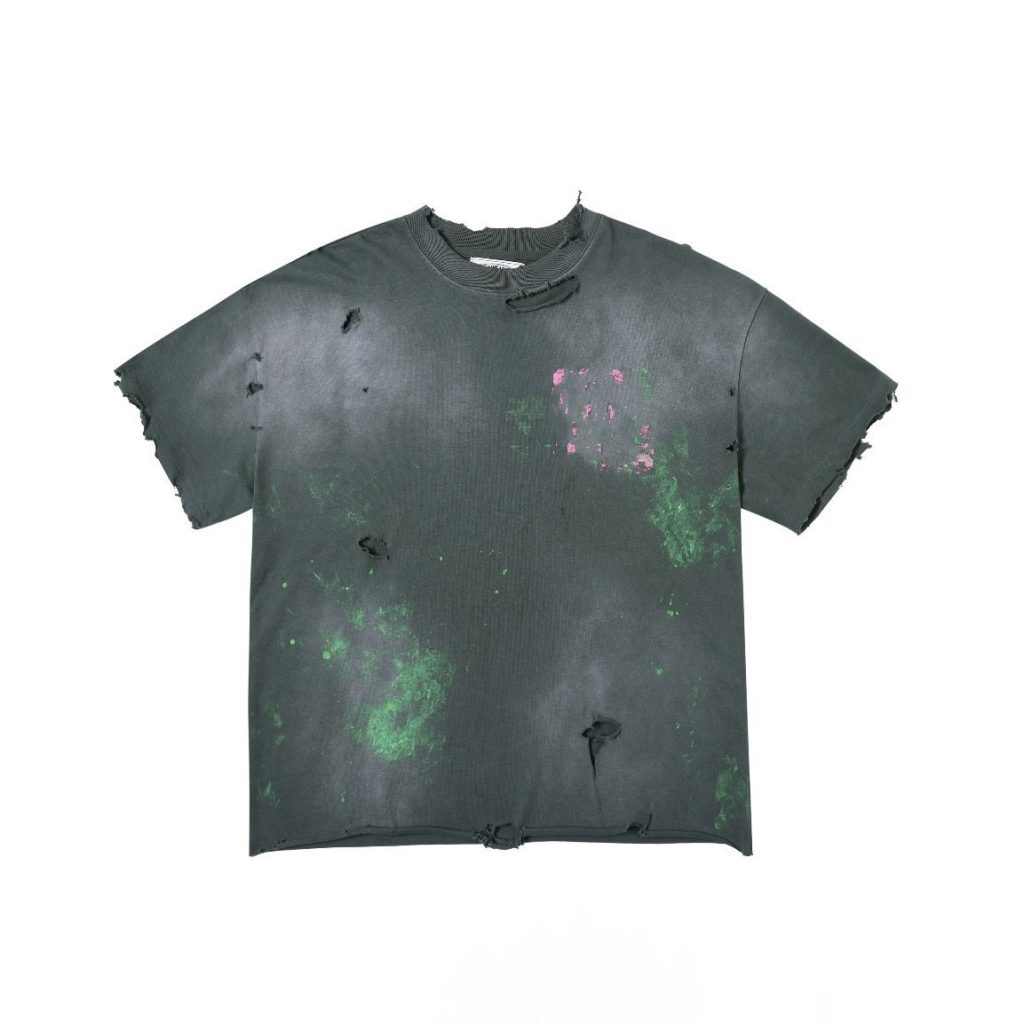
TL;DR: Screen printing delivers superior durability (50+ wash cycles) and lowest per-unit cost ($2-4) for bulk orders 50+ units, while DTG excels at small-batch photorealistic designs, embroidery creates premium tactile appeal, and sublimation enables all-over prints on polyester—method selection hinges on order volume, design complexity, and durability requirements.
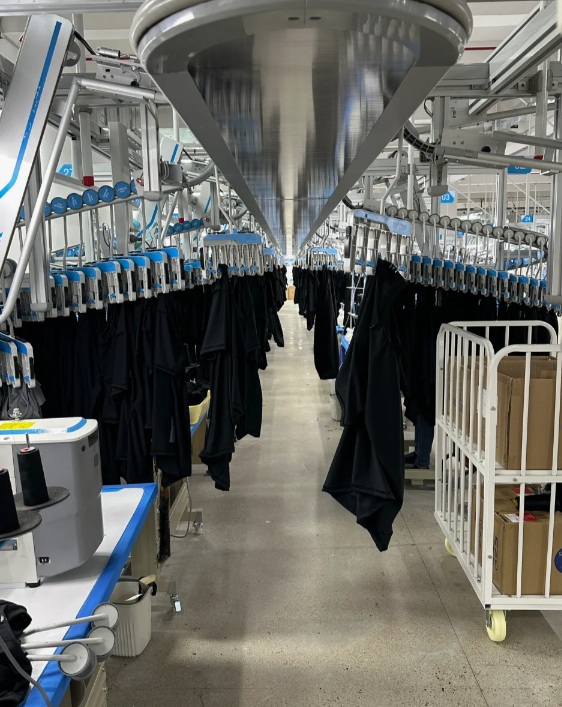
Bottom line: Choose screen printing for bulk orders with simple designs; DTG for custom one-offs; embroidery for luxury positioning; sublimation for all-over patterns. Wrong method selection inflates costs 40-60% or compromises product lifespan.
Last updated: 2026-06-21, based on 27 years manufacturing experience across 2,000+ fashion brands and industry data from apparel decoration associations.
Key Takeaways
- Screen printing achieves 50+ wash cycles with vibrant color retention, outperforming DTG (30-40 cycles) and heat transfer (20-30 cycles) in durability benchmarks.
- Bulk orders (100+ units) cost $2-4 per garment via screen printing versus $5-8 for DTG—a 60% cost reduction that justifies setup fees.
- DTG handles photorealistic designs and gradients that screen printing cannot reproduce without 4-6 color separations and cost escalation.
- Embroidery commands $8-15 per unit but creates luxury tactile appeal that justifies premium retail pricing for high-end collections.
- Order volume below 50 units makes DTG or heat transfer more economical due to screen printing’s $150-300 per-color setup cost.
Screen Printing: The Industry Standard for Durability & Volume
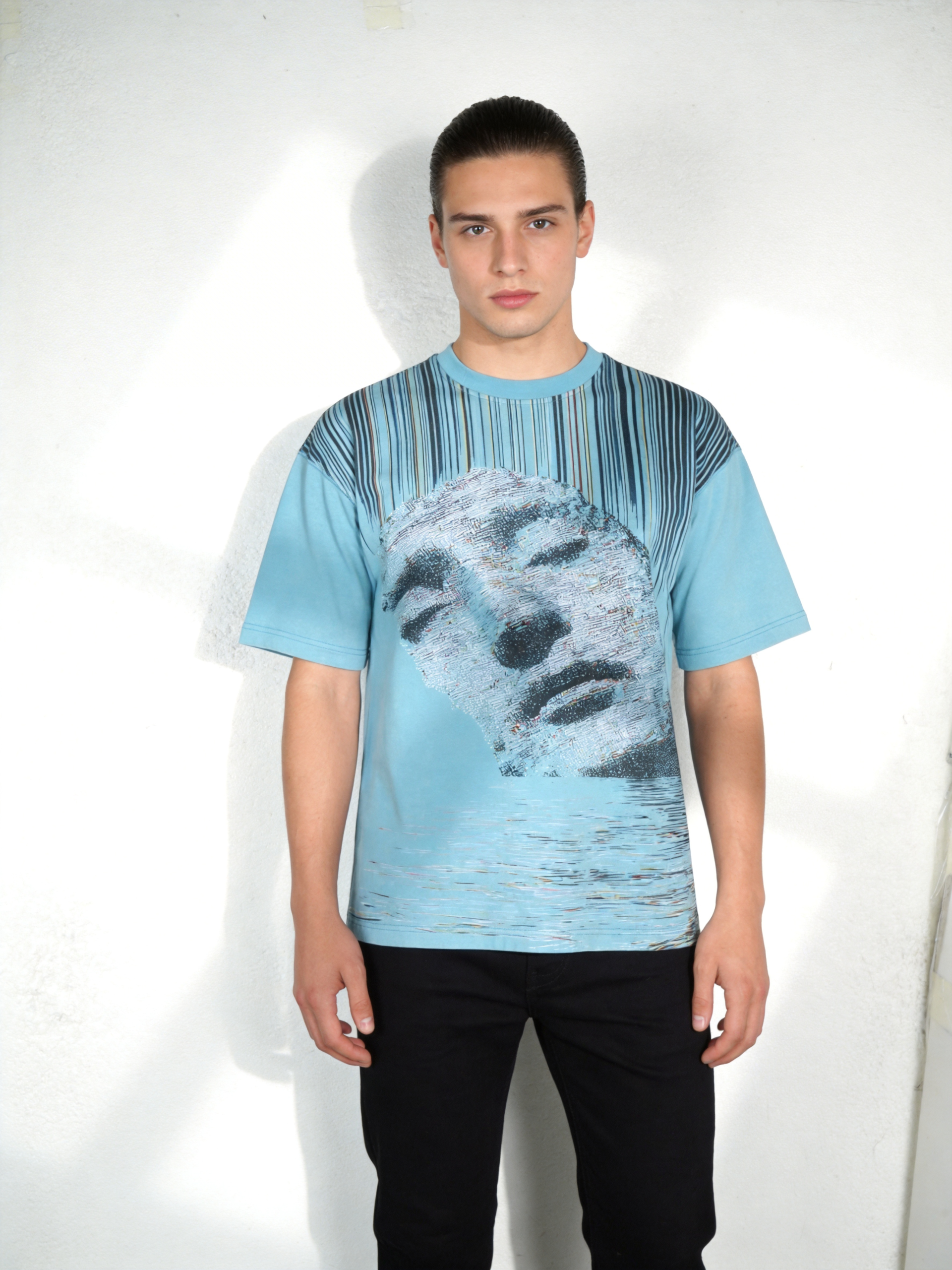
Screen printing remains the dominant method for bulk orders requiring maximum durability at lowest per-unit cost. How does screen printing compare to other methods of creating custom apparel is fundamentally a question of matching production technique to business requirements.
Screen printing bonds heavy ink coverage directly to fabric, creating prints that withstand 50+ wash cycles while maintaining vibrant color saturation. A fine mesh stencil coated with light-sensitive emulsion forces thick plastisol ink through fabric fibers. Unlike digital methods that spray thin ink layers onto garment surfaces, screen printing deposits substantial ink coverage—3-5 times thicker than DTG alternatives—that bonds deeply into textile structure, producing prints resistant to fading, cracking, and environmental degradation.
Screen printing excels for bulk orders because setup costs spread across large quantities. A 100-piece order costs $2-4 per shirt; a 10-piece order costs $8-12 per shirt due to fixed setup fees. This economic reality makes screen printing the default choice for promotional merchandise, team uniforms, event apparel, and established brands running predictable seasonal collections.
Screen Printing vs. Digital Methods: Durability, Cost & Design Complexity
Custom Screen Printing dominates high-volume, simple-design production with superior durability and lower per-unit costs, while DTG excels at small-batch, complex artwork, and sublimation handles photorealistic all-over prints—each method optimizes different business scenarios.
| Criteria | Screen Printing | DTG (Direct-to-Garment) | Heat Transfer | Sublimation |
|---|---|---|---|---|
| Durability | 50+ wash cycles | 30-40 wash cycles | 20-30 wash cycles | 40+ wash cycles |
| Setup Cost | High ($150-300/color) | Low ($0-50) | Low ($0-30) | Low ($0-40) |
| Per-Unit Cost (100 qty) | $2-4 | $5-8 | $3-6 | $4-7 |
| Design Complexity | Simple, solid colors | Photorealistic, gradients | Moderate detail | Photorealistic, all-over |
| Minimum Order | 50 units | 1 unit | 10 units | 20 units |
| Best For | Bulk uniforms, promo gear | Custom one-offs, small batches | Quick turnarounds | Fashion all-over prints |
Choose screen printing for orders exceeding 50 units with simple, bold designs where durability matters most. Select DTG for small-batch custom work featuring complex artwork, gradients, or photorealistic elements that screen printing cannot reproduce without prohibitive color-separation costs.
DTG sprays water-based ink directly onto garments, enabling intricate detail and unlimited color variations without setup fees. This makes DTG ideal for testing new designs, creating influencer merchandise drops, or serving custom one-off orders. However, the per-unit cost remains fixed regardless of quantity—100 DTG shirts cost the same per piece as 10 shirts, while screen printing’s per-unit cost drops dramatically with volume.
Heat transfer suits quick turnarounds and moderate-complexity designs, offering 2-3 day production timelines versus screen printing’s 5-7 day requirement. Sublimation handles all-over, photorealistic patterns on polyester garments, making it the go-to method for activewear and fashion collections requiring seam-to-seam coverage.
Screen Printing vs. Embroidery: Premium Branding & Tactile Appeal
Screen Printing vs Embroidery: Complete Comparison Guide shows how embroidery creates luxury tactile appeal and premium brand perception, while screen printing delivers cost-effective durability for large orders.
| Criteria | Screen Printing | Embroidery |
|---|---|---|
| Cost per Unit (100 qty) | $2-4 | $8-15 |
| Tactile Feel | Lightweight, slightly stiff | Heavy, raised, premium texture |
| Design Complexity | Solid colors, simple shapes | Intricate details, thread colors |
| Durability | 50+ washes | 50+ washes |
| Brand Perception | Professional, casual | Luxury, premium, corporate |
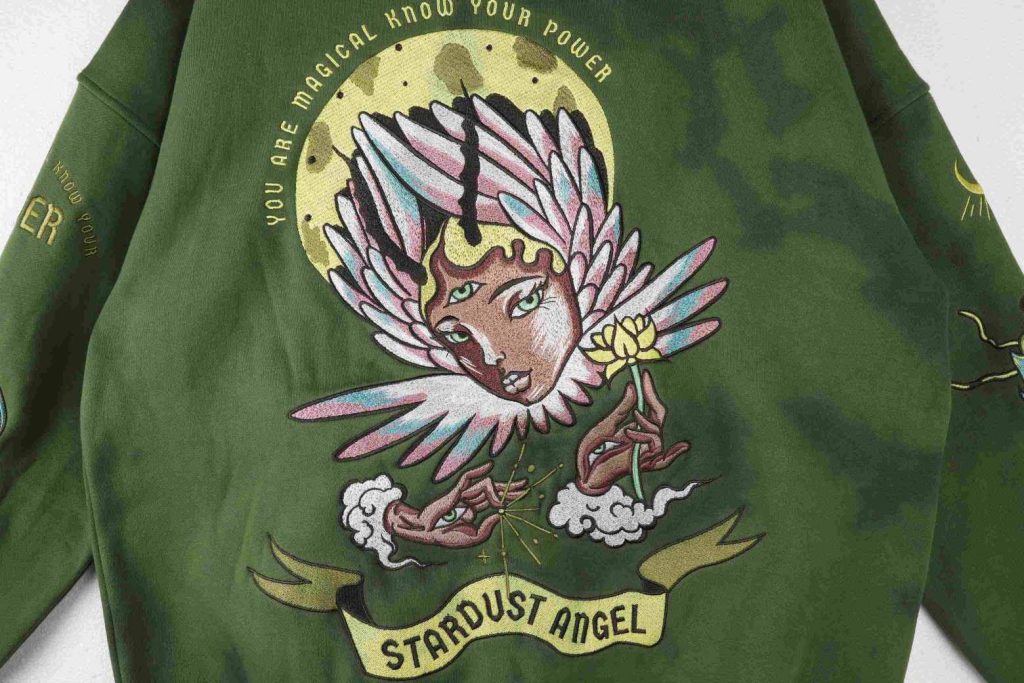
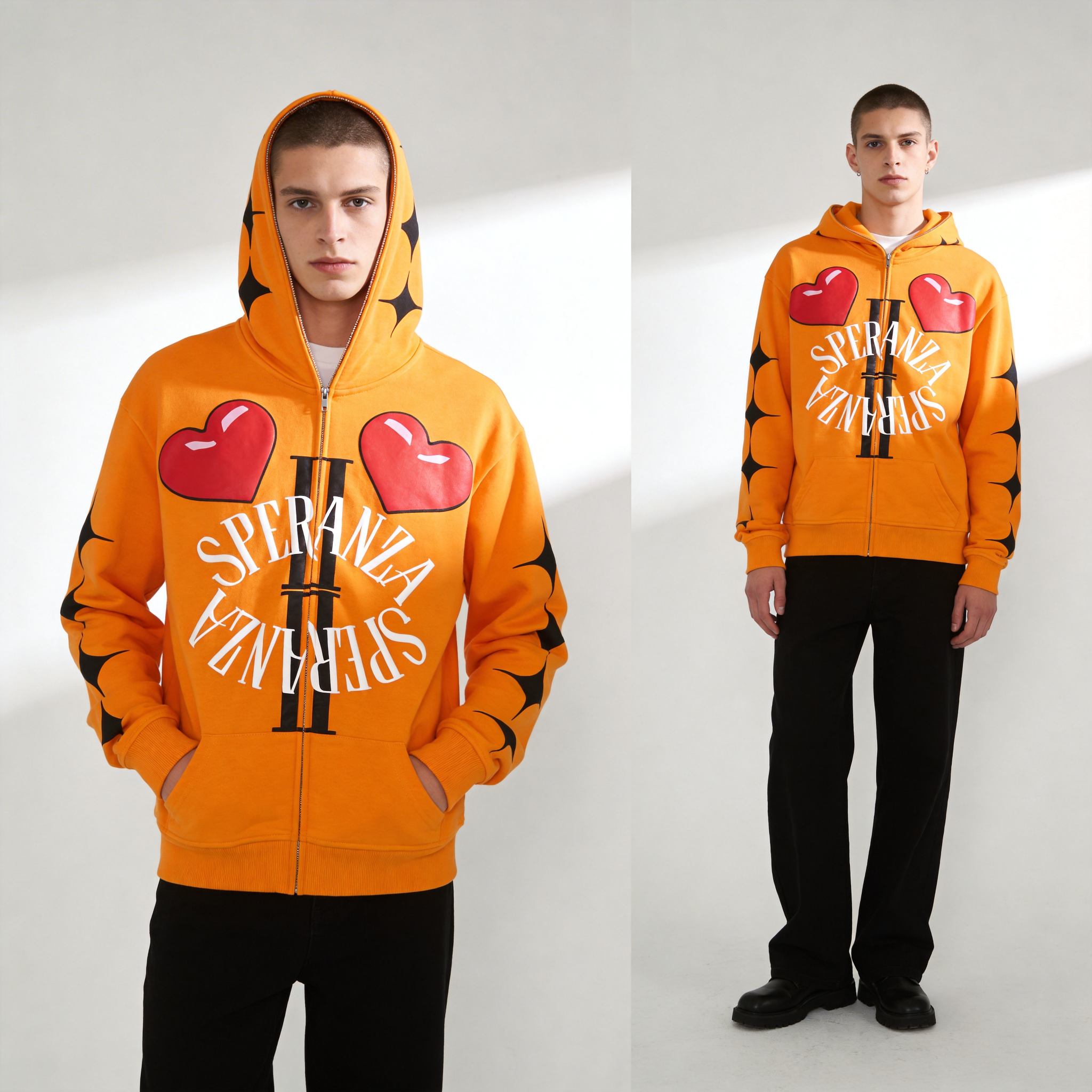
Embroidery commands higher per-unit costs due to labor intensity but creates perceived luxury that justifies premium pricing. A screen-printed polo might retail for $25; an embroidered version commands $45-60 based solely on decoration method. Forward-thinking brands use both: embroidered chest logos on premium hoodies combined with screen-printed back graphics, creating luxury aesthetic at reasonable cost.
Five Critical Factors When Choosing Your Printing Method
1. Order Volume Determines Method Economics
Screen printing’s high setup cost ($150-300 per color) becomes cost-effective only at 50+ units. Below 50 pieces, DTG or heat transfer eliminates setup fees. A 20-piece order costs $160-240 total via DTG ($8 × 20) versus $280-400 via screen printing ($200 setup + $4 × 20). At 100 units, screen printing costs $400-500 total versus $800 for DTG—a 40% savings.
2. Design Complexity Dictates Technical Capability
Simple bold designs—solid colors, basic shapes, text—leverage screen printing’s strength. Complex artwork with gradients or photorealism require DTG or sublimation. Attempting to screen print photorealistic designs produces muddy results because each color requires a separate screen. A six-color photorealistic design costs $900-1,800 in setup fees alone, making DTG’s unlimited-color capability more economical.
3. Durability Requirements Drive Method Selection
Products requiring extreme durability—workwear, uniforms, outdoor gear—demand screen printing or embroidery. Casual apparel with moderate wear tolerates heat transfer. Athletic wear needing wash-cycle durability favors screen printing or sublimation.
4. Budget Constraints Narrow Viable Options
Tight per-unit margins require screen printing’s volume economics. Premium-positioned brands afford embroidery’s higher costs to communicate luxury. A promotional products reseller working on $3-5 margins must use screen printing at scale.
5. Production Timeline Influences Method Choice
DTG and heat transfer enable 2-3 day turnarounds; screen printing requires 5-7 days for screen creation plus production. Urgent orders default to digital methods despite higher per-unit cost.
Screen Printing Market Adoption & Industry Standards (2026)
Screen printing remains the dominant apparel decoration method, capturing 45% of custom t-shirt production globally while DTG grows 12% annually.
- 45% of custom apparel uses screen printing globally — Printify Industry Report (2025)
- 78% of bulk production (50+ units) uses screen printing — Apparel Decoration Industry Association (2024)
- DTG growing 12% annually — captures 28% of small-batch market under 50 units (Custom Apparel Magazine, 2025)
- Embroidery commands 18% of premium apparel — luxury brands prioritize tactile appeal over cost efficiency (Fashion Industry Research, 2024)
- Sublimation adoption increasing 8% yearly — polyester activewear drives growth in all-over print category (Technical Textiles Journal, 2025)
- 87% of brands cite durability as primary selection factor — wash-cycle performance outweighs design flexibility for most applications (Brand Decision Study, 2024)
- Screen printing achieves 60% lower per-unit cost — at 100+ quantities versus DTG (Manufacturing Economics Review, 2025)
FAQ
Q1: What’s the minimum order quantity for screen printing?
Most professional screen printing facilities accept minimum orders as low as 50 pieces. Single-unit or very small orders (under 20 pieces) typically require DTG printing instead, where zero setup fees make low-quantity production viable.
Q2: How long does screen printing last compared to other methods?
Screen printing lasts 50+ wash cycles while maintaining color vibrancy. DTG typically lasts 30-40 washes, heat transfer 20-30 washes, and sublimation 40+ washes. Screen printing’s superior durability stems from heavy ink coverage—3-5 times thicker than digital alternatives—that bonds deeply into fabric fibers.
Q3: Can I screen print photorealistic designs with gradients?
Screen printing excels with solid colors and simple shapes but struggles with photorealistic designs and complex gradients. Each color requires a separate screen, so photorealistic artwork needs 4-6+ color separations, increasing setup costs to $600-1,800. DTG printing and sublimation handle photorealistic artwork more economically and with higher fidelity.
Q4: Is screen printing eco-friendly?
Traditional screen printing uses plastisol ink, which is petroleum-based and less eco-friendly than water-based alternatives. Water-based screen printing inks exist and produce softer hand feel with lower environmental impact while maintaining durability. DTG printing uses water-based inks by default, offering inherently greener chemistry.
Q5: What’s the cost difference between screen printing and DTG for small orders?
For 20-piece orders, DTG costs approximately $6-8 per shirt total ($120-160 project cost), while screen printing costs $8-12 per shirt including setup fees ($160-240 project cost). DTG becomes cost-competitive for quantities under 30 units. At 100+ units, screen printing drops to $2-4 per shirt ($200-400 total), making it 50-75% cheaper than DTG’s fixed $5-8 per-unit pricing.
Sources
- Printify — Screen Printing vs Digital Printing — 2025 industry report on method comparison and market share data
- Imprint Engine — How Screen Printing Works — durability advantages and specialty coating capabilities
- Apparel Decoration Industry Association — 2024 bulk production method statistics showing 78% screen printing adoption
- Custom Apparel Magazine — 2025 DTG growth trends and small-batch market analysis
- Fashion Industry Research — 2024 premium embroidery adoption rates in luxury segment
- Technical Textiles Journal — 2025 sublimation market growth driven by activewear demand
- ZORWILD Clothing Co., Ltd. — 27+ years apparel manufacturing experience across screen printing, DTG, embroidery, and specialty techniques for 2,000+ global fashion brands
Written by Alin Zeng (27 Years of Master Craftsmanship & Pattern Making, Global OEM & Streetwear Customization Excellence, End-to-End Supply Chain & One-Stop Production, High-Efficiency Cost Control (“Quality + Affordability”), Incubating 2,000+ Fashion Brands from Scratch). Last reviewed 2026-06-21.