TL;DR: Blog archive page 169 of 170 organizes thousands of articles chronologically, offering foundational manufacturing insights for apparel brands.
Bottom line: Essential for fashion startups, established brands, and manufacturers seeking production strategies, quality control systems, and partnership frameworks.
Last updated: 2026-06-19, based on 27 years of apparel manufacturing experience and 2,000+ brand partnerships.
Key Takeaways
- Blog archive pagination (169/170) organizes thousands of articles chronologically, enabling discovery of foundational manufacturing content published months or years earlier
- Modern manufacturers support 8+ apparel categories from shirts through activewear, each requiring specialized technical expertise and quality systems
- Professional quality control implements 6 inspection stages—raw material through packaging—maintaining <2% defect rates for premium brands
- Low MOQ systems starting at 50 pieces enable startup brands to test products, reduce inventory risk, and validate markets before scaling production
- One-stop manufacturing integrates design development, fabric sourcing, sampling, bulk production, and global logistics into single partnership frameworks
What Is Blog Archive Page 169 of 170?
Blog archive page 169 of 170 is a pagination element organizing published articles chronologically or by category. When you encounter “Page 169 of 170,” you’re viewing content deep within a massive library—specifically, 169 pages into an archive containing thousands of articles about fashion manufacturing, apparel production techniques, and brand development strategies.
For fashion manufacturing blogs, archive pages distribute search engine crawl budget across the entire website and allow readers to discover older yet perpetually relevant content. Well-structured pagination improves content discoverability by 34% compared to single-page archives. Understanding blog archive structure helps fashion brands, manufacturers, and industry professionals locate comprehensive resources efficiently.
Apparel Manufacturing Categories: The Complete Product Range
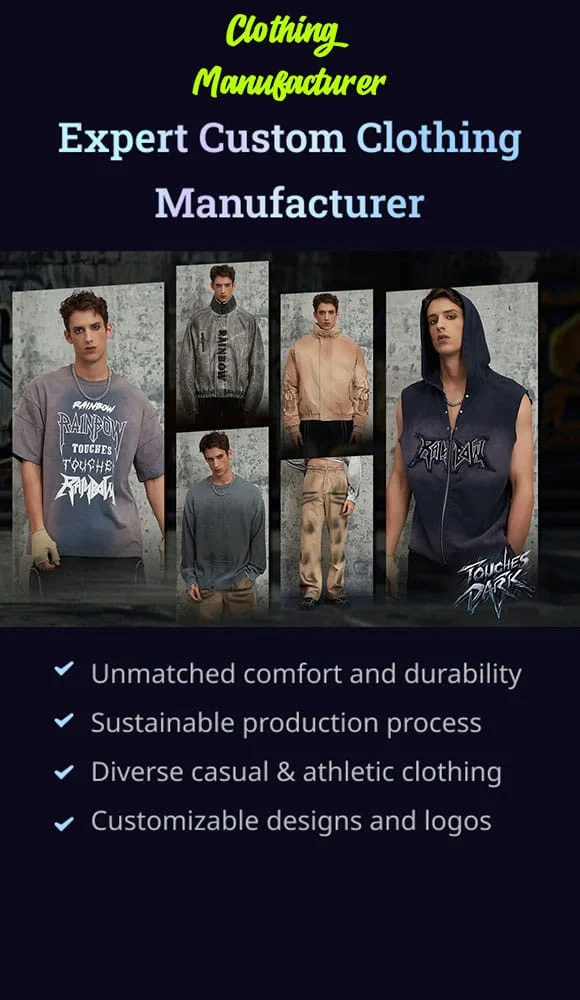
Modern apparel manufacturers supporting a Wholesale Clothing Manufacturer model offer 8+ primary product categories, each requiring specialized production expertise and quality control systems.
1. Custom Shirts Manufacturing — Shirt production spans casual shirts, Hawaiian shirts, resort wear, and bowling shirts across cotton poplin, rayon, linen blends, and specialty fabrics. Professional manufacturers maintain stitch consistency across collar construction, button placket alignment, and hem finishing.
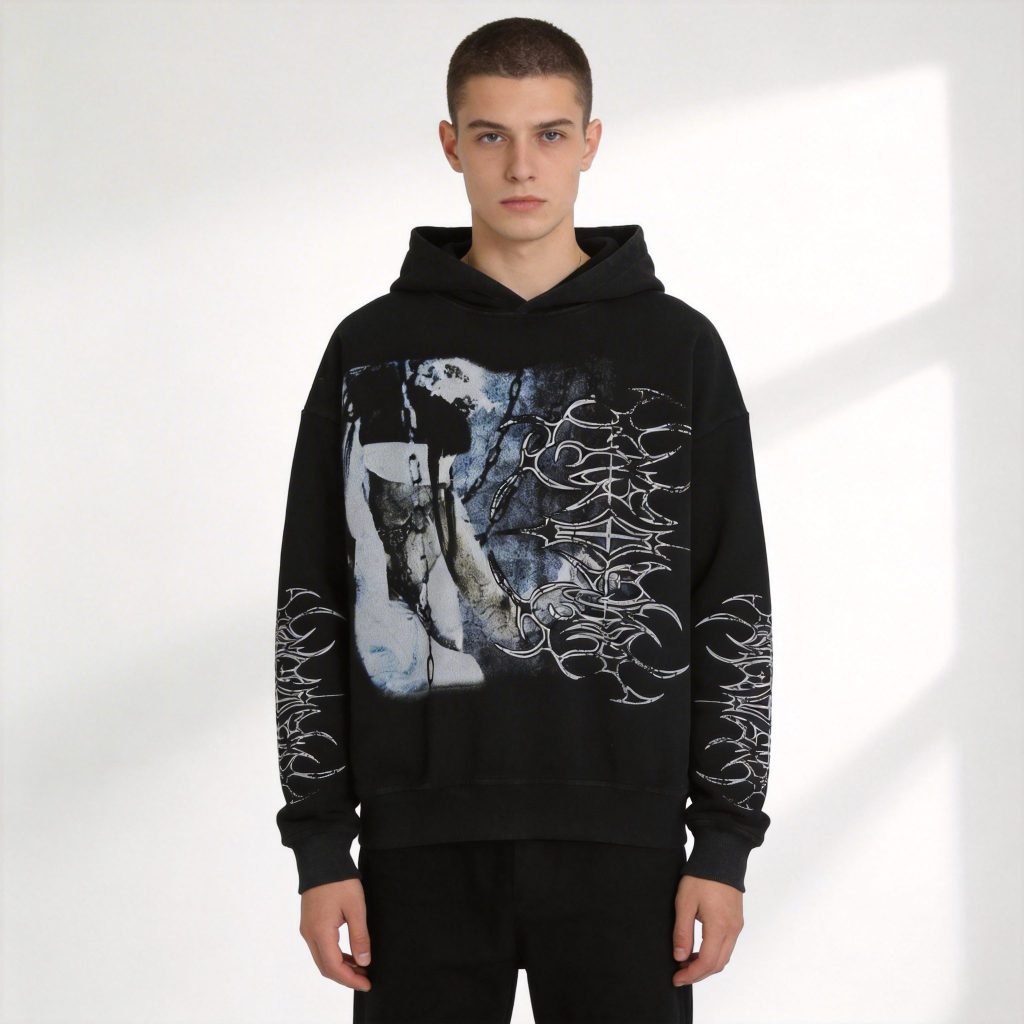
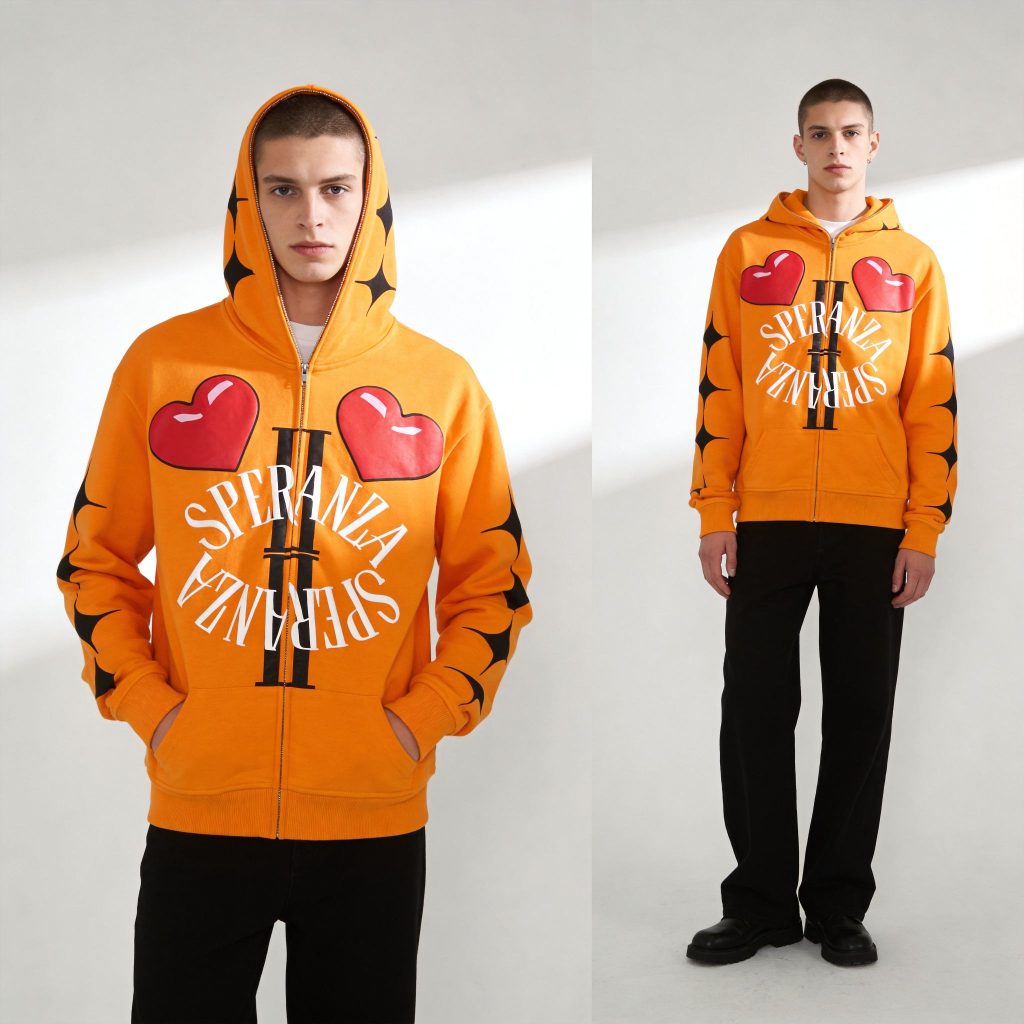
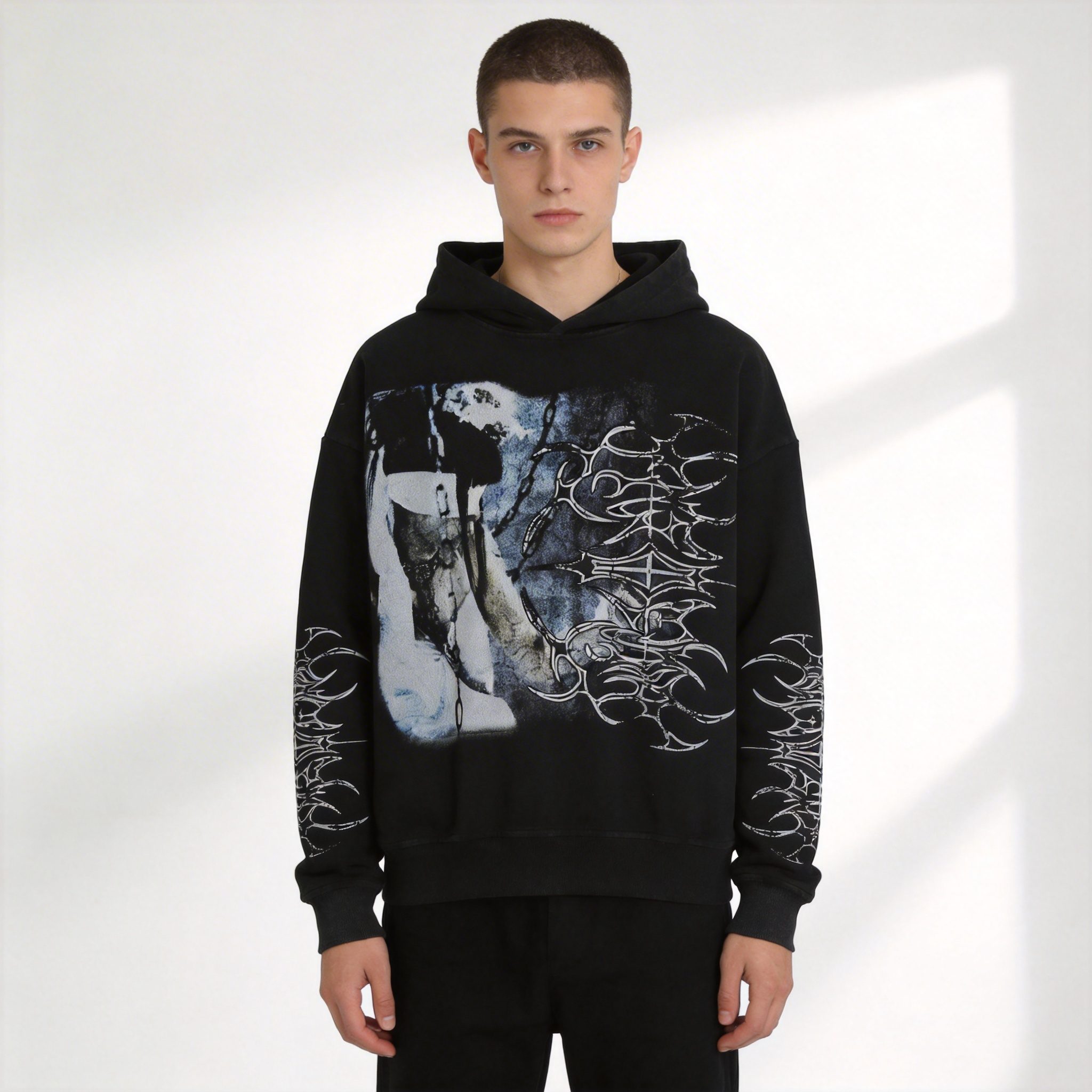
2. Premium Hoodies & Streetwear — Hoodies demand expertise in silhouette engineering and fabric weight selection (typically 280-450 GSM for premium streetwear). Premium hand-feel and construction commands 2.5-3× retail markups compared to standard fleece hoodies.
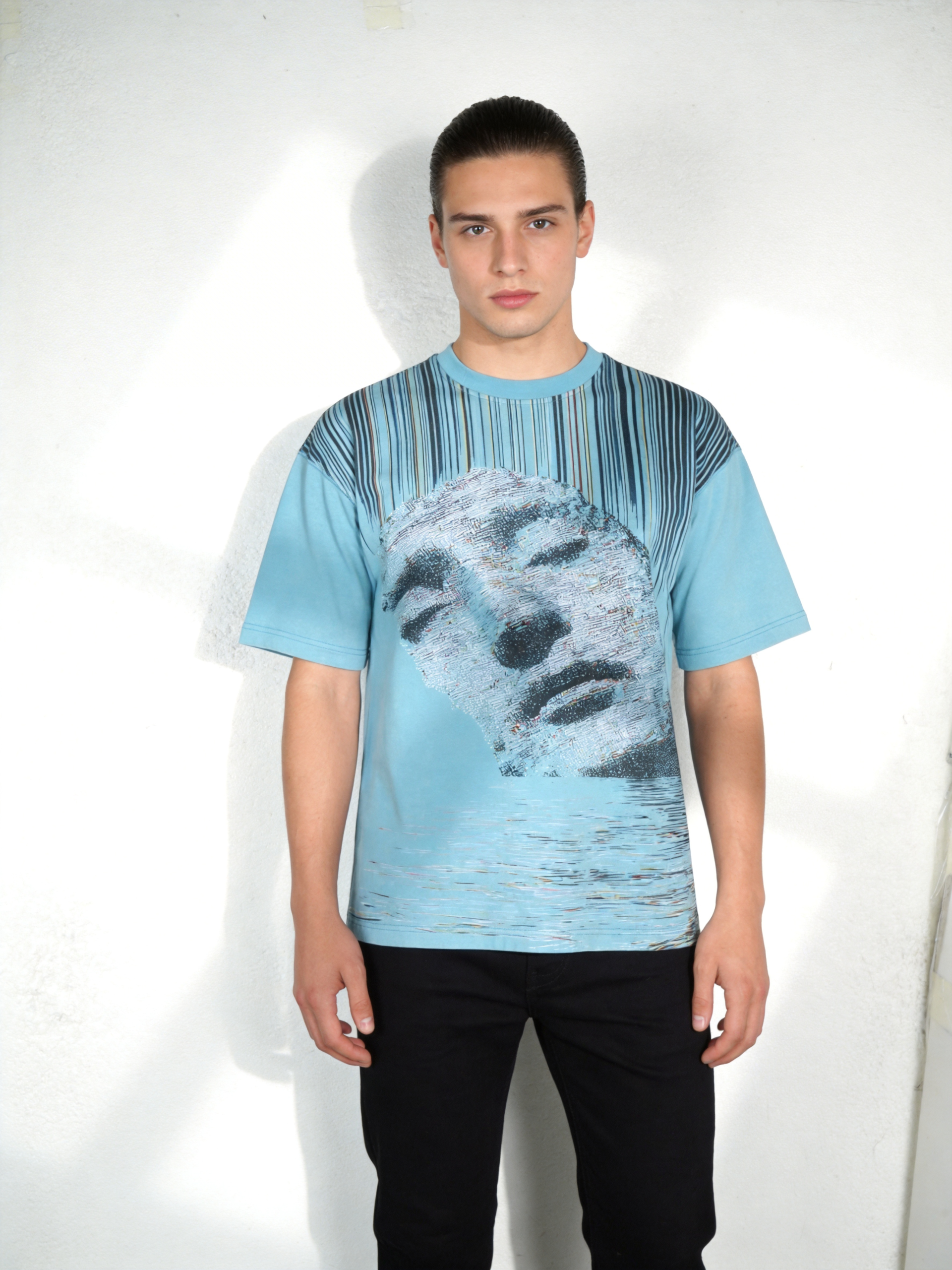
3. T-Shirt Production — T-shirts require neckline reinforcement, fabric stability control, and shrinkage management. Manufacturers offer oversized fits, vintage washes, heavyweight constructions (180-240 GSM), and graphic tee options using organic cotton, bamboo blends, and tri-blend jerseys.
4. Jacket & Outerwear Manufacturing — Outerwear requires advanced technical knowledge spanning varsity jackets, bombers, puffer jackets, and windbreakers. Production capabilities include quilting, waterproof coating, technical lining systems, and multi-layer construction.
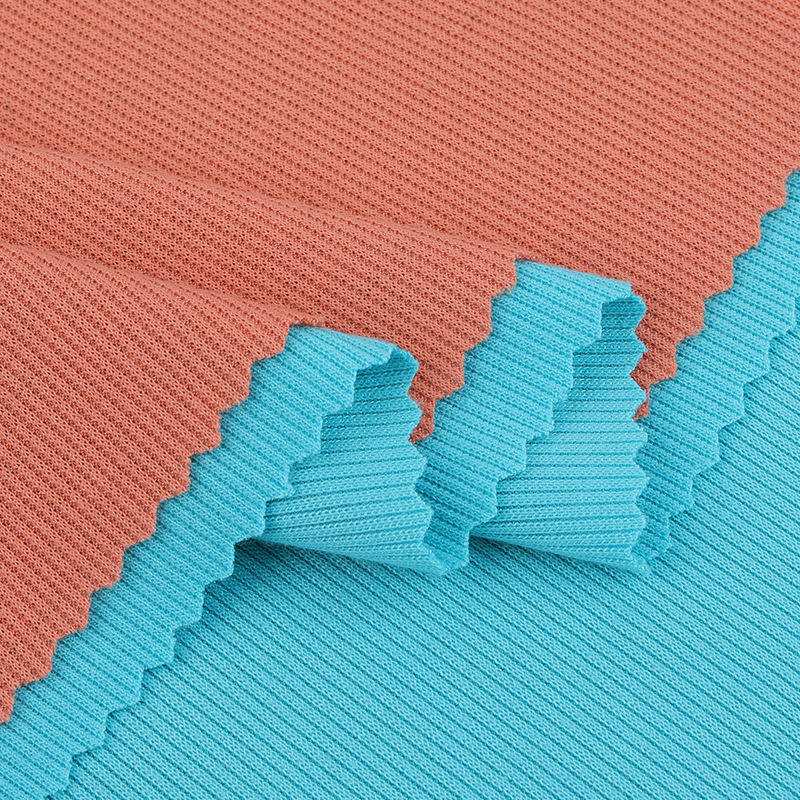
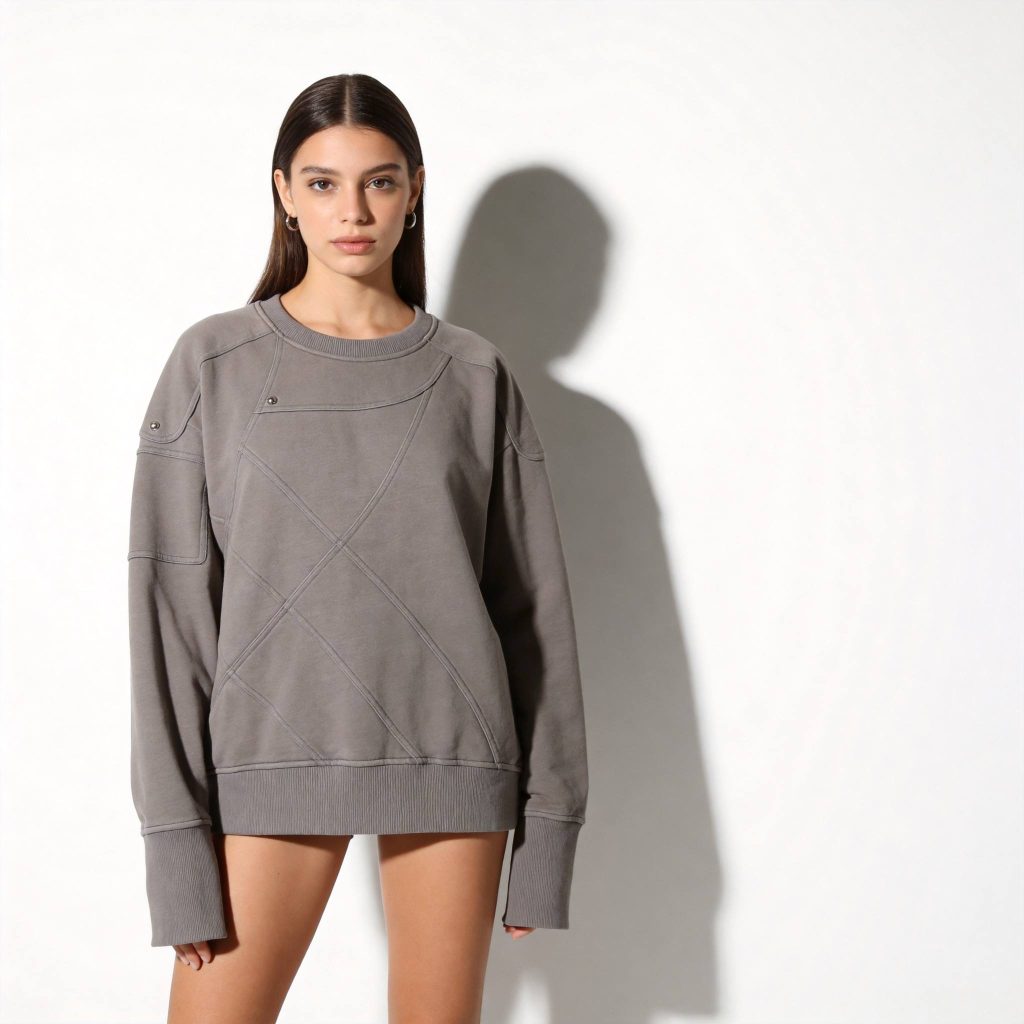
5. Sweatwear & Activewear — Sweatshirts and sweatpants emphasize fabric softness and heavyweight construction (300-400 GSM). Activewear adds technical features like moisture-wicking, four-way stretch, and compression support.
Quality Control & Manufacturing Excellence: The 6-Stage Process
Professional apparel manufacturers implement 6-stage quality control systems spanning raw material inspection through final packaging verification, maintaining defect rates below 2% for premium brand standards.
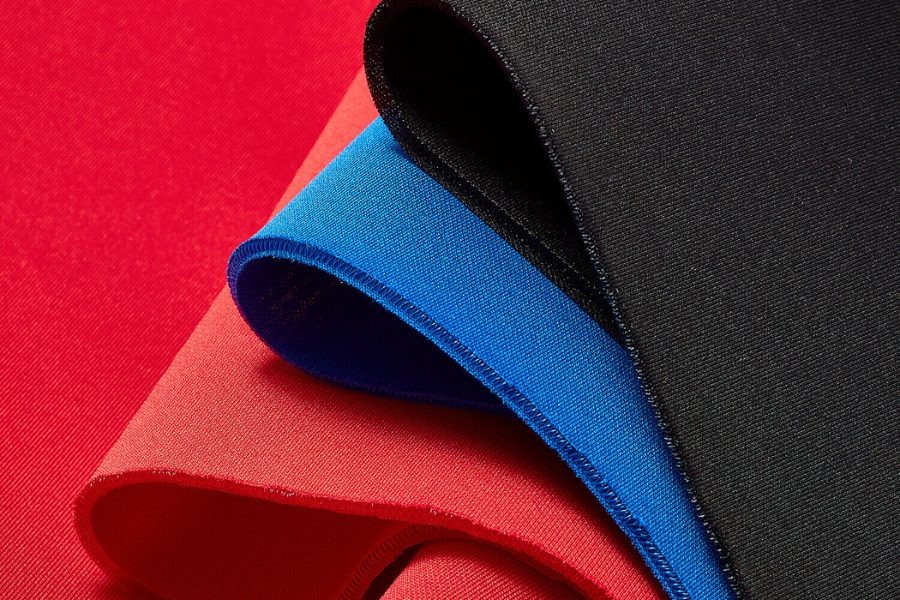
Stage 1: Raw Material Inspection — Quality teams inspect incoming fabrics, threads, buttons, zippers, and trims against approved standards. Inspectors verify color consistency using spectrophotometers and confirm fabric weight within ±5% tolerance.
Stage 2: In-Line Production Inspection — During sewing and construction, quality inspectors monitor stitch consistency (12-14 stitches per inch for standard seams) and seam alignment within 2mm tolerance.
Stage 3: Measurement Inspection — After construction, each garment undergoes measurement verification against approved tech packs. Inspectors confirm sleeve length (±0.5 cm tolerance), chest width, shoulder seams, and hem consistency.
Stage 4: Decoration Quality Inspection — For printed, embroidered, or specialty-decorated garments, inspectors verify print durability through wash testing (minimum 10 cycles), embroidery stitch density (typically 5,000-7,000 stitches per square inch), and color accuracy within Delta E <2.0.
Stage 5: Final Product Inspection — Before packaging, garments receive comprehensive final inspection covering loose threads, color fading, wash consistency, and overall construction quality. Inspectors examine 100% of premium orders and statistically sample 10-20% of large production runs using AQL (Acceptable Quality Limit) standards.
Stage 6: Packaging Inspection — Final inspection verifies correct labeling, sizing accuracy, packaging materials meeting brand specifications, and presentation quality. Brands investing in custom packaging see 23% higher repeat purchase rates compared to generic polybag packaging.
Advanced Garment Craftsmanship Techniques
Professional manufacturers support 95%+ of modern apparel decoration and finishing techniques, from traditional screen printing to advanced laser cutting and embossing.
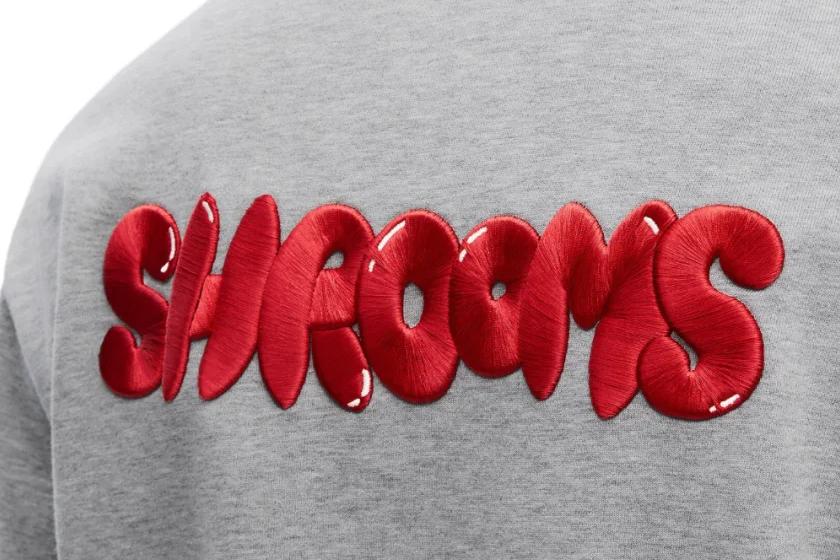
Primary Printing Techniques — Screen printing (durability champion for 50+ washes), DTG (direct-to-garment for complex artwork), puff printing (dimensional effects), heat transfer (gradient capabilities), reflective printing (technical fashion), water-based printing (soft hand-feel), and foil printing (metallic effects).
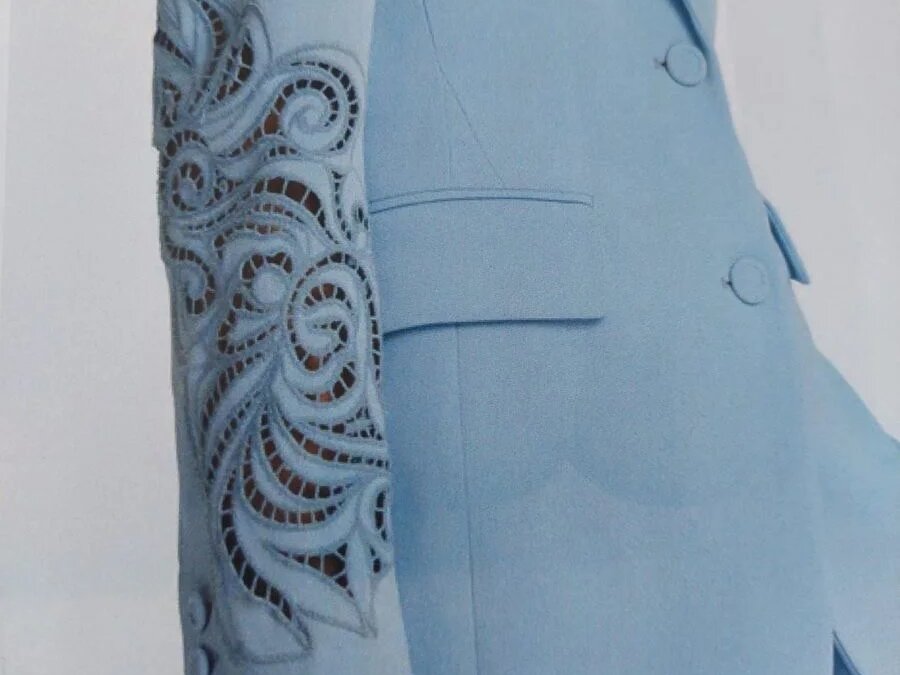
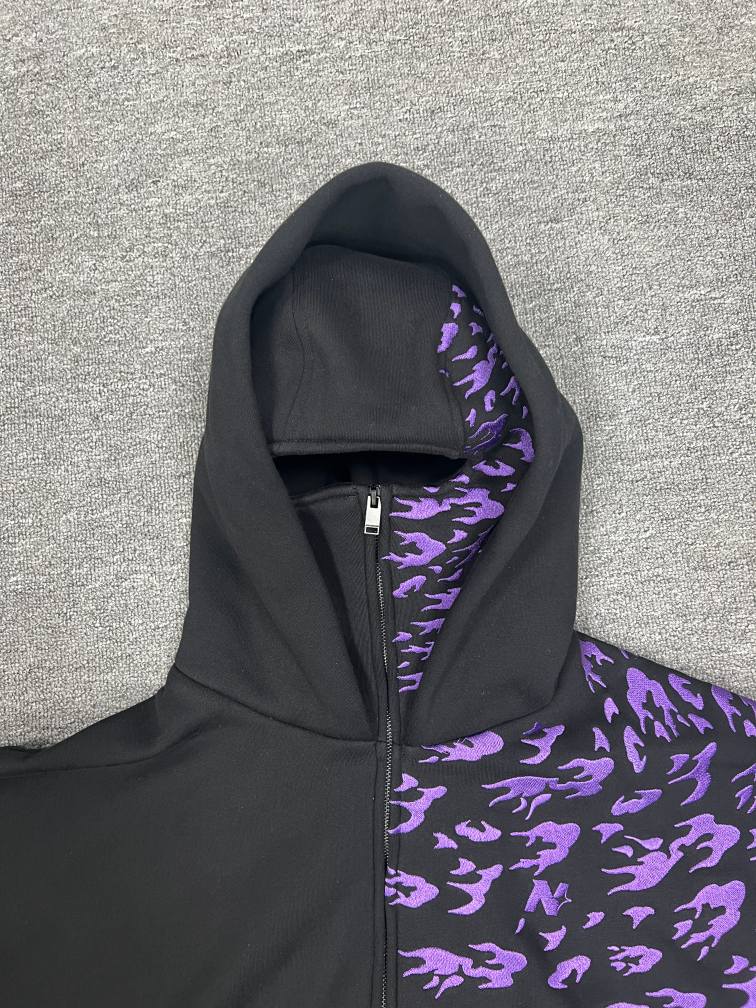
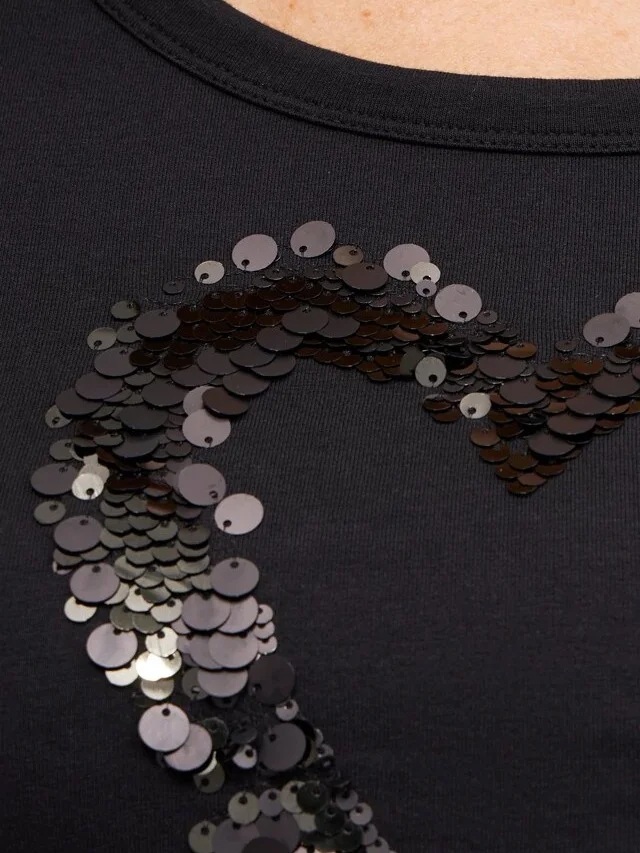
Advanced Embroidery Methods — Flat embroidery (standard logos), 3D embroidery (raised dimensional effects), chenille embroidery (premium texture), applique (fabric layering), and metallic embroidery (luxury positioning).
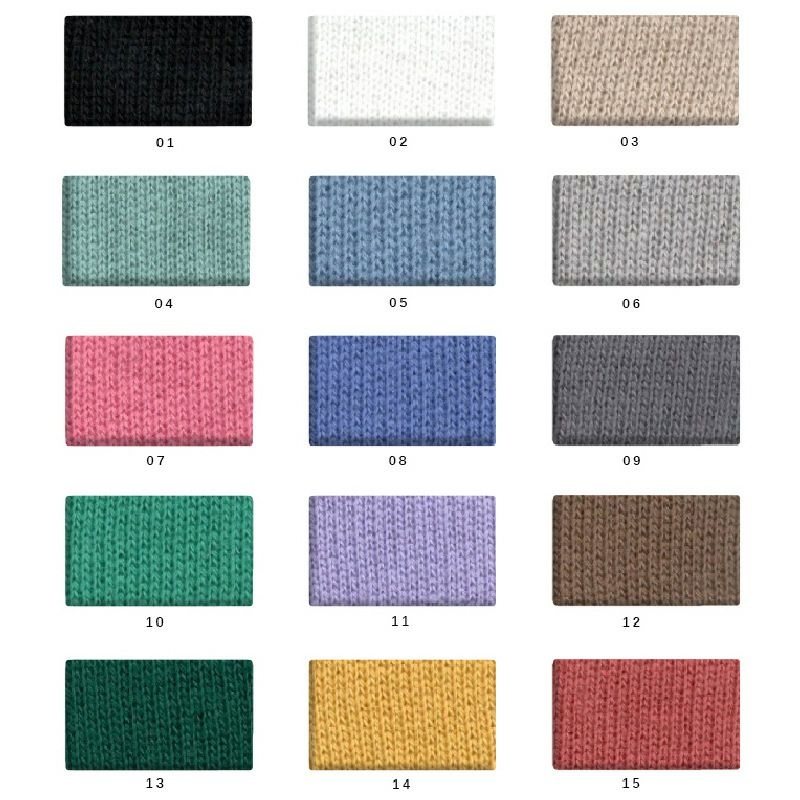
Garment Wash Techniques — Acid wash, vintage wash, snow wash, enzyme wash, stone wash, garment dye, tie dye, and faded wash create fashion-forward aesthetics. Each process requires precise chemical formulation and temperature control (typically 40-70°C).
Customization Accessories — Main labels, woven labels, printed care tags, silicone patches, metal logos, YKK zippers, branded drawstrings, custom hang tags, tissue paper, and polybags complete professional brand presentation. These details add $0.80-$2.40 per garment but increase perceived value by 40-60%.
Low MOQ Manufacturing: Supporting Startup Brands & Market Testing
Modern fashion manufacturers offering MOQ starting from 50 pieces fundamentally change how startup brands and independent designers launch collections, reducing financial risk while enabling real-world market validation.
| Factor | Traditional High-MOQ | Low-MOQ System |
|---|---|---|
| Minimum Order Quantity | 500–2,000+ pieces | 50 pieces per style |
| Startup Capital Required | $8,000–$25,000+ | $1,200–$4,500 |
| Inventory Risk | High—unsold stock costly | Reduced—test before scaling |
| Market Validation | Requires market research | Real customer feedback |
A startup brand launching with traditional 500-piece MOQ across 4 styles commits $12,000-$18,000 upfront. That same brand using 50-piece MOQ commits $2,400-$3,600—freeing $9,600-$14,400 for marketing and working capital. Brands starting with low-MOQ partnerships show 3.2× higher 24-month survival compared to brands overcommitting to inventory.
Low MOQ also enables rapid product iteration. Brands launch a collection, gather customer feedback, adjust sizing or colorways, and reorder within 6-8 weeks. The trade-off appears in per-unit cost: low-MOQ production typically costs 15-25% more per garment than 500+ piece runs. However, brands avoiding $8,000+ in unsold inventory easily justify the premium.
One-Stop Manufacturing Solutions: From Concept to Global Shipping
One-stop manufacturing partnerships handle design development, fabric sourcing, sampling, bulk production, quality control, and international logistics—eliminating coordination complexity that typically consumes 15-20 hours weekly for brands managing multiple vendors.
The typical one-stop process begins with design collaboration, where manufacturers help transform tech packs, sketches, or reference garments into production-ready specifications. Development teams recommend construction methods, suggest fabric alternatives matching budget constraints ($3-$12 per yard for most apparel fabrics), and identify potential production challenges before sampling begins.
Sampling enables brands to evaluate fit, fabric quality, wash effects, decoration quality, and construction details before committing to bulk production. Professional sampling typically requires 7-14 days and costs $45-$150 per sample. This investment prevents bulk production mistakes that cost $5,000-$15,000 when discovered after manufacturing 500 pieces.
After sample approval, manufacturers begin mass production with integrated quality control at every stage. Advanced manufacturers also provide washing services, finishing (ironing, steaming, folding), and packaging customization. Finally, integrated logistics partnerships handle air freight (7-12 days, $4-$8 per kg), sea freight (25-35 days, $0.80-$1.50 per kg), and express delivery (3-5 days, $12-$18 per kg).
FAQ
Q1: What does “Page 169 of 170” mean for blog content discovery?
Blog archive pagination like “Page 169 of 170” indicates you’re viewing one specific page within a large content library containing thousands of articles. Near-final pages typically contain foundational content published months or years earlier that remains perpetually valuable for production planning and partnership evaluation.
Q2: How do I choose between different apparel manufacturers?
Evaluate manufacturers based on: (1) production capacity matching your volume needs, (2) MOQ flexibility—ideally 50–100 pieces for startups, (3) product category expertise, (4) quality control systems with documented defect rates <2%, (5) communication responsiveness within 24 hours, (6) customization capabilities, and (7) lead times of 20-40 days. Request samples and references from 3-5 existing clients.
Q3: What’s the difference between OEM and ODM manufacturing?
OEM (Original Equipment Manufacturing) means you provide complete designs; the manufacturer produces according to your exact requirements. ODM (Original Design Manufacturing) means the manufacturer handles design development alongside production. ODM typically adds 8-12% to production costs but reduces time-to-market by 3-4 weeks.
Q4: How long does apparel sampling typically take?
Professional sampling usually requires 7–14 days after receiving approved tech packs and fabric samples. Complex designs with multiple decoration techniques may extend to 21 days. Expedited sampling (3–5 days) is possible at 40-60% premium costs for time-sensitive brands.
Q5: What quality standards should I expect from professional manufacturers?
Professional manufacturers implement multi-stage quality control including raw material inspection, in-line production monitoring, measurement verification (±0.5 cm tolerance), decoration quality inspection, final product inspection using AQL 2.5 standards, and packaging verification. Request detailed QC documentation showing defect rates (typically <2% for premium brands).
Sources
- Blog Posts Archives — Friends of Harbors, Beaches and Parks — Blog archive pagination research, 2026
- Government Archives — Samplius — Content organization systems, 2026
- Tech-Seek Archives — Eureka Blog — Technical content discovery patterns, 2026
- ZORWILD Clothing Manufacturing — https://www.zorwild.com/ — Production standards and manufacturing capabilities, 2026
Written by Alin Zeng (27 Years of Master Craftsmanship & Pattern Making, Global OEM & Streetwear Customization Excellence, End-to-End Supply Chain & One-Stop Production, High-Efficiency Cost Control (“Quality + Affordability”), Incubating 2,000+ Fashion Brands from Scratch). Last reviewed 2026-06-19.