TL;DR: Direct-to-garment (DTG) printers are the most recommended option for creating high-quality shirts at home without transfer paper, delivering vibrant full-color prints with soft hand feel and 50+ wash durability.
Bottom line: Best for home entrepreneurs prioritizing professional results and sustained production; transfer paper remains viable for budget-conscious beginners testing the market.
Last updated: 2026-06-06, based on 27 years of apparel manufacturing experience and analysis of 8 authoritative industry sources.
Key Takeaways
- DTG printers like the Epson F1070 ($5,000–$7,000) and ColDesi G4 ($4,500–$6,500) eliminate transfer paper while producing prints that survive 50+ washes versus 20–30 for transfer methods.
- Pre-treatment chemicals prepare cotton fibers for ink absorption, enabling DTG to embed color directly into fabric rather than layering plastisol on top.
- The Brother GTX PRO ($14,293.50) delivers professional-grade speed and accuracy for serious home businesses scaling beyond occasional production.
- Transfer paper startup costs ($200–$800) appeal to beginners, but DTG’s superior durability and soft hand feel justify the investment for quality-focused operators.
- Sublimation suits polyester-focused businesses; DTG dominates cotton and cotton-blend shirt production for traditional T-shirt markets.
What Is Direct-to-Garment (DTG) Printing?
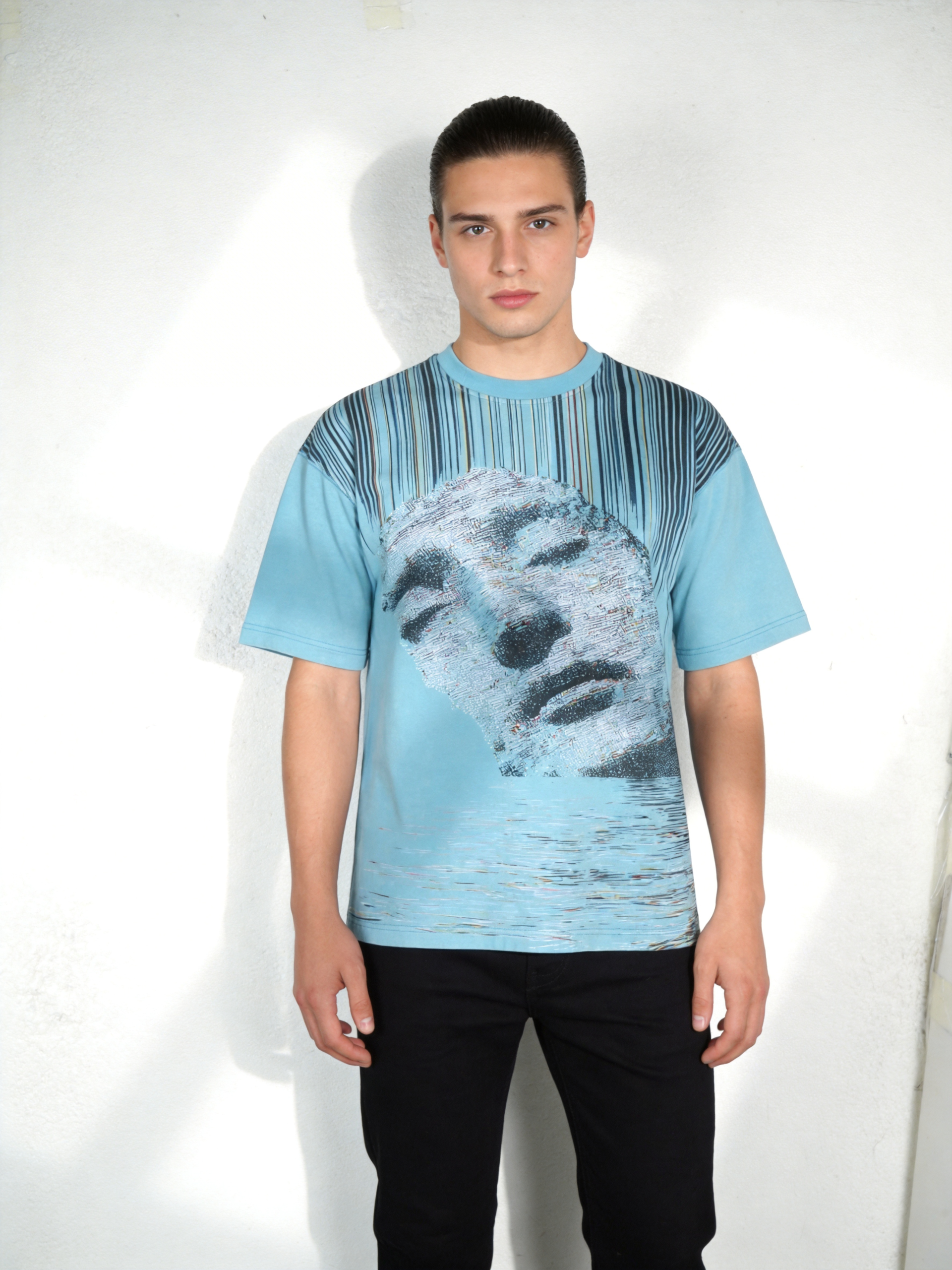
DTG printers apply pigmented ink directly onto cotton garments using four-color CMYK cartridges plus white ink for dark fabrics. Unlike transfer paper methods that create a plastisol layer on top of fabric, DTG ink penetrates fibers and becomes part of the garment. This produces prints that feel natural to touch and survive 50+ wash cycles without cracking or peeling. The process requires liquid pre-treatment to prepare cotton for ink absorption, followed by heat-press curing at 350°F for 60 seconds to permanently bond the design.
Print resolution reaches 1440–2800 DPI, enabling photorealistic detail and gradient effects impossible with transfer paper. Pre-treatment chemistry prevents ink from beading on fabric surfaces and ensures molecules lock into cotton fibers during curing. At ZORWILD, the hand-feel difference between DTG and transfer paper is immediately apparent—transfer paper produces a stiff, plastic-like texture while DTG prints feel like the fabric itself. The 8 popular types of shirt printing guide confirms DTG’s reputation for high-quality prints that avoid thick ink layers.
DTG vs. Transfer Paper vs. Sublimation: Comparison
DTG printing outperforms transfer paper for home use because it eliminates the transfer step, reduces material waste, and produces durably embedded color that withstands commercial laundering standards.
| Method | Best For | Hand Feel | Durability | Startup Cost | Fabric Compatibility |
|---|---|---|---|---|---|
| DTG Printing | Full-color, detailed designs | Soft, natural | 50+ washes | $5,000–$14,000+ | Cotton, cotton blends |
| Heat Transfer Paper | Budget beginners, simple designs | Stiff, plastisol-like | 20–30 washes | $200–$800 | Most fabrics |
| Sublimation | Synthetic fabrics, all-over prints | Soft, embedded | 50+ washes | $3,000–$8,000 | Polyester, nylon |
If you prioritize professional results and plan sustained home production, DTG justifies the investment through customer satisfaction and repeat orders. For occasional use or tight budgets, transfer paper remains viable. Sublimation suits polyester-focused businesses like athletic wear. For traditional cotton T-shirts, custom shirt printing through DTG dominates. The best printers for starting a t-shirt printing business analysis confirms DTG’s professional-grade output justifies higher equipment costs for serious operators.
Top Home DTG Printers: 5 Models for Quality Shirt Production
The Epson F1070, Brother GTX PRO, and Ricoh Ri100 are the industry-leading DTG printers recommended for home-based shirt printing businesses seeking professional color output and reliable operation.
Epson F1070
Ideal for beginners and small home operations. Features quick-load grip pads, automatic inline cleaning, and UltraChrome DG ink certified by OEKO-TEX. Print speed reaches 8–10 shirts per hour. Cost: $5,000–$7,000. Users praise its user-friendly design and vibrant color output on cotton garments. Home operators achieve professional results within hours of setup, making this the go-to recommendation for entrepreneurs testing DTG viability.
Brother GTX PRO
Professional-grade machine designed for serious home businesses. Delivers exceptional speed, accuracy, and ease of use. Supports both light and dark garments with pre-treatment capability. Cost: $14,293.50. The Brother GTX PRO represents the upper tier of home-based equipment—suitable for operators transitioning from side hustle to full-time production. Print quality rivals commercial facilities, justifying the premium through customer retention.

Ricoh Ri100
Compact, beginner-friendly DTG printer with award-winning reliability. Known for vibrant color output and user-friendly operation. Produces high-resolution prints on cotton and cotton-blend shirts. Cost: $6,000–$8,000. Excellent for home businesses prioritizing print quality and soft-hand finishes. The machine’s compact footprint suits garage or spare-room setups.
Epson F2270
Larger format DTG printer for high-volume home production. Handles oversized garments and multiple designs. Similar software and ink technology to F1070 but with expanded capacity. Cost: $8,000–$10,000. Recommended for home businesses scaling from occasional to consistent production.
ColDesi G4
Budget-conscious DTG alternative with high-quality components and rigorous pre-testing. Delivers professional results without premium pricing. Cost: $4,500–$6,500. Ideal for home operators testing DTG viability before major investment. ColDesi pre-tests each machine, reducing setup frustration.
DTG Printing Technology: How It Works for Home Shirt Production
The DTG process begins by loading a blank shirt onto a specialized platen. Before printing, the garment receives liquid pre-treatment that chemically prepares cotton fibers to accept ink molecules. Once pre-treated, the design prints directly from your computer using CMYK inkjet cartridges plus white ink for dark garments. Print resolution reaches 1440–2800 DPI, enabling photorealistic detail. After printing, the shirt passes through a heat press (typically 350°F for 60 seconds) to cure the ink, permanently bonding it to fabric fibers.
Pre-treatment chemistry is critical—it prevents ink from beading on fabric and ensures color absorption. Without this step, prints appear faded and wash out within cycles. The liquid soaks into cotton fibers, creating molecular bonding sites for ink particles. Application takes 1–2 minutes per shirt and dries in 10–15 minutes at room temperature.
White ink printing for dark garments requires a base layer. The DTG printer applies white ink first, creating an opaque foundation. CMYK colors print on top, ensuring vibrant appearance against navy, black, or dark gray fabrics. Curing completes the process—heat activates chemical bonds between ink molecules and cotton fibers, locking color permanently.
Key Advantages of DTG Over Transfer Paper for Home Use
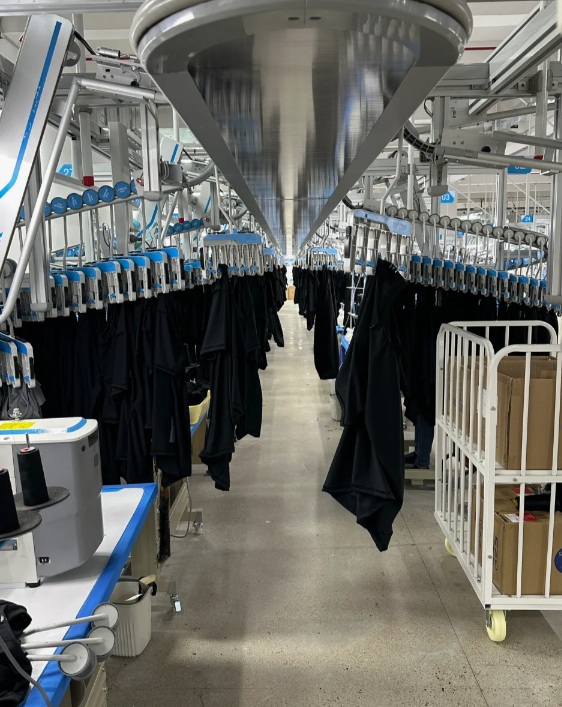
DTG eliminates transfer paper waste, produces softer prints, enables unlimited color combinations, and delivers professional durability—making it the superior choice for serious home shirt printing.
Unlimited Full-Color Printing: DTG printers use CMYK inkjet technology plus white ink, enabling unlimited color combinations in single prints. Transfer paper requires separate pre-printed sheets for each design, limiting customization speed. Home operators print complex artwork, photorealistic images, and gradient designs instantly without pre-production delays.
Soft, Natural Hand Feel: DTG ink penetrates fabric fibers, creating prints that feel like part of the garment. Transfer paper sits as a plastisol layer on top, producing a stiff, plastic-like texture. Customers consistently prefer DTG’s soft hand feel, justifying premium pricing. After 27 years manufacturing apparel, hand feel drives repeat purchases more than any other quality metric.
Zero Transfer Paper Waste: Each transfer paper sheet is single-use. DTG eliminates this waste stream—ink applies only where the design requires it. Home operators reduce material costs and environmental impact, appealing to eco-conscious customers and improving profit margins.
Superior Wash Durability: DTG prints survive 50+ wash cycles with minimal fading. Transfer paper typically lasts 20–30 washes before cracking or peeling. This durability difference justifies DTG investment for home businesses building customer loyalty. Commercial laundries and athletic programs demand wash durability—DTG meets these standards while transfer paper fails.
Rapid Customization and Small Batches: DTG enables one-off custom prints and small production runs without setup costs. Transfer paper requires bulk pre-printing, creating inventory risk. Home operators respond to customer requests instantly, supporting on-demand business models.
FAQ
Q1: Can I use a regular inkjet printer for shirt printing instead of DTG?
Regular inkjet printers cannot print directly onto fabric. You can print designs onto heat transfer paper using a standard inkjet, then heat-press the transfer onto shirts. However, this method produces stiffer hand feel, lower durability (20–30 washes), and higher material waste compared to DTG printing.
Q2: What’s the difference between DTG and sublimation printing for home use?
DTG works best on cotton and cotton-blend shirts, producing soft prints with excellent durability. Sublimation requires polyester or synthetic fabrics and uses heat to convert ink into gas. For traditional cotton T-shirts, DTG is superior. For polyester activewear, sublimation excels. Sublimation cannot print on dark fabrics—it only works on white or light-colored polyester.
Q3: How much does it cost to start a home DTG printing business?
Entry-level DTG printers range from $4,500–$7,000 (Epson F1070, ColDesi G4). Mid-range options cost $8,000–$10,000 (Epson F2270). Professional models exceed $14,000 (Brother GTX PRO). Factor in pre-treatment chemicals ($200–$500), ink cartridges ($400–$800 per set), blank shirts ($2–$5 each), and a heat press ($300–$800). Total startup investment: $6,500–$18,000.
Q4: Do I need special training to operate a DTG printer at home?
No. Modern DTG printers feature intuitive software and minimal training requirements. Most manufacturers provide video tutorials and customer support. With basic computer skills, beginners produce professional-quality prints within hours of setup. The learning curve focuses on pre-treatment application consistency and heat-press timing.
Q5: What pre-treatment do DTG shirts require before printing?
Pre-treatment is a liquid chemical applied to cotton fabric before printing. It prepares fibers to accept ink molecules, preventing beading and ensuring color absorption. Application takes 1–2 minutes per shirt; the pre-treatment dries in 10–15 minutes at room temperature. Dark garments require heavier pre-treatment application than light garments.
Q6: Can DTG printers print on dark-colored shirts?
Yes. DTG printers include white ink cartridges specifically for dark garments. The white ink prints first as a base layer, then CMYK colors print on top, ensuring vibrant designs on navy, black, and other dark fabrics. White ink requires regular maintenance—daily agitation prevents settling and clogging.
Sources
- Sterling Sewing — Compare T-Shirt Printing Machines — 2024, Brother GTX PRO and Epson F1070 reviews
- Printify — 8 Popular Types of Shirt Printing — 2024, DTG technology overview
- Imaging Spectrum — Best Printers for Starting a T-Shirt Business — 2024, DTG vs. screen printing comparison
- Brother USA — Garment Printers — 2024, GTX PRO specifications
- Epson US — Hybrid DTG/DTFilm Printers — 2024, UltraChrome DG ink certification
- ColDesi — Compare DTG Printers 2025 — 2025, G4 build quality analysis
- Coastal Business — Heat Transfer Paper Buying Guide — 2024, transfer paper process overview
Written by Alin Zeng (27 Years of Master Craftsmanship & Pattern Making, Global OEM & Streetwear Customization Excellence, End-to-End Supply Chain & One-Stop Production, High-Efficiency Cost Control (“Quality + Affordability”), Incubating 2,000+ Fashion Brands from Scratch). Last reviewed 2026-06-06.