
Cut and Sew Clothing Manufacturers — 50-Piece MOQ, 100K+ Monthly Capacity
ZORWILD is a professional cut and sew clothing manufacturer in Dongguan, China, offering full-stack apparel production from sampling to finishing with low MOQ flexibility and proven quality systems.
Our Cut and Sew Product Gallery
Why Leading Brands Choose ZORWILD Cut and Sew Clothing Manufacturers
50-Piece Low MOQ
Launch your custom cut and sew collection with only 50 pieces per design, perfect for startups and test collections.
6-Stage Quality Control
Every garment passes through fabric inspection, in-line checks, measurement verification, decoration review, final inspection, and packaging audit.
95%+ Decoration In-House
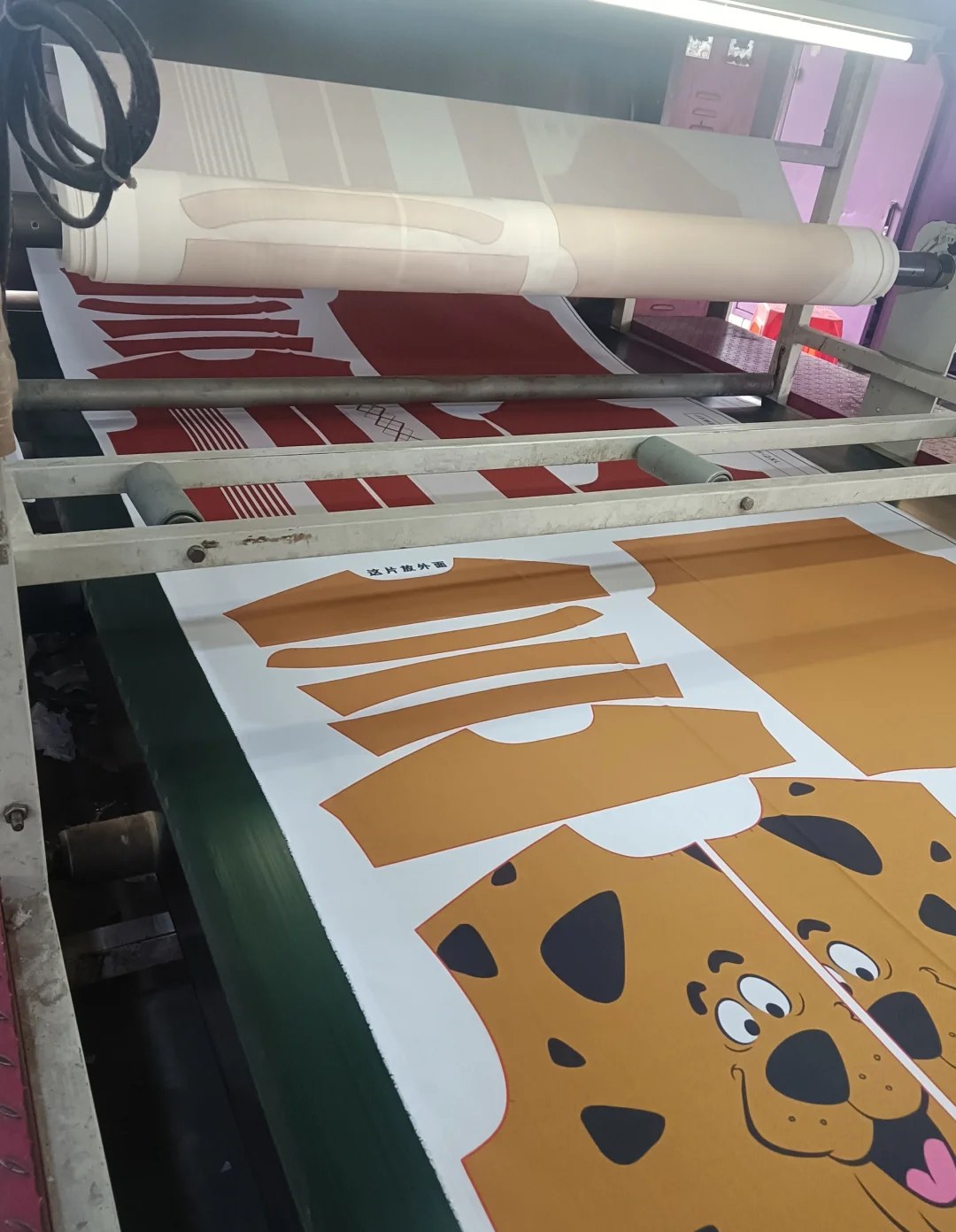
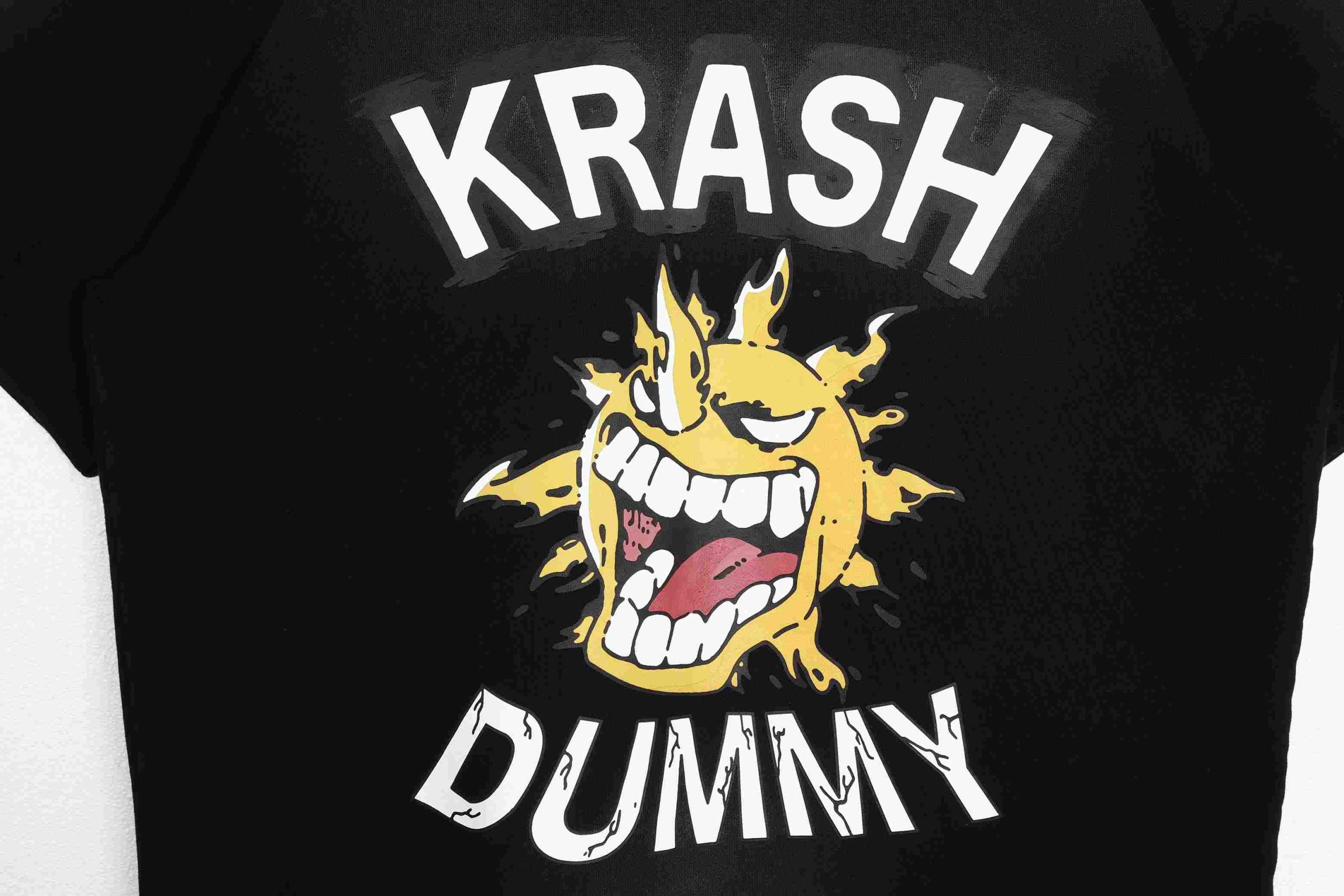
Screen printing, DTG, embroidery, chenille, puff print, acid wash, and rhinestone application—all controlled under one roof.
7-Day Sample Turnaround
Receive production-ready samples in just seven days so you can approve fit, fabric, and finishes faster.
Humen Dongguan Factory Hub
Located in one of the world’s most influential garment manufacturing centers with direct access to premium fabric suppliers.
2,000+ Brands Served Globally
Trusted by fashion brands across the US, Canada, UK, Germany, Australia, Middle East, and Southeast Asia since 1998.
Cut and Sew Product Categories
From 50-piece startup collections to 100,000+ unit production runs across every major apparel category with in-house decoration and finishing.
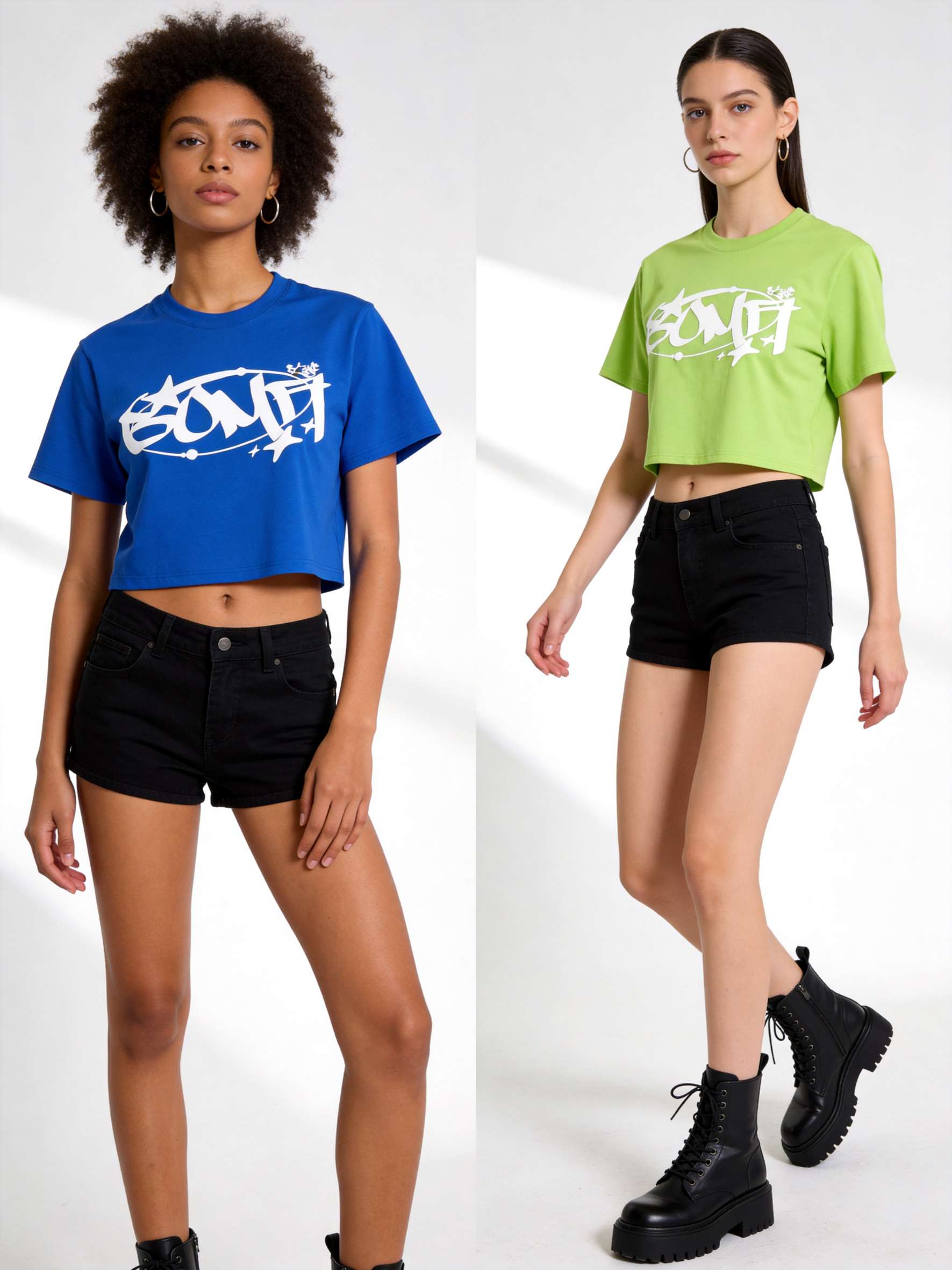
Custom T-Shirts
Oversized tees, boxy fits, vintage wash, heavyweight jersey, graphic tees, and fashion cut-and-sew construction. 100% cotton, organic blends, tri-blend, and slub fabrics with garment dye, acid wash, screen printing, DTG, puff print, embroidery, and foil finishing. MOQ from 50 pieces with full tech pack development and sampling support.
Get a Quote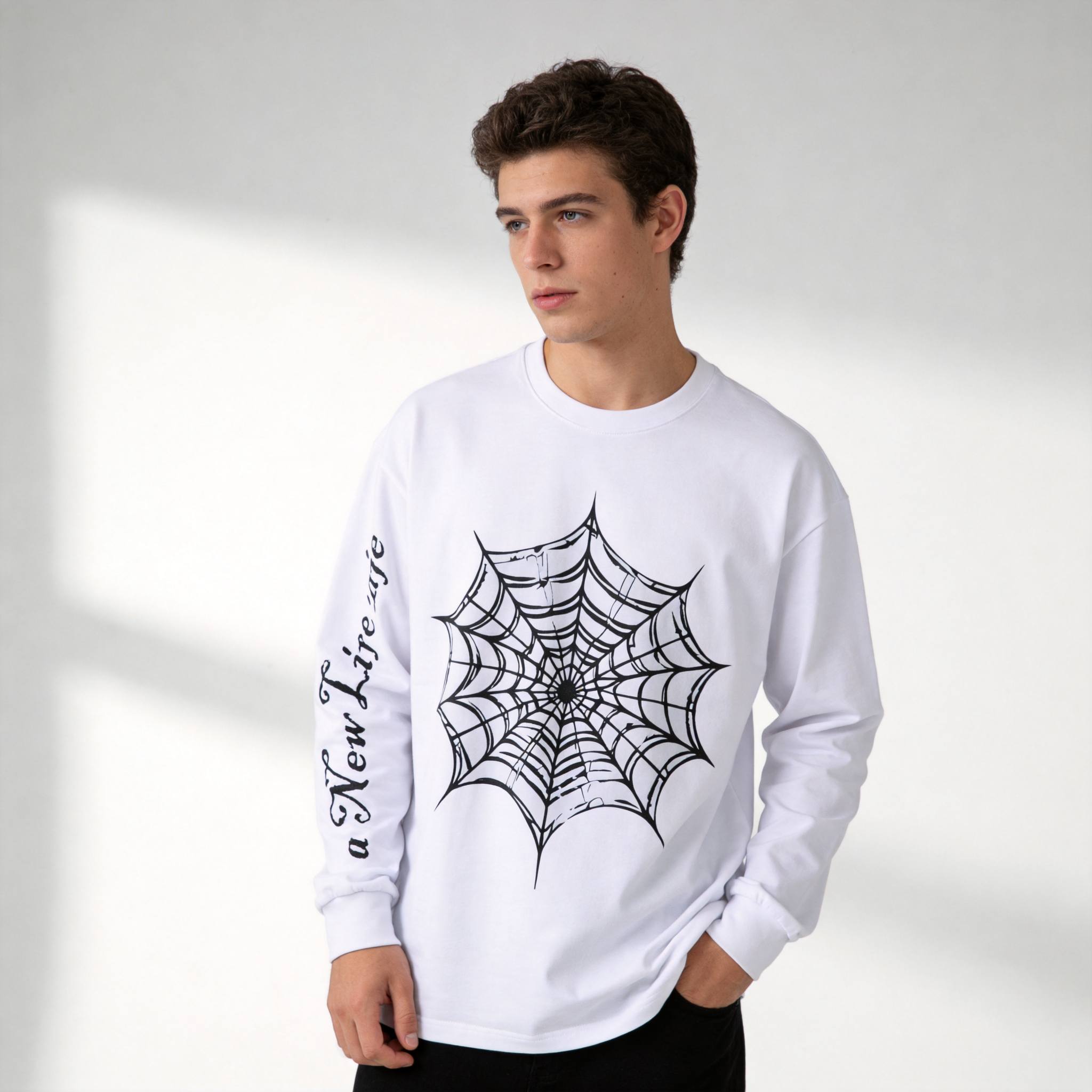
Hoodies u0026 Sweatshirts
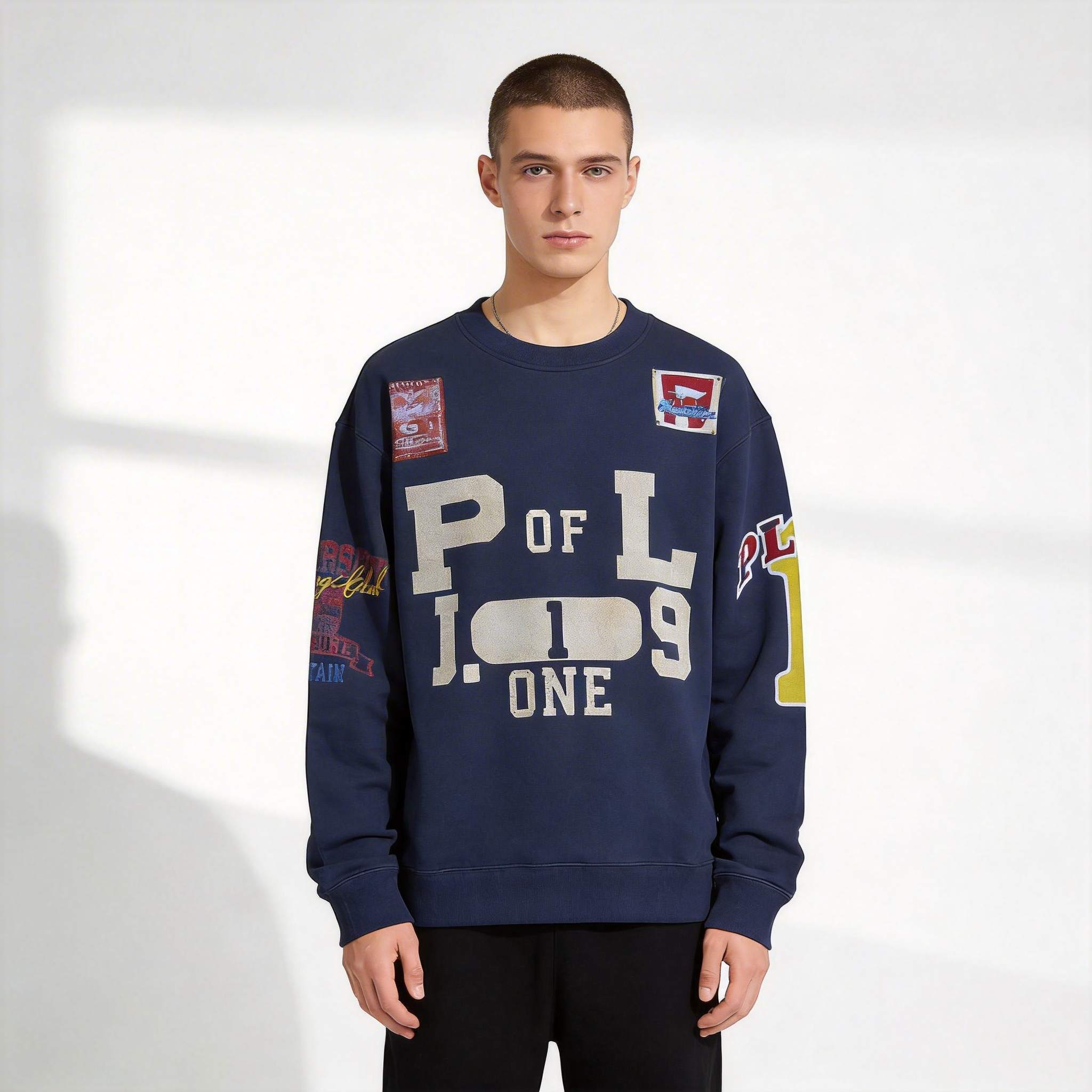
Premium streetwear hoodies, oversized silhouettes, heavyweight fleece, zip-ups, pullovers, cropped styles, and vintage wash effects. French terry and brushed fleece with puff print, chenille embroidery, screen printing, reflective details, acid wash, distressed finishes, custom drawstrings, YKK zippers, and woven labels. One of ZORWILD’s strongest categories with advanced decoration capabilities.
Get a Quote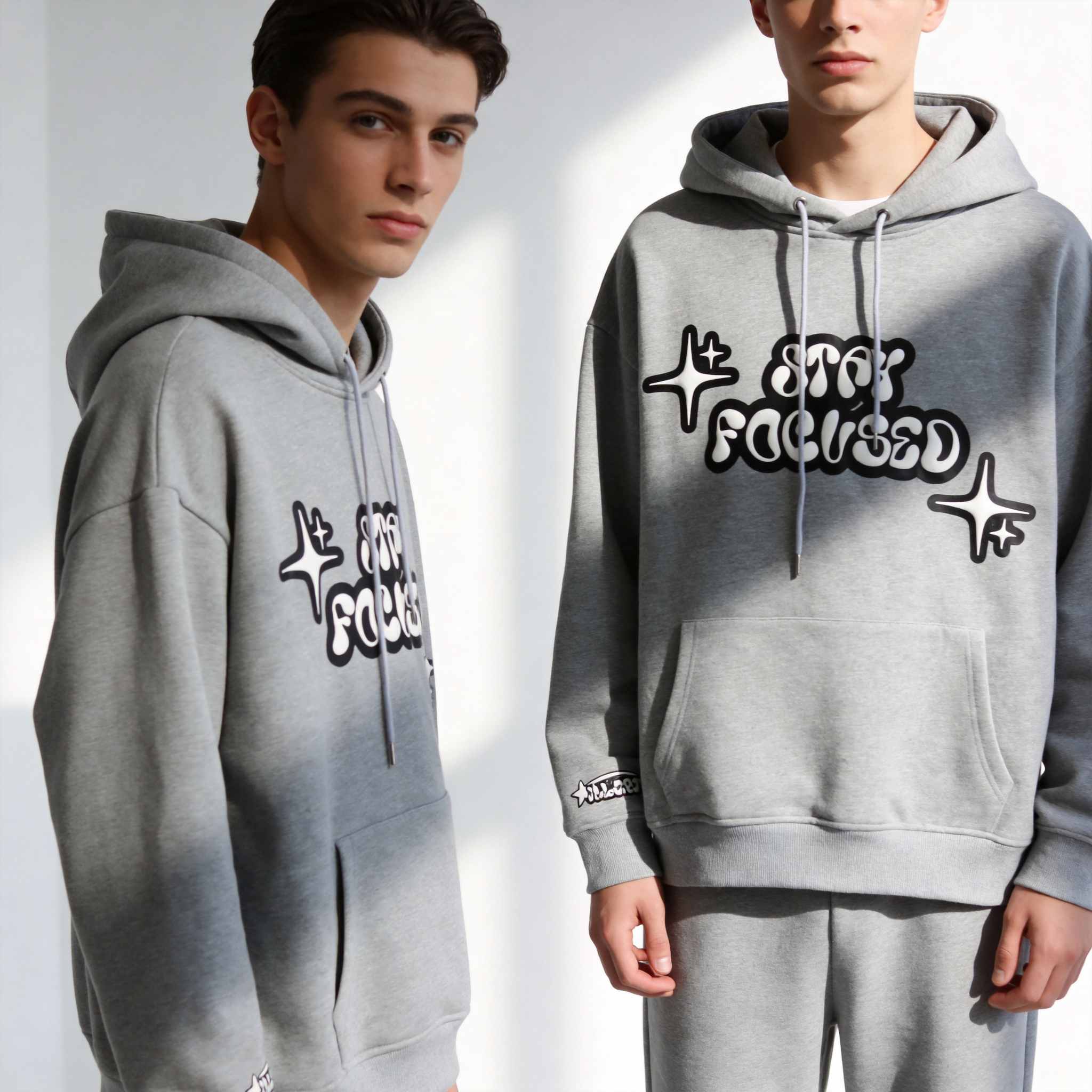
Activewear u0026 Sportswear
Yoga sets, sports bras, compression leggings, gym shorts, performance hoodies, running tops, and athleisure collections. Technical fabrics with moisture wicking, four-way stretch, seamless knitting, compression support, breathability, UV protection, and quick dry functionality. Designed for fitness brands requiring performance features and modern athletic aesthetics with low MOQ flexibility.
Get a Quote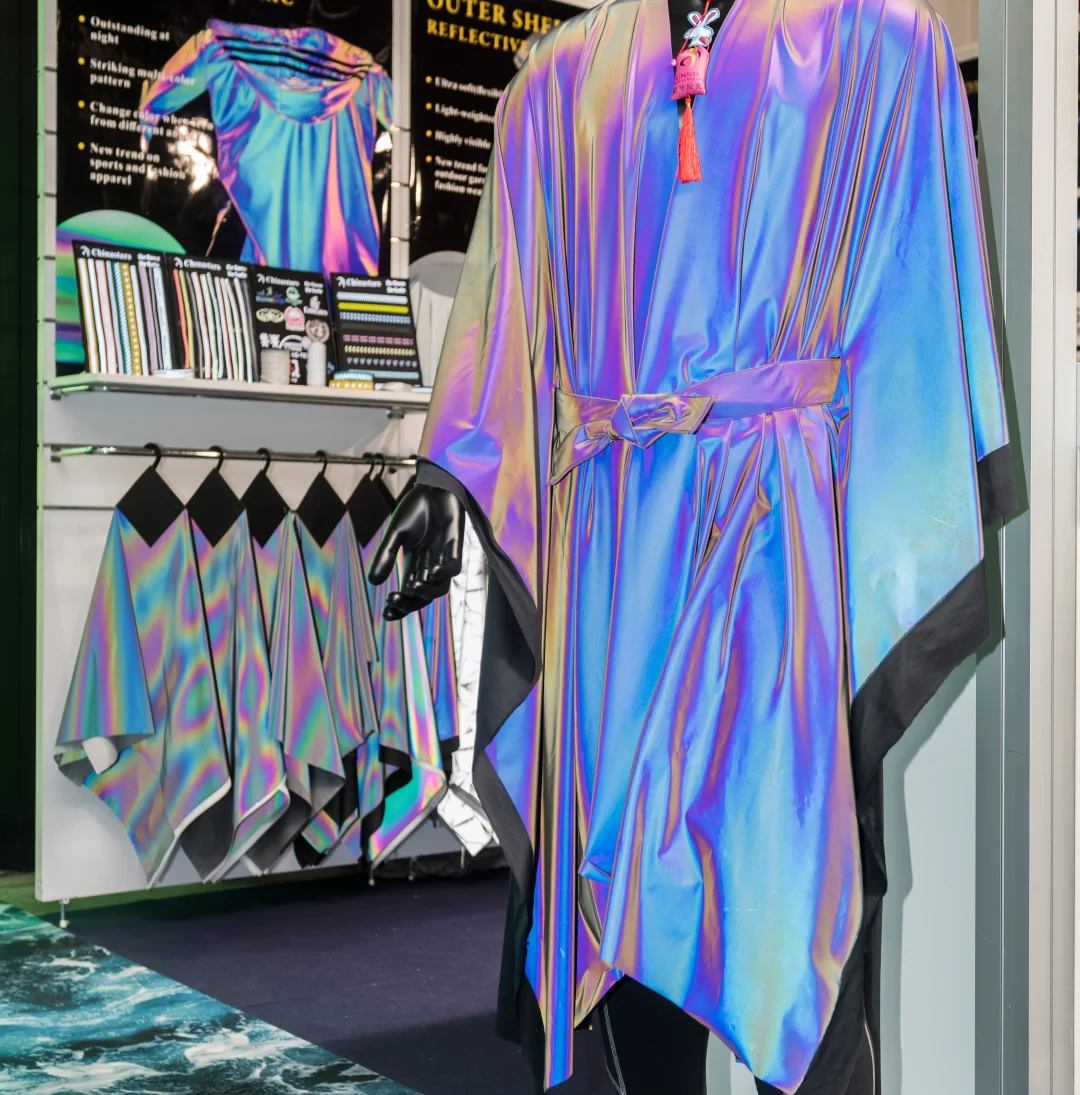
Streetwear Collections
Heavyweight hoodies, oversized tees, cargo pants, joggers, graphic sweatshirts, and statement outerwear built for urban fashion brands. Acid wash, vintage fading, distressed details, puff printing, chenille patches, reflective graphics, and bold embroidery. Trend-responsive production for influencers, DTC brands, and social media-driven labels launching capsule drops with 50-piece minimums.
Get a Quote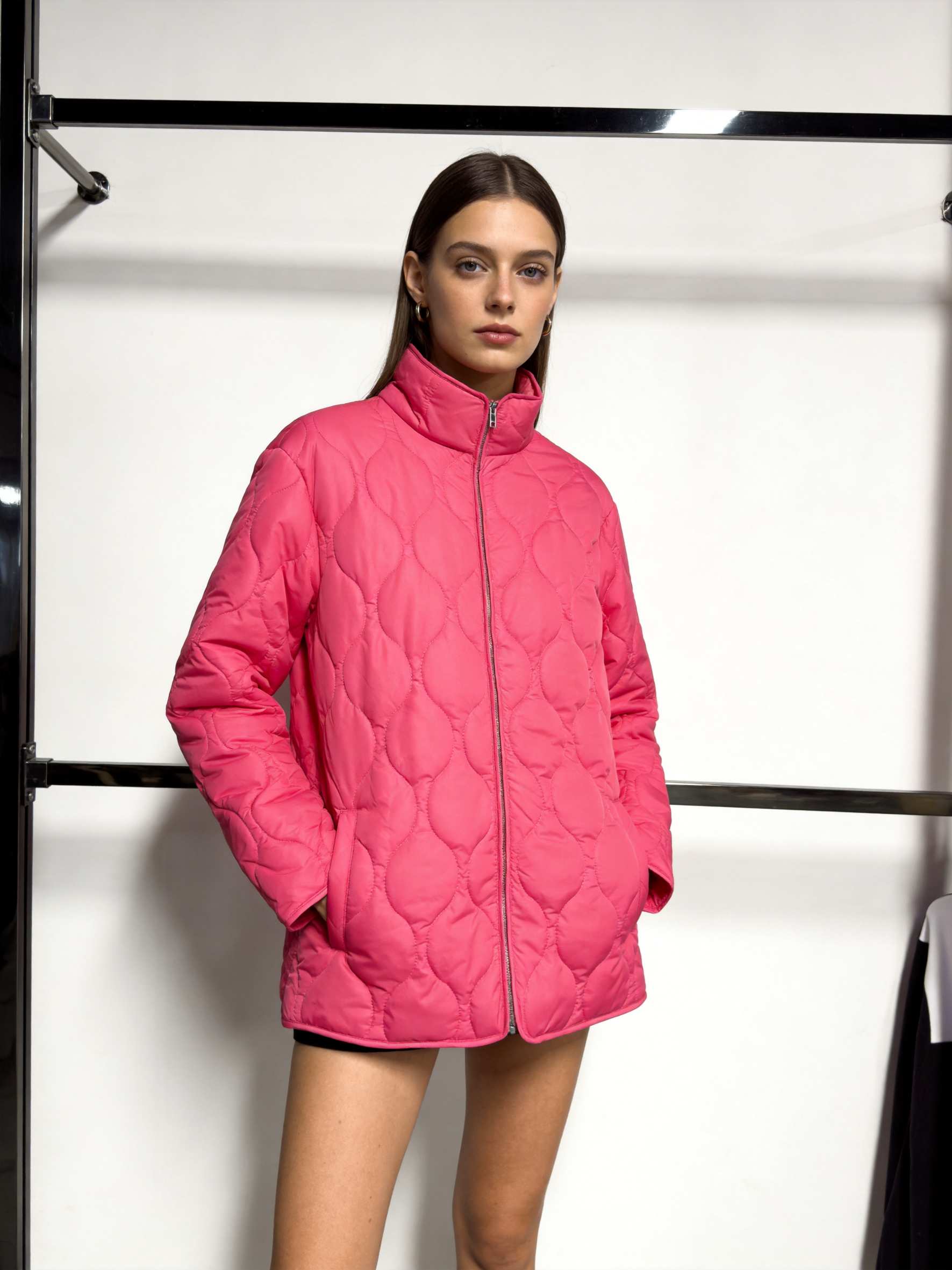
Jackets u0026 Outerwear
Varsity jackets, bomber jackets, puffer jackets, windbreakers, denim jackets, and technical outerwear with quilting, waterproof coating, ribbed cuffs, and custom lining systems. Multi-layer construction, embroidery, patchwork, heat-sealed seams, functional pockets, and YKK zippers. Full customization from lightweight utility styles to heavyweight fashion and workwear-inspired designs.
Get a Quote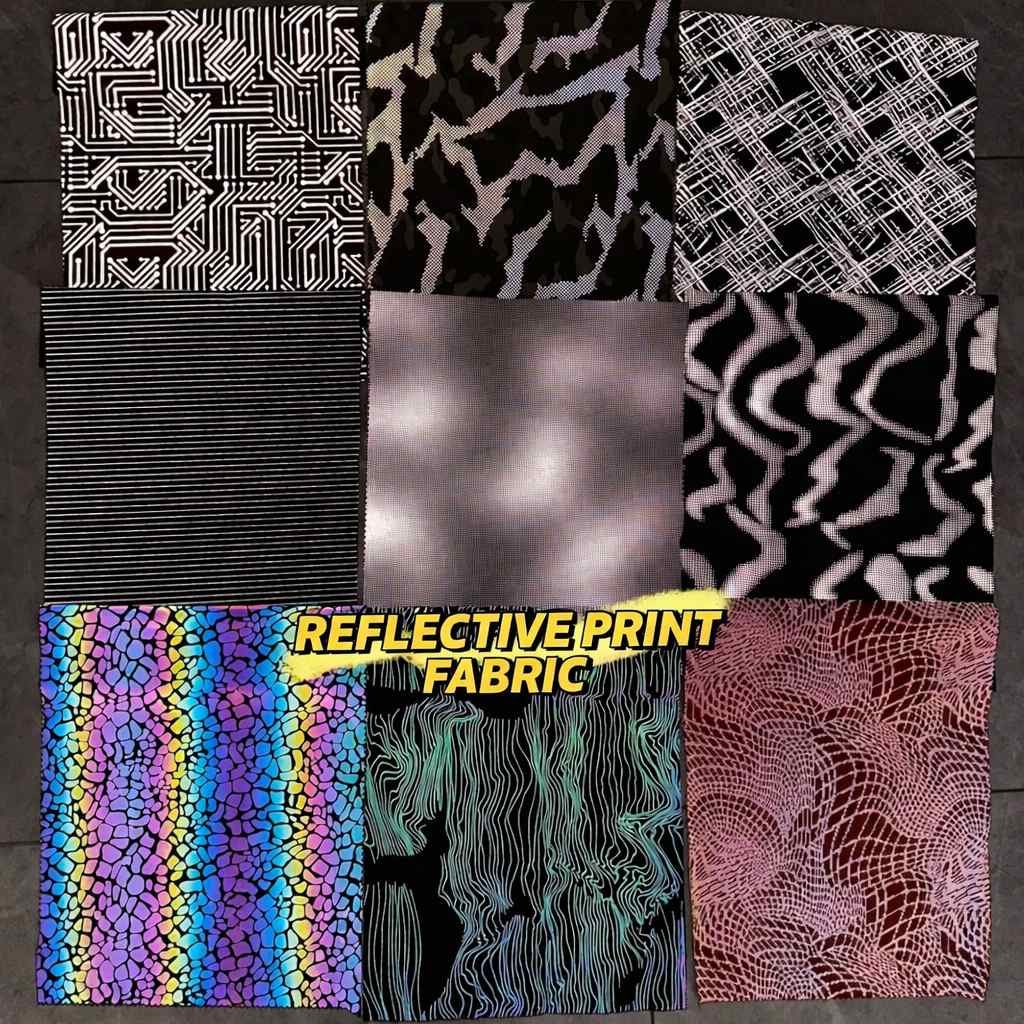
Joggers u0026 Pants
Cargo pants, sweatpants, joggers, wide-leg pants, chinos, utility pants, and denim bottoms with distressed washes, stretch construction, and functional pocket systems. Heavyweight cotton twill, technical nylon, French terry, and denim with vintage wash, enzyme treatment, embroidery details, contrast stitching, and elastic waistbands. Designed for comfort, durability, and contemporary streetwear fit.
Get a Quote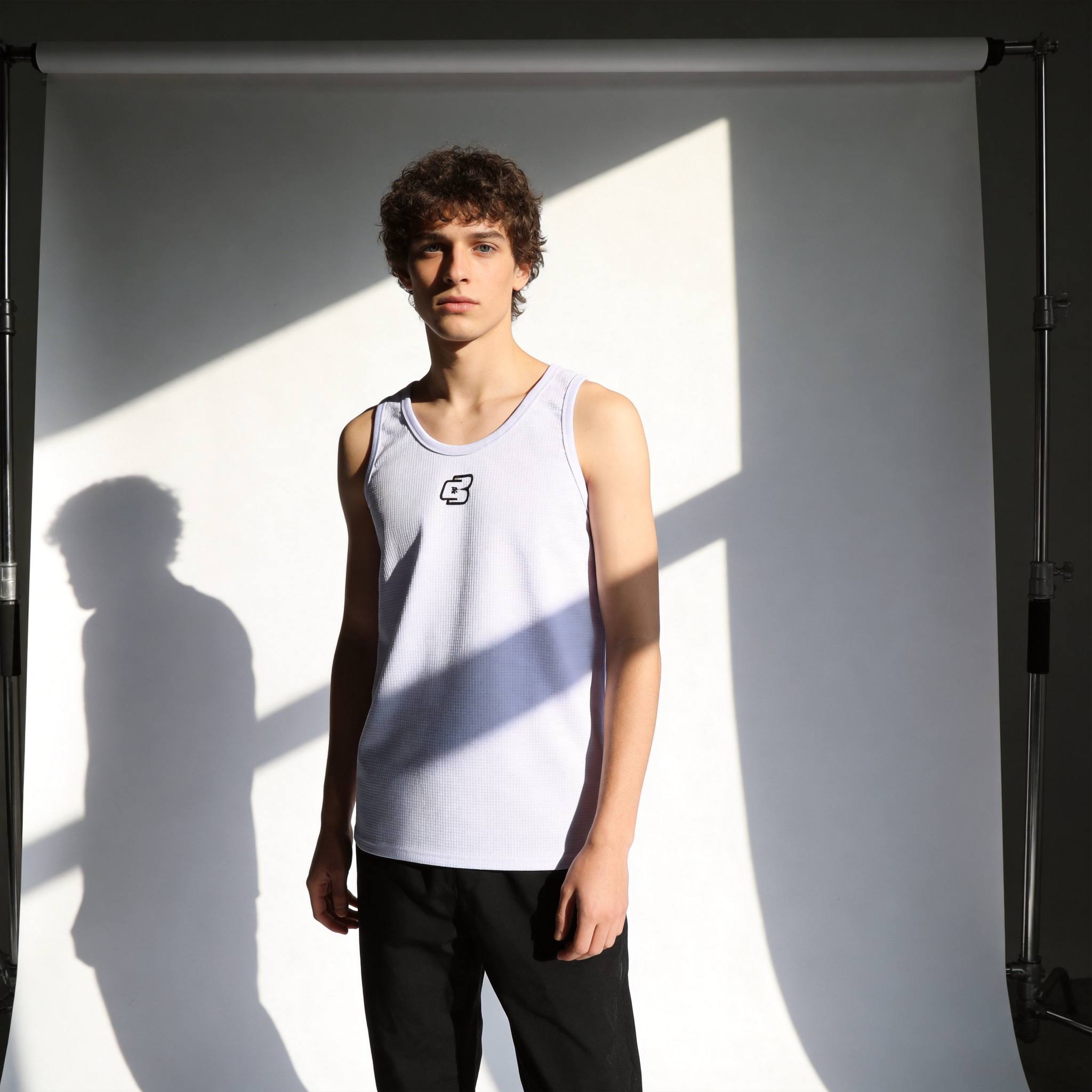
Tank Tops
Performance tank tops, fashion muscle tees, cropped tanks, racerback styles, and athletic singlets in cotton jersey, modal blends, polyester performance fabrics, and tri-blend constructions. Screen printing, DTG graphics, vintage wash, garment dye, and embroidery decoration. Ideal for fitness brands, resort collections, summer capsules, and activewear lines requiring breathable lightweight styles.
Get a Quote
Shorts u0026 Swimwear
Casual shorts, athletic shorts, cargo shorts, denim shorts, resort shorts, and swim trunks with technical fabrics, quick dry materials, and functional designs. Distressed denim, vintage wash, stretch construction, mesh lining, drawcord waistbands, and contrast stitching. Suitable for streetwear, activewear, beachwear, and summer collections with full customization and low MOQ production support.
Get a Quote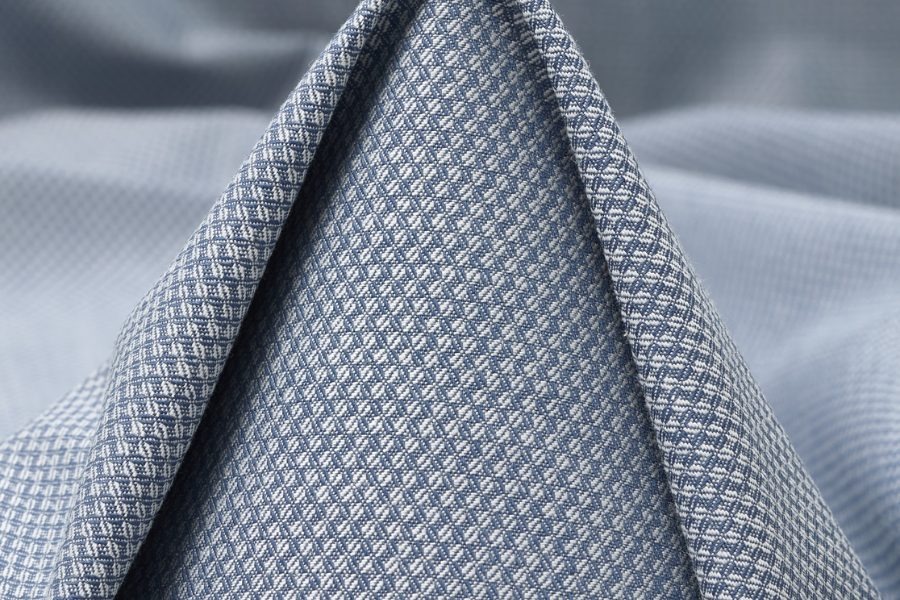
Polo Shirts
Custom polo shirts in pique cotton, performance blends, moisture-wicking fabrics, and premium jersey constructions. Classic fit, slim fit, and oversized silhouettes with embroidered logos, contrast collars, custom buttons, side slits, and branded labels. Ideal for corporate uniforms, resort wear, golf apparel, casual brand collections, and wholesale programs requiring consistent quality and scalable production.
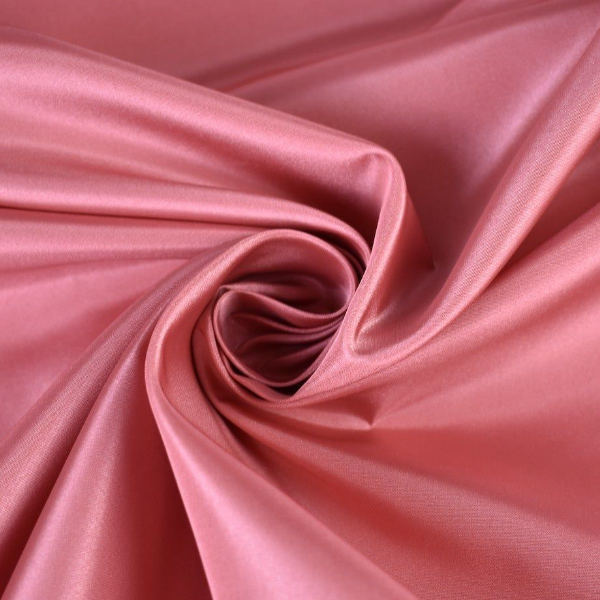
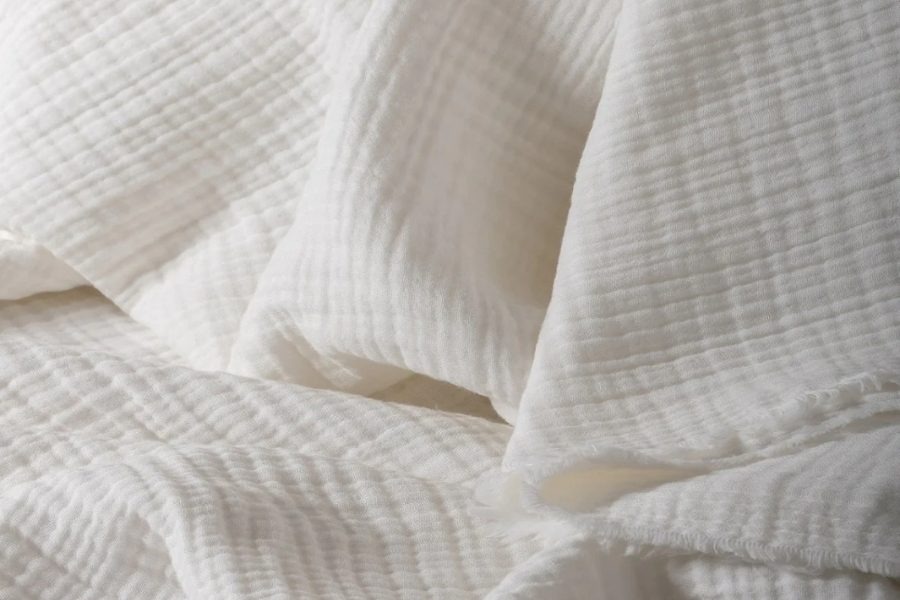
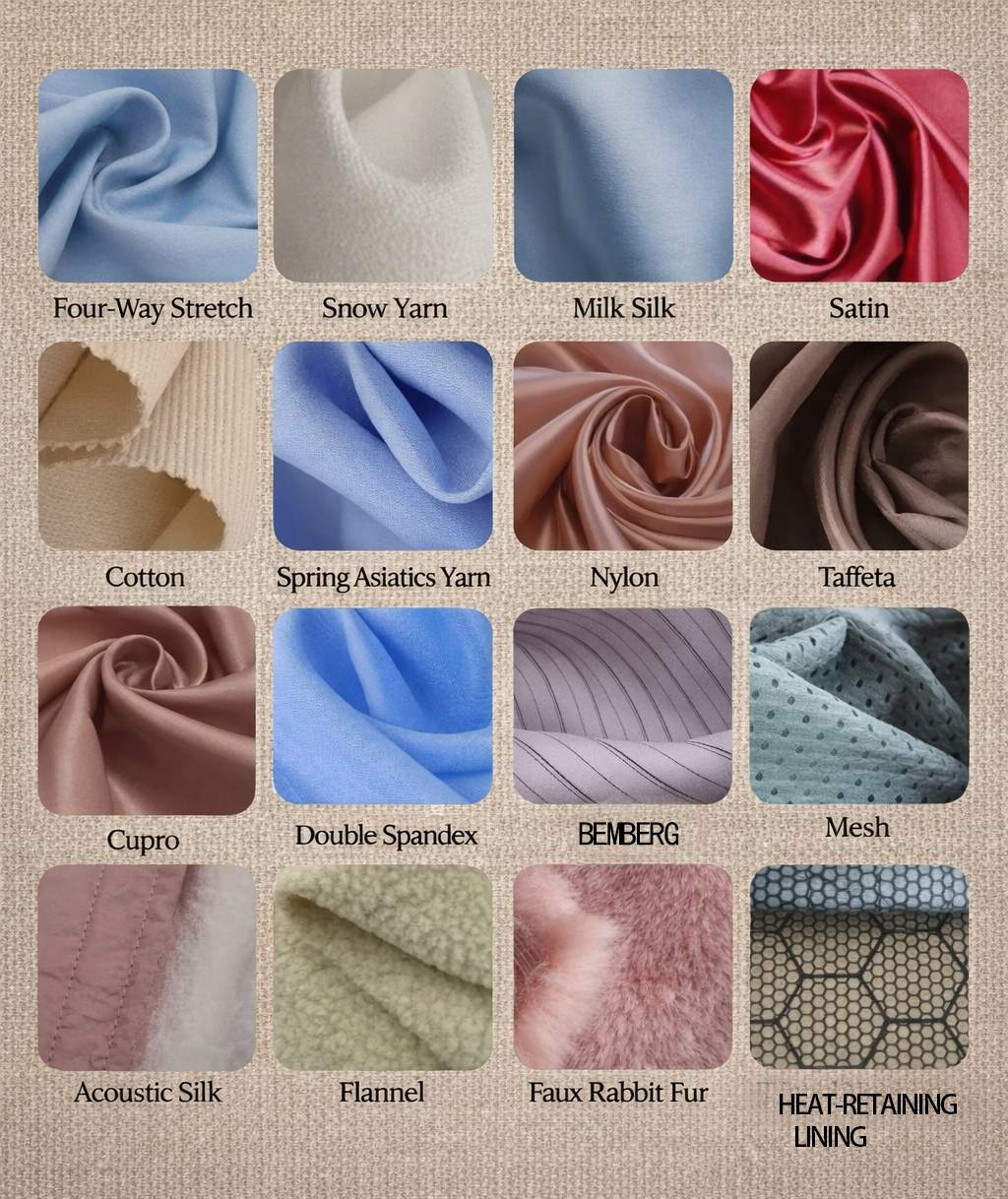
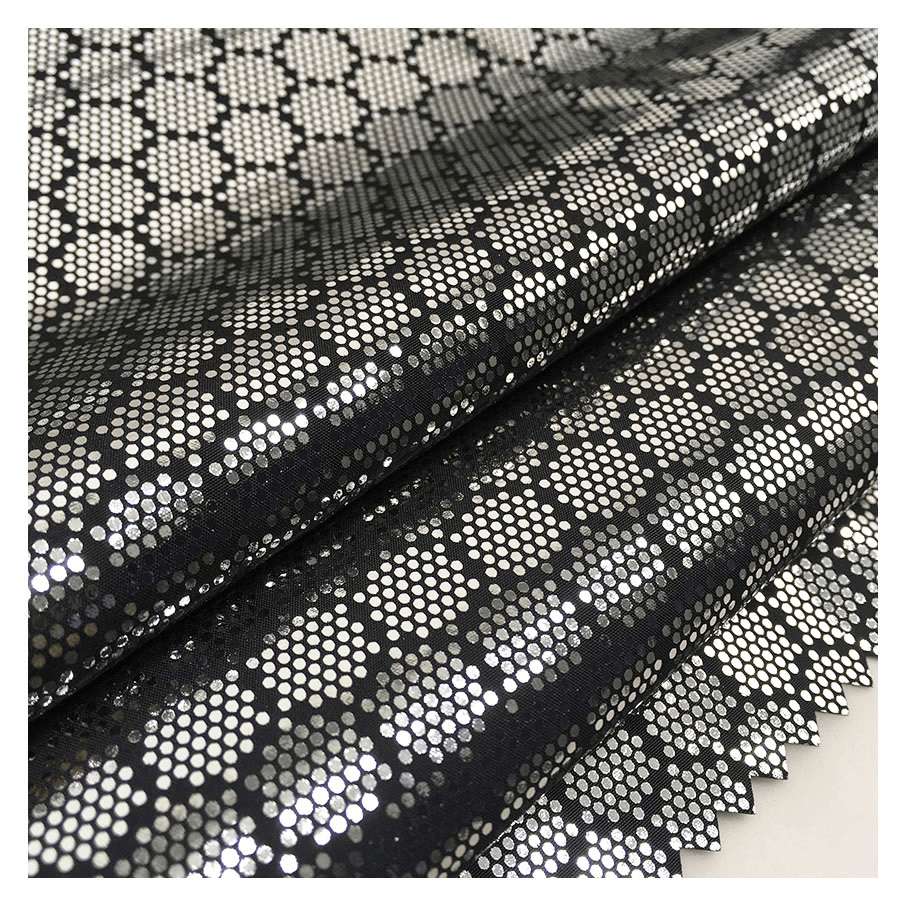
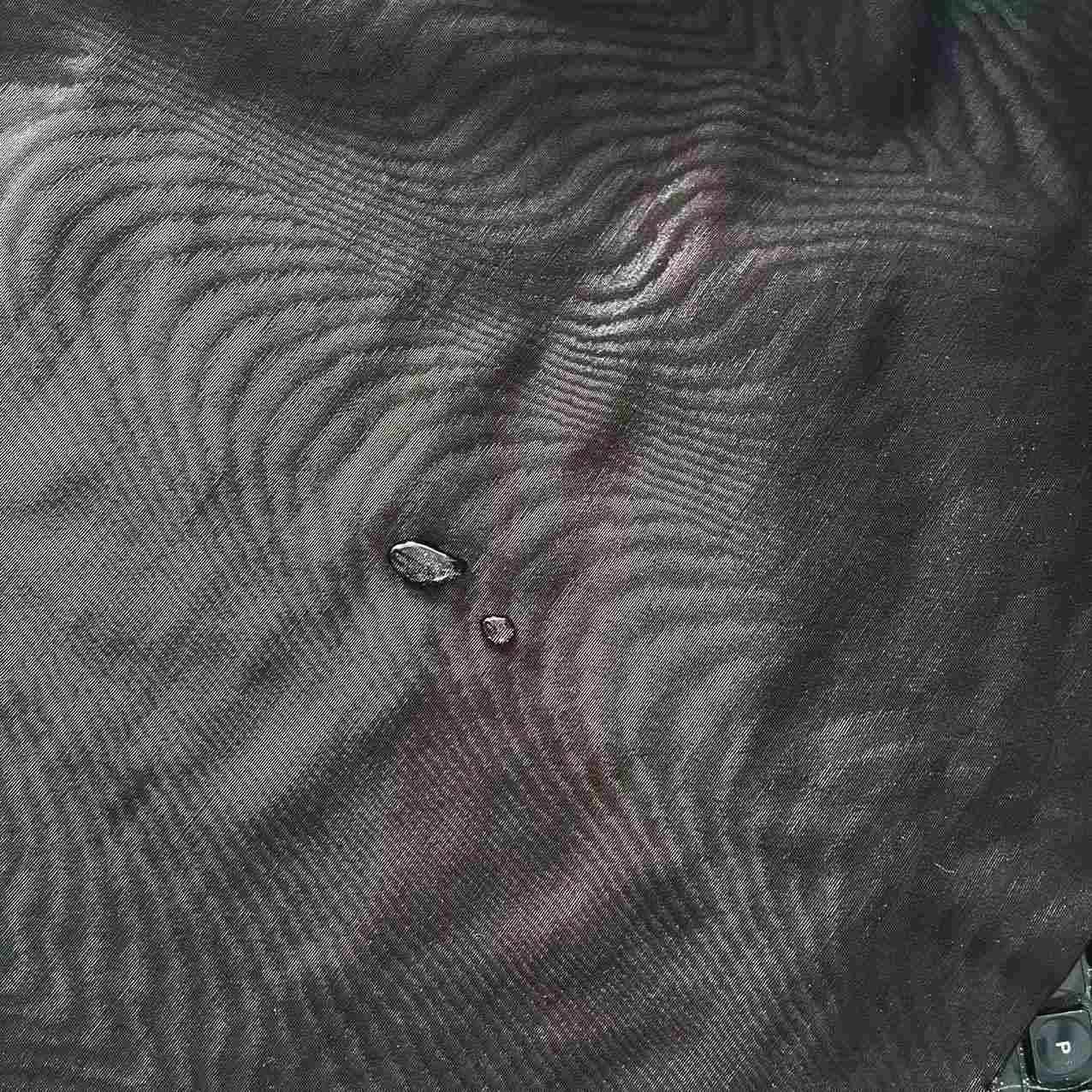
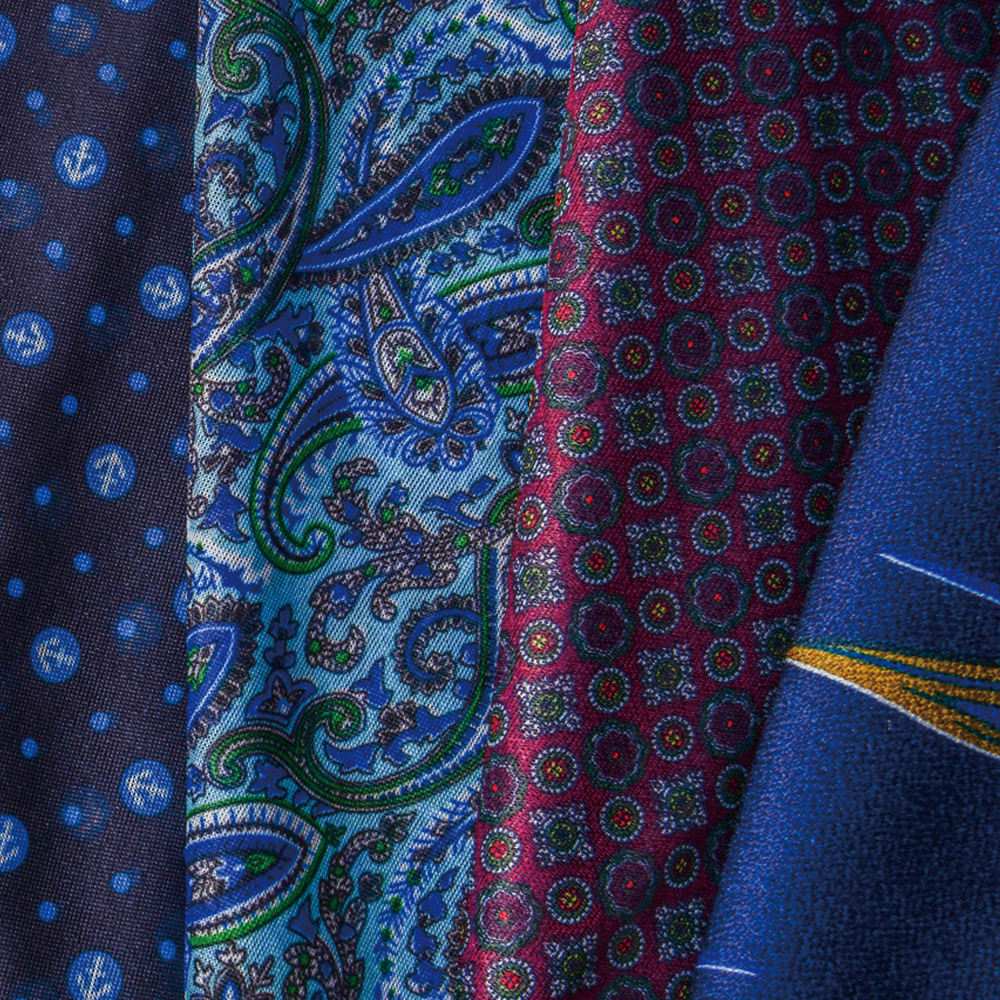
Get a QuotePremium Fabrics Our Cut and Sew Clothing Manufacturers Work With
Advanced Decoration u0026 Finishing by Cut and Sew Clothing Manufacturers
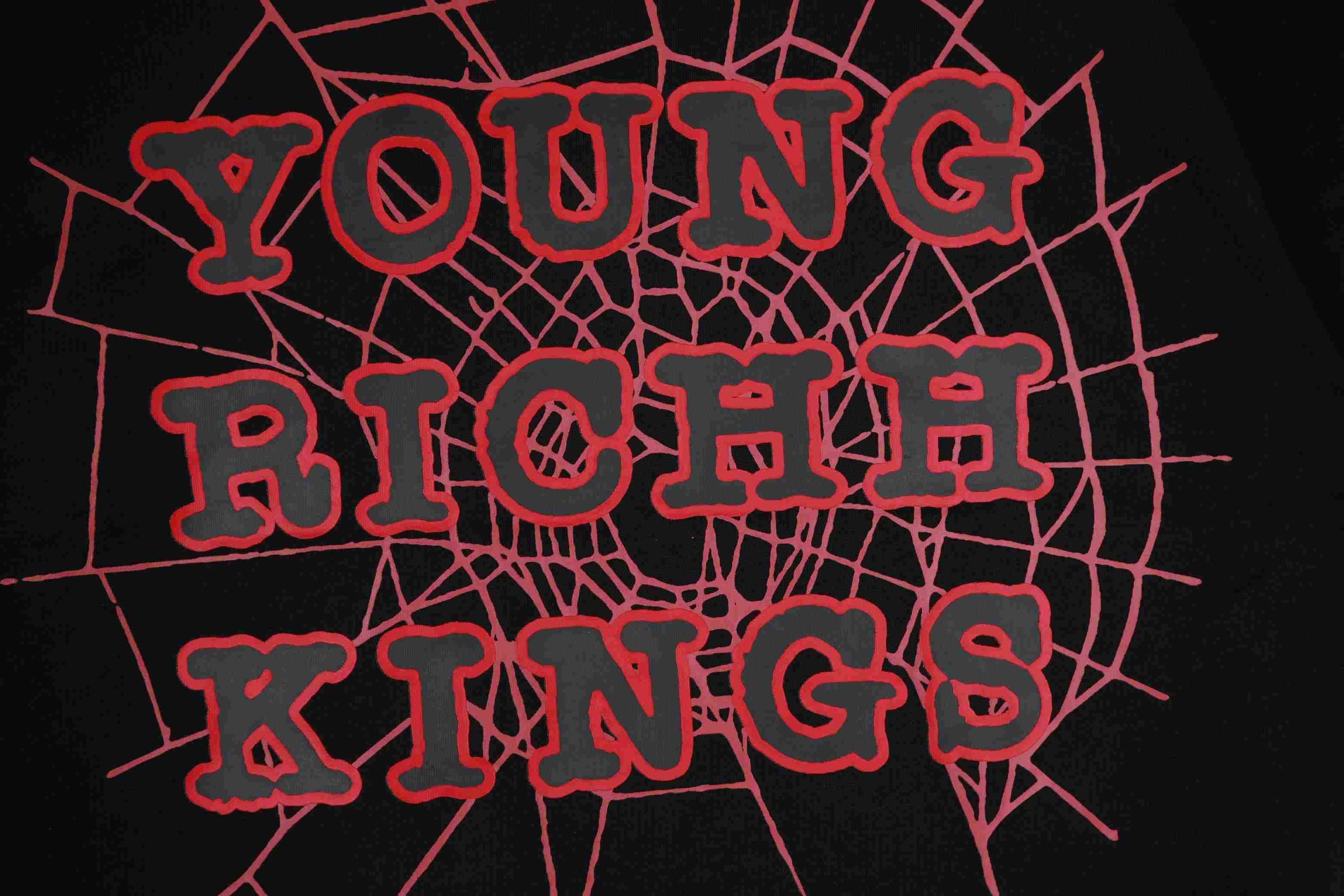
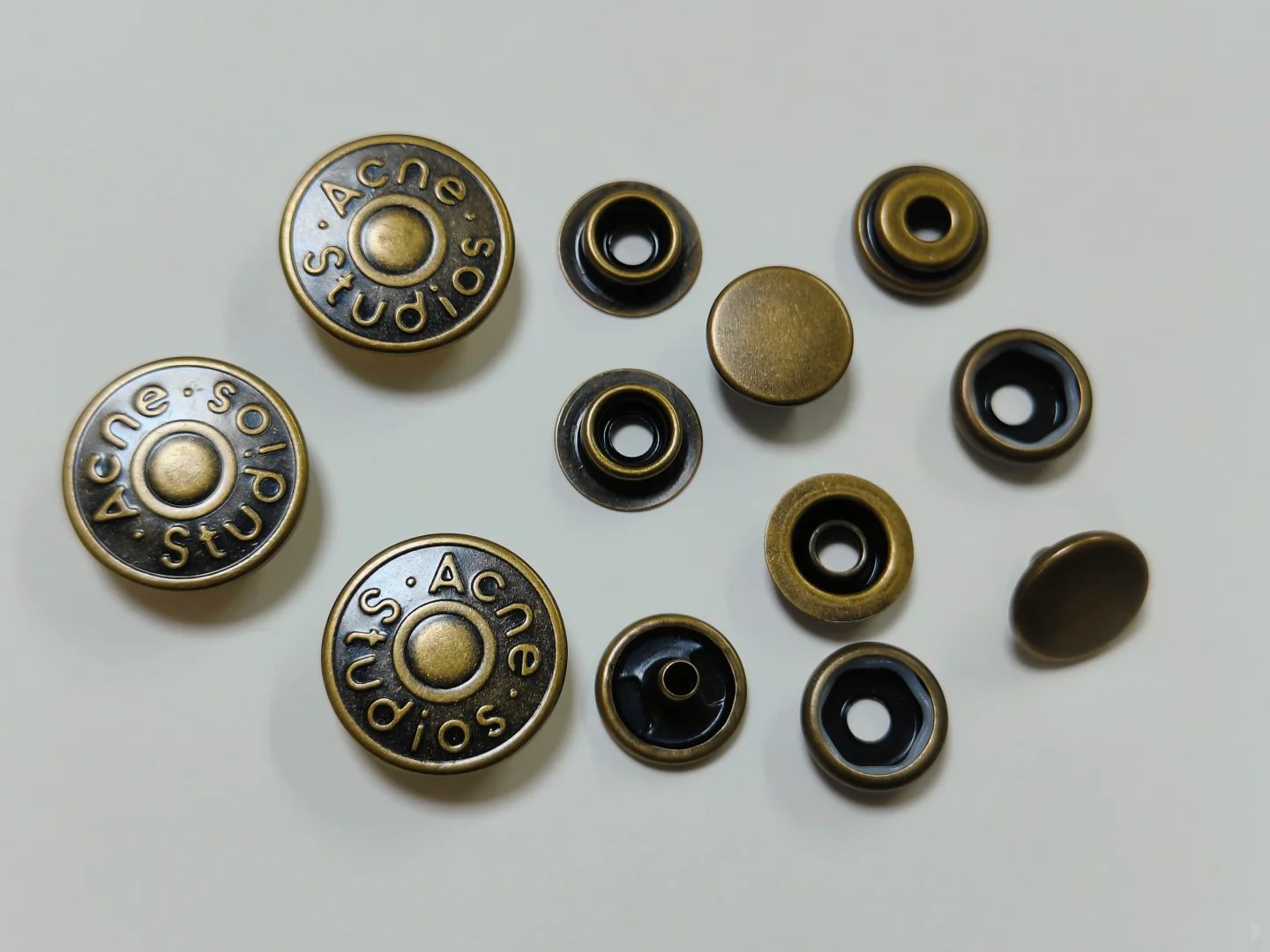
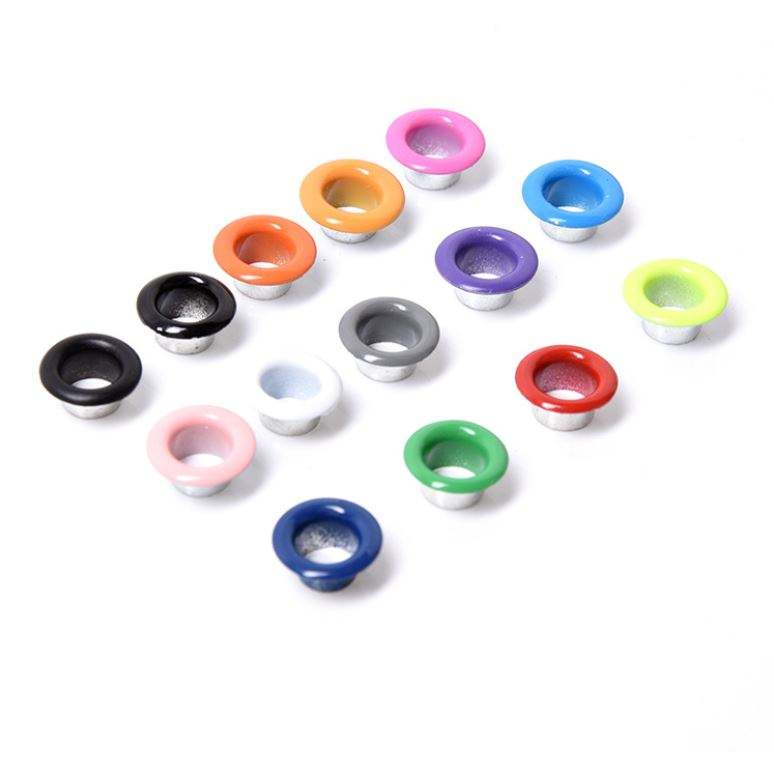
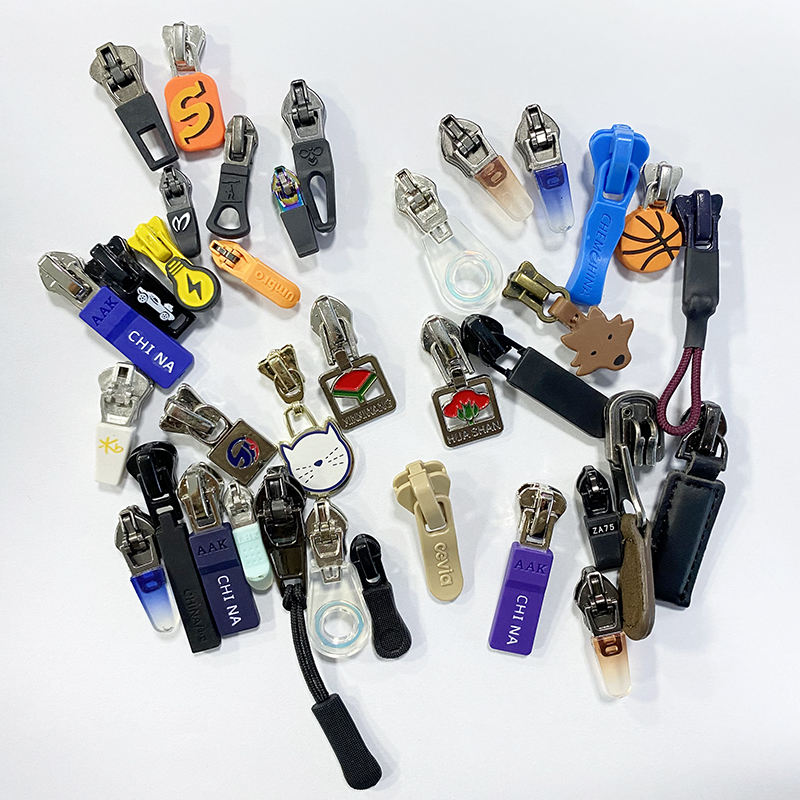
Custom Trims u0026 Accessories from Cut and Sew Clothing Manufacturers
About ZORWILD Cut and Sew Clothing Manufacturers
Founded in 1998 as a family-operated garment workshop in Humen, Dongguan, ZORWILD was built on a foundation of precision and craftsmanship passed down through generations. Our founder learned every stage of apparel production from cutting rooms to quality control, transforming a small sewing operation into a modern full-service OEM and ODM manufacturer.
Today, ZORWILD employs over 200 skilled workers and operates a 100,000-unit monthly production facility serving more than 2,000 fashion brands across the United States, Canada, Europe, Australia, the Middle East, and Southeast Asia. We specialize in low MOQ cut and sew production starting at just 50 pieces, enabling startup brands, influencers, and established wholesalers to scale with confidence.
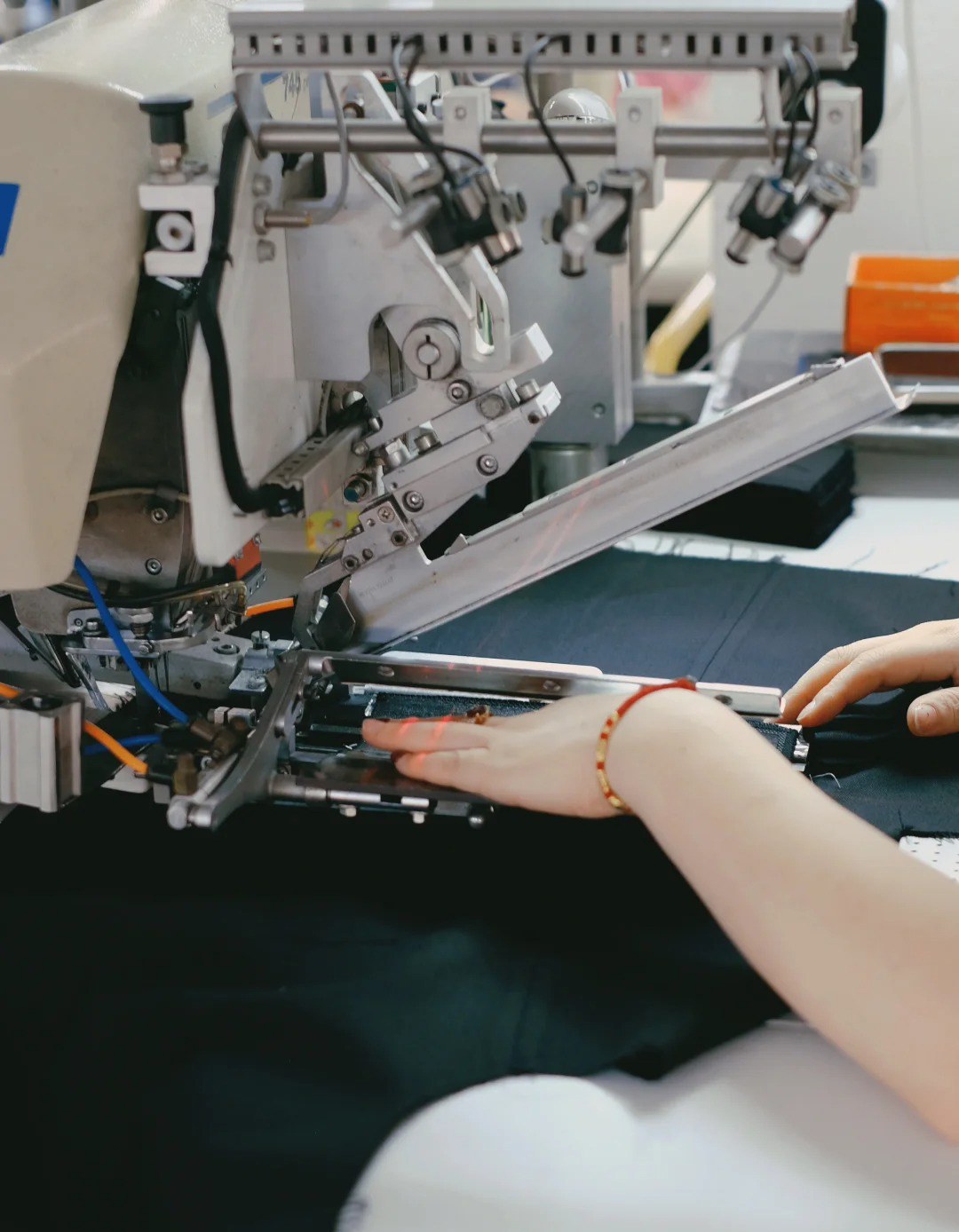
What sets us apart is our complete in-house capabilities spanning design development, fabric sourcing, sampling, advanced decoration techniques, six-stage quality control, and global logistics. From custom hoodies and T-shirts to varsity jackets and activewear, we bridge creative vision and scalable production for DTC brands and professional teams worldwide.
Core Strengths of Our Cut and Sew Clothing Manufacturers
Low-MOQ Production Systems for Every Brand
ZORWILD’s flexible production infrastructure supports orders starting from just 50 pieces, enabling startup brands, influencers, and small wholesalers to launch collections without excessive inventory risk while maintaining the same quality standards as large-scale runs.
- Minimum order quantities start at 50 pieces across most product categories
- Dedicated sampling and small-batch production lines for fast turnaround
- Scale seamlessly from 50-piece test runs to 100,000+ units monthly capacity
- Shared fabric sourcing reduces material costs even for small orders
Design-to-Production Workflow in One Facility
Our integrated Humen factory handles every stage from tech pack development and fabric sourcing through sampling, bulk production, decoration, and finishing—eliminating coordination delays and ensuring consistent quality throughout your cut and sew clothing manufacturing project.
- In-house design team transforms sketches, inspiration photos, or tech packs into production-ready patterns
- Direct fabric sourcing relationships across China for cotton, French terry, denim, technical fabrics, and sustainable materials
- 95%+ of decoration techniques handled in-house: screen printing, embroidery, garment dye, puff print, and more
- Single point of contact manages your entire project from first sample to final shipment
Six-Stage Quality Control System
Every garment passes through raw material inspection, in-line production checks, measurement verification, decoration quality review, final product audit, and packaging inspection—backed by 27 years of manufacturing expertise and over 200 skilled workers in our Dongguan facility.
- Fabric inspection before cutting ensures material consistency and defect-free production
- In-line quality checkpoints catch issues during sewing before they multiply
- Measurement verification confirms every size matches your approved tech pack specifications
- Final audit inspects stitching, print quality, wash effects, labels, and packaging before shipment
Global Logistics and Export Support
ZORWILD manages international shipping, export documentation, and customs coordination for clients across the United States, Canada, UK, Germany, Australia, Middle East, and Southeast Asia—reducing delays and ensuring your cut and sew orders arrive on time, ready to sell.
- Air freight, sea freight, and express delivery options tailored to your timeline and budget
- Complete export documentation and customs support for smooth international clearance
- Door-to-door shipping available to simplify logistics for startup brands and small wholesalers
- Proven delivery track record serving 2,000+ clothing brands in 20+ countries
ZORWILD vs. Typical Cut and Sew Clothing Manufacturers
When you’re comparing cut and sew clothing manufacturers, the differences in flexibility, quality systems, and production capabilities can make or break your brand. Here’s how ZORWILD stacks up against generic suppliers.
← 左右滑动查看 →
How Cut and Sew Clothing Manufacturers Bring Your Vision to Life
ZORWILD’s proven 6-phase production system ensures quality, speed, and transparency from initial design through final delivery—backed by 27 years of manufacturing expertise.
Design u0026 Tech Pack
Submit your tech pack, sketches, or reference samples. Our team reviews specifications, confirms measurements, and prepares production-ready documentation for your custom cut and sew garments.
Fabric Sourcing u0026 Selection
We source premium fabrics from trusted suppliers across China based on your budget, brand positioning, and performance requirements to match your design vision perfectly.
Sampling u0026 Approval
Receive your first sample within 7 days. Evaluate fit, fabric quality, construction details, and decoration techniques. Revisions are refined until you approve for bulk production.
Bulk Production
Your order enters our Humen factory with 100,000+ monthly capacity. Pattern cutting, sewing, decoration, and finishing are completed by 200+ skilled workers with precision craftsmanship.
6-Stage Quality Control
Every garment undergoes material inspection, in-line checks, measurement verification, decoration quality review, final product inspection, and packaging inspection before shipment approval.
Packaging u0026 Global Shipping
Finished garments are packed with custom labels, hang tags, and branded packaging. We coordinate air freight, sea freight, or express delivery with full export documentation support.
How to Partner With Cut and Sew Clothing Manufacturers
ZORWILD’s streamlined five-step process makes it simple to launch your custom apparel line—from initial design consultation to final delivery at your door.
Submit Your Design or Tech Pack
Share your tech pack, sketches, reference samples, or design ideas. Our development team reviews your specifications and recommends fabrics, decoration techniques, and construction methods.
Receive Quote and Sample Timeline
Within 24 hours, you’ll receive a detailed quotation covering materials, decoration, MOQ options, and production timeline. Sample development typically completes within 7 days for most products.
Approve Sample and Confirm Order
Evaluate your physical sample for fit, fabric quality, decoration accuracy, and construction details. Once approved, confirm your bulk order quantity and finalize production specifications.
Track Production and Quality Control
Your order enters our 6-stage quality control system. We provide regular production updates and conduct inspections at raw material, in-line, and final product stages.
Receive Shipment With Full Support
Finished garments are packed with your custom labels, hang tags, and packaging. We arrange global logistics including export documentation, customs support, and door-to-door delivery.
Certified Cut and Sew Clothing Manufacturers You Can Trust

What Our Cut and Sew Clothing Manufacturers’ Clients Say
ZORWILD helped us launch our first collection in just 9 weeks with only 50 pieces per design. Their tech pack support and sampling speed saved us over $8,000 compared to other manufacturers requiring 300-piece minimums.
We’ve reordered four times in six months. Their puff print and embroidery quality is consistent every single run, and the 6-stage QC means we’ve had zero customer returns. Production capacity of 100K+ units monthly gives us confidence to scale.
As an influencer launching my own merch line, I needed speed and flexibility. ZORWILD delivered samples in 7 days, nailed the vintage wash effect I wanted, and produced 200 hoodies that sold out in 48 hours. Already planning drop two.
Frequently Asked Questions About Cut and Sew Clothing Manufacturers
What is the minimum order quantity with cut and sew clothing manufacturers?
How long does it take to receive samples from cut and sew clothing manufacturers?
Do cut and sew clothing manufacturers charge for samples?
What payment terms do cut and sew clothing manufacturers offer?
What shipping options are available for international orders?
How do you protect my designs and intellectual property?
What customization options are available with your manufacturing services?
What is your revision policy during sampling and production?
Can you handle both small startup orders and large-scale production?
The Complete Buyer’s Guide to Cut and Sew Clothing Manufacturers
1. What Are Cut and Sew Clothing Manufacturers?
Cut and sew clothing manufacturers produce garments from raw fabric by cutting material to precise patterns and sewing each piece into finished apparel. Unlike print-on-demand services that decorate pre-made blanks or blank decoration models that apply graphics to stock inventory, cut and sew production starts with fabric rolls and builds every seam, pocket, and panel to your exact specifications. ZORWILD operates 200 skilled workers across cutting rooms, sewing workshops, and finishing lines to deliver fully custom garments from 50-piece startup orders to monthly production runs exceeding 100,000 units.nnBrands choose cut and sew manufacturing when they need proprietary fits, unique silhouettes, or specific fabric blends unavailable in blank inventory. A streetwear label launching oversized hoodies with custom paneling, dropped shoulders, and heavyweight French terry requires cut and sew; a startup designing resort shirts with contrast collar construction and rayon blends needs pattern cutting and full garment assembly. Print-on-demand works for testing graphic concepts on standard fits, but cut and sew unlocks brand differentiation through construction, fabric choice, and fit architecture.nnCut and sew is right for your brand if you require custom sizing beyond S-M-L-XL standards, want to control fabric weight and composition, need unique garment shapes not available in blanks, or plan to build a recognizable signature fit. Minimum order quantities typically start at 50 to 100 pieces per style and colorway, with sampling timelines of 7 to 10 days and bulk production lead times of 20 to 35 days depending on decoration complexity and fabric availability.
2. Evolution of Cut and Sew Manufacturing
Before the 1850s, all garments were individually tailored by skilled artisans who cut patterns by hand and sewed each piece using manual stitching techniques. The invention of the lockstitch sewing machine in 1846 and the industrial revolution mechanized production, enabling factories to produce standardized sizing and reduce garment costs by over 70% within two decades.nnBy the 1980s, CAD (computer-aided design) software and automated cutting machines transformed pattern-making from a manual craft into a digital workflow, reducing sample development time from 3–4 weeks to 7–10 days and improving fabric utilization by 10–15%. This technology shift allowed manufacturers to handle complex multi-panel designs, graded sizing systems, and low MOQ production with the same precision previously reserved for large-scale orders.nnThe 2000s saw the rise of overseas production hubs in China, Vietnam, Bangladesh, and India, where integrated facilities combined fabric sourcing, sampling, bulk production, decoration, washing, quality control, and logistics under one roof. Regions like Humen in Dongguan, China became global centers with over 27 years of manufacturing expertise, offering startup brands access to 50-piece MOQ production, full customization capabilities, and monthly capacities exceeding 100,000 units.nnCut and sew remains the gold standard for premium apparel because it allows complete control over fabric selection, fit engineering, construction quality, and decoration placement—capabilities that print-on-demand or wholesale blank garments cannot replicate for brands seeking differentiation and elevated positioning.
3. Types of Cut and Sew Clothing Manufacturers
Cut and sew clothing manufacturers vary widely by service model, scale, and specialization. Understanding these categories helps brands match production partners to their stage, budget, and product complexity.
Full-Package vs. CMT Manufacturers
Full-package manufacturers handle design development, fabric sourcing, sampling, production, quality control, and logistics — ideal for startups and brands without in-house sourcing teams. ZORWILD operates as a full-package partner, managing every step from tech pack to finished garment with 50-piece MOQ capability.nnCMT (cut-make-trim) factories require clients to supply fabrics and trims, offering lower costs but demanding more supply-chain expertise. This model suits established brands with dedicated procurement teams and existing fabric relationships.
Domestic vs. Overseas Production
Domestic manufacturers offer faster turnaround, easier communication, and lower shipping costs but typically charge 2–4× overseas pricing and enforce higher MOQs of 300–500 pieces. Overseas factories in China, Vietnam, and Bangladesh provide cost efficiency, scalable capacity, and advanced decoration techniques.nnZORWILD’s Dongguan facility combines 27 years of manufacturing expertise with monthly capacity exceeding 100,000 units, serving over 2,000 brands across North America, Europe, and the Middle East with flexible MOQs starting at 50 pieces.
Niche Specialists and Hybrid Models
Specialist manufacturers focus on activewear, streetwear, sustainable fashion, or technical outerwear, offering deep category expertise in fabric performance, wash effects, and trend-driven construction. Sampling houses produce prototypes and small runs but lack bulk production infrastructure.nnHybrid manufacturers like ZORWILD provide design support, trend consultation, and full-category production spanning hoodies, T-shirts, jackets, dresses, and sportswear — supporting startups with low MOQ flexibility and established brands with scalable capacity and strict quality systems.
4. Materials and Fabrics for Cut and Sew Production
Cut and sew clothing manufacturers work with two main fabric families: knits (jersey, French terry, fleece, rib) and wovens (twill, canvas, denim, poplin). Understanding GSM (grams per square meter), fiber composition, and sourcing channels ensures your brand selects materials that match performance, cost, and aesthetic goals.
| Fabric Type | Weight (GSM) | Best Use-Case | Price Tier |
|---|---|---|---|
| Jersey knit | 140–180 | T-shirts, casual tops | Low |
| French terry | 240–280 | Hoodies, sweatshirts | Medium |
| Fleece | 280–340 | Heavyweight hoodies, winter wear | Medium |
| Cotton twill | 200–260 | Chino pants, workwear jackets | Medium |
| Denim | 280–400 | Jeans, denim jackets | Medium–High |
| Canvas | 300–450 | Utility jackets, cargo pants | Medium |
| Satin/Silk | 80–140 | Dresses, evening wear | High |
Knit Fabrics Versus Woven Fabrics
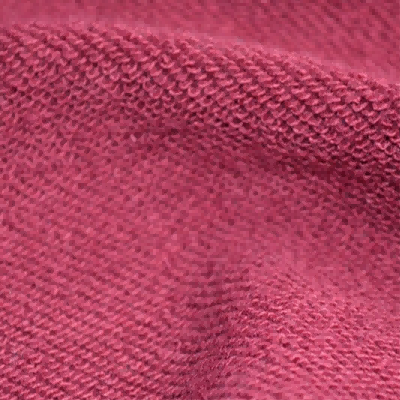
Knit fabrics—jersey, French terry, fleece, and rib—offer stretch, drape, and comfort, making them ideal for T-shirts, hoodies, sweatpants, and activewear. Woven fabrics—twill, canvas, denim, poplin, and satin—deliver structure, durability, and crisp tailoring for shirts, jackets, pants, and dresses.nnZORWILD sources both categories from trusted Chinese mills, supporting cotton, polyester blends, rayon, viscose, bamboo, linen, modal, Tencel, and technical performance fabrics. Knit construction suits casualwear and streetwear; wovens suit formalwear, outerwear, and workwear.
Natural Fibers Versus Synthetic Blends
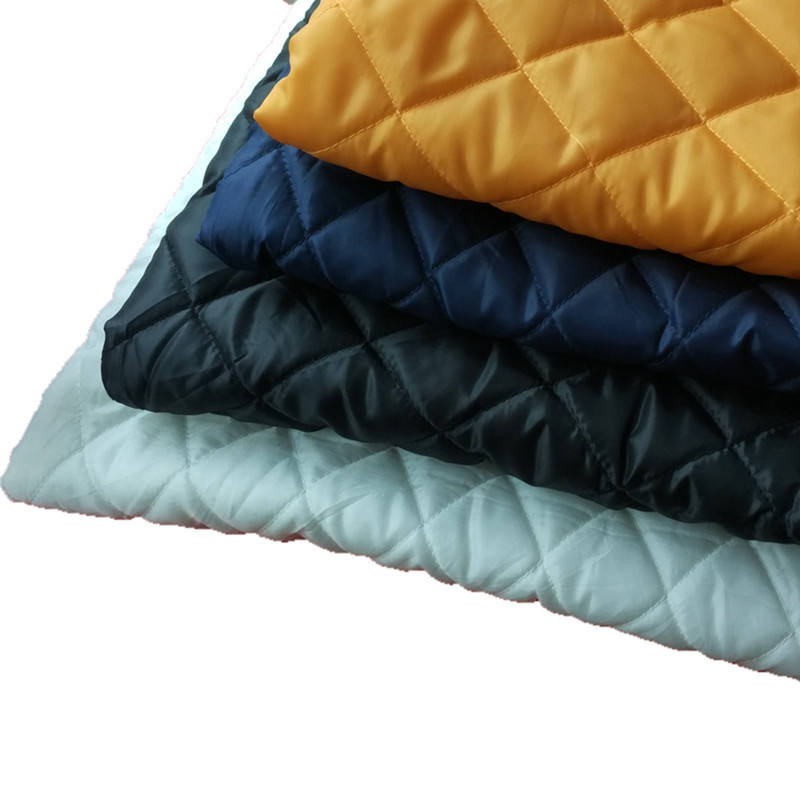
Natural fibers—100% cotton, organic cotton, linen, wool—offer breathability, softness, and eco-appeal but may shrink or wrinkle. Synthetic blends—polyester, nylon, spandex—add stretch, moisture-wicking, quick-dry performance, and lower cost.nnZORWILD manufactures garments in pure cotton, tri-blend jersey, bamboo cotton, modal blends, and recycled polyester for sustainable collections. Blends balance comfort, durability, and price, while pure naturals serve premium and organic brand positioning.
Fabric Sourcing Channels
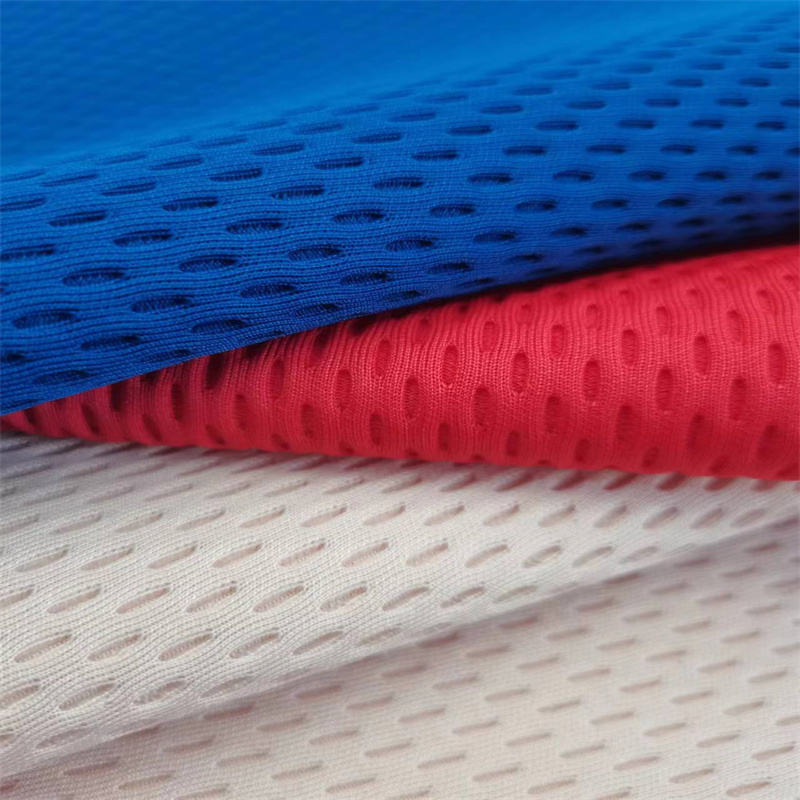
Cut and sew clothing manufacturers offer three sourcing models: mill-direct procurement for large orders and competitive pricing, manufacturer stock fabric for low MOQ and faster sampling, and buyer-supplied materials when brands control fabric identity or sustainability certification.nnZORWILD maintains relationships with fabric mills across China, enabling stable lead times, quality consistency, and access to OEKO-TEX and GOTS-certified materials. Startup brands benefit from stock fabric libraries; established brands often supply proprietary fabrics for signature collections.
5. Customization and Decoration Techniques
Cut and sew clothing manufacturers support more than 95% of modern decoration techniques, from screen printing and embroidery to specialty finishes like puff print and chenille. Selecting the right method depends on design complexity, order volume, durability requirements, and budget constraints.
| Technique | Setup Cost | Durability | MOQ Impact |
|---|---|---|---|
| Screen Printing | $25–75/screen | 50+ washes | 50–100 pcs |
| DTG Printing | $0 setup | 30–40 washes | 1–50 pcs |
| Embroidery | $15–50 digitizing | 50+ washes | 50–100 pcs |
| Heat Transfer | $10–30/design | 20–30 washes | 10–50 pcs |
| Sublimation | $0–20 setup | 50+ washes | 25–100 pcs |
| Woven Labels | $30–100/design | Permanent | 50–200 pcs |
Screen Printing and Digital Decoration
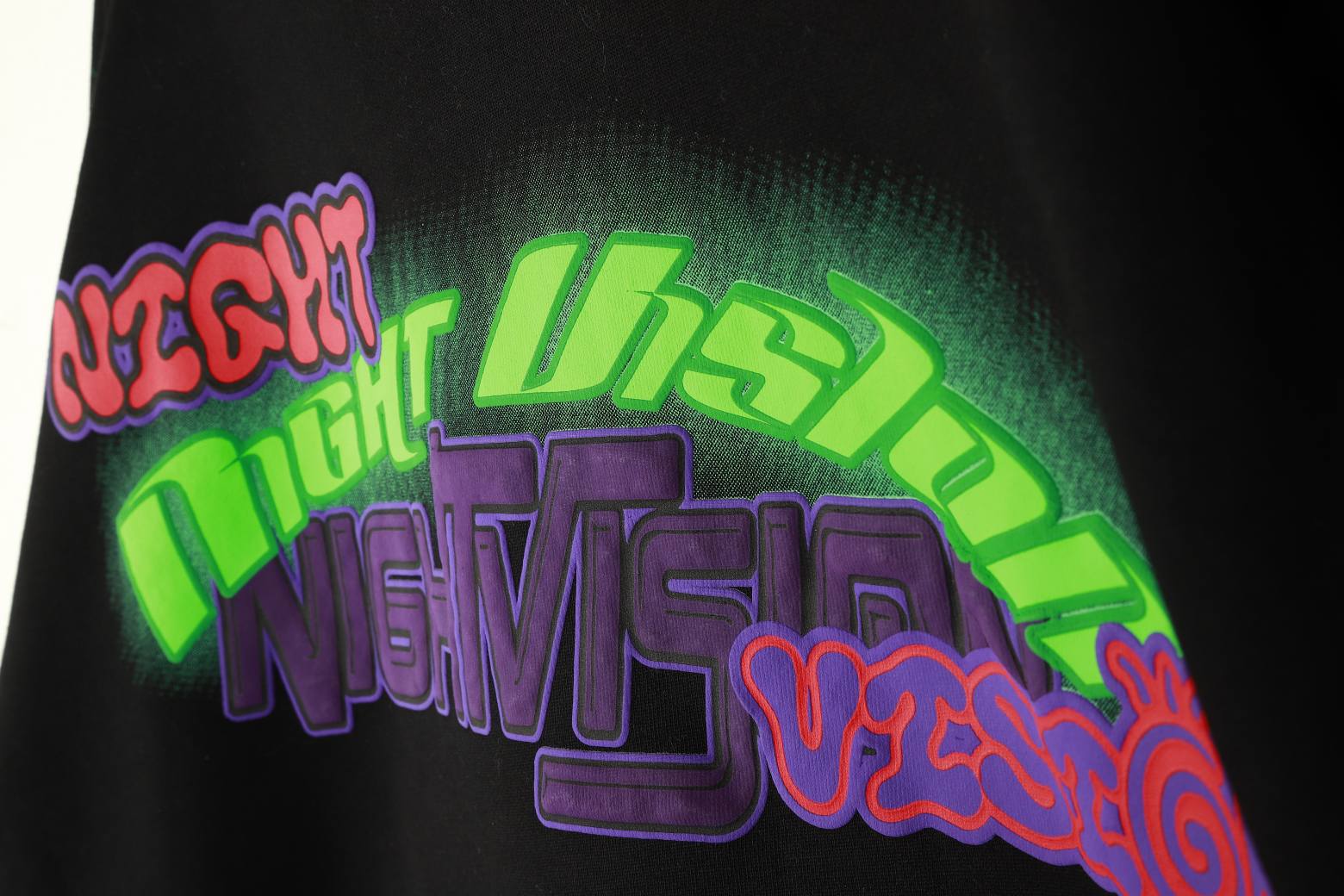
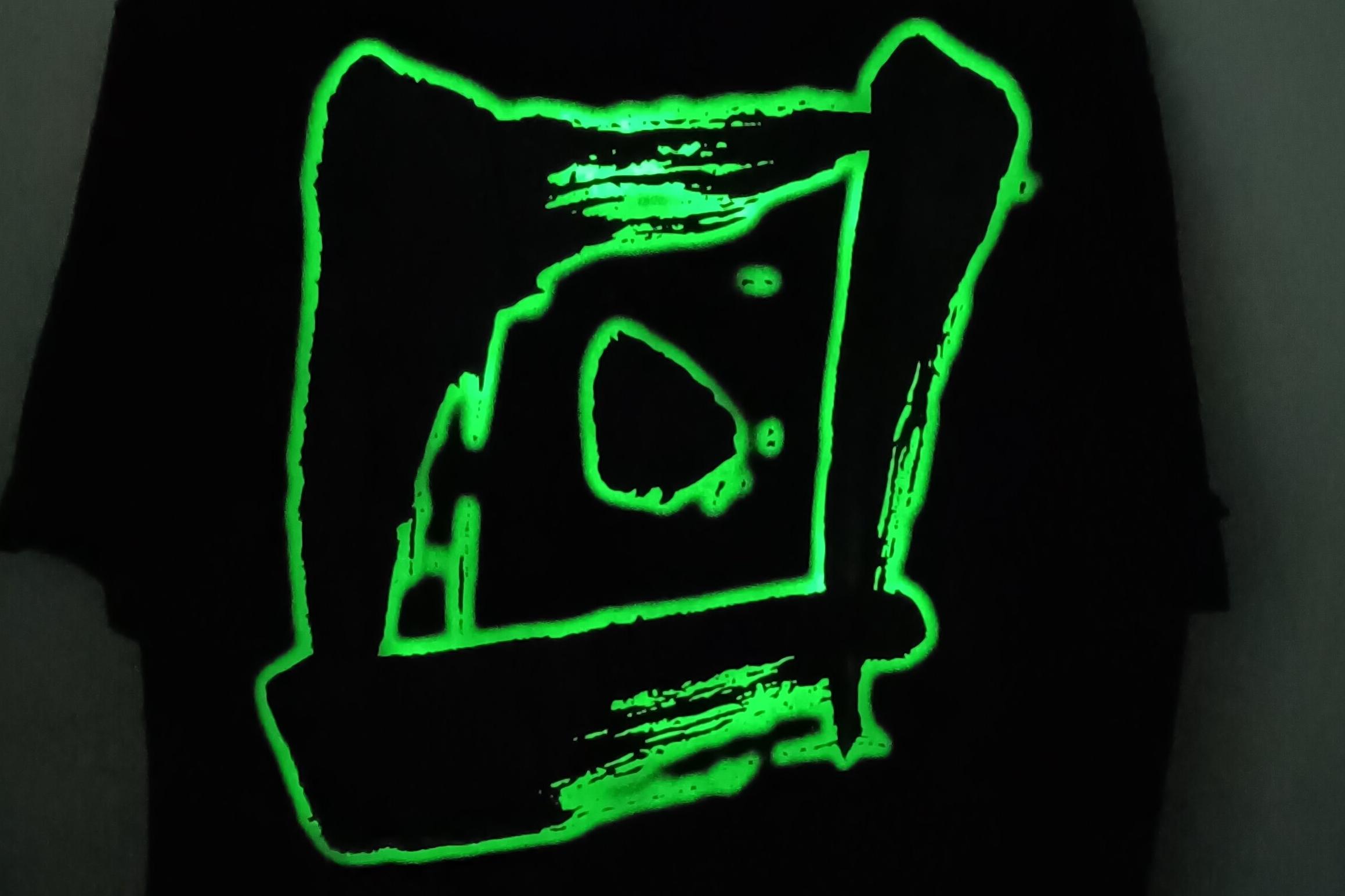
Screen printing delivers high durability and excellent color performance for bulk orders, with setup costs typically $25–75 per screen and MOQs starting at 50–100 pieces per design. DTG (direct-to-garment) printing eliminates screen fees and supports complex artwork with no color limits, ideal for low-volume runs and detailed graphics.nnWater-based printing offers softer hand feel and eco-friendly results, while puff printing creates raised texture for streetwear collections. Reflective and foil printing add premium visual effects with setup costs around $50–150 per design.
Embroidery and Appliqué Techniques
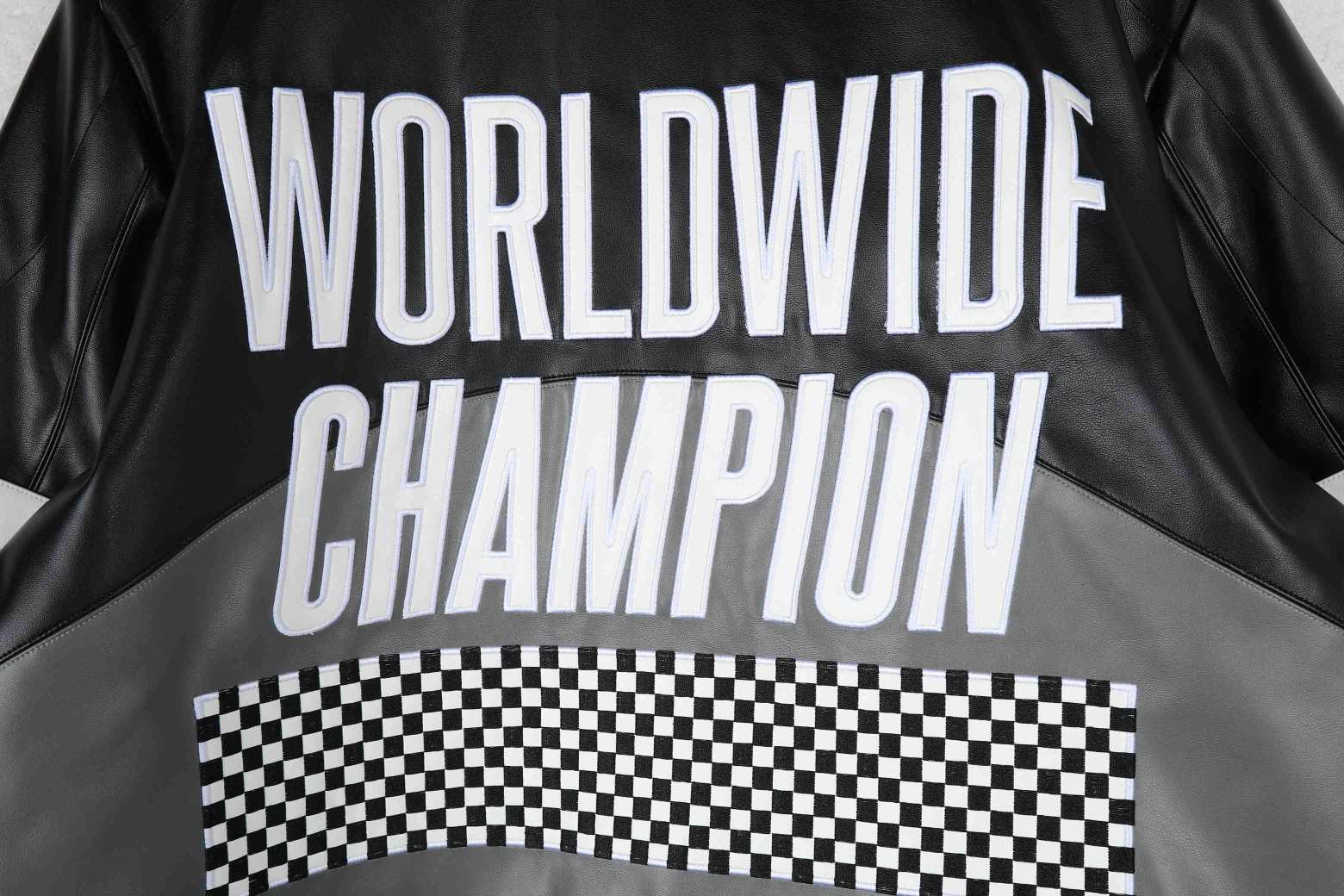
Flat embroidery provides professional branding with digitizing fees of $15–50 per design and typical MOQs of 50–100 units. 3D embroidery, chenille embroidery, and appliqué embroidery create dimensional effects for premium streetwear and luxury collections.nnEmbroidery durability exceeds 50 wash cycles when stitch density, thread quality, and garment tension are controlled. Patch embroidery and towel embroidery offer unique texture for logos, while metallic and sequin embroidery suit high-end fashion lines.
Labels, Packaging, and Branding Elements
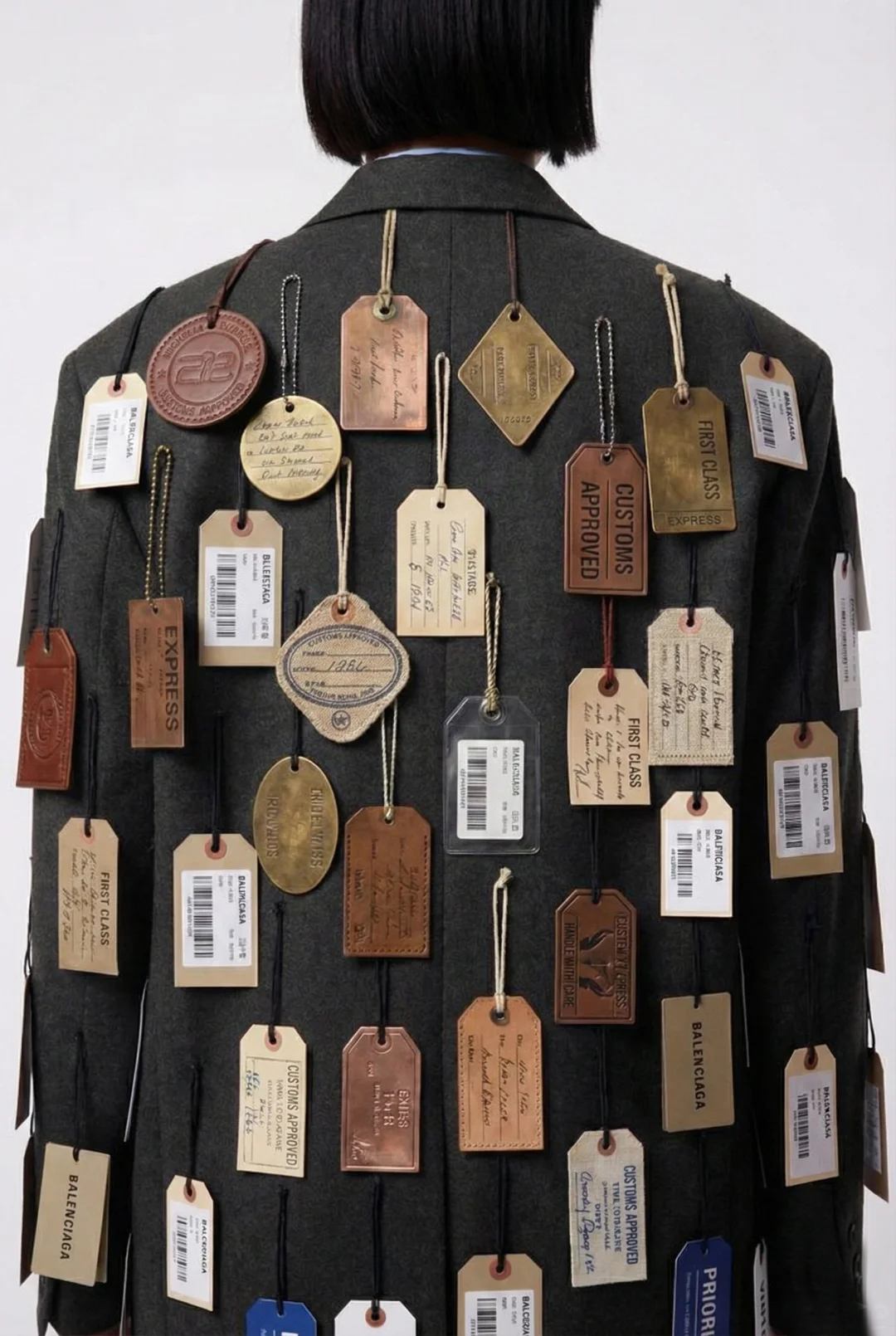
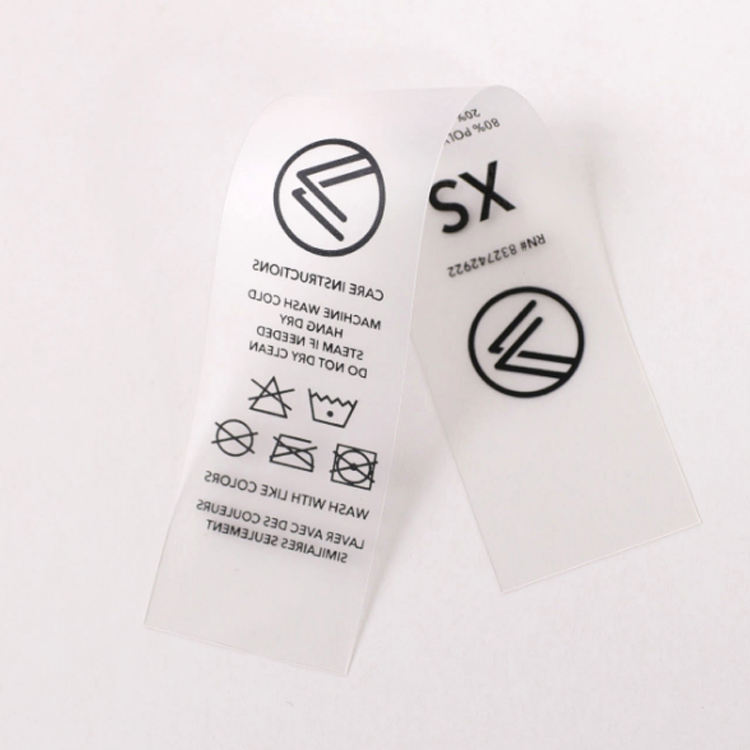
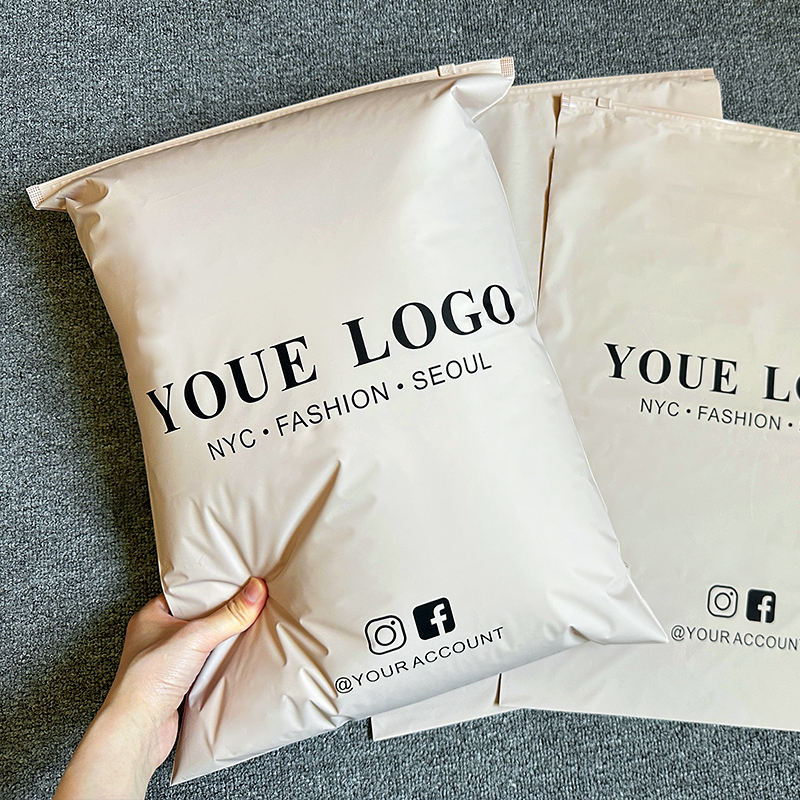
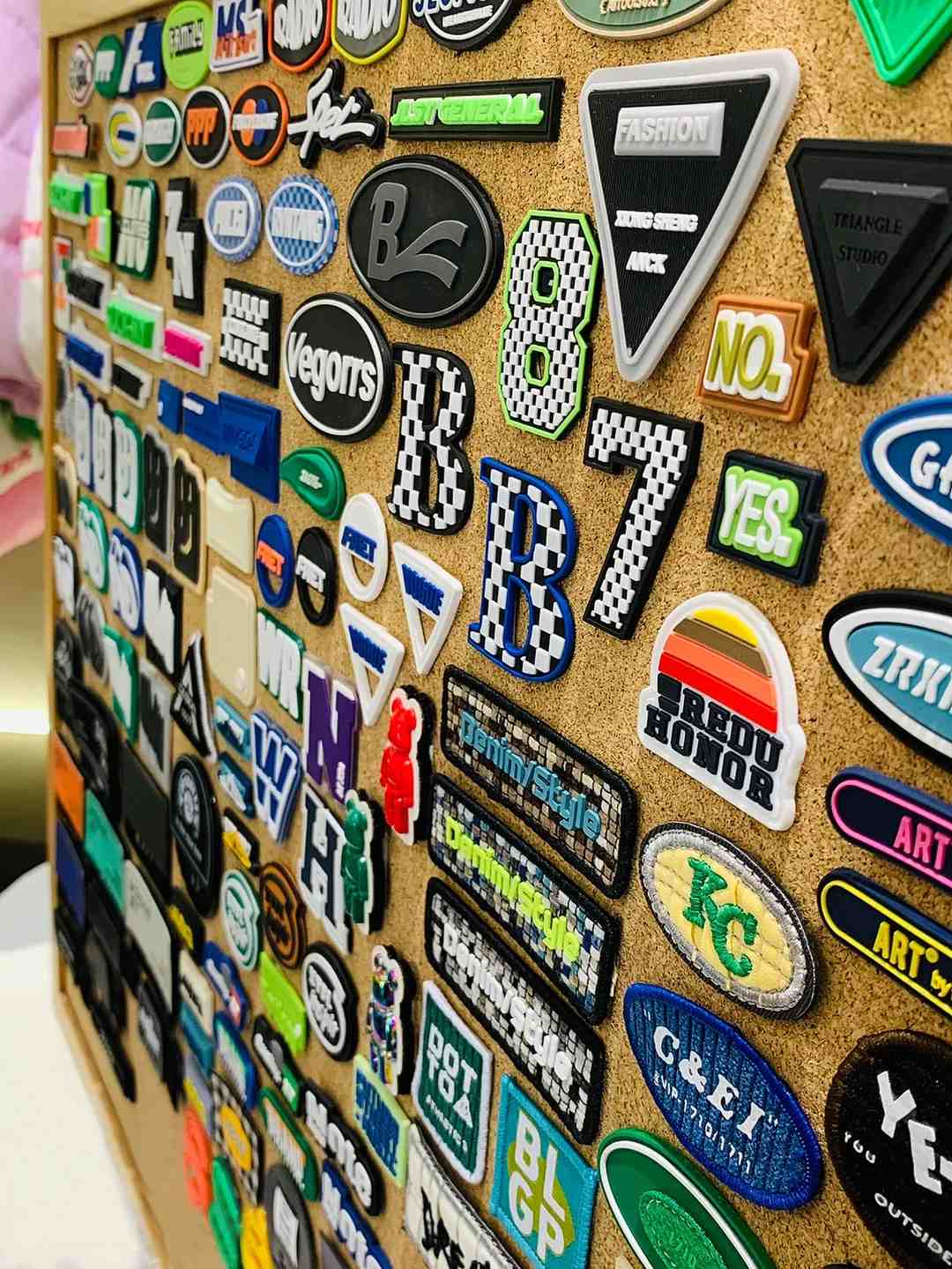
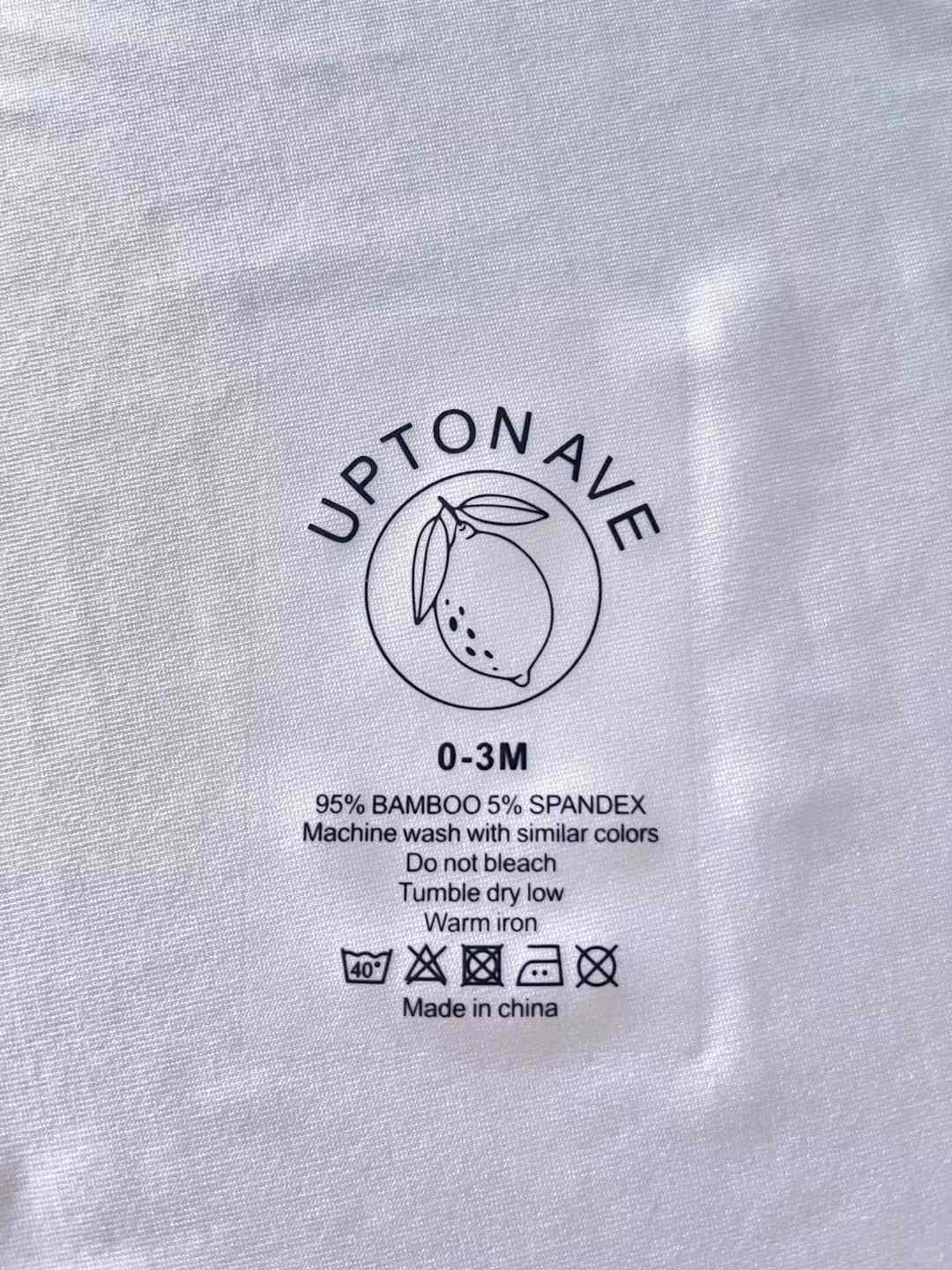
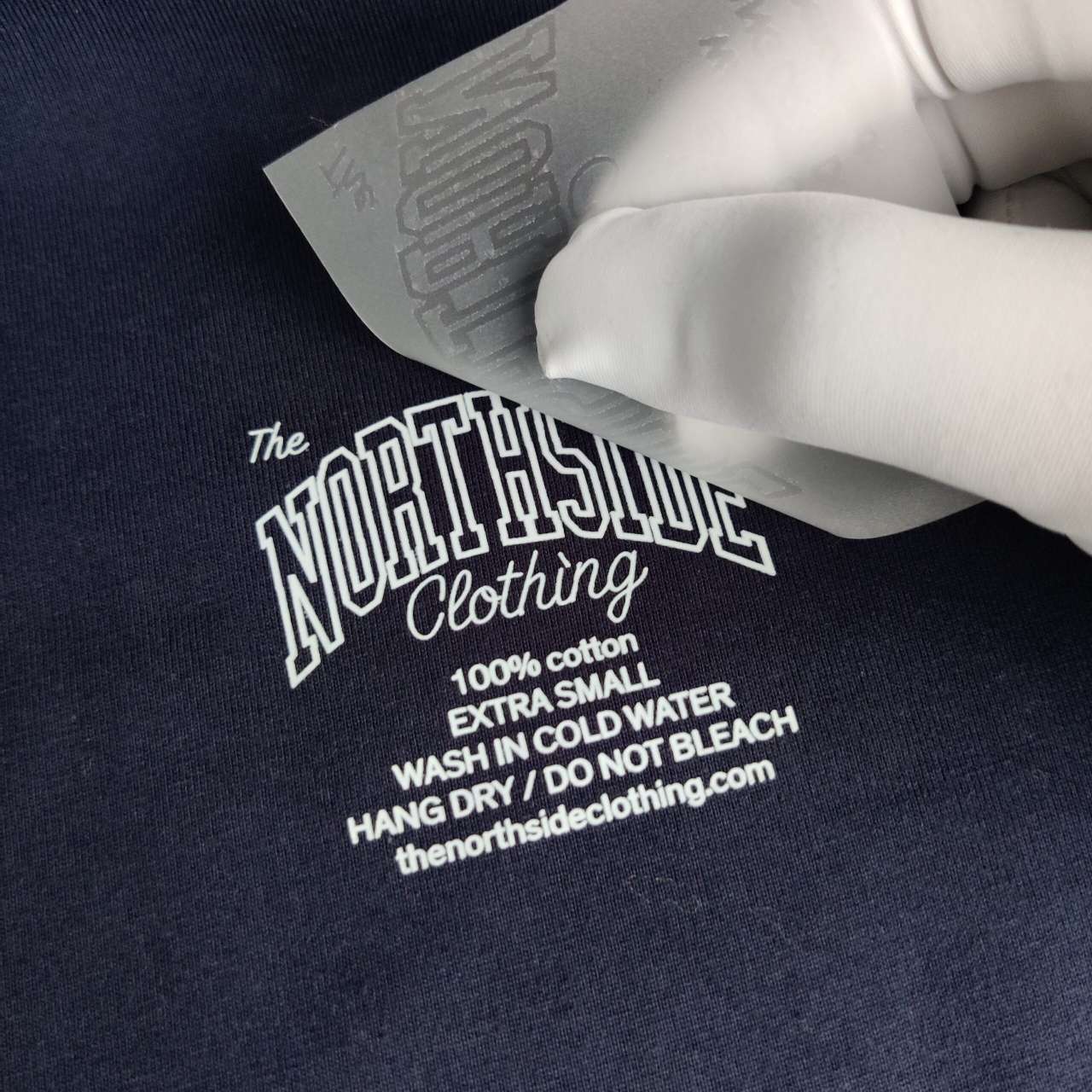
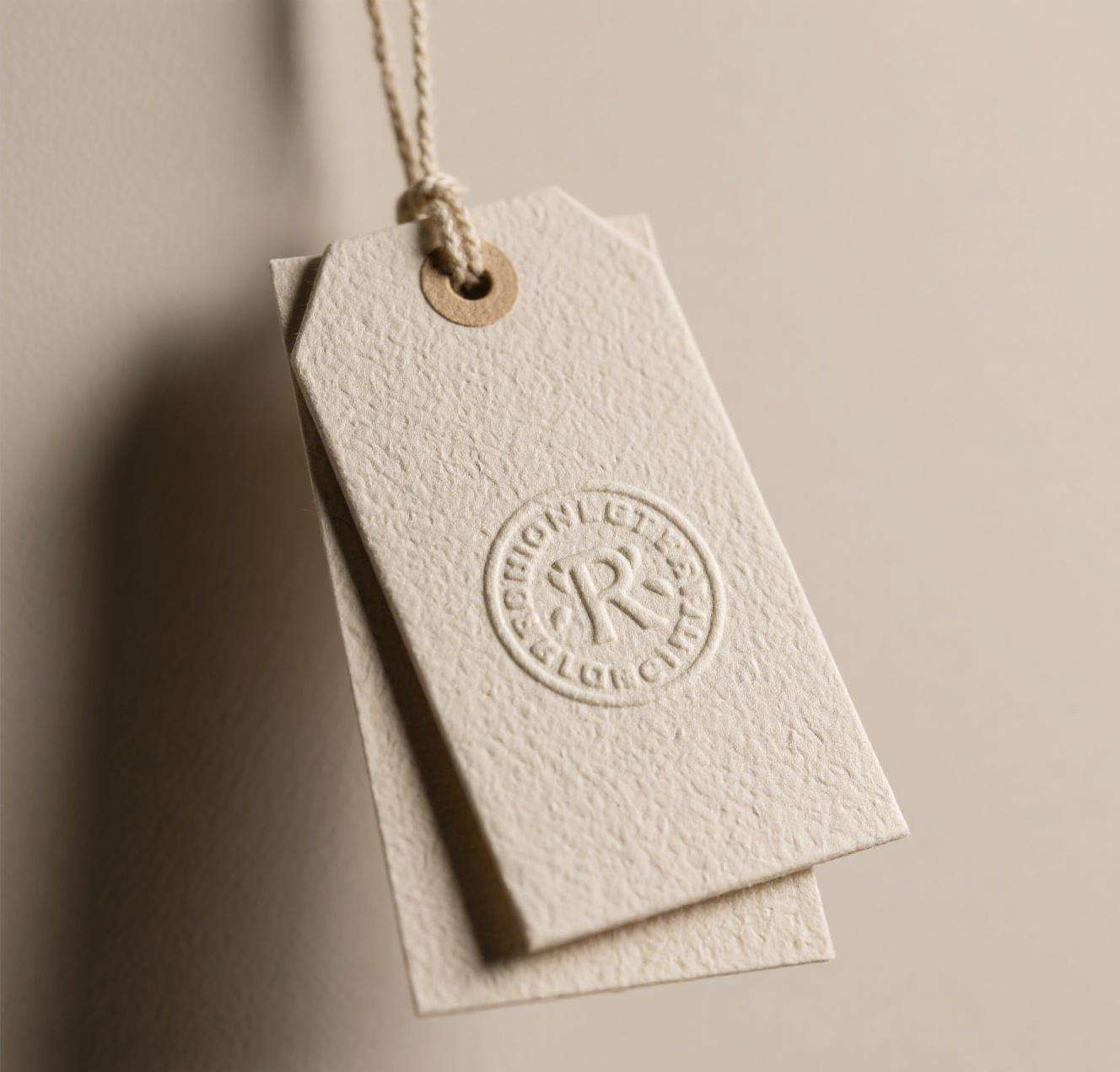
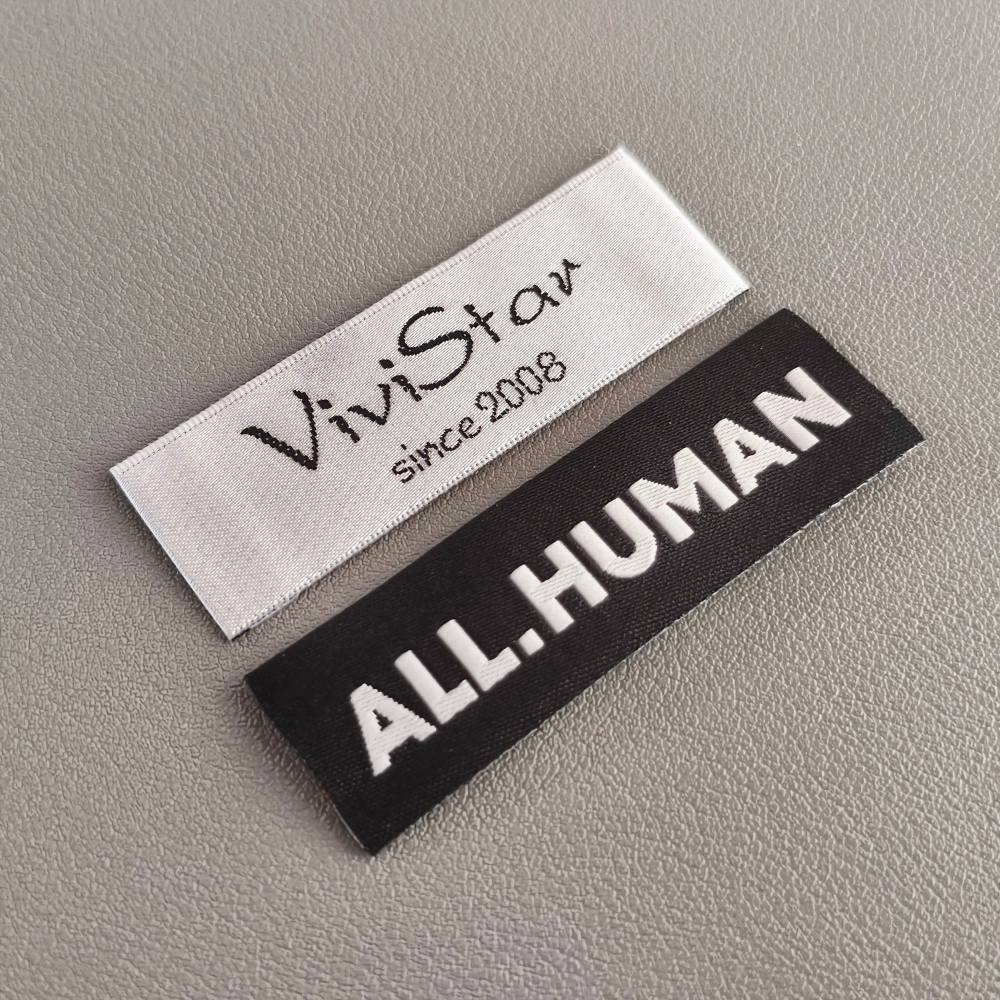
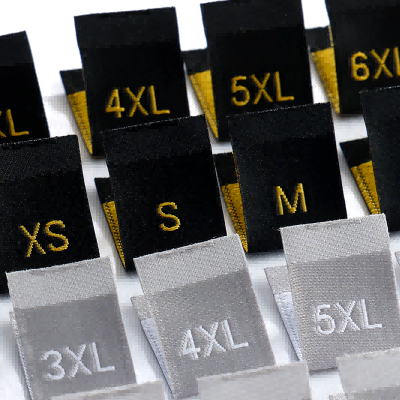
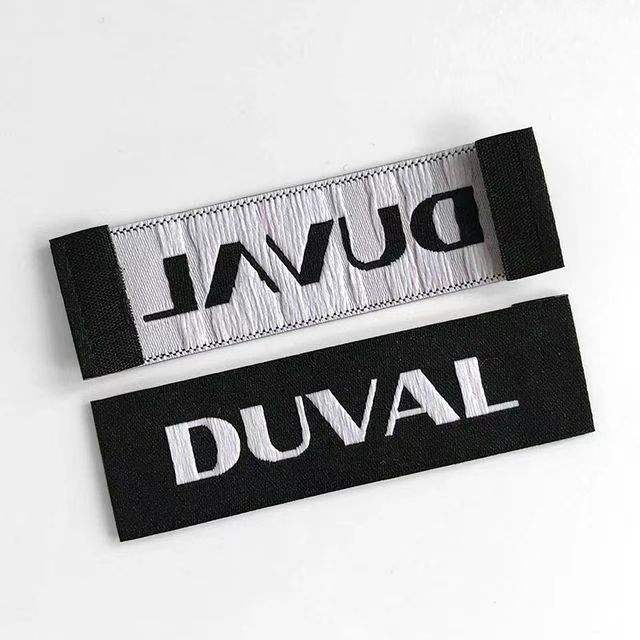
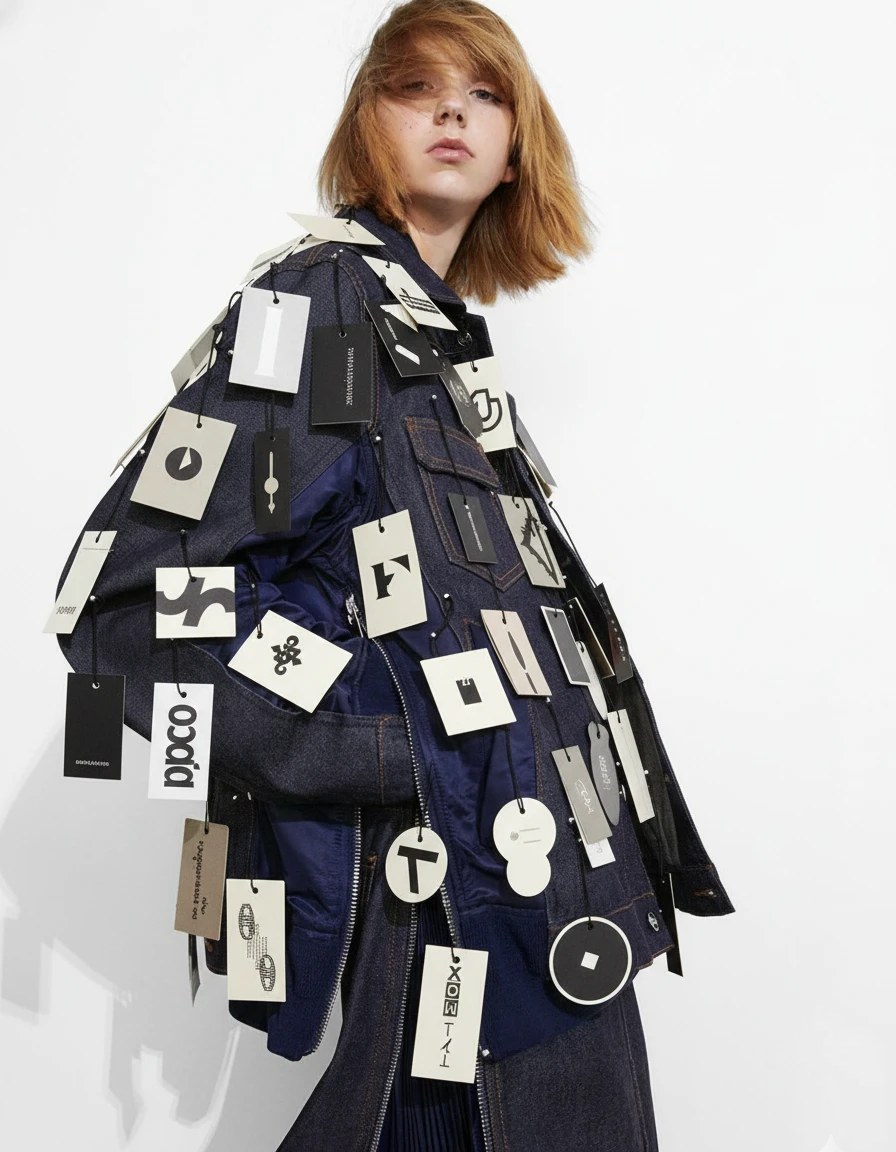
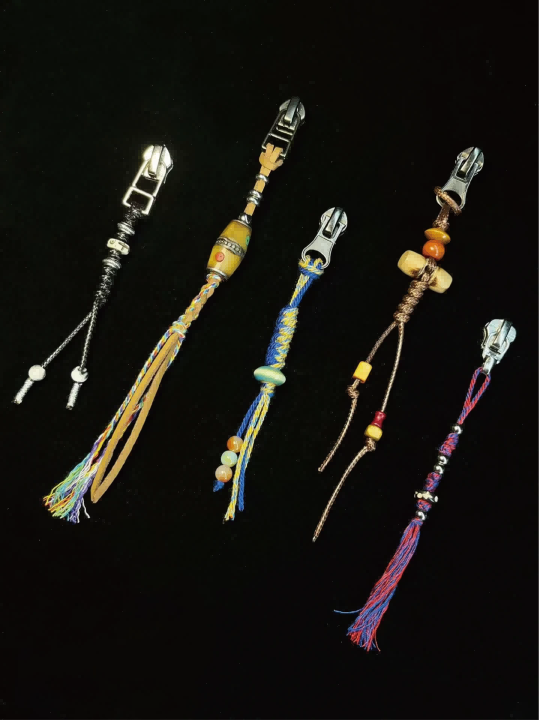
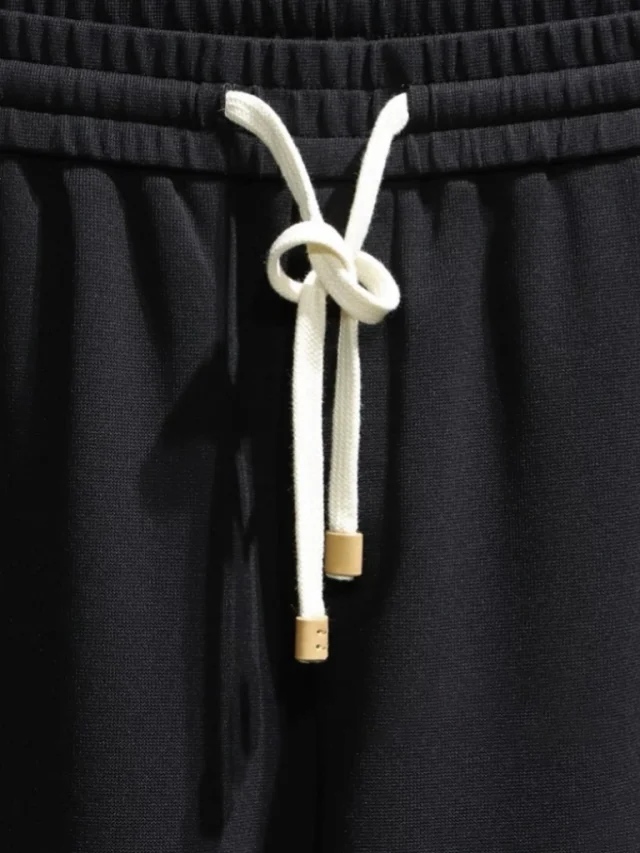
Woven labels, printed labels, silicone labels, and rubber patches reinforce brand identity with MOQs as low as 50–200 pieces per design. Custom hang tags, tissue paper, polybags, and branded packaging create premium unboxing experiences for direct-to-consumer brands.nnMain labels and care labels require compliance with regional regulations (FTC in the US, CE in EU). ZORWILD provides full trims customization including metal logos, custom zippers, snap buttons, and branded drawcords to elevate product presentation.
6. Key Quality Indicators in Cut and Sew Garments
Premium cut and sew clothing manufacturers distinguish themselves through measurable construction standards that directly impact durability, fit, and customer satisfaction. Understanding these quality indicators enables buyers to evaluate samples objectively and align factory capabilities with brand positioning.
Stitch Density and Seam Types
Stitch density measured in stitches per inch (SPI) separates premium from budget garments. Premium streetwear typically uses 12–14 SPI for main seams, while budget production may use 8–10 SPI, reducing tear strength and wash durability.nnSeam construction defines garment longevity. Double-needle stitching on hems and sleeve cuffs prevents unraveling, flatlock seams eliminate bulk in activewear, and overlock (serged) seams provide stretch in knit garments. ZORWILD applies appropriate seam types based on fabric weight, garment category, and brand positioning to ensure construction matches design intent.
Pattern Grading and Fit Consistency
Accurate pattern grading ensures consistent fit across size runs. Professional cut and sew clothing manufacturers maintain grade rules with ±2 mm tolerance between sizes, preserving silhouette proportions from XS to XXL.nnPoor grading results in fit complaints, high return rates, and brand damage. ZORWILD’s pattern development team verifies grade rules during sampling, tests fit on multiple body types, and adjusts measurements before bulk production to maintain size consistency across production batches.
Fabric Pre-Treatment and Colorfast Testing
Fabric pre-shrinking prevents dimensional changes after customer washing. Quality manufacturers pre-shrink knit fabrics through compacting or sanforizing, reducing residual shrinkage to under 3% per AATCC standards.nnColorfast testing ensures dye stability through wash cycles and sunlight exposure. ZORWILD conducts wash testing on garment-dyed products, pigment-dyed vintage wash items, and printed graphics to verify color retention meets brand standards before bulk production approval.
Finishing Details and Reinforcement
Bar-tack reinforcement at stress points—pocket corners, zipper ends, and waistband junctions—prevents seam failure. Premium garments feature 20–30 stitch bar-tacks with high-tenacity thread.nnHem consistency, label placement accuracy, and thread tension uniformity reflect factory discipline. ZORWILD’s quality control system inspects stitch regularity, thread trimming, and pressing quality at multiple production stages, ensuring finished garments meet professional retail standards.
7. How to Choose the Right Cut and Sew Clothing Manufacturer
Selecting the right cut and sew clothing manufacturer determines product quality, lead times, and brand reputation. A systematic evaluation framework reduces risk and ensures long-term partnership success.
Verify MOQ and Production Capacity
Startup brands typically need 50–500 pieces per style, while established labels order 1,000+ units. Confirm the factory’s minimum order quantity aligns with your budget and inventory strategy.nnManufacturers with monthly capacity exceeding 100,000 units can scale with your brand growth. Ask for production timelines, peak-season lead times, and flexibility for repeat orders.
Review Portfolio and Category Specialization
Examine past work in your product category — hoodie specialists may lack expertise in tailored jackets or technical activewear. Request photos showing construction details, wash effects, embroidery quality, and print durability.nnFactories serving 2,000+ brands across multiple markets demonstrate versatility and reliability. Verify they handle your required decoration techniques, fabric types, and finishing processes.
Assess Communication and Sampling Process
Professional manufacturers provide clear quotations, tech pack feedback, and 7–14 day sampling turnaround. Evaluate responsiveness, English proficiency, and willingness to explain production constraints.nnRequest pre-production samples to verify fit, fabric hand feel, color accuracy, and decoration quality. Transparent factories welcome revisions and document all specification changes in writing.
Check Certifications and Red Flags
WRAP, BSCI, and OEKO-TEX certifications confirm ethical labor practices and chemical safety. Request client references and verify export experience to your target market.nnAvoid factories refusing samples, offering vague pricing, lacking transparency on lead times, or showing poor communication. Payment terms should include deposit (30–50%) and balance before shipment, never 100% upfront.
8. Common Mistakes When Sourcing Cut and Sew Clothing Manufacturers
Sourcing cut and sew clothing manufacturers requires avoiding critical pitfalls that derail production timelines, inflate costs, and damage brand reputation. Many startups and small brands make preventable mistakes during manufacturer selection and onboarding that compromise quality, delivery, and profitability.
Choosing Manufacturers on Price Alone
Selecting the lowest-cost factory often leads to compromised fabric quality, inconsistent stitching, poor wash durability, and missed delivery deadlines. A $3 hoodie quote may use 180 GSM fleece instead of the 320 GSM standard, resulting in thin, transparent garments that damage brand credibility.nnZORWILD balances competitive pricing with strict quality control, fabric inspection, and in-line production checks to ensure every unit meets brand standards. Evaluate manufacturers on quality systems, communication responsiveness, sampling accuracy, and production capacity — not price alone.
Skipping Sample Approval Steps
Proceeding to bulk production without approving pre-production samples risks receiving 5,000 units with incorrect measurements, wrong fabric weight, misaligned prints, or poor wash effects. Sample approval confirms fit, fabric hand feel, color accuracy, decoration quality, and construction details before mass cutting.nnRequest fit samples, fabric swatch approvals, wash test samples, and pre-production samples with all final trims and labels. ZORWILD provides detailed sampling workflows including tech pack review, fabric submission, fit sample revision, and final pre-production approval to eliminate costly production errors.
Underestimating Lead Times and Fabric Shrinkage
Brands frequently misjudge production timelines, forgetting fabric sourcing (7–14 days), sampling (5–10 days), bulk production (20–35 days), washing and finishing (3–7 days), and international shipping (15–30 days by sea). Ignoring fabric shrinkage rates — typically 3–5% for cotton jersey and 5–8% for fleece — results in garments that fit poorly after the first wash.nnWork with manufacturers who pre-shrink fabrics, conduct wash tests, and provide realistic lead time estimates. ZORWILD performs fabric relaxation, test washes, and measurement adjustments to account for shrinkage across cotton, bamboo, and blended fabrics.
9. Steps to Launch Your Brand with Cut and Sew Manufacturers
Launching a brand with cut and sew clothing manufacturers follows a structured process from concept to delivery. ZORWILD’s 27 years of experience serving over 2,000 brands reveals a typical timeline of 4–8 weeks from first contact to finished goods, depending on complexity and iteration cycles.
Concept and Tech Pack Development
Provide tech packs, sketches, reference garments, or inspiration photos to your manufacturer. ZORWILD’s development team converts design ideas into production-ready specifications including measurements, fabric callouts, construction details, and decoration placement.nnStartup brands without tech packs can share reference samples or detailed descriptions; experienced manufacturers translate concepts into technical documents. This phase typically requires 2–3 days for initial review and feasibility assessment.
Requesting Quotes and Sampling
Submit fabric preferences, decoration techniques, MOQ requirements, and budget range to receive accurate quotations. ZORWILD provides sampling services starting from 50 pieces, allowing evaluation of fit, fabric quality, wash effects, printing quality, and construction before bulk production.nnExpect 7–10 days for initial samples. The iterative sampling process often requires 2–3 rounds of fit adjustments, measurement corrections, and decoration refinements. Budget 14–21 days total for perfecting samples before production approval.
Production, QC, and Logistics
Bulk production begins after sample approval and deposit payment. ZORWILD’s quality control system inspects raw materials, in-line production, measurements, decoration quality, and final packaging.nnProduction timelines range from 15–25 days for orders of 500–5,000 units depending on product complexity and decoration requirements. Add 5–7 days for sea freight documentation or 3–5 days for air express. Total timeline from order confirmation to delivery averages 25–35 days for standard collections.
10. Pricing and Cost Breakdown for Cut and Sew Production
Cut and sew clothing manufacturers typically price garments across four main cost drivers: fabric (30–45% of unit cost), labor and assembly (25–35%), decoration and finishing (10–25%), and logistics and overhead (10–15%). ZORWILD’s 27-year manufacturing experience in Humen, Dongguan enables competitive pricing through direct fabric sourcing, in-house decoration capabilities, and optimized production workflows that reduce lead times and per-unit costs.nnEconomies of scale apply at every quantity tier. A 50-piece hoodie order may cost $18–22 per unit due to setup, pattern grading, and sampling costs distributed over fewer units, while a 1,000-piece run drops to $9–12 per unit as fixed costs amortize and bulk fabric pricing activates. Sampling fees range from $50–150 per style depending on garment complexity, decoration count, and fabric type; fees are often credited back when orders exceed 200 pieces.nnLead times compress with volume and repeat orders. Initial samples require 7–10 days for tech pack review, fabric sourcing, and first prototypes. Bulk production spans 15–25 days for basic categories like T-shirts, 20–30 days for hoodies and sweatshirts with multiple decoration methods, and 30–45 days for technical jackets with quilting, waterproof coatings, and multi-layer construction. Air freight adds 5–7 days and $3–6 per unit; sea freight requires 25–35 days but reduces shipping cost to $0.80–1.50 per garment for consolidated orders.
| Garment Type | 50 pcs | 500 pcs | 1000 pcs | Lead Time |
|---|---|---|---|---|
| Basic T-Shirt | $8–12 | $5–7 | $4–6 | 15–20 days |
| Custom Hoodie | $18–22 | $12–15 | $9–12 | 20–30 days |
| Technical Jacket | $35–50 | $22–30 | $18–25 | 30–45 days |
Ready to Start Your Cut and Sew Production?
Get a free quote in 24 hours. No commitment required. 50-piece MOQ, 7-day samples, and 27 years of trusted manufacturing expertise.