
Discharge Print: Soft, Breathable Graphics on Dark Apparel
ZORWILD delivers discharge print that removes dye instead of layering ink—achieving unmatched softness, breathability, and durability for premium streetwear and vintage-wash collections. Start at just 50 pieces with 27 years of manufacturing expertise.
Discharge Print Sample Gallery
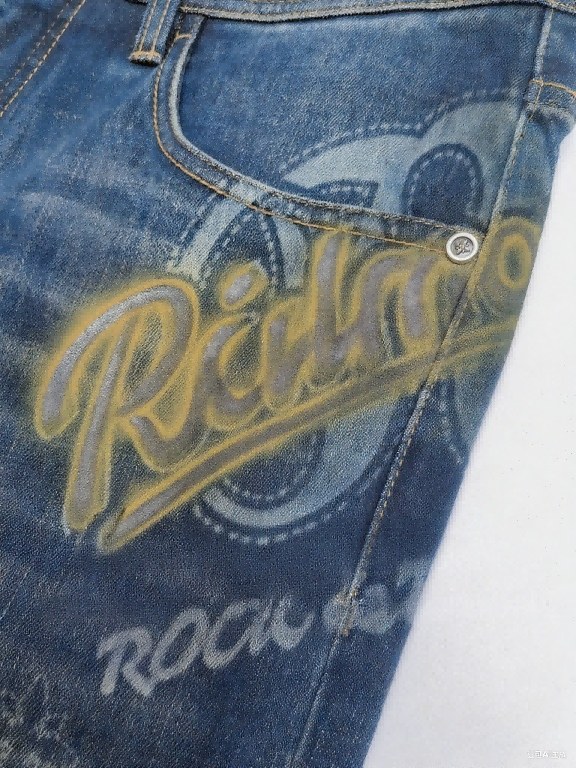
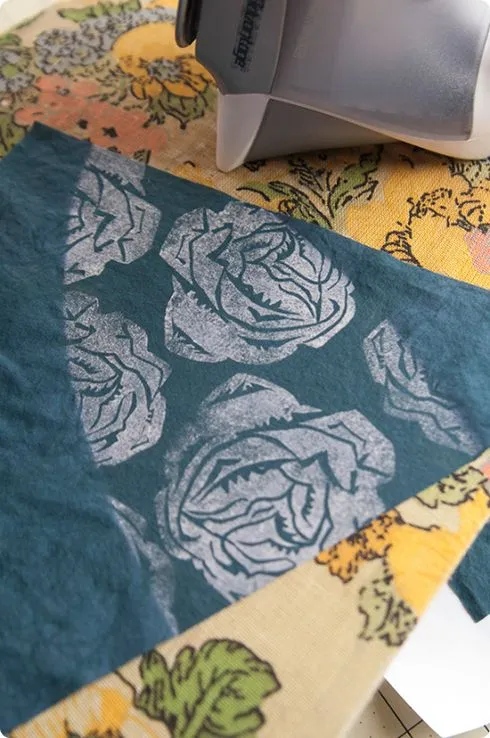
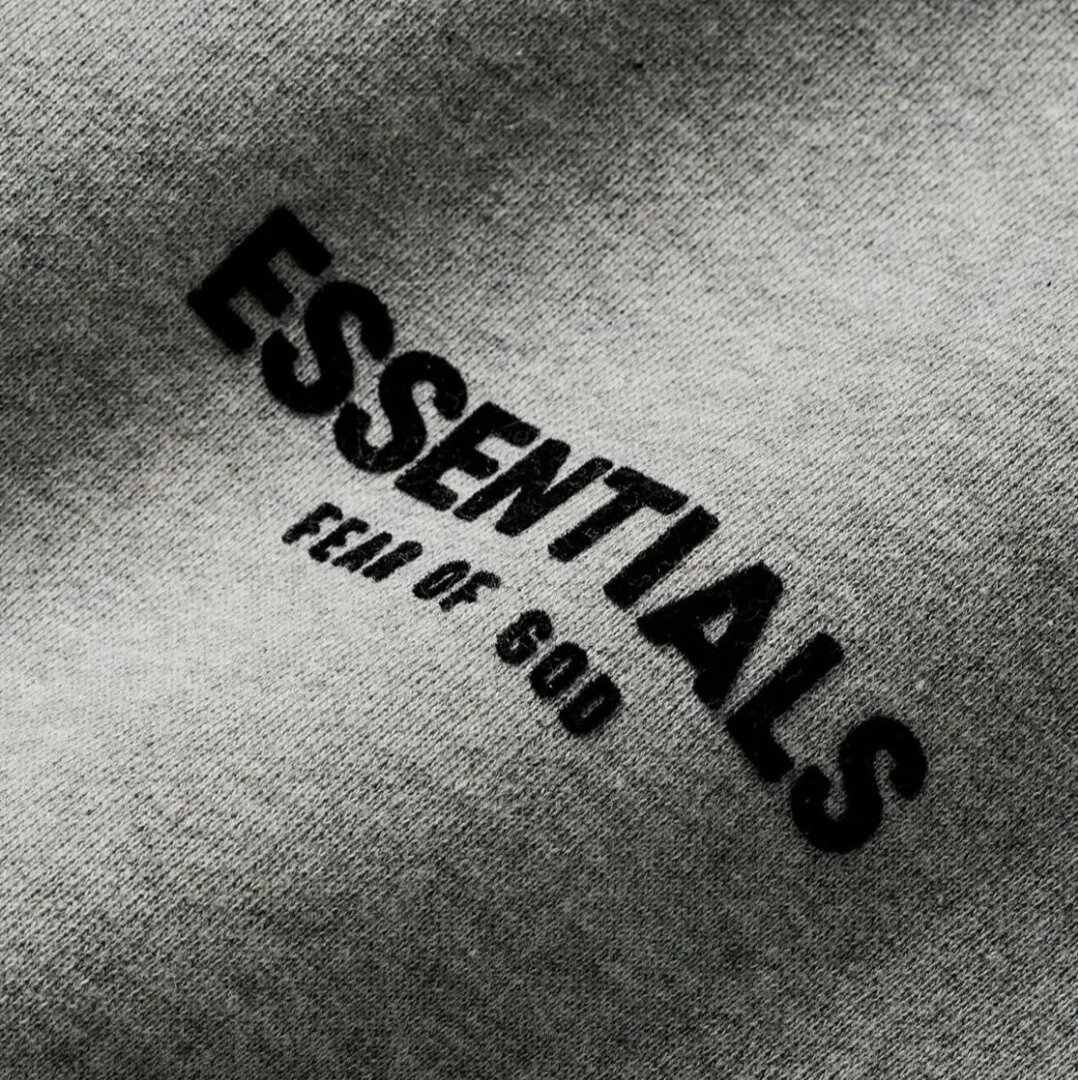
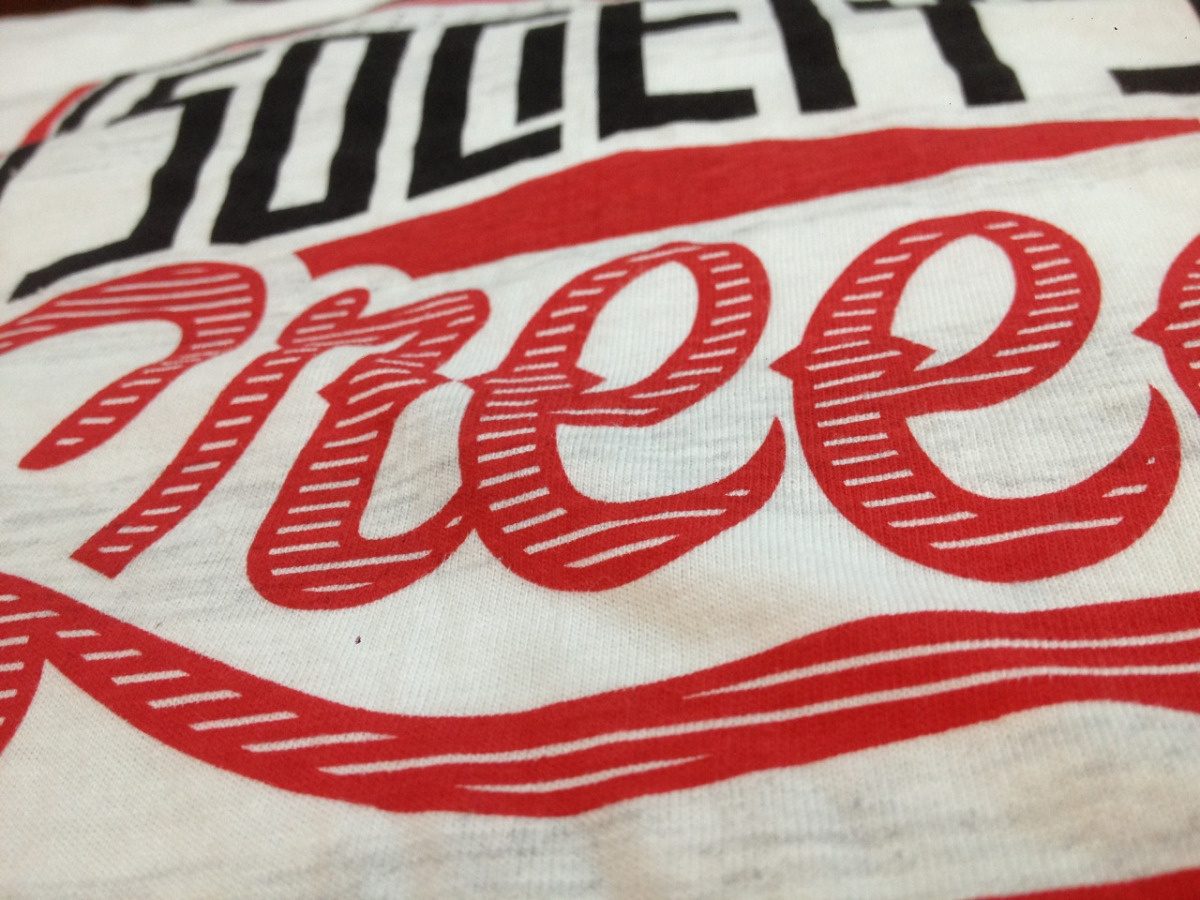
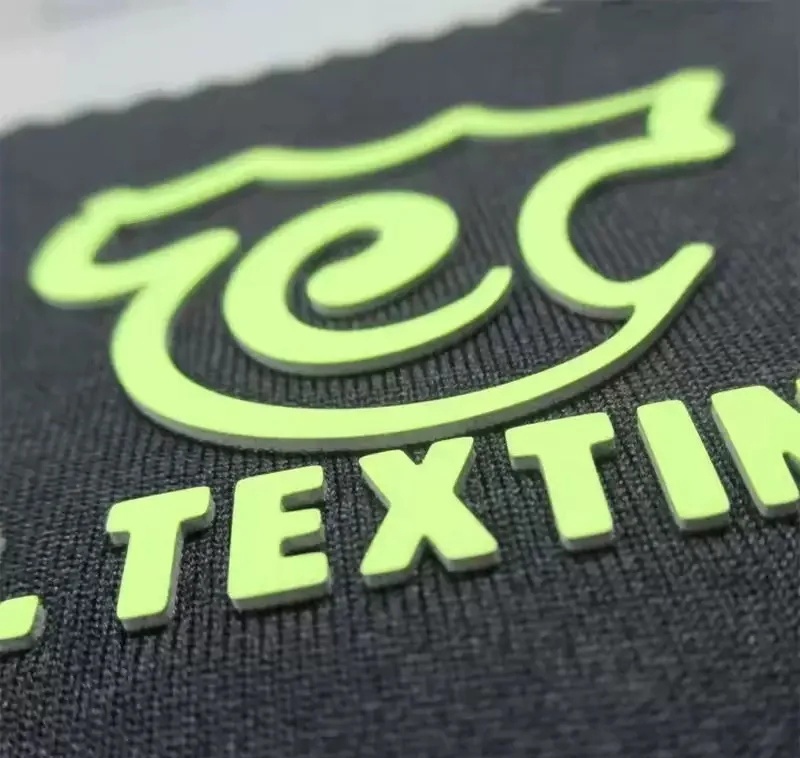
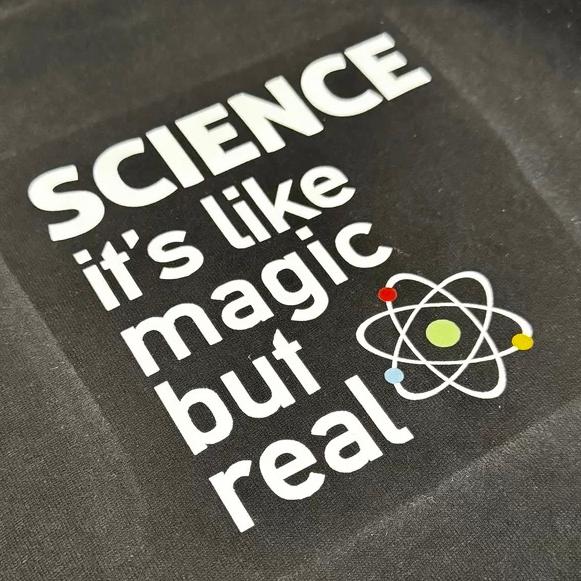
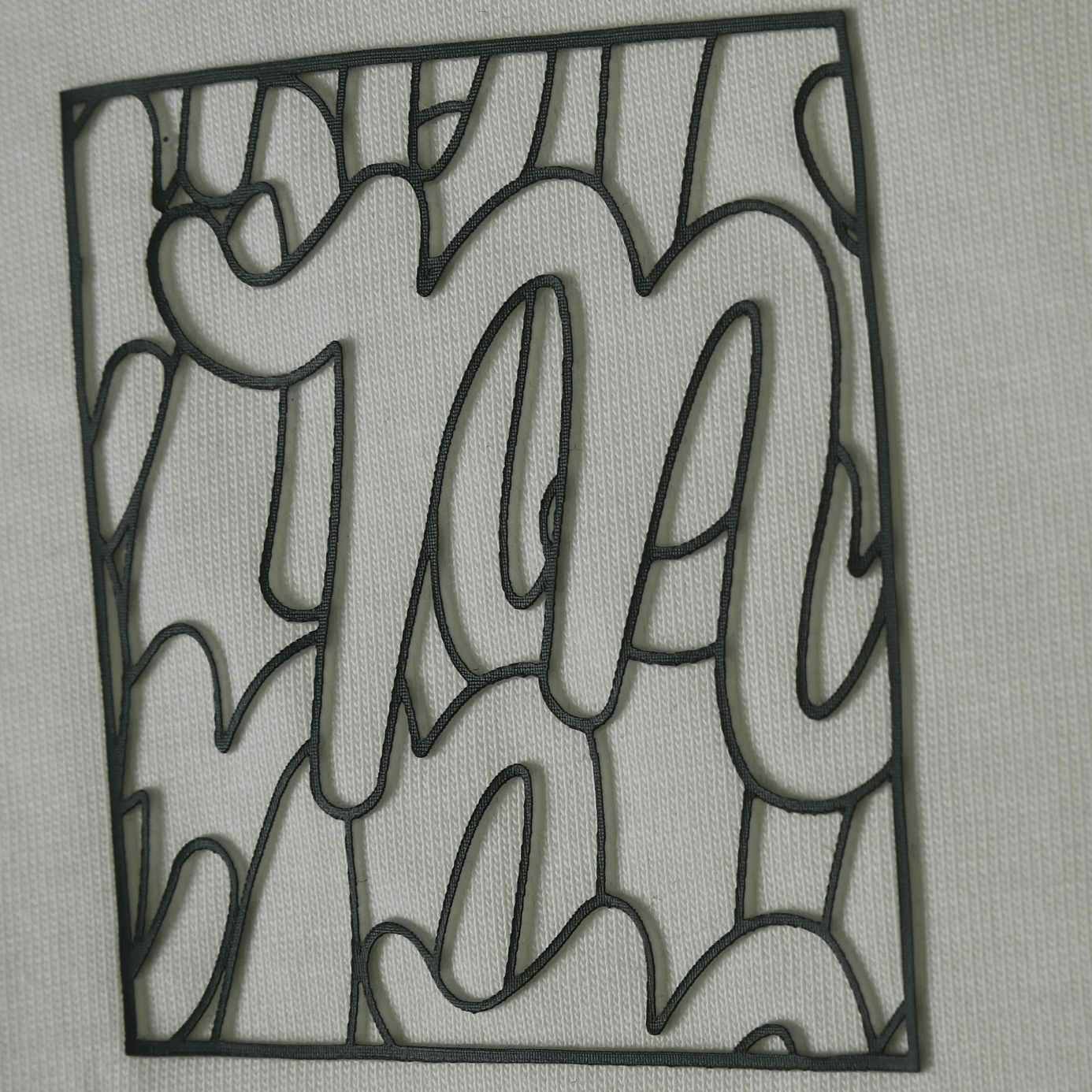
What Makes Discharge Print Distinctive
Discharge print removes existing dye from fabric and replaces it with soft, breathable color—delivering premium hand feel and natural appearance that sets your brand apart from standard screen printing.
Ultra-Soft Hand Feel
Discharge print removes fabric dye rather than layering ink, creating a soft-to-the-touch finish with no raised texture or stiffness.
Breathable u0026 Lightweight Graphics
Unlike plastisol, discharge print maintains fabric breathability and drape, ideal for premium streetwear, athletic apparel, and summer collections.
Natural Vintage Color Appearance
Discharge printing produces matte, organic color tones that integrate seamlessly into dark and colored cotton fabrics for authentic vintage aesthetics.
Exceptional Wash Durability
Because discharge print chemically bonds with fabric fibers, graphics resist cracking, peeling, and fading through repeated washing and heavy wear.
Perfect for Dark Fabrics
Discharge print excels on black, navy, charcoal, and deep-colored cotton garments where water-based printing alone cannot achieve vibrant results.
Low MOQ from 50 Pieces
ZORWILD offers discharge print production starting at just 50 pieces, enabling startup brands, influencers, and small wholesalers to test premium graphics affordably without inventory risk.
Screen Printing Techniques u0026 Product Applications
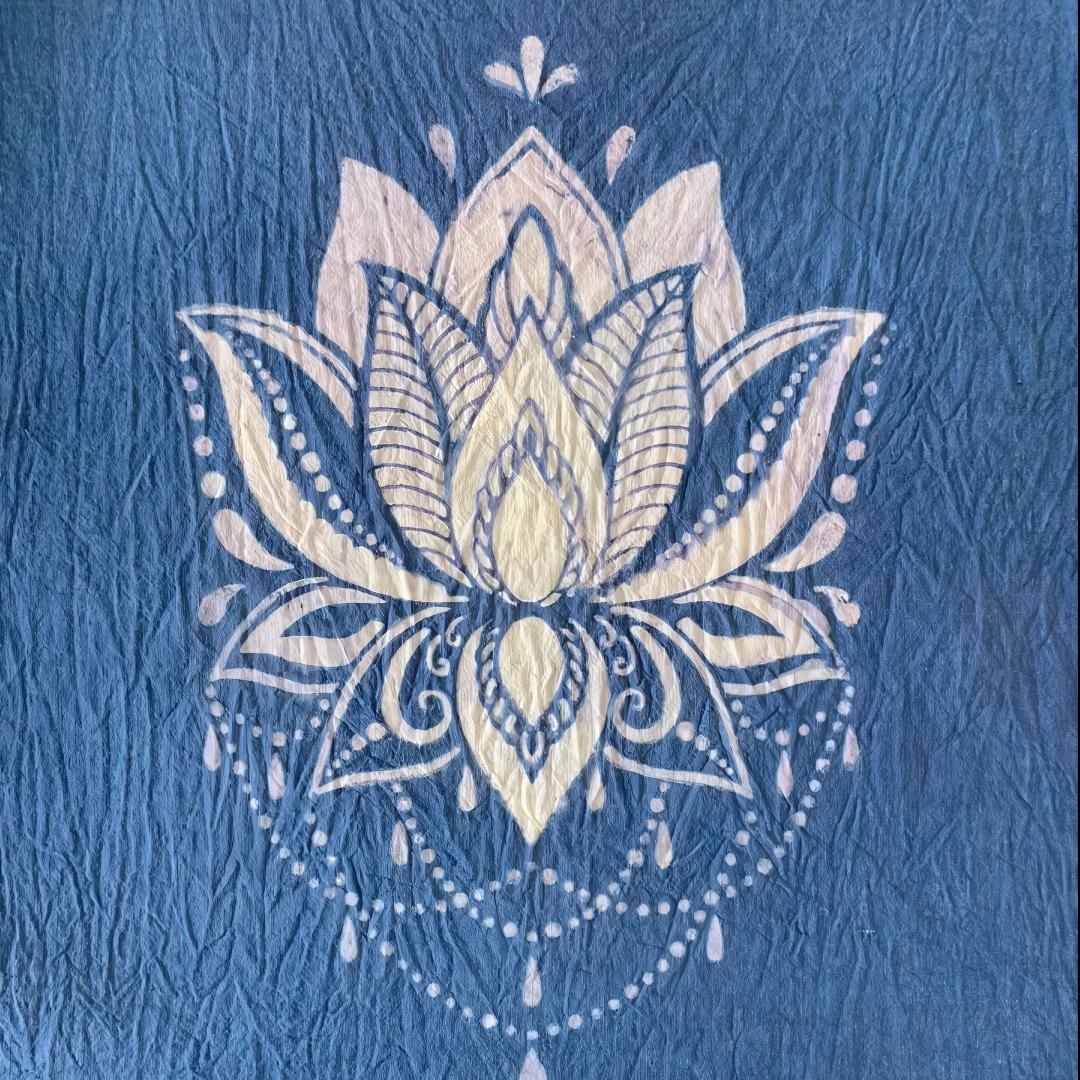
Custom Screen Printing
Traditional screen printing delivers high durability, vibrant color saturation, and excellent wash resistance across cotton, polyester, and blended fabrics. ZORWILD’s in-house screen printing supports single-color logos, multi-color graphics, and large-scale production runs with precise registration and consistent ink coverage for custom hoodies, custom t-shirts, and branded apparel collections.
Get a Quote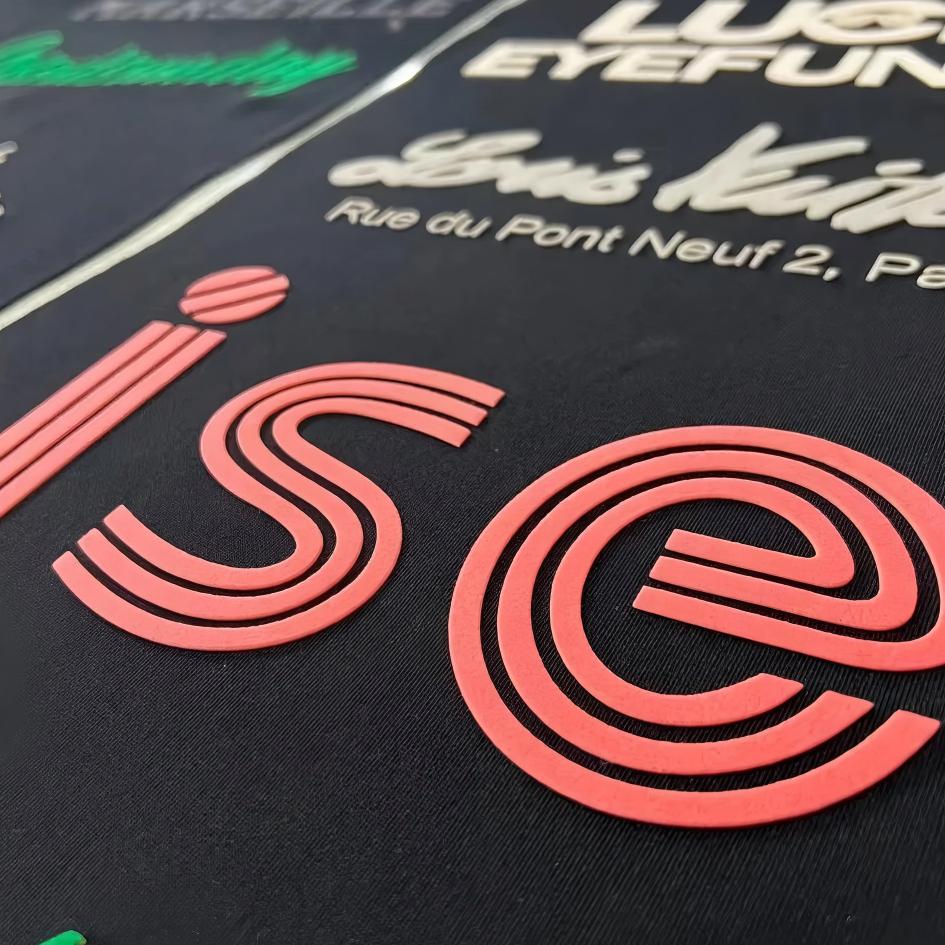
Puff Printing
Puff printing creates raised, three-dimensional graphics that add texture and visual depth to hoodies, T-shirts, and sweatshirts. Our puff print process uses specialized expanding inks that rise during heat curing, delivering bold streetwear aesthetics popular in fashion brands, influencer merch, and custom logo applications with lasting dimensional effect.
Get a Quote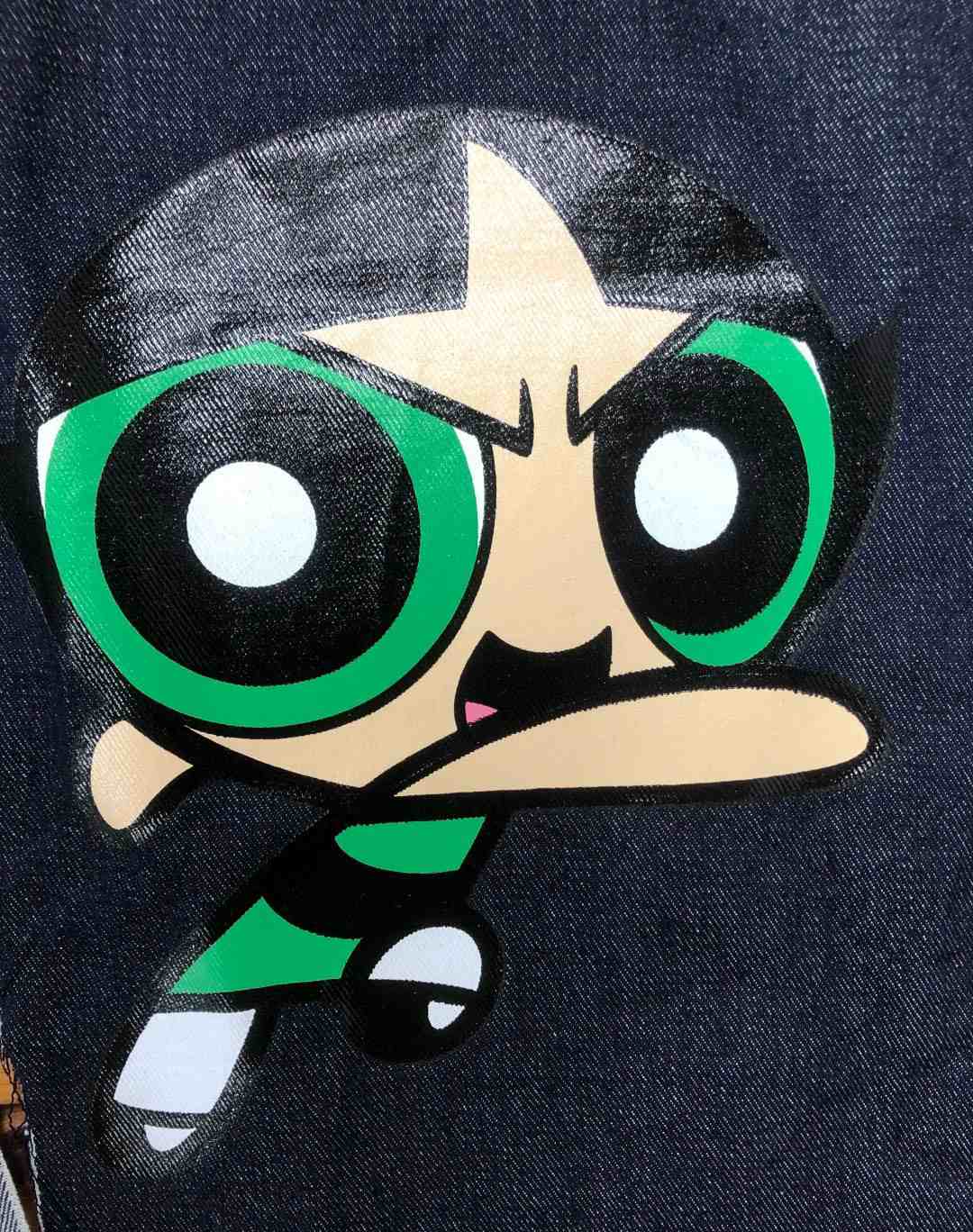
Plastisol Printing
Plastisol screen printing uses thick, opaque PVC-based inks that sit on fabric surfaces, providing excellent opacity on dark garments, bright color vibrancy, and cost-effective production for medium to large runs. Ideal for graphic tees, team uniforms, promotional apparel, and wholesale collections requiring durable prints with sharp detail and consistent color matching.
Get a Quote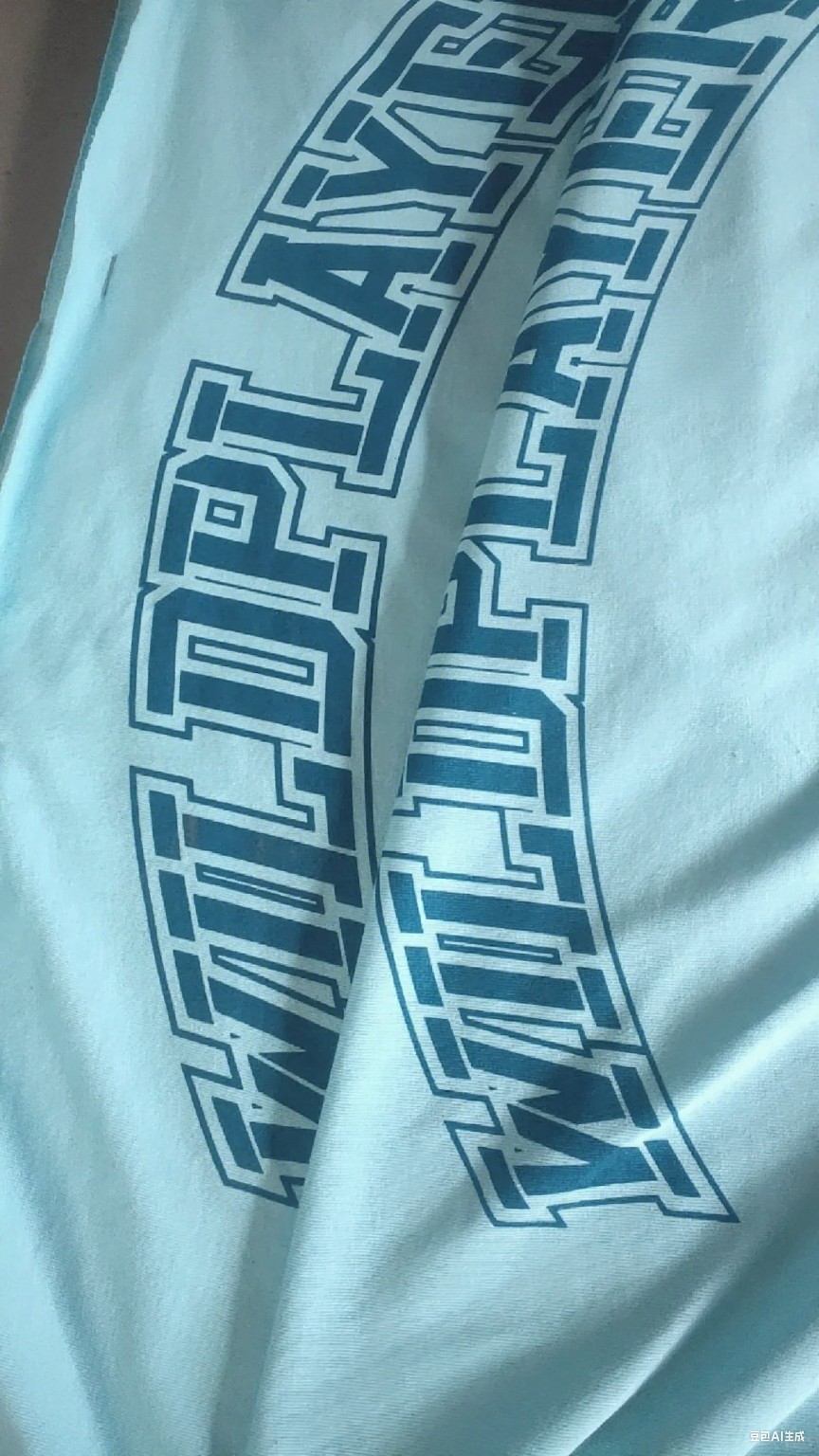
Water-Based Printing
Water-based screen printing penetrates fabric fibers for a soft hand feel, breathable finish, and vintage aesthetic without heavy ink buildup. ZORWILD applies water-based inks on premium T-shirts, lightweight hoodies, and organic cotton garments for eco-conscious brands seeking sustainable decoration methods with excellent drape, comfort, and a lived-in texture.
Get a Quote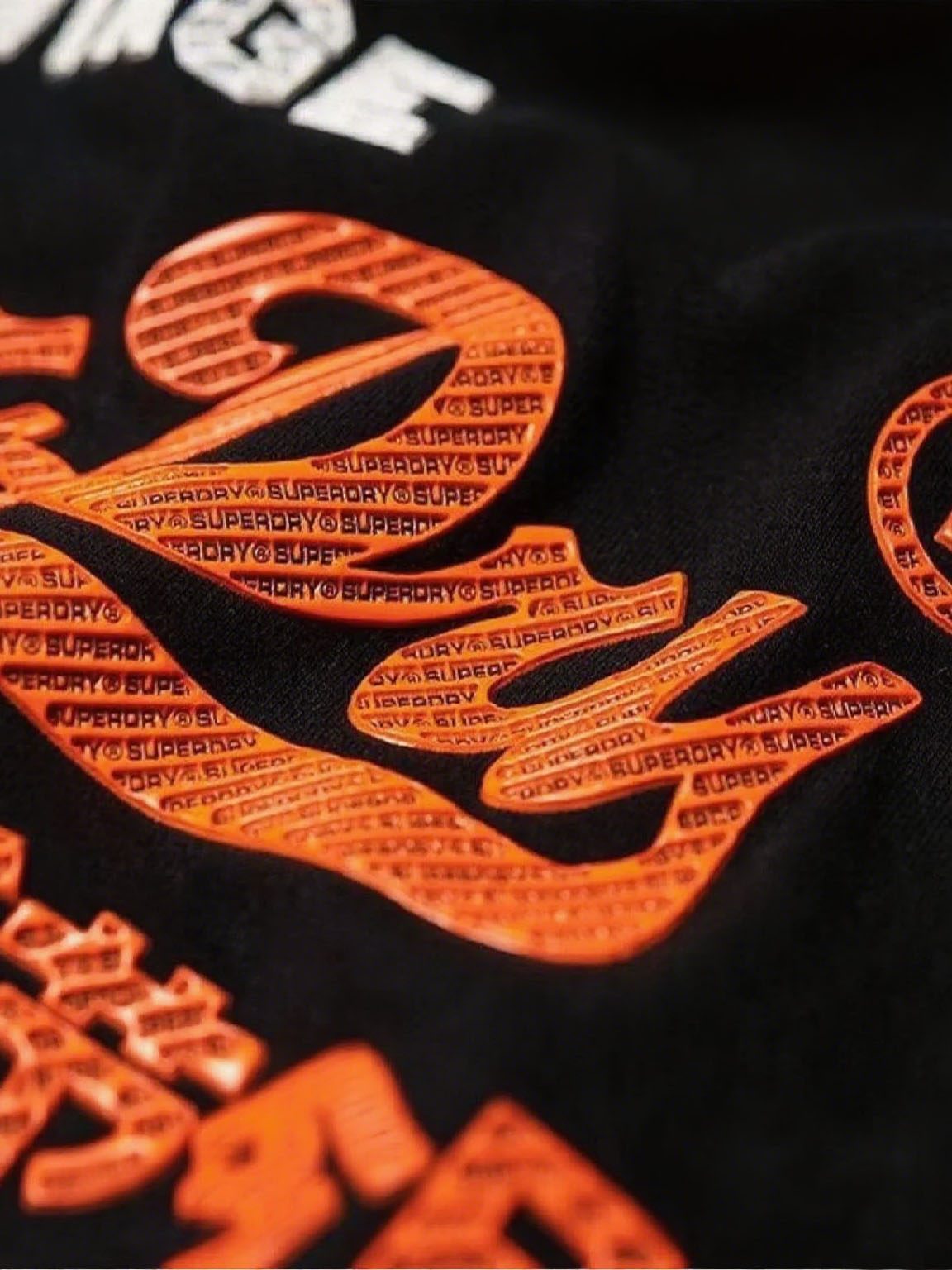
Flocking Printing
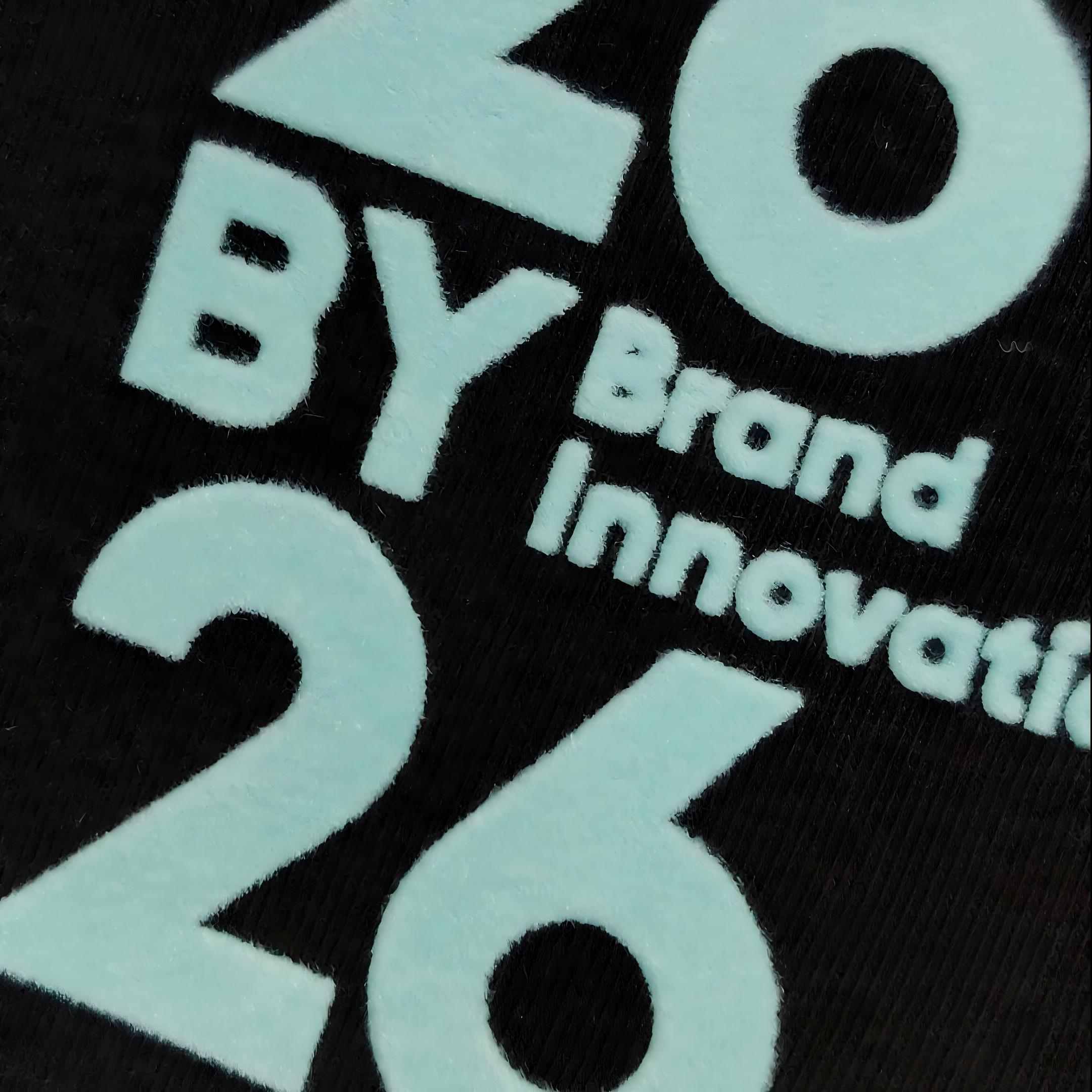
Flock printing applies short textile fibers onto adhesive-coated designs, creating a soft, velvety, suede-like surface texture. This specialized technique adds tactile dimension to logos, lettering, and graphic elements on hoodies, varsity jackets, and fashion apparel, delivering a premium, luxury finish popular in streetwear and high-end casual collections.
Get a Quote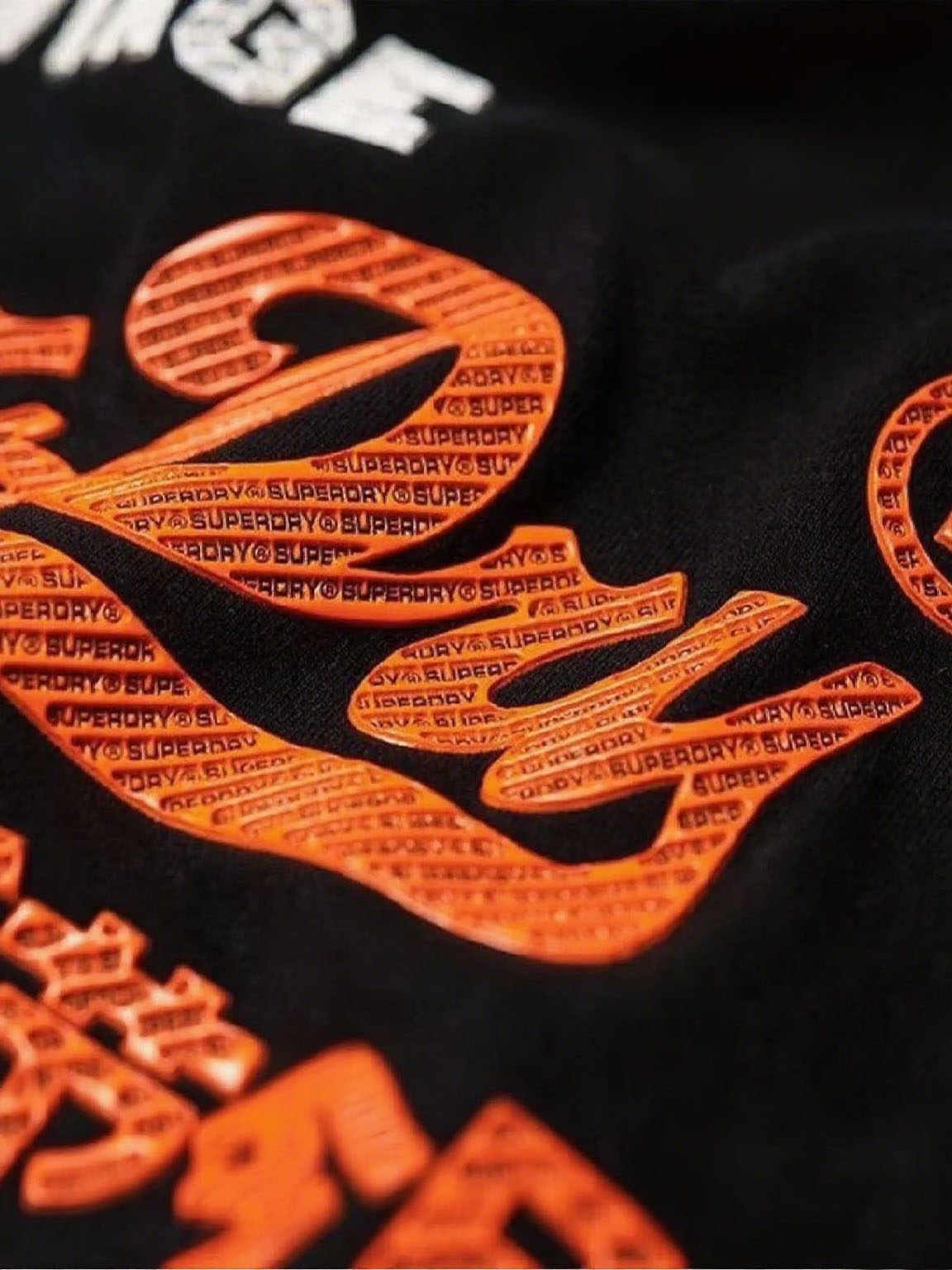
Silicone Printing
Silicone screen printing deposits flexible, raised rubber-like graphics that withstand repeated washing, stretching, and abrasion. Perfect for performance sportswear, activewear branding, technical outerwear, and fashion statements requiring durable, three-dimensional logos with a modern glossy or matte finish that maintains elasticity and shape retention across movement.
Get a Quote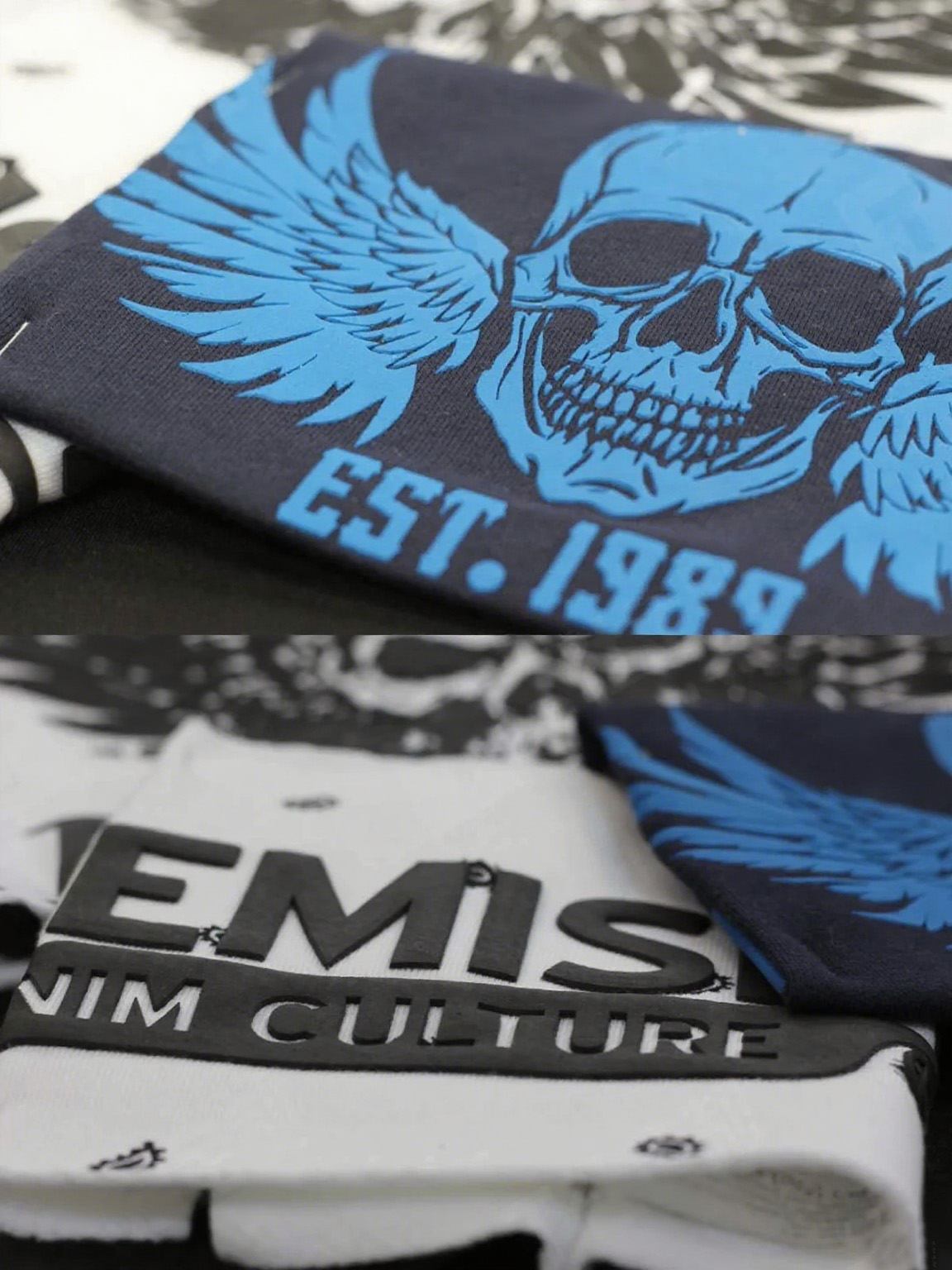
High-Density Printing
High-density screen printing builds thick, sculptural ink layers that create bold, raised graphics with strong visual and tactile impact. This technique is ideal for streetwear hoodies, varsity jackets, and branded apparel requiring standout logos, emblem-style designs, or dimensional lettering that commands attention with premium craftsmanship and durable construction.
Get a Quote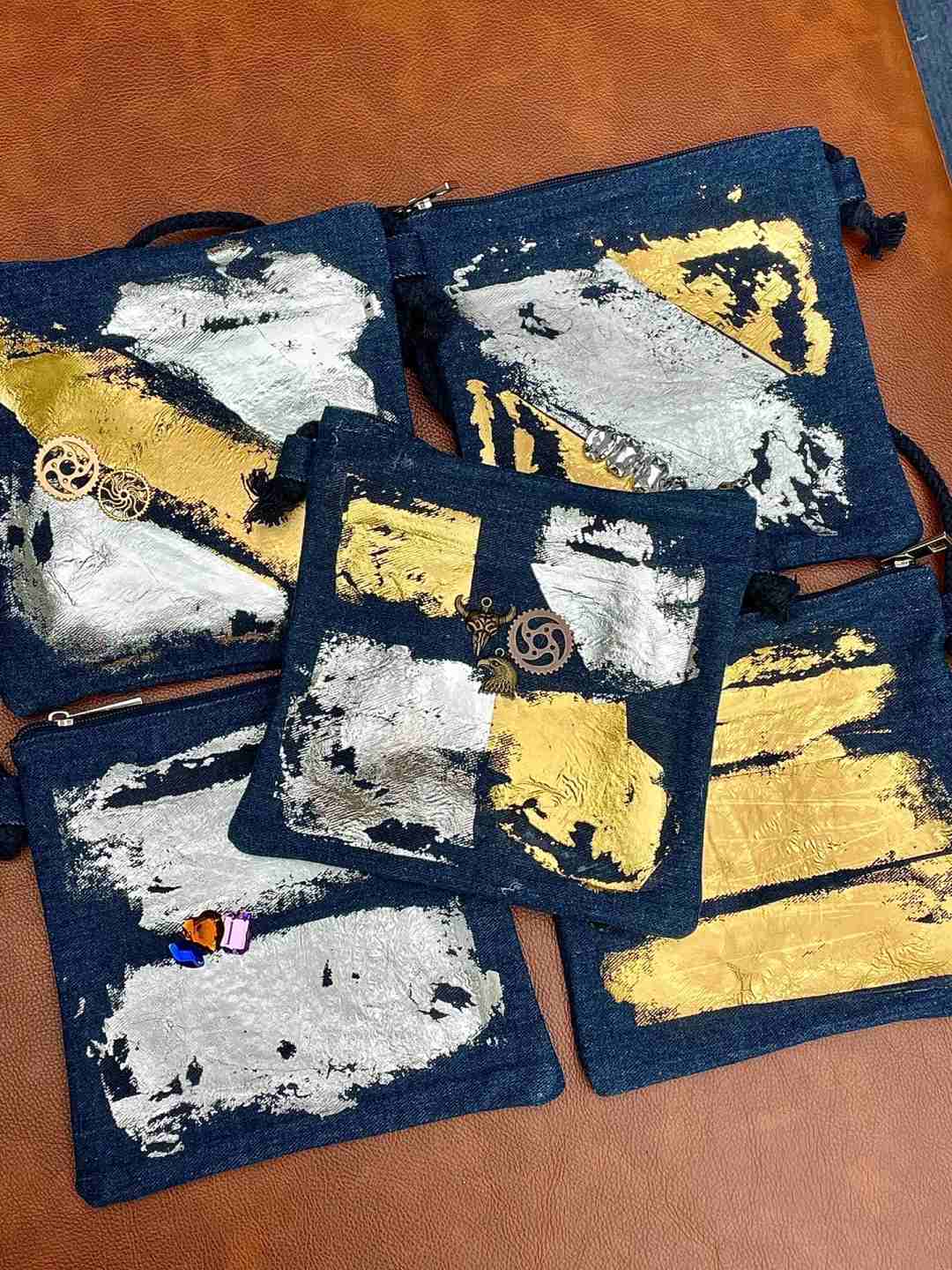
Foil Printing
Foil printing applies metallic or holographic foil layers onto garments using heat-activated adhesive, creating eye-catching reflective finishes in gold, silver, copper, and iridescent colors. ZORWILD’s foil print capabilities enhance T-shirts, hoodies, and fashion apparel with luxury visual effects, premium branding, and standout graphic details for high-end collections and special edition releases.
Get a Quote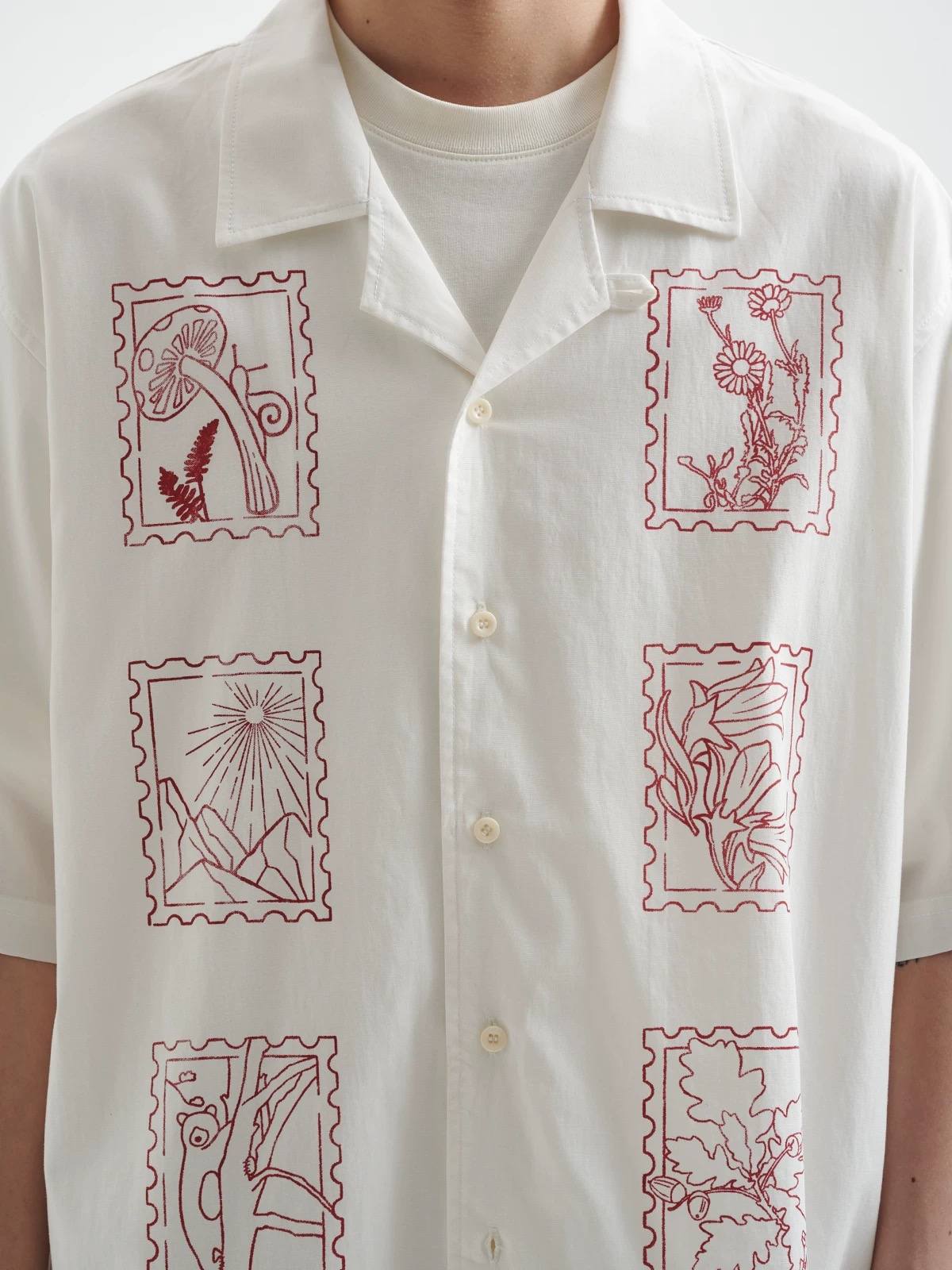
Custom Shirts
ZORWILD manufactures custom shirts including custom hawaiian shirts, custom bowling shirts, resort shirts, oversized shirts, and fashion cut-and-sew styles using cotton poplin, rayon, linen blends, and performance fabrics. Full customization includes screen printing, embroidery, custom labels, unique buttons, contrast panels, and digital printing with MOQ starting at 50 pieces for startup and established brands.
Get a Quote27 Years Discharge Print Expertise
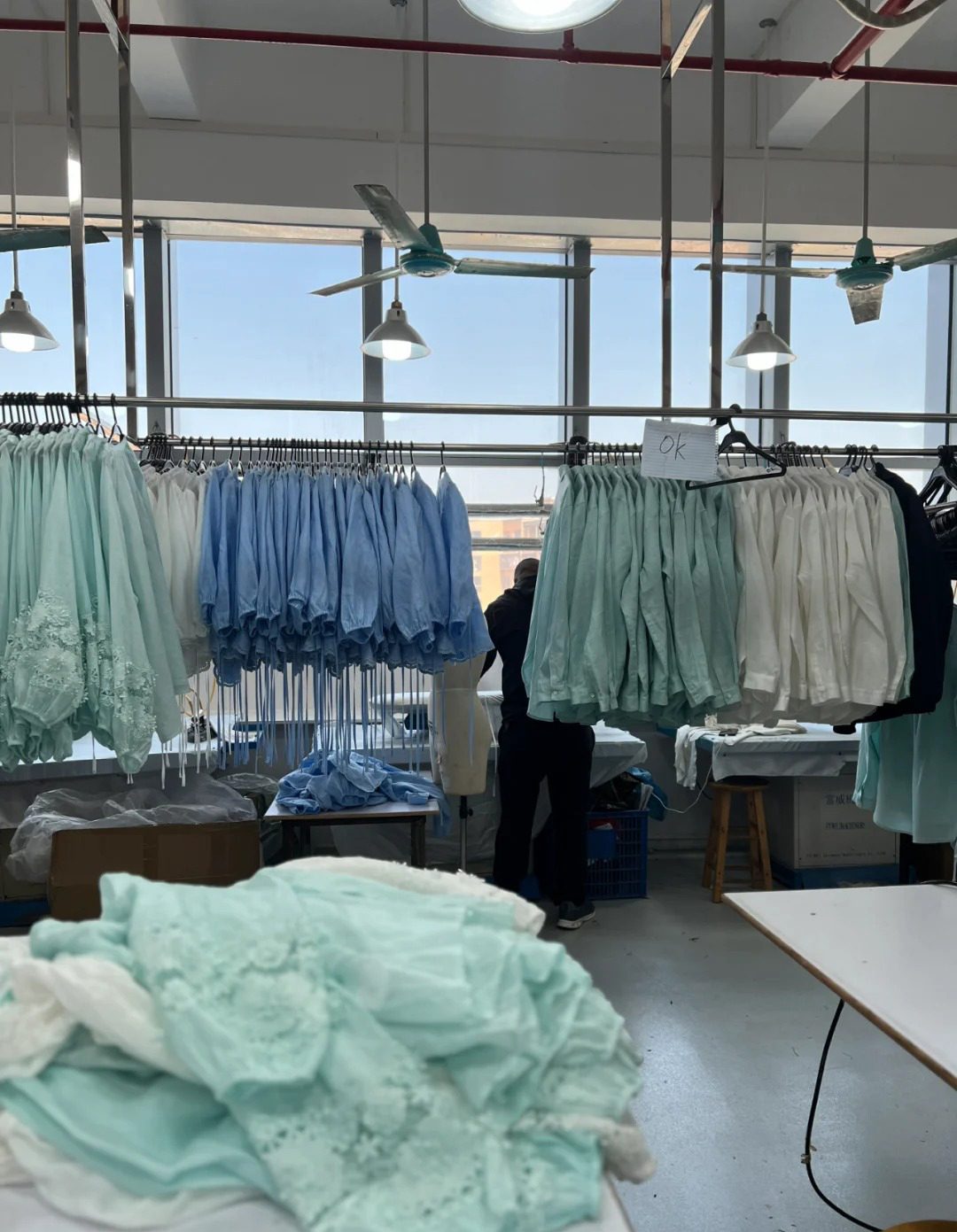
ZORWILD is a professional Chinese clothing manufacturer and custom apparel manufacturer based in Humen, Dongguan, with over 27 years of apparel manufacturing experience. Since 1998, we’ve evolved from a family-operated garment workshop into a modern full-category apparel manufacturer specializing in discharge print, screen printing, and 95% of decoration techniques in-house. Today we serve more than 2,000 clothing brands worldwide.
Our discharge print capability delivers the soft hand feel and breathable graphics that premium streetwear and fashion brands demand on dark garments. With a monthly production capacity exceeding 100,000 units and a rigorous 6-stage quality control system, we support both 50-piece startup collections and large-scale production runs with consistent quality and reliable timelines.
ZORWILD bridges the gap between creative design and scalable production through specialized discharge print services, one-stop manufacturing, and full-stack apparel expertise. From fabric sourcing and sampling to bulk production and global logistics, we provide professional systems that help DTC brands, influencers, wholesalers, and established fashion labels bring discharge print apparel to market with confidence.
Discharge Print Quality Dimensions: Ink Chemistry to Curing
Discharge Ink Formulation and Fabric Pre-Treatment
Professional discharge print begins with precise ink chemistry matched to garment composition. ZORWILD’s 27 years of experience ensures optimal discharge agent concentration, activator ratios, and fabric pre-treatment protocols that remove sizing and finishes blocking dye removal for consistent, vibrant results across every production run.
- Custom discharge ink formulations matched to cotton, tri-blend, and blended fabric compositions
- Pre-treatment washing protocols remove sizing, starches, and chemical barriers before printing
- Zinc-based and formaldehyde-free discharge agents for safe, eco-friendly production standards
- Custom screen printing color-matching systems ensure Pantone accuracy and consistent hue across 50 to 100,000-piece orders
Screen Mesh Selection and Stencil Precision
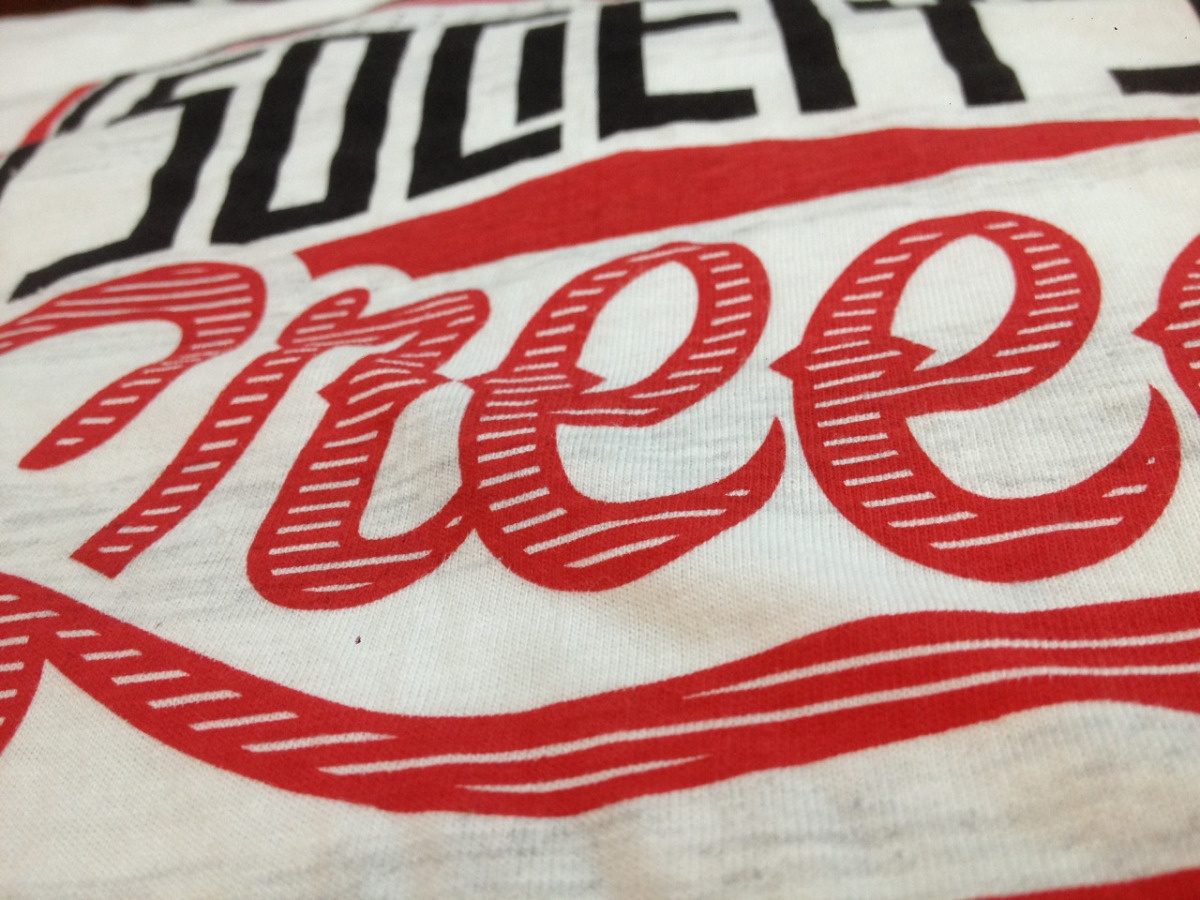
Discharge print quality depends on screen mesh count, tension, and stencil resolution. Our production team selects mesh densities from 110 to 230 threads per inch based on design detail, fabric weight, and desired ink deposit, ensuring sharp edges, fine lines, and smooth gradients without under-coverage or bleed.
- 110-156 mesh for bold graphics and heavy ink deposits on heavyweight cotton and fleece
- 180-230 mesh for fine details, halftones, and photographic discharge print artwork
- Precision emulsion coating and exposure systems maintain stencil edge sharpness and registration accuracy
- Multi-color registration within ±1mm tolerance for complex discharge print designs and overlays
Curing Temperature and Dwell Time Control
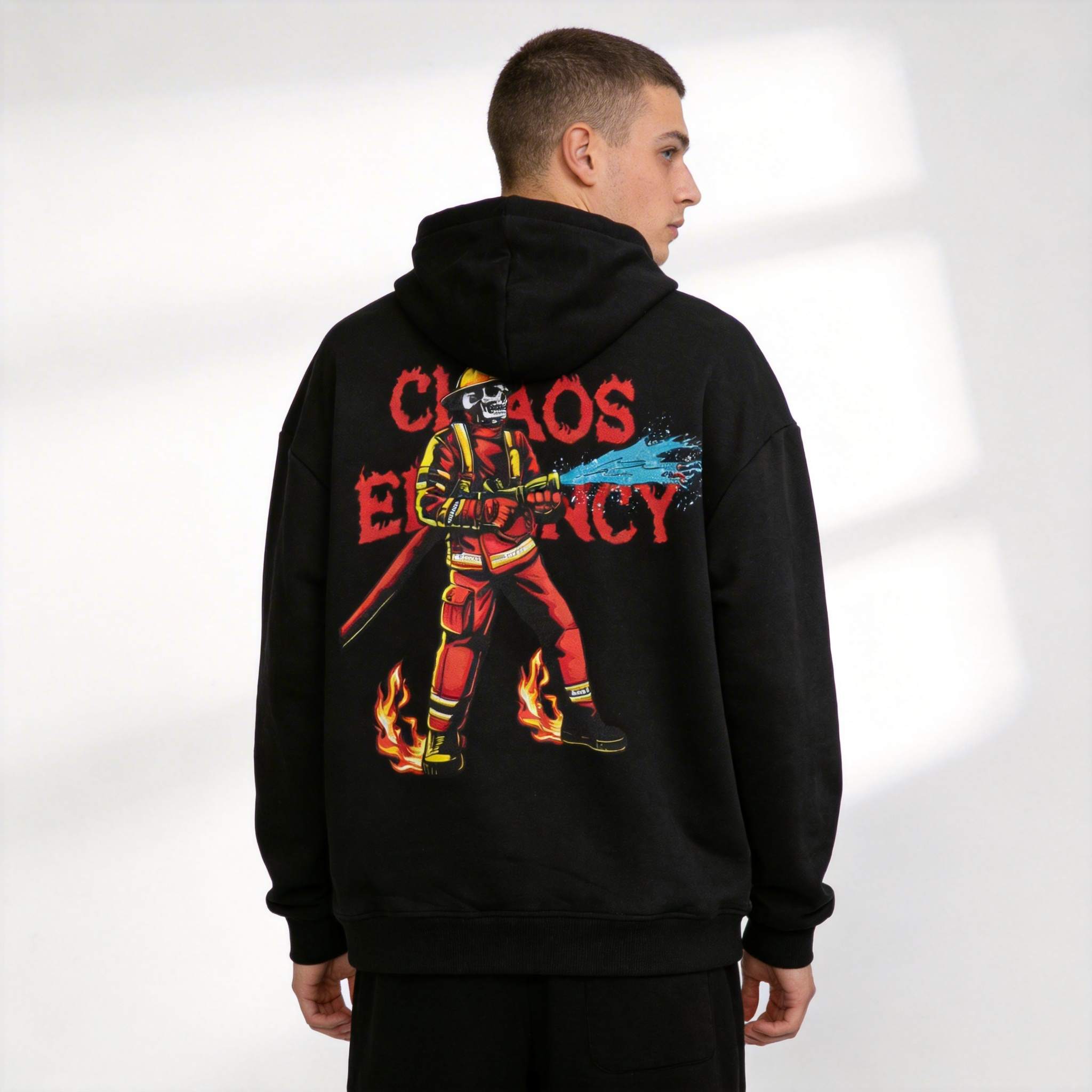
Discharge print activation requires exact heat application—too low and dyes remain intact, too high and fabric scorches. ZORWILD’s conveyor dryers maintain calibrated temperatures between 320°F and 360°F with controlled dwell times of 45 to 90 seconds, ensuring complete discharge activation, colorfastness, and fabric integrity across every garment.
- Infrared and forced-air dryer systems calibrated daily for temperature consistency and even heat distribution
- Dwell time adjusted by fabric weight, ink deposit thickness, and discharge agent chemistry
- Real-time temperature monitoring prevents under-curing that causes wash-out and over-curing that damages fibers
- Post-cure inspection verifies complete discharge activation and color vibrancy before finishing
Post-Cure Washing and Quality Validation
After curing, discharge print garments undergo controlled washing cycles to remove residual discharge agents, neutralize pH, and reveal final color brilliance. Our 6-stage quality control system includes wash fastness testing, hand-feel evaluation, color consistency checks, and measurement validation, ensuring every piece meets professional standards before packaging and shipment.
- Enzyme and neutralizing wash cycles remove discharge agent residue and restore fabric pH balance
- Wash fastness testing simulates 20+ home laundry cycles to verify color retention and graphic durability
- Hand-feel assessment ensures soft, breathable texture without stiffness or surface residue
- Final inspection covers print clarity, color accuracy, fabric integrity, and sizing before export logistics
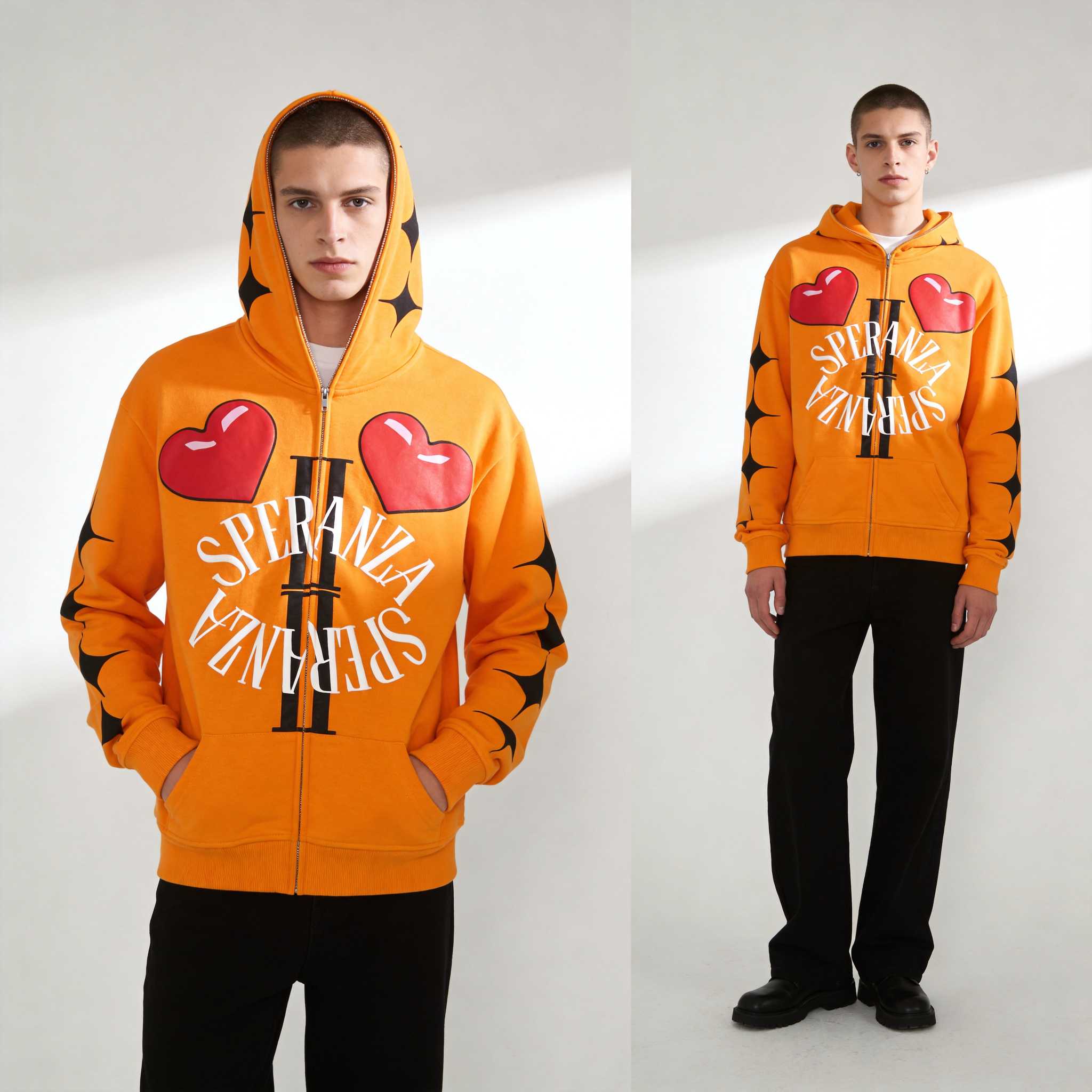
Discharge Print vs. Plastisol Screen Print
Understanding the key differences between discharge printing and plastisol screen printing helps you choose the right technique for your brand’s fabric type, design goals, and customer experience expectations.
← 左右滑动查看 →
Discharge Print Production Flow: From Art to Finished Garment
ZORWILD’s 27-year expertise ensures every discharge print project moves through rigorous production phases, delivering soft-hand graphics with consistent color and durability across orders from 50 to 100,000+ pieces.
Artwork u0026 Screen Preparation
Design files are color-separated and burned onto mesh screens, ensuring precise registration and sharp detail for every discharge print graphic.
Fabric Inspection u0026 Pre-Treatment
Dark cotton or cotton-blend garments are inspected for weave consistency and moisture content, then pre-treated to optimize discharge chemistry activation.
Discharge Ink Application
Discharge ink is screen-printed onto garments using controlled pressure and squeegee speed, ensuring even ink deposit and full coverage across the design.
Heat Curing u0026 Color Activation
Printed garments pass through conveyor dryers at precise temperatures, activating discharge agents to remove base dye and reveal soft, breathable graphics.
Post-Cure Washing u0026 Finishing
Garments are washed to remove residual discharge chemicals, then tumble-dried and inspected for color accuracy, hand feel, and graphic integrity.
Quality Control u0026 Packaging
Final inspection checks print softness, color match, measurement accuracy, and wash durability before custom labeling, folding, and packaging for shipment.
How to Order Discharge Print Apparel from ZORWILD
From artwork submission to finished garments, our streamlined discharge print process ensures soft-hand graphics on dark fabrics with transparent communication at every stage.
Submit Your Design Files
Send vector artwork or color-separated files along with garment specifications, fabric preferences, and quantity requirements. Our team reviews technical feasibility, confirms discharge print compatibility, and responds within 24 hours with a detailed quote.
Approve Your Sample Garment
We produce a physical discharge print sample showcasing ink softness, color accuracy, and hand feel. Review fit, measurements, fabric quality, and print performance before approving bulk production.
Confirm Your Production Order
Place your order with a 50-piece minimum MOQ. We finalize fabric sourcing, screen preparation, production scheduling, and lead-time expectations. Typical production timelines range from three to five weeks depending on order complexity and decoration requirements.
Track Quality and Shipping
Our six-stage quality control system inspects discharge print consistency, curing standards, and garment finishing. Receive production updates, final inspection reports, and global shipping coordination for on-time delivery.
Customer Stories: Discharge Print Success
We switched to ZORWILD’s discharge print for our vintage tee collection and the soft hand feel was exactly what our customers wanted. After 20 washes, the graphics still look crisp with zero cracking. Sales increased 34% compared to our old plastisol prints.
ZORWILD delivered 800 discharge print hoodies with perfect color accuracy across three Pantone shades. The breathable finish was a game-changer for our activewear line, and turnaround was just 18 days from approval to shipping. Our repeat order rate jumped to 67%.
As an influencer brand testing discharge print for the first time, the 50-piece MOQ let us launch without huge risk. The prints came out incredibly soft on our black tees, and customer feedback scored 4.8 stars. We’ve since ordered four more colorways.
Discharge Print FAQs: Fabric, Design u0026 Durability
What fabrics work best for discharge print?
What is the minimum order quantity for discharge print apparel?
How many colors can discharge print handle in one design?
Can I combine discharge print with embroidery or other decorations?
What is the maximum design size for discharge print on a T-shirt?
How durable is discharge print after repeated washing?
What is the lead time for discharge print sample and bulk production?
What art file format and resolution do you need for discharge print?
Does discharge print work on colored or dyed garments only?
The Complete Buyer’s Guide to Discharge Print Apparel for Your Brand
1. What Is Discharge Print and Why It Matters for Your Brand
Discharge print is a chemical process that removes the original dye from a garment and simultaneously replaces it with water-based pigment, resulting in prints that feel like part of the fabric rather than a layer on top. Unlike traditional screen printing, which deposits plastisol or water-based ink onto the surface, discharge printing bleaches out the base color and bonds the new ink directly into the fiber structure. This technique works best on 100% cotton or high-cotton-blend garments pre-dyed in dark colors such as black, navy, or charcoal.nnThe primary advantage of discharge print is zero hand feel: the printed area remains as soft and breathable as the unprinted fabric, making it ideal for premium streetwear, influencer merchandise, and luxury casual collections where comfort drives repeat purchases. Standard screen printing can add 200–400 GSM of ink weight, reducing breathability and creating a stiff texture, while DTG printing on dark garments requires a heavy white underbase that cracks over time. Discharge eliminates both problems, delivering a vintage, lived-in aesthetic straight out of production.nnInfluencers and small premium brands choose discharge print because it signals quality to end customers: garments feel expensive, wash beautifully, and photograph with authentic texture under natural light. ZORWILD supports discharge print customization with 50-piece MOQ, enabling startup brands to test premium product lines without inventory risk while maintaining the soft hand feel that drives social media engagement and customer retention.
2. The Evolution and History of Discharge Print Technology
Discharge printing originated in the 1970s as a textile dyeing technique used primarily in large-scale fabric mills to create white or light patterns on dark dyed fabrics. Early formulations relied on sodium hydrosulfite and other reducing agents to chemically remove dye molecules, but these processes were difficult to control and often resulted in inconsistent color removal and fabric damage.nnThe u003ca href=u0022/capability/u0022u003eapparel decorationu003c/au003e industry adopted discharge print technology in the mid-1980s when screen printers began experimenting with water-based discharge inks that could be applied directly to garments. By the early 1990s, improved activators and stabilized formulations allowed printers to achieve consistent soft-hand results on 100% cotton garments, making discharge the preferred method for vintage-style graphic tees and streetwear brands seeking breathable, non-plastic prints. This period saw discharge become the standard for premium T-shirt decoration among independent brands.nnEco-friendly formulations emerged in the 2000s as water-based discharge inks replaced solvent-based plastisol systems, reducing VOC emissions and improving workplace safety. Modern zinc-based and formaldehyde-free activators have further minimized environmental impact while maintaining color vibrancy and wash durability.nnToday discharge print is experiencing a resurgence among influencers and small brands launching 50-piece collections, driven by consumer demand for soft-hand vintage aesthetics, sustainable decoration methods, and premium streetwear quality. Manufacturers like ZORWILD support low MOQ discharge production, enabling startup brands to access professional water-based printing without the inventory risk of traditional 500-piece minimums.
3. Types of Discharge Print Techniques and Applications
Discharge print encompasses multiple techniques, each delivering distinct visual outcomes and fabric compatibility. Understanding the five core methods helps brands match production capabilities to design intent and budget constraints.
Standard Discharge (White/Light Colors)
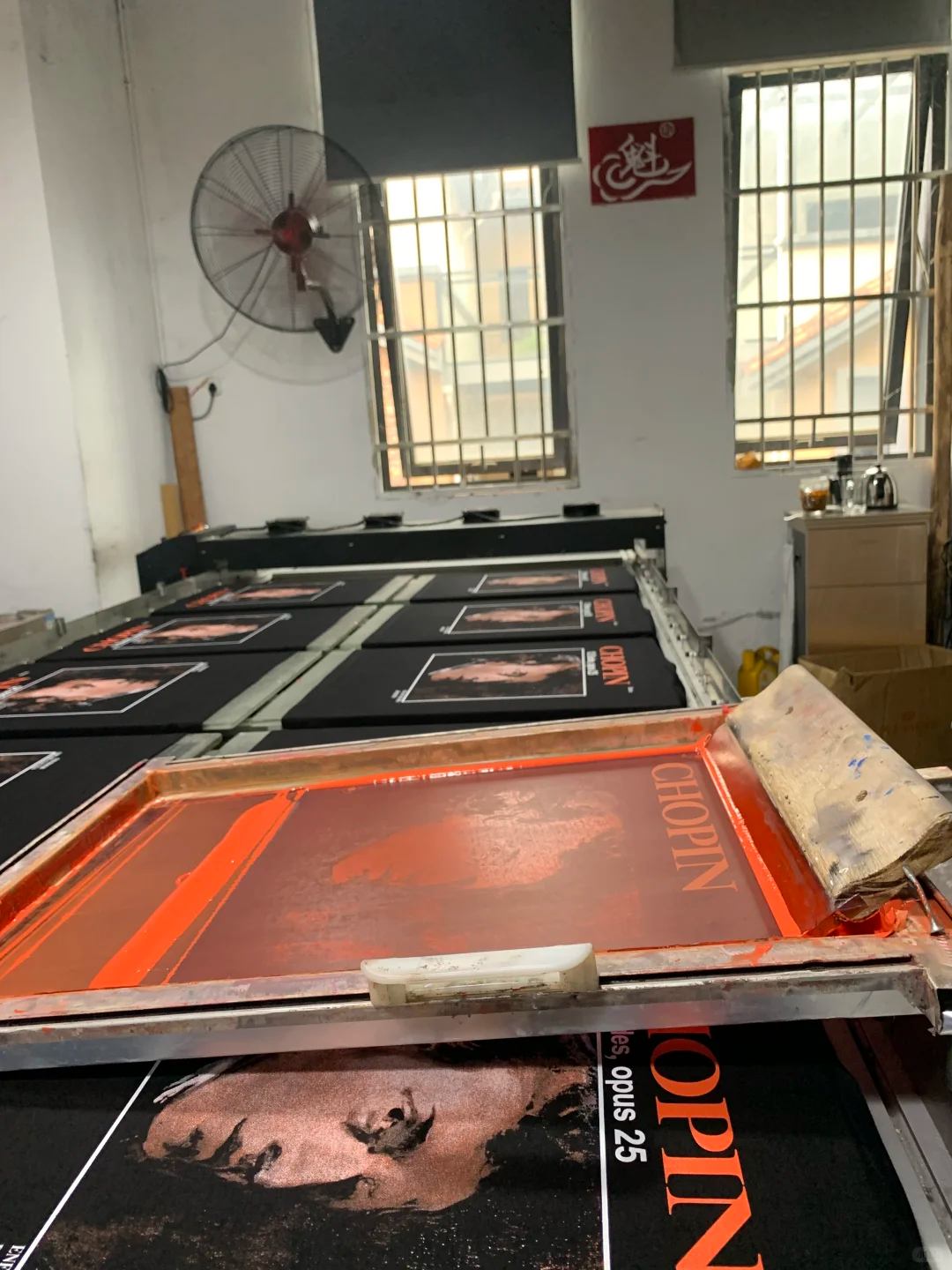
Single-color discharge removes dye to reveal white or natural fabric tones, ideal for minimalist logos, bold typography, and vintage-inspired graphics. The process uses zinc formaldehyde sulfoxylate activator applied through custom screen printing, then heat-cured at 320–340°F to strip reactive or fiber-reactive dyes.nnIdeal for minimalist logos, typography, and high-contrast designs on 100% cotton or cotton-rich blends. Visual outcome is ultra-soft hand feel with no surface layer, making it popular for premium streetwear, custom t-shirts, and vintage-inspired graphics.
Color Discharge (Pigment + Activator)
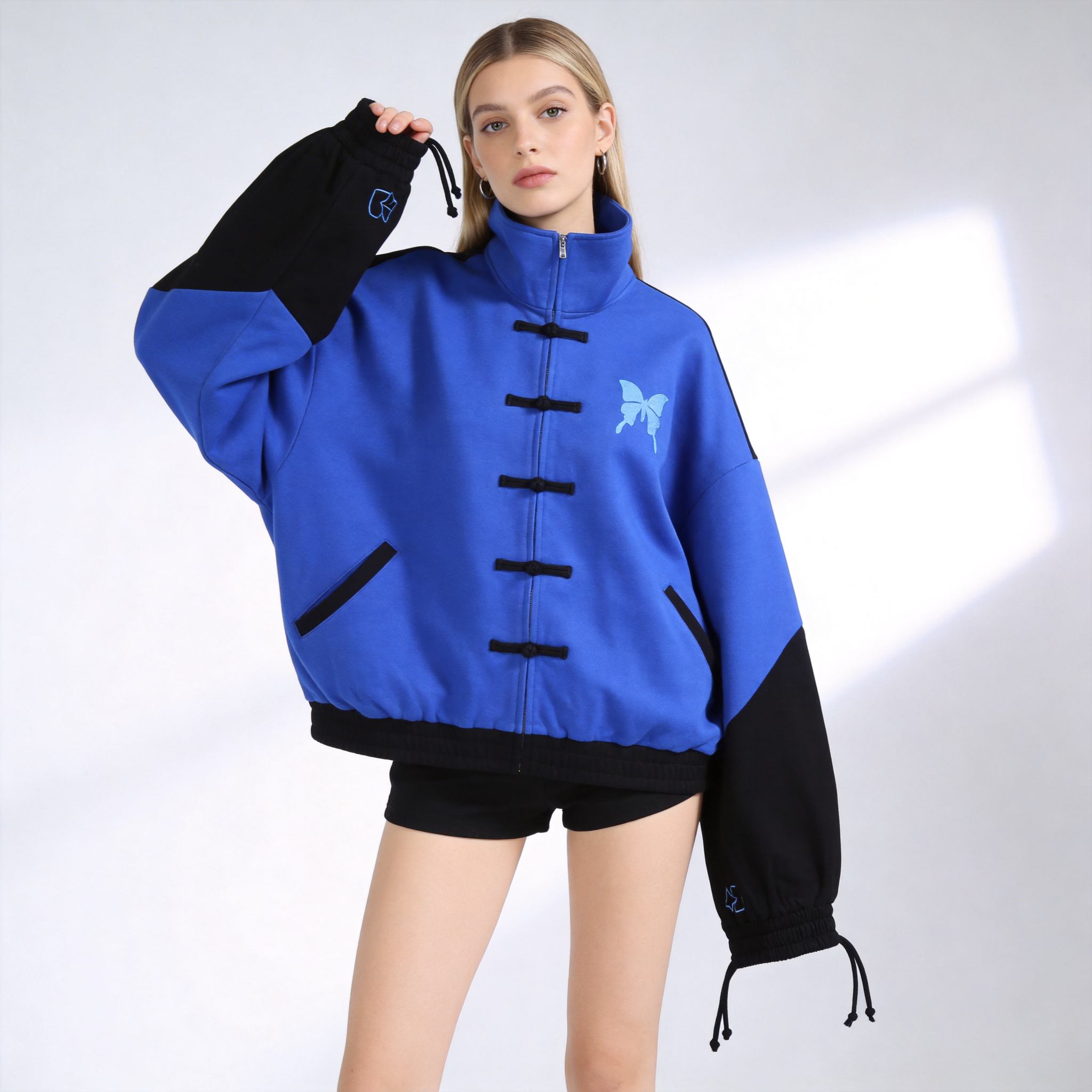
Color discharge blends discharge activator with pigment inks, simultaneously removing base dye and depositing new color. This technique expands the palette beyond white, enabling soft pastels, earth tones, and muted hues on dark fabrics.nnBest for multi-color designs requiring soft hand and vintage aesthetics. Works on reactive-dyed cotton and cotton-poly blends up to 50% polyester. Final colors appear slightly faded or washed, aligning with retro and distressed fashion trends.
Discharge Underbase for Vibrant Colors
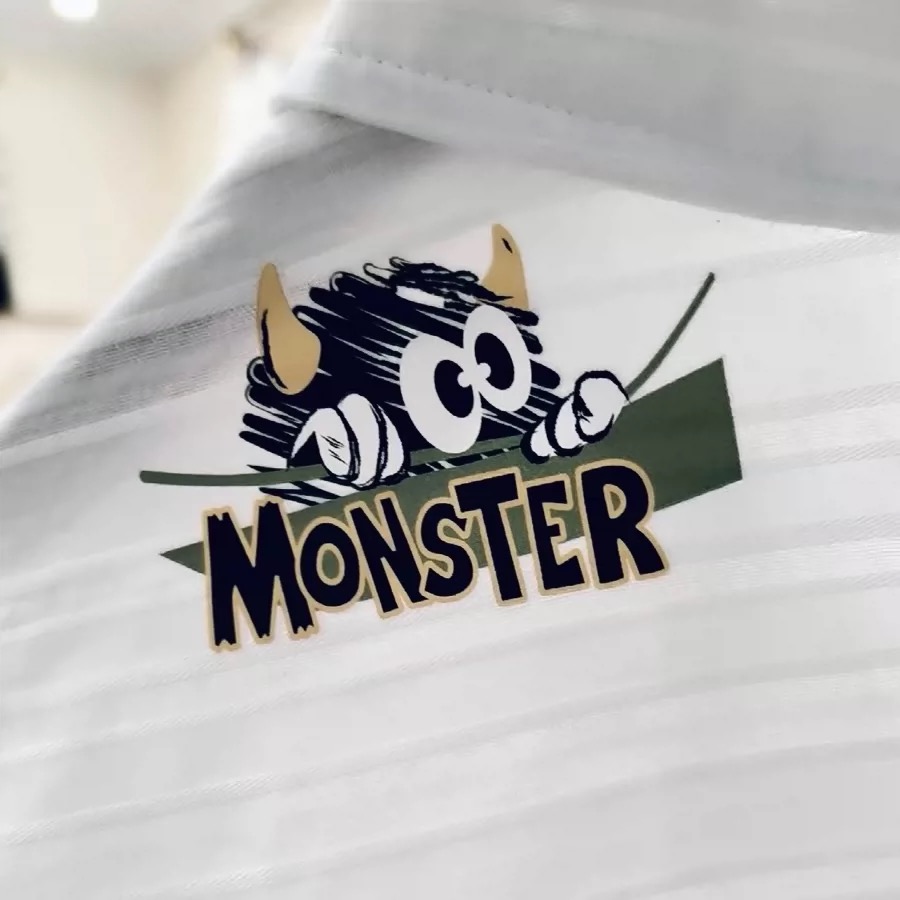
Discharge underbase combines discharge with traditional plastisol or water-based top colors. The discharge layer removes dark dye, creating a light foundation for vivid plastisol overprints that maintain brightness and opacity.nnIdeal for bold, saturated graphics on black or navy garments where standard screen print would appear dull. Requires two-pass printing but delivers vibrant Pantone matches with softer hand than plastisol alone.
All-Over Discharge
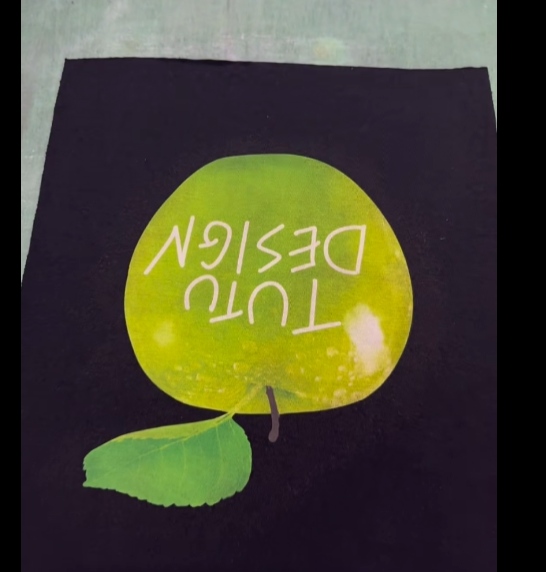
All-over discharge treats the entire garment surface, creating a faded or vintage base before printing. Large screens or dip methods apply activator uniformly, lightening fabric from black to charcoal, brown, or rust tones.nnPopular for acid-wash aesthetics, vintage collections, and streetwear capsules. Compatible with 100% cotton tees, hoodies, and sweatshirts. Provides unique, non-repeatable color variations that enhance one-of-a-kind appeal.
Hybrid Discharge + Screen Print
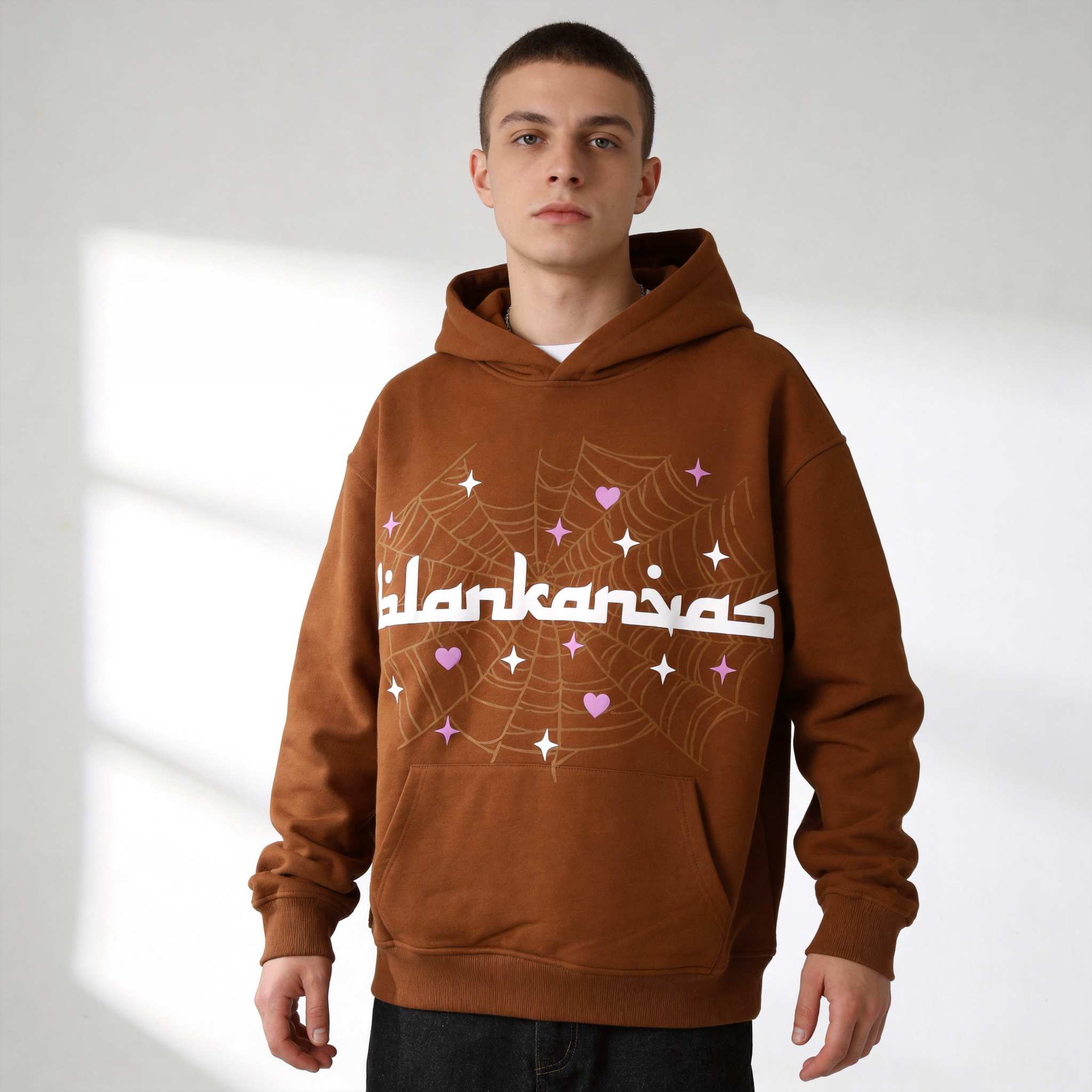
Hybrid techniques layer discharge with puff print, foil, or reflective inks, combining soft hand with dimensional or metallic effects. Discharge creates the base image, then specialty inks add texture or shine in a second pass.nnSuited for high-end fashion, limited-edition drops, and influencer merch requiring visual complexity. Adds 15–25% to production cost but differentiates brands in crowded streetwear markets.
4. Best Materials and Fabrics for Discharge Print
Discharge print performance depends entirely on fabric composition, dye chemistry, and garment weight. Not all textiles accept discharge ink, and choosing the wrong substrate leads to poor color removal, uneven fading, and production waste.
| Fabric Type | Discharge Compatibility | Recommended GSM | Typical Use Case |
|---|---|---|---|
| 100% Cotton | Excellent | 180–220 | Premium streetwear, graphic tees, hoodies |
| Cotton Blend (50%+) | Good | 160–200 | Budget collections, casual wear |
| Tri-Blend | Moderate (test required) | 140–180 | Soft vintage tees, athleisure |
| Polyester / Synthetics | Not compatible | N/A | Use DTG or sublimation instead |
Cotton Content and Fabric Compatibility
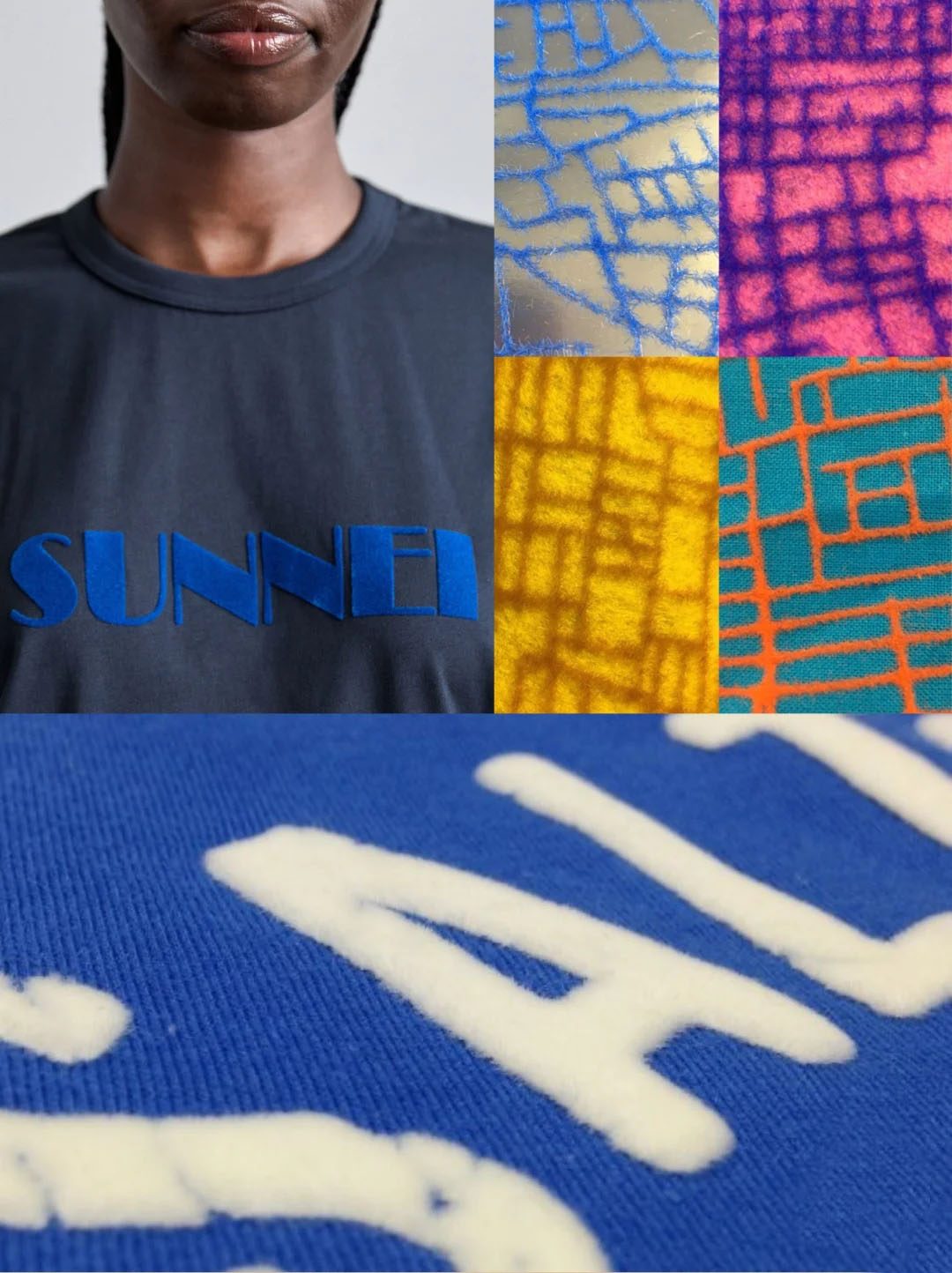
100% cotton garments deliver the best discharge print results because natural cellulose fibers bond permanently with reactive dyes that discharge cleanly. Cotton blends containing 50% or more cotton yield acceptable results, though color removal may be less vibrant. Tri-blend fabrics (cotton-polyester-rayon) produce softer prints but require test sampling to confirm discharge compatibility.nnSynthetic fibers including polyester, nylon, and spandex do not accept discharge ink because they use disperse dyes that cannot be chemically removed. ZORWILD recommends 100% cotton ring-spun jersey for premium streetwear hoodies and T-shirts requiring ultra-soft hand feel and maximum color contrast.
Optimal GSM Ranges for Discharge Print
Fabric weight measured in grams per square meter (GSM) affects ink absorption, drying time, and print durability. The optimal range for discharge print is 160–220 GSM, balancing fabric density with breathability and cost efficiency.nnLightweight jerseys below 140 GSM may show uneven discharge or fabric distortion during heat curing. Heavyweight fabrics above 240 GSM require longer curing cycles and higher chemical concentrations, increasing production costs without improving print quality.
Dye Types and Garment Color Selection
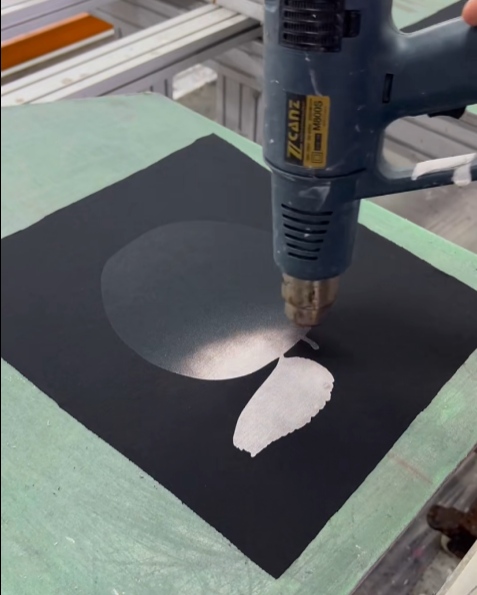
Reactive dyes chemically bond to cotton fibers and discharge cleanly, producing bright white or pastel tones. Pigment dyes sit on the fabric surface and resist chemical removal, making garments unsuitable for discharge print.nnDark garment colors including black, navy, burgundy, and forest green show the most dramatic discharge contrast. Medium tones like heather gray or olive produce subtle vintage effects. ZORWILD tests all garment-dyed fabrics before production to verify reactive dye compatibility and prevent batch failures.
5. Customization and Decoration Options with Discharge Print
Discharge print unlocks a wide range of design possibilities that traditional screen printing cannot achieve. Understanding the technical requirements and combination options allows brands to create distinctive aesthetics while maintaining the soft hand feel that defines premium streetwear and casualwear collections.
| Decoration Combo | Visual Effect | Cost Impact | Lead Time |
|---|---|---|---|
| Single-color discharge only | Soft vintage white or natural tone | +$0.80–$1.50/unit | Standard + 0 days |
| Multi-color discharge | Muted earth tones, halftone gradients | +$1.50–$2.80/unit | Standard + 1–2 days |
| Discharge + embroidery | Premium texture contrast, luxury detail | +$2.50–$4.50/unit | Standard + 2–4 days |
| Discharge + patches | Streetwear layered graphics | +$2.00–$3.80/unit | Standard + 2–3 days |
Single-Color and Multi-Color Discharge Techniques
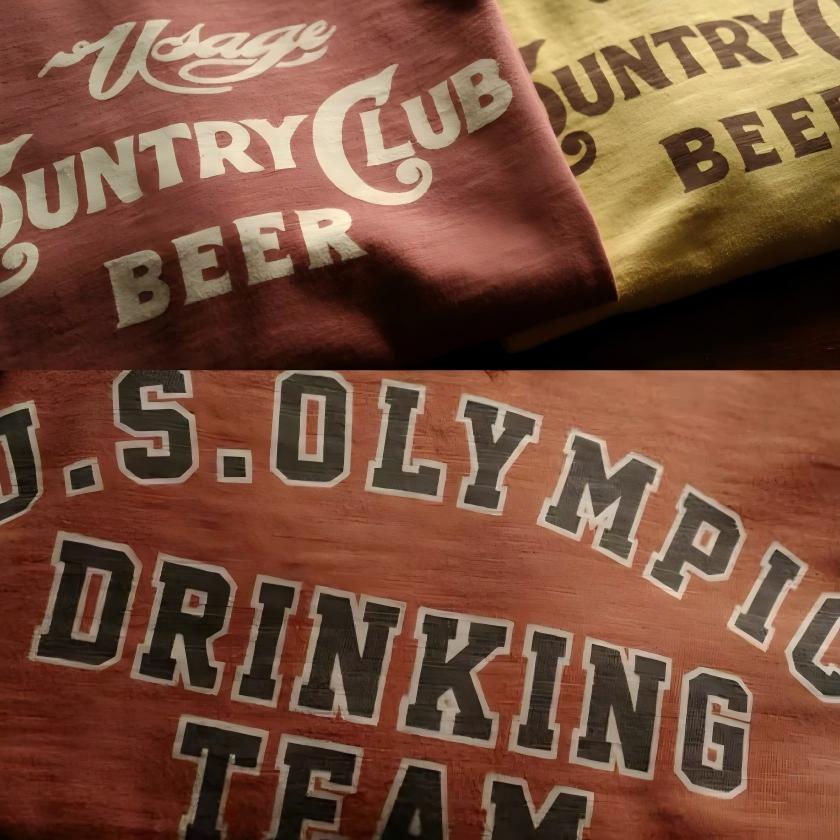
Single-color discharge removes dye to reveal white or natural fabric tones, ideal for minimalist logos, bold typography, and vintage-inspired graphics. Multi-color discharge combines bleaching agents with reactive dyes to print multiple hues in one pass, enabling complex artwork, photographic halftones, and gradient effects on custom hoodies, custom t-shirts, and custom sweatshirts.nnArtwork for multi-color discharge requires halftone dots at 45–65 LPI and minimum line weights of 1.5 pt to ensure ink penetration and color clarity. Color palettes are limited to earth tones, pastels, and muted shades because reactive dyes bond only with discharged natural fibers.
Oversized Prints and All-Over Patterns
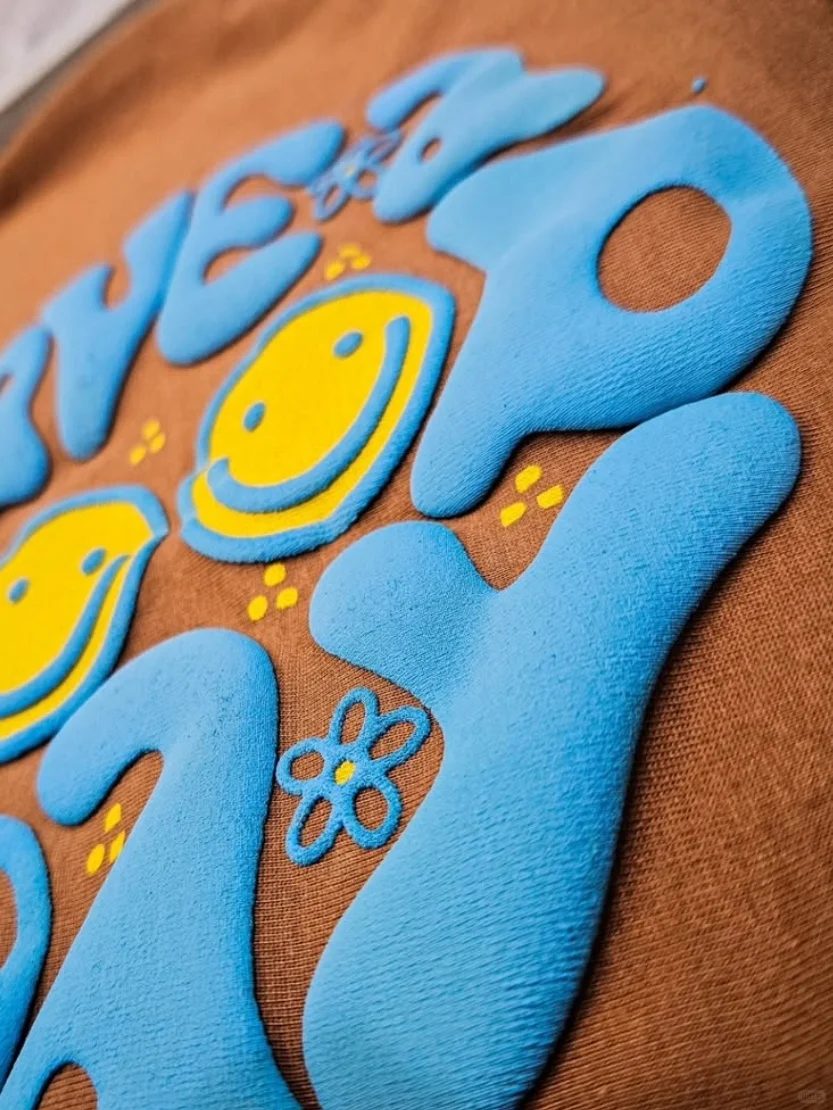
Oversized discharge prints spanning 16–18 inches create statement streetwear graphics without the stiff plastisol hand feel. All-over discharge patterns require rotary screen setups or large flatbed presses, adding 3–5 days to lead time and 15–25% to unit cost.nnZORWILD supports oversized discharge printing on heavyweight T-shirts, hoodies, and sweatshirts using 100% cotton and high-cotton blends, with artwork files supplied at 300 DPI and color separations provided for each discharge layer.
Combining Discharge with Embroidery and Patches
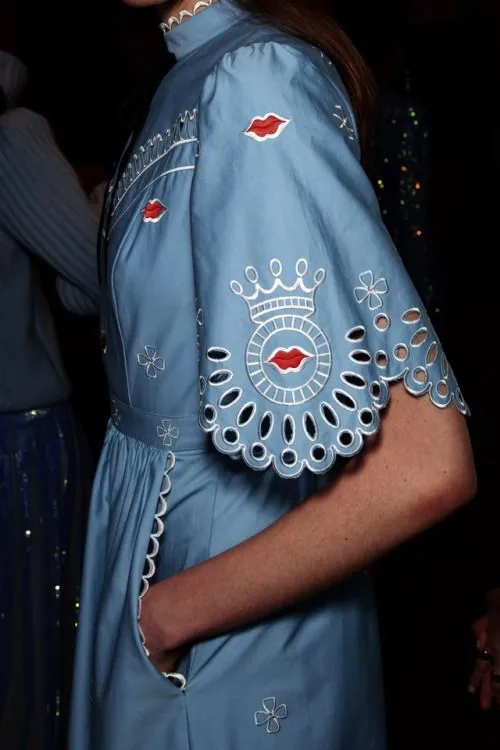
Layering discharge print with embroidery, chenille patches, or screen-printed details creates premium multi-texture garments. Discharge is applied first during the wash phase, followed by embroidery or patch application after garment drying to prevent thread shrinkage and misalignment.nnZORWILD combines discharge print with flat embroidery, 3D puff embroidery, woven patches, and rubber logos to deliver luxury streetwear collections. Lead time increases 2–4 days when combining techniques, and unit cost rises 20–40% depending on decoration complexity.
6. Key Quality Indicators for Discharge Print Apparel
Professional buyers must verify five critical quality checkpoints before approving discharge print production. Each indicator reveals whether the manufacturer has mastered discharge chemistry, curing protocols, and batch consistency — failures in any area compromise brand reputation and customer satisfaction.
Ink Penetration and Hand Feel
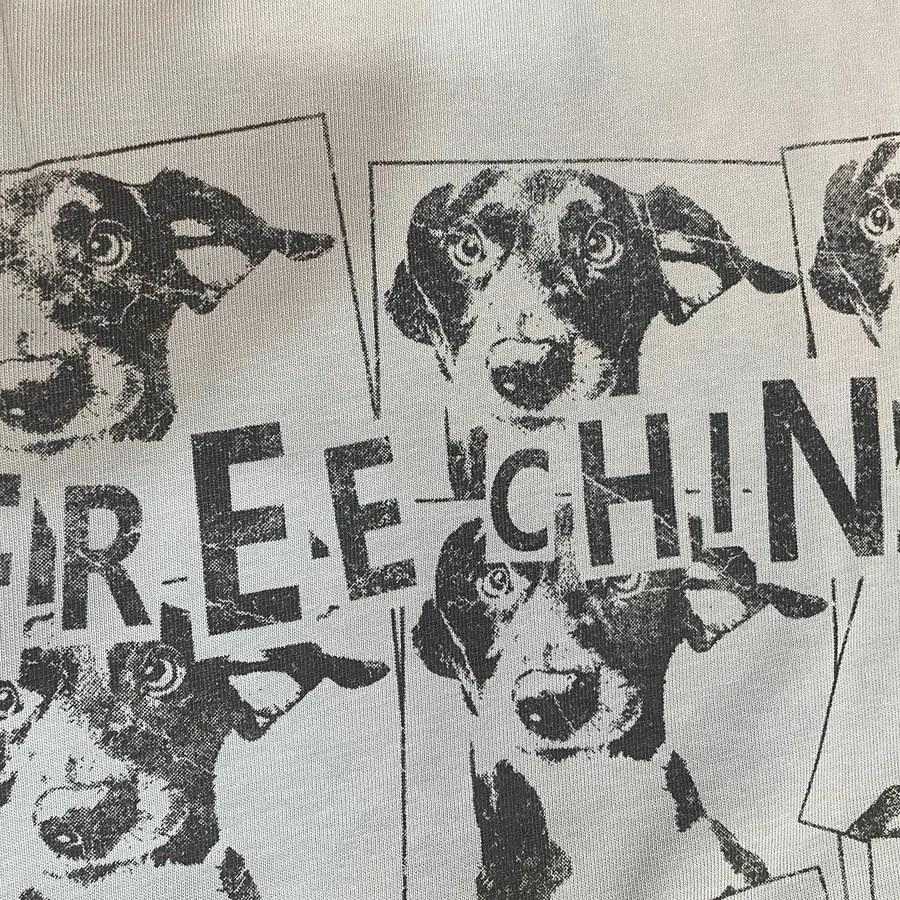
Discharge print must remove the original dye and replace it with new pigment at the fiber level, leaving zero surface layer. Run your thumb across the printed area — you should feel only the fabric texture, not a raised ink film.nnPoor discharge technique leaves a rubbery or plastisol-like layer, indicating the activator failed to bleach the base dye or the pigment sits on top rather than bonding within the fiber. ZORWILD tests every discharge sample under 10× magnification to confirm complete dye removal and fiber-level color integration before bulk production approval.
Color Consistency Across Batch
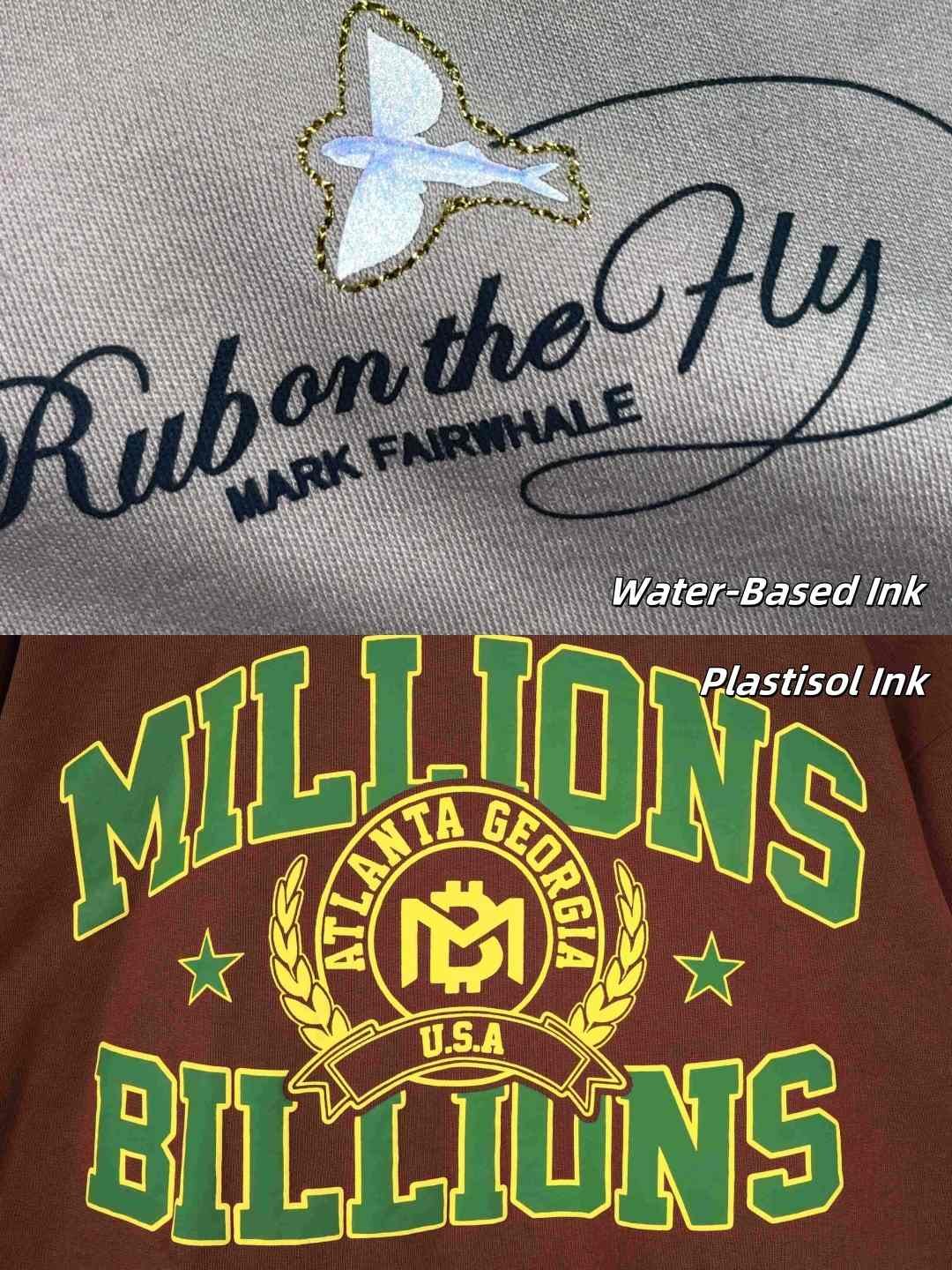
Discharge printing depends on precise activator ratios, fabric dye load, and curing temperature — small variations shift final color by 10–15%. Request strike-off samples from three different production days to verify batch-to-batch color matching within Delta E ≤ 2.0.nnZORWILD maintains detailed discharge formulation logs for every client colorway, ensuring repeat orders match original samples. Red flags include visible color shifts between garments in the same carton or faded edges where activator concentration was inconsistent.
Wash Durability Beyond Twenty Cycles
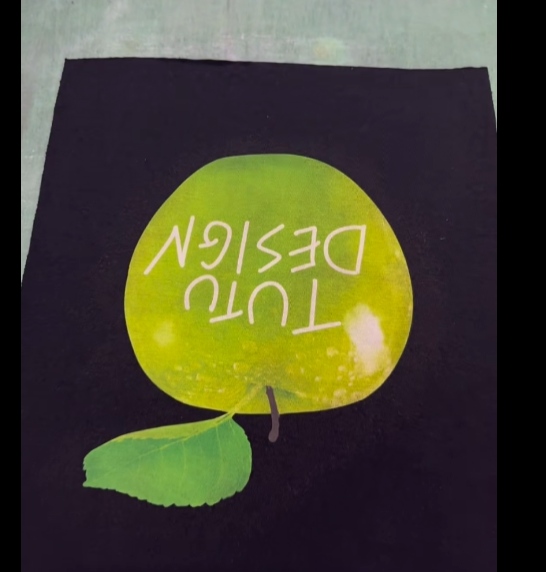
Professional discharge prints survive 20+ industrial washes without fading when properly cured. Test pre-production samples through five hot-water wash-and-dry cycles — color should remain vibrant with no cracking or peeling.nnFading after fewer than 15 washes indicates under-curing, incorrect activator chemistry, or low-quality discharge pigments. ZORWILD specifies wash durability standards in every tech pack and conducts in-house wash testing before final shipment to prevent customer returns.
Proper Curing and No Activator Residue
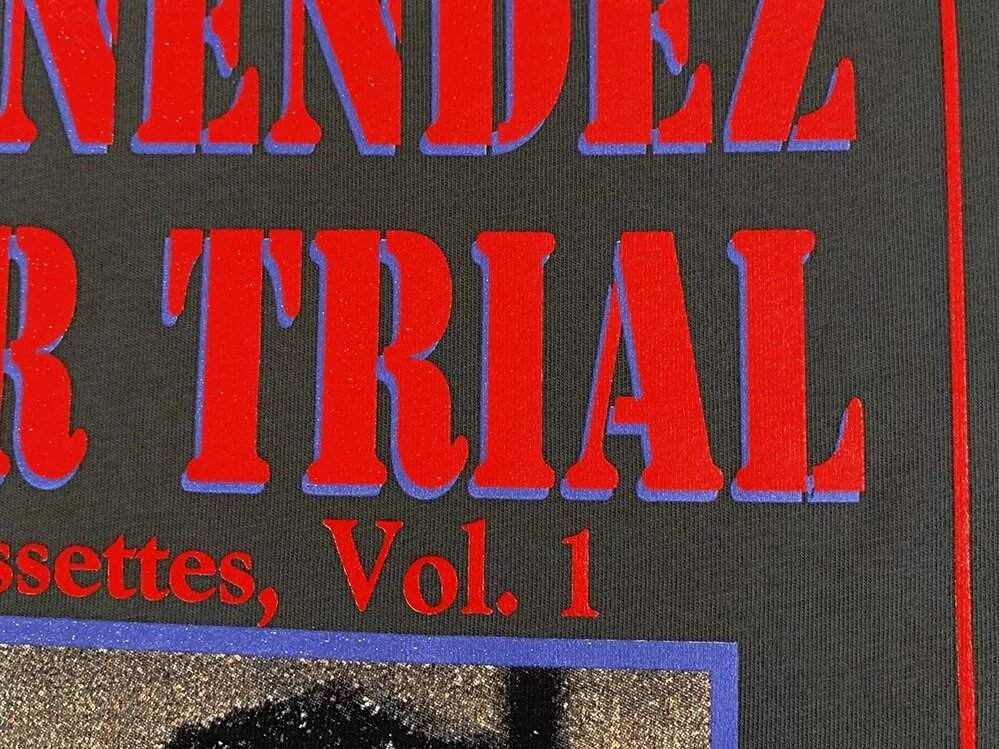
Incomplete curing leaves chemical activator residue that causes skin irritation, fabric yellowing, and continued color shift during storage. Smell the printed area — any sharp chemical odor signals under-cured discharge.nnProfessional manufacturers cure discharge prints at 320–340°F for 60–90 seconds, then air-cure for 24 hours before packaging. ZORWILD uses conveyor dryers with digital temperature monitoring and conducts pH tests on finished garments to confirm zero residual activator before export.
Accurate Color Matching to Pantone Standards
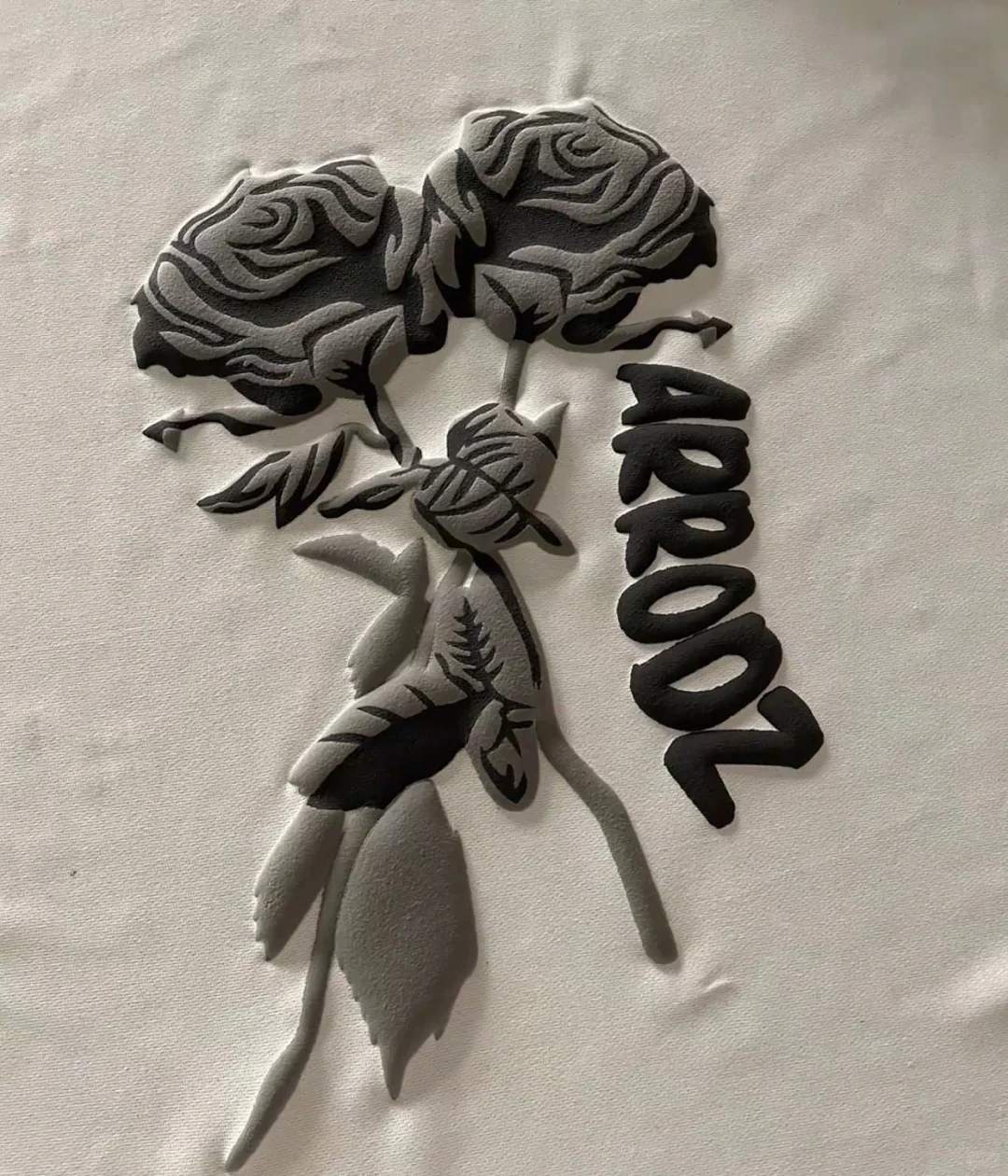
Discharge printing cannot achieve exact Pantone matches due to base fabric color interaction, but professional results should fall within acceptable commercial tolerance. Provide Pantone TPX or TCX references and request lab dips on your exact fabric before sampling.nnRed flags include manufacturers who promise perfect Pantone matches on dark garments or skip lab-dip approval. ZORWILD produces discharge color swatches on client-specified fabrics and lighting conditions (D65 standard) to set realistic expectations and achieve the closest possible match within discharge chemistry limits.
7. How to Choose the Right Discharge Print Manufacturer
Selecting a discharge print manufacturer requires evaluating technical capabilities, material expertise, and production flexibility. The right partner should demonstrate proven discharge-specific infrastructure, transparent quality documentation, and scalable MOQ options to match your brand stage.
Assess Discharge-Specific Equipment and Facilities
Ask manufacturers about automatic screen printing systems, climate-controlled curing environments, and temperature-monitoring equipment. Discharge chemistry requires precise humidity control (40–60%) and consistent curing at 320–330°F to activate the bleaching agent reliably.nnManufacturers without dedicated discharge setups often produce inconsistent color removal, incomplete curing, or cross-contamination from plastisol lines. Verify that the facility separates discharge and plastisol workflows to prevent chemical interference.
Request Discharge Portfolio and Wash Test Reports
A credible manufacturer should provide discharge samples on multiple fabric bases — 100% cotton jersey, French terry, fleece — showing color vibrancy and soft hand feel. Request wash test reports (AATCC 61 or ISO 105 C06) documenting colorfastness after 20–50 home laundry cycles.nnPortfolios reveal design complexity: fine halftones, multi-color underbase work, and vintage effects demonstrate advanced discharge mastery beyond basic one-color prints.
Verify Fabric Sourcing and Dye Compatibility
Discharge print only works on reactive-dyed cotton or cotton-rich blends (minimum 80% cotton). Ask suppliers which fabric mills they partner with and whether they pre-test dye reactivity before bulk production. Incompatible dyes yield weak or no discharge, wasting inventory.nnZORWILD collaborates with trusted Chinese fabric suppliers to ensure stable reactive-dye cotton, French terry, and fleece sourcing, reducing dye-compatibility risks for international clients.
Confirm MOQ Flexibility and Sampling Process
Startup brands and influencers need low minimums to test designs and manage cash flow. ZORWILD offers discharge print production starting at 50 pieces per design, enabling capsule collections and market validation without excess inventory risk.nnEvaluate sampling turnaround: professional manufacturers deliver strike-offs within 5–7 days, allowing you to assess print quality, fabric hand, and wash durability before committing to bulk orders.
Check Certifications for Water-Based Inks
Discharge inks are water-based and should carry OEKO-TEX Standard 100 or GOTS certification, confirming they are free from harmful chemicals, formaldehyde, and heavy metals. Certifications matter for brands targeting eco-conscious consumers, children’s apparel, or European and North American retail compliance.nnAsk for current certificates and test reports; expired or missing documentation signals weak quality control or reliance on uncertified suppliers.
8. Common Mistakes Buyers Make When Sourcing Discharge Print
Even experienced buyers encounter preventable issues when sourcing discharge print apparel. Understanding these common pitfalls before production saves time, money, and brand reputation.
Choosing Polyester or Low-Cotton Blends
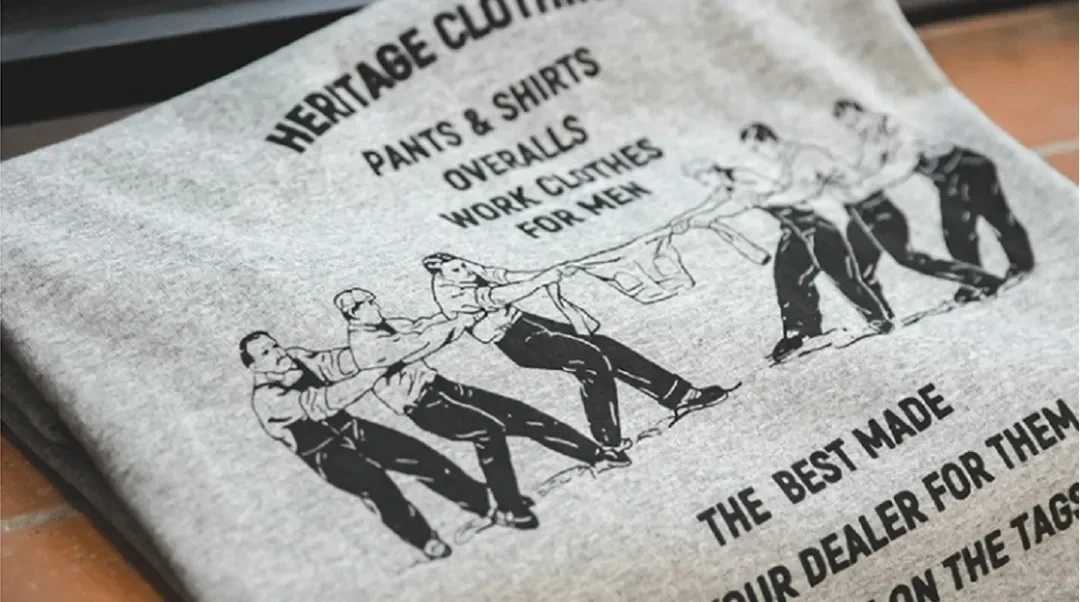
Discharge chemistry requires natural fibers — specifically 100% cotton or blends with at least 80% cotton content — to activate properly. Polyester and synthetic fibers do not respond to discharge agents, resulting in failed prints or faded, inconsistent graphics.nnAlways confirm fabric composition before approving samples. ZORWILD recommends ring-spun cotton, organic cotton, or heavyweight cotton jersey for optimal discharge results and soft hand feel.
Submitting Artwork Unsuitable for Discharge
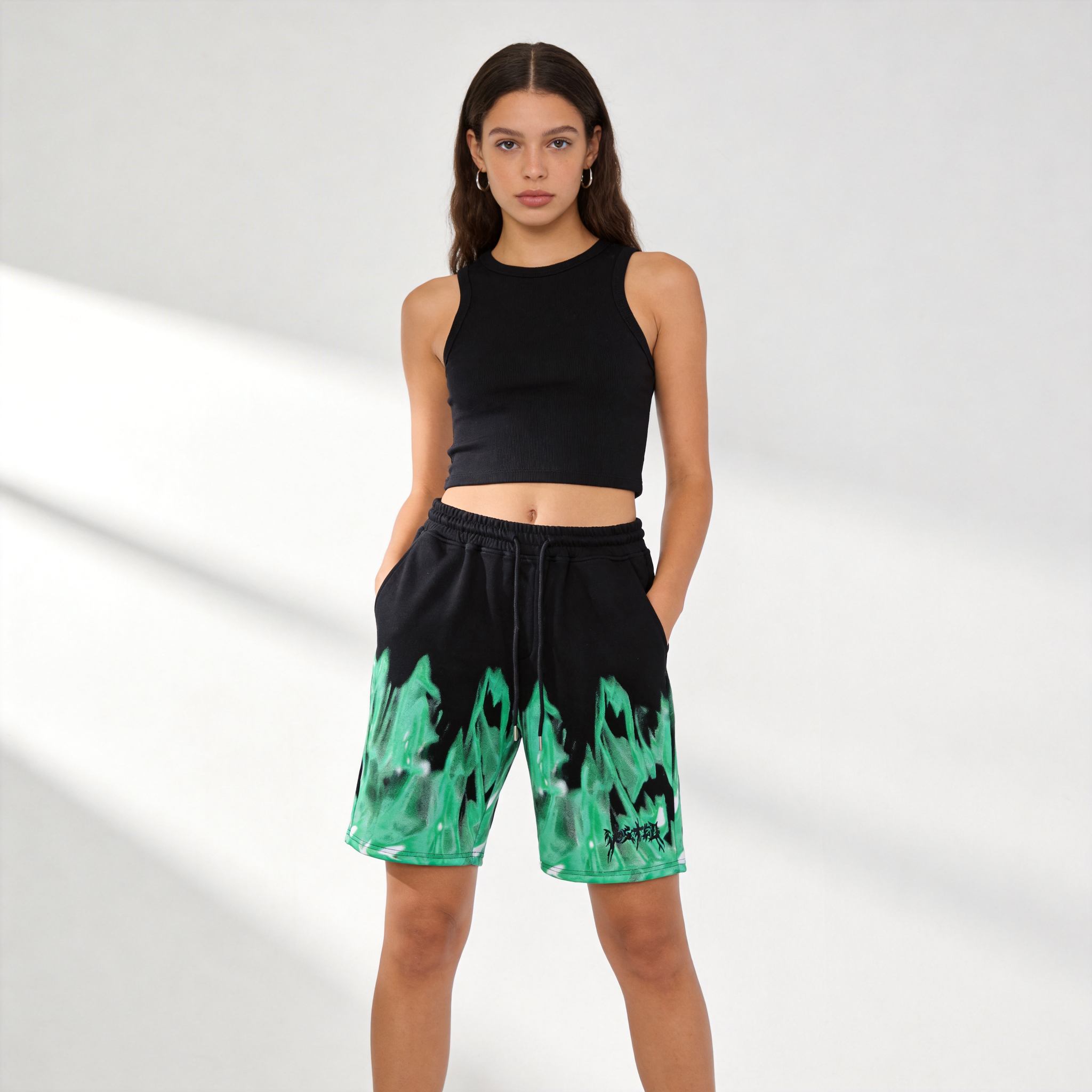
Fine details below 1 mm line weight, neon colors, and complex gradients often fail in discharge printing because the process removes dye rather than adding pigment. Bright neon hues require additional plastisol overprinting, increasing cost and reducing softness.nnProvide vector artwork with bold lines, solid fills, and realistic color expectations. Request a strike-off sample to verify artwork translates correctly before bulk orders.
Skipping Wash Tests Before Bulk Orders
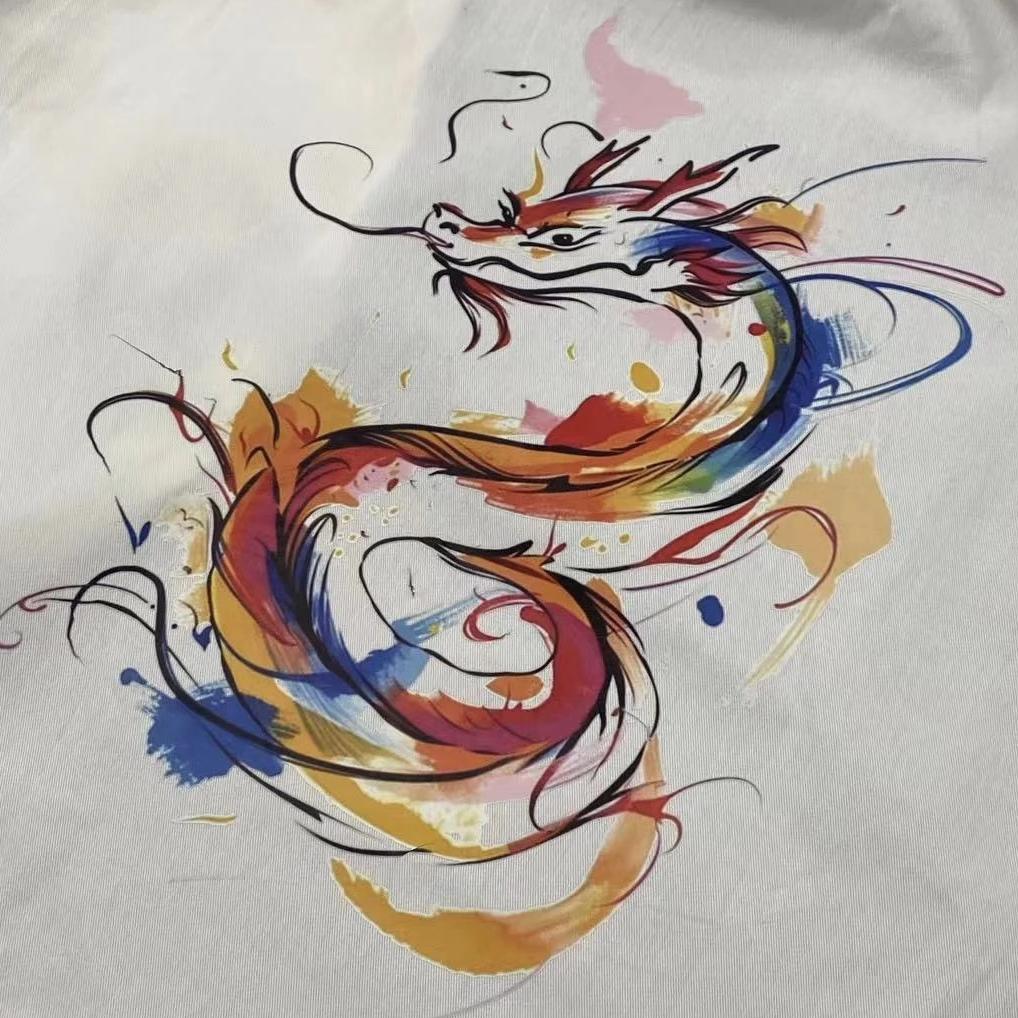
Discharge prints may shift in color or fade inconsistently after the first three to five washes if chemistry or curing parameters are incorrect. Skipping pre-production wash tests leads to customer complaints and expensive chargebacks.nnAlways request laundered samples and conduct independent wash tests at 40°C for at least five cycles before approving bulk production.
Ignoring Garment Dye Type and Lead Time
Garment-dyed apparel uses reactive or pigment dyes, and not all dye types discharge uniformly. Reactive dyes yield cleaner whites, while pigment dyes may leave residual tones. Color-matching discharge inks to base fabric often requires 7 to 10 days of lab testing.nnCommunicate dye type and color standards early. Request Pantone references and allocate extra lead time for custom color development to avoid production delays.
9. Step-by-Step Process to Launch Your Discharge Print Brand
Launching a discharge print collection requires careful planning across design, sampling, and production phases. ZORWILD’s 50-piece MOQ enables first-time buyers to test market response while managing inventory risk and cash flow.
Define Your Aesthetic and Target Audience
Identify your brand positioning before selecting garment styles or artwork. Streetwear brands typically favor oversized fits and vintage wash effects, while resort brands prioritize lightweight fabrics and botanical graphics.nnYour target audience determines fabric weight, color palette, and print complexity. Influencer-driven brands often launch with 2–3 hero designs in neutral colorways, while wholesale buyers require broader size runs and seasonal versatility.
Select Fabric and Garment Style
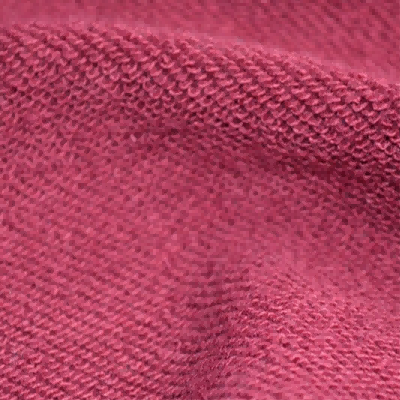
Choose 100% cotton or high-cotton-blend garments in dark or saturated base colors for optimal discharge results. French terry hoodies, heavyweight jersey tees, and pigment-dye sweatshirts deliver the soft hand feel that differentiates discharge print from plastisol.nnZORWILD supports custom sizing, vintage wash, and garment dye integration for custom hoodies, custom sweatshirts, and wholesale hoodies. Coordinate fabric GSM, garment construction, and wash effects during the tech pack phase to ensure consistency across sampling and bulk production.
Request Samples and Approve Strike-Offs
Submit artwork in vector format with Pantone references for color matching. ZORWILD produces strike-off samples to confirm discharge tone, print registration, and wash durability before bulk orders.nnTest samples through 3–5 wash cycles to verify color fastness, print adhesion, and fabric stability. Approve measurements, label placement, and packaging details during this phase to avoid revisions during production.
Place Bulk Order and Plan Fulfillment
Confirm MOQ, lead time, and payment terms after sample approval. ZORWILD’s 50-piece minimum allows startups to launch capsule collections without overstock risk, with production timelines typically ranging 25–35 days after order confirmation.nnCoordinate logistics, customs documentation, and warehouse receiving in advance. Market the soft-hand benefit and breathable comfort of discharge print through product photography, fabric close-ups, and customer testimonials to differentiate your brand from standard screen-printed competitors.
10. Discharge Print Pricing and Cost Breakdown
Discharge print pricing typically ranges from $4.50 to $12.00 per unit depending on order volume, garment base cost, and design complexity. Setup costs include screen fees of $25 to $60 per color, with most designs requiring one to three discharge screens. First-time buyers should budget $150 to $300 for sampling, including two to four sample garments with wash testing and color approval.nnPer-unit costs drop significantly at higher volumes: 50-piece orders average $9.00 to $12.00 per print, while 1,000-piece runs fall to $4.50 to $6.50 per print when combined with mid-tier garment blanks. Garment base cost represents 40% to 60% of total landed cost—premium ring-spun cotton tees add $3.00 to $6.00 per unit, heavyweight hoodies $12.00 to $22.00 per unit before decoration.nnDischarge print costs 15% to 25% more than standard plastisol screen printing due to specialized inks, longer cure times, and higher rejection rates on synthetic blends. Compared to DTG printing, discharge becomes more cost-effective above 100 units and delivers superior wash durability and hand feel. Artwork complexity impacts pricing: single-color vintage designs incur minimal setup, while multi-color halftone discharges or underbases require additional screens and press time.nnInfluencers and small brands launching with 50 to 100 units should expect all-in costs of $18 to $28 per T-shirt and $35 to $55 per hoodie, including garment, discharge print, labels, and packaging.
| Quantity Tier | Per-Unit Print Cost | Setup / Screen Fees | Lead Time |
|---|---|---|---|
| 50 pieces | $9.00 – $12.00 | $25 – $60 per color | 12 – 16 days |
| 100 pieces | $7.00 – $9.50 | $25 – $60 per color | 12 – 16 days |
| 500 pieces | $5.50 – $7.00 | $25 – $60 per color | 14 – 18 days |
| 1,000+ pieces | $4.50 – $6.50 | $25 – $60 per color | 16 – 22 days |
Start Your Discharge Print Project Today
50-piece MOQ, fast sampling, and 27 years of expertise. Get soft, breathable discharge print apparel with professional quality control.
- Custom Dresses
- Custom Jackets
- Custom Varsity Jackets
- Custom Polo Shirts
- Custom Shorts
- Custom Dress Shirts
- Contact