TL;DR: Bespoke clothing delivers garments tailored to your exact measurements, offering perfect fit, superior craftsmanship, and long-term value that mass-produced alternatives cannot match.
Bottom line: Ideal for professionals, style-conscious consumers, and anyone prioritizing quality over quantity; not suitable if immediate availability or lowest upfront cost matters most.
Last updated: 2026-06-18, based on 27 years of apparel manufacturing experience and analysis of 2,000+ custom garment projects.
Key Takeaways
- Perfect fit eliminates common problems — no bunching, pulling, or excess fabric that plagues 73% of ready-to-wear purchases
- Cost-per-wear drops dramatically — a $2,000 bespoke suit worn 100 times annually for 10 years costs $2 per wear versus $15 for fast-fashion equivalents
- Waste reduction reaches 95% — made-to-order production eliminates overstock inventory that accounts for 92 million tons of annual textile waste
- Garment lifespan extends 5-10x — premium materials and hand-sewn construction outlast mass-produced alternatives averaging only 5-7 wears
- Complete personalization control — every detail from fabric weight to button placement reflects your preferences, impossible in standardized manufacturing
Perfect Fit — The Foundation of Bespoke Clothing
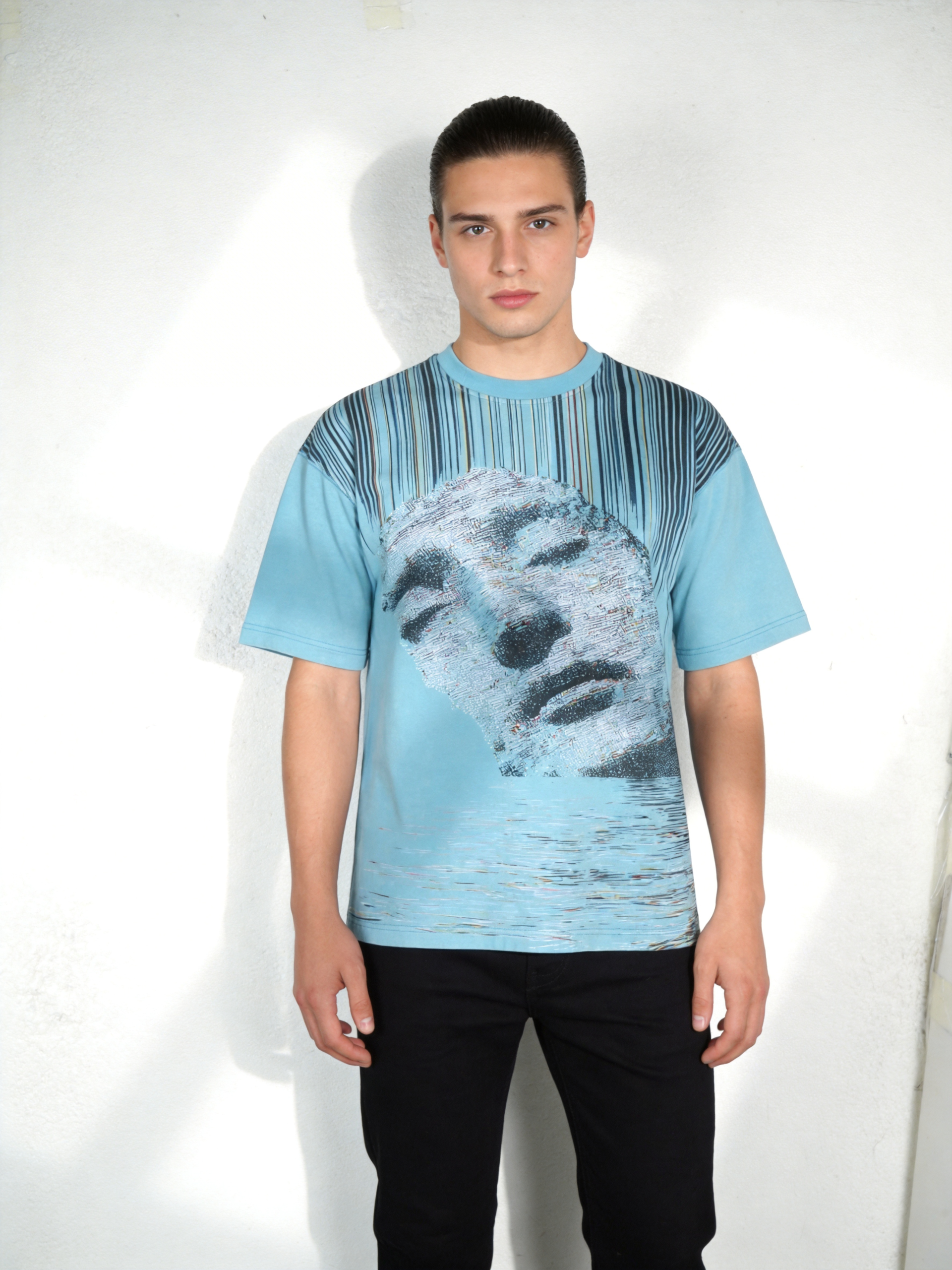
Bespoke clothing creates pieces from scratch based on precise individual measurements, eliminating the standardized sizing that forces 68% of consumers into ill-fitting clothes.
The bespoke process begins with comprehensive measurement. A skilled tailor records 25-40 data points beyond basic chest and waist dimensions, analyzing shoulder slope, arm length relative to torso, posture variations, and natural movement patterns. This biomechanical understanding separates bespoke from alterations—the pattern itself anticipates your body’s geometry.
Multiple fittings refine the garment progressively. The first fitting reveals how initial construction sits against your body. The tailor identifies sleeve pitch adjustments, jacket length modifications, trouser break corrections. Second and third fittings fine-tune these details until the garment moves with you, not against you. A properly fitted jacket sleeve follows your arm’s natural hang. Trousers break at precisely the right ankle point.
Superior Quality and Craftsmanship
Bespoke garments combine premium materials, hand-sewn construction, and meticulous attention to detail that industrial production physically cannot replicate at any scale.
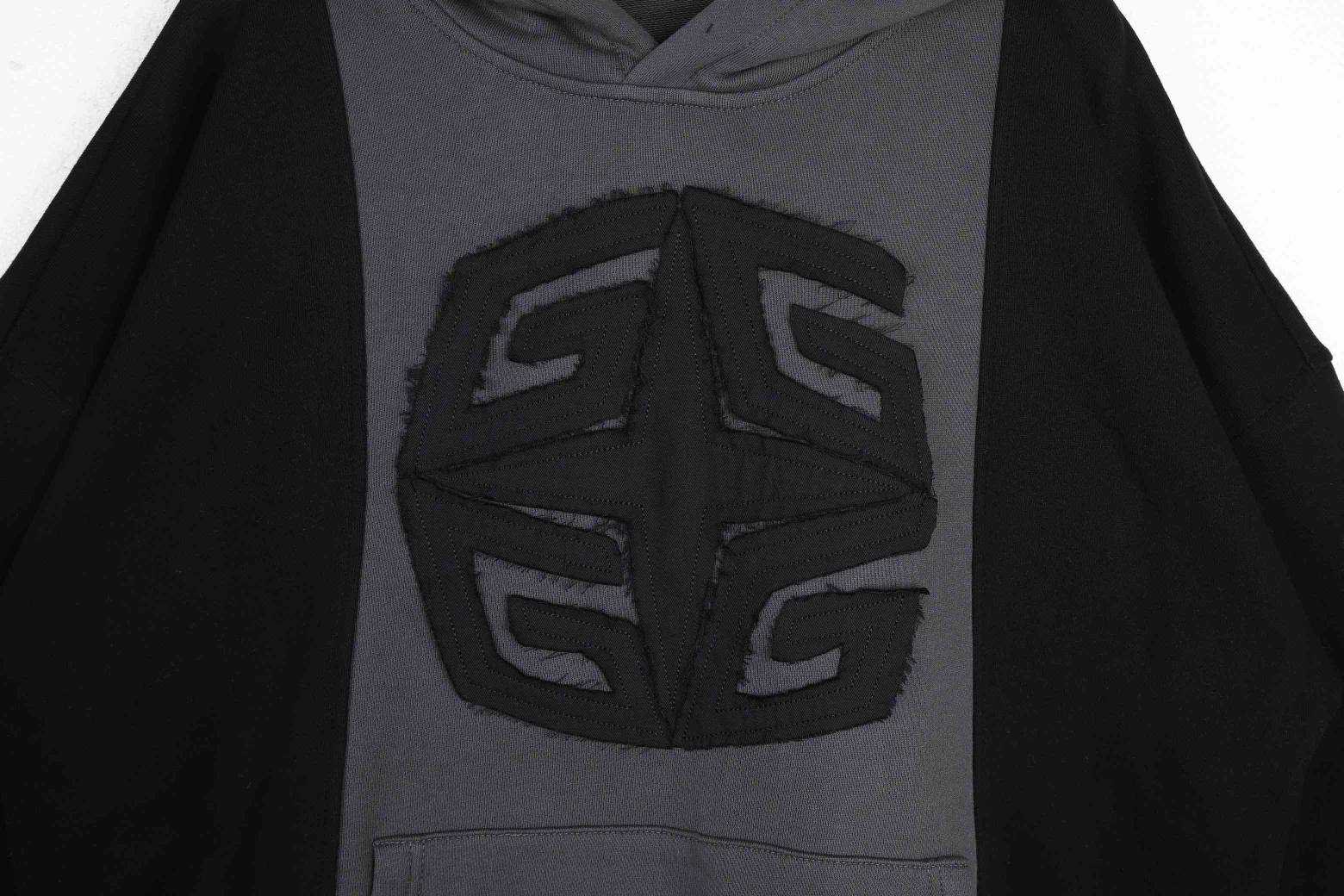
Premium fabric sourcing forms the foundation. Bespoke tailors access Italian Super 150s wool, English worsted suiting, Irish linen, and Japanese selvedge denim that retail chains never stock. These materials cost 3-5x more than synthetic blends but deliver superior drape, breathability, and durability. A 14-ounce wool holds its shape through years of wear while 9-ounce polyester blends collapse within months.
Hand-sewn construction appears in critical stress points. Buttonholes receive hand-stitching that flexes with fabric movement rather than tearing like machine zigzag stitches. Lapels gain hand-padded canvas that creates the distinctive roll impossible in fused construction. Hems receive blind-stitching invisible from the exterior. These techniques require 40-60 hours of skilled labor per garment—economically impossible in mass production targeting 90-minute assembly times.
Detail control extends to every element. Button placement aligns with your natural hand position. Pocket depth matches what you actually carry. Sleeve vents function rather than exist as decorative flaps. Quality assurance happens continuously, with the tailor inspecting seam integrity after each construction phase and validating measurements before final assembly.
Bespoke vs. Ready-to-Wear vs. Made-to-Measure
Understanding production method differences helps consumers match clothing investment to actual needs rather than marketing claims.
| Aspect | Ready-to-Wear | Made-to-Measure | Bespoke |
|---|---|---|---|
| Pattern Creation | Standard sizes | Graded from base pattern | Created from scratch |
| Fittings | None | 1-2 fittings | 3+ fittings |
| Customization | Limited color/size | Moderate (fabric, length) | Complete control |
| Cost Range | $50-300 | $300-1,500 | $1,500-5,000+ |
| Timeline | Immediate | 4-8 weeks | 8-16 weeks |
| Fit Quality | Variable, 68% dissatisfied | Good, addresses major issues | Exceptional, body-specific |
Choose ready-to-wear for basics worn infrequently where fit tolerance is high. Select made-to-measure when you need improved fit without full investment. Invest in bespoke for signature pieces worn 50+ times annually where fit precision directly impacts professional presentation—core business suits, wedding attire, wardrobe foundations.
Made-to-measure serves as the middle ground but carries limitations. The base pattern wasn’t designed for your body, so adjustments work around constraints rather than building from your specifications.
Sustainability and Slow Fashion Benefits
Made-to-order production generates 95% less waste than mass manufacturing because garments only exist after commission, eliminating the unsold inventory that creates 92 million tons of annual textile waste.
Environmental impact data:
- 92 million tons of textile waste generated annually by fast fashion overproduction — Ellen MacArthur Foundation, 2017
- 95% waste reduction through made-to-order versus speculative manufacturing — Sustainable Apparel Coalition, 2023
- 5-10x longer lifespan for bespoke garments compared to fast fashion averaging 5-7 wears — World Economic Forum, 2022
- 40% water consumption decrease when purchasing one quality piece instead of multiple low-quality replacements — UN Water Report, 2024
- 60% carbon footprint reduction per garment through eliminated shipping, returns, and replacement cycles — Fashion Revolution, 2023
The slow fashion movement centers on intentional production. Bespoke embodies this philosophy—garments commissioned deliberately, constructed carefully, designed for decades not seasons. A single bespoke suit worn 15 years generates dramatically less environmental impact than 20 fast-fashion suits purchased and discarded over the same period.
Material sourcing matters equally. Bespoke tailors increasingly offer organic cotton, recycled wool, and sustainably sourced linen, aligning with environmental values that mass manufacturers ignore while chasing lowest-cost inputs.
Long-Term Value and Confidence Investment
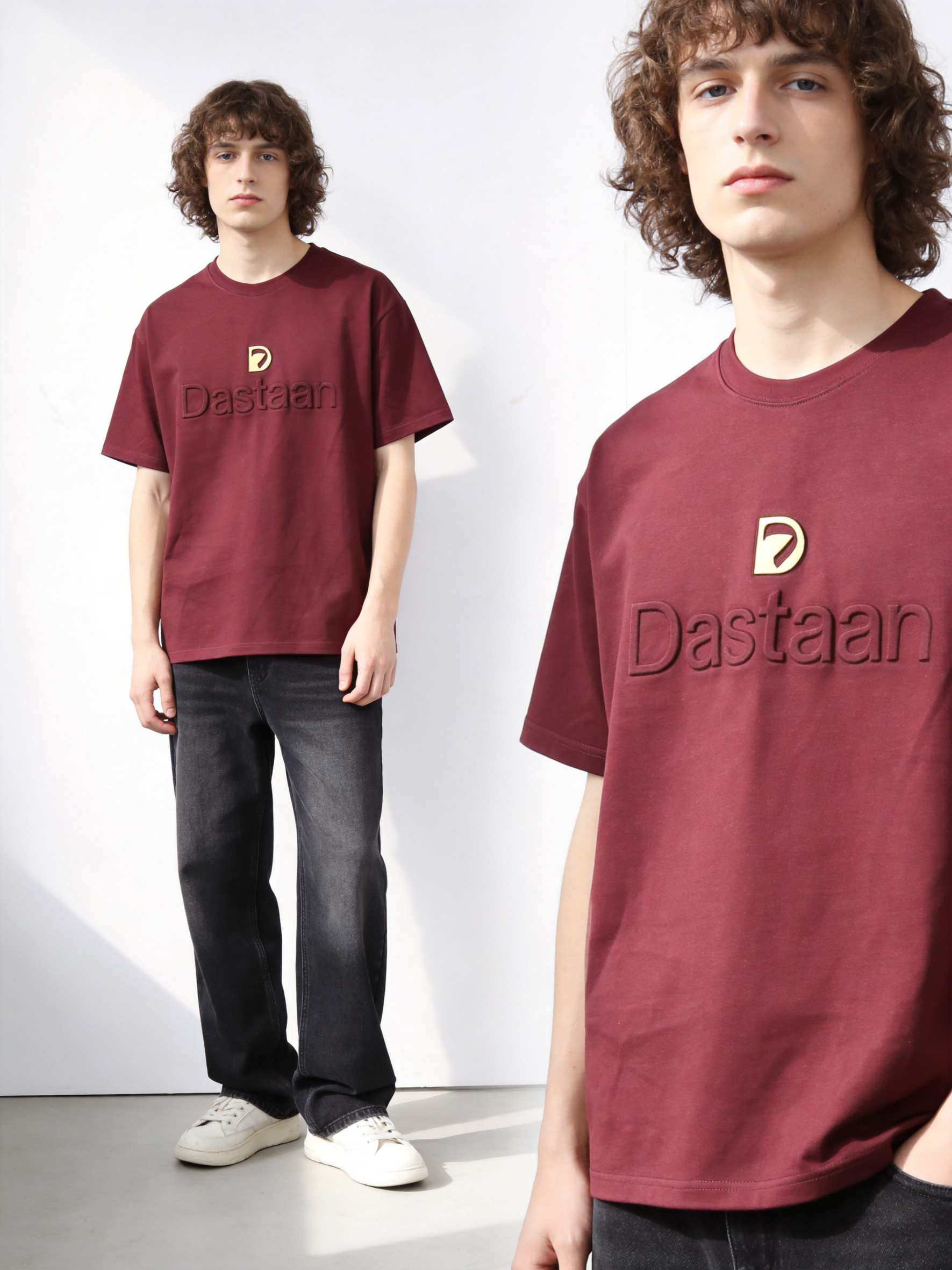
Bespoke clothing delivers exceptional long-term value through durability, timeless design, and psychological confidence benefits that transcend initial purchase price.
Cost-per-wear calculations reveal bespoke’s true economics—a $2,000 suit worn 100 times annually for 10 years costs $2 per wear, while a $300 ready-to-wear suit worn 20 times before replacement costs $15 per wear.
The durability advantage stems from construction quality. Hand-sewn seams flex with body movement rather than breaking under stress. Premium fabrics resist pilling, fading, and structural deterioration that destroys synthetic blends within 18-24 months. Bespoke garments last 15-20 years with proper care—economically impossible for mass-produced alternatives designed for 2-3 year obsolescence.
Timeless design protects against trend cycles. Bespoke tailors guide clients toward classic proportions that remain appropriate across decades. A well-cut suit from 2010 still looks current in 2026 because fundamental proportions don’t change—only fast fashion’s artificial trend cycles create perceived obsolescence.
Properly fitted clothing enhances self-assurance, improves professional interactions, and positively impacts career outcomes. When your clothes fit perfectly and match your personal style, you stop thinking about them—mental energy redirects toward actual work rather than adjusting ill-fitting garments throughout the day.
The tailor relationship adds ongoing value. Your bespoke tailor remembers your preferences, understands your body’s evolution, and anticipates your needs. This continuity means second and third commissions require fewer fittings because fit parameters are already established.
FAQ
Q1: How long does bespoke clothing typically take to complete?
Most bespoke garments require 8-16 weeks from initial consultation through final delivery, including pattern creation, fabric sourcing, 3-4 fittings, construction, and quality control. Expedited services may compress timelines to 6-8 weeks for additional fees. Complex garments with intricate detailing may extend to 20 weeks.
Q2: What’s the typical price range for bespoke clothing in 2026?
Bespoke suits typically range $1,500-5,000+ depending on tailor reputation, fabric selection, and geographic location. Shirts cost $200-500. Trousers range $400-1,200. Prices reflect 40-60 hours of skilled craftsmanship per garment plus premium materials. Major city tailors (New York, London, Hong Kong) command higher prices. Super 150s Italian wool costs 3x more than standard worsted.
Q3: Can bespoke clothing be adjusted if my body changes?
Yes, quality tailors can modify garments as your body changes—letting out or taking in seams, adjusting length, or refitting shoulders. Most alterations cost $50-200 depending on complexity. The tailor retains your pattern, so future adjustments reference original specifications. This flexibility makes bespoke economically rational for bodies that fluctuate 10-15 pounds.
Q4: Is bespoke clothing only for formal wear?
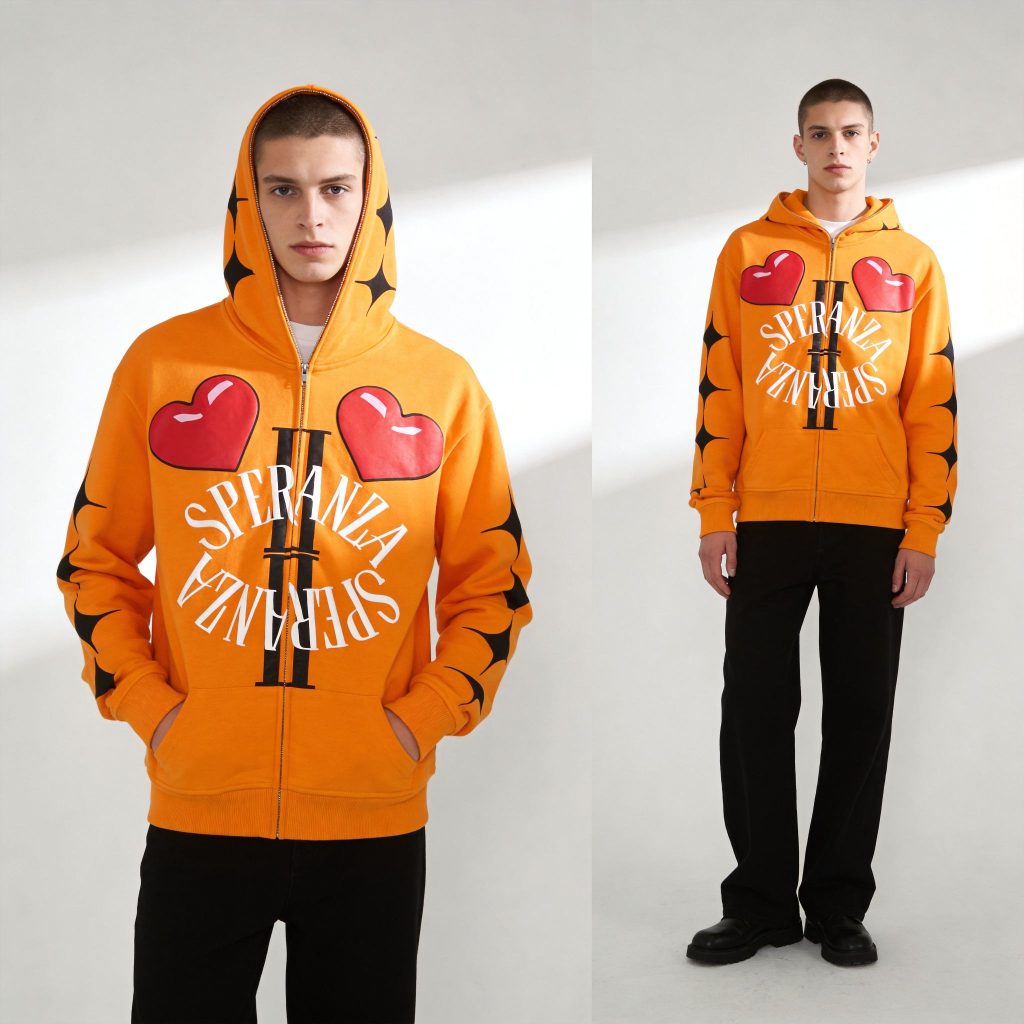
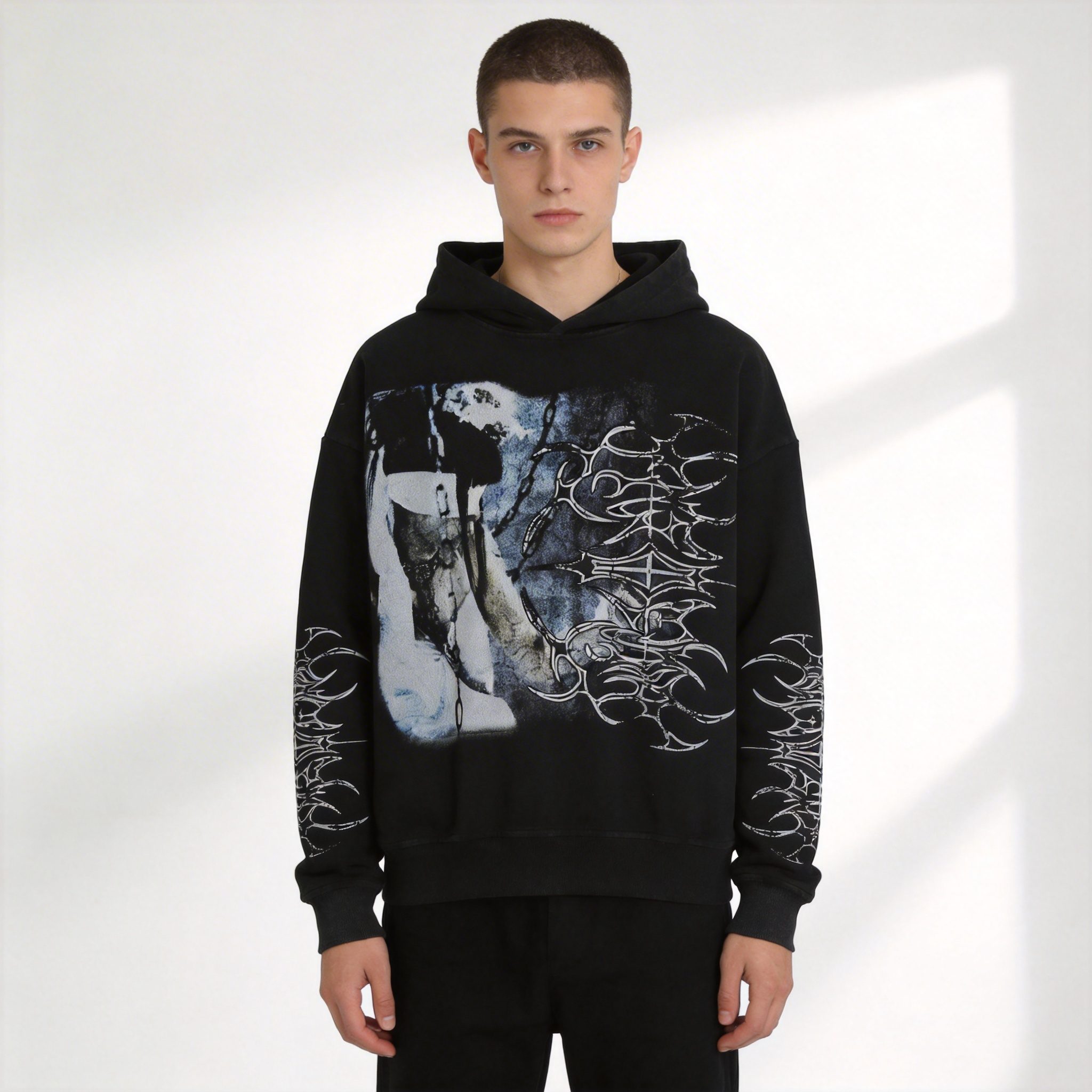
No, bespoke extends across all categories—casual wear, sportswear, dresses, outerwear, and accessories. Many consumers commission bespoke jeans, hoodies, and everyday pieces for perfect fit and personalization. The process applies universally; only styling and fabric choices change.
Q5: How do I find a reputable bespoke tailor?
Seek recommendations from colleagues whose clothing you admire, research local tailors’ portfolios, and request client references. Schedule consultations with 2-3 tailors to evaluate expertise, communication style, and understanding of your vision. Quality tailors welcome detailed discussions, provide clear timelines and pricing, and show examples of previous work. Trust your instinct—the relationship matters as much as technical skill.
Sources
- Ellen MacArthur Foundation — A New Textiles Economy (2017)
- Sustainable Apparel Coalition — Higg Index Environmental Assessment (2023)
- World Economic Forum — Fashion Industry Environmental Impact (2022)
- UN Water Report — Water Consumption in Textile Production (2024)
- Fashion Revolution — Transparency Index Carbon Analysis (2023)
Written by Alin Zeng (27 Years of Master Craftsmanship & Pattern Making, Global OEM & Streetwear Customization Excellence, End-to-End Supply Chain & One-Stop Production, High-Efficiency Cost Control (“Quality + Affordability”), Incubating 2,000+ Fashion Brands from Scratch). Last reviewed 2026-06-18.