TL;DR: Small businesses source apparel through five main channels—overseas manufacturers, domestic wholesalers, blank suppliers, dropshippers, and direct factory partnerships—each trading off cost, speed, and customization.
Bottom line: Startups with <$5,000 budgets start with blanks or wholesalers; brands ready to scale use overseas manufacturers for 40–60% cost savings.
Last updated: 2026-06-25, based on 27 years of manufacturing data and 2,000+ brand partnerships.
Key Takeaways
- Overseas manufacturers deliver 40–60% lower unit costs but require 500+ MOQs and 60–90 day lead times.
- Domestic wholesalers like Zenana and Katydid offer $50 minimums and 5–14 day delivery at higher per-unit pricing.
- Blank apparel suppliers (SanMar, S&S) ship in 3–7 days with 12-piece MOQs, ideal for print-on-demand businesses.
- Dropshipping platforms eliminate inventory risk but cut margins to 30–50% versus 200–400% with traditional wholesale.
- Hybrid sourcing combines blanks for speed, wholesalers for inventory, and manufacturers for branded collections.
1. Overseas Manufacturers (Primarily China)
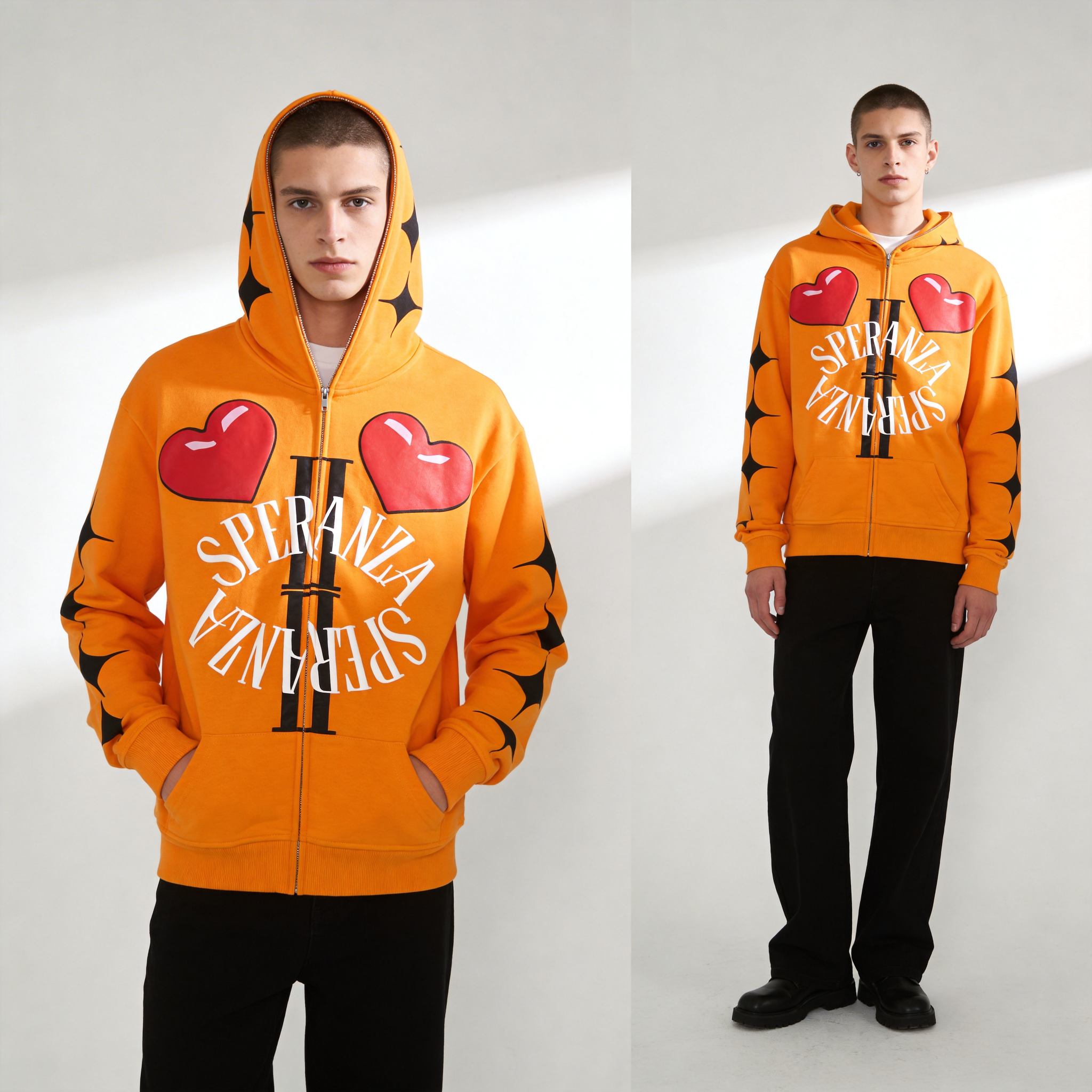
Overseas manufacturers—particularly in China—remain the dominant answer for small businesses seeking the lowest cost and full design control. China controls global apparel manufacturing because it combines 27+ years of supply chain infrastructure, skilled technical labor, and scalable production capacity. The country hosts complete textile ecosystems: fabric mills, trim suppliers, printing factories, and logistics networks operate within 50-kilometer radiuses of major manufacturing hubs like Dongguan and Guangzhou.
The process follows a structured path. Brands submit tech packs with measurements, construction details, and fabric specs. Factories produce samples within 10–15 days for approval. After sign-off, bulk production begins—cutting, sewing, decoration, washing, quality control, and packaging. The entire cycle spans 60–90 days from deposit to container arrival at a U.S. port. Air freight cuts this to 20–25 days but doubles shipping costs.
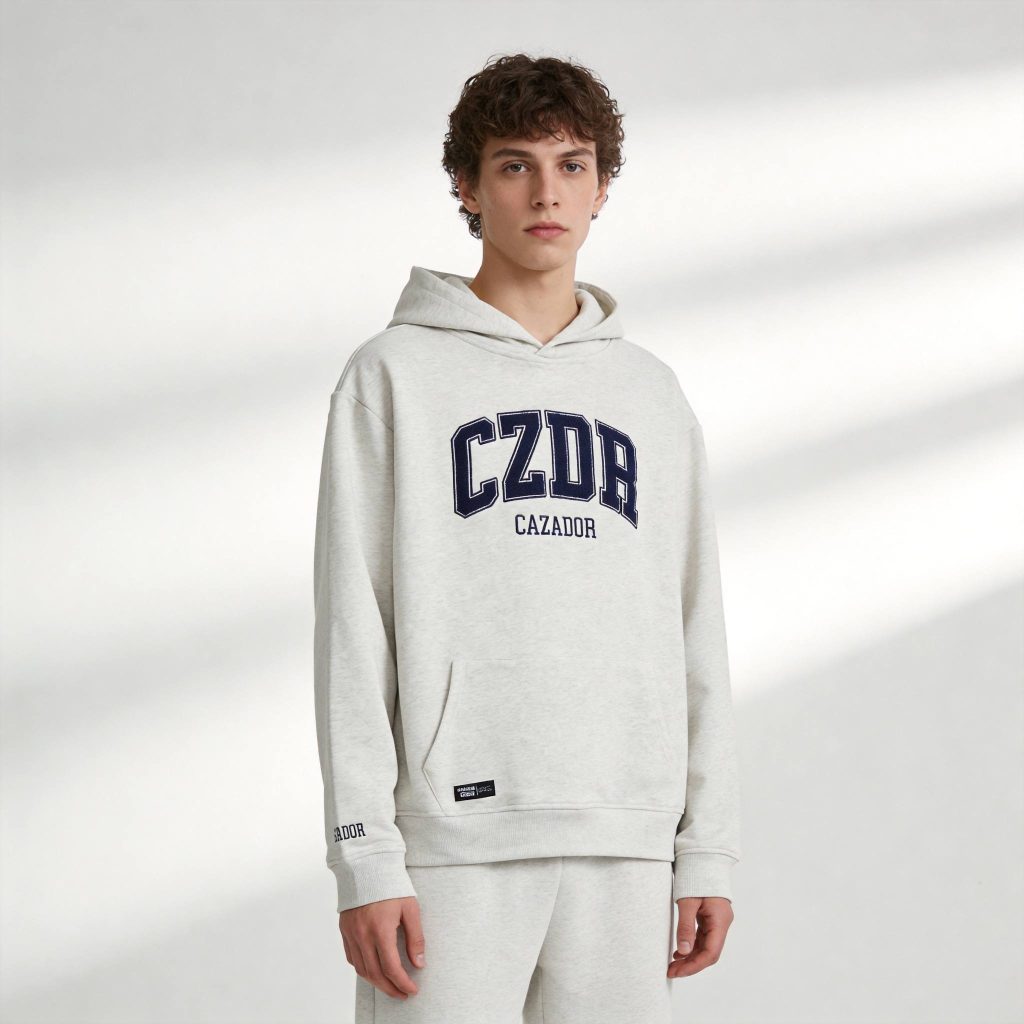
Cost advantages are substantial. Overseas manufacturing delivers 40–60% lower unit costs than domestic production due to labor rates ($2–4/hour versus $15–25) and material sourcing efficiency. A heavyweight hoodie costing $18–22 domestically drops to $8–12 from a Chinese factory at 1,000-unit volume. The payoff? Margins that let brands retail at $65 while wholesalers buying domestically struggle to clear $45.
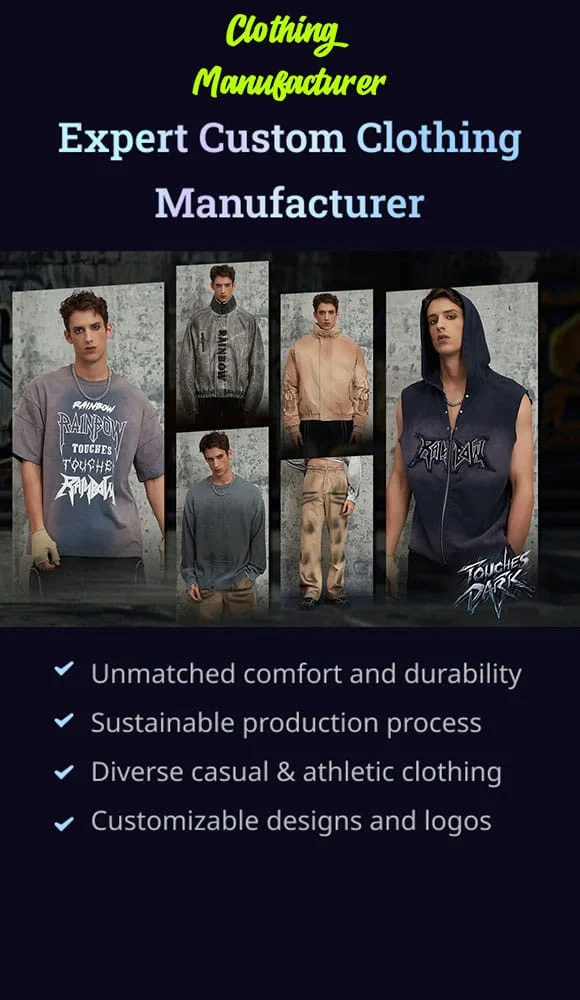
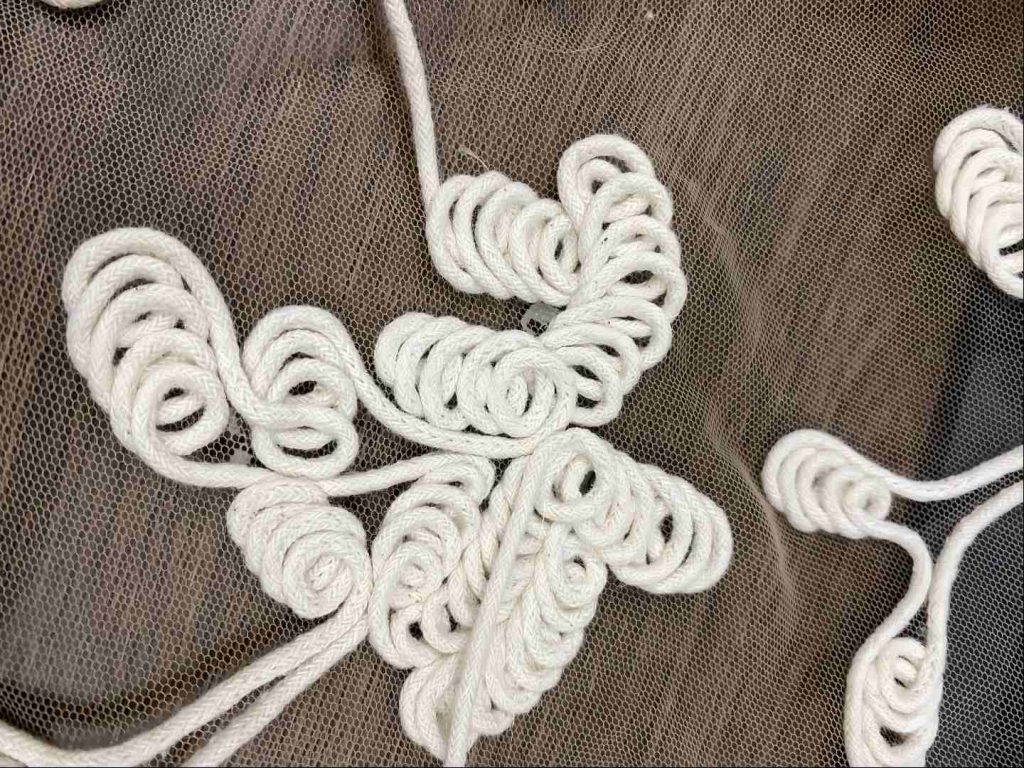
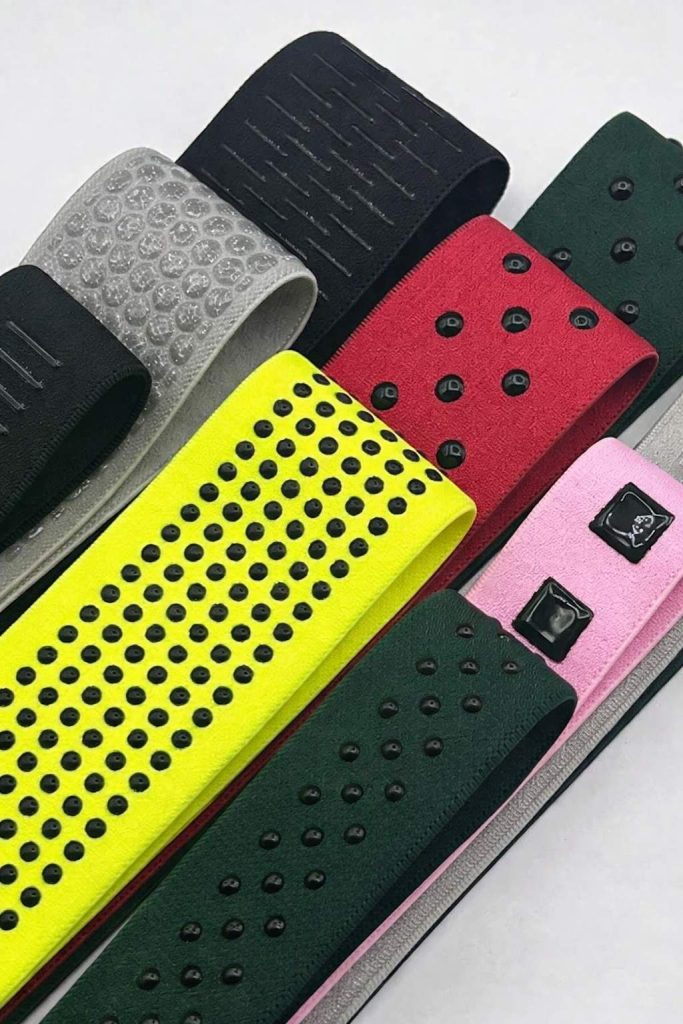
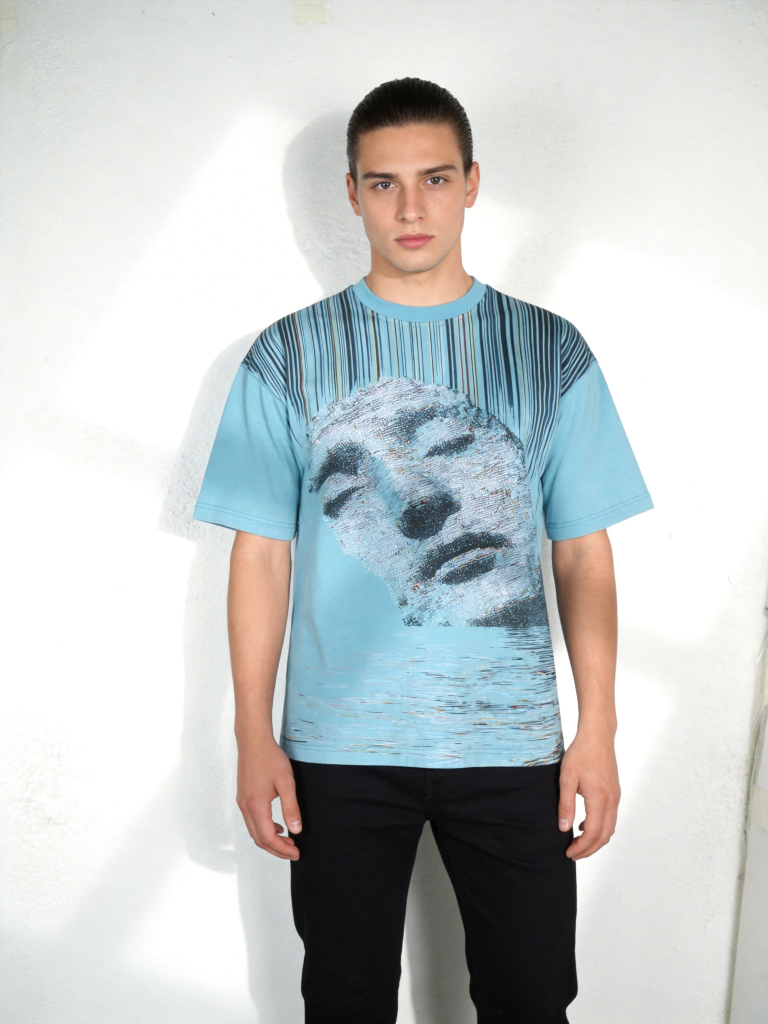
Trade-offs are real. MOQs typically start at 500 pieces per style, though a Wholesale Clothing Manufacturer now offers 50-piece minimums for startups. Communication requires clear documentation. Lead times demand advance planning; brands ordering in March receive inventory in June. But for businesses ready to commit capital and volume, overseas manufacturing remains unmatched for combining affordability, customization, and professional finishing techniques like garment dye, puff printing, and chenille embroidery.
2. Domestic Wholesalers & Bulk Suppliers
Domestic wholesalers solve the speed and risk problems that overseas manufacturing creates. Wholesalers like Katydid, Zenana, and Bloom Wholesale offer pre-made collections with 5–14 day delivery and MOQs as low as $50. Katydid, a Dallas-based supplier, ships nationwide with no per-style minimums—boutiques order six units of one top, twelve of another, building mixed inventory without committing to hundreds of a single SKU.
The LA Fashion District represents the physical epicenter of domestic wholesale, hosting 2,000+ vendors across 90 blocks. Zenana dominates the basics category—bralettes, leggings, oversized tees—at price points that rival big-box stores ($4–8 wholesale) without requiring 6,000-unit commitments. Their volume lets them pass bulk pricing to small buyers.
| Supplier Type | MOQ | Lead Time | Unit Cost | Customization | Best For |
|---|---|---|---|---|---|
| Blank Apparel (SanMar, S&S) | 12–50 | 3–7 days | $4–12 | Screen print/embroidery | Print-on-demand, quick merch |
| Pre-Made Fashion Wholesalers | 50–200 | 5–14 days | $8–25 | Limited (labels only) | Boutiques, resellers |
| Regional Hubs (LA, NYC) | 25–100 | 2–5 days | $10–30 | Custom orders possible | Boutiques, local brands |
| Overseas Manufacturers | 500–5,000 | 60–90 days | $3–8 | Full design control | Startups, high volume |
Choose domestic wholesalers when speed and cash flow matter more than margin. A boutique testing a new niche orders 50 pieces at $15 each, sells through in three weeks at $45 retail, then reorders. No $7,500 factory commitment, no 90-day wait. The trade-off? Per-unit cost doubles, cutting gross margin from 75% to 65%. For businesses prioritizing agility over absolute margin, that’s a rational swap.
3. Dropshipping & Print-on-Demand Platforms
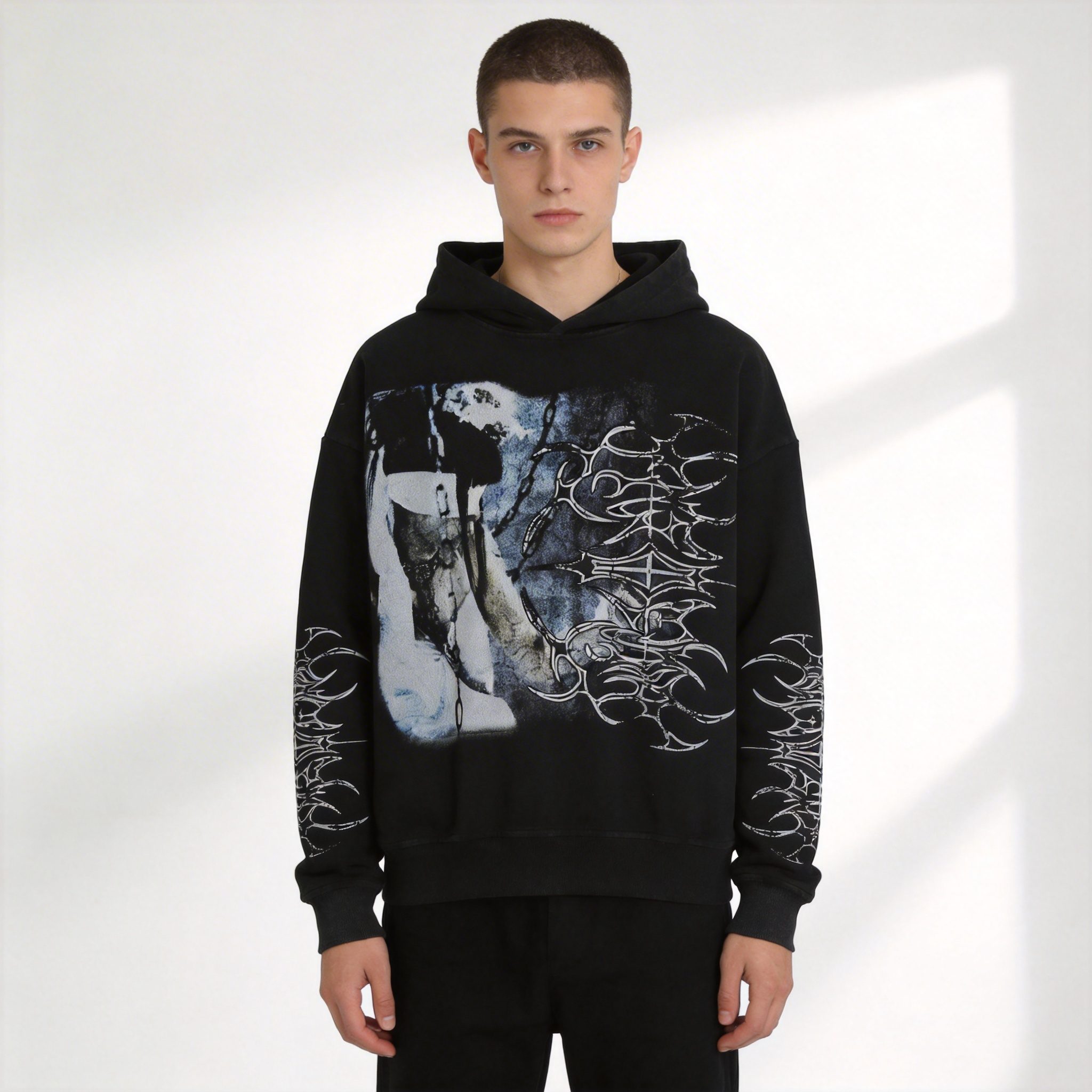
Dropshipping and print-on-demand eliminate the central risk of apparel retail: unsold inventory. Platforms like Printful, Teespring, and Amazon Merch on Demand manufacture only after a customer orders. A creator uploads a design, sets a retail price, and promotes the product. When someone buys, the platform prints, packs, and ships directly to the customer.
Typical margins land at 30–50% versus 200–400% with traditional wholesale. A Printful hoodie costs the creator $28 (base + print + shipping). Retail at $45, net $17. A factory-produced hoodie at $10 landed cost retails at $65, netting $55. Over 100 units, that’s $1,700 versus $5,500.
Best for solopreneurs, influencers testing designs, and low-volume niche brands. A fitness coach selling 15 hoodies monthly can’t justify a 500-piece factory order. Print-on-demand lets her validate demand before committing capital. At 200 units monthly, switching to a manufacturer saves $7,600 per month—enough to fund the next collection.
4. Direct Manufacturer Partnerships (Custom OEM/ODM)
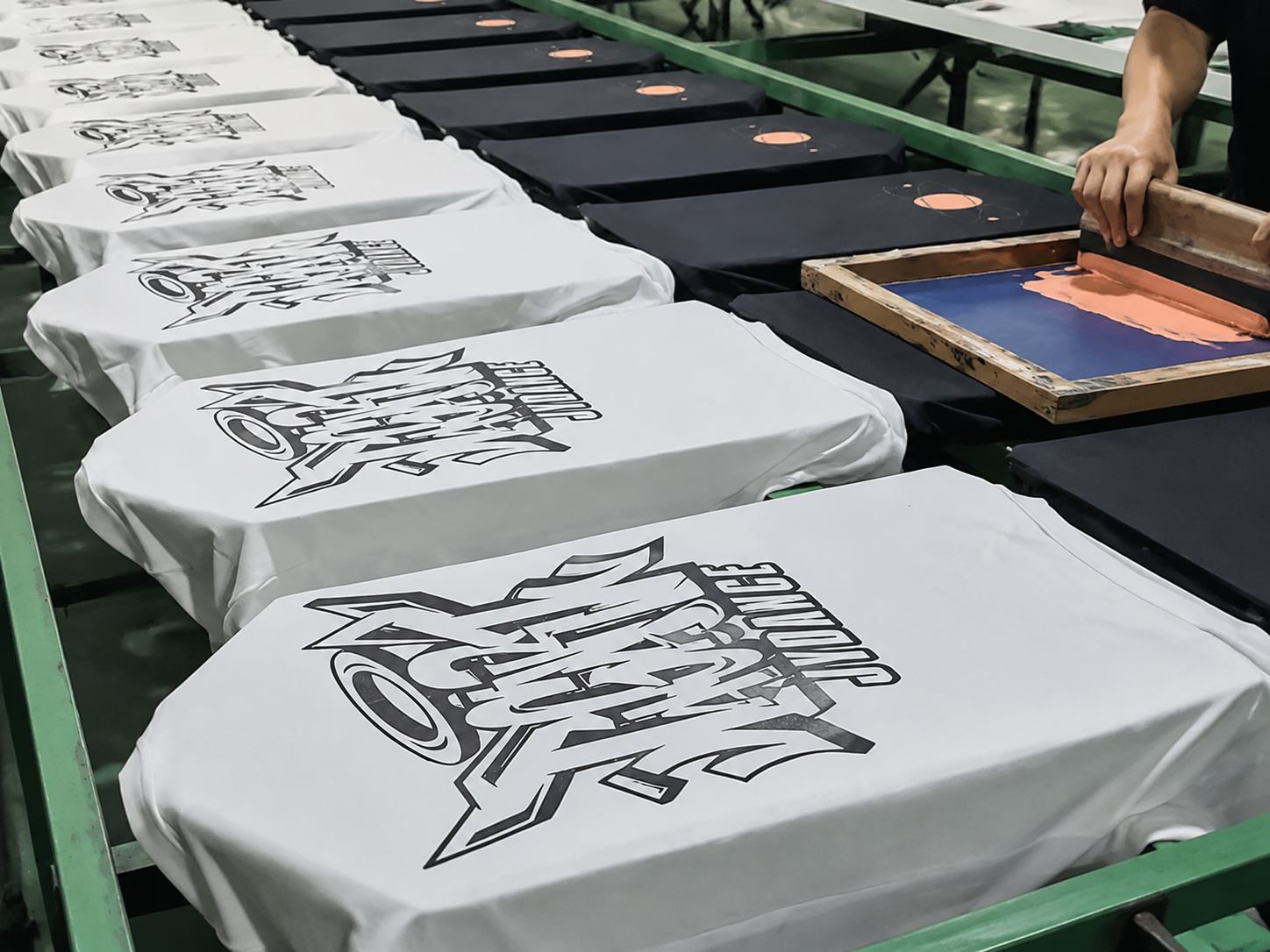
Direct factory partnerships deliver the lowest per-unit costs and unlimited design control, but require serious commitment. Custom manufacturers like ZORWILD offer OEM (you design, they produce) and ODM (they design, you private-label) services with full fabric sourcing, sampling, decoration, and logistics.
Manufacturer Cost & Scale Metrics:
- 40–60% lower unit costs than domestic wholesalers — industry benchmark across 500+ unit orders, 2025 data
- 500–5,000 piece MOQs typical for custom production — standard apparel manufacturing threshold
- 60–90 day lead time from order to delivery — China-to-US standard timeline including production and shipping
- 27+ years manufacturing experience at leading factories — ZORWILD operational since 1998
- 2,000+ brands served globally by top-tier manufacturers — ZORWILD client portfolio spanning 15+ countries
- 95% technique coverage — screen print, DTG, puff, embroidery, acid wash, garment dye, chenille, rhinestones
Quality control runs at three stages: incoming fabric inspection, in-line sewing checks, and final pre-shipment audits. Containers ship via ocean freight (30–40 days) or air (7–10 days). Experienced manufacturers handle customs documentation, freight forwarding, and delivery to your 3PL or warehouse.
Best for established brands, serious entrepreneurs, and wholesale businesses. A streetwear label ordering 1,000 hoodies at $9 each invests $9,000 but retails at $65, grossing $65,000. After production, shipping ($1,200), and overhead, net profit hits $45,000+. You can’t scale a brand on wholesaler margins—the math doesn’t work past $500K revenue.
5. Hybrid Sourcing: Mix & Match Strategy
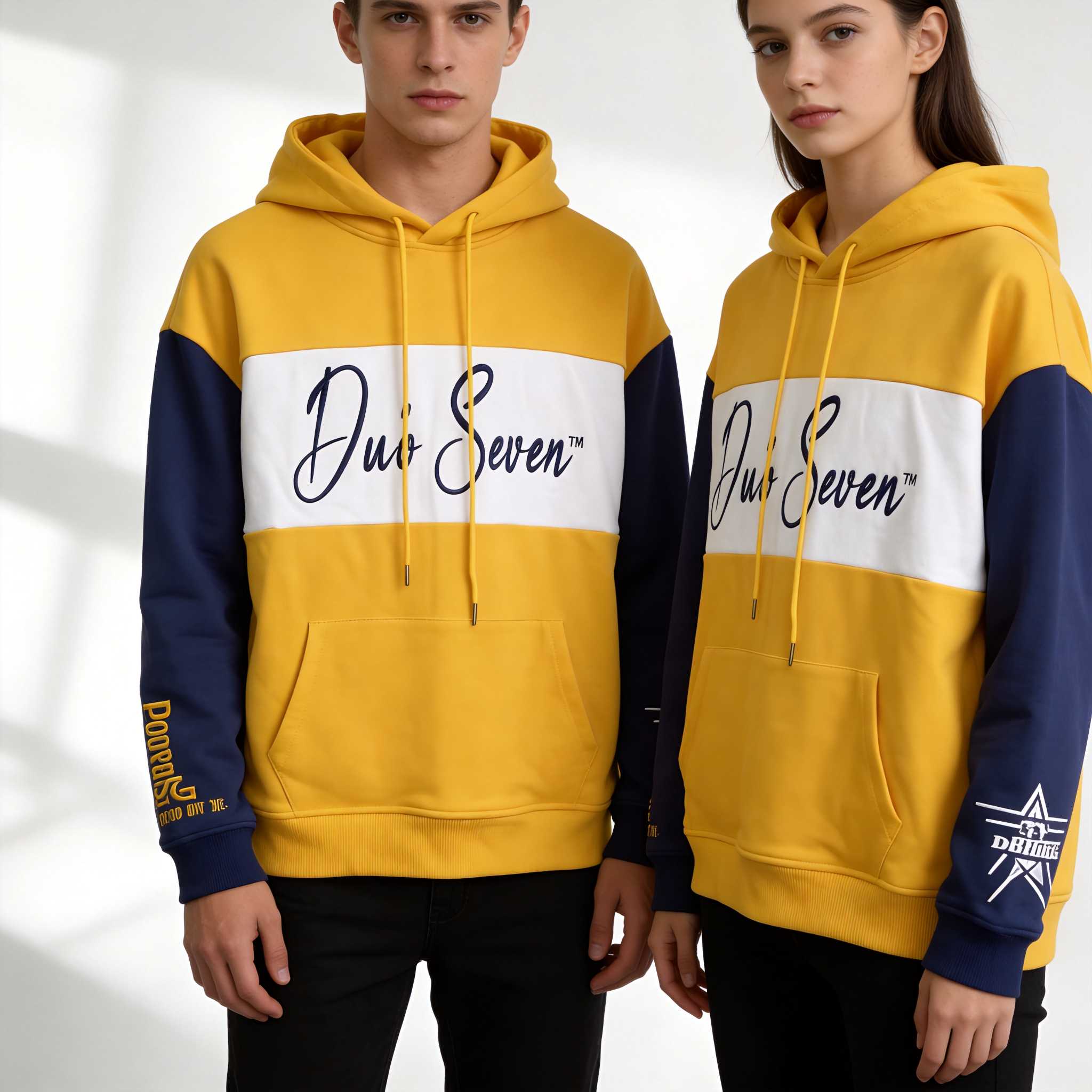
Smart small businesses combine multiple sourcing paths to balance cost, speed, and customization. Hybrid sourcing lets brands launch with blanks for quick merch, use wholesalers for seasonal inventory, and develop branded collections with manufacturers for long-term differentiation.
The workflow looks like this. Month 1–2: order blank hoodies from SanMar, add screen-printed logos, and sell through social media while testing designs via print-on-demand. Validate which styles resonate. Month 3: place a 500-unit factory order for top performers, locking in $8 unit costs versus $18 blanks. Month 4–5: receive bulk inventory, shift marketing to the premium line, and phase out blanks except for quick-turn event merch.
This approach reduces cash flow strain and inventory obsolescence risk. A brand investing $10,000 in factory goods commits that capital for 90+ days. If trends shift or designs flop, the loss is total. Hybrid sourcing lets you test with $2,000 in blanks and wholesaler inventory, then commit factory capital only to proven winners. One activewear startup tested with 200 blank leggings ($6 each, $1,200 total), sold out in three weeks at $38 retail, then ordered 1,000 custom leggings at $4.50 each. The $4,500 investment turned into $38,000 revenue over two months.
Hybrid sourcing works best for brands in the $50K–$500K revenue range. Below $50K, stick to blanks and wholesalers. Above $500K, shift 80%+ to direct manufacturing.
FAQ
Q1: What’s the minimum order quantity (MOQ) for small businesses?
MOQs range from 12 pieces for blank apparel suppliers like SanMar to 50–100 for progressive custom manufacturers like ZORWILD, up to 500+ for traditional factories. Dropshipping has no MOQ. Domestic fashion wholesalers typically require $50–200 minimum purchase value.
Q2: How long does it take to get clothes from a manufacturer?
Blank suppliers deliver in 3–7 days. Domestic wholesalers ship in 5–14 days. Overseas manufacturers require 60–90 days for production plus 10–20 days for ocean freight, or 7–10 days via air. Print-on-demand platforms fulfill orders in 5–10 days after purchase.
Q3: Can I customize clothes from wholesalers?
Customization from wholesalers is limited to labels, hang tags, and basic screen printing or embroidery. Full design control—custom fabrics, silhouettes, washes, decoration—requires a direct manufacturer relationship.
Q4: Is it cheaper to manufacture in China or buy domestic?
China is 40–60% cheaper per unit due to labor costs ($2–4/hour versus $15–25) and integrated supply chains, but requires 500+ MOQs and 60–90 day lead times. Domestic is faster and better for small orders under 200 units. Break-even typically hits at 300–500 units.
Q5: What’s the difference between OEM and ODM?
OEM (Original Equipment Manufacturer) means you provide the complete design and the factory produces it to your specifications. ODM (Original Design Manufacturer) means the factory provides design options from their existing catalog and you private-label them with your branding.
Sources
- Billoomi Fashion — Clothing Manufacturer for Small Business — 2026, full-service garment manufacturing for startups
- The Boutique Hub — Find a Clothing Supplier — 2026, wholesale sourcing strategies
- Shopify — 21 Best Wholesale Clothing Vendors — 2026, vendor evaluation criteria
- Katydid Wholesale — Dallas-based, $50 MOQ, nationwide shipping
- Bloom Wholesale — LA Fashion District sourcing, weekly new arrivals
Written by Alin Zeng (27 Years of Master Craftsmanship & Pattern Making, Global OEM & Streetwear Customization Excellence, End-to-End Supply Chain & One-Stop Production, High-Efficiency Cost Control (“Quality + Affordability”), Incubating 2,000+ Fashion Brands from Scratch). Last reviewed 2026-06-25.