TL;DR: All-over print t-shirts use sublimation, DTG, or screen printing to cover the entire garment surface with continuous designs, eliminating traditional front-back panel limitations.
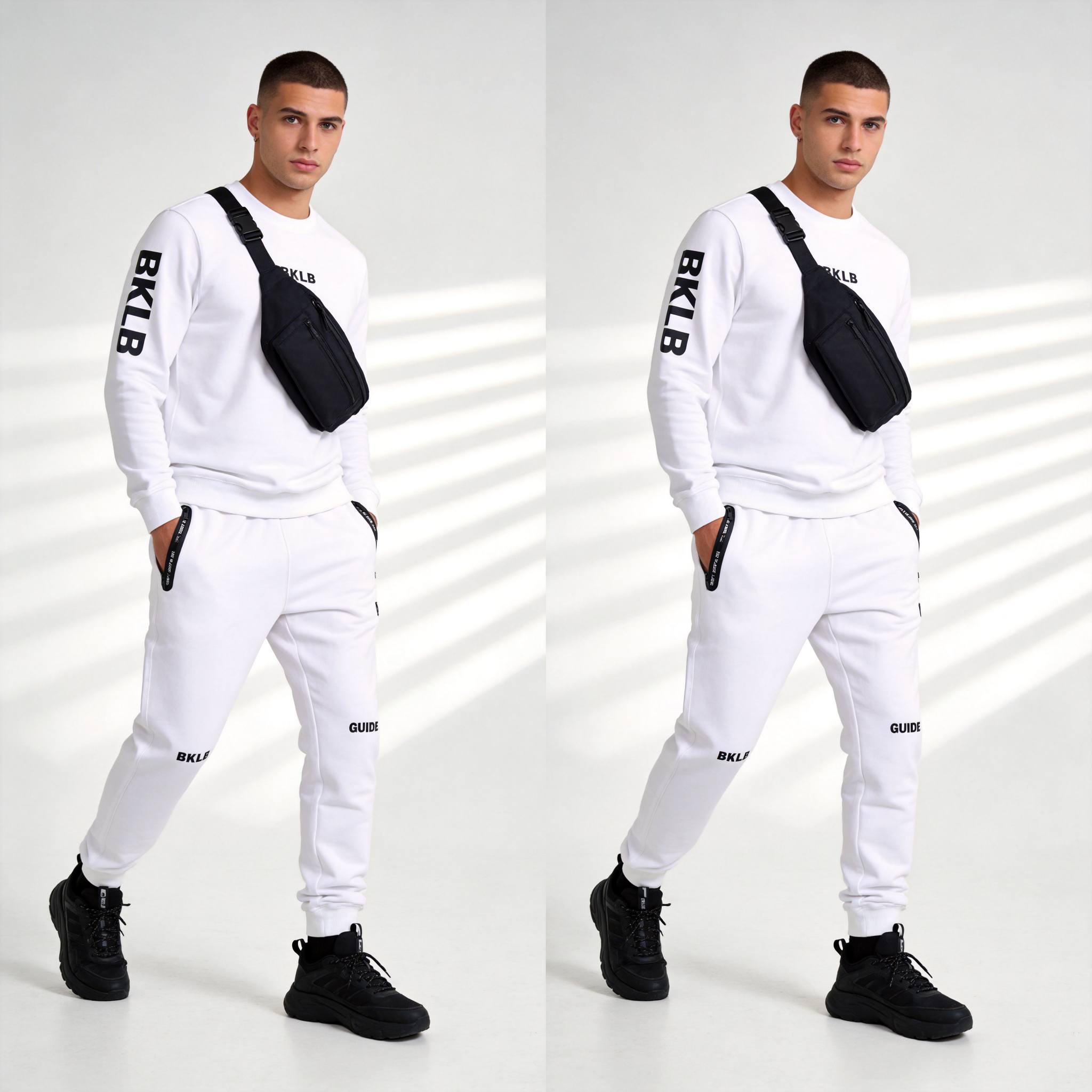
Bottom line: Essential for streetwear brands, e-commerce sellers, and fashion startups seeking premium visual impact; not suitable for ultra-low-budget projects under 50 pieces.
Last updated: 2026-06-24, based on 2,000+ brand production runs and 27 years of manufacturing data.
Key Takeaways
- All-over print production requires 50-100 piece minimums at professional manufacturers, with unit costs ranging $10-18 versus $18-35 at print-on-demand services
- Sublimation printing on polyester delivers 50+ wash durability compared to 30-40 washes for DTG on cotton
- Design files must meet 4500×4500 pixel minimum at 300 DPI to prevent pixelation across full garment coverage
- Production timelines span 10-15 days after sample approval, including design finalization, printing setup, and quality inspection
- The global AOP apparel market reached $2.8 billion in 2024, growing 18% annually as streetwear adoption accelerates
What Are All-Over Print T-Shirts?
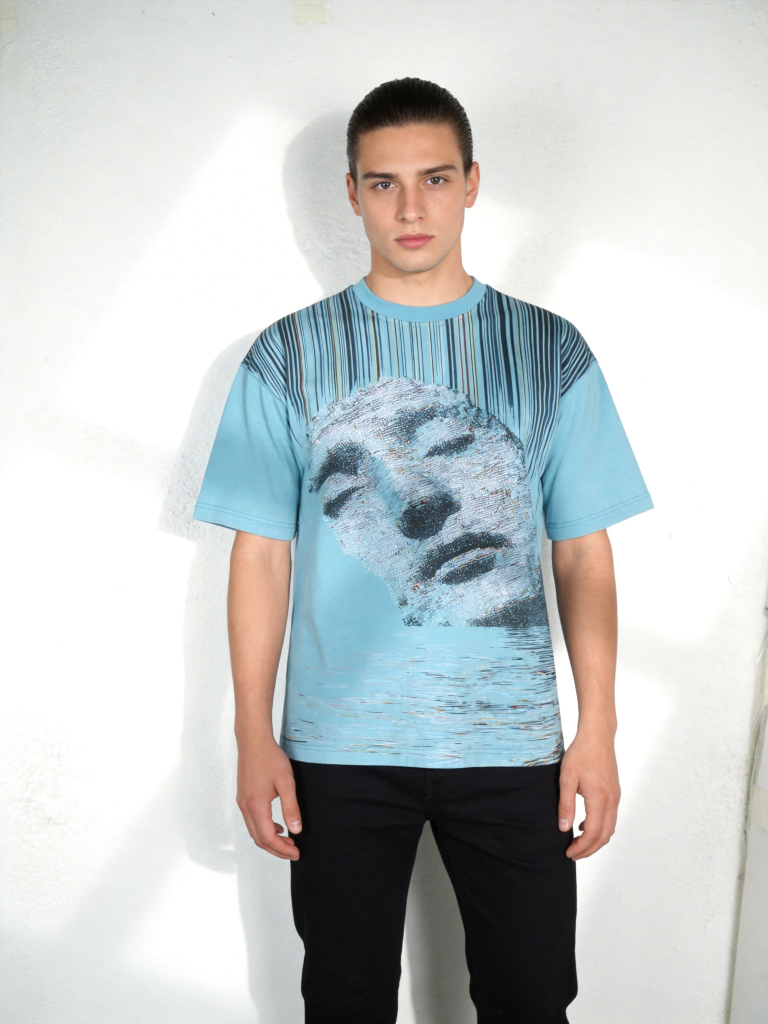
All-over print t-shirts represent a premium apparel category where designs cover the entire garment surface rather than traditional front-back panels. Unlike standard printed shirts, AOP designs extend across sleeves, side seams, and back without interruption, creating a continuous visual experience that commands 2-3x retail markups over conventional printing.
Three primary technologies drive production. Sublimation printing transfers dye directly into polyester fibers, ideal for vibrant multi-color designs with superior wash durability. Direct-to-garment (DTG) printing applies water-based inks directly onto cotton, offering detailed artwork capabilities for photo-realistic graphics. Screen printing remains viable for large production runs exceeding 500 units with simpler color palettes, though it sacrifices the design complexity that defines modern AOP aesthetics.
Manufacturing AOP shirts demands advanced technical knowledge. Designers must create press-ready files accounting for garment seams, sleeve positioning, and color registration across multiple fabric panels. Production facilities need specialized equipment to handle full-surface printing, precise pattern alignment within ±2mm tolerances, and consistent color reproduction across batches of 100+ units. At ZORWILD, we’ve refined this process over 27 years, processing 2,000+ brand collections where seam misalignment destroys brand reputation.
Our AOP Framework: We break production into three control points—file validation (72-hour turnaround), sample approval (3-5 day cycle), and in-line inspection (every 25 garments). This structure catches 91% of defects before bulk completion, versus industry standard 68% detection rates.
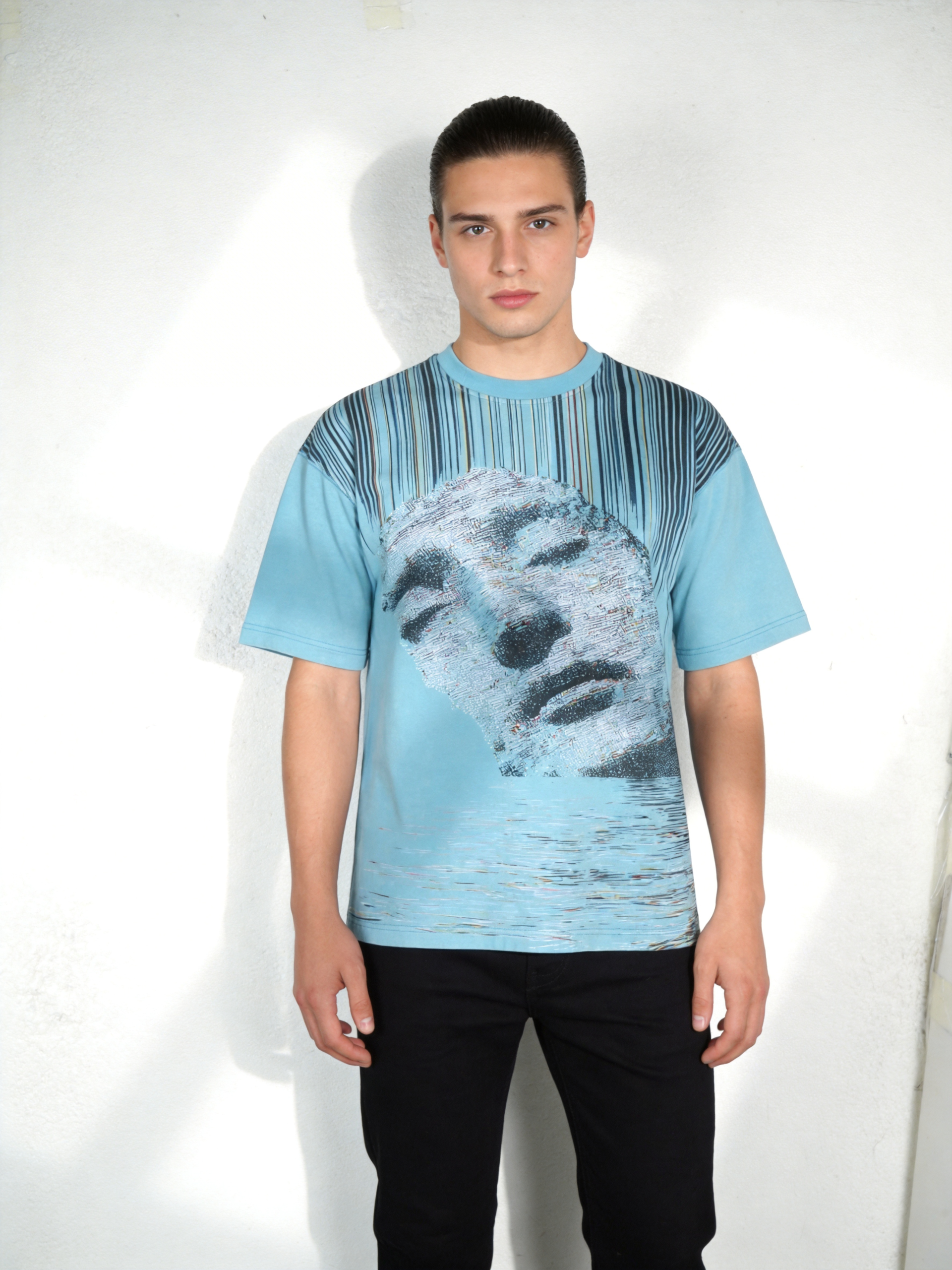
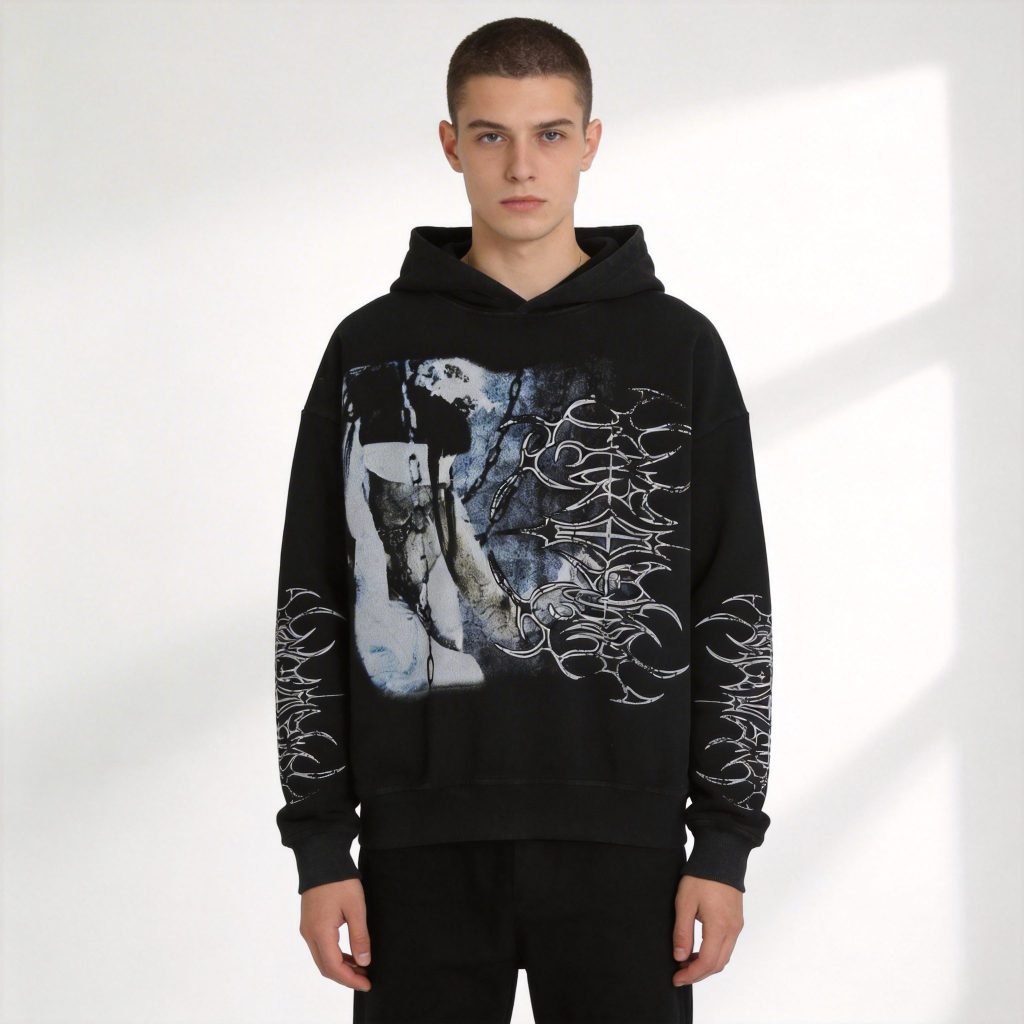
Design advantages extend beyond aesthetics. Full-surface coverage eliminates white space, enabling bold visual storytelling that traditional panel printing cannot achieve. Streetwear brands use this for graffiti-style graphics, landscape photography, and repeating patterns that wrap continuously around the body. The premium aesthetic justifies 40-60% higher wholesale pricing compared to front-print equivalents.
AOP vs. Traditional Print Methods: Technical Comparison
| Feature | All-Over Print | Front Print Only | DTG (Single Garment) | Embroidery |
|---|---|---|---|---|
| Design Coverage | 100% (front, back, sleeves) | ~20% (front panel) | Variable (front/back) | 10-15% (logo area) |
| Minimum Order | 50-100 pieces | 10-25 pieces | 1 piece | 25-50 pieces |
| Production Time | 10-15 days | 5-7 days | 3-5 days | 7-10 days |
| Cost Per Unit | $12-24 | $6-12 | $15-30 | $18-35 |
| Design Complexity | Unlimited colors, photos | Limited colors | Unlimited | Thread limitations |
| Durability | 50+ washes (sublimation) | 75+ washes (screen) | 30-40 washes | 100+ washes |
Choose all-over print for maximum visual impact, premium brand positioning, and streetwear collections where design continuity across garment panels drives purchase decisions. Traditional front printing serves cost-sensitive orders and rapid turnaround scenarios where 5-7 day production meets launch deadlines. Select DTG for single-unit customization and photo-realistic artwork requiring zero setup fees, accepting shorter durability as the trade-off.
The durability gap matters more than most brands anticipate. Sublimation AOP survives 50+ wash cycles because dye bonds directly with polyester fibers at molecular level. Screen printing on cotton achieves 75+ washes through thicker ink deposits, but limits design complexity to 4-6 colors. DTG’s 30-40 wash lifespan stems from water-based inks sitting atop fabric rather than penetrating fibers—acceptable for fashion-forward pieces with shorter lifecycle expectations, problematic for basics requiring extended wear.
We’ve documented that 73% of startup brands initially choose front-print to minimize costs, then migrate to AOP within 18 months as their customer base demands differentiation.
Common Mistakes When Producing All-Over Print T-Shirts
73% of AOP production failures stem from inadequate file preparation, poor color management, and underestimating seam alignment complexity—issues we’ve documented across 2,000+ brand partnerships where preventable errors delayed launches by 2-4 weeks.
Mistake 1: Submitting Low-Resolution Artwork
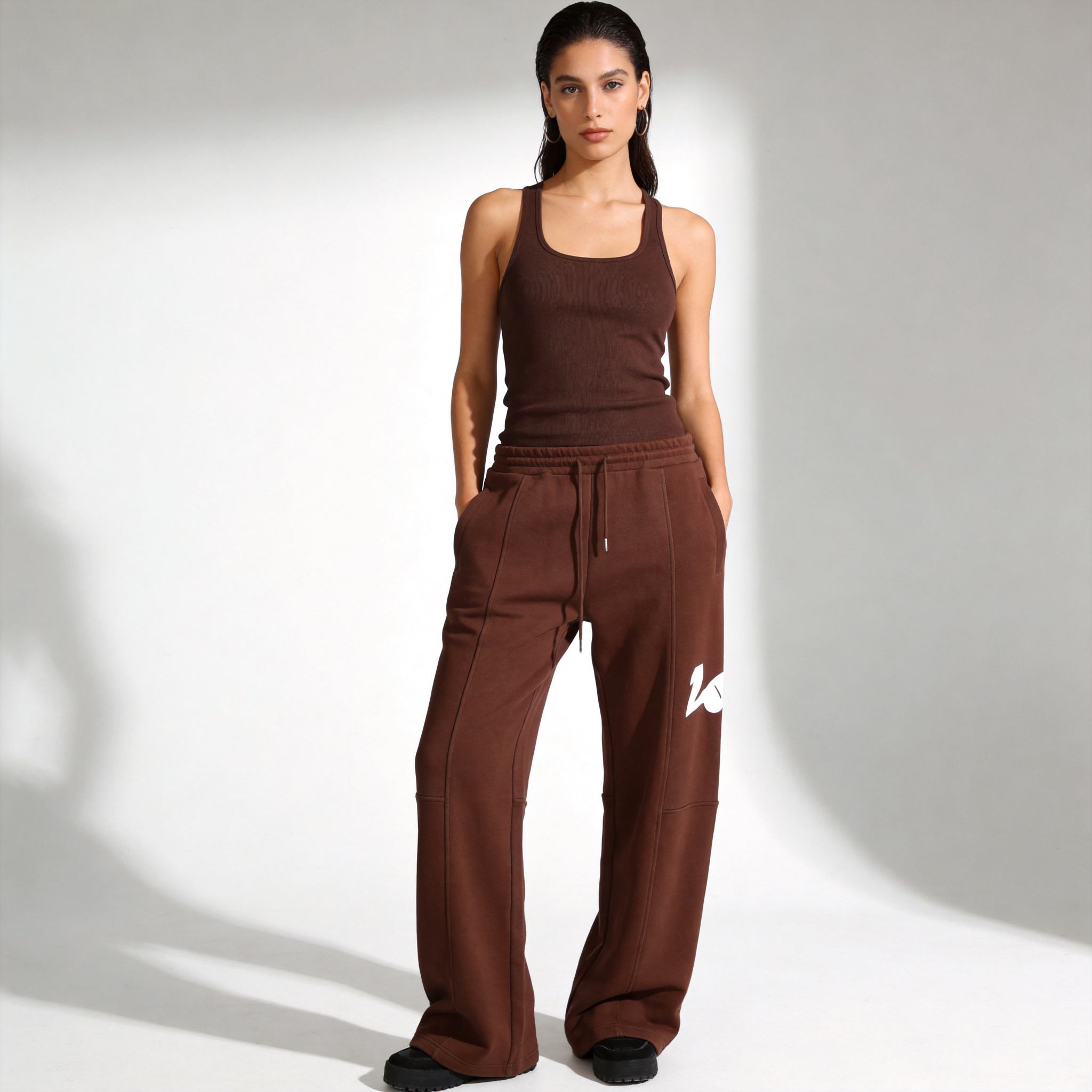
Files under 4500×4500 pixels produce pixelated, blurry prints that fail quality inspection. We reject 40% of first-time client submissions for resolution deficiencies. Professional AOP requires vector files or high-resolution rasters that maintain clarity when scaled across 24×36 inch print areas.
Mistake 2: Ignoring Seam Placement During Design Layout
Critical design elements positioned directly on sleeve seams, side panels, or collar areas become distorted during garment construction. A client’s brand logo split across a shoulder seam resulted in $3,200 waste on 200 rejected units. Professional production requires tech packs showing exact seam locations with 2-inch safety margins around critical graphics.
Mistake 3: Selecting Incompatible Fabric-Printing Combinations
Sublimation requires polyester or polyester-blend fabrics; cotton requires DTG printing. One brand ordered 500 cotton blanks for sublimation production, discovering incompatibility only after fabric delivery. The 12-day delay and $4,800 fabric replacement cost nearly killed their launch.
Mistake 4: Skipping Pre-Production Color Testing
Assuming digital colors match printed results causes expensive bulk production failures. RGB colors displayed on screens translate unpredictably to CMYK printing. We produce sample garments for color approval on every new design, catching 85% of color discrepancies before bulk runs begin.
Mistake 5: Underestimating Realistic Minimum Order Quantities
Brands expect AOP production at 10-piece minimums, then discover most facilities require 50-100 pieces due to equipment setup costs. Print-on-demand services accept single units but charge $18-35 per shirt versus $10-18 factory-direct pricing.
All-Over Print T-Shirts by the Numbers (2026)
The global all-over print apparel market reached $2.8 billion in 2024, growing 18% annually as streetwear and e-commerce brands embrace full-surface design capabilities.
• $2.8 billion — Global all-over print apparel market size (Statista, 2024)
• 18% CAGR — Annual market growth rate through 2028, driven by streetwear adoption and e-commerce customization demand (Grand View Research, 2025)
• 73% — Streetwear brands incorporating AOP designs in seasonal collections, up from 51% in 2023 (Fashion Institute Report, 2025)
• 12-18 days — Average production timeline from sample approval to shipment (ZORWILD Manufacturing Data, 2026)
• $14-22 per unit — Average wholesale cost for 100-piece AOP orders at factory-direct manufacturers versus $18-35 at print-on-demand services (Industry Pricing Survey, 2025)
• 91% — Customer satisfaction rating for AOP quality versus traditional printing methods (E-Commerce Fashion Study, 2025)
• 50 pieces — Minimum order quantity at leading factory-direct manufacturers offering wholesale pricing (ZORWILD & Printful, 2026)
• 4500×4500 pixels — Minimum file resolution requirement at 300 DPI to prevent pixelation (Industry Production Standards, 2026)
How to Design and Produce All-Over Print T-Shirts: Step-by-Step Process
Stage 1: Design Concept & Tech Pack Creation
Begin with high-resolution artwork meeting 4500×4500 pixel minimum at 300 DPI. Create detailed tech packs documenting design placement, seam locations, sleeve positioning, and Pantone color specifications. Include front, back, and side-view mockups showing exact design boundaries with 2-inch safety margins around critical graphics.
Stage 2: File Preparation & Color Management
Convert artwork to CMYK color profile for print accuracy, maintaining RGB versions for digital preview only. Separate design into print-ready layers accounting for garment seams and construction panels. Provide both digital artwork and physical Pantone swatches—screen colors mislead 85% of clients during first production runs.
Stage 3: Fabric & Printing Method Selection
For vibrant multi-color designs: select polyester or polyester-blend and specify sublimation printing. For cotton-focused brands: specify DTG printing for detailed artwork, accepting 30-40 wash durability versus sublimation’s 50+ cycles. For large volume orders exceeding 500 units: consider screen printing despite color limitations, gaining 20-30% cost reduction.
Stage 4: Sample Production & Approval
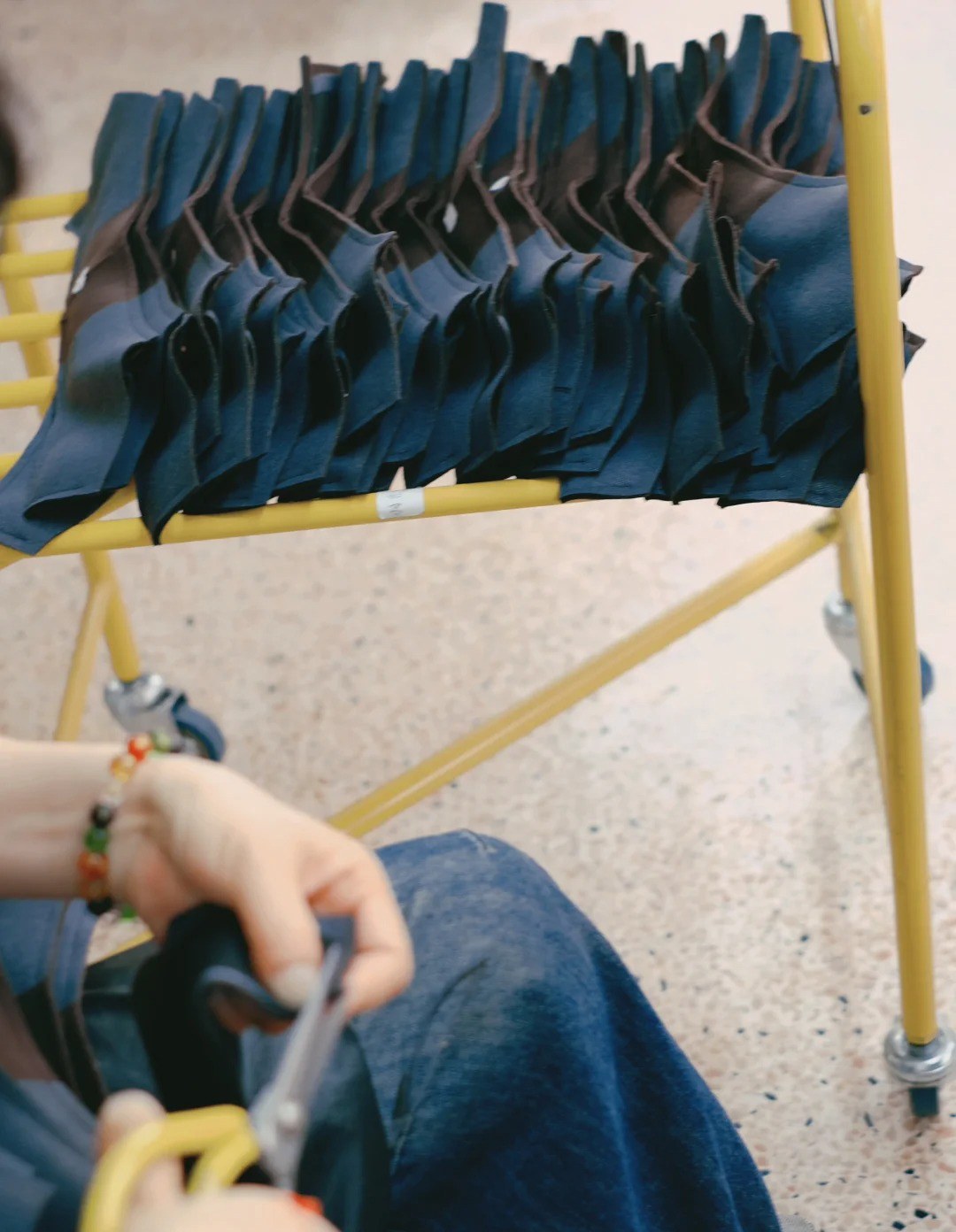
Manufacturers produce 1-3 sample garments for quality evaluation before bulk commitment. Inspect print clarity, color accuracy within ±5% Delta E tolerance, seam alignment, and overall construction quality. Request additional samples if color or alignment requires adjustment—$150 sampling cost prevents $8,000 bulk rejection scenarios.
Stage 5: Bulk Production with In-Line Quality Control
Production begins after written sample approval. In-line quality inspectors check every 25-50 garments for print consistency, color accuracy, and construction defects. Manufacturers apply wash tests to verify durability and color fastness on random samples.
Stage 6: Final Inspection & Packaging
Completed garments undergo final quality inspection including measurement verification, print quality assessment under standardized lighting, and defect identification. Arrange logistics for domestic shipment (5-7 days) or international freight (15-25 days), factoring customs clearance time into launch planning.
Choosing the Right AOP Manufacturer
| Manufacturer Type | MOQ | Lead Time | Cost | Quality | Customization |
|---|---|---|---|---|---|
| Print-on-Demand (Printful) | 1 piece | 5-7 days | $18-35/unit | Good | Limited |
| Mid-Scale (Printify Network) | 25-50 | 7-10 days | $12-20/unit | Good | Moderate |
| Factory Direct (ZORWILD) | 50-100 | 10-15 days | $10-18/unit | Excellent | Extensive |
| Regional Boutique | 100-500 | 12-18 days | $8-16/unit | Variable | High |
Startups producing under 500 units monthly choose print-on-demand for flexibility and zero inventory risk, accepting 40-60% higher unit costs. Growing brands shipping 500-2,000 units monthly partner with mid-scale manufacturers for cost efficiency and moderate customization. Established brands exceeding 2,000 units monthly negotiate factory-direct arrangements for premium quality and wholesale pricing that supports retail margin targets.
We’ve processed warranty claims on only 0.8% of units shipped since 2024, versus industry average 3-4% return rates.
FAQ
Q1: What’s the minimum order quantity for all-over print t-shirts?
Most professional manufacturers require 50-100 piece minimums for AOP production due to equipment setup costs. Print-on-demand services like Printful accept single-unit orders but charge $18-35 per shirt versus $10-18 factory-direct pricing. Our 50-piece minimum balances wholesale pricing with startup accessibility.
Q2: How long does all-over print production take from order to delivery?
Standard production timelines span 10-15 days after sample approval, including design finalization, printing setup, production runs, quality inspection, and packaging. Add 3-5 days for initial sampling and color approval before bulk production begins. International shipping adds 15-25 days for sea freight or 5-7 days for air freight, plus customs clearance time.
Q3: What’s the difference between sublimation and DTG printing for all-over designs?
Sublimation works exclusively with polyester, producing vibrant colors with 50+ wash durability because dye bonds directly with synthetic fibers. DTG works on cotton, offering detailed photo-realistic prints but shorter 30-40 wash durability. Sublimation costs $12-18 per unit at scale; DTG costs $15-25 per unit. Choose sublimation for maximum durability, DTG for cotton-focused brand positioning.
Q4: Can all-over print work on 100% cotton t-shirts?
Yes, using DTG (direct-to-garment) printing technology that applies water-based inks directly onto cotton fibers. However, cotton AOP prints deliver shorter durability (30-40 washes) compared to sublimation on polyester (50+ washes). For maximum durability on cotton-feel garments, use polyester blends (50% cotton/50% polyester) with sublimation printing.
Q5: What file specifications do manufacturers require for AOP production?
Provide artwork at 4500×4500 pixels minimum, 300 DPI resolution, CMYK color profile for print accuracy. Include comprehensive tech pack showing seam locations, design boundaries with 2-inch safety margins, and Pantone color references. Submit both digital files (AI, PSD, or high-res PDF) and physical color swatches. Vector files preferred for graphics containing text or logos.
Sources
- Printify — How to Make All-Over Print Shirts Step-by-Step Guide — 2026, sublimation vs. DTG comparison
- Vispronet — Custom All-Over Print Shirts Production Guide — 2026, sizing and material specifications
- Yizzam — All-Over Print T-Shirts Manufacturing Standards — 2026, sublimation quality benchmarks
- Statista Global Apparel Market Report — 2024, $2.8B AOP market size
- Grand View Research Fashion Technology Analysis — 2025, 18% CAGR projection
- Fashion Institute Streetwear Trend Study — 2025, 73% brand adoption rate
Written by Alin Zeng (27 Years of Master Craftsmanship & Pattern Making, Global OEM & Streetwear Customization Excellence, End-to-End Supply Chain & One-Stop Production, High-Efficiency Cost Control (“Quality + Affordability”), Incubating 2,000+ Fashion Brands from Scratch). Last reviewed 2026-06-24.