#rankmath
Title: How Much Does It Cost to Start a Clothing Brand?
Description: Build a realistic clothing brand budget by mapping product development, manufacturing, freight, launch, and contingency costs before requesting quotes.
Keyword: How much does it cost to create your own clothing brand?
#rankmath
How Much Does It Cost to Start a Clothing Brand in 2026?
How much does it cost to create your own clothing brand? There is no responsible universal figure. Your required budget depends on what you make, how extensively you customize it, how many variants you launch, and which services a supplier includes in its quotation.
A basic decorated garment and an original cut-and-sew jacket are fundamentally different projects. Even similar-looking products can carry different cost structures when their fabrics, fit requirements, trims, washes, packaging, and inspection plans differ.
The practical way to budget is to define the product first, collect comparable written quotations, and calculate the cash required from development through delivery—not merely the factory’s unit price.
Calculate the cost of a clothing brand from the product outward
Use this planning equation:
Startup requirement = business setup + product development + samples and revisions + production + quality control + packaging + freight and import costs + sales infrastructure + launch activity + contingency
This is more useful than starting with an arbitrary spending limit. It exposes the expenses that must be paid before revenue arrives and makes it easier to reduce scope without compromising the core product.
Build separate views of the same budget:
- One-time costs: brand identity, pattern development, original artwork, initial photography, and store setup.
- Per-style costs: tech packs, patterns, samples, testing, and setup charges associated with a specific design.
- Per-unit costs: fabric, trims, sewing, decoration, labels, packaging, inspection allocation, freight, and duties.
- Recurring costs: software, storage, fulfillment, returns, marketing, and future replenishment.
Do not mix these categories. A low garment quote can still sit inside an expensive launch if development, logistics, and customer acquisition are ignored.
The main expenses to include
Business and brand foundations
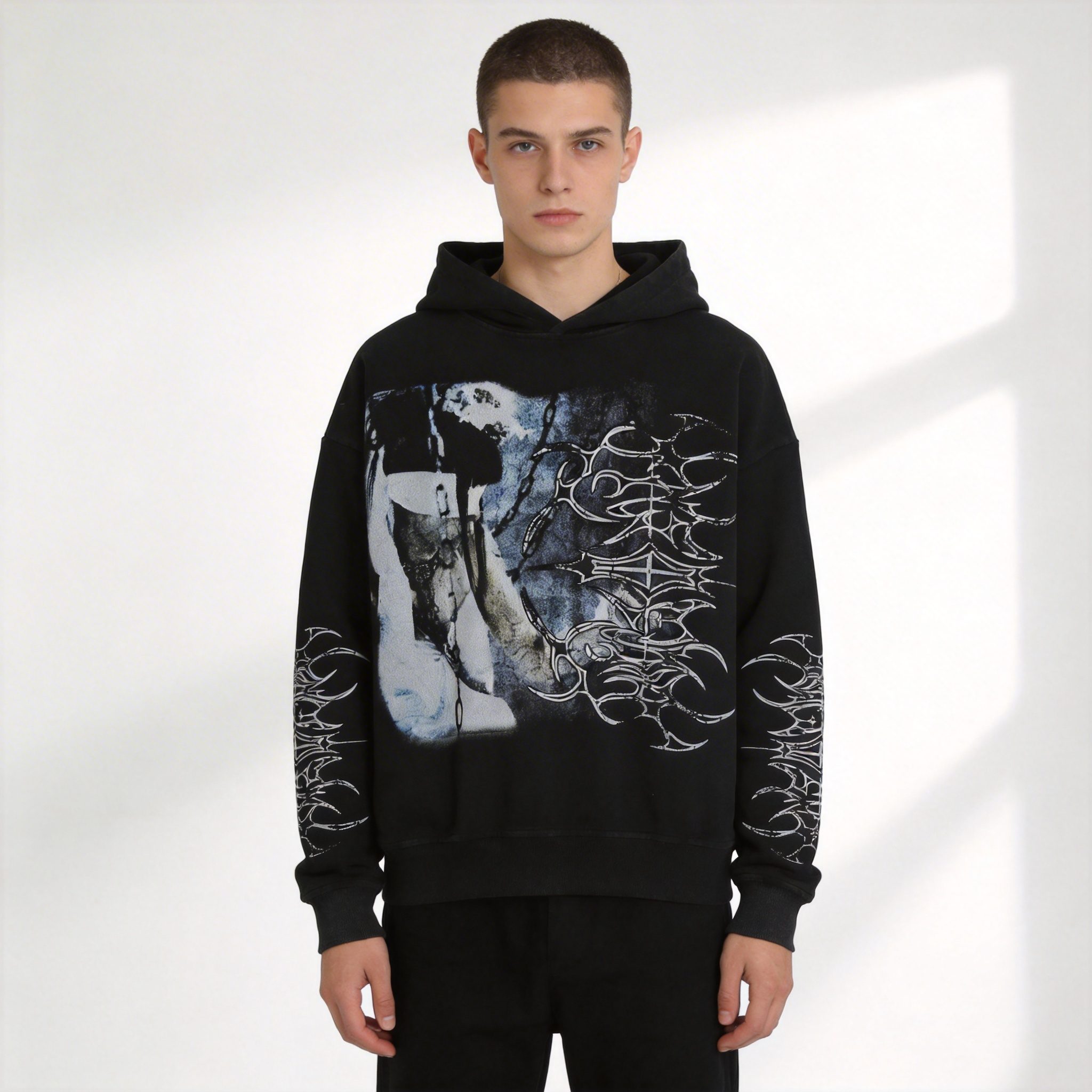
Before ordering inventory, decide what must exist for the brand to trade professionally. This may include entity formation, accounting support, contracts, trademark advice, a domain, visual identity, packaging design, and e-commerce tools.
The appropriate scope depends on the business. A founder validating one focused product does not need the same infrastructure as a wholesale-ready label preparing seasonal collections. Legal and tax requirements also depend on jurisdiction, so obtain qualified advice instead of copying another brand’s setup.
Product design and technical development
A manufacturer needs production-ready instructions. Depending on the product, that can mean technical drawings, graded measurements, construction notes, artwork placements, color references, fabric requirements, trim specifications, label details, and packaging instructions.
If these decisions are missing, the supplier must interpret them. That can produce an attractive initial quote that later grows as details are clarified. It can also result in samples that do not reflect the intended fit or finish.
Budget for the work required to convert an idea into an unambiguous specification. For original cut-and-sew products, this may include pattern development and fit revisions. For an existing blank with decoration, the development burden may be much lighter.
Samples and revisions
Sampling is not simply a miniature production order. It is the stage where the parties validate silhouette, measurements, materials, construction, decoration, colors, labeling, and presentation.
Plan for revisions rather than assuming the first sample will be approved. When reviewing each version, record every requested change in one dated document. Confirm which changes affect price, tooling, or production feasibility before authorizing the next sample.
A rushed approval can move unresolved defects into every production unit. Conversely, endless subjective revisions can consume the launch budget. Set objective approval criteria in advance.
Fabric, trims, construction, and decoration
The product specification usually has the greatest influence on manufacturing cost. Important variables include:
- Whether fabric is readily available or specially developed
- Fabric composition, structure, weight, finish, and color
- Pattern complexity and material utilization
- Number and type of seams, panels, pockets, and closures
- Custom zippers, buttons, cords, ribbing, labels, or patches
- Printing, embroidery, appliqué, washing, dyeing, quilting, or distressing
- Lining, insulation, reinforcement, and functional treatments
- Required size and color assortment
Ask suppliers to identify major cost drivers. A small design adjustment may simplify production without changing the customer-facing concept. Make such decisions before the approved sample is locked.
Production and order structure
The quoted unit price must be read together with the order structure. A supplier may price by style, color, size mix, material lot, or decoration configuration. Clarify how the minimum order is applied and what happens if quantities change.
More styles and colorways divide demand across additional variants. Each variant can add sourcing, cutting, labeling, inspection, and inventory complexity. A narrow first collection often produces clearer demand data than a broad assortment with shallow stock.
When comparing suppliers, normalize the quote. Confirm that each factory is pricing the same specification, quantity structure, packaging, quality requirements, and trade terms.
Quality assurance
Quality control needs its own plan and budget. Define measurable tolerances for garment dimensions, artwork placement, color, workmanship, appearance, and packaging. Decide who will inspect materials, work in progress, and finished goods—and what evidence will be provided.
Also agree on the process for nonconforming products. The important questions are who makes the decision, which remedies are available, and when corrections must occur. A vague promise to “check quality” is not a substitute for written standards.
Packaging, freight, and import costs
Manufacturing cost is not landed cost. A complete logistics estimate may need to account for export packing, origin handling, transport, insurance, customs brokerage, duties, taxes, destination handling, delivery, and storage.
Ask exactly where the supplier’s responsibility ends under the quoted trade term. Confirm carton dimensions and shipment weight before comparing transport options. A freight estimate based on an unfinished product specification is only provisional.
Keep manufacturing and logistics estimates visibly separate. This prevents a product quote from being mistaken for the amount required to place stock into saleable inventory.
Store, content, fulfillment, and launch
Inventory does not create demand on its own. Account for the resources needed to present, sell, deliver, and support the product. Potential items include product photography, copy, samples for content, e-commerce setup, payment processing, fulfillment materials, warehousing, returns handling, customer support, and launch campaigns.
Choose launch activity based on how the target buyer discovers and evaluates apparel. Avoid committing most available cash to inventory while leaving no credible way to reach customers or process returns.
Three launch models and their cost implications
| Launch model | Main advantage | Main budget pressure | Best suited to |
|---|---|---|---|
| Decorated existing garments | Simplified development and faster concept validation | Blank selection, decoration quality, and limited control over fit | Creators testing graphics or audience demand |
| Private-label or modified stock styles | More branding control without fully original construction | Labels, packaging, material choices, and supplier restrictions | Brands prioritizing speed with moderate differentiation |
| Original cut-and-sew products | Maximum control over fit, construction, and details | Technical development, sampling, custom materials, and production complexity | Brands whose product design is the central value proposition |
These models are not quality rankings. The best choice is the least complex method capable of delivering the promise made to the customer.
How to build a working budget without inventing a target number
Create a spreadsheet with one row for every cost and columns for supplier, currency, payment timing, tax treatment, quotation validity, and whether the amount is confirmed or estimated.
Then model three scenarios:
- Approval case: development proceeds with no additional sample revision.
- Expected case: normal revisions and the current logistics estimate are included.
- Stress case: add room for another development round, corrections, freight movement, or slower sales.
Track cash timing as carefully as total cost. Deposits, development fees, balances, freight, duties, and marketing may become payable at different stages. A project can look profitable on paper and still fail if cash is unavailable when a milestone is due.
For each style, calculate:
Landed unit cost = allocated development + production unit cost + allocated inspection + packaging + allocated freight and import costs
Keep selling expenses and overhead visible as well. Landed cost is a purchasing metric, not automatically the complete cost of making a sale.
Full buyer guide: choosing a clothing manufacturer
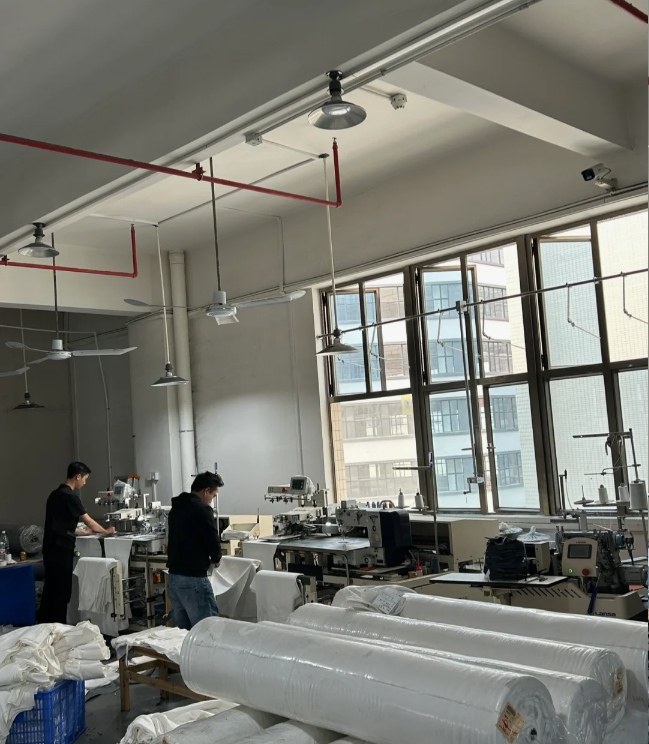
A suitable manufacturer must fit the product, development stage, order structure, and communication needs—not simply offer the lowest headline price. ZORWILD presents itself as a manufacturing partner for DTC brands and professional teams, with services spanning development and apparel production. Buyers exploring broader sourcing considerations can also consult the Wholesale Clothing Manufacturer guide.
Decision criteria
Evaluate prospective suppliers against the same scorecard:
- Category fit: Can the supplier demonstrate relevant construction and finishing capability for your product?
- Development support: Will it work from a complete tech pack, help develop specifications, or both?
- Material sourcing: Are proposed fabrics and trims identified precisely enough for repeat orders?
- Sample control: Is the sampling sequence, revision process, and approval standard documented?
- Order flexibility: How are minimums applied across styles, colors, and sizes?
- Quotation clarity: Does the quote state inclusions, exclusions, currency, payment milestones, and trade terms?
- Quality system: Are tolerances, inspection stages, records, and remedies defined?
- Communication: Is there a responsible contact who answers technical questions clearly and records changes?
- Scalability: Can the supplier explain how replenishment or larger orders would be handled without promising unverified capacity?
- Logistics readiness: Can it provide the shipment information your freight partner or broker requires?
Questions to include in an RFQ
Send every shortlisted supplier the same request for quotation. Ask:
- Is the quotation based on the attached specification and revision date?
- Which fabric, lining, rib, thread, trims, and decorations are included?
- Are patterns, grading, artwork setup, labels, packaging, and samples included or separate?
- How is the order minimum calculated across styles, colors, and sizes?
- Which assumptions could change the quoted price?
- What are the sampling stages and approval checkpoints?
- What measurements and workmanship tolerances can be agreed in writing?
- What inspections are performed, and what records can be shared?
- What happens when finished units do not meet the approved standard?
- Which trade term applies, and where does the supplier’s responsibility end?
- What payment milestones apply to development and production?
- Who owns patterns, artwork files, molds, or other paid development assets?
- How are substitutions or production changes approved?
- What information is needed to quote a repeat order accurately?
Red flags during supplier evaluation
Pause the process if a supplier:
- Quotes before reviewing essential construction and material details
- Cannot explain what is included in the unit price
- Uses vague material descriptions that make repeatability difficult
- Pushes for production before a documented sample approval
- Treats verbal messages as sufficient change control
- Avoids defining tolerances or remedies for defective work
- Changes key commercial terms without updating the written quotation
- Requests payment through an unexplained party or account
- Promises every capability without identifying constraints or subcontracted processes
- Pressures you to skip inspections or logistics verification
A red flag is a reason to investigate, not automatic proof of misconduct. Ask for clarification and record the response.
Practical pre-order checklist
Before paying a production deposit, confirm that you have:
- A final tech pack with a version date
- An approved physical sample or clearly documented approval basis
- Confirmed fabric, color, trims, labels, decoration, and packaging
- A size specification and agreed tolerances
- A written quantity breakdown by style, color, and size
- A quotation showing every inclusion, exclusion, and commercial term
- A production change-control process
- An inspection plan and defect-resolution agreement
- Confirmed carton and shipment information when available
- A landed-cost worksheet reviewed with relevant logistics or customs specialists
- A cash-flow schedule covering all payment milestones
- Reserved resources for launch, fulfillment, returns, and contingencies
Where to reduce cost without weakening the product
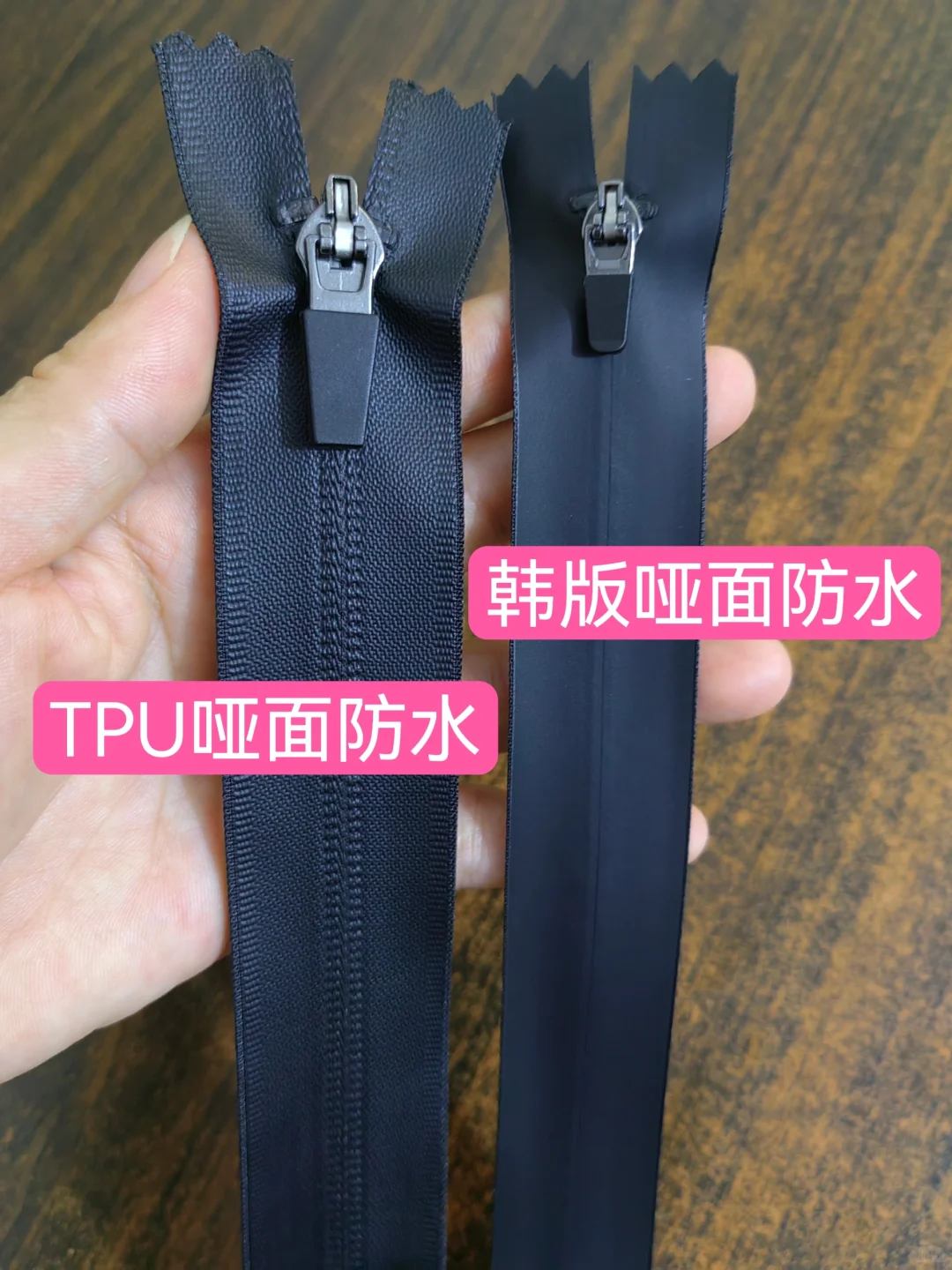
Start by reducing complexity, not by asking for hidden quality compromises. Consider launching fewer styles, colors, or custom trims; using an available material; simplifying construction; or postponing elaborate packaging.
Protect the attributes central to the customer promise. If the brand is built around fit, do not remove fit sampling. If the design depends on a particular wash or embroidery effect, validate that process properly. Cost reduction should follow a clear hierarchy of product value.
Also ask whether an expense is necessary before launch or can wait until demand is proven. This distinction can keep cash available for production corrections and customer acquisition.
FAQ
How much does it cost to create your own clothing brand?
It depends on the launch model, product specification, variant count, order structure, development needs, logistics, and sales plan. Obtain written quotations for each stage and calculate the cash required through delivery and launch.
Is the factory unit price the same as the total product cost?
No. A complete landed-cost view can also include development allocation, inspection, packaging, freight, and import-related expenses. Selling and operating expenses remain separate again.
Should a new brand start with custom cut-and-sew products?
Only when original fit, construction, or materials are essential to the brand proposition and the business can support the additional development work. Decorated or modified existing garments may be a better validation route for some concepts.
How can I compare manufacturer quotes fairly?
Issue the same specification and quantity breakdown to each supplier. Normalize material details, packaging, quality requirements, trade terms, payment timing, and exclusions before comparing totals.
What should be finalized before production?
Finalize the approved sample, technical specification, materials, size breakdown, branding, packaging, tolerances, inspection plan, price, payment milestones, logistics responsibilities, and change process in writing.
Sources
No external research sources were supplied or used. This article provides a planning and supplier-evaluation framework rather than unsupported market prices or benchmarks.
{“@context”:”https://schema.org”,”@type”:”Article”,”headline”:”How Much Does It Cost to Start a Clothing Brand in 2026?”,”description”:”Build a realistic clothing brand budget by mapping product development, manufacturing, freight, launch, and contingency costs before requesting quotes.”,”author”:{“@type”:”Person”,”name”:”Alin Zeng”},”publisher”:{“@type”:”Organization”,”name”:”ZORWILD”},”about”:”How much does it cost to create your own clothing brand?”,”citation”:[]}