TL;DR: Starting a clothing brand costs $500–$50,000+ depending on your business model—print-on-demand ($500–$2,000), wholesale ($3,000–$10,000), or traditional manufacturing ($20,000–$50,000+).
Bottom line: Budget-conscious entrepreneurs can validate ideas with print-on-demand; serious brands aiming for premium positioning need $25,000+ for professional development, sampling, and inventory.
Last updated: 2026-06-27, based on 2,000+ brand launches we’ve supported and current manufacturing data from Dongguan production hubs.
Key Takeaways
- Print-on-demand eliminates inventory risk but caps profit margins at 30–50%, while traditional manufacturing delivers 50–70% margins with $20,000+ upfront investment.
- Product development (tech packs, patterns, sampling) costs $2,500–$8,000 before production starts—cutting corners here damages brand reputation permanently.
- VistaPrint’s 2025 analysis confirms startup costs range $500–$10,000 depending on production method and scale.
- Monthly overhead ($500–$5,000) often surprises new founders—platform fees, shipping, ads, and inventory replenishment scale with sales velocity.
- Most brands break even in 6–18 months; profitability depends on customer acquisition cost, production efficiency, and repeat purchase rates.
Startup Cost Breakdown by Business Model
How much does it cost to create your own clothing brand? Your startup investment ranges from $500 (print-on-demand) to $50,000+ (traditional manufacturing). The manufacturing strategy you choose determines profit margins, scalability, and capital requirements.
| Model | Startup Cost | Monthly Overhead | Profit Margin | Best For |
|---|---|---|---|---|
| Print-on-Demand | $500–$2,000 | $50–$500 | 30–50% | Testing ideas, low risk |
| Dropshipping | $1,000–$3,000 | $200–$1,000 | 20–40% | E-commerce focus |
| Wholesale | $3,000–$10,000 | $500–$2,000 | 40–60% | Retail partnerships |
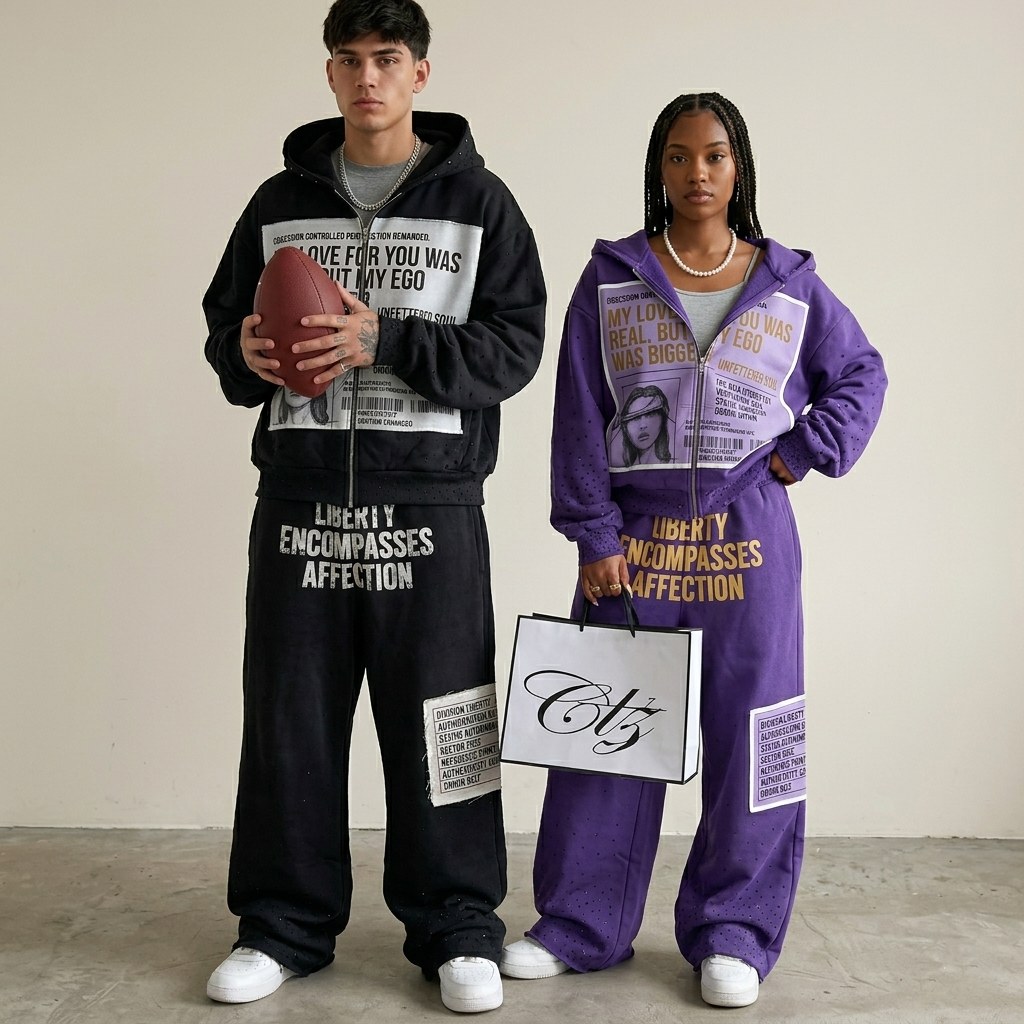
| Traditional Manufacturing | $20,000–$50,000+ | $1,500–$5,000 | 50–70% | Premium/streetwear brands |
Print-on-demand suits founders testing concepts with minimal capital—zero inventory commitment, but sacrificed design control and margins. Wholesale demands moderate investment ($5,000–$10,000) and unlocks better margins through bulk purchasing. Traditional manufacturing represents the professional tier, requiring $25,000+ but delivering premium positioning, custom development, and 50–70% margins that support sustainable growth.
Product Development & Design Costs
Professional product development costs $2,500–$11,000 before you produce a single garment. This includes tech packs ($400–$2,000 per style), pattern making and grading ($200–$1,000 per style), and 2–3 sampling rounds ($500–$3,000 total). Skipping proper development leads to fit complaints, returns, and brand damage that costs far more than the initial investment.
Tech packs are technical specification documents that communicate every construction detail to manufacturers—measurements, fabric specifications, stitch types, artwork placement, and construction sequences. Without them, factories guess, producing inconsistent results.
Pattern making and grading add $200–$1,000 per style. Patterns are physical templates cut from fabric; grading scales those patterns across sizes (XS to XXL) while maintaining proportional fit. Skipping grading to save $500 results in customer complaints when XL fits like an oversized medium.
Sampling reveals what tech packs cannot predict—how fabric drapes, where seams stress, whether prints crack after washing. Budget $200–$1,000 per sample and plan for 2–3 revision rounds. Quality brands invest $1,500–$3,000 in sampling before approving production. According to Printful’s 2026 cost breakdown, sampling and product development represent 15–25% of total startup costs for traditional manufacturing models.
Total development budget for a 5-piece collection: $2,500–$8,000. Complex garments push toward $11,000.
Initial Inventory & Manufacturing Costs
Your first production run typically costs $4,000–$50,000, depending on quantity, garment category, and manufacturing location.
Manufacturing costs depend on minimum order quantities (100–500 units per style for most factories), garment complexity ($4–$25+ per unit), fabric quality, decoration methods, and production location. A basic 200-unit T-shirt run costs $4,000–$6,000; a premium streetwear collection with hoodies, jackets, and custom wash effects costs $20,000–$50,000.
Minimum Order Quantity (MOQ): Most professional factories require 100–500 units minimum per style per colorway. Print-on-demand eliminates MOQs entirely but sacrifices margins. Lower MOQs (50–100 units) exist but cost 20–40% more per unit.
Garment Type: Simple basics (T-shirts, tank tops) cost $4–$8 per unit at 200+ quantity. Standard hoodies run $8–$15. Complex garments cost $15–$35+ per unit.
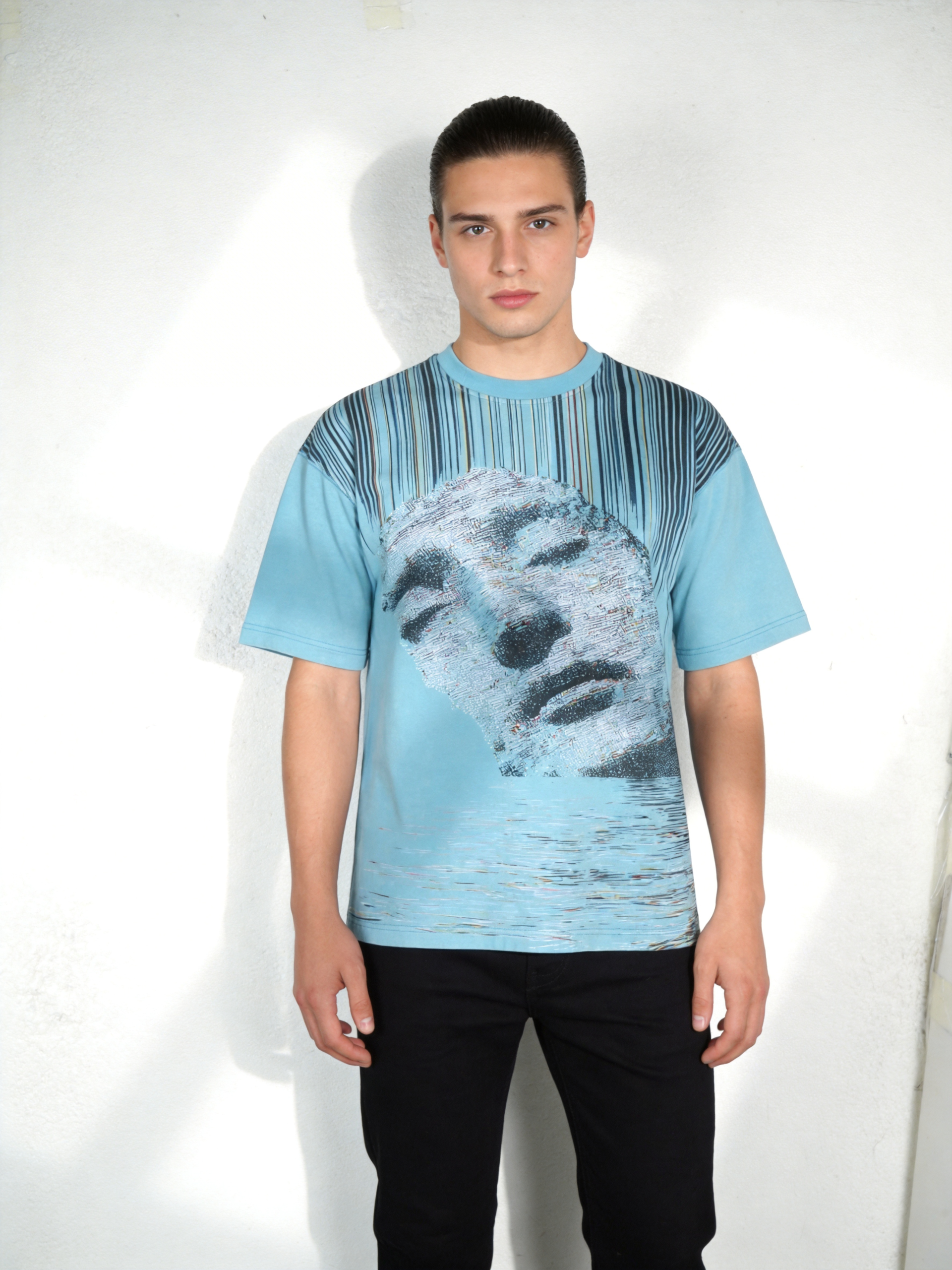
Fabric Quality: Budget cotton costs $2–$4 per yard; premium heavyweight cotton or technical fabrics cost $6–$15+ per yard. A heavyweight hoodie uses 2–3 yards versus 1 yard for a basic tee.
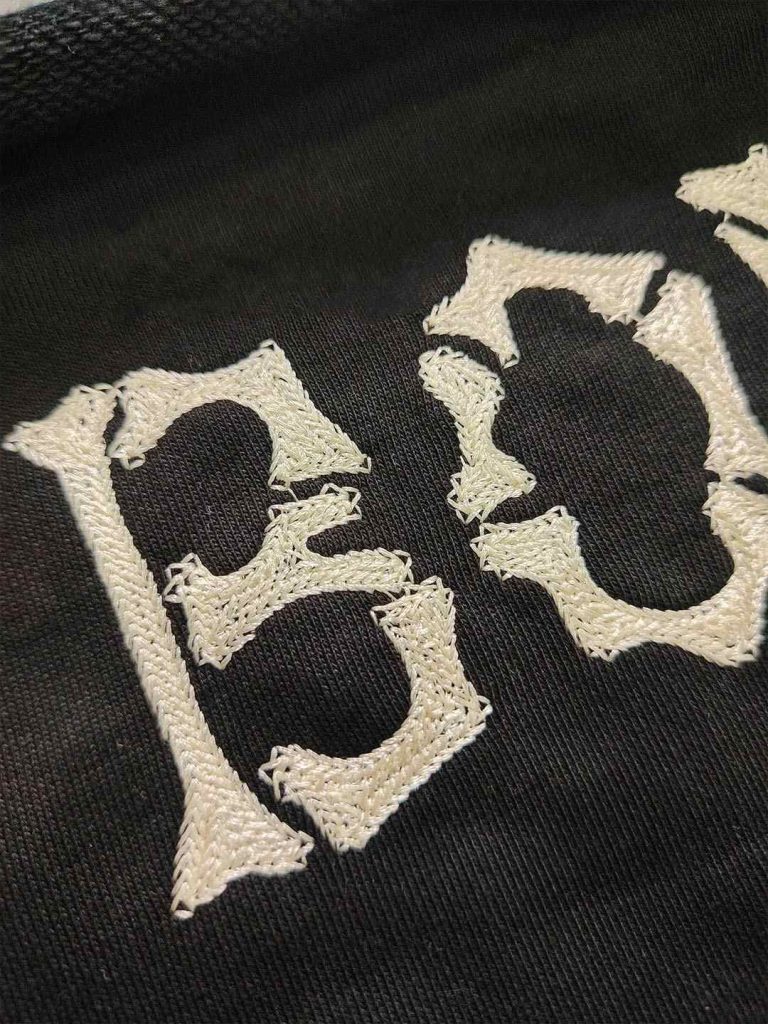
Decoration & Finishing: Screen printing adds $1–$3 per placement. Embroidery adds $2–$8. Custom woven labels cost $0.50–$2 per unit; hang tags add $0.30–$1 each.
Manufacturing Location: Overseas production (China, Vietnam, Bangladesh) costs 30–50% less than domestic manufacturing but requires 6–12 week lead times and larger MOQs. Domestic manufacturing costs more but offers 2–4 week turnaround and greater flexibility.
Branding, Packaging & Marketing Costs
Brand identity costs $2,000–$20,000 before your first sale. Professional branding includes logo design ($300–$2,500), brand guidelines (up to $10,000), custom packaging ($400–$1,500 for 500 units), website setup ($500–$15,000), and initial marketing budget ($1,000–$15,000).
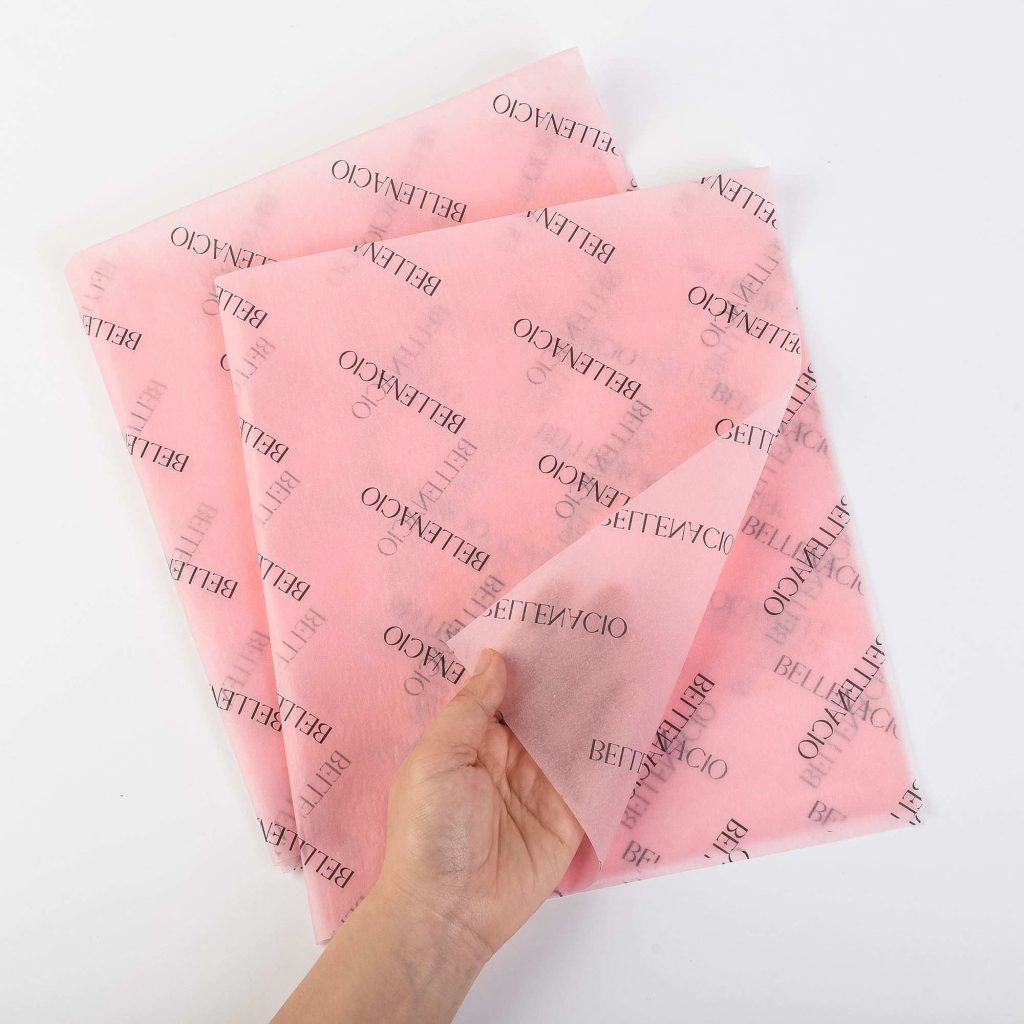
Custom packaging creates unboxing experiences that drive social sharing. Woven labels cost $0.50–$2 per unit; hang tags add $0.30–$1 each. Custom tissue paper and branded polybags cost $0.20–$0.80 per unit. For a 500-unit run, packaging totals $400–$1,500.
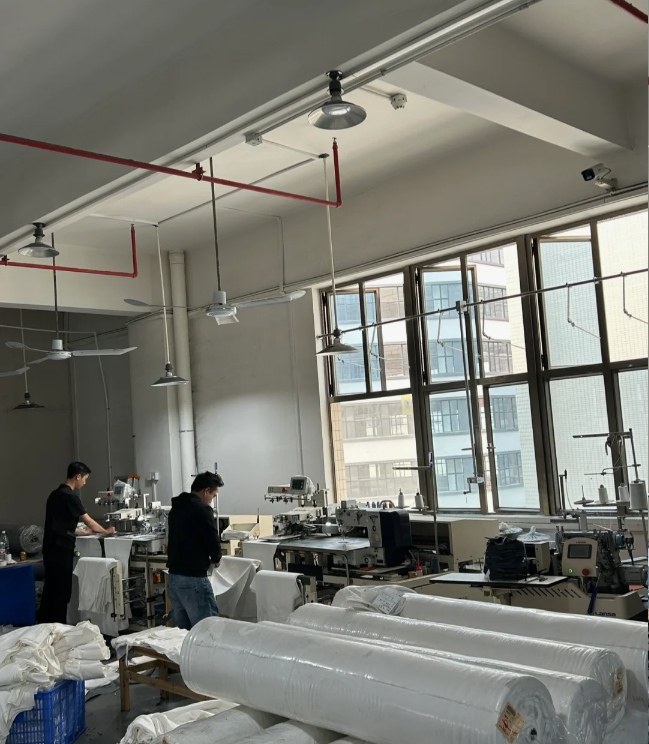
Website setup starts with Shopify plans ($29–$300/month). Custom web design costs $5,000–$15,000. Email marketing platforms cost $20–$100/month.
Initial marketing budget determines whether anyone discovers your brand. Paid social ads (Instagram, TikTok) should start at $1,000–$5,000 for testing. Influencer partnerships cost $500–$5,000+ depending on follower count. Professional content creation costs $1,000–$3,000. Most brands allocate $1,000–$15,000 for launch marketing.
Hidden & Ongoing Operating Costs
Monthly overhead ranges from $500 to $5,000+ depending on your business model and sales volume. Many profitable brands fail because they can’t bridge the gap between production payment and customer revenue.
Key Ongoing Expenses:
• Warehouse/Storage: $200–$1,000/month for small inventory storage
• E-Commerce Platform & Tools: $50–$300/month for Shopify, email marketing, analytics, and accounting software
• Customer Service & Fulfillment: $500–$2,000/month for shipping materials, postage, packaging labor, and support—scales directly with sales velocity
• Inventory Replenishment: $2,000–$10,000/month once selling consistently
• Paid Advertising: $500–$3,000/month to maintain customer acquisition
• Insurance & Legal: $100–$500/month for business liability, product liability, trademark registration, and compliance
• Personnel/Outsourcing: $0–$5,000+/month depending on team size
Monthly overhead must stay below 30% of monthly revenue to maintain healthy cash flow. Plan conservatively—assume sales ramp slowly and expenses hit immediately.
FAQ
Q1: Can I start a clothing brand with $500?
Yes, using print-on-demand platforms like Printful or Printify. You’ll have lower profit margins (30–40%) and less control over production, but zero inventory risk. This model works for testing concepts before committing to traditional manufacturing.
Q2: How much should I budget for my first production run?
Budget $4,000–$20,000 for a professional first run covering 200–500 units across 1–3 styles. Cheaper runs often result in quality issues—poor stitching, inconsistent sizing, color variations—that damage brand reputation permanently.
Q3: Is it cheaper to manufacture in China or domestically?
China and other Asian hubs cost 30–50% less but require 6–12 week lead times and MOQs of 100–500 units. Domestic manufacturing costs more but offers 2–4 week turnaround and greater flexibility. Choose based on your timeline, budget, and quality requirements.
Q4: What’s the most expensive part of starting a clothing brand?
Initial inventory and production consume 40–50% of startup costs; marketing accounts for 20–30%. A $20,000 production run with $1,000 marketing budget typically fails—customers can’t buy what they don’t discover. Balance production investment with adequate customer acquisition budget.
Q5: How long until a clothing brand becomes profitable?
Most brands break even in 6–18 months depending on sales volume, production costs, and marketing efficiency. Brands with strong positioning and customer retention reach profitability faster than those competing on price alone.
Sources
- VistaPrint — How Much Does It Cost to Start a Clothing Brand — 2025, $500–$10,000 startup range
- Printful — Cost of Starting a Clothing Line — 2026, print-on-demand vs. traditional manufacturing comparison
- The Enterprise — Printful Startup Cost Analysis — 2026, $20,000–$50,000 traditional inventory costs
Written by Alin Zeng (27 Years of Master Craftsmanship & Pattern Making, Global OEM & Streetwear Customization Excellence, End-to-End Supply Chain & One-Stop Production, High-Efficiency Cost Control (“Quality + Affordability”), Incubating 2,000+ Fashion Brands from Scratch). Last reviewed 2026-06-27.