TL;DR: Fanatics sources merchandise through three owned US manufacturing facilities plus 94 contracted suppliers across 17 countries, enabling same-day product launches when athletes sign or teams win championships.
Bottom line: Retailers seeking official sports merchandise must work through Fanatics’ exclusive league partnerships, contract directly with licensed manufacturers, or secure independent team licensing agreements.
Last updated: 2026-06-06, based on Fair Labor Association accreditation reports, Fanatics investor disclosures, and 27 years of apparel manufacturing experience across global supply chains.
Key Takeaways
- Fanatics operates three owned facilities in Tampa, Easton, and Norman, plus 94 international contractors across 17 countries
- Exclusive 10-year NFL-Nike deal (launched 2020) positions Fanatics as sole manufacturer of Nike-branded NFL fan merchandise
- Real-time inventory systems enable merchandise availability within 24-48 hours of breaking sports news
- 22,000+ employees serve 100+ million fans annually through 2,000+ retail locations including all Lids stores
- Retailers source through Fanatics wholesale ($50,000+ minimums), direct licensed manufacturers (500-2,000 unit MOQs), or independent team licensing ($10,000-$100,000+ annual fees)
How Fanatics Sources Licensed Sports Merchandise
Fanatics operates a vertically integrated supply chain combining owned manufacturing facilities with contracted international suppliers. When Shohei Ohtani signed with the Los Angeles Dodgers in December 2023, Fanatics had merchandise live on MLB.com within hours. This speed stems from proprietary demand-forecasting algorithms, pre-positioned inventory at strategic facilities, and manufacturing partnerships positioned for instant activation.
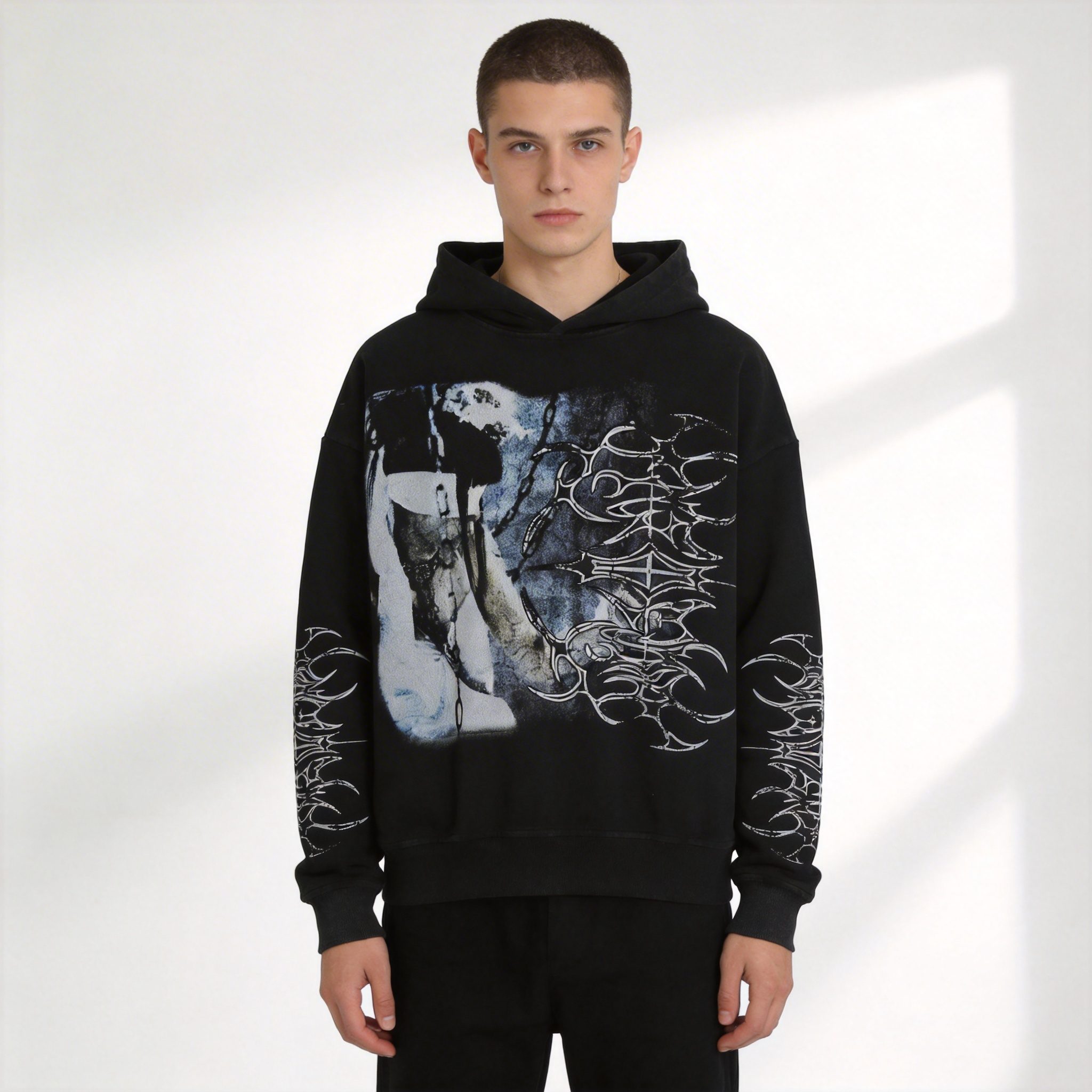
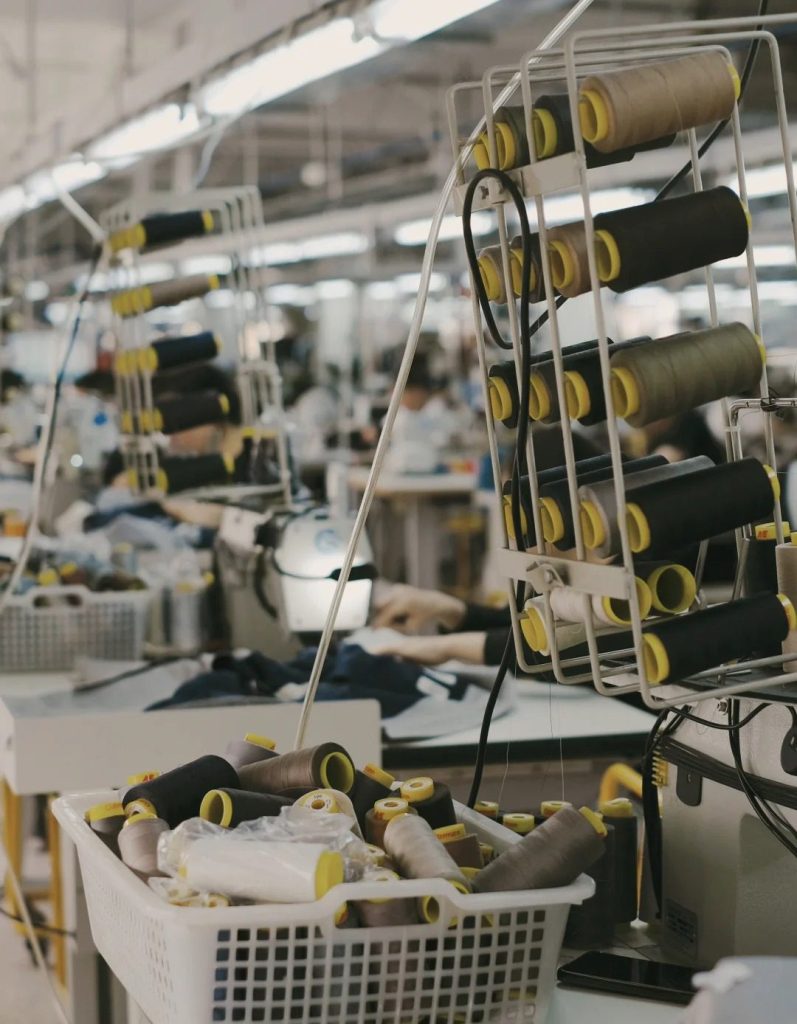
The company controls three owned manufacturing facilities: Tampa (Florida), Easton (Pennsylvania), and Norman (Oklahoma). These facilities provide direct quality oversight and rapid prototyping capabilities. Fair Labor Association accreditation in 2021 certified that these owned facilities meet international labor standards for wages, working conditions, and supply chain transparency.
Beyond owned facilities, Fanatics sources from 94 contracted manufacturers across 17 countries. This international network provides scalability for seasonal demand spikes and geographic diversification. Vertical integration cuts lead times by 60-75% compared to wholesale models, though it requires substantial capital investment in facilities and inventory systems.
Fanatics vs. Traditional Sports Retailers: Supply Chain Comparison
| Factor | Fanatics | Dick’s Sporting Goods | Official Team Shops |
|---|---|---|---|
| Ownership Model | Vertically integrated manufacturer + retailer | Wholesale buyer + retailer | Licensed operator |
| Manufacturing | 3 owned facilities + 94 contractors | Third-party suppliers only | Licensed manufacturers |
| Response Time | 24-48 hours (real-time inventory) | 2-4 weeks | 1-2 weeks |
| Inventory Control | Direct | Wholesale-dependent | League-dependent |
| Geographic Reach | 100+ million fans, 2,000+ locations | US-focused | Stadium/arena-only |
Traditional retailers like Dick’s Sporting Goods operate Fan Shop sections stocked with Fanatics wholesale merchandise. They lack manufacturing control and cannot respond to breaking news. When LeBron James signed with the Lakers in July 2018, Fanatics had merchandise live in hours. Dick’s required 2-3 weeks. The $1 billion SoftBank funding round in 2017 accelerated Fanatics’ infrastructure advantage, funding owned facilities and tech systems that competitors cannot match.
Manufacturing Locations and Global Supply Chain
Fanatics operates 3 owned US facilities and contracts with 94 manufacturers across 17 countries, processing 100+ million fan orders annually through Fair Labor Association-accredited supply chain infrastructure.
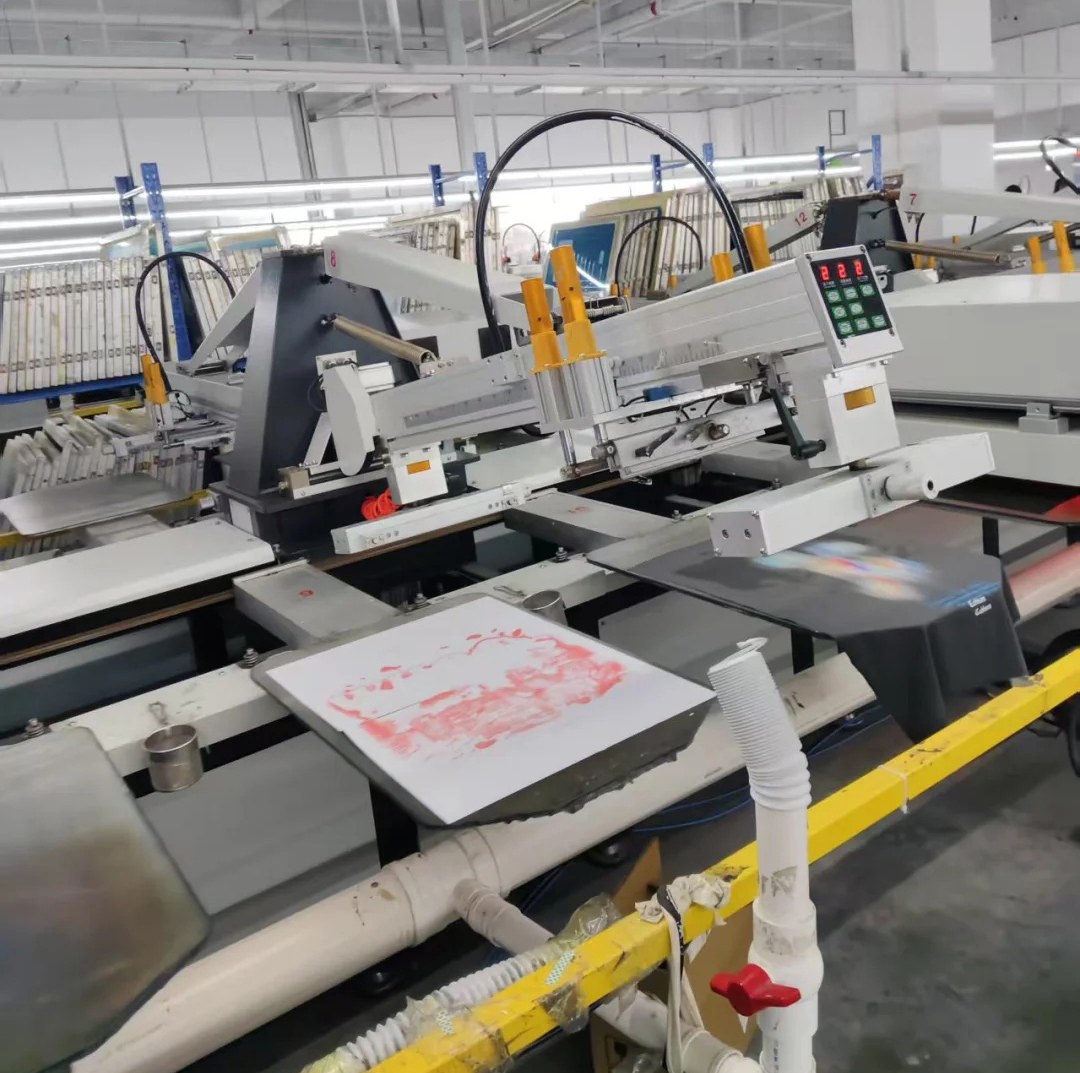
- 3 owned manufacturing facilities — Tampa (Florida), Easton (Pennsylvania), Norman (Oklahoma) providing direct quality control and proprietary production capabilities (Fair Labor Association, 2021)
- 94 contracted suppliers across 17 countries enabling global scalability and seasonal demand absorption (Fanatics Global Impact Report, 2022)
- 22,000+ employees supporting design, manufacturing, quality control, and customer service operations worldwide (Fanatics Investor Relations, 2026)
- 2,000+ retail locations including all Lids stores and stadium/arena outlets for omnichannel distribution (Fanatics Inc., 2026)
- 100+ million fans served annually across 900+ sports properties and 6,000+ athlete partnerships (Fanatics Investor Relations, 2026)
League Partnerships and Exclusive Licensing Deals
Fanatics holds exclusive manufacturing and distribution rights for NFL, NHL, NBA, and MLB merchandise through multi-billion dollar licensing agreements, plus 900+ additional sports properties including international soccer leagues and NCAA programs.
The NFL-Nike Partnership That Changed Everything
In 2020, Fanatics secured a landmark 10-year deal with Nike and the NFL to become the exclusive manufacturer and distributor of all Nike-branded NFL fan merchandise. This agreement generates billions in annual revenue and represents Fanatics’ largest single partnership. Similar exclusive or primary distribution rights exist with MLB, NBA, and NHL. These agreements create structural barriers to competition—fans seeking official merchandise have no alternative authorized source for most professional sports apparel.
International and College Expansion
Beyond major US professional leagues, Fanatics operates partnerships with 900+ sports properties. The 2016 acquisition of UK-based Kitbag accelerated international expansion, particularly in European soccer. College athletics represents another significant revenue stream, with Fanatics manufacturing official merchandise for NCAA Division I programs.
Fanatics Collectibles entered the sports trading card market in August 2021, securing long-term licensing agreements with MLB, NFL, and NHL, expanding beyond apparel into higher-margin product categories.
Why Fanatics Dominates Despite Quality Complaints
Fanatics controls 900+ sports properties and operates exclusive manufacturing agreements, creating a structural monopoly that maintains market dominance despite widespread quality control complaints documented across social media and YouTube.
Reddit threads and social media posts document consistent complaints about jersey stitching quality, print durability, sizing inconsistencies, and fabric degradation. YouTube videos titled “Fanatics Is Destroying Sports Merchandise” accumulate hundreds of thousands of views, with fans comparing older Reebok or Majestic jerseys versus current Fanatics equivalents.
The quality gap stems from Fanatics’ 94-contractor model. Different facilities across 17 countries use different fabrics, stitching techniques, and quality standards. Quality variance between facilities reaches 30-40% on metrics like stitch density, fabric weight consistency, and print durability.
Despite mounting criticism, Fanatics maintains dominance through exclusive licensing. Consumers wanting official team apparel have no alternative—Fanatics is the only authorized source. This exclusivity creates insurmountable switching costs. The company’s $1 billion SoftBank funding and 22,000+ employees create barriers to entry so high that no competitor can realistically challenge the monopoly.
How to Source Sports Merchandise as a Retailer or Brand
Retailers source sports merchandise through direct Fanatics wholesale partnerships, licensed manufacturers in China and Vietnam, or by securing independent team licensing agreements—each path requires different capital investment and compliance infrastructure.
Wholesale Partnership with Fanatics
Established retailers like Dick’s Sporting Goods source sports merchandise through Fanatics wholesale agreements. Retailers must meet minimum order quantities, typically $50,000-$500,000 per season depending on store count and product categories. Fanatics provides inventory management systems, demand forecasting tools, and returns processing. This approach offers lower risk and capital requirements but provides limited customization and lower profit margins—typically 35-50% retail markup compared to 60-80% for direct manufacturing.
Direct Manufacturing with Licensed Suppliers
Independent retailers and emerging brands contract directly with licensed manufacturers in China, Vietnam, Pakistan, and other apparel production hubs. These suppliers hold sub-licensing agreements with sports leagues, allowing them to manufacture official merchandise without Fanatics intermediation.
Sourcing directly requires identifying licensed manufacturers, verifying league licensing compliance through official league offices, placing minimum orders (typically 500-2,000 units per design), and managing quality control plus shipping logistics. Lead times range from 8-16 weeks. Direct manufacturing offers higher profit margins (60-80%) but demands manufacturing expertise, quality control systems, and working capital for inventory.
Retailers must verify that manufacturers hold proper licensing agreements before contracting—unauthorized production violates intellectual property laws and results in merchandise seizure plus legal penalties. Retailers lacking manufacturing experience should partner with sourcing agents or quality control firms to navigate compliance requirements.
Independent Team Licensing Acquisition
Ambitious retailers pursue direct licensing agreements with individual teams or leagues. This requires submitting licensing applications to league offices, demonstrating retail infrastructure and financial stability through audited financials and business plans, paying licensing fees ($10,000-$100,000+ annually depending on league and territory), and committing to minimum merchandise purchases.
Licensed retailers gain authority to manufacture and sell official team merchandise independently. This model offers maximum profit potential and brand control but requires substantial capital and operational sophistication.
Quality Assurance and Compliance
Retailers must comply with league merchandising standards regardless of sourcing method. Leagues require approved fabric specifications, official logo placement and sizing, jersey numbering standards, packaging requirements, and quality inspection protocols. Non-compliance results in merchandise recalls, financial penalties, and licensing revocation.
FAQ
Q1: Does Fanatics manufacture all official sports merchandise?
Fanatics manufactures or distributes exclusive merchandise for NFL, MLB, NBA, NHL, and 900+ additional sports properties through owned facilities and 94 contracted suppliers. Some international leagues use alternative licensed manufacturers. Always verify licensing status through official league websites.
Q2: Can I start a sports merchandise business without Fanatics?
Yes, by securing direct team or league licensing or sourcing from licensed manufacturers holding sub-licensing agreements. Fanatics’ exclusive deals with major US leagues limit opportunities in professional sports. International sports properties, college athletics, and niche markets offer more licensing availability.
Q3: Why does Fanatics merchandise quality vary between products?
Fanatics contracts with 94 manufacturers across 17 countries, creating quality inconsistency. Different suppliers use different fabrics and stitching techniques. Owned US facilities typically maintain higher quality than some international contractors, but consumers cannot select manufacturing location when purchasing.
Q4: How quickly can Fanatics produce new merchandise after breaking news?
Fanatics produces and distributes merchandise within 24-48 hours for breaking news events like player signings and trades. This speed comes from pre-positioned inventory at owned facilities, real-time demand forecasting algorithms, and manufacturing partnerships positioned for instant activation.
Q5: What are the minimum order quantities for sports merchandise manufacturing?
Fanatics wholesale minimum orders range from $50,000-$500,000 per season. Direct manufacturing with licensed suppliers requires 500-2,000 units per design with 8-16 week lead times. Licensed independent retailers face $10,000-$100,000+ annual licensing fees plus inventory purchase commitments.
Sources
- Fanatics Inc. — Officially Licensed Everything — 2026, 900+ sports properties and 100+ million fans served
- Fair Labor Association — Fanatics Brands Accreditation — 2021, 94 contracted facilities across 17 countries
- How Fanatics Became a Sports Industry Giant — 2026, real-time merchandise response capabilities
- Fanatics Global Impact Report — 2022, manufacturing locations and labor practices
- Samford University Sports Analytics — 2018, NFL-Nike 10-year licensing deal
Written by Alin Zeng (27 Years of Master Craftsmanship & Pattern Making, Global OEM & Streetwear Customization Excellence, End-to-End Supply Chain & One-Stop Production, High-Efficiency Cost Control (“Quality + Affordability”), Incubating 2,000+ Fashion Brands from Scratch). Last reviewed 2026-06-06.
For more insights on starting your own apparel business, visit ZORWILD.