TL;DR: Quality clothing reveals itself through fabric hand, seam construction, stitching consistency, fiber content transparency, and finishing precision—turn garments inside out and perform gentle stretch tests.
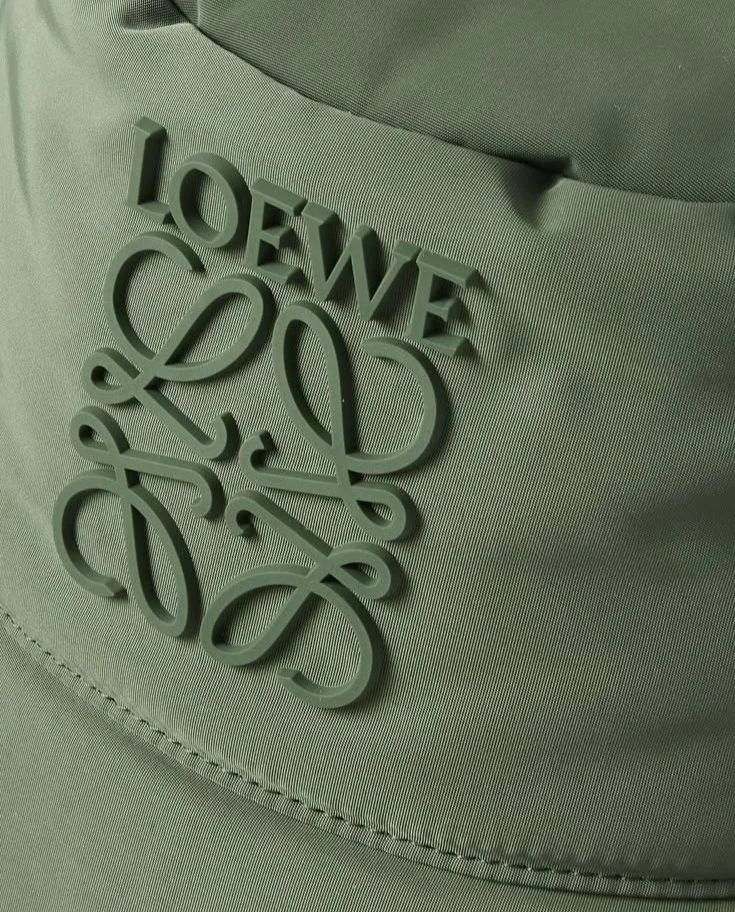
Bottom line: For anyone buying clothes in-store or online who wants durability over disposable fashion; not for those prioritizing trend-first, wear-once purchases.
Last updated: 2026-06-11, based on 27 years of garment manufacturing experience across 2,000+ fashion brands and industry construction standards.
Key Takeaways
- Fabric density test: Push your finger through the weave—if threads move easily, the garment will pill and deteriorate within weeks of regular wear.
- Inside-out rule: Premium construction appears nearly as neat inside as outside, with French seams or flat-felled seams instead of overlocking alone.
- Fiber transparency: Specific percentages (e.g., “85% cotton, 15% polyester”) signal quality control; vague terms like “performance blend” indicate corner-cutting.
- Stitching consistency: Straight, even stitching with reinforced stress points (armholes, shoulders, crotch) separates durable garments from fast-fashion failures.
- Finishing details: Secure buttons with thread shanks, YKK zippers, and 1–1.5 inch hem depth reflect manufacturing precision throughout production.
Fabric Hand & Weave Density: The First Quality Test
How do you tell the quality of clothes? Quality assessment starts with fabric hand—the tactile evaluation of material weight, drape, and structural integrity that reveals whether a garment will endure or deteriorate.
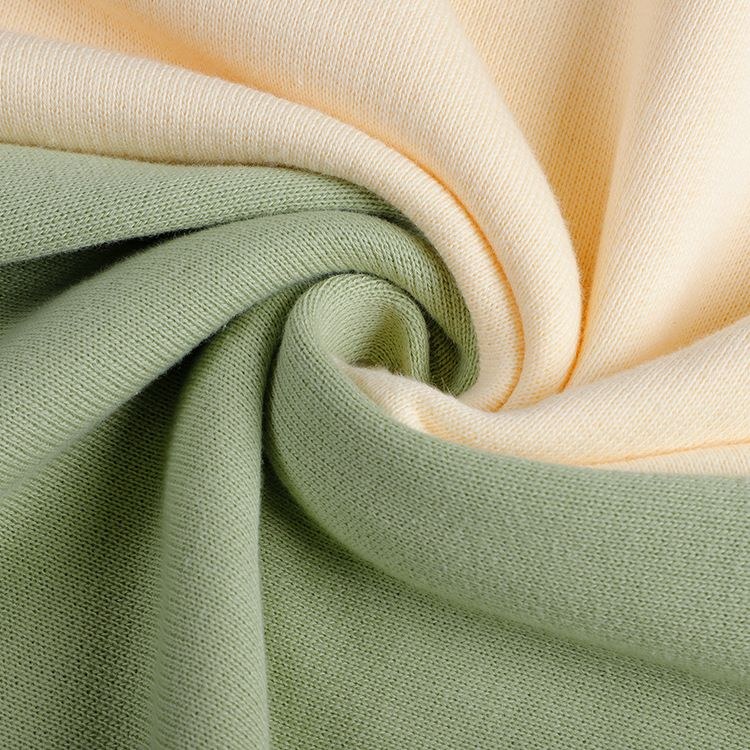
A quality garment’s fabric feels substantial and recovers from gentle pressure. Loose weaves collapse under finger pressure and indicate poor construction with a short lifespan. Gently push your finger back and forth through the weave pattern. If you can easily manipulate the threads, the weave is too loose and the garment will pill, snag, and fall apart quickly.
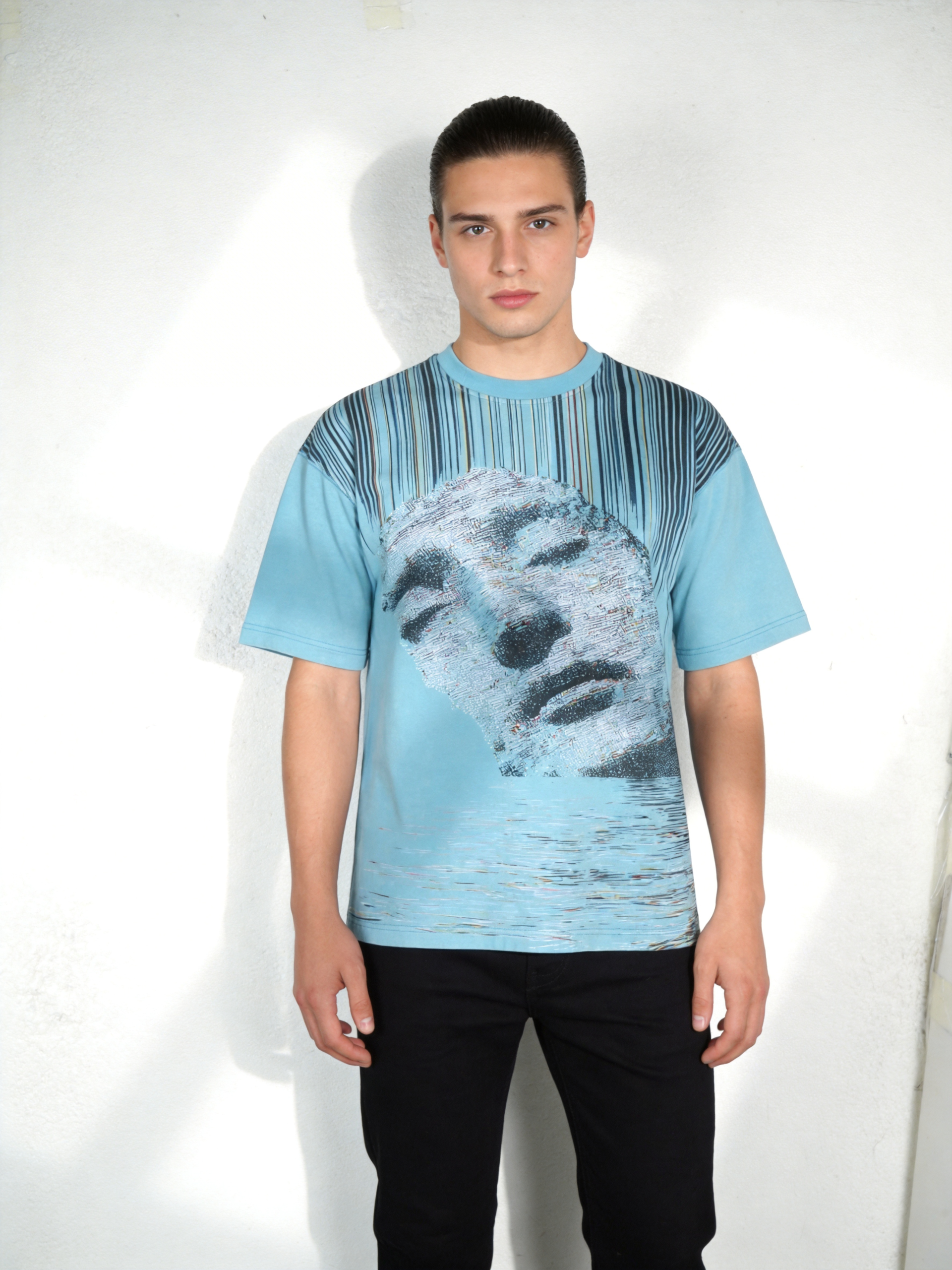
Run the fabric between your thumbs and gently pull. Premium materials resist excessive stretching and recover their original shape. This stretch-recovery characteristic directly predicts how the garment performs after multiple wears and washes. Fabrics that distort easily lose shape permanently within weeks.
Natural fibers—100% cotton, wool, linen, viscose, bamboo—outperform synthetics for durability and comfort because they breathe, age gracefully, and biodegrade. Quality synthetics and blends perform well when engineered thoughtfully. Performance activewear with polyester blends often outlasts poorly made cotton pieces. Check the tag: specific percentages and fiber names (not just “polyester blend”) indicate manufacturer transparency.
Seam Construction & Stitching Quality: Inside-Out Inspection
Turn any quality garment inside out—the seams should look almost as neat as the exterior, with straight, even stitching and reinforced stress points at armholes, crotch, and shoulders.
Premium seam finishes used in high-end production:
French seams — Fabric folded and stitched twice, encasing raw edges inside. This indicates high-end tailoring and durability.
Flat-felled seams — One seam allowance folded over and stitched flat. Extremely durable and common in workwear and premium casual clothing.
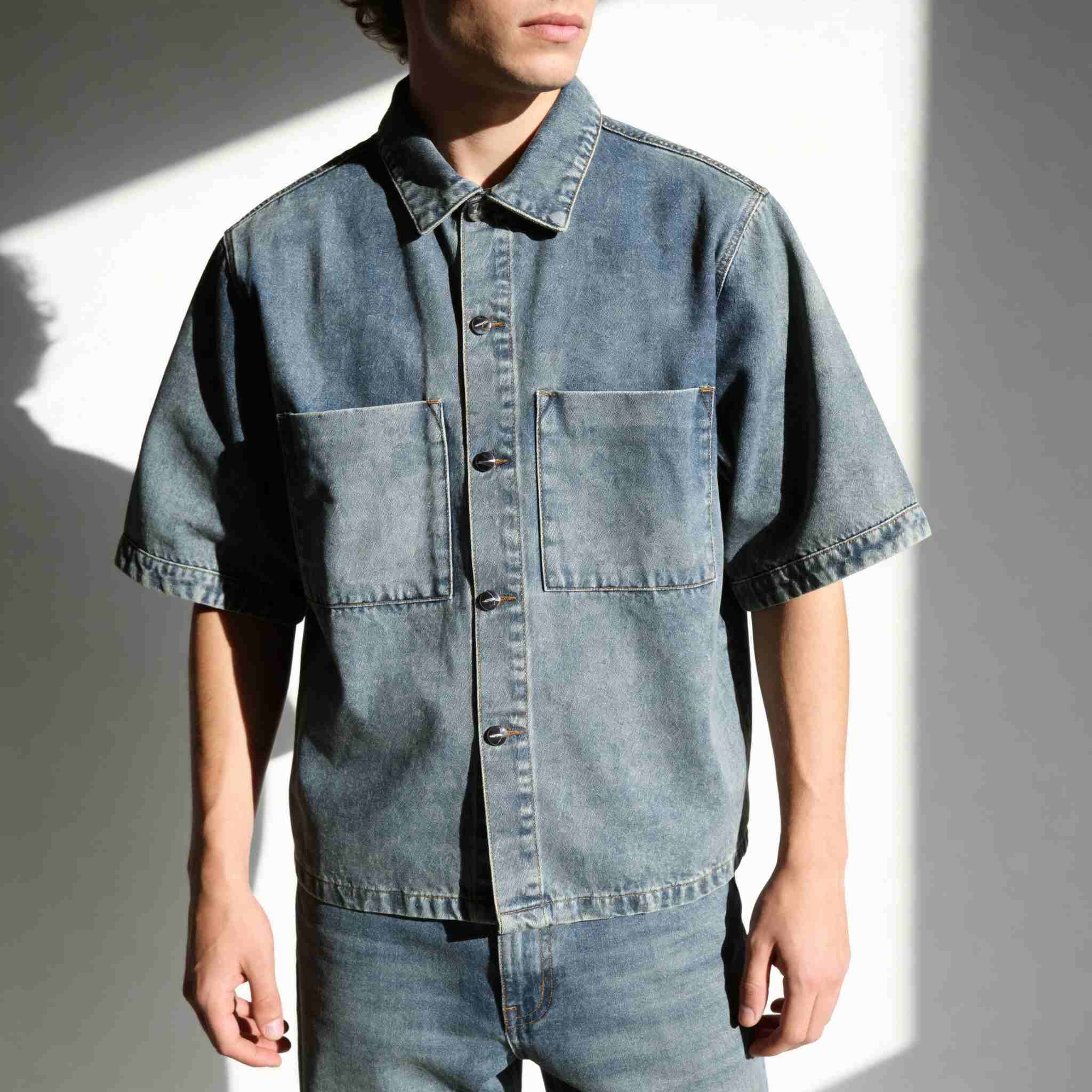
Bound edges — Raw seams covered with bias tape or fabric binding. Creates clean interior finish and prevents fraying.
Overlocking alone — Zigzag stitching that finishes edges but doesn’t reinforce. Acceptable only if combined with double-stitching at stress points.
High-quality garments display straight, even stitching with no puckering, gaps, or waviness. Examine hems, armholes, and necklines closely. Messy, uneven stitching signals rushed production and poor quality control.
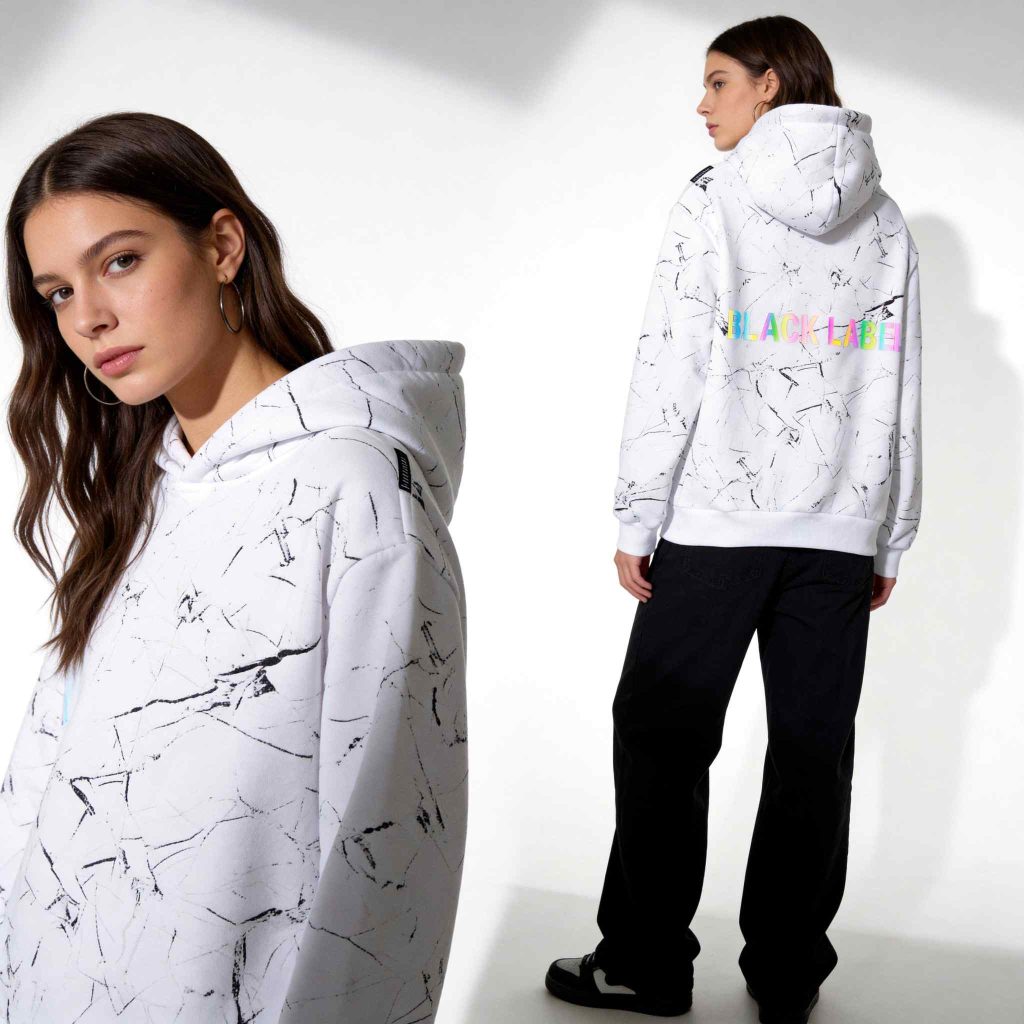
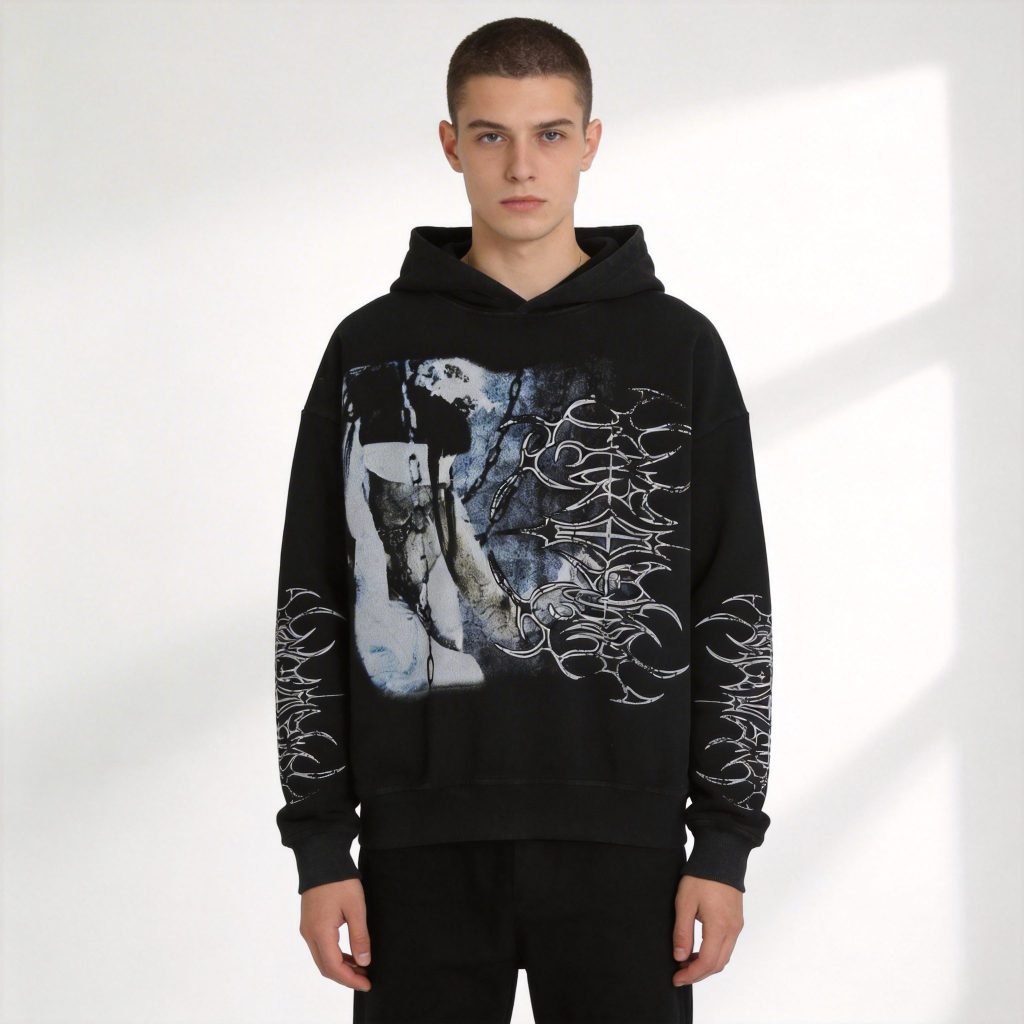
Double-stitched seams at high-stress areas prevent premature failure. Streetwear hoodies receive reinforced shoulder seams with double rows of stitching because stress concentrates during wear. Reinforced stitching at button attachment points and zipper installation prevents buttons popping off or zippers separating—common failures in poorly made garments.
Material Fiber Content & Label Transparency: What the Tag Reveals
Clear, specific fiber percentages on the label indicate manufacturer confidence; vague terms like “performance blend” or missing percentages are red flags for quality corners cut elsewhere.
Fiber composition directly affects durability, breathability, and longevity. According to The Weeknd Project’s quality guide, composition is only part of the story—the quality of the fabric itself matters just as much.
| Fiber Type | Quality Indicators | Durability | Best For |
|---|---|---|---|
| 100% Cotton | Soft hand, breathable, ages well | Medium (prone to shrinkage) | T-shirts, casual wear, basics |
| Cotton Blends (85%+) | Reduced shrinkage, maintains shape | Medium-High | Everyday wear, workwear |
| Wool | Insulating, wrinkle-resistant, luxurious | High | Sweaters, outerwear, formal wear |
| Linen | Crisp drape, breathable, improves with wear | High | Summer wear, structured pieces |
| Synthetics (polyester, nylon) | Easy care, quick-dry, shape retention | Medium (less breathable) | Activewear, performance clothing |
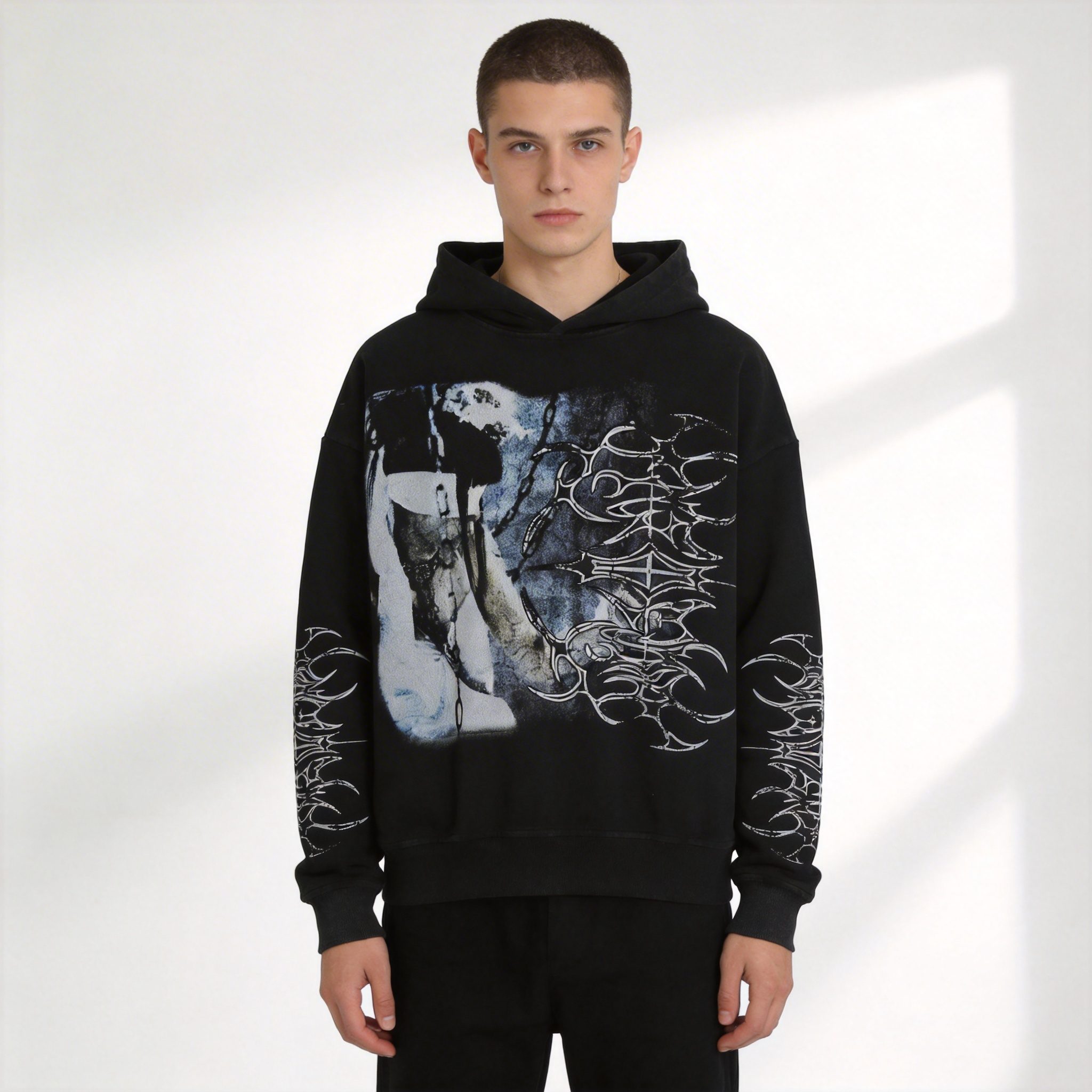
Prioritize garments with specific fiber percentages listed. Natural fiber dominance (70%+ natural content) correlates with higher quality and longevity. Avoid purchases where fiber content is missing or described only as “performance blend” without specifics.
Certifications like GOTS (organic cotton) or OEKO-TEX (tested for harmful substances) signal quality confidence and indicate the manufacturer invests in standards compliance.
Finishing Details & Construction Precision: The Devil in Details
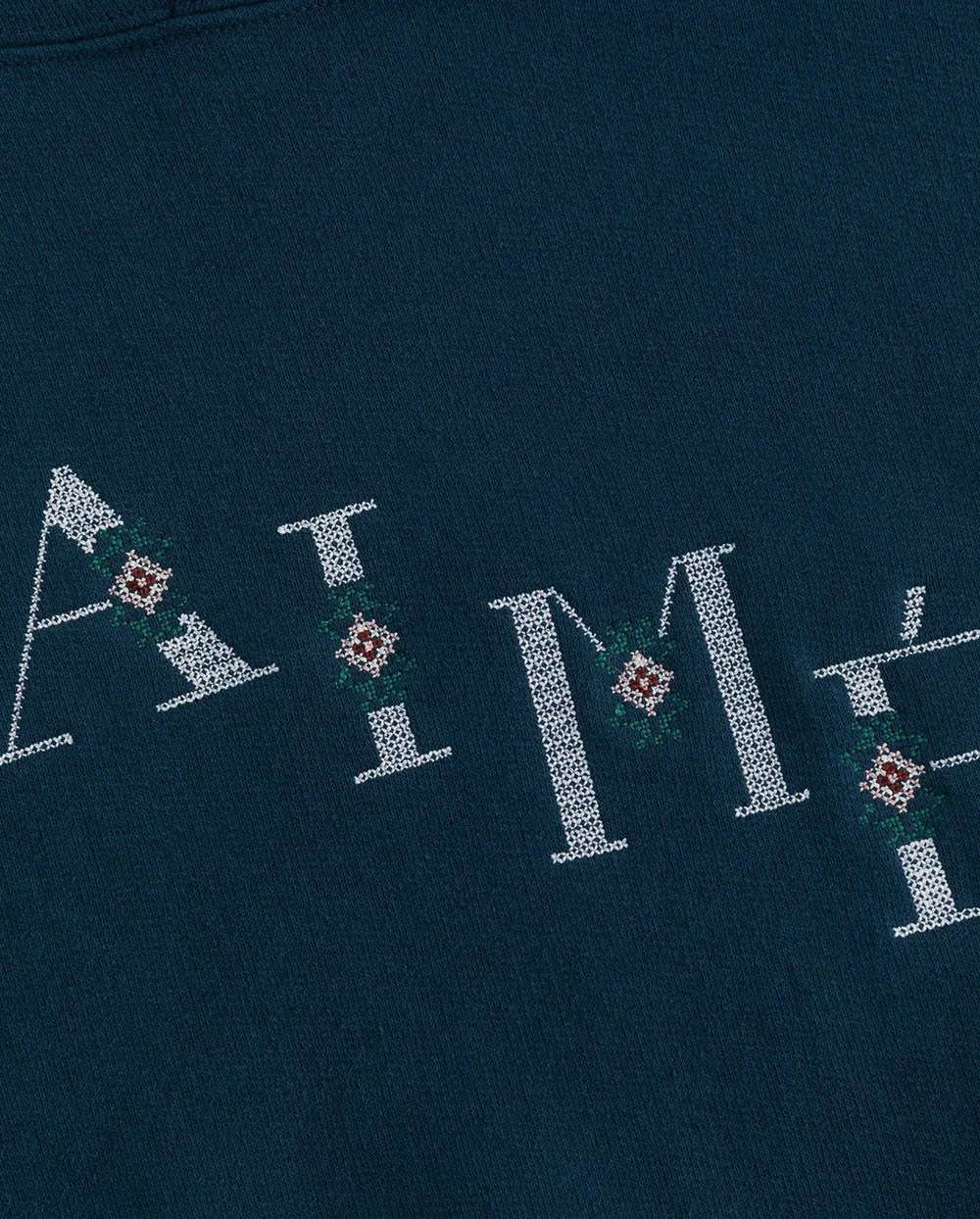
Premium garments reveal quality through finishing touches—reinforced buttonholes, secure zipper installation, neat hem depth, and properly attached labels indicate overall manufacturing precision.
Button & Closure Quality
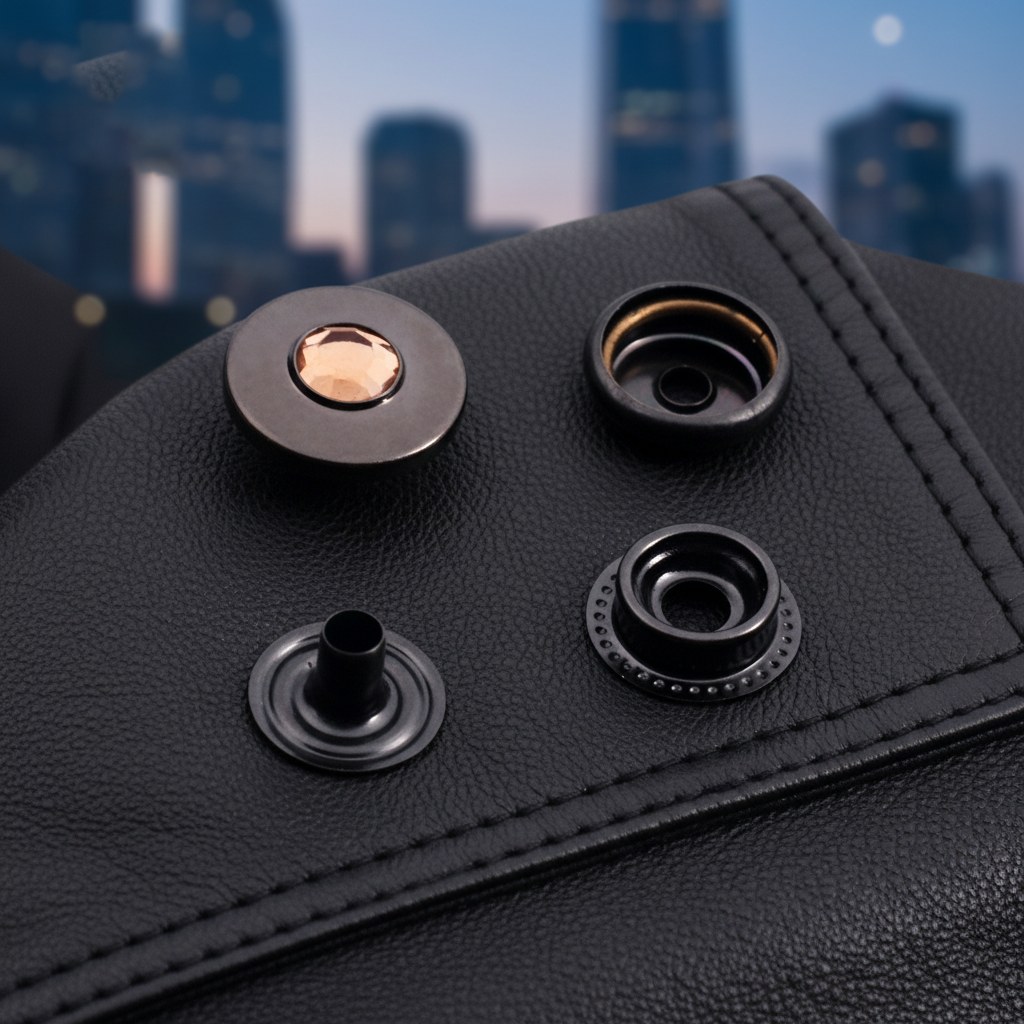
Buttons must be securely attached with reinforced stitching and a thread shank—a small space between button and fabric that allows proper sitting and stress resistance. Loose buttons signal poor quality control.
Buttonholes must be precisely cut and finished with tight stitching. No fraying or loose edges should appear. YKK, Riri, or other premium zipper brands indicate quality standards. YKK zippers show failure rates below 0.1% compared to 3-5% with generic alternatives.
Hem & Edge Finishing
Quality garments feature hems with adequate depth—1 to 1.5 inches minimum—and consistent, even stitching. Avoid garments with no hem or only stitched edges; these indicate cost-cutting. Hems should lie flat without puckering or visible irregularities.
Well-made garments have labels securely attached with no loose threads or crooked stitching. The main label should be centered and properly aligned. These details reflect overall quality control standards throughout the entire production process.
Practical In-Store & Online Assessment Techniques
Quality assessment combines tactile testing in-store with visual inspection online—perform movement tests, check close-up seam photos, and read durability-focused reviews to confirm quality before purchase.
In-store techniques:
- Dynamic movement test — Wear the garment and perform typical daily activities: raise arms overhead, sit down, bend forward, reach across your body. Quality garments move with you without pulling, gaping, or showing strain on seams.
Inside-out inspection — Turn the garment inside out in the fitting room. Examine seams, stitching, and raw edges. Premium construction is nearly as neat inside as outside.
Fabric hand evaluation — Feel the fabric between fingers and thumbs. Pull gently to test recovery.
Proportion check — Verify that sleeve length, hem depth, and overall proportions are intentional, not cost-cut. Unusually short sleeves or shallow hems are red flags.
Online assessment strategies:
Close-up photo priority — Examine high-resolution images of seams, hems, buttonholes, and fabric texture. These reveal construction quality better than styled photos.
Specific product description — Prioritize listings with detailed fiber percentages, construction methods, and care instructions. Vague descriptions lack transparency and often hide quality shortcuts.
Durability-focused reviews — Read customer feedback mentioning how garments perform after multiple washes and wears. Comments about shape retention, pilling, and fading are more valuable than fit opinions.
Return policy confidence — Generous return windows and free returns signal manufacturer confidence in quality. Restrictive policies may indicate concern about returns due to quality issues.
FAQ
Q1: Can you tell if clothes are quality online?
Yes, but with limitations. Prioritize close-up images of seams and fabric texture. Read reviews mentioning durability after washing—comments about shape retention and pilling matter most. Check for specific fiber percentages and construction details. Generous return policies indicate confidence in quality.
Q2: What’s the most important quality indicator?
Stitching consistency is the single best indicator. Turn the garment inside out—if seams are even, reinforced, and nearly as neat as the exterior, the garment received proper quality control. Poor stitching suggests rushed production and corner-cutting elsewhere.
Q3: Are expensive clothes always higher quality?
Not necessarily. Premium pricing reflects brand reputation, design, and marketing—not always construction quality. Mid-range brands often offer better value. Luxury labels sometimes use identical materials and construction as mid-market brands. Use the assessment techniques in this guide regardless of price point.
Q4: How do I test fabric quality without damaging it?
Gently pull the fabric between your thumbs and observe recovery. Rub a small area against your neck or forearm to feel for pilling tendency. Push your finger through the weave to test density. These tests don’t damage the garment and reveal important durability information.
Q5: What certifications indicate quality?
GOTS (Global Organic Textile Standard) certifies organic fiber and ethical production. OEKO-TEX verifies that textiles are tested for harmful substances. Fair Trade Certified ensures ethical labor practices. These indicate manufacturer transparency and standards compliance—brands investing in certification typically maintain higher overall standards.
Sources
- The Weeknd Project — How to spot quality clothes — 2026, fabric and construction assessment
- Angarde — Quality clothing recognition criteria — 2026, seam construction standards
- The Minimalist Wardrobe — Identifying quality clothing — 2026, stretch-recovery testing
Written by Alin Zeng (27 Years of Master Craftsmanship & Pattern Making, Global OEM & Streetwear Customization Excellence, End-to-End Supply Chain & One-Stop Production, High-Efficiency Cost Control (“Quality + Affordability”), Incubating 2,000+ Fashion Brands from Scratch). Last reviewed 2026-06-11.