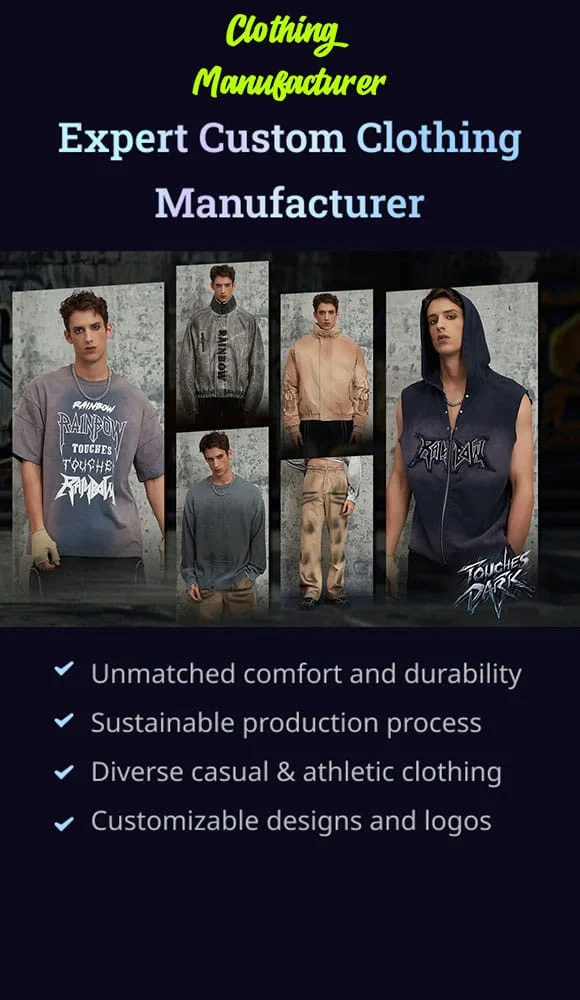
TL;DR: Starting your own clothing brand requires defining a specific niche, securing low-MOQ manufacturing (50–300 units), developing cohesive brand identity, and launching through direct-to-consumer channels with limited initial inventory.
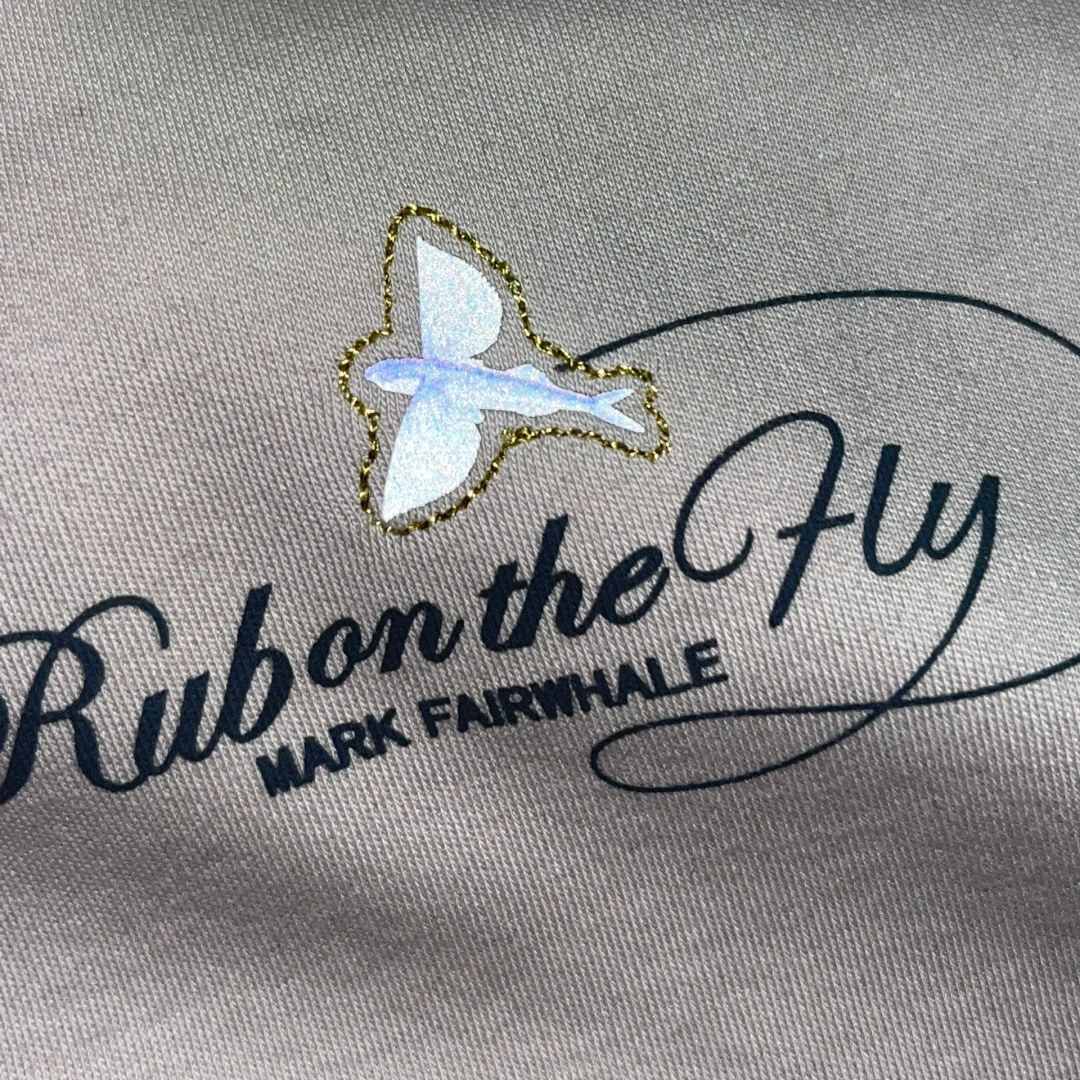
Bottom line: This guide is for entrepreneurs ready to invest $15,000–$30,000 and commit 12–24 months to building a profitable fashion business; skip if you’re seeking passive income or overnight success.
Last updated: 2026-06-06, based on analysis of 2,000+ brand launches and manufacturing partnerships across global apparel markets.
Key Takeaways
- Define your niche first — successful brands serve specific customer segments (sustainable streetwear, plus-size activewear) rather than attempting mass appeal across all demographics.
- Start with 50–300 units — low-MOQ manufacturers let you test designs and gather customer feedback before committing $50,000+ to bulk inventory orders.
- Budget $15,000–$30,000 realistically — covers sampling, initial production, website development, branding assets, and 90-day marketing spend for professional launches.
- Build audience before launch — brands with 500–1,000 engaged social followers at launch convert 30–40% versus 2–5% for cold traffic acquisition.
- Plan 12–24 months to profitability — most clothing brands require two full product cycles to validate market fit and establish sustainable customer acquisition channels.
1. Define Your Niche and Target Customer
How to start my own clothing brand is a strategic business decision that begins by identifying a specific market segment and customer profile before designing any garments or selecting manufacturers.
Direct Answer: Start by defining your niche — the specific customer segment, style category, and value proposition that differentiates your brand from thousands of competitors. Research 10–15 existing brands in your target space, identify gaps in their offerings (missing sizes, price points, design aesthetics), and create detailed customer personas covering demographics, psychographics, shopping behaviors, and values.
Your brand’s foundation rests on answering three questions with precision: Who are you serving? What problem does your clothing solve? Why should customers choose you over established alternatives? Attempting to appeal to everyone dilutes your message and stretches limited startup capital across too many product categories.
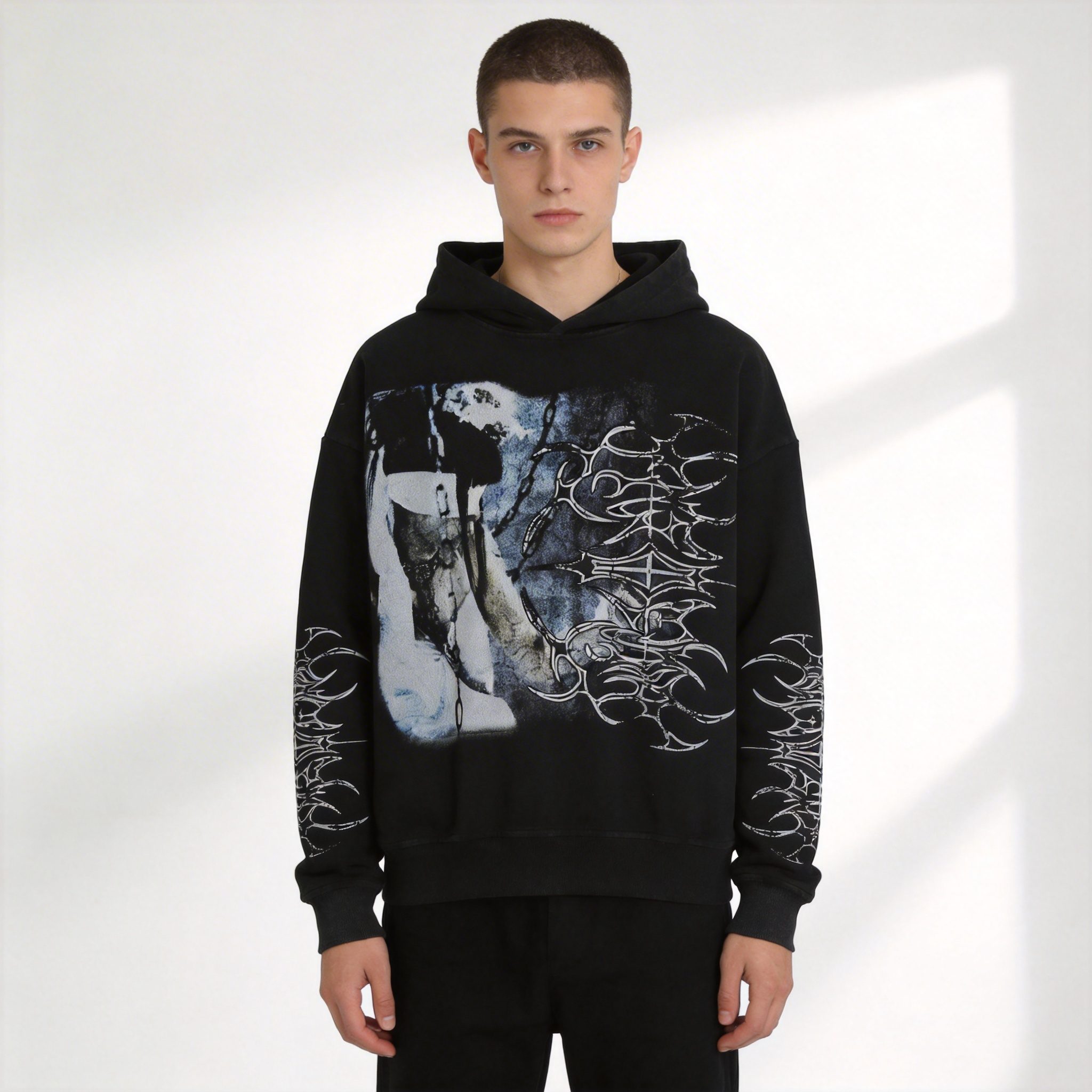
Customer personas transform abstract demographics into concrete decision-making tools. Document your ideal customer’s age range (25–34), household income ($45,000–$75,000), lifestyle patterns (works remotely, values sustainability, shops primarily online), and purchasing triggers (follows fashion influencers, researches extensively before buying, willing to pay premium for quality).
Competitive analysis reveals white space opportunities. Study pricing strategies — do competitors cluster at $30–$50 price points, leaving premium $80–$120 segments underserved? Examine product ranges — are they missing petite sizes, gender-neutral cuts, or specific fabric technologies? Read customer reviews to identify recurring complaints about fit, durability, or customer service that your brand can address. According to Gofrugal’s 2026 clothing brand guide, brands that identify specific market gaps before launch achieve 3x higher first-year retention than those launching generic product lines.
The ZORWILD Niche Framework
After incubating 2,000+ fashion brands, we’ve developed a three-layer niche definition system:
Layer 1 — Category: Streetwear, activewear, casualwear, luxury fashion, workwear, or sustainable fashion.
Layer 2 — Customer Segment: Demographics (age, income, geography) plus psychographics (values, lifestyle, shopping behavior).
Layer 3 — Differentiation: Your unique angle — construction quality, ethical manufacturing, cultural storytelling, technical innovation, or underserved sizing.
Brands that define all three layers before sampling reduce product development cycles by 40% and achieve clearer marketing messaging.
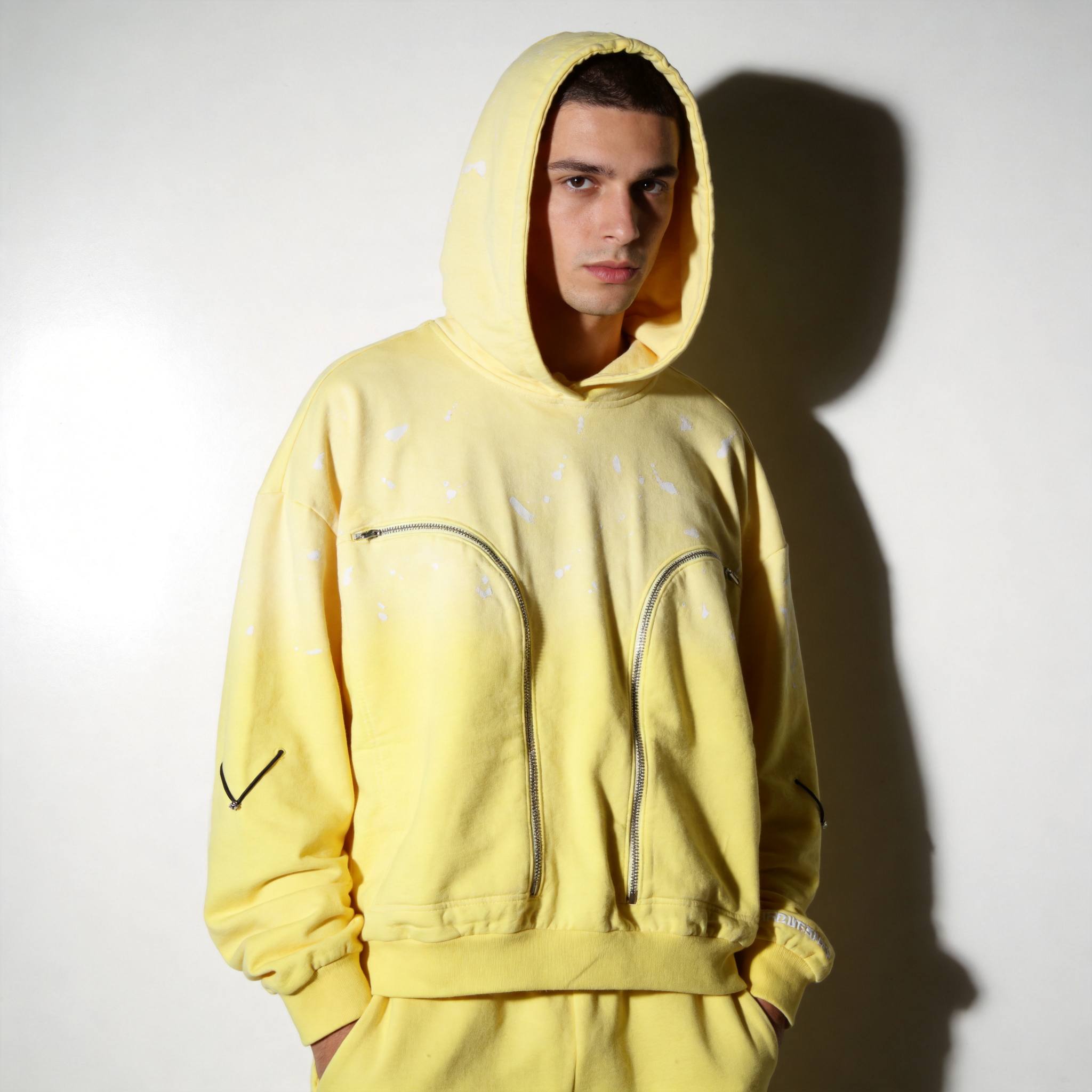
2. Create Your Business Plan and Financial Strategy
How to start my own clothing brand is a financial planning exercise that requires transparent cost accounting, realistic revenue projections, and strategic decisions about funding sources before placing your first manufacturing order.
Direct Answer: Develop a 12-month business plan covering startup costs ($15,000–$30,000 typical), funding sources (self-funding, loans, or investors), pricing strategy (2–3x markup from production cost), and monthly cash flow projections. Document every expense from business registration ($500–$2,000) through initial inventory ($5,000–$15,000), website development ($500–$3,000), branding ($1,000–$5,000), and marketing ($3,000–$10,000 first quarter).
Estimating Realistic Startup Capital
Most successful clothing brand launches invest $15,000–$30,000 in year one. Business registration and licensing consume $500–$2,000 depending on your location and legal structure. Initial inventory represents your largest expense at $5,000–$15,000 for 100–300 units across 3–5 styles. Website development through Shopify, WooCommerce, or custom builds ranges $500–$3,000. Professional branding including logo design, photography, and packaging costs $1,000–$5,000. First-quarter marketing budget should reserve $3,000–$10,000 for social media advertising, influencer partnerships, and content creation.
Transparent cost accounting prevents the cash flow crises that kill 60% of fashion startups in year one. Track every expense in spreadsheets or accounting software from day one. Build 20% contingency buffer for unexpected expenses — sample revisions, shipping delays, or additional photography needs.
Pricing Strategy and Margin Analysis
Calculate your landed cost per unit — manufacturing price plus shipping, duties, and packaging — then apply 2–3x markup to reach retail price. A hoodie costing $18 to manufacture, $2 to ship, and $1 to package ($21 landed cost) typically retails at $55–$65 for mainstream brands or $75–$95 for premium positioning. This margin covers marketing costs (20–30% of revenue), operational expenses (10–15%), payment processing fees (3–5%), returns and customer service (5–10%), and target profit (15–25%).
According to Forbes Advisor’s 2026 clothing business guide, brands that underprice in year one to “build market share” typically fail within 18 months because low margins prevent reinvestment in inventory, marketing, or quality improvements.
3. Source Manufacturing and Develop Samples
How to start my own clothing brand is a manufacturing partnership decision that determines your product quality, minimum order quantities, lead times, and unit economics for the lifetime of your brand.
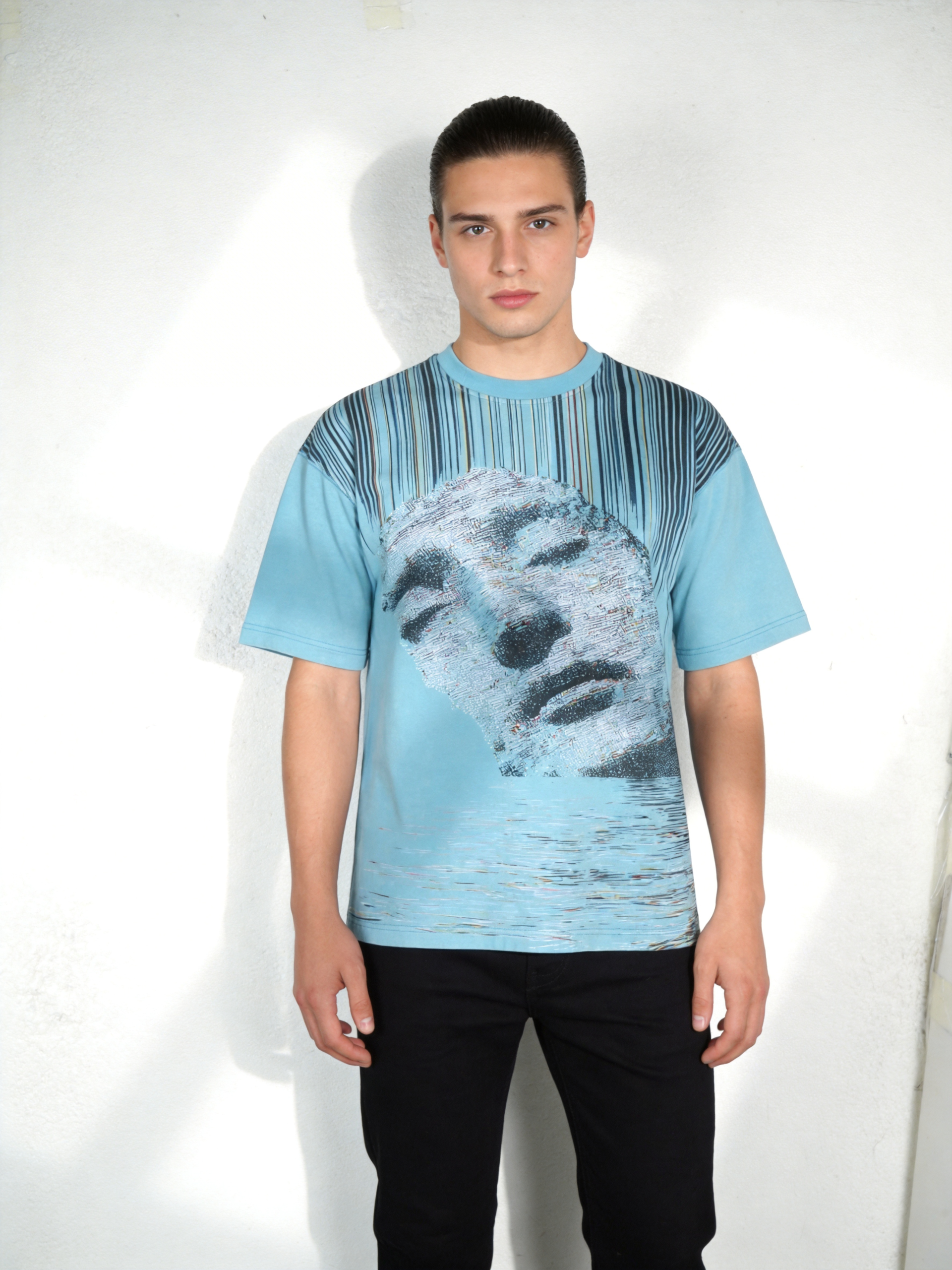
Direct Answer: Choose manufacturing models based on your startup capital and risk tolerance. Print-on-demand requires zero inventory investment but offers limited customization and higher per-unit costs ($15–$30). Low-MOQ manufacturers (50–300 unit minimums) balance reasonable startup costs ($5,000–$15,000) with full customization and better unit economics ($8–$18). Traditional factories (1,000+ minimums) deliver lowest costs ($4–$12) but require $25,000–$50,000+ capital and eliminate flexibility for startups.
| Manufacturing Model | Minimum Order | Startup Capital | Production Time | Unit Cost | Customization | Best For |
|---|---|---|---|---|---|---|
| Print-on-Demand | 1 unit | $0–$1,000 | 5–10 days | $15–$30 | Limited (prints only) | Testing concepts, zero inventory risk |
| Low-MOQ Factories | 50–300 units | $5,000–$15,000 | 20–35 days | $8–$18 | Full (fabrics, trims, construction) | Startups, capsule collections |
| Traditional Manufacturers | 1,000+ units | $25,000–$50,000+ | 45–75 days | $4–$12 | Full (complex techniques) | Scaling brands, wholesale distribution |
Startups should begin with low-MOQ manufacturers producing 100–300 units across 3–5 styles. This approach lets you test designs with real customers, gather feedback on fit and quality, and refine products before committing tens of thousands to bulk inventory.
When evaluating manufacturers, request samples of their existing work in your product category. Verify their experience with your required processes — if your designs feature vintage washing, puff printing, or chenille embroidery, confirm they’ve executed these techniques at scale. Clear communication matters as much as production capability; manufacturers who respond within 24 hours prevent costly mistakes.
Manufacturing lead times directly impact your launch timeline and cash flow. International production typically requires 20–35 days for low-MOQ orders or 45–75 days for bulk orders, plus 15–30 days for ocean freight. Air freight cuts shipping to 5–10 days but costs 5–8x more.
4. Build Your Brand Identity and Marketing Foundation
How to start my own clothing brand is a brand development process that establishes visual identity, messaging strategy, and audience-building systems months before your first product ships to customers.
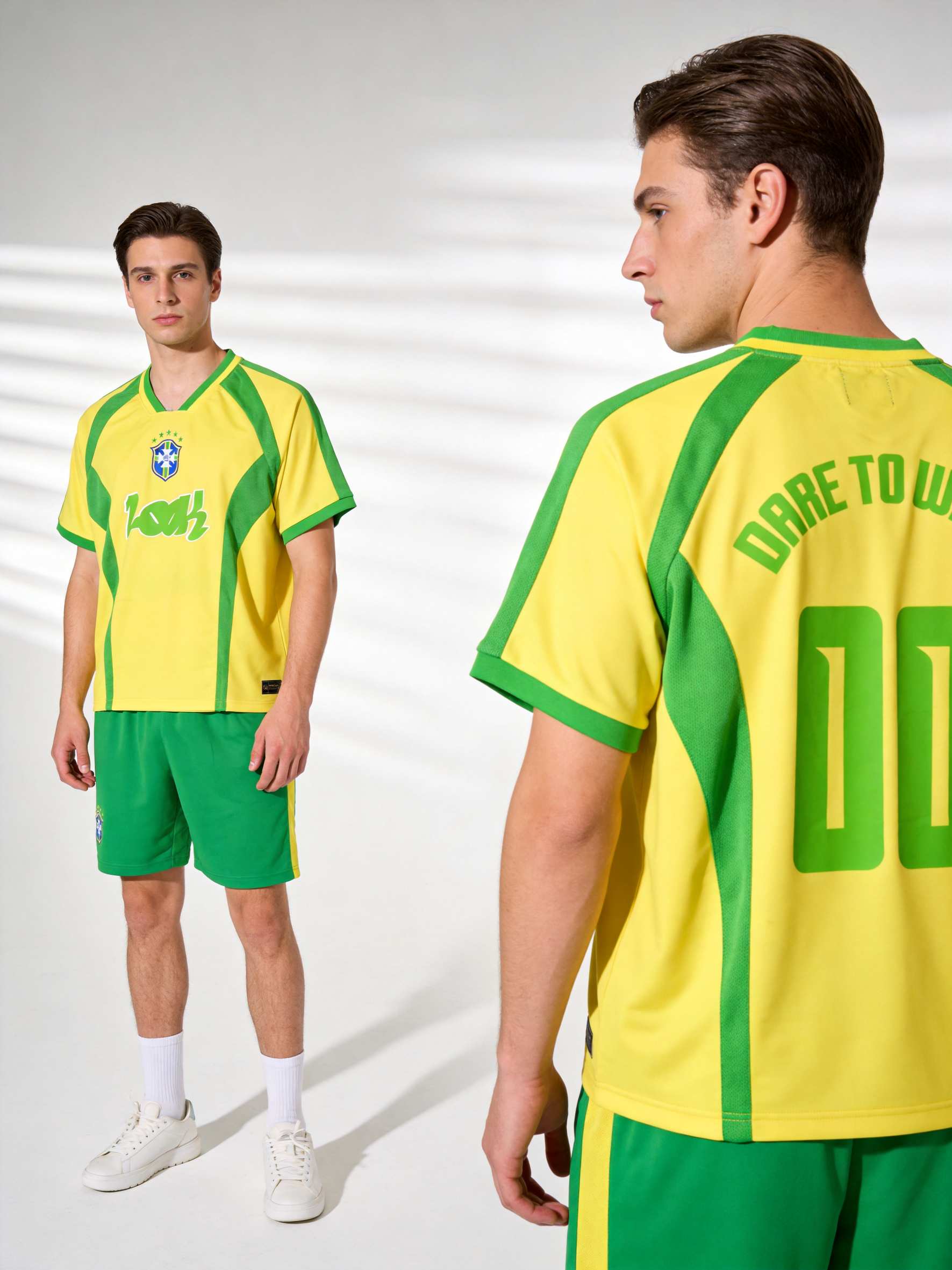
Direct Answer: Develop cohesive brand identity covering logo design, color palette (2–4 primary colors), typography standards, photography style, and packaging aesthetics that appear consistently across all customer touchpoints. Create authentic brand story explaining why you started this brand, what problem it solves, and what values guide decisions. Build social media presence and email list 60–90 days before launch, sharing behind-the-scenes content to create anticipation among 500–1,000 engaged followers.
Visual Identity and Brand Guidelines
Your visual language extends far beyond logo design into comprehensive brand guidelines that ensure consistency. Select 2–4 primary brand colors that reflect your positioning — earthy tones (olive, rust, cream) signal sustainability, while bold primaries (electric blue, hot pink, black) communicate streetwear energy. Choose typography that matches your aesthetic — clean sans-serifs for modern minimalism, bold display fonts for streetwear, elegant serifs for luxury positioning.
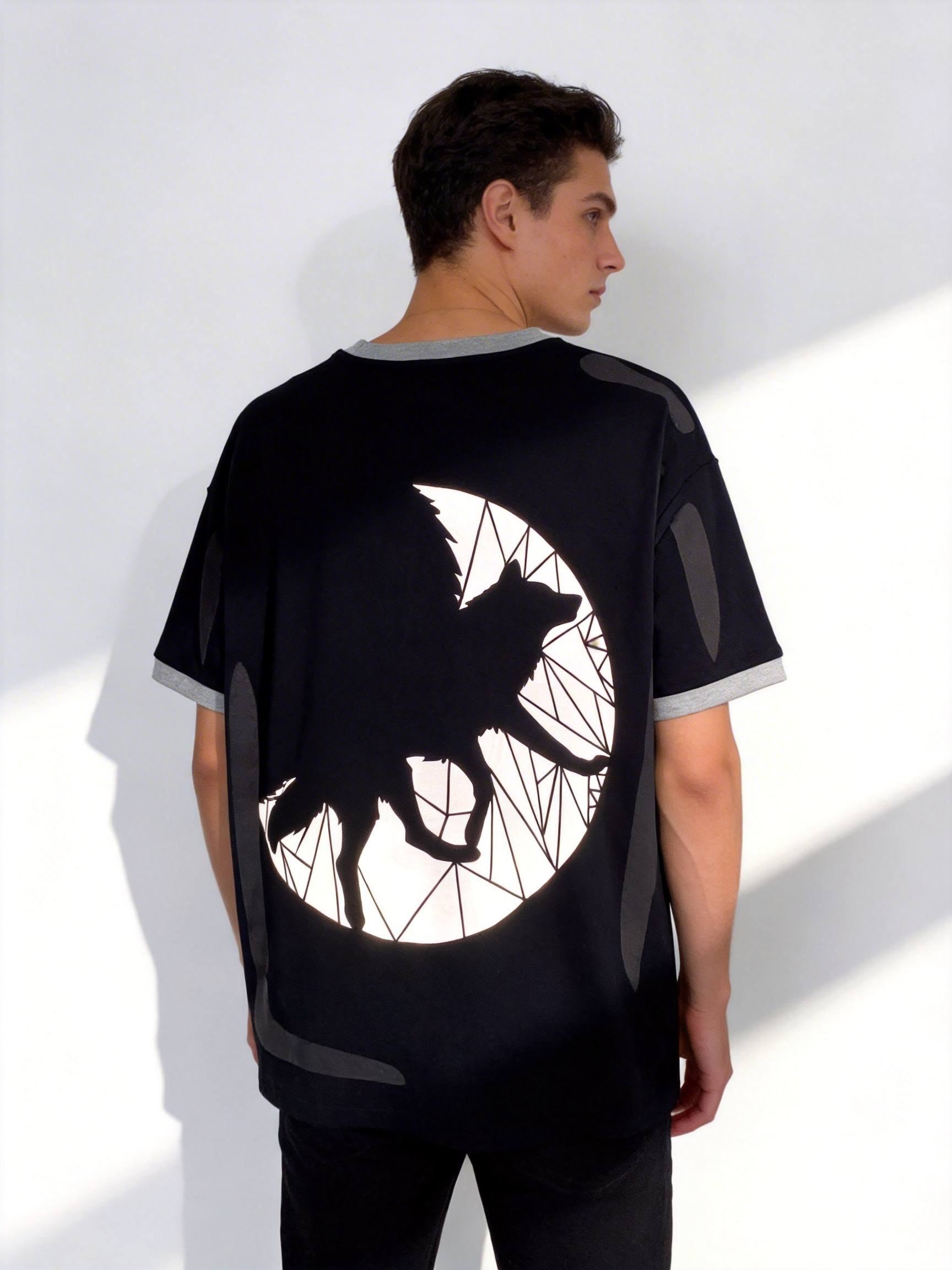
Photography style creates instant brand recognition. Decide whether you’ll shoot products on models versus flat lays, use natural light versus studio lighting, feature urban versus natural backgrounds, and employ vibrant versus muted color grading. Packaging continues this visual story — custom mailers, tissue paper, stickers, and thank-you cards transform commodity shipping into branded experiences.
Pre-Launch Audience Building
Begin building community 60–90 days before launch. Create Instagram, TikTok, or Pinterest accounts and post 3–5 times weekly. Share design sketches, fabric selection processes, manufacturing facility tours, founder stories, and early product previews.
Email list building should start simultaneously. Offer early access, launch discounts, or exclusive content in exchange for email addresses. A list of 500–1,000 engaged subscribers at launch provides your first customers and creates social proof for new visitors. According to Branded Agency’s clothing brand guide, brands with pre-launch email lists of 750+ subscribers achieve 30–40% conversion rates versus 2–5% for cold traffic acquisition.
Micro-influencer partnerships (10,000–100,000 followers) offer authentic promotion at accessible price points ($100–$500 per post or free product). Identify influencers whose aesthetic, values, and audience align with your brand. Reach out 45–60 days before launch offering free products in exchange for honest reviews and posts.
5. Launch, Sell, and Scale Your Operations
How to start my own clothing brand is a phased launch strategy emphasizing limited initial inventory, multi-channel distribution testing, and continuous customer feedback loops that inform product development and scaling decisions.
Direct Answer: Launch with 50–100 units across 3–5 styles to minimize inventory risk while testing market response. Sell through your own website (Shopify, WooCommerce) for full margin control, supplemented by Instagram Shopping and potentially one marketplace (Amazon, Etsy) for traffic diversification. Invest $500–$2,000 in first-month marketing across social media ads and influencer partnerships, then scale spending based on customer acquisition cost and lifetime value data.
Launch Strategy by the Numbers:
- 50–100 units — Recommended initial inventory for first collection, minimizing capital risk while providing sufficient stock for marketing momentum (Real Thread, 2024)
- 3–5 product styles — Optimal variety for debut collections without overextending resources or confusing brand identity (Apparel Entrepreneurship Academy, 2025)
- $500–$2,000 — Realistic first-month marketing budget covering social media advertising, influencer gifting, and content creation for startup brands (Forbes Advisor, 2026)
- 30–40% conversion rate — Average for direct-to-consumer fashion brands with engaged email lists versus 2–5% for cold traffic
- 12–24 months — Timeline for most clothing brands to reach profitability after initial launch, factoring in product refinement and customer acquisition optimization
Distribution strategy should emphasize direct-to-consumer sales through your website, maintaining full margin control and customer relationships. Shopify, WooCommerce, or BigCommerce platforms cost $29–$299 monthly and provide professional storefronts without technical expertise. Instagram Shopping and Facebook Shops integrate social commerce, letting followers purchase without leaving their feeds.
Customer feedback drives continuous improvement. Survey first customers about fit, quality, packaging experience, and likelihood to recommend. Track return reasons and common customer service questions — patterns reveal product issues requiring attention. Successful brands iterate based on this feedback, refining sizing, adjusting fabric weights, or improving construction details between production runs.
Scaling decisions should follow data, not emotions. Once you’ve sold through initial inventory (typically 60–90 days), analyze which styles sold fastest, which drove highest margins, and which generated best customer feedback. Reorder winners in larger quantities (200–500 units) while discontinuing underperformers.
FAQ
Q1: How much money do I need to start a clothing brand?
Startup costs range from $5,000 for minimal operations using print-on-demand to $50,000+ for professional launches with inventory. Most successful startups invest $15,000–$30,000 covering sampling, initial inventory (100–300 units), website development, branding, photography, and three-month marketing budget. Start lean with limited inventory, test market response, and reinvest early profits into scaling.
Q2: Should I manufacture domestically or internationally?
International manufacturers offer lower per-unit costs ($8–$18 versus $15–$35 domestic) and advanced capabilities. However, they require longer lead times (30–60 days production plus 15–30 days shipping) and higher minimums. Domestic manufacturers provide faster turnaround (10–20 days) but cost 50–100% more. Most startups begin with international low-MOQ manufacturers to minimize capital risk while testing designs.
Q3: How do I find a reliable clothing manufacturer?
Research manufacturers through industry directories (Alibaba, Maker’s Row), trade shows (MAGIC), referrals from other brands, and platforms like ZORWILD specializing in low-MOQ production. Request samples of existing work in your category, verify experience with required techniques, and confirm communication responsiveness. Start with small sample orders (5–10 units) before committing to bulk production.
Q4: What’s the difference between wholesale and direct-to-consumer sales?
Wholesale involves selling to retailers at 40–50% off retail price, sacrificing margin for volume and physical placement. Direct-to-consumer means selling through your website or social media, maintaining full retail margin but requiring you to handle marketing, customer service, fulfillment, and returns. Most successful brands combine both channels — DTC for margin and customer relationships, wholesale for volume and visibility.
Q5: How long before my clothing brand becomes profitable?
Most clothing brands require 12–24 months to reach profitability. Initial months focus on building brand awareness, validating product-market fit, refining designs based on customer feedback, and establishing sustainable customer acquisition channels. Profitability depends on your pricing strategy (2–3x markup minimum), customer acquisition costs ($15–$50 per customer for DTC brands), operational efficiency, and reinvestment decisions.
Q6: How do I market my clothing brand with limited budget?
Focus on organic social media marketing through Instagram, TikTok, and Pinterest by posting authentic behind-the-scenes content, design process videos, and customer testimonials 3–5 times weekly. Build email lists offering launch discounts or exclusive access, then nurture relationships through regular newsletters. Partner with micro-influencers (10,000–100,000 followers) aligned with your brand values for authentic promotion at $100–$500 per post or free product exchange. Invest paid advertising budget ($500–$2,000 first month) only after validating organic traction.
Sources
- Forbes Advisor — How To Start A Clothing Business: Everything You Need To Know — 2026, startup cost ranges and business planning guidance
- Gofrugal — How to Start a Clothing Brand in 2026 — 2026, distribution strategies and market positioning data
- Real Thread — 7 Tips For Starting A Successful Clothing Line — 2024, small-batch production recommendations
- Apparel Entrepreneurship Academy — 6-Step Successful Clothing Brand Launch Program — 2025, product development frameworks
- Branded Agency — How to Make a Clothing Brand: A Step-by-Step Guide — email marketing and audience building strategies
Written by Alin Zeng (27 Years of Master Craftsmanship & Pattern Making, Global OEM & Streetwear Customization Excellence, End-to-End Supply Chain & One-Stop Production, High-Efficiency Cost Control (“Quality + Affordability”), Incubating 2,000+ Fashion Brands from Scratch). Last reviewed 2026-06-06.