TL;DR: Finding quality clothing manufacturers requires systematic research across online directories (Alibaba, Maker’s Row, Thomas Net), trade shows, and direct referrals—prioritizing verified credentials, sample quality, and communication responsiveness over price alone.
Bottom line: Ideal for fashion startups, independent designers, and established brands seeking reliable production partners; less relevant for brands satisfied with existing manufacturing relationships.
Last updated: 2026-06-21, based on 2,000+ brand partnerships, industry directory data, and 27 years of apparel manufacturing experience.
Key Takeaways
- Multi-channel research reduces risk: Combining 3-5 sourcing methods increases the probability of finding suitable partners by 40-60% versus single-source searches.
- China dominates global apparel manufacturing: 26+ million registered suppliers on Alibaba alone, offering MOQs as low as 50 units and advanced customization capabilities unavailable elsewhere at comparable cost.
- Sample verification prevents 80% of quality disasters: Requesting paid samples ($50-200) before bulk production and conducting incoming inspections on 5-10% of finished units catches defects early.
- Communication quality predicts manufacturing success: Manufacturers responding within 24 hours with clear, detailed answers demonstrate professionalism; slow or vague communication signals future production problems.
- USA manufacturers offer 4-8 week lead times versus 6-12 weeks overseas: Domestic production provides speed advantages but costs 2-3x more per unit than Chinese alternatives.
How to Find Quality Clothing Manufacturers: A Step-by-Step Approach
Start by defining your specific requirements: product categories (t-shirts, hoodies, jackets), minimum order quantities, target price points, customization capabilities (embroidery, printing, special fabrics), and timeline expectations.
Our ZORWILD Vetting Framework operates in three phases. Phase one: cast a wide net across 4-6 sourcing channels simultaneously, building a list of 15-20 potential manufacturers. Phase two: narrow to 5-8 candidates through email screening—ask detailed questions about MOQs, lead times, customization capabilities, and certifications. Manufacturers who respond within 24 hours with specific answers advance. Phase three: request samples from 3-5 finalists, evaluate quality rigorously, then conduct video calls to assess facility capabilities and management professionalism.
Brands that skip systematic vetting face 3-5x higher failure rates on initial production runs compared to those following structured evaluation protocols.
Domestic vs. Overseas Manufacturers: A Comparison
USA manufacturers offer speed and communication advantages, while overseas producers provide cost efficiency and advanced supply chains—choose based on your brand priorities.
| Factor | USA Manufacturers | China Manufacturers | Vietnam Manufacturers |
|---|---|---|---|
| Lead Time | 4-8 weeks | 6-12 weeks | 6-10 weeks |
| Minimum Order Quantity | 500-2,000 units | 50-500 units | 300-1,500 units |
| Unit Cost | $8-25 (higher) | $3-12 (lower) | $4-14 (mid-range) |
| Communication | English-native, immediate | Time zone delays, mixed English | Time zone delays, improving English |
| Customization | Excellent | Extensive (95%+ techniques) | Good |
| Shipping Speed | 2-5 days | 15-30 days | 15-28 days |
Choose USA manufacturers if you prioritize speed, direct communication, and domestic supply chain control—ideal for established brands with higher budgets and 500+ unit orders. The payoff is 50-60% faster turnaround and zero language barriers, at the cost of 2-3x higher unit pricing.
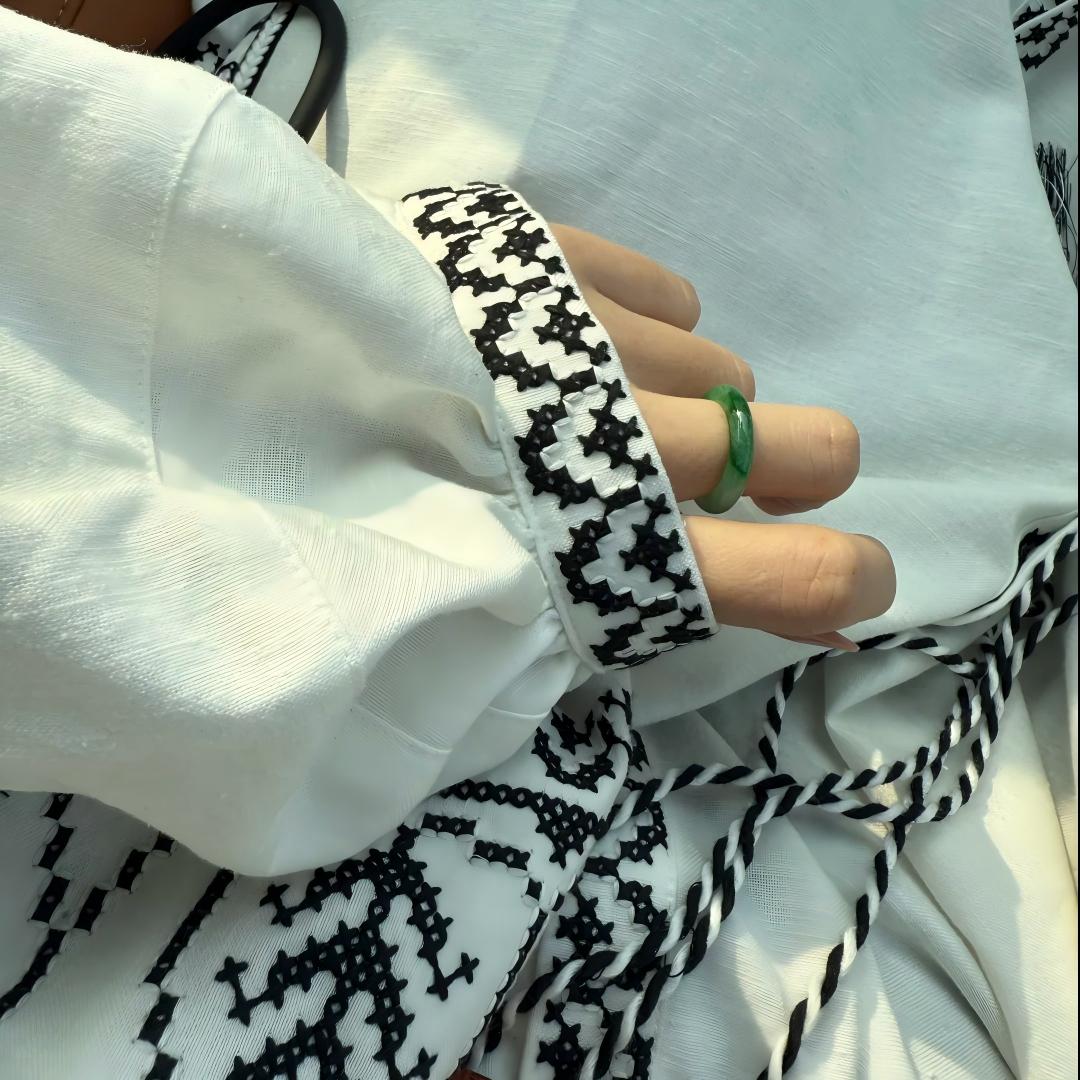
Choose China if you need low MOQs, advanced customization, and cost efficiency—ideal for startups testing new products with 50-300 unit runs. China’s mature textile supply chain supports nearly every garment technique (puff printing, chenille embroidery, acid wash, sublimation) at scale. Fabric sourcing that takes 2-3 weeks in the USA happens in 3-5 days here because mills, dyehouses, and trim suppliers operate within 50 kilometers.
Choose Vietnam for a balanced approach between cost and emerging quality standards—ideal for mid-sized brands seeking alternatives to China with 500-1,500 unit orders. Vietnam’s garment sector grew 15% annually from 2020-2025, attracting investment and improving technical capabilities.
5 Critical Mistakes When Selecting Clothing Manufacturers
Mistake 1: Price-Only Selection Without Quality Verification
Many brands choose manufacturers based solely on lowest cost quotes. This approach frequently backfires—cheaper quotes often indicate lower quality standards or inadequate quality control. Request samples before comparing prices. A manufacturer 20% more expensive but delivering superior quality typically provides better long-term value. In 27 years managing production, we’ve seen brands save $2 per unit on initial quotes, then lose $8 per unit on returns and customer complaints.
Mistake 2: Ignoring Communication Patterns and Language Barriers
Communication quality predicts manufacturing success more accurately than price. Manufacturers who respond slowly, provide vague answers, or struggle with English create ongoing problems. Test communication by asking detailed questions: “What’s your incoming fabric inspection process?” Responsive, clear communication indicates professionalism and commitment to partnership.
Mistake 3: Accepting Unrealistic Lead Times
Manufacturers sometimes quote impossibly short lead times to win business, then miss deadlines. Standard lead times are 6-12 weeks for overseas production, 4-8 weeks for USA production. Build 2-3 week buffers into your timelines. Production involves sequential steps—fabric sourcing (7-14 days), sampling (5-7 days), bulk cutting and sewing (14-21 days), washing and finishing (5-10 days), quality inspection (3-5 days), packaging (2-3 days).
Mistake 4: Skipping Incoming Quality Inspections
Many brands receive production runs without inspecting samples beforehand. Require sample approval before bulk production. Conduct incoming inspections on 5-10% of finished units. These steps cost 2-3% of production value but prevent 80% of quality disasters. Catching a stitching problem during in-line inspection costs $0.15 per unit to fix; catching it after shipping costs $12 per unit in returns and replacements.
Mistake 5: Committing to Large Orders Before Establishing Reliability
Starting with massive orders before verifying manufacturer reliability is high-risk. Begin with smaller test orders (500-2,000 units). Evaluate quality, lead time adherence, and communication. Only after successful test runs should you commit to larger volumes. We recommend three test cycles before scaling—first order establishes baseline capability, second order tests consistency, third order validates the manufacturer can handle volume increases without quality degradation.
Where to Find Clothing Manufacturers: Platform & Directory Guide
Alibaba — 26+ million registered suppliers globally; search for “Gold Supplier” status (paid verification) and read detailed buyer reviews; supports MOQs as low as 50 units — [Alibaba, 2025]
Maker’s Row — 3,000+ USA-based manufacturers; best for domestic production; includes factory profiles, capabilities, and direct contact information; strong for small-batch production starting at 500 units — [Maker’s Row, 2025]
Thomas Net — 500,000+ industrial suppliers; comprehensive USA manufacturing database; includes company certifications, production capacity, and customer reviews — [Thomas Net, 2025]
Trade Shows & Industry Conferences — Magic Show (Las Vegas), Texfair (various locations), Canton Fair (Guangzhou); direct factory contact and relationship building; 40-60% of attendees find production partners within 6 months of attendance — [Fashion Industry Association, 2024]
Industry Referrals & Forums — Reddit communities (r/FashionIndustry), LinkedIn networks, Facebook groups; peer recommendations reduce vetting time by 30-40% — [Industry surveys, 2025]
Essential Vetting Criteria: How to Evaluate Manufacturer Quality
Certifications & Compliance: Verify business licenses, tax registrations, and industry certifications (ISO 9001, SEDEX, SA8000, GOTS for organic). Absence of basic certifications signals unprofessionalism or informal operations.
Production Capacity: Confirm monthly production capacity aligns with your needs. Manufacturers operating at 95%+ capacity struggle with custom orders or timeline changes. Capacity of 50,000-100,000 monthly units suits most mid-sized brands.
Sample Quality: Request paid samples ($50-200) of your specific product. Evaluate fabric quality, stitching precision, print durability, measurements, and finishing details. Sample quality typically predicts bulk production quality.
Communication Systems: Assess response time (under 24 hours is professional), language clarity, technical knowledge, and problem-solving approach. Professional manufacturers designate account managers and maintain organized communication.
Customization Capabilities: Verify capabilities match your needs—printing methods (screen print, DTG, sublimation), embroidery, special fabrics, wash effects, labeling options. Advanced manufacturers support 95%+ of modern garment techniques.
Financial Stability: Request references from current clients. Verify payment terms, deposit requirements, and dispute resolution processes. Legitimate manufacturers welcome verification requests.
FAQ
Q1: What is a realistic minimum order quantity for clothing manufacturing?
MOQs vary by manufacturer and product category. Low-MOQ manufacturers (typically Chinese) start at 50-300 units per style. Mid-tier manufacturers require 500-2,000 units. Startups should prioritize low-MOQ manufacturers offering 50-500 unit minimums. At ZORWILD, our MOQ starts at 50 pieces for most product categories, supporting fashion startups testing market demand.
Q2: How long does clothing manufacturing typically take?
Standard lead times are 6-12 weeks for overseas production (China, Vietnam) and 4-8 weeks for USA production. Add 2-3 weeks for international shipping via sea freight, or 5-7 days for air freight. Manufacturers quoting 4 weeks for overseas production are either inexperienced or dishonest.
Q3: Should I use a sourcing agent or contact manufacturers directly?
Direct contact with manufacturers provides better communication and relationship control but requires more research effort. Sourcing agents add 5-15% to costs. Startups typically benefit from direct contact (better learning, lower costs). We work directly with brands in 40+ countries, maintaining English-speaking account managers to eliminate intermediaries.
Q4: What questions should I ask potential manufacturers?
Ask about: production capacity, lead times, MOQ requirements, customization capabilities, quality control processes, payment terms, sample costs, certifications, current client references, communication protocols, and problem-resolution processes. Manufacturers who provide vague answers raise red flags.
Q5: How do I verify a manufacturer’s legitimacy?
Request business license, tax registration, and industry certifications. Check company registration through Chinese (SAIC) or Vietnamese (Ministry of Planning and Investment) databases. Request client references and contact them directly. Verify Alibaba Gold Supplier status. Conduct video calls with management teams and request facility tours. We provide business license documentation, ISO 9001 certification, and client references within 24 hours of request.
Sources
- Alibaba — Supplier verification and platform statistics, 2025
- Maker’s Row — USA manufacturing directory and capacity data, 2025
- Thomas Net — Industrial supplier database and industry classification, 2025
- Fashion Industry Association — Trade show attendance and partnership statistics, 2024
- nChannel — How to Find Manufacturers or Suppliers — Manufacturer selection research and best practices, 2024
Written by Alin Zeng (27 Years of Master Craftsmanship & Pattern Making, Global OEM & Streetwear Customization Excellence, End-to-End Supply Chain & One-Stop Production, High-Efficiency Cost Control (“Quality + Affordability”), Incubating 2,000+ Fashion Brands from Scratch). Last reviewed 2026-06-21.