TL;DR: Buying clothes directly from manufacturers eliminates middlemen, cuts production costs by 30-50%, and enables custom design control—requires tech pack preparation, sample evaluation, MOQ negotiation, and quality control implementation across 8-16 week timelines.
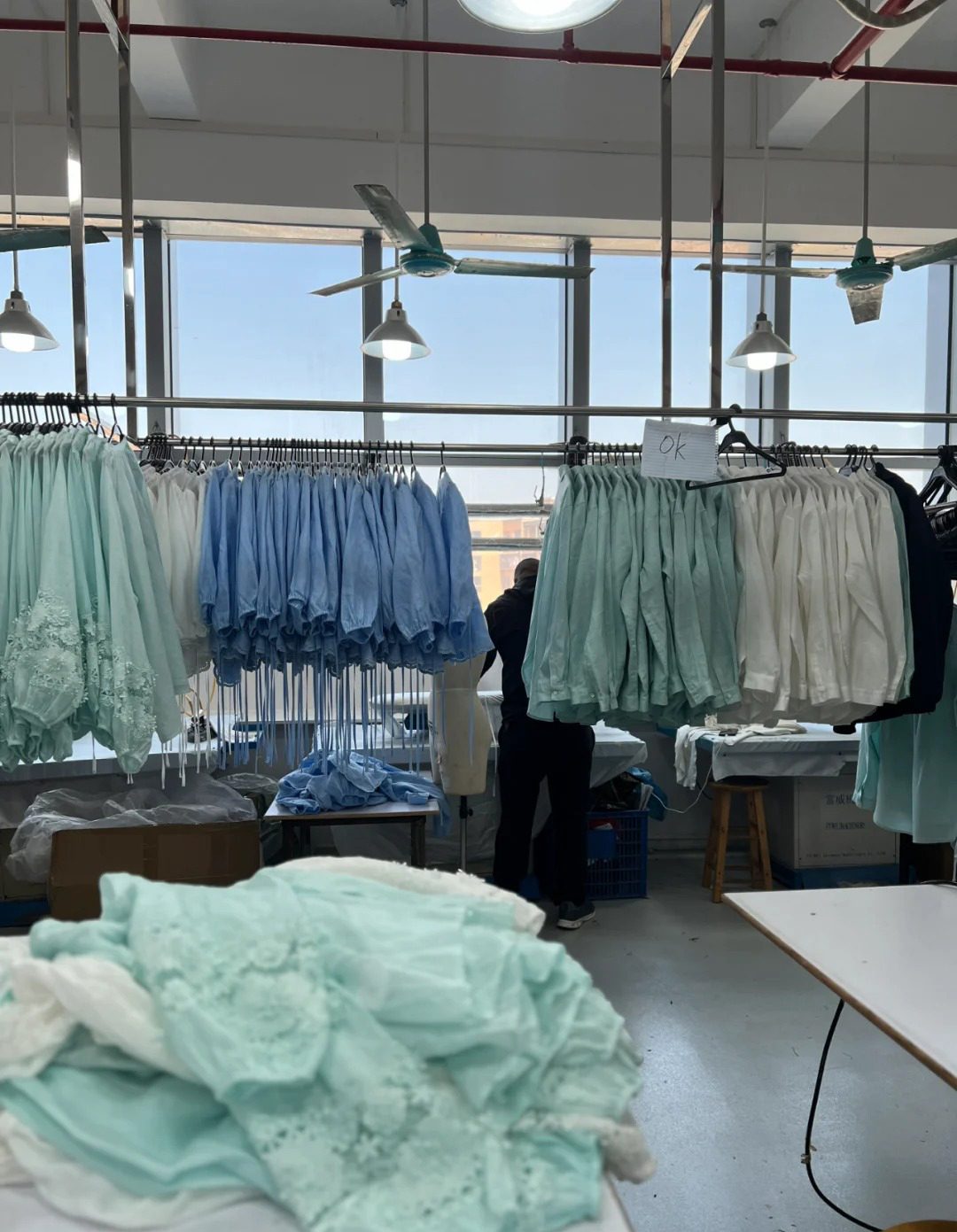
Bottom line: Viable for startups (50+ piece MOQs), influencers, e-commerce brands, and established fashion companies seeking cost control and customization—not suitable for consumers needing single-item purchases or immediate delivery.
Last updated: 2026-06-24, based on 2,000+ brand partnerships and 27 years of apparel manufacturing experience.
Key Takeaways
- Direct manufacturer sourcing reduces unit costs by 40-60% compared to wholesale distributors, with modern factories accepting MOQs as low as 50 pieces for basic apparel categories.
- Tech pack preparation is non-negotiable—detailed specifications (measurements, fabrics, stitching, decoration placement) prevent costly production errors and revision cycles.
- Sample evaluation before bulk orders protects your investment; expect 1-3 iterations over 2-4 weeks and $50-300 per sample depending on complexity.
- Multi-stage quality control (fabric inspection, in-line checks, final audits) combined with certifications (ISO 9001, SEDEX) safeguards brand reputation and reduces defect rates to 2-5%.
- China maintains 65%+ global apparel manufacturing capacity due to advanced supply chains, skilled labor, scalability, and technology integration—Vietnam, India, Bangladesh offer alternatives.
What Does Buying Directly from a Manufacturer Mean?
How to buy clothes straight from manufacturer? is a procurement strategy that eliminates supply chain intermediaries (wholesalers, distributors, retailers) by partnering directly with the production facility that physically manufactures your garments.
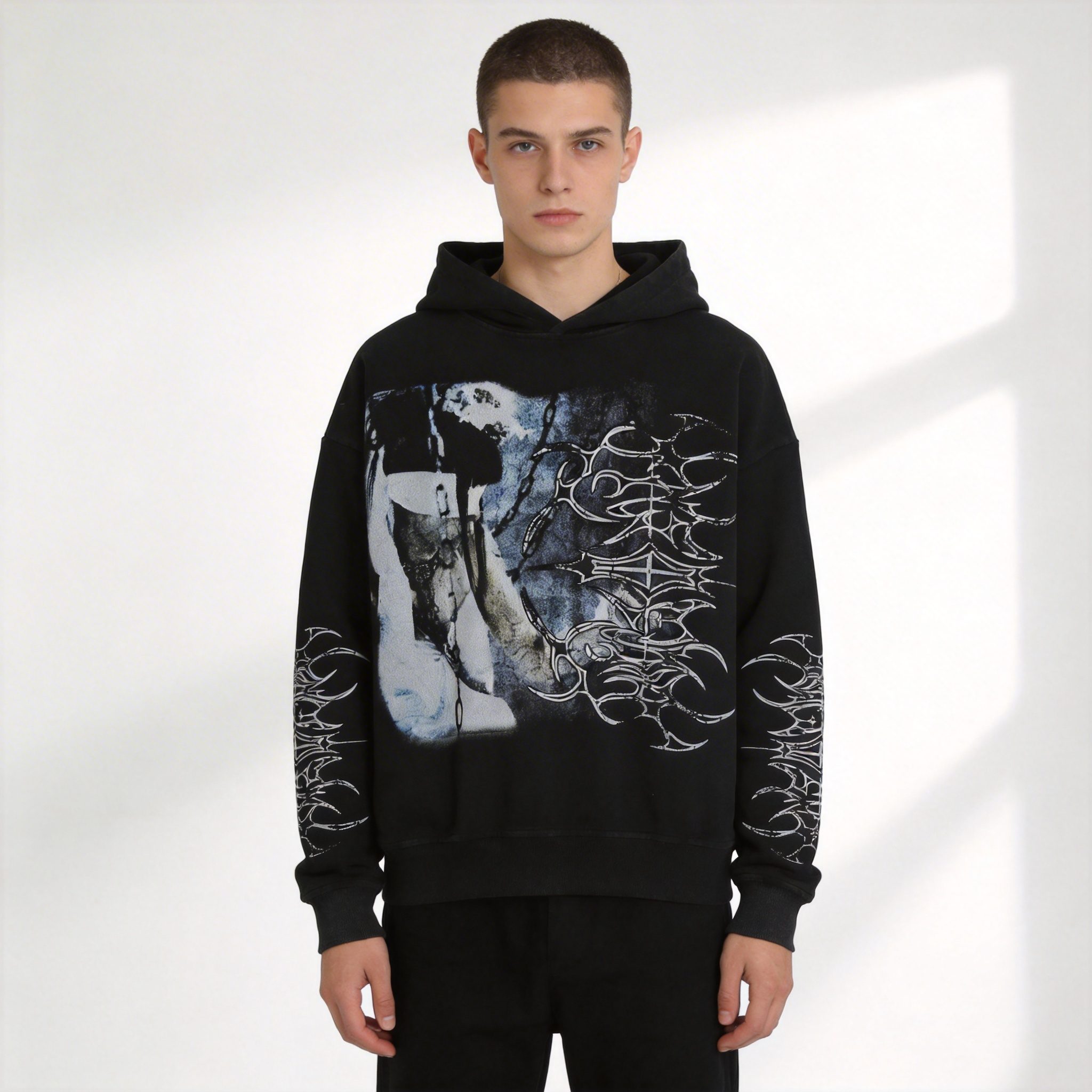
Direct manufacturer buying means commissioning custom or bulk apparel orders from the factory itself rather than purchasing pre-made inventory from distributors at inflated markups. You control design specifications, material selection, sizing standards, decoration methods (printing, embroidery, labels), packaging, and quality protocols. The manufacturer handles fabric sourcing, pattern cutting, sewing, finishing, and inspection before shipping directly to your warehouse or fulfillment center.
This relationship transforms you from a product buyer into a production partner. A hoodie with $15 factory cost becomes $30-40 wholesale or $60-80 retail. By capturing those profit layers, you fund marketing and growth while maintaining quality authority.
Modern manufacturers operate flexible systems that democratized direct sourcing. Historically, factories demanded 5,000+ piece MOQs. Today, many accept 50-500 piece minimums, making direct buying viable for startups, influencers, and small e-commerce operations. We’ve incubated 2,000+ fashion brands from scratch using low-MOQ production.
Our Direct Sourcing Framework:
- Discovery Phase — Research 5-10 potential manufacturers through trade shows (Magic Market Week, Texfair), online directories (Alibaba verified suppliers), LinkedIn referrals, and industry networks.
- Vetting Phase — Verify certifications (ISO 9001, SEDEX), production capacity, client references, and sample quality before commitment.
- Development Phase — Prepare tech packs, request samples, iterate designs based on fit and quality feedback.
- Negotiation Phase — Compare quotes across 3-5 manufacturers, negotiate MOQ/pricing/lead times, document terms in formal purchase orders.
- Production Phase — Monitor in-line quality checks, receive inspection photos, manage timeline milestones.
- Fulfillment Phase — Arrange logistics (air/sea freight), conduct final inspection, distribute to customers or retail channels.
Finding and Vetting Reliable Manufacturers
Sourcing channels multiply your options and reduce risk. Trade shows (Magic Market Week in Las Vegas, Texfair in Guangzhou) connect you with factory representatives face-to-face. Online directories (Alibaba Gold Suppliers, Made-in-China verified sellers, Global Sources) provide searchable databases with transaction histories. LinkedIn outreach and industry Facebook groups yield referrals backed by real working relationships. Compare 5-10 potential suppliers minimum to establish market pricing and capability benchmarks.
Verification criteria separate professional factories from problematic ones. Check company registration and business licenses through government databases. Request ISO 9001 quality management certifications, SEDEX ethical audit reports, and Fair Trade compliance documentation. Ask for production capacity numbers: employee count, machine inventory, square footage, monthly output by category. Request 3-5 client references from brands similar to your size and product type, then contact them directly about quality consistency, communication responsiveness, lead time accuracy, and problem-solving capability.
Sample evaluation reveals manufacturing competence before financial commitment. Request a paid sample ($50-300 depending on complexity) using a simplified tech pack. Evaluate fit accuracy against measurements, stitching precision, fabric quality, decoration quality, and finishing details. Fast, professional communication during sampling indicates operational maturity.
Pricing transparency separates legitimate manufacturers from scammers. Get detailed quotes from 3-5 factories including unit cost breakdown, MOQ requirements, lead time estimates, included services, and payment terms. Unrealistically low pricing (30%+ below market) indicates hidden costs or quality shortcuts. According to industry sourcing guides, the “factory direct” promise often masks middlemen posing as manufacturers.
Red flags demand immediate disqualification: pressure to pay full deposits before sampling, refusal to provide client references, inability to produce certifications, communication exclusively through personal email accounts, defensive reactions to quality questions, and unwillingness to sign formal contracts.
Manufacturer vs. Wholesaler vs. Retailer: Key Differences
| Factor | Manufacturer | Wholesaler | Retailer |
|---|---|---|---|
| Unit Cost | $10-25 (lowest) | $25-40 (markup 2-3×) | $40-80+ (markup 3-5×) |
| MOQ | 50-500 pieces | 100-1,000 pieces | 1-5 pieces |
| Customization | Full (design, materials, labels, decoration) | Limited (pre-made stock) | None (fixed inventory) |
| Lead Time | 4-12 weeks | 2-4 weeks | Immediate |
| Quality Control | Direct authority | Limited oversight | None |
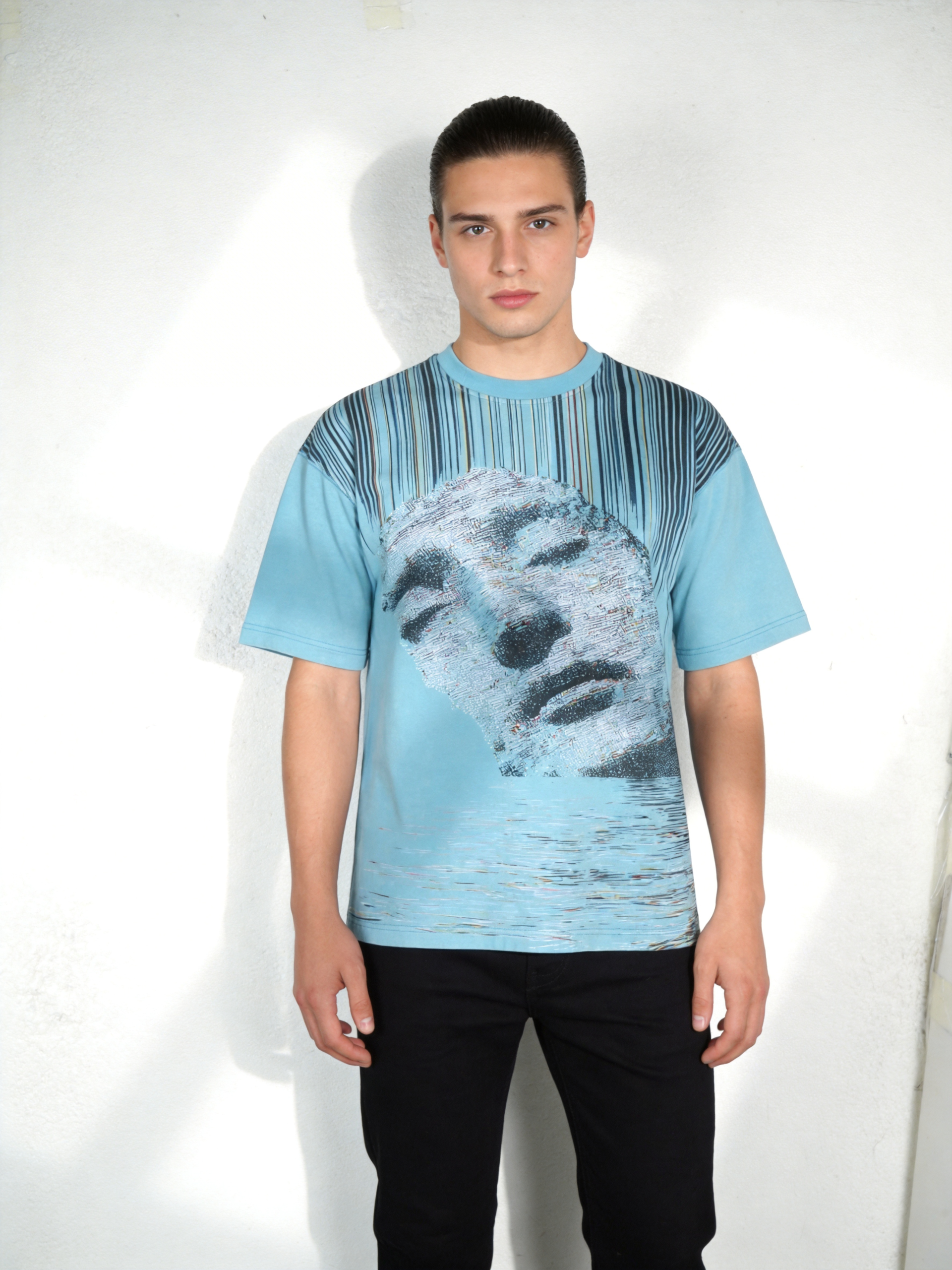
If you’re launching a fashion brand, testing product concepts, or building inventory with brand identity requirements—choose manufacturers. You gain cost control, design freedom, and quality authority at the expense of longer timelines and planning discipline. A startup streetwear label ordering 200 custom hoodies at $18 each can retail them at $65-80, generating 3.6-4.4× markup that funds marketing and next collections. The same brand buying wholesale at $35 per hoodie compresses margins to 1.9-2.3×, barely covering operational costs.
The 6-Step Direct Buying Process: From Concept to Production
Step 1: Define Your Product Concept & Requirements
Clarify target demographic, retail price point, production volume, and timeline. Document product category, brand positioning, and budget per unit. This informs downstream decisions about fabric quality and manufacturing complexity.
Step 2: Prepare a Detailed Tech Pack
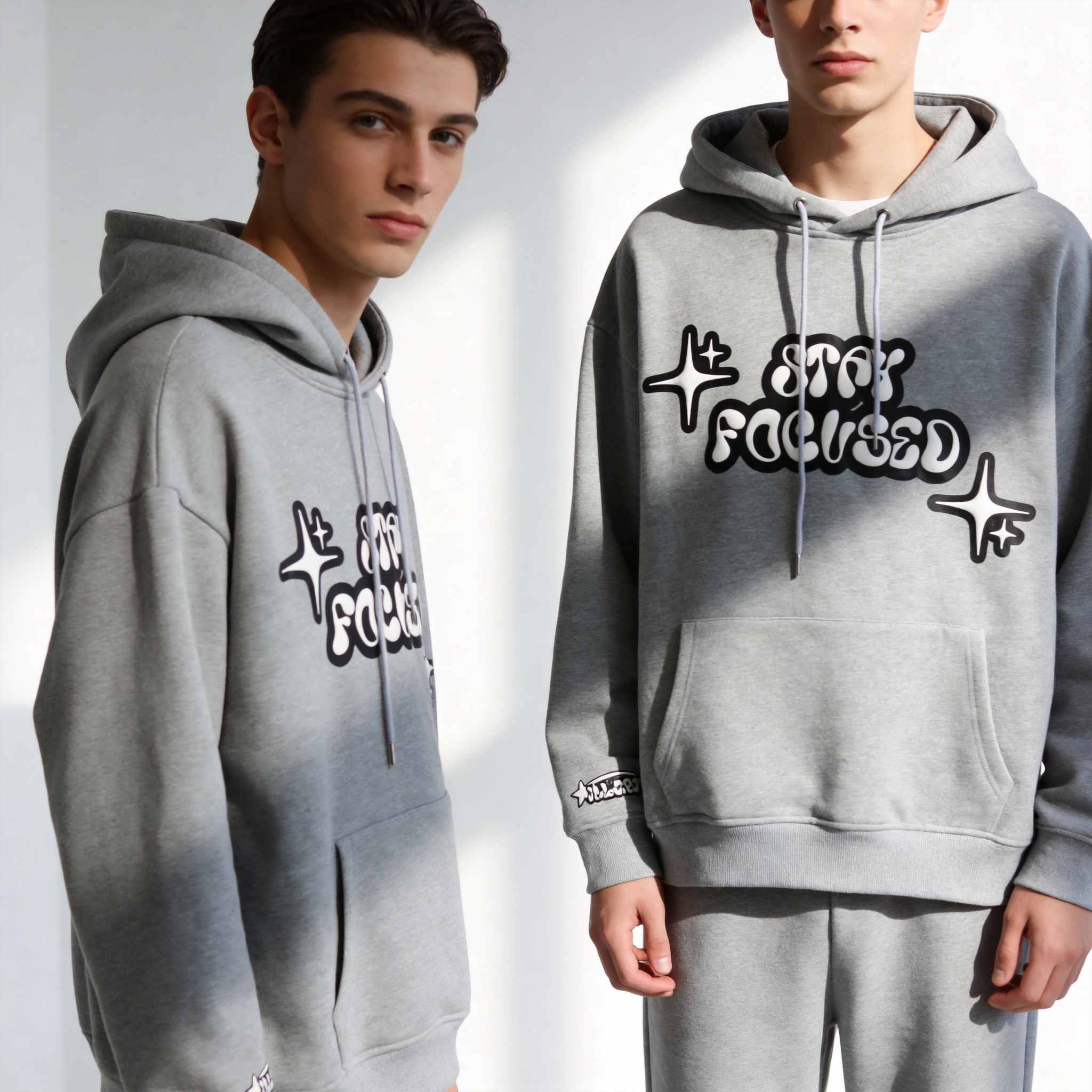
Create technical specifications including design sketches or CAD files, exact measurements by size with tolerances, fabric type and weight, Pantone color codes, stitching specifications, decoration placement with dimensions, label requirements, and packaging specifications. Professional tech packs eliminate ambiguity—we’ve seen $15,000 production errors caused by vague color descriptions instead of Pantone specifications.
Step 3: Request Samples & Evaluate Quality
Submit your tech pack and request paid samples (typically $50-300). Evaluate fit accuracy, fabric hand feel, stitching precision, print/embroidery quality, and overall construction. Approve or request revisions with specific feedback. Most manufacturers require 2-3 sample iterations—budget 2-4 weeks for this phase.
Step 4: Negotiate Pricing, MOQ & Lead Times
Compare detailed quotes from 3-5 manufacturers. Negotiate unit cost (expect 20-40% reduction when moving from 100 to 500+ pieces), MOQ flexibility, lead time, payment terms, and included services. Document all terms in a formal purchase order.
Step 5: Place Bulk Production Order
Submit final purchase order with approved tech pack, deposit payment (30-50% via bank transfer), and production timeline confirmation. Request progress photos at 25%, 50%, 75%, and 100% completion.
Step 6: Quality Control & Shipping
Manufacturer conducts in-line production checks and final inspection. Request quality control photos before shipment. For orders exceeding $10,000, consider third-party inspection services (SGS, Bureau Veritas). Arrange logistics through freight forwarders. Conduct final inspection upon arrival before customer fulfillment.
MOQ, Pricing & Negotiation Strategies That Work
- 50-100 piece MOQ — Most common for startup brands; higher per-unit cost ($15-30) but manageable cash flow and inventory risk
- 20-40% cost reduction — Typical savings when scaling from 100 to 500-piece orders
- $100-500 sampling fee — Standard cost for custom samples; some manufacturers waive fees for orders exceeding 500 pieces
- 30-50% deposit required — Standard payment structure protecting both parties
- 4-8 week lead time — Standard for basic products; complex items require 8-12 weeks
- 5-15% rush surcharge — Accelerated production costs extra due to overtime labor
Negotiation leverage increases with order size, payment terms, and relationship commitment. Offering 50% deposits instead of 30% demonstrates seriousness and improves pricing flexibility. Committing to quarterly reorders unlocks volume discounts. Accepting longer lead times reduces manufacturer scheduling pressure and lowers costs 8-12%.
Calculate total landed cost (unit price + shipping + duties + fees) before committing. Sea freight from China to US West Coast runs $2-4 per unit for 500-piece orders, while air freight costs $8-15 per unit but delivers in 5-7 days. Customs duties (apparel typically 16-32%) and import broker fees add another 18-35% to landed cost.
Quality Control, Certifications & Protecting Your Order
Quality control protects both financial investment and brand reputation through multi-stage verification. Pre-production fabric inspection checks weight, color accuracy, and defects. In-line production inspection involves random garment checks during sewing—pull 10% of units at 50% production completion to verify measurements, stitching quality, and decoration placement. Final inspection examines every unit for measurement accuracy (±1cm tolerance), stitching integrity, decoration quality, and packaging accuracy.
Request inspection photos before shipment showing representative samples across sizes and colors. For large orders ($10,000+), third-party inspection services conduct independent audits using standardized protocols. They charge $300-800 per inspection day but provide unbiased quality reports.
Certifications verify manufacturing standards and ethical practices. ISO 9001 indicates documented quality management systems. SEDEX and Fair Trade certifications verify ethical labor practices and fair wages. Eco-certifications (GOTS for organic cotton, OEKO-TEX for chemical safety) matter for sustainable fashion positioning.
Protect yourself contractually through detailed purchase orders specifying exact specifications, acceptable defect rates (typically 2-5% for minor defects, 0% for major defects), inspection procedures, dispute resolution process, and refund/replacement terms. Document everything: approved sample photos, inspection reports, shipping records, and all email communications.
FAQ
Q1: What’s the minimum order quantity (MOQ) for buying directly from manufacturers?
MOQs vary by manufacturer and product complexity. Basic items (T-shirts, hoodies, sweatpants) often start at 50-100 pieces per design/color. Complex items typically require 200-500 pieces minimum. Some factories accept as low as 30-50 pieces for established long-term relationships. Always negotiate—many manufacturers show flexibility for committed partners planning quarterly reorders.
Q2: How long does the entire process take from concept to delivery?
Typically 8-16 weeks total: 1-2 weeks for tech pack preparation and manufacturer research, 2-4 weeks for sampling and revisions, 1-2 weeks for quote comparison and negotiation, 4-10 weeks for bulk production, and 2-4 weeks for shipping. Rush orders cost 20-30% more and compress timelines to 6-8 weeks. Plan seasonal launches 4-5 months ahead to avoid rush charges.
Q3: Can I order a sample before committing to bulk production?
Yes—samples are mandatory before bulk orders. Most manufacturers require paid samples ($50-500) to cover material and labor costs. This lets you evaluate fit accuracy, fabric quality, stitching precision, decoration quality, and finishing details. Samples typically take 1-3 weeks. Some factories waive sample fees for orders exceeding 500 pieces. Never skip sampling—fixing production mistakes on 1,000+ pieces costs 10-20× more than sampling investment.
Q4: What payment terms should I expect?
Standard terms are 30-50% deposit upfront, with balance due upon shipment or arrival. Some factories offer net-30 or net-60 terms for established clients. Payment methods include bank wire transfer (most common), PayPal (3-4% fees), Alibaba Trade Assurance (buyer protection), or letters of credit for large orders. Always use secure payment methods with buyer protection.
Q5: How do I know if a manufacturer is legitimate and trustworthy?
Verify company registration and business license, ISO 9001 quality certifications, SEDEX ethical audit reports, client references (contact them directly), production capacity documentation, clear communication and responsive timelines, professional website, and willingness to provide factory photos/videos. Red flags include unrealistic pricing (30%+ below market), poor English communication, pressure to pay full deposits before sampling, inability to provide client references, and reluctance to sign formal contracts.
Sources
- FashionGO — How to Buy Clothes Directly from the Manufacturer — 2026, practical guide covering research, vetting, negotiation
- Modaknits Apparel — Can I Buy Clothes Directly from the Manufacturer — performance sportswear case study, step-by-step direct buying process
- Trendsi Blog — How to Buy Directly from Manufacturer — 2026, manufacturer research and relationship building
- Lezhou Garment — Why You Should Buy Directly from Clothing Manufacturers — cost savings, customization advantages, quality control benefits
Written by Alin Zeng (27 Years of Master Craftsmanship & Pattern Making, Global OEM & Streetwear Customization Excellence, End-to-End Supply Chain & One-Stop Production, High-Efficiency Cost Control (“Quality + Affordability”), Incubating 2,000+ Fashion Brands from Scratch). Last reviewed 2026-06-24.