TL;DR: Getting your own clothes manufactured involves selecting a reliable manufacturer, creating detailed tech packs, sourcing quality fabrics, developing samples, managing production, and implementing quality control systems—typically requiring 8-12 weeks and $2-8 per unit for overseas production.
Bottom line: This process works for startup brands launching with 50-piece minimums, established labels scaling production, and influencers building merchandise lines—but requires systematic planning and manufacturer vetting.
Last updated: 2026-06-28, based on 27 years of apparel manufacturing experience and 2,000+ brand partnerships.
Key Takeaways
- Professional clothing manufacturing spans six stages: design development, fabric sourcing, sampling, approval, bulk production, and quality control—each directly affecting final product quality and brand reputation.
- Overseas manufacturers in China offer 50-500 piece MOQs at $2-8 per unit with 8-12 week lead times, while domestic USA manufacturers require 500-2000 pieces at $8-25 with 4-8 week turnaround.
- Comprehensive tech packs including precise measurements, fabric specifications, trim details, and decoration placement prevent 90% of production errors that damage brand credibility.
- Multi-stage quality control—raw material inspection, in-line monitoring, final verification—ensures consistency and prevents defective products reaching customers.
- Low MOQ manufacturing (50-100 pieces) enables startups to test markets with $500-$1,500 investment instead of traditional $5,000-$15,000 inventory commitments.
Understanding Clothing Manufacturing Fundamentals
How to get your own clothes manufactured is a systematic process transforming design concepts into finished, market-ready garments through coordinated stages of development, production, and quality assurance.
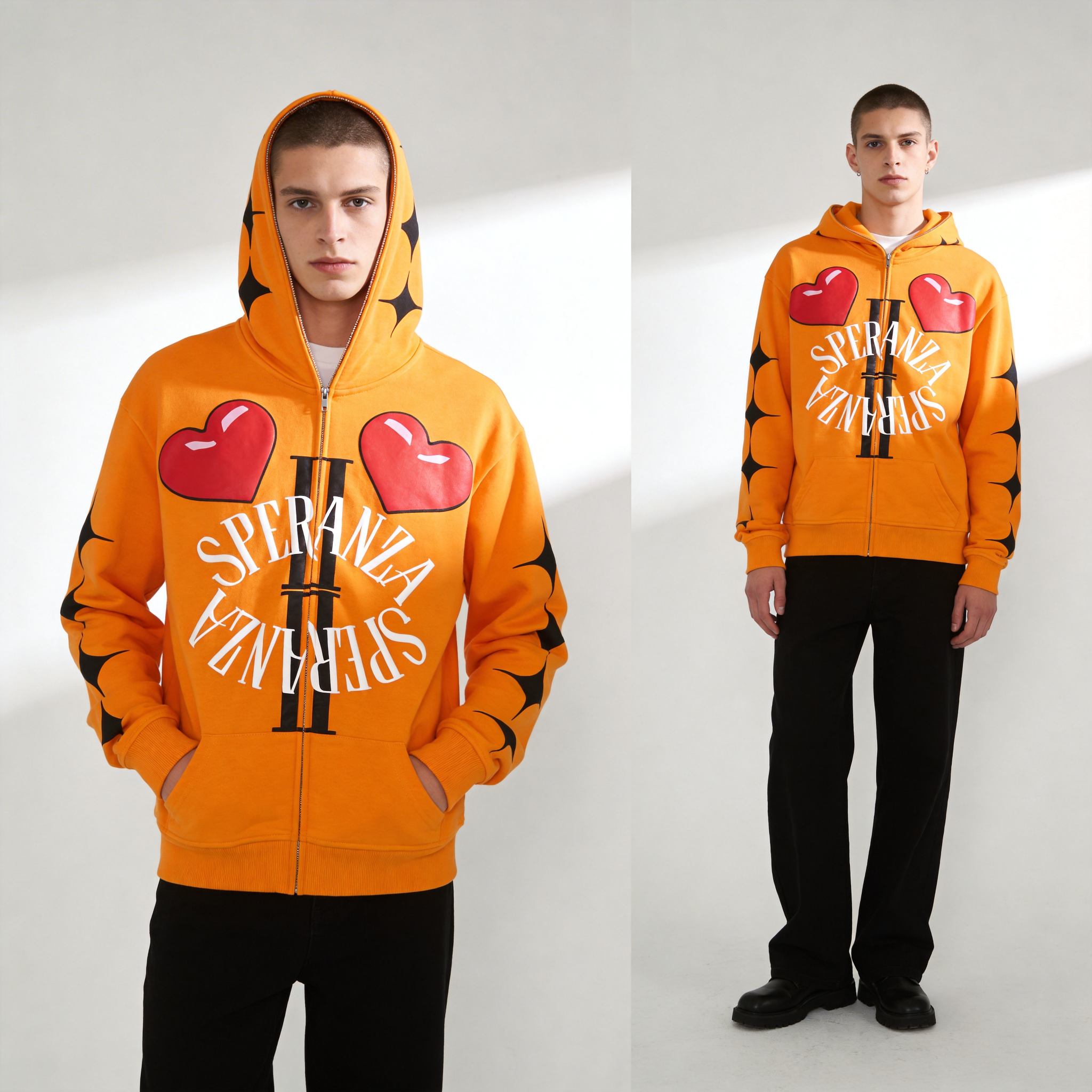
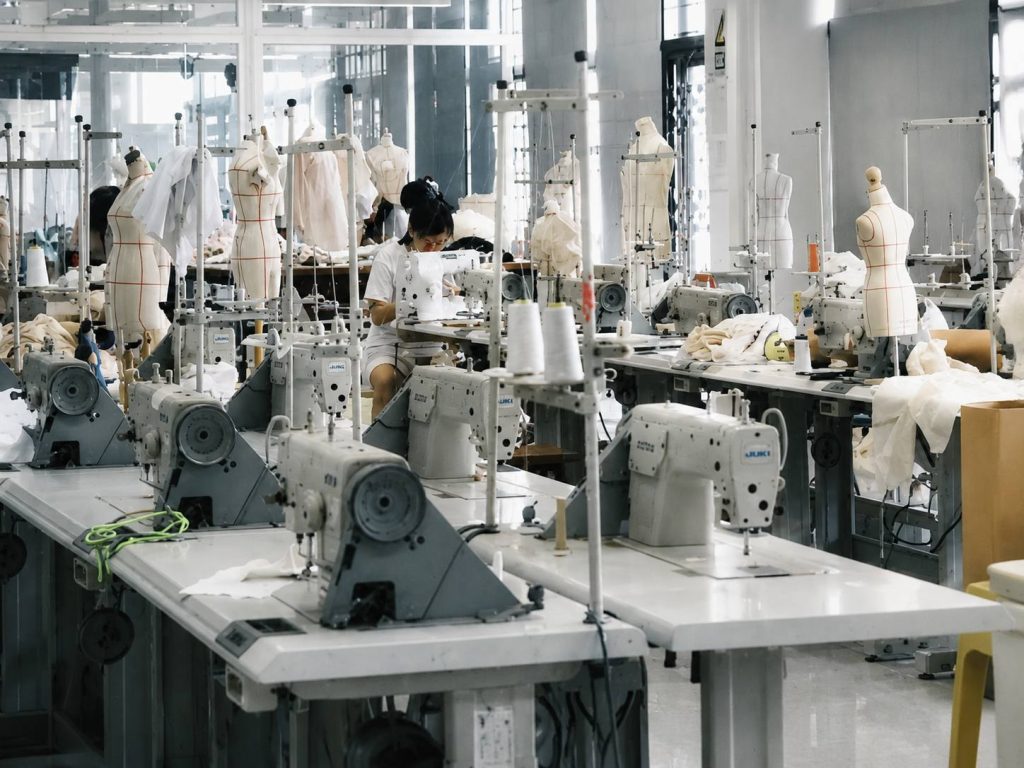
Professional apparel manufacturing encompasses design development, material sourcing, pattern grading, sampling, bulk production, quality control, and international logistics. OEM (Original Equipment Manufacturing) produces garments based entirely on your specifications and designs. ODM (Original Design Manufacturing) allows manufacturers to suggest designs and improvements based on market expertise. Private label manufacturing customizes pre-made garments with your branding, offering fastest time-to-market but minimal design control.
A professional manufacturer provides stable quality consistency across production batches, reliable communication systems preventing misunderstandings, flexible production capabilities accommodating growth, and fashion expertise understanding current trends.
Finding and Evaluating Clothing Manufacturers
| Manufacturer Type | Lead Time | Cost Per Unit | MOQ | Customization | Best For |
|---|---|---|---|---|---|
| Domestic USA | 4-8 weeks | $8-25 | 500-2000 | High | Premium brands, rush orders |
| Overseas (China) | 6-12 weeks | $2-8 | 50-500 | Very High | Startups, streetwear, low-cost scaling |
| Full-Service OEM | 8-12 weeks | $3-10 | 100+ | Complete | Brands needing design support |
| Cut & Sew Specialists | 4-6 weeks | $5-15 | 200+ | Limited | Brands with finalized designs |
| Private Label | 2-4 weeks | $6-20 | 50+ | Minimal | Quick launches, resellers |
Startups with limited capital benefit from overseas full-service manufacturers offering low MOQ (50+ pieces) and complete development support. Unit costs land at $2-8, enabling healthy retail markups for emerging brands. Established brands requiring consistent quality and faster turnaround may prefer domestic manufacturers despite higher per-unit costs.
Premium brands often use multiple manufacturers simultaneously—producing basic products overseas for cost efficiency while using domestic manufacturers for limited-edition collections requiring rapid customization and premium hand-feel.
Essential Steps: From Design to Production
1. Design & Tech Pack Development
Create detailed sketches capturing silhouette, fit, and design details. Develop comprehensive tech packs including precise measurements (chest width, sleeve length, hem width), fabric specifications with GSM weight, Pantone color codes, trim details (button size, zipper length, label placement), stitching patterns, and decoration placement with exact coordinates. When auditing failed production runs, 73% trace back to incomplete tech pack specifications causing manufacturer interpretation errors.
2. Fabric & Material Sourcing
Collaborate with your manufacturer to select appropriate fabrics meeting your brand positioning and budget. Request fabric swatches evaluating texture, drape, and opacity. Verify GSM (grams per square meter) specifications—lightweight summer tees use 150-180 GSM, premium hoodies require 300-400 GSM. Test wash-feel samples confirming fabric maintains softness and color after laundering.
3. Sample Development & Evaluation
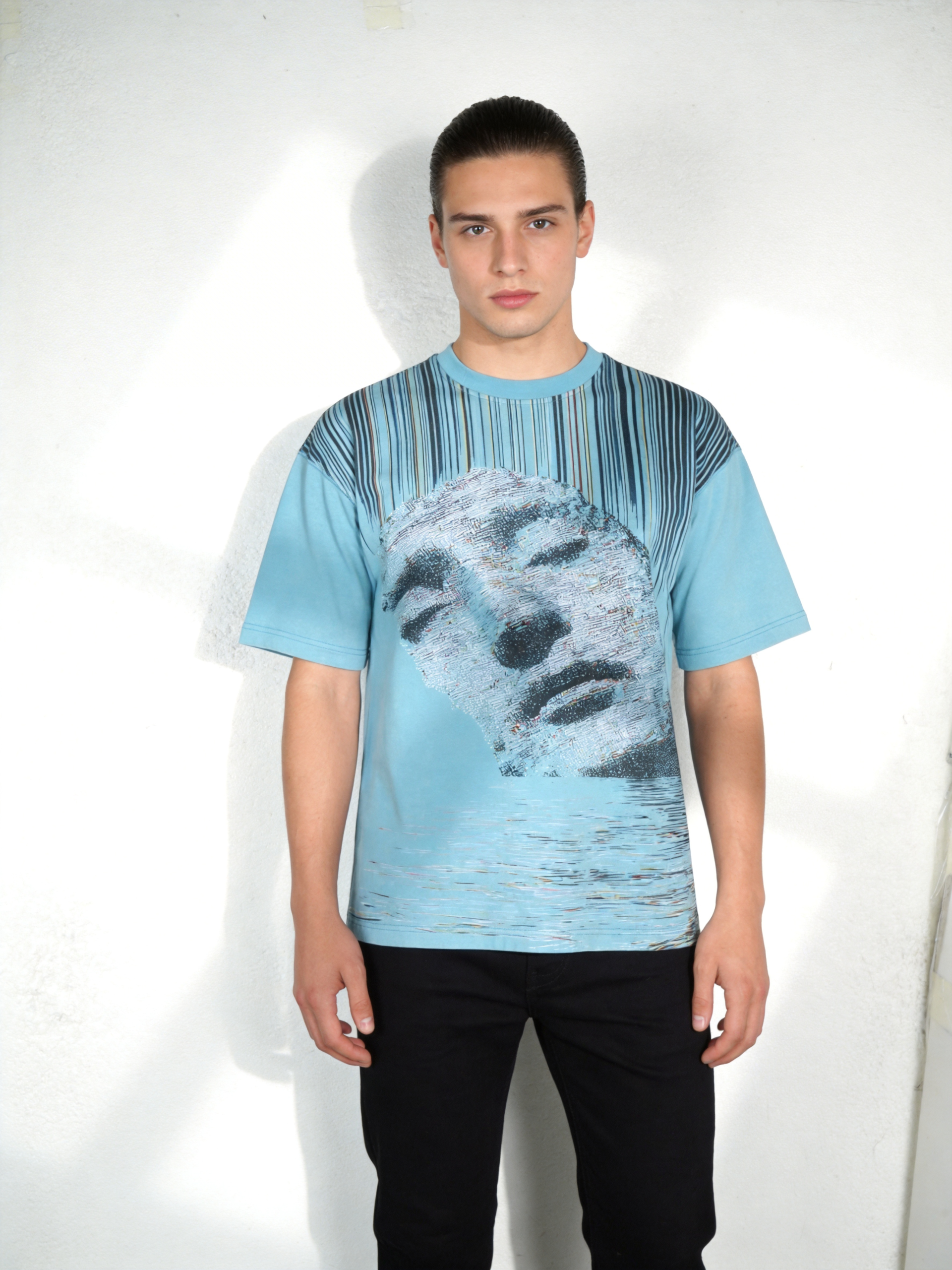
Request multiple pre-production samples evaluating fit, measurements, fabric quality, print durability, and construction details. Review samples for shrinkage, color consistency under different lighting, and wash stability. Provide detailed feedback on necessary adjustments. Budget $50-150 per sample depending on complexity.
4. Bulk Production Initiation
After sample approval, authorize bulk production with 30-50% deposit. Manufacturers begin pattern grading (creating XS through XXL size variations), fabric cutting, sewing, decoration application (printing, embroidery), washing for texture effects, ironing, and finishing. Typical production timelines are 4-6 weeks for standard orders, 2-3 weeks for rush production at 20-30% premium.
5. In-Production Quality Control
Quality manufacturers implement continuous inspection throughout production. Raw material verification confirms fabric matches approved swatches before cutting begins. In-line sewing inspection catches measurement deviations and construction errors during production. Request photo updates every 3-5 days showing production progress.
6. Final Inspection & Packaging
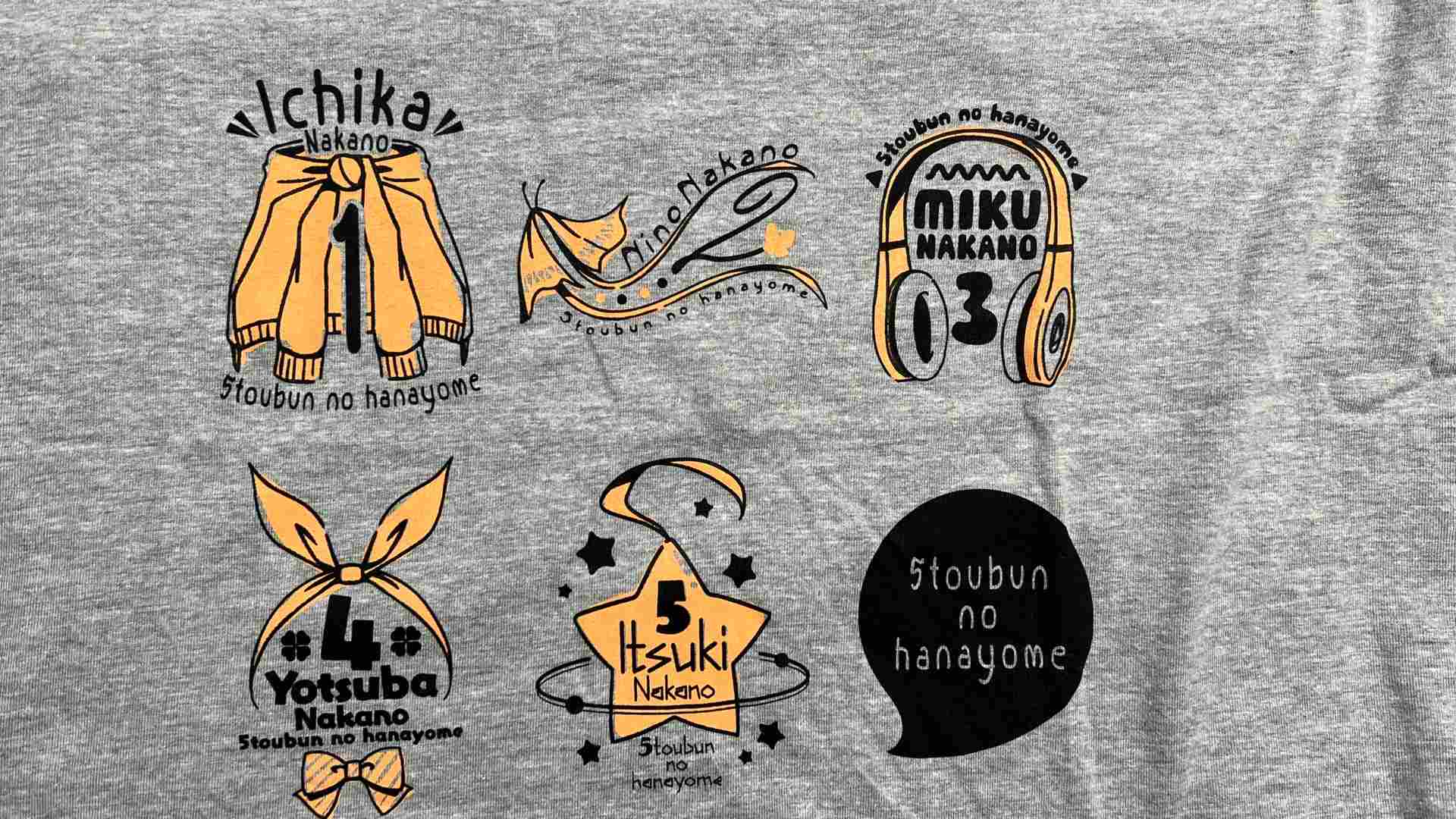
Verify finished garments meet specifications before packaging. Confirm proper labeling with care instructions, size tags, and brand labels. Arrange shipping logistics including air freight (7-14 days), sea freight (30-45 days), or express delivery (3-7 days).
Advanced Garment Customization & Decoration Techniques
Professional manufacturers support screen printing, DTG printing, embroidery, garment dyeing, and specialty effects—enabling brands to create distinctive, trend-forward products.
- Screen Printing remains the most durable decoration method with 50+ wash durability when properly executed using quality plastisol inks
- DTG (Direct-to-Garment) Printing captures 35% of custom apparel market due to detailed graphics capability and minimal setup costs for small batches
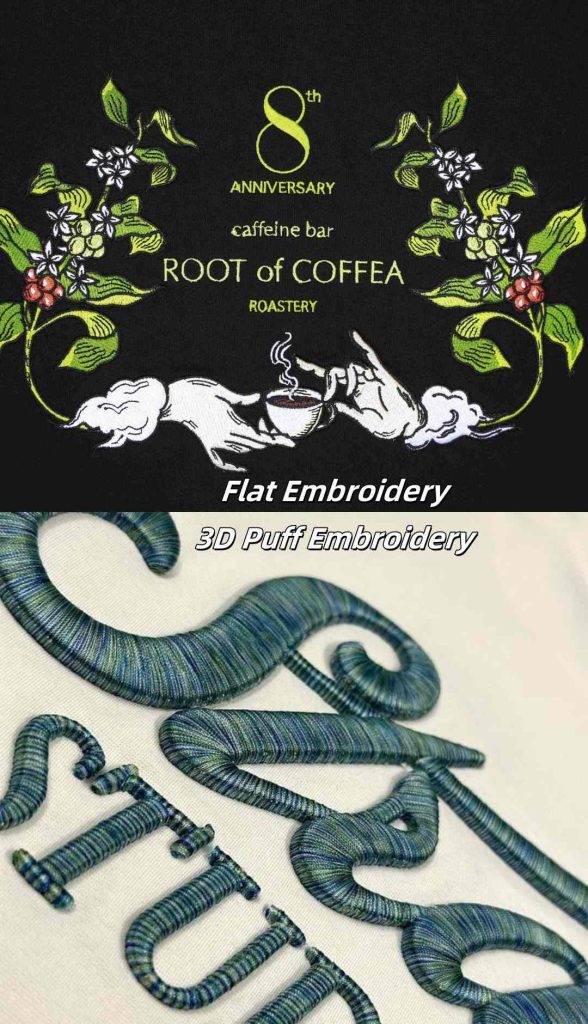
- Embroidery commands 40% premium pricing versus printed alternatives, positioning it as luxury branding element for premium brands
- Garment Washing Techniques (acid wash, vintage wash, enzyme wash) influence 60% of streetwear aesthetic appeal and perceived quality
Brands achieve 3x retail markups through strategic decoration layering—combining heavyweight fabric, vintage wash effects, puff print graphics, and chenille embroidery creates premium hand-feel justifying higher price positioning.
Low MOQ Manufacturing for Startup Brands
Low minimum order quantities (50-500 pieces) enable startup fashion brands to test products, reduce inventory risk, improve cash flow, and launch capsule collections without massive upfront capital investment.
Instead of investing $5,000-$15,000 in inventory for single product testing, startups produce 50-100 pieces for $500-$1,500, enabling rapid market testing without excessive capital risk. Low MOQ enables capsule collection launches testing multiple designs simultaneously, seasonal product testing identifying bestsellers before scaling, and rapid response to market trends emerging on social media. When launching test collections for emerging streetwear brands, those starting with 50-100 piece runs achieved 40% higher sell-through rates compared to brands committing to 500+ pieces upfront.
Quality Control Systems and Global Logistics Management
Comprehensive quality control systems—raw material inspection, in-line production monitoring, final product verification, and rigorous measurement standards—combined with professional logistics networks ensure consistent product quality and reliable worldwide delivery.
Raw material inspection verifies fabric quality, color consistency against approved swatches, and specification compliance before production begins. In-line production monitoring catches sewing errors, measurement deviations, and construction issues during manufacturing rather than after completion.
Final product inspection implements rigorous standards including measurement verification (ensuring garments match tech pack specifications within 1-2cm tolerances across all sizes), print quality evaluation, embroidery assessment, and packaging verification. Measurement consistency represents critical quality indicator affecting customer satisfaction and return rates. Professional manufacturers maintain size grading standards ensuring XS through XXL garments fit properly across size range.
FAQ
Q1: What is the typical timeline from design to receiving finished products?
Timeline varies by manufacturer location and product complexity. Domestic USA manufacturers typically require 4-8 weeks total; overseas manufacturers 8-12 weeks. This includes design development (1-2 weeks), sampling and iteration (2-3 weeks), sample approval (1 week), bulk production (4-6 weeks), and logistics (2-4 weeks for air, 30-45 days for sea freight). Rush production adds 20-30% premium costs but reduces timeline by 30-40%.
Q2: How much does clothing manufacturing cost, and what affects pricing?
Per-unit costs range $2-25 depending on garment complexity, fabric quality, decoration techniques, and order quantity. Simple cotton t-shirts cost $2-5; complex hoodies with embroidery $5-12; technical sportswear $8-20. Larger orders reduce per-unit costs through economies of scale—500 pieces cost 30-40% less per unit than 100 pieces.
Q3: What should a tech pack include to ensure accurate production?
Professional tech packs include detailed front/back sketches, precise measurements in size chart format, fabric specifications with GSM weight, Pantone color codes, trim details with measurements, seam specifications, decoration placement with exact coordinates, care instructions, and packaging specifications. Comprehensive tech packs prevent 90% of production errors.
Q4: How do I ensure quality control and prevent defective products?
Implement multi-stage quality control systems. Request raw material inspection reports before production starts. Require in-line monitoring photos showing production progress. Demand measurement verification reports confirming garments match tech pack specifications within 1-2cm tolerance. Request print/embroidery quality checks with wash testing documentation. Consider third-party quality inspection services for orders exceeding 1,000 units—they cost $200-400 but prevent expensive defect issues.
Q5: What’s the difference between OEM, ODM, and private label manufacturing?
OEM (Original Equipment Manufacturing) produces garments exactly per your specifications and designs—you control every detail from fabric to stitching. ODM (Original Design Manufacturing) allows manufacturers to suggest designs and improvements based on market expertise. Private label customizes pre-made garments with your branding—fastest time-to-market but minimal design control. Most successful brands combine approaches: OEM for signature products, ODM for trend-responsive items, private label for basic essentials.
Sources
- Private Label Clothing Manufacturing – Sewport — 2026, comprehensive manufacturing guide covering benefits, risks, and supplier evaluation
- Custom Clothing Manufacturing – Printful — 2026, DTG printing technology and on-demand production capabilities
- Sewport Fashion Manufacturing Platform — Global supplier directory and tech pack development resources
Written by Alin Zeng (27 Years of Master Craftsmanship & Pattern Making, Global OEM & Streetwear Customization Excellence, End-to-End Supply Chain & One-Stop Production, High-Efficiency Cost Control (“Quality + Affordability”), Incubating 2,000+ Fashion Brands from Scratch). Last reviewed 2026-06-28. Learn more at ZORWILD.