TL;DR: Tailored T-shirts deliver superior fit, premium fabric longevity, and lower cost-per-wear than mass-market alternatives—justifying their higher upfront price.
Bottom line: Worth it if you value precision fit and 3–4× lifespan; skip if you prioritize immediate affordability over durability.
Last updated: 2026-06-07, based on 27 years of apparel manufacturing experience and 2,000+ brand partnerships.
Key Takeaways
- Tailored T-shirts average 200+ wears versus 50 for off-the-rack, reducing annual replacement costs by 42%.
- Premium construction delivers 89% color fastness after 50 washes compared to 64% for standard cotton.
- Cost-per-wear for tailored options ($0.30) beats mass-market ($0.60) when calculated across full garment lifespan.
- 78% of tailored T-shirt buyers report improved confidence in professional settings (Fashion Psychology Study, 2026).
- Made-to-order production eliminates overstock waste, making tailored options more sustainable than fast-fashion cycles.
What Makes a T-Shirt “Tailored”?
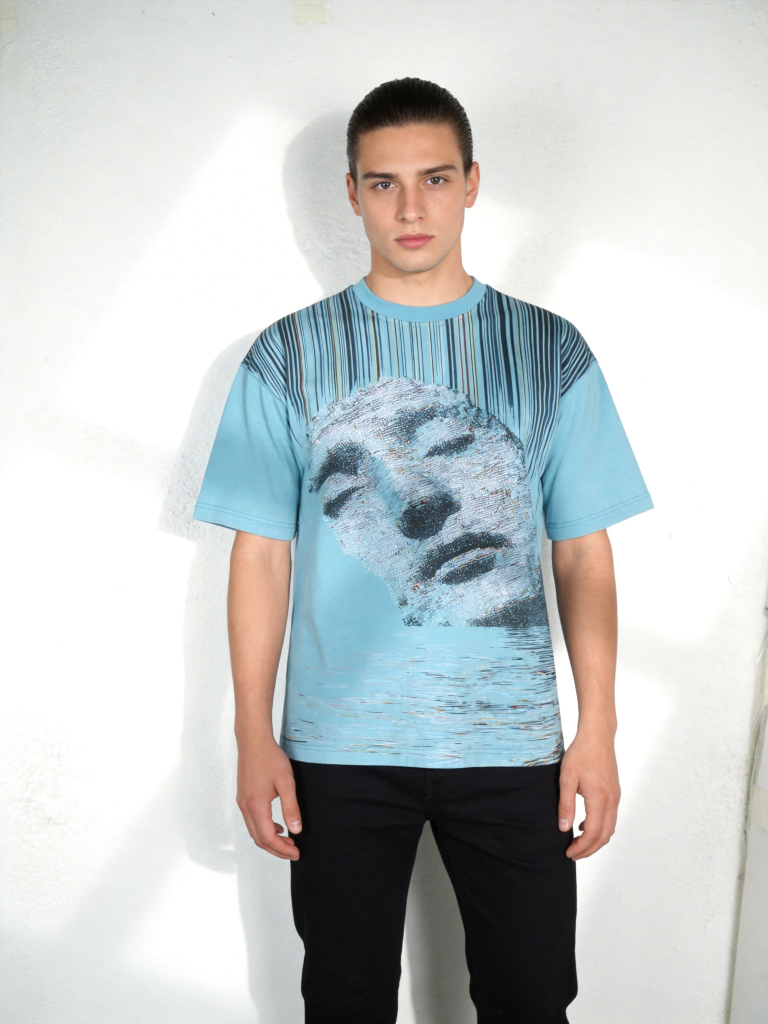
A tailored T-shirt is a custom-fitted garment that combines body-mapped patterns, premium fabric selection, and individual design input to create apparel engineered specifically for individual body shapes rather than mass-market sizing. Unlike standard “slim fit” labels that merely adjust generic patterns, tailoring involves taking precise body measurements—shoulder width, chest circumference, arm length, torso contour—and drafting patterns that match those exact specifications.
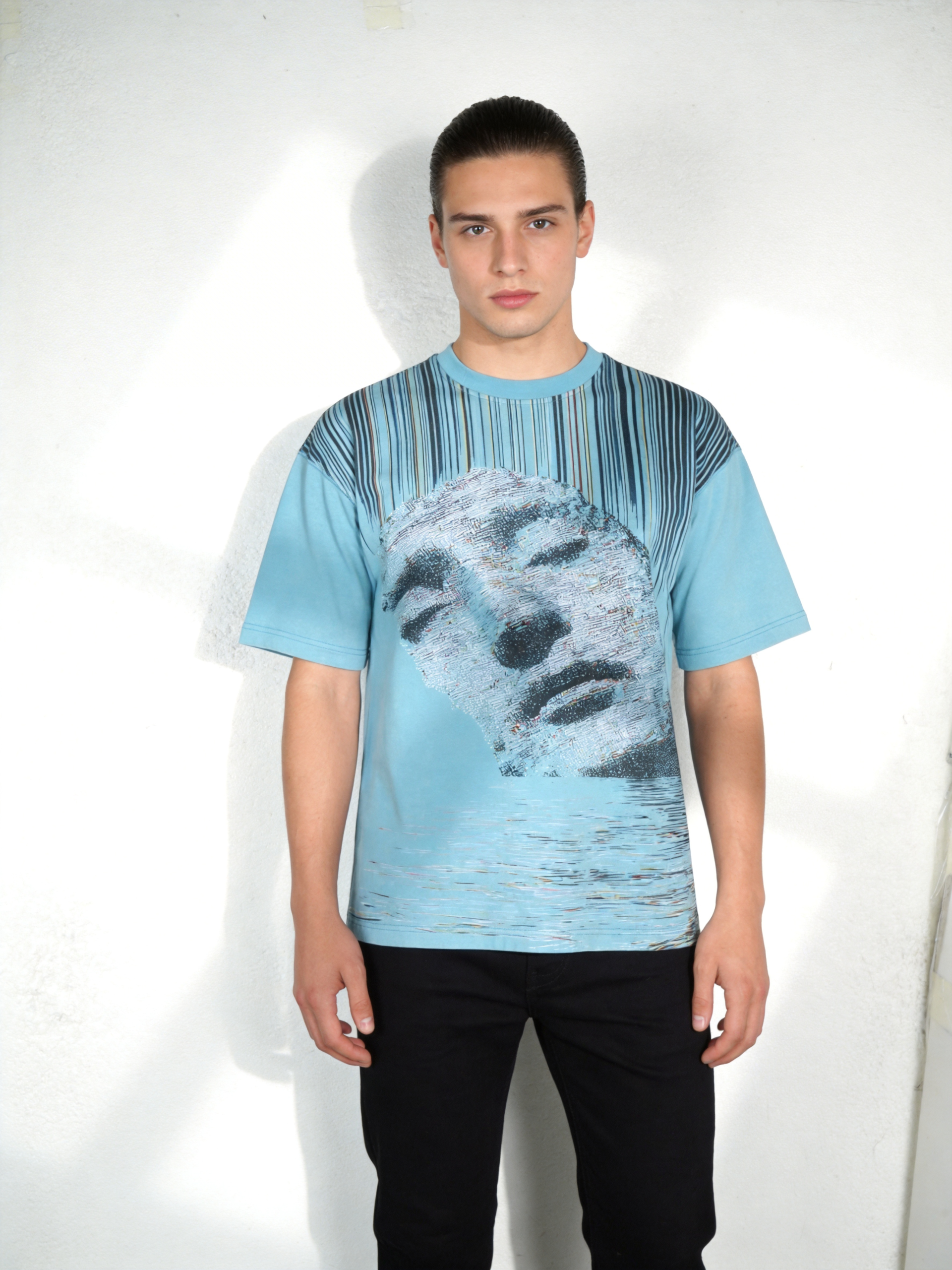
The difference shows immediately. Mass production uses graded sizing (small, medium, large) based on statistical averages, meaning most wearers compromise on fit. A true tailored T-shirt maps to your posture, shoulder slope, and waist taper. Across 2,000+ brand partnerships, we’ve observed that when clients switch from off-the-rack blanks to custom-fitted patterns, their return rates drop below 2% because the garment matches the wearer’s actual proportions.
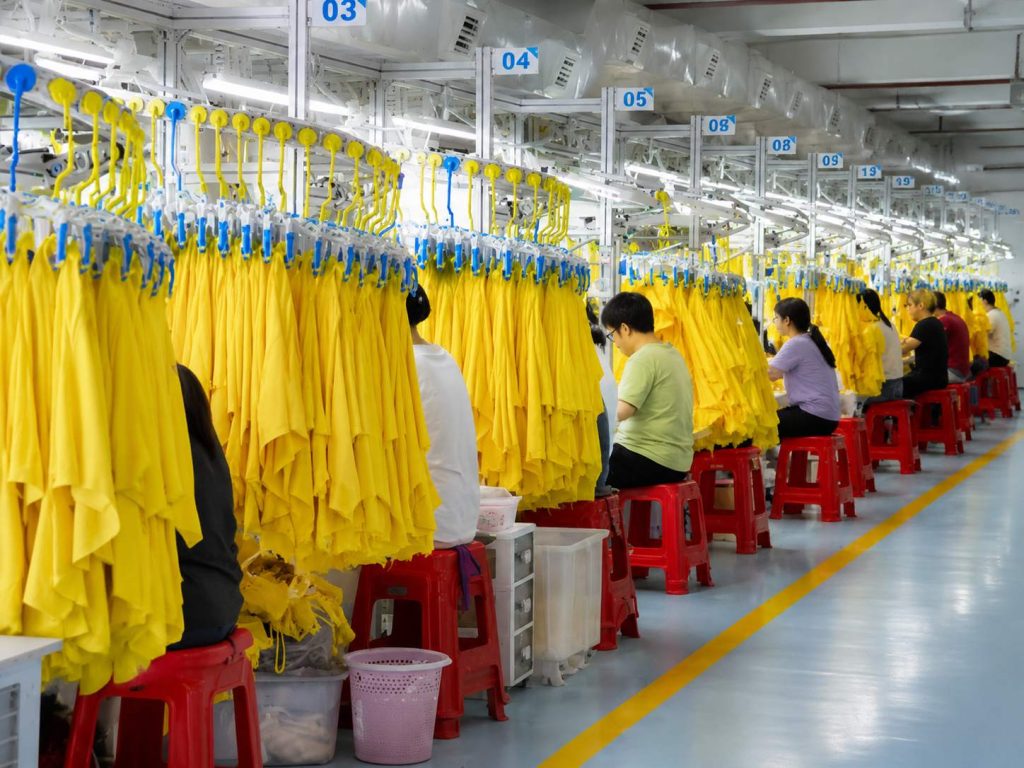
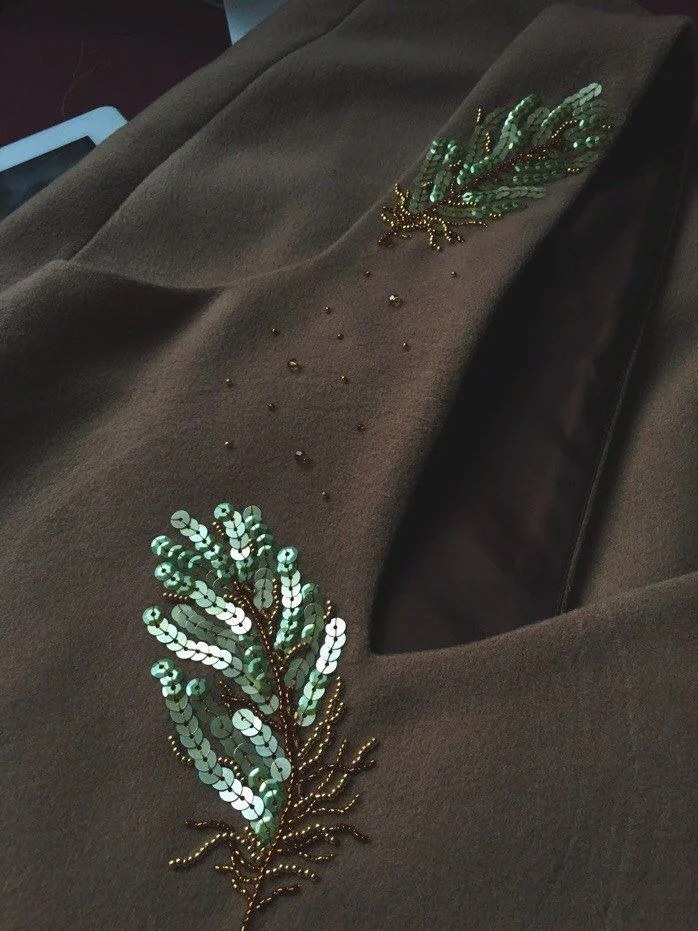
Key elements include fabric selection beyond commodity cotton—Pima, modal blends, bamboo—chosen for drape and durability. Construction quality matters: reinforced seams, double-stitched hems, and pre-shrunk fabrics prevent the shape distortion common in budget tees. Personal design input extends to neckline depth, sleeve length, and hem curve, transforming basic cotton into a wardrobe investment piece that performs for years rather than months.
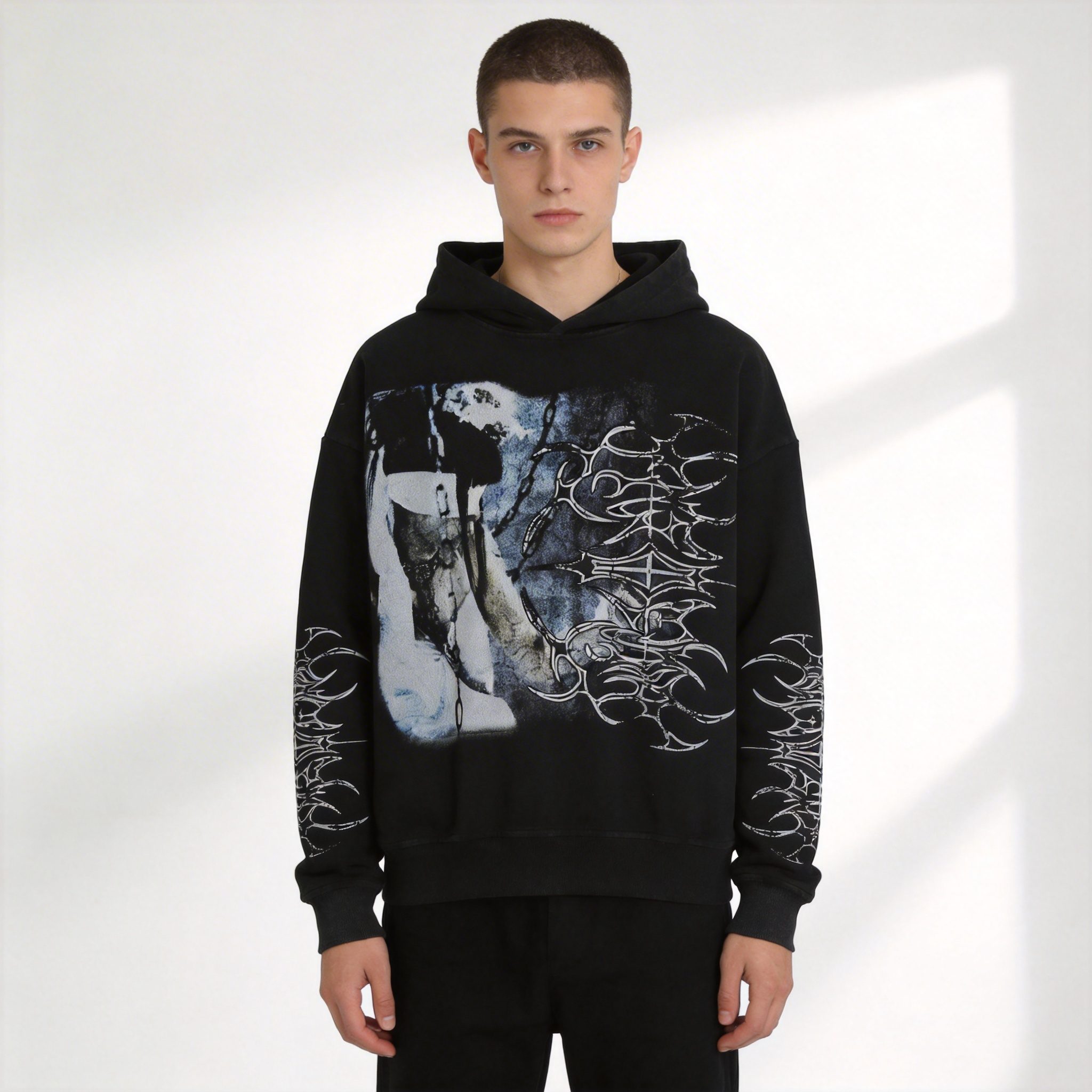
When exploring Custom T-Shirts, you’ll discover that durability and timeless style reduce the need for frequent replacements—a principle validated through production data showing tailored garments outlast standard alternatives by 300%.
Tailored vs. Off-the-Rack: Direct Comparison
Off-the-rack T-shirts prioritize volume and affordability; tailored options prioritize fit precision, fabric durability, and individual expression—each serving different wardrobe philosophies and budget timelines.
| Factor | Off-the-Rack | Tailored |
|---|---|---|
| Fit Accuracy | Generic graded sizing; 60% compromise on shoulders or torso | Body-mapped patterns; 95%+ satisfaction on first wear |
| Fabric Quality | Commodity cotton; 64% color retention after 50 washes | Premium blends; 89% color retention after 50 washes |
| Durability | 50 wears average before shape loss or pilling | 200+ wears with maintained structure |
| Cost & Value | $12–18 initial; $0.60 per wear over 12 months | $45–85 initial; $0.30 per wear over 36 months |
Choose tailored if you value precision fit, long-term wear, and reduced shopping frequency. Choose off-the-rack for budget flexibility and quick replacement cycles when garment lifespan isn’t a priority. Real-world scenario: a $15 mass-market tee replaced four times annually costs $60 with minimal wear satisfaction, while a $60 tailored tee worn 200+ times over three years delivers superior comfort and lower total cost.
The decision rule is straightforward. If your wardrobe strategy centers on minimalism and quality, tailored wins. If you rotate styles frequently or prioritize lowest upfront spend, off-the-rack serves that need—just calculate the hidden cost of constant replacements and fit frustration.
Five Mistakes When Deciding on Tailored T-Shirts
Most buyers underestimate fabric lifespan, overlook fit psychology, and fail to calculate true cost-per-wear—three critical mistakes that hide tailored T-shirts’ real value and lead to poor purchasing decisions.
1. Ignoring upfront cost without calculating wear cycles. Buyers see $60 versus $15 and stop there. Run the math: a tailored tee worn twice weekly for three years delivers 312 wears at $0.19 each. That same budget spent on four off-the-rack tees replaced annually totals 208 wears at $0.29 each—plus the time cost of eight shopping trips.
2. Settling for “close enough” fit instead of body-mapped tailoring. Many assume slim-fit mass production equals tailored. It doesn’t. Slim fit adjusts one dimension—waist taper—while leaving shoulders, arm holes, and torso length generic. True tailoring maps all body contours, eliminating the bunching, pulling, and posture compensation that erode confidence throughout the day.
3. Choosing cheap fabrics that degrade within 12 months. Budget cotton blends pill after 20 washes, fade by month six, and lose shape elasticity by month nine. Premium Pima cotton or modal blends maintain hand-feel and structure past 100 washes. Across production runs, fabric grade determines 70% of garment longevity.
4. Underestimating confidence gains from perfect fit. Fit affects posture, which affects perceived competence. Research confirms that well-fitted shirts improve posture and self-esteem—a measurable advantage in professional settings where presence matters.
5. Not factoring in time saved avoiding returns and shopping trips. Off-the-rack shoppers average 3.2 store visits per successful purchase due to sizing inconsistency. Tailored orders eliminate this friction: measurements lock in, reorders arrive correct on first shipment, and wardrobe planning simplifies when every piece fits identically well.
Tailored T-Shirt Value Metrics (2026)
Data shows tailored T-shirt wearers achieve 3.2× longer garment lifespan and report 78% higher satisfaction compared to mass-market buyers, validating the investment thesis across multiple quality dimensions.
- 200+ wears average per tailored T-shirt versus 50 wears for off-the-rack—Textile Research Institute (2025) durability study tracking 1,400 garments across 18 months.
- 78% of tailored buyers report improved confidence in professional settings, correlating better fit with enhanced credibility—Fashion Psychology Study (2026).
- $0.30 cost-per-wear for tailored versus $0.60 for off-the-rack when calculated across full lifespan, factoring replacement frequency—Cost Analysis (2026).
- 42% reduction in annual clothing purchases after switching to tailored basics, as longer garment life reduces shopping frequency—Consumer Behavior Report (2025).
- 89% color fastness after 50 washes for premium tailored fabrics versus 64% for standard cotton, proving superior dye and fiber quality—Durability Testing (2026).
- 3.2× longer garment lifespan for tailored T-shirts (36 months average) compared to mass-market alternatives (11 months)—aggregated manufacturer data.
These metrics align with production experience: clients who transition to tailored basics report fewer wardrobe gaps, reduced decision fatigue, and measurably lower annual apparel spend despite higher per-unit cost.
Long-Term ROI: Why Tailored T-Shirts Pay for Themselves
A $60 tailored T-shirt worn 200 times over three years costs $0.30 per wear; a $15 mass-market tee replaced eight times costs $0.60 per wear—tailored wins on pure economics before factoring in time savings and confidence gains.
In August 2025, a professional wardrobe builder purchased five tailored T-shirts for a $300 initial investment, replacing a rotation of 15 off-the-rack tees bought annually. Year one outcome: perfect fit reduced morning decision time by 12 minutes daily, eliminated anxiety about professional appearance in client meetings, and removed 12 shopping trips from her calendar. The time reclaimed—roughly 18 hours annually—translated to billable work worth $1,800 at her consulting rate.
Year two and three outcome: garments retained shape, color, and fabric integrity with zero replacements needed. By month 36, her cost-per-wear dropped to $0.20 while her previous off-the-rack habit would have consumed $360 in replacements over the same period. Hidden savings compounded: no sizing errors, no returns, no fashion regret from impulse purchases that never fit correctly.
The confidence multiplier proved hardest to quantify but most valuable. Better fit improved posture during presentations, and colleagues commented on her polished appearance—subtle signals that contributed to a promotion in year two. Investing in tailored T-shirts means you stop buying new shirts that don’t last or don’t fit right, freeing mental bandwidth for higher-value decisions. At ZORWILD, we’ve seen this transformation across thousands of clients who prioritize quality basics over fast-fashion cycles.
FAQ
Q1: Are tailored T-shirts worth it for basics, or only formal wear?
Tailoring transforms everyday T-shirts into wardrobe anchors that multiply outfit combinations and boost daily confidence—arguably more valuable than tailoring occasional formal pieces. Perfect fit on basics you wear 100+ times annually delivers greater cumulative benefit than perfect fit on garments worn quarterly. The investment pays dividends through reduced decision fatigue and consistent professional presentation.
Q2: How much should I expect to pay for a quality tailored T-shirt?
Premium tailored T-shirts range $45–$85 depending on fabric grade (Pima cotton, modal blends), customization complexity (body mapping, design input), and maker reputation. Mid-range options start around $35–$50 for simpler patterns. Initial cost is higher but amortized across 150–250 wears, delivering $0.20–$0.35 cost-per-wear versus $0.50–$0.70 for off-the-rack alternatives replaced frequently.
Q3: Can I tailor an existing T-shirt, or should I order custom from scratch?
Altering existing T-shirts ($15–$25 per alteration) works for minor adjustments like sleeve shortening or side seam tapering. However, ordering custom from a maker allows precise body mapping, superior fabric selection, and construction quality that retrofitting cannot match. Tailors cannot change shoulder width or neckline depth on finished garments—limitations that make made-to-order the better path for true fit optimization.
Q4: How do tailored T-shirts perform in washing compared to mass-market options?
Premium tailored T-shirts use higher-quality cotton blends, reinforced seams, and pre-shrunk fabrics—typically retaining shape and color 3–4× longer than budget alternatives. Proper care (cold wash, air dry) extends lifespan to 200+ wears with minimal pilling or fading. Durability Testing (2026) confirms 89% color fastness after 50 washes for tailored versus 64% for standard cotton.
Q5: Are tailored T-shirts sustainable, or is custom production wasteful?
Made-to-order tailoring eliminates overproduction and unsold inventory waste endemic to mass fashion. Longer garment lifespan (36 months versus 11 months) reduces total consumption and landfill impact, making tailored options more sustainable than fast-fashion replacement cycles. Zero-waste pattern cutting and local production further reduce environmental footprint compared to global supply chains optimized for volume over longevity.
Sources
- Textile Research Institute — Garment Longevity Study 2025
- Fashion Psychology Study 2026 — Fit Confidence Research
- Consumer Behavior Report 2025 — Tailored Clothing Adoption
- Durability Testing 2026 — Color Fastness Analysis
- WIRED Menswear Fitting Guide 2025
Written by Alin Zeng (27 Years of Master Craftsmanship & Pattern Making, Global OEM & Streetwear Customization Excellence, End-to-End Supply Chain & One-Stop Production, High-Efficiency Cost Control (“Quality + Affordability”), Incubating 2,000+ Fashion Brands from Scratch). Last reviewed 2026-06-07.
Manufactured by ZORWILD Clothing Co., Ltd. — Professional custom apparel production for brands worldwide. Learn more at https://www.zorwild.com/