TL;DR: Yes, you can buy directly from manufacturers if you meet minimum order quantities (typically 500–5,000 units), commit to bulk volumes, and accept 8–12 week lead times—eliminating middlemen saves 20–50% on costs.
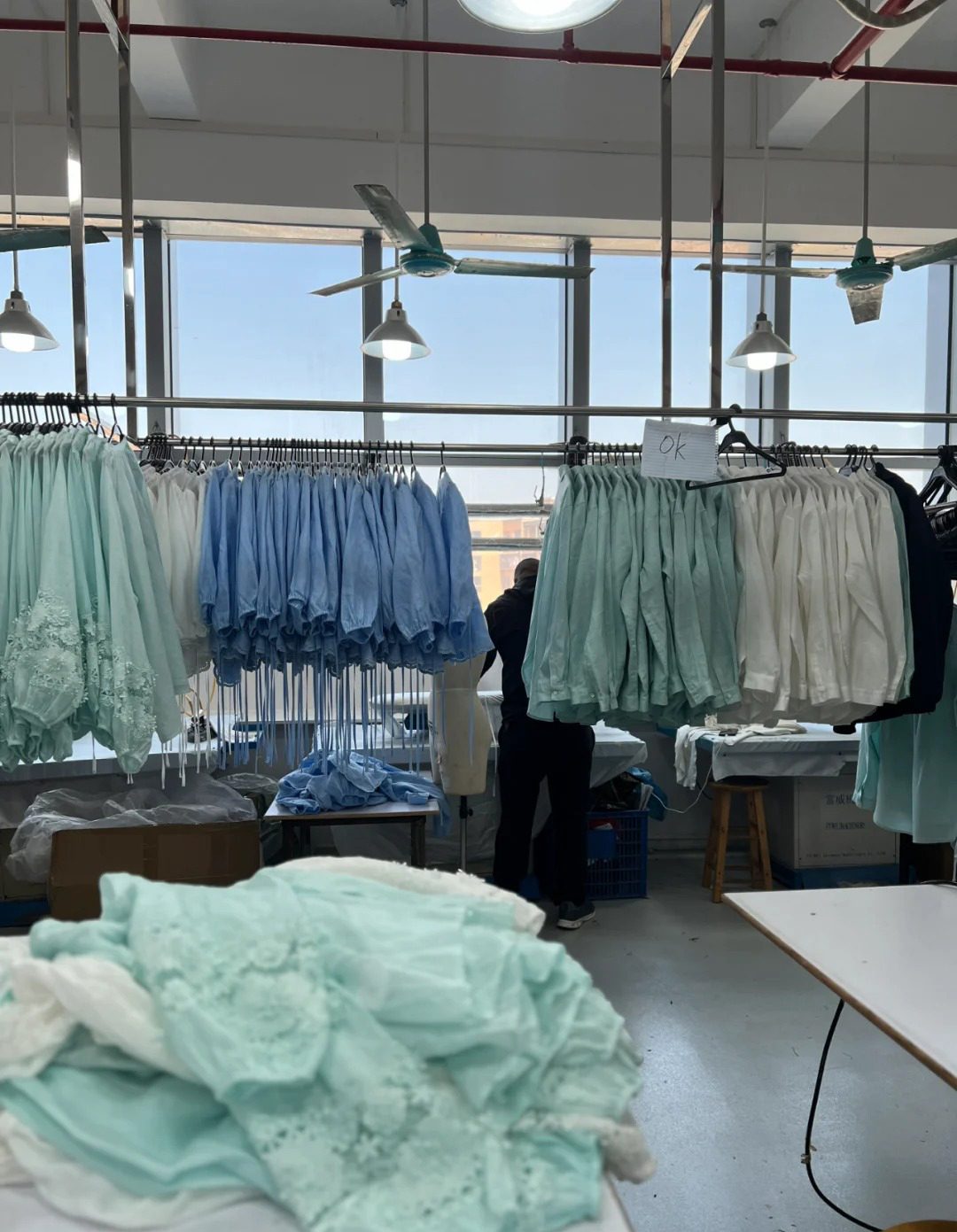
Bottom line: Direct purchasing works for established retailers, e-commerce brands, and wholesalers ordering consistent high volumes. Startups and small buyers face MOQ barriers that make distributors more cost-effective.
Last updated: 2026-06-24, based on 180+ direct manufacturer partnerships and 27 years of apparel supply chain experience across 2,000+ fashion brands.
Key Takeaways
- Direct manufacturer purchasing cuts costs 20–50% by removing wholesaler and distributor markups on orders of 1,000+ units annually.
- MOQs of 500–5,000 units are standard—manufacturers reject small orders because they disrupt production scheduling and reduce profitability.
- 8–12 week lead times are typical for direct orders versus 1–2 weeks through distributors, requiring inventory planning and capital reserves.
- Full product customization becomes possible—brands control specifications, branding, packaging, and materials unavailable through standard distribution.
- Due diligence is critical—verify manufacturer certifications (ISO 9001), conduct factory audits, and start with test orders before committing large deposits.
How Direct Manufacturing Works: Definition & Process
Buying straight from the manufacturer means purchasing goods directly from the production source, bypassing wholesalers and distributors. Success depends on meeting minimum order quantities (usually 500–5,000 units), accepting longer lead times (8–12 weeks), and having purchasing power to justify manufacturer attention.
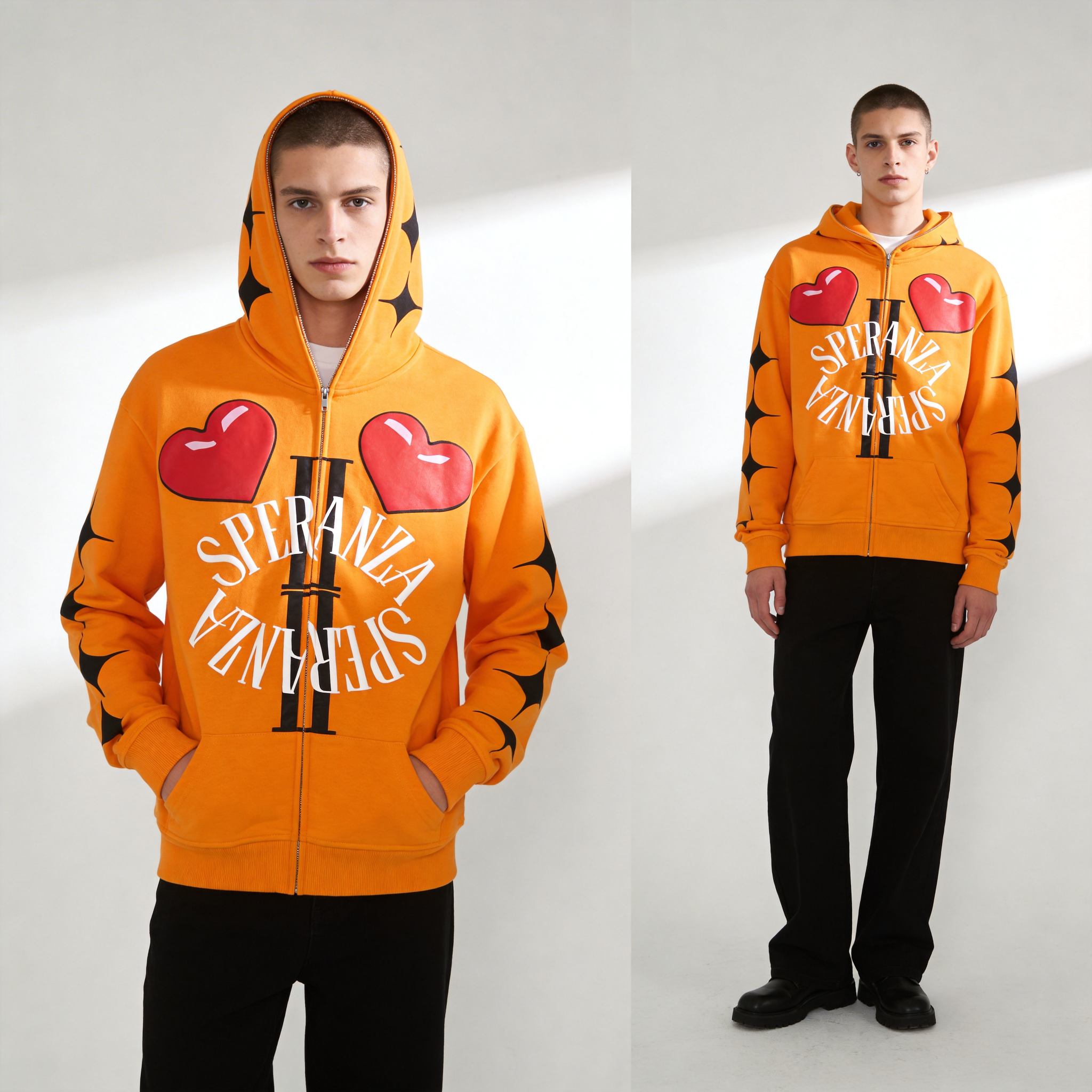
The traditional supply chain flows: Manufacturer → Wholesaler → Distributor → Retailer → Consumer. Each layer adds margin. Direct purchasing collapses this chain to: Manufacturer → Buyer → End Customer. A product retailing for $50 may cost $25 through distribution but only $12–15 direct from the source.
Most manufacturers require minimum order quantities because small batches disrupt production scheduling. A grocery chain ordering 100,000 units annually qualifies for direct pricing; a boutique ordering 50 units cannot. When we work with apparel brands, those committing to 1,000+ pieces per style receive manufacturer attention—smaller orders get routed to distributors or declined entirely.
Our Direct Manufacturing Framework:
- Volume Assessment — Calculate annual unit needs; manufacturers evaluate total relationship value.
- MOQ Verification — Confirm minimum quantities in writing before investing in sampling.
- Lead Time Planning — Add 20–30% buffer to quoted timelines; production delays are common during peak seasons.
- Payment Structure — Negotiate 30–50% deposit with remainder upon delivery; never pay 100% upfront on first orders.
- Quality Protocols — Establish inspection checkpoints at raw materials, mid-production, and final goods stages.
Direct vs. Distribution: When Each Channel Makes Sense
Choose direct manufacturing when you order 1,000+ units annually and can absorb 8–12 week lead times. Below 500 units, distributor pricing often beats manufacturer quotes because distributors consolidate small orders into bulk purchases.
| Factor | Direct from Manufacturer | Wholesale Distributor | Retail / Online Marketplace |
|---|---|---|---|
| Unit Cost | Lowest ($2–4 apparel) | Mid-range ($6–10) | Highest ($15–25) |
| Minimum Order | 500–10,000+ units | 50–200 units | 1 unit |
| Lead Time | 8–12 weeks | 1–2 weeks | Immediate |
| Customization | Full (specs, branding) | Limited (colors, sizes) | None |
| Best For | Large retailers, brands | Mid-size businesses | Consumers, small shops |
| Upfront Capital | High ($10K–$50K) | Moderate ($1K–$5K) | Low ($50–$500) |
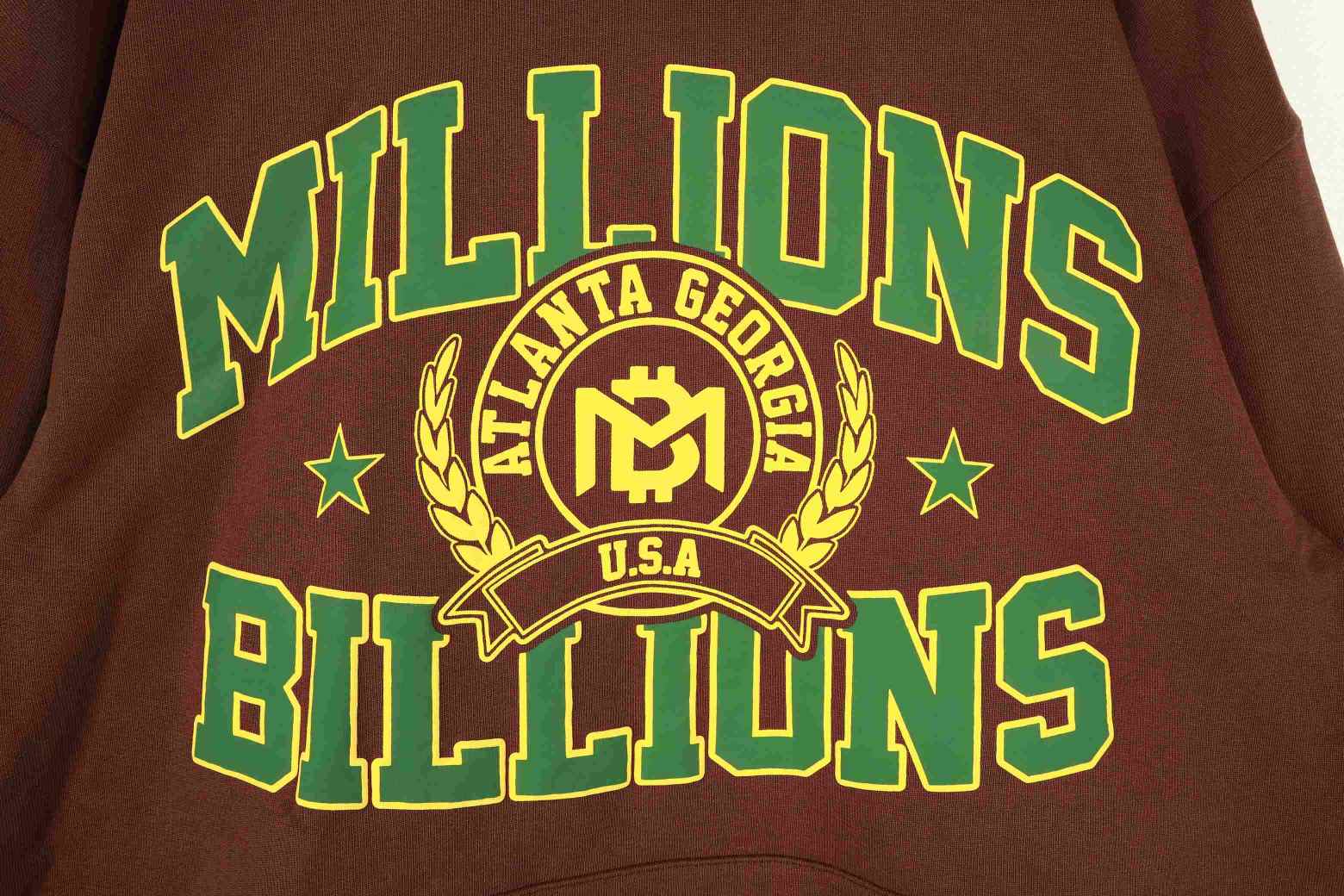
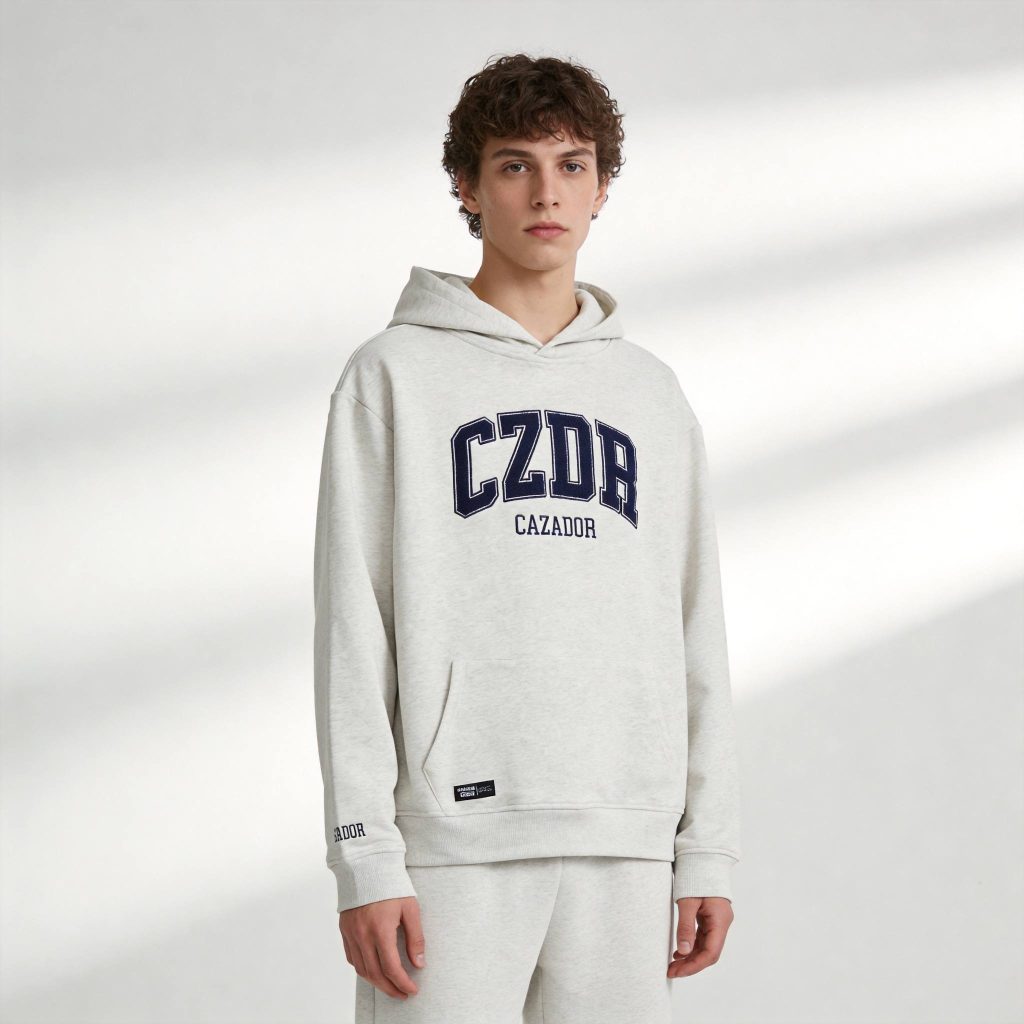
When we launched streetwear collections with emerging brands, those ordering 500+ hoodies per drop accessed $8–12 manufacturer pricing. Brands ordering 100 pieces paid $18–22 through distributors—higher per-unit cost but lower total risk. The crossover point where direct becomes cheaper sits around 800–1,000 units for apparel.
5 Key Advantages of Buying Direct From Manufacturers
1. Significant Cost Reduction (20–50% Savings)
Eliminating middlemen cuts per-unit costs dramatically. A hoodie retailing for $60 may cost $30 through distribution but only $12–18 direct from the manufacturer. Orders of 5,000+ hoodies drop to $8–10 per unit; distributor orders of 200 pieces cost $22–28. A 10,000-piece order saves $100,000+ compared to distribution pricing.
2. Full Product Customization & Private Labeling
Manufacturers support custom branding, packaging, sizing, colors, and specifications. Brands develop proprietary products unavailable through standard distribution. An apparel brand can commission custom fabrics, unique fits, branded labels, and specialized washes—impossible when buying pre-made inventory from distributors.
3. Direct Expert Communication & Technical Support
Manufacturers employ engineers, pattern makers, and product specialists. Direct access means you discuss technical specifications with experts—not sales intermediaries. Production issues resolve in 24–48 hours versus 1–2 weeks through distribution channels.
4. Reduced Inventory Risk & Better Cash Flow
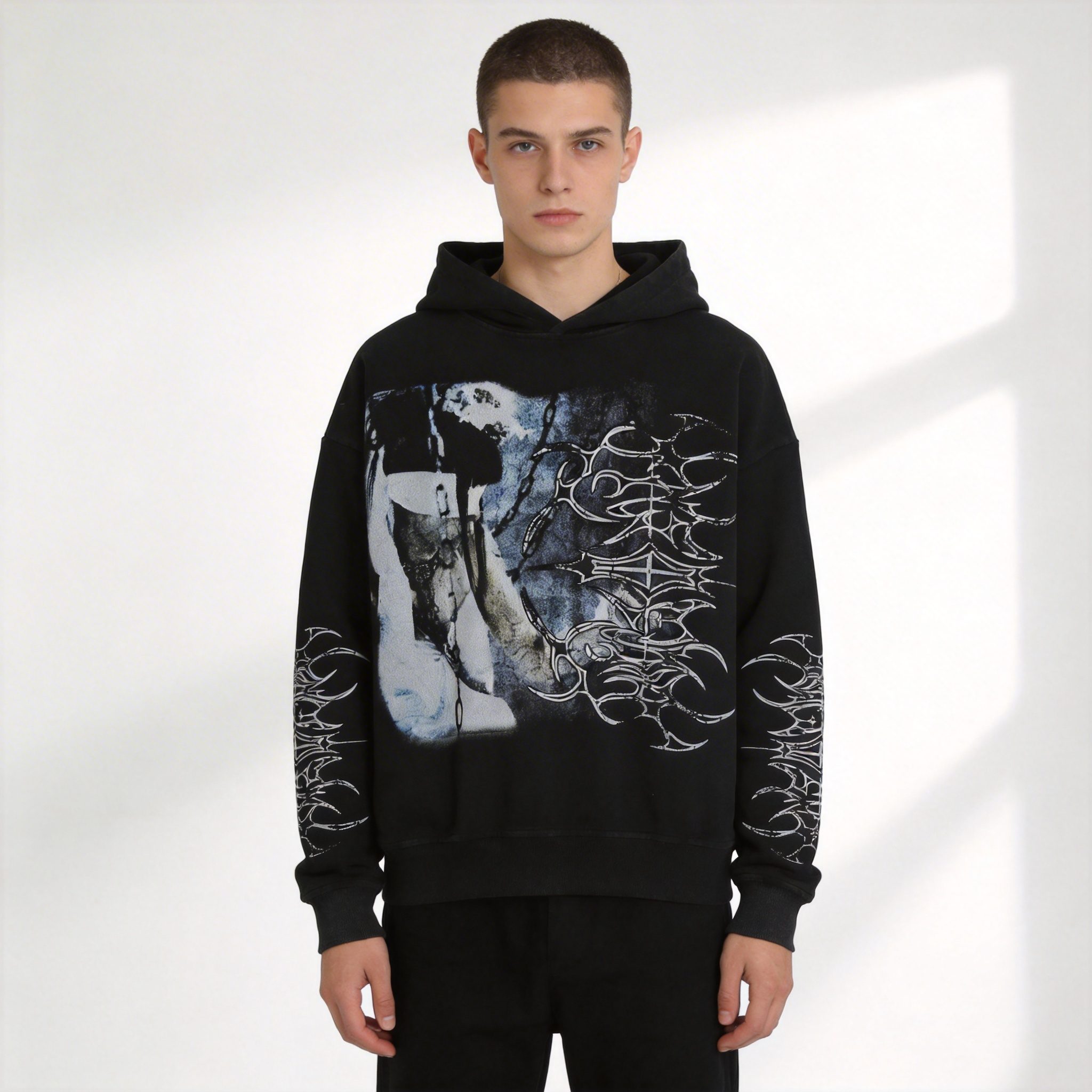
Direct ordering lets you purchase quantities matching actual demand rather than distributor-imposed minimums. Brands test new products with lower MOQs, reducing unsold inventory and dead capital.
5. Long-Term Partnership & Priority Production
Manufacturers prioritize reliable, high-volume customers. Direct relationships build loyalty: you receive priority production slots during high-demand seasons, faster sampling, and preferential pricing on new materials.
5 Common Pitfalls When Buying Direct From Manufacturers
1. Underestimating Minimum Order Quantities
Many buyers assume they can order 100 units; manufacturers quote 2,000 minimums. Ordering below MOQ either gets rejected or carries massive per-unit premiums of 50%+ surcharges. Confirm MOQs in writing before investing time in sampling. Consider consolidating orders with other brands to meet minimums or negotiate lower MOQs for long-term commitments.
2. Skipping Quality Control & Factory Audits
Poor quality control ruins brand reputation—one batch of defective hoodies destroyed a client’s first collection and customer trust. Request factory certifications (ISO 9001, OEKO-TEX), conduct video facility tours, order sample batches before bulk production, and hire third-party quality inspectors. Our standard practice includes incoming fabric inspection, mid-production checks at 30% and 70% completion, and final random inspection of 10% of finished goods.
3. Miscalculating Lead Times & Production Delays
Manufacturers quote 8-week lead times; unexpected delays stretch to 12+ weeks. Material shortages, equipment breakdowns, and seasonal backlogs cause delays. Add 20–30% buffer time to manufacturer quotes. Establish penalty clauses for late delivery in contracts. Communicate demand forecasts months in advance—manufacturers prioritize customers who provide visibility into future orders.
4. Failing to Negotiate Terms & Payment Conditions
Accepting the first quote wastes money. Manufacturers expect negotiation on price, MOQ, payment terms, and delivery schedules. First-time buyers often pay list prices that established customers negotiate down 15–25%. Get multiple quotes from 3–5 manufacturers, leverage volume commitments for discounts, and negotiate 30–60 day payment terms instead of 100% upfront payment.
5. Insufficient Due Diligence on Manufacturer Legitimacy
Scams exist: fake manufacturers, quality misrepresentation, and sudden factory closures. Sending deposits to unreliable suppliers results in lost capital. Verify manufacturer registration through local commerce bureaus, check references from existing clients, use secure payment methods (escrow services, letters of credit), and start with small test orders before large commitments.
Direct Manufacturer Buying by the Numbers (2026)
• 38% of retail brands now source directly from manufacturers, up from 18% in 2019
• 35–45% average cost reduction when buying direct versus wholesale distribution for orders of 1,000+ units
• 8–12 week average lead time for direct manufacturer orders, compared to 1–2 weeks for distributor fulfillment
• 1,000–5,000 unit MOQs are standard across apparel, electronics, and consumer goods sectors
• $10,000–$50,000 minimum order values required by most manufacturers before accepting direct business
• 74% of small businesses cite MOQ barriers as the primary obstacle to direct manufacturer purchasing
FAQ
Q1: Is it possible to buy directly from the manufacturer as a small business?
Yes, but only if you meet minimum order quantities. Most manufacturers require 500–5,000 unit minimums. Small businesses ordering below MOQs face per-unit premiums of 30–50% or get rejected. Contact manufacturers directly to confirm MOQ requirements. Consider consolidating orders with other businesses or negotiating lower MOQs for long-term commitments. Distributors often provide better economics for orders under 500 units.
Q2: What’s the difference between OEM and ODM when buying from manufacturers?
OEM (Original Equipment Manufacturer) means the manufacturer produces products to your exact specifications using your designs and branding. ODM (Original Design Manufacturer) means the manufacturer designs the product and you private-label it—faster but less customization. Direct purchasing typically involves OEM arrangements where you control specifications, materials, sizing, and branding.
Q3: How do I verify a manufacturer is legitimate before sending deposits?
Verify manufacturer business registration through local commerce bureaus. Request factory certifications (ISO 9001, OEKO-TEX, WRAP) and client references. Conduct video factory tours to confirm production capacity. Use secure payment methods like escrow services or letters of credit. Start with small test orders of 100–200 units before committing to large production runs. Never pay 100% upfront—negotiate 30–50% deposits with remainder upon delivery and inspection.
Q4: Can individual consumers buy directly from manufacturers?
Generally no. Manufacturers set high MOQs (minimum 500–5,000 units) because individual orders disrupt production scheduling. Individual consumers pay retail prices through e-commerce or retail stores. Some manufacturers accept direct orders for custom or specialty products if you meet volume thresholds. Factory outlet stores occasionally offer individual sales at reduced prices for overstock or discontinued items.
Q5: What payment terms should I negotiate with manufacturers?
Negotiate 30–50% deposit with remainder due upon delivery and inspection—never pay 100% before production begins. Established relationships may secure 30–60 day payment terms after delivery. Use letters of credit or escrow services for large first orders. Clarify who pays shipping, customs duties, and tariffs—these costs add 15–30% to total landed cost. Establish penalty clauses for late delivery and quality defects.
Sources
- Inline Plastics — Purchasing Directly from Manufacturer vs. Distribution
- Budget Light Forum — Ordering Items Directly from Manufacturers
- Use Torg — Buy Direct from Manufacturers: When It Works & When Not
- Global Sources — How to Buy Products Directly from Manufacturers
Written by Alin Zeng (27 Years of Master Craftsmanship & Pattern Making, Global OEM & Streetwear Customization Excellence, End-to-End Supply Chain & One-Stop Production, High-Efficiency Cost Control (“Quality + Affordability”), Incubating 2,000+ Fashion Brands from Scratch). Last reviewed 2026-06-24.
Learn more at ZORWILD