
Custom Jeans Manufacturing — 50-Piece MOQ, Full OEM/ODM Support
Launch your custom jeans collection with low minimums, professional denim craftsmanship, and complete design-to-delivery support from a trusted Dongguan factory with 100,000+ units monthly capacity.
Custom Jeans Samples u0026 Production Gallery
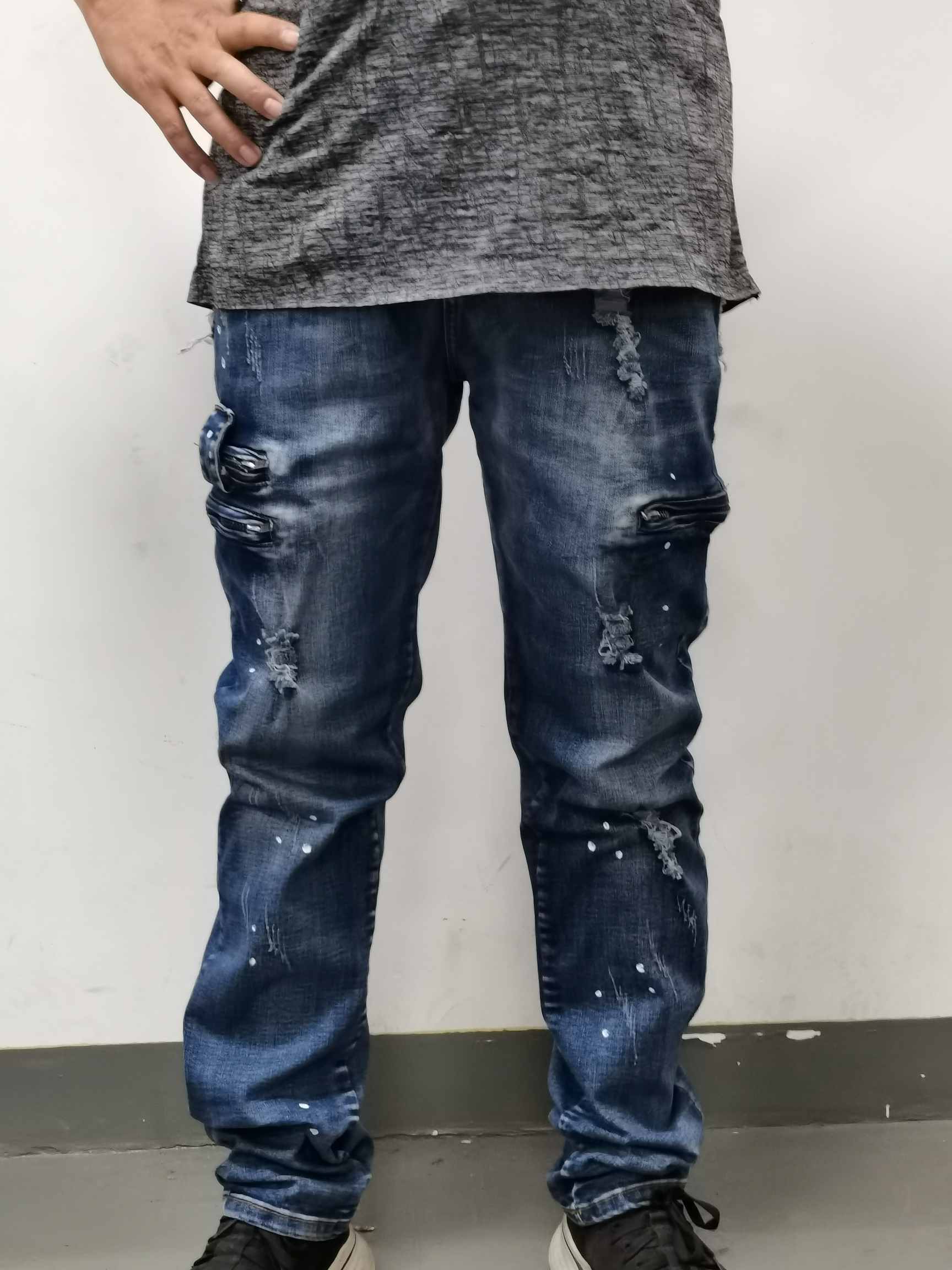
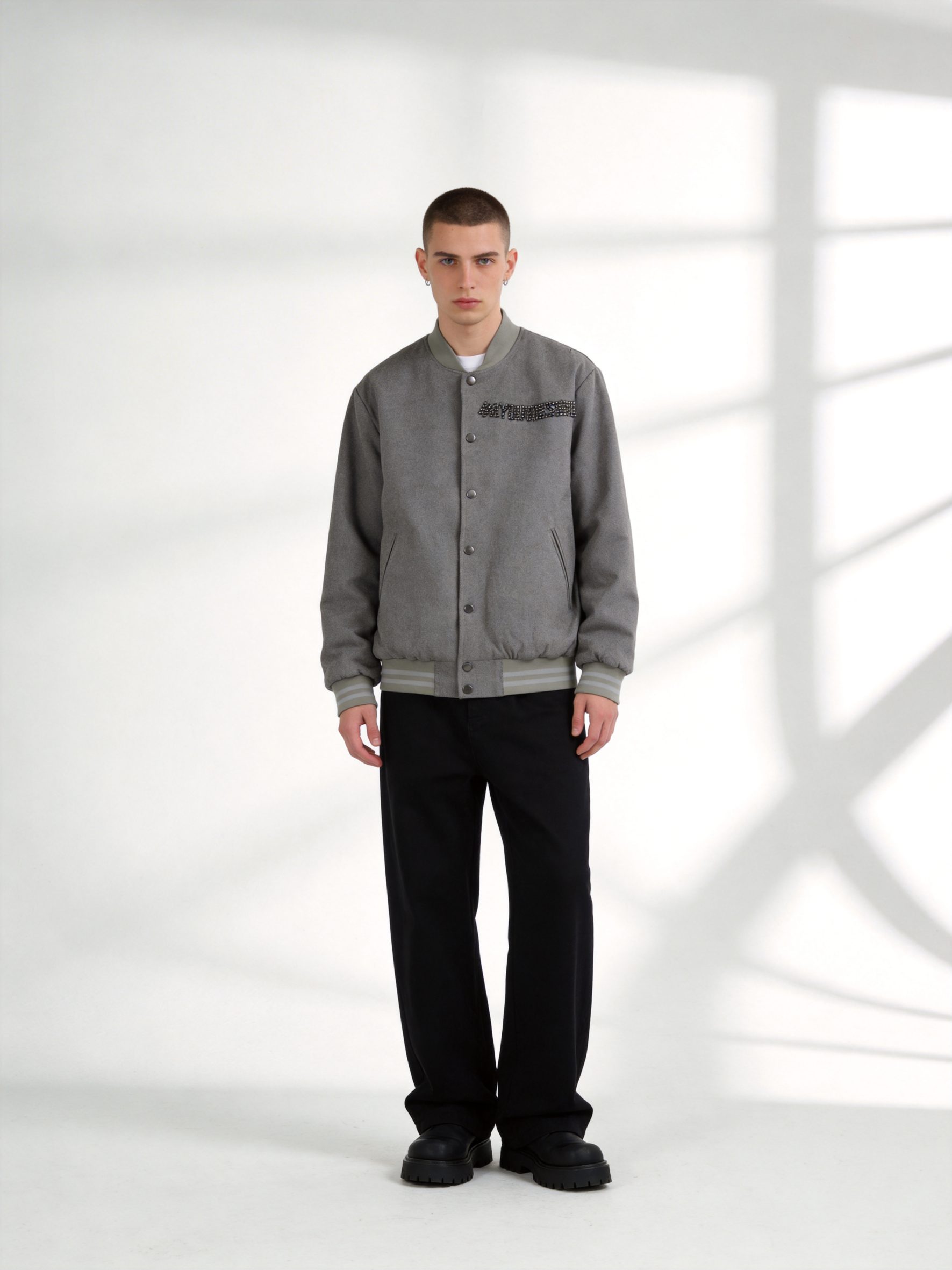
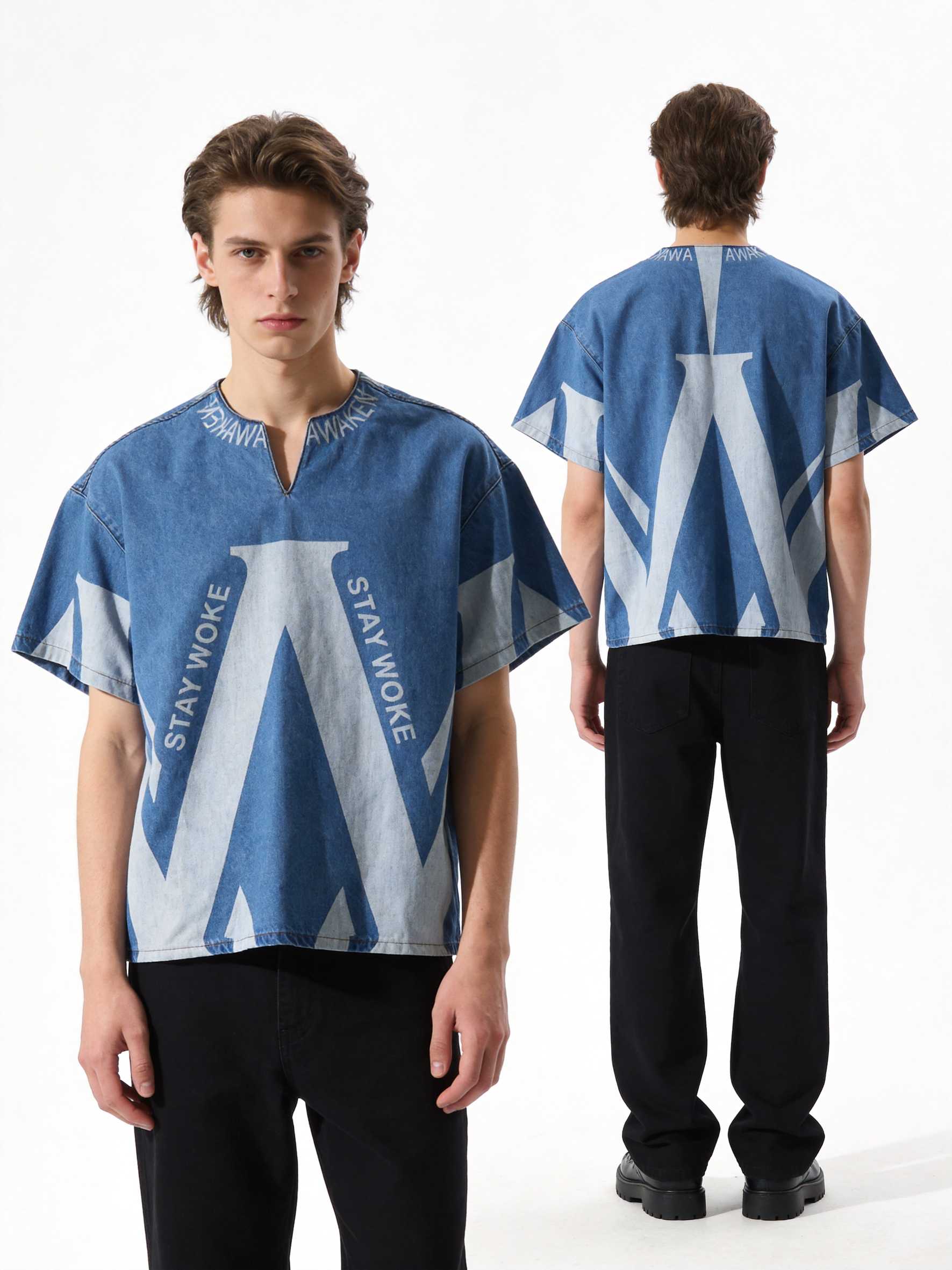
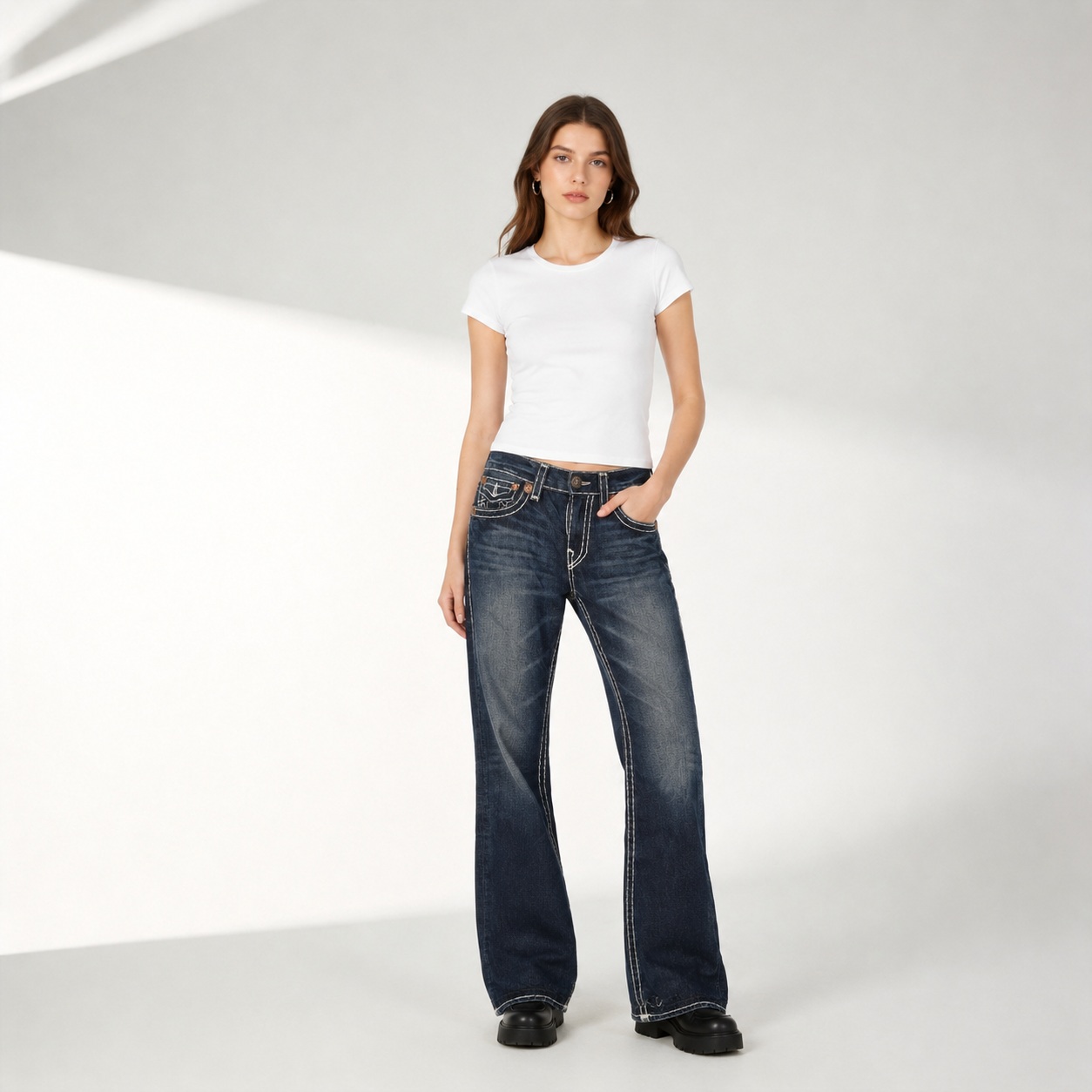
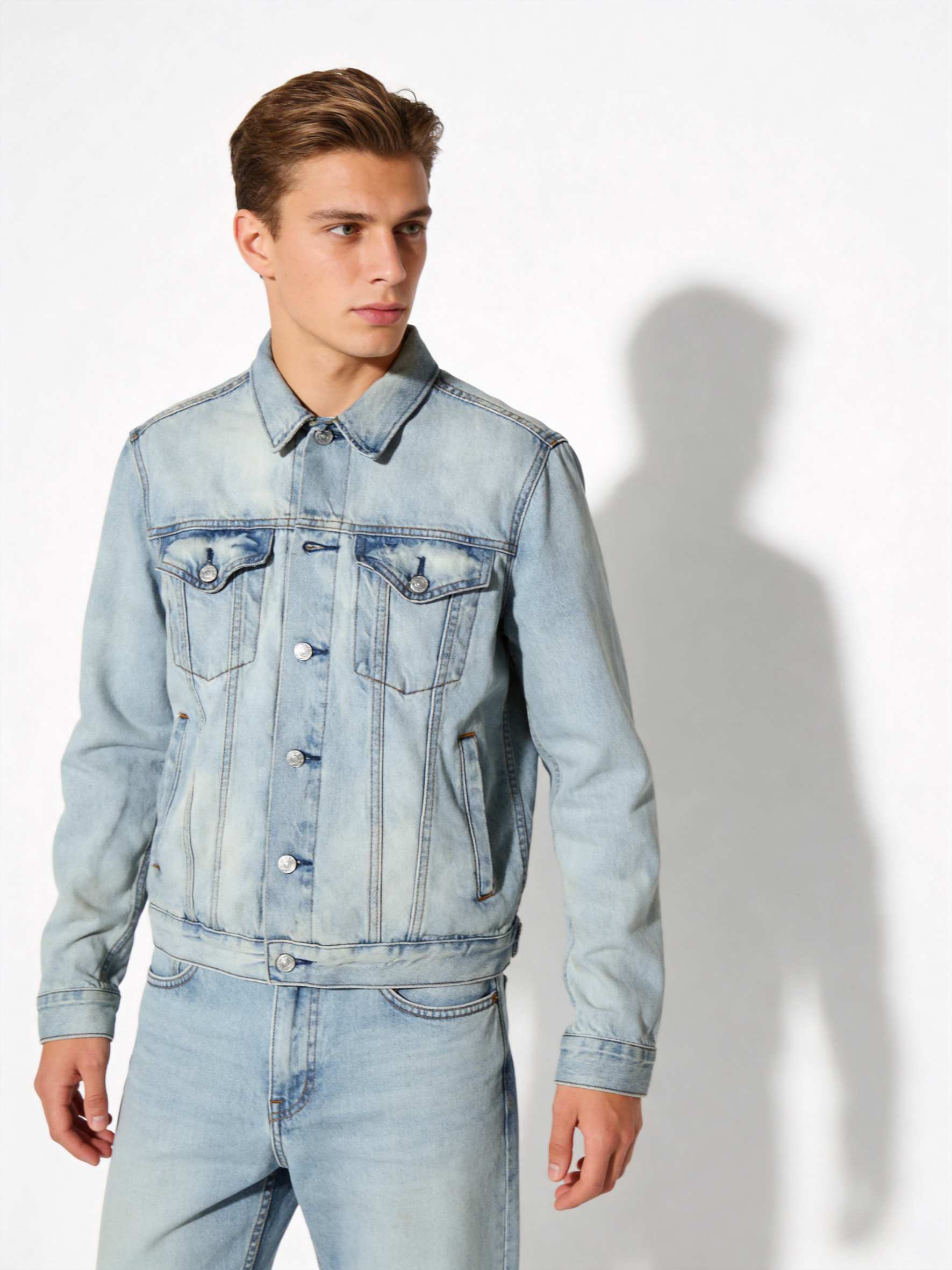
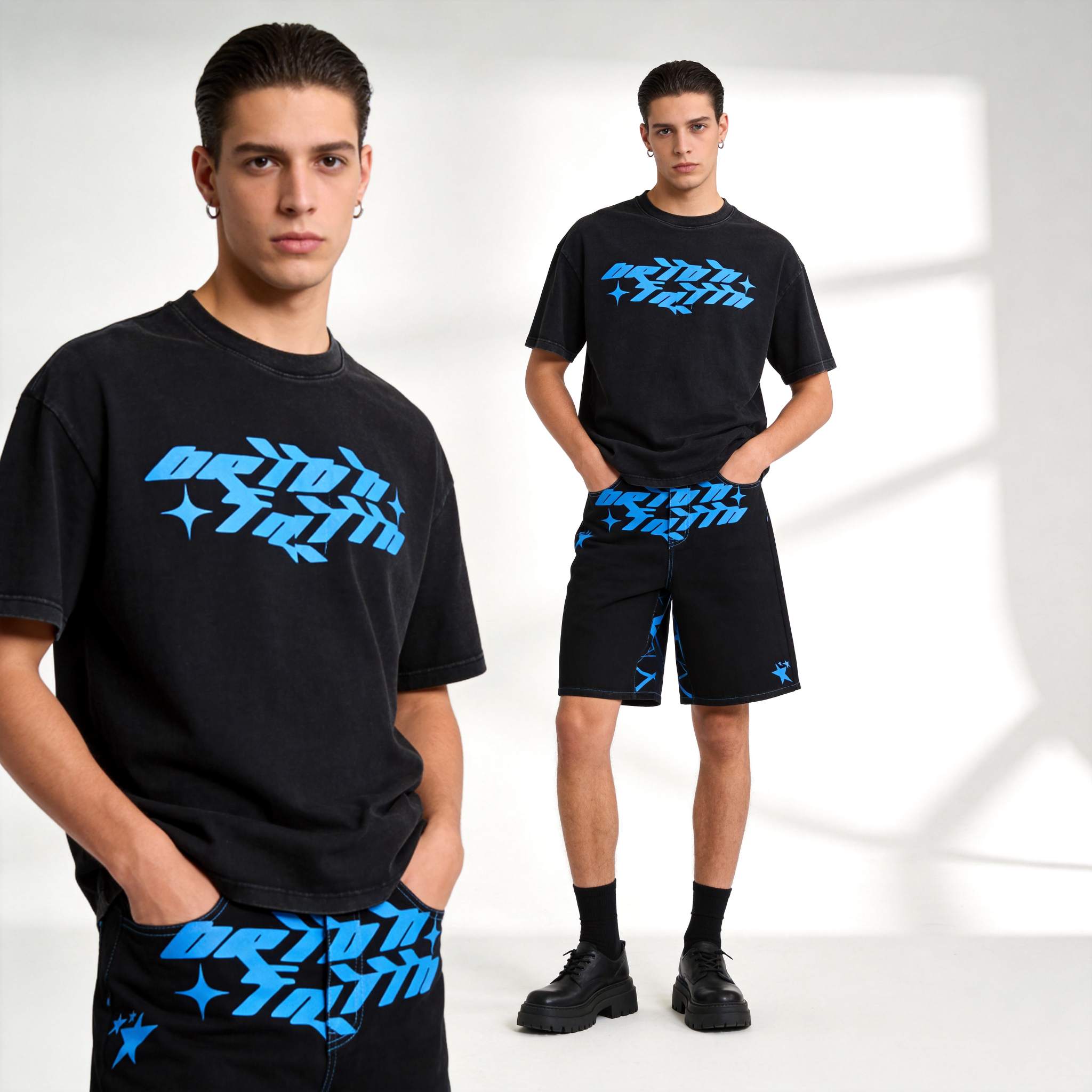
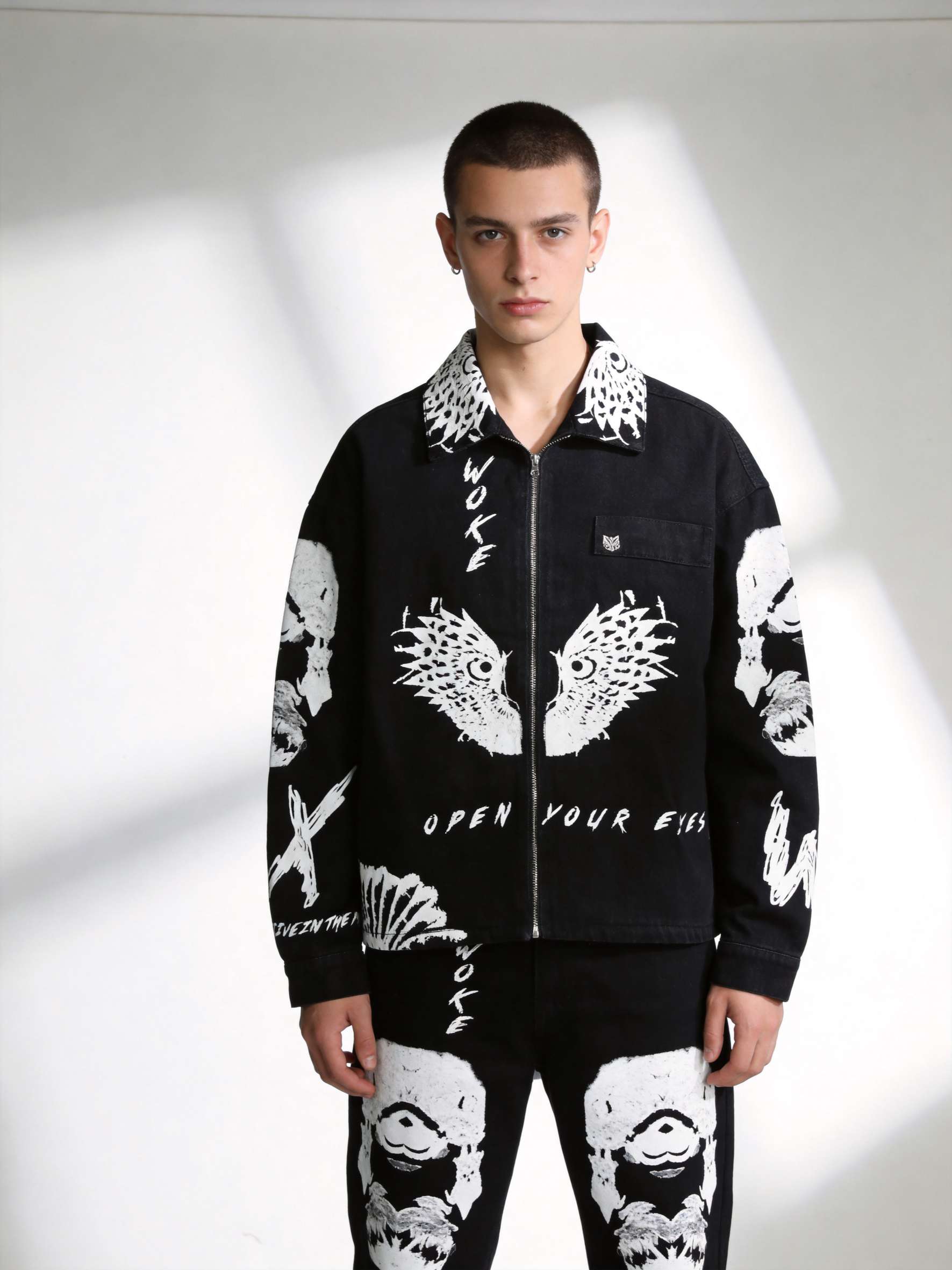
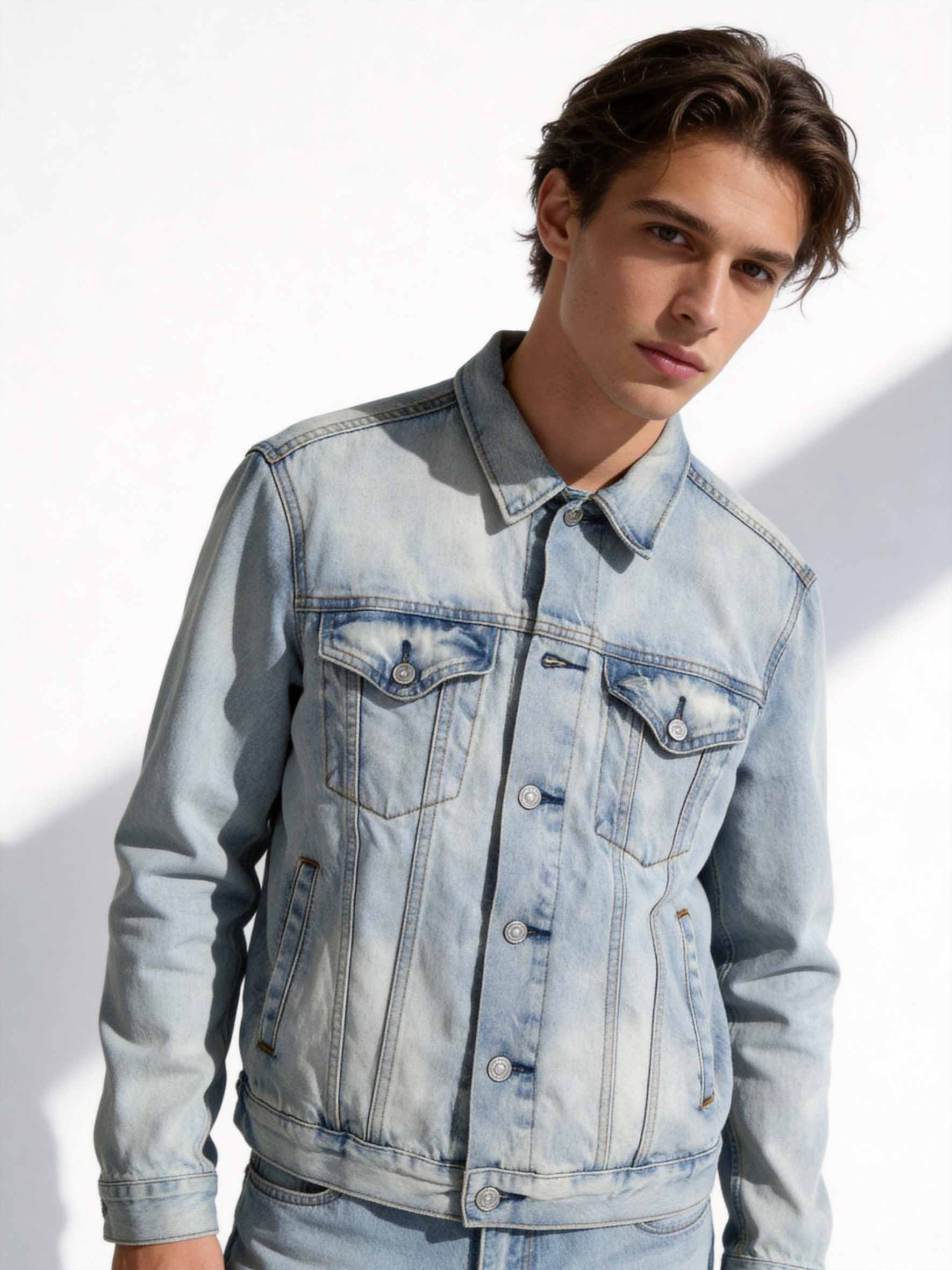
Why ZORWILD for Custom Jeans Manufacturing
50-Piece Low MOQ
Launch your custom jeans collection with minimal risk. Our low MOQ production starts at just 50 pieces per style.
Fast Sampling Turnaround
Receive production-ready custom jeans samples within 7-10 days to validate fit, wash, and construction before bulk orders.
In-House Wash u0026 Distressing
Complete denim finishing capabilities including vintage wash, acid wash, distressing, and garment dye for authentic custom jeans aesthetics.
6-Stage Quality Control
Every custom jeans order undergoes rigorous inspection from fabric arrival through final packaging to ensure consistent quality.
27 Years Manufacturing Experience
Backed by nearly three decades of apparel expertise from our Humen, Dongguan factory serving over 2,000 global brands.
Global Shipping Support
Streamlined export logistics with air freight, sea freight, and door-to-door delivery options plus full customs documentation support.
Custom Jeans Production Across Every Style
From skinny to wide-leg, raw denim to vintage wash—full-spectrum jeans manufacturing with 27 years of expertise and 50-piece MOQ flexibility.
Custom Blue Jeans
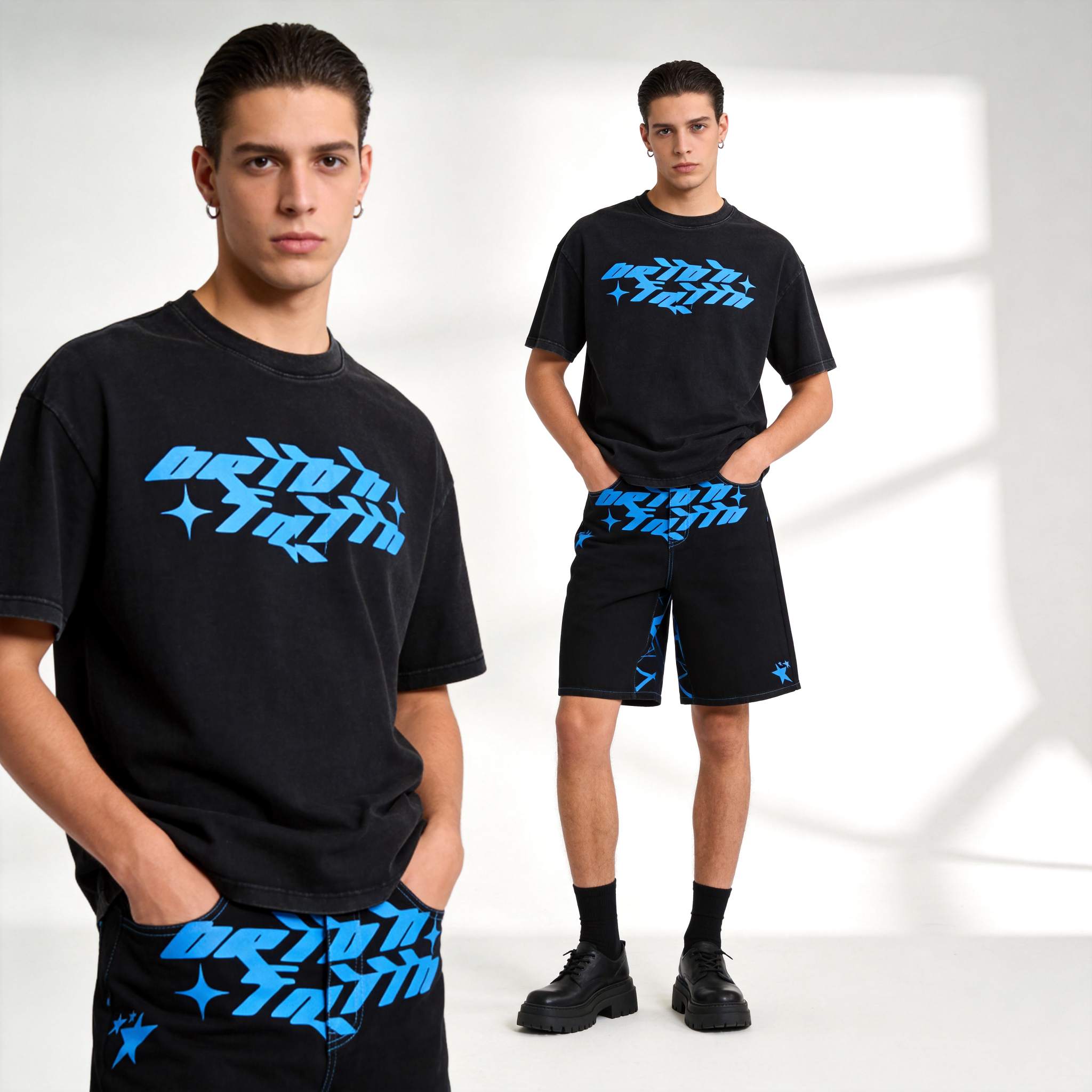
Classic custom blue jeans manufactured in skinny, straight-leg, wide-leg, and bootcut silhouettes. We support multiple denim weights from lightweight stretch to heavyweight rigid denim, with vintage wash, stone wash, distressed finishes, and contrast stitching. Ideal for brands building foundational denim collections with custom fit specifications and private label branding.
Learn More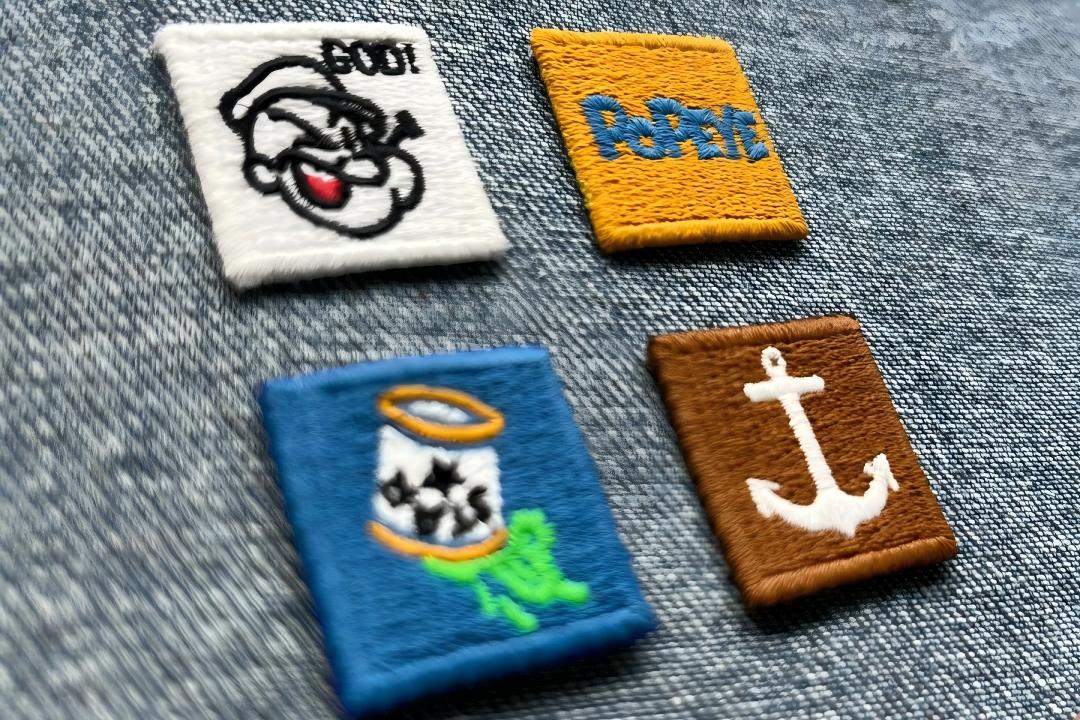
Custom Made Jeans
Fully custom made jeans tailored to your brand’s design vision including unique pocket shapes, zipper fly or button fly closures, custom hardware, embroidery details, patchwork panels, and specialized washes. Our team translates tech packs and reference samples into production-ready patterns with precise grading across all sizes for consistent fit and premium construction quality.
Learn More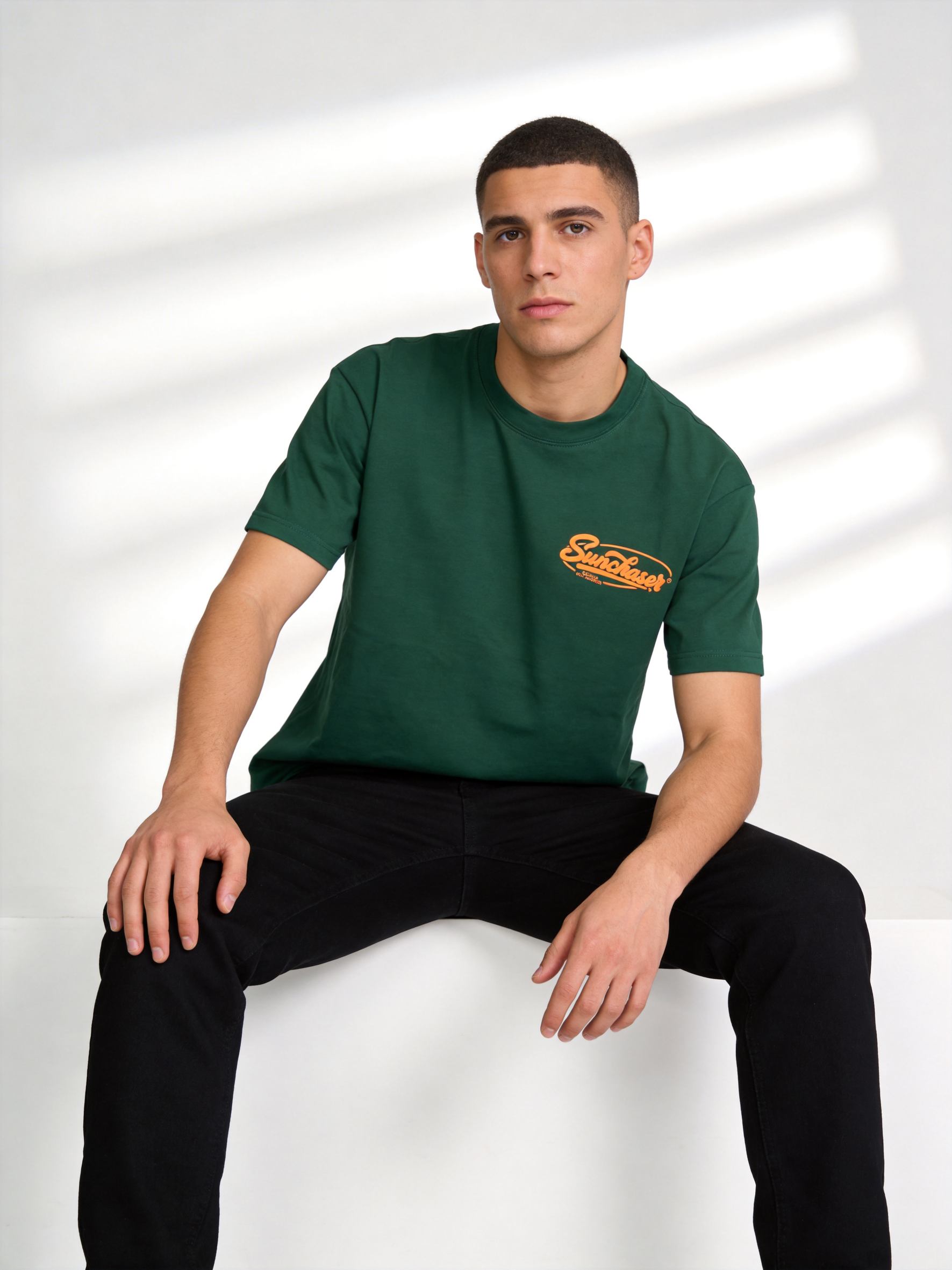
Custom Fit Jeans
Custom fit jeans engineered to your exact sizing specifications including inseam length, rise height, leg opening width, waist measurements, and hip curves. We develop fit samples for approval before bulk production, ensuring your brand delivers the perfect fit for your target customer whether slim, regular, relaxed, or oversized silhouettes across men’s and women’s collections.
Learn More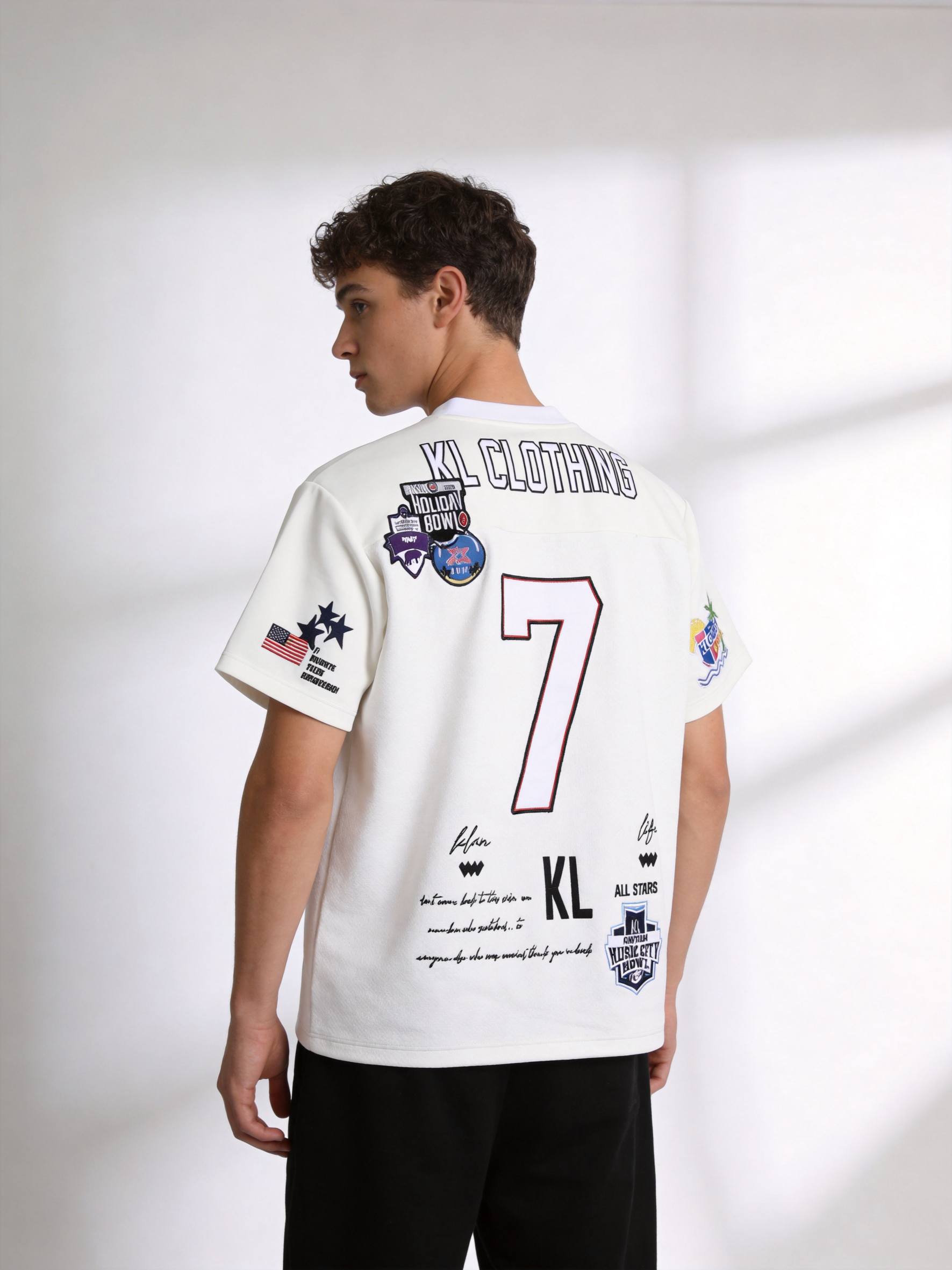
Wholesale Jeans
Wholesale jeans production for retailers and distributors requiring competitive pricing, stable quality, and scalable order volumes. We manufacture skinny jeans, straight-leg jeans, cargo jeans, wide-leg styles, and denim shorts with efficient lead times and consistent craftsmanship. Our monthly capacity exceeds 100,000 units, supporting both replenishment orders and seasonal launches for growing wholesale accounts.
Learn More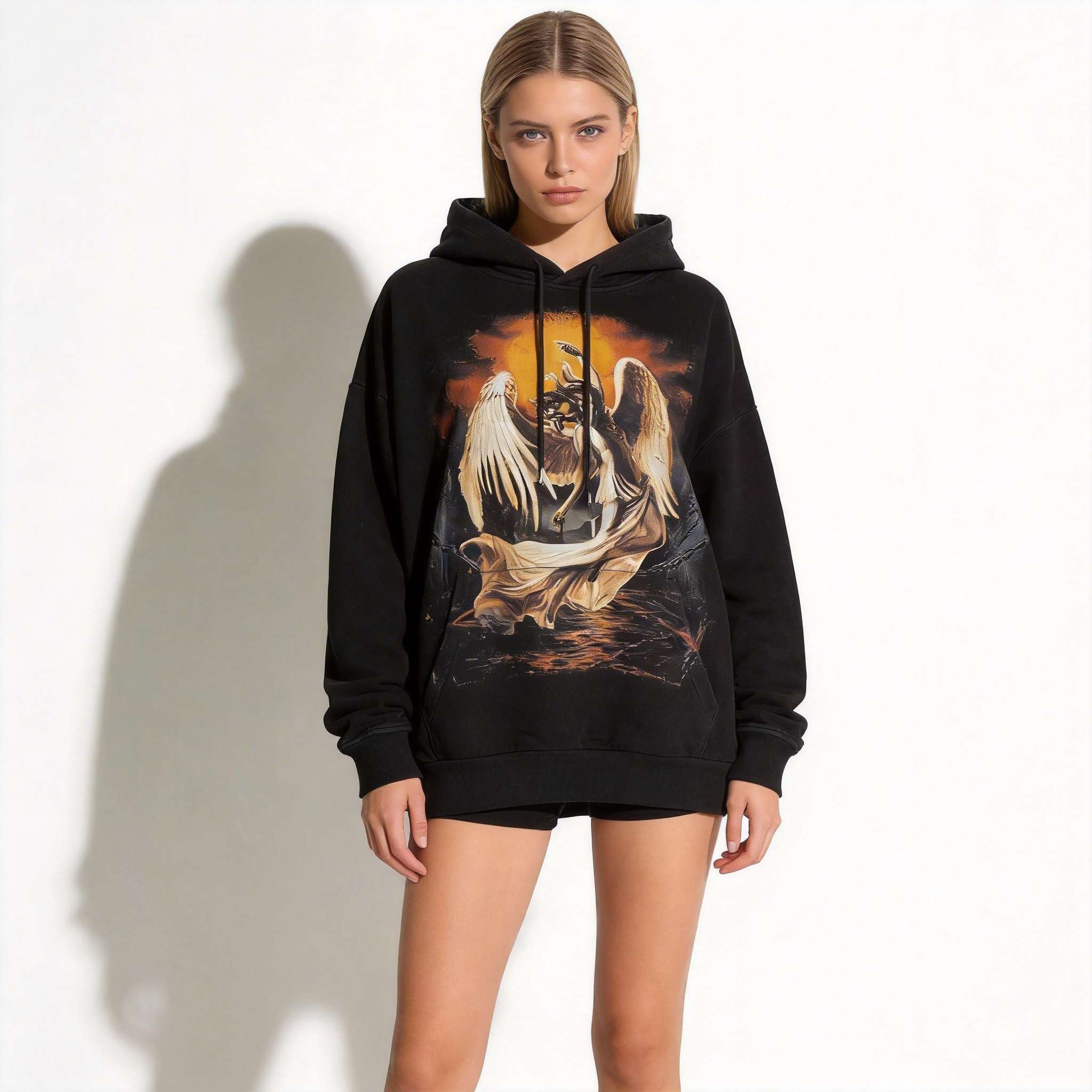
Custom Made Blue Jeans
Custom made blue jeans combining traditional indigo denim with modern customization including laser distressing, whisker fading, knee rips, frayed hems, acid wash effects, and vintage aging. We work with trusted denim mills across China to source ring-spun denim, selvedge denim, stretch denim, and eco-friendly options, delivering authentic blue jeans with your brand’s signature details and labels.
Learn More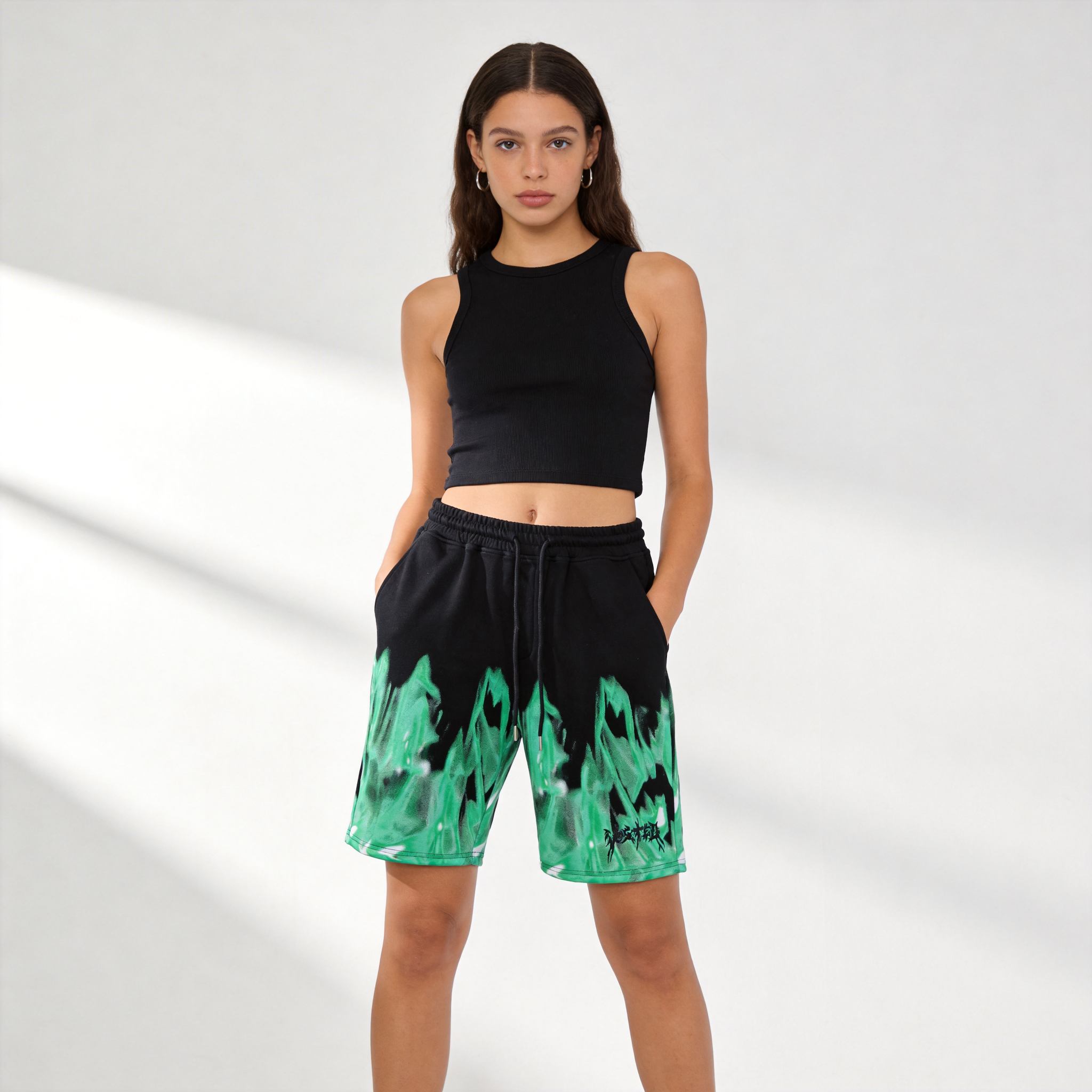
Risen Jeans Wholesale
Risen-style jeans wholesale manufacturing focused on contemporary fits, premium washes, and fashion-forward denim trends. We replicate popular silhouettes including high-rise skinny, mom jeans, flare styles, and wide-leg cuts with attention to fabric stretch, recovery, and soft hand feel. Our production system supports trend-responsive denim collections with flexible MOQs starting from 50 pieces per style.
Learn More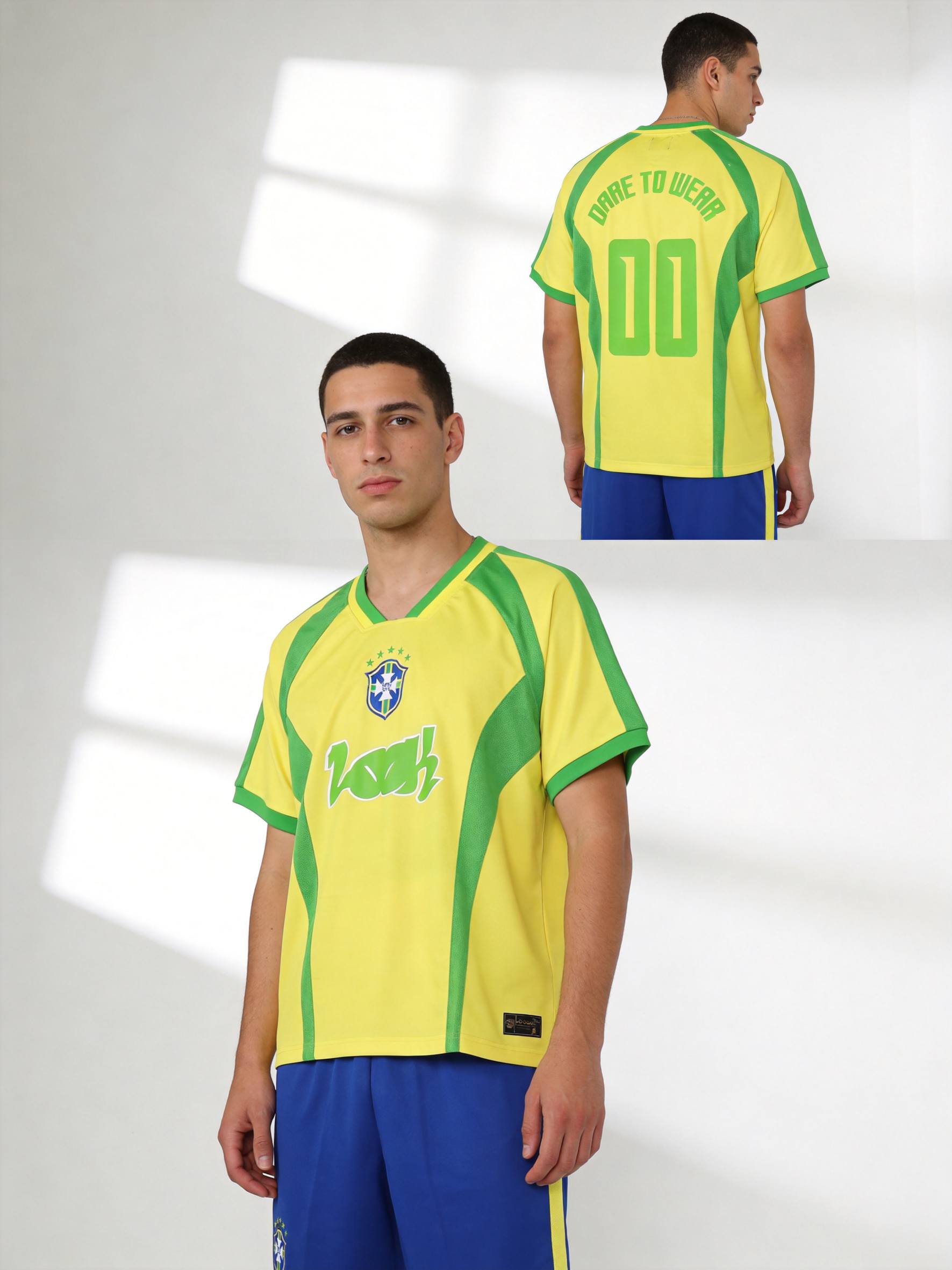
Customize Jeans
Comprehensive jeans customization services including custom embroidery, printed graphics, rhinestone embellishments, leather patches, metal studs, distressed details, patchwork construction, contrast panels, and unique pocket treatments. We apply screen printing, heat transfer, laser engraving, and hand-finished distressing techniques to create signature denim pieces that differentiate your brand in competitive streetwear and fashion markets.
Learn More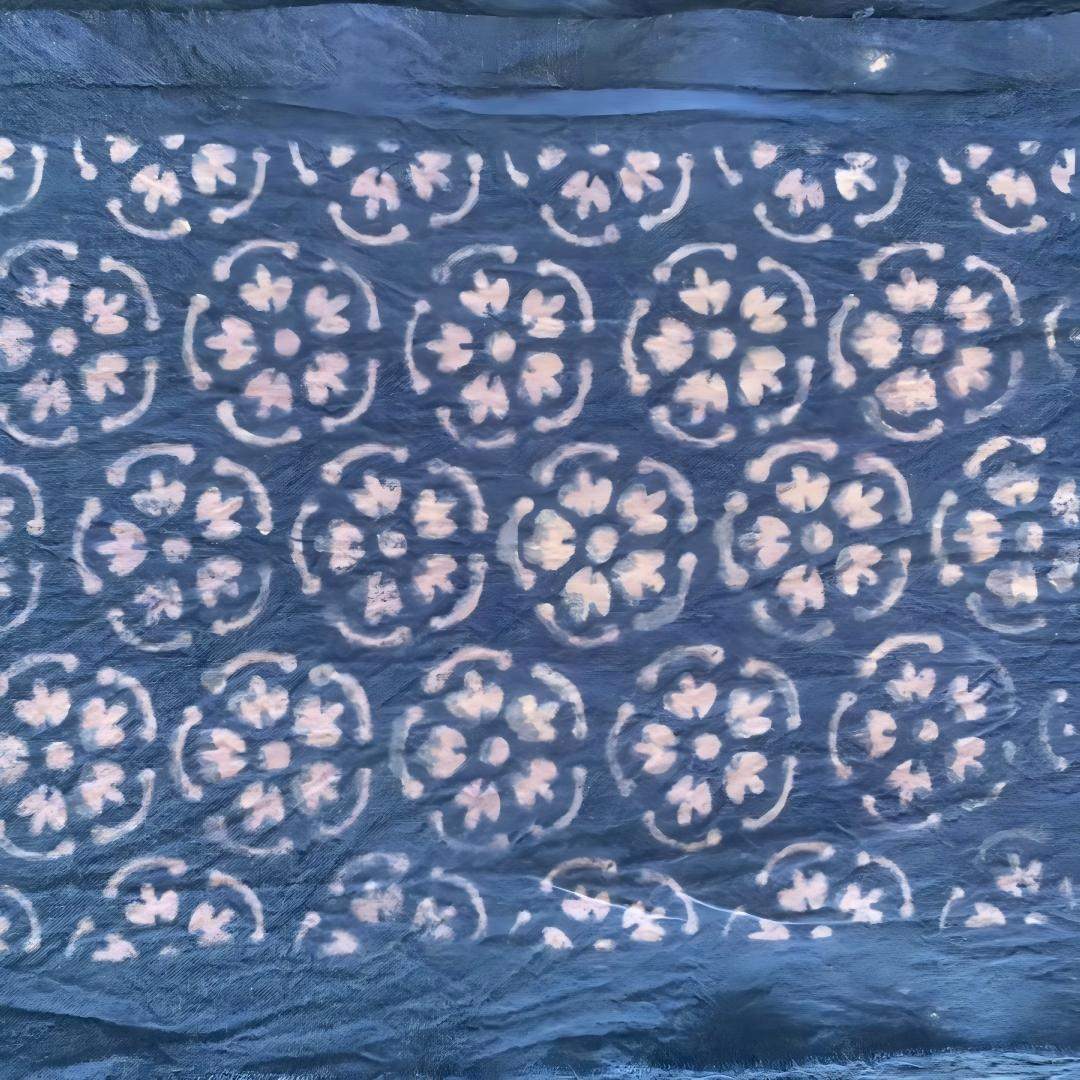
Denim Jeans Supplier
Trusted denim jeans supplier serving fashion brands across North America, Europe, Australia, and the Middle East with OEM and ODM denim manufacturing. We provide fabric sourcing, wash development, sampling, bulk production, quality control, and export logistics for skinny jeans, straight-leg styles, cargo pants, denim shorts, and specialty denim products with reliable communication and on-time delivery.
Get a Quote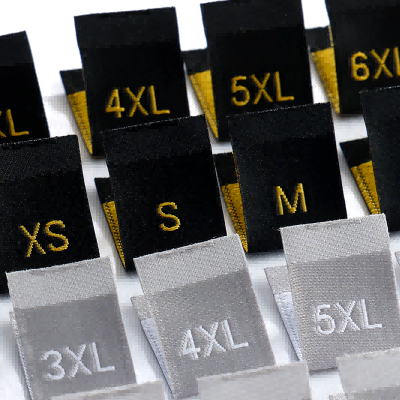
Jeans Garment Manufacturers
Professional jeans garment manufacturers with 27 years of apparel production expertise based in Humen, Dongguan. Our facility employs over 200 skilled workers and operates a 6-stage quality control system covering fabric inspection, pattern cutting, sewing precision, wash consistency, measurement accuracy, and final packaging. We support private label brands, startups, and established retailers with scalable denim manufacturing from sampling to mass production.
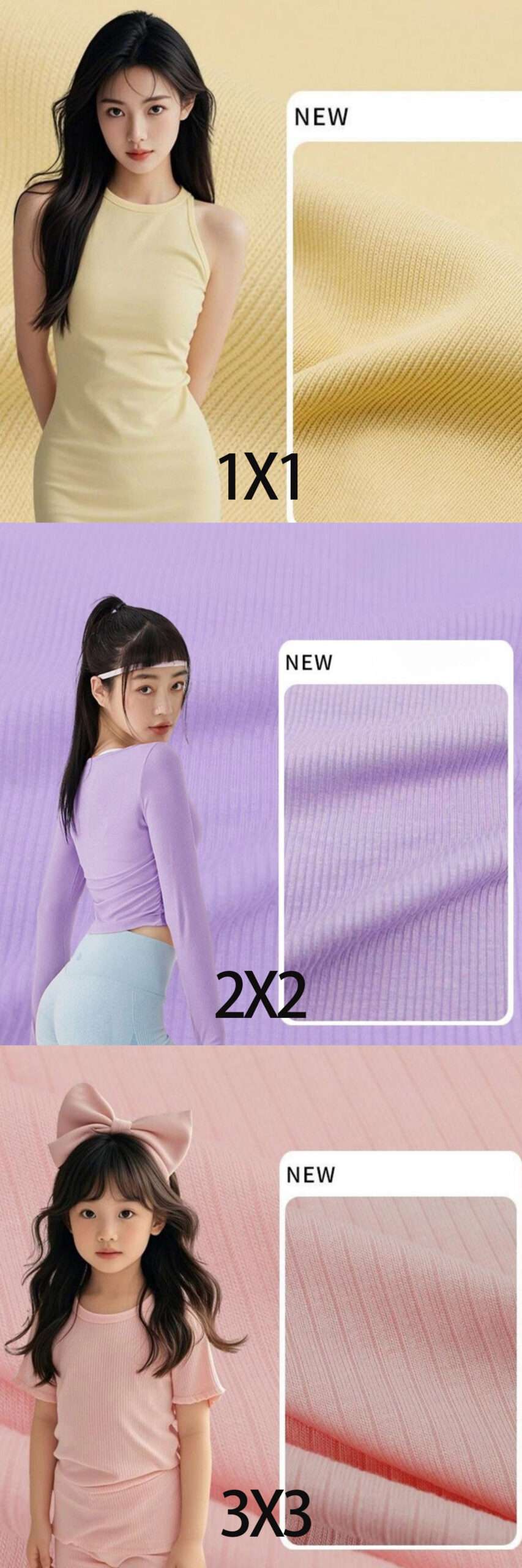
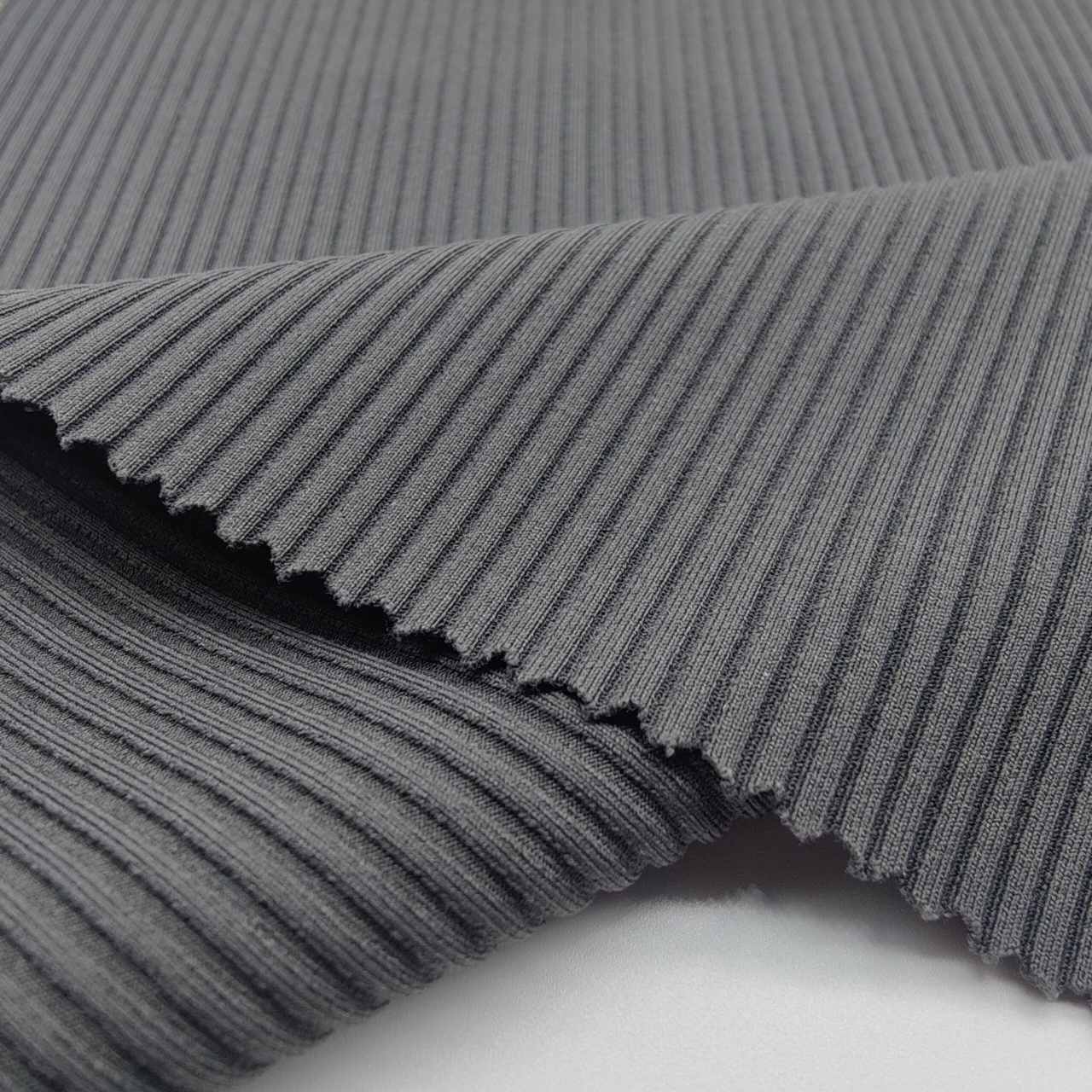
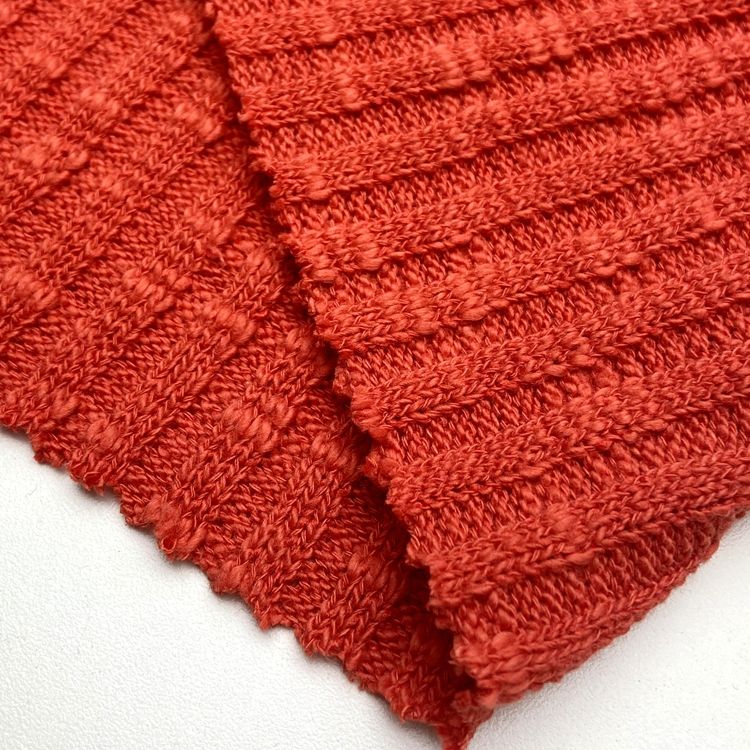
Get a QuotePremium Denim Fabrics for Custom Jeans Manufacturing
Custom Jeans Finishing u0026 Wash Techniques
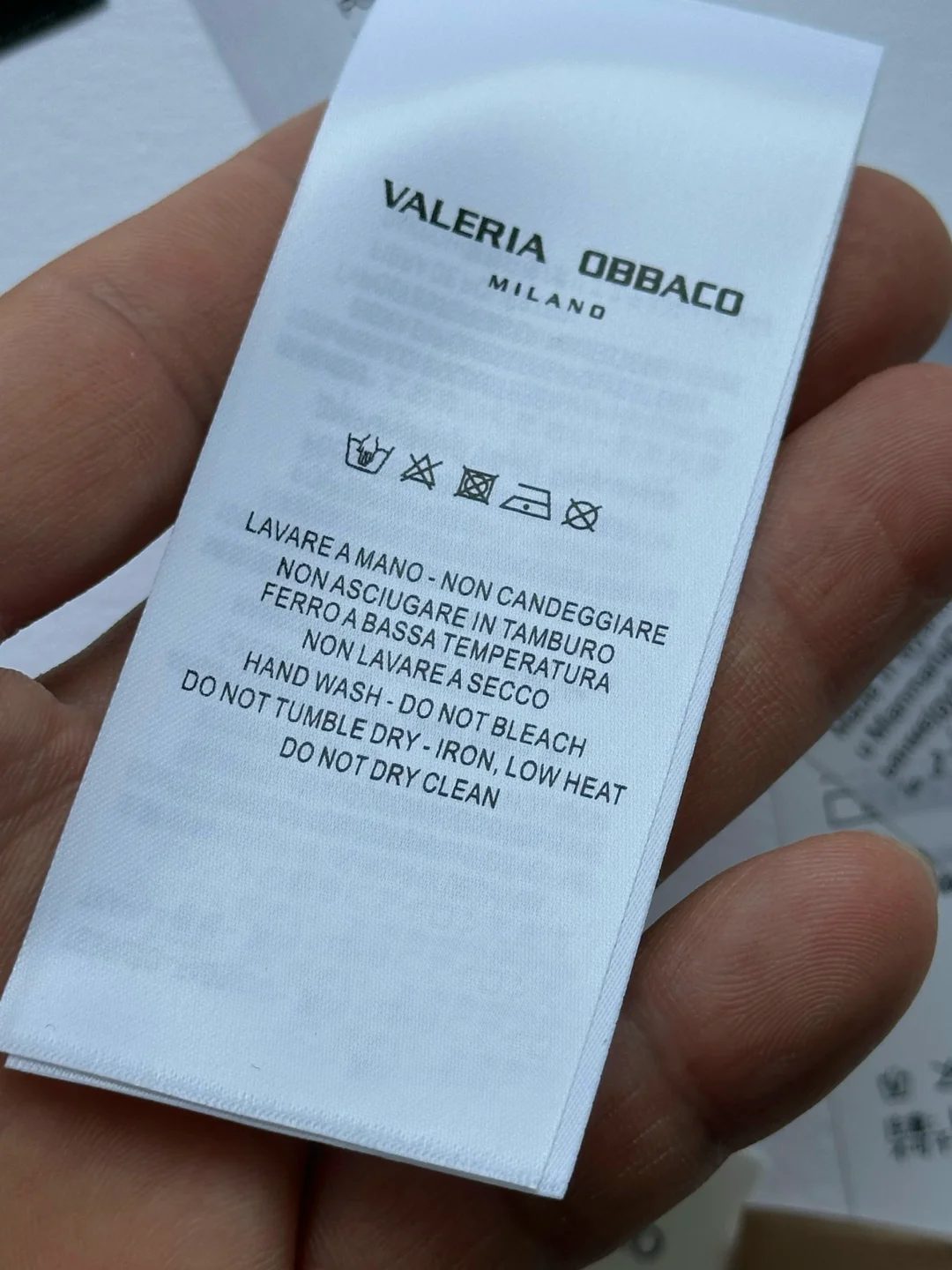
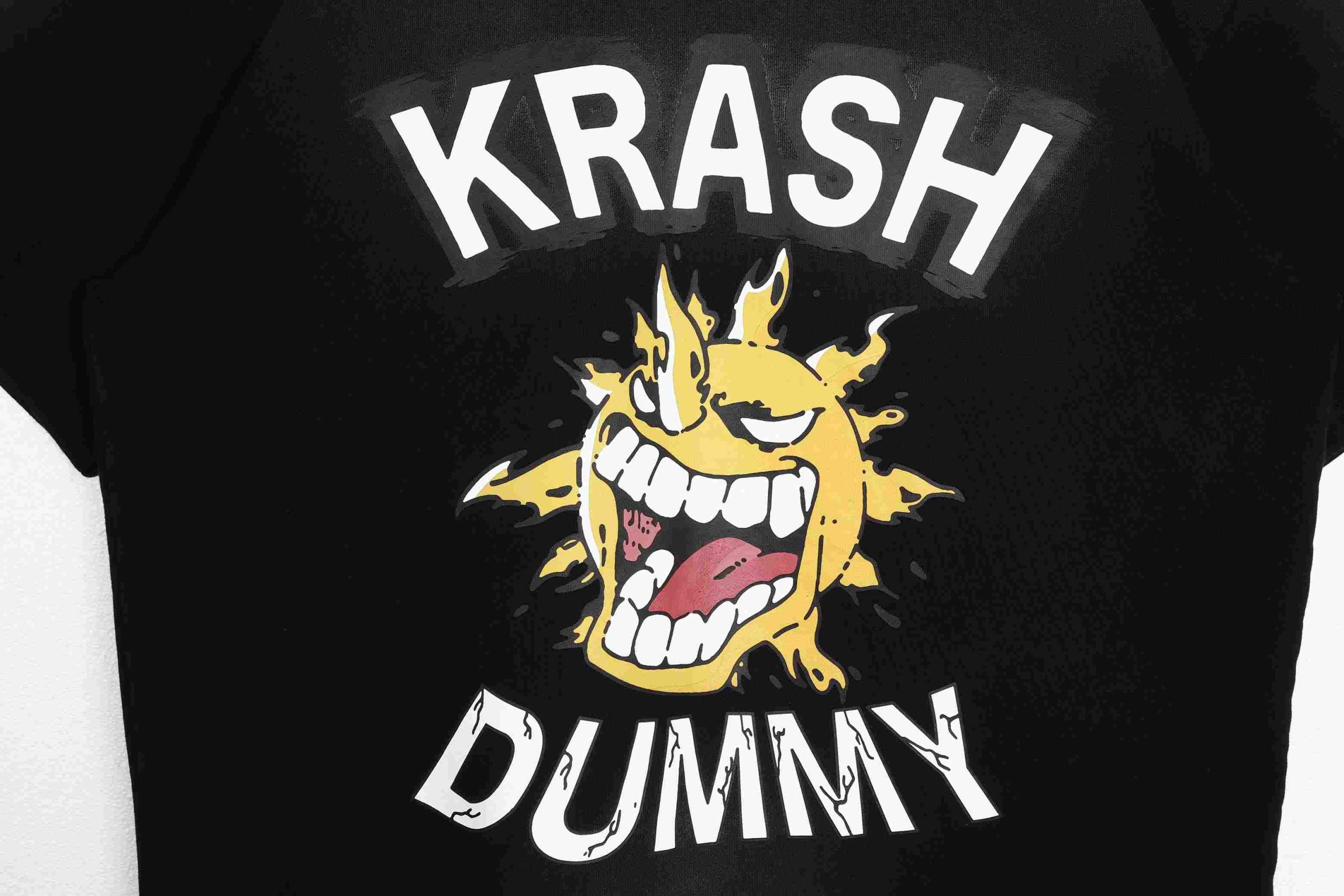
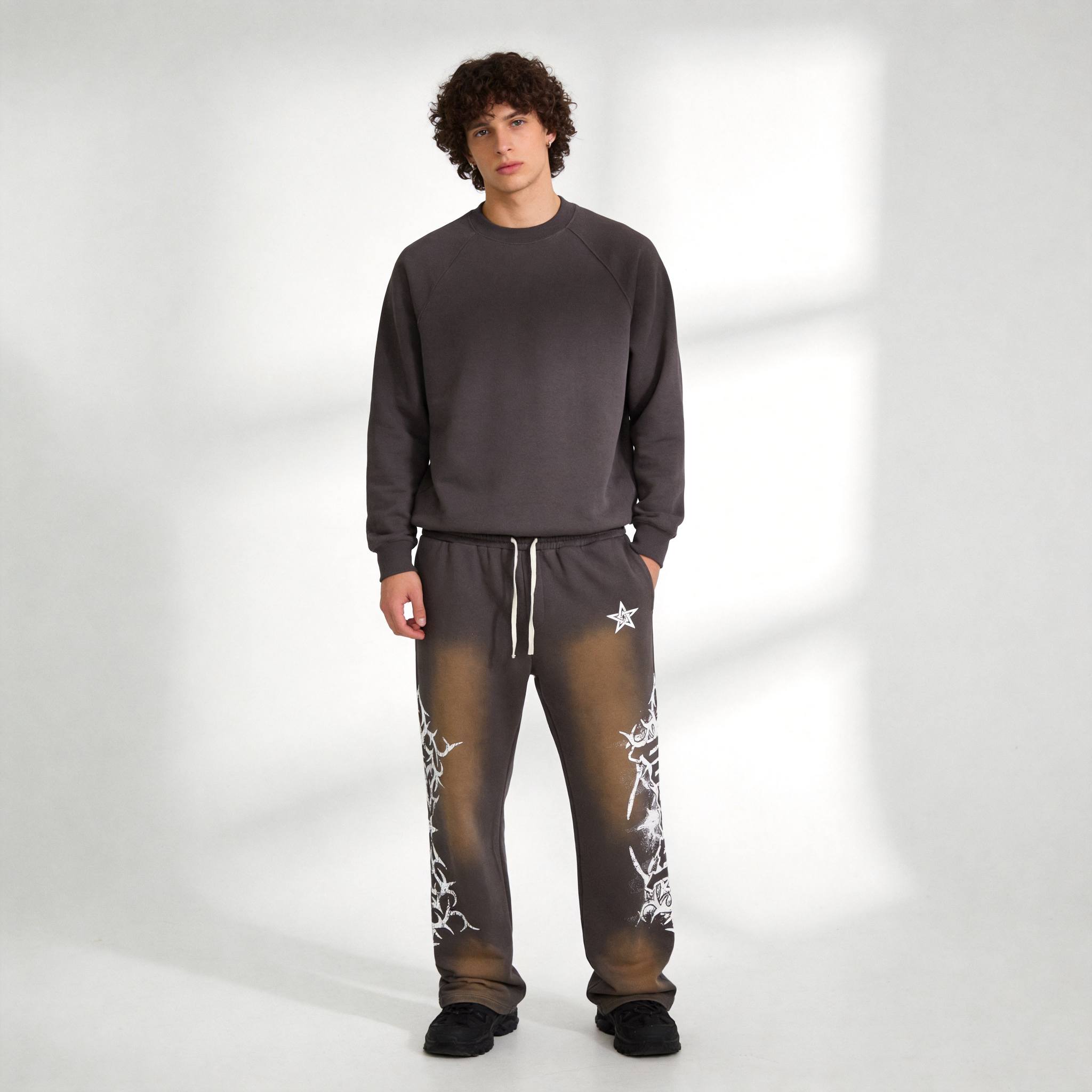
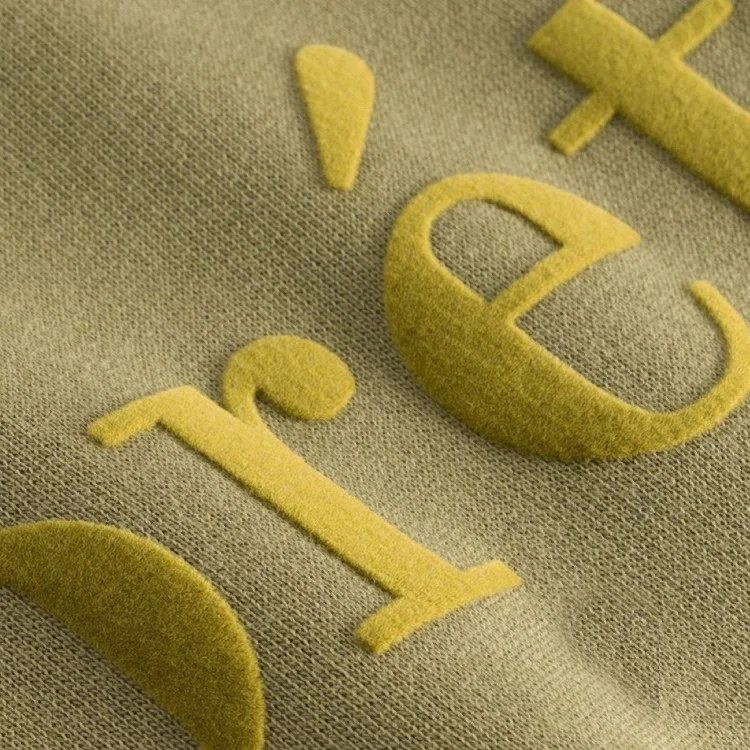
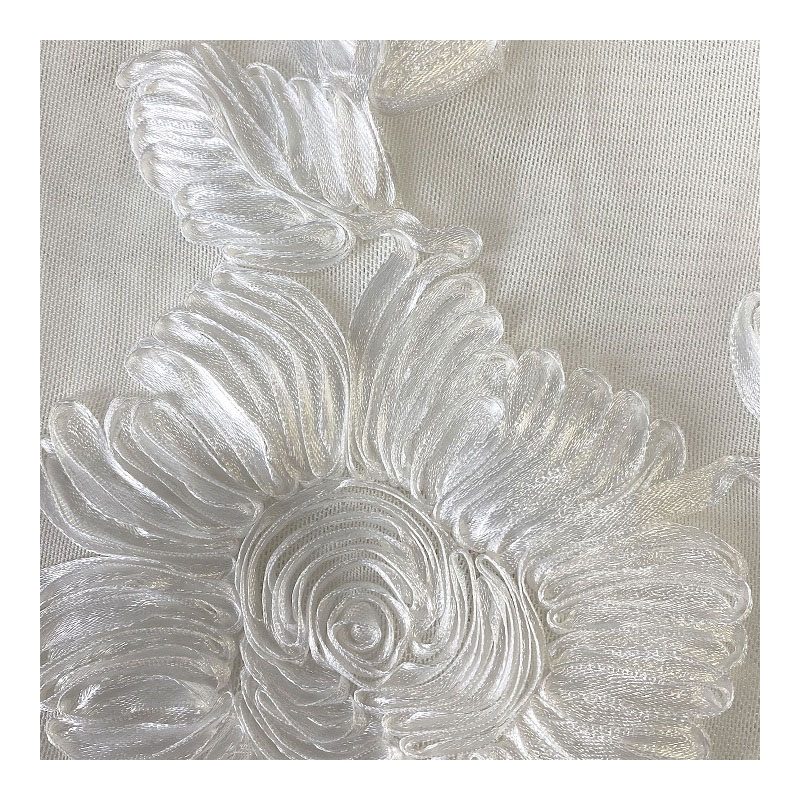
Distressed Details
Hand-crafted or mechanical abrasion techniques including whiskering, sanding, rips, and frayed hems. Adds authentic streetwear character to custom jeans with precise placement control, ensuring each distressed element enhances design intent and durability.
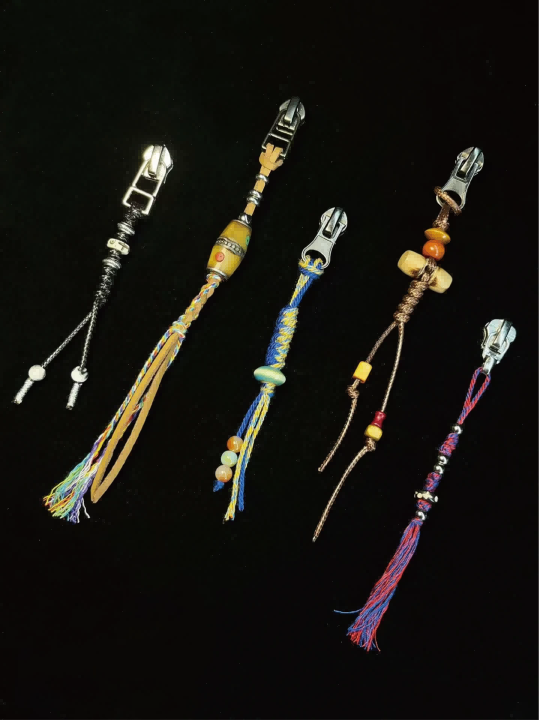
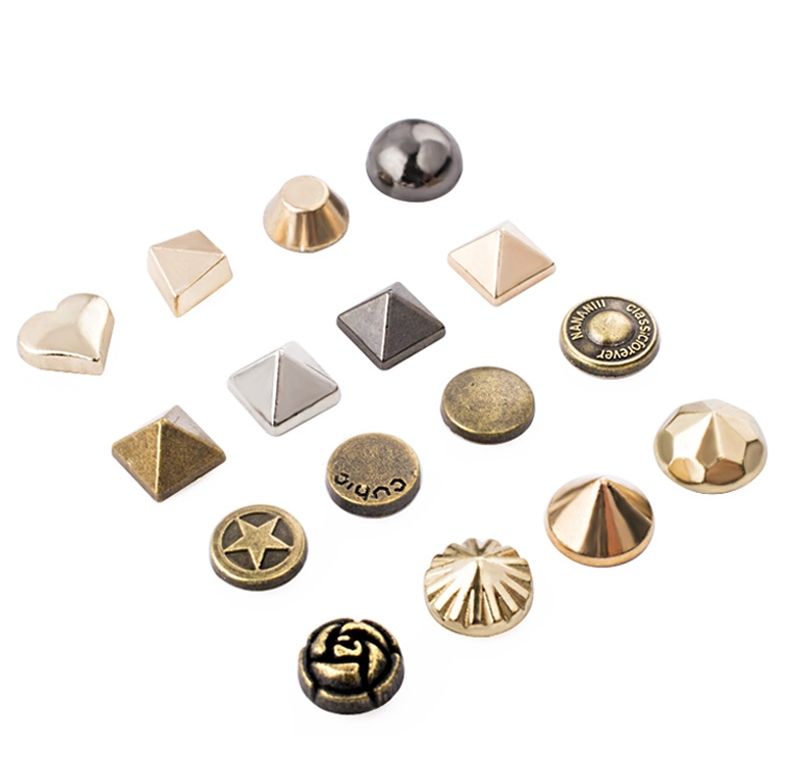
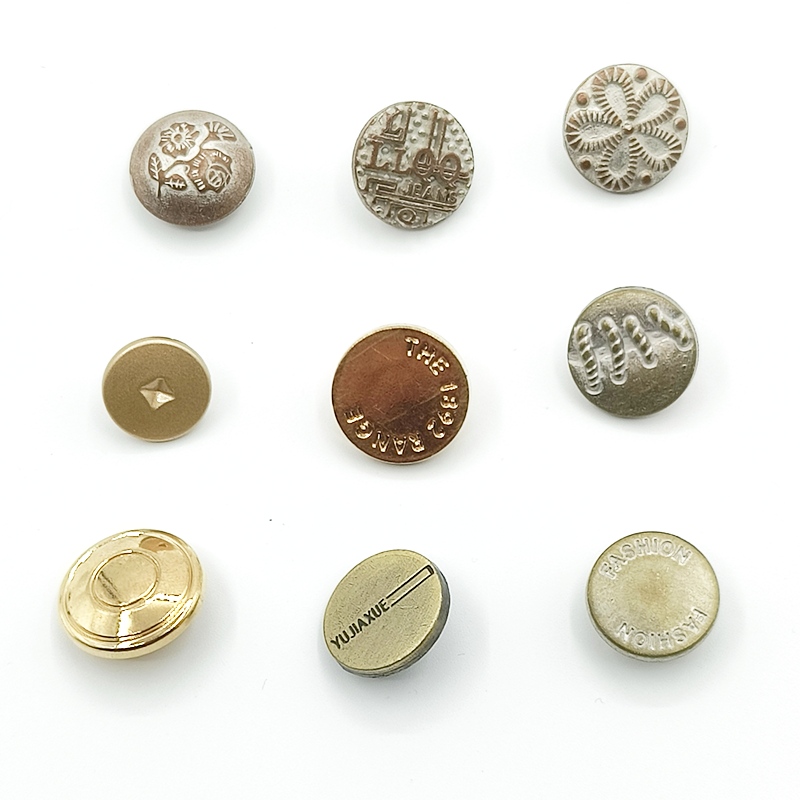
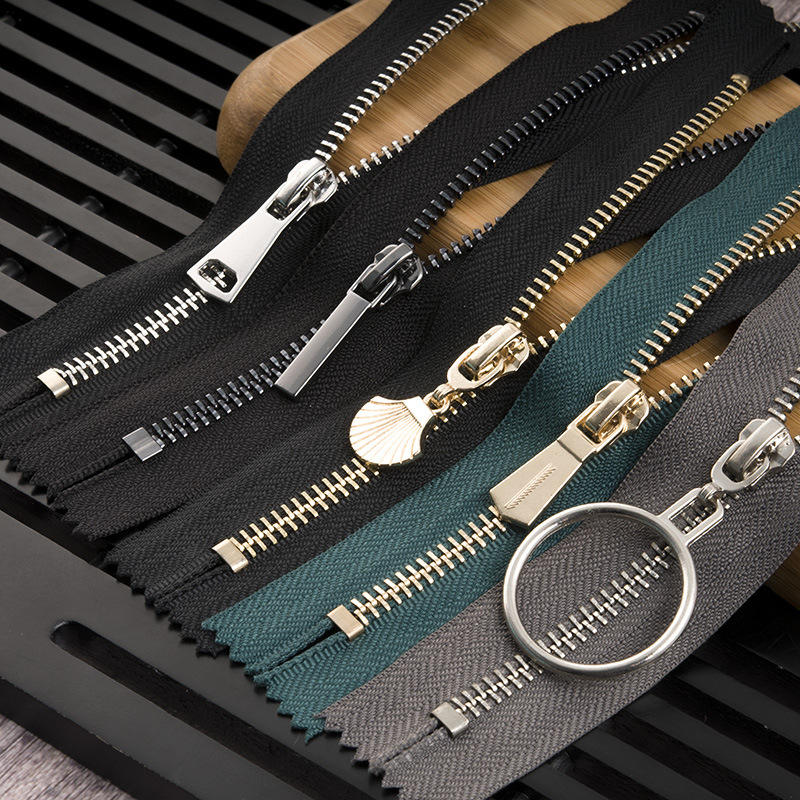
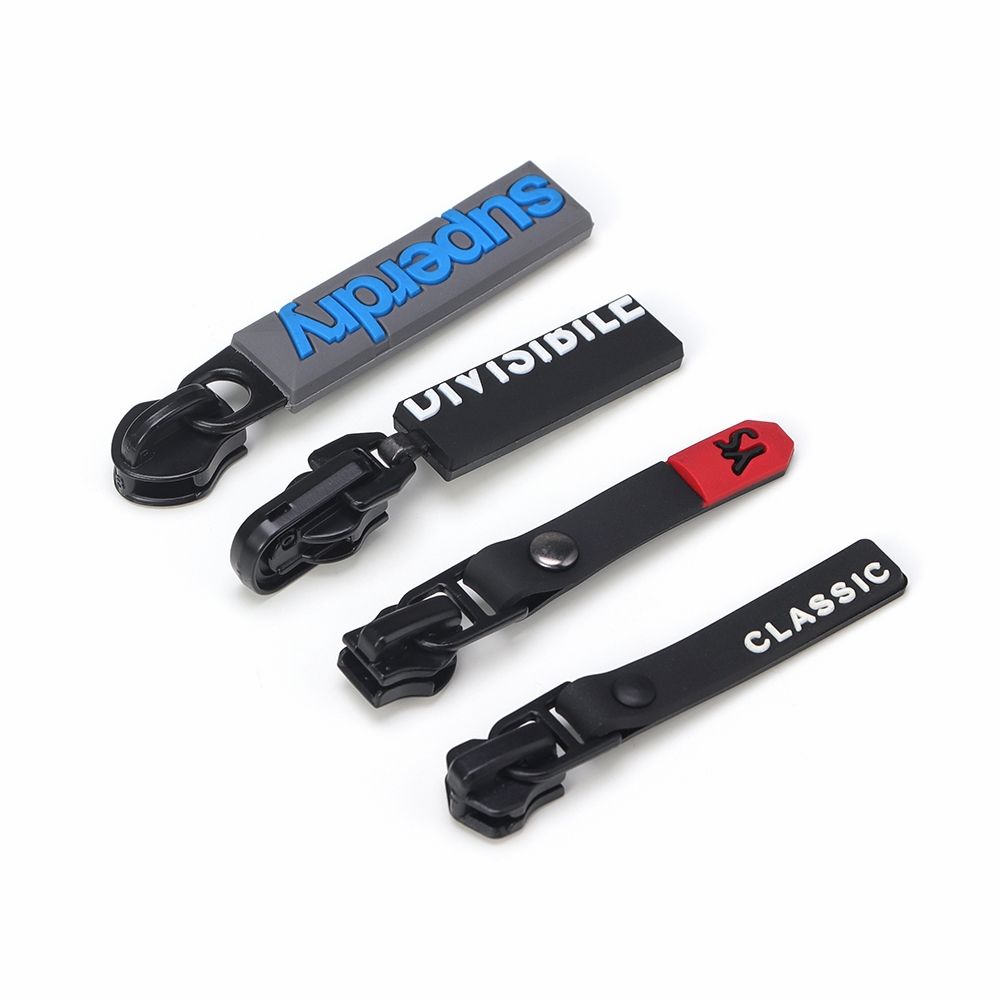
Custom Jeans Hardware u0026 Trims
About ZORWILD — Custom Jeans Expertise Since 1998
Founded in 1998 in Humen, Dongguan—one of the world’s leading garment manufacturing hubs—ZORWILD began as a family-operated workshop rooted in precision and craftsmanship. Today, we employ over 200 skilled workers and serve more than 2,000 fashion brands globally with OEM, ODM, and private label custom jeans and full-category apparel manufacturing.
Our low MOQ model starts at just 50 pieces, empowering startup brands, influencers, and established labels to test collections, reduce inventory risk, and scale with confidence. With a monthly production capacity exceeding 100,000 units and 27 years of manufacturing experience, we bridge creative design and scalable production for brands at every stage.
From tech pack development and fabric sourcing to advanced denim washes, embroidery, and finishing, ZORWILD delivers comprehensive custom jeans manufacturing backed by a six-stage quality control system and in-house mastery of 95% of modern apparel decoration techniques.
Custom Jeans Production Capabilities — Deep Dive
Distressing u0026 Vintage Wash Mastery
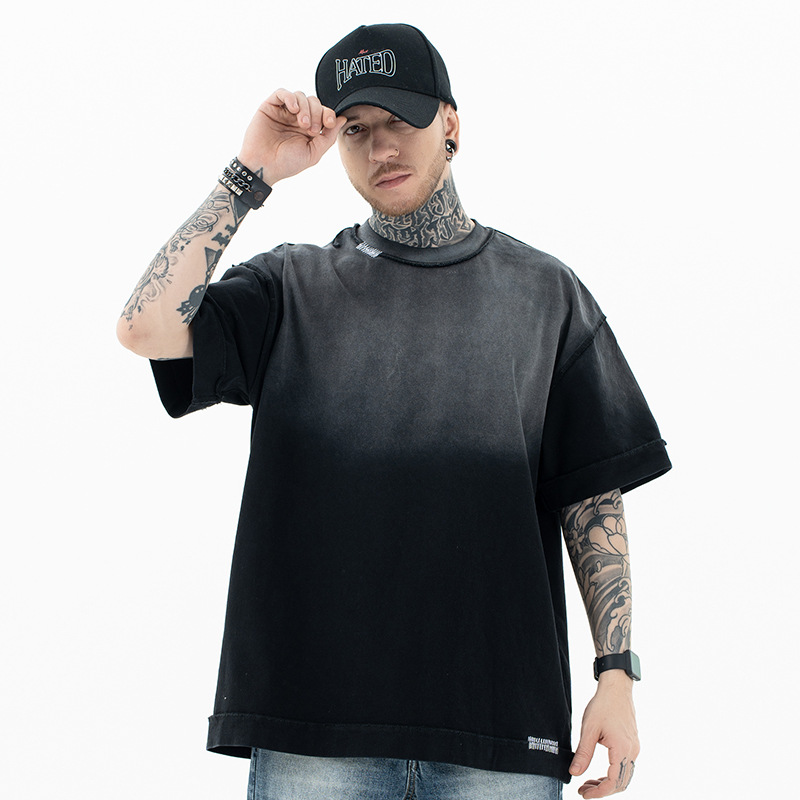
ZORWILD’s 27 years of garment finishing expertise delivers authentic vintage aesthetics for custom jeans through acid wash, enzyme wash, stone wash, distressing, and pigment dye techniques. Our Humen factory controls every wash parameter to ensure consistency across production runs of any scale.
- Acid wash, snow wash, enzyme wash, and vintage fading techniques
- Distressed details, frayed edges, and controlled wear patterns
- Consistent color and texture across 50-piece to 10,000+ unit orders
- In-house wash facilities eliminate third-party delays and quality risks
Precision Fit u0026 Grading Systems
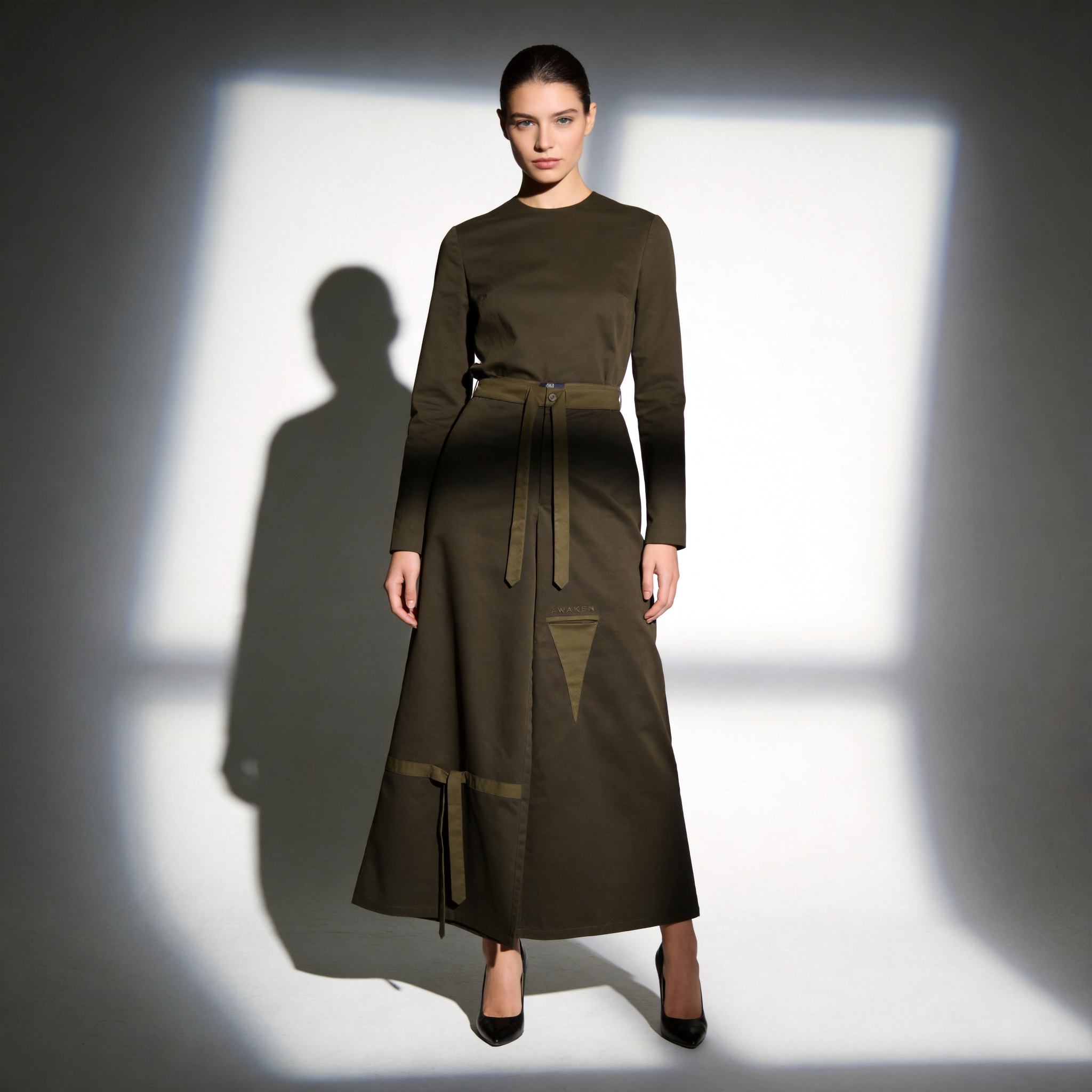
Our pattern-making team develops custom jeans fit blocks tailored to your brand’s target market, body type, and style positioning. Full grading systems ensure accurate sizing from XS to 4XL with consistent proportions, rise measurements, and leg openings across every size run.
- Custom fit development: skinny, slim, straight, wide-leg, and relaxed cuts
- Professional grading systems with precise waist, inseam, and rise measurements
- Fit sampling and adjustment rounds before bulk production approval
- Tech pack development support for brands without in-house pattern makers
In-House Embroidery u0026 Patch Application
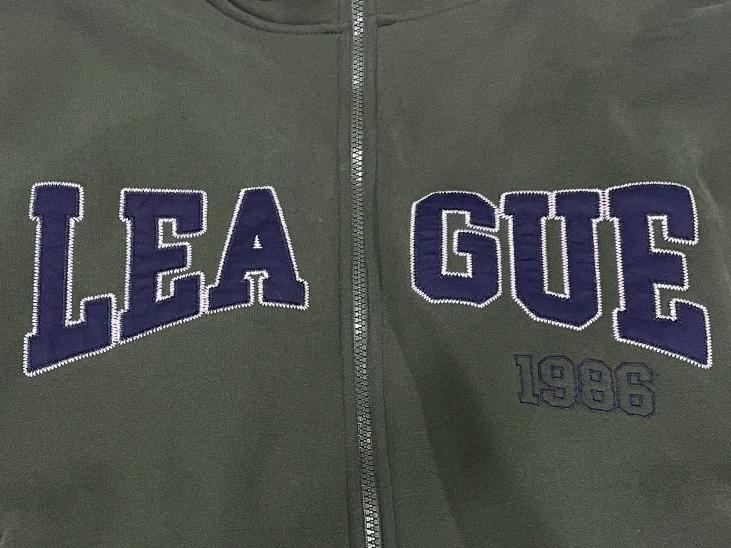
Elevate your custom jeans with premium decoration techniques applied directly in our factory. ZORWILD supports flat embroidery, chenille patches, leather labels, rubber badges, and applique details with precise placement, stitch density control, and durability testing for wash-after-wash performance.
- Flat, 3D, chenille, and metallic embroidery on pockets and waistbands
- Custom leather patches, woven labels, and rubber logo applications
- Rhinestone, stud, and rivet decoration for premium streetwear jeans
- 95%+ decoration techniques in-house for faster turnaround and quality control
Sustainable Denim Sourcing Options
Partner with trusted fabric mills across China to source organic cotton denim, recycled denim blends, BCI cotton, and low-impact dyed fabrics for your custom jeans collection. ZORWILD helps brands balance sustainability goals with production budgets, lead times, and performance requirements.
- Organic cotton, recycled polyester blends, and BCI-certified denim fabrics
- Low-impact dye processes and water-saving wash techniques available
- Transparent fabric sourcing with mill certifications and compliance documentation
- Fabric recommendations based on brand positioning, budget, and sustainability targets
ZORWILD vs. Typical Custom Jeans Suppliers
Evidence-based differences that matter for your denim brand—from minimum orders to quality control depth.
← 左右滑动查看 →
Our Custom Jeans Production Process
From tech pack to global delivery, every custom jeans order follows our proven six-phase production system built on 27 years of denim manufacturing expertise and strict quality control at every gate.
Tech Pack u0026 Fabric Sourcing
Review your design specifications, measurements, and wash requirements. Source premium denim fabrics from trusted suppliers matching your quality and budget targets.
Sampling u0026 Fit Approval
Produce pre-production samples for fit evaluation, wash testing, hardware inspection, and construction quality review before committing to bulk production runs.
Bulk Production u0026 Washing
Execute pattern cutting, precision sewing, and advanced denim wash techniques including vintage wash, distressing, and garment dye with in-line quality monitoring.
Quality Inspection u0026 Finishing
Conduct six-stage quality control including measurement checks, stitch integrity, wash consistency, hardware function, and final product inspection before finishing.
Packaging u0026 Branding
Apply custom labels, hang tags, and branded packaging. Prepare polybags, tissue paper, and branded accessories to deliver premium unboxing experiences.
Global Shipping u0026 Delivery
Coordinate air freight, sea freight, or express delivery with full export documentation and customs support to ensure on-time delivery worldwide.
How to Order Custom Jeans from ZORWILD
From design concept to finished garments, our streamlined process makes custom jeans manufacturing simple and transparent for brands of every size.
Submit Your Design Brief
Send us your tech pack, sketches, reference samples, or design ideas. Our team will review your custom jeans specifications and provide professional feedback within 24 hours.
Receive Quote and Timeline
We’ll provide a detailed quotation covering fabric, trims, washes, and production costs, plus sampling and bulk production timelines tailored to your custom jeans order.
Approve Production Samples
Review fit, fabric quality, wash effects, hardware, stitching, and construction details. Request revisions until your custom jeans samples meet your exact brand standards.
Confirm Your Bulk Order
Once samples are approved, place your production order with flexible MOQ starting at 50 pieces. We’ll lock in your timeline and coordinate fabric procurement.
Production and Quality Control
Your custom jeans move through cutting, sewing, washing, finishing, and our comprehensive 6-stage quality control system to ensure consistent fit and durability throughout production.
Global Shipment and Delivery
Final inspection, professional packaging with your branding, and coordinated logistics via air or sea freight. We handle export documentation and customs support for smooth delivery.
Certified Quality Standards for Custom Jeans Manufacturing

Custom Jeans Success Stories — Brands Trusting ZORWILD
ZORWILD helped us launch our first custom jeans capsule — 200 pieces in just 3 weeks. The vintage wash quality exceeded our expectations and our customers loved the fit. We’ve since reordered 4 times.
We reduced our sampling costs by 60% working with ZORWILD. Their tech team understood our distressed denim specs immediately, and the low MOQ let us test three styles before committing to bulk production.
Started with 50 units to validate our market. Within 6 months, ZORWILD scaled us to 5,000 units per order with zero quality drop. Their wash consistency and hardware customization are unmatched.
FAQ — Custom Jeans Manufacturing
What is the minimum order quantity for custom jeans?
How long does it take to produce custom jeans from sampling to bulk production?
Do you charge for custom jeans samples, and is the cost refundable?
What payment terms do you offer for custom jeans orders?
Can you source specific denim fabrics for my custom jeans project?
What customization options are available for custom jeans?
How do you protect my designs and intellectual property for custom jeans?
What shipping options are available for custom jeans orders?
Can ZORWILD handle complex washes and finishes for custom jeans?
The Complete Buyer’s Guide to Custom Jeans Manufacturing
1. What Are Custom Jeans?
Custom jeans are made-to-order denim products manufactured to a brand’s exact specifications rather than purchased from off-the-shelf retail inventory. Unlike mass-market jeans sold under a manufacturer’s own label, custom jeans allow fashion brands, influencers, retailers, and promotional buyers to control every detail—from fabric weight and wash effects to fit, hardware, labels, and packaging. ZORWILD supports custom jeans production starting from 50-piece minimum orders, enabling startups and established brands alike to launch denim collections without the inventory risk of traditional wholesale purchasing.nnThree manufacturing models define the custom jeans landscape: OEM (Original Equipment Manufacturing), where the factory produces jeans to the client’s design and tech pack specifications; private label, where buyers select from the manufacturer’s existing styles and add their own branding; and fully bespoke manufacturing, which involves original pattern development, fabric milling, and unique construction methods. OEM remains the most popular choice for brands seeking balance between creative control and production efficiency, while private label offers faster turnaround for brands testing new markets.nnThe value proposition centers on four pillars: unique fit tailored to target demographics, complete branding control including custom labels and hang tags, rigorous quality control throughout cutting and sewing stages, and market differentiation through exclusive washes, embroidery, distressing, and hardware that competitors cannot replicate. Fashion brands use custom jeans to build signature styles, influencers create merch collections that reflect personal aesthetics, wholesalers develop exclusive product lines, and promotional buyers produce branded corporate or event apparel.
2. Evolution of Custom Jeans Manufacturing
Before the 1990s, custom jeans were the domain of local tailors and high-end domestic manufacturers charging premium prices for made-to-measure denim. Small brands faced minimum orders of 1,000–5,000 pieces, effectively locking independent designers out of the market.nnThe 1990s and 2000s saw a seismic shift as North American and European brands moved production to China, Bangladesh, and Vietnam, where established garment hubs like Humen, Dongguan became global denim centers. Offshore factories offered 40–60% cost savings and developed sophisticated OEM capabilities, but MOQs remained high — typically 500–1,000 pieces per style — until the mid-2010s.nnDigital manufacturing and modular production lines have since enabled low-MOQ custom jeans starting at 50–100 pieces, allowing influencers, startup brands, and wholesalers to test designs without six-figure inventory commitments. Laser finishing technology replaced manual sanding and chemical washes, cutting water usage by up to 90% while delivering precise distressing, fading, and pattern effects in minutes rather than hours.nn3D design software and virtual sampling now let brands visualize fit, wash, and hardware before cutting fabric, reducing sample rounds from four or five to one or two. Sustainable denim practices — organic cotton, recycled fibers, ozone washing, and waterless dyeing — have moved from niche to standard as consumers and retailers demand transparency, pushing manufacturers to adopt OEKO-TEX and GOTS certifications alongside traditional craftsmanship.
3. Types of Custom Jeans
Custom jeans manufacturing spans multiple fit categories, rise options, and specialty constructions. Understanding each type helps brands align product offerings with target demographics and market positioning.
Skinny and Slim Fit Jeans
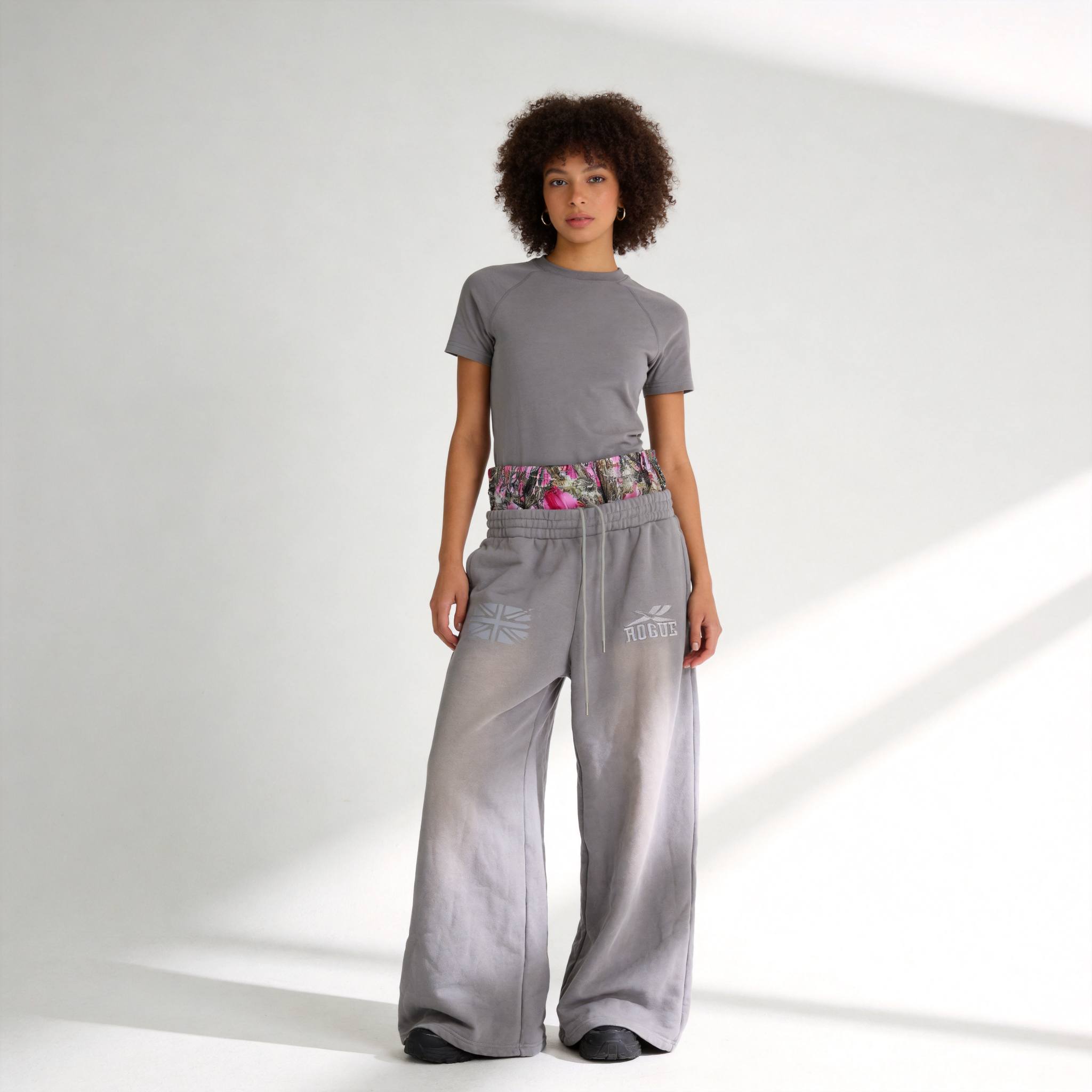
Skinny jeans feature a close-fitting silhouette from hip to ankle, typically using 2–5% spandex for stretch and recovery. Slim fits offer a slightly relaxed leg while maintaining a tailored appearance.nnThese styles target younger demographics, streetwear brands, and fashion-forward retailers. They work well for brands emphasizing modern aesthetics and body-conscious designs.
Straight and Bootcut Jeans
Straight-leg jeans maintain consistent width from knee to hem, offering versatile styling for casual and workwear brands. Bootcut styles feature slight flare below the knee, accommodating footwear and balancing proportions.nnThese classic fits appeal to broad demographics including mature consumers, workwear brands, and wholesale retailers seeking timeless inventory with predictable sell-through rates.
Wide-Leg and Relaxed Fits
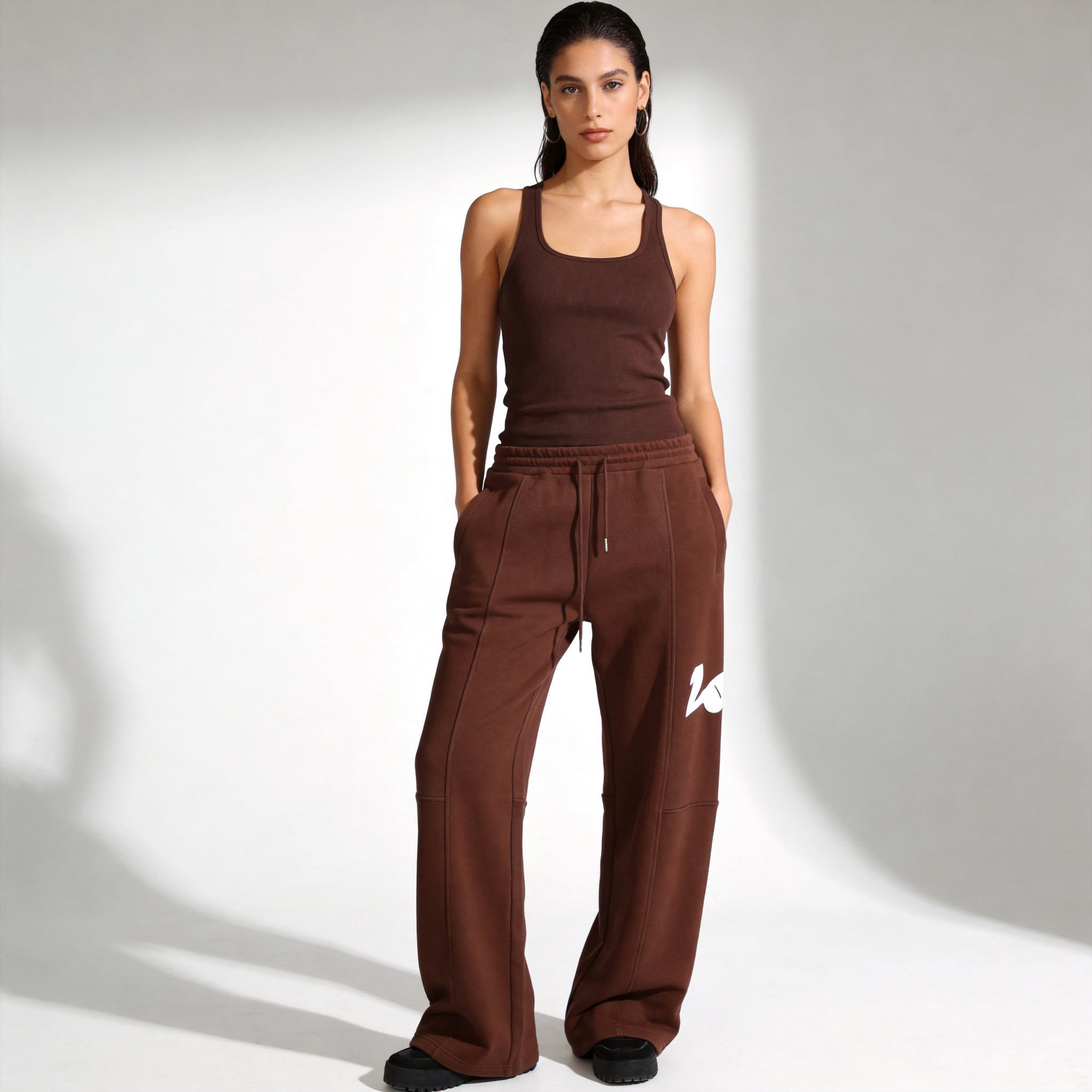
Wide-leg jeans provide generous room through the thigh and leg, often using heavyweight denim (12–14 oz) for structure and drape. Relaxed fits offer comfort-focused silhouettes without extreme volume.nnThese styles suit vintage-inspired brands, resort collections, and plus-size lines. They appeal to consumers prioritizing comfort, modesty, or retro fashion trends.
Rise Variations: High-Rise and Low-Rise
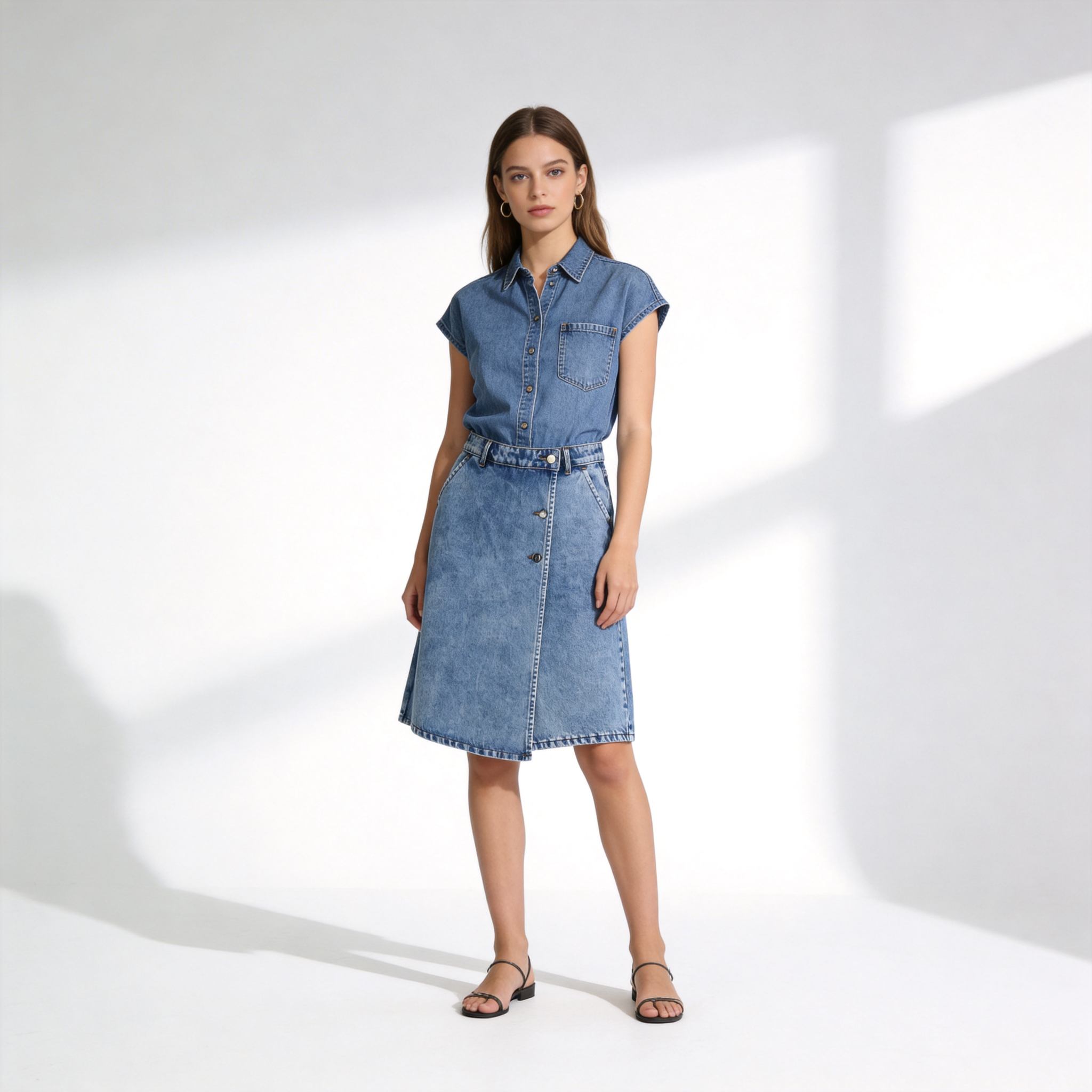
High-rise jeans (10–12 inches front rise) sit at or above the natural waist, offering coverage and elongating effects. Low-rise styles (7–8 inches) sit below the waist, creating a casual, Y2K-inspired aesthetic.nnHigh-rise targets contemporary fashion brands, maternity lines, and body-positive collections. Low-rise appeals to trend-driven streetwear and nostalgic fashion revivals.
Specialty Constructions: Distressed, Stretch, and Performance
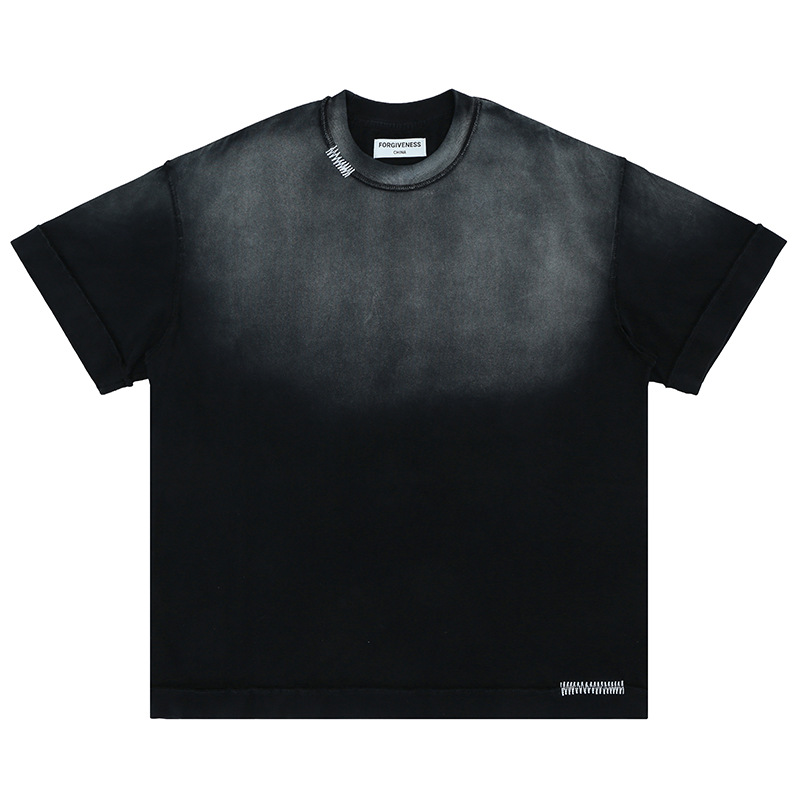
Distressed jeans use enzyme wash, stone wash, or manual distressing for vintage aesthetics. Stretch denim blends 3–10% elastane for mobility and comfort. Performance jeans incorporate moisture-wicking or technical fabrics for activewear crossover.nnZORWILD supports acid wash, vintage wash, and distressed finishing alongside stretch construction and technical fabric sourcing. These categories serve streetwear brands, athleisure lines, and specialty retailers targeting niche consumer needs.
4. Custom Jeans Materials and Fabric Options
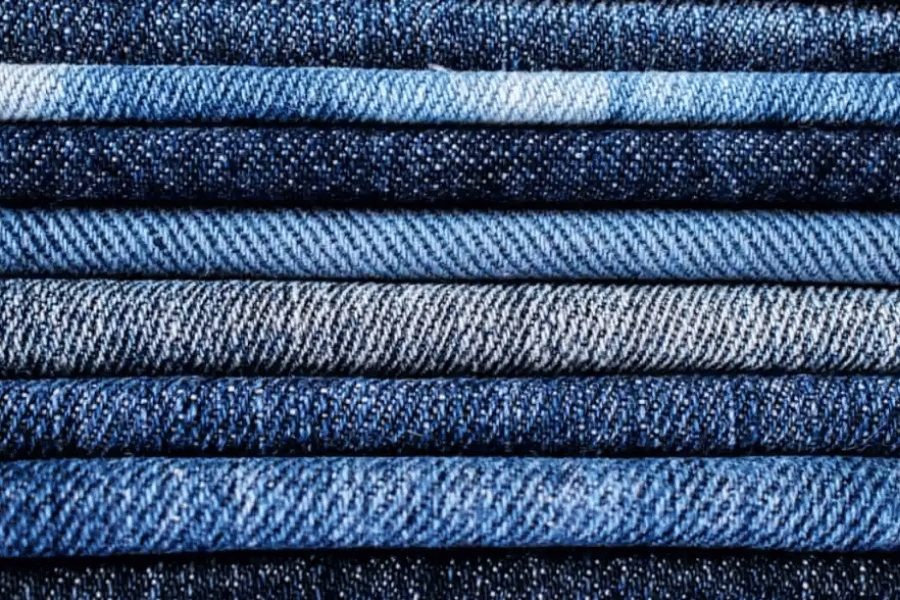
Fabric selection determines the comfort, durability, and market positioning of custom jeans. ZORWILD sources denim from trusted Chinese suppliers, offering cotton, cotton-poly blends, stretch denim, organic cotton, recycled fibers, and performance fabrics with weights ranging from 8 oz to 14 oz.
| Fabric Type | Weight Range | Stretch % | Cost Tier | Best Use Case |
|---|---|---|---|---|
| 100% Cotton | 10–14 oz | 0% | Mid | Heritage, workwear, authentic fades |
| Cotton-Poly Blend | 9–12 oz | 0% | Budget | Value lines, uniforms, fast fashion |
| Stretch Denim | 8–12 oz | 1–5% | Mid-High | Fashion jeans, women’s skinny fits |
| Organic Cotton | 10–13 oz | 0–2% | Premium | Sustainable brands, eco-conscious lines |
| Recycled Denim | 9–12 oz | 0–3% | Mid-High | Eco collections, circular fashion |
| Performance Denim | 8–11 oz | 3–5% | Premium | Activewear, travel jeans, athleisure |
Core Denim Fabric Types
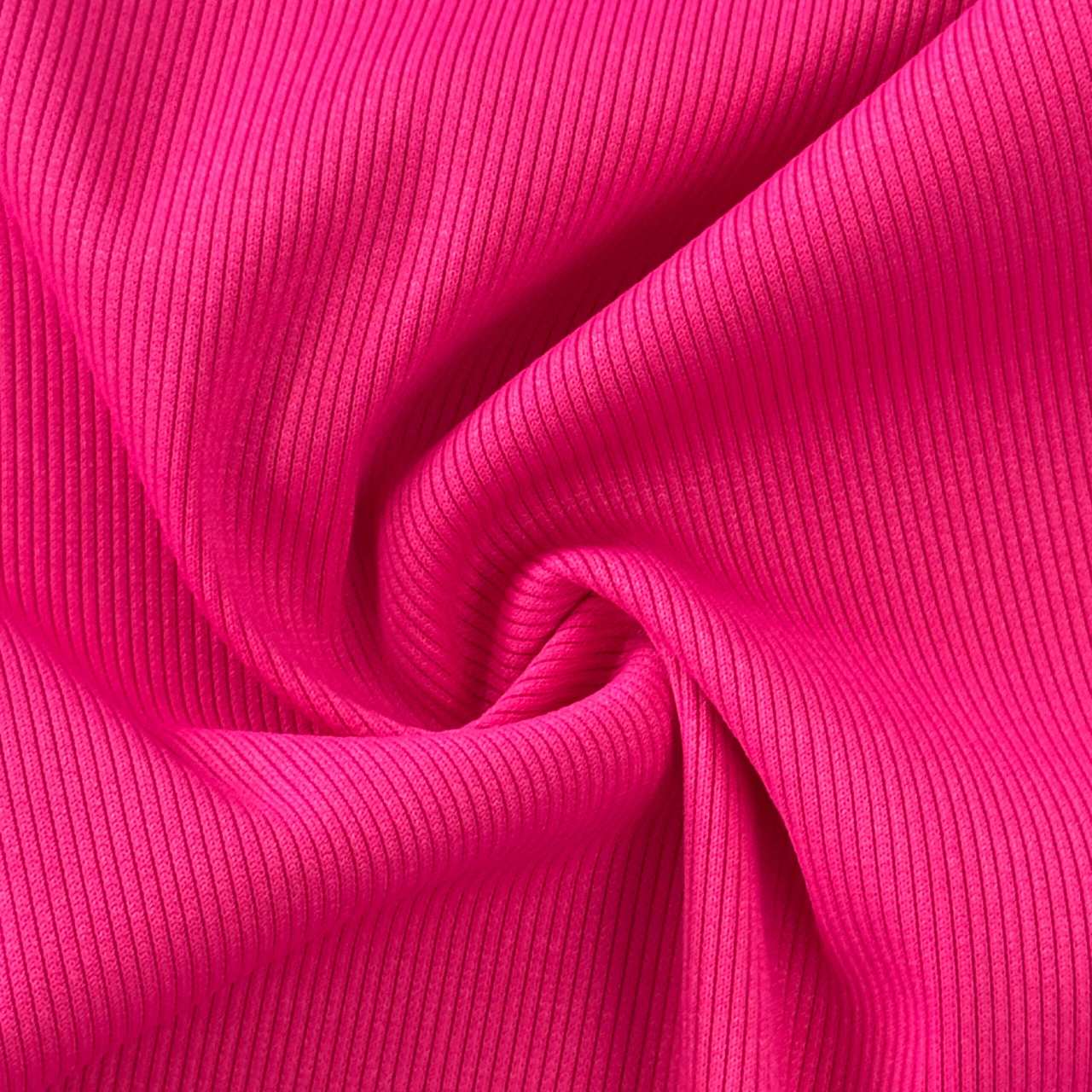
100% cotton denim delivers classic hand feel, breathability, and authentic aging over time. Cotton-polyester blends (typically 70/30 or 80/20) improve wrinkle resistance and reduce production costs, making them ideal for budget-conscious brands.nnStretch denim incorporates 1–5% elastane (spandex) for comfort and recovery. Women’s fashion jeans typically use 2–3% elastane, while men’s comfort-fit styles use 1–2%. Organic cotton denim appeals to eco-conscious brands and commands a 15–30% price premium. Recycled denim blends post-consumer cotton or polyester fibers, reducing environmental impact while maintaining durability.
Fabric Weight and Seasonal Performance
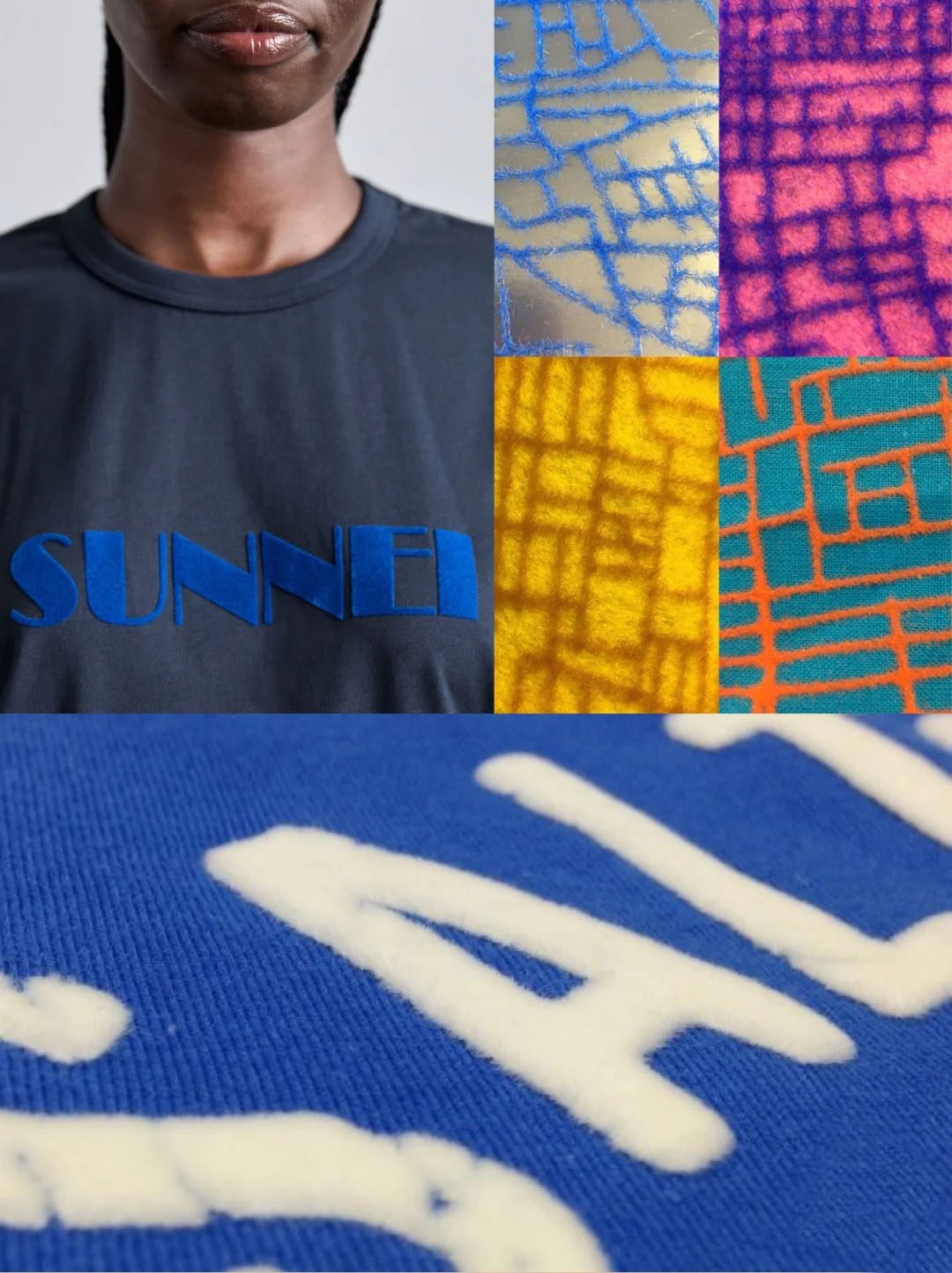
Denim weight, measured in ounces per square yard, ranges from 8 oz lightweight to 14 oz heavyweight. Lightweight denim (8–10 oz) offers superior drape and breathability for summer collections and resort wear. Mid-weight denim (10–12 oz) balances comfort and durability for year-round fashion jeans.nnHeavyweight denim (12–14 oz) provides structure, longevity, and workwear authenticity. ZORWILD recommends 10–11 oz for fashion brands, 12–13 oz for premium streetwear, and 13–14 oz for heritage and workwear collections. Heavier fabrics require longer break-in periods but deliver superior fade patterns and garment lifespan.
5. Customization and Decoration Techniques for Custom Jeans
Custom jeans branding and finishing techniques directly impact brand identity, retail price positioning, and production minimums. ZORWILD supports embroidery, leather patches, woven labels, metal hardware, laser etching, u003ca href=u0022/capability/screen-printing/waterbased-printing/u0022u003escreen printingu003c/au003e, distressing, and wash treatments with setup costs and durability varying significantly across methods.
| Technique | Setup Cost | Per-Unit Cost | Wash Durability |
|---|---|---|---|
| Flat Embroidery | $15–$50 | $0.80–$2.50 | 10,000+ washes |
| Leather Patch | $20–$60 | $0.50–$3.00 | 5,000+ washes |
| Woven Label | $50–$150 | $0.10–$0.40 | 8,000+ washes |
| Custom Rivets/Buttons | $80–$200 | $0.20–$0.80 | Permanent |
| Laser Etching | $30–$80 | $0.30–$1.20 | Permanent |
| Screen Print | $25–$60 | $0.80–$2.00 | 50–100 washes |
| Stone Wash | $0 | $1.20–$2.50 | N/A |
| Acid Wash | $0 | $1.80–$3.50 | N/A |
| Manual Distressing | $0 | $2.00–$5.00 | N/A |
Embroidery and Label Applications
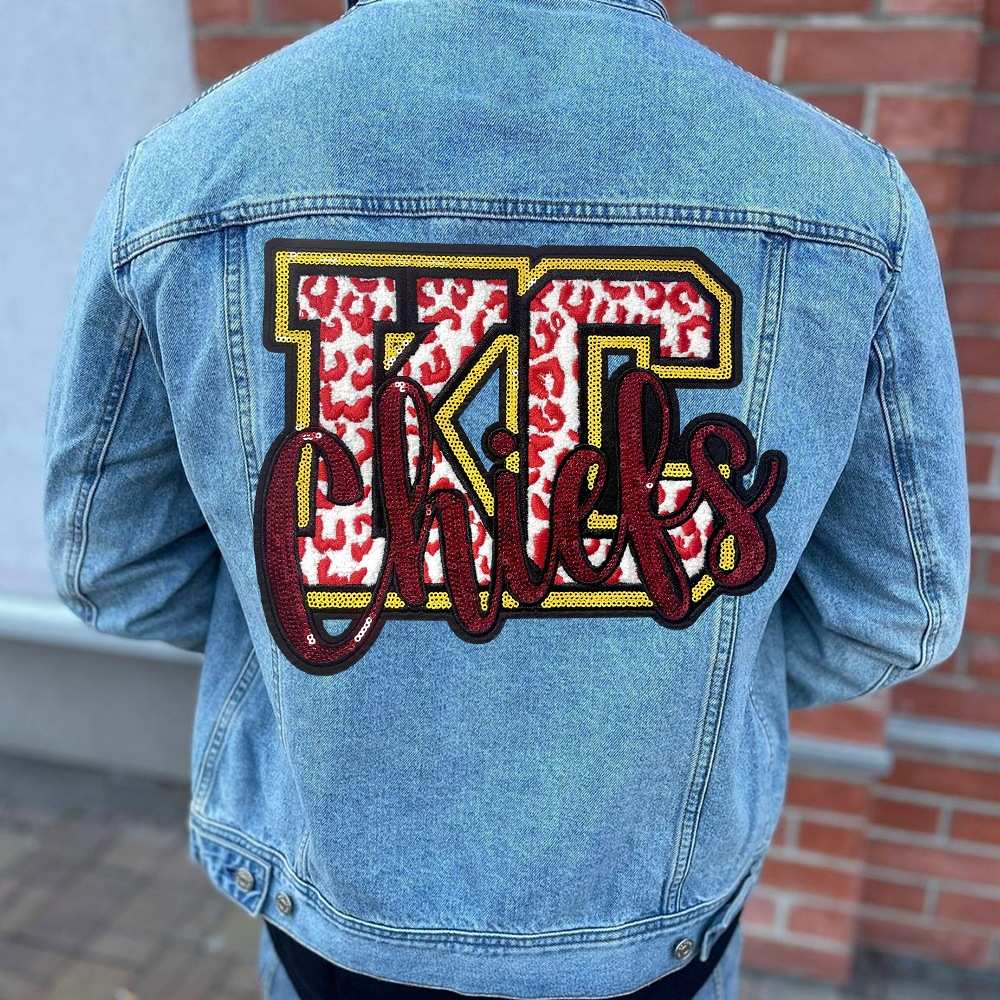
Embroidery on back pockets, waistbands, and coin pockets delivers premium branding with 10,000+ wash durability. Flat embroidery costs $0.80–$2.50 per placement depending on stitch count, while 3D puff embroidery adds $0.40–$1.00 extra. Setup includes digitizing fees of $15–$50 per design.nnLeather patches on waistbands create luxury positioning and cost $0.50–$3.00 per unit based on size and debossing complexity. Woven labels sewn into seams or back pockets range $0.10–$0.40 each with 1,000-piece minimums typical. Printed labels offer lower cost at $0.05–$0.15 but fade faster under repeated washing.
Hardware and Metal Detailing
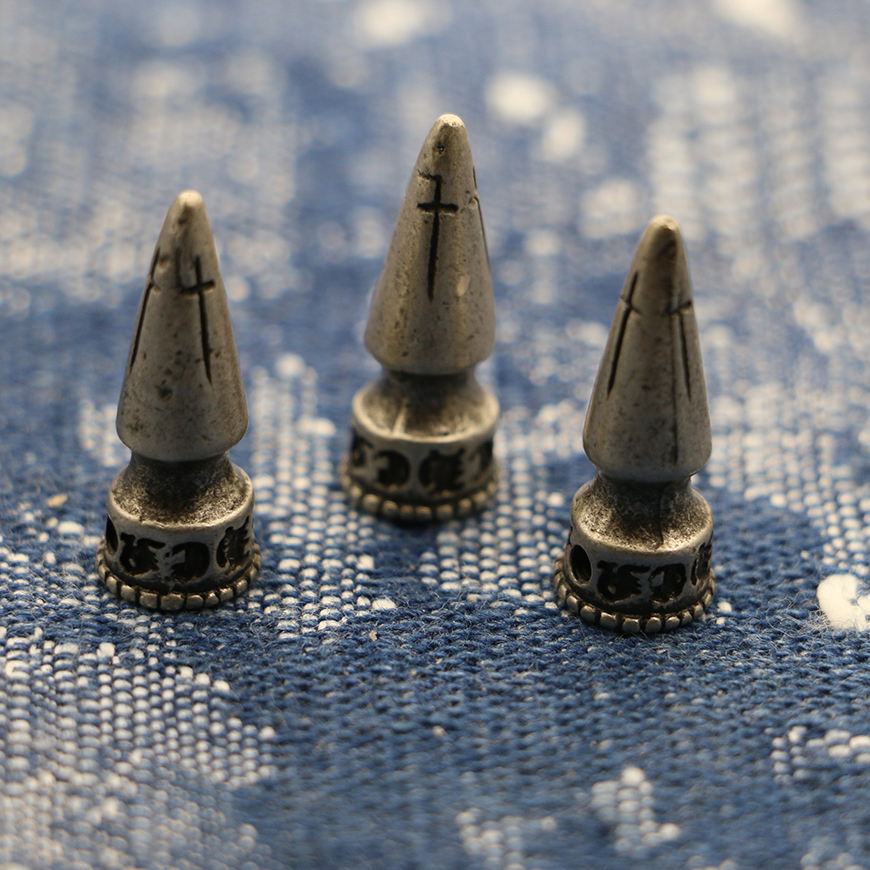
Custom metal rivets, buttons, and hardware reinforce brand identity and functional durability. Standard brass or zinc alloy rivets cost $0.05–$0.15 per set, while custom-engraved or logo-stamped buttons range $0.20–$0.80 each with 500–1,000 piece minimums.nnLaser etching on metal hardware, back pockets, or waistbands provides permanent branding at $0.30–$1.20 per placement with no color limitations. Setup costs run $30–$80 per design with minimal impact on lead times compared to embroidery.
Distressing and Wash Treatments
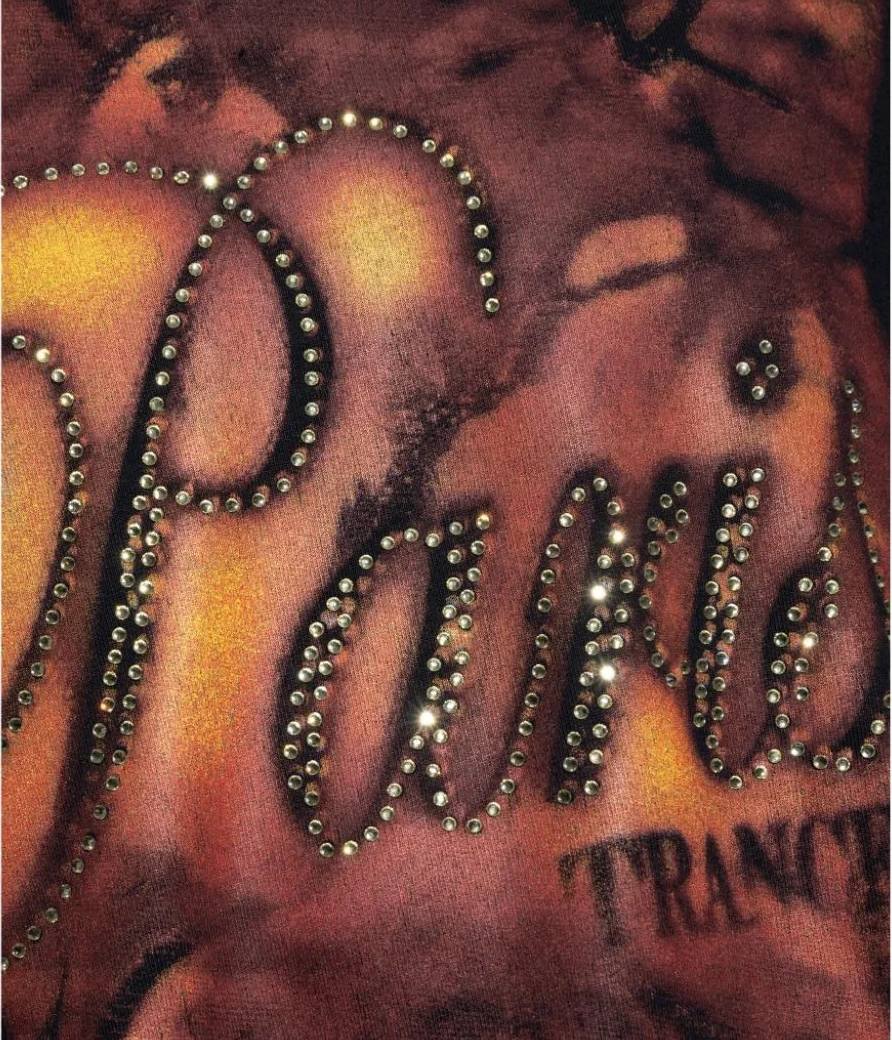
Stone wash, acid wash, enzyme wash, whiskering, and sanding create vintage aesthetics and soft hand feel. Stone wash costs $1.20–$2.50 per unit and delivers consistent fading with moderate fabric softening. Acid wash produces high-contrast vintage effects at $1.80–$3.50 per unit but reduces fabric strength by 8–12%.nnEnzyme wash offers eco-friendly softening at $1.00–$2.00 per unit with minimal strength loss. Manual distressing including whiskering, sanding, and ripping adds $2.00–$5.00 per unit depending on complexity and requires skilled labor. Screen printing on denim costs $0.80–$2.00 per color per placement with 50–100 piece minimums at ZORWILD.
6. Key Quality Elements in Custom Jeans Production
Premium custom jeans are defined by construction details that ensure durability, fit consistency, and professional appearance across every production run. Understanding how to specify and inspect these elements protects brand reputation and reduces returns.
Stitching and Seam Construction
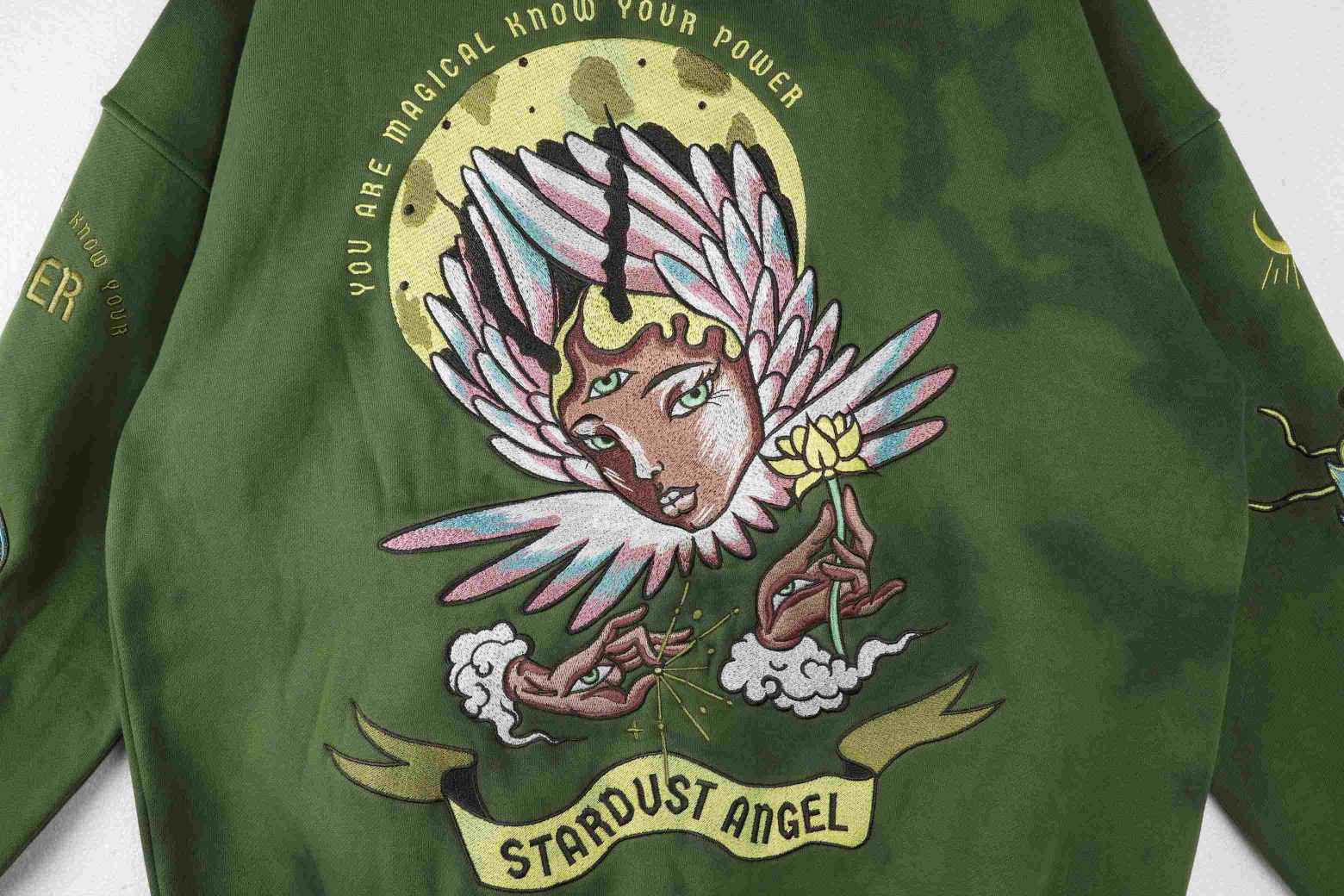
Double-needle stitching at side seams, inseams, and waistbands delivers superior strength and a clean finish compared to single-needle work. Stitch count typically ranges from 10 to 12 stitches per inch for denim; lower counts risk seam failure under stress.nnFlat-felled seams create smooth, enclosed edges that prevent fraying and add structural integrity, while overlock seams are faster but less durable. Bar tacks—reinforced stitching at pocket corners, belt loops, and fly openings—prevent tear-outs at high-stress points and are a hallmark of quality jeans.
Hardware Quality and Durability
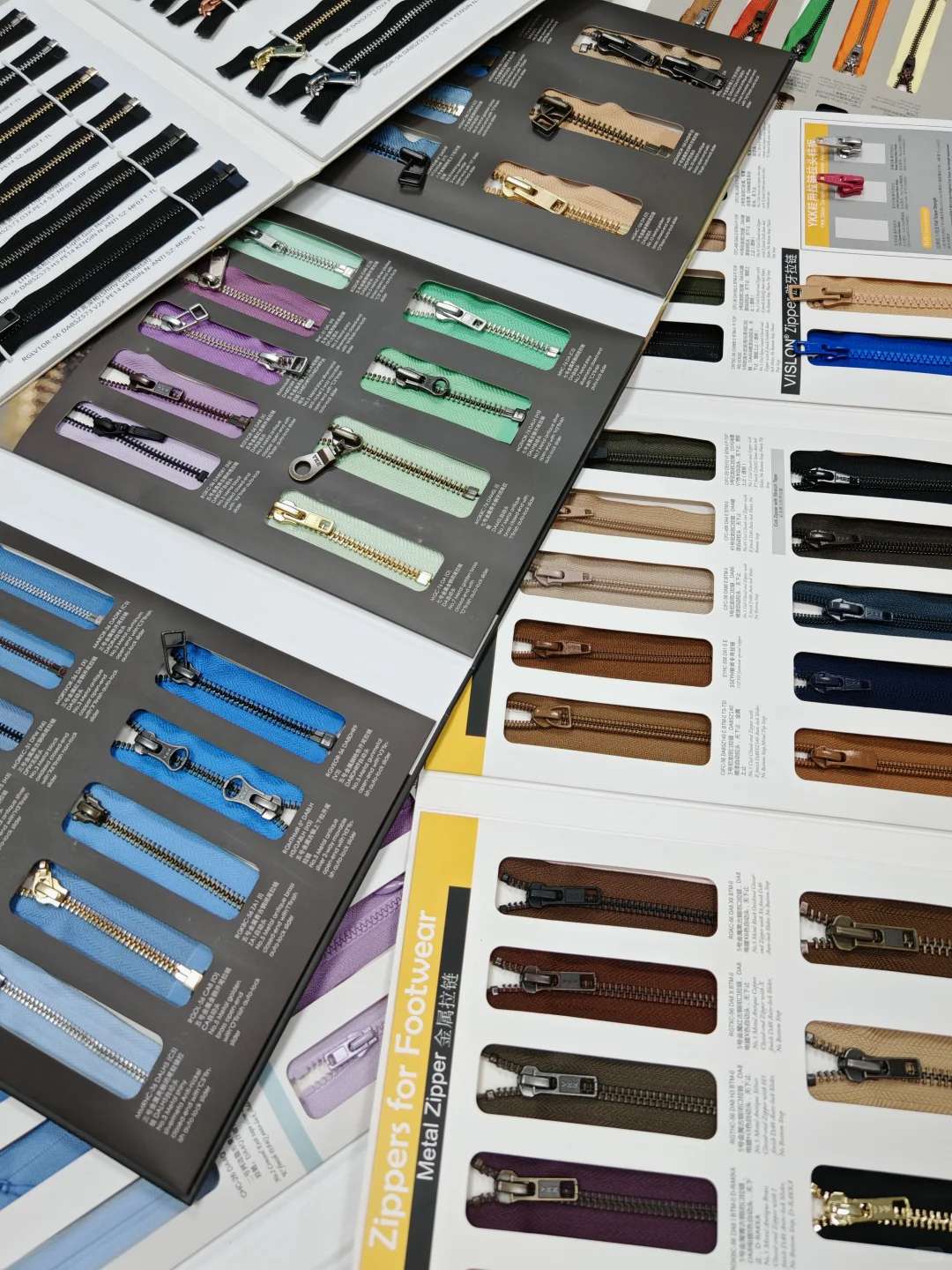
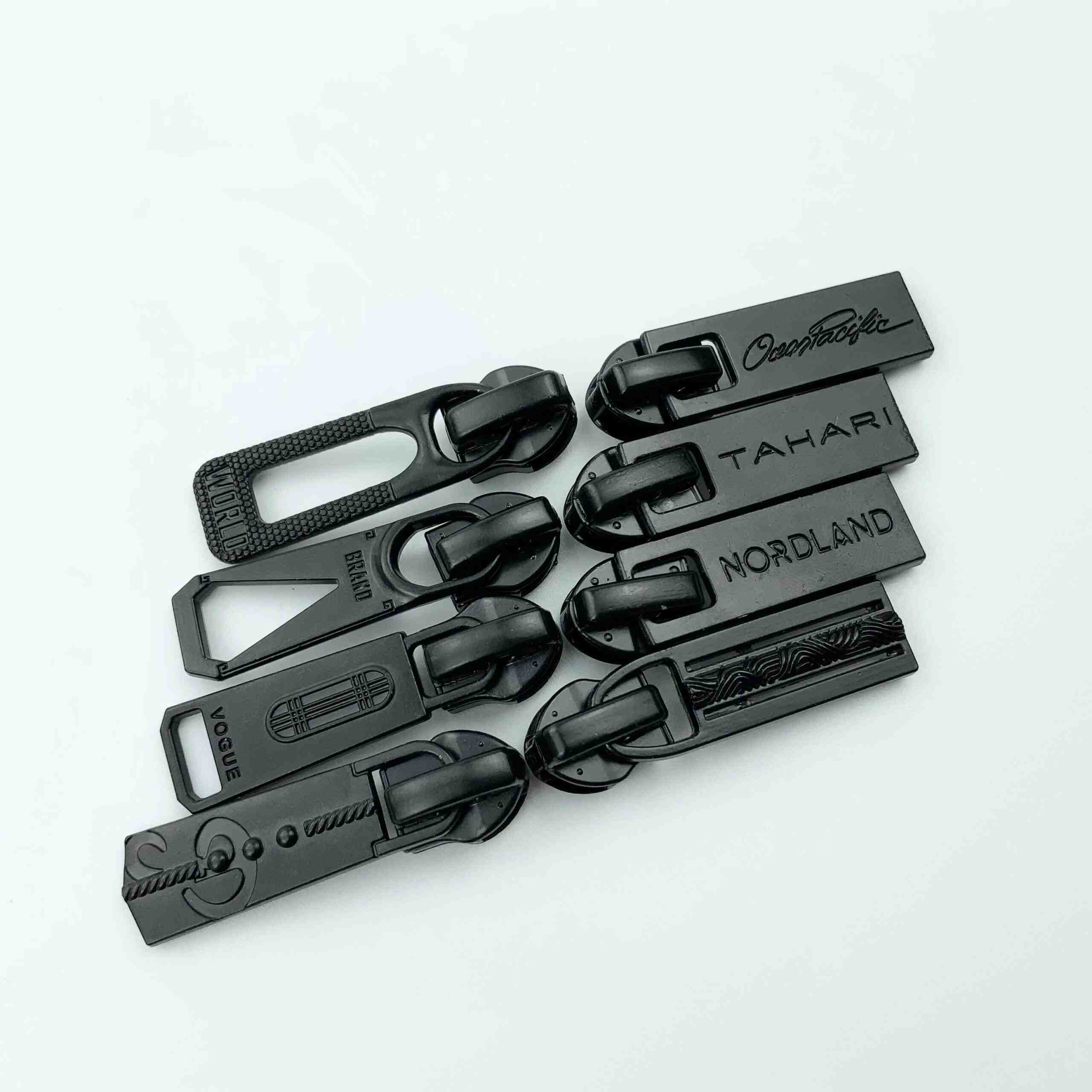
YKK zippers, branded rivets, and metal buttons signal premium construction and withstand repeated washing and wear. Budget hardware often corrodes, discolors, or breaks within months, damaging brand credibility.nnRivets should be double-capped and securely fastened at pocket corners and stress points. Branded or custom-engraved hardware elevates perceived value and reinforces brand identity on every garment.
Fit Consistency and Pre-Production Samples
Fit consistency across production runs depends on precise pattern grading, fabric pre-shrinking, and strict measurement tolerances—typically ±0.5 cm for waist and inseam. Pre-production samples allow brands to verify measurements, wash effects, hardware placement, and construction quality before committing to bulk orders.nnZORWILD’s quality control system includes raw material inspection, in-line production checks, measurement verification, and final product inspection to ensure every pair meets approved sample standards and maintains fit integrity across sizes.
7. How to Choose a Custom Jeans Manufacturer
Selecting the right custom jeans manufacturer determines product quality, lead times, and long-term brand success. A systematic evaluation framework helps brands compare factory capabilities, compliance standards, and service flexibility before committing to production.
Verify Factory Certifications and Compliance
Request copies of ISO 9001 (quality management), WRAP (workplace standards), BSCI (social compliance), and OEKO-TEX (textile safety) certificates to confirm ethical production and quality systems. Factories with these certifications typically maintain documented processes, worker welfare programs, and chemical safety protocols.nnZORWILD holds relevant compliance documentation and operates from Humen, Dongguan, a globally recognized garment manufacturing hub with mature supply-chain infrastructure and regulatory oversight.
Assess MOQ Flexibility and Production Capacity
Startup brands require 50–100 piece minimums per style to test markets and manage cash flow, while established brands may need 500–5,000 piece runs for wholesale distribution. Confirm whether the factory offers tiered pricing and can scale as your brand grows.nnZORWILD supports low MOQ production starting from 50 pieces across multiple denim categories and maintains monthly capacity exceeding 100,000 units, enabling both small capsule launches and large seasonal orders.
Review Sample Lead Times and Portfolio
Request sample turnaround times (typically 7–14 days for jeans) and ask to see past client portfolios, reference photos, or case studies demonstrating wash effects, fit consistency, and decoration quality. Evaluate whether the factory has experience with your target market aesthetic.nnCheck client testimonials, production timelines, and whether the manufacturer offers design support, tech pack development, and fabric recommendations for brands without in-house technical teams.
Evaluate Communication and Payment Terms
Responsive communication via email, WhatsApp, or video calls indicates reliable project management. Clarify payment structures (30% deposit, 70% before shipment is common), confirm IP protection policies for proprietary designs, and review shipping terms (FOB, DDP, air vs. sea freight).nnDomestic manufacturers offer faster shipping and easier visits but higher per-unit costs; overseas suppliers like ZORWILD provide lower pricing, broader fabric access, and scalable capacity with slightly longer lead times but professional export logistics support.
8. Common Mistakes When Ordering Custom Jeans
Even experienced brands encounter costly production errors when ordering custom jeans. Understanding common pitfalls and implementing preventive measures saves time, money, and protects brand reputation across international manufacturing partnerships.
Underestimating Fabric Shrinkage and Wash Testing
Denim typically shrinks 3–7% after the first wash depending on cotton content, weave density, and finishing processes. Brands that skip pre-production wash testing often receive garments that fit perfectly unwashed but become unwearable after customer laundering.nnZORWILD conducts shrinkage testing on every denim fabric before cutting patterns, adjusting measurements to compensate for expected shrinkage. Request wash test reports and pre-shrunk fabric options to ensure consistent sizing after customer care cycles.
Ignoring Size Grading Accuracy Across the Range
Poor grading creates fit inconsistencies where a size medium fits perfectly but size XL has disproportionate rise, inseam, or waist-to-hip ratios. Many manufacturers grade mechanically without accounting for body proportion changes across sizes.nnAlways request a full size run sample (at least three sizes: S, M, XL) before bulk production. ZORWILD’s pattern team adjusts grading rules for each style, ensuring proportional fit across 50-piece startup orders and 10,000-unit production runs.
Skipping Pre-Production Samples
Brands ordering bulk production based only on photos or descriptions face costly surprises in fabric weight, wash appearance, hardware quality, and construction details. Pre-production samples reveal potential issues before committing to thousands of units.nnZORWILD provides sampling services starting from single prototypes, allowing clients to evaluate fit, fabric hand feel, distressing effects, embroidery quality, and hardware durability before mass production begins.
Unclear Tech Packs Leading to Miscommunication
Vague sketches, missing measurements, undefined wash codes, and incomplete trim specifications cause production delays and quality disputes. Professional tech packs include flat sketches, measurement charts, fabric specifications, Pantone codes, wash references, and construction notes.nnZORWILD’s development team assists brands without design experience, converting inspiration images and reference garments into production-ready tech packs with complete specifications for cutting, sewing, washing, and finishing.
Neglecting Compliance and Labeling Standards
Different markets require specific labeling (fiber content, care instructions, country of origin) and flammability standards. Non-compliant garments face customs delays, retailer rejection, or legal penalties in the United States, EU, and other regulated markets.nnZORWILD provides compliant label printing, care instruction tags, and export documentation meeting US CPSC flammability standards, EU textile regulations, and country-specific labeling requirements for smooth customs clearance.
Choosing Price Over Quality
The lowest quote often signals shortcuts in fabric grade, thread quality, hardware durability, or quality control systems. Cheap jeans with poor stitching, weak rivets, or fading dye damage brand reputation and increase return rates.nnZORWILD balances competitive pricing with quality assurance, using YKK zippers, copper rivets, bar-tack reinforcement, and multi-stage inspection to deliver custom jeans that meet professional brand standards from 50-piece MOQ orders to large-scale production.
9. Steps to Launch Your Custom Jeans Brand
Launching a custom jeans brand requires coordinated execution across design, sourcing, production, and go-to-market strategy. First-time buyers typically need 90–120 days from concept to first shipment, with startup budgets ranging from $3,000 for 50-piece low-MOQ runs to $15,000+ for 500-piece orders including sampling, production, and logistics.
Market Research and Target Customer Definition
Define your niche before contacting manufacturers: streetwear oversized fits, sustainable organic denim, vintage distressed styles, or premium selvedge collections each require different fabric weights, washes, and price points. Analyze competitor pricing, Instagram engagement rates, and retail margins to set realistic wholesale ($18–35) and retail ($60–120) price targets.nnIdentify whether you will sell direct-to-consumer via Shopify, wholesale to boutiques, or partner with influencers for capsule drops. ZORWILD serves startup brands testing 50-piece collections and established labels scaling to 5,000+ units per style, allowing flexible market entry strategies.
Design and Tech Pack Creation
Prepare tech packs specifying fit (skinny, straight, wide-leg, flare), rise (low, mid, high), leg opening width, pocket styles (five-pocket, cargo, utility), and hardware (YKK zippers, metal buttons, rivets). Include flat sketches, measurement charts (waist, inseam, thigh, knee, hem), and reference photos for washes and distressing.nnZORWILD’s development team converts inspiration images, reference garments, or rough sketches into production-ready tech packs, reducing design barriers for first-time buyers without in-house pattern makers.
Fabric and Trim Sourcing
Select denim weight (8 oz lightweight, 12 oz mid-weight, 14 oz heavyweight, 16+ oz raw selvedge) and composition (100% cotton, cotton-spandex stretch blends, organic cotton, recycled denim). Coordinate trims including custom woven labels, leather patches, metal rivets, contrast stitching thread (gold, orange, white), and branded buttons.nnZORWILD maintains relationships with trusted fabric suppliers across China, ensuring stable material availability for cotton denim, stretch denim, organic certified fabrics, and technical performance blends without requiring clients to source independently.
Manufacturer Selection and Sampling
Request samples to evaluate fit accuracy, wash consistency, stitching quality (chain stitch hems, bar tacks at stress points), and decoration execution (laser etching, embroidery, distressing). Budget $80–150 per sample style and allow 10–15 days for sample production and international shipping.nnZORWILD’s 50-piece MOQ allows brands to test multiple washes or fits in a single production run, reducing inventory risk while gathering customer feedback before scaling to larger orders.
Production, Quality Control, and Logistics
Bulk production timelines range from 25–40 days depending on order size, wash complexity, and decoration techniques. ZORWILD’s quality control system includes fabric inspection, in-line sewing checks, measurement verification, wash consistency review, and final packaging inspection before shipment.nnCoordinate sea freight (30–45 days, lowest cost per unit), air freight (5–10 days, higher cost), or express delivery (3–7 days, sample or urgent orders). ZORWILD provides export documentation, customs support, and door-to-door shipping options to simplify international logistics for first-time importers.
Go-to-Market Strategy
Launch via Shopify or WooCommerce for direct-to-consumer control, approach independent boutiques for wholesale accounts with 2.0–2.5× markup expectations, or collaborate with micro-influencers (10K–100K followers) for product seeding and affiliate partnerships. Allocate 15–25% of your first order budget for professional product photography, packaging design, and initial marketing.nnZORWILD supports influencer and social media brands with speed and flexibility for viral fashion products, merch collections, and streetwear capsules, offering custom packaging, hang tags, and branded labels to create premium unboxing experiences that drive organic social sharing.
10. Custom Jeans Pricing and Cost Breakdown
Custom jeans pricing varies by quantity tier, fabric grade, and decoration complexity. ZORWILD’s 50-piece MOQ allows startup brands to launch collections with unit costs ranging from $12–$38 depending on denim weight, hardware quality, and wash techniques. Economy-grade stretch denim with basic hardware starts at $12–$15 per unit at 50 pieces, while premium selvedge or heavyweight raw denim with YKK zippers and complex acid wash can reach $28–$38 per unit at the same tier.nnSetup costs typically include sampling fees of $80–$150 per style and one-time decoration setup charges. u003ca href=u0022/capability/screen-printing/silicone-printing/u0022u003eScreen printingu003c/au003e adds $1.50–$3.00 per placement, embroidery $2.00–$5.00 depending on stitch count, and laser engraving $1.00–$2.50 per panel. Vintage wash, distressing, and enzyme treatments add $2–$6 per garment depending on process intensity and manual finishing requirements.nnLead times decrease with volume: 50–100 pieces require 25–30 days, 500 pieces 20–25 days, and 1,000+ pieces 18–22 days after sample approval. Fabric weight, hardware origin (domestic vs. imported YKK), and wash complexity are the primary cost drivers. Sea freight from Dongguan to North America adds approximately $1.50–$2.50 per unit; air freight $6–$9 per unit.nnTotal landed cost for a 100-piece order of mid-tier custom jeans typically includes unit cost ($16), decoration ($3), sampling ($120 total), and sea freight ($200 total), resulting in $21.20 per piece delivered.
| Quantity Tier | Economy Denim | Mid-Tier Denim | Premium Denim | Lead Time (Days) |
|---|---|---|---|---|
| 50 pieces | $12–$15 | $16–$22 | $28–$38 | 25–30 |
| 100 pieces | $11–$14 | $15–$20 | $25–$35 | 22–28 |
| 500 pieces | $9–$12 | $13–$17 | $22–$30 | 20–25 |
| 1,000+ pieces | $8–$11 | $11–$15 | $19–$28 | 18–22 |
Ready to Launch Your Custom Jeans Collection?
Start with just 50 pieces. 27 years of expertise, full OEM/ODM support, and 6-stage quality control. Contact us today for a quote.