
Rope Embroidery: Twisted-Rope Texture for Premium Apparel
Create rich, embossed rope embroidery details on custom hoodies, varsity jackets, and streetwear with our 27-year manufacturing expertise, 50-piece MOQ, and 7-day sampling.
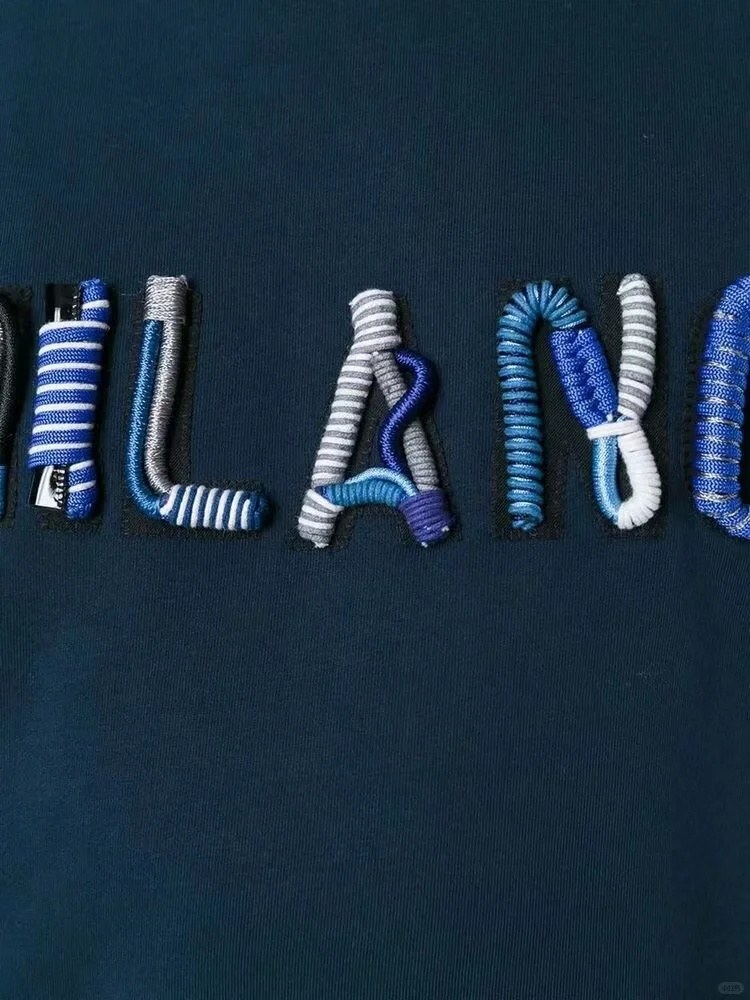
Rope Embroidery Sample Gallery
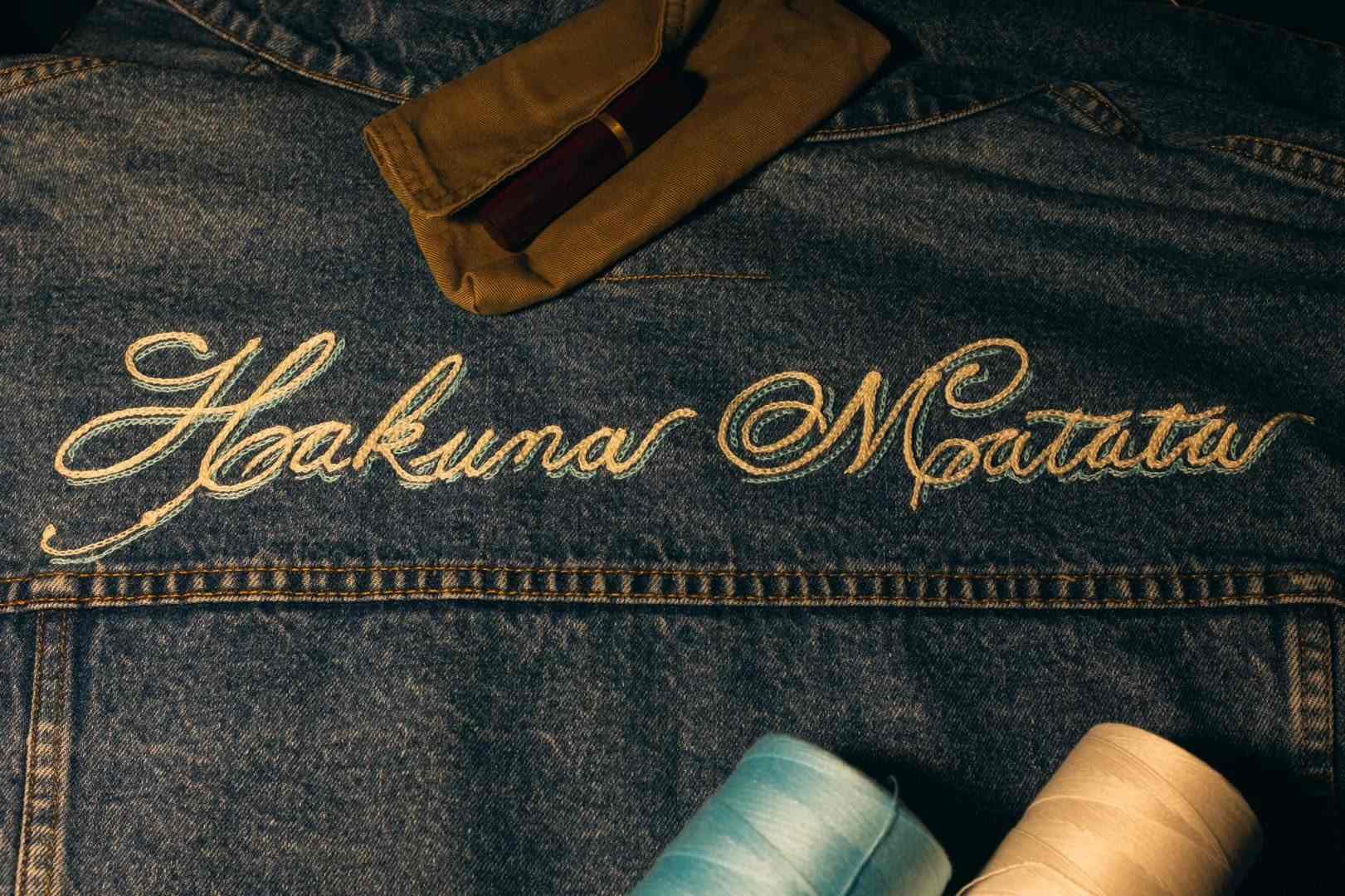
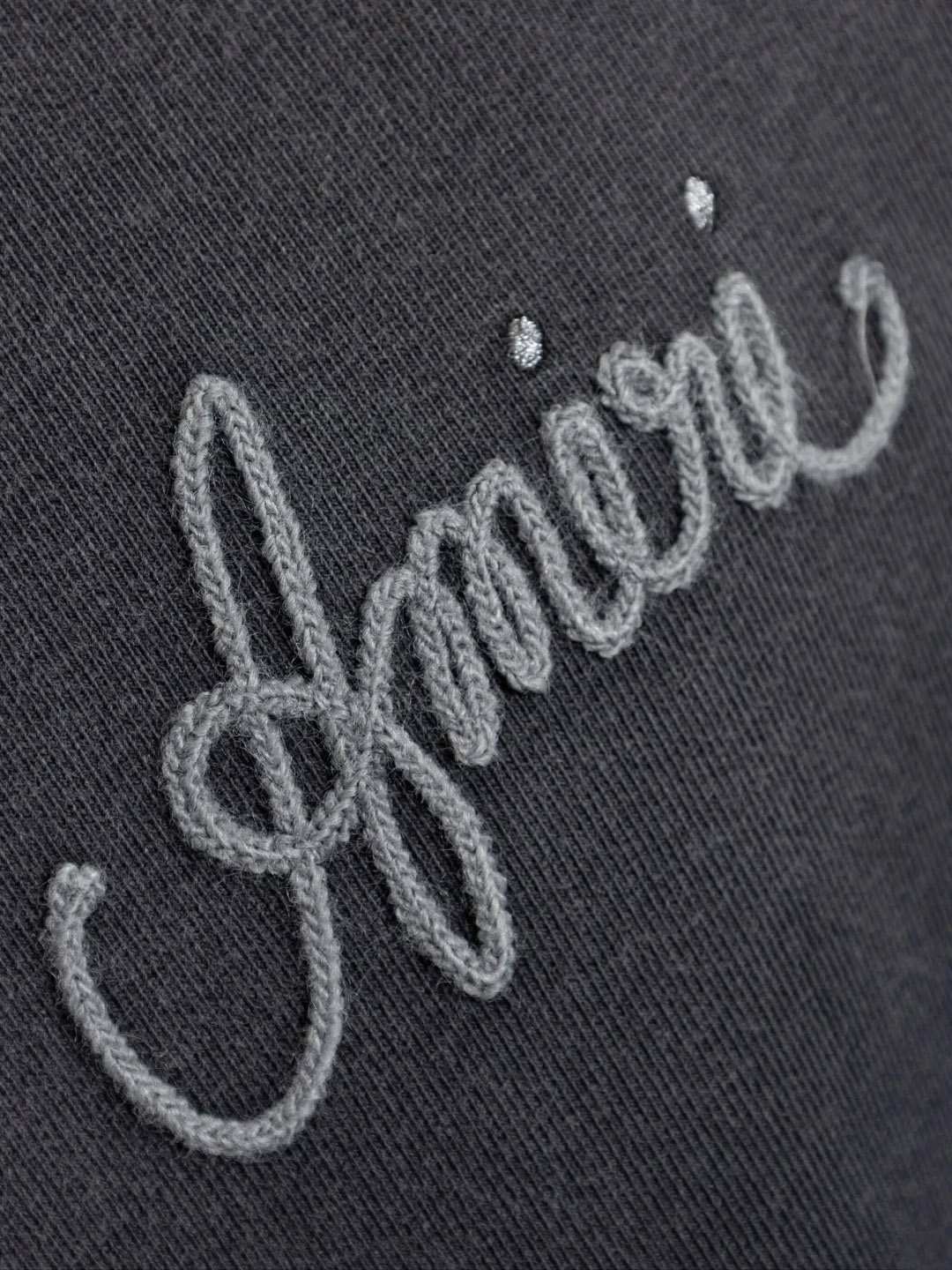
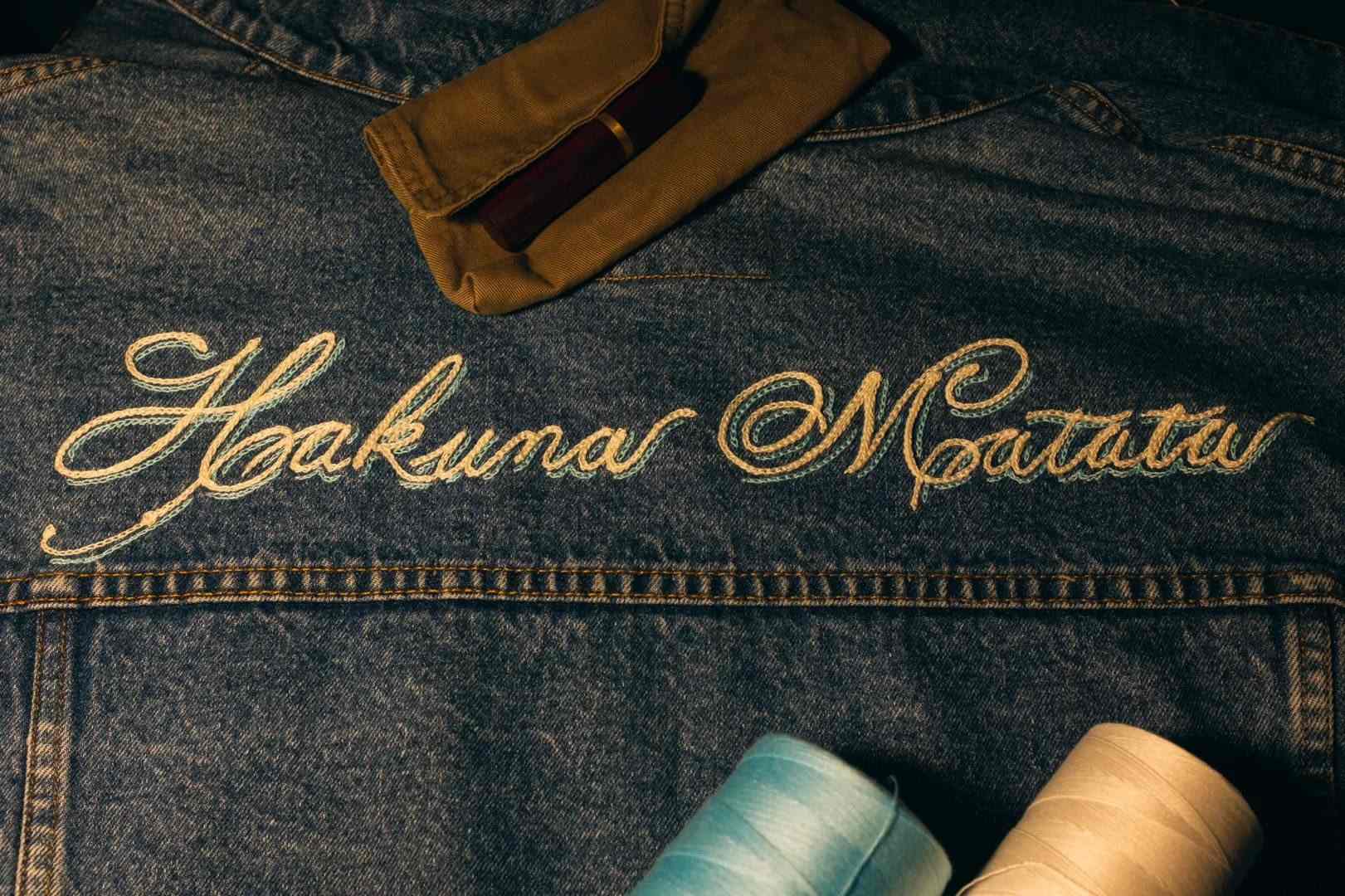
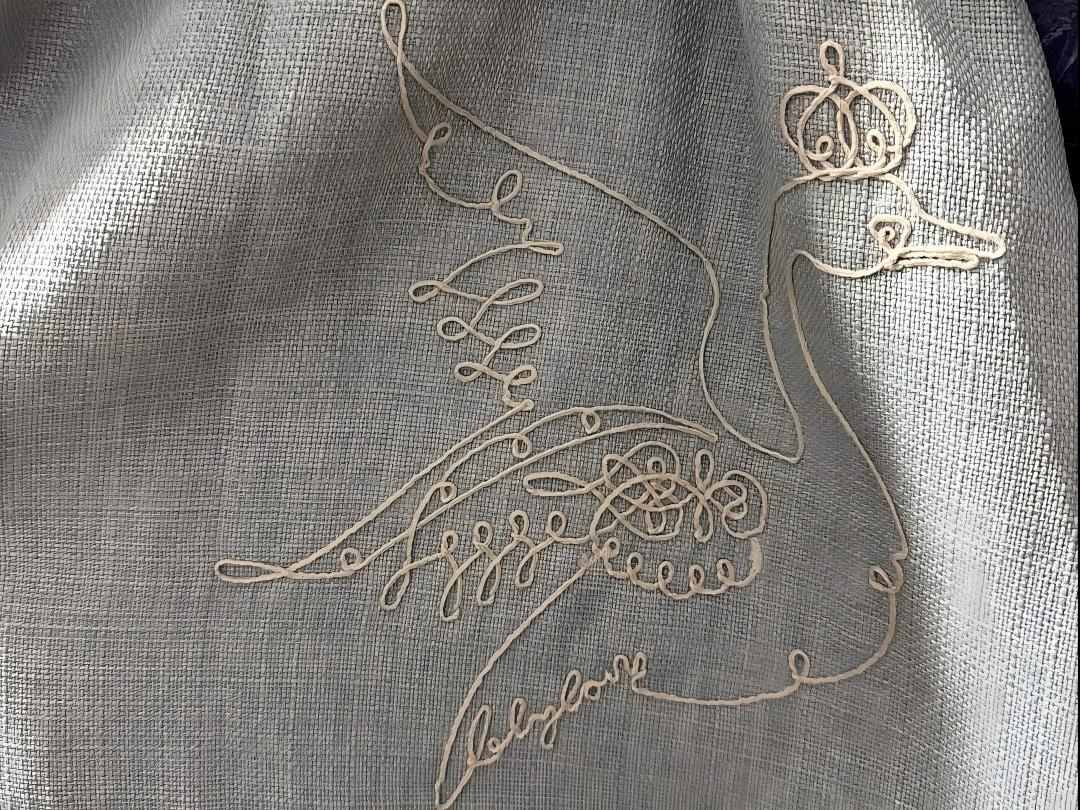
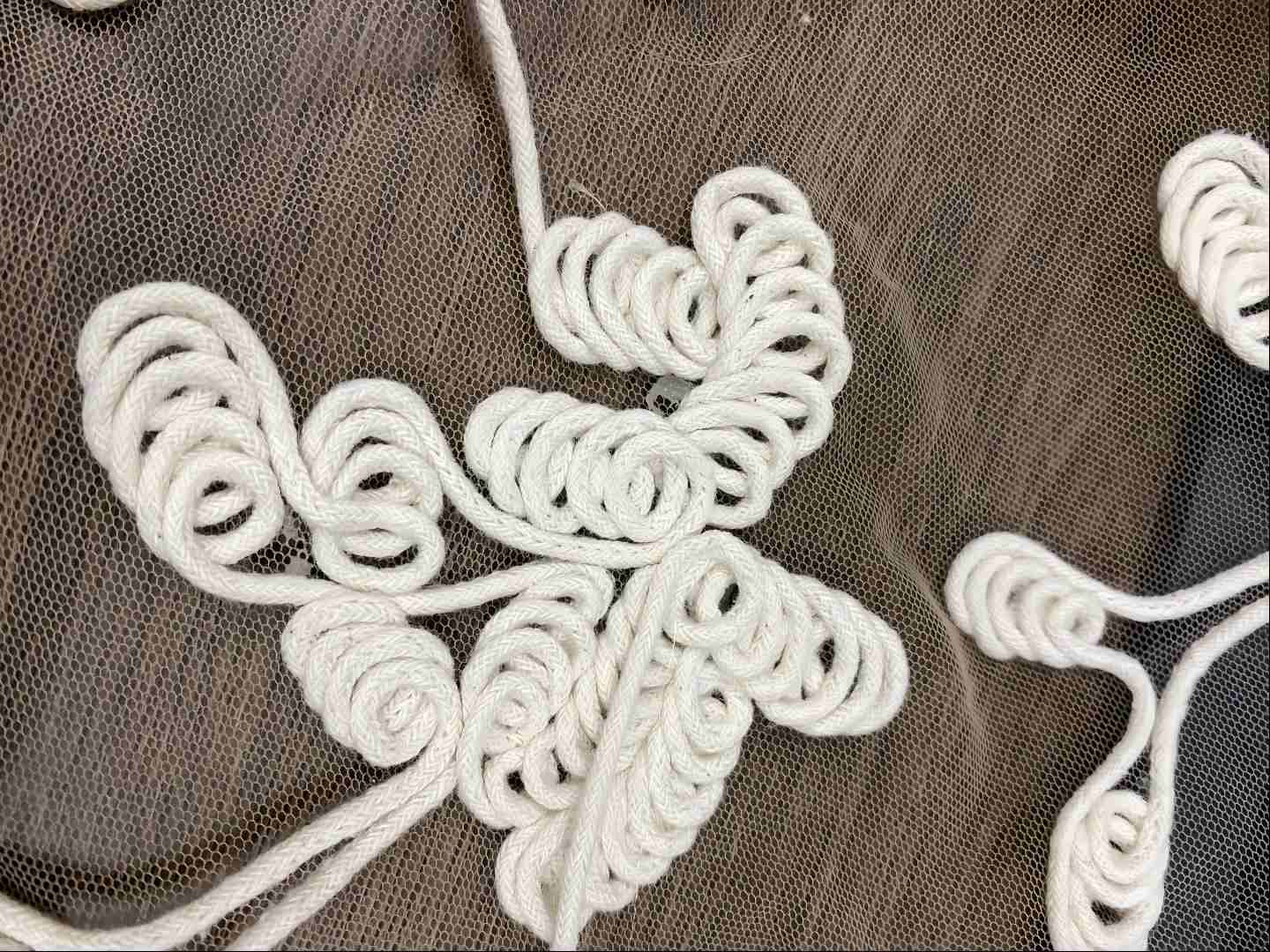
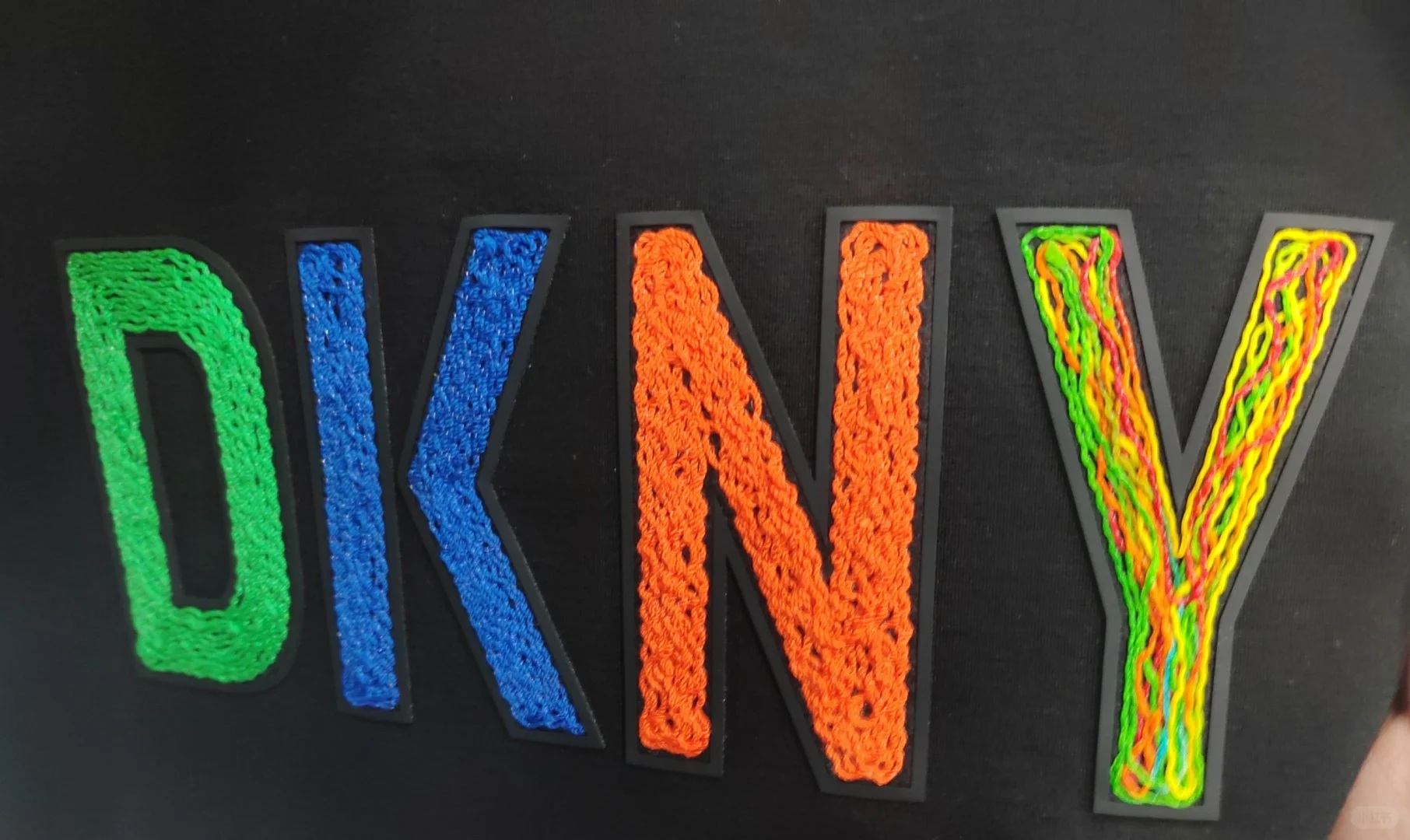
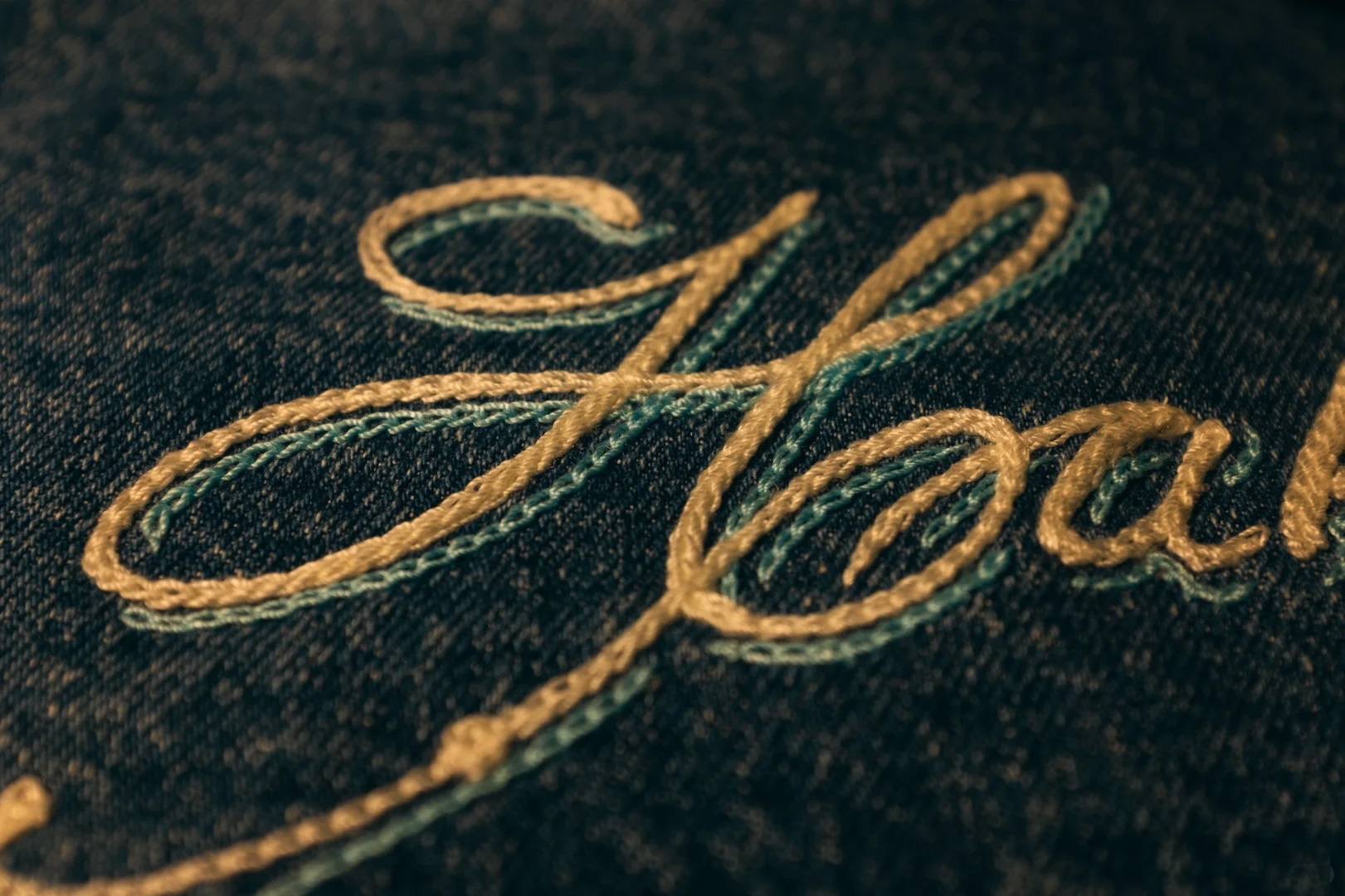
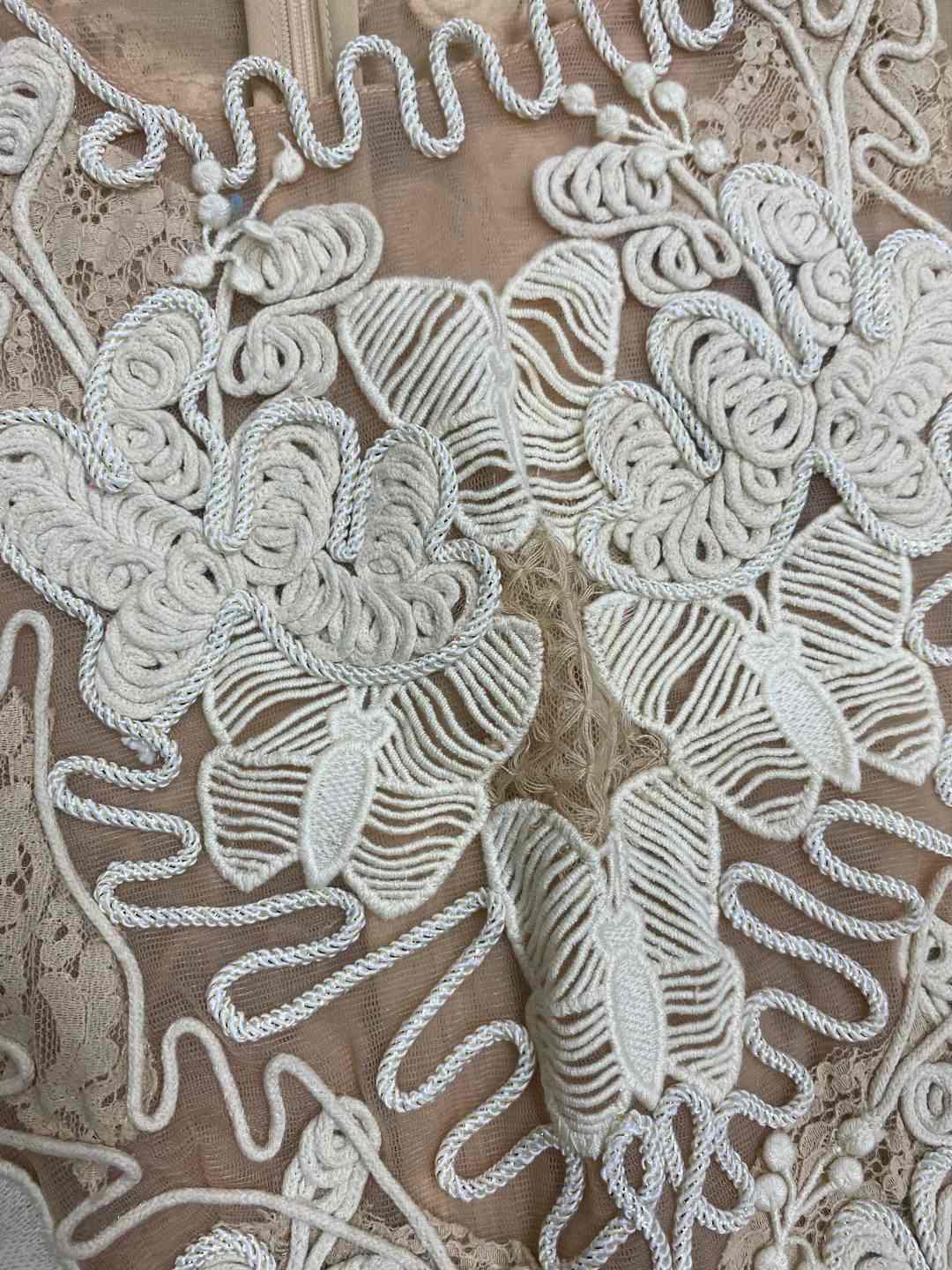
What Makes Rope Embroidery Distinctive
Rope embroidery delivers a twisted-chain stitch structure that creates rich dimensional texture and premium visual impact unmatched by flat or standard 3D embroidery techniques.
Twisted-Chain Stitch Structure
Each stitch forms an interlocking chain that mimics the appearance of actual rope, creating authentic tactile depth and visual interest.
Raised Embossed Appearance
The rope texture stands prominently above the fabric surface, delivering bold dimensional impact that catches light and draws attention.
Rich Dimensional Texture
Multiple thread layers create luxurious depth and premium hand feel that elevates logos, monograms, and decorative elements instantly.
Perfect for Curved Outlines
The flexible chain structure follows smooth curves and circular borders seamlessly, ideal for logos, badges, and decorative trim work.
Durable High-Stitch Density
Tight interlocking stitches resist fraying and wear, ensuring rope embroidery maintains its premium appearance through repeated washing cycles.
Luxury Brand Aesthetic
Rope embroidery conveys premium craftsmanship and exclusivity, making it the preferred choice for high-end fashion and professional branding.
Embroidery Techniques u0026 Application Categories
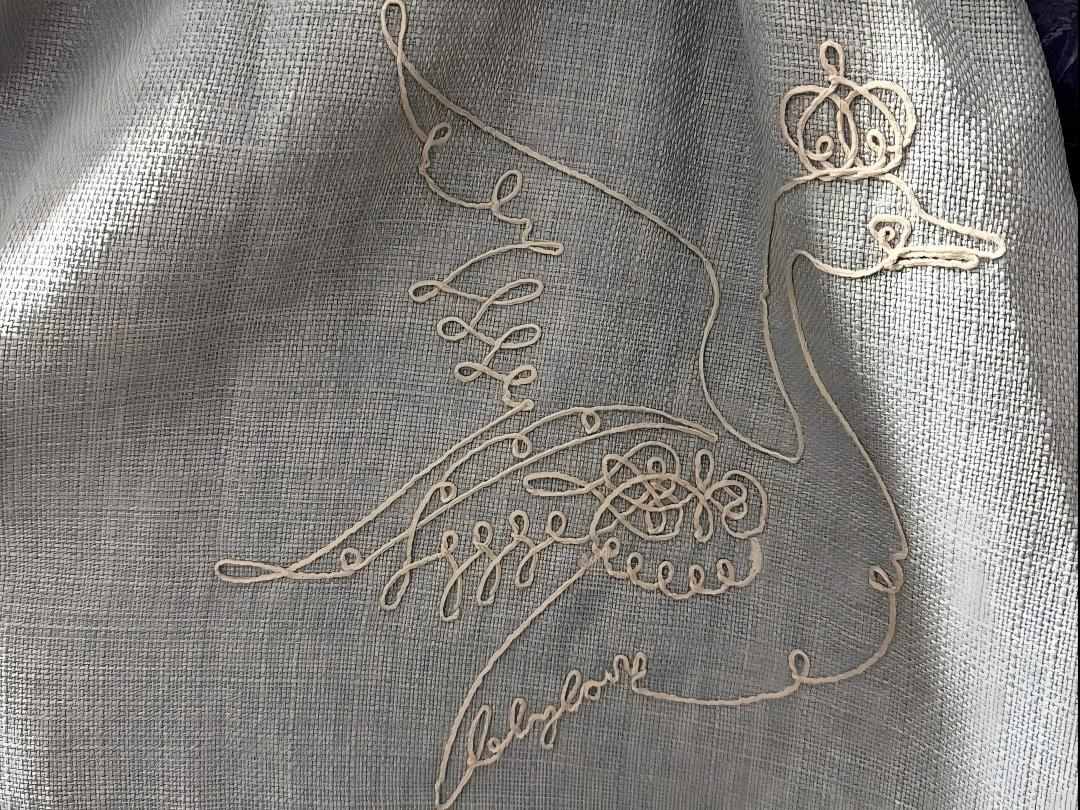
Custom Embroidery
Full-spectrum embroidery services spanning flat, 3D, chenille, applique, towel, metallic, and sequin techniques with precise stitch density control and thread quality management. Ideal for brands requiring multiple decoration methods across hoodies, varsity jackets, and streetwear collections. In-house capabilities support complex multi-technique applications with consistent positioning accuracy and color matching across production runs.
Get a Quote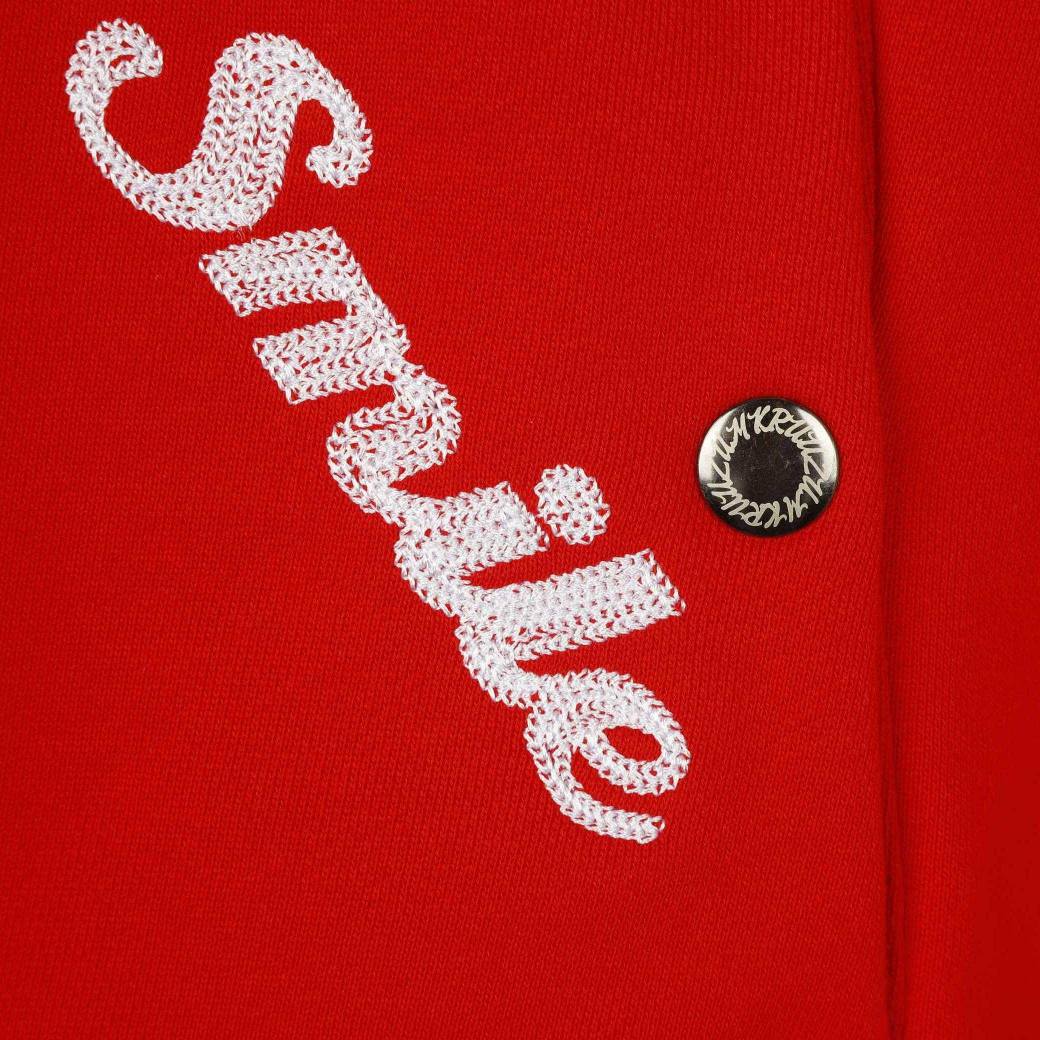
Chain Stitch Embroidery
Traditional rope-like stitch technique creating continuous interlocking loops for retro collegiate lettering, vintage sportswear graphics, and heritage brand logos. Commonly applied to varsity jackets, bomber jackets, and vintage-inspired hoodies where dimensional texture and nostalgic aesthetic are priorities. Offers faster production than chenille with similar visual impact and excellent durability through repeated washing cycles.
Get a Quote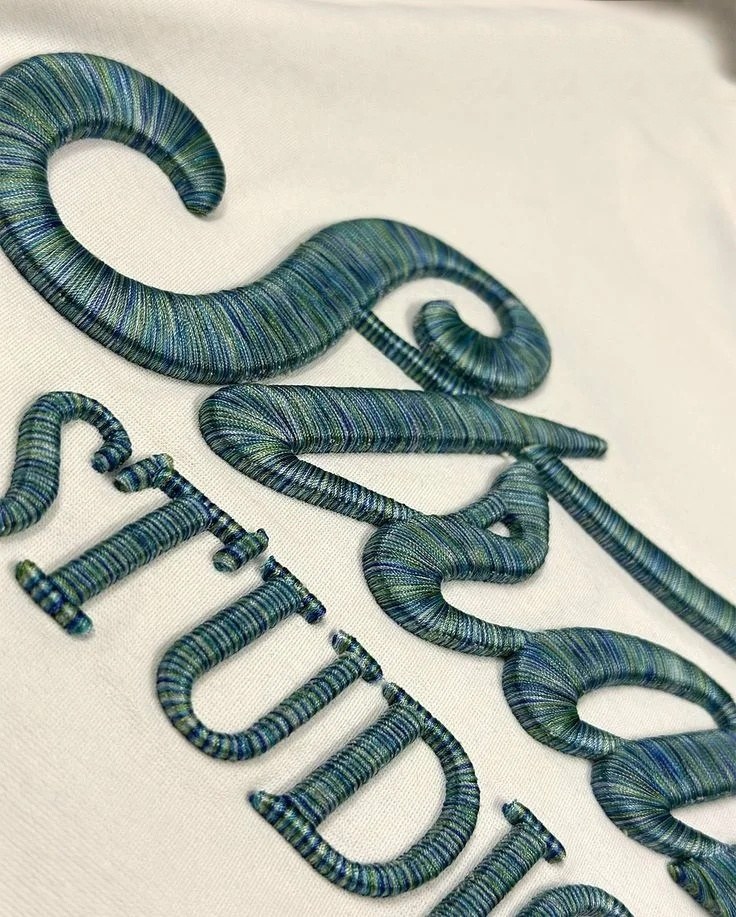
3D / Puff Embroidery
Raised dimensional embroidery using foam underlay beneath satin stitches to create bold, tactile graphics standing 3-5mm above garment surface. Perfect for streetwear brands, athletic logos, and contemporary fashion statements on hoodies, sweatshirts, and caps. Delivers maximum visual impact and premium brand perception while maintaining flexibility and wash durability across heavyweight fleece and cotton substrates.
Get a Quote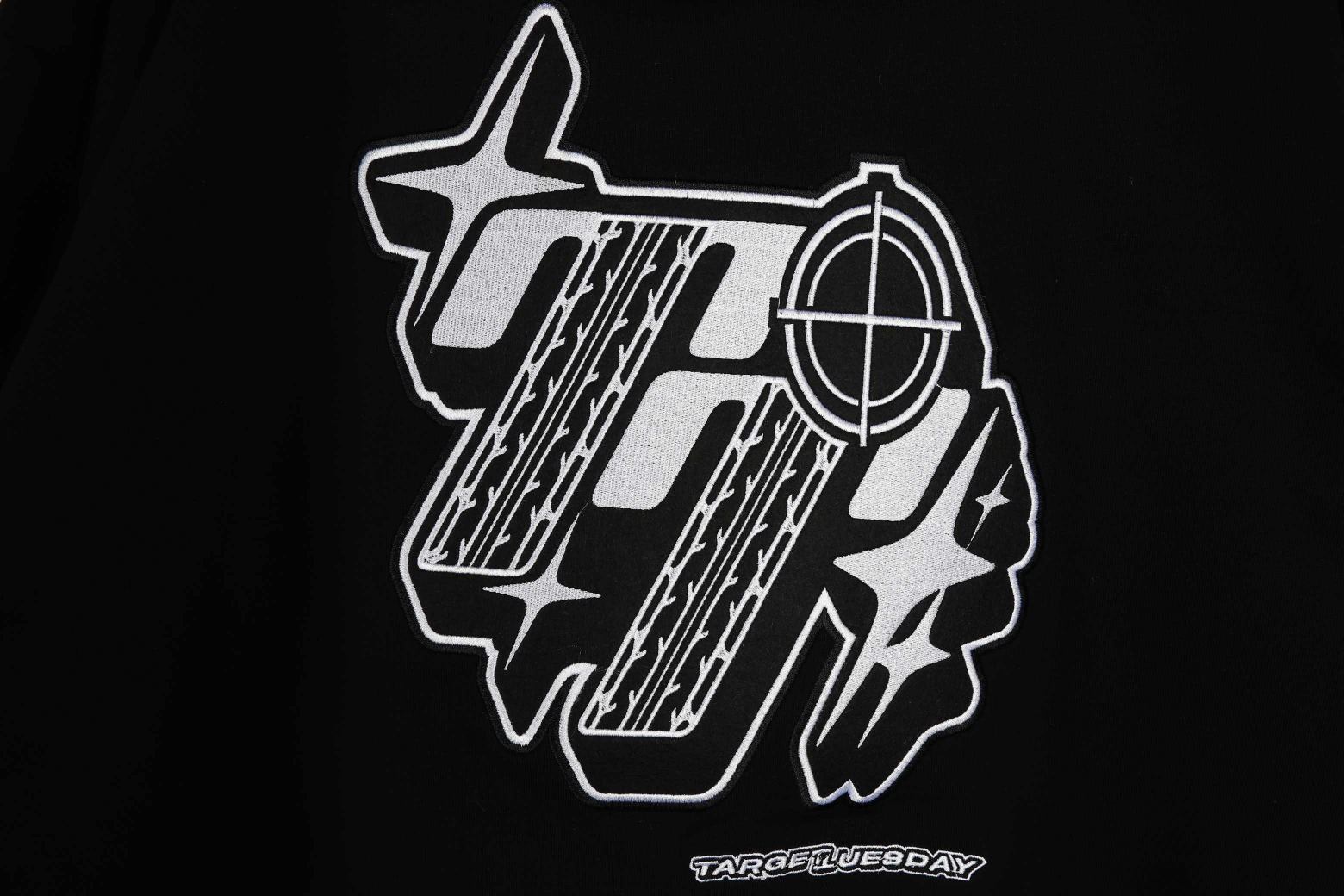
Flat Embroidery
Classic satin stitch embroidery producing smooth, professional surface finish for corporate logos, uniform branding, and refined fashion details. Most versatile technique across all fabric weights from lightweight poplin shirts to heavyweight outerwear. Offers sharpest detail reproduction, tightest stitch control, and broadest thread color selection for brands prioritizing clean, polished brand presentation and long-term embroidery durability.
Get a Quote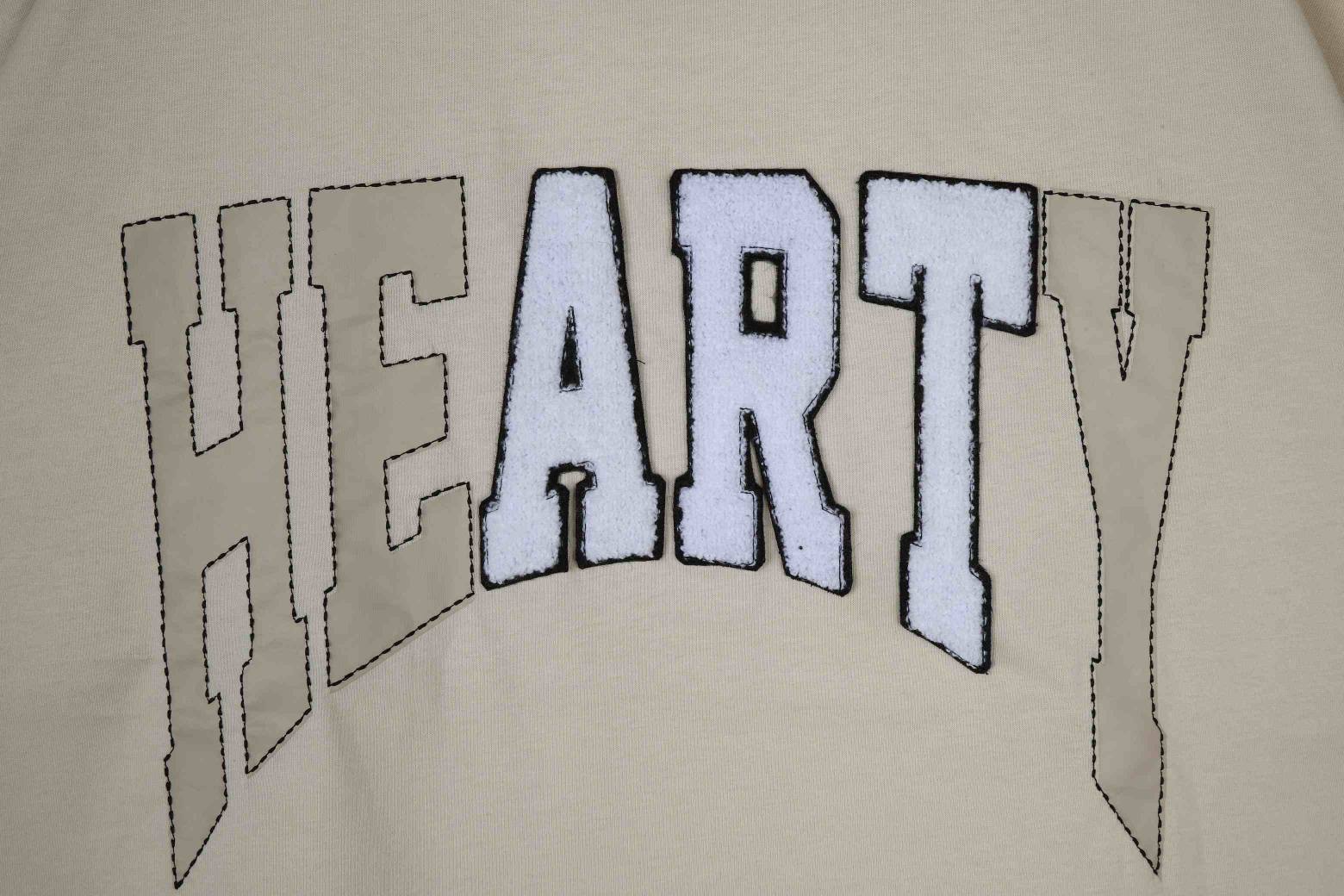
Towel Embroidery
High-pile looped stitch technique creating soft, absorbent terry cloth texture for plush lettering and textured logo applications. Primarily used on luxury hoodies, premium sweatshirts, and resort wear where tactile softness and unique surface dimension differentiate brand identity. Requires careful tension management and compatible base fabrics to prevent distortion while achieving signature fluffy appearance.
Get a Quote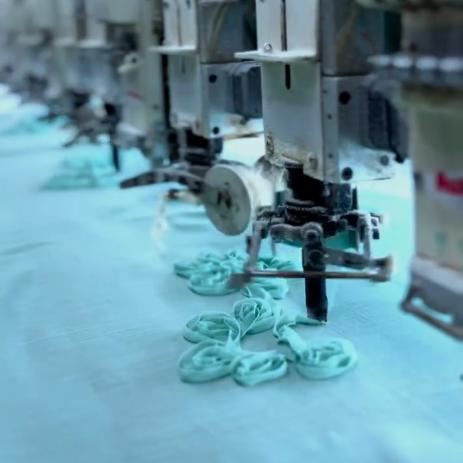
Ribbon Embroidery
Decorative technique incorporating narrow satin or grosgrain ribbon into embroidery patterns for dimensional floral motifs, luxury fashion accents, and couture garment details. Best suited for dresses, eveningwear, bridal collections, and high-end casualwear requiring elegant three-dimensional embellishment. Combines traditional embroidery stitching with ribbon weaving to create sophisticated texture and visual depth unavailable through thread alone.
Get a Quote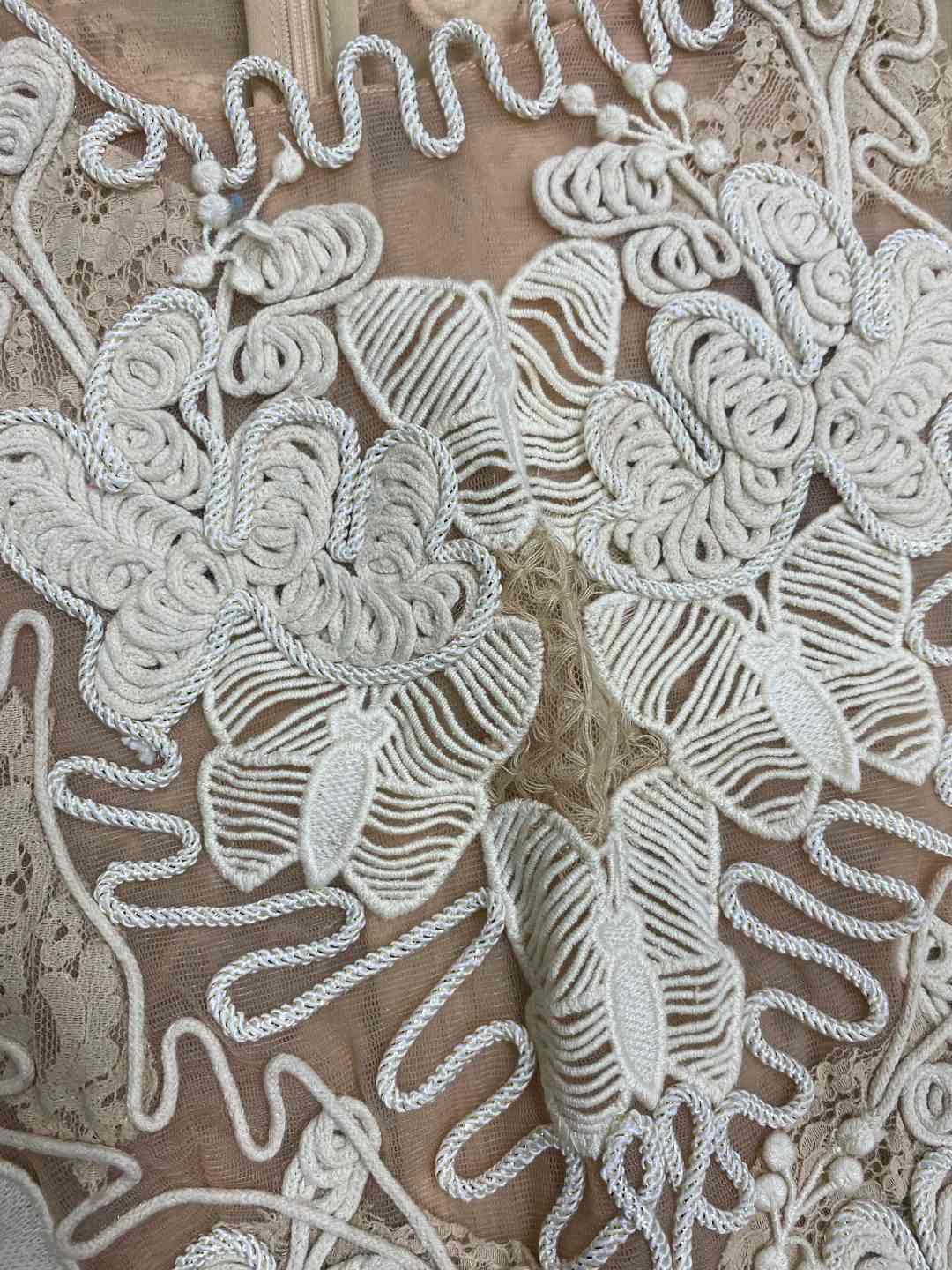
Sequin Embroidery
Automated sequin application integrated with embroidery stitching for high-shine decorative effects on eveningwear, performance costumes, and fashion statement pieces. Sequins are sewn individually or in continuous strings to create sparkling logos, borders, and all-over patterns. Ideal for dresses, stage wear, and party collections where light reflection and glamorous visual impact justify higher decoration costs and specialized care requirements.
Get a Quote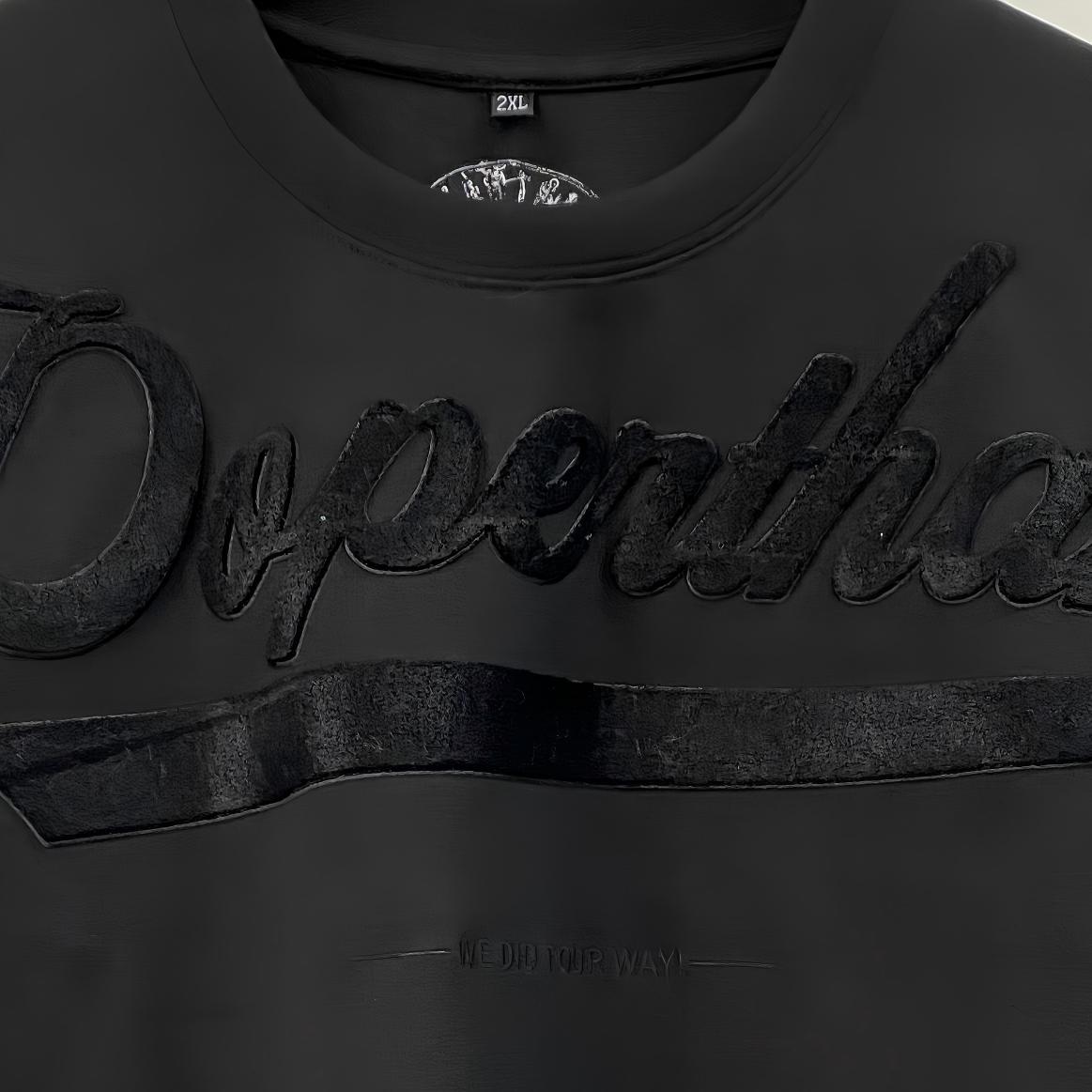
Toothbrush Embroidery
Specialty brush-like embroidery creating dense, upright fiber texture resembling miniature bristles for bold lettering and graphic elements. Delivers rugged, tactile surface ideal for workwear branding, outdoor apparel, and utilitarian fashion collections. Offers exceptional durability and distinctive appearance that differentiates products in crowded streetwear and heritage workwear markets while maintaining professional finish through industrial laundering.
Get a Quote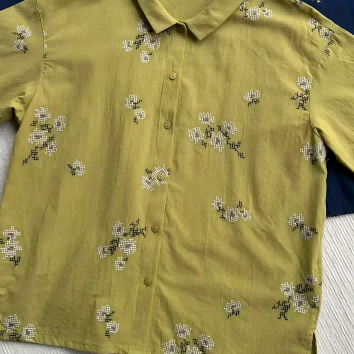
Cross Stitch Embroidery
Traditional hand-embroidery-inspired technique using X-shaped stitches to create folk art patterns, rustic branding, and artisan fashion details. Commonly applied to bohemian dresses, resort wear, denim jackets, and heritage-inspired casualwear where handcrafted aesthetic and cultural authenticity enhance brand storytelling. Automated production replicates hand-stitch appearance while maintaining consistency and scalability for commercial fashion collections.
Get a Quote27 Years of Rope Embroidery Expertise
Founded in 1998 in Humen, Dongguan, ZORWILD has evolved from a small family workshop into a professional apparel manufacturer specializing in advanced decoration techniques including rope embroidery. Our founder learned every stage of garment craftsmanship from the ground up, building a company rooted in precision, quality, and responsibility across every production detail.
Today, ZORWILD serves over 2,000 fashion brands worldwide with a team of more than 200 skilled workers and monthly production capacity exceeding 100,000 units. We support rope embroidery applications on varsity jackets, streetwear hoodies, custom shirts, and premium outerwear, delivering dimensional texture and luxury visual impact that elevates brand identity.
Our 6-stage quality control system ensures every rope embroidery stitch meets strict standards for tension, positioning, and durability. With low MOQ starting at 50 pieces and 7-day sampling, ZORWILD bridges creative design with scalable production for startup brands, influencers, wholesalers, and established fashion labels worldwide.
Rope Embroidery Quality Dimensions
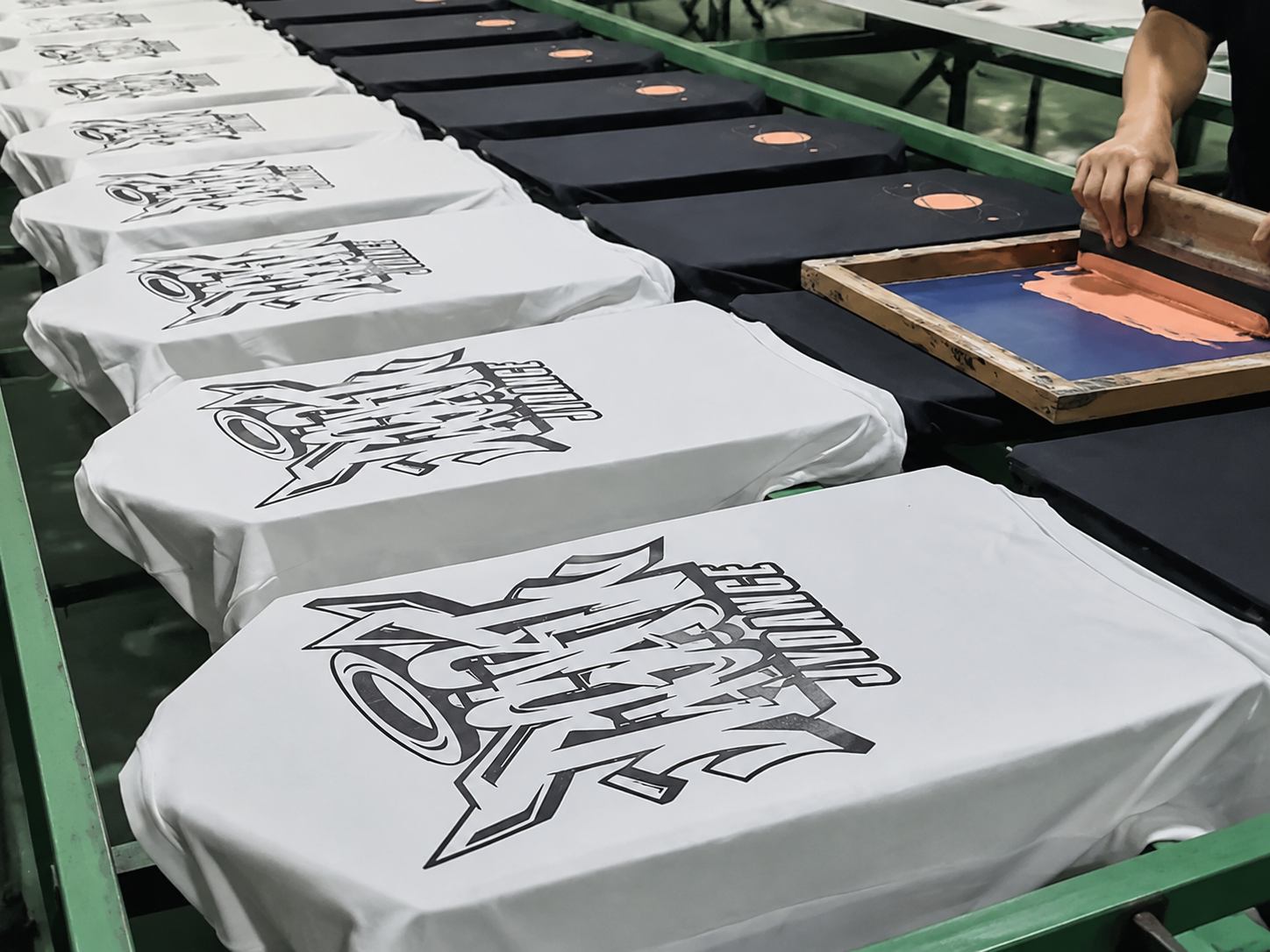
Stitch Density and Thread Tension Control
Achieving the signature twisted-rope texture in rope embroidery requires precise calibration of stitch density and thread tension. ZORWILD’s technicians adjust machine parameters based on fabric weight, thread type, and design complexity to ensure consistent rope formation without puckering or thread breakage across every garment.
- Stitch density optimized for rope thickness and garment fabric weight
- Thread tension calibrated to prevent puckering, distortion, or breaks
- Real-time machine adjustments during production runs
- Pre-production testing on sample fabric swatches
Twisted-Chain Stitch Formation Quality
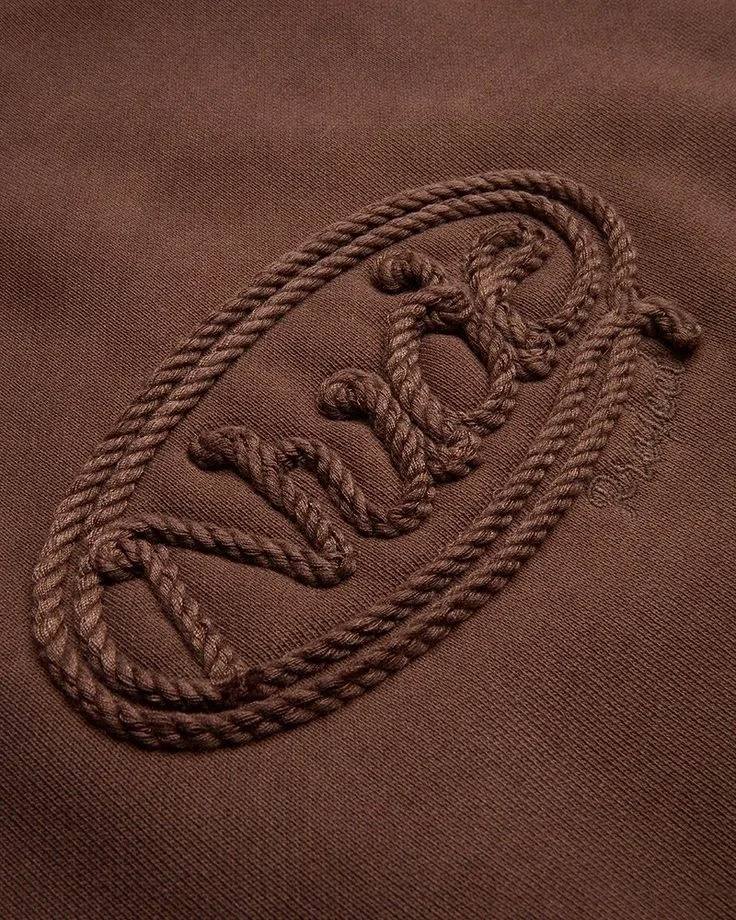
The twisted-chain stitch structure defines rope embroidery’s dimensional appearance. Our embroidery specialists monitor loop uniformity, twist consistency, and stitch alignment throughout production to maintain the three-dimensional rope effect that elevates logos, lettering, and decorative elements on premium apparel.
- Uniform loop formation for consistent rope diameter
- Twist angle consistency across all design elements
- Stitch alignment accuracy within 0.5mm tolerance
- Regular needle and hook inspection to prevent irregularities
Color Consistency Across Rope Effect
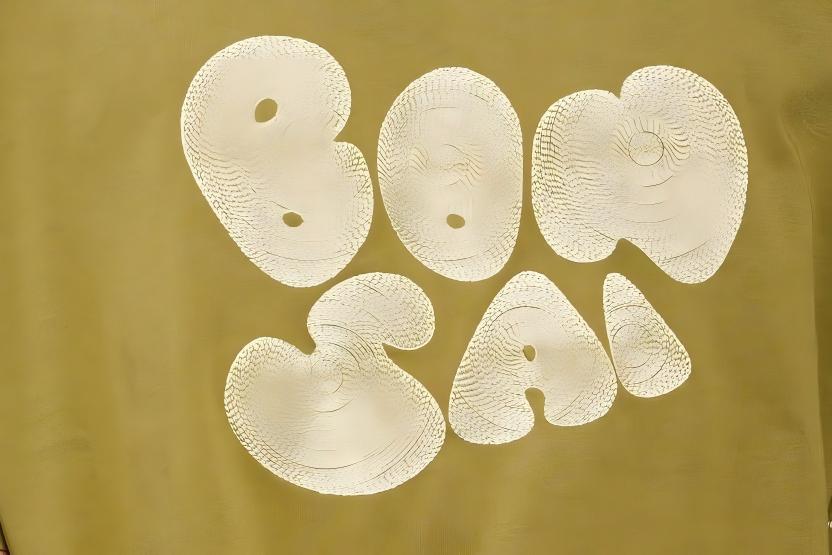
Rope embroidery’s raised texture can create subtle color variations under different lighting conditions. ZORWILD sources premium embroidery threads with high color fastness ratings and conducts batch testing to ensure that the rope effect maintains uniform color saturation and matches brand Pantone specifications across all production units.
- Thread batch testing for color consistency before production
- High color fastness ratings for wash durability
- Pantone matching accuracy for brand color standards
- Lighting evaluation to verify appearance consistency
Garment Fabric Compatibility and Stabilization
Different fabric types respond uniquely to rope embroidery’s density and weight. Our production team selects appropriate backing stabilizers, adjusts hooping tension, and tests stitch parameters on each fabric type to prevent distortion, ensure proper rope definition, and maintain garment integrity through washing and wear cycles.
- Backing stabilizer selection matched to fabric weight and stretch
- Hooping tension calibrated to prevent fabric distortion
- Fabric-specific stitch parameter testing before bulk production
- Wash testing to verify long-term rope embroidery durability
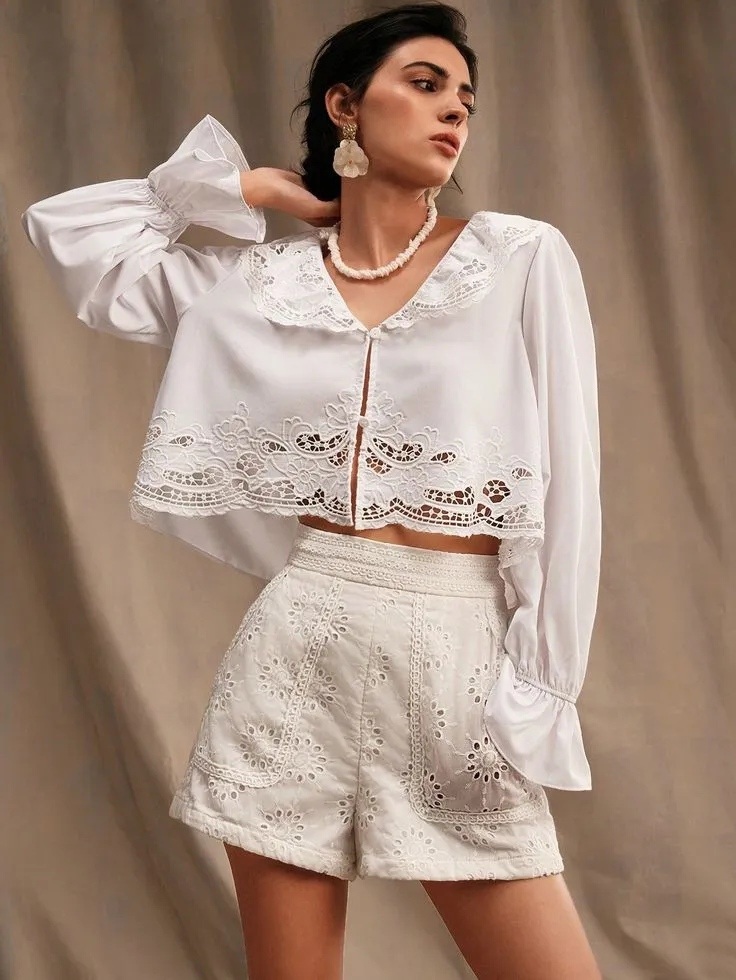
Rope Embroidery vs. Flat u0026 3D Embroidery
Understanding the key differences between rope embroidery and traditional embroidery techniques helps you select the right decoration method for your apparel collection’s design goals, fabric type, and brand positioning.
← 左右滑动查看 →
Rope Embroidery Production Process
ZORWILD’s controlled workflow ensures every rope embroidery design delivers the twisted-rope texture, dimensional depth, and stitch consistency your brand demands—from digitization through final inspection.
Design Digitization u0026 Parameters
Your artwork is converted into rope-stitch embroidery files with precise stitch count, density settings, and twist angles calibrated for dimensional rope texture and optimal thread layering.
Thread Selection u0026 Matching
Premium twisted threads are selected and color-matched to your brand palette, ensuring rope embroidery achieves the raised, textured appearance and vibrant color consistency required.
Machine Setup u0026 Calibration
Embroidery machines are configured with specialized tension settings, needle types, and hoop positioning to accommodate rope embroidery’s unique stitch structure and prevent thread breakage or puckering.
Stitch Application u0026 Control
Rope embroidery is applied with real-time monitoring of stitch density, twist consistency, and fabric tension to maintain the signature twisted-rope effect across every garment in your production run.
Quality Inspection u0026 Verification
Each piece undergoes detailed inspection for rope texture uniformity, stitch integrity, color accuracy, and dimensional consistency, ensuring your rope embroidery meets ZORWILD’s strict quality standards.
Finishing u0026 Curing
Garments are trimmed, pressed, and heat-cured as needed to lock rope embroidery in place, eliminate loose threads, and deliver a polished, retail-ready finish for your brand.
How to Order Rope Embroidery from ZORWILD
From design consultation to finished garments, our streamlined process ensures your rope embroidery project meets exact specifications with a 50-piece minimum order quantity.
Submit Your Design Reference
Send your artwork, logo, or inspiration images along with rope embroidery placement specs, color palette preferences, and garment details to begin your project.
Receive Digitization Proposal
Our design team digitizes your artwork for rope embroidery, recommends border treatments, confirms vector art requirements, and provides a detailed production quote.
Approve Your Sample
Review your rope embroidery sample within seven days to evaluate texture, stitch density, color accuracy, and placement before authorizing bulk production.
Place Your Order
Confirm your production order starting from just fifty pieces per design, select garment sizes, finalize packaging requirements, and approve the production timeline.
Receive Finished Goods
Your rope embroidery garments undergo six-stage quality control, professional finishing, and secure packaging before global shipping to your designated location.
Rope Embroidery Customer Success Stories
The rope embroidery on our varsity jackets delivered exactly the rich, tactile dimension we wanted. After 30 washes, zero fraying or loosening. ZORWILD’s attention to stitch density and thread tension was flawless.
We needed intricate rope embroidery logos on 500 hoodies with a tight 18-day deadline. ZORWILD delivered samples in 7 days, approved production on time, and every piece matched our tech pack perfectly.
Our design had layered rope embroidery with five thread colors on bomber jackets. ZORWILD handled the complexity beautifully—registration was precise, texture consistent across all 300 units, and the premium feel elevated our entire collection.
Rope Embroidery FAQ
What fabrics work best for rope embroidery?
What is the minimum order quantity for rope embroidery?
How long does rope embroidery sampling take?
What is the maximum design size for rope embroidery?
Can I combine rope embroidery with other decoration techniques?
Is rope embroidery durable and wash-resistant?
What file format is required for rope embroidery artwork?
What is the production lead time for rope embroidery orders?
The Complete Buyer’s Guide to Rope Embroidery for Brands and Wholesalers
1. What Is Rope Embroidery and Why It Matters
Rope embroidery is a three-dimensional decorative technique that uses thick, cord-like threads—typically 2 mm to 5 mm in diameter—to create raised, textured designs on garments and textiles. Unlike flat embroidery, which sits flush against the fabric surface, rope embroidery produces a bold, sculptural effect that stands up to 3 mm above the base material. This tactile dimension makes logos, lettering, and graphic elements instantly recognizable by both sight and touch.nnBrands choose rope embroidery over standard flat embroidery for four strategic reasons: enhanced visual impact that photographs well for social media and e-commerce, premium perceived value that justifies higher retail pricing, durability that withstands repeated washing and wear without flattening, and distinctive brand differentiation in crowded markets. The technique is especially popular in streetwear hoodies, varsity jackets, caps, sports uniforms, luxury sweatshirts, and resort wear where texture communicates quality.nnZORWILD’s rope embroidery capabilities support low MOQ production starting from 50 pieces, allowing startup brands and influencers to test premium decoration without committing to large inventory. The company’s 27 years of embroidery experience ensure precise stitch density control, thread tension management, and backing stabilization to prevent puckering or thread breakage. For brands seeking to elevate product lines beyond u003ca href=u0022/capability/screen-printing/plastisol-printing/u0022u003escreen printingu003c/au003e or standard embroidery, rope embroidery delivers measurable differentiation with proven production reliability.
2. The Evolution and History of Rope Embroidery
Rope embroidery originated in 16th-century Europe and Asia as a hand-stitched couching technique, where artisans laid thick cords onto fabric and secured them with fine thread to create raised, dimensional patterns on ceremonial garments, military uniforms, and ecclesiastical vestments. Asian textile workshops in China and India developed parallel traditions using silk cords and metallic threads for imperial robes and bridal wear. By the 18th century, couching techniques had become standard decorative methods in high-end tailoring across Europe, but remained labor-intensive and expensive.nnThe introduction of multi-needle embroidery machines in the 1970s marked the first shift toward scalable rope embroidery production, allowing manufacturers to replicate couching effects with programmable stitch patterns and automated cord feeding systems. Japanese and German equipment manufacturers developed specialized presser feet and tension controls in the 1990s, enabling consistent application of chenille yarn, braided cord, and twisted rope onto knit and woven fabrics at production speeds exceeding 800 stitches per minute. These advancements reduced per-garment decoration time from hours to minutes and opened rope embroidery to ready-to-wear brands.nnContemporary streetwear and luxury fashion brands revived interest in rope embroidery after 2015, driven by demand for tactile, three-dimensional logo treatments and vintage athletic aesthetics. Modern manufacturers like ZORWILD combine computerized embroidery systems with garment-specific tension settings, enabling low MOQ production starting from 50 pieces and supporting complex rope embroidery applications on hoodies, varsity jackets, sweatshirts, and denim with consistent quality and fast turnaround.
3. Types of Rope Embroidery Techniques and Styles
Rope embroidery encompasses six primary techniques, each delivering distinct visual texture and structural characteristics. Understanding these methods helps buyers align decoration choice with brand positioning and product category.
Chenille Rope Embroidery
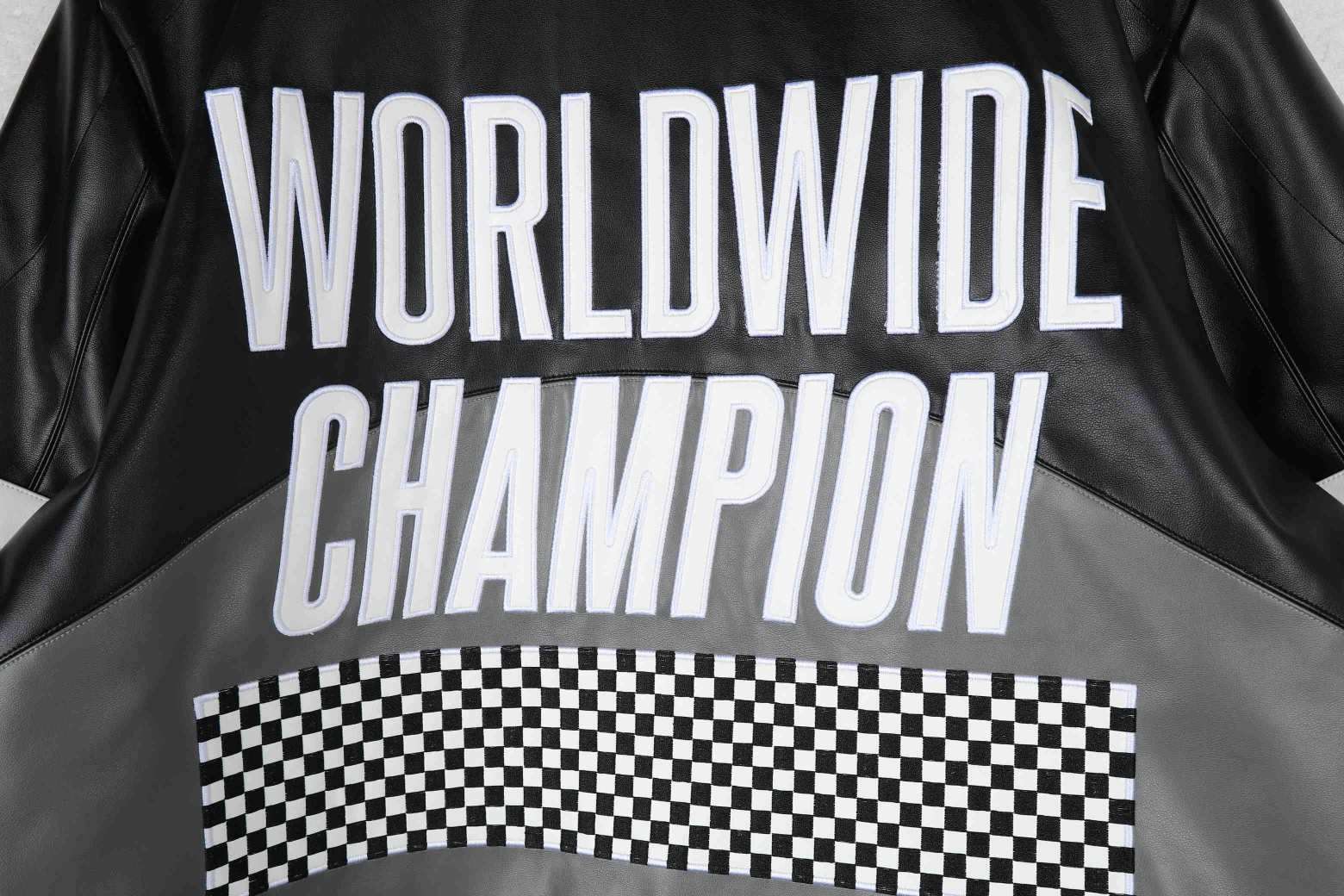
Chenille rope embroidery uses thick, looped yarn to create soft, raised lettering and graphics with a plush, vintage athletic aesthetic. The technique produces a fuzzy, textured surface that stands 3–5 mm above the fabric base.nnBest suited for varsity jackets, hoodies, sweatshirts, and streetwear collections targeting retro or collegiate branding. ZORWILD applies chenille embroidery with precise stitch density control to prevent sagging or loop distortion during garment wash cycles.
Cord Couching
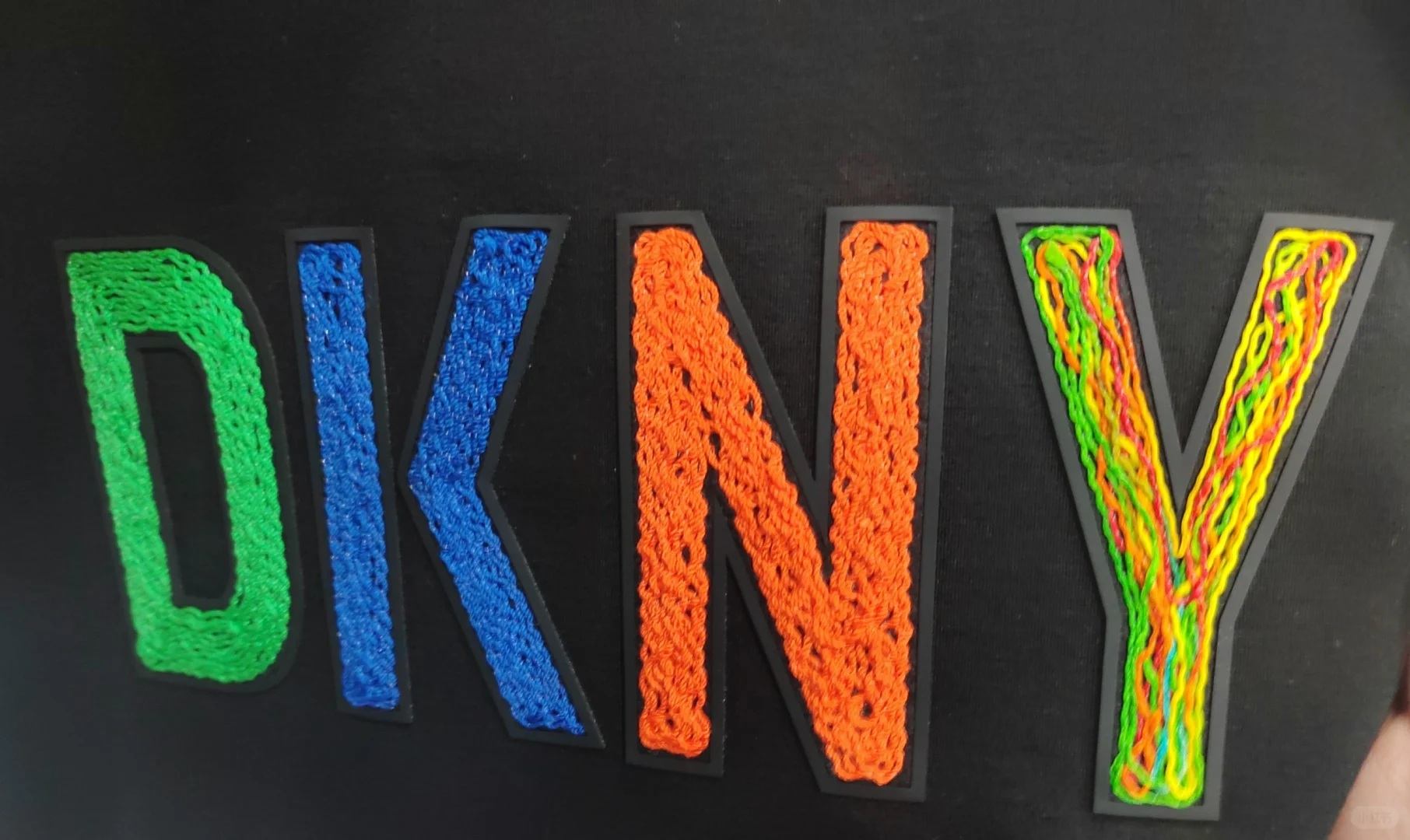
Cord couching lays decorative cord or rope onto fabric and secures it with tight zigzag or straight stitching, creating clean, defined outlines and linear patterns. The cord remains visible on the surface while anchor stitches blend into the base material.nnIdeal for logo borders, decorative seams, and geometric patterns on jackets, dresses, and resort shirts. Works well with satin cord, cotton rope, and metallic braids for luxury fashion and formalwear applications.
Chain-Stitch Rope
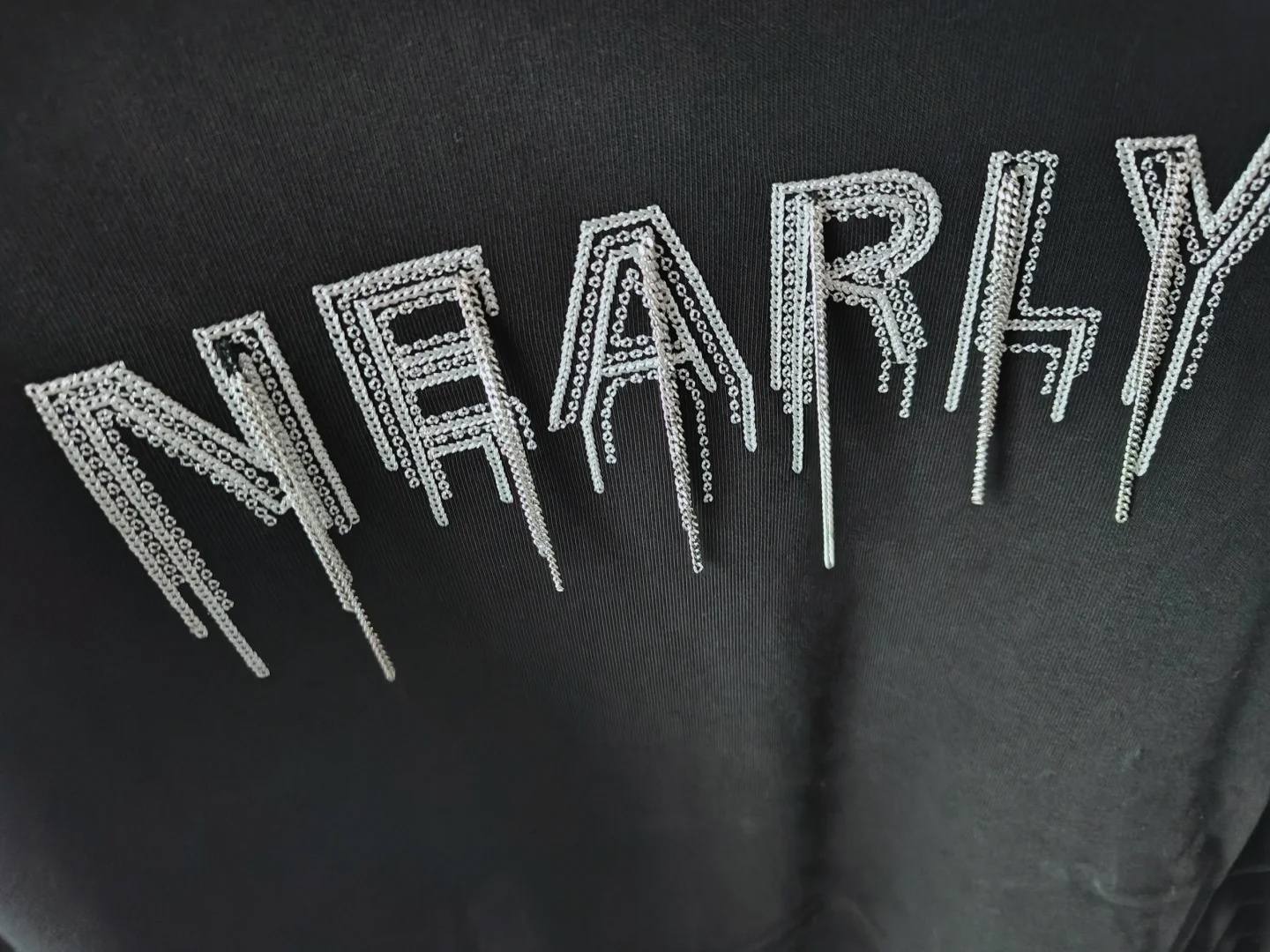
Chain-stitch rope embroidery mimics the appearance of braided cord using continuous looped stitches that interlock to form a rope-like texture. The result is a flexible, raised line with uniform width and consistent visual rhythm.nnPopular for casual shirts, Hawaiian shirts, bowling shirts, and vintage-inspired T-shirts where a handcrafted, artisan look enhances brand storytelling. ZORWILD uses specialized chain-stitch machines to maintain even tension and prevent thread breakage.
3D Puff Rope
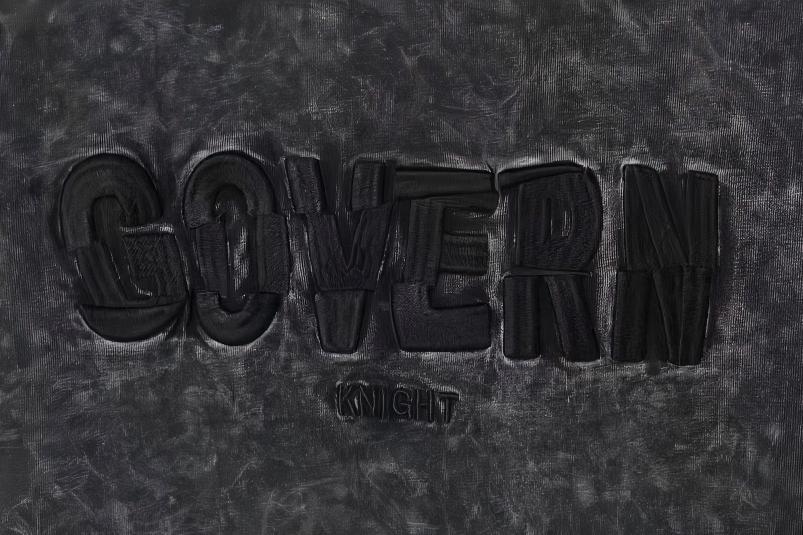
3D puff rope embroidery combines foam underlays with rope-effect stitching to create highly dimensional graphics that rise 5–8 mm above the garment surface. The foam is sandwiched between fabric and thread, then heat-set to achieve permanent volume.nnBest for bold streetwear hoodies, oversized T-shirts, and fashion caps where maximalist branding and tactile interest drive customer engagement. This technique requires careful foam selection to ensure wash durability and shape retention.
Braided Cord Appliqué
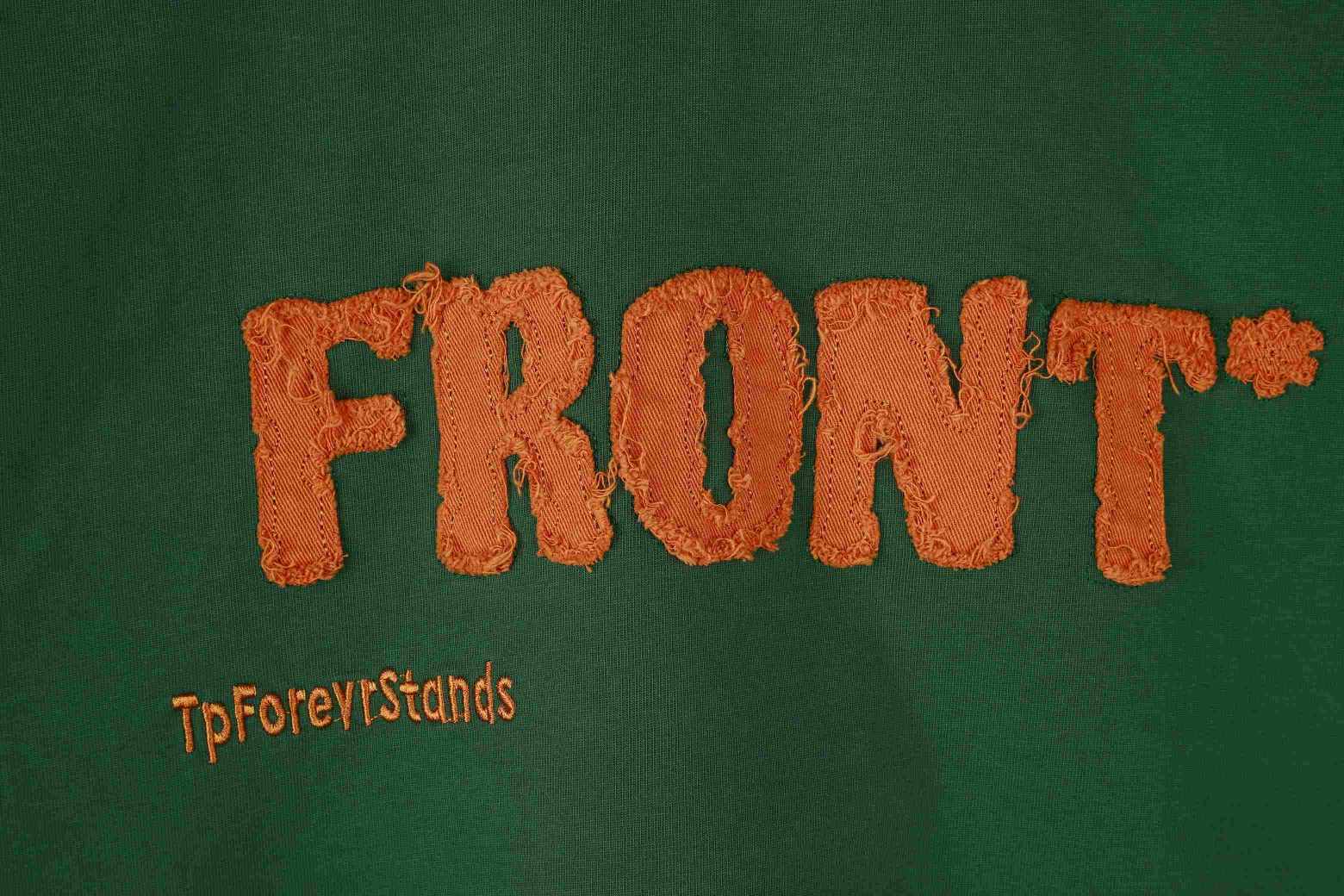
Braided cord appliqué attaches pre-manufactured rope or braid directly onto garments using hidden stitching or adhesive backing, then reinforces edges with embroidery. This method offers the most authentic rope appearance with genuine textile cord texture.nnSuited for high-end outerwear, denim jackets, utility jackets, and workwear where rugged detailing and premium finishing justify higher decoration costs. ZORWILD sources durable cotton and polyester braids in custom colors to match brand palettes.
Mixed-Media Rope Embroidery
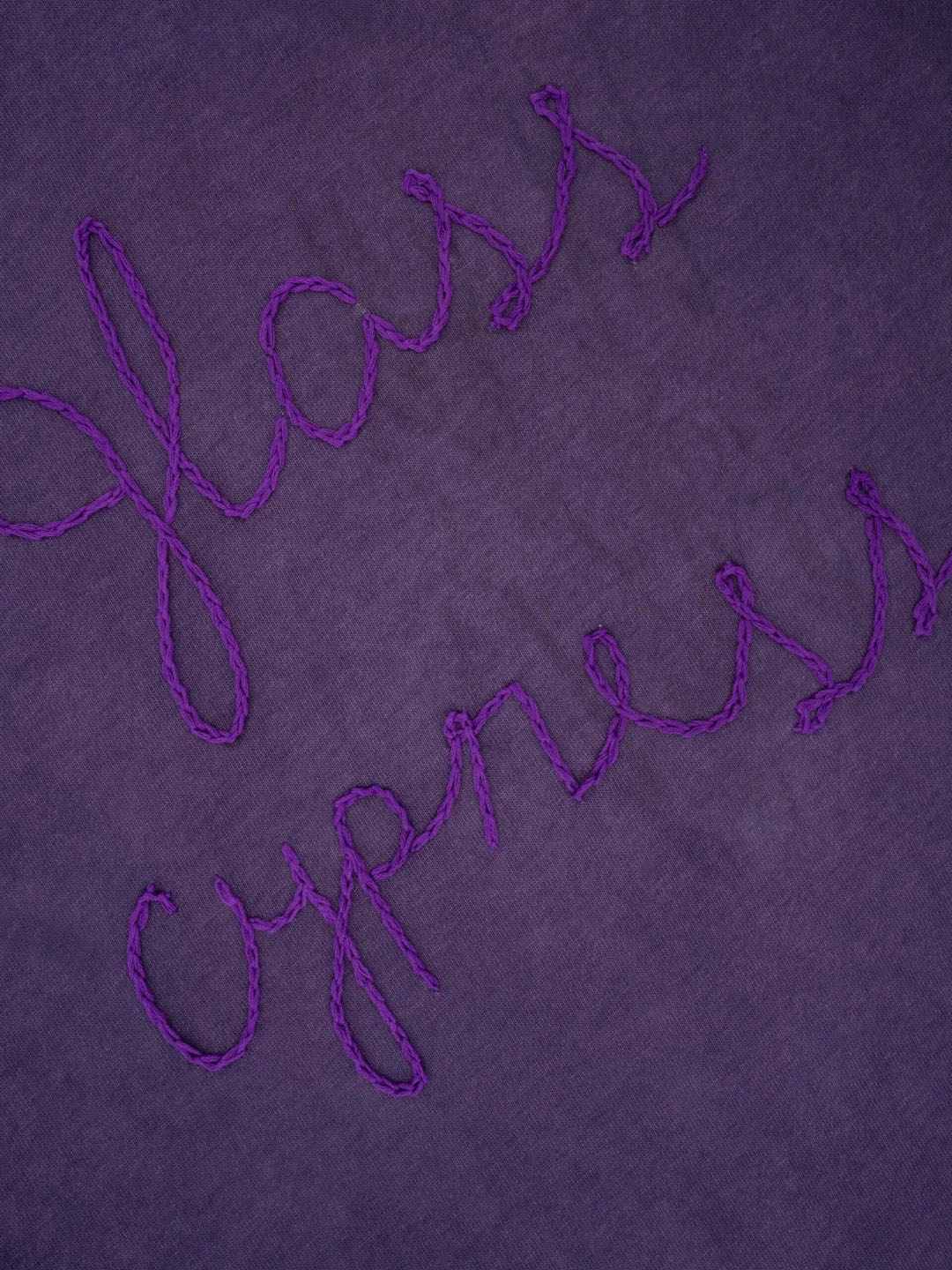
Mixed-media rope embroidery combines two or more techniques—such as chenille with flat embroidery, or cord couching with rhinestones—to create complex, layered designs with varied texture and visual depth.nnIdeal for limited-edition collections, influencer merch, and premium fashion lines where unique decoration differentiates product from mass-market alternatives. ZORWILD’s development team advises on technique combinations that balance visual impact with production feasibility and cost control.
4. Materials and Fabrics for Rope Embroidery
Material selection determines stitch definition, wash durability, and production cost in rope embroidery. ZORWILD sources rope materials and base fabrics from trusted Chinese suppliers to ensure consistent quality across low MOQ and high-volume orders.
| Material Type | Durability | Cost Tier | Best Use Case |
|---|---|---|---|
| Cotton cord | High | Mid | Streetwear hoodies, casual tees |
| Polyester braid | Very High | Low | Sportswear, activewear, uniforms |
| Chenille yarn | Medium | High | Varsity jackets, vintage sweatshirts |
| Metallic thread | Low | High | Evening dresses, resort shirts |
| Jute / natural fiber | Medium | Mid | Eco collections, workwear jackets |
| Nylon braid | Very High | Mid | Technical outerwear, utility pants |
Rope Materials and Performance Characteristics
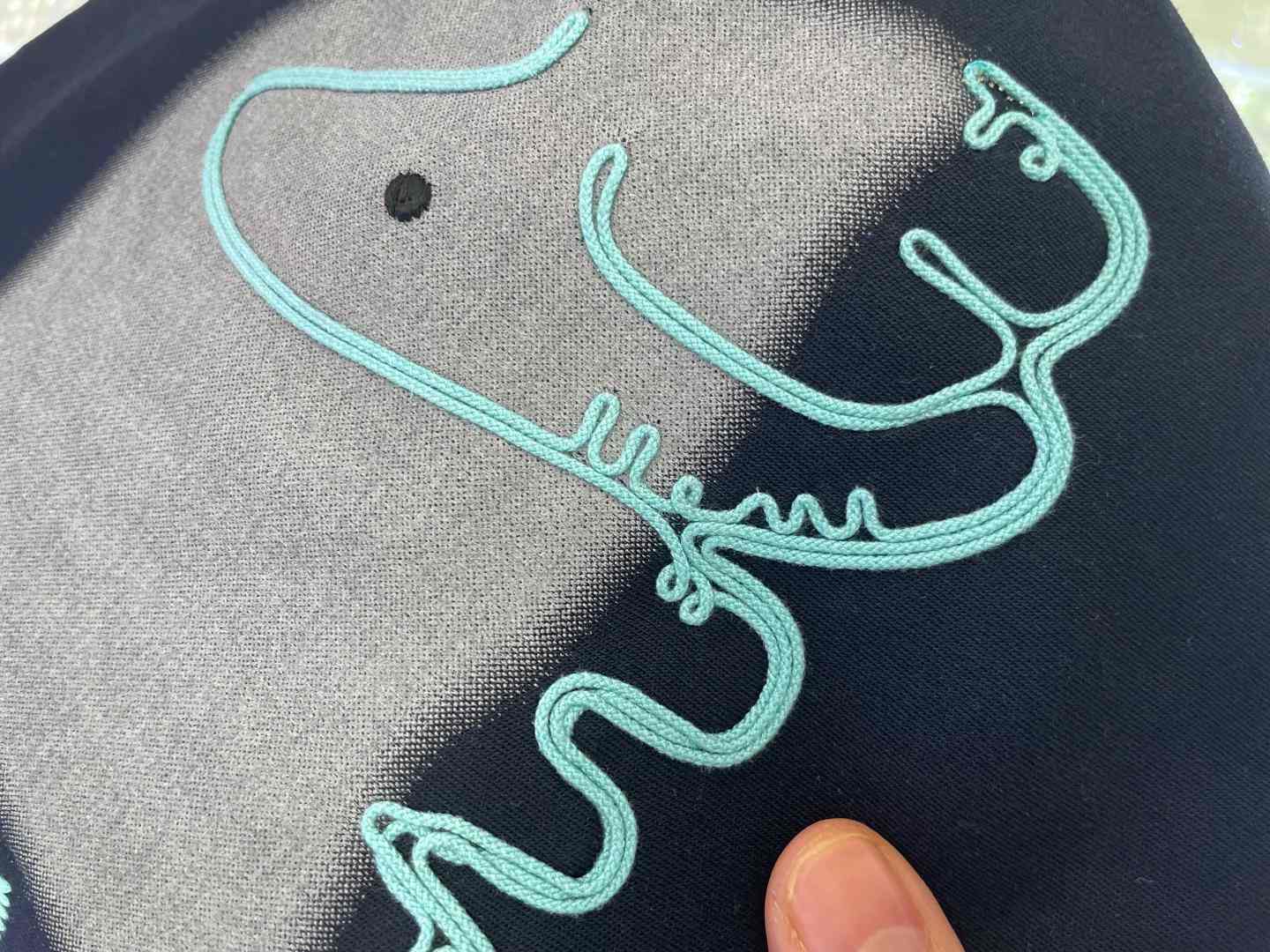
Cotton cord delivers soft hand feel and excellent color absorption, ideal for premium streetwear and luxury hoodies. Polyester braid resists fading and abrasion, making it the workhorse for athletic wear and high-wash garments. Chenille yarn creates plush, three-dimensional texture for vintage varsity jackets and fashion sweatshirts.nnMetallic thread adds reflective highlights to evening dresses and resort shirts but requires careful tension control. Jute and natural fibers suit eco-conscious collections and workwear jackets, though they may stiffen after repeated laundering. Nylon braid offers the highest tensile strength for technical outerwear and utility pants.
Base Fabric Compatibility and Preparation
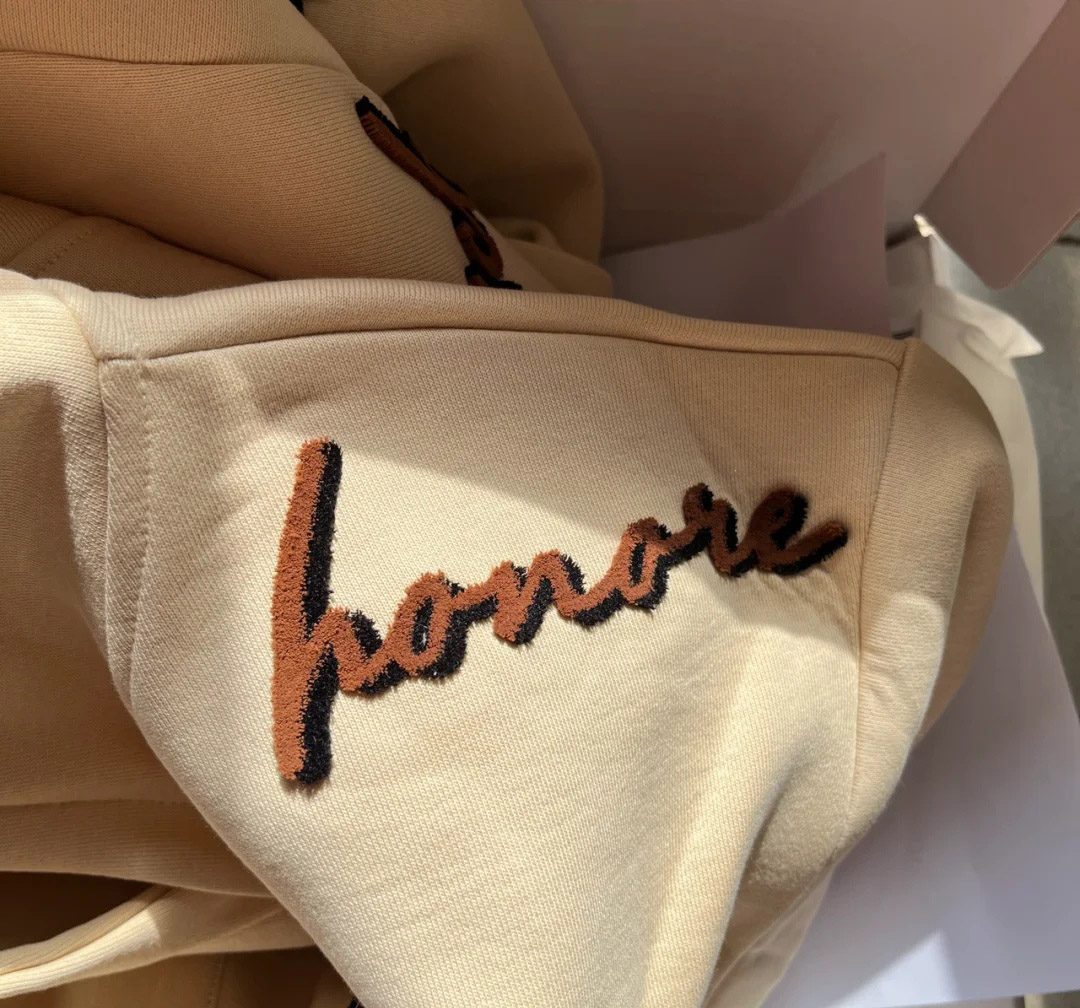
Twill and canvas (200–320 GSM) provide stable weave density for sharp stitch definition without puckering. Fleece and French terry (240–400 GSM) require cut-away or tear-away stabilizers to prevent stretch distortion during production. Denim (10–14 oz) and heavyweight cotton twill anchor rope embroidery securely, ideal for jackets and cargo pants.nnFelt and wool blends absorb needle penetration cleanly but demand slower machine speeds to avoid fiber displacement. ZORWILD pre-tests fabric samples with stabilizer combinations to ensure consistent tension and prevent thread breakage across production runs.
5. Customization and Decoration Options for Rope Embroidery
Rope embroidery offers extensive customization to match brand identity, from thread color and rope thickness to multi-technique layering. Understanding digitizing requirements and add-on options ensures accurate production timelines and cost control.
| Decoration Add-On | Setup Cost Range | Visual Impact | Lead Time Addition |
|---|---|---|---|
| Rope embroidery only | $30–$80 | High dimensional texture | +0 days |
| Rope + flat embroidery | $50–$120 | Multi-layer depth | +1–2 days |
| Rope + sequins/beads | $80–$150 | Premium luxury finish | +2–3 days |
| Rope + gradient effect | $60–$100 | Modern color transition | +1–2 days |
Rope Thickness and Color Matching
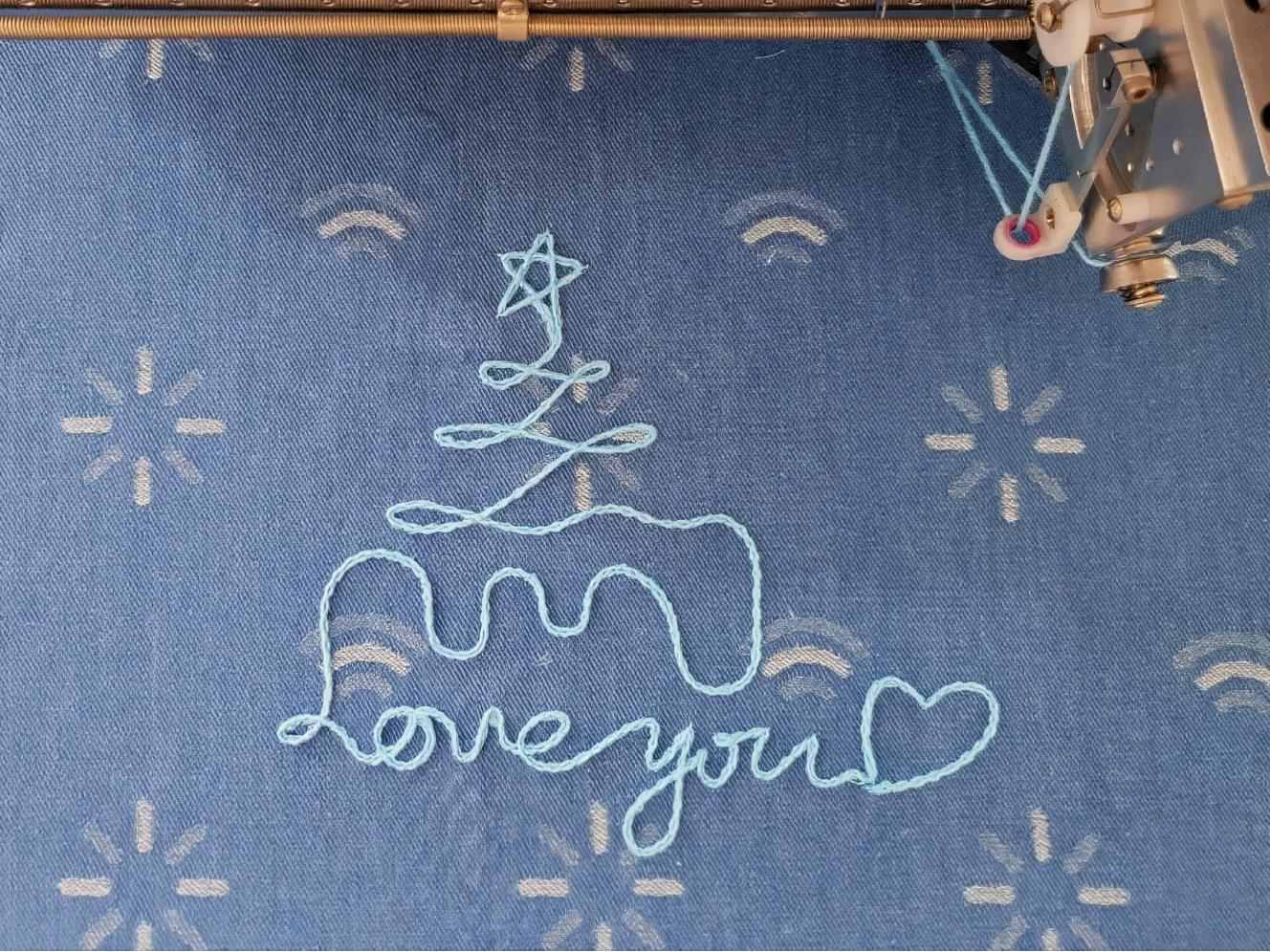
Standard rope embroidery uses 2mm to 6mm diameter cords, with 3mm being the most common for logos and lettering. Thicker 5mm–6mm ropes create bold, high-relief effects ideal for oversized streetwear graphics, while 2mm–3mm suits fine details and smaller branding.nnPantone color matching ensures brand consistency across production runs. ZORWILD supports unlimited thread color combinations and can source specialty metallic, reflective, or gradient rope materials for premium fashion collections.
Layering and Multi-Technique Decoration
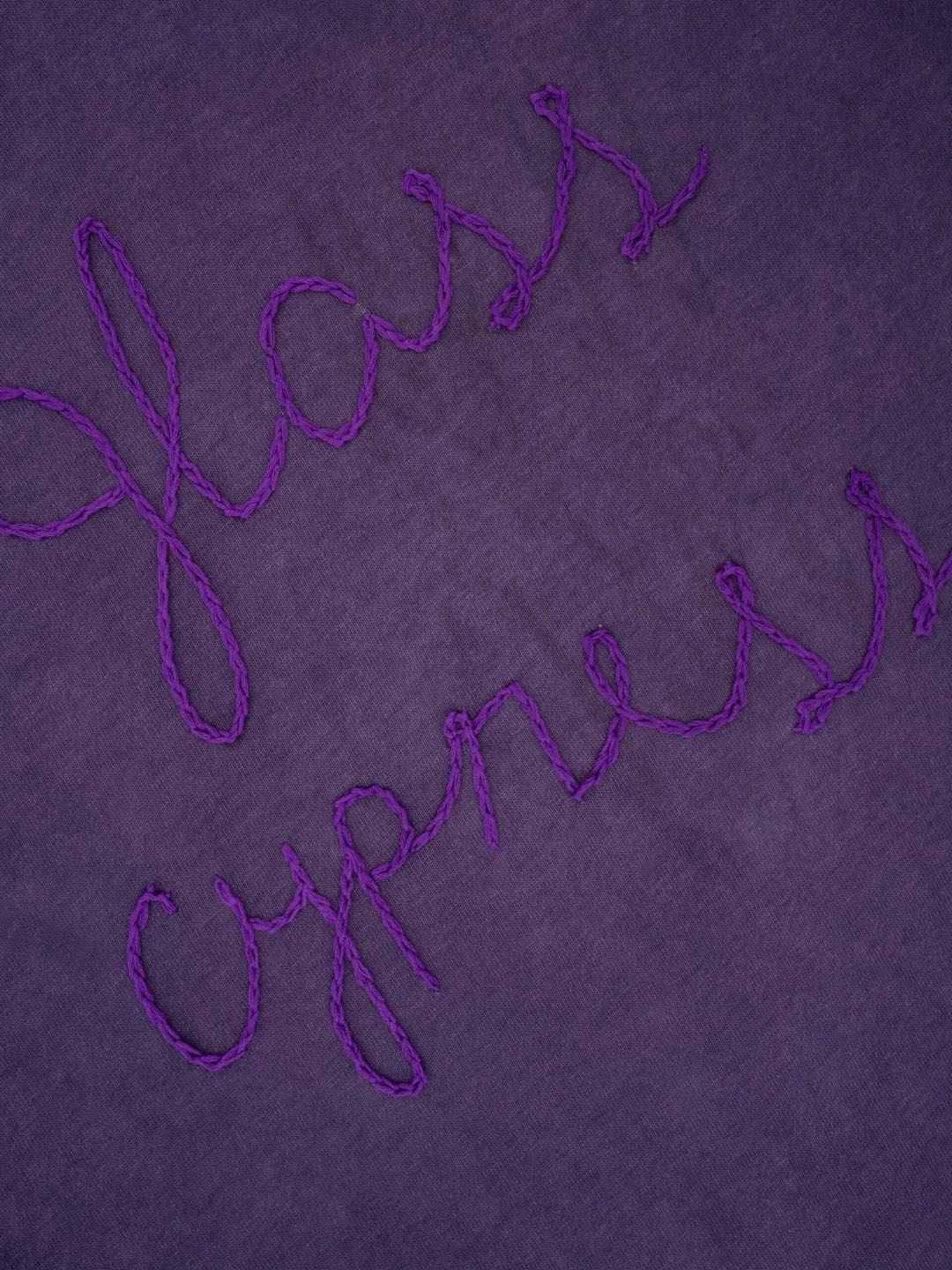
Combining rope embroidery with flat embroidery, chenille, sequins, or beads creates dimensional visual impact. Layered designs require careful digitizing to prevent thread tension issues and fabric puckering during production.nnZORWILD’s production team adjusts stitch density and underlay structure when layering techniques, ensuring clean registration and durability through washing cycles. Typical layering adds 2–3 days to sampling lead time.
File Formats and Digitizing Requirements
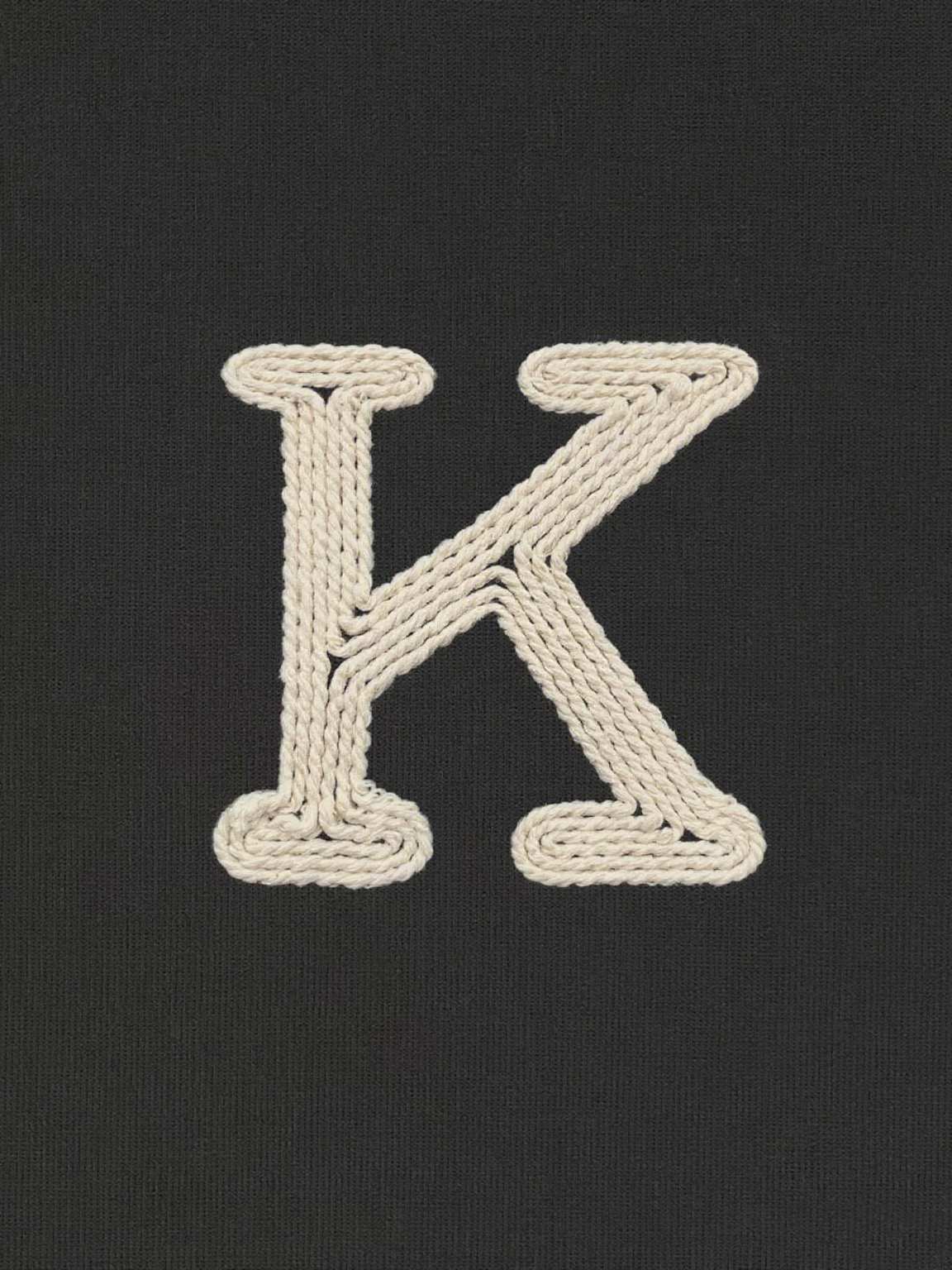
Rope embroidery requires specialized digitizing in DST or EMB machine formats. Unlike flat embroidery, rope work demands manual pathing to control cord placement, corner angles, and start/end points.nnClients should provide vector artwork (AI, EPS, or PDF) with clear outlines. ZORWILD’s digitizing team converts designs into production-ready files within 1–2 business days, testing stitch sequences and tension settings during sampling to ensure accurate replication in bulk production.
6. Key Quality Indicators in Rope Embroidery Production
Professional buyers inspect rope embroidery samples against five critical checkpoints before approving production. Understanding these indicators helps you evaluate manufacturer capability and avoid costly defects at scale.
Consistent Rope Tension and Placement
Rope tension must remain uniform across the entire design with no slack loops or overly tight segments that distort the fabric. Professional manufacturers maintain consistent cord feed rates through specialized tension devices on multi-head embroidery machines.nnInspect samples under natural light at arm’s length and check for smooth, even rope contours. Inconsistent tension creates wavy lines, dimensional variation, and premature thread breakage during wear and washing.
Secure Tacking Stitches and Clean Endpoints
Tacking stitches anchor the rope to the base fabric and must be tight, evenly spaced, and invisible from the garment front. Start and end points should show no loose cord tails, fraying, or visible thread knots.nnReject samples with exposed cord ends longer than 2 mm or visible tack stitches on the design face. These defects indicate inadequate machine setup or operator skill and will worsen during production runs.
No Puckering or Fabric Distortion
Rope embroidery adds weight and tension to the base fabric, requiring proper stabilizer selection and hoop tension control. Puckering around the design perimeter, fabric bunching, or rippled surfaces indicate inadequate backing or incorrect machine settings.nnThis defect is fixable through stabilizer adjustment but signals process control gaps. Request a corrected sample before approving bulk production to confirm the manufacturer has resolved the root cause.
Colorfastness and Backing Integrity
Cord and tacking thread must pass ISO 105 colorfastness testing for washing and crocking. Request wash test reports for rope materials, especially for dark or vivid colors on light garments.nnBacking fabric should remain intact with no separation, tearing, or adhesive residue visible on the garment interior. Poor backing integrity is grounds for immediate rejection as it cannot be corrected post-production.
7. How to Choose a Rope Embroidery Manufacturer
Selecting the right rope embroidery manufacturer requires evaluating technical capabilities, production flexibility, and service transparency. A systematic decision framework helps buyers avoid costly delays and quality issues while securing reliable partners for long-term growth.
MOQ Flexibility and Production Capacity
Startup brands and influencers need manufacturers offering MOQs from 50 to 100 pieces per design to test markets without inventory risk. ZORWILD supports low MOQ production starting at 50 pieces across most product categories, enabling capsule collections and trend-responsive launches.nnEstablished brands require monthly capacity exceeding 10,000 units with consistent quality. Verify whether the factory operates multi-head embroidery machines (6-head, 12-head, or 15-head configurations) and dedicated cord-feeding systems for rope embroidery to ensure scalability and turnaround speed.
In-House Digitizing and Sample Turnaround
Factories with in-house digitizing teams convert artwork into embroidery files with proper stitch density, underlay, and cord-path programming. Manufacturers lacking digitizing support force buyers to source third-party services, adding 3 to 5 days and coordination risk.nnTarget sample turnaround is 7 days from artwork approval to physical sample delivery. ZORWILD provides design and tech pack development, fabric sourcing, and sampling services to evaluate fit, measurements, and decoration quality before bulk production begins.
Material Sourcing and Quality Control
Transparent manufacturers disclose rope cord suppliers, fabric mills, and thread brands (Madeira, Gunold, Isacord) to ensure consistency across production runs. Ask for fabric GSM specifications, colorfastness certifications, and cord diameter options (2mm, 3mm, 5mm).nnQuality control systems must include raw material inspection, in-line production checks, measurement verification, embroidery density inspection, and final product audits. ZORWILD applies strict QC standards throughout cutting, sewing, decoration, washing, ironing, and packaging stages.
Red Flags and RFQ Best Practices
Avoid manufacturers refusing physical samples, providing vague lead times (‘about 30 days’), or lacking digitizing support. Request sample garments with rope embroidery in similar complexity, stitch counts, and fabric weights to your project.nnRFQ submissions should specify garment category, fabric type, rope embroidery placement, design complexity, color count, MOQ, and target price. Factory audit questions must cover machine types, monthly capacity, QC processes, export documentation support, and communication channels (email, WhatsApp, video calls).
8. Common Mistakes Buyers Make When Ordering Rope Embroidery
Ordering rope embroidery for the first time often leads to avoidable delays and quality issues. Understanding these common pitfalls helps buyers secure better outcomes and protect their investment.
Choosing Incompatible Base Fabrics
Lightweight jersey and stretch knits below 180 GSM often pucker under the weight and tension of rope embroidery, distorting logos and causing fabric ripples. Buyers who select incompatible fabrics face costly rework or unsellable inventory.nnAlways request fabric compatibility testing during sampling. ZORWILD recommends heavyweight cotton, French terry above 280 GSM, fleece, denim, or twill for stable rope embroidery results without hooping marks or distortion.
Underestimating Digitizing Complexity
Rope embroidery requires specialized digitizing with precise pathing, stitch density adjustments, and underlay planning that standard flat embroidery files cannot provide. Using incorrect digitizing files results in thread breaks, uneven rope coverage, and production delays of 3–5 days.nnProvide high-resolution artwork and request a dedicated rope embroidery digitizing sample. Professional manufacturers include digitizing adjustments in their sampling process to ensure production-ready files before bulk orders begin.
Ignoring Wash-Test Requirements
Rope embroidery must withstand repeated washing without thread loosening, color bleeding, or rope flattening. Skipping wash testing leads to customer returns and brand reputation damage after the first laundry cycle.nnRequest wash-tested samples using your planned care instructions—typically 30°C gentle cycle for most rope embroidery garments. ZORWILD performs garment wash testing on all embroidered samples to verify thread durability and color fastness before bulk production.
Skipping Sample Approval
Rushing into bulk production without approving a physical sample causes mismatched colors, incorrect sizing, or poor embroidery placement that cannot be corrected mid-production. This mistake results in 100% product rejection and lost deposits.nnAlways approve a pre-production sample that matches final fabric, wash treatment, embroidery placement, and all trims. ZORWILD offers 7-day sampling with full customization so buyers confirm every detail before committing to bulk orders.
Unrealistic Lead-Time Expectations
Rope embroidery adds 3–5 days to standard production timelines due to digitizing, thread sourcing, machine setup, and quality inspection requirements. Buyers who demand impossible deadlines compromise quality or face last-minute cancellations.nnPlan 18–25 days for sampling and bulk production of rope embroidery garments, including fabric sourcing, decoration, washing, and quality control. Communicate launch dates early so manufacturers can allocate capacity and meet deadlines without rushing craftsmanship.
9. Steps to Launch Your Rope Embroidery Product Line
Launching a rope embroidery product line requires a structured workflow from concept to customer delivery. ZORWILD’s 27-year manufacturing experience has refined a seven-stage roadmap that reduces risk, accelerates time-to-market, and ensures premium quality across every touchpoint.
Concept and Design Brief Development
Start with a clear tech pack or design brief specifying rope embroidery placement, stitch density, color count, and garment category. ZORWILD’s development team transforms sketches, reference images, or inspiration boards into production-ready specifications within 24–48 hours.nnInclude fabric weight, fit style, and decoration complexity in your brief. Brands targeting streetwear typically request oversized hoodies with 3D rope embroidery logos, while resort brands favor linen shirts with subtle rope embroidery accents.
- Tech pack with measurements, fabric specs, and rope embroidery placement diagrams
- Reference images showing desired texture, dimension, and color palette
- Target retail price and production volume to guide material selection
Material and Technique Selection
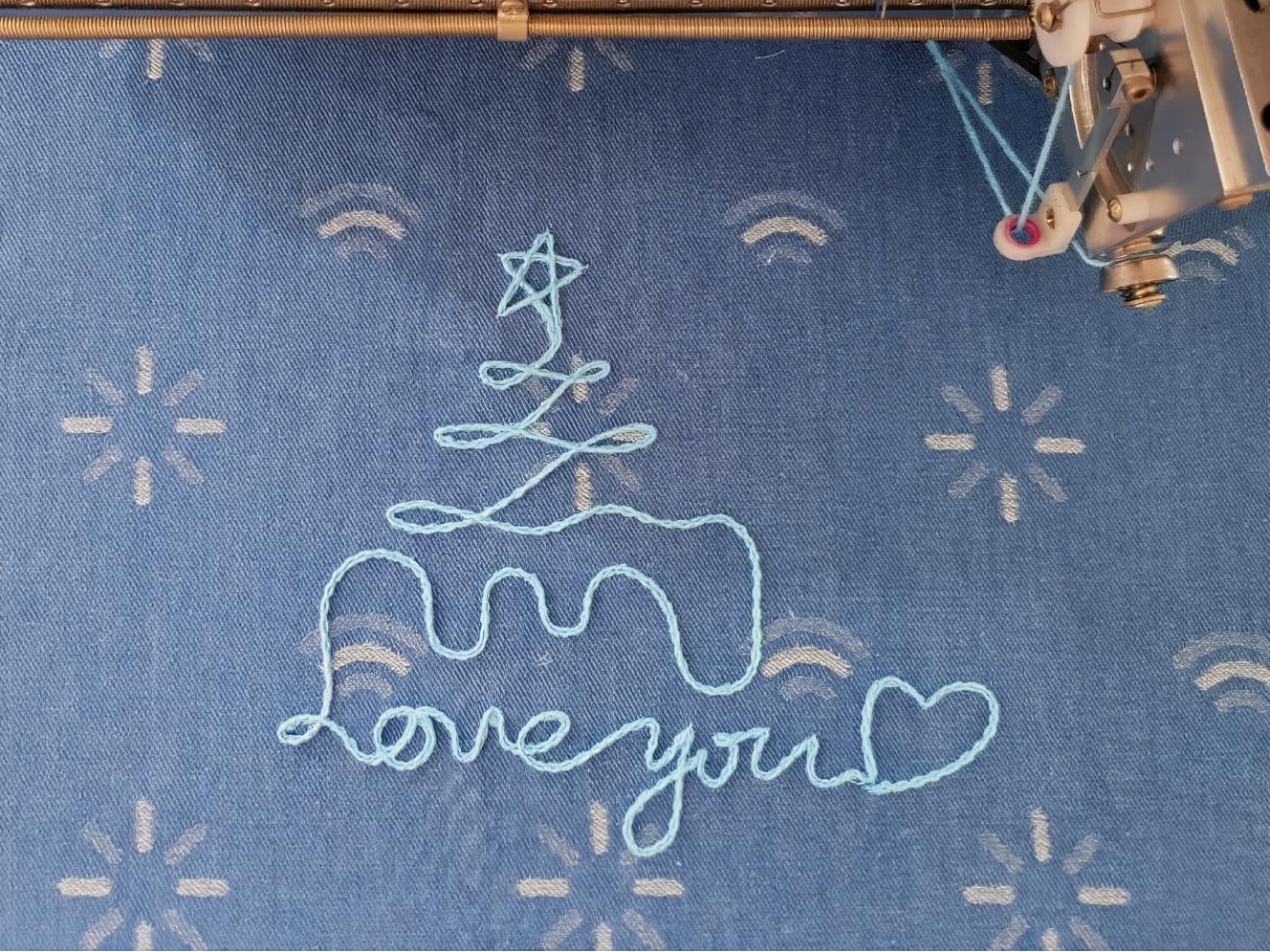
Choose base fabrics that support rope embroidery tension: heavyweight French terry (300–400 GSM), cotton twill, or denim perform best. ZORWILD sources cotton, organic cotton, polyester blends, and technical fabrics from trusted suppliers across Dongguan.nnSelect rope embroidery thread type—cotton, polyester, or blended—based on durability and wash requirements. Pair with flat embroidery, chenille, or applique for multi-dimensional effects that elevate perceived value.
Digitizing and Sample Iteration
Professional digitizing converts your artwork into machine-readable files with precise stitch paths, density, and underlay settings. ZORWILD delivers first samples within 7 days, allowing evaluation of rope embroidery height, stitch quality, and garment fit.nnIterate on thread color matching, embroidery placement, and fabric hand feel. Most brands require 1–2 sample rounds before bulk production approval, with adjustments completed in 3–5 days per cycle.
Bulk Order and Payment Terms
ZORWILD’s low MOQ starts at 50 pieces for many product categories, ideal for testing market demand before scaling. Standard payment terms are 30% deposit upon order confirmation and 70% balance before shipment, with production timelines of 20–35 days depending on order complexity.nnConfirm color assortment, size ratios, and packaging requirements in the purchase order. Larger orders exceeding 1,000 units benefit from volume pricing and priority scheduling within ZORWILD’s 100,000-unit monthly capacity.
Quality Inspection and Logistics
ZORWILD applies in-line and final inspections covering rope embroidery stitch integrity, thread tension, color consistency, and garment measurements. Pre-shipment reports document pass rates and corrective actions.nnChoose air freight (5–7 days), sea freight (20–35 days), or express delivery (3–5 days) based on launch urgency. ZORWILD handles export documentation, customs support, and door-to-door shipping to reduce delays and simplify international logistics.
Go-to-Market and Brand Positioning
Highlight rope embroidery’s premium texture in product photography with close-up shots under directional lighting. Use custom hang tags, woven labels, and branded packaging to reinforce quality perception and justify higher retail margins.nnLaunch with limited-edition messaging or capsule collection framing to create urgency. Influencer and social media brands leverage rope embroidery’s visual depth for Instagram and TikTok content that drives engagement and conversion.
10. Rope Embroidery Pricing and Cost Breakdown
Rope embroidery pricing follows a tiered structure where unit cost decreases as volume increases, with 50-piece orders typically ranging $8–$15 per garment, while 1,000+ unit runs drop to $4–$7 per piece depending on design complexity and rope material grade. Digitizing fees for rope embroidery range from $30–$80 per design based on stitch count and intricacy, with simple logos under 8,000 stitches at the lower end and complex multi-color patterns exceeding 20,000 stitches commanding premium rates. Sample production costs $25–$50 per piece with 5–7 day turnaround, allowing brands to evaluate rope texture, stitch tension, and garment integration before committing to bulk orders.nnDesign complexity directly impacts cost: single-color rope applications with under 10,000 stitches cost 30–40% less than multi-color designs requiring thread changes and precise rope alignment. Premium rope materials such as twisted cotton or metallic-blend cords add $0.80–$2.50 per unit compared to standard polyester rope, while add-ons like chenille embroidery, applique backing, or 3D puff elements increase per-garment costs by $1.50–$4.00. Payment terms typically require 30–50% deposit upon order confirmation and balance before shipment, with negotiation leverage increasing at 500+ unit orders where setup fees may be waived or absorbed into unit pricing.
| Quantity Tier | Unit Price Range | Digitizing Fee | Sample Cost | Lead Time |
|---|---|---|---|---|
| 50–199 units | $8–$15 | $30–$80 (one-time) | $25–$50 | 12–18 days |
| 200–499 units | $6–$10 | $30–$80 (one-time) | $25–$50 | 15–20 days |
| 500–999 units | $5–$8 | Negotiable / waived | $25–$50 | 18–25 days |
| 1,000+ units | $4–$7 | Waived | $25–$50 | 20–30 days |
Start Your Rope Embroidery Project Today
50-piece MOQ, 7-day samples, and direct access to our manufacturing team. Submit your artwork for a free quote.
- Custom Shirts
- Custom T Shirts
- Custom Dresses
- Custom Sweatshirts
- Custom Jackets
- Custom Polo Shirts
- Custom Shorts
- Custom Dress Shirts
- Contact