
Sportswear Clothing Manufacturers for DTC Brands u0026 Wholesalers
ZORWILD delivers full-stack OEM/ODM sportswear clothing manufacturing with 50-piece MOQ, 100,000+ monthly capacity, and 95%+ decoration techniques in-house from our Dongguan factory.
Sportswear u0026 Activewear Product Gallery
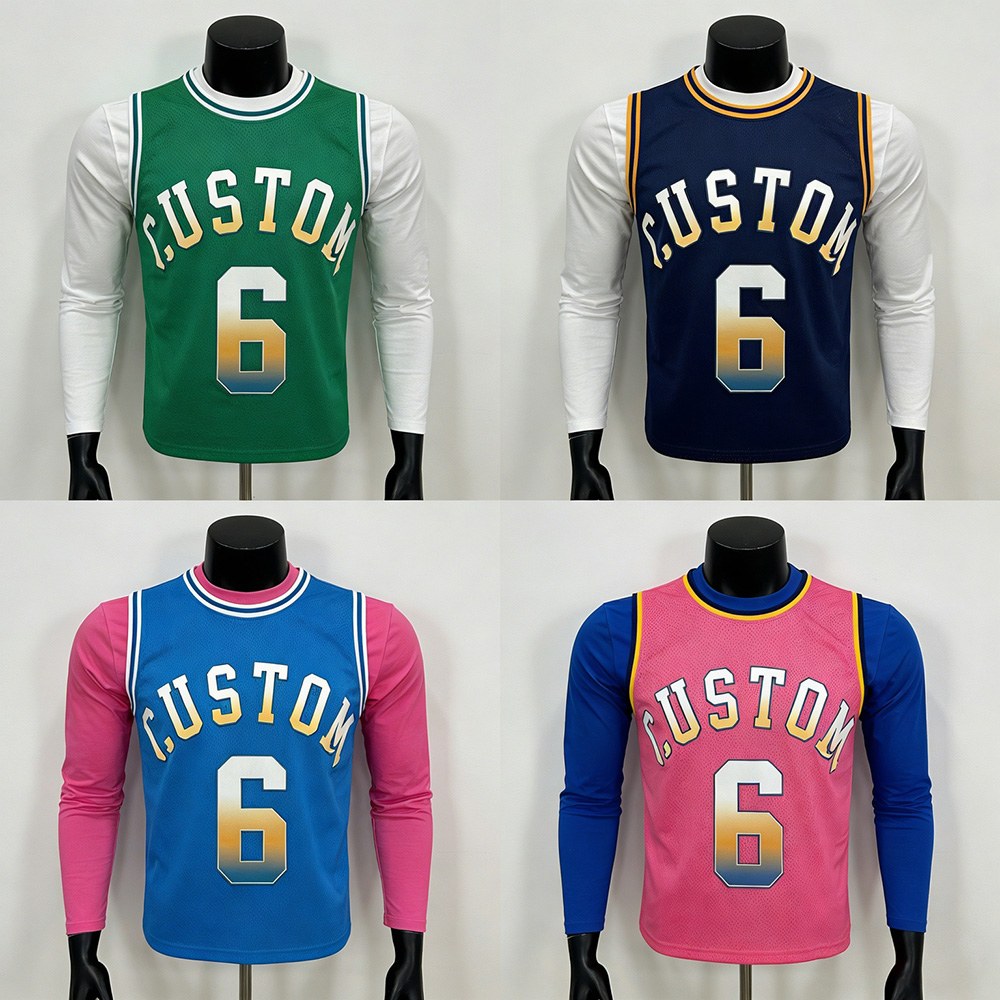
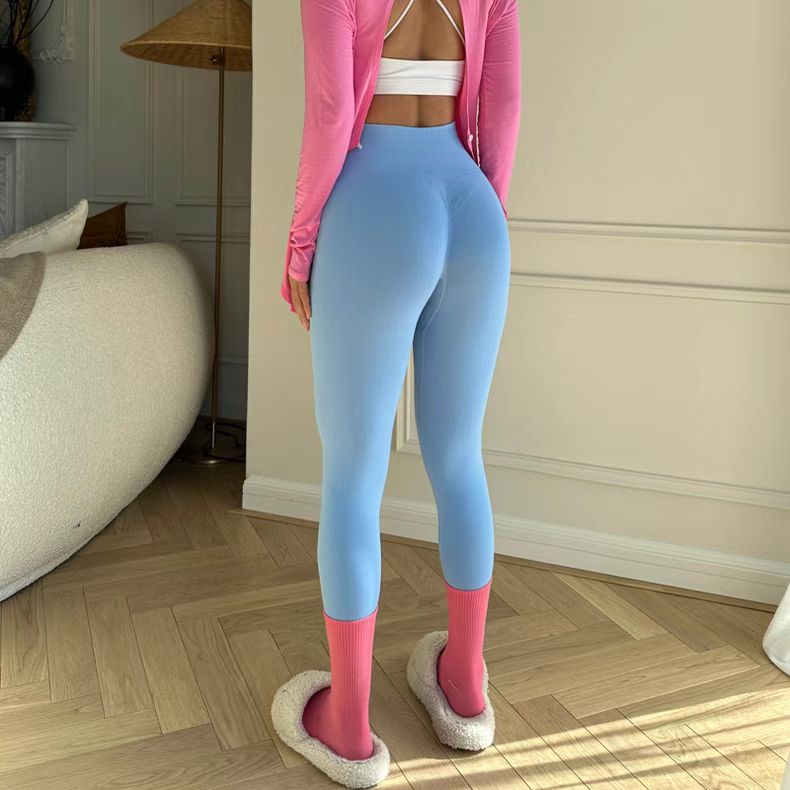

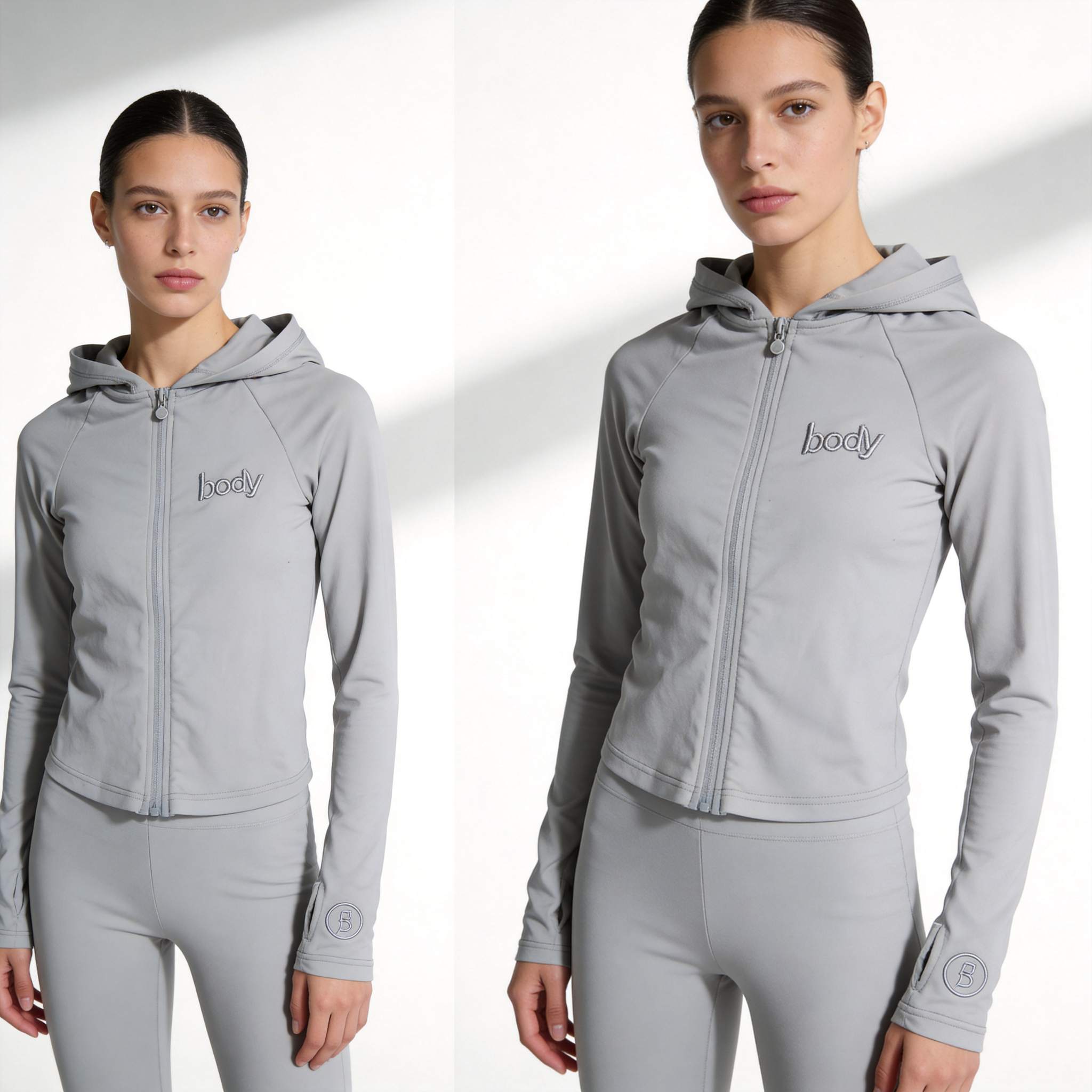
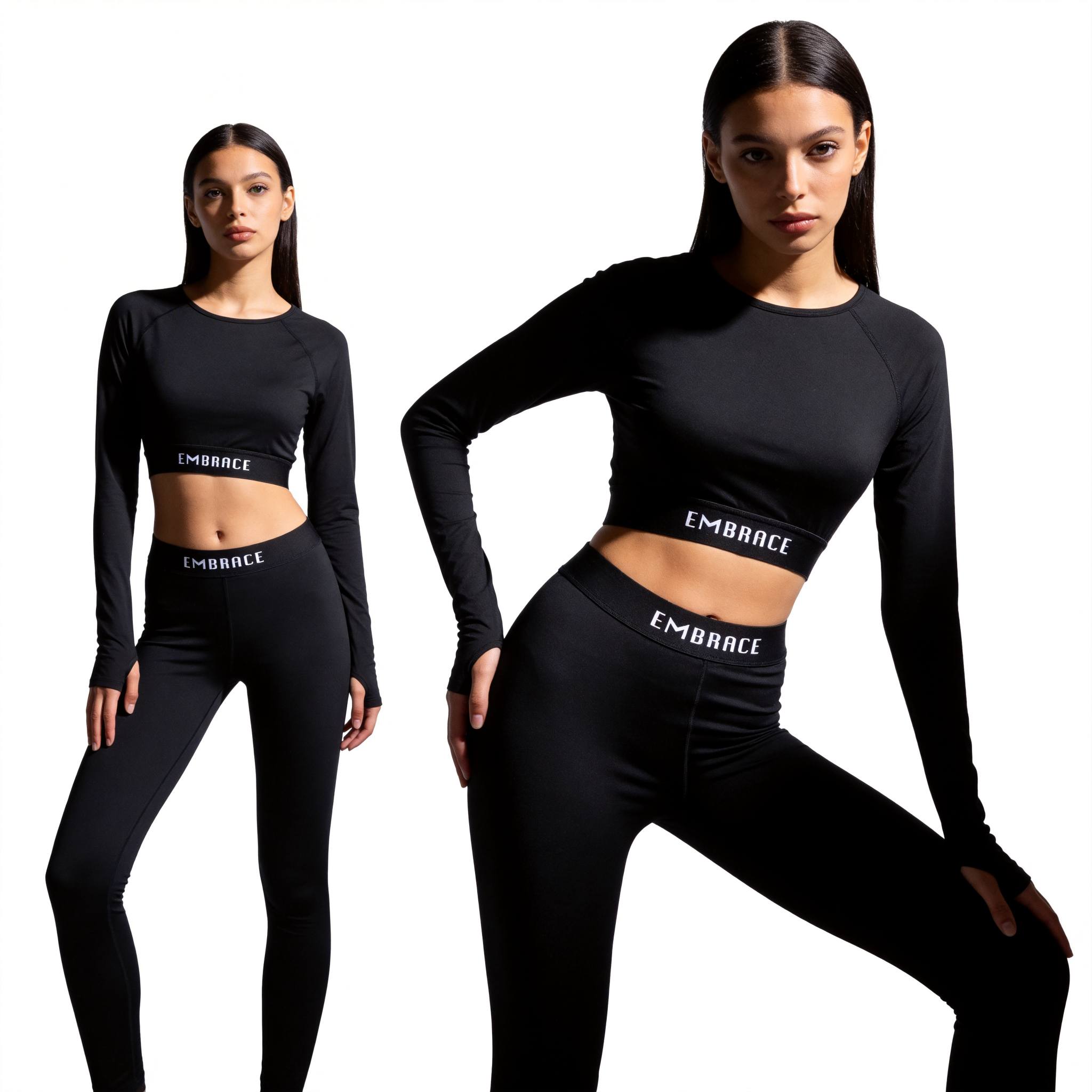


Why ZORWILD Sportswear Clothing Manufacturers Stand Out
50-Piece Startup MOQ
Launch your sportswear line with minimal risk. Our low minimum order quantity lets influencers and small brands test markets without heavy inventory investment. Perfect for emerging activewear brands and DTC startups.
100,000+ Monthly Capacity
Scale confidently from startup to wholesale. Our Humen factory produces over 100,000 units monthly, supporting brands at every growth stage with consistent quality and reliable lead times.
27 Years Manufacturing Expertise
Benefit from nearly three decades of sportswear and activewear production experience. We’ve served over 2,000 brands globally with proven quality systems.
6-Stage Quality Control
Every garment passes rigorous inspection from fabric arrival to final packaging. Our systematic QC process ensures your sportswear meets professional brand standards.
95%+ Decoration In-House
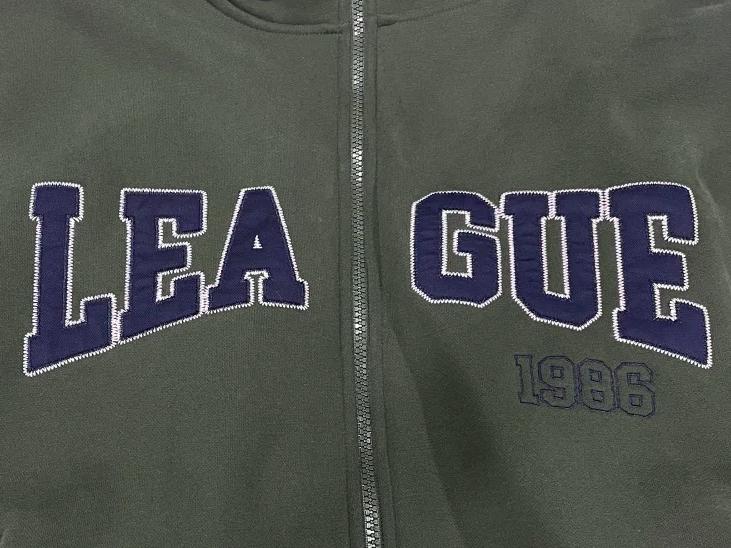
Access screen printing, DTG, embroidery, puff print, reflective details, and advanced finishes without outsourcing delays. Complete customization under one roof.
Humen Dongguan Location
Based in one of the world’s premier garment hubs with direct access to fabric mills, trims suppliers, and logistics networks for faster turnaround.
Sportswear u0026 Activewear Manufacturing Solutions
Custom Athletic Wear
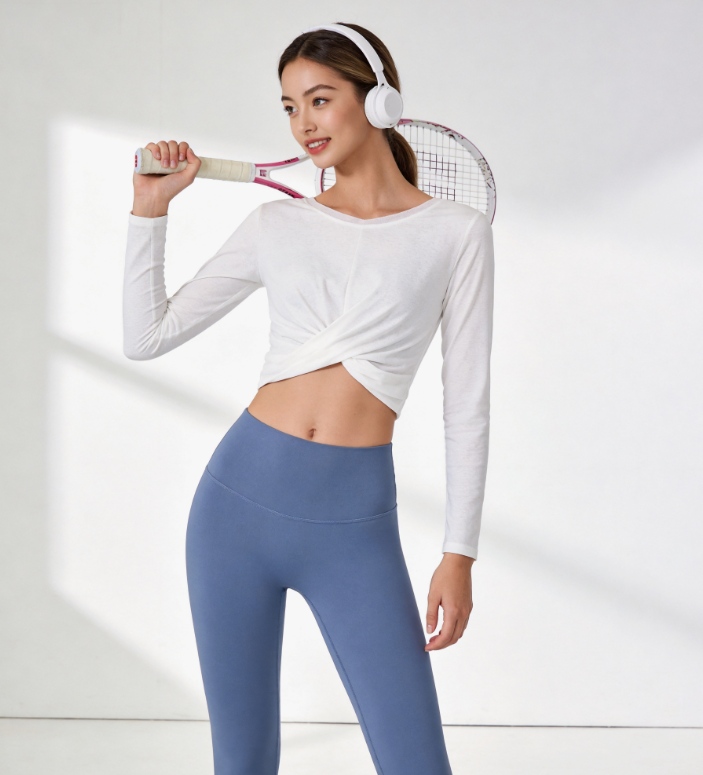
Comprehensive athletic wear manufacturing from concept to delivery. We produce custom gym wear, fitness apparel, and performance collections with moisture-wicking fabrics, four-way stretch, and breathable construction. Low MOQ from 50 pieces supports brand launches while 100,000+ monthly capacity scales with growth.
Request a Quote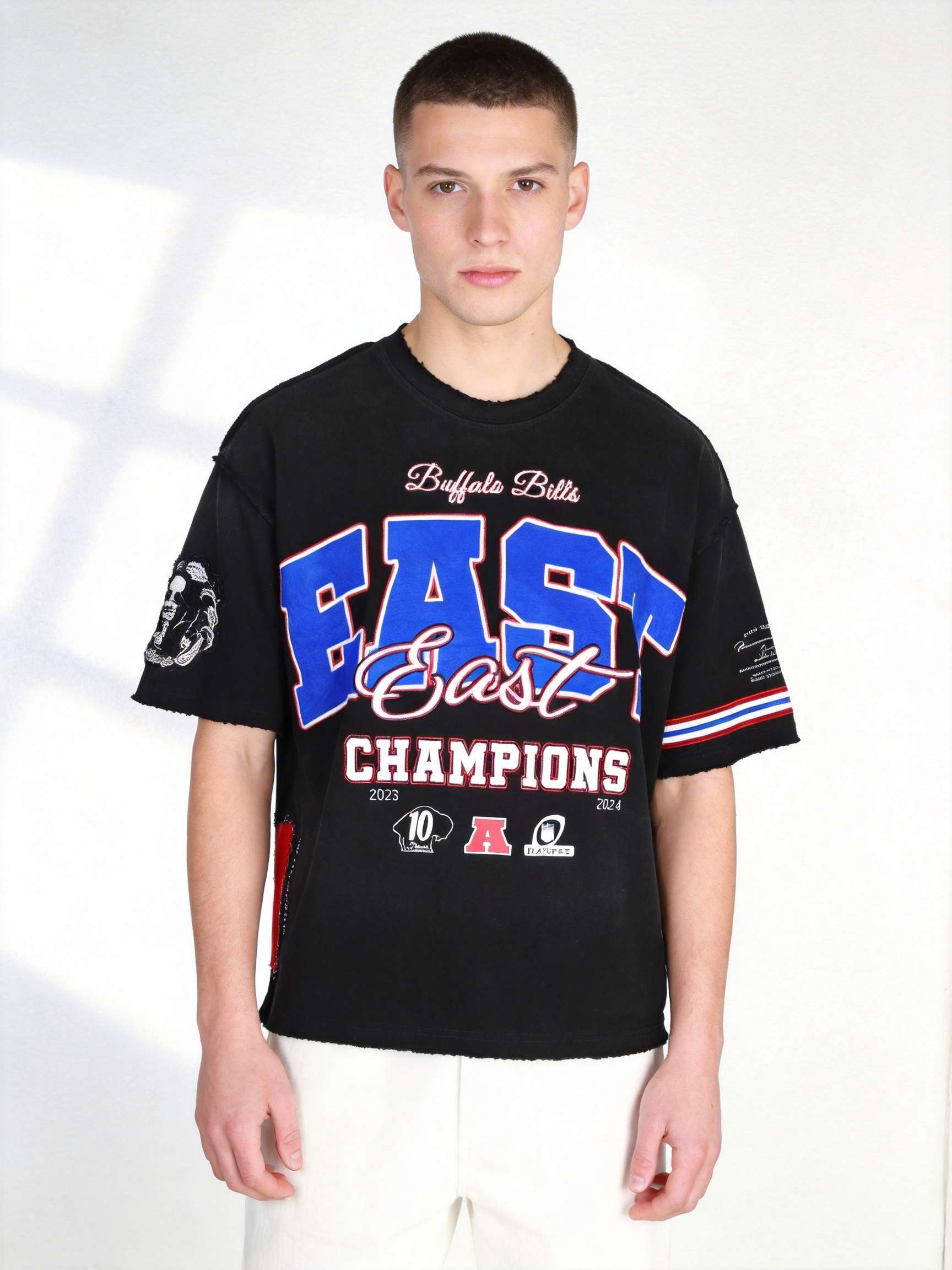
Team Sports Uniforms
Full-service team uniform production for sports clubs, schools, and professional organizations. Custom sizing, sublimation printing, embroidery logos, and performance fabrics ensure durability and team identity. Our 6-stage quality control guarantees consistent fit and color across entire orders from small teams to large leagues.
Request a Quote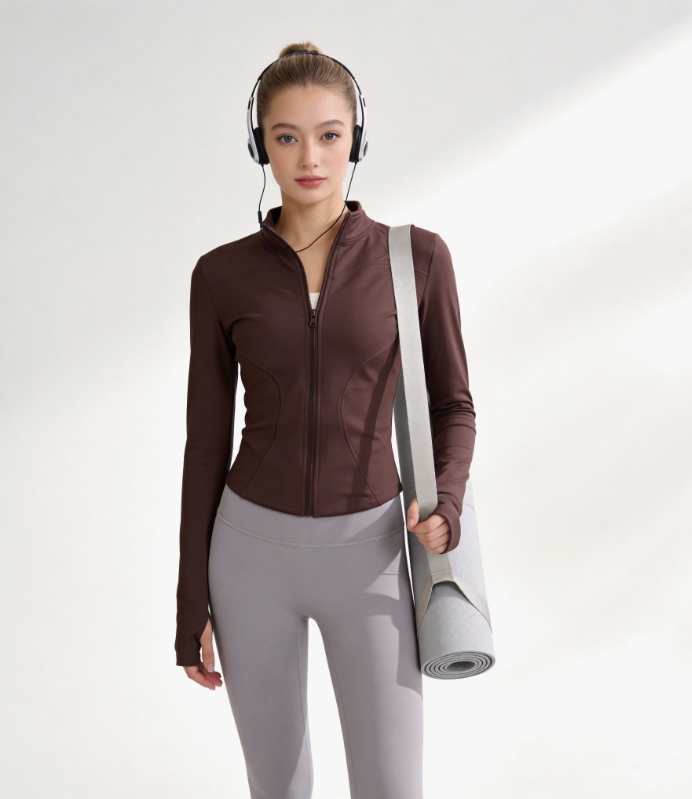
Activewear Leggings
Technical leggings manufacturing with compression support, seamless knitting, and high-waist construction. We source moisture-wicking, squat-proof fabrics with four-way stretch and UV protection. Custom waistband logos, mesh panels, and pocket integration available. MOQ starts at 50 pieces for emerging activewear brands.
Request a Quote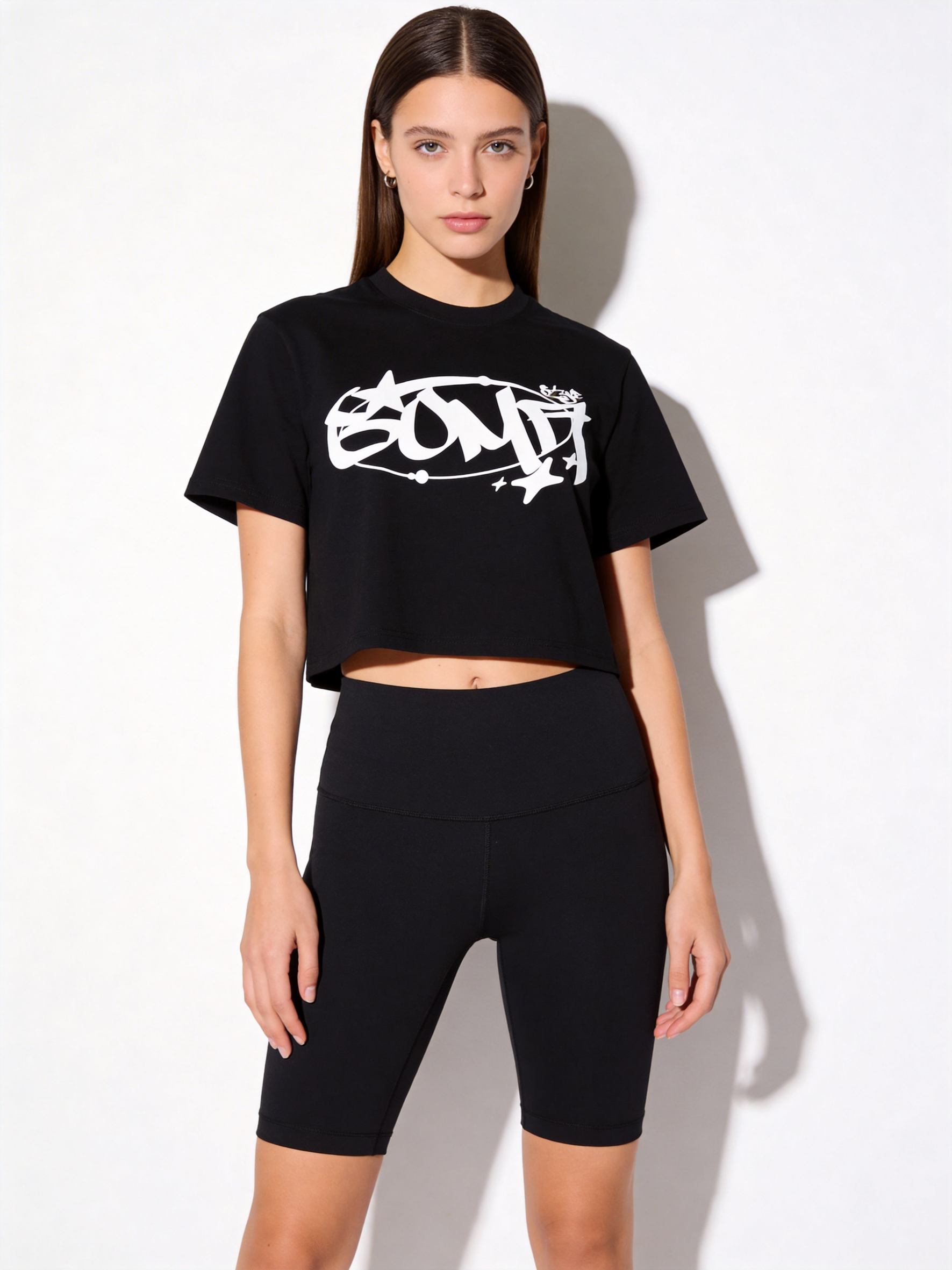
Performance T-Shirts
Performance T-shirt production using lightweight jersey, tri-blend, bamboo cotton, and quick-dry polyester blends. Advanced decoration includes screen printing, DTG, reflective logos, and heat transfer graphics. Moisture management, breathability, and anti-odor treatments meet athletic performance standards for training and competition wear.
Request a Quote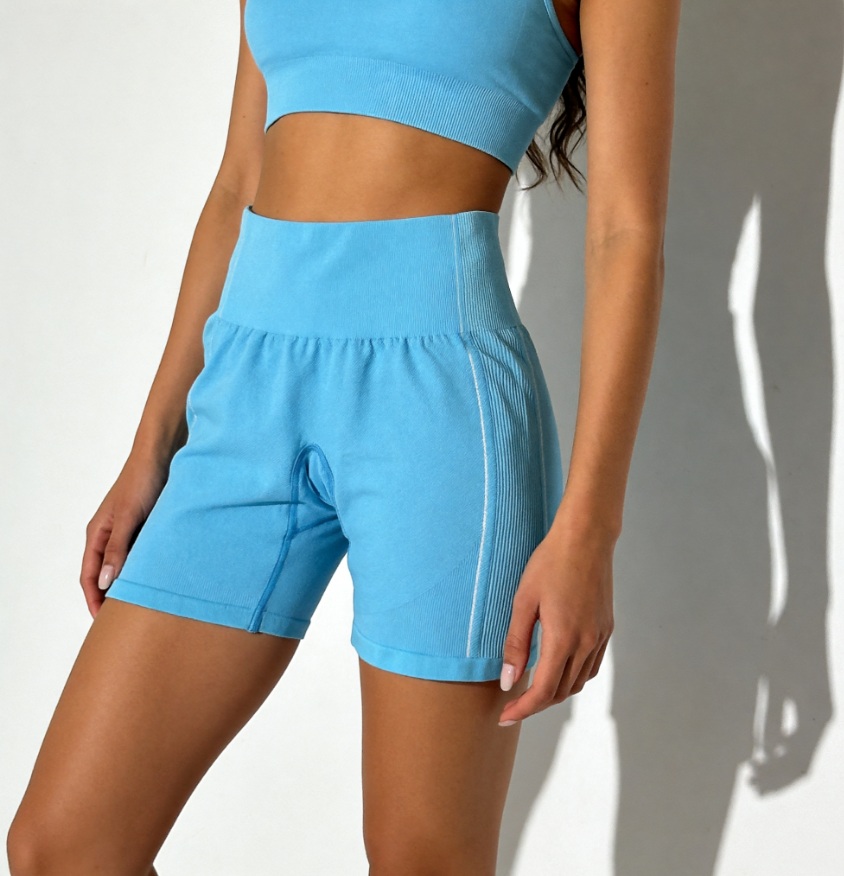
Training Shorts
Athletic shorts manufacturing across gym shorts, running shorts, basketball shorts, and training bottoms. Technical features include lightweight nylon, mesh lining, elastic waistbands, hidden pockets, and moisture-wicking construction. Custom drawstrings, contrast stitching, and heat-pressed logos enhance brand identity and functionality.
Request a Quote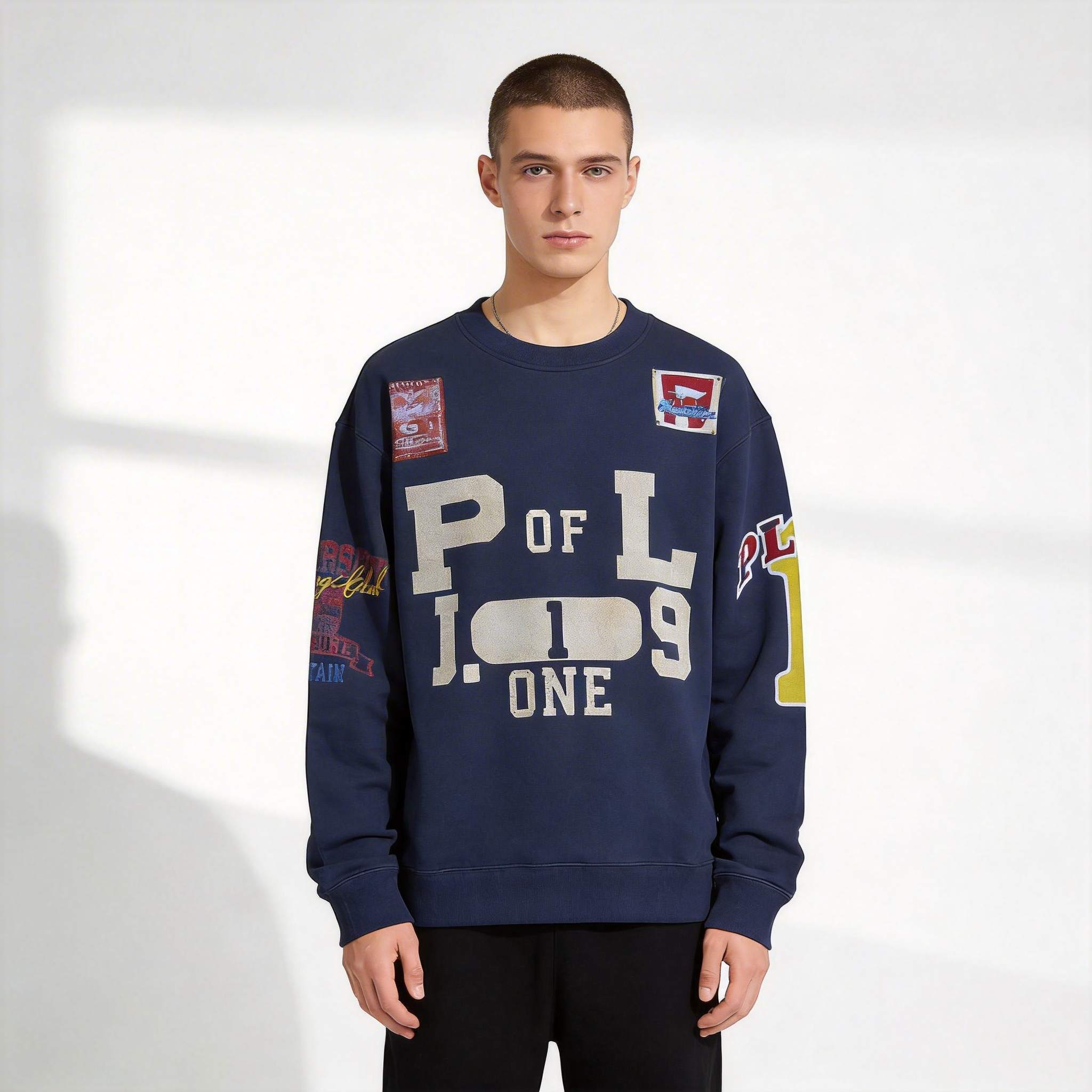
Sports Hoodies
Sports-focused hoodie production combining performance and streetwear aesthetics. French terry, fleece, and technical fabrics with moisture management and breathable construction. Customization includes screen printing, embroidery, reflective details, YKK zippers, and kangaroo pockets. Ideal for warm-ups, athleisure, and team apparel collections.
Request a Quote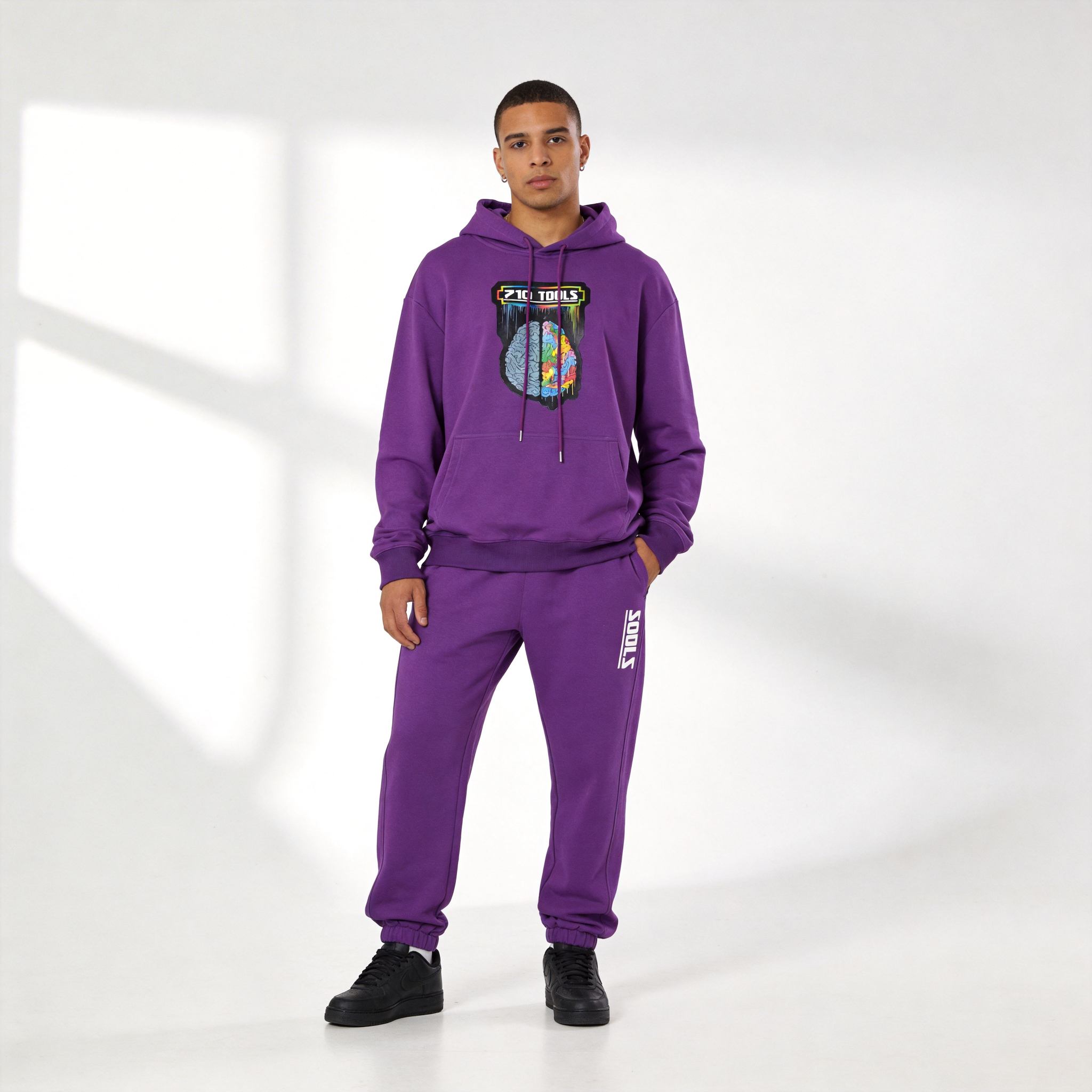
Track Suits
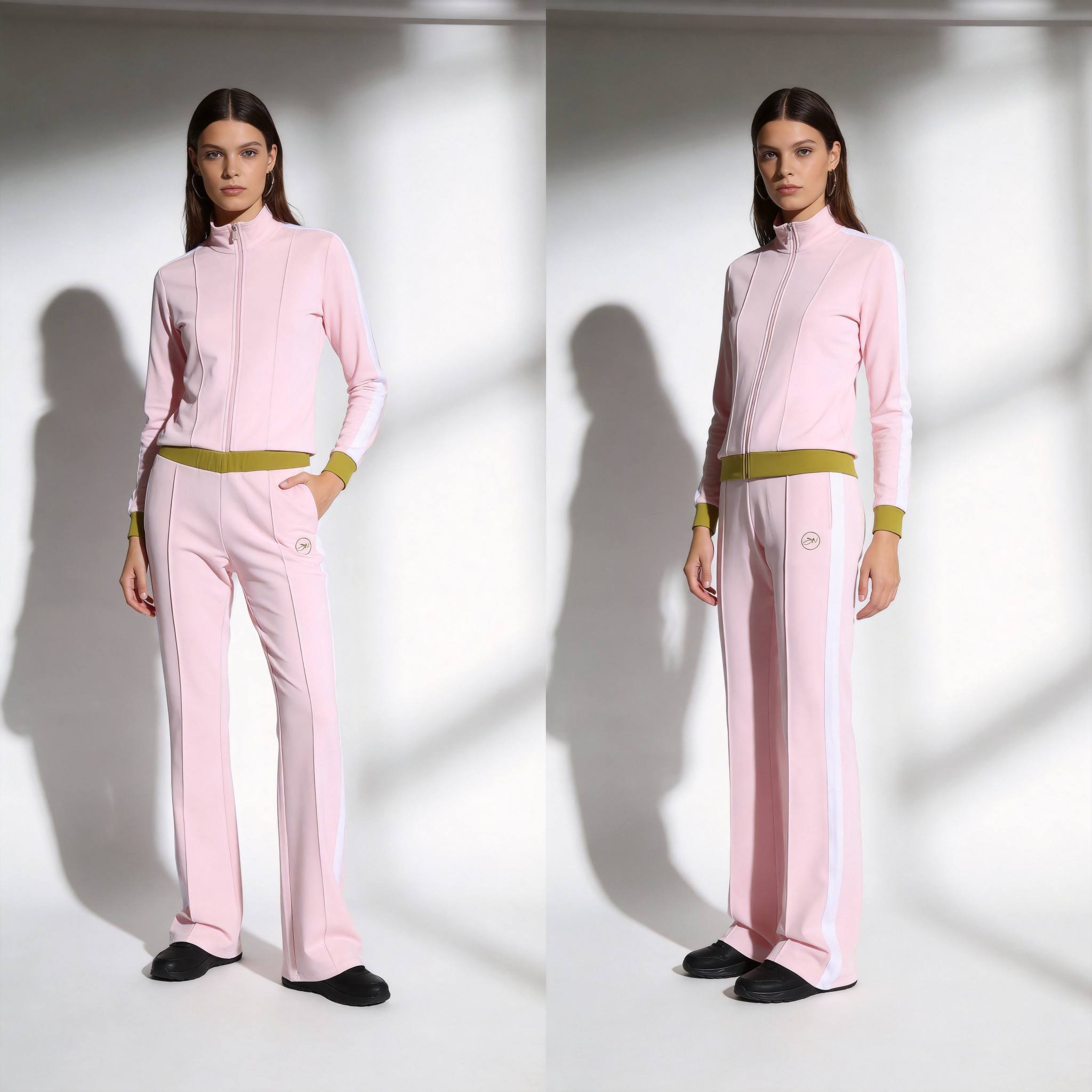
Complete tracksuit manufacturing including matching jackets and pants for teams, training programs, and athleisure brands. Technical fabrics, ribbed cuffs, functional pockets, and custom color blocking. Embroidery, screen printing, and heat-sealed logos maintain professional appearance. Our Humen factory ensures consistent quality across coordinated sets.
Request a QuoteSports Bras
Technical sports bra manufacturing with compression support, moisture-wicking fabrics, and seamless construction. Adjustable straps, removable padding, racerback designs, and breathable mesh panels provide performance and comfort. Low MOQ production allows fitness brands to test styles before scaling to full collections.
Request a Quote
Compression Wear
Compression garment production for athletic performance and recovery. Four-way stretch fabrics, flatlock seams, and graduated compression enhance circulation and muscle support. We manufacture compression tops, leggings, sleeves, and shorts with moisture management and quick-dry technology for serious athletes and active lifestyle brands.
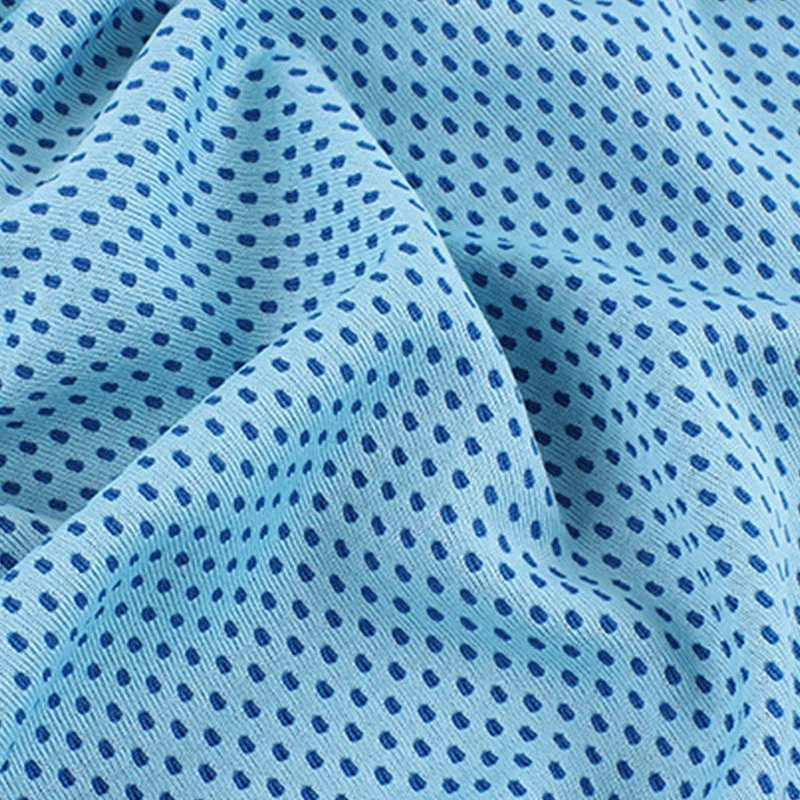
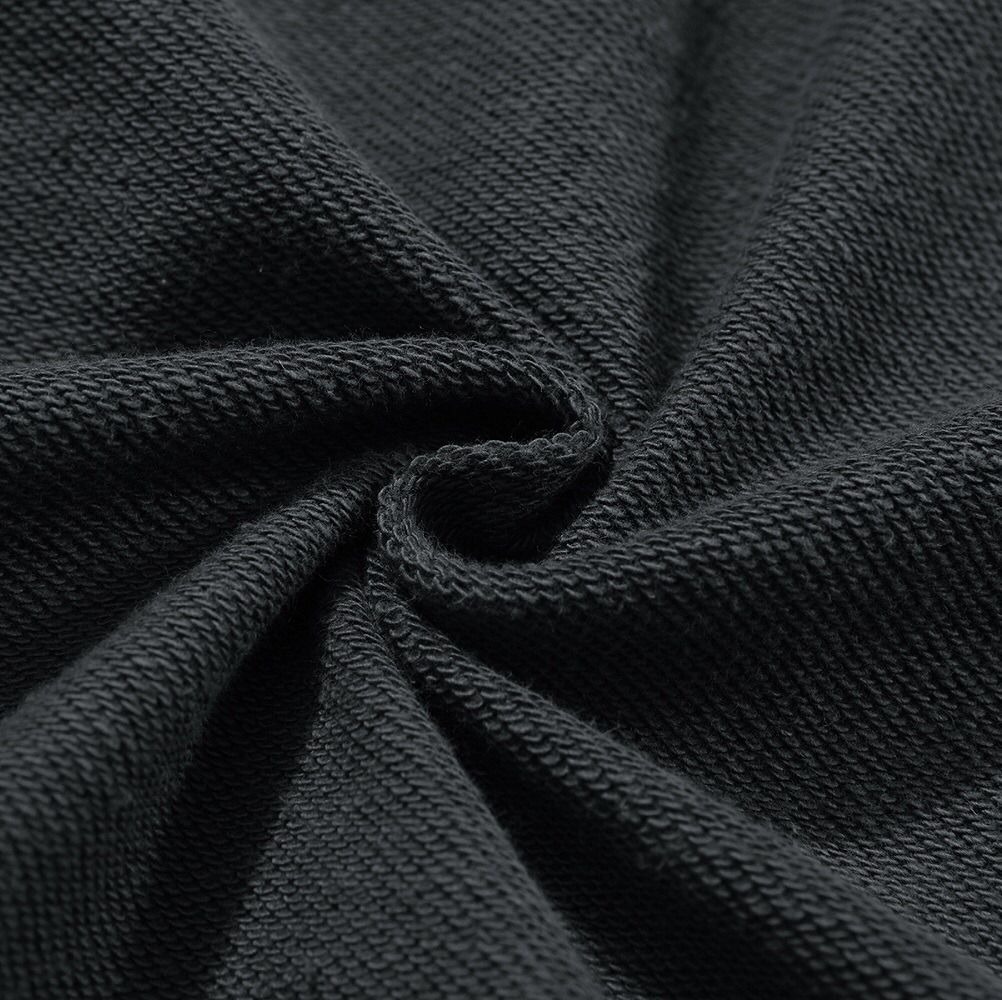
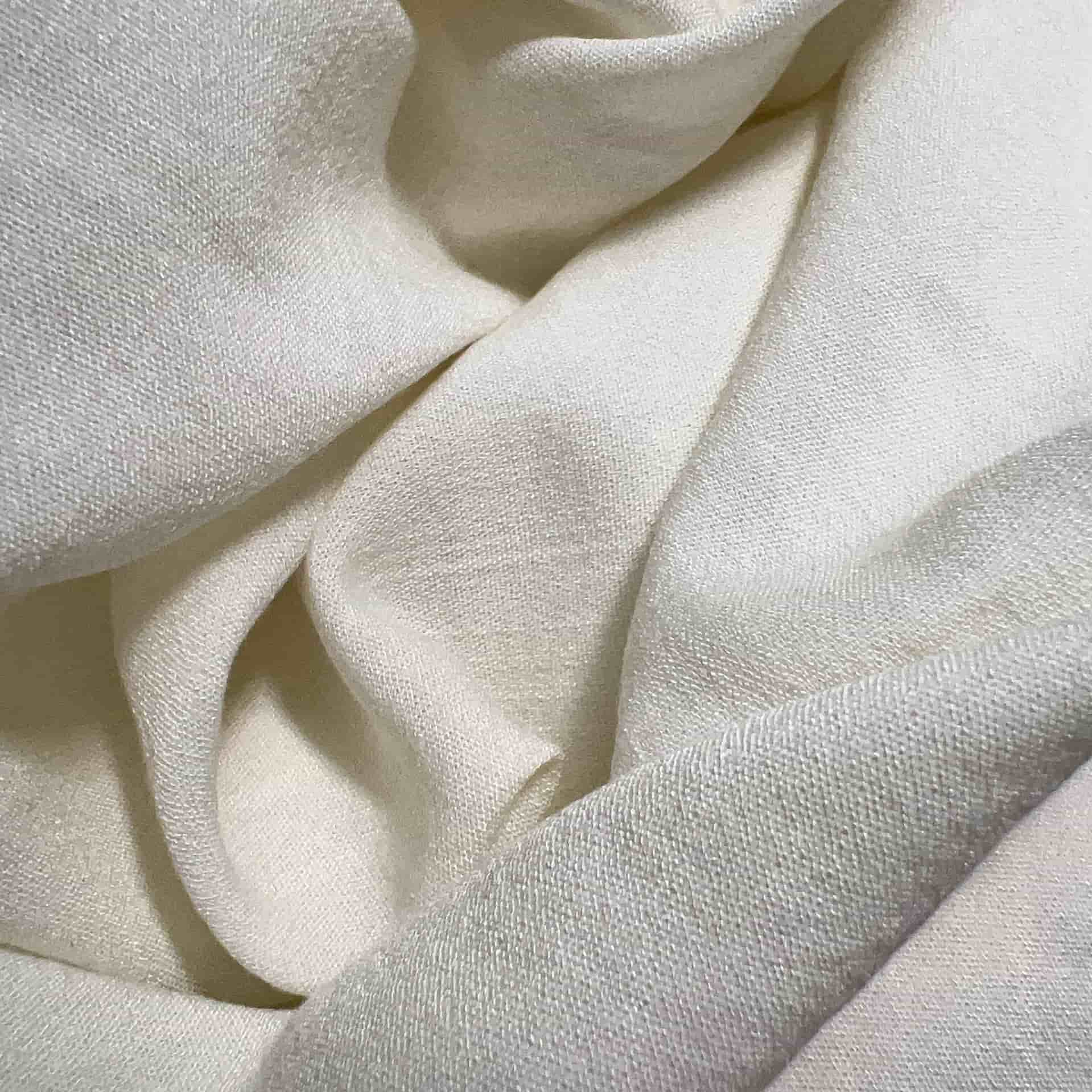
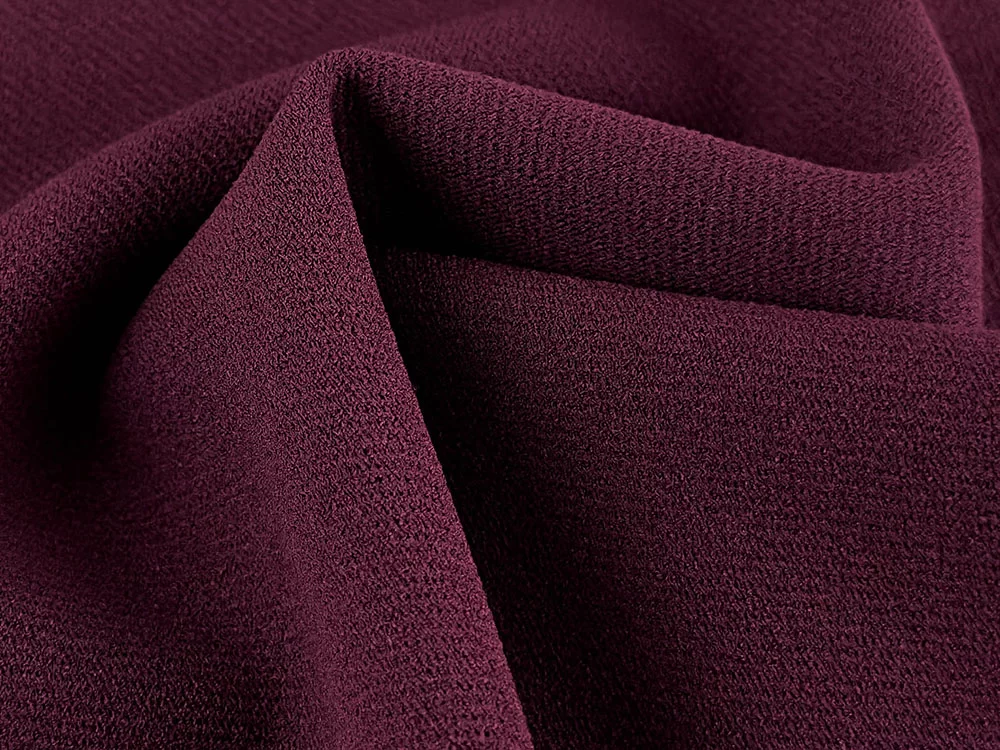
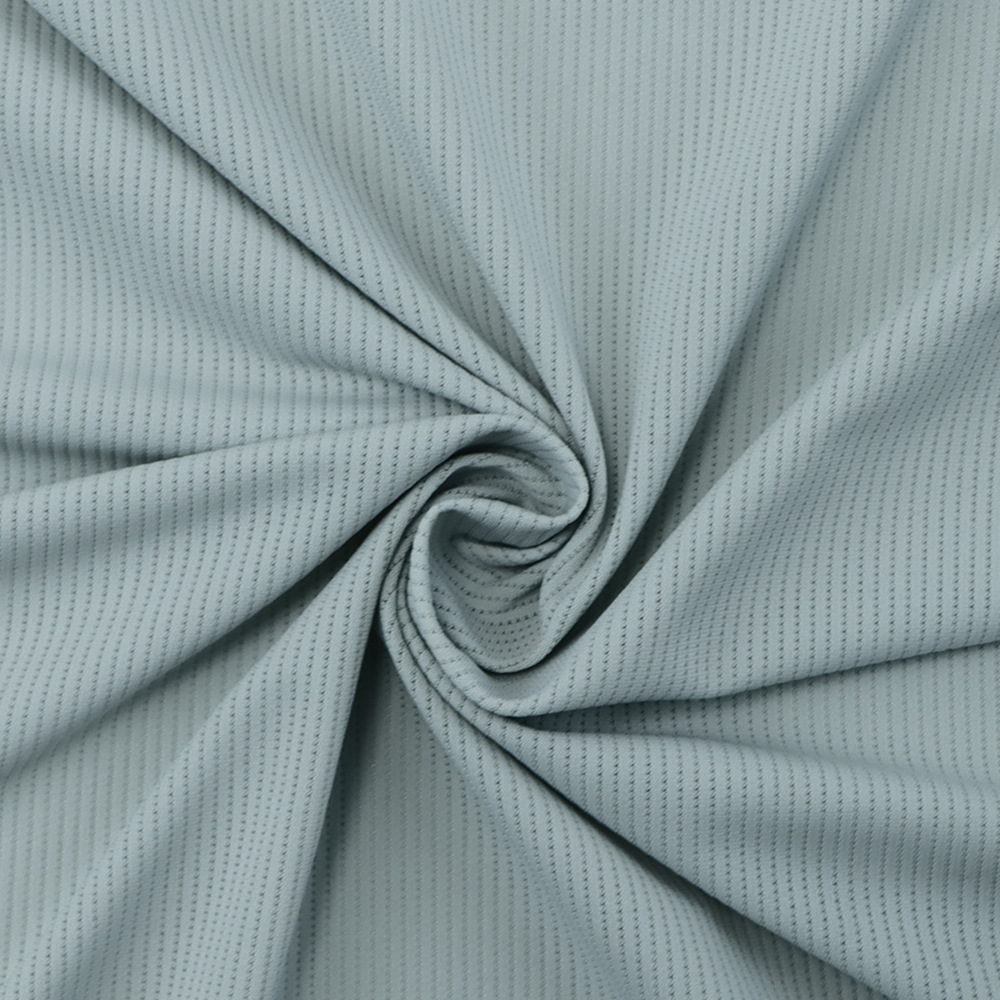
Request a QuotePremium Fabrics Our Sportswear Clothing Manufacturers Use
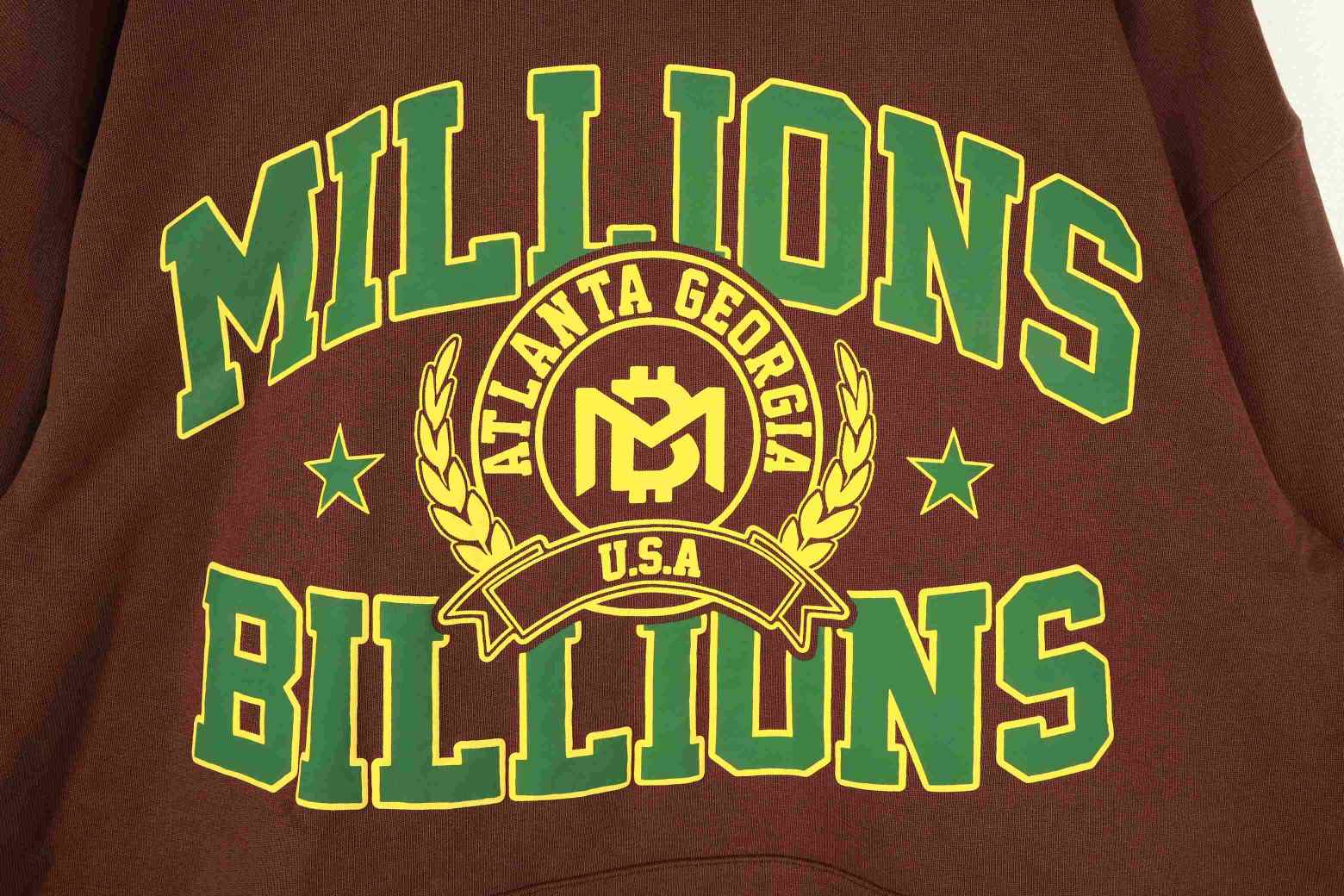
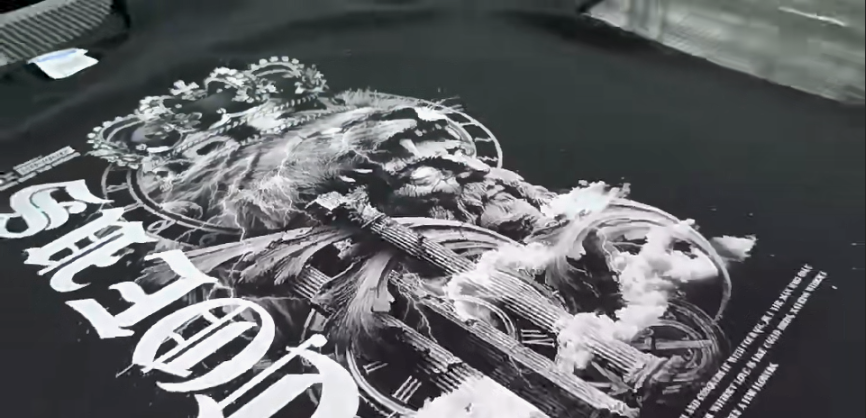
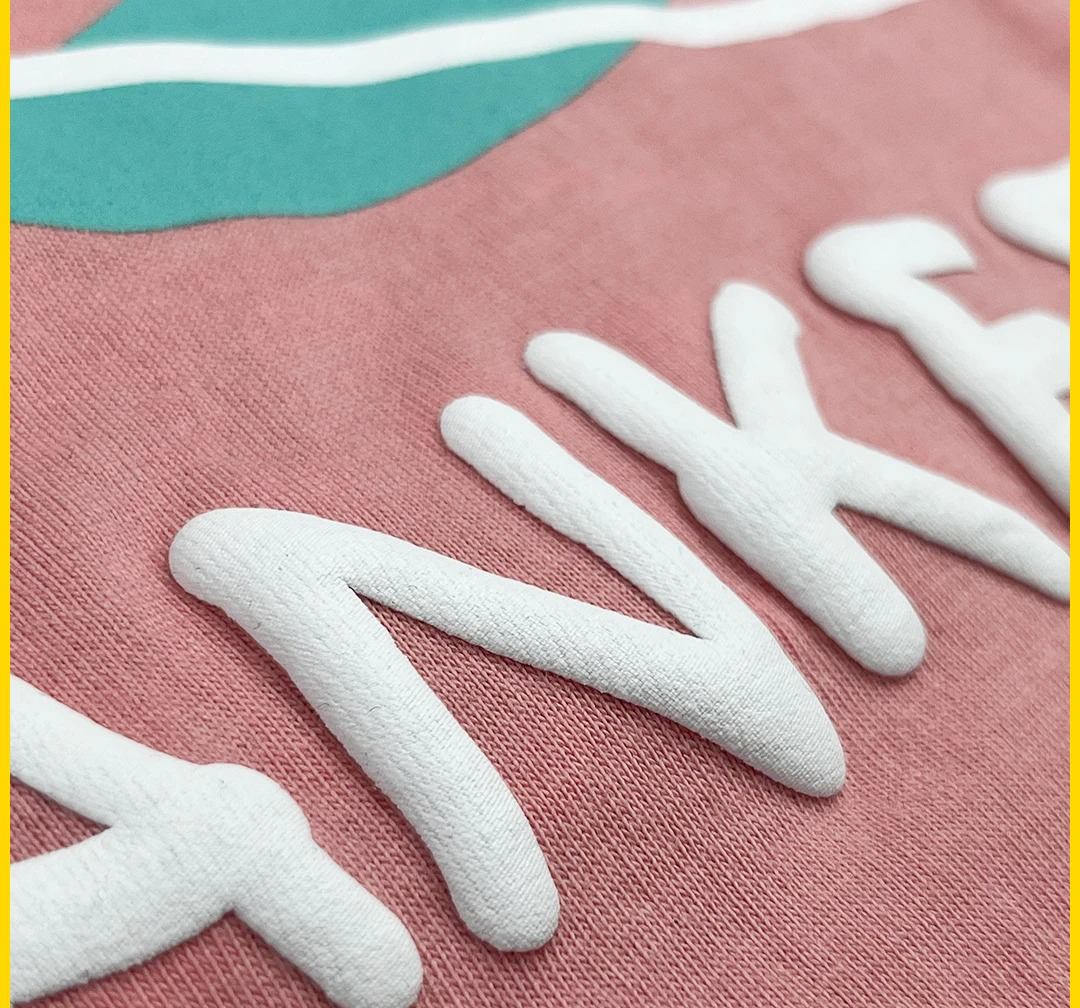
Advanced Processes from Leading Sportswear Clothing Manufacturers
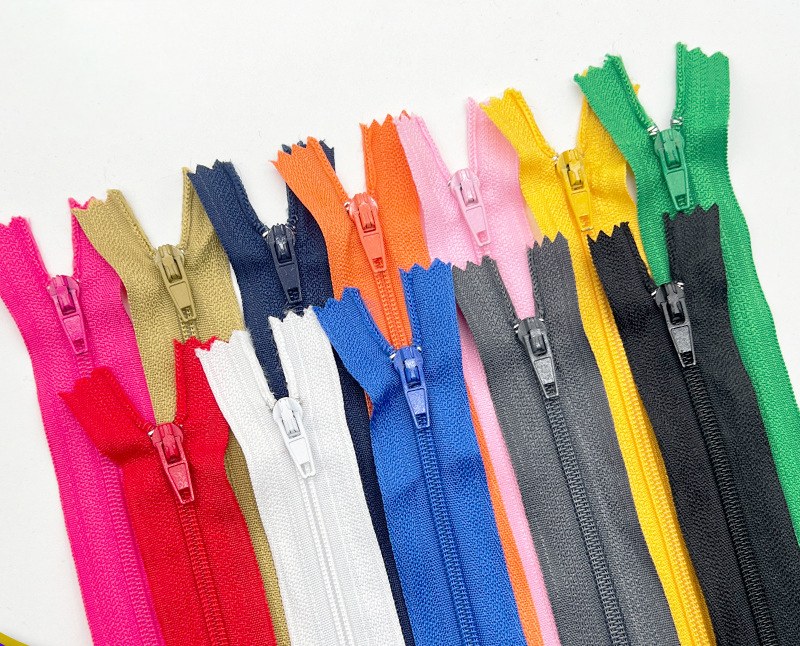
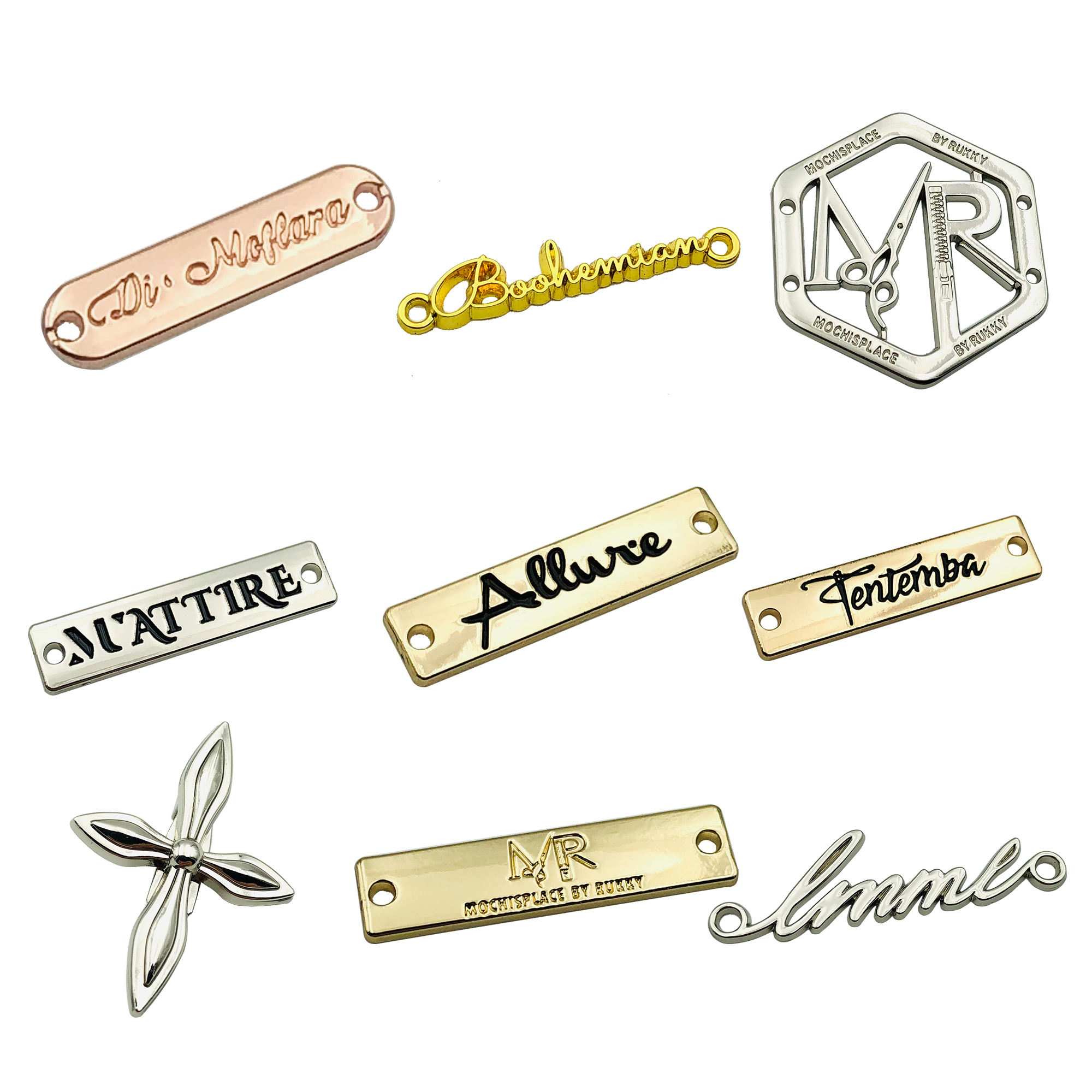
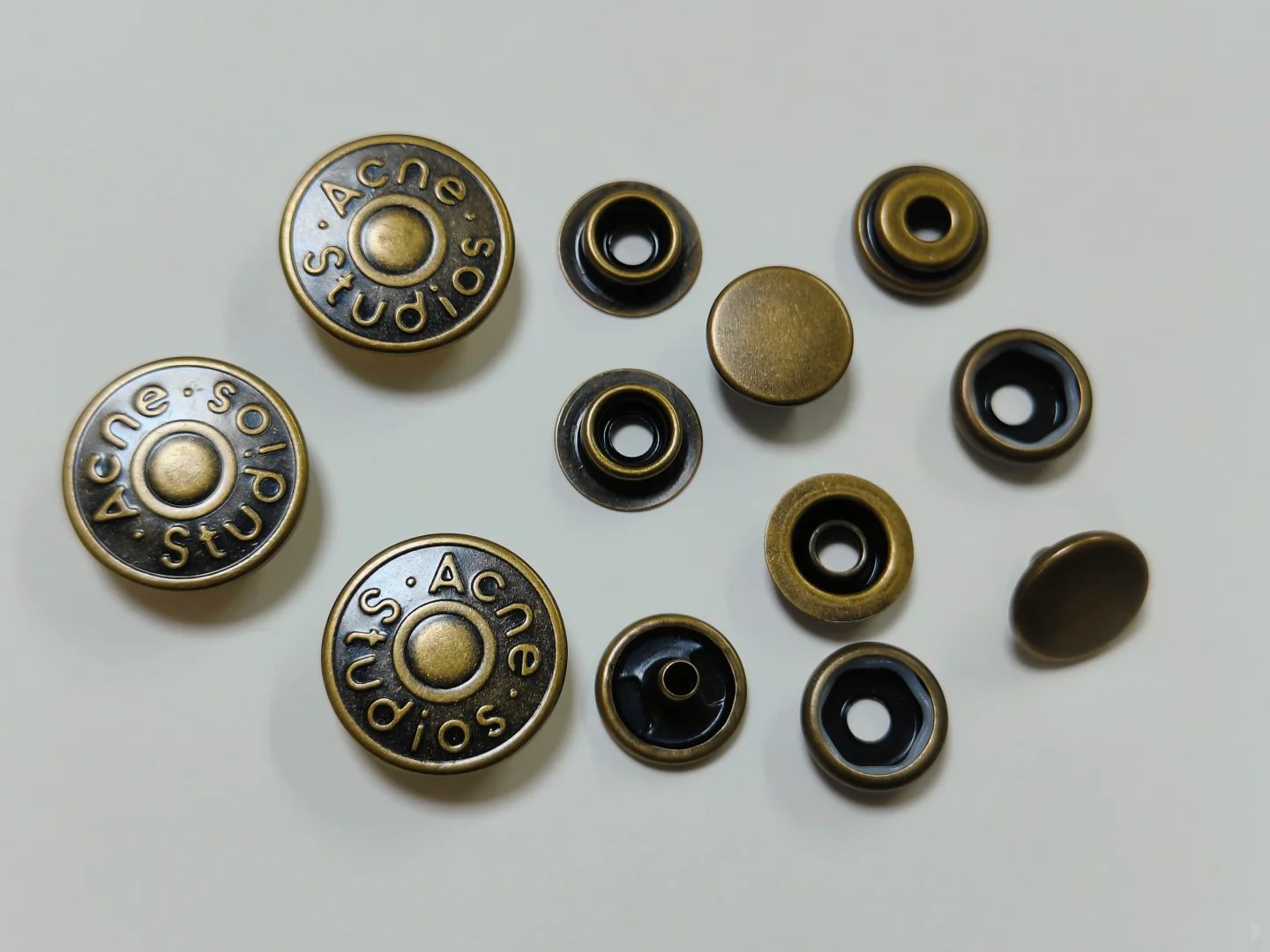
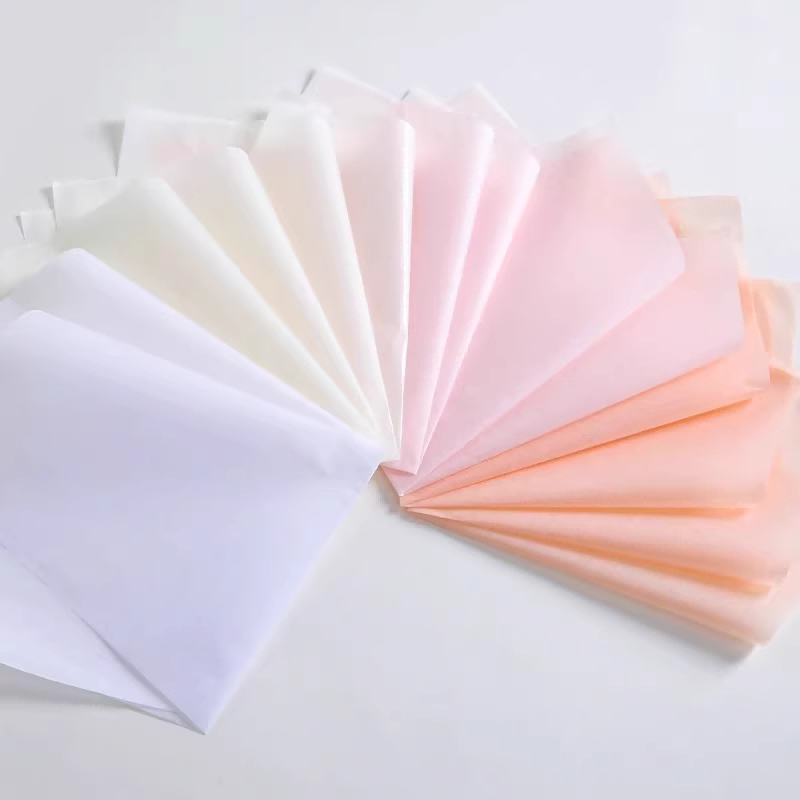
Premium Accessories u0026 Trims From Sportswear Clothing Manufacturers
About ZORWILD Sportswear Clothing Manufacturers
Founded in 1998 in Humen, Dongguan—one of the world’s leading garment manufacturing hubs—ZORWILD began as a family-operated workshop rooted in precision craftsmanship. Our founder grew up learning every stage of apparel production from his father, a master cutter, and has built a company that honors those same values of quality, responsibility, and professionalism across every project.
Today, ZORWILD employs over 200 skilled workers and operates a modern full-category facility with monthly production capacity exceeding 100,000 units. We’ve served more than 2,000 clothing brands worldwide, from 50-piece startup collections to large-scale production runs, delivering sportswear, activewear, and fashion apparel to customers across North America, Europe, the Middle East, and Southeast Asia.
What sets us apart is our combination of deep manufacturing heritage and flexible, brand-focused service. With 27 years of apparel manufacturing experience, 95%+ decoration techniques in-house, and a 6-stage quality control system, we bridge the gap between creative design and scalable production for DTC brands, professional teams, wholesalers, and established fashion labels.
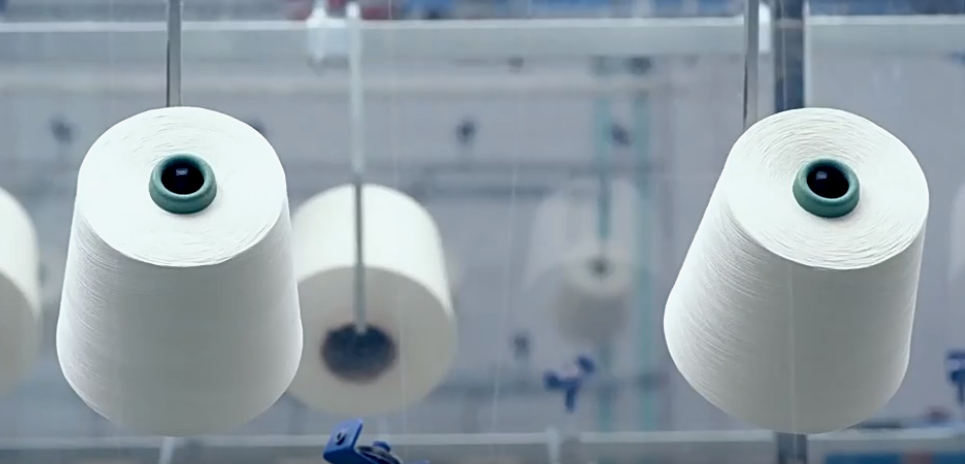
What Sets ZORWILD Apart as Sportswear Clothing Manufacturers
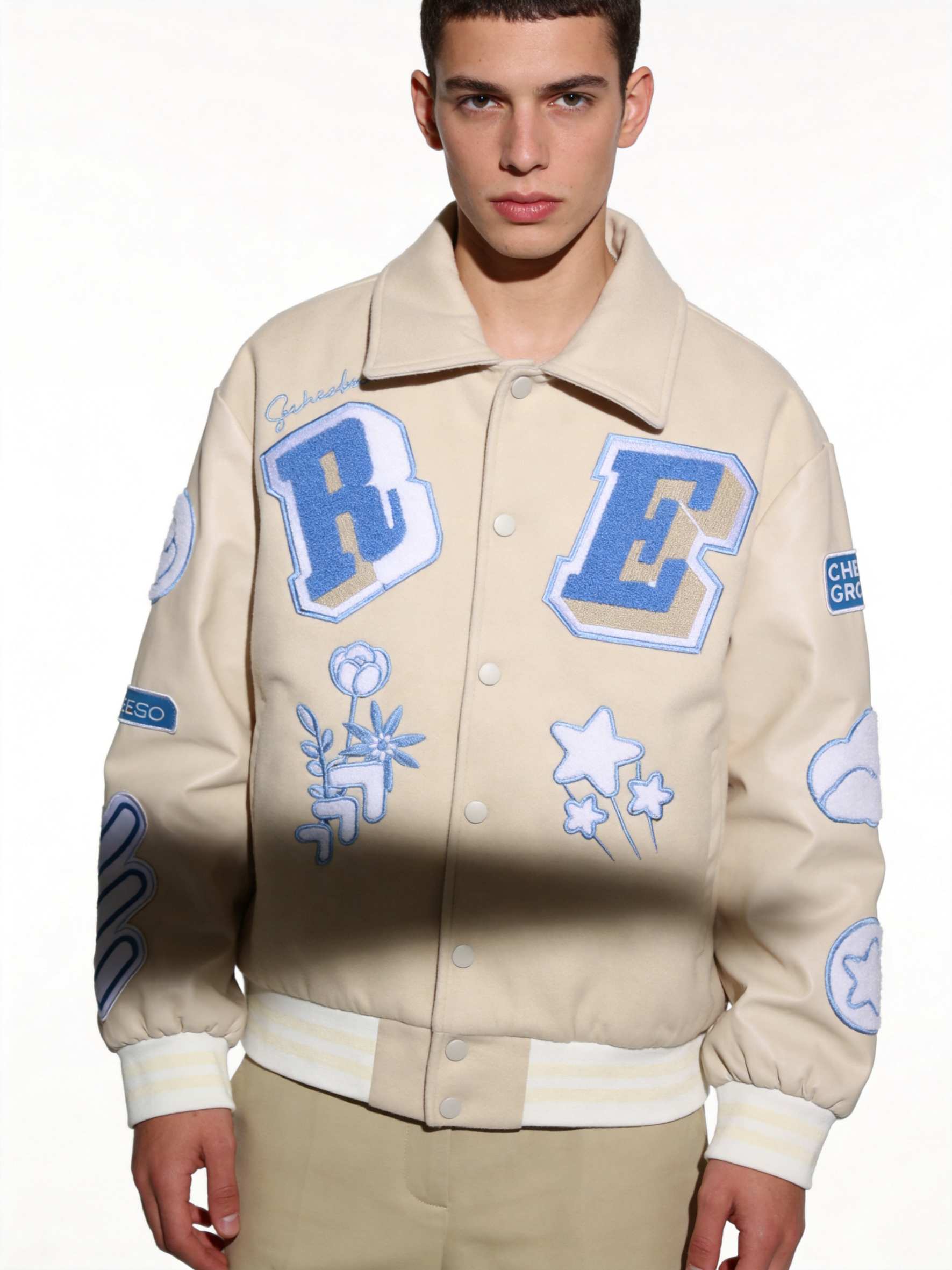
Varsity Outerwear u0026 Technical Jacket Expertise
ZORWILD specializes in varsity jackets, bomber jackets, puffer jackets, and technical outerwear with advanced quilting, waterproof coating, multi-layer construction, and embroidery applications. Our 27 years of experience ensure premium finishing on every piece.
- Custom quilting patterns and padded construction for puffer and varsity styles
- Waterproof coating, technical lining systems, and heat-sealed seams
- Ribbed cuffs, functional pockets, YKK zippers, and custom embroidery patches
- Patchwork construction and multi-fabric panel assembly for complex designs
Low-MOQ Scalability from 50 to 100,000+ Units
Start with just 50 pieces to test your market, then scale seamlessly to our monthly capacity of 100,000+ units. ZORWILD bridges startup agility with enterprise-scale production, giving you flexibility at every growth stage without switching manufacturers.
- MOQ starts at 50 pieces for most sportswear and activewear categories
- Monthly production capacity exceeding 100,000 units for large-scale orders
- Consistent quality and lead times whether you order 50 or 10,000 pieces
- Dedicated account support to help you plan inventory and manage growth
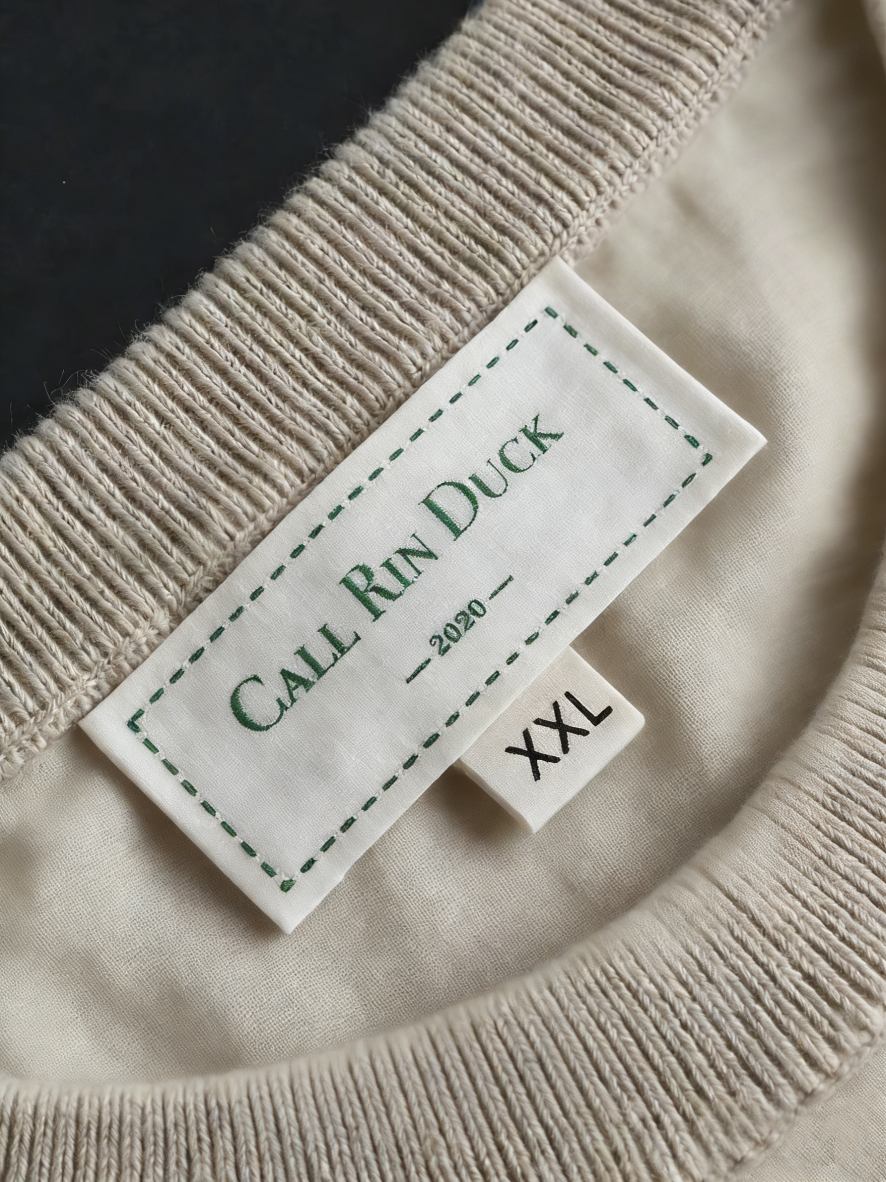
6-Stage Quality Control System
Every garment passes through raw material inspection, in-line production checks, measurement verification, decoration quality review, final product inspection, and packaging inspection. Our rigorous system ensures defect rates stay below industry standards and your brand reputation remains intact.
- Fabric inspection before cutting to catch material defects early
- In-line sewing inspection to correct issues during production, not after
- Print, embroidery, and wash quality checks for all decoration processes
- Final AQL-based inspection with detailed reporting before shipment

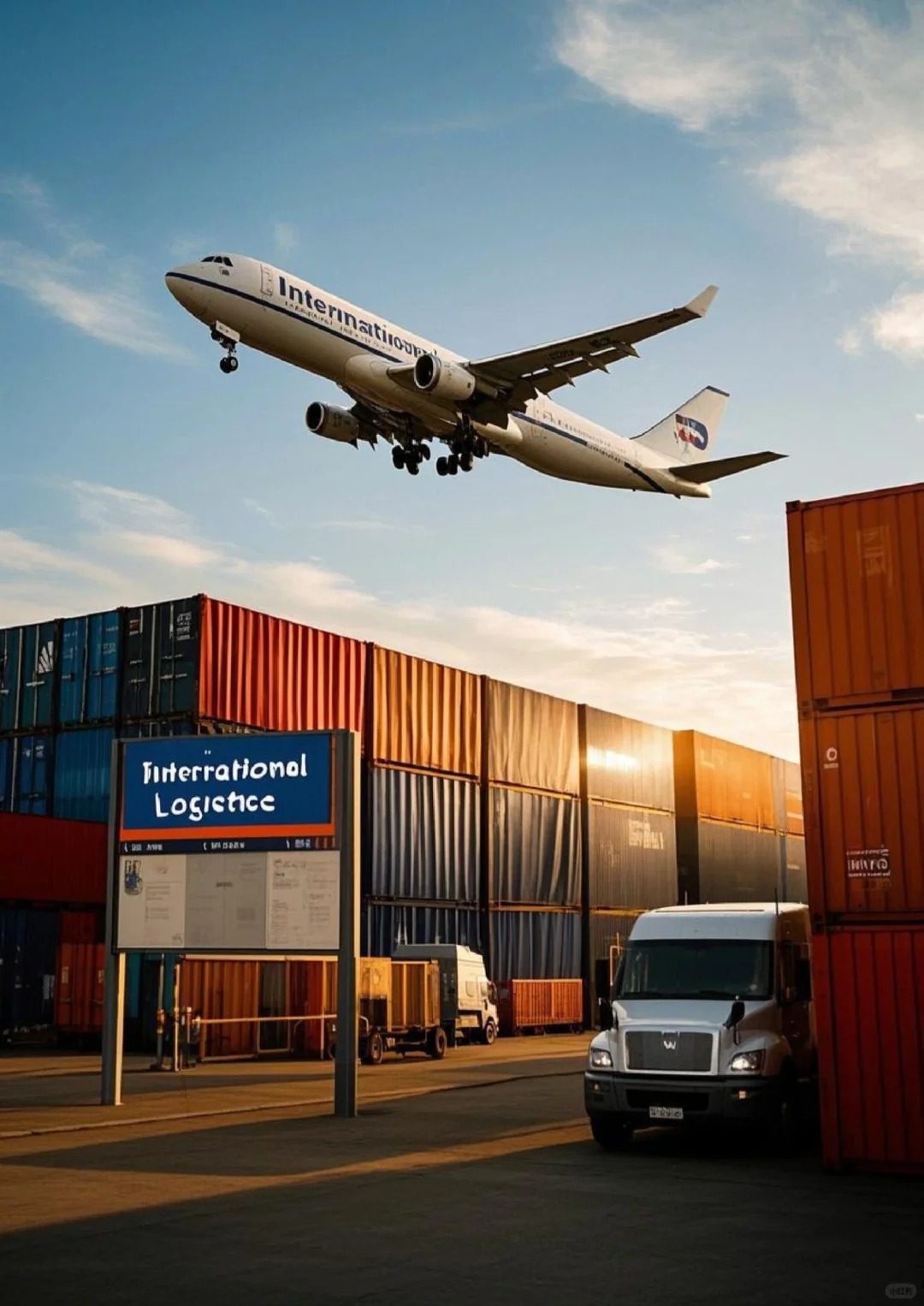
Global Logistics u0026 Shipping Support
ZORWILD handles air freight, sea freight, express delivery, and door-to-door shipping with full export documentation and customs support. Our Humen, Dongguan location offers direct access to Shenzhen and Guangzhou ports, reducing lead times and shipping costs.
- Air freight for urgent orders and product launches with 7-10 day delivery
- Sea freight for cost-effective bulk shipments to North America, Europe, and beyond
- Complete export documentation, commercial invoices, and customs clearance support
- Door-to-door shipping options to simplify international logistics for startup brands
ZORWILD vs. Typical Sportswear Clothing Manufacturers
See how our 27 years of experience, flexible MOQ, and in-house capabilities deliver better results for your sportswear brand.
← 左右滑动查看 →
How Sportswear Clothing Manufacturers Deliver Your Order
ZORWILD’s 6-stage production system ensures quality control, on-time delivery, and full transparency from design to delivery for every sportswear order.
Design u0026 Tech Pack
Submit your tech pack, sketches, or reference samples. Our development team reviews specifications and transforms your vision into production-ready garments.
Fabric Sourcing u0026 Approval
We source performance fabrics matching your budget and technical requirements. Moisture-wicking, stretch, and breathable materials selected for sportswear functionality.
Sampling u0026 Fit Testing
Receive pre-production samples to evaluate fit, fabric quality, decoration techniques, and construction details before committing to bulk production.
Bulk Production Launch
Full-scale manufacturing begins with fabric inspection, precision cutting, advanced sewing, and decoration application across our 100,000-unit monthly capacity facility.
Quality Control u0026 Finishing
Six-stage QC system inspects raw materials, in-line production, measurements, print quality, final products, and packaging to ensure zero-defect sportswear.
Packaging u0026 Global Shipping
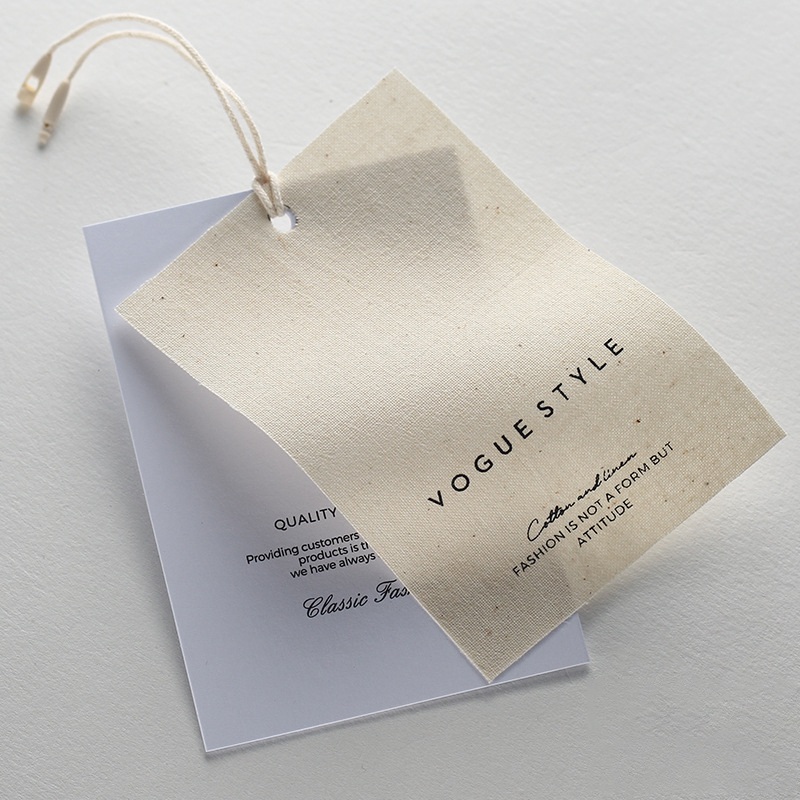
Custom packaging, branded labels, and hang tags applied. Air freight, sea freight, or express delivery arranged with full export documentation support.
How to Partner With Sportswear Clothing Manufacturers at ZORWILD
Submit Your Design or Tech Pack
Share your tech pack, sketches, reference samples, or design ideas. Our team reviews your requirements and recommends fabrics, decoration techniques, and production options.
Receive Quote and Sample Timeline
Within 24 hours, we provide a detailed quote covering materials, decoration, MOQ options starting at 50 pieces, and sampling costs with clear production timelines.
Approve Samples and Finalize Details
We produce pre-production samples for your review. Evaluate fit, fabric quality, print accuracy, and construction before approving bulk production with any necessary adjustments.
Begin Bulk Production With QC
Your order enters our six-stage quality control system. We monitor cutting, sewing, decoration, washing, finishing, and packaging with regular production updates throughout the process.
Receive and Inspect Your Order
Finished garments are shipped via your preferred method with full export documentation. Our logistics team coordinates air freight, sea freight, or express delivery worldwide.
Certified Sportswear Clothing Manufacturers You Can Trust

What Our Sportswear Clothing Manufacturers Clients Say
ZORWILD helped us launch our first activewear collection with just 50 pieces per style. Within 6 months, we scaled to 2,000 units monthly with zero quality issues. Their low MOQ saved our startup.
We reduced our per-unit cost by 28% after switching to ZORWILD while improving fabric quality. Their 27 years of experience shows in every detail—from moisture-wicking performance to stitch durability.
Launched a 500-piece yoga set collection in just 5 weeks, including sampling and revisions. ZORWILD’s in-house decoration capabilities and responsive communication made our tight deadline possible.
Frequently Asked Questions About Sportswear Clothing Manufacturers
What is the minimum order quantity for sportswear at ZORWILD?
How long does it take to receive samples from sportswear clothing manufacturers?
Do sportswear clothing manufacturers charge for samples and can the fee be refunded?
What are the typical lead times for bulk production with sportswear clothing manufacturers?
What payment terms do sportswear clothing manufacturers like ZORWILD offer?
How do sportswear clothing manufacturers protect my designs and intellectual property?
What customization options are available for sportswear and activewear?
Do you offer bulk pricing discounts for larger sportswear orders?
What shipping and logistics options do sportswear clothing manufacturers provide?
The Complete Buyer’s Guide to Sportswear Clothing Manufacturers
1. What Are Sportswear Clothing Manufacturers?
Sportswear clothing manufacturers are specialized production partners that transform technical fabrics into finished athletic and activewear garments through pattern cutting, sewing, decoration, and quality control. Unlike general apparel factories, these manufacturers handle performance materials such as moisture-wicking polyester, four-way stretch nylon blends, and compression knits that require precise tension control, flatlock seams, and heat-sealed construction to maintain fabric integrity and functional performance.nnIn the apparel supply chain, sportswear clothing manufacturers bridge fabric mills and retail channels by managing product development, material sourcing, sampling, bulk production, and export logistics. OEM (Original Equipment Manufacturer) partners produce garments to a brand’s exact specifications and tech packs, while ODM (Original Design Manufacturer) suppliers offer ready-to-customize designs that reduce development time. Full-package manufacturers like ZORWILD handle every step from fabric procurement and trims sourcing to final packaging, allowing brands to launch collections with a single point of contact.nnBrands outsource sportswear production to access specialized equipment such as coverstitch machines for athletic hems, ultrasonic welding for seamless bonding, and sublimation printers for all-over graphics. Established manufacturers bring 20+ years of fabric handling expertise, quality systems that inspect stitch density and seam strength, and scalable capacity ranging from 50-piece test runs to 100,000-unit monthly production, enabling startups and established labels to compete without capital-intensive factory investments.
2. Evolution of Sportswear Manufacturing
Before 1970, athletic apparel relied almost exclusively on cotton jerseys and basic knit fabrics that absorbed sweat and added weight during activity. The introduction of polyester moisture-wicking fabrics in the mid-1970s marked the first major shift, enabling garments that pulled perspiration away from the skin and dried rapidly, setting new performance benchmarks for sportswear clothing manufacturers.nnThe 1980s brought technical innovations including spandex blends for compression support and the first generation of breathable synthetic fabrics, while the 1990s saw mass globalization as brands moved production to Asia to access lower labor costs and specialized textile mills. By 2000, China accounted for over 40% of global apparel exports, with hubs like Dongguan becoming centers for sportswear expertise where factories invested in CAD pattern systems, computerized embroidery, and multi-needle flatlock machines.nnThe 2010s introduced seamless knitting technology that eliminated side seams for enhanced comfort, laser cutting for precise pattern work without fraying, and sublimation printing for all-over graphics on polyester garments. Today’s sportswear clothing manufacturers prioritize sustainable materials including organic cotton, recycled polyester, and bamboo blends, while on-demand production models with 50-piece MOQs allow brands to test collections without excess inventory risk.nnNearshoring trends have emerged since 2020 as brands seek shorter lead times and supply-chain resilience, yet established Asian manufacturers maintain advantages in technical fabric sourcing, advanced decoration capabilities, and scalable production infrastructure built over three decades.
3. Types of Sportswear Clothing Manufacturers
Sportswear clothing manufacturers operate under distinct service models and specialization tiers. Understanding these categories helps brands match production capabilities to their order volume, budget, and technical requirements.
Full-Package vs. CMT Manufacturers
Full-package manufacturers handle design development, fabric sourcing, sampling, production, and quality control under one roof. MOQs typically start at 50–500 pieces with 30–60 day lead times, ideal for startups and influencer brands requiring turnkey solutions without managing multiple suppliers.nnCMT (cut-make-trim) factories require clients to supply fabrics and trims, focusing only on garment assembly. MOQs often reach 1,000+ pieces with 20–40 day lead times, suited for mid-size brands with established supply chains and fabric relationships.
Niche Sportswear Specialists
Yoga and athleisure specialists focus on seamless knitting, four-way stretch fabrics, and compression construction with MOQs from 100–300 pieces. Team sports manufacturers produce uniforms with sublimation printing and moisture-wicking polyester, typically requiring 50–200 units per colorway.nnOutdoor and technical sportswear factories offer waterproof coating, bonded fabrics, and multi-layer construction with MOQs of 300–1,000 pieces and 45–75 day lead times, targeting performance-focused brands.
Small-Batch vs. High-Volume Producers
Low-MOQ manufacturers like ZORWILD accept orders from 50 pieces, enabling startups to test products and manage cash flow with 30–45 day lead times. Monthly capacity ranges from 5,000–100,000 units across multiple SKUs.nnHigh-volume factories require 3,000–10,000 piece MOQs per style with 60–90 day lead times and monthly capacity exceeding 500,000 units, serving established brands and large wholesalers prioritizing cost efficiency over flexibility.
4. Performance Fabrics and Materials in Sportswear
Professional sportswear clothing manufacturers select performance fabrics based on moisture management, stretch recovery, and durability benchmarks. ZORWILD sources technical fabrics from trusted suppliers across China, offering polyester, nylon blends, spandex, bamboo, modal, and recycled synthetics for activewear collections starting at 50 pieces.
| Fabric Type | GSM Range | Key Properties | Typical Applications | Price Tier |
|---|---|---|---|---|
| Polyester | 120–180 | Moisture-wicking, quick-dry, durable | Running tops, gym shorts, performance tees | Low–Mid |
| Nylon/Spandex | 200–260 | Four-way stretch, compression, shape retention | Yoga leggings, sports bras, cycling shorts | Mid–High |
| Merino Wool | 150–220 | Thermoregulation, odor-resistant, breathable | Outdoor layers, running base layers | High |
| Recycled Synthetics | 130–200 | Eco-friendly, moisture-wicking, UV protection | Sustainable activewear, athleisure collections | Mid–High |
Core Performance Fabric Families
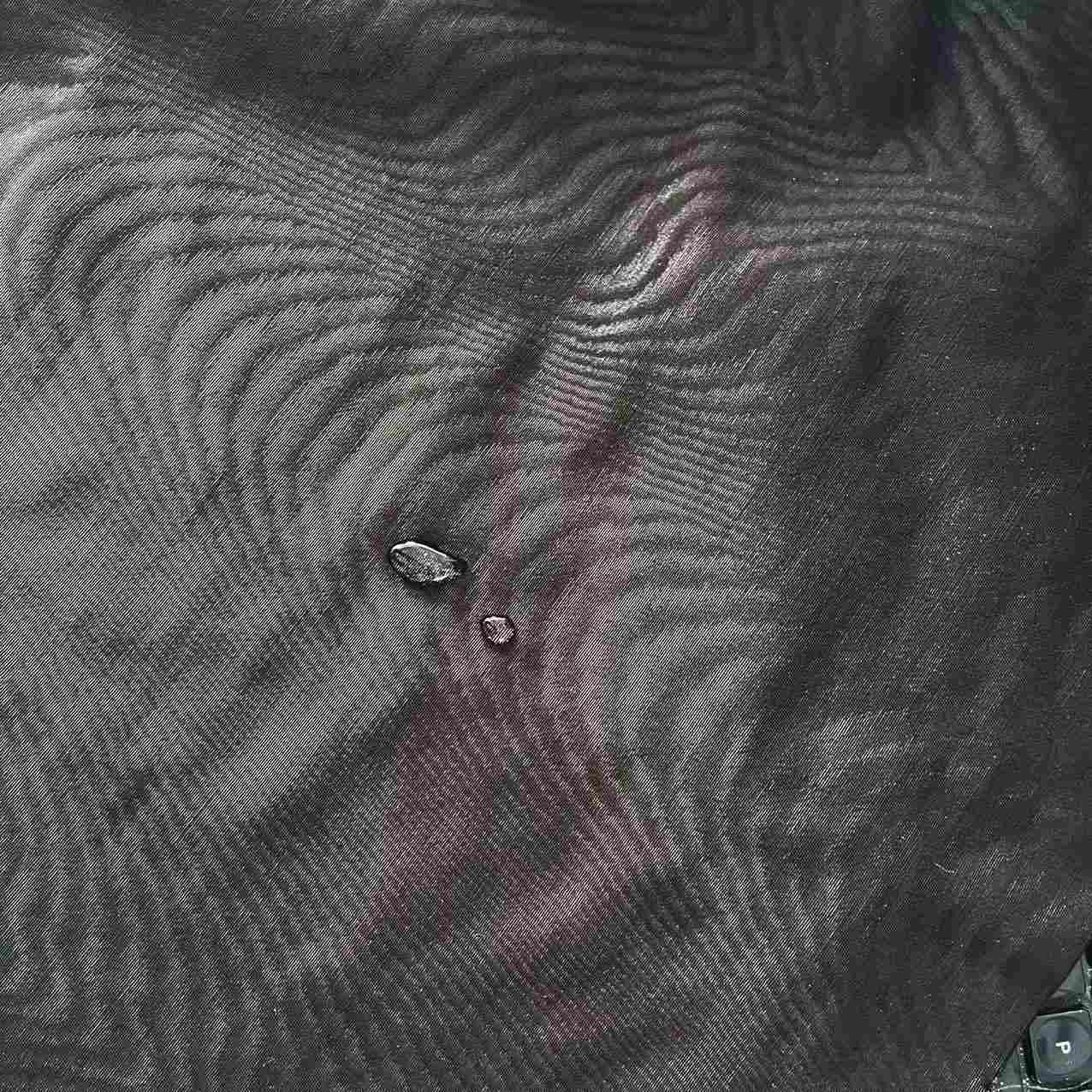
Polyester dominates sportswear for its moisture-wicking speed, color retention, and resistance to shrinkage. Nylon/spandex blends deliver four-way stretch and compression support essential for yoga leggings and cycling shorts.nnMerino wool provides natural thermoregulation and odor resistance for outdoor and running apparel. Recycled polyester and nylon meet sustainability goals while maintaining technical performance, appealing to eco-conscious brands and buyers seeking certified materials.
Fabric Certifications and Buyer Credibility
Oeko-Tex Standard 100 certifies fabrics free from harmful chemicals, critical for skin-contact sportswear and children’s activewear. Bluesign certification ensures responsible manufacturing with reduced water, energy, and chemical use throughout the textile supply chain.nnGRS (Global Recycled Standard) verifies recycled content claims, preventing greenwashing and building trust with retailers and end consumers. Sportswear clothing manufacturers offering certified fabrics reduce compliance risk and strengthen brand positioning in competitive markets.
5. Customization and Decoration Techniques
Professional sportswear clothing manufacturers deploy multiple decoration and branding techniques, each with distinct cost structures, durability profiles, and minimum order implications. Selecting the right method depends on design complexity, budget, and intended use.
| Technique | Setup Cost | Per-Unit Cost | Durability (Washes) | Best Use Case | Typical MOQ Impact |
|---|---|---|---|---|---|
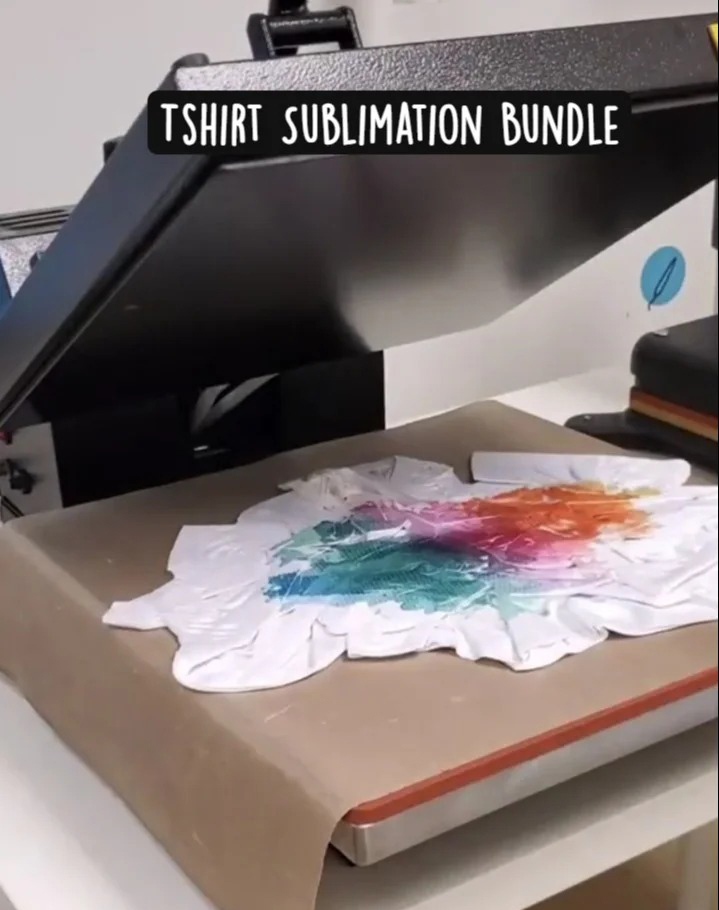
| Sublimation Printing | Low | Medium | 50+ cycles | All-over graphics, polyester sportswear, no hand-feel | 100–200 pcs (full-color freedom) |
| Screen Printing | Medium–High | Low | 50–100 cycles | Bold logos, team uniforms, high-volume orders | 50–100 pcs per design/color |
| Heat Transfer | Low | Medium–High | 30–50 cycles | Complex artwork, photo-realistic designs, small runs | 50 pcs (design flexibility) |
| Embroidery | Medium | High | 100+ cycles | Premium branding, polo shirts, team uniforms, corporate wear | 50–100 pcs (stitch count matters) |
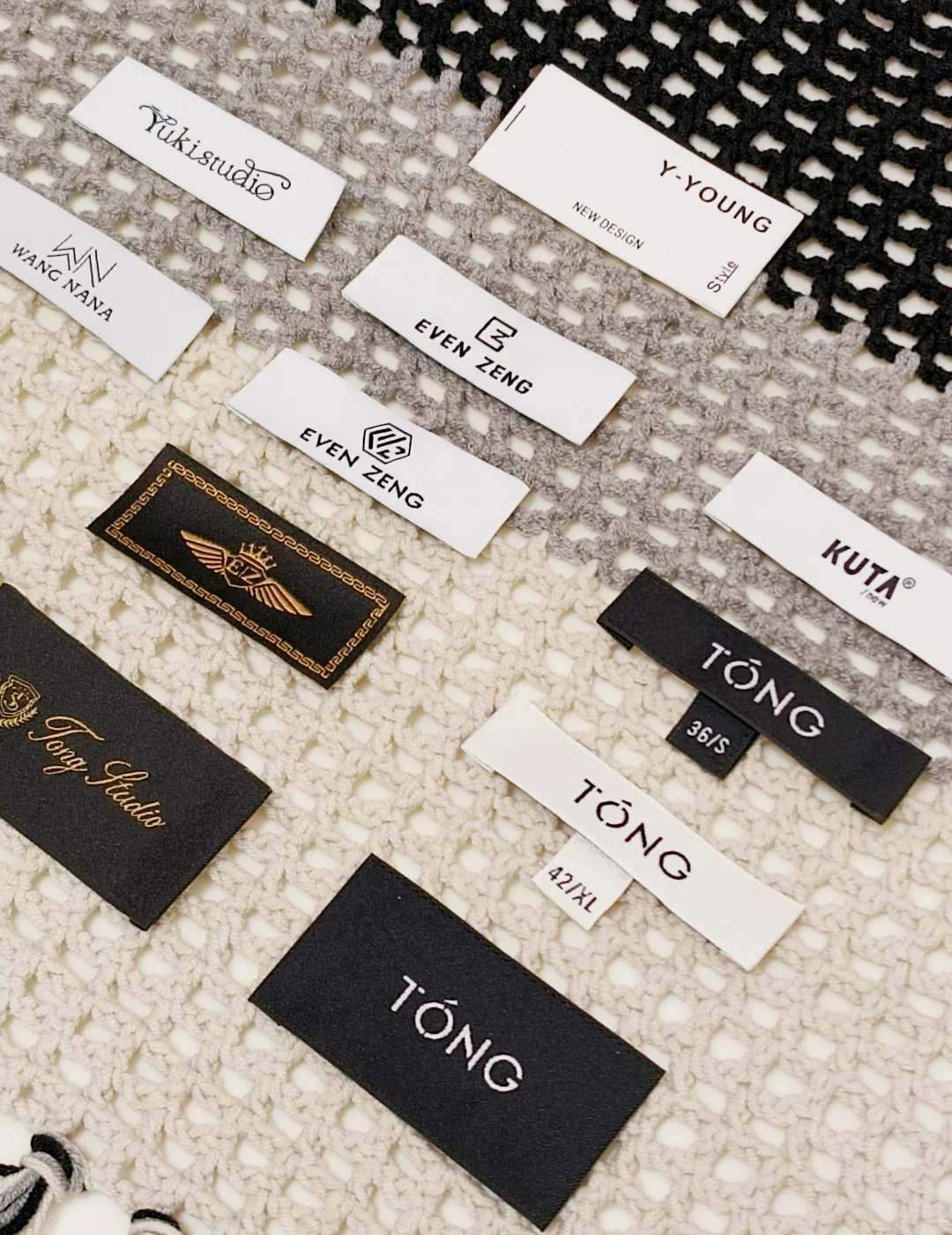
| Woven/Printed Labels | Low–Medium | Low | 100+ cycles | Neck labels, care tags, brand identity, interior branding | 50 pcs (custom branding essential) |
6. Quality Benchmarks for Sportswear Construction
Professional sportswear clothing manufacturers enforce construction standards that directly affect garment durability, comfort, and brand reputation. ZORWILD applies strict quality benchmarks across seam construction, stitching density, fabric performance testing, and final inspection to ensure every piece meets performance requirements for activewear and athletic collections.
Stitching Standards and SPI Requirements
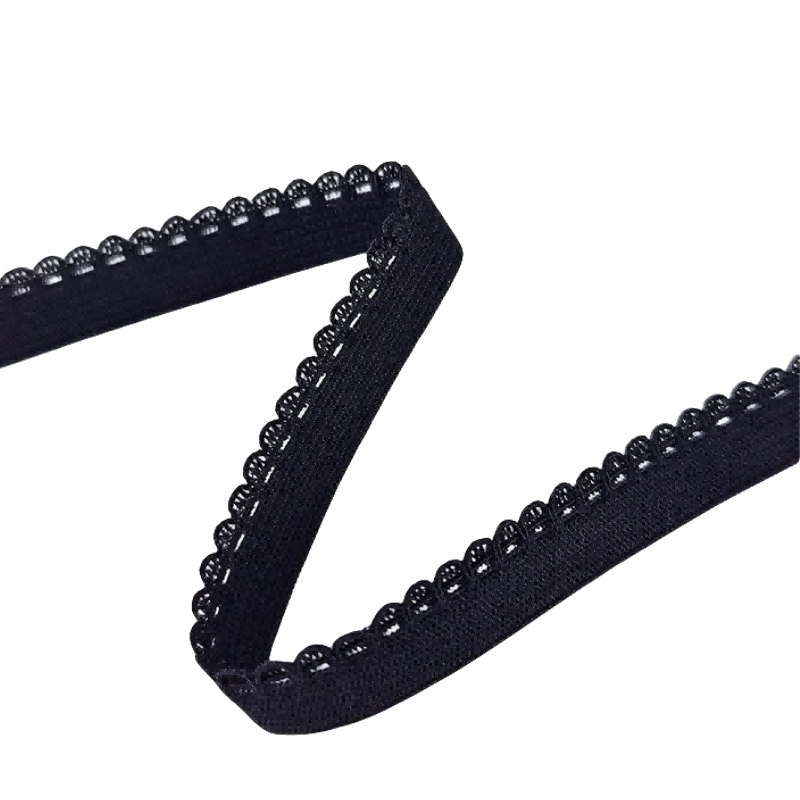
Stitches per inch (SPI) determines seam strength and stretch recovery. Sportswear typically requires 12–14 SPI for woven fabrics and 10–12 SPI for knit fabrics to balance durability with elasticity.nnElastic waistbands need coverstitch construction (three or four needles) to prevent thread breakage during repeated stretching. Thread quality matters: polyester core-spun thread resists UV degradation and maintains tension better than cotton thread in performance garments.
Fabric Testing Protocols
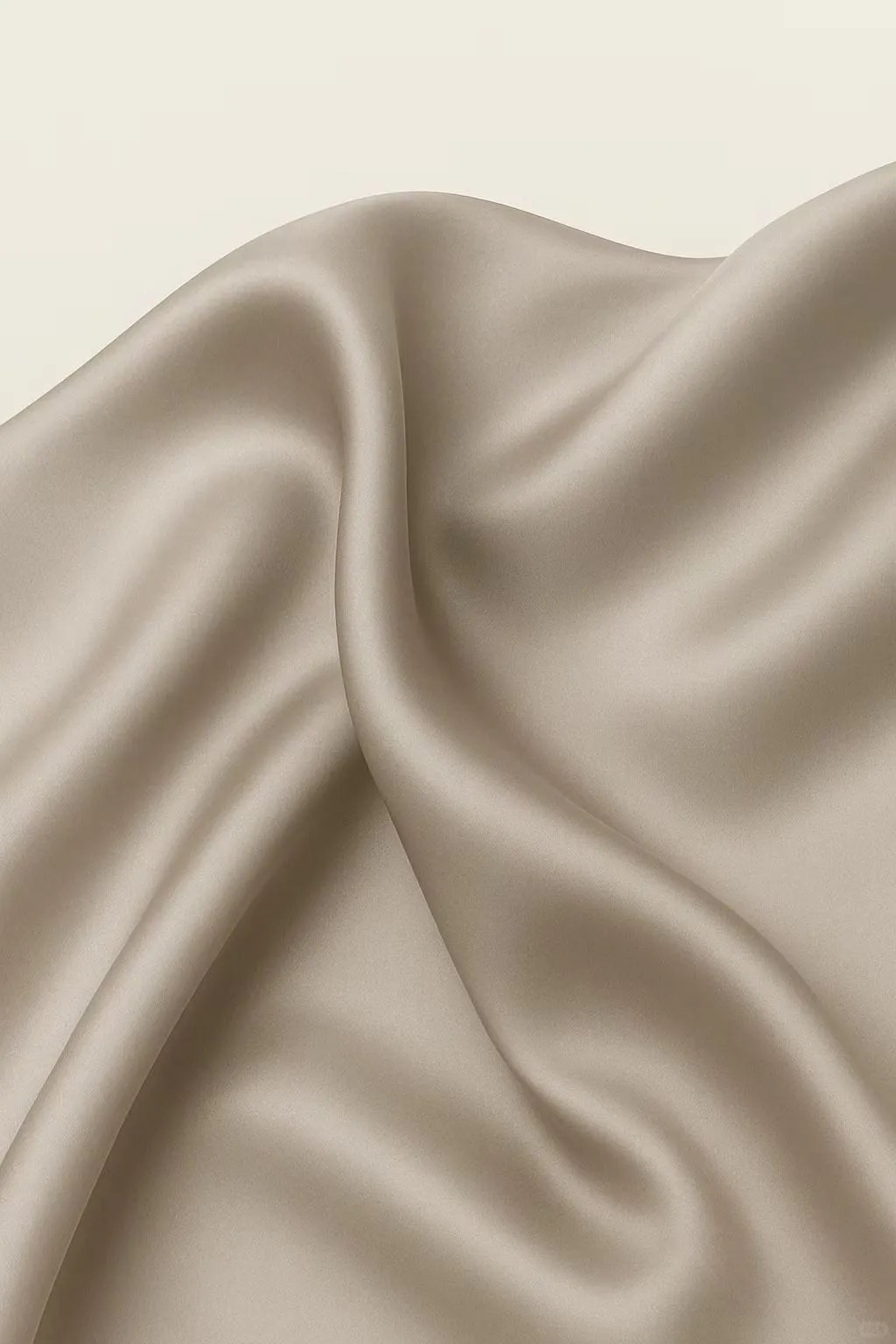
Tensile strength testing measures fabric tear resistance under load, with minimum thresholds of 20–30 pounds for activewear knits. Stretch recovery tests confirm fabric returns to original dimensions after 50 stretch cycles, critical for leggings and compression wear.nnColorfastness testing simulates sweat exposure (ISO 105-E04) and UV exposure (ISO 105-B02) to ensure dyes remain stable during workouts and outdoor use. Pilling resistance (Martindale abrasion test, minimum 20,000 cycles) prevents fabric surface degradation from friction and washing.
Final Inspection Checkpoints
Size-grade consistency verification ensures measurements match tech pack specifications across all sizes, with tolerance limits of ±0.5 cm for critical dimensions like inseam, chest width, and sleeve length. ZORWILD inspects 100% of garments for measurement accuracy, print alignment, embroidery quality, and functional details like zipper operation and drawcord security.nnFinal audits catch defects including uneven hems, skipped stitches, fabric flaws, misaligned prints, loose threads, and packaging errors before shipment, protecting brand reputation and reducing return rates.
7. How to Choose the Right Sportswear Clothing Manufacturers
Selecting the right partner among sportswear clothing manufacturers requires a systematic evaluation framework that balances production capabilities, quality assurance, and operational transparency. A methodical approach prevents costly delays, quality failures, and communication breakdowns that derail product launches.
Assess Production Capacity and MOQ Fit
Verify monthly production capacity (50,000+ units indicates stable operations) and confirm MOQ alignment with your order volume and growth plans. ZORWILD’s 50-piece MOQ suits startup brands, while 100,000+ monthly capacity supports scaling without switching manufacturers.nnRequest production schedules to identify peak periods and typical lead times. Manufacturers with flexible MOQ policies (50–500 pieces) allow test launches and capsule collections without excess inventory risk.
Verify Fabric Sourcing and Mill Partnerships
Ask for fabric supplier lists and mill partnerships to ensure consistent material quality and availability. Established manufacturers maintain relationships with multiple mills for cotton, polyester, French terry, and technical fabrics.nnRequest fabric swatch books and GSM specifications (180–320 GSM for sportswear) to evaluate hand feel, stretch recovery, and moisture-wicking performance before sampling.
Review Certifications and Audit Reports
Demand ISO 9001, WRAP, BSCI, or OEKO-TEX documentation to confirm quality systems and ethical compliance. Certified factories demonstrate third-party-verified processes, reducing audit risk for retail partnerships.nnRed flag: reluctance to share audit reports or vague answers about certification status. Green flag: proactive sharing of updated certificates and transparent factory tour invitations.
Evaluate Sampling Speed and Revision Policy
Confirm sampling turnaround (7–14 days is standard) and revision limits before production. Fast sampling with clear revision policies (typically 2–3 rounds included) accelerates product development cycles.nnTest the process with a paid sample order to assess pattern accuracy, stitching quality, and decoration execution before committing to bulk orders.
Negotiate Payment Terms and Lead Times
Clarify payment structure (30% deposit, 70% before shipment is common) and production lead times (30–45 days for sportswear). Transparent pricing breakdowns by fabric, decoration, and labor prevent hidden costs.nnRed flag: vague lead time estimates or reluctance to provide itemized quotes. Green flag: detailed cost sheets and proactive problem-solving when delays arise.
Check Communication Responsiveness and English Proficiency
Evaluate response time (within 24 hours) and clarity of technical explanations during initial inquiries. Strong English proficiency and use of tech packs, CAD files, and measurement charts reduce misunderstandings.nnRed flag: inconsistent replies or no quality control documentation. Green flag: dedicated account managers and regular production updates with photo documentation.
8. Common Mistakes When Sourcing Sportswear Clothing Manufacturers
Sourcing sportswear clothing manufacturers requires avoiding critical mistakes that inflate costs, delay launches, and compromise brand reputation. First-time buyers often overlook hidden expenses, skip validation steps, or underestimate production timelines, leading to failed collections and strained cash flow.
Choosing Solely on Lowest Price
Selecting a manufacturer based only on the lowest unit price typically results in hidden costs including fabric substitutions, inconsistent sizing, poor stitching durability, and higher defect rates that require expensive rework or replacements.nnCorrective action: compare total landed cost including fabric quality, decoration durability, sample fees, shipping methods, and defect allowances. ZORWILD’s transparent pricing covers fabric inspection, in-line quality checks, and final product validation to prevent costly surprises.
Skipping Sample Approval
Proceeding to bulk production without approving physical samples leads to incorrect fits, wrong fabric weights, mismatched colors, and decoration errors that cannot be corrected once thousands of units are sewn.nnCorrective action: always request pre-production samples to verify measurements, fabric hand feel, wash effects, print quality, and embroidery density. ZORWILD provides sampling with detailed tech pack review and fit adjustments before committing to mass production.
Ignoring Fabric Testing and Wash Validation
Skipping fabric shrinkage tests, colorfastness validation, and wash-care trials results in garments that distort after first wash, colors that bleed or fade, and performance fabrics that lose moisture-wicking properties.nnCorrective action: require fabric test reports for shrinkage, pilling resistance, colorfastness, and stretch recovery. ZORWILD sources pre-tested materials and conducts garment wash trials to ensure dimensional stability and color retention across production runs.
Underestimating Lead Times
Failing to account for fabric procurement, sampling revisions, production schedules, quality inspections, and shipping transit causes missed launch dates, stockouts during peak seasons, and rushed air freight expenses that erode margins.nnCorrective action: add 15–20% buffer time to quoted lead times and plan for Chinese holidays, fabric mill delays, and customs clearance. ZORWILD provides realistic timelines with milestone tracking and proactive communication to prevent surprise delays.
9. Steps to Launch Your Sportswear Brand with a Manufacturer
Launching a sportswear line requires careful coordination with your manufacturer across seven distinct milestones. Working backward from your target launch date ensures adequate time for sampling (2–4 weeks) and bulk production (6–10 weeks).
Define Your Niche and Target Customer
Identify whether you serve yoga enthusiasts, gym-goers, runners, or athleisure markets before contacting sportswear clothing manufacturers. Clear positioning determines fabric choices—compression leggings require four-way stretch with 15–20% spandex, while casual joggers use French terry or fleece.nnZORWILD’s development team recommends specifying performance requirements (moisture wicking, UV protection, anti-odor) and price tier (budget, mid-market, premium) upfront to streamline fabric sourcing and production planning.
Create Tech Packs and Specifications
Professional tech packs include flat sketches, graded size charts, fabric specifications (fiber content, GSM, stretch percentage), trim details (zippers, drawcords, elastic), and decoration placements (screen print, embroidery, heat transfer).nnManufacturers use tech packs to calculate accurate pricing and material requirements. Include Pantone color codes, stitch types (flatlock for activewear seams, coverstitch for hems), and finishing instructions (garment dye, enzyme wash) to prevent costly revisions.
Request and Evaluate Samples
Sampling typically requires 2–4 weeks depending on fabric availability and decoration complexity. Evaluate fit across all sizes, fabric hand feel, stretch recovery, print durability, and construction quality including seam strength and stitching consistency.nnZORWILD supports 50-piece low MOQ production, allowing brands to test market response before committing to larger orders. Request strike-off samples for custom prints and lab dips for precise color matching.
Finalize Pricing, MOQ, and Payment Terms
Confirm unit cost, total order value, minimum order quantity per style and colorway, and payment schedule (typically 30–50% deposit, balance before shipment). Clarify what the price includes—fabric, trims, decoration, packaging, labels, hang tags, and polybags.nnNegotiate lead times for repeat orders and volume discounts for future production runs. ZORWILD’s pricing reflects fabric grade, decoration complexity, and order volume with transparent breakdowns for each cost component.
Monitor Production Milestones
Bulk production for sportswear spans 6–10 weeks from fabric procurement through final inspection. Request progress updates at fabric arrival, cutting completion, 50% sewing progress, decoration application, washing, and final QC.nnZORWILD’s production tracking includes photo documentation at key stages. Establish clear communication channels (email, WhatsApp) and response-time expectations to address issues before they delay shipment.
Conduct Pre-Shipment Inspection
Inspect measurement accuracy across random samples, print and embroidery quality, fabric defects, stitch integrity, wash fastness, and packaging compliance before authorizing shipment. Third-party inspection services cost $200–$400 but prevent costly chargebacks.nnZORWILD performs in-line and final inspections with AQL 2.5 standards. Request detailed inspection reports with photos and measurement charts to verify production meets approved sample standards.
Plan Fulfillment and Launch Marketing
Coordinate shipping method (air freight 5–7 days, sea freight 25–35 days) with inventory needs and launch timeline. Arrange customs clearance, warehousing, and fulfillment partners before goods arrive.nnPrepare product photography, size charts, care instructions, and marketing assets during production. ZORWILD provides custom packaging, hang tags, and branded polybags to create premium unboxing experiences that support influencer and social media launch campaigns.
10. Pricing and Cost Structures
Fabric typically accounts for 40–50% of FOB cost in sportswear production, with performance materials like moisture-wicking polyester blends or four-way stretch nylon commanding higher premiums than basic cotton jersey. Labor represents 20–30% of unit cost, while trims and accessories—zippers, elastic waistbands, woven labels, hang tags—add 5–10%. Decoration methods such as screen printing, embroidery, or sublimation printing introduce variable costs that depend on complexity, color count, and placement.nnSetup fees for sampling, pattern grading, and decoration screens are amortized across order volume, making unit economics more favorable at higher quantities. A 50-piece run from sportswear clothing manufacturers may carry $18–28 per unit for a custom performance hoodie, while 1,000-piece orders drop to $9–14 per unit as fixed costs spread. Lead times compress at scale because factories prioritize larger orders and negotiate faster fabric delivery.nnTransparent manufacturers provide itemized quotes breaking down fabric cost, labor, trims, decoration, factory margin, and shipping separately. This visibility allows brands to identify cost drivers—switching from YKK zippers to standard hardware might save $0.80 per jacket, or reducing embroidery stitch count can cut $1.50 per piece. MOQ flexibility, fabric selection, and decoration complexity are the three levers that most directly shift unit economics in sportswear manufacturing.
| Order Quantity (pcs) | Unit Price Range (USD) | Lead Time (weeks) | Notes |
|---|---|---|---|
| 50 | $18–28 | 4–5 | Setup fees spread across small run; higher per-unit cost |
| 200 | $14–22 | 3–4 | Moderate economies of scale; sampling costs amortized |
| 500 | $11–17 | 3–4 | Volume discount on fabric and trims; efficient production |
| 1,000+ | $9–14 | 3–4 | Best unit economics; priority scheduling; bulk material pricing |
Partner With Leading Sportswear Clothing Manufacturers Today
50-piece MOQ, 27 years of expertise, and 100,000+ monthly production capacity. Get your custom sportswear quote within 24 hours.