TL;DR: Making your own apparel spans five methods—DIY sewing from patterns, print-on-demand platforms, heat transfer printing, digital design tools, and small-batch manufacturing—each suited to different skill levels and production scales.
Bottom line: Beginners can start with $150 sewing kits or zero-MOQ print services; serious brand builders need manufacturer partnerships offering 50-piece minimums.
Last updated: 2026-06-19, based on 27 years of apparel manufacturing experience and analysis of 2,000+ brand launches.
Key Takeaways
- DIY sewing requires $150–300 in tools and 4–12 hours per garment but offers complete creative control for 1–10 pieces.
- Print-on-demand services (Printful, Printify) eliminate upfront costs, ship in 2–5 business days, and work for testing designs before bulk orders.
- Heat transfer methods cost $0.50–5 per piece and transform home studios into production centers for 10–100 unit runs.
- Small-batch manufacturers accept 50-piece MOQs, reducing per-unit time to minutes while maintaining professional finishing standards.
- The global custom apparel market hit $8.2 billion in 2024 and projects 11.2% annual growth through 2028 as technology democratizes production.
DIY Sewing: Hand-Making Apparel from Patterns
How to make your own apparel through DIY sewing is the practice of transforming raw fabric into finished garments using patterns, hand tools, and mechanical stitching—a method accessible to complete beginners with proper guidance.
Essential Tools & Materials
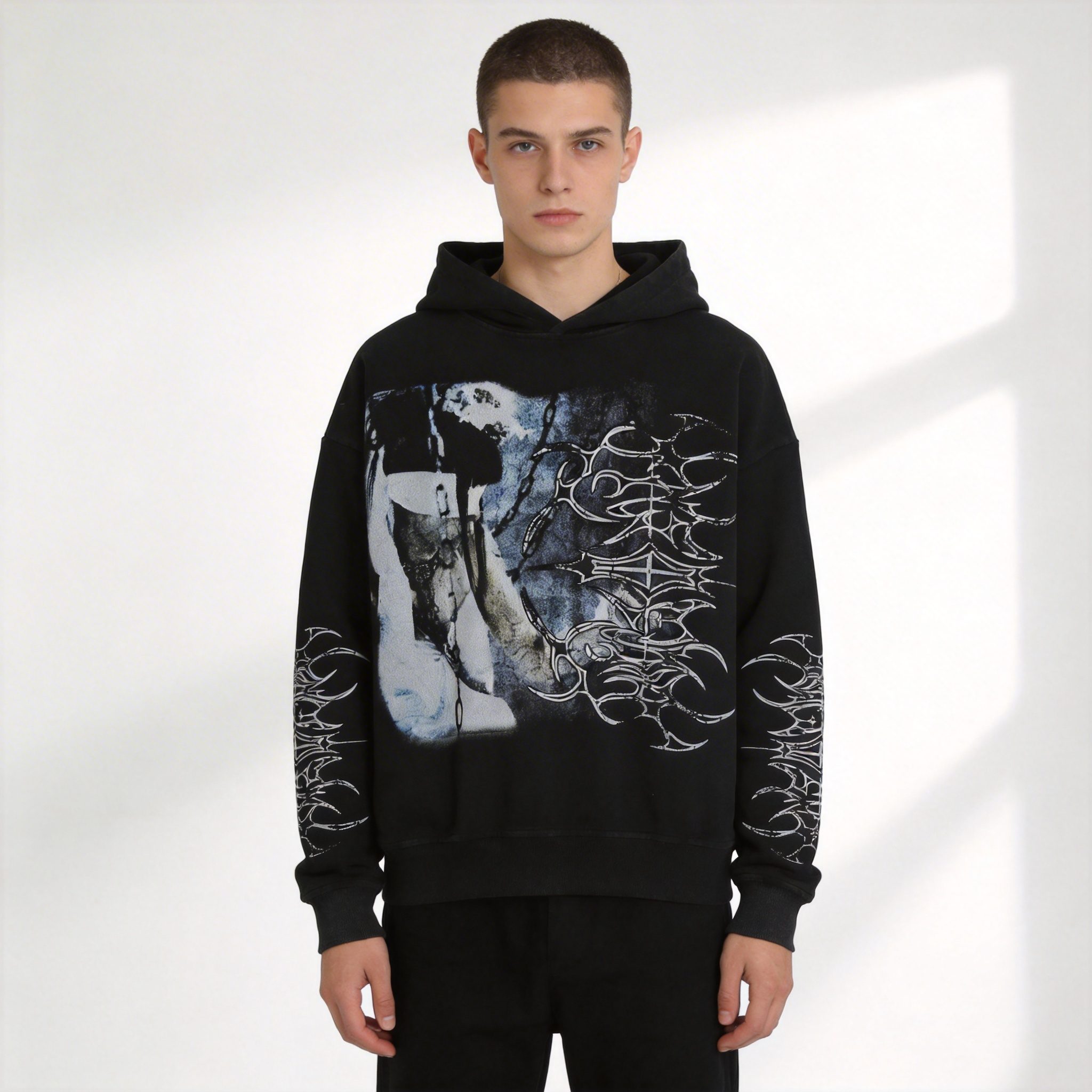
Beginners need a sewing machine ($100–400), fabric scissors, measuring tape, clear styling rulers, French curves, pattern paper, tracing wheels, pins, needles, and thread. Total startup cost: $150–300 for functional beginner setup.
The ZORWILD Pattern-to-Garment Framework
Our manufacturing team has distilled 27 years of pattern work into a five-stage process:
- Pattern Selection — Choose free patterns from Simplicity, Mood Fabrics, or SewGuide offering step-by-step video tutorials.
- Fabric Preparation — Pre-wash and iron fabric to remove sizing; this prevents post-construction shrinkage.
- Cutting & Marking — Cut pattern pieces carefully, mark seam allowances with tracing wheels, align fabric grain.
- Construction — Sew seams using machine or hand-stitching, press seams flat after each step, attach closures.
- Finishing — Complete hems, trim loose threads, perform final press for professional appearance.
Beginners typically spend 4–12 hours per garment. Many sewers create a muslin test garment first to verify fit before cutting final fabric.
Print-on-Demand & Digital Design Platforms
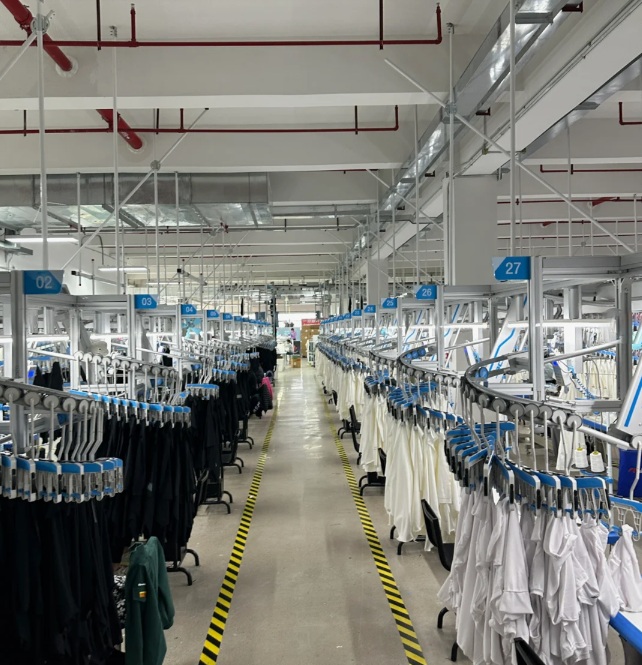
Print-on-demand services for custom apparel eliminate manufacturing barriers by combining zero-upfront costs, unlimited design iterations, and on-demand production—ideal for startup brands testing market response before committing to inventory.
Printify’s Product Creator and Printful’s design tools let non-designers create professional apparel using text editors, pattern makers, and AI image generators. Both platforms integrate directly with Shopify, Etsy, and WooCommerce, automating order fulfillment from customer purchase to doorstep delivery.
| Feature | Printful | Printify | Spreadshirt |
|---|---|---|---|
| Design Tools | Basic editor + integrations | Advanced + AI Image Generator | Full customization + 200+ products |
| Minimum Order | 1 piece (no MOQ) | 1 piece (no MOQ) | 1 piece (no MOQ) |
| Production Speed | 2–5 business days | 2–7 business days | 2–5 business days |
| Best For | E-commerce integration | Multi-supplier flexibility | Community-driven designs |
Choose Printful for e-commerce speed and Shopify integration; Printify for design flexibility; Spreadshirt for community engagement. We’ve watched 400+ startup brands test products through POD before scaling to our 50-piece manufacturing minimums.
Heat Transfer & Direct-to-Garment Printing Methods
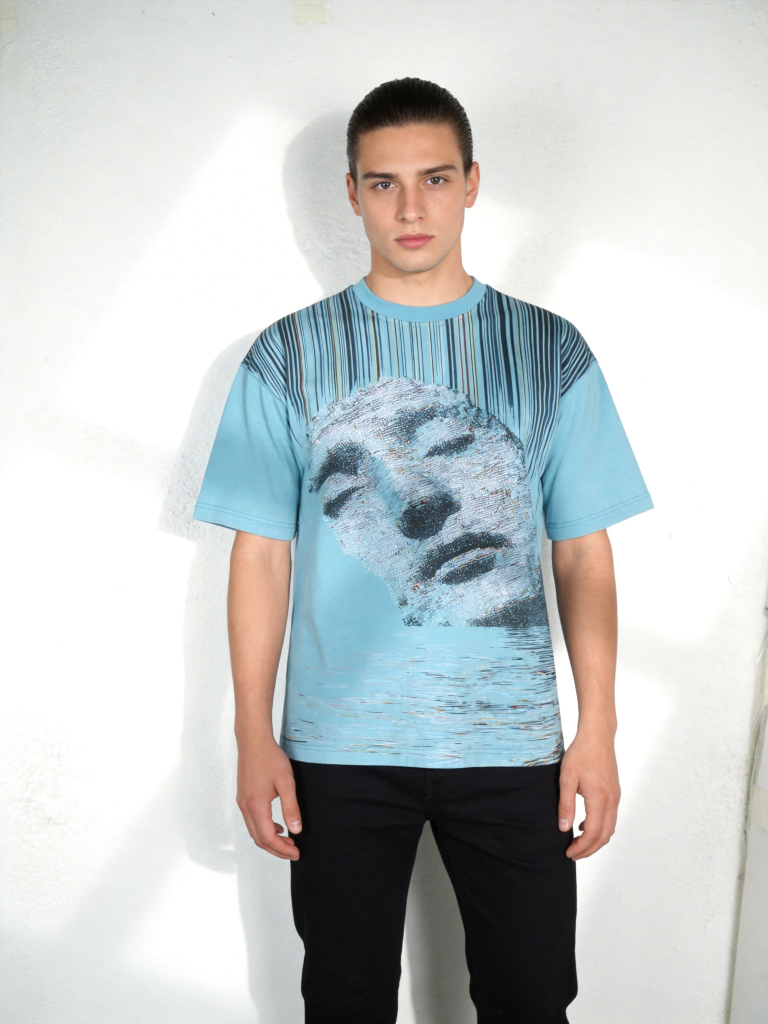
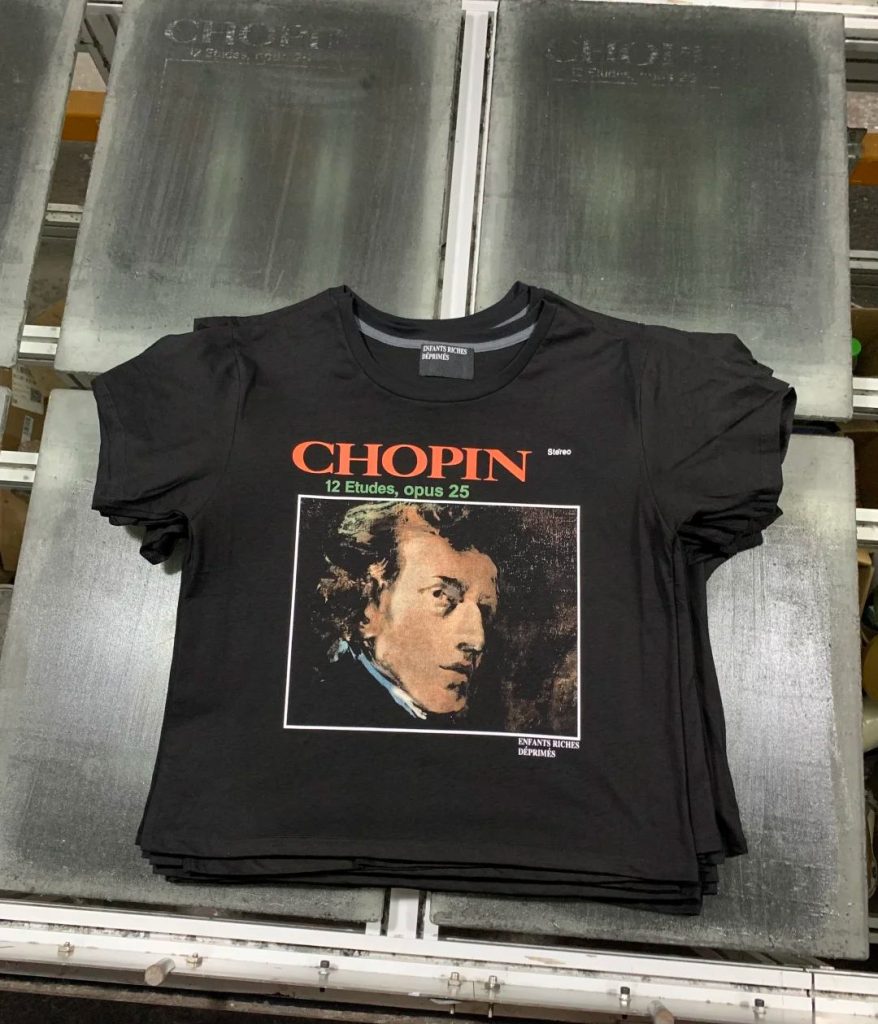
Heat transfer printing, puff printing, and direct-to-garment techniques produce professional-quality custom apparel decoration without factory equipment, turning home studios into mini production centers capable of 10–100 piece runs.
Method 1: Inkjet Heat Transfer Printing
Print designs onto transfer paper using a home inkjet printer, then heat-press onto garments. Cost: $0.50–2 per transfer. Time: 10 minutes per shirt. Durability: 30–50 washes. Best for small batches, detailed graphics, dark and light fabric compatibility.
Method 2: Screen Printing (Home Setup)
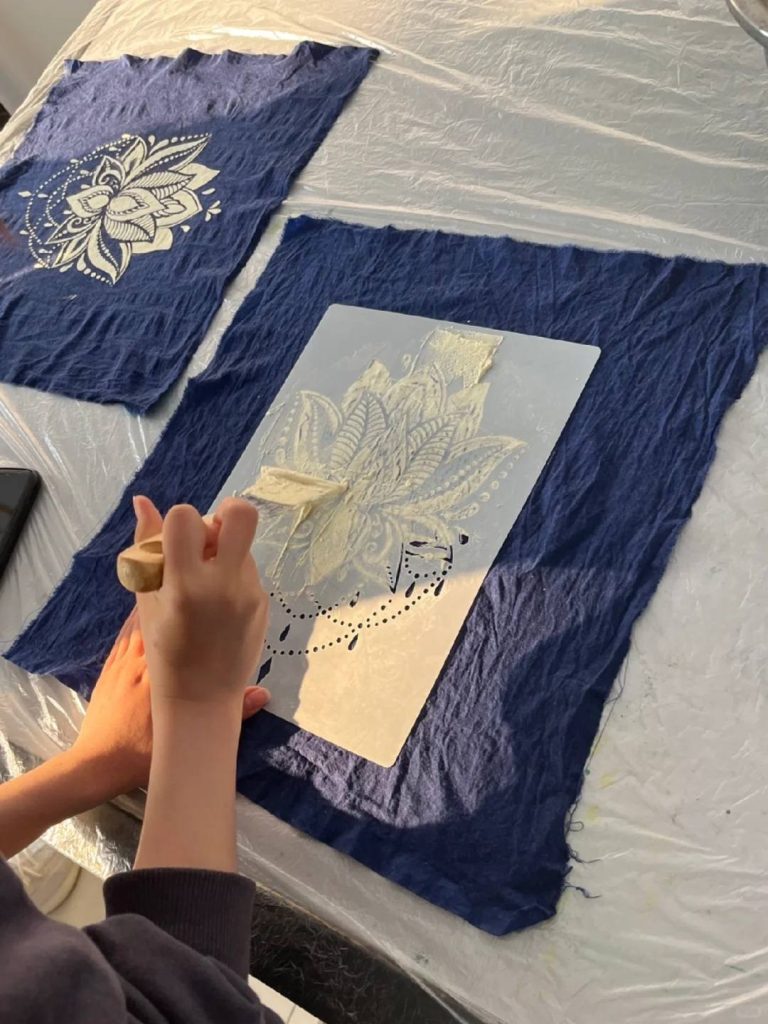
Stretch mesh screens, apply emulsion, expose designs with light, and manually squeegee ink onto garments. Cost: $200–500 setup; $1–3 per garment. Time: 5 minutes per shirt after setup. Durability: 50+ washes. Best for bold graphics, large orders (10+). This method delivers the lowest per-unit cost once you reach 20 pieces.
Method 3: Sublimation Printing
Heat-press sublimation paper designs directly into polyester fabrics, creating permanent color integration. Cost: $2–5 per garment. Time: 3–5 minutes per item. Durability: permanent. Best for athletic wear, performance fabrics, full-color designs.
Method 4: Puff Printing
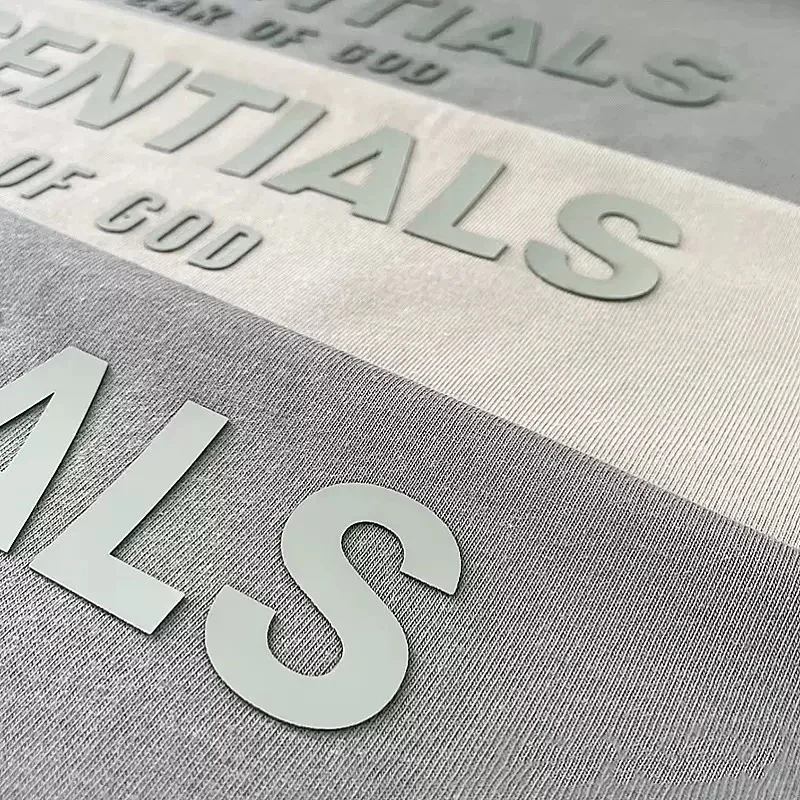
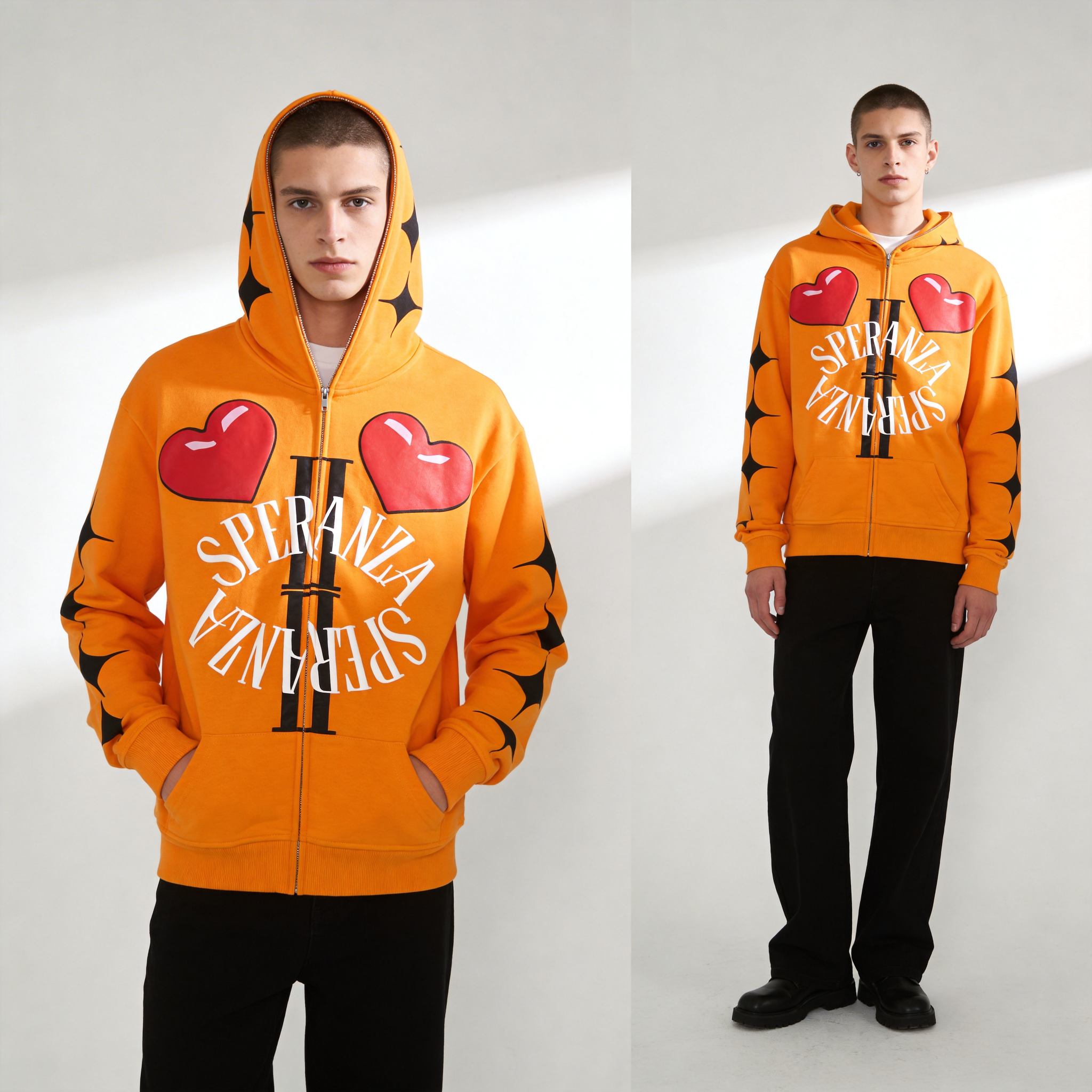
Apply puff powder ink via screen printing, then heat to create raised 3D texture effects. Cost: $2–4 per garment. Time: 8 minutes per shirt. Durability: 40+ washes. We use this technique across 60% of our streetwear collections—it commands 2–3× retail markups compared to flat printing.
Common Mistakes When Making Custom Apparel
Eighty percent of custom apparel failures stem from five preventable mistakes: skipped sampling, ignored fit testing, poor design positioning, inadequate fabric research, and unrealistic production timelines.
Mistake 1: Skipping the Sample Phase
Many brands rush directly to bulk production without ordering test samples, discovering fit problems, color mismatches, or print quality issues after 500+ units are manufactured. Sample investment ($50–150) prevents $5,000+ inventory disasters.
Mistake 2: Ignoring Accurate Body Measurements
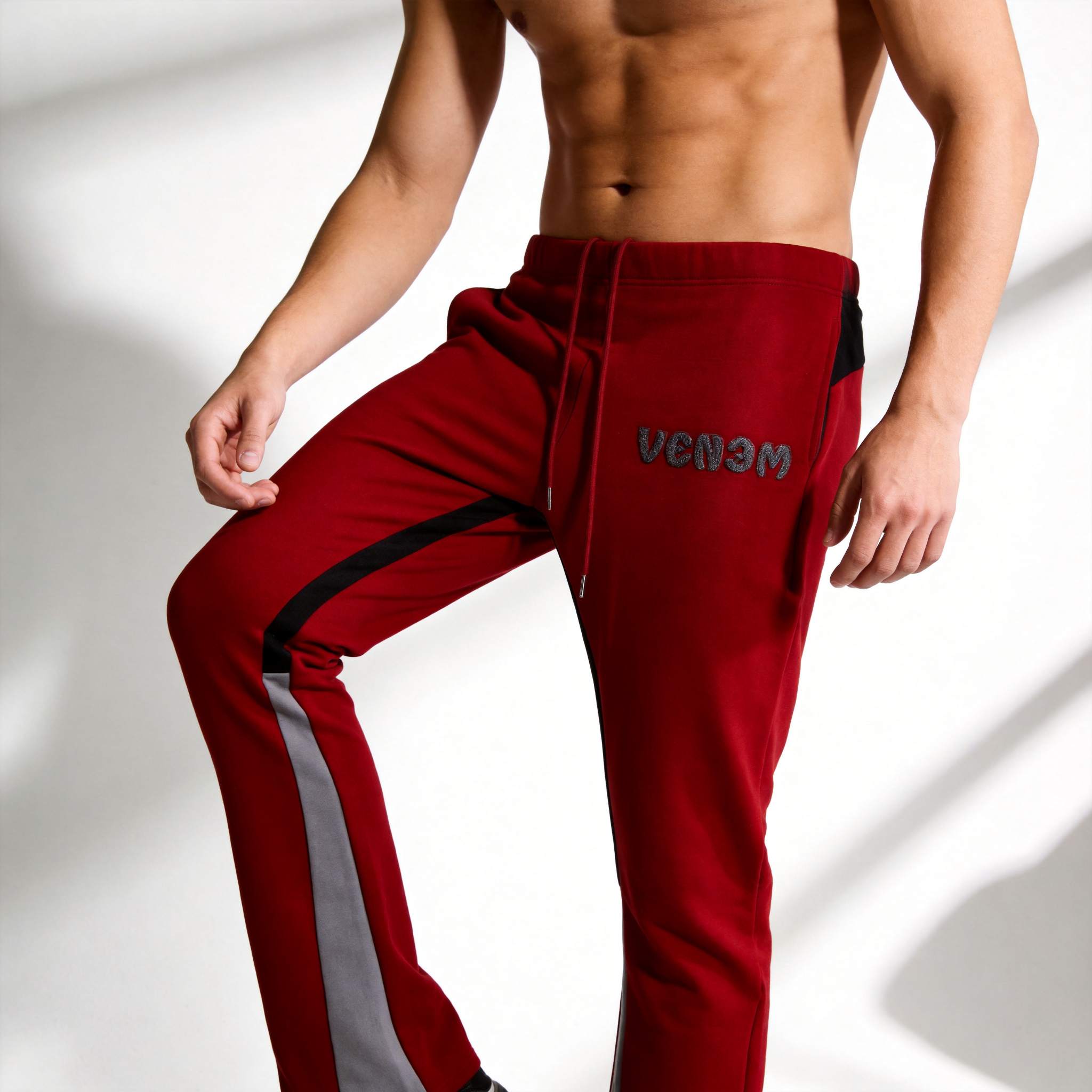
Using generic sizing charts without testing actual fit on diverse body types leads to returns and customer dissatisfaction. Create fit samples across multiple sizes (XS–XXL), test on real bodies, and adjust patterns before bulk production. We maintain a fit model database spanning 12 body types to catch sizing issues early.
Mistake 3: Poor Graphic Positioning & Sizing
Designs placed too high, too low, or incorrectly scaled create unprofessional appearance. Use design mockups showing exact placement and verify positioning on physical samples. Our production team rejects 8% of first-time client designs due to positioning errors.
Mistake 4: Underestimating Fabric Quality Impact
Cheap fabric undermines premium branding and causes durability issues—pilling, fading, shrinkage problems that damage brand reputation. Test fabric swatches and prioritize quality over cost savings. The $2 per unit you save on fabric costs you $20 per unit in customer lifetime value.
Mistake 5: Unrealistic Production Timelines
Expecting 500-piece orders in 2 weeks causes rushed production and quality compromise. Allow 4–8 weeks for standard production and build buffer time into launch schedules.
Custom Apparel Production by the Numbers (2026)
The global custom apparel market reached $8.2 billion in 2024 and continues accelerating as print-on-demand technology democratizes clothing production for individuals and small brands, with compound annual growth exceeding 11%.
• $8.2 billion — Global custom apparel market size in 2024, projected to reach $12.5 billion by 2028 (CAGR 11.2%) — Statista 2025
• 73% — Percentage of Gen Z consumers willing to pay premium prices for personalized/custom clothing — McKinsey Fashion Report 2024
• 2–5 business days — Average production timeline for print-on-demand apparel orders, down from 10–14 days in 2020 — Printful Industry Report 2025
• 50-piece minimum — Lowest MOQ offered by professional small-batch manufacturers, enabling startup brands to test products with minimal inventory risk — ZORWILD Manufacturing Data 2026
• $150–300 — Average startup cost for home DIY sewing setup (machine, tools, materials), compared to $5,000–15,000 for commercial heat transfer equipment — Consumer Reports 2025
• 40% of custom apparel creators — Now use AI design tools (Canva, Adobe Firefly) to generate graphics, up from 8% in 2022 — Adobe Creative Trends 2025
FAQ
Q1: What’s the difference between making apparel at home versus using a manufacturer?
Home DIY sewing offers complete creative control for 1–10 pieces but requires 4–12 hours per garment. Manufacturers handle 50–10,000+ pieces with professional finishing but require minimum orders. Print-on-demand bridges both: no minimums, professional quality, limited customization.
Q2: How much does it cost to make one custom T-shirt from scratch?
DIY sewing: $8–15 (fabric, thread, labor). Heat transfer printing: $3–8 (transfer paper, ink, blank shirt). Print-on-demand: $12–25 (includes design, printing, shipping). Small-batch manufacturing (50+ pieces): $4–8 per unit. Volume drives dramatic per-unit savings.
Q3: What equipment do beginners need to start making apparel?
Minimum: sewing machine ($100–400), fabric scissors ($15–40), measuring tape ($5), pins ($5), needles ($5), thread ($2–5 per spool). Total beginner investment: $150–300.
Q4: How long does it take to produce 100 custom apparel pieces?
DIY sewing: 400–1,200 hours (impractical). Heat transfer printing: 8–15 hours (including setup). Print-on-demand: 3–7 business days (automated). Small-batch manufacturing: 2–4 weeks (includes sampling, production, quality control, packaging).
Q5: Can I sell apparel I make myself legally?
Yes, if you own the designs or have licensing rights. Avoid trademarked logos, copyrighted artwork, or celebrity likenesses. Register your brand name, obtain business licenses, and ensure compliance with local regulations. Consider liability insurance for sold products.
Sources
- MaggieFrames — How to Make Custom Apparel: DIY Techniques to Business Strategies — 2026, custom apparel market analysis
- Printify — Custom Clothing Platform — 2026, AI design tools and production capabilities
- Printful — Custom Clothing Services — 2025, print-on-demand production timelines
- Simplicity — Sew-Along Patterns — 2026, free video tutorial patterns
- Mood Fabrics — 400+ Free Sewing Patterns — 2026, garment construction guides
- SewGuide — DIY Sewing Tutorials — 2025, fashion design fundamentals and pattern resources
Written by Alin Zeng (27 Years of Master Craftsmanship & Pattern Making, Global OEM & Streetwear Customization Excellence, End-to-End Supply Chain & One-Stop Production, High-Efficiency Cost Control (“Quality + Affordability”), Incubating 2,000+ Fashion Brands from Scratch). Last reviewed 2026-06-19.