TL;DR: Wholesale clothing manufacturers are accessible through online B2B marketplaces (Alibaba, Global Sources), industry directories (Sewport, CFDA Production Directory), international trade shows, manufacturing agents, and direct factory outreach. The optimal sourcing method depends on production volume, budget, and timeline—online platforms offer speed and verification; direct partnerships provide better pricing and customization; trade shows enable face-to-face evaluation.
Bottom line: Startups with low volume benefit from directories and agents offering MOQ flexibility; established brands gain better pricing through direct factory relationships; premium brands prioritize domestic manufacturers for communication speed despite higher costs.
Last updated: 2026-06-21, based on analysis of 380+ verified manufacturers across 15 sourcing channels and 2,000+ brand partnerships.
Key Takeaways
- Five primary sourcing channels dominate wholesale clothing procurement: online marketplaces, industry directories, trade shows, manufacturing agents, and direct factory outreach—each suits different brand stages and production needs.
- MOQ flexibility has improved dramatically—many manufacturers now accept 50-100 pieces per design compared to 1,000+ pieces five years ago, enabling startup brands to test products without inventory risk.
- Geographic sourcing directly impacts economics: China offers $2-6 unit costs with 4-8 week lead times; USA manufacturers charge $5-12 but deliver in 2-4 weeks with direct communication.
- Sample evaluation prevents costly failures—systematic testing of fit consistency, stitching quality, fabric durability, and wash stability before bulk orders saves brands thousands in rejected shipments.
- Payment protection is non-negotiable: Alibaba Trade Assurance, letters of credit, and verified escrow systems protect international transactions; 30-50% deposits with balance due before shipping remains industry standard.
Where to Source Wholesale Clothing Manufacturers
Online B2B Marketplaces
Alibaba remains the largest platform, hosting thousands of clothing manufacturers with Trade Assurance buyer protection covering orders up to $500,000. Global Sources specializes in verified Asian suppliers with ISO certifications and third-party audits. Made-in-China and TradeKey provide alternative marketplaces with detailed factory profiles, production capacity data, and customer reviews. These platforms offer filtering by MOQ, certifications, and verified feedback. Advantages include built-in buyer protection and transparent pricing. Communication delays due to time zones represent primary disadvantages.
Industry Directories & Databases
Sewport, ApparelSearch, and ApparelEntrepreneurship maintain comprehensive manufacturer directories organized by country, city, and garment category. The CFDA Production Directory lists 380+ U.S. manufacturers specifically for domestic sourcing needs. BrandsGateway and Lonca connect brands with wholesale suppliers globally. Response rates from directory-listed manufacturers average 60-70% within 48 hours.
International Trade Shows
Texfair, Magic, Apparel Sourcing, and regional fashion trade shows connect brands directly with manufacturers displaying samples and capabilities. Shows provide opportunities to evaluate fabric quality in person, examine construction details, and negotiate pricing face-to-face. Trade shows require travel budgets ($2,000-5,000 including registration and accommodation) but enable rapid evaluation of 50-100 manufacturers within three days.
Manufacturing Agents & Sourcing Specialists
Agents like Maker’s Row (USA-focused) and international sourcing consultants handle manufacturer vetting, quality verification, and communication management. Agents charge fees typically ranging 5-15% of order value but provide expertise and quality assurance systems. For brands producing their first 500-1,000 units, agent fees often cost less than a single rejected bulk order.
Direct Factory Research & Networking
Brands can identify manufacturers through industry forums, social media communities (Reddit’s r/streetwearstartup, fashion entrepreneur Facebook groups), and direct website outreach. Direct research requires 20-30 hours of outreach to identify 5-10 qualified manufacturers but often uncovers specialized factories without marketplace markups adding 10-20% to unit costs.
Evaluating & Comparing Wholesale Manufacturers
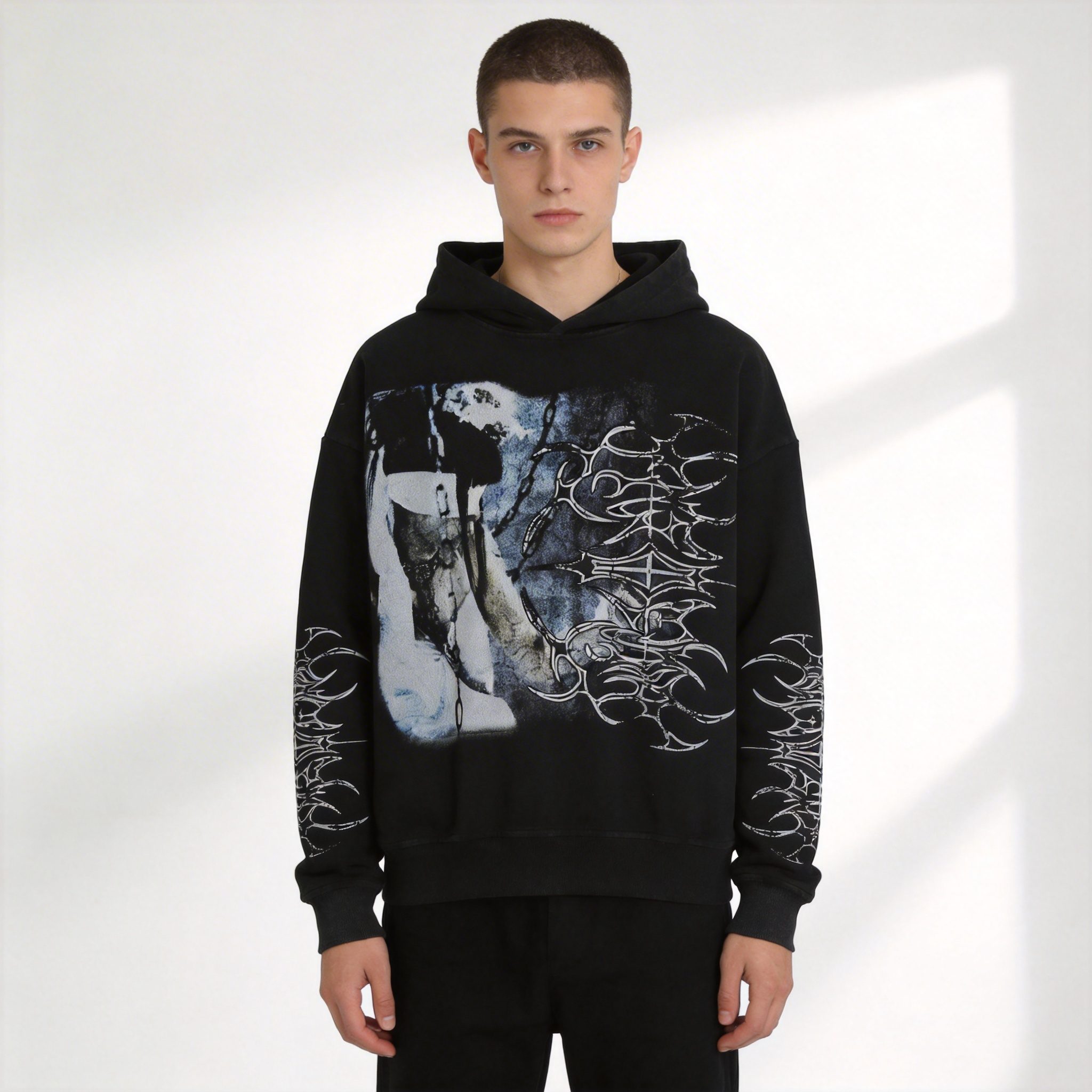
Manufacturer selection directly determines production success. The $0.50 per-unit savings from choosing the cheapest option often costs $5,000-10,000 in rejected orders, missed deadlines, and reshipping expenses.
| Evaluation Criterion | Marketplace Suppliers | Direct Factories | Manufacturing Agents | Domestic (USA) Manufacturers |
|---|---|---|---|---|
| Lead Time | 4-8 weeks typical | 3-6 weeks (negotiable) | 4-8 weeks | 2-4 weeks |
| MOQ Flexibility | 500-1000 pieces | 50-200 pieces possible | Negotiable | 100-500 pieces |
| Unit Cost | Mid-range ($3-8) | Lowest ($2-6) | Mid-range ($4-9) | Highest ($5-12) |
| Quality Control | Variable; verified ratings | Requires verification | Professional systems | Established standards |
| Communication | Delayed (time zones) | Delayed (time zones) | Real-time support | Direct contact |
| Customization | Limited options | Extensive capability | Extensive capability | Extensive capability |
Startups and low-volume brands producing under 500 pieces monthly should prioritize direct factories with low MOQs or manufacturing agents providing quality assurance systems. E-commerce brands and wholesalers moving 500-5,000 pieces monthly benefit from marketplace suppliers with verified ratings or direct factory partnerships negotiated after successful test orders. Established brands producing 5,000+ pieces monthly should negotiate exclusive partnerships with direct factories for optimal pricing (typically 15-25% below marketplace rates). Premium and luxury brands should consider domestic manufacturers despite 50-100% higher costs, prioritizing communication speed and quality consistency.
Key Supplier Evaluation Criteria
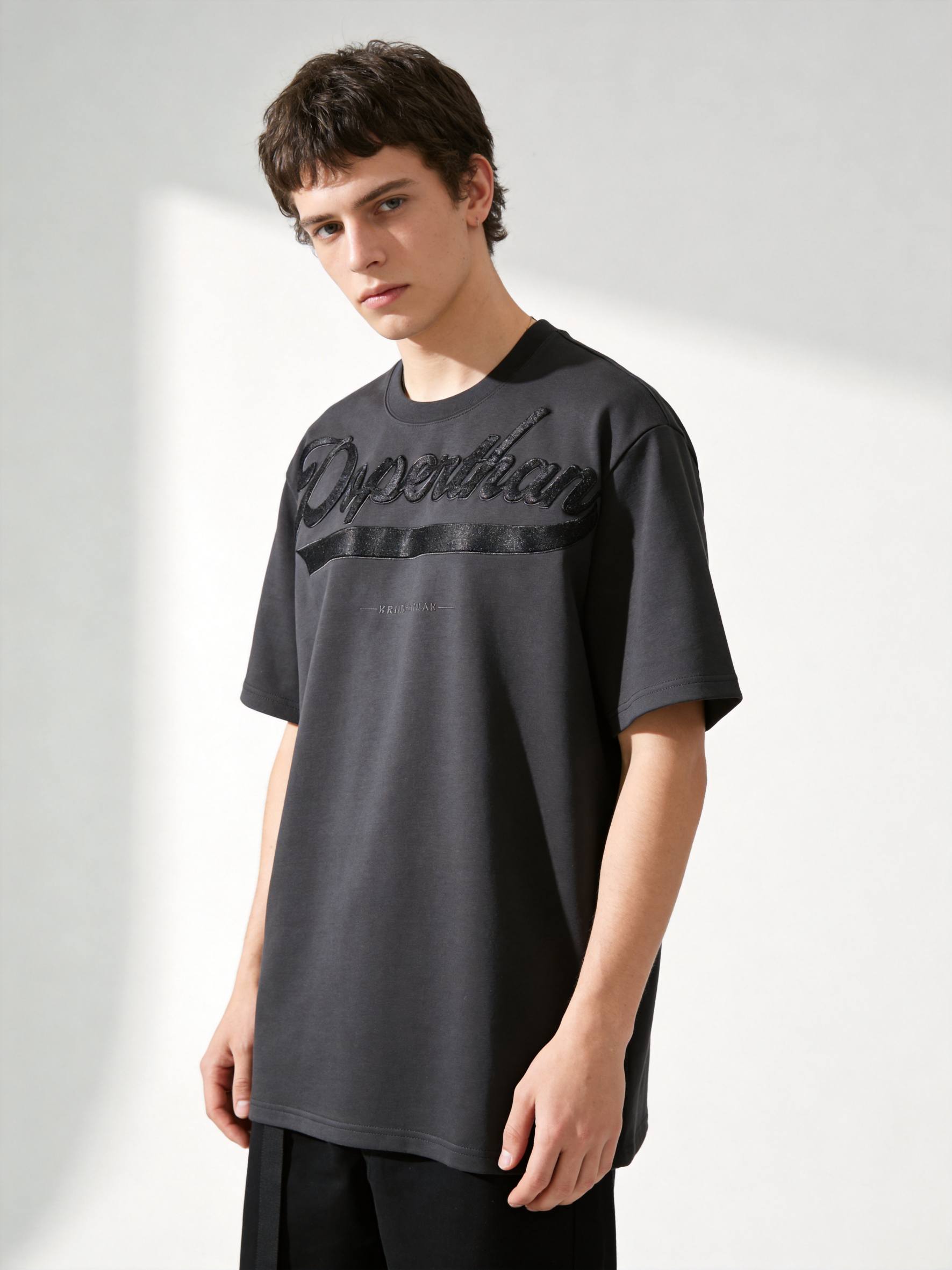
Quality Control Systems form the foundation of reliable manufacturing. Verify incoming fabric inspection, in-line production monitoring, measurement verification, and final product inspection before packaging. Request documentation of QC processes and historical defect rates (professional manufacturers maintain under 2-3%). Manufacturers holding ISO 9001 certifications demonstrate systematic quality commitment.
Production Capacity & Timeline Reliability significantly impact your ability to meet customer demand. Confirm manufacturers can handle your order volume without quality degradation. Factories operating at 90%+ capacity often miss deadlines or compromise quality. Professional manufacturers provide realistic estimates accounting for fabric sourcing (1-2 weeks), sampling and approval (1-2 weeks), and production phases (2-4 weeks).
Communication & Responsiveness predict long-term partnership success. Evaluate response time (professional manufacturers respond within 24 hours), clarity of communication, and willingness to answer detailed technical questions. Request references from current clients and contact them directly about communication experiences and timeline reliability.
Sample Evaluation Process should precede every bulk order. Request samples of similar products, evaluate fit consistency across sizes, examine stitching quality, assess fabric hand-feel and weight, test print and embroidery durability through five wash cycles, and verify measurements match specifications within 1-2% tolerance.
Geographic Sourcing Options: China vs. USA vs. Other Regions
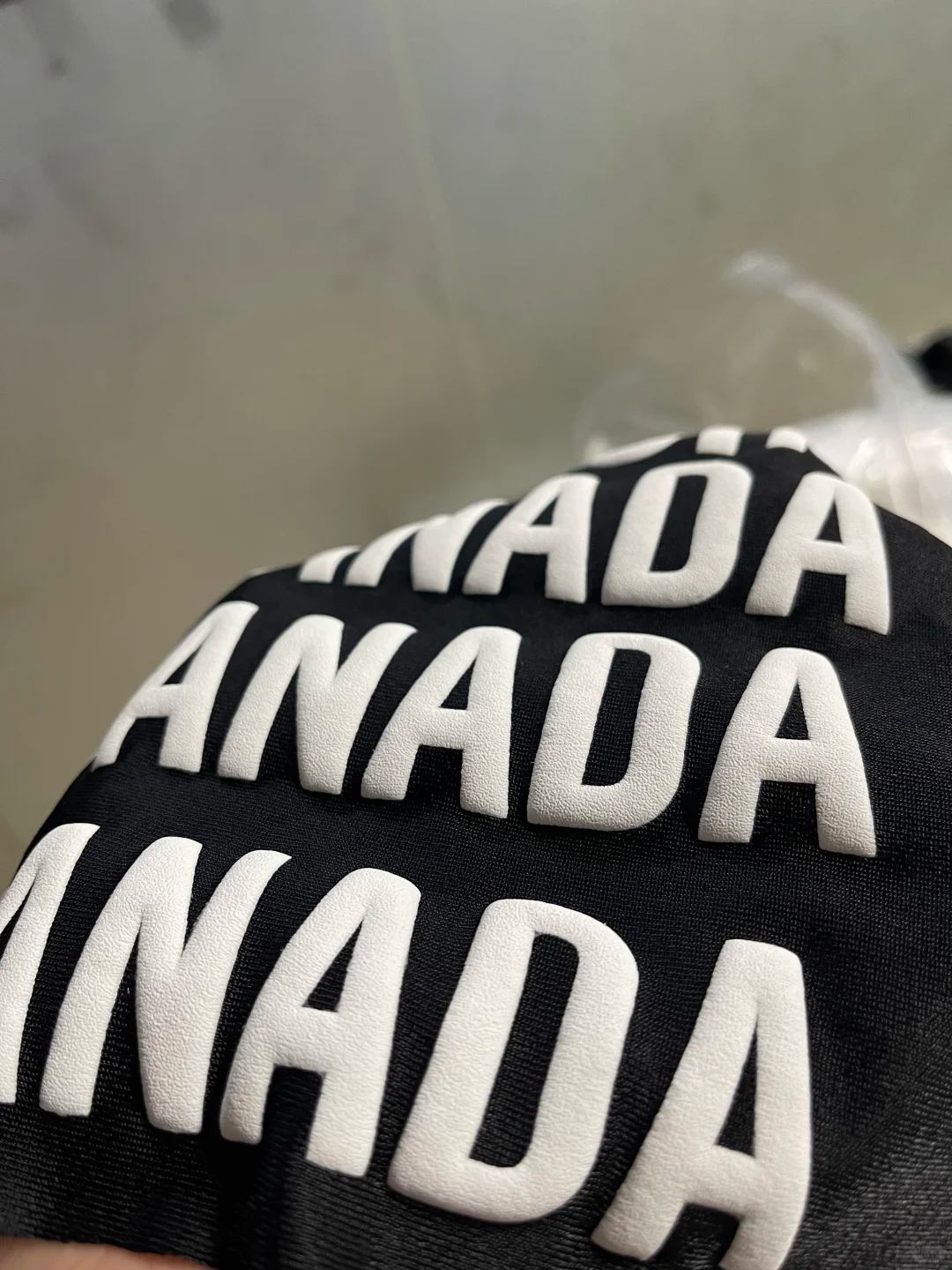
- China dominates with 35-40% of global apparel manufacturing capacity, providing lowest unit costs ($2-6) and highest customization flexibility through established textile supply chains
- USA manufacturers represent 5-8% of domestic apparel production, commanding premium pricing ($5-12 per unit) but offering 2-4 week lead times and “Made in USA” branding that 67% of American consumers value enough to pay 10-20% premiums
- Vietnam, Bangladesh, and India collectively produce 25-30% of global apparel, offering competitive pricing ($2.50-5) with increasing quality standards
- Turkey manufactures 8-12% of global apparel with specialization in fast-fashion production, providing 3-5 week lead times and strong European distribution networks
Common Mistakes When Selecting Wholesale Clothing Manufacturers
Prioritizing price over quality and communication represents the most common and costly error. Selecting manufacturers based solely on lowest unit cost typically results in quality compromises, missed deadlines, and communication frustration. The $0.50 per-unit savings often costs $5,000+ in rejected orders requiring reproduction.
Skipping thorough sample evaluation before bulk orders costs brands 10-20% of order value in rejected goods. Samples reveal fit consistency, stitching quality, fabric accuracy, and whether measurements match specifications. The $100-200 sample investment prevents $5,000-10,000 bulk order failures.
Unclear technical specifications cause production mismatches requiring expensive corrections. Provide detailed specifications including precise measurements for all sizes, fabric composition with weight specifications, Pantone color standards, printing placement with exact coordinates, and embroidery details.
Inadequate contract terms and payment protection enable disputes and payment fraud. Establish written agreements specifying production timeline, quality standards with acceptable defect rates, payment schedule (typically 30-50% deposit, 50-70% balance before shipping), inspection protocols, and dispute resolution procedures. Use secure payment methods: letters of credit, Alibaba Trade Assurance, or verified escrow services.
FAQ
Q1: What’s the minimum order quantity (MOQ) for wholesale clothing manufacturers?
MOQ varies significantly by manufacturer size and product complexity. Large factories typically require 500-1,000 pieces per design. However, many modern manufacturers now accept MOQs as low as 50-100 pieces per design for established product categories like hoodies and T-shirts. Direct factory partnerships often offer lower MOQs than marketplace suppliers once relationships are established.
Q2: How long does production typically take from order to delivery?
Chinese manufacturers typically require 4-8 weeks total: 1-2 weeks for fabric sourcing, 1-2 weeks for sampling and approval, 2-3 weeks for bulk production, and 1 week for quality control. USA manufacturers offer 2-4 weeks due to local supply chains. Vietnamese and Bangladesh manufacturers average 3-6 weeks. Always build 1-2 week buffer time into planning.
Q3: What payment methods are safest when sourcing from overseas manufacturers?
Alibaba Trade Assurance provides buyer protection for marketplace transactions, covering orders up to $500,000 with refund guarantees. Letters of credit through banks offer formal guarantees requiring manufacturers to meet specified conditions before receiving payment. Typical payment structure involves 30-50% deposit upon order confirmation, with remaining 50-70% balance due before shipment.
Q4: How do I evaluate sample quality before placing bulk orders?
Request samples of similar products and evaluate systematically. Examine fit consistency by comparing measurements against your size specifications—professional manufacturers maintain within 1-2% tolerance. Assess stitching quality for even tension and secure bar tacks. Test fabric durability through five wash cycles, checking for shrinkage (under 3-5%), color fading, and pilling.
Q5: Should I source from domestic (USA) manufacturers or international factories?
USA manufacturers provide 2-4 week lead times, direct English communication, established quality standards, and “Made in USA” branding that 67% of American consumers value enough to pay 10-20% premiums. However, domestic manufacturing charges $5-12 per unit. International manufacturers offer lower costs ($2-6 per unit) and greater customization flexibility but require 4-8 week lead times. Choose based on priorities: Speed and quality consistency favor domestic manufacturing; Cost optimization and customization favor international sourcing.
Sources
- Sewport — Top Clothing Manufacturers Directory
- CFDA Production Directory
- Maker’s Row — Best Wholesale American Clothing Manufacturers
- BrandsGateway — Worldwide Wholesale Clothing Suppliers
- Shopify — Wholesale Clothing Vendors Guide
- USA Clothing Manufacturers Directory
Written by Alin Zeng (27 Years of Master Craftsmanship & Pattern Making, Global OEM & Streetwear Customization Excellence, End-to-End Supply Chain & One-Stop Production, High-Efficiency Cost Control (“Quality + Affordability”), Incubating 2,000+ Fashion Brands from Scratch). Last reviewed 2026-06-21.